




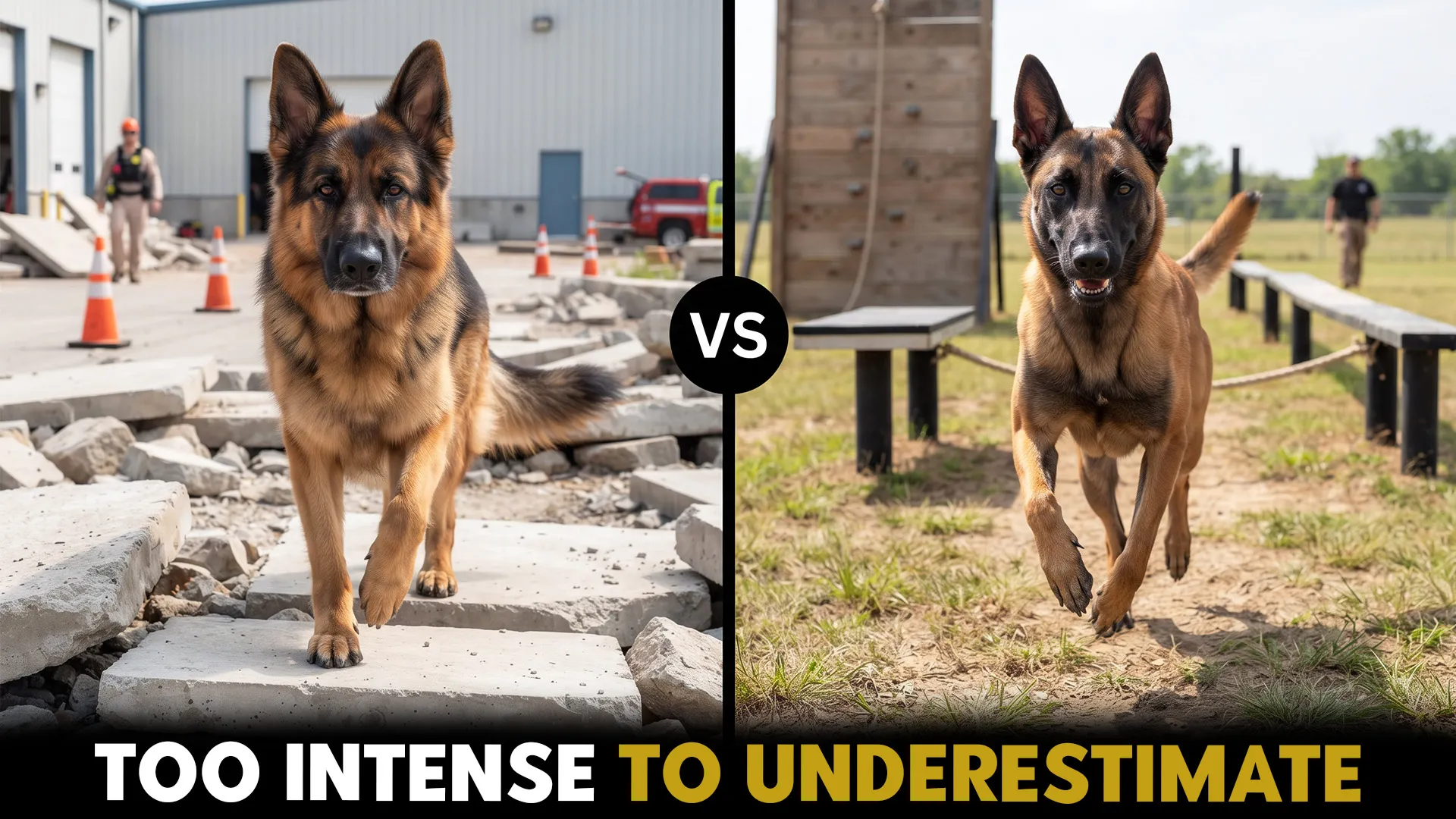
At first glance, the German Shepherd and Belgian Malinois can seem almost interchangeable. Their upright ears, athletic builds, alert expressions, and working reputations create an obvious resemblance. But their similarities end there in many important ways.
Their reputations can make the decision even harder. Both attract people who want a capable dog with a strong presence and a close bond with its owner. The challenge is figuring out which one fits your everyday reality.
The real differences show in their size, energy, temperament, training needs, and daily demands. From physical build and personality to daily demands and family life, each point can shape your experience as an owner. Understanding these differences can help you choose the dog that truly matches your lifestyle.
German Shepherd vs. Belgian Malinois: Similar But Very Different
1. Origins & Purpose
The story starts with herding dogs rather than police units or military teams.
The German Shepherd Dog originated in Germany and was originally bred to herd sheep. Early breeders wanted a capable dog with strength, endurance, intelligence, and a willingness to work.
Those qualities later helped German Shepherds move into police work, search-and-rescue, assistance roles, and military work. Their history also expanded significantly around World War I and afterward as their abilities gained wider recognition.
The Belgian Malinois comes from Belgium and belongs to the group known as Belgian shepherds. Like other herding breeds, Belgian Malinois dogs worked on farms, helping manage sheep and other livestock.
Their sharp instincts, athletic bodies, and willingness to cooperate with handlers later made them valuable for police and protection roles.
Today, both are respected working dogs, but their original purpose still influences how they behave.
2. Size & Physical Build
Their physical characteristics reveal one of the clearest key differences.
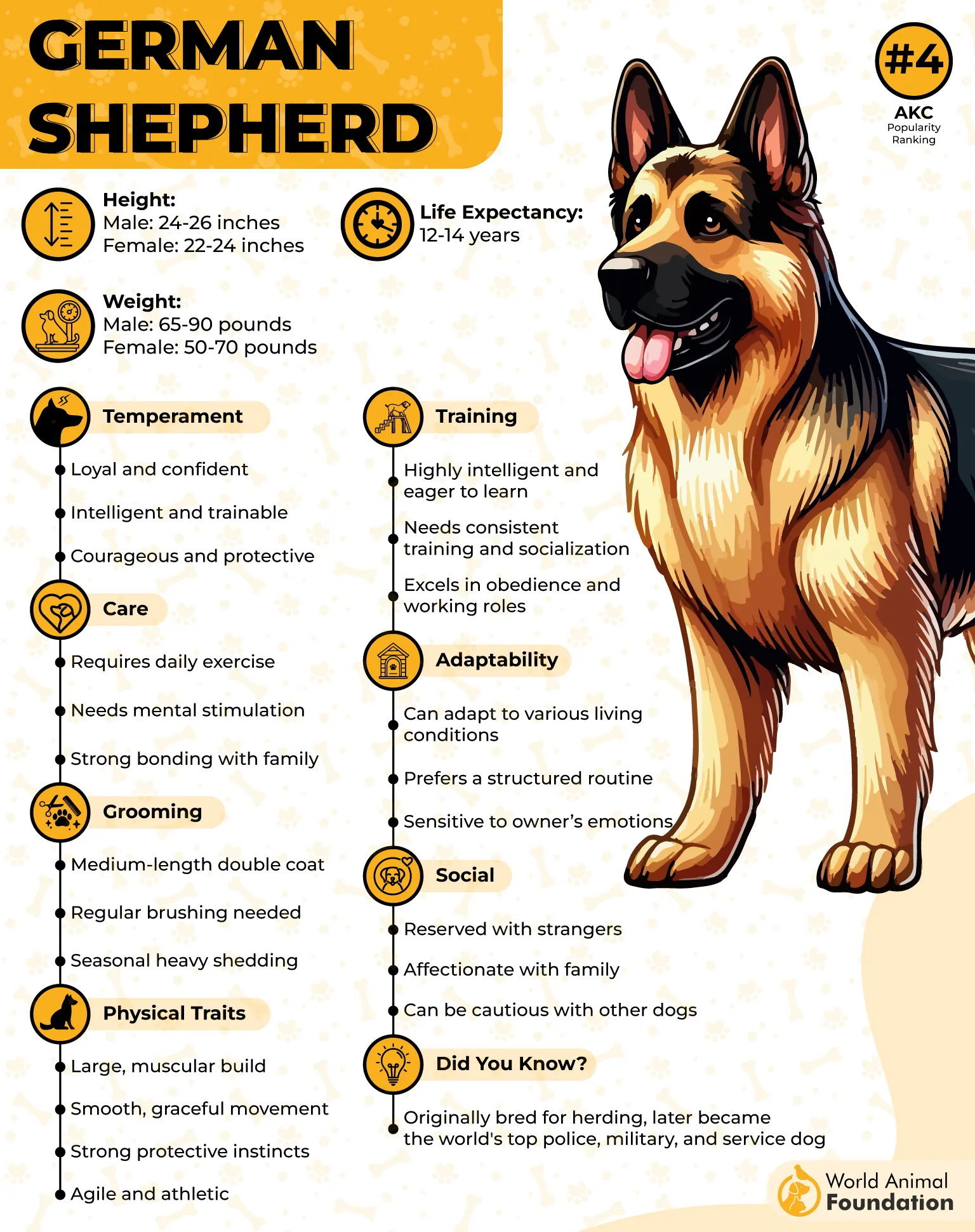
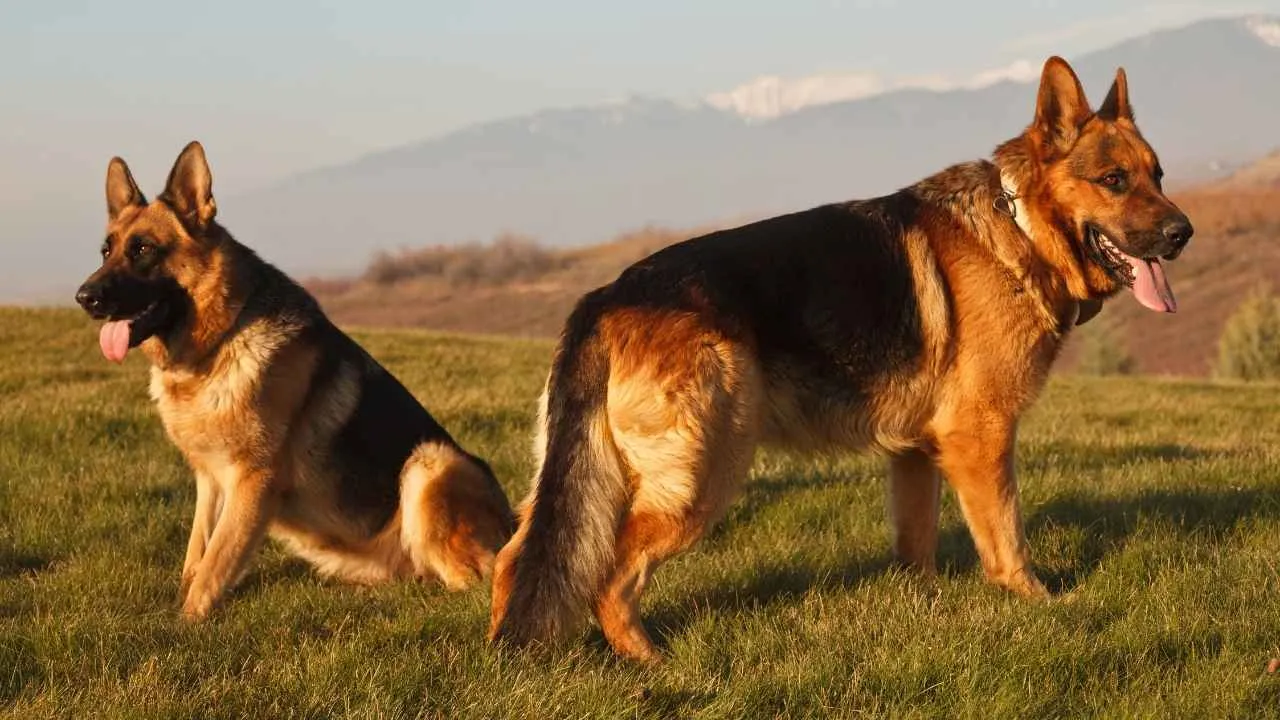
According to the AKC, German Shepherds are generally heavier and more substantial. Males typically stand around 24–26 inches and weigh 65–90 pounds. Females usually reach 22–24 inches and weigh 50–70 pounds. The German Shepherd has a powerful frame, upright ears, and a medium-length double coat.
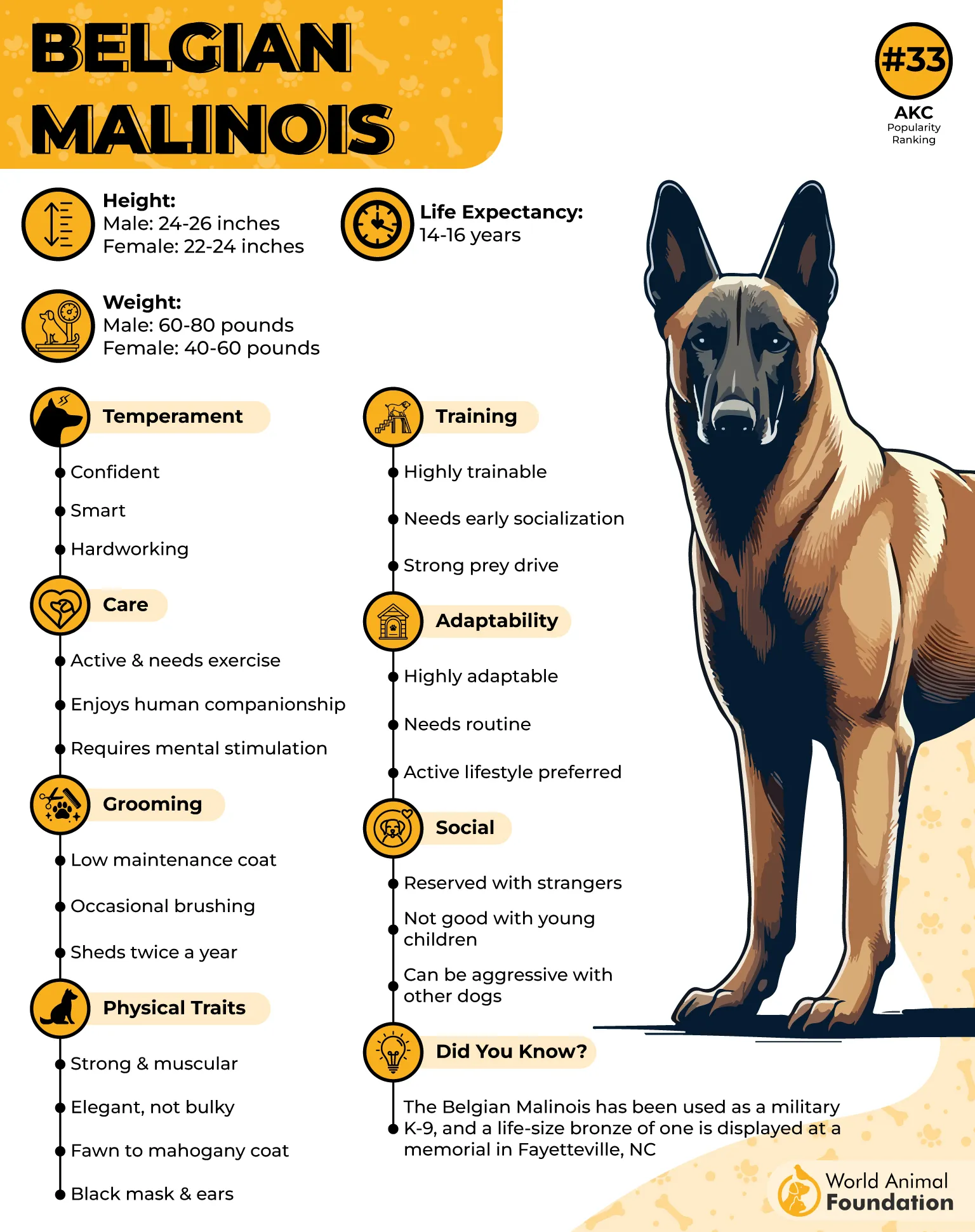
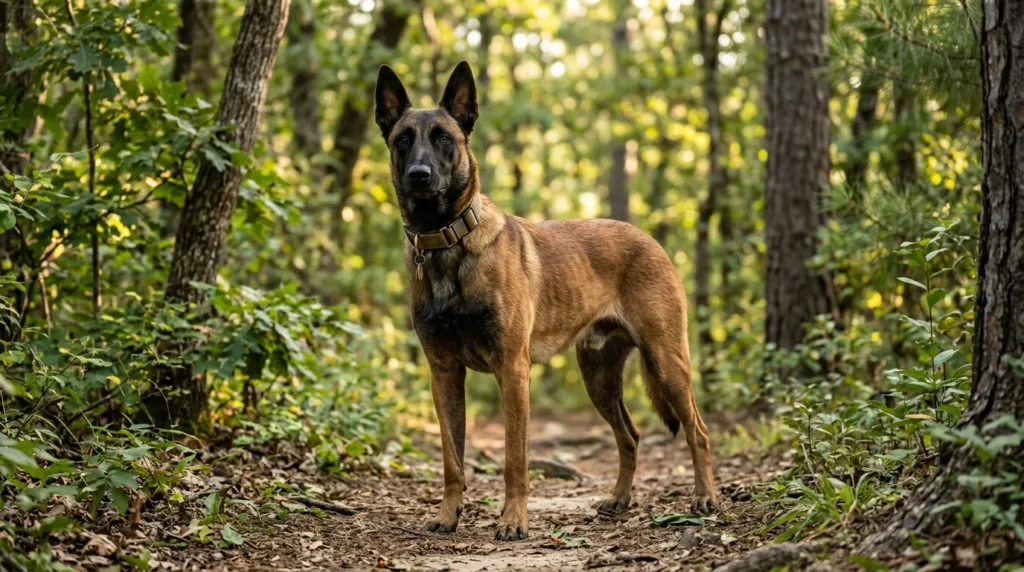
Britannica describes the Malinois as having a lighter, more streamlined frame. Males commonly stand around 24–26 inches, with females around 22–24 inches.
The breed carries a lean, muscular build suited to speed, jumping, and endurance. Its short coat, dark mask, and upright Malinois ears create a sharp working-dog profile.
So, the difference is not simply about weight. The German Shepherd carries more substance, whereas the Malinois is built for quick movement and athletic performance.
3. Temperament & Personality
Their personality can tell you a lot about which dog fits your household.
German Shepherds are loyal, confident, courageous, alert, and affectionate toward their people. They tend to form strong bonds with their loved ones and take their role within the household seriously. Proper socialization helps them become steady companions around visitors, kids, and other animals.
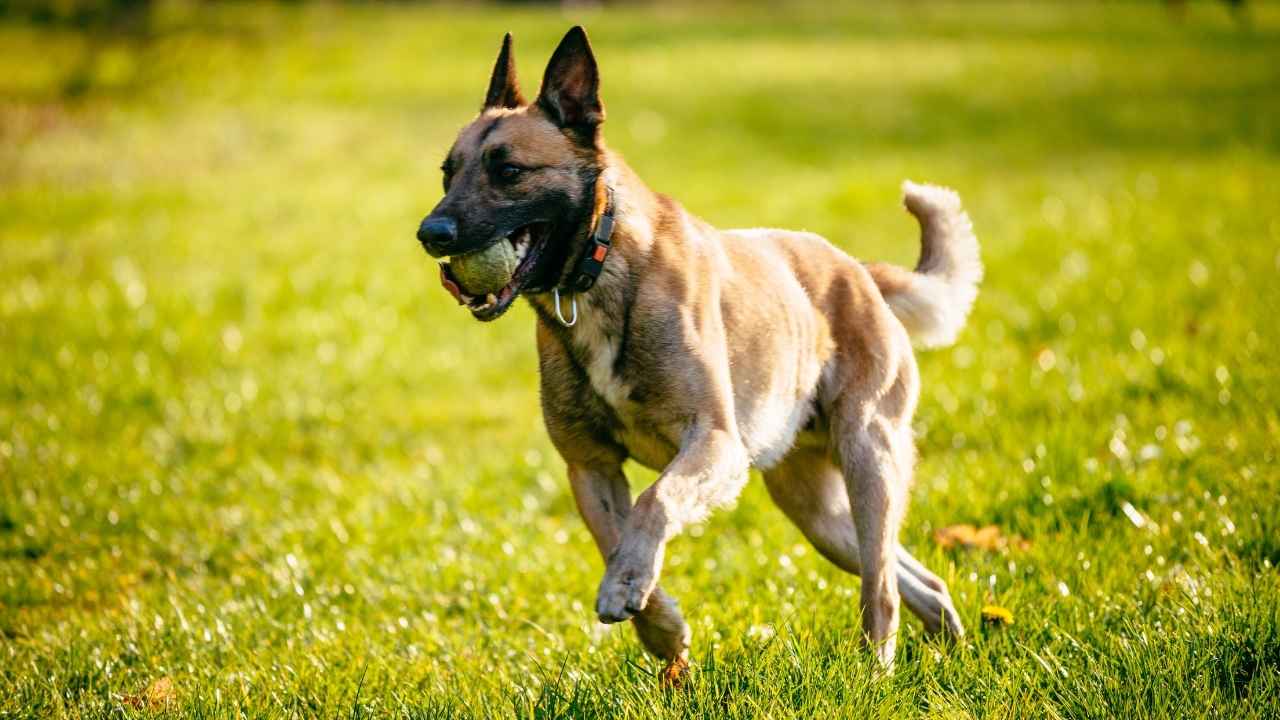
The Malinois has many of the same personality traits, including loyalty, confidence, alertness, and protectiveness. However, Belgian Malinois dogs usually carry more intensity and determination. They stay closely tuned to their people and often want something meaningful to do.
That distinction matters. An average German Shepherd can settle more comfortably into family routines after receiving enough activity. A Malinois needs stronger structure and purposeful engagement.
4. Exercise & Energy Levels
Neither breed is designed for a lazy routine.
German Shepherds need regular exercise combined with mental stimulation. Long walks, hiking, retrieving games, and dog sports can keep an active shepherd satisfied. PetMD added that German Shepherds excel when their physical and mental abilities have a useful outlet.
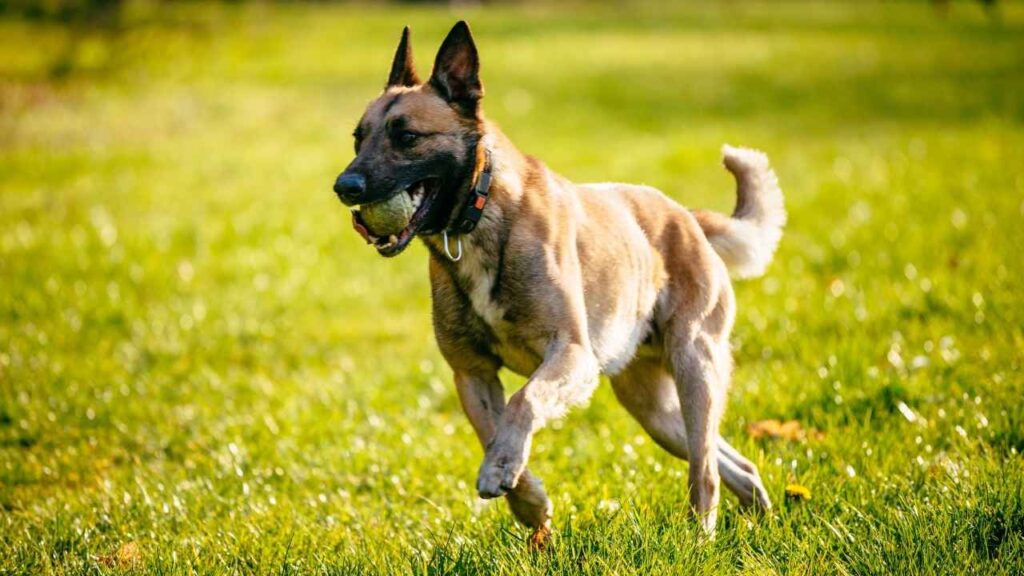
The Malinois takes the intensity up another notch. This is a highly energetic breed that needs challenging activities rather than a quick stroll around the block. Running, hiking, scent work, fitness exercises, and agility training can give that energy a productive outlet.
Leave either dog bored for too long, and destructive behavior can become a problem. A secure backyard helps, but it cannot replace interaction, purposeful activity, and regular tasks.
For an active family, both breeds can be rewarding. The Malinois simply requires a more demanding daily routine.
5. Training & Intelligence
Training these dogs can feel like having two very bright students with very different study habits.
Both are highly trainable and quick to learn. German Shepherds usually respond well to clear instructions, rewards, repetition, and consistent routines. Their versatility has made them successful in competitive obedience, service roles, protection work, and many other jobs.
The Malinois learns rapidly too. Its intense focus and working instinct make advanced obedience and structured exercises especially rewarding. However, that mental ability needs direction. Without consistent leadership, boundaries, and appropriate outlets, a clever Malinois can invent its own entertainment.
Neither breed should be treated as a simple new dog project for inexperienced owners. First-time dog owners can struggle with the strength, drive, and training requirements of either breed, especially the Malinois.
6. Health & Lifespan
A responsible choice also means looking beyond appearance and personality.
German Shepherds can face hip dysplasia, elbow dysplasia, degenerative myelopathy, and bloat. Their typical lifespan is around 7–10 years, although individual life expectancy varies. Responsible breeding and routine veterinary care can help reduce the impact of inherited health issues.
The Malinois is generally considered a healthy breed, with a typical lifespan of about 10–14 years. Omlet states that hip and elbow evaluations and eye examinations are among the health checks recommended for breeding animals. Like larger active breeds, the Malinois can also be prone to bloat.
Good nutrition, suitable exercise, weight management, preventative care, and responsible breeding all matter. If you plan to adopt, ask about medical history and previous veterinary records when available.
7. German Shepherd vs. Belgian Malinois: Suitability as Family Pets vs. Guard Dogs
So, should you choose a German Shepherd or Belgian Malinois?
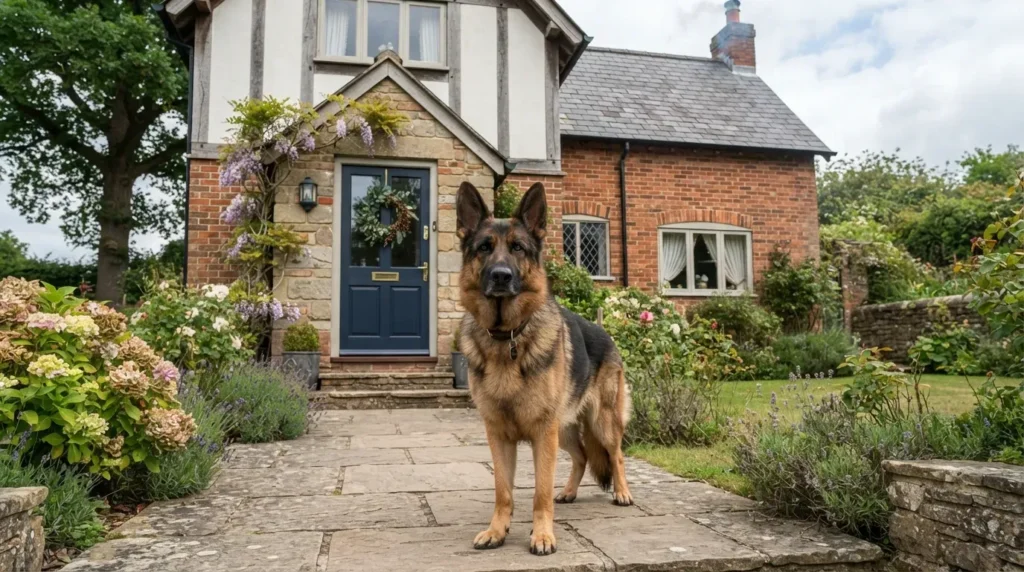
For many households, the German Shepherd offers the easier balance. It can combine companionship, protection, training ability, and an active home life. With proper guidance, it can be affectionate with small kids and attentive to its household.
The Malinois can also live successfully with a family, but its demanding nature makes owner experience especially important. Its high energy, intense working instinct, and need for structured activity suit experienced owners who enjoy training and working with their dogs.
As guard dogs, both breeds have the instincts and training ability needed for serious protective roles. Your household needs should guide the decision more than either breed’s reputation.
If you want a dog that can combine family companionship with protection and varied activities, the German Shepherd usually makes more sense.
If you want a highly driven athlete that thrives on demanding training and purposeful work, the Malinois could be your match.
Conclusion
There is no universal winner here. The better choice depends on the life you can offer.
Before bringing either dog home, consider your schedule, experience, living space, training ability, and long-term commitment. These are powerful working breeds, and their needs do not disappear once the puppy stage ends.
Choose based on the reality of your household rather than the appeal of an impressive breed. The right match can give you a devoted companion, a reliable teammate, and a dog whose abilities have a genuine place in your everyday life.
