




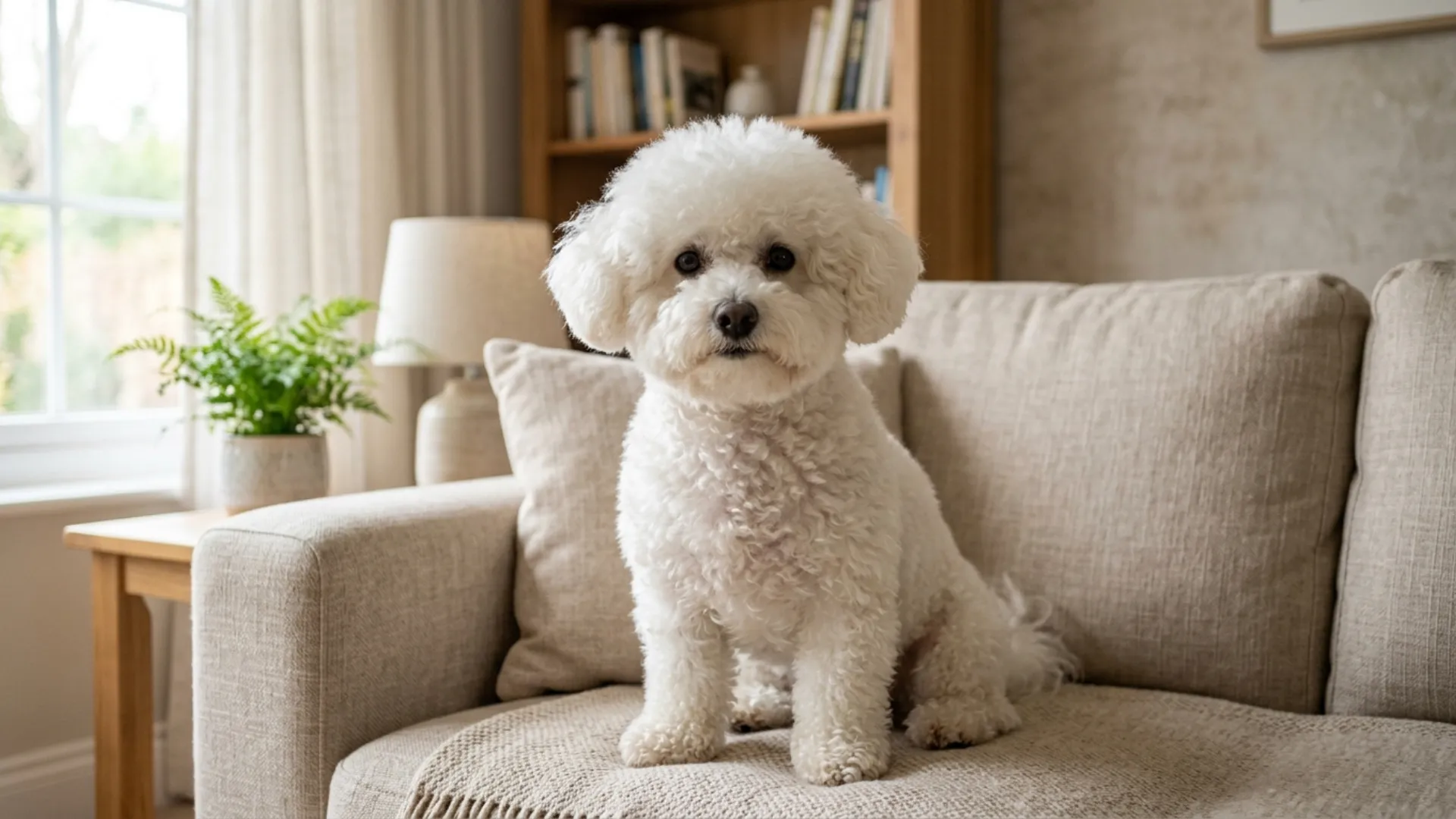
A peaceful home feels even better when your dog does not feel the need to announce every passing car, hallway noise, or suspicious leaf outside the window. Some companions simply have a softer way of communicating.
That does not mean they never make a sound. Any dog may bark when excited, startled, bored, or alert. However, some dog breeds naturally tend to be less vocal and may suit pet owners who prefer a calmer household.
From tiny royal companions to goofy family favorites, these gentle dog breeds are known for their minimal barking and calm tones. They offer plenty of personality without constant noise.
Good socialization, enough activity, and thoughtful training still matter because even naturally quieter dogs have something to say.
Gentle Dog Breeds Known for Their Minimal Barking and Calm Tones
1. Pekingese
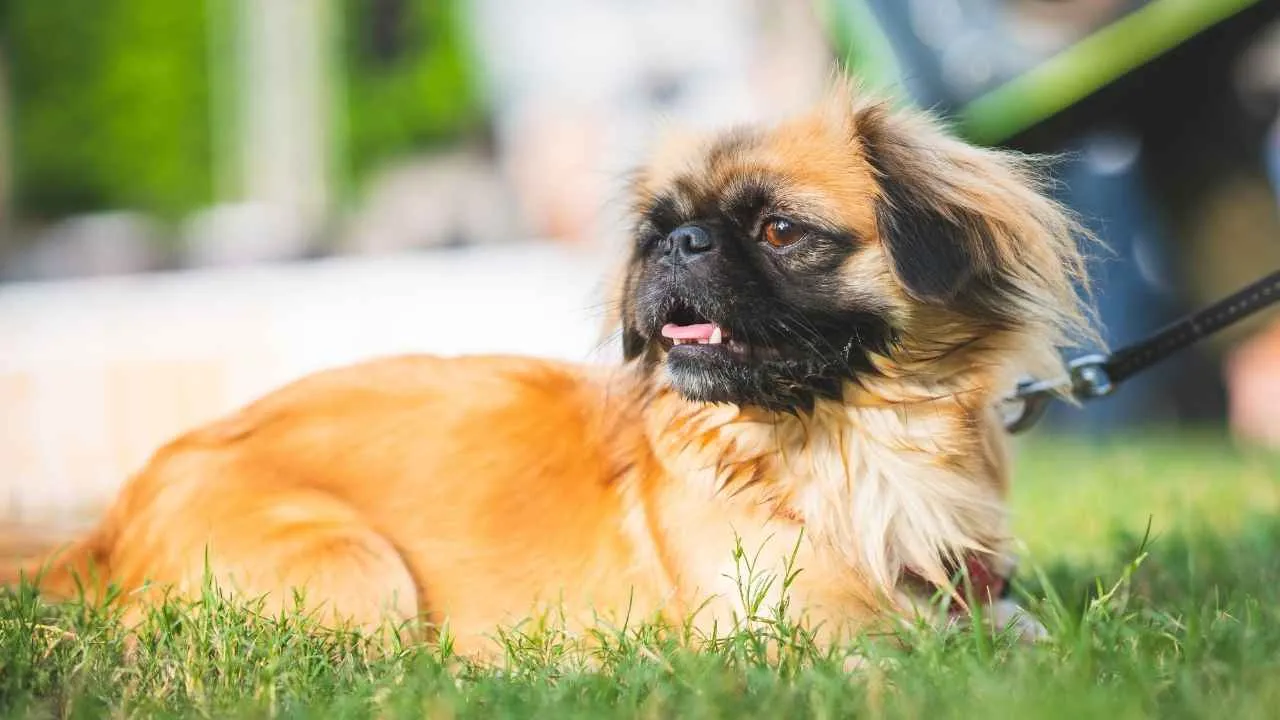
Small in size but enormous in self-confidence, the Pekingese can walk into a room as though it personally owns the palace. This ancient Chinese companion was treasured by royalty, and that proud little attitude remains one of its signatures.
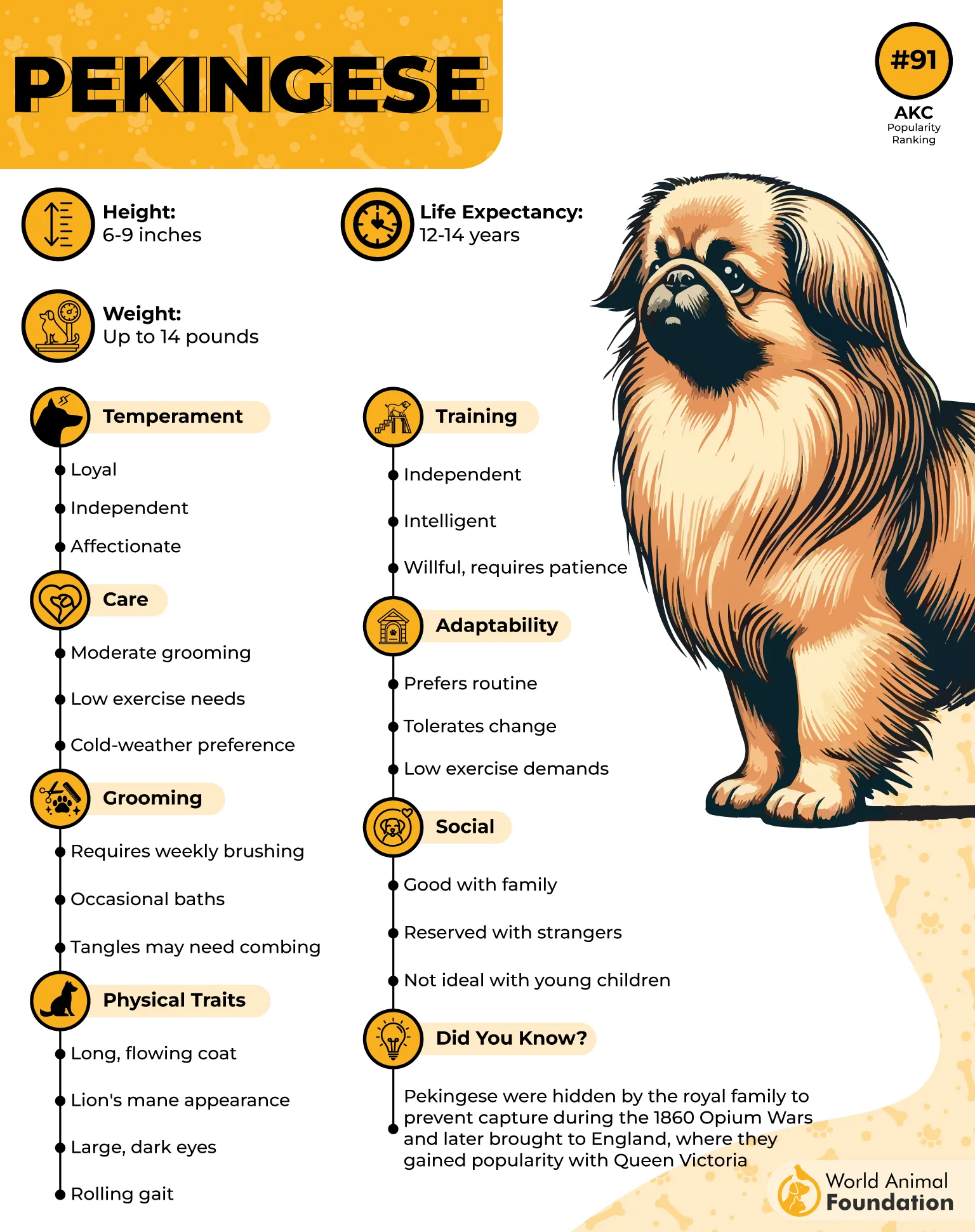
Its lion-like coat, broad head, short muzzle, and compact body give it a distinctive appearance. The Pekingese can be alert and may vocalize when something unfamiliar catches its attention. That makes it more of an occasional watchdog than a truly silent companion.
Fortunately, it does not usually need an exhausting daily routine. A stroll, some gentle play, and a comfortable spot beside its favorite person can make this little royal perfectly content.
Temperament & Lifestyle
The Pekingese is an outgoing breed that loves to be involved in the family. It can be reserved around strangers. It forms close bonds while still standing up for itself. Respectful handling matters around young children because of its small size.
Care, Training & Exercise
Its long coat needs frequent brushing to prevent tangles. Short walks and indoor play can satisfy its relatively low activity requirements.
Training may require patience, as Omlet states, because this confident companion can be strong-willed. Reward-based lessons usually work best.
2. Bichon Frise
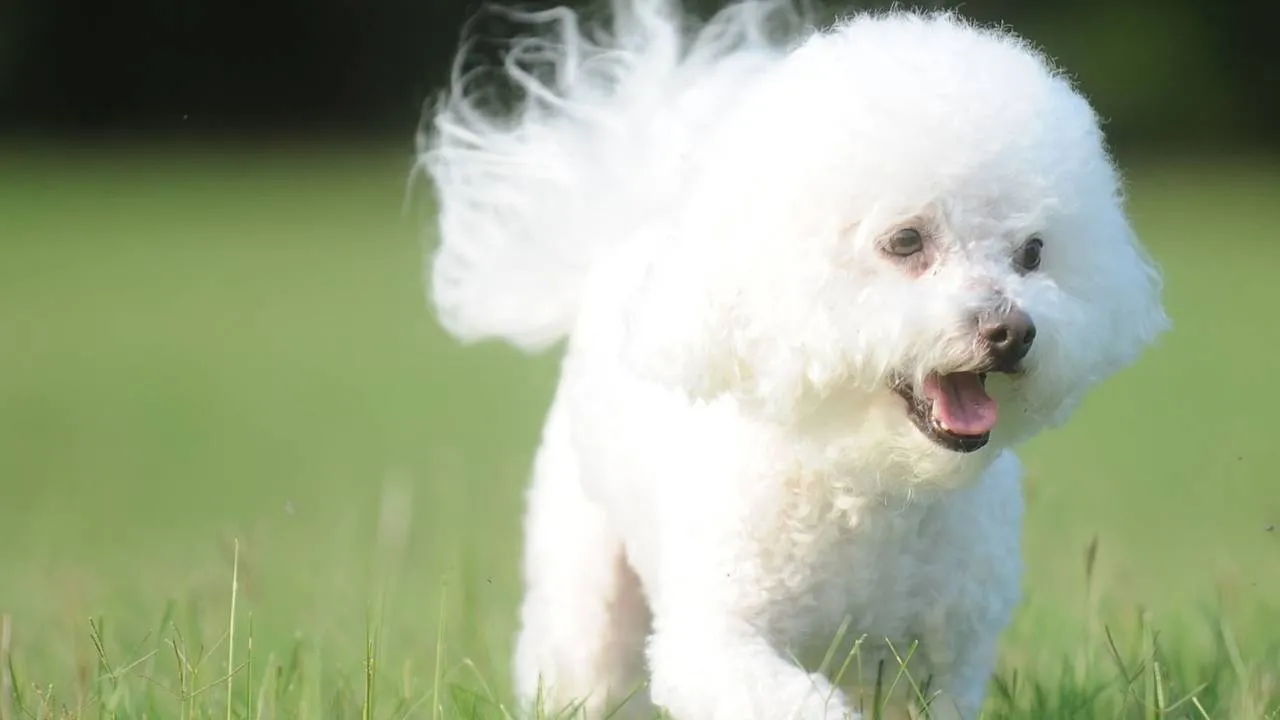
The Bichon Frise looks like a walking puff of cotton, but this fluffy little companion has plenty of personality hiding beneath those curls.
With Mediterranean roots, the breed eventually became a favorite among European nobility and even entertained crowds as a circus performer. Today, it is better known as an incredibly sweet and gentle household companion.
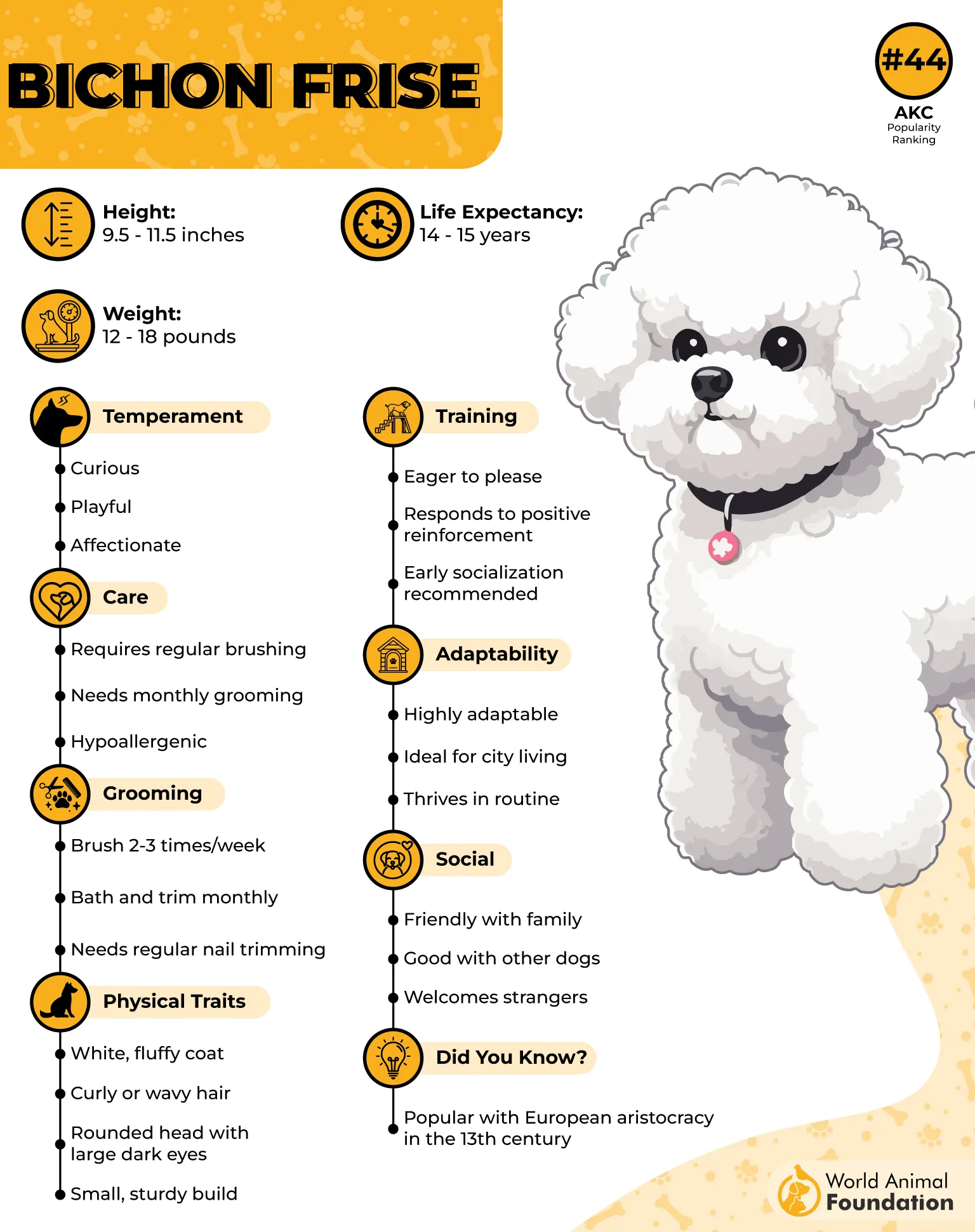
Bichons are alert and can vocalize when excited or seeking attention, but excessive barking is not typical of the breed. Long periods alone can change that, especially because these social dogs enjoy being around people.
Their cheerful personality also makes them adaptable. They can happily live in smaller homes when given enough companionship, play, and daily activity.
Temperament & Lifestyle
Bichons are playful, affectionate, curious, and generally friendly with people and other dogs. Their adaptable nature can make them excellent apartment dogs. Their warm personality has also helped some become great therapy dogs.
Care, Training & Exercise
That cloud-like coat needs regular brushing to prevent mats, along with routine bathing and trimming. Daily walks and interactive games usually provide enough activity. Bichons are bright and eager to please, so positive reinforcement can make learning enjoyable for both of you.
3. Pug

Few quiet dogs look quite as expressive as the Pug. One raised eyebrow, one dramatic sigh, and you already know exactly what it thinks about your life choices.
Originally developed in China as a companion, the Pug has spent centuries living closely with people. It generally prefers being part of household activities rather than wandering off on its own.
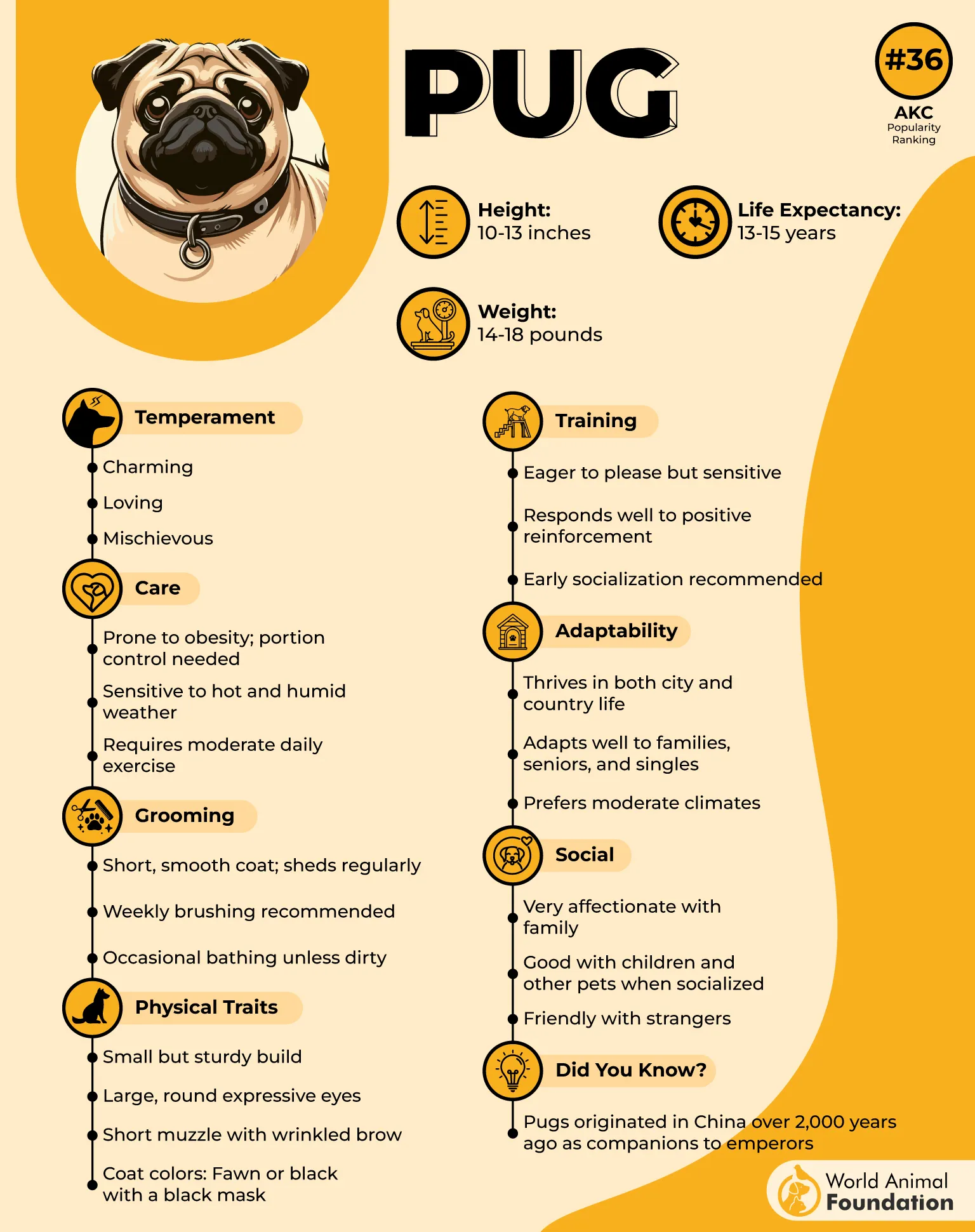
A Pug is not silent. It may snort, grunt, wheeze, whine, and occasionally bark when excited or alert. Those funny noises are simply part of its charm. What makes it suitable for calmer homes and apartment living is its relatively relaxed lifestyle and modest activity needs.
Temperament & Lifestyle
A Pug rarely wants to miss out on household activities. Whether you are watching television or moving around the kitchen, this people-loving companion would rather be nearby.
Once the fun ends, it is equally happy settling down beside you. Pugs can make lovely family companions when children understand how to handle them gently. Their social nature also means long periods alone may leave them unhappy or attention-seeking.
Care, Training & Exercise
The short coat is easy to brush, but facial wrinkles need regular cleaning and drying. Its flat face also makes hot weather and strenuous activity risky.
Short walks and gentle games are better than intense workouts. Weight management is important because excess weight can worsen breathing difficulties.
4. Japanese Chin
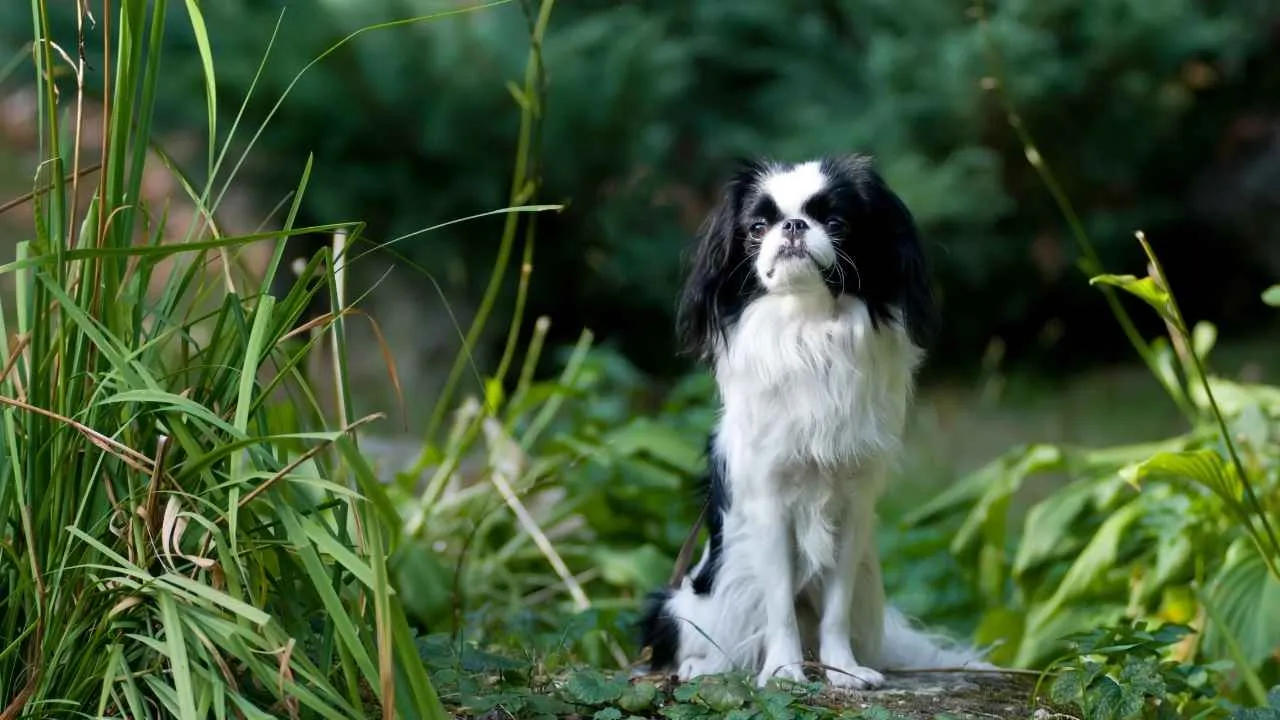
The Japanese Chin has a wonderfully cat-like personality. It may perch on furniture, groom itself, and quietly observe everyone as though it has been appointed household supervisor.
Despite its name, the breed’s earliest roots trace back to China before it became closely associated with Japanese royal courts. It was bred as a companion, and its history shows in its preference for indoor life and human company.
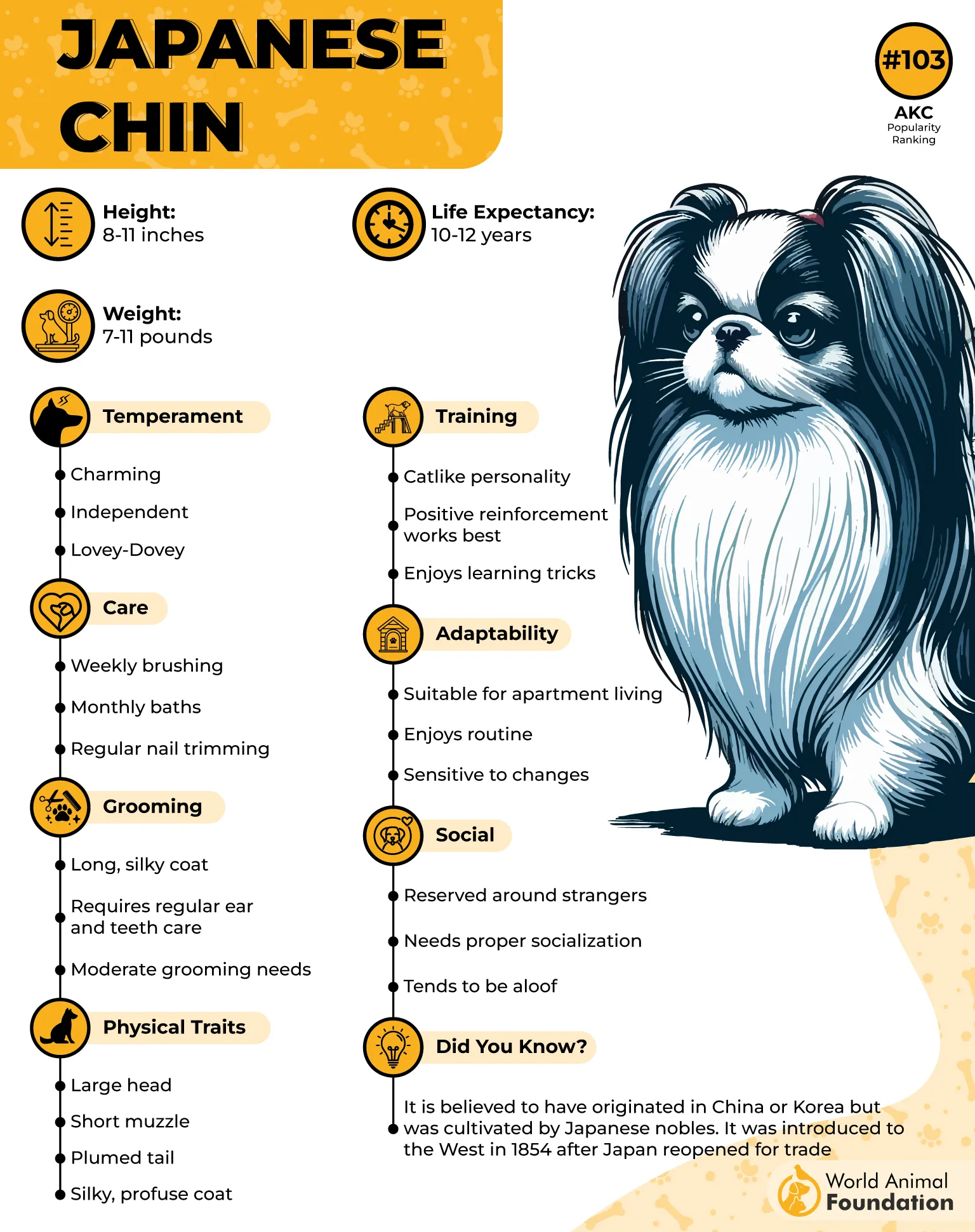
This silky-coated toy breed is generally not excessively vocal. According to PetMD, this cute dog may alert you to unfamiliar sounds or people, but it usually does not feel the need to comment on every little movement outside.
It also has an amusing sound called a “snizzle,” a snorting noise associated with its short face.
Temperament & Lifestyle
The Japanese Chin has a charmingly independent, almost feline personality. It can enjoy affection without constantly demanding attention and may happily observe household activity from its favorite perch.
New people can make it somewhat reserved, but trust usually brings out its playful and affectionate side. This sensitive breed tends to flourish in peaceful homes with gentle, predictable interactions.
Care, Training & Exercise
Its silky coat needs regular brushing, but its activity requirements are manageable. Short walks and indoor games can provide enough daily exercise. Keep training cheerful and gentle because this sensitive breed responds poorly to harsh treatment.
5. French Bulldog
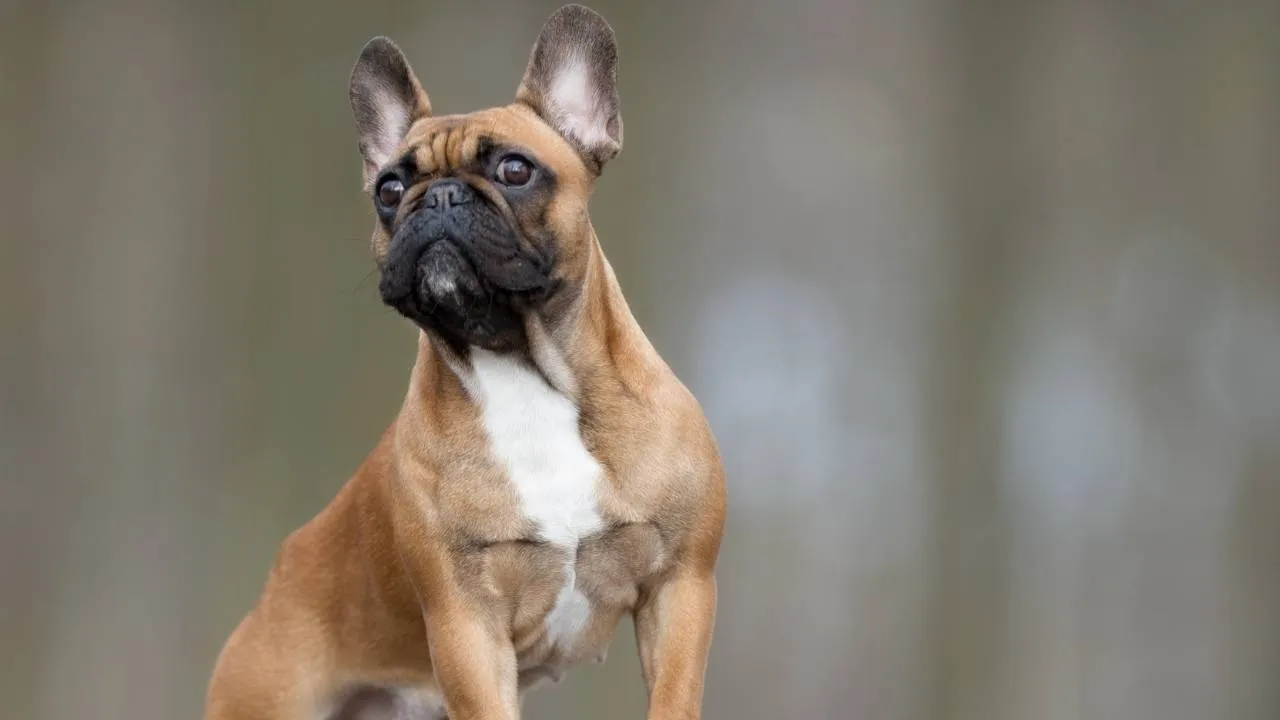
Those enormous bat ears, wrinkled forehead, and serious little expression give the French Bulldog plenty to say before it even opens its mouth.
Frenchies were developed primarily as companion dogs and generally love staying close to their people. Britannica describes them as dogs that do not bark much, although they can alert their household when someone approaches.
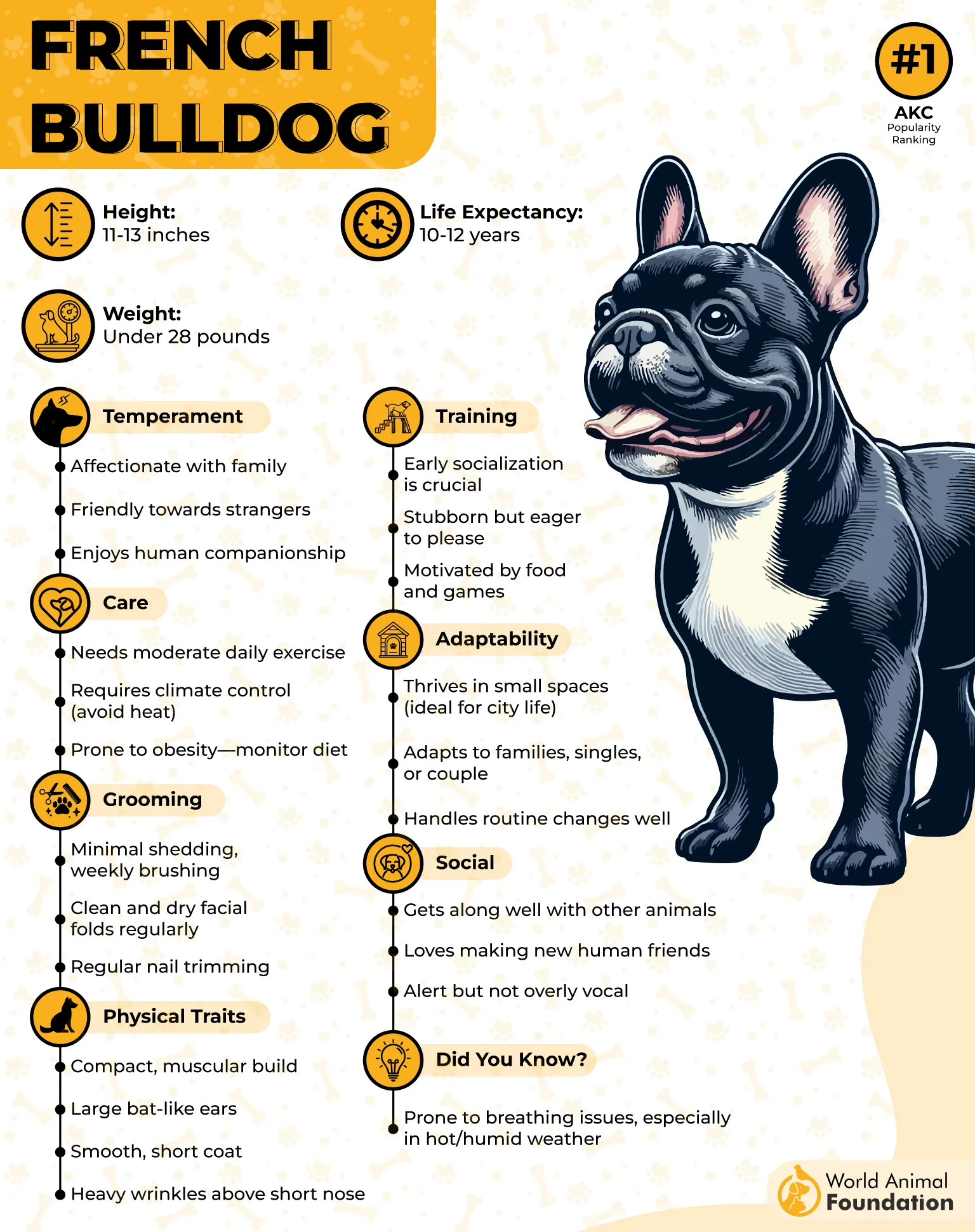
Quiet does not mean silent, though. French Bulldogs may grunt, snort, whine, and make other amusing sounds. Their short muzzles also affect breathing, particularly during heat or strenuous activity.
For that reason, this breed suits people who prefer companionship and gentle play over long outdoor adventures.
Temperament & Lifestyle
This affectionate companion enjoys human attention and often wants to stay close to its household. It can switch from a short play session to a long lounging session with impressive speed.
Frenchies generally adapt well to different homes and do not need a large yard to feel content. They can get along with people and other dogs, although early socialization helps them handle unfamiliar situations comfortably.
Care, Training & Exercise
The smooth coat needs little maintenance, although facial folds require regular cleaning. Short walks and light play are usually enough. Avoid strenuous activity in hot weather. Frenchies can be stubborn, but food rewards and consistent training can encourage good habits.
6. Boston Terrier
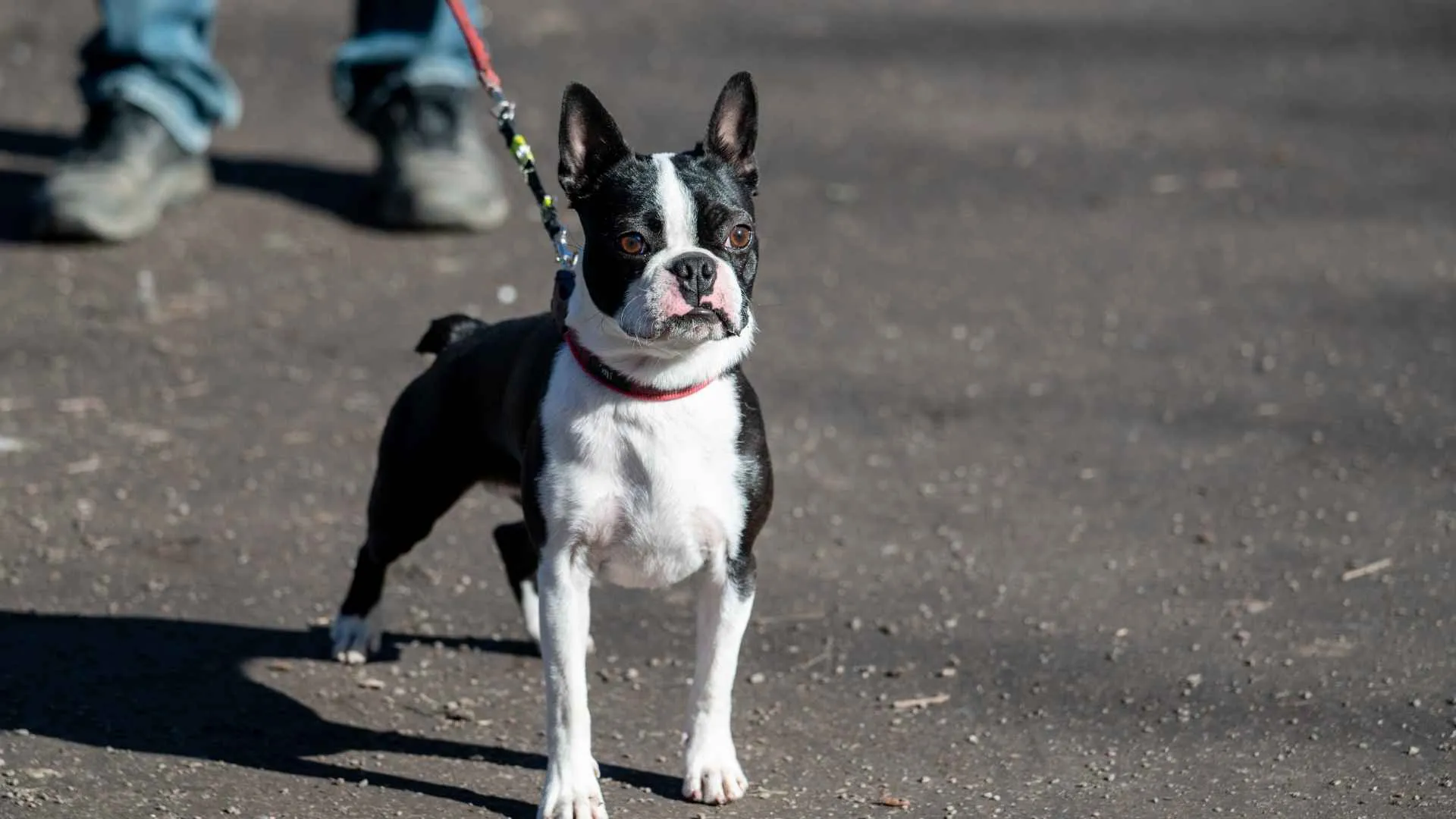
The Boston Terrier arrives dressed in a permanent tuxedo and somehow manages to combine gentlemanly looks with the energy of a tiny comedian.
Known as the “American Gentleman,” this compact breed originated in Boston and was developed as a companion. Its round eyes, upright ears, and distinctive markings make it instantly recognizable.
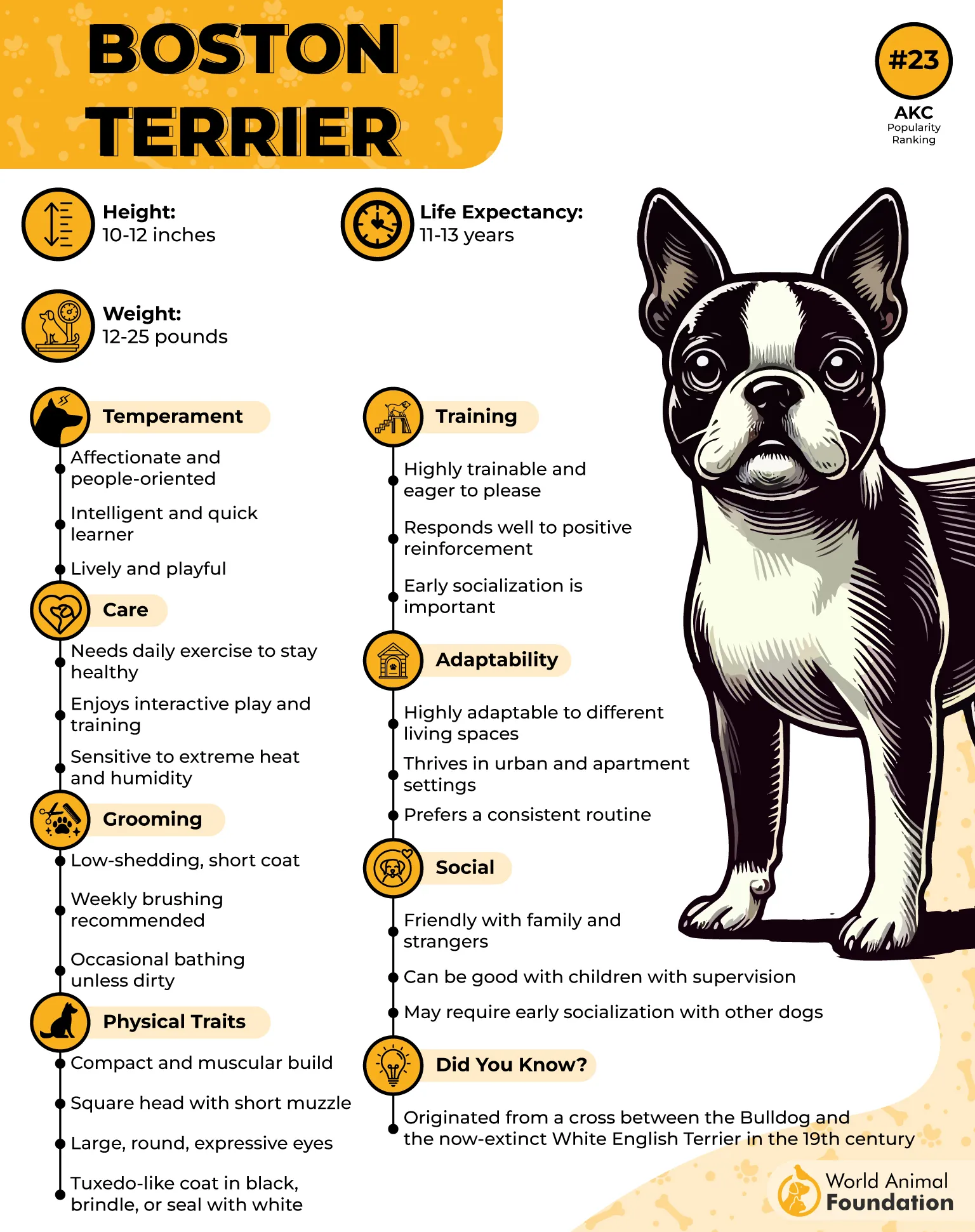
These lovable dogs bark when they get excited, but they are not generally known for constant barking, and Purina agrees with that. They enjoy human company and usually prefer participating in household life rather than patrolling every corner of the property.
Their energy is worth remembering, though. This is not a couch ornament disguised as a dog. Give it something fun to do and watch the little athlete appear.
Temperament & Lifestyle
The Boston Terrier adds a little extra pep to a peaceful household. It is affectionate and sociable but also loves having something interesting to do. Its playful personality can make it an entertaining companion for families, while its compact build suits many homes.
Bostons often enjoy meeting people and can live happily with other pets when properly socialized and introductions are handled thoughtfully.
Care, Training & Exercise
The short coat is wonderfully easy to maintain with regular brushing. Walks, games, and short bursts of energetic play help satisfy this active companion.
Bostons are intelligent and can enjoy obedience, agility, and other activities that keep both body and brain busy.
7. Bolognese
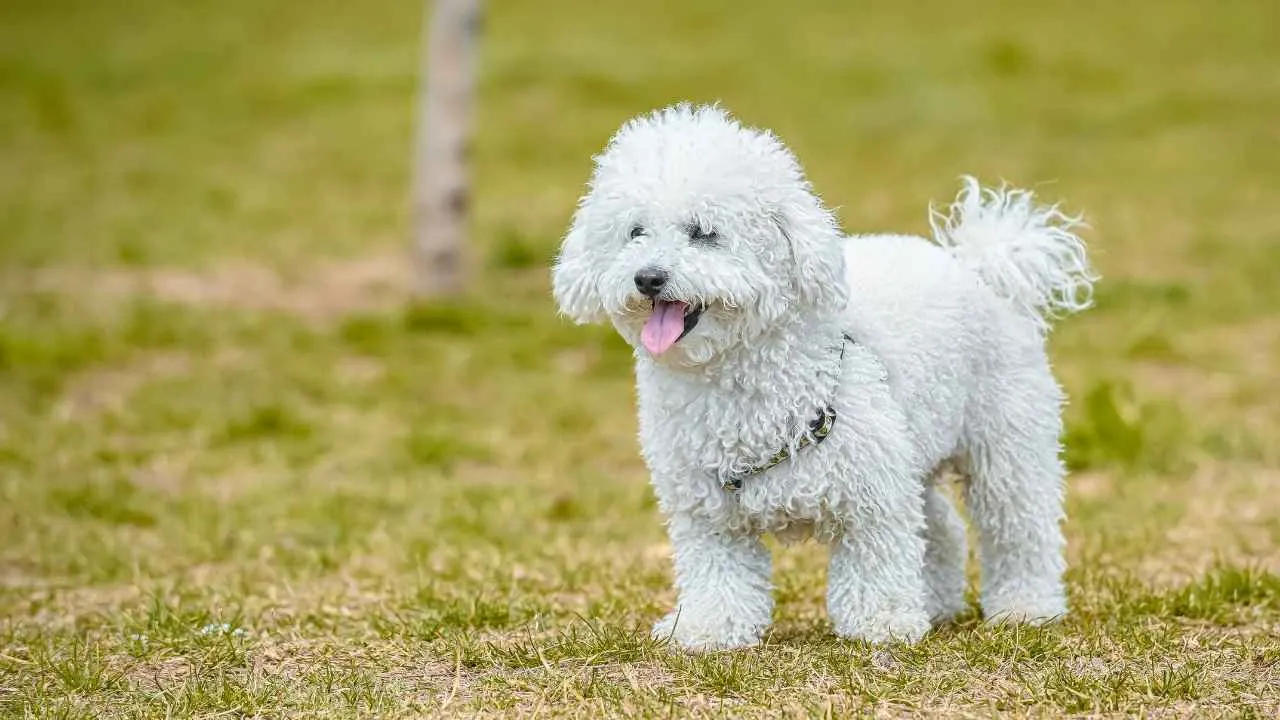
The Bolognese looks like a tiny white cloud but behaves more like a devoted little shadow. Once it chooses its person, staying nearby becomes its favorite full-time occupation.
Originating in Italy, this member of the Bichon family was historically treasured as a companion by European nobility. Today, this small white dog remains a people-loving breed with a serene, playful nature.
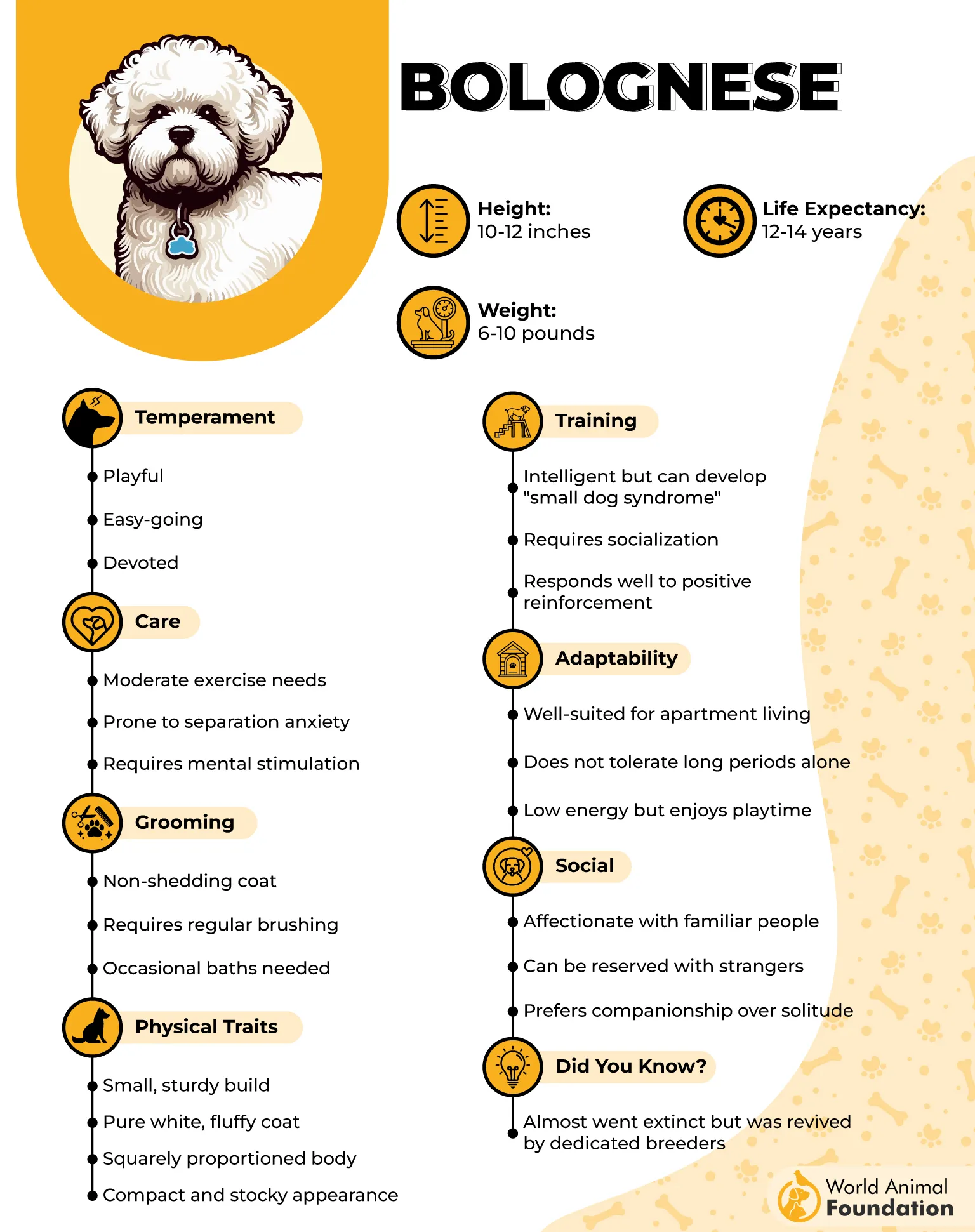
The Bolognese is not a barkless dog. It may alert its household or become vocal when excited or left alone. Still, it generally has a more restrained voice than many highly reactive small companions.
Its petite size makes indoor life practical, but it still needs daily interaction. A short walk, some play, and plenty of time with its people can keep this fluffy companion content.
Temperament & Lifestyle
This calm dog has mastered the art of staying close without constantly demanding attention. Once comfortable, it can become deeply devoted and may happily follow its favorite person from room to room. Unfamiliar people can make this Italian companion cautious, so gentle introductions and early socialization are helpful.
Care, Training & Exercise
That fluffy white coat needs frequent brushing to prevent mats. Daily walks and indoor games can meet its modest activity requirements. Short, reward-based lessons provide useful mental stimulation while strengthening the bond between dog and owner.
Conclusion
A quieter home does not have to mean a boring one. These companions can still bring silly expressions, playful bursts, cuddles, and plenty of personality into your everyday routine.
The real appeal is the balance. You get a companion that can enjoy family time, settle beside you, and bring plenty of personality without making noise the center of daily life. Look beyond the volume and choose the temperament, energy level, and companionship style that fits your home best.
