




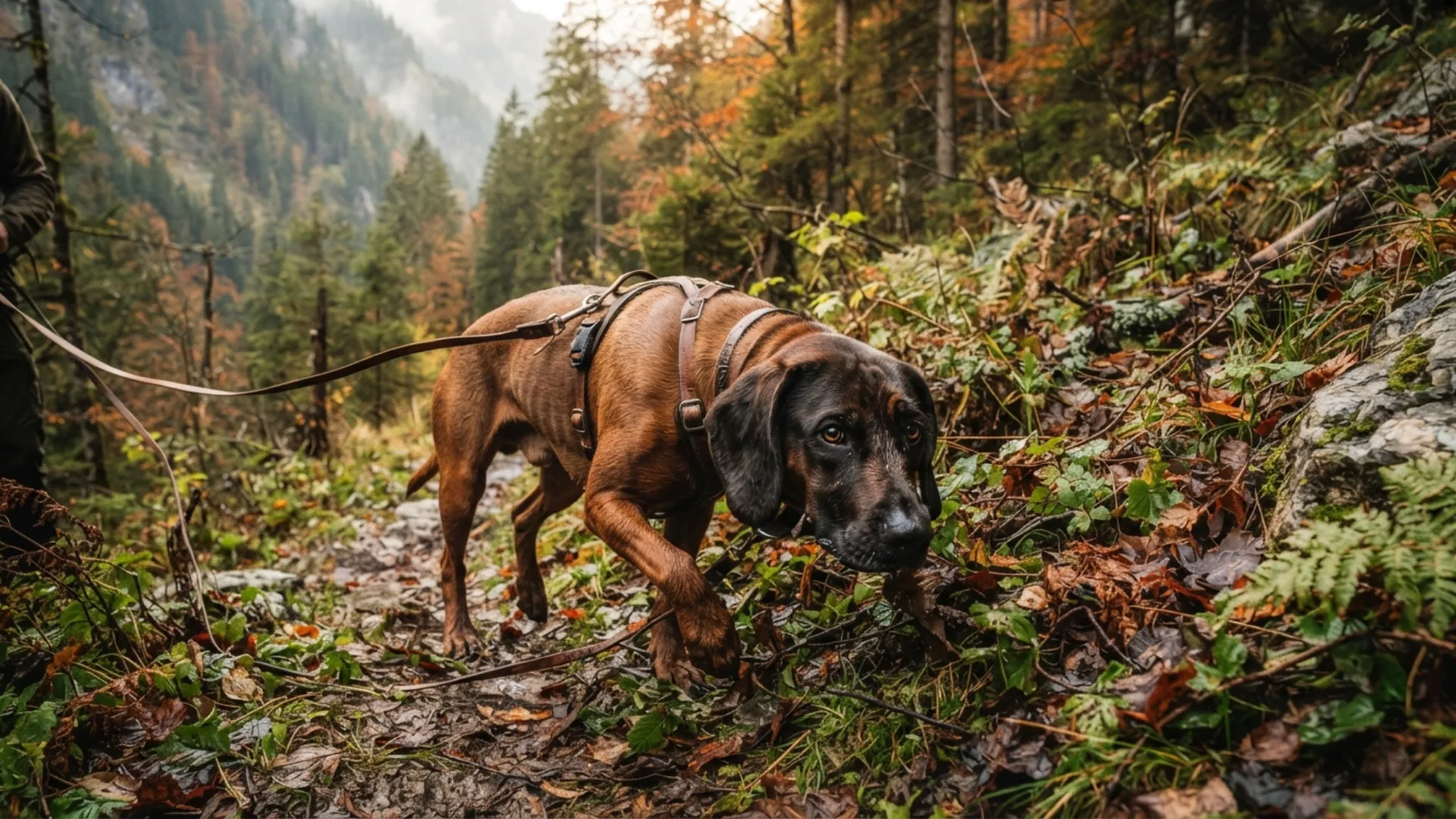
Finding a lost game is a unique art in the canine world. The moment a trail gets too hard, a hunting dog must distinguish between useful and countless competing scents, remain focused when the trail turns off course, and work around rough terrain. This is where scent hounds excel.
Certain breeds were bred to track shot game after it has been struck. Some were bred for hours in the forests and mountains, following a cold trail. These dogs are best suited to harsh terrains and produce the best results there.
Consistent training involving large game animals and long hunting trips makes detection easier and produces efficient blood-trailing dogs. Tracking collars can help find these family dogs’ location easily.
Tracking dogs do not necessarily have to be fast. They really have a knack for sticking with a trail and treeing game when it gets tough, following the scent, and endurance. The nine breeds listed below are experts at tracking and hunting and will for sure make your hunting experience easy!
Top Dog Breeds for Tracking and Finding Lost Game
1. Bloodhound
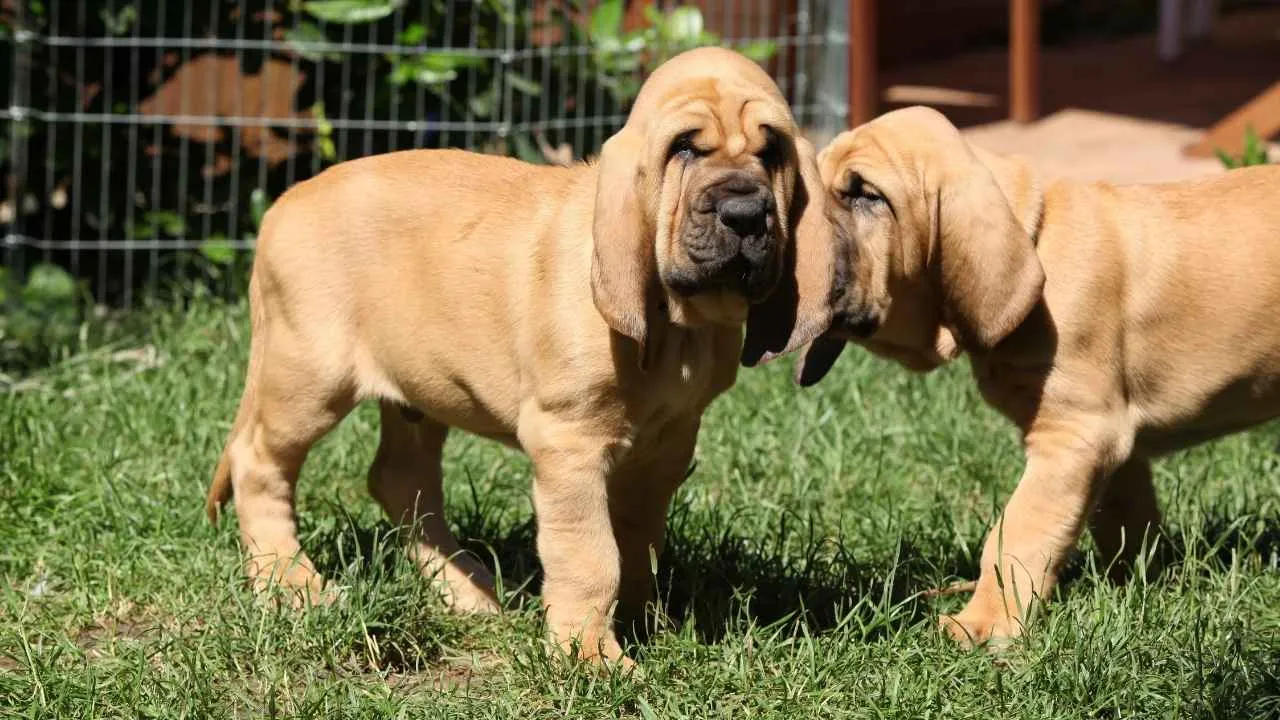
The Bloodhound is a well-known scent tracking dog that has earned its reputation.
The breed is also known for its exceptional tracking ability and is used extensively in search and rescue missions and law enforcement operations.
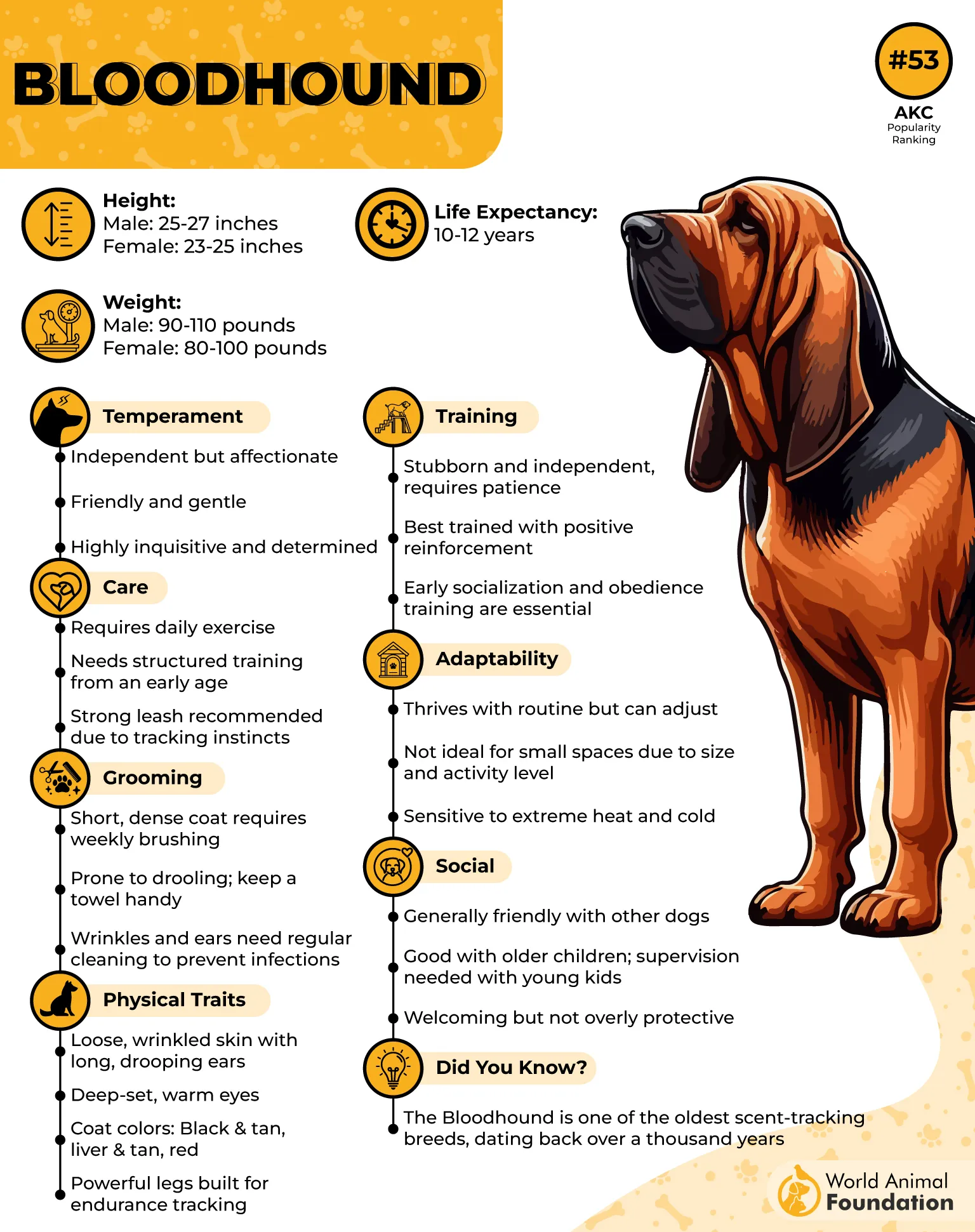
Bloodhounds were also traditionally used to follow deer and boar.
They have long ears, loose skin on their faces, and large nasal passages that are related to their scenting power, and their determination enables them to stay on track after finding a trail, according to the American Kennel Club.
2. Bavarian Scent Hound
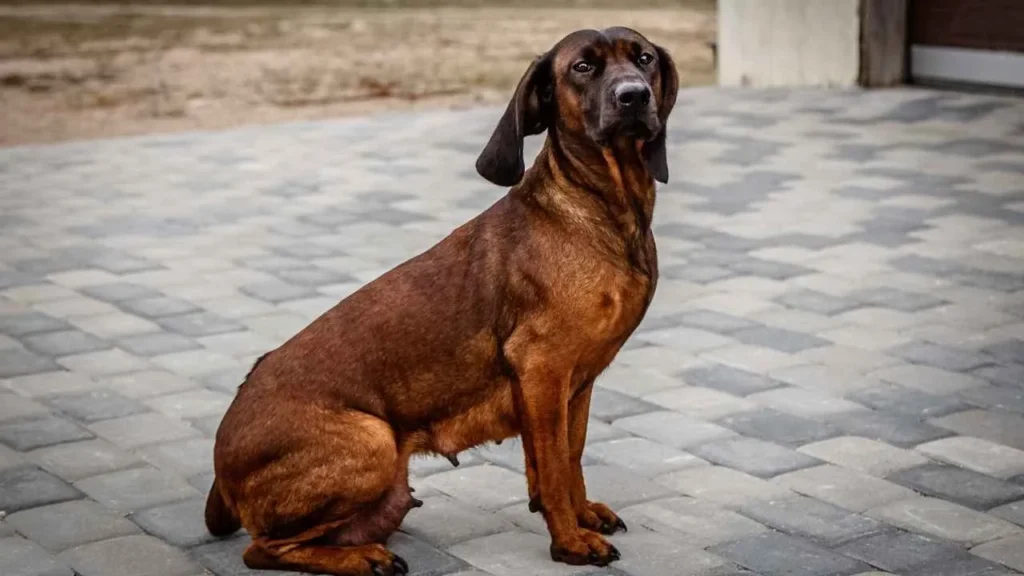
Bavarian Scent Hounds are one of the more niche breeds in this list. According to Purina, they are a specialist in the pursuit of ruminants, especially in difficult terrain.
Its evolution was linked to the demand for dogs to follow complex trails in the mountains. Unlike breeds primarily developed to hunt by sight, this breed is a scent hound that relies on its powerful sense of smell to track prey.
It is also well-balanced and mobile, making it easy to navigate through challenging terrain without being too cumbersome. They are especially useful for recovering wounded deer or other ruminants that have left a difficult trail.
The breed’s working temperament is calm and confident, which enables it to be a controlled tracking machine with a handler.
3. Hanoverian Scenthound
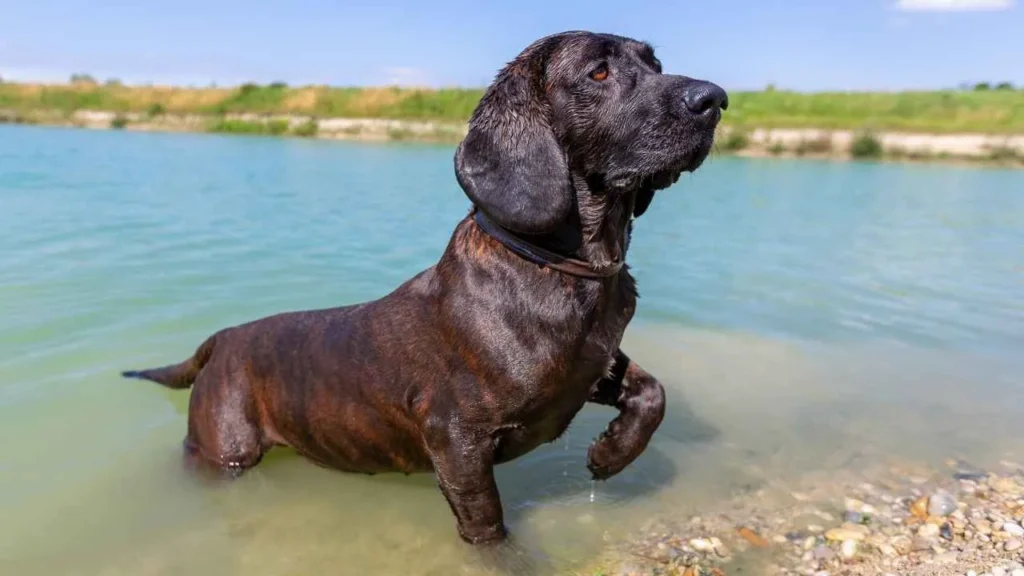
Another very particular game-hunting machine is the Hanoverian Scent Hound. The older scent-hound lines which showed a great sense of following game trails were selected in Germany for its development.
This breed is classified in the specialized category of hounds that hunt by the leash.
Its primary benefit to owners is its unwavering focus. The Hanoverian Scenthound is not just a hound dog that has a good nose; it is a dog that was bred to hunt with a nose. It was used in its history for hunting game that was difficult and scarce.
This is especially interesting to the handler who desires a dog with the ability to carefully follow a trail rather than chasing a scent at once. It is traditional to be used in tandem with wounded-game tracking.
4. Alpine Dachsbracke
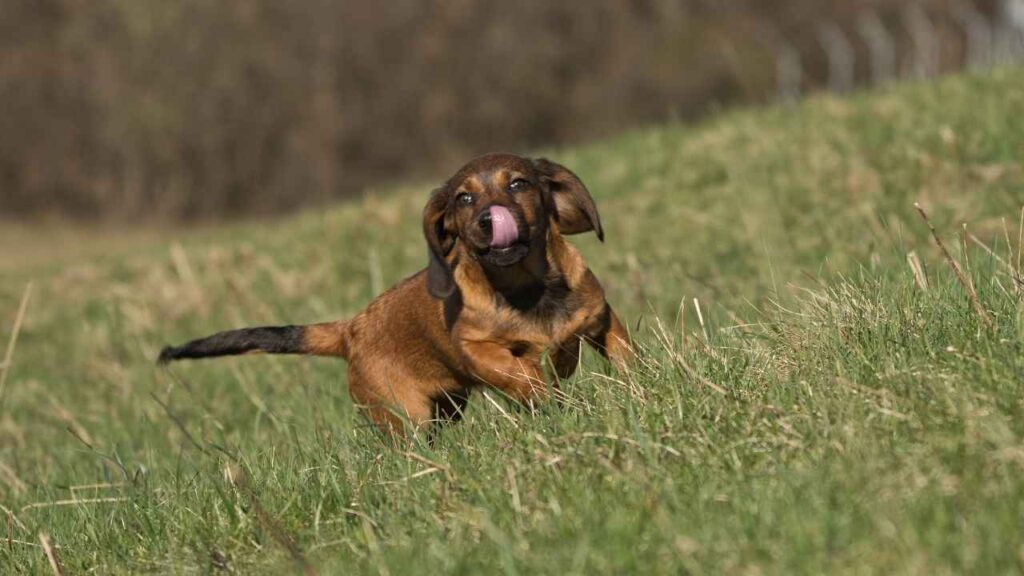
Although the Alpine Dachsbracke can differ in appearance from the dogs listed above, they do have the advantage of being short-legged, and this is one of the reasons this dog is great at navigating mountain terrain.
Dog Breed Info describes them as strong, rugged working dogs that are used by mountain hunters and are generally able to cope with bad weather.
They can work as a scent hound for hares and foxes, as well as tracking wounded deer.
They have a heavy coat and tough body that provide them with some protection while working outdoors.
Don’t let the size of this dog fool you. Their tracking ability is second to none. A small hound will work well where the work is uneven, has undergrowth, and a trail that must be patiently followed.
5. Slovenský Kopov
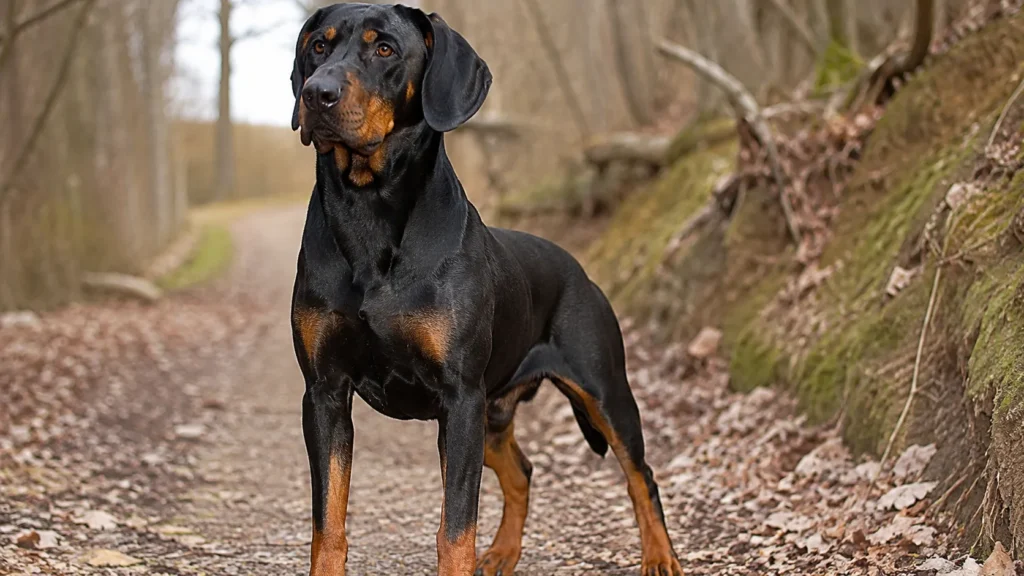
The Slovakian Hound has a different kind of endurance in big-game hunts. This breed has a long, deep scent-trailing drive, according to many experts, as stated by Creatures.
These highly responsive dogs can follow a warm scent trail over long distances. These dogs are observed to be highly athletic and can follow birds and many other animals easily.
It was used in Slovakia for hunting wild boar and predators. They pay attention to running and moving animals more efficiently.
This dog’s faithfulness attracts many experienced pet parents. Modern sport hunting and training tips can help them to maintain their boundless energy.
These dogs have a keen sense of direction. This scent hound can be a super dog for outdoor lifestyles, but their sense of smell is multiplied when the dog is allowed to work over rough terrain.
Its deep voice can be used to keep this hound on track and help the hunter follow the dog during the chase.
6. Transylvanian Hound
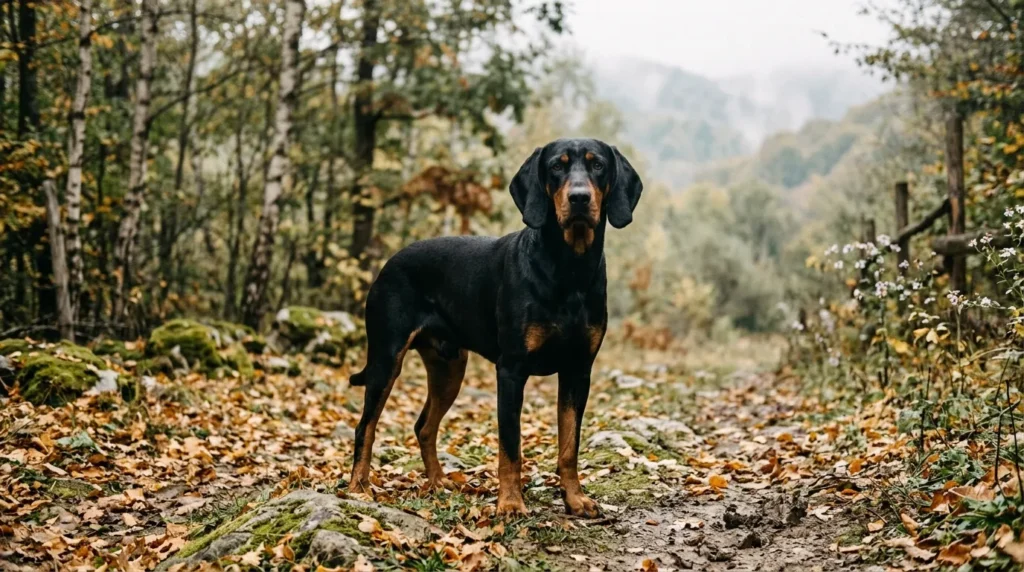
The Transylvanian Hound is an old breed of Hungarian hunters that has a deep bond with the forests and rough terrains of Transylvania.
It is considered a good hunting dog that fulfills the requirements and standards of hunting dogs.
These dogs are well suited to responsible hunters. They should be trained by experienced handlers, and it is advised to not let them stay off-leash for longer periods.
Over the years, this Hound was prized for its ability to hunt larger game as well as small pets. It had the endurance and drive to operate over long distances.
In dense woodlands, this dog will not always be able to communicate successfully with its handler.
These fierce dogs are great outdoors and can accompany versatile hunters to hunt hares and deer hunting too.
7. Plott Hound
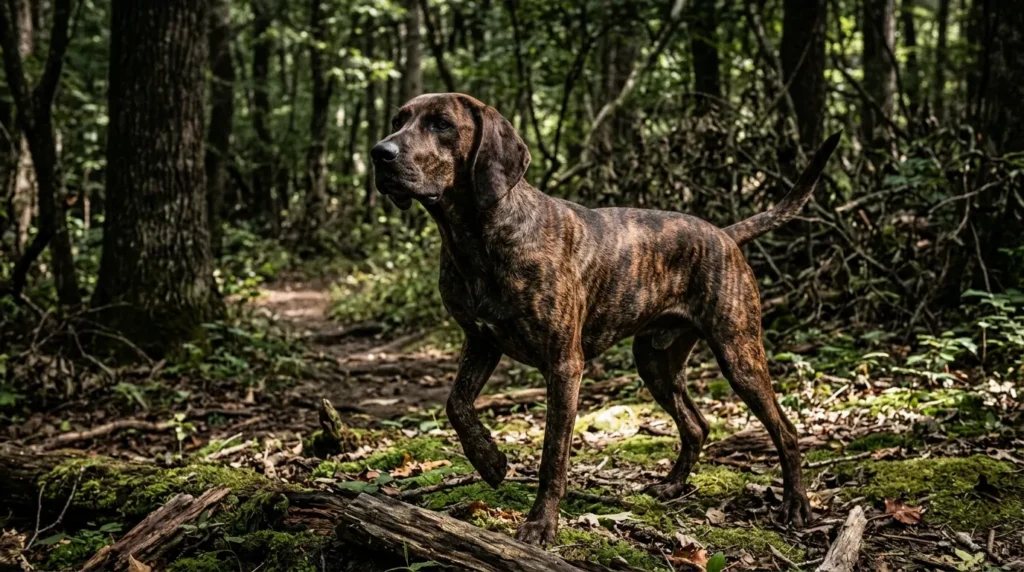
The Plott Hound is North Carolina’s state dog. It is one of the most powerful options for big-game tracking in America.
This breed was used to hunt boar by its German ancestors, and the type came to be noted for tracking and getting large game to bay.
It requires rigorous training sessions such as long walks or hikes with its handler. It should always be walked on a leash because of its high prey drive.
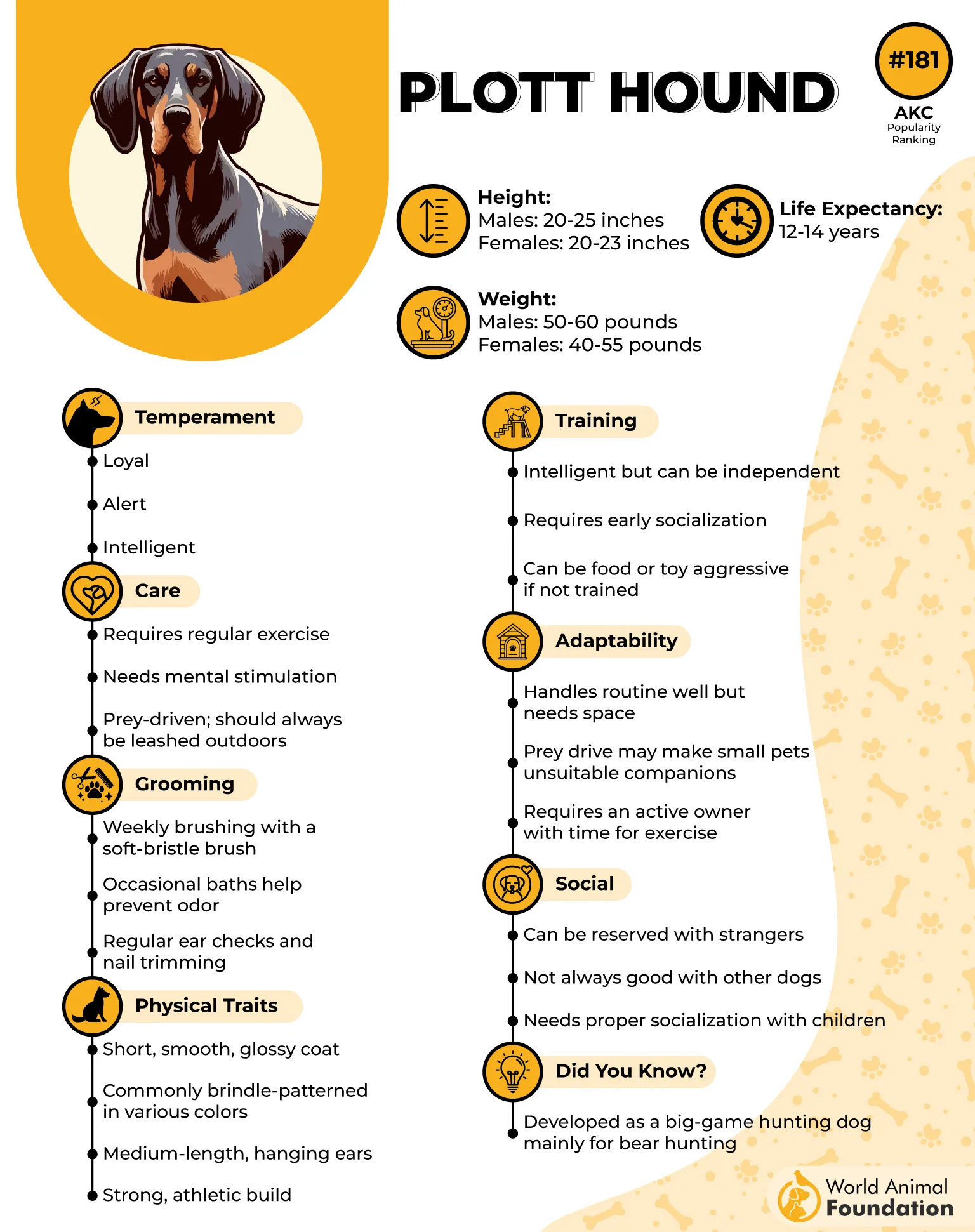
The Plott Hound became more general in its big-game hunting duties, as opposed to the specialized European blood-trailing breeds. It is athletic, confident, and has a lot of stamina.
This is a breed that is especially effective in a situation where tracking is not the only part of the hunt. Plotts can work on difficult and demanding trails.
They are also vocal dogs and can assist the handler to monitor the dog’s movements during a search.
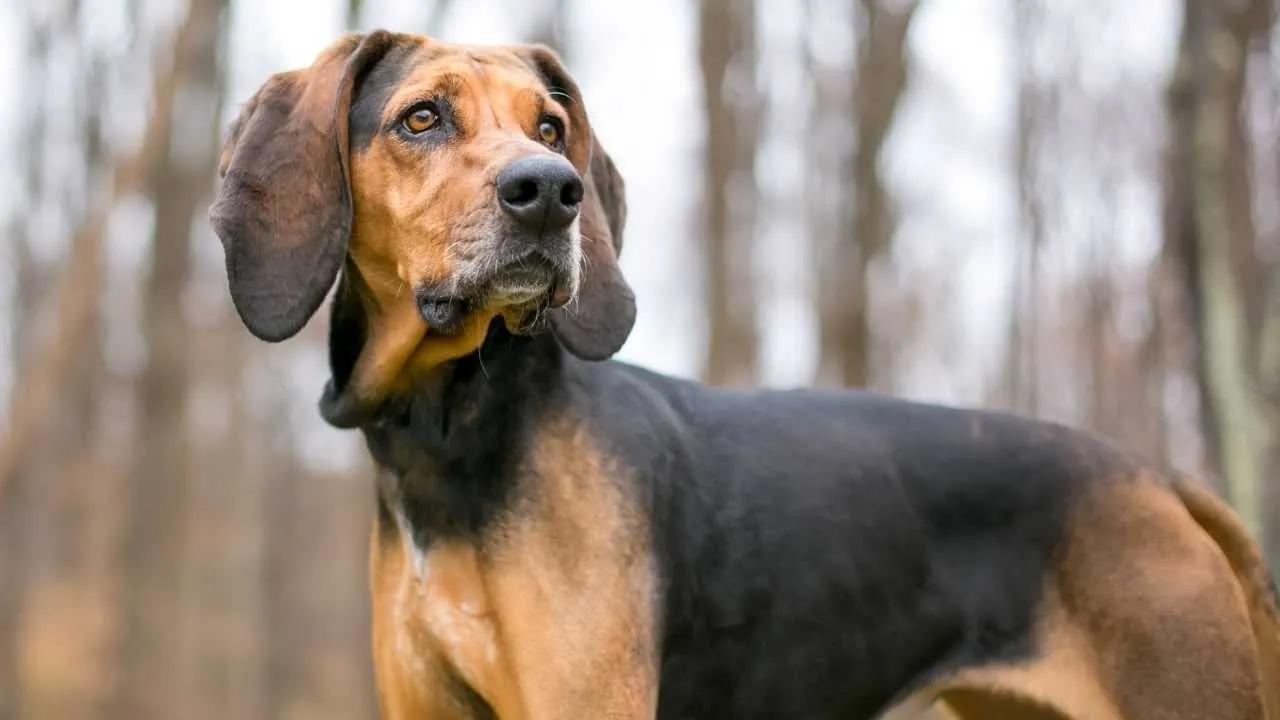
8. Black and Tan Coonhound
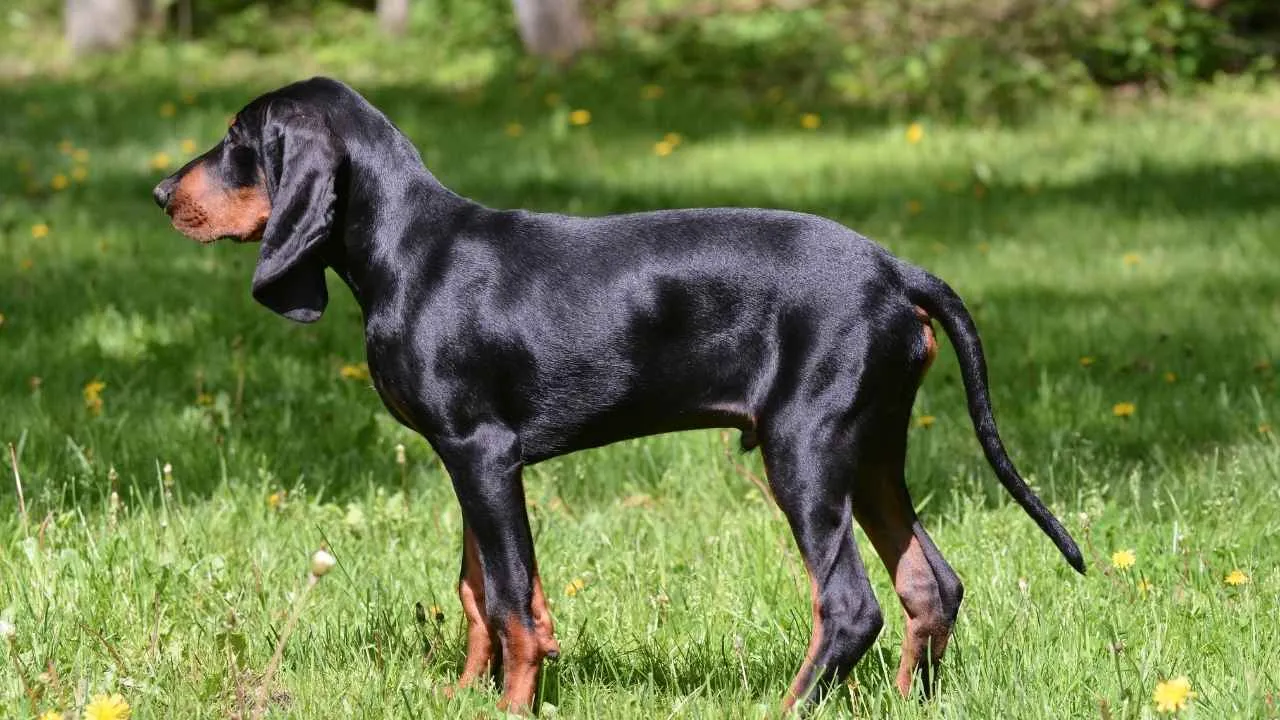
The Black and Tan Coonhound has American roots. It has been primarily used in the traditional quarry of the raccoon, but it has also been used for deer and larger game.
These dogs are known to be sensitive and do not take harsh training methods easily. They need to build strong relationships with their owners to work properly.
However, these dogs are not good for hunting upland birds, which is why bird hunters do not prefer them.
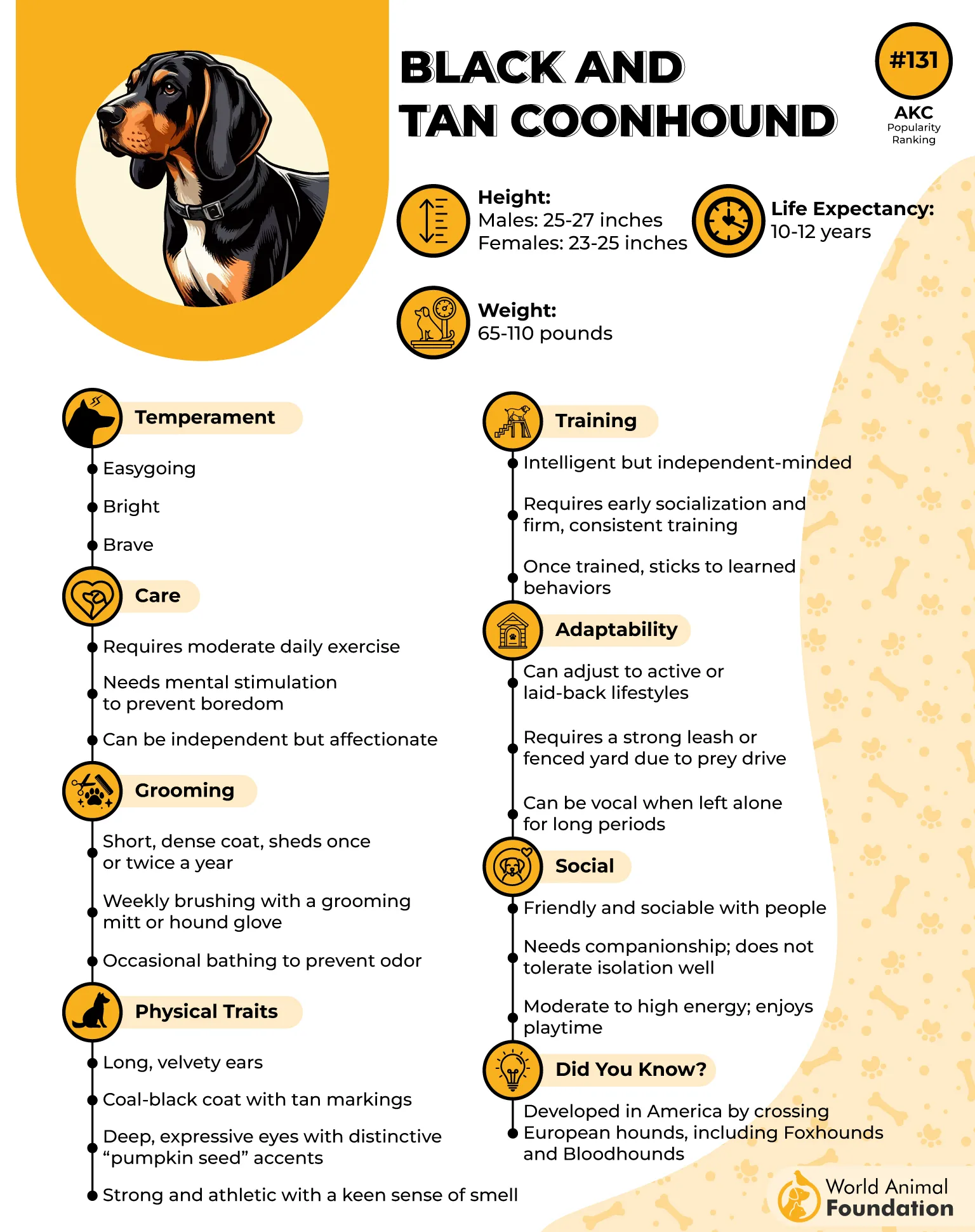
They perform well with people who can handle a tough breed and be patient with them at the same time. Always choose a place where breeding is pure, and only then can you get the best Black and Tan Coonhound.
One disadvantage of keeping this dog is that they lose the working ability as soon as they get off the field. They are usually much more laid back at home than their reputation for hunting would imply.
9. Bluetick Coonhound
The Bluetick Coonhound is another American scent hound that is specifically known for its ability to follow older trails.
These dogs were bred to be able to follow cold tracks, and some will work scents that are approximately one day old.
This is why the breed is particularly fascinating if the game trail is not so fresh. A Bluetick can opt to continue its pace rather than immediately take speed.
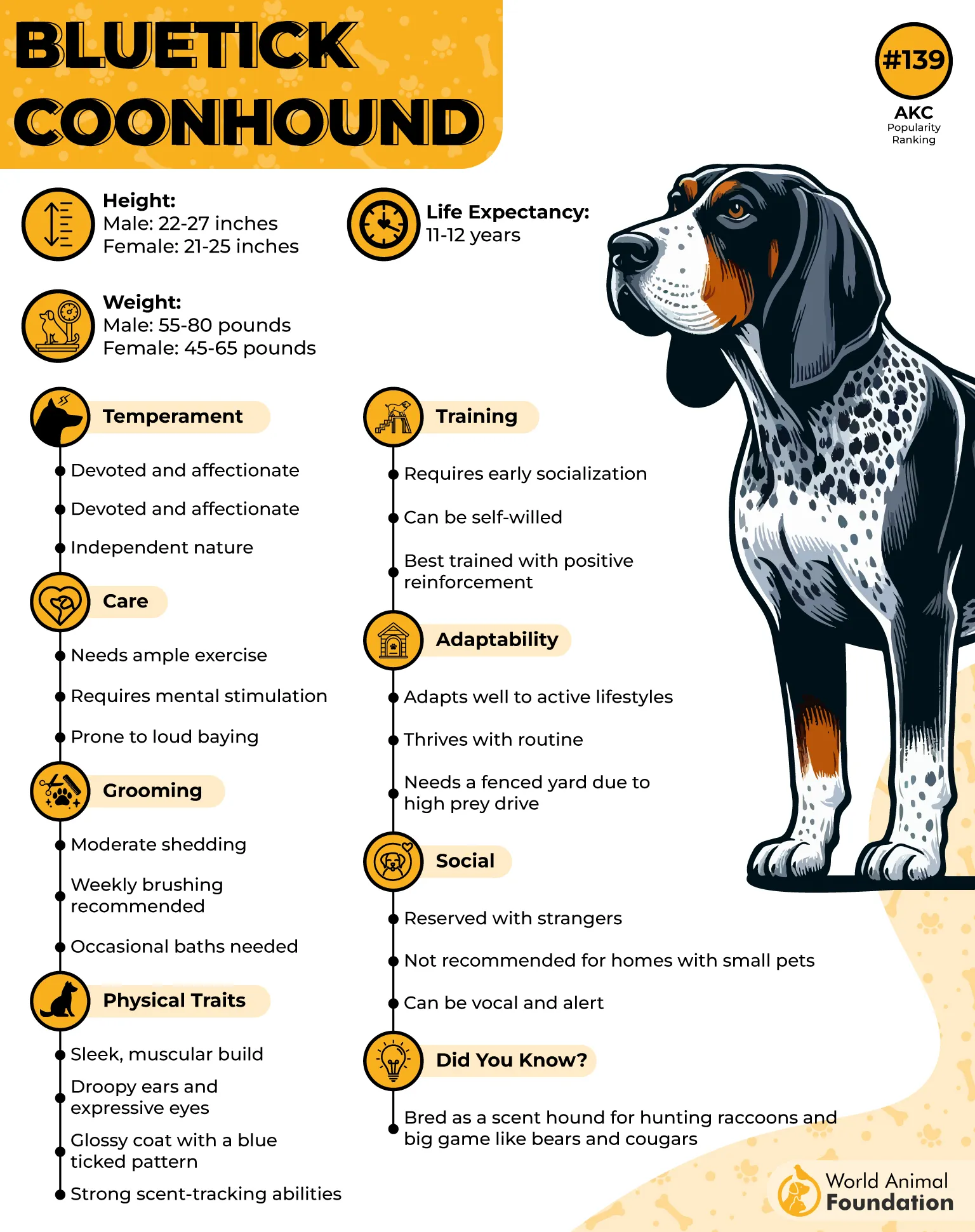
This dog is famously known to chase and retrieve raccoons. They do not shed a lot, which makes the grooming routine much easier.
Always use positive training methods to train this dog and do not be harsh with them. Get your dog enrolled in an obedience class for them to behave well at home.
Conclusion
The type of trail and terrain will determine the best dog for tracking lost game. These breeds share one common trait, i.e., all of them have a great nose.
The concentration, persistence, endurance, and close working relationship with the handler are the elements that make tracking a successful event.
Therefore, the right breed must be matched with the type of game being tracked as well as the conditions in which the dog is to work.
