




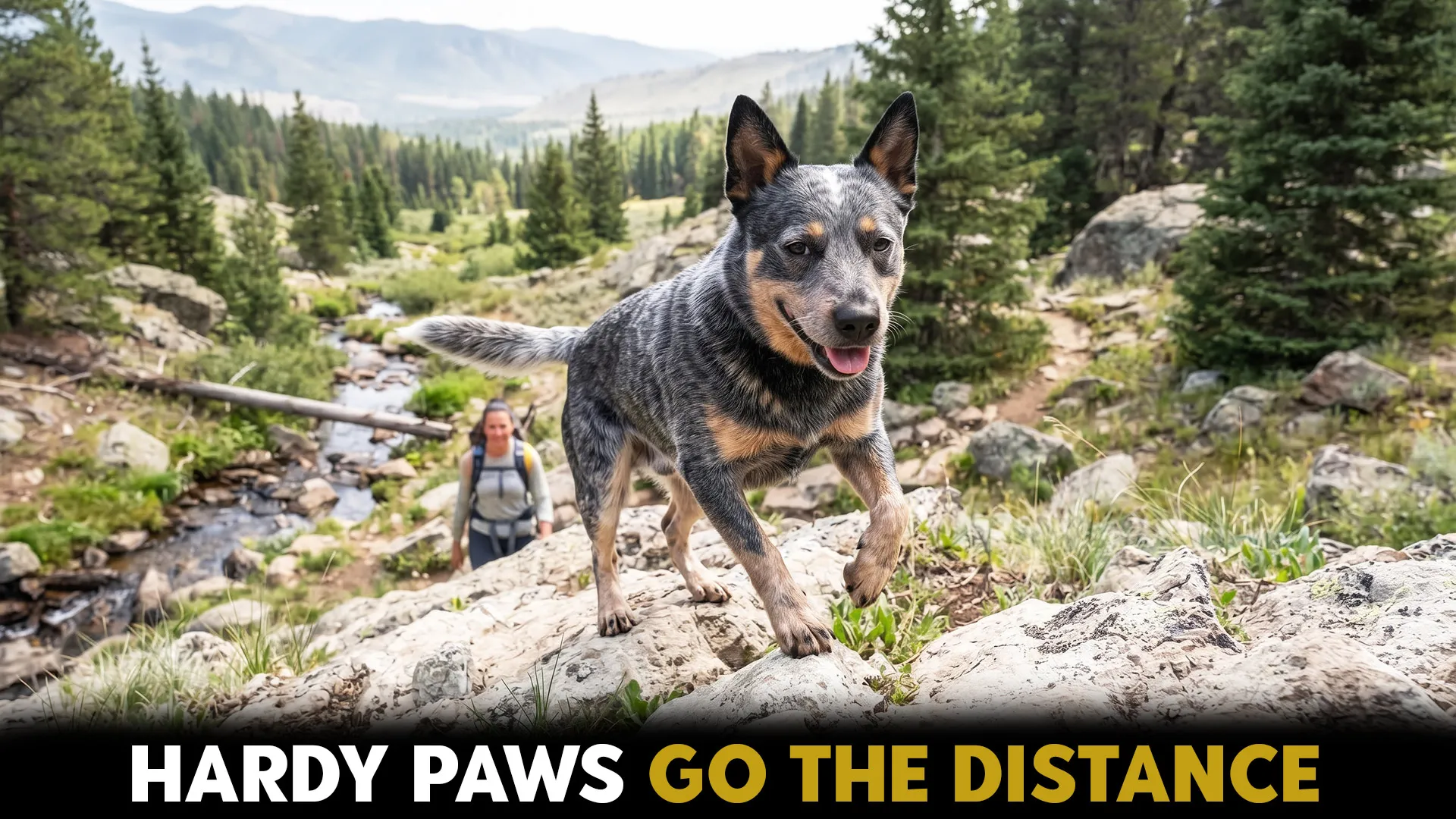
Outdoor adventures are always better with a four-legged companion who is ready to keep moving. Whether you’re heading down a forest trail, exploring rocky paths, or spending the day in the great outdoors, some dogs are naturally better suited to an active lifestyle.
But choosing an outdoor companion is about more than finding a dog that loves to run. The right fit also depends on your climate, the terrain you explore, and your dog’s health, coat, endurance, and training.
A dog that can happily handle a long trail may not be suited to extreme heat, rough terrain, or demanding climbs.
So, what makes a dog truly ready for outdoor escapades? From impressive stamina to sturdy builds and a love of staying active, certain breeds stand out when it’s time to leave the couch behind.
If your idea of a great day involves fresh air, muddy paws, and a trail ahead, these hardy companions are worth getting to know.
Key Takeaways
German Shorthaired Pointers bring speed, stamina, and serious trail-ready energy.
Australian Cattle Dogs thrive on rugged terrain, hard work, and active challenges.
Siberian Huskies and other hardy breeds shine in demanding outdoor adventures.
Explore exercise needs, training tips, coats, and climate considerations before hitting the trail.
Hardy Dog Breeds Perfect for Outdoor Escapades
1. German Shorthaired Pointer
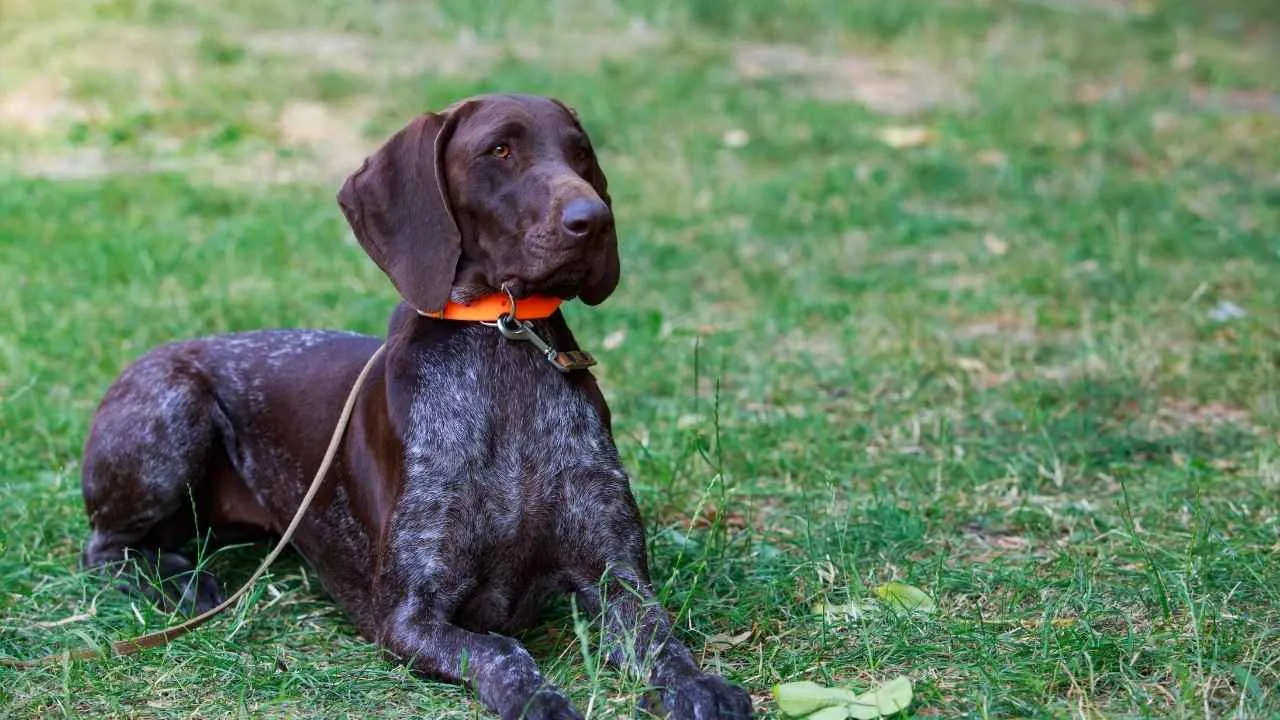
German Shorthaired Pointers are versatile bird dogs bred to find and retrieve game birds. Unlike many other bird dogs, they “point” by stopping and standing still with their nose directed toward the scent. They then wait for their hunter’s signal before flushing the bird.
Their hunting background gives them impressive speed, agility, and endurance, making them well suited to active outdoor adventures, as noted by the AKC.
Built for Outdoor Escapades
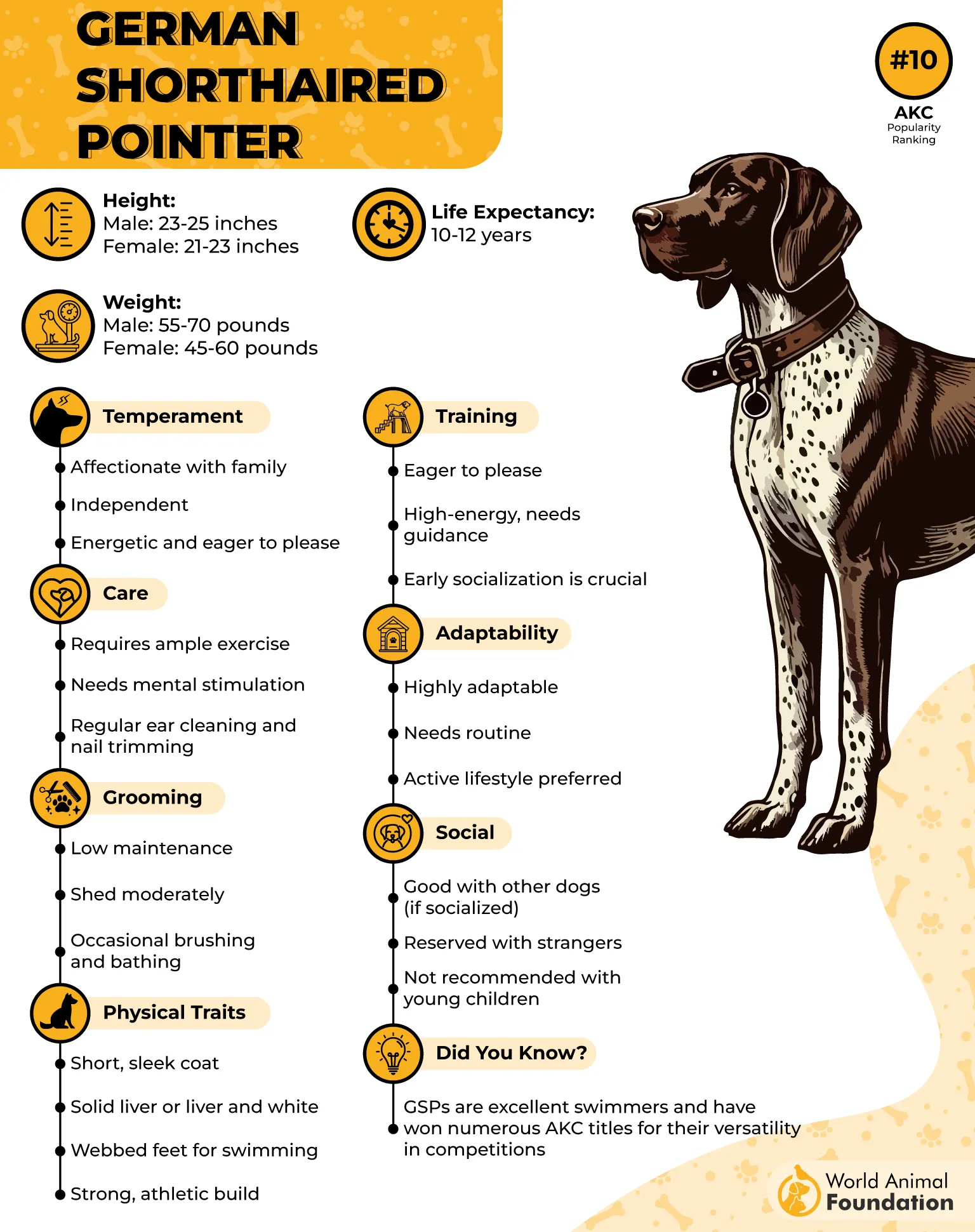
German Shorthaired Pointers have high energy levels and need plenty of daily activity. They do best with vigorous exercise, such as running, hiking, swimming, fetch, agility, or other dog sports. When they are not working as sporting dogs, they need about one to two hours of intense exercise each day.
Their strong prey drive also means they should be kept on a leash or in a secure yard, as interesting scents can easily lead them away.
Training and Care
German Shorthaired Pointers are intelligent and learn quickly, but their independent nature and tendency to follow their noses can make training challenging. Early socialization and consistent positive training help keep their energy focused.
At home, they are loyal, playful, and generally good with children and other dogs. Their short, smooth coats are easy to maintain, with brushing every few days or weekly helping manage shedding. Their ears should also be checked and cleaned regularly, especially after swimming.
2. Australian Cattle Dog
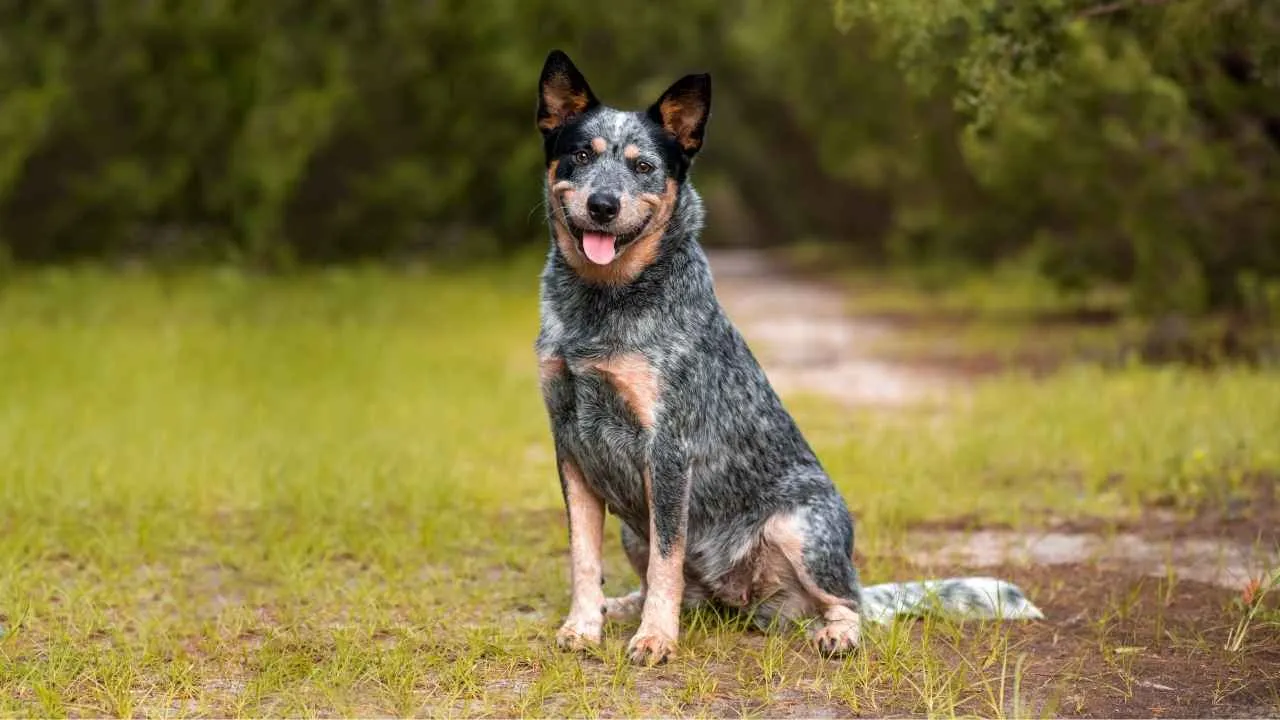
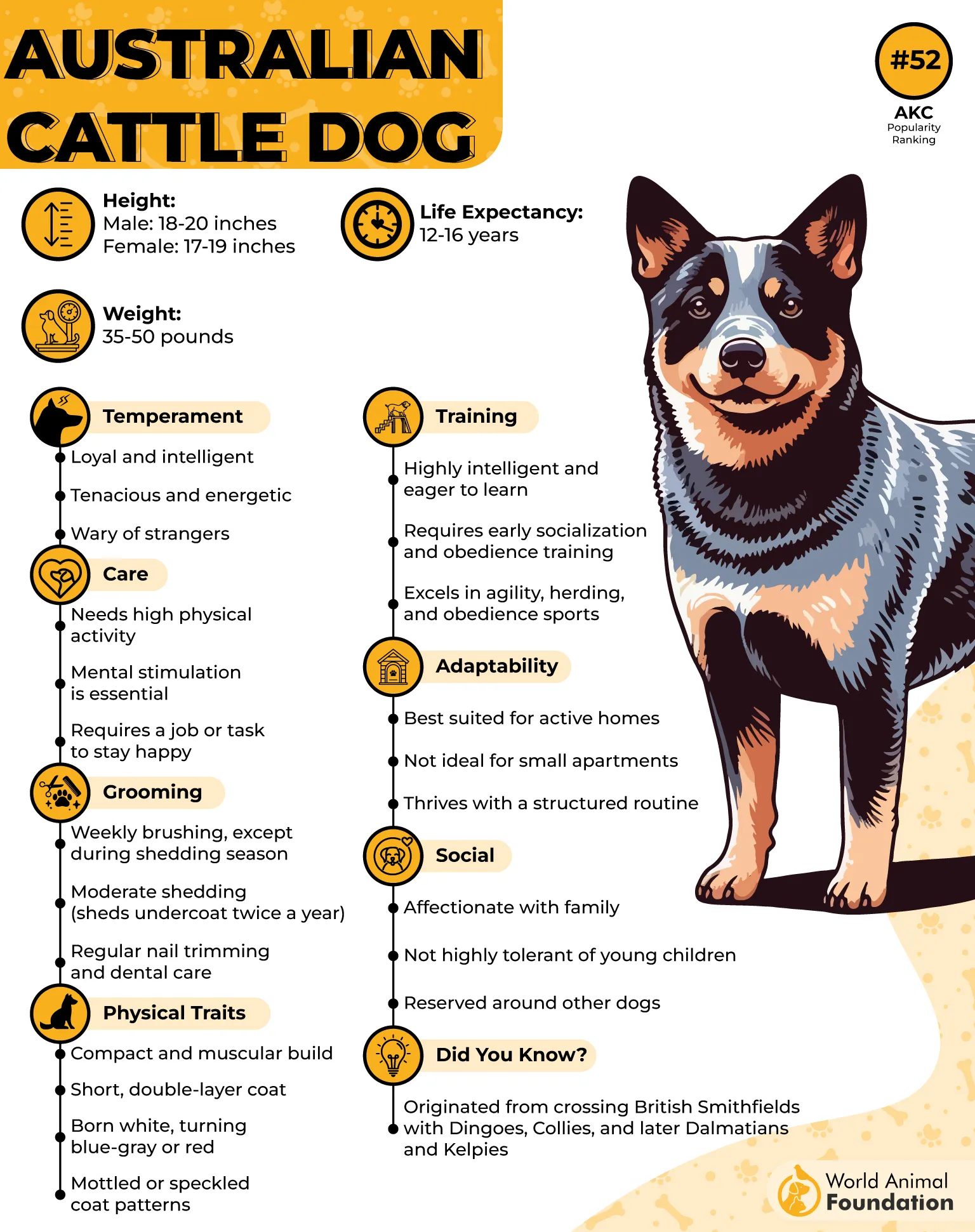
Australian Cattle Dogs were developed for demanding farm work, herding cattle across rough terrain and long distances, as noted by Britannica. Their sturdy build, strength, stamina, and endurance made them well suited to the job. Their connection to the dingo also gives them a distinctive, tough appearance.
Today, these dogs are still happiest when they have plenty to do and can make energetic companions for hiking, camping, running, and other outdoor escapades.
Energy, Temperament, and Training
These dogs are extremely intelligent, alert, courageous, and loyal to their owners. They are also independent and can be wary of strangers. Their strong herding instincts may lead them to nip or try to herd children, so early socialization and positive obedience training are important.
They need regular physical and mental stimulation and can become destructive or develop unwanted behaviors when bored. Activities such as running, jogging, agility, frisbee, fetch, and farm work give their energy a useful outlet.

Outdoor-Friendly Coats
Australian Cattle Dogs have short, dense double coats with a rain-resistant outer layer. Their coats help them handle both hot and cold climates, making them well suited to outdoor life when they have proper shelter.
They shed moderately to heavily, with heavier shedding around twice a year, so regular brushing helps manage loose hair. Their ears should be checked regularly, especially after outdoor activities, while their nails should be kept short.
3. Siberian Husky
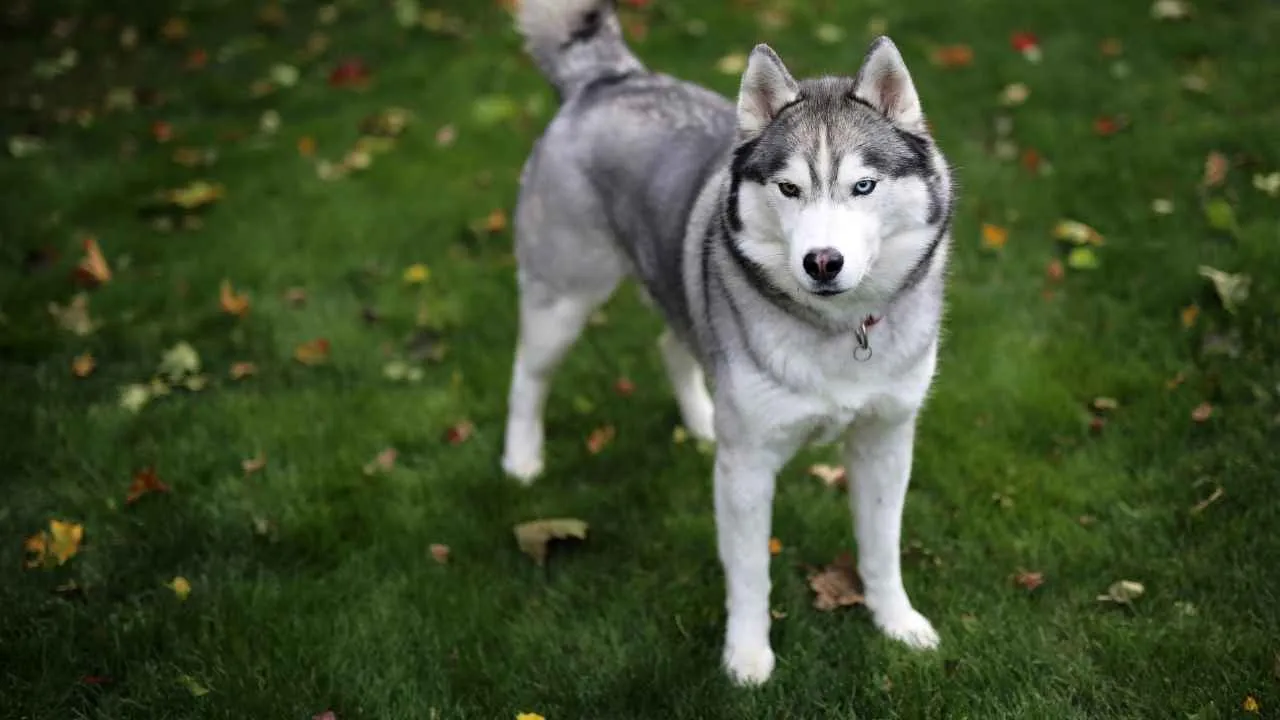
Siberian Huskies were bred by the Chukchi people of Siberia to pull sleds across vast, frozen landscapes. They carried loads over long distances, helped with hunting, and provided warmth during harsh Arctic nights.
Their speed, stamina, teamwork, and endurance later made them successful sled racers in Alaska. Their role in the 1925 Great Race of Mercy, when sled teams carried life-saving serum to Nome, further showed their ability to handle extreme conditions, as noted by Wikipedia.
Built for Long Adventures
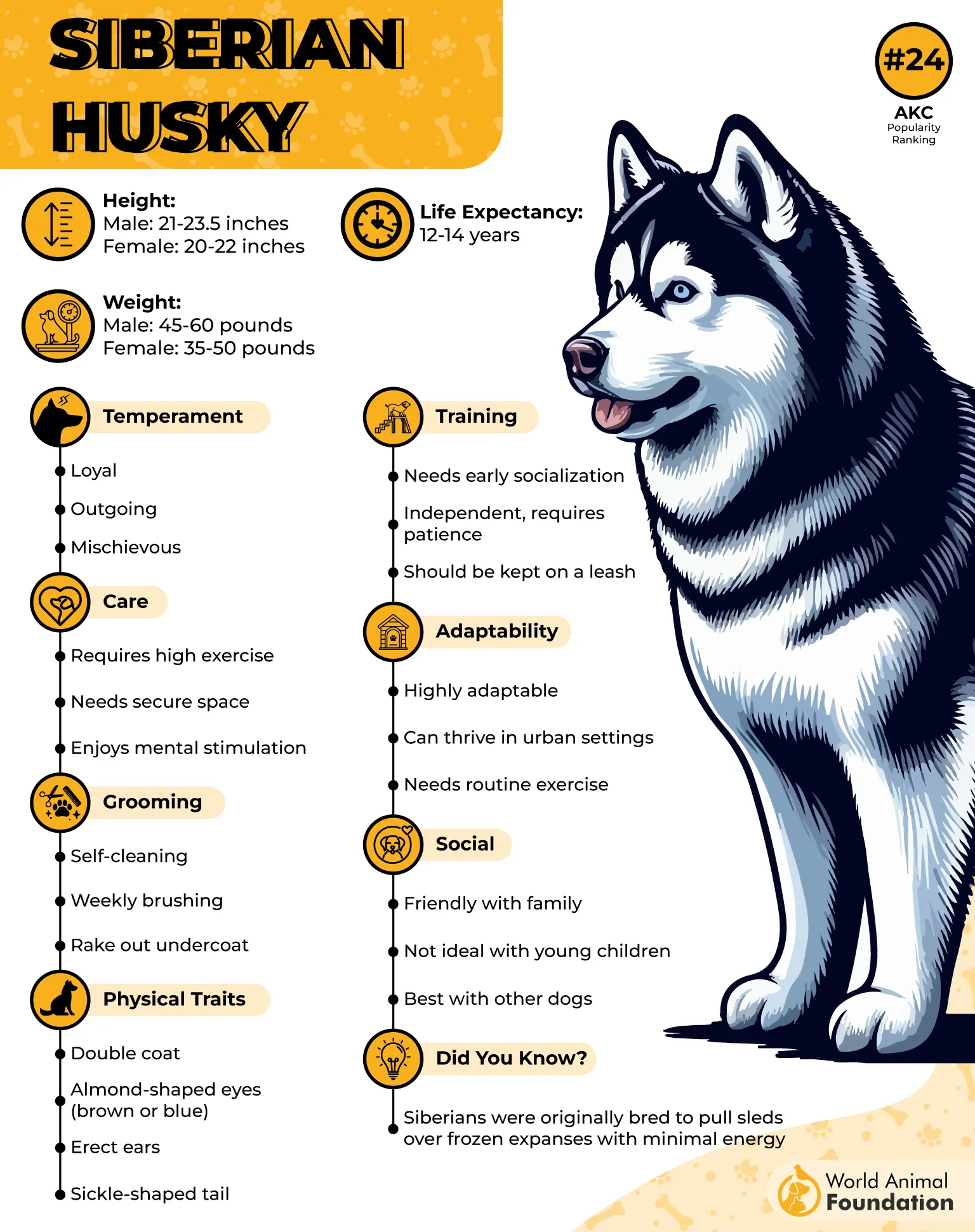
Siberian Huskies are active, independent, playful, and full of energy. They need about one to two hours of exercise each day, with activities that challenge both their bodies and minds. Long hikes, running, sledding, skijoring, bikejoring, canicross, and other pulling sports suit them well.
They thrive in cold weather but can overheat in hot conditions. Their strong roaming instinct also means outdoor exercise should be on a leash or in a secure area.
Training and Coat Care
Siberian Huskies are intelligent but strong-willed, so training can take patience and consistency. They respond well to positive, reward-based methods, especially when learning recall, leash manners, and impulse control. They can become destructive when bored or left alone too long.
Their dense double coats are well suited to cold weather but shed heavily. Weekly brushing is needed, with more frequent brushing during shedding seasons. Since they are naturally self-cleaning, baths are usually only needed a few times a year.
4. Alaskan Malamute
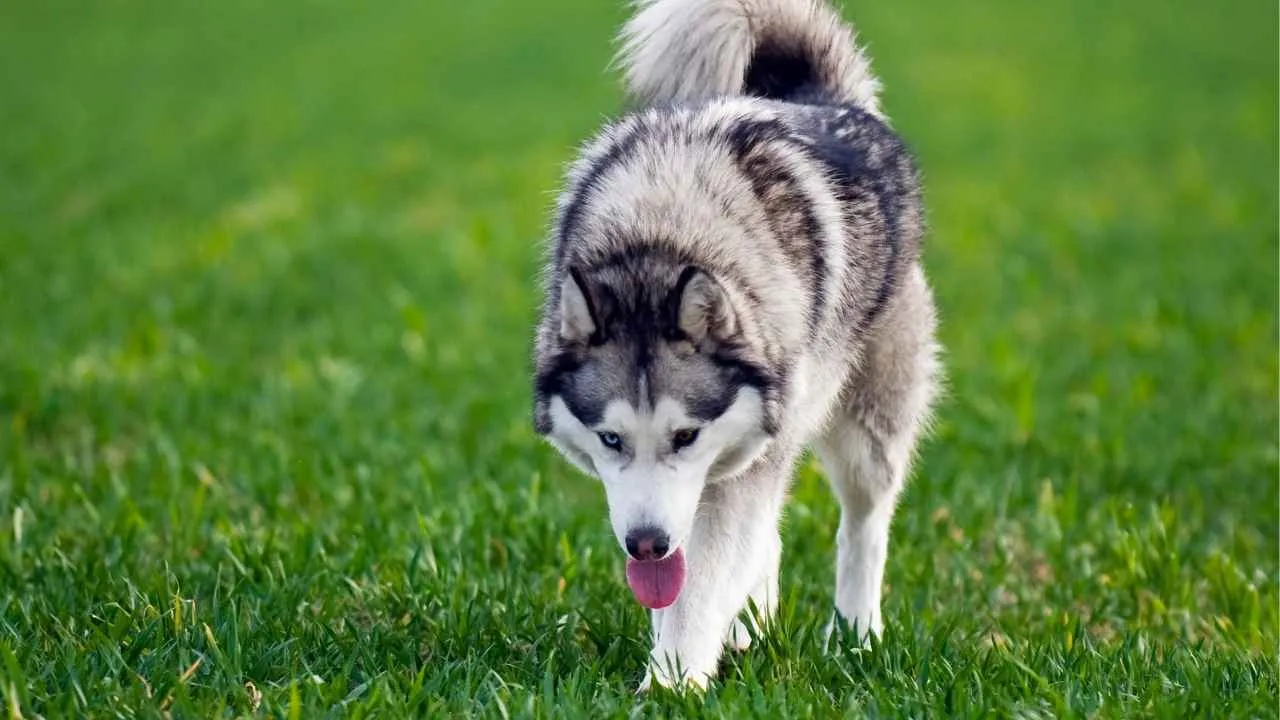
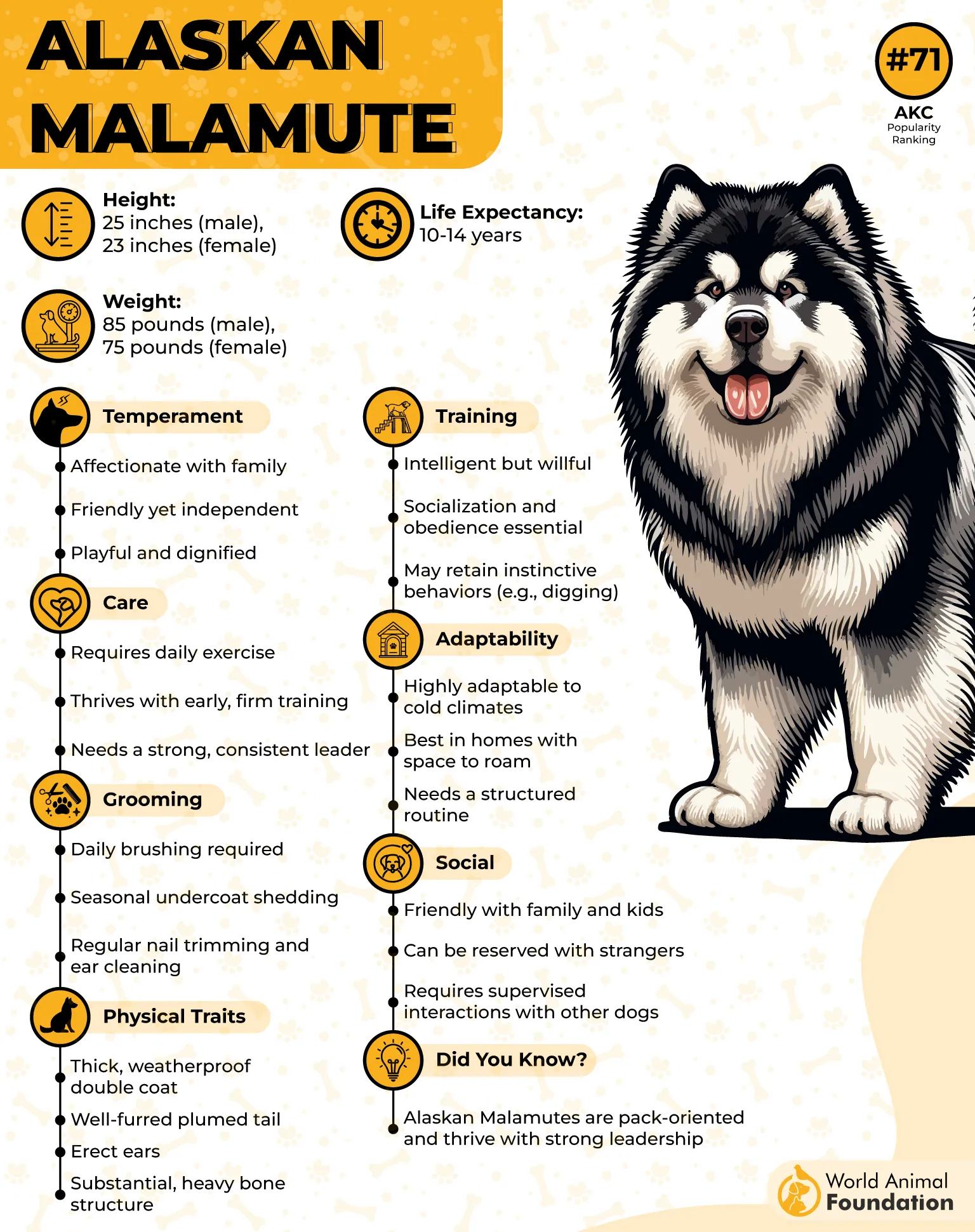
Alaskan Malamutes were developed by the native Mahlemut people of Alaska to handle demanding work in harsh Arctic conditions. They were used to pull heavy loads, hunt seals, and even help scare away polar bears.
Their strength and reliability also made them valuable during the Klondike Gold Rush and later on Antarctic expeditions. That working background still shows today, making these dogs natural companions for rugged outdoor adventures.
Built for Outdoor Adventures
Alaskan Malamutes are adventurous, intelligent, athletic, and full of energy. They enjoy long walks, hikes, jogging, biking, backpacking, sledding, skijoring, and weight-pulling activities. Agility, obedience, tracking, and nose work can also keep their active minds busy.
They particularly enjoy cold weather, while their thick coats can make warm conditions difficult. In hot months, early-morning outdoor activities are a better option.
Training and Coat Care
Alaskan Malamutes are clever problem-solvers but can also be independent and stubborn. They respond best to patient, positive-reinforcement training and need early socialization. Without enough exercise or mental stimulation, they may dig, chew, howl, or try to escape.
Their thick double coats need daily brushing, especially during shedding periods. Regular grooming helps remove dirt and loose hair, while their ears and eyes should also be checked as part of routine care.
5. Belgian Malinois
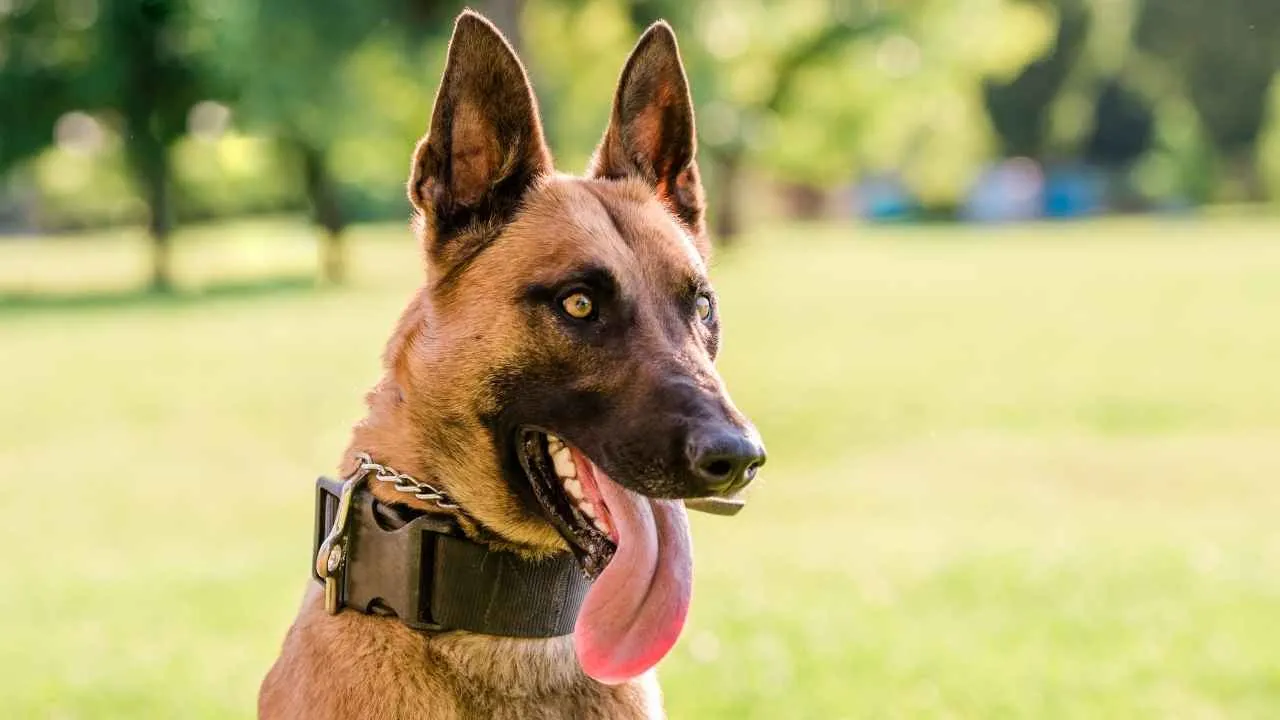
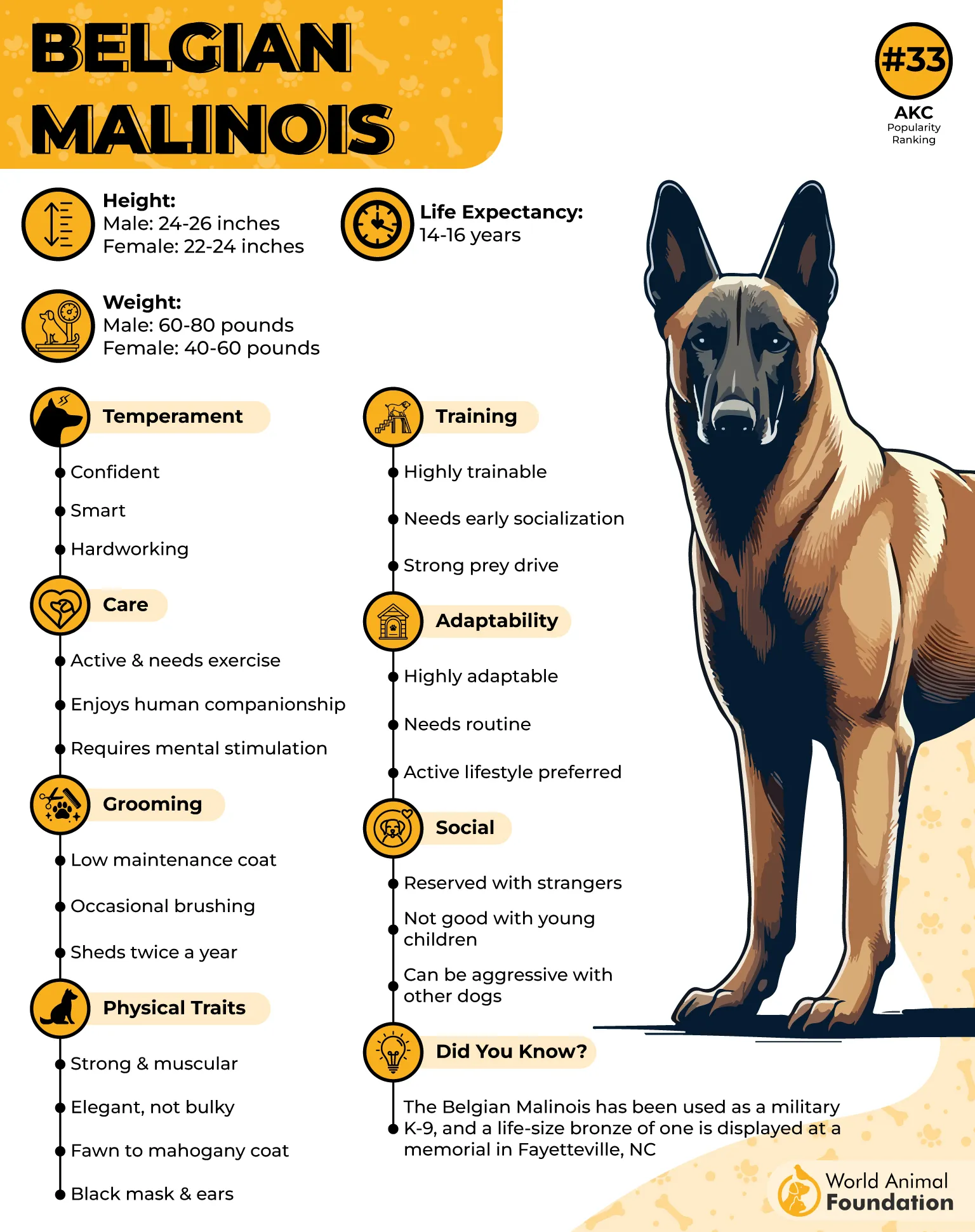
Belgian Malinois were first bred in Belgium for herding and farm work. Their strong work ethic and trainability later led them into police, military, search-and-rescue, and detection roles. These dogs are built for action and thrive when they have a clear job to do.
Energy and Outdoor Activities
Belgian Malinois need plenty of physical and mental activity. Daily walks alone are not enough for this high-energy breed. They make strong companions for running, hiking, biking, tracking, agility, herding, fetch, and even sledding.
They enjoy working alongside their people and need active engagement to stay fulfilled. Without enough exercise or stimulation, they may turn to destructive behaviors such as digging, chewing, or damaging household items.
Training and Care
Belgian Malinois are extremely intelligent and quick to learn, but they need consistent training and socialization from an early age. Positive reinforcement works well, and professional training can help channel their drive into useful activities.
Their high prey drive can make them chase moving objects, so good obedience is important outdoors. Their short, waterproof coats are easy to maintain with occasional brushing, although they shed more during seasonal coat blowouts. Regular ear, nail, dental, and eye care should also be part of their routine.
6. Rhodesian Ridgeback
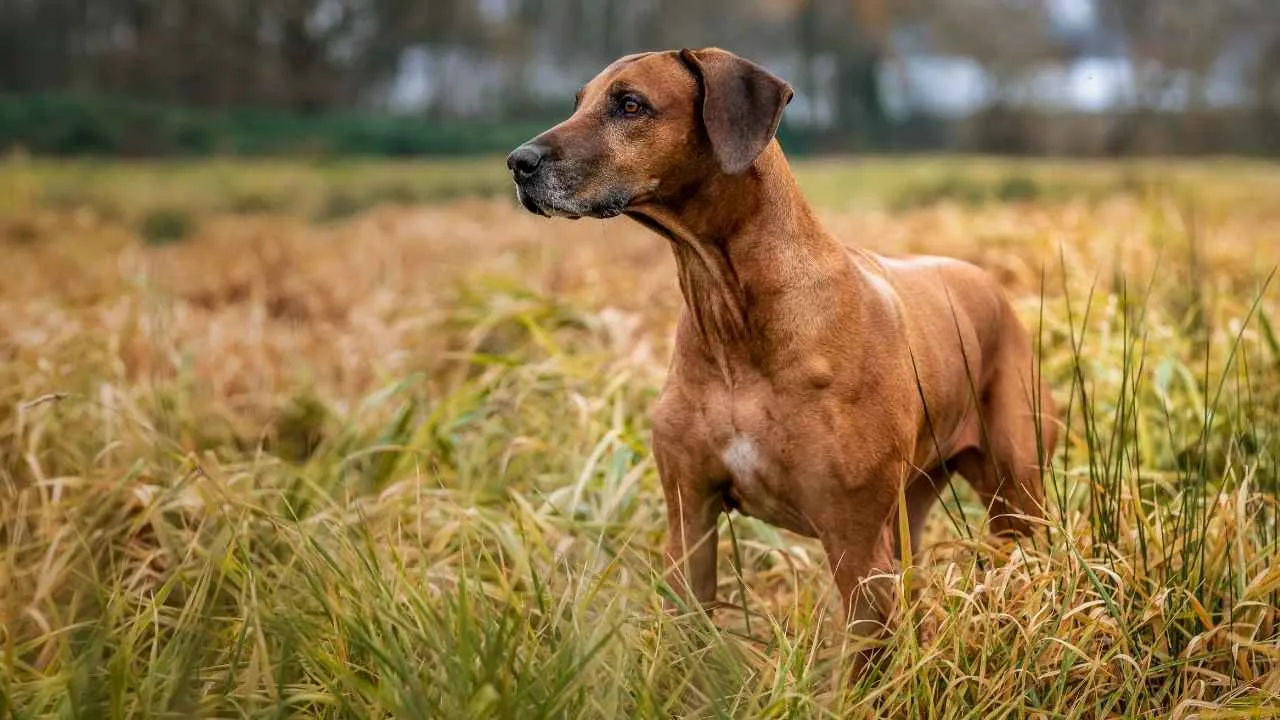
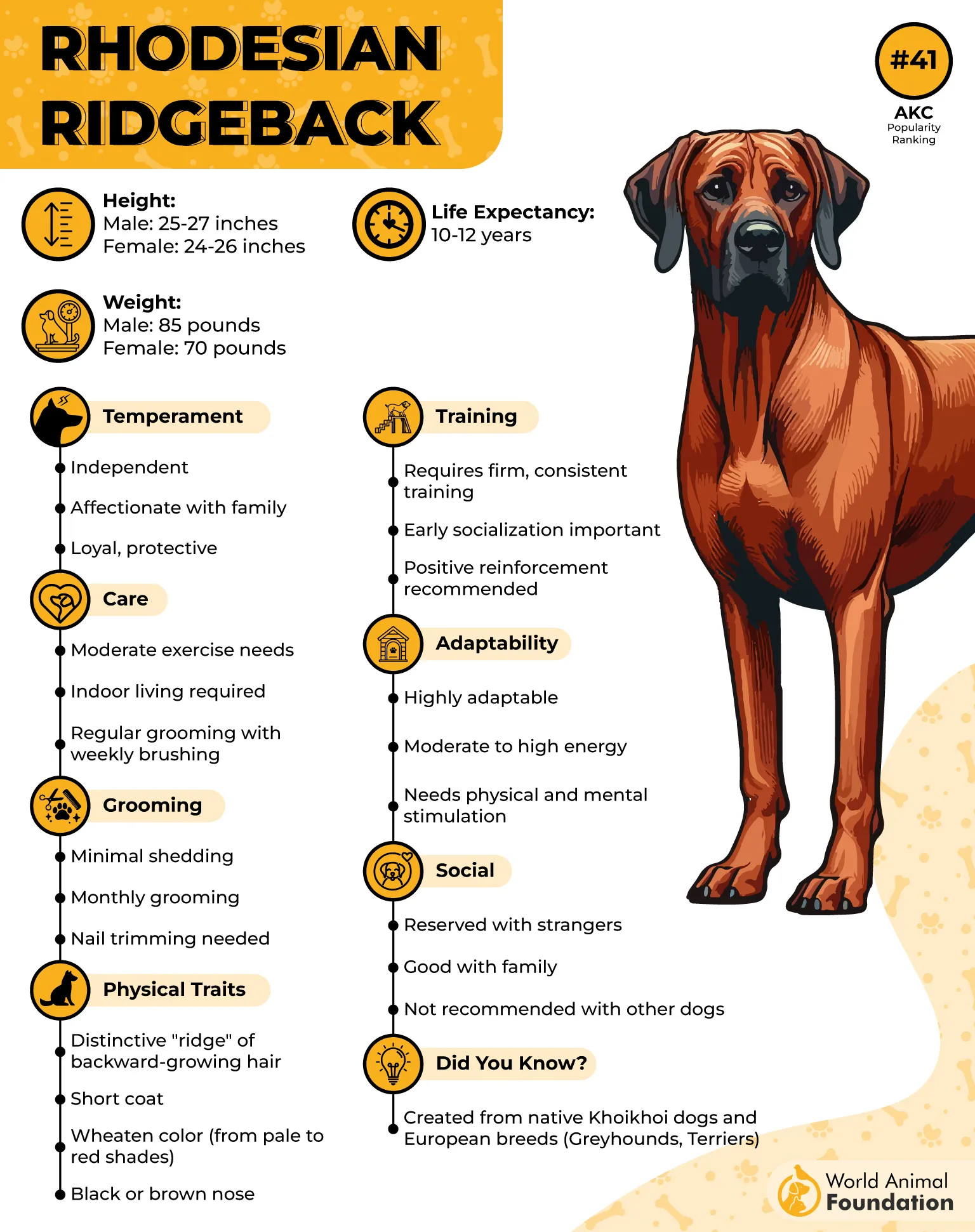
Rhodesian Ridgebacks originated in southern Africa, where early versions of the breed were developed for big-game hunting. Hunters valued them for their fearlessness when confronting and holding lions and other large prey.
Their athletic build, stamina, endurance, and strong hunting instincts still make them well suited to active outdoor adventures.
Built for Outdoor Adventures
Rhodesian Ridgebacks need at least 45 minutes to an hour of daily physical activity along with mental stimulation. Hiking, jogging, swimming, tracking, hiking, fetch, agility, obedience, and lure coursing can give them a good outlet for their energy.
They can become bored and destructive without enough activity, so outdoor-loving owners should be ready to keep them engaged.
Training and Care
These intelligent dogs have an independent, strong-willed side, making consistent positive-reinforcement training important. Early socialization helps them feel more comfortable around unfamiliar people and other dogs.
Their strong prey drive means they should stay on a leash or in a secure area outdoors. Their short coat is easy to maintain with weekly brushing, while their ears should be checked regularly, especially after swimming or outdoor activities.
7. Weimaraner
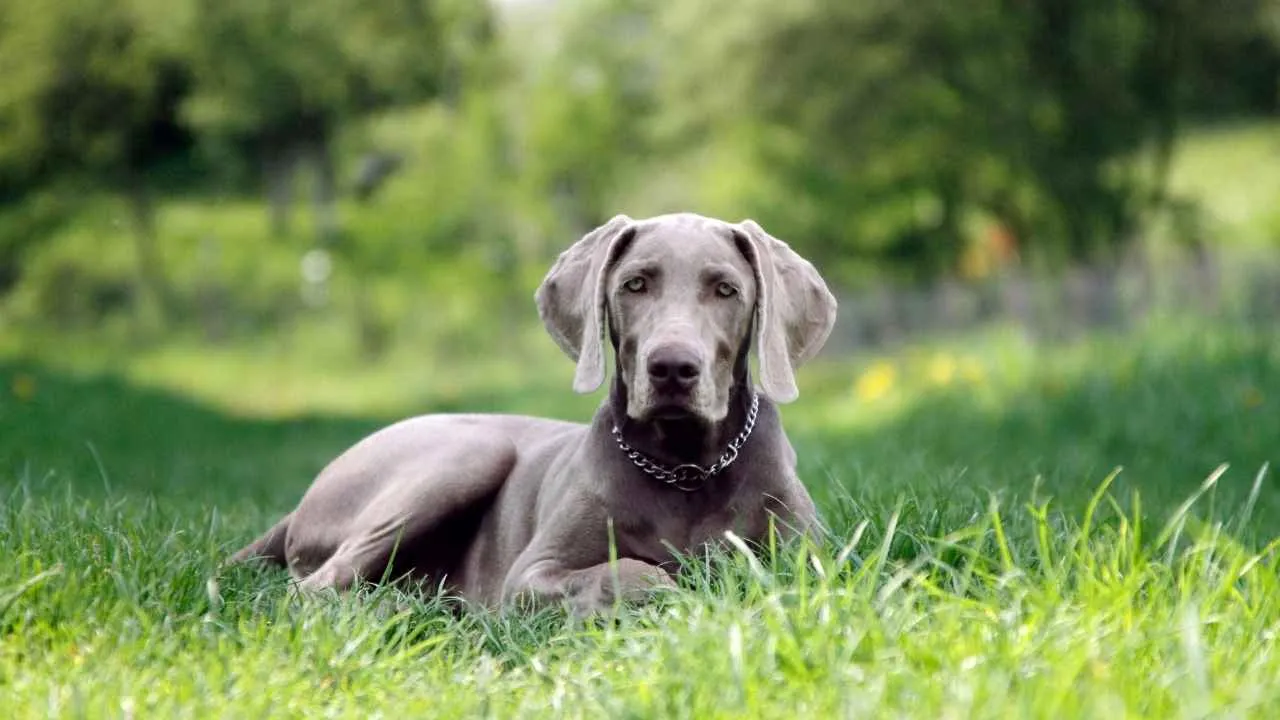
Weimaraners originated in Germany during the 19th century and were developed as all-around hunting dogs. German nobles wanted dogs with exceptional tracking ability, speed, courage, and durability, capable of hunting game of different sizes.
That working background gave Weimaraners the athleticism and endurance that still make them strong companions for hiking, running, biking, and other outdoor adventures.
Built for Active Adventures
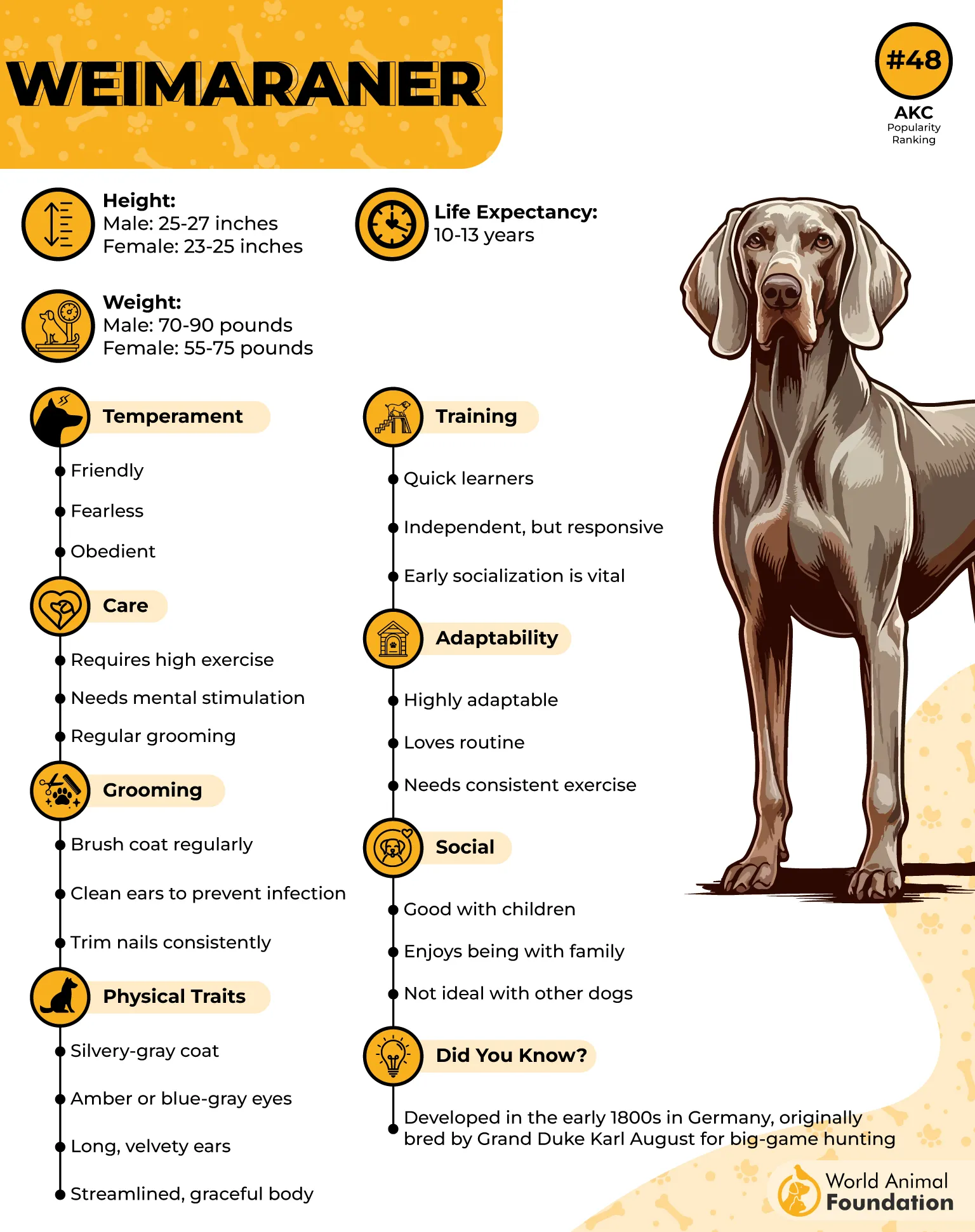
Weimaraners have very high exercise needs and require at least two hours of physical activity each day. Hiking, running, jogging, biking, swimming, fetch, hunting, agility, and lure coursing can help keep them busy.
They also need regular mental stimulation because boredom can quickly lead to digging, chewing, barking, or escape attempts. A large, fenced yard gives them room to move safely.
Training and Care
These intelligent, affectionate dogs learn quickly but can also be strong-willed and stubborn. Early socialization and consistent, positive training help them become well-mannered companions.
Their hunting background gives them a strong prey drive, so they may chase cats, small animals, bikers, joggers, or other moving objects. They also form very close bonds with their families and can become lonely when left alone for long periods.
Conclusion
Hardy dog breeds can bring a whole new level of energy and companionship to outdoor adventures. From long hikes and runs to swimming, climbing, pulling, and exploring rough terrain, these dogs have the stamina, athleticism, and working backgrounds to keep up with an active lifestyle.
Still, each breed has its own exercise needs, temperament, training requirements, and climate preferences to consider.
Before choosing an adventure companion, think about the activities you enjoy most and the environment where your dog will spend time.
The right match should be able to enjoy the journey while fitting comfortably into your everyday life. After all, the best outdoor adventures are the ones you can share with a happy, well-prepared four-legged companion.
