




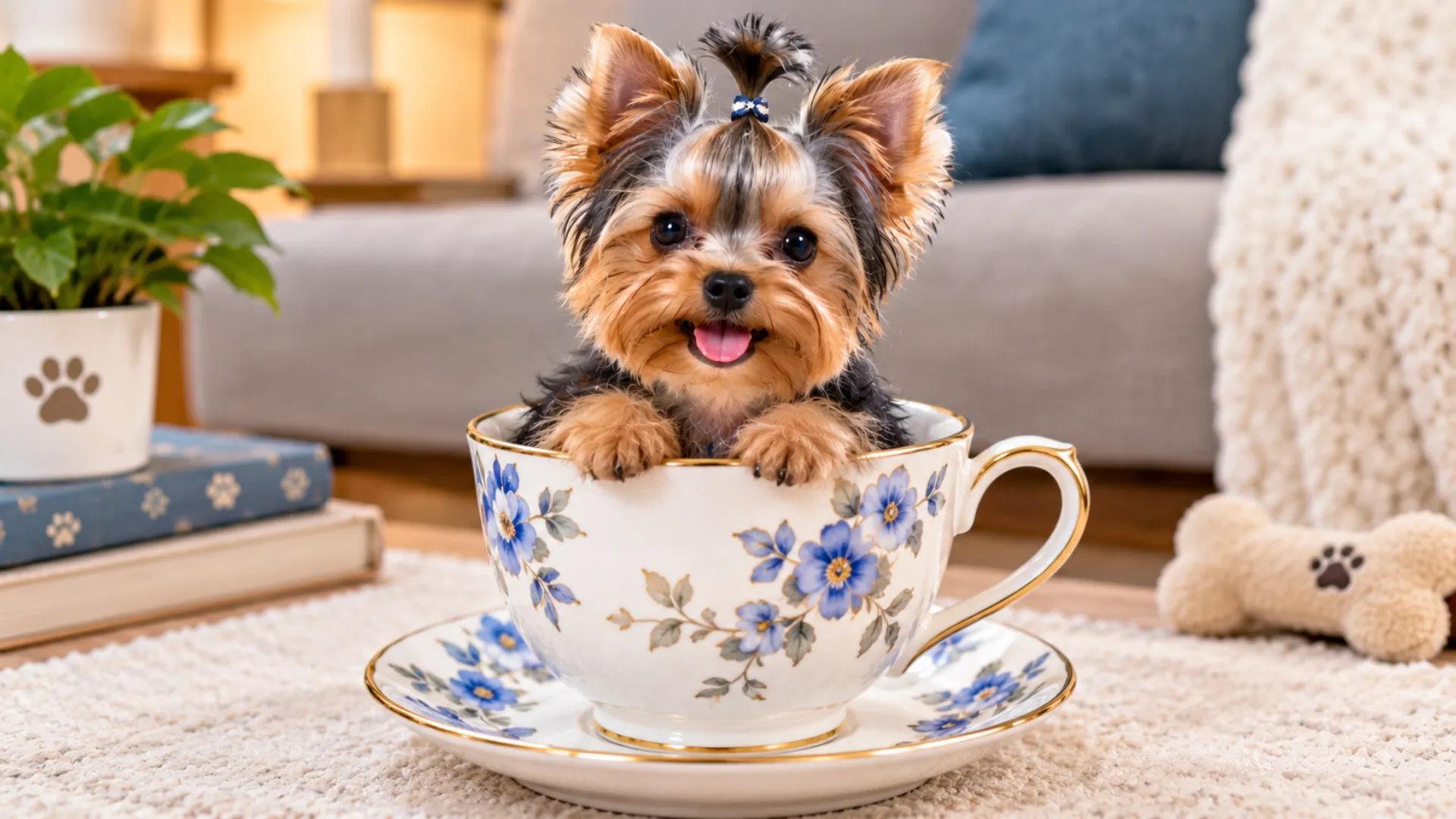
Small dogs can occupy surprisingly little space while bringing an enormous presence into a household. Their diminutive frames may suggest delicate lap companions, yet many toy-sized dogs possess confidence, curiosity, determination, and unmistakable character.
Several of these breeds trace their beginnings to European courts, Asian households, or working roles that were later transformed into companion animals.
The term “teacup” is commonly used for dogs that fall below the usual size range for an established toy breed rather than representing a separate recognized breed category. Extremely undersized dogs can face additional health concerns, so prospective owners should focus on responsible breeding, sound structure, and overall well-being instead of pursuing the smallest puppy available.
The seven breeds below demonstrate how much character can fit into a very compact companion. Their grooming requirements, activity levels, and social tendencies differ considerably, making it worthwhile to look beyond appearance when choosing a tiny canine.
Top Tiny Teacup Dog Breeds with Huge Personalities
1. Yorkshire Terrier
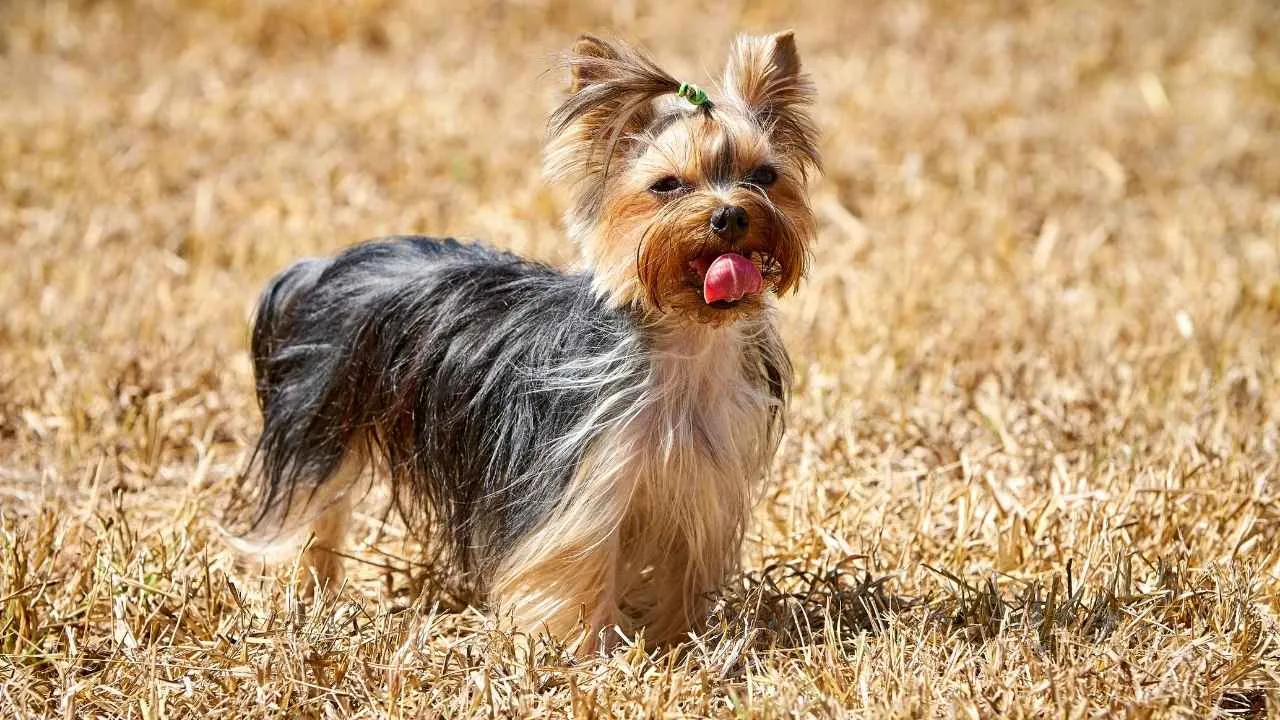
Yorkshire Terriers originated in northern England during the Industrial Revolution, when Scottish workers moving into Yorkshire brought small terriers with them. Those dogs eventually contributed to the development of the breed, which was originally associated with catching rats in textile mills and other working environments before becoming a fashionable companion.
Silk-Like Coats and Surprisingly Active Routines
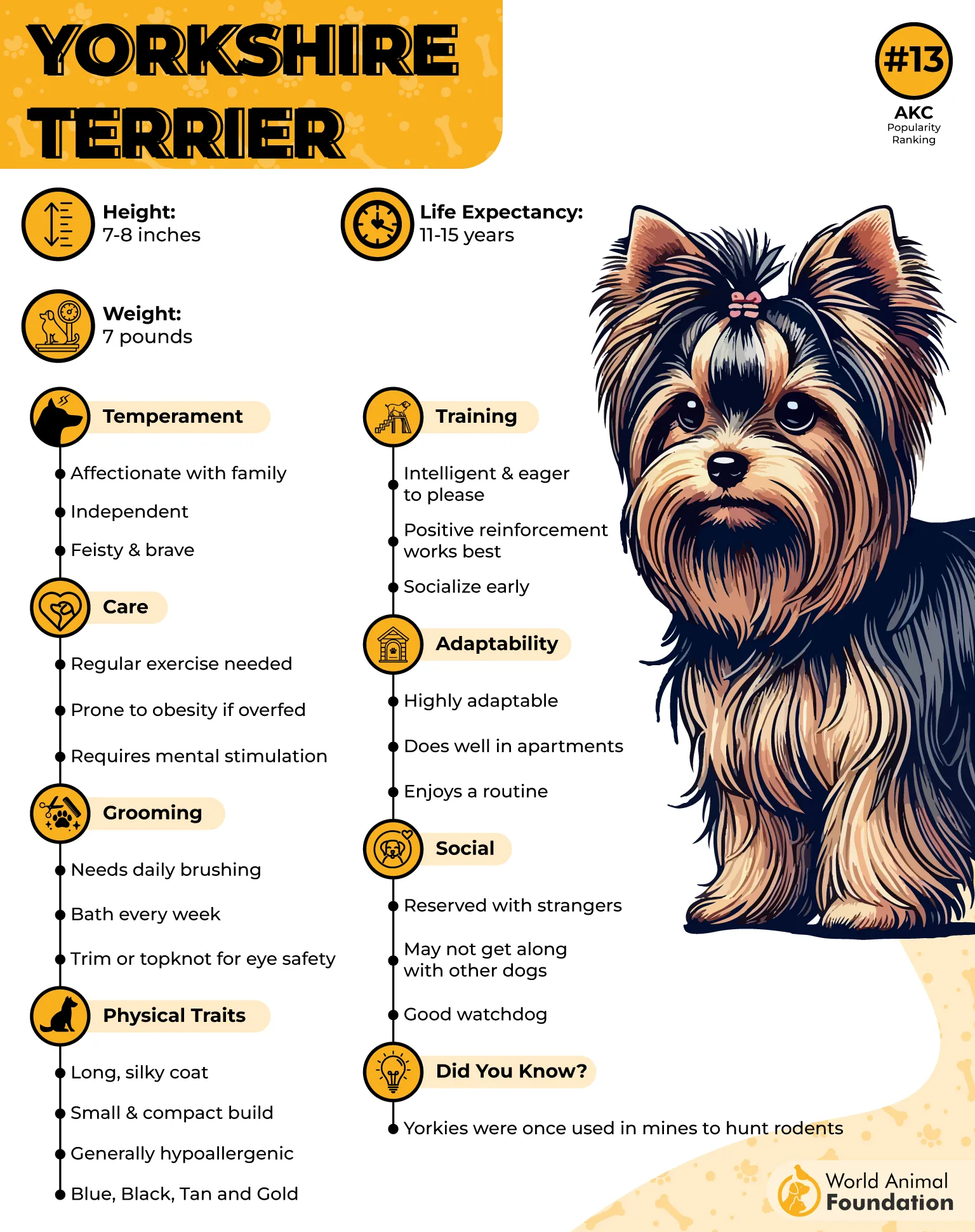
The Yorkshire Terrier’s long, fine coat requires regular brushing to prevent knots and tangles, particularly when it is kept at full length. Many owners choose a shorter trim to simplify maintenance. Despite its miniature proportions, this breed appreciates daily walks, indoor games, short training sessions, and opportunities to investigate its surroundings.
A Confident Spirit Behind the Tiny Frame
Yorkies frequently behave as though their size has never been mentioned to them. These small dogs can be alert, assertive, vocal, and intensely interested in everything happening around them. Their terrier ancestry contributes to a lively temperament, while their close attachment to people often makes them entertaining and devoted household companions.
2. Toy Poodle
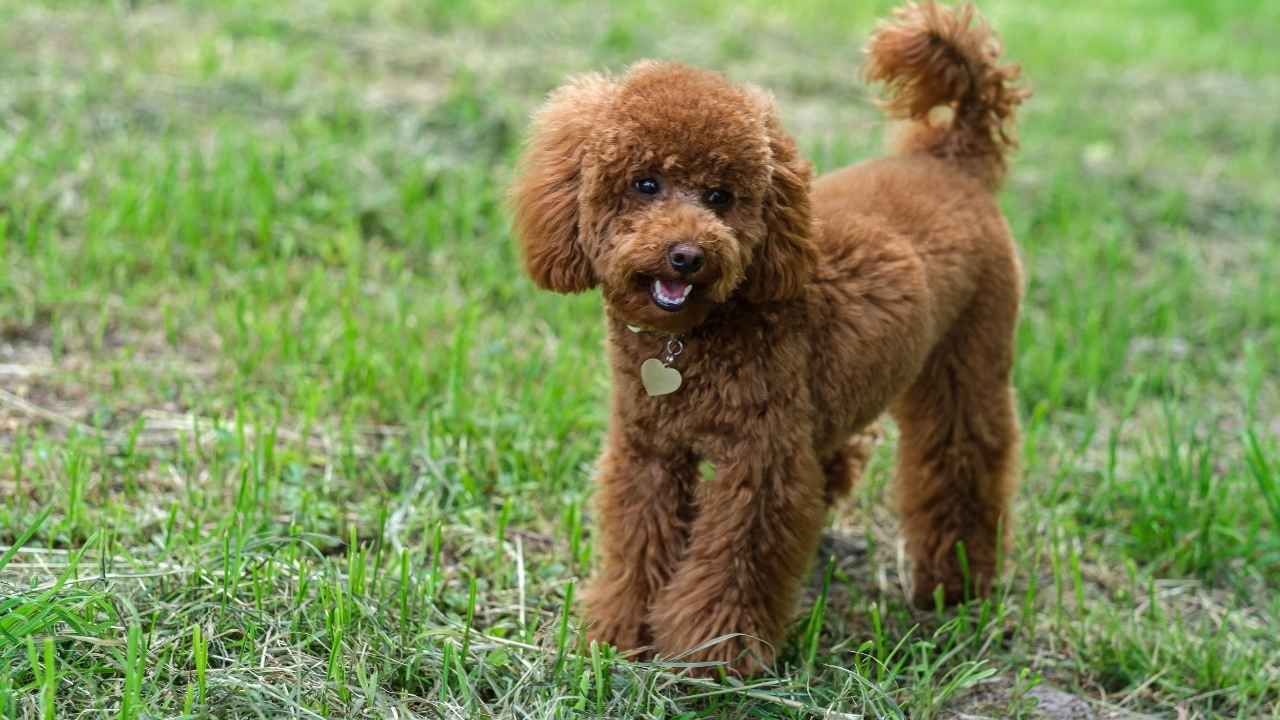
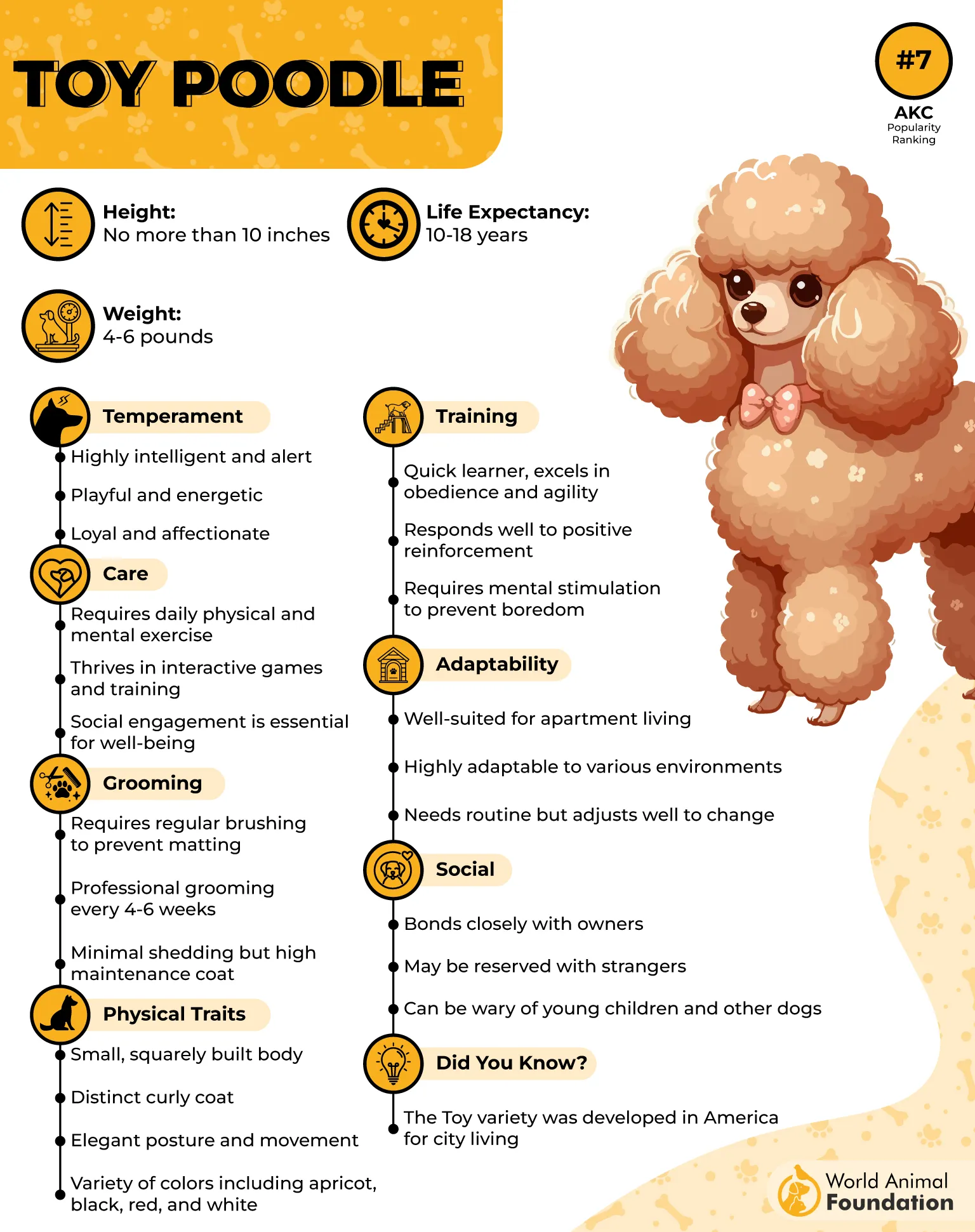
Toy Poodles belong to a much older Poodle lineage associated with Europe, where larger Poodles were developed as water retrievers. Through selective breeding, smaller versions became favored as companions and eventually gained popularity among aristocratic households and city residents who wanted a beautiful dog with the intelligence of its larger relatives.
Coat Care Meets a Clever Exercise Routine
A Toy Poodle’s continuously growing, curly coat needs frequent brushing and professional grooming to remain manageable. Leaving the coat neglected can quickly result in severe matting. Their bodies may be small, but their minds need occupation, so puzzle toys, trick training, short walks, and interactive games can be excellent additions to their day.
A Brainy Little Dog With Plenty to Say
Toy Poodles are renowned for their intelligence and quick learning ability. They can master tricks rapidly and often enjoy being given small challenges to solve. Their sensitivity and attentiveness may also make them responsive to household moods, while their energetic curiosity can turn an otherwise quiet afternoon into an unexpectedly busy one.
3. Shih Tzu
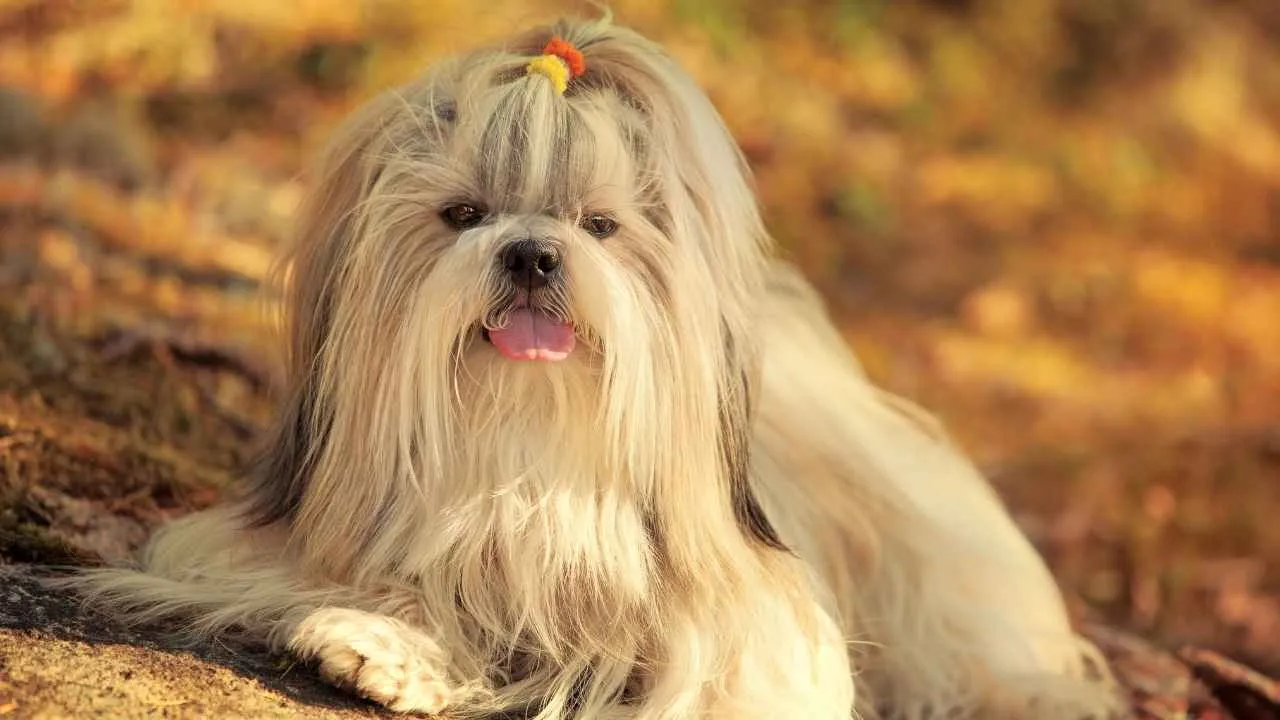
The Shih Tzu has deep historical ties to China and Tibet, with its ancestry connected to small companion dogs kept in royal and religious settings, as per PetMD. The breed became especially associated with Chinese imperial courts, where its charming appearance and affectionate nature made it a treasured household companion rather than a working animal.
Maintaining the Flowing Coat and Gentle Energy
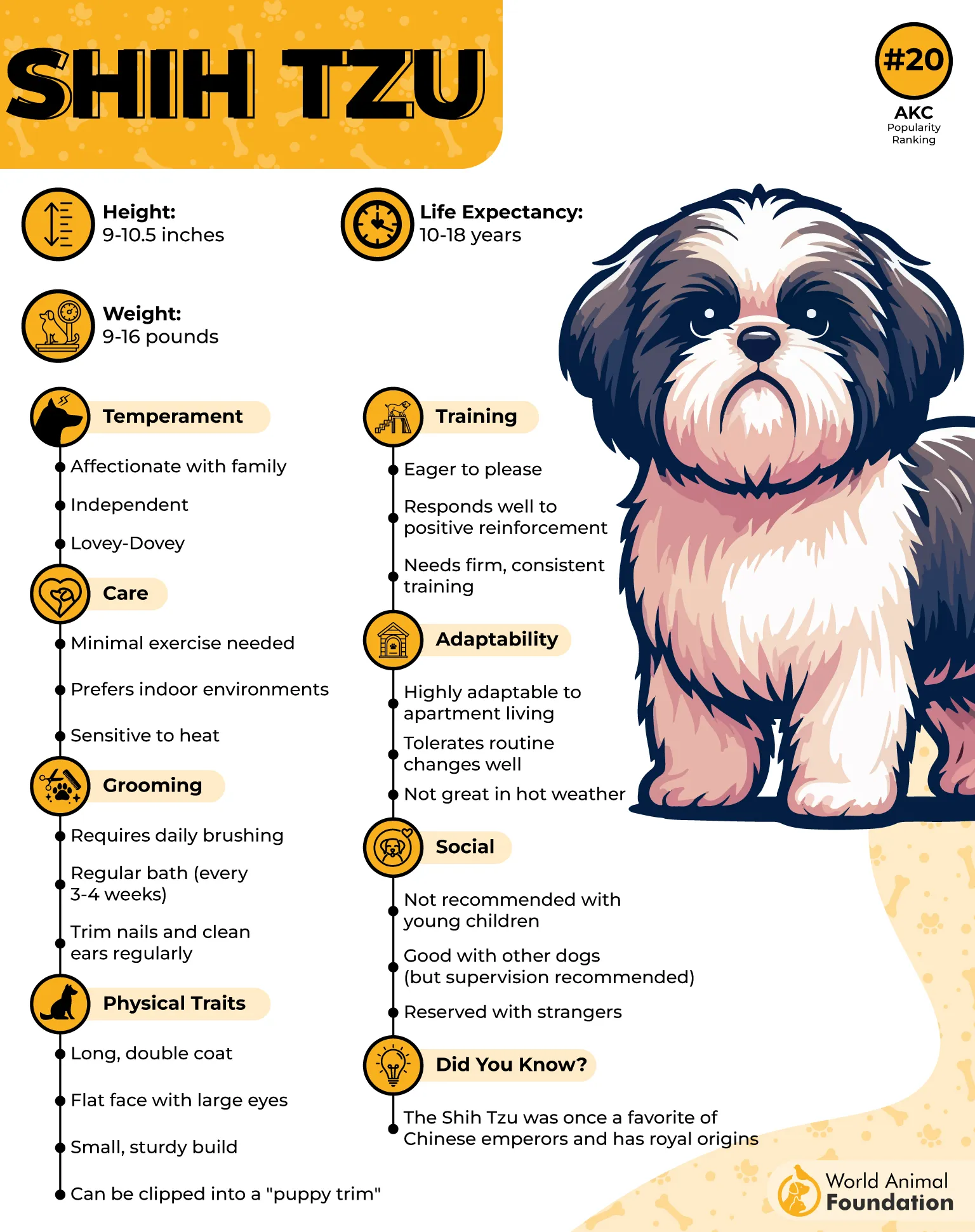
Shih Tzus possess a dense coat that can grow long and luxurious, requiring consistent brushing and routine trimming. Their exercise demands are comparatively modest, although they still benefit from daily walks and playful interaction. Short periods of activity spread throughout the day can suit this breed better than strenuous endurance sessions.
An Outgoing Personality in a Lap-Sized Package
Shih Tzus often combine affection with a surprisingly independent streak. They enjoy human company and may happily follow family members from room to room, but they are not necessarily passive little lapdogs. Many display confidence, stubbornness, and a humorous sense of self-importance that gives them a much bigger presence than their measurements suggest.
4. Maltese
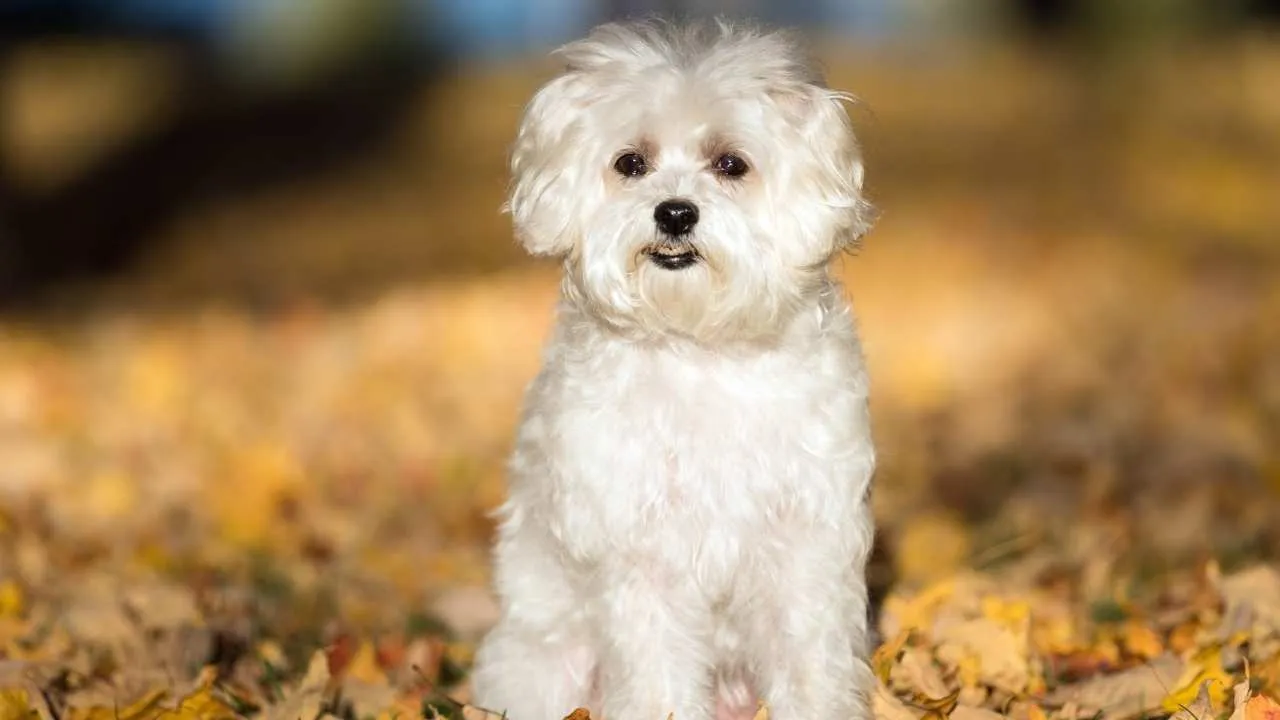
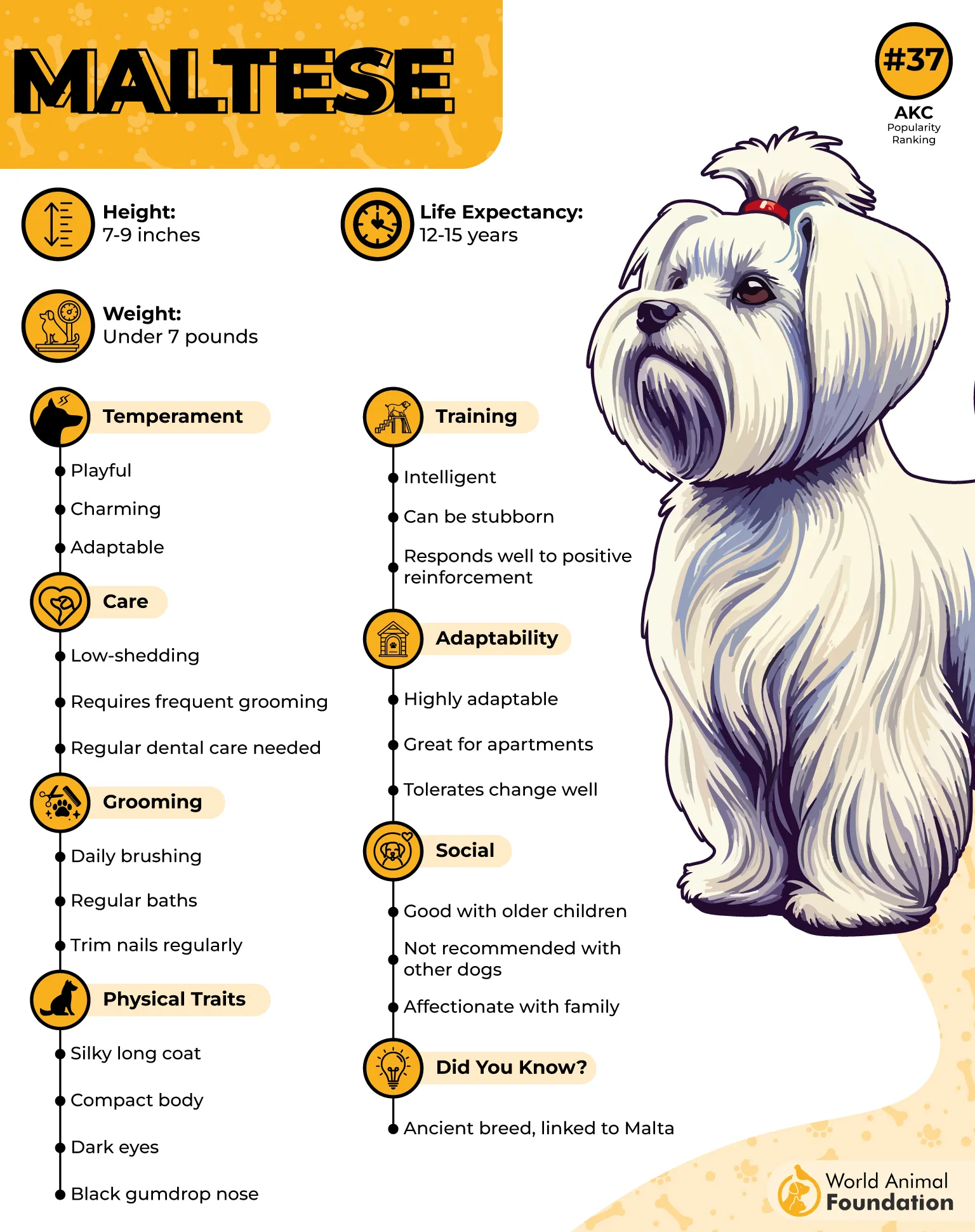
The Maltese is one of the ancient companion breeds associated with the Mediterranean region, particularly the island of Malta. Historical references to small white dogs resembling the Maltese appear across centuries of European civilization. Their compact bodies and striking coats eventually helped establish them as prized companions among wealthy families.
A White Coat That Demands Regular Attention
The Maltese has a single-layered coat that grows continuously and can become tangled without frequent brushing. Owners who prefer easier upkeep commonly maintain a shorter haircut. Exercise requirements are manageable, with brisk little walks, indoor play, and interactive activities generally providing enough physical engagement for many individuals.
Spirited, Social, and Far From Fragile in Character
Maltese dogs can be affectionate without being timid. They frequently form strong attachments to their people and may become enthusiastic watchdogs, announcing unfamiliar sounds or visitors with considerable confidence. Their playful behavior can continue well into adulthood, giving this tiny breed a lively household presence.
5. Pomeranian
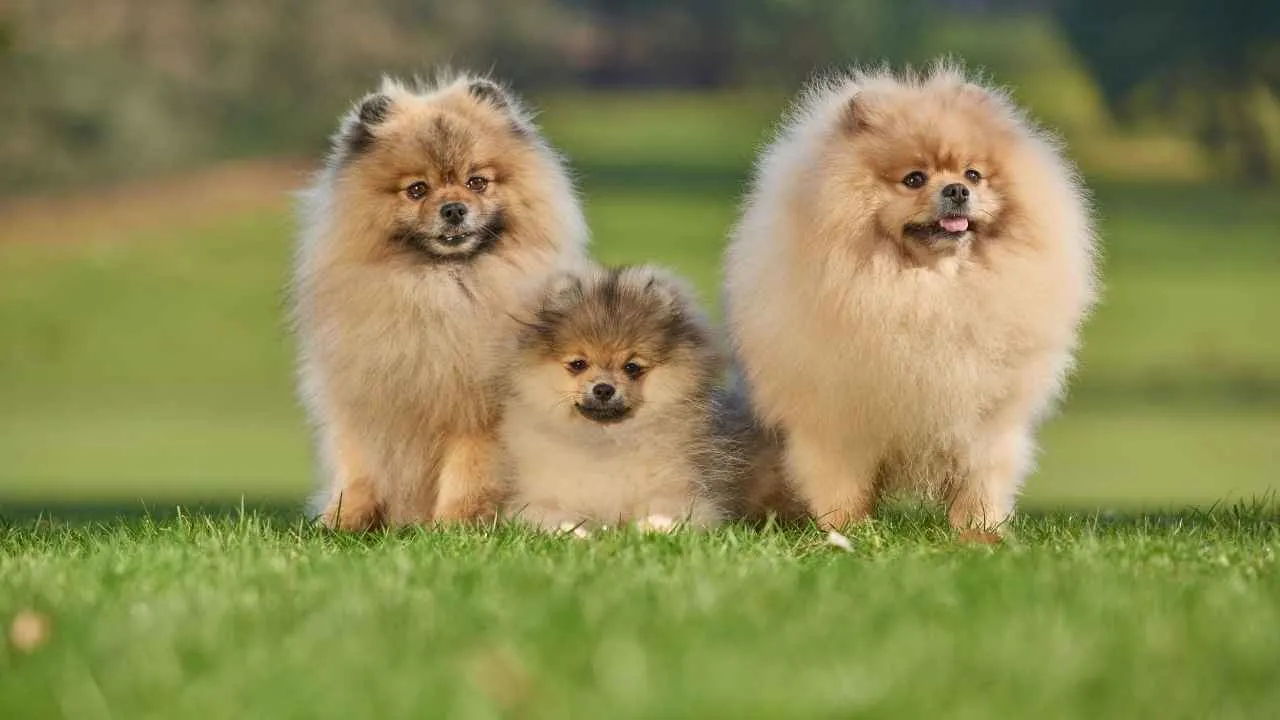
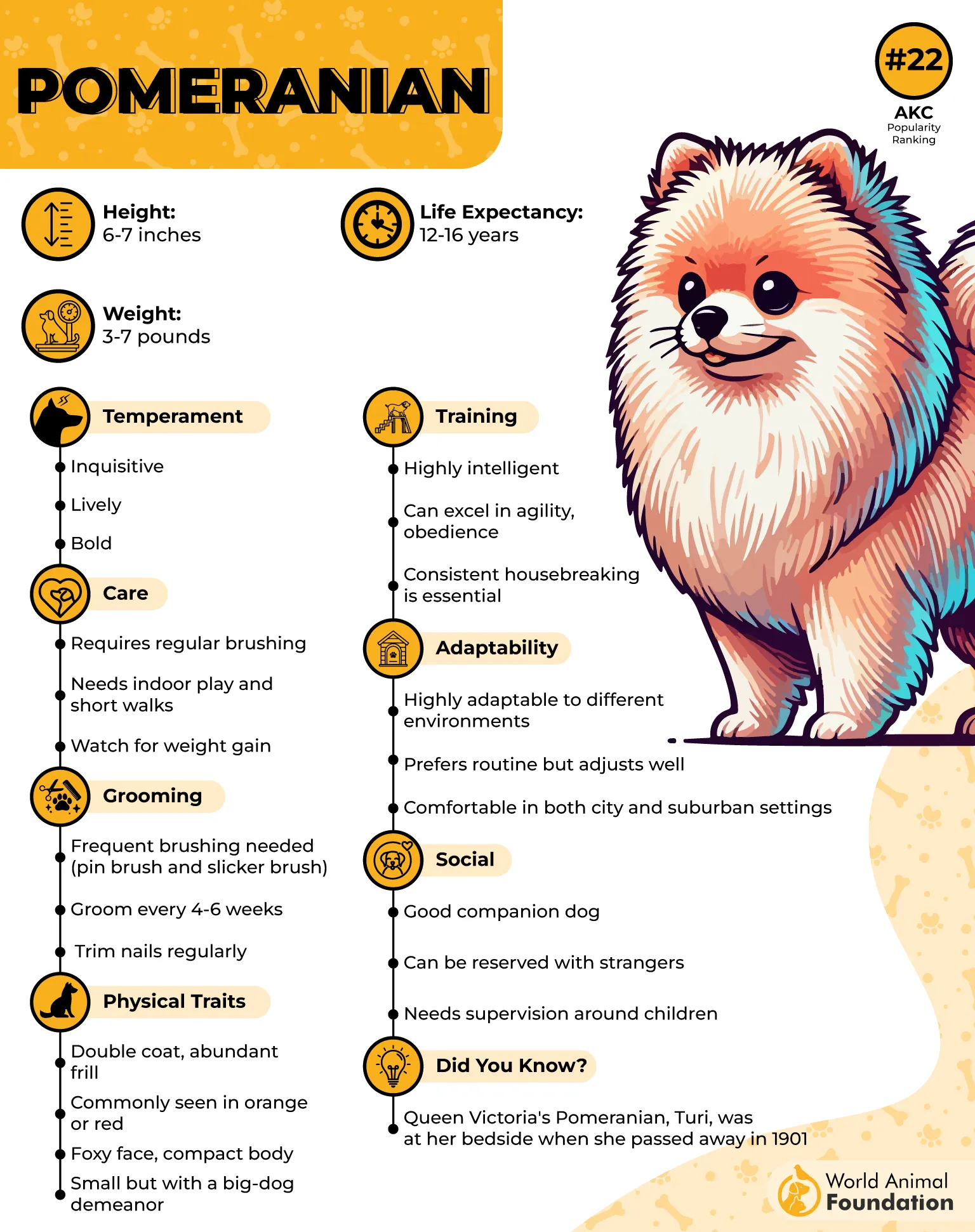
Pomeranians descend from larger Spitz-type dogs originating in the northern regions of Europe. The breed became considerably smaller through selective breeding and gained particular popularity in Britain during the nineteenth century. Its association with Queen Victoria helped increase public interest in the compact version of the breed seen today.
A Plush Double Coat Plus Plenty of Daily Activity
The Pomeranian’s thick double coat needs regular brushing to remove loose hair and maintain its fluffy appearance. Seasonal shedding can make grooming especially important. Although a Pomeranian requires less physical exertion than a large working dog, it still enjoys walks, games, exploration, and brief activities that keep its busy mind occupied.
Fearless Confidence Packed Into a Fluffy Body
Few toy breeds seem quite as aware of their own importance as the Pomeranian. These dogs can be bold, watchful, energetic, and remarkably expressive. They may approach unfamiliar situations with enthusiasm rather than caution, creating the amusing impression that a much larger guardian is operating inside a very small body.
6. Chihuahua
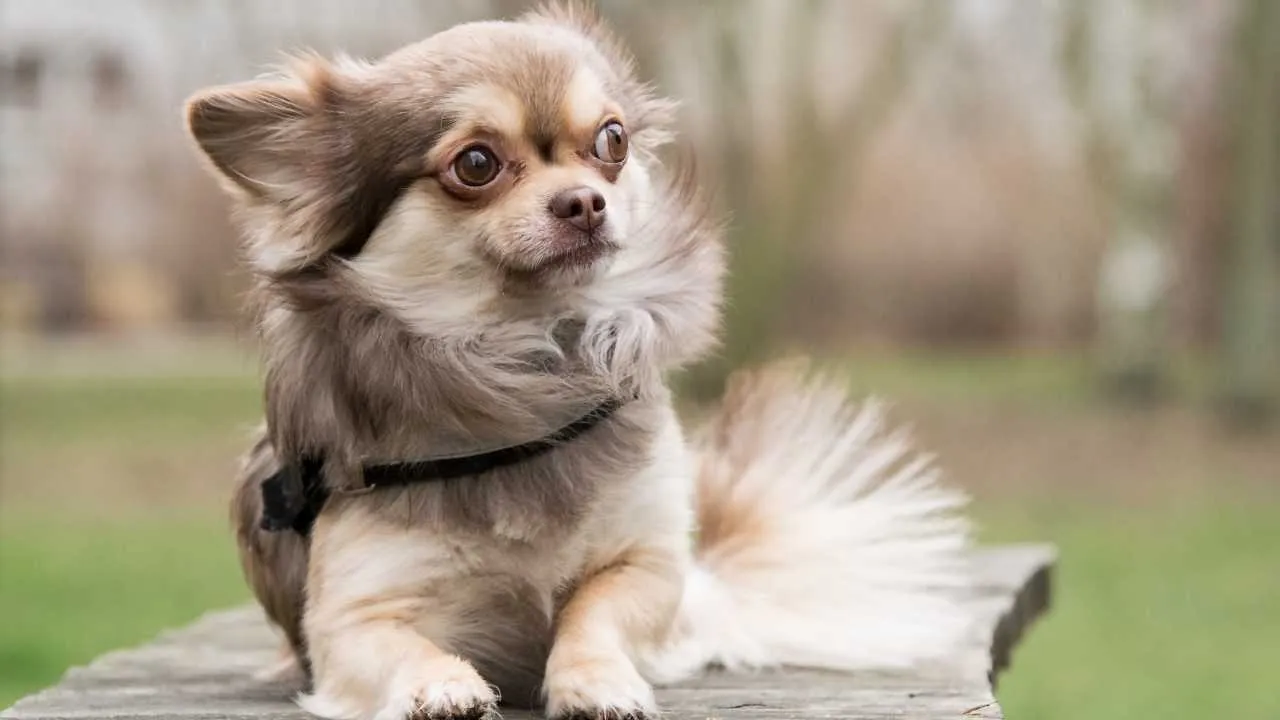
Chihuahuas are associated with Mexico and take their name from the Mexican state of Chihuahua. Their ancestry is commonly linked to the ancient Techichi, a small companion dog kept by the Toltec civilization, as per PDSA. Later development in Mexico produced the modern Chihuahua, which eventually became one of the world’s most recognizable miniature breeds.
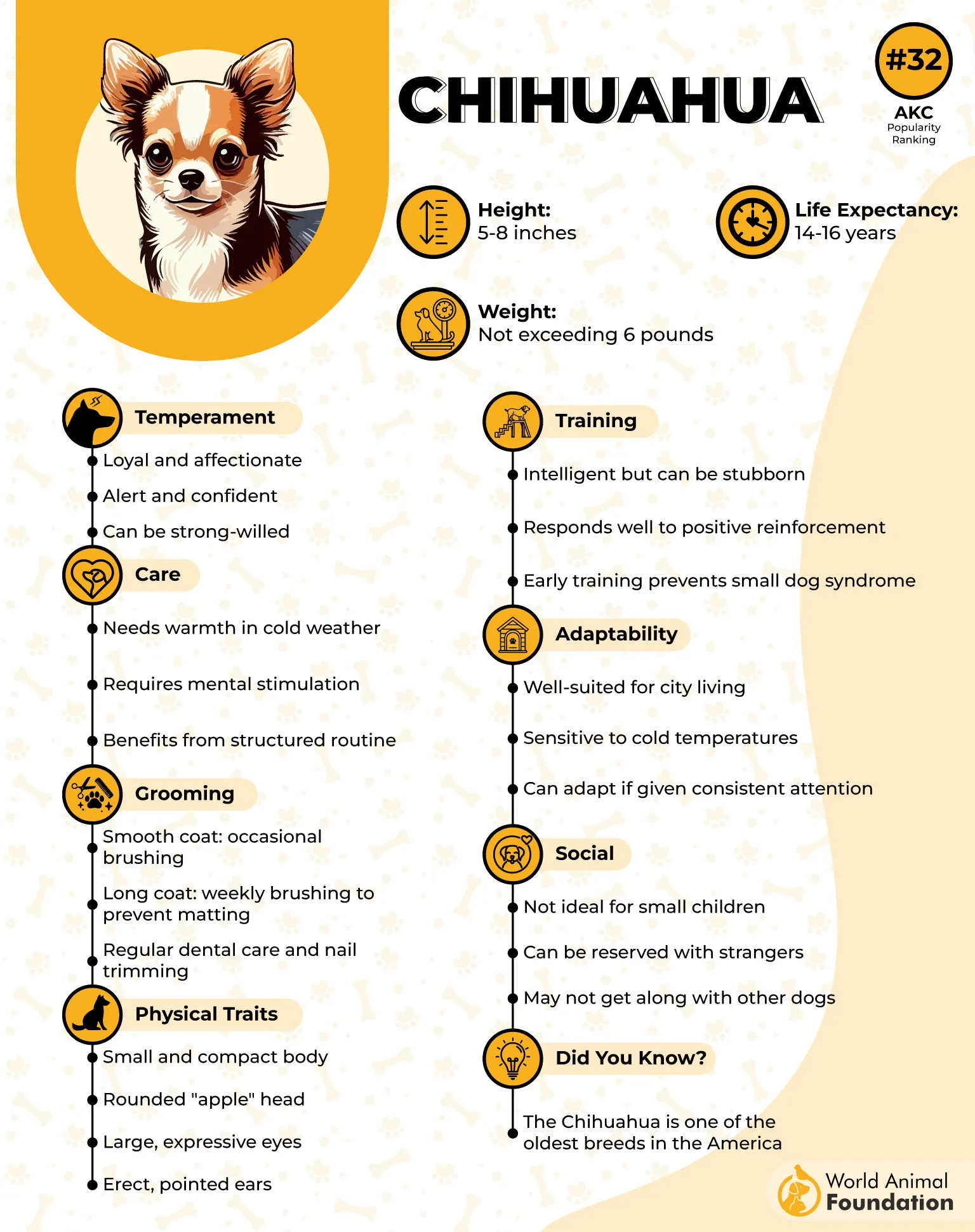
Minimal Coat Work Does Not Mean Minimal Activity
Short-coated Chihuahuas generally need little more than occasional brushing, while long-coated individuals benefit from more frequent grooming. Their tiny size makes indoor exercise practical, but they still appreciate regular walks, games, and opportunities for exploration. Because they have little body mass, protection from harsh cold is also important.
A Mighty Attitude With an Extremely Small Silhouette
Chihuahuas can be intensely devoted, highly alert, and surprisingly assertive. Some develop strong preferences for particular people and may readily challenge unfamiliar dogs despite their physical disadvantage. With thoughtful socialization and consistent boundaries, their boldness can become one of their most entertaining qualities rather than a source of unnecessary conflict.
7. English Toy Spaniel
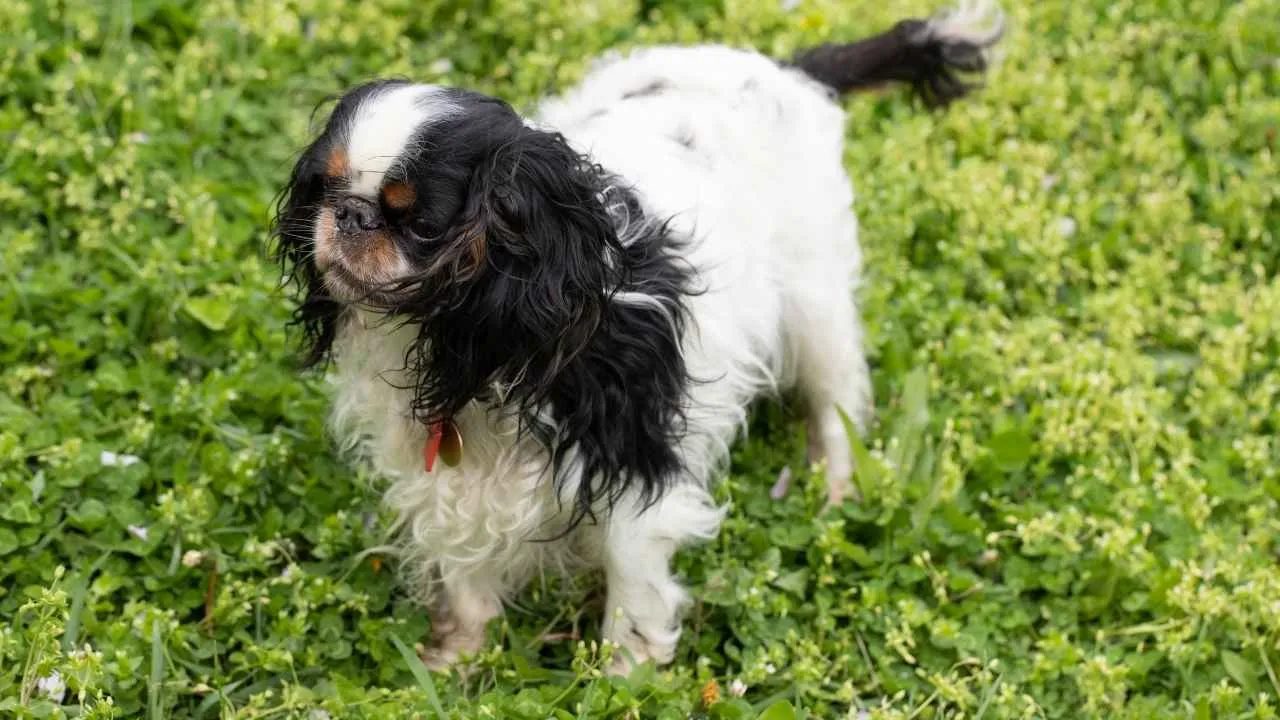
English Toy Spaniels developed as aristocratic companion dogs in Britain, with their ancestry shaped by small spaniels favored in royal and noble households, as per Orvis. Paintings and historical records show similar little spaniels accompanying members of European courts for centuries. Their primary purpose became companionship rather than demanding outdoor work.
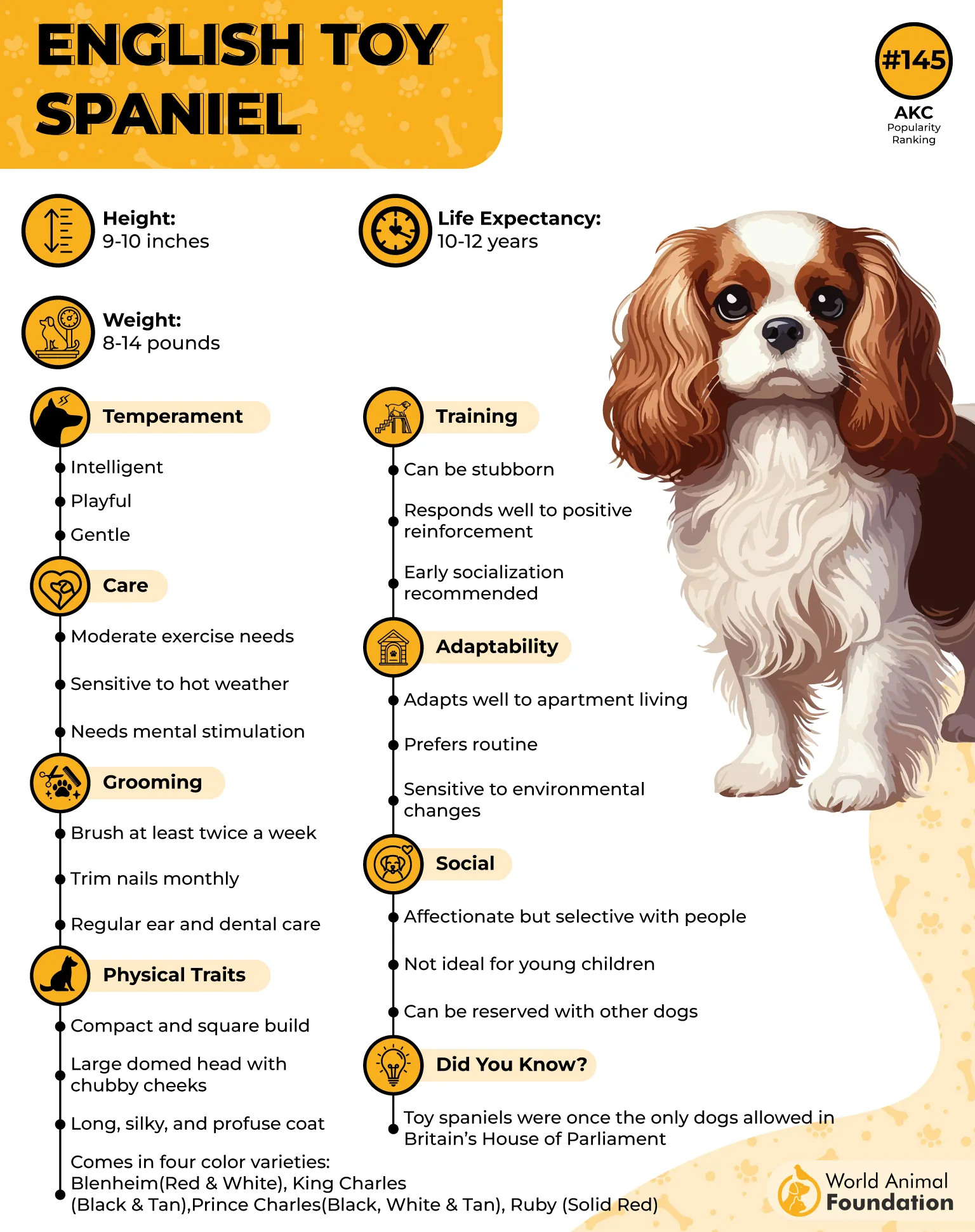
Feathered Ears Require Care While Exercise Stays Moderate
The English Toy Spaniel has a profuse coat with feathering around the ears, legs, chest, and body, making regular brushing useful for preventing tangles. Its exercise needs are relatively moderate, although daily movement and play remain important. Gentle walks and indoor games can provide enjoyable stimulation without requiring intense athletic sessions.
A Dignified Face Hiding a Playful Personality
English Toy Spaniels often combine a soft, affectionate disposition with an unexpectedly lively side. They can be devoted to their families and responsive to attention while retaining enough independence to show their own preferences. Their elegant appearance may suggest a reserved aristocrat, but many are playful, curious, and eager to participate in family life.
Conclusion
Yorkshire Terriers, Toy Poodles, Shih Tzus, Maltese, Pomeranians, Chihuahuas, and English Toy Spaniels illustrate the remarkable variety found among miniature companion dogs. Their histories range from industrial working environments and ancient Mediterranean societies to royal courts and historic Mexican traditions, giving each breed a distinctive foundation.
Size alone does not determine temperament. A tiny dog may be energetic, stubborn, watchful, affectionate, clever, vocal, or remarkably self-assured. Individual upbringing, genetics, early experiences, social exposure, and training all contribute to the personality that eventually emerges.
Anyone considering an exceptionally small dog should also place health and responsible breeding above novelty size. A well-structured toy dog with a stable temperament is generally a far better choice than selecting a puppy simply because it is unusually tiny. With suitable care, grooming, enrichment, and companionship, these miniature breeds can bring an extraordinary amount of character into everyday life.
