




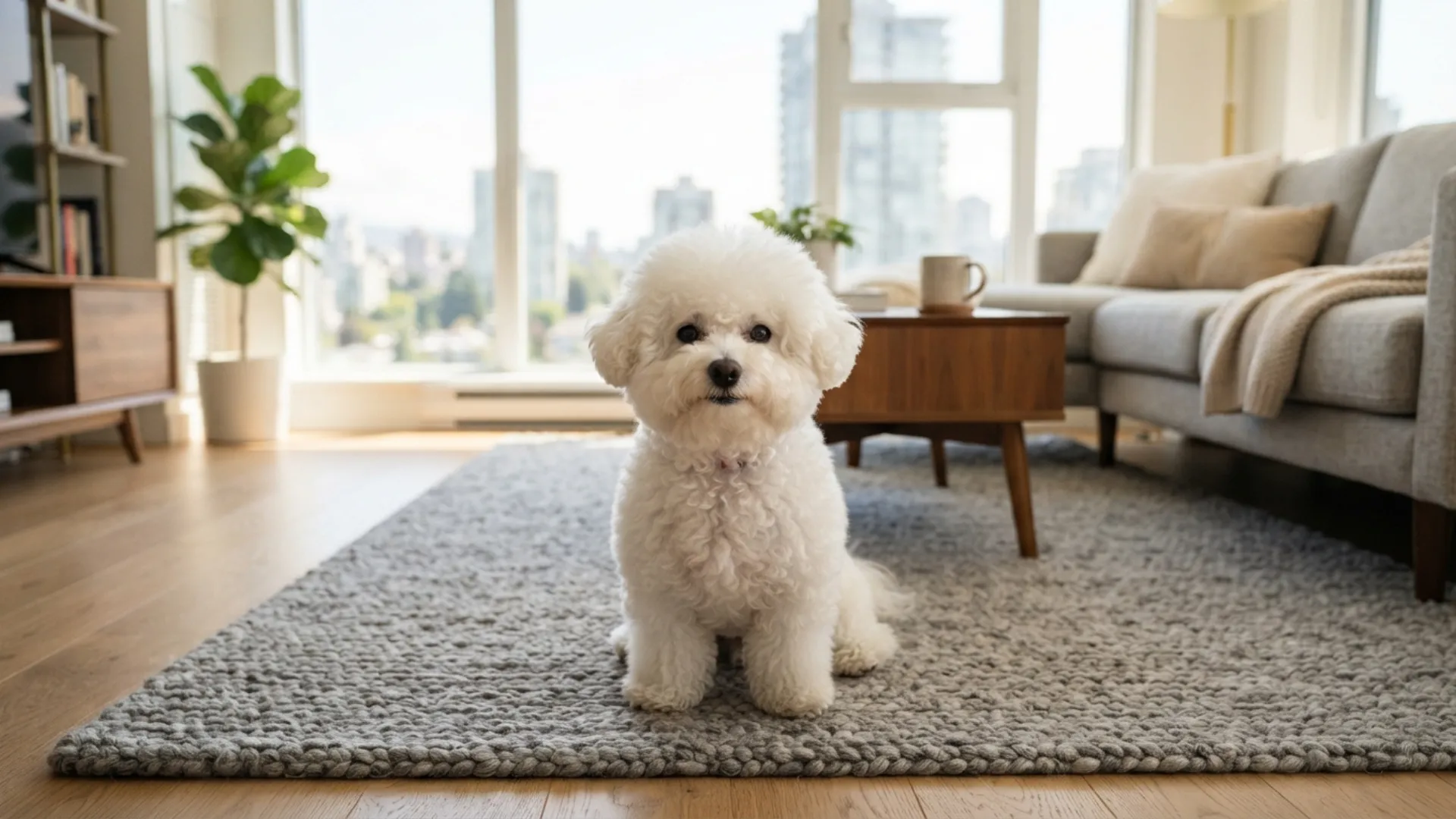
Living with a dog in an apartment can be a wonderful experience, as long as you choose the right breed. Space is one obvious factor to consider, but noise level often ends up being just as important.
If your dog barks at every hallway noise, passing neighbor, or shadow outside the window, keeping the peace in a shared building can get tricky fast. Thankfully, many dog breeds are naturally quieter and far better suited to close-quarters living, and plenty of dogs genuinely thrive in apartment settings when given the right environment.
If a calm, easygoing companion sounds like your kind of match, here are seven breeds worth considering for apartment life. Let’s take a look at some great options for apartment dwellers.
Quiet Dog Breeds Ideal for Apartment Living with Pets
1. Pekingese

Despite its bold, confident demeanor, the Pekingese is actually a wonderfully gentle dog at heart. Originally bred as a companion breed in China, it tends to stay relaxed indoors and doesn’t need a big yard to be happy.
The American Kennel Club even includes the Pekingese among its list of small breeds well-suited to apartment living. These little dogs are remarkably loving, often more so than people expect from such a small package.
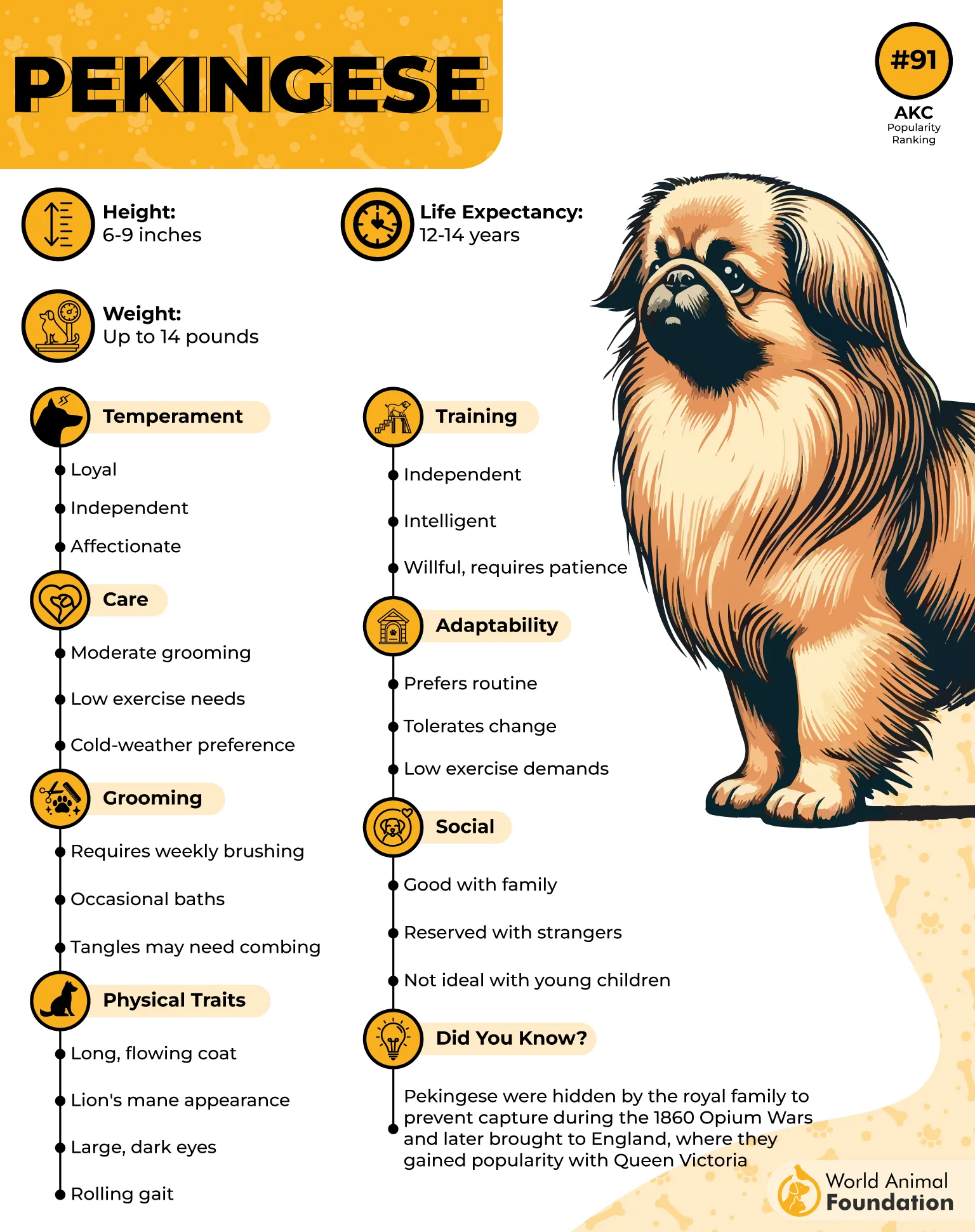
They’re happiest staying close to their owners for long stretches and genuinely love a good couch-lounging session. That makes them a great pick for anyone hoping to avoid a constantly noisy household.
That said, Pekingese are surprisingly watchful for their size and can bark more than expected, especially if they sense danger or notice someone new entering the home. Even so, they remain wonderful companions for people who enjoy an affectionate, socially engaged little dog.
2. Bichon Frise
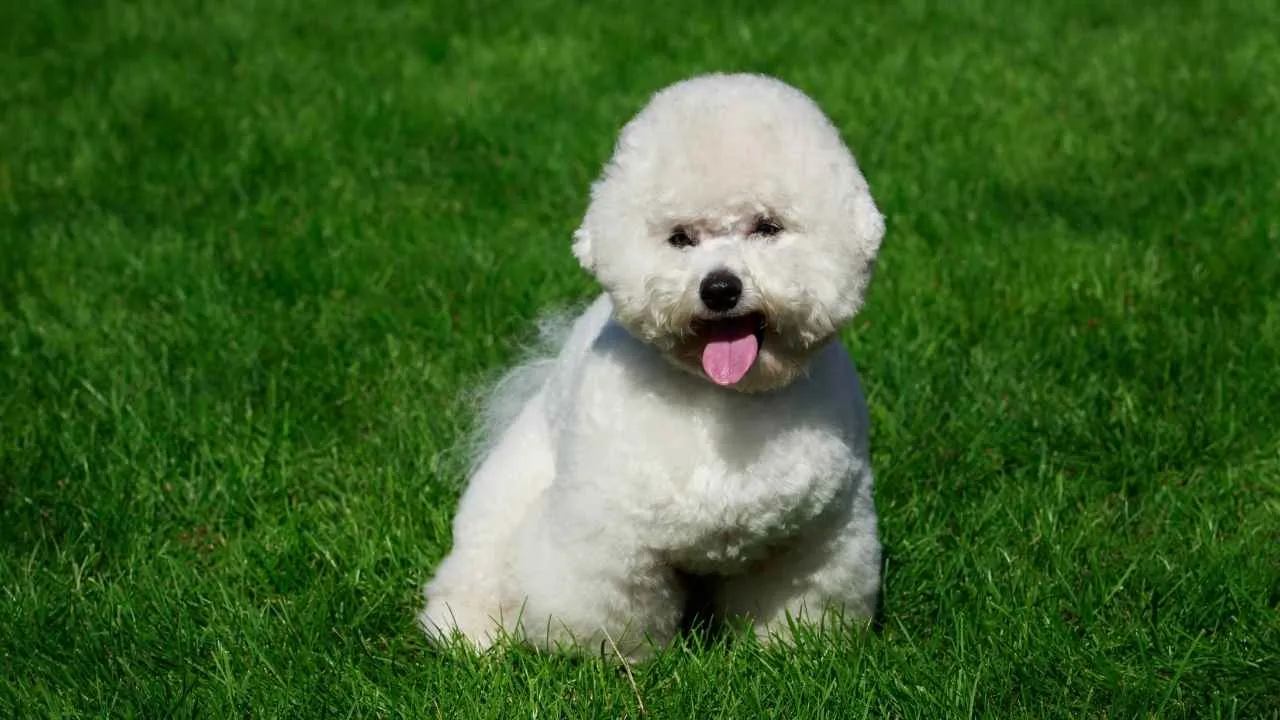
The Bichon Frise is a wonderfully social breed and a great fit for apartment living. These little dogs are fun-loving, endlessly adorable, and generally quite content in smaller spaces.
Exercise needs are easy to manage too, with leash walks and indoor playtime usually doing the trick. Bichons also tend to get along well with other dogs, making them a solid choice for multi-pet households, though regular activity still remains important for these little pups.
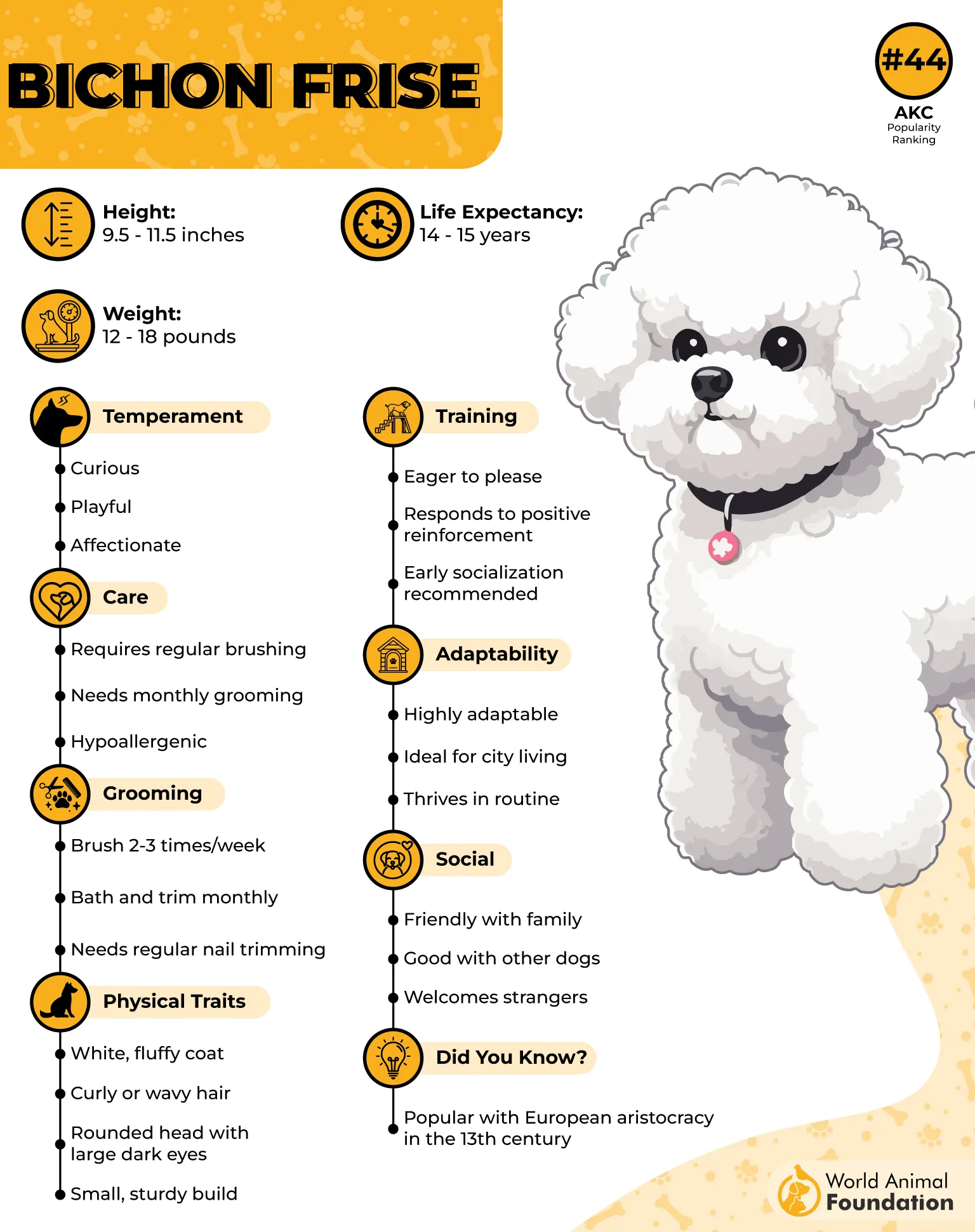
They’re not exactly a silent breed, since they do tend to bark at unfamiliar sounds or sights. But most Bichons only bark when they genuinely feel something’s worth flagging, and excessive barking usually isn’t an issue as long as their physical exercise needs are being met.
With consistent training, Bichons can settle into being wonderfully calm indoors. Obedience training, agility courses, and puzzle games are all great outlets for their energy. Daily brushing is also important to keep that soft coat looking its best, along with a weekly shampoo, especially after outdoor adventures, to keep their fluffy fur clean and fresh.
3. Pug

The Pug is lovingly described as “a lot of dog in a small space” by CKCUSA, and that personality-packed charm is a big part of the appeal. This breed genuinely adores human company and adapts easily to smaller living spaces.
Known for being true people-dogs, Pugs tend to do well with other pets too, as long as proper socialization is part of the picture. With a history stretching back thousands of years as companions to Chinese royalty, Pugs have long been bred for close human connection, which also means they can be prone to separation anxiety if left alone too often.
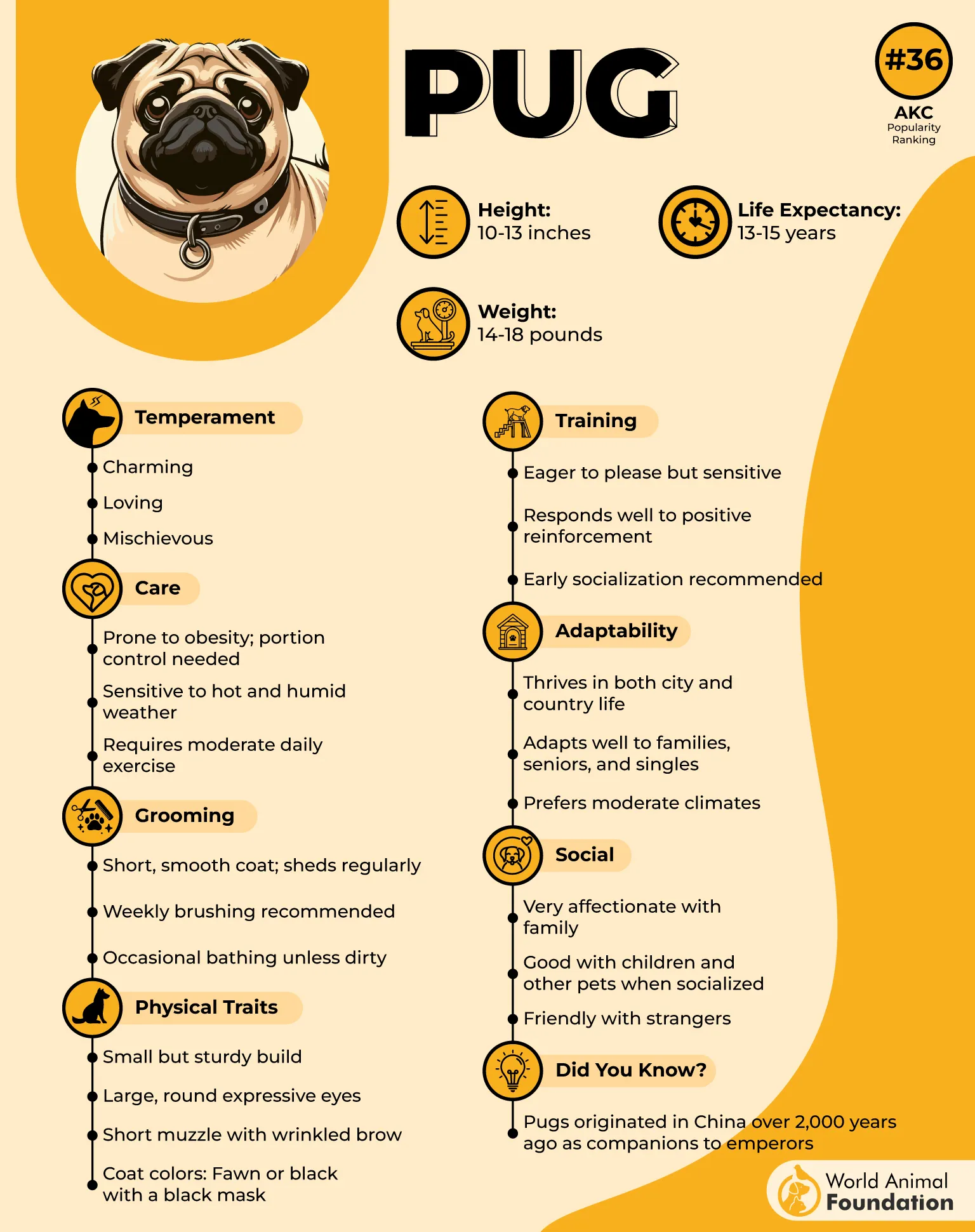
They’re often a great choice for first-time owners, though it’s worth knowing that Pugs are brachycephalic, meaning their flat-faced structure can make them prone to breathing difficulties. Extreme heat and intense exercise can make these issues worse, so care needs to be taken there.
Generally speaking, this breed is a bit of a couch potato at heart, happiest napping close to its owner. Indoor play, moderate exercise, and a cool, temperature-controlled environment tend to suit Pugs far better than a highly active lifestyle.
4. Japanese Chin

When it comes to quiet companionship, the Japanese Chin genuinely stands out. This elegant toy breed tends to be gentler and calmer compared to many larger dogs.
Japanese Chins actually display some surprisingly cat-like behaviors. They love climbing furniture and often seek out high perches to relax on. Many owners find their Chins curled up on shelves or ladders rather than the usual spot on the couch or chair.

That quirky, feline-like personality makes this breed a wonderful fit for certain households, particularly those looking for a calm companion rather than a high-drive working dog. This Japanese breed also carries a rich royal history, having once held a treasured place among Japanese nobility.
Energy levels are fairly low with this breed, and short walks paired with indoor play sessions are usually enough to keep them mentally satisfied. Their flowing coat does need regular grooming, though, including weekly brushing and periodic baths to keep it looking its best.
5. French Bulldog
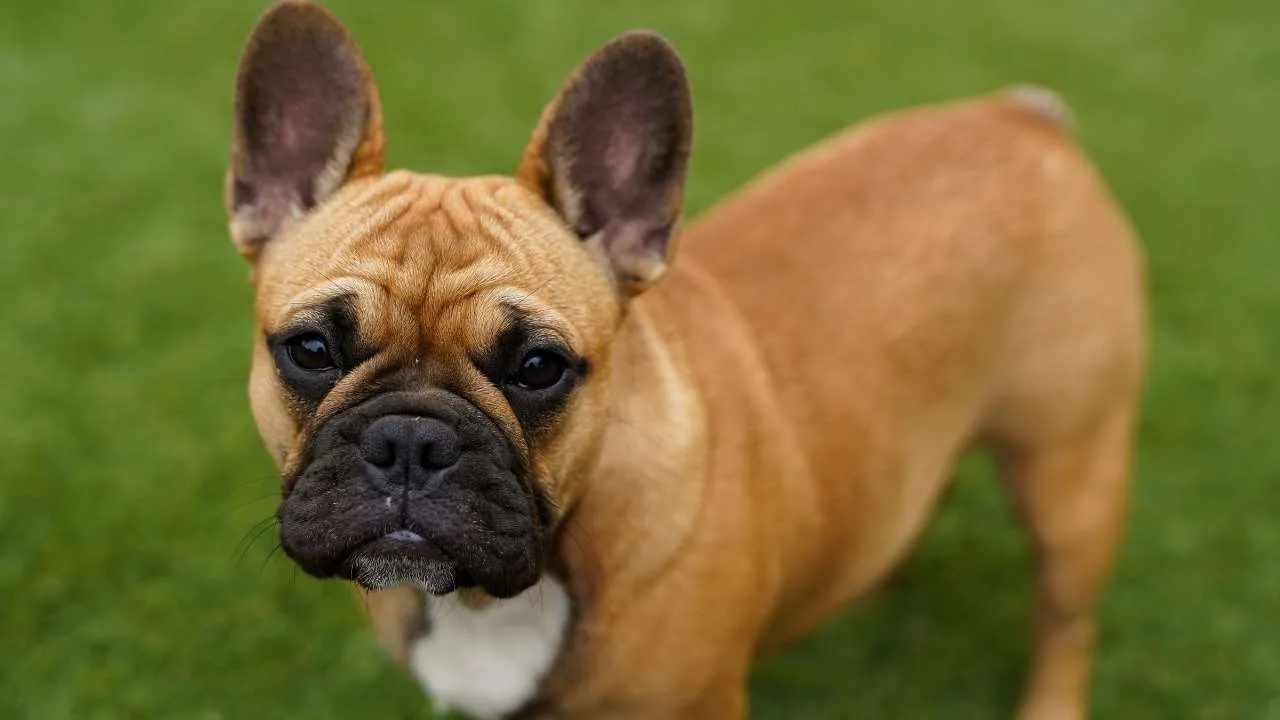
French Bulldogs are often considered great apartment dogs, not necessarily because of low energy, but because of how well they adapt to pretty much any living environment. They’re not big barkers either and tend to have a naturally even temperament.
A French Bulldog will usually give a quick warning bark if something feels off, without spiraling into a long, drawn-out barking session. They also tend to get along well with other dogs, though urban owners should know that Frenchies can get a little possessive over their favorite person and don’t always love sharing attention.
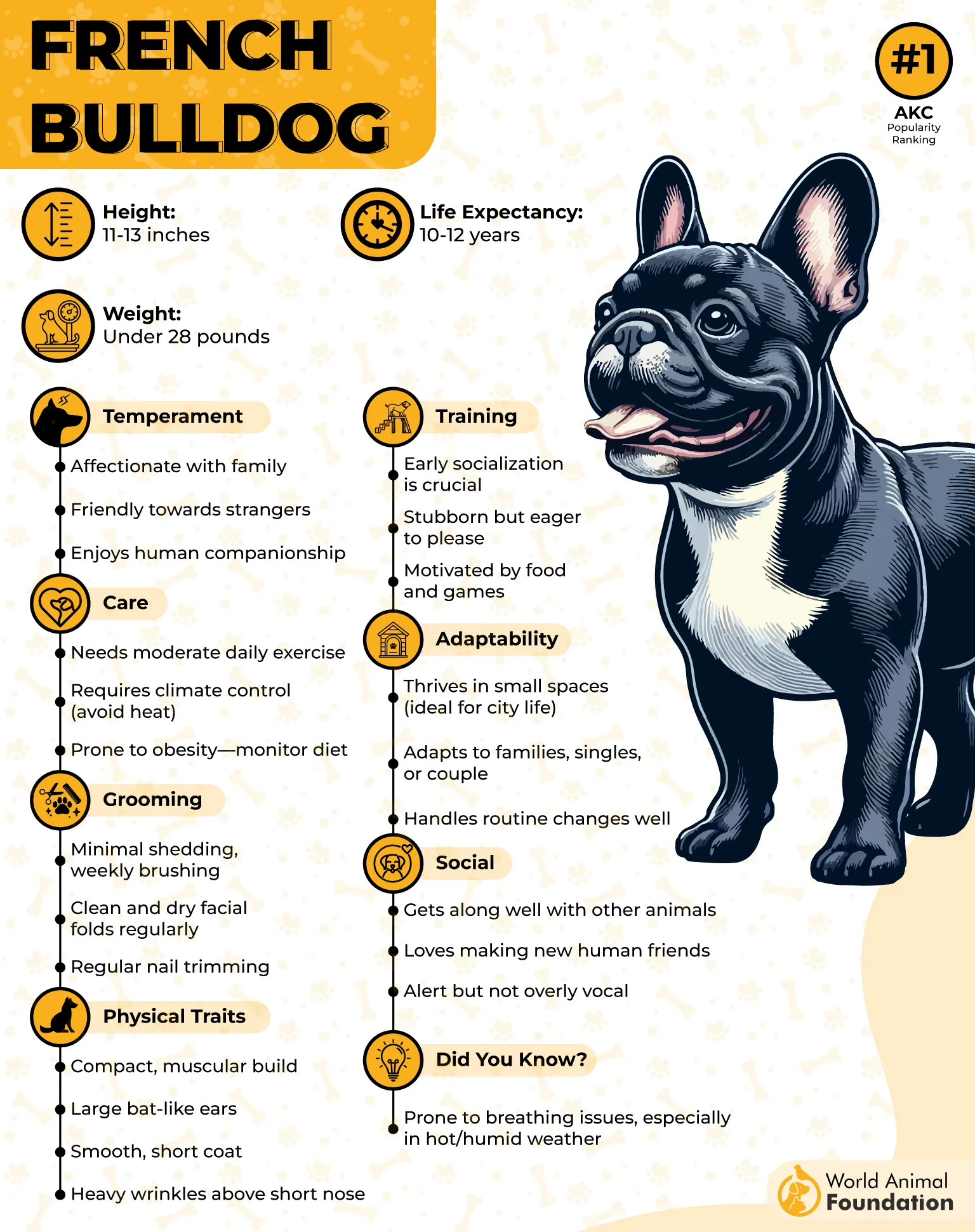
One important safety note with this breed involves water. Their front-heavy build makes swimming difficult, so they should never be left unsupervised near pools or open water.
On the grooming side, their coat sheds minimally, which is a nice bonus for people with allergies. Exercise needs are pretty light too, with brisk walks and a bit of playtime usually being more than enough. Keeping them mentally engaged with fun activities also helps prevent boredom and any destructive habits that can come with it.
6. Bolognese
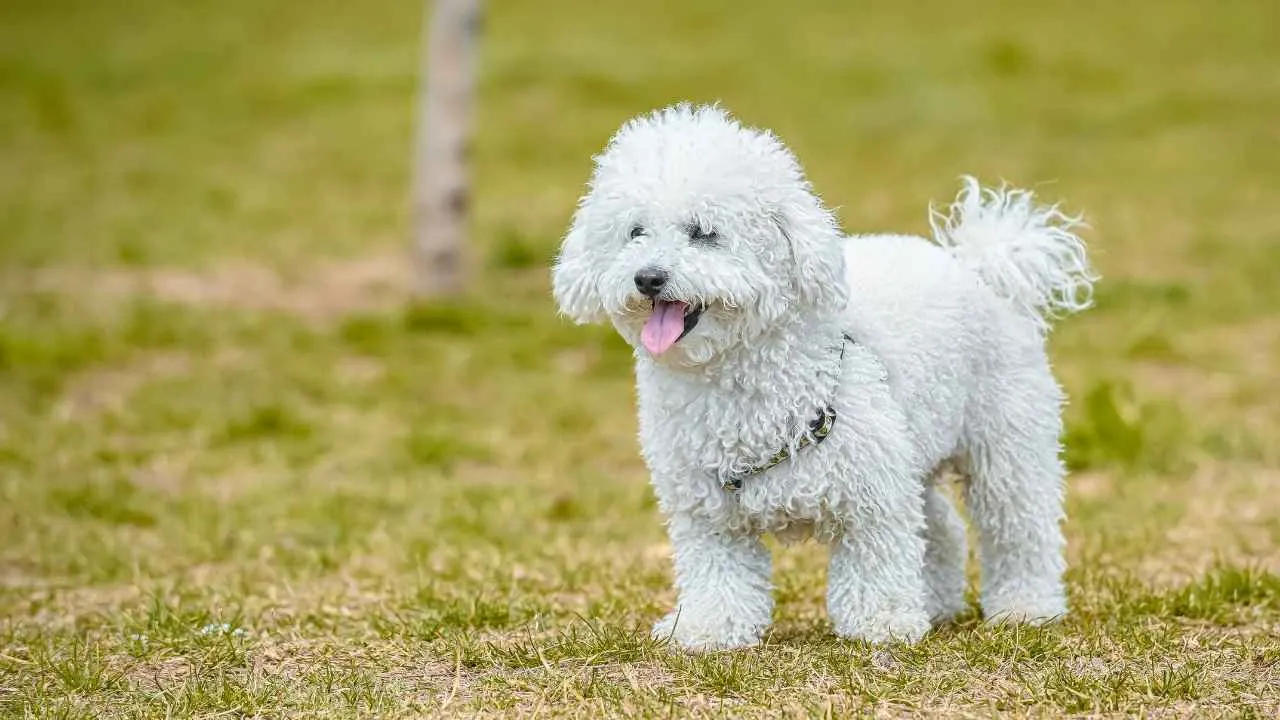
The Bolognese is a calm, loyal, playful, and easygoing companion, quite different from many breeds developed for a specific job like hunting, guarding, or herding. Instead, this dog was bred with one clear purpose in mind: to be a devoted, loving friend.
This breed tends to do well in homes with other dogs too. Its naturally social personality can make multi-pet living easier, though early socialization is always important for any dog, regardless of temperament.
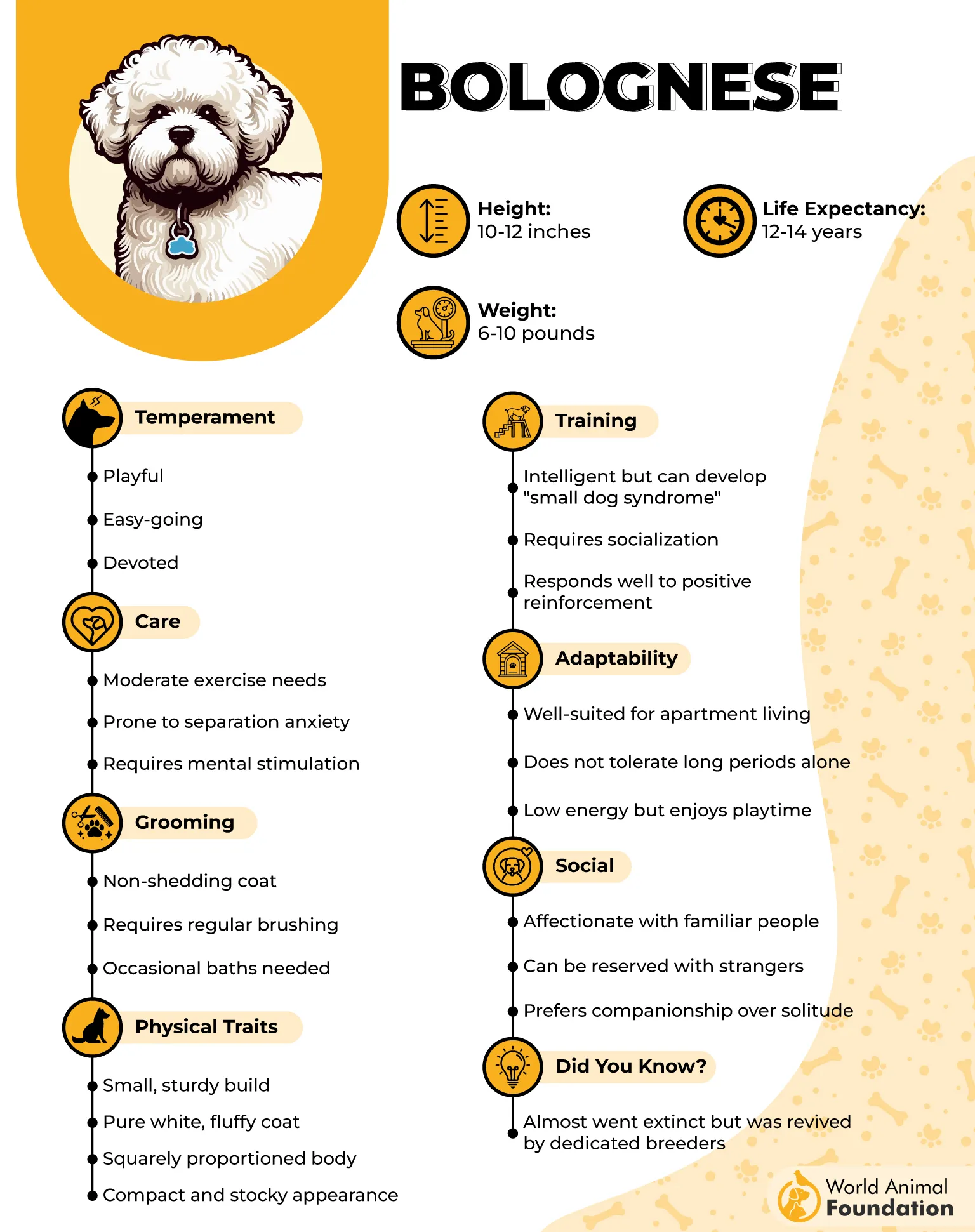
Bolognese dogs have a long, white coat that needs regular grooming, and owners should be prepared for occasional professional grooming sessions as well. These little dogs are generally content with some quiet alone time paired with short daily walks, maybe even a trip to the local dog park now and then.
Thanks to their small size, Bolognese dogs fit comfortably into apartments of any size. It’s important to avoid harsh training methods with this breed, since they tend to be quite sensitive. Positive reinforcement, on the other hand, tends to produce wonderful results.
7. Coton de Tulear
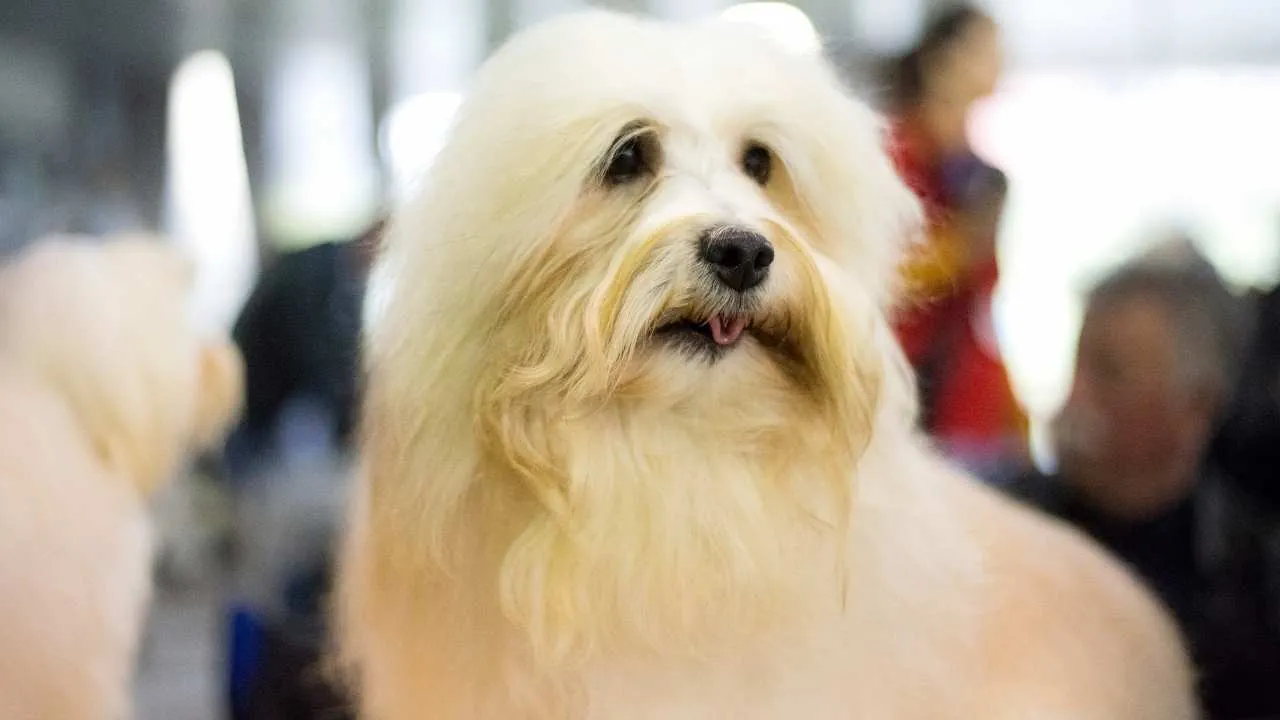
Another genuinely fascinating breed known for its natural sociability is the Coton de Tulear. Originally developed in Madagascar, this breed was closely tied to nobility and eventually earned the title “Royal Dog of Madagascar,” according to Purina.
Its breed standard reflects that history too, describing a stable temperament that’s remarkably social with both people and other dogs. The Coton adapts well to a variety of lifestyles and certainly doesn’t need a sprawling house to feel at home.
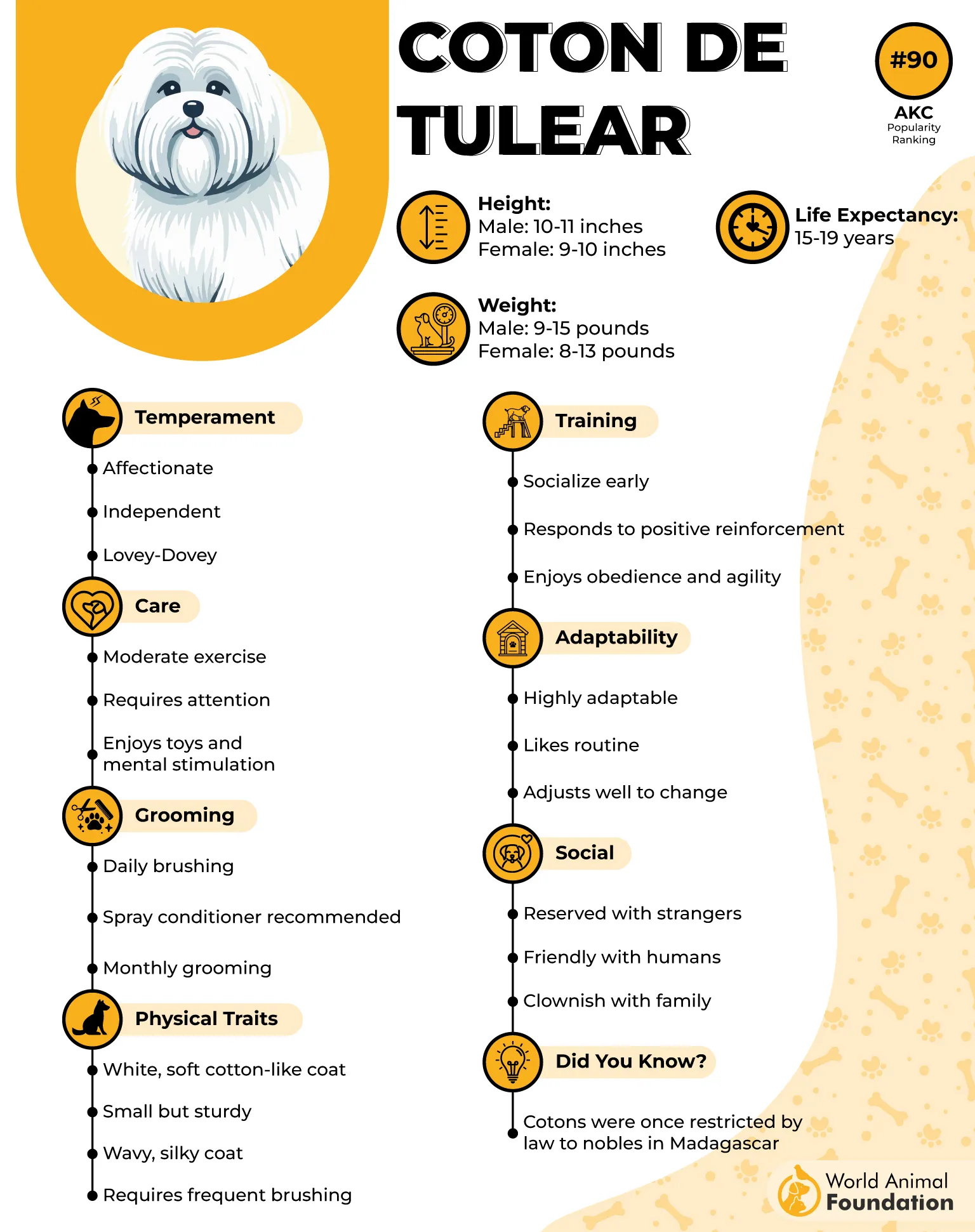
That adaptability really comes in handy for multi-pet apartments. While some dogs struggle with change, a well-trained Coton de Tulear tends to handle everyday shifts and routines with relative ease.
This breed is happiest indoors, but that doesn’t mean it’s inactive. Daily exercise and playtime still matter, even without access to a big yard. Keeping training sessions lively and engaging goes a long way in preventing boredom too.
Conclusion
The smallest dog breed doesn’t automatically make the quietest apartment companion. What really matters is the combination of barking tendency, activity level, adaptability, and overall social behavior.
No breed comes with a guarantee of quietness. Training, socialization, boredom, anxiety, environment, and individual personality all play a role in how much a dog barks. Even a naturally calm breed can become noisy if it’s understimulated or suddenly exposed to unfamiliar sounds.
Enrolling in early puppy training classes and adopting from a reputable local shelter can go a long way in helping you find the right dog breed that’s genuinely well-suited to quiet apartment living. Early socialization also helps dogs develop a calmer, more relaxed demeanor around other pets in the household.
