





Choosing a dog when you live in an apartment can feel like a gamble, and the numbers back that up. Nearly 13.96% of dog owners eventually move from an apartment to a house because their dog needed a yard, according to Forbes Advisor pet ownership data. A little research beforehand can save you from such hassle.
The truth is, certain dog breeds are naturally built for smaller spaces and quieter routines, no yard required. Size often gets blamed for apartment chaos, but a dog’s quieter nature and trainable habits usually decide if neighbors complain.
So if you’re choosing between city life and canine companionship, you don’t have to pick one. Keep reading — the breeds ahead might surprise you.
Tranquil Dog Breeds Perfect for Urban Living Breeds
1. Cavalier King Charles Spaniel

Meet the dog equivalent of a warm hug. The Cavalier greets everyone like a long-lost friend, then curls up on your lap the second you sit down. First-time owners, families, and seniors all fall for this breed fast.
City life suits a Cavalier just fine — it’s not the square footage that matters to them; it’s you. Wherever you are, that’s home. This adaptable little companion settles into studio life as easily as a house with a yard.
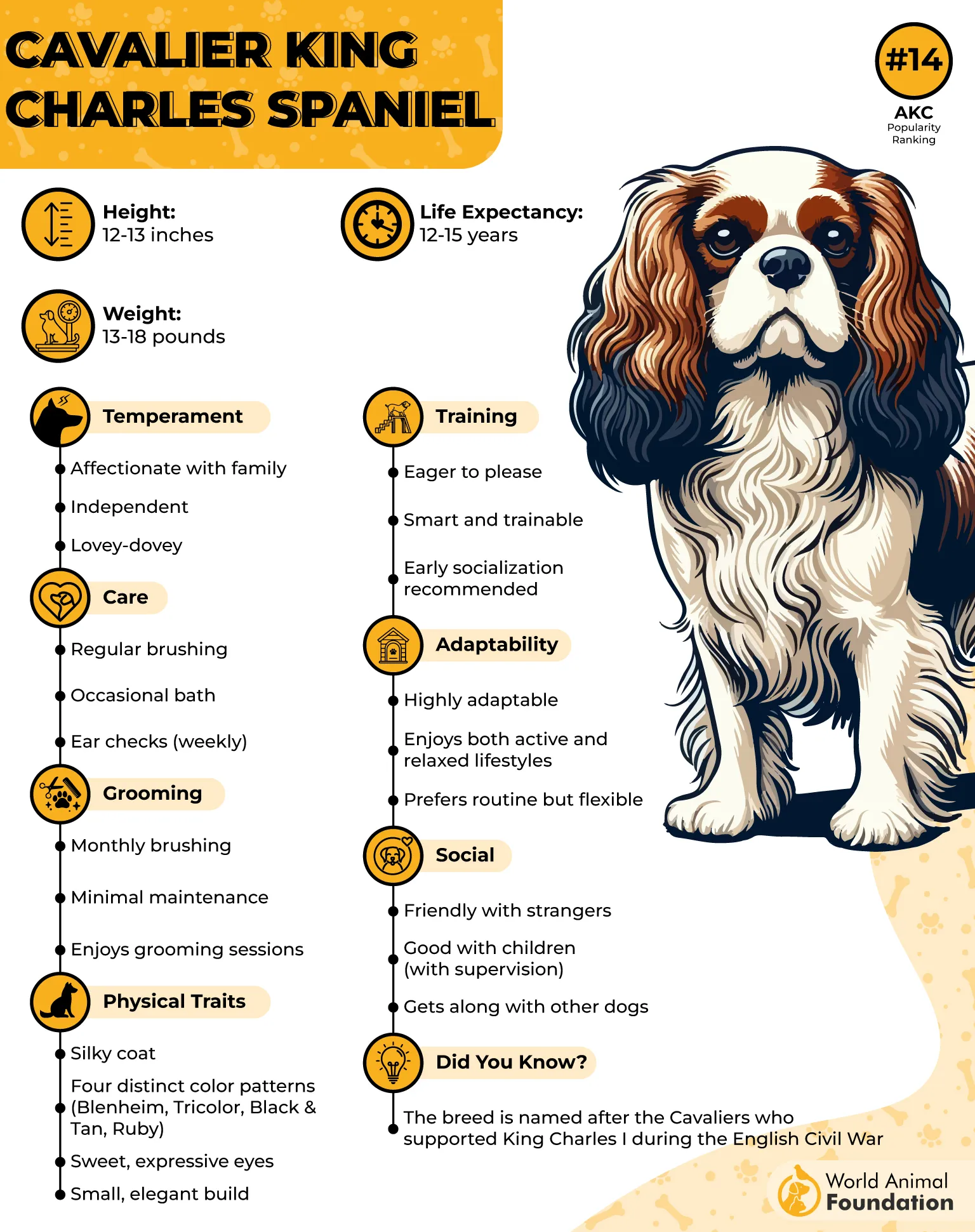
A studio apartment works beautifully here, since Cavaliers care more about closeness than closet space.
Fun fact: The breed was originally bred to warm laps in drafty castles, according to PetMD, so your radiator-adjacent apartment is basically an upgrade.
Energy level: Moderate; 30 to 60 minutes of walks and play daily, no zoomies required
Noise tendency: Generally a quiet, non-yappy companion
Dietary Needs: Measured portions of a small-breed formula help manage weight-related heart strain
Grooming Requirements: Regular brushing plus weekly ear checks
Social Needs: High: thrives on constant companionship, not solo stretches
2. French Bulldog

Frenchies don’t do drama. This flat-faced, bat-eared icon is famously chill, funny-looking on purpose, and thoroughly devoted to whoever’s holding the leash. Singles, families, and seniors all make excellent Frenchie people.
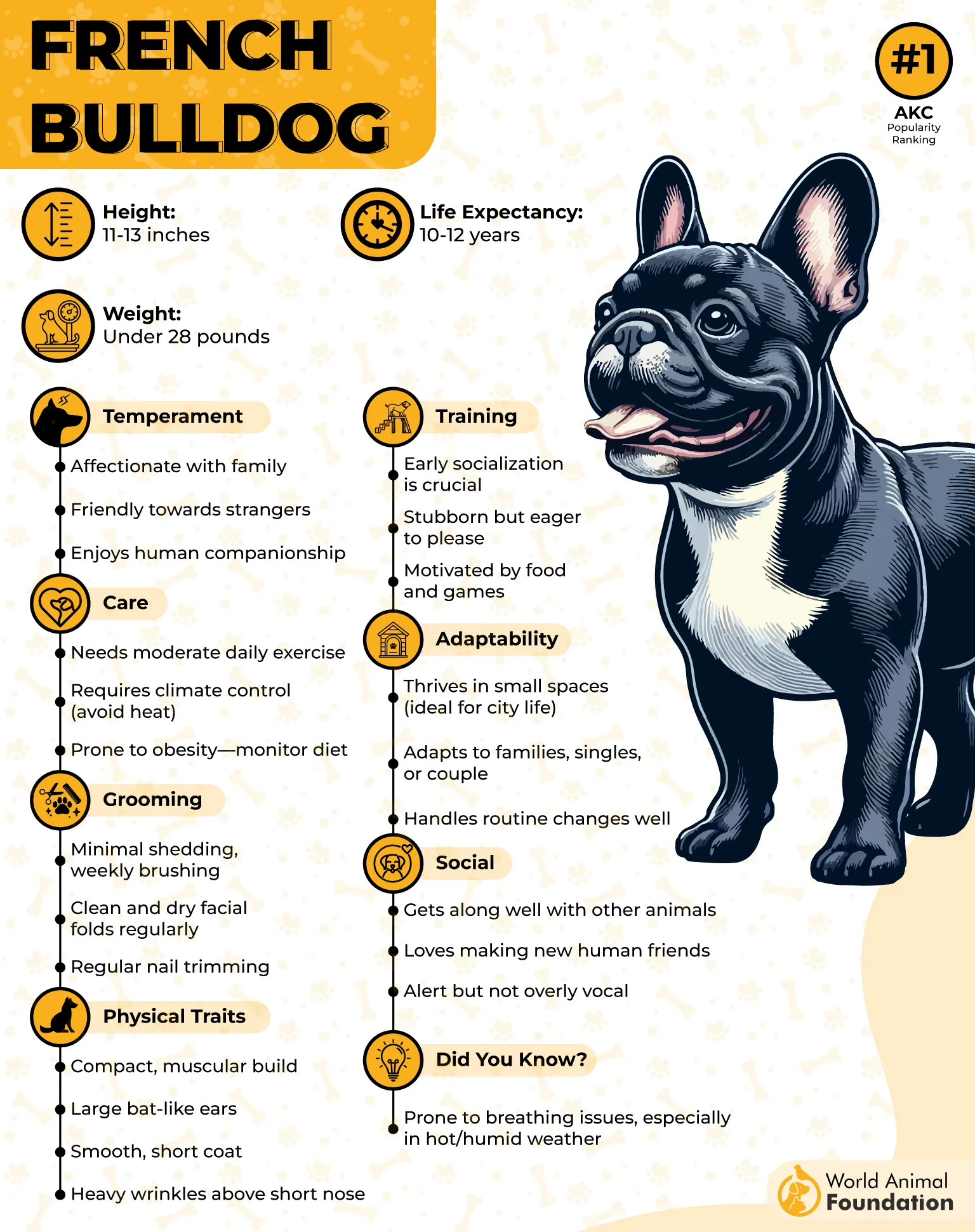
Urban living and French Bulldogs go together like coffee and Monday mornings. They’re famously low on both barking and exercise demands, according to Pawlicy Advisor, which is exactly why city dwellers adopted them first.
A studio apartment is genuinely enough space for this breed — they’re not runners, they’re loungers.
Quirky fact: Frenchies can’t swim well due to their heavy front-loaded build, so pool parties are a spectator sport for them.
Energy level: Low — a short daily walk covers it
Noise tendency: Rarely barks, making them excellent quiet neighbors
Dietary Needs: Portion-controlled meals to avoid weight gain that worsens breathing
Grooming Requirements: Low-shed coat, but facial folds need regular wiping
Social Needs: High — prone to separation anxiety if left alone too long
3. Greyhound

Don’t let the racetrack reputation fool you. Off the track, the Greyhound is a gentle, sweet-tempered softie who’d rather nap than sprint. Mature families, first-timers, and empty nesters all do well with this breed, per AKC.
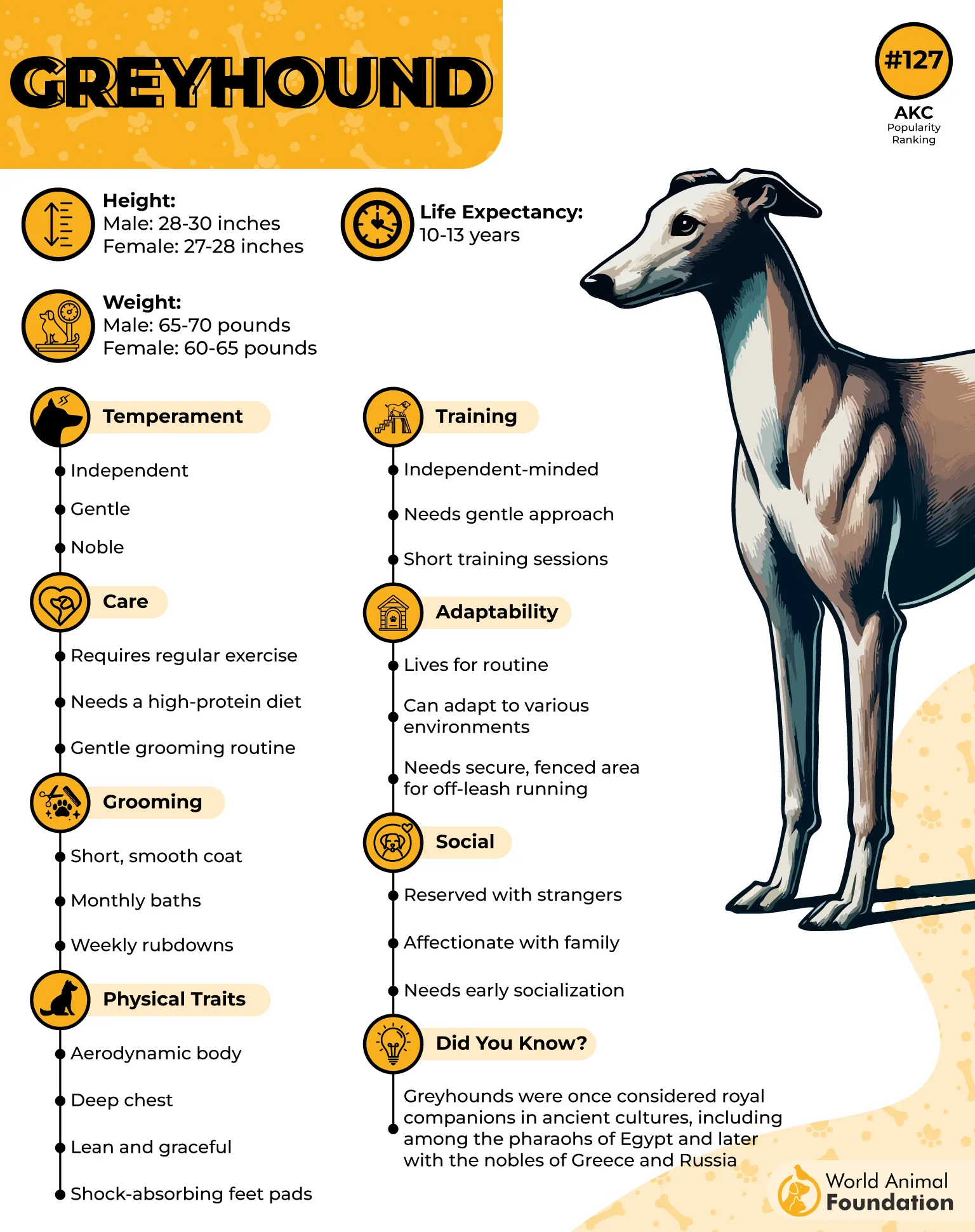
Here’s the twist: this “athlete” is secretly one of the laziest breeds indoors. A short daily walk plus an occasional safe sprint satisfies them completely, then it’s back to the couch for the other 22 hours.
Despite the size, a Greyhound can fit an apartment surprisingly well, since they spend most of the day horizontal.
Quirky fact: Their thin skin and low body fat mean they get cold fast, so a coat isn’t vanity — it’s survival gear.
Energy level: Low overall, with brief bursts of sprinting energy
Noise tendency: Quiet — not prone to nuisance barking
Dietary Needs: Generally a lean, high-quality diet
Grooming Requirements: Minimal: short coat, occasional brushing
Social Needs: Moderate, reserved with strangers, deeply bonded to family
4. Tibetan Spaniel

The Tibetan Spaniel is basically a big dog’s personality stuffed into a small, silky body. Independent, loyal, and endlessly watchful, this breed suits owners — families or singles — who appreciate a companion with real opinions.
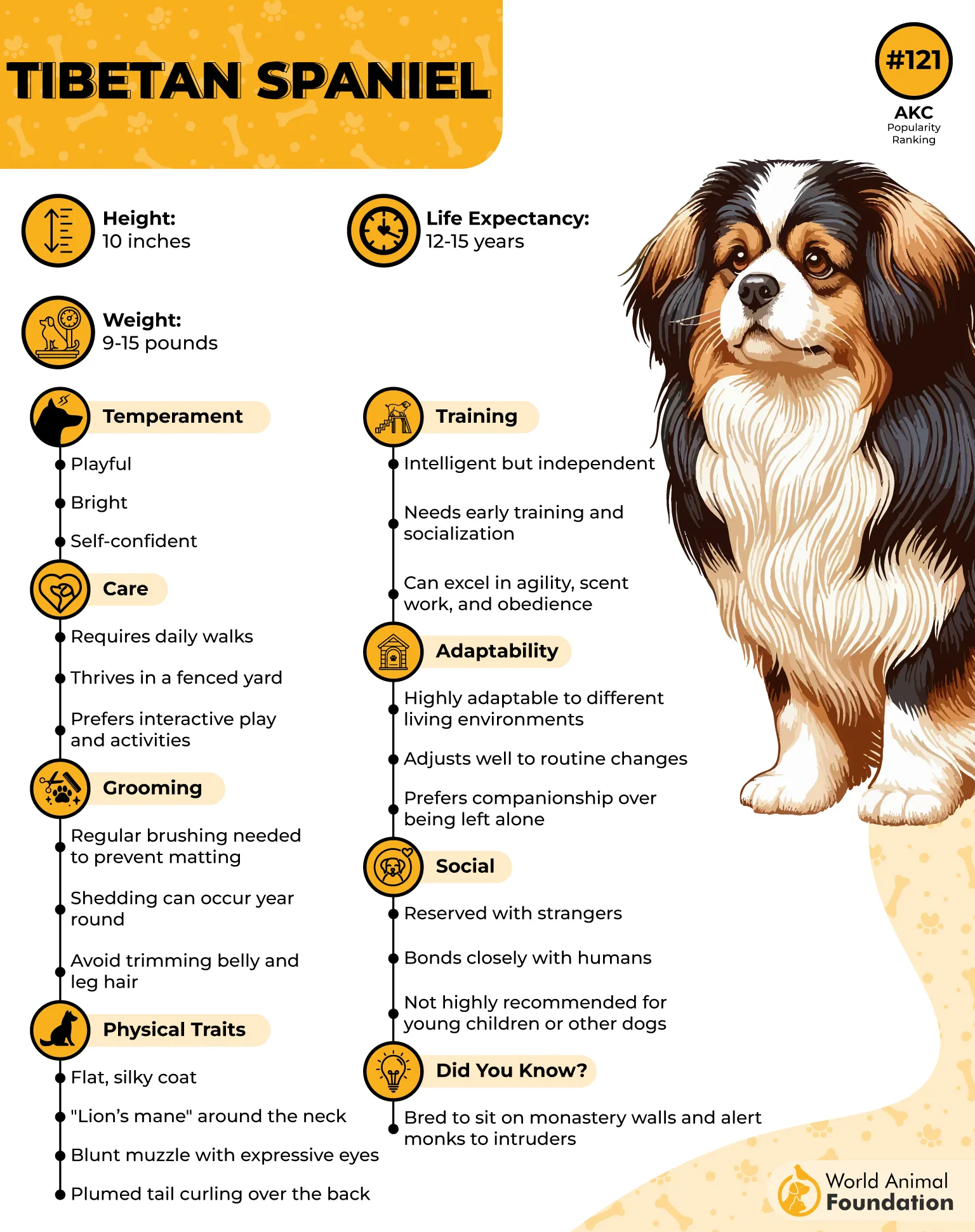
Urban life fits because exercise needs are minimal, and their small size means they’re never cramped in a smaller space. Just know this upfront: they were monastery lookout dogs, so alert barking at deliveries is basically in the job description.
A studio apartment works well here, especially if there’s a windowsill or sofa back for perching.
Quirky fact: As per Hill’s Pet, they’re active but don’t need much exercise — a rare, apartment-friendly combo.
Energy level: Active in spirit, but minimal exercise actually required
Noise tendency: An alert barker — expect commentary on visitors
Dietary Needs: Toy-breed portions recommended
Grooming Requirements: Brush a couple of times weekly to prevent mats
Social Needs: Affectionate with family, reserved and independent with strangers
5. Pug

Pugs are proof that comic timing is a real dog trait. Goofy, affectionate, and endlessly food-motivated, this breed wins over first-time owners and families alike within about five minutes of meeting them.
City living plays right into the Pug’s paws, since this breed genuinely doesn’t need marathon walks to stay happy. Their main urban requirement is a cool apartment, since the heat and this flat face don’t mix well. A studio suits a Pug just fine, provided there’s air conditioning in summer.
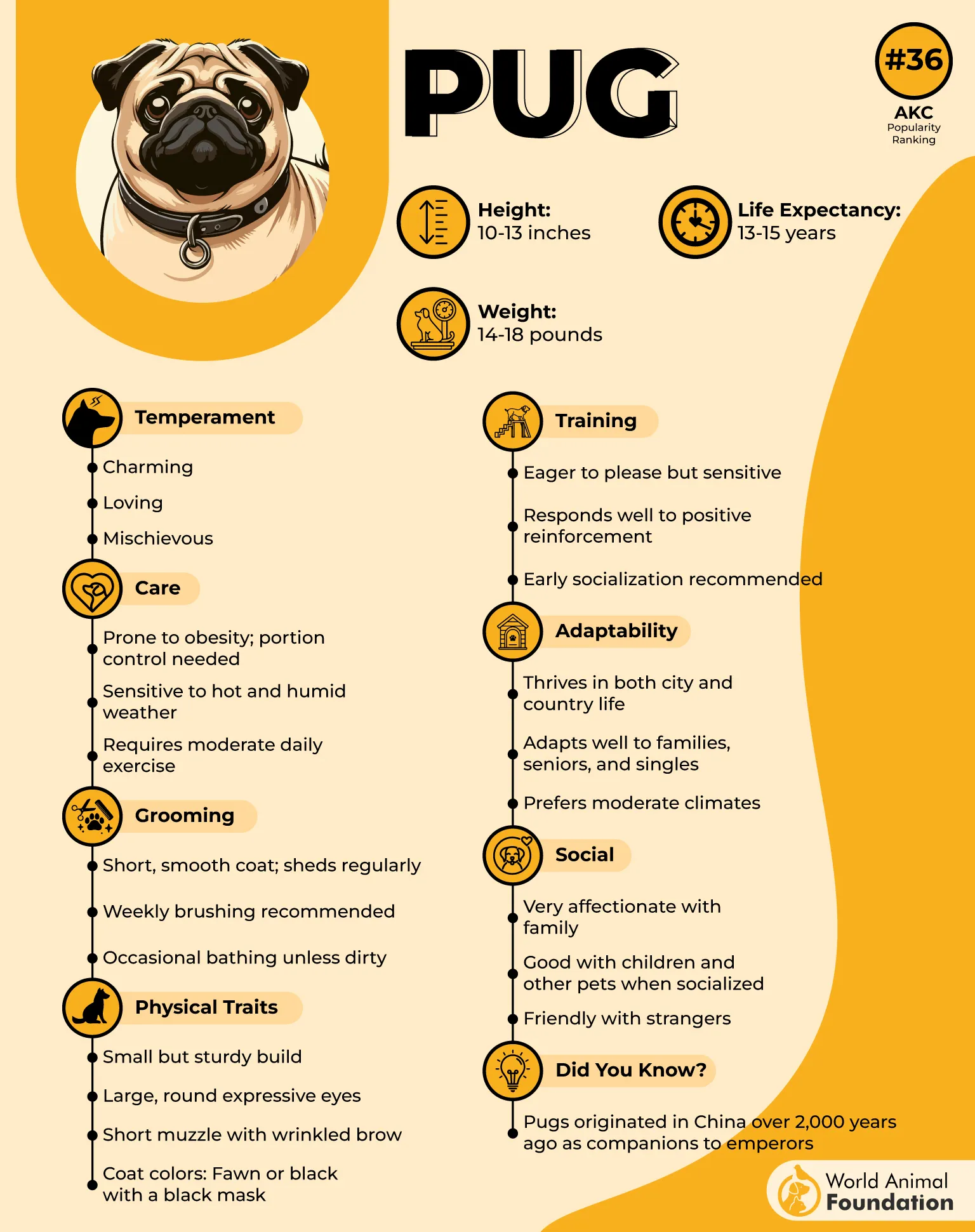
Quirky fact: According to Britannica, Pugs are confident without being foolhardy, and loving without being clingy — a genuinely rare personality balance.
Energy level: Moderate — two walks totaling 30–40 minutes daily
Noise tendency: Moderate barkers, occasionally decent watchdogs
Dietary Needs: Careful portion control; Pugs are prone to obesity
Grooming Requirements: Regular brushing, with facial wrinkles needing routine cleaning
Social Needs: High, loves company, dislikes being left alone
6. Whippet

Think of the Whippet as a mini Greyhound with the same couch-potato secret identity. Elegant, affectionate, and calm once indoors, this breed suits active singles or families who can offer a daily sprint session.

Urban life works surprisingly well here — Whippets rarely bark and spend most of the day sleeping on the softest surface they can find. Give them one solid run, and they’re content to be furniture for the rest of the day.
A studio apartment is genuinely enough space, since Whippets prioritize comfort over square footage.
Quirky fact: They have almost no natural padding, so don’t be surprised when yours claims your entire couch cushion as a bed.
Energy level: Moderate to high in bursts — needs a daily sprint, then rests for hours
Noise tendency: Quiet — not a barker by nature
Dietary Needs: A lean, high-quality diet suits their build
Grooming Requirements: Minimal — short coat, light brushing
Social Needs: Affectionate with family, sensitive to loud or chaotic households
7. Japanese Chin

The Japanese Chin carries itself like royalty, because historically, it basically was. Graceful, catlike, and devoted, this breed is a natural fit for first-time owners, singles, or anyone craving a quiet lap companion.
City living and this breed were made for each other. A daily stroll is all the exercise they need, and their calm indoor manners mean neighbors barely know they exist.
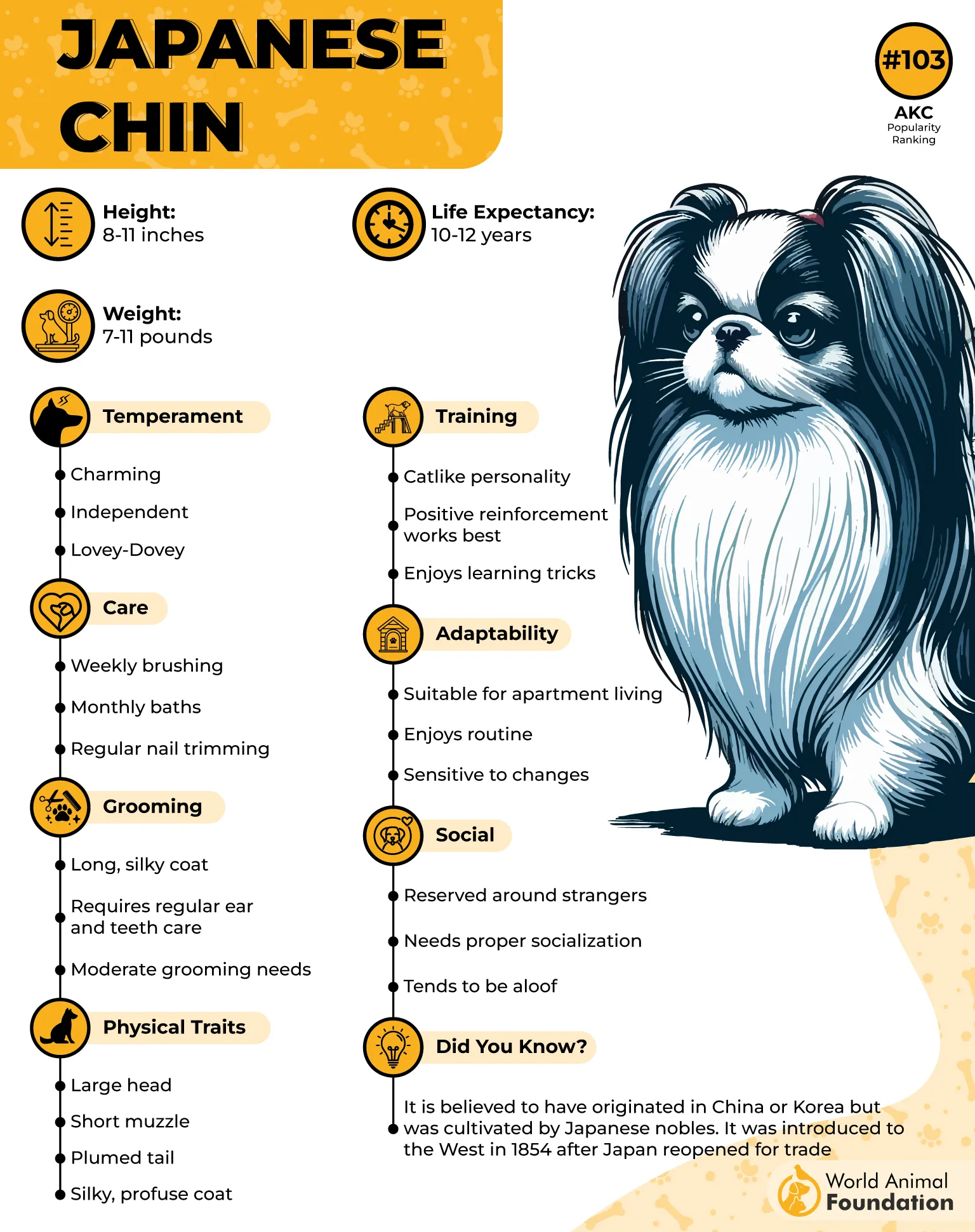
A studio apartment suits a Japanese Chin perfectly, since they’re happiest wherever their person is sitting.
Quirky fact: This breed is famous for the “Chin Spin,” hopping on its hind legs and twirling in circles when excited.
Energy level: Low — a short daily walk is plenty
Noise tendency: Quiet compared to most toy breeds, though alert barking happens
Dietary Needs: Small, measured meals recommended
Grooming Requirements: Weekly brushing; they’re also skilled self-groomers
Social Needs: High — bonds tightly and can develop separation anxiety alone
8. Basset Hound

Bassets move through life at exactly one speed: unhurried. That droopy-eared, low-slung charm makes this breed a favorite with families and anyone who wants a dog that’s never in a rush.
Here’s the honest part: Basset Hounds are calm indoors, but they’re genuinely vocal, with a deep baying bark that carries. Urban living can work, but thin-walled apartments and this breed aren’t always a natural match.
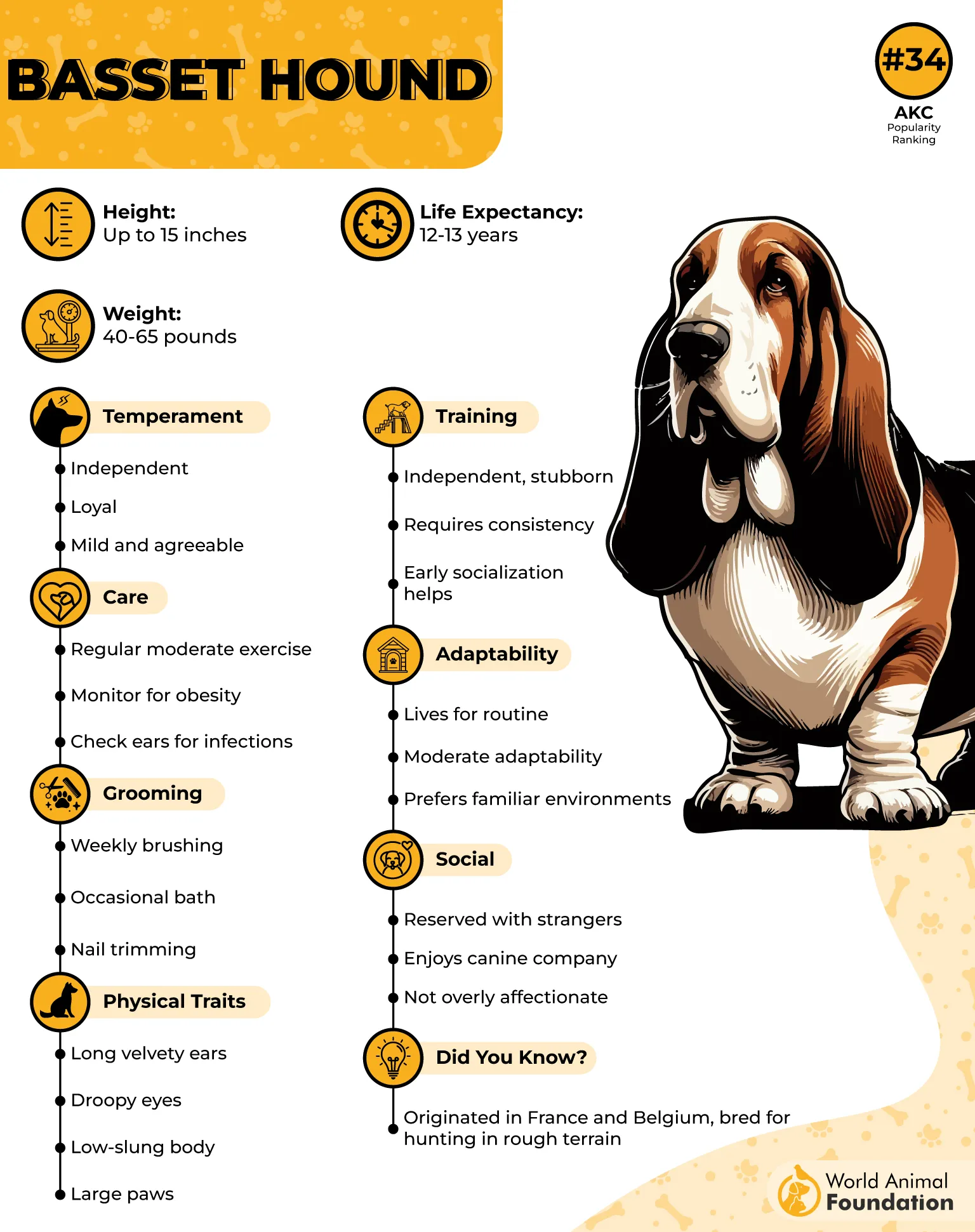
A house or a tolerant building suits a Basset better than a tight studio, mostly because of the sound, not the size.
Quirky fact: That low center of gravity and famous “sad clown” face come from a build originally designed for tracking scent through dense brush.
Energy level: Low to moderate — two leisurely walks a day
Noise tendency: Vocal — a loud, baying bark, not a quiet breed
Dietary Needs: Food-motivated, so portion control matters
Grooming Requirements: Weekly brushing, plus regular ear cleaning to prevent infections
Social Needs: Loyal and people-oriented, doesn’t love being left alone
9. Newfoundland
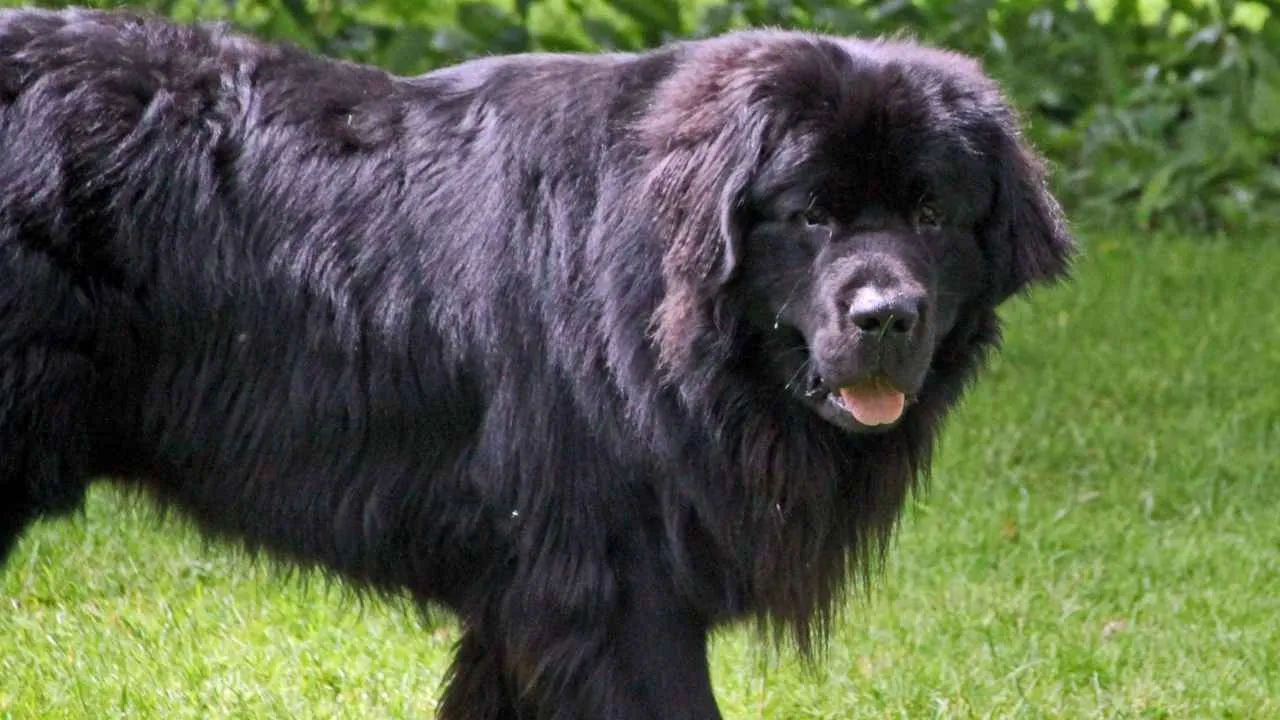
The Newfoundland is proof that big dogs can have the gentlest hearts. Patient, sweet-natured, and famously good with kids, this breed suits families and experienced owners with room to spare.
Here’s the honest trade-off for urban living: Newfoundlands are calm and quiet indoors, rarely barking without reason, but their sheer size means they need real space to stretch out comfortably. A studio isn’t the ideal fit here — a larger apartment or house works much better.
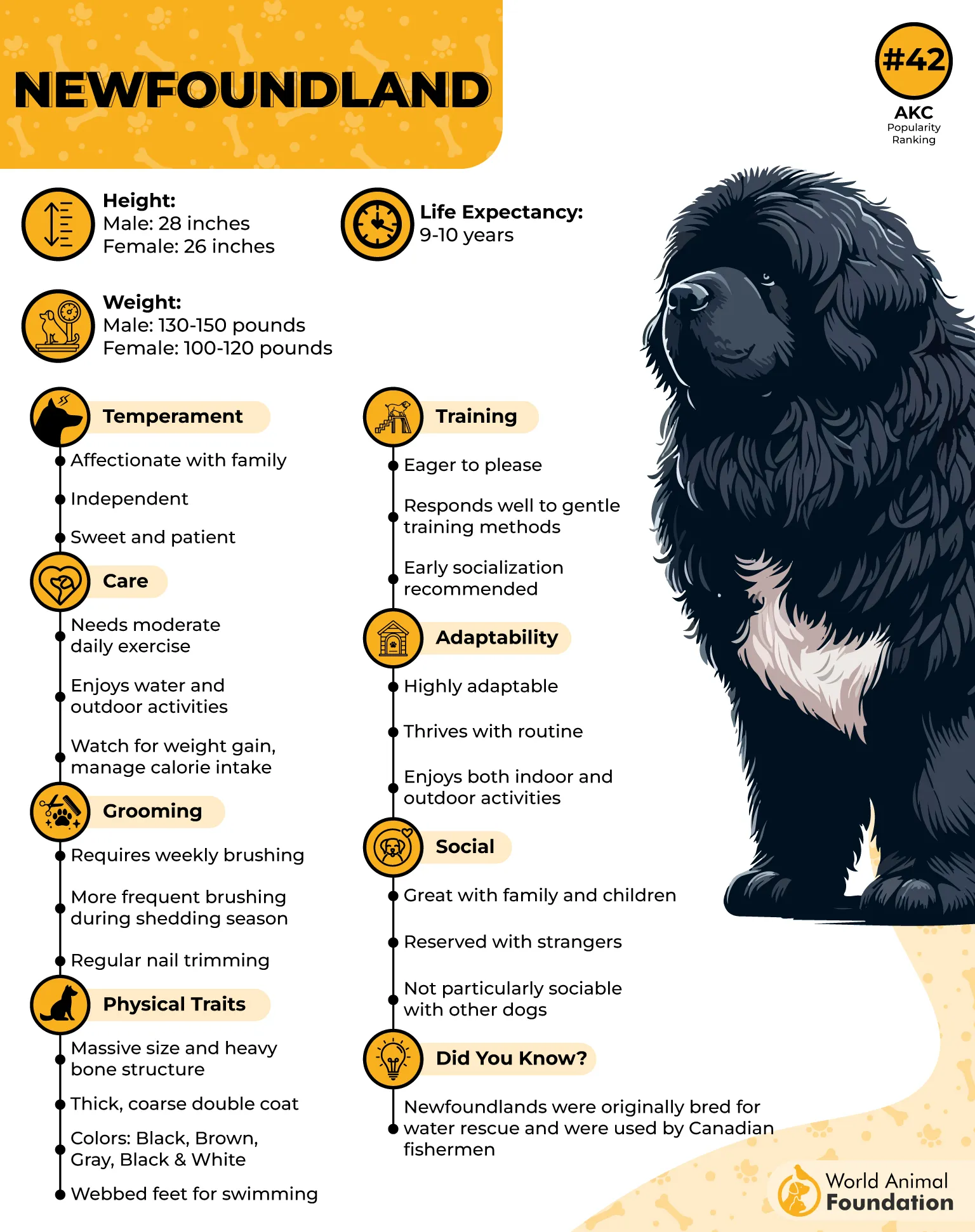
Quirky fact: This breed is a natural-born swimmer, historically used for water rescue, so a Newfoundland eyeing your bathtub is basically instinct at work.
Energy level: Moderate — calm indoors, but needs daily walks and loves swimming
Noise tendency: Quiet — barks only for a real reason
Dietary Needs: Large-breed formula to support joints
Grooming Requirements: Frequent brushing for the thick double coat, plus drool management
Social Needs: High — bonds deeply, struggles with long stretches alone
10. Clumber Spaniel

The Clumber Spaniel is basically a dignified couch cushion with legs. Calm, mellow, and a little aloof with strangers, this breed suits families who want a big dog with zero drama.
Here’s the honest note: Clumbers are genuinely chill indoors, but their hunting instincts mean they crave outdoor sniffing time, so pure city living isn’t always their natural habitat. A house with easy outdoor access suits a Clumber better than a small studio.
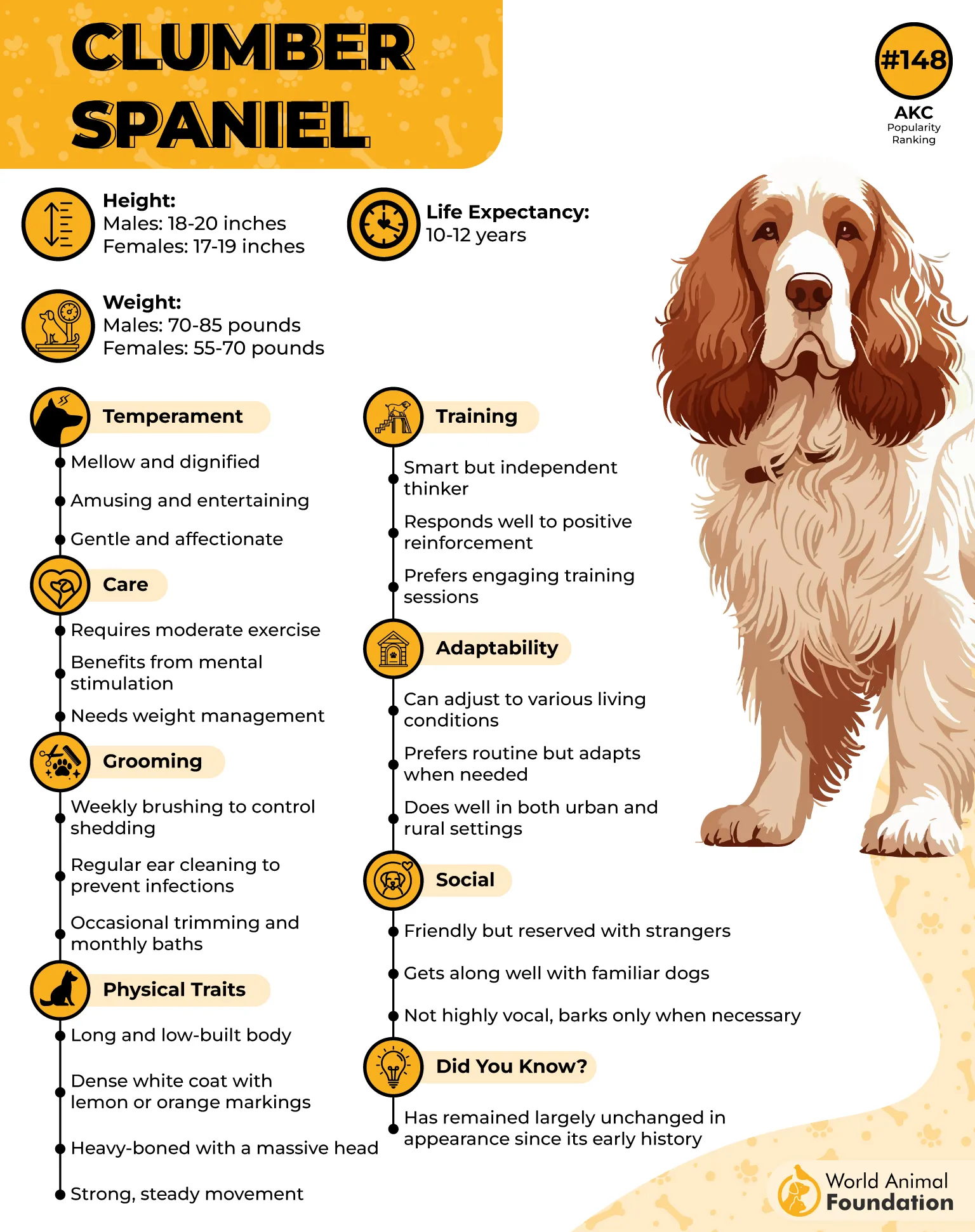
Quirky fact: This breed was once nicknamed the “retired gentleman’s shooting dog” for its slow, deliberate hunting style — basically the tortoise of the spaniel world.
Energy level: Moderate — a few daily walks, no jogging required
Noise tendency: Not big barkers, and rarely raise the alarm
Dietary Needs: Food-motivated, so watch portions closely
Grooming Requirements: Regular combing for the dense coat, which sheds heavily
Social Needs: Loyal and affectionate, generally easygoing with other pets
Conclusion
Every breed on this list proves the same point: a calm, quieter nature does more for urban living than square footage ever could. Size gets the credit, but temperament and trainable habits are what actually let a dog behave and settle down easily next to neighbors sharing your walls.
Before choosing your new roommate, spend a weekend fostering or dog-sitting one of these best dog breeds through a local rescue, so you see their real-life energy and noise levels firsthand — not just what’s on paper.
