




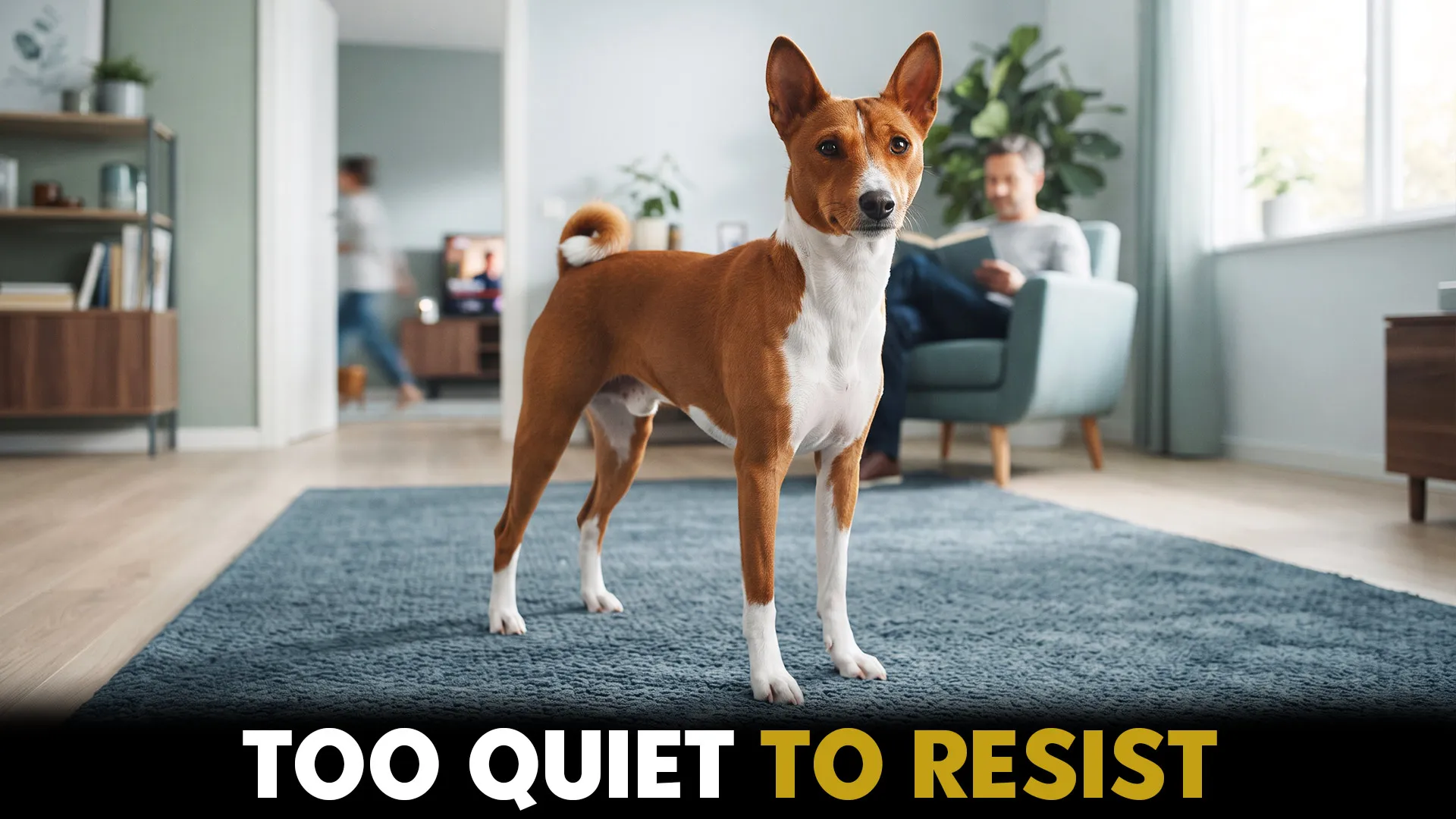
If you have ever lived next to a dog that barks at every delivery truck, squirrel, leaf, and person walking outside, you can get our point. THE VALUE OF A QUIET DOG!!
Dogs bark. That is normal. But some breeds have a low tendency to bark constantly, and that makes them easier to live with in apartments, condos, townhomes, or quiet households.
But a quieter dog does NOT mean a dull dog.
Nuh-uh!
Some of these dogs are playful, some are athletic, some are basically professional couch potatoes, and some would happily spend the entire afternoon sitting beside their favorite person.
So, if you want a four-legged friend who brings plenty of affection without providing a running commentary on everything outside, these quieter companions are worth a look.
Quiet Canines: Top Dog Breeds for Low-Bark Living
1. Basenji
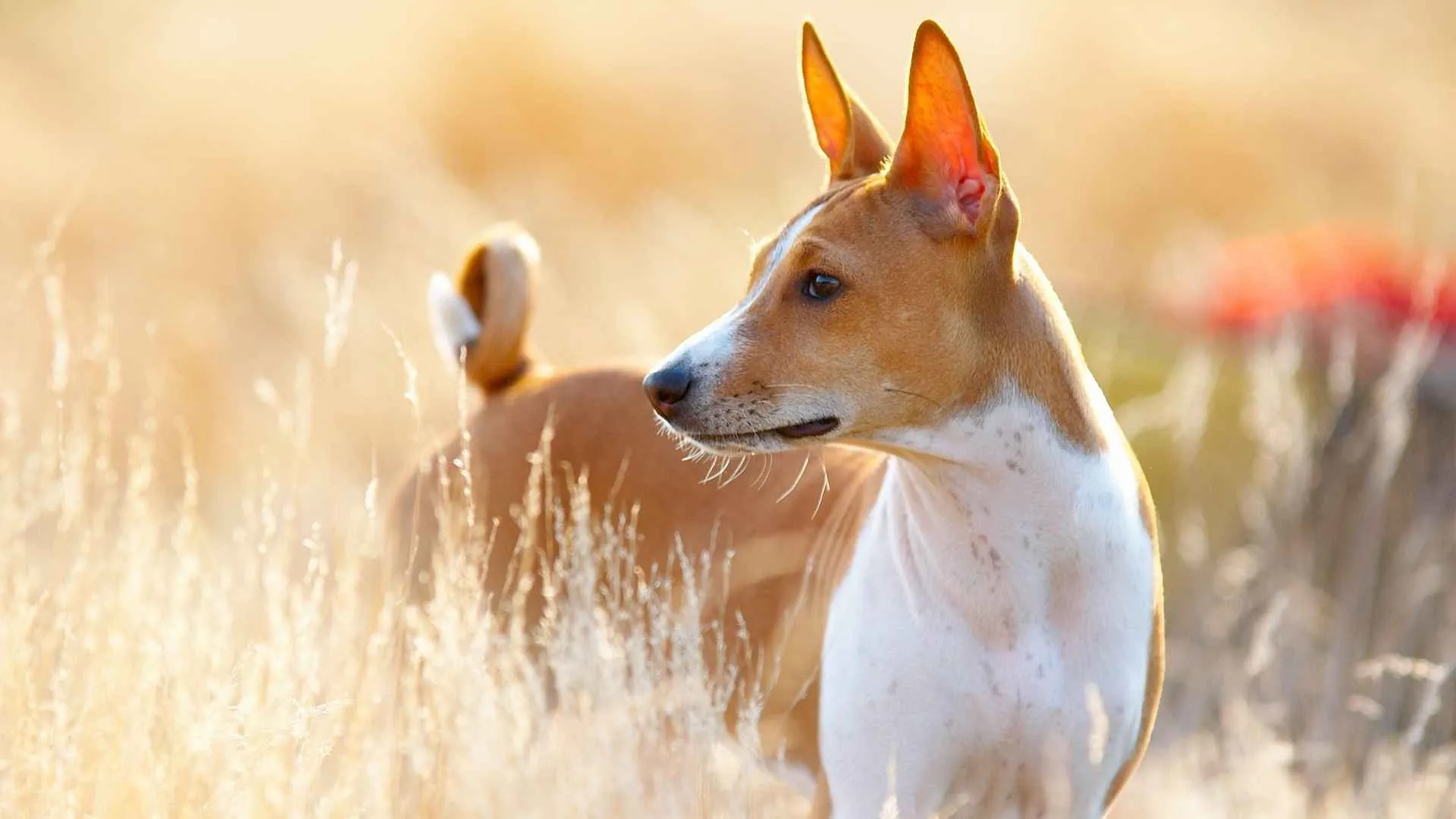
Basenjis are one of the best-known quiet hound breeds. They are compact, intelligent, curious, and famously unusual. The American Kennel Club actually describes them as Africa’s “barkless dog.” That does not mean completely silent, though. A Basenji may bark (howl, chortle, yodel, or crow) when excited, alarmed, or frustrated. That famous yodel can definitely get your attention.
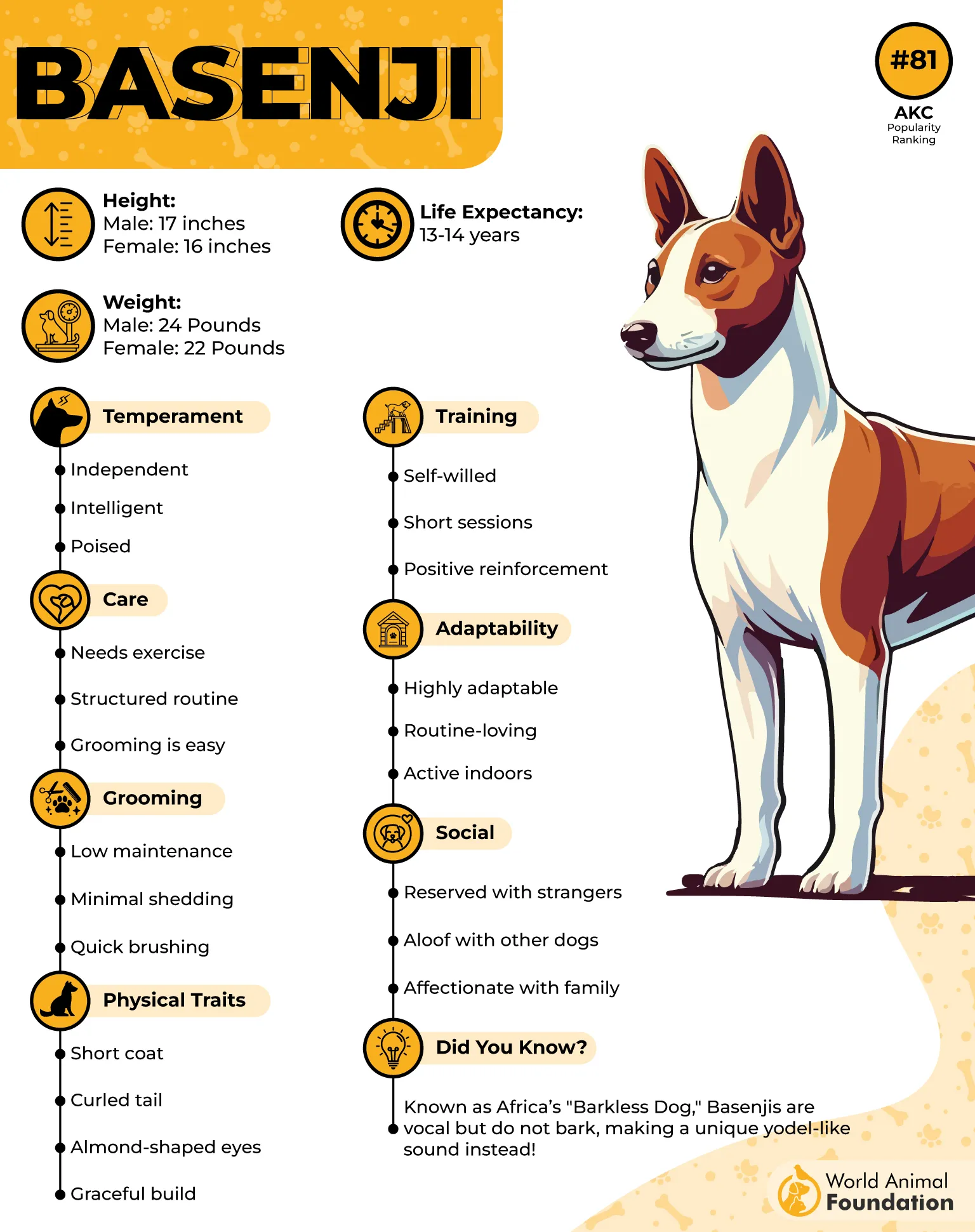
Their short coat is easy to maintain, which is another bonus.
Basenjis are active dogs and need daily exercise and mental stimulation. They are clever, independent, and can be easily distracted by anything interesting outside.
This hunting dog is not necessarily the dream dog for someone wanting a sleepy lap dog. But for people who want a quiet, energetic personality, Basenjis can be a great fit.
Keep them safely contained outside because their curiosity can turn into an adventure very quickly. One open gate? Oh, they notice it.
2. Cavalier King Charles Spaniel
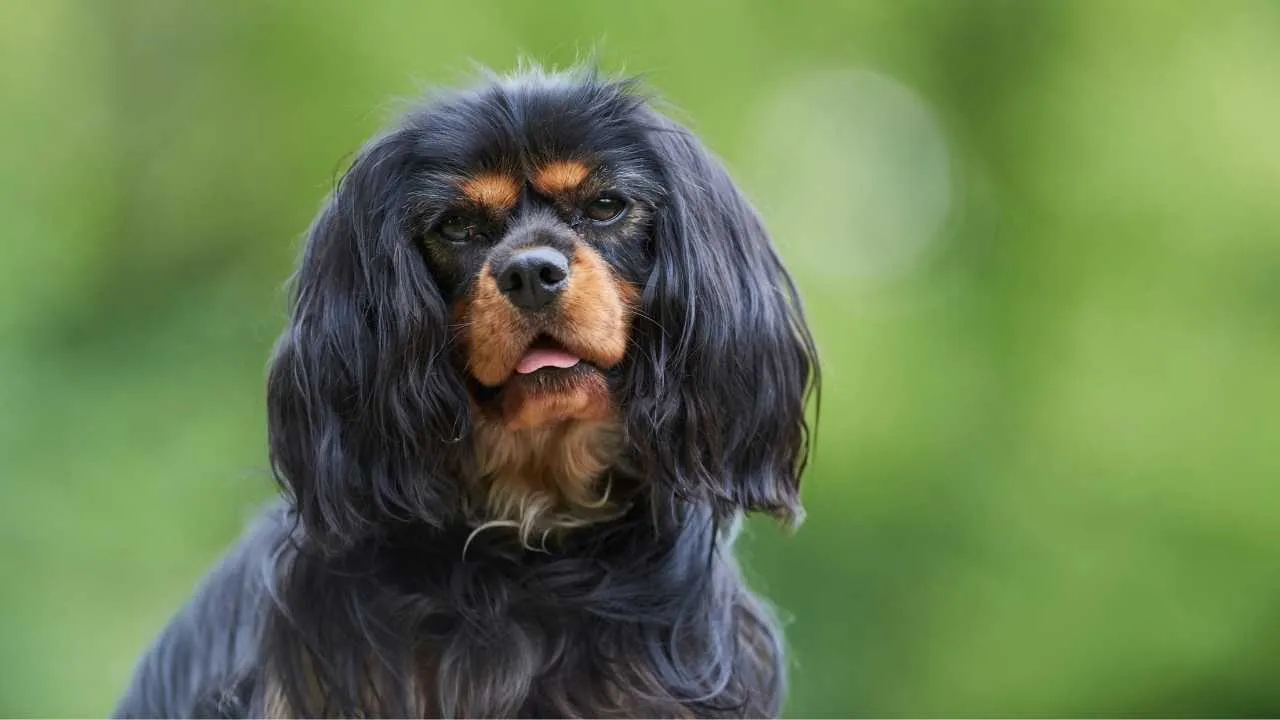
Sweet face, soft ears, professional snuggler.
Cavalier King Charles Spaniels are affectionate, adaptable dogs that generally make wonderful household companions. They can enjoy an active lifestyle with their people, but they are equally happy settling into a quiet routine.
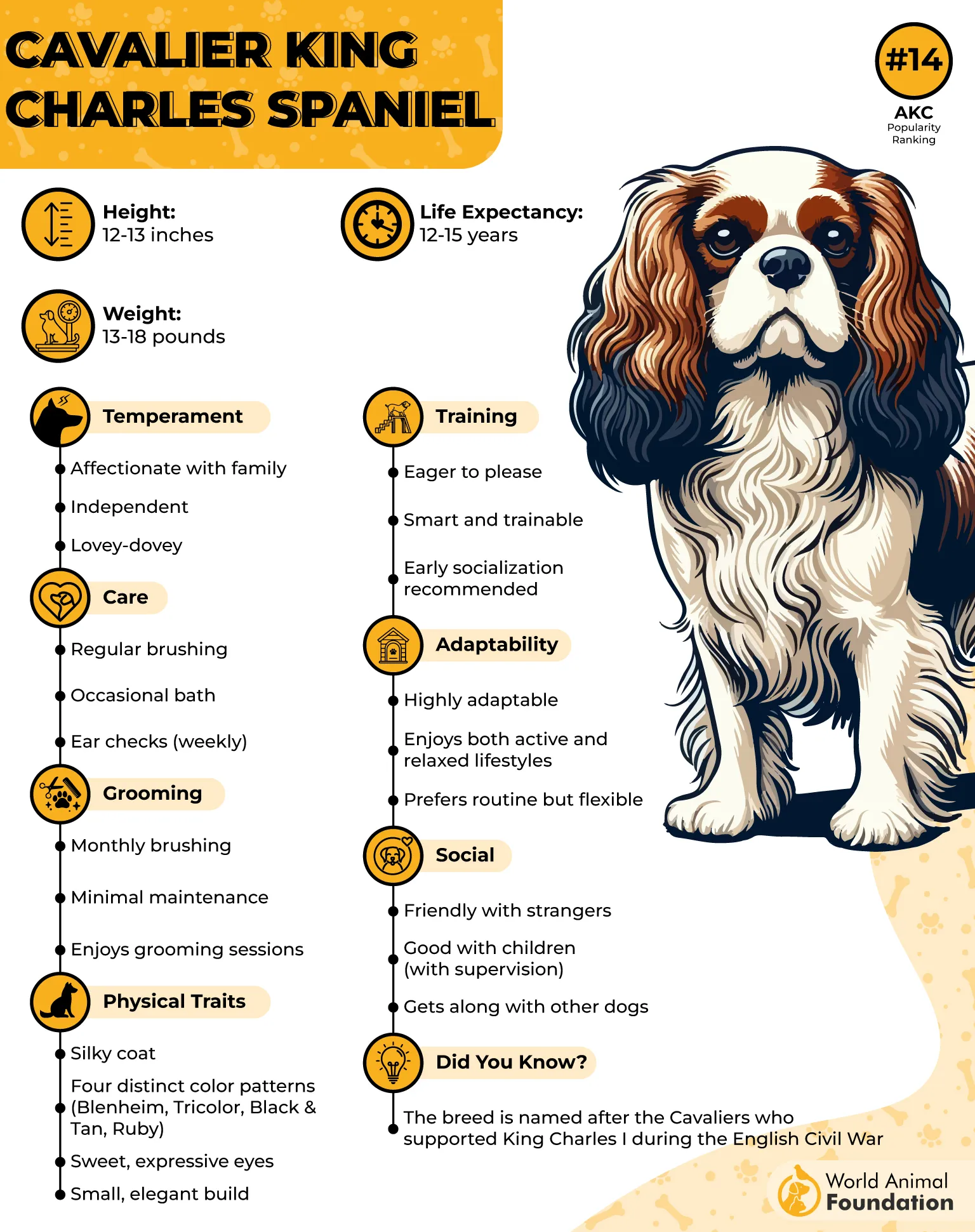
These Spaniel dogs aren’t completely silent, of course. Any breed can bark when excited, bored, or reacting to something outside. But Cavaliers are generally not known as excessive barkers.
This breed was developed as a companion, and it shows. Cavaliers often want to be wherever their people are. They can happily join you for walking, then settle beside you afterward. According to PetMD, they thrive on human interaction.
Their moderate exercise needs make them a nice middle ground for people who want a dog without an extremely demanding routine. Their gentle temperament also makes them suitable for many homes and communities.
3. Greyhound
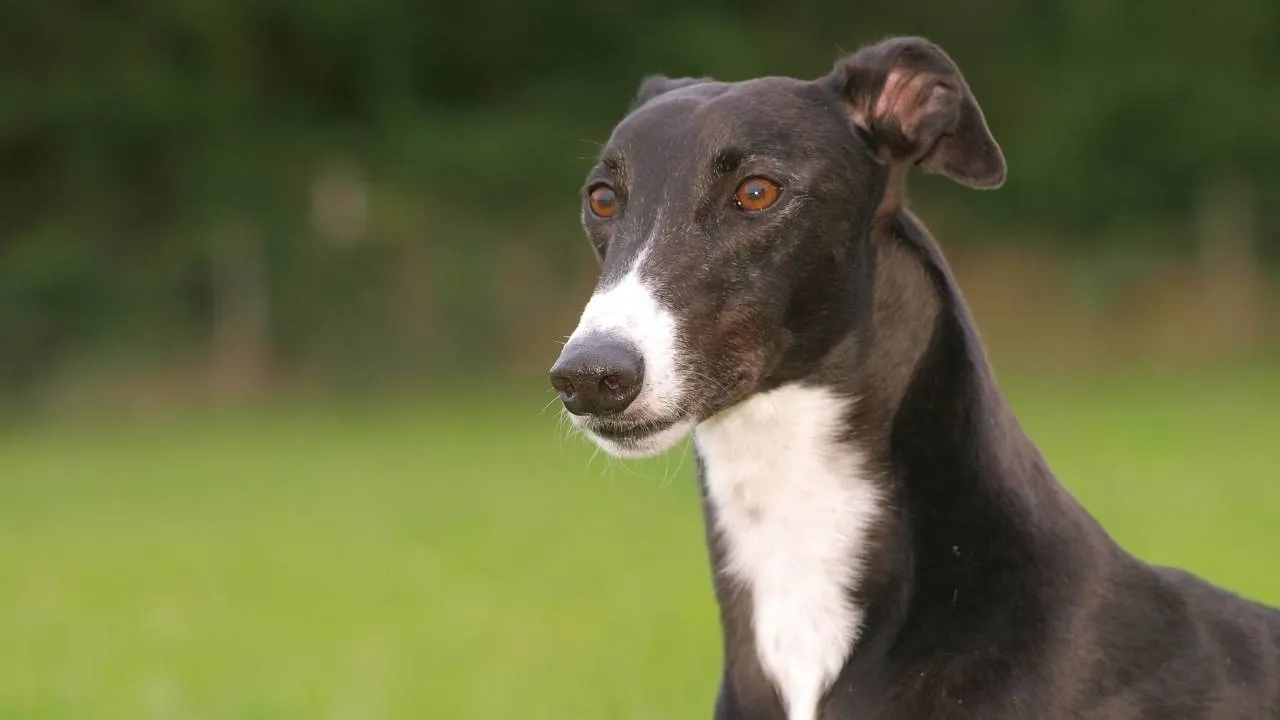
Fast outside, but chill inside.
Greyhounds are famous racing dogs, but their home life can look completely different than their athletic image. Many are calm, gentle, and wonderfully quiet when they are relaxing at home.
That is why a Greyhound can be such a surprise to people. You expect an energetic large dog, but you get a professional lounger.
Oh, and did we mention they are one of the fastest dog breeds as well?
These hounds need daily walks and opportunities to stretch their legs. But once you handle their exercise, many Greyhounds are content to spend quiet time indoors.
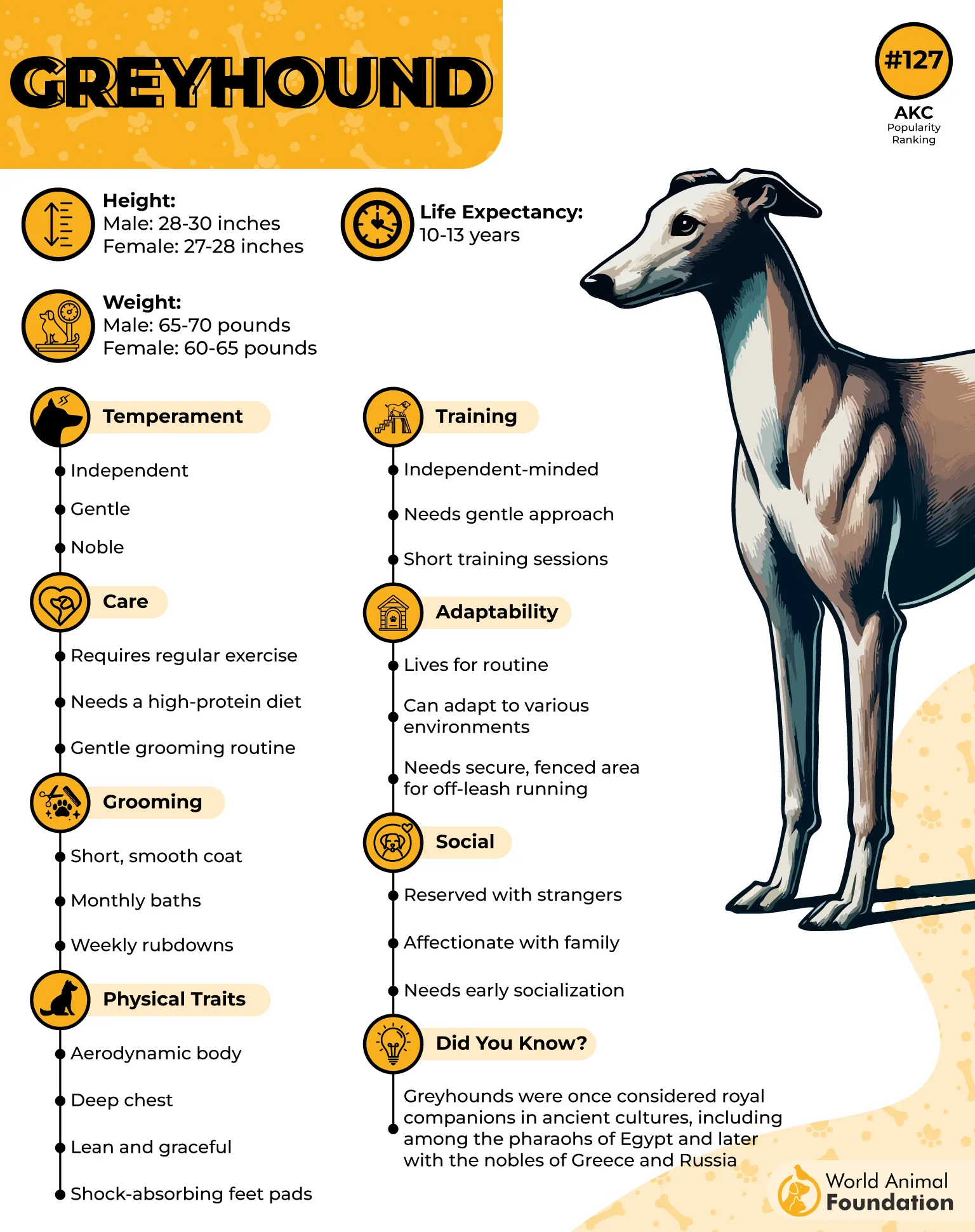
Their short coats require minimal fuss, too.
Retired racing Greyhounds can be appealing to people looking for calm companions, although every dog has its own personality. Some may be more sensitive or easily distracted by small animals.
And yes, the snuggle Greyhound is a real thing.
Long legs, giant couch, happy life.
4. Whippet
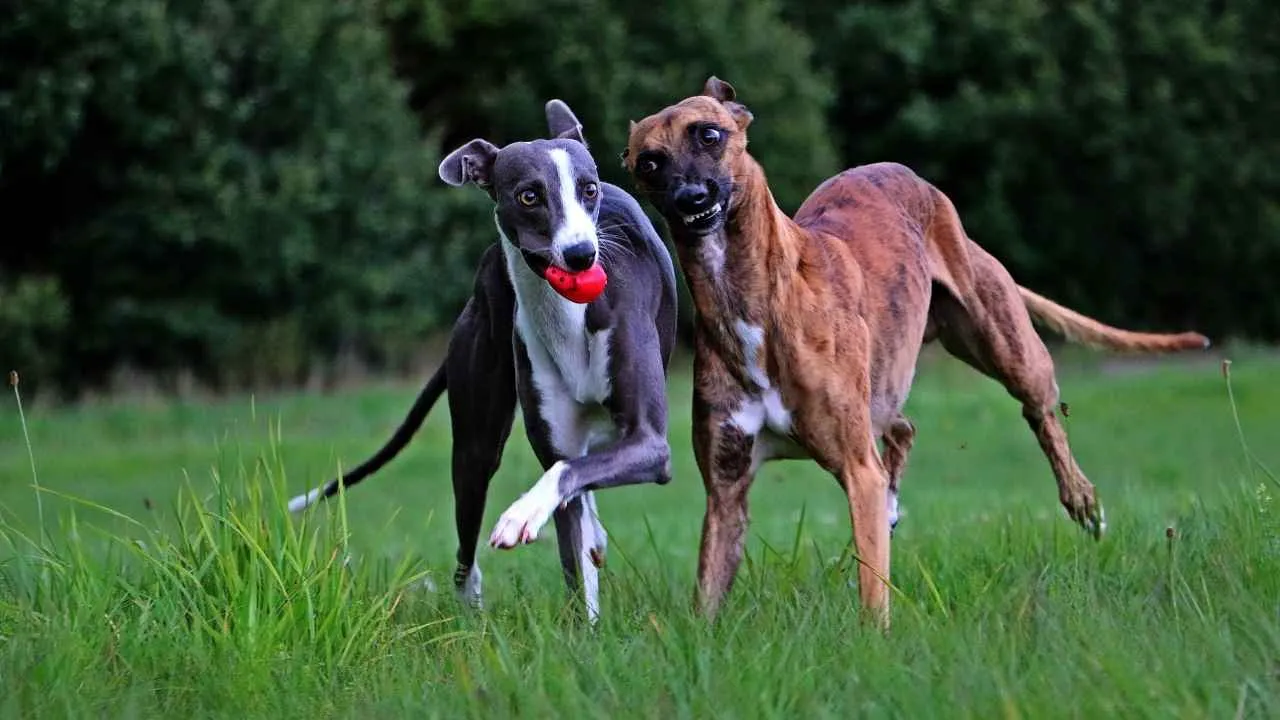
A smaller, quieter cousin to the Greyhound with serious couch credentials.
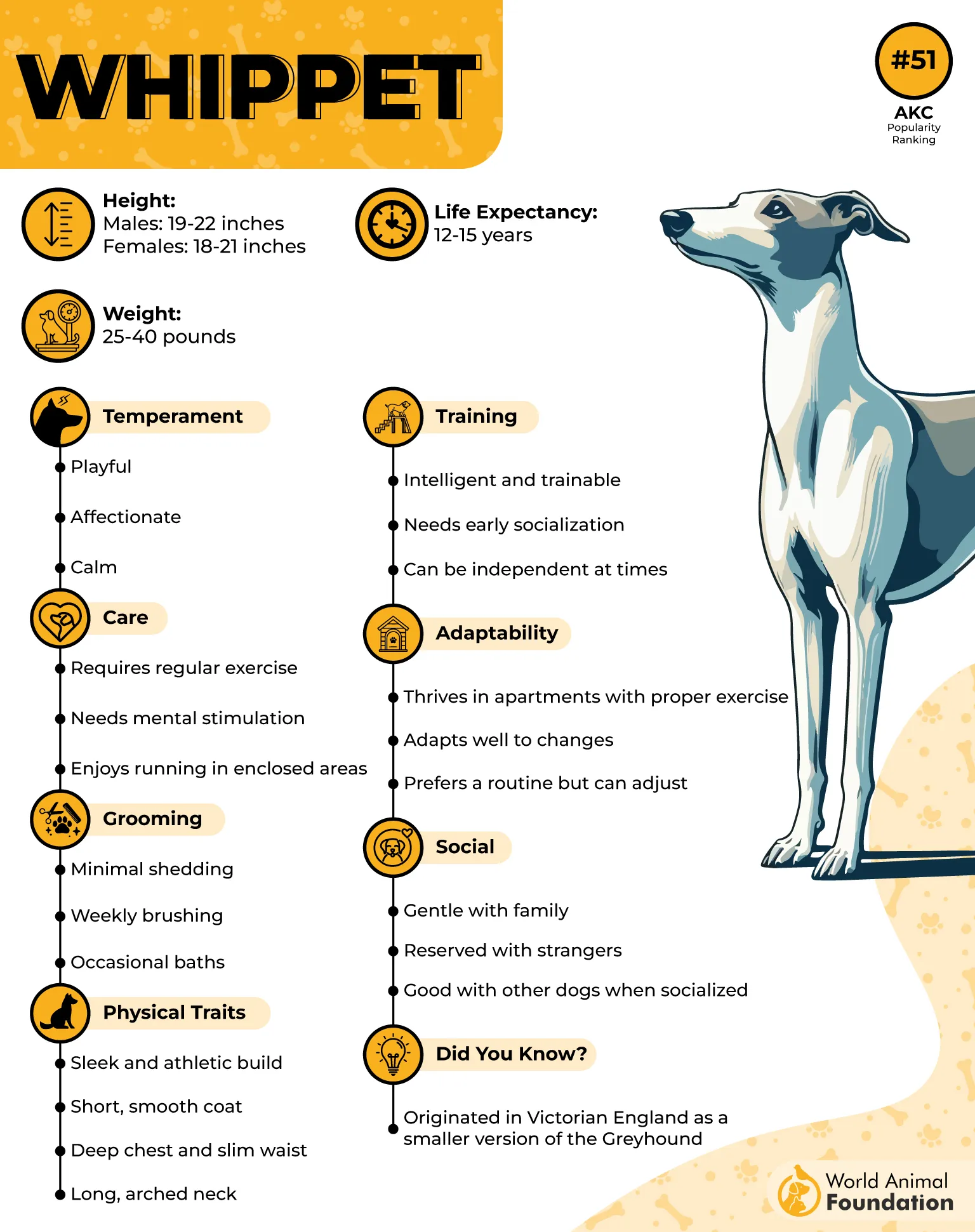
Whippets are adaptable sighthounds known for being calm indoors and not prone to excessive barking. They can run incredibly fast, yet when the fun is over, they are happy to relax quietly with their people.
Whippets need regular activity, often around one hour per day, as noted by PDSA. Daily walks, play, and a chance to help keep them content.
Then comes the quiet part.
These tall, skinny dogs are perfectly happy stretching out in the living room. They adapt well to apartments or larger homes, provided their exercise needs are met.
Whippets can also enjoy dog sports such as lure coursing and fast Cat. They are athletic without needing to act like they are training for the Olympics every hour of the day.
That balance is a big reason people love them.
5. Great Dane
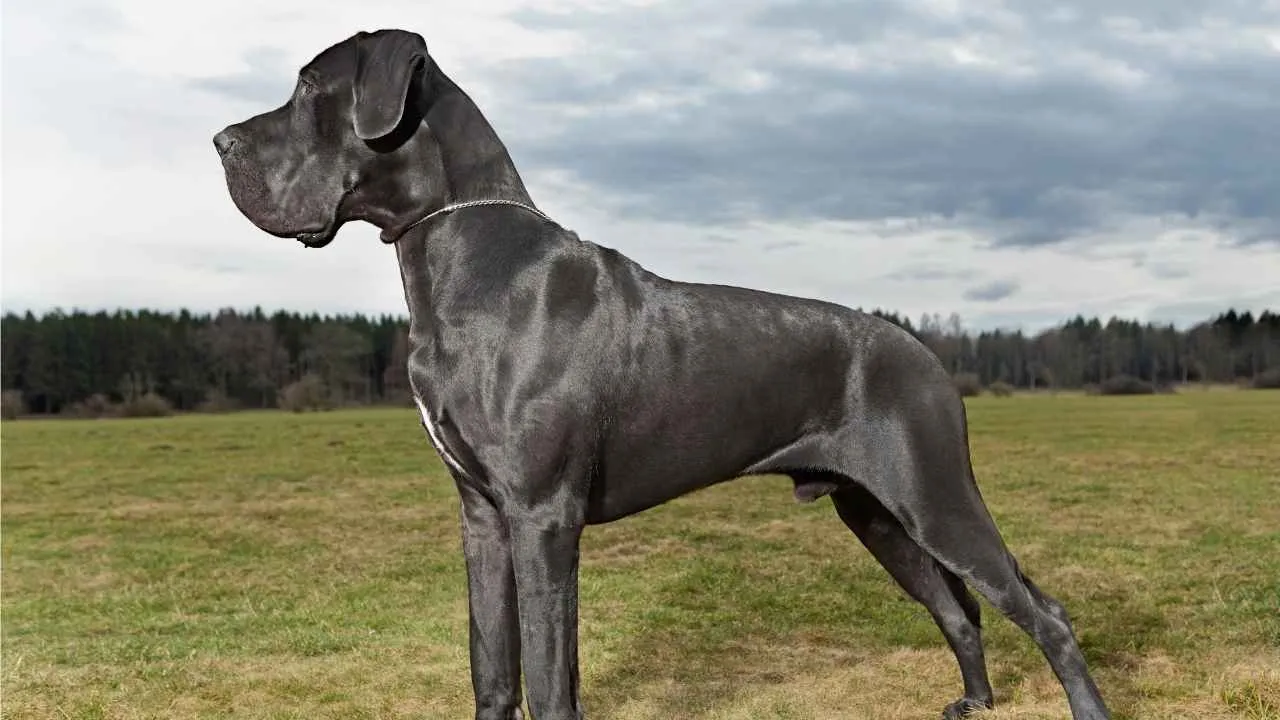
Massive dog (one of the tallest dogs, actually) with a very low-key personality.
Great Danes are huge dogs, but many are calm and gentle at home. Their size alone can make them look intimidating, yet they are affectionate and eager to be close to their people.
They may bark when they have a reason and notice something unusual. Still, they are not up to constant barking.
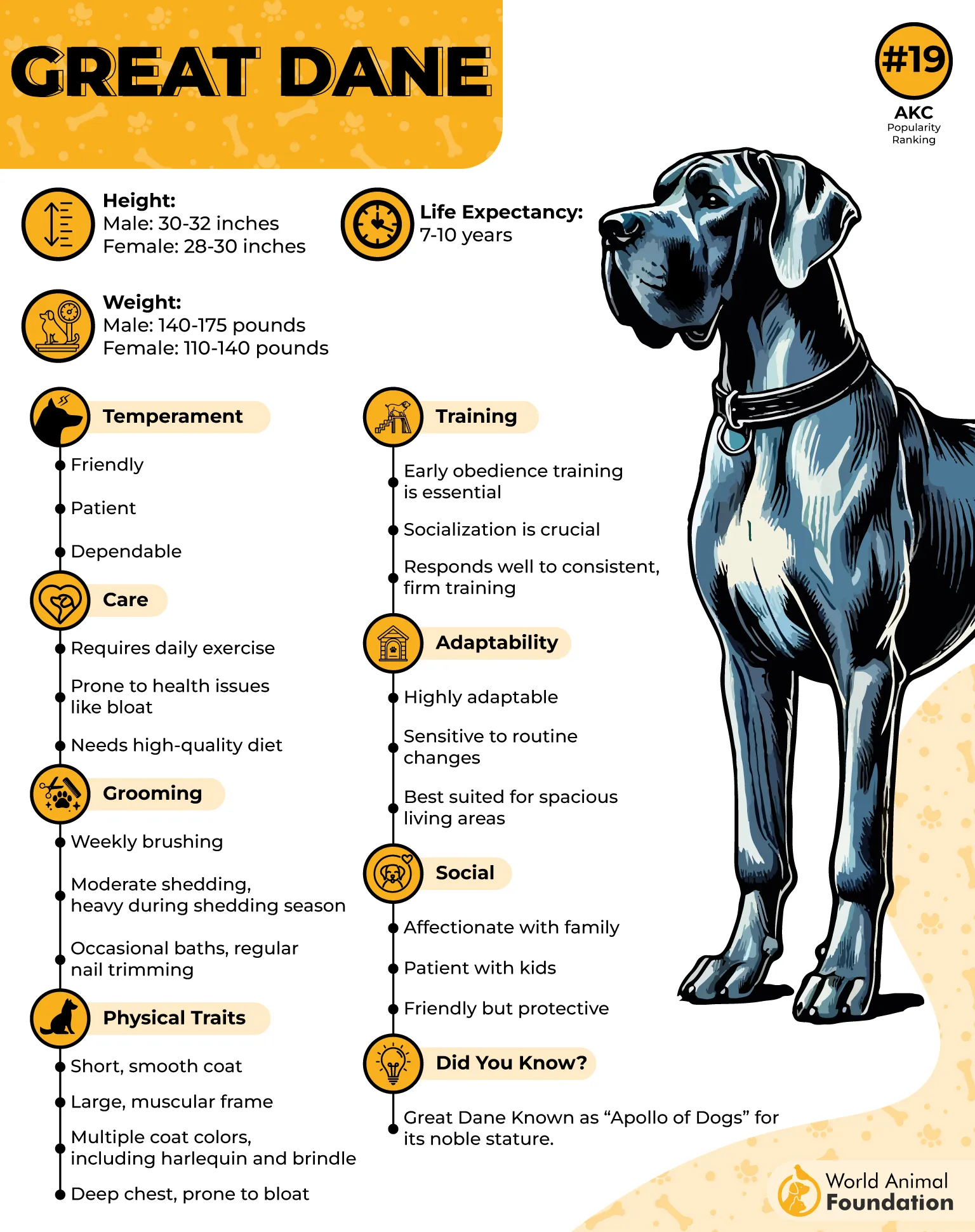
Great Danes need regular exercise, but they are not endless energy dogs. Daily walks and normal activity can help them stay happy dogs.
Their size does mean your home needs enough room for a giant four-legged friend to move around comfortably.
And prepare yourself for this.
A Great Dane may believe it is a lap dog.
It is not.
It does not care.
This breed can be wonderful for families wanting calm companions with a gentle presence.
6. French Bulldog
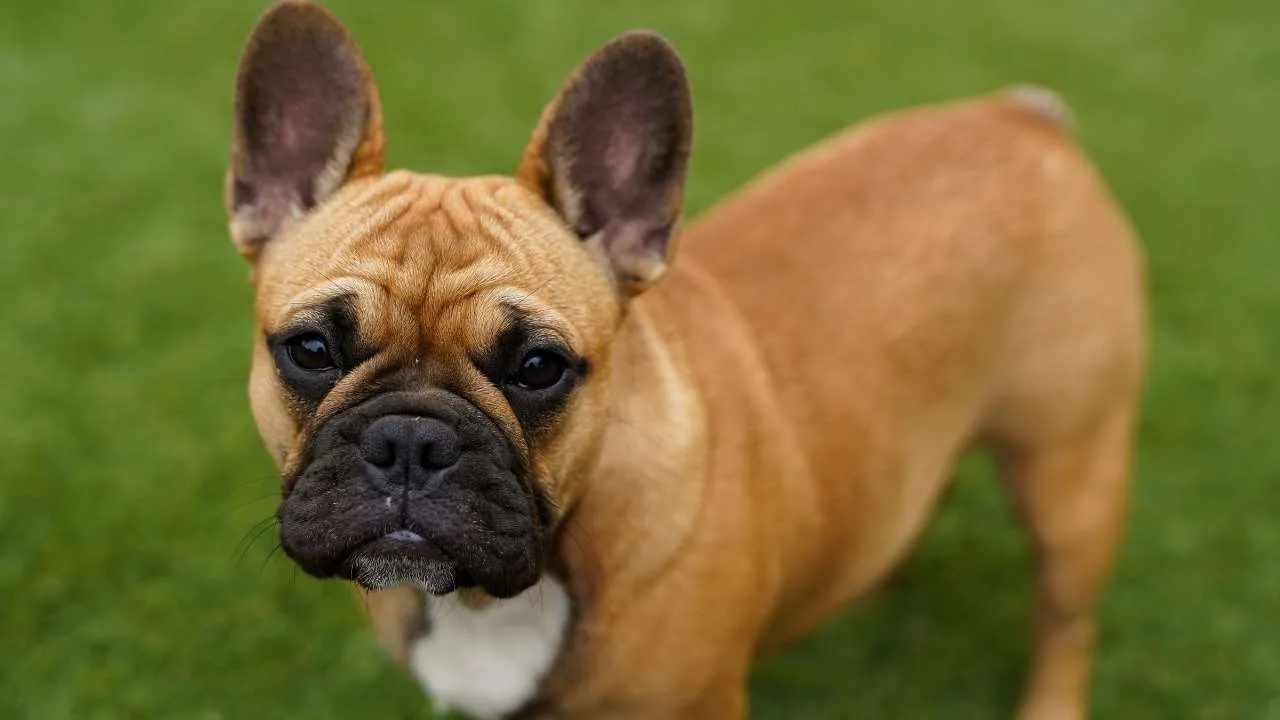
French Bulldogs are among the most popular dogs for apartment and city living, and one reason is that they generally do not bark excessively.
They can certainly make noises, though. Snorts, grumbles, little huffs… Frenchies have a sound department. They are adaptable, affectionate dogs that are comfortable in smaller homes.
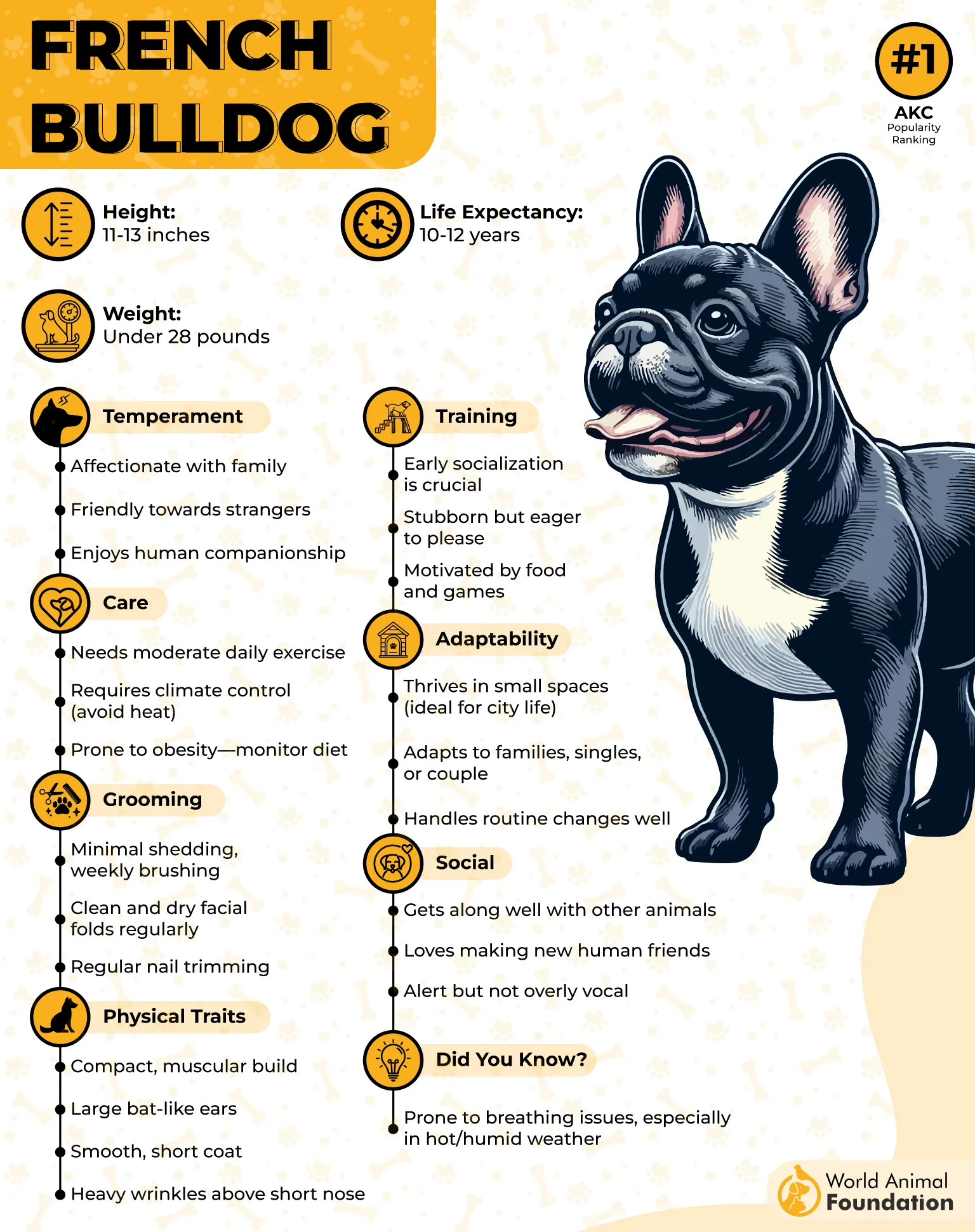
French Bulldogs usually do well with short walks and indoor play rather than long endurance sessions. That makes them appealing for a low-key lifestyle.
This wrinkly dog breed needs attention to heat and strenuous exercise because of its short facial structure. Responsible owners should take care of overall wellness and breathing.
If your dream dog is happy hanging out beside you while you watch TV, Frenchies may be worth considering.
7. Pug
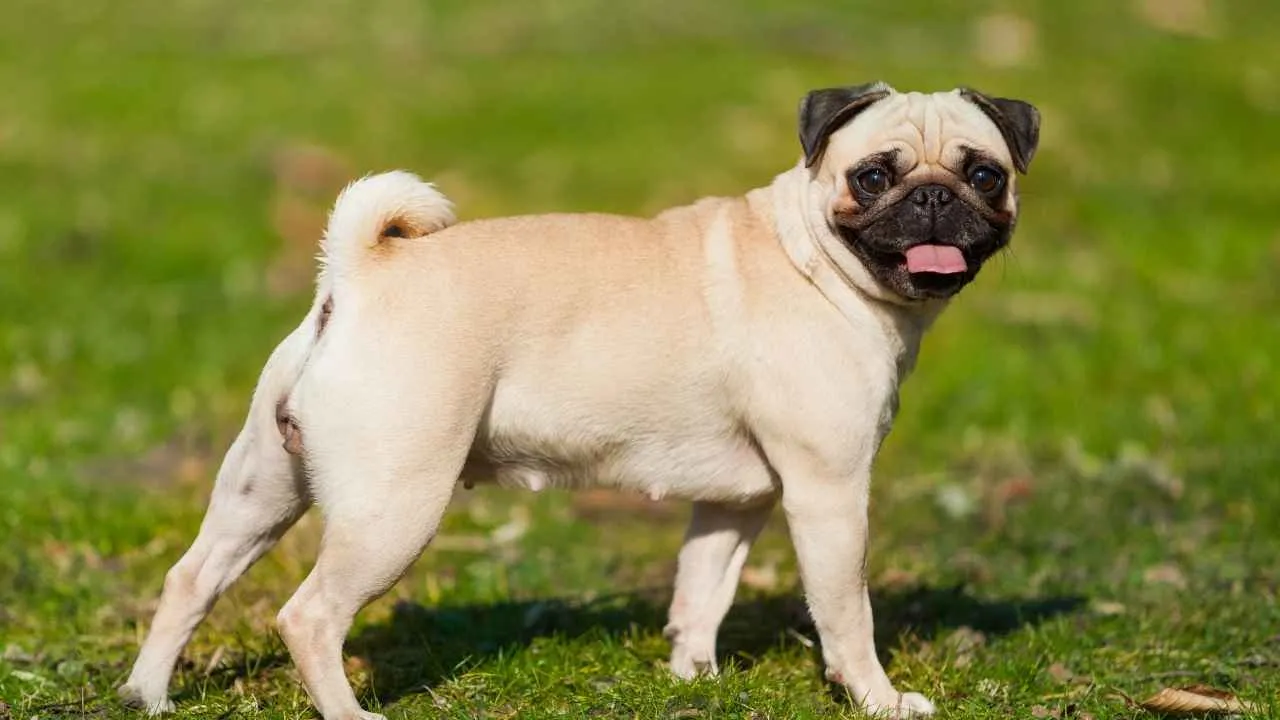
Pugs are famous for being affectionate, playful, and adaptable. They can be happy in apartments, smaller homes, and dog-friendly establishments, and they are generally not non-stop barkers.
Pugs may bark when excited or when something catches their attention, but their typical lifestyle is more about being close to their humans. Oh, and their doggy presence is all about quiet behavior, of course.
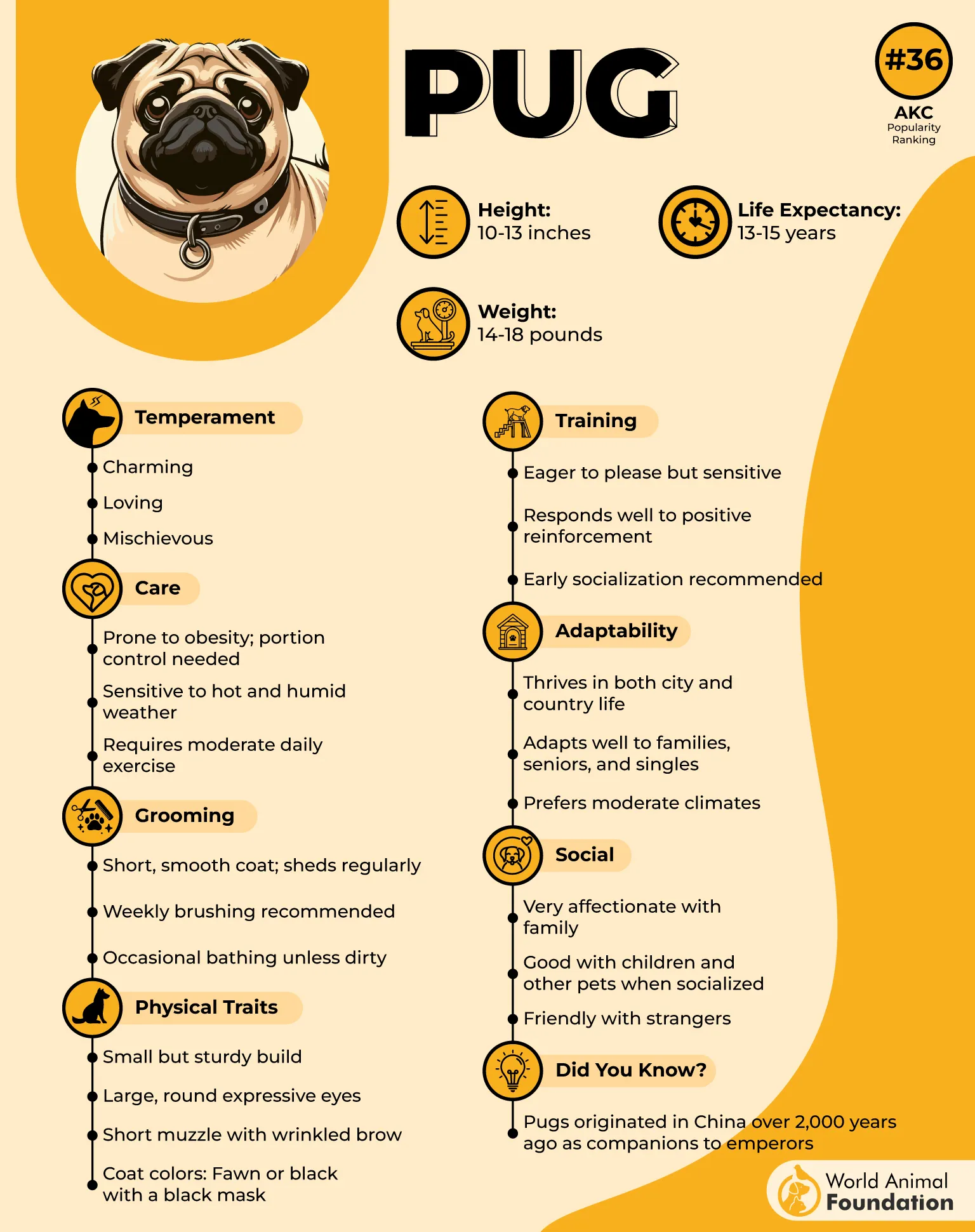
Pugs enjoy short walks, indoor play, and companionship. These brachycephalic dogs are not bred for intense exercise in hot weather.
That makes them appealing quiet dogs for people who want a low-key home companion.
They can also be stubborn little characters. Training works best with patience and positive reinforcement. And watch their feeding. Pugs can be foodie, and enthusiastic about snacks in daily life.
8. Japanese Chin
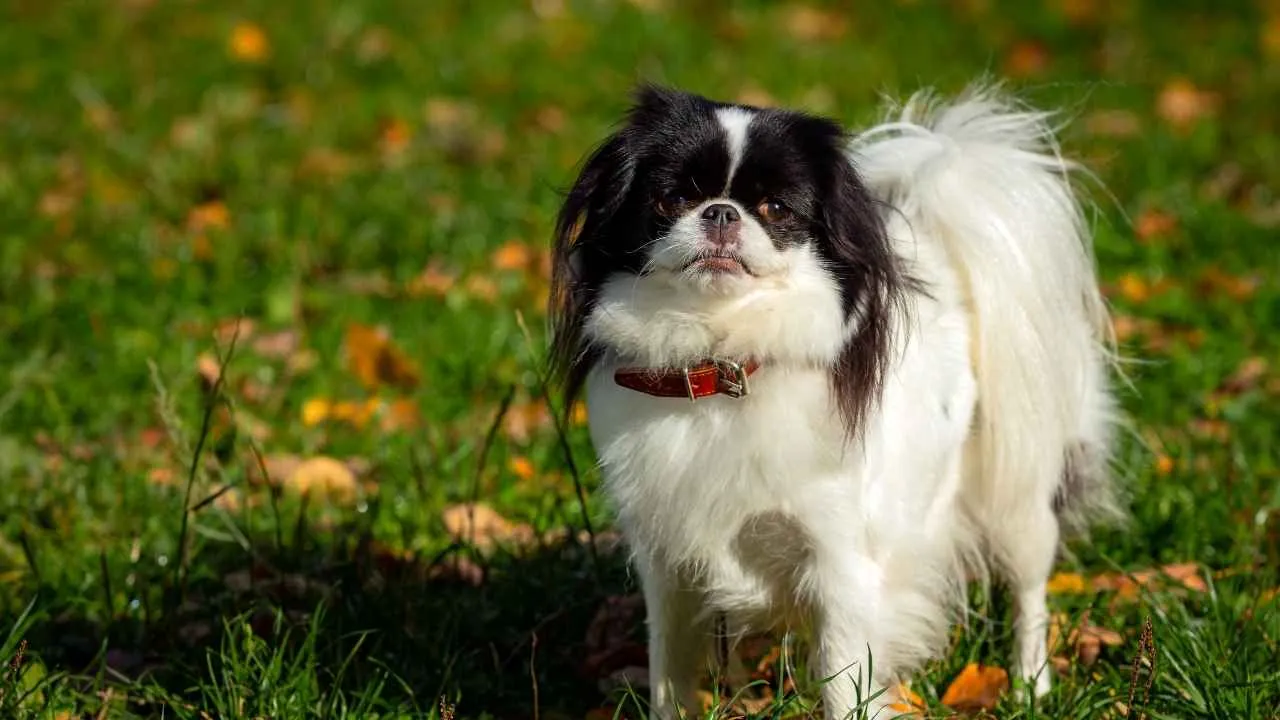
The Japanese Chin is a charming toy companion known for its graceful movements and quiet nature. Hill’s Pet Nutrition describes them as sensitive, intelligent, and affectionate, with a distinctly feline personality.
That makes this Asian dog breed interesting if you want a lap dog that doesn’t need to be the center of attention every second.
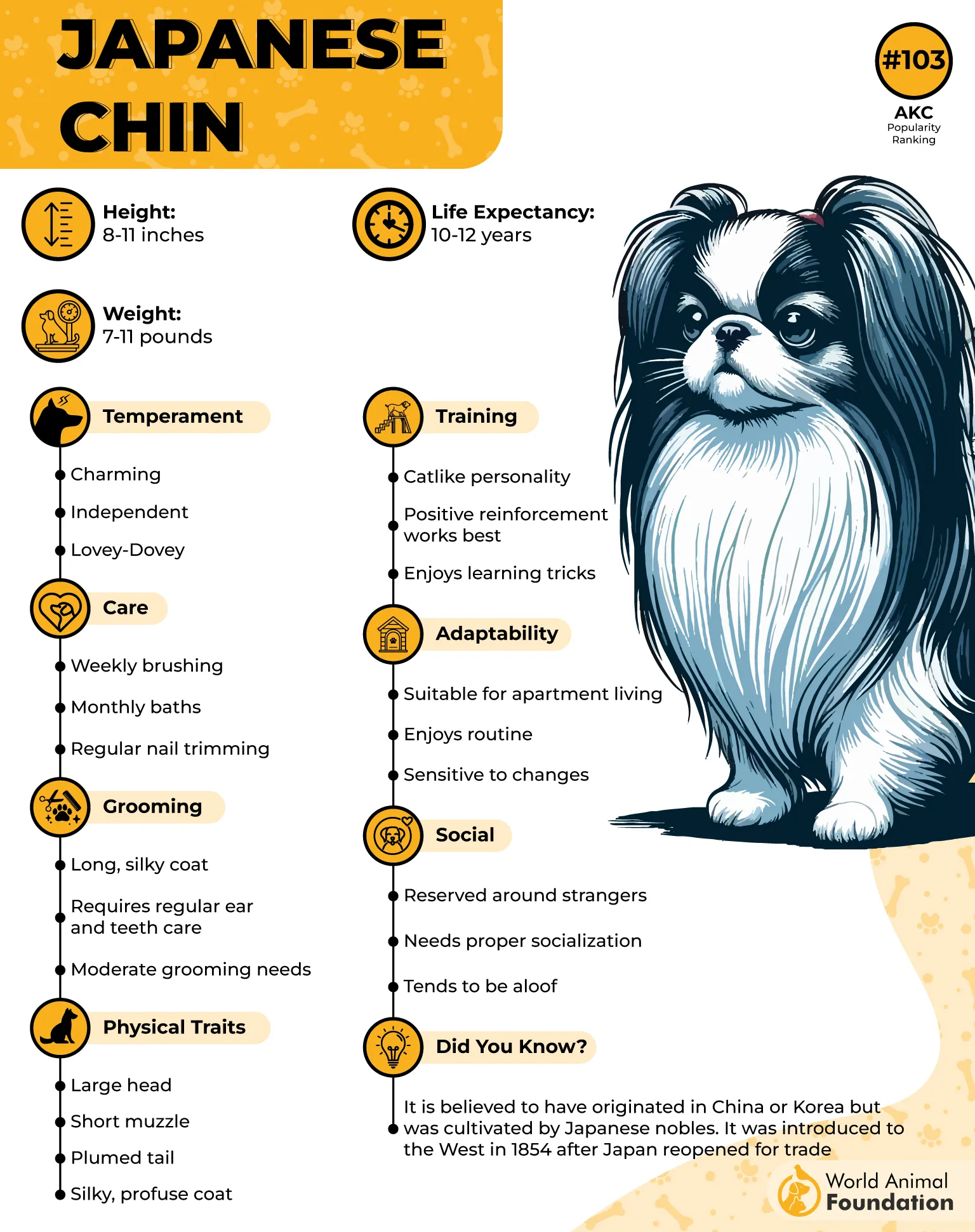
Japanese Chins usually enjoy staying close to their people, but they also have an independent streak. They are reserved with strangers and in new situations.
Their silky coat demands regular grooming. They are not the easiest choice if maintenance is your number-one concern.
But when it comes to doggy presence, these smaller dogs are subtle. Pet photography is top-tier with this beautiful, energetic dog.
9. Newfoundland
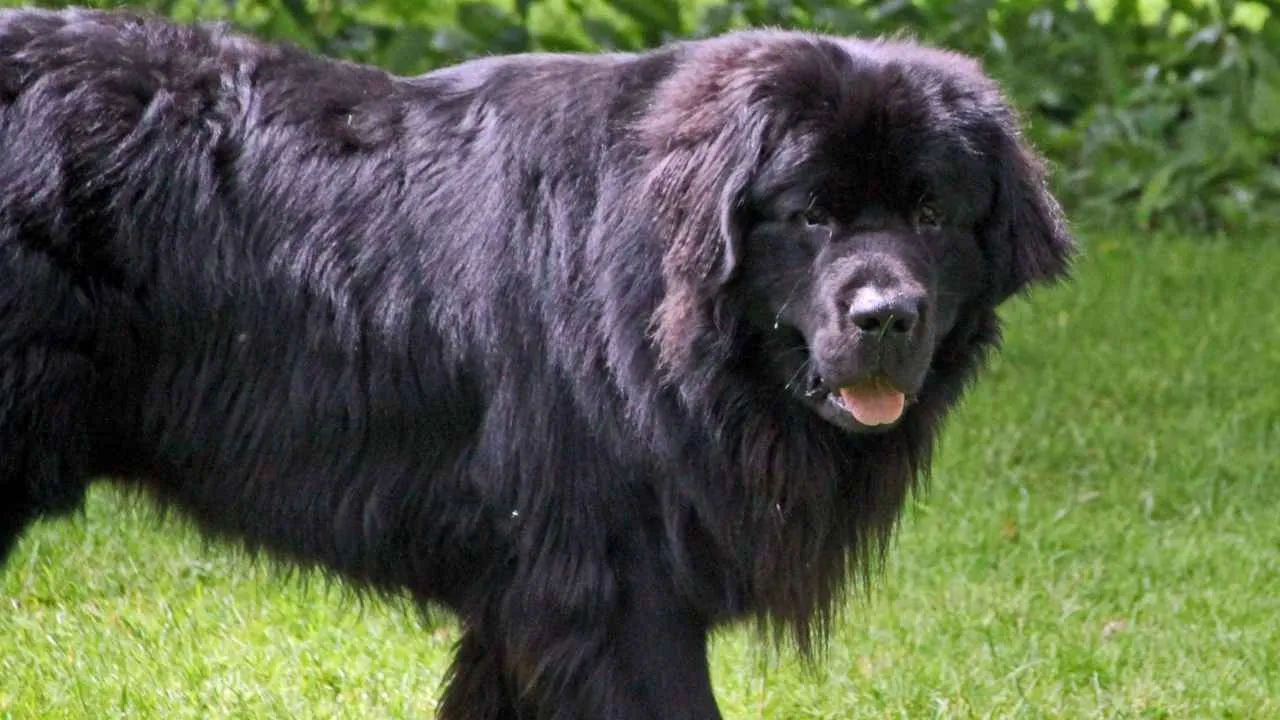
Newfoundlands are larger dogs with equally large hearts. They are famous for their gentle, patient nature and strong attachment to their families.
Their size and coat show they are definitely not the simplest dogs to maintain. But if your priority is a calm temperament and a quiet household, this big fluffy dog deserves attention.
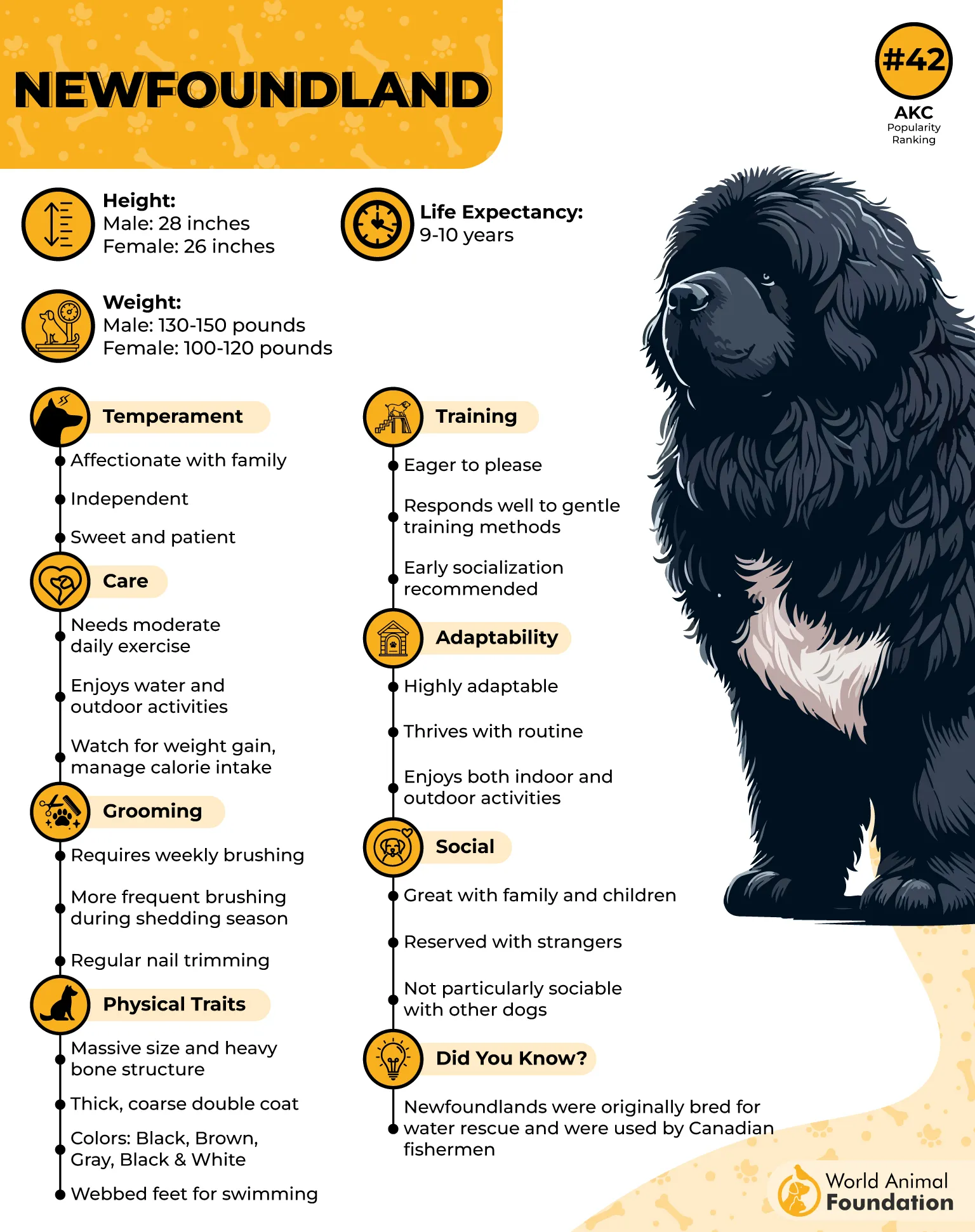
Newfoundlands need regular exercise, especially walking and swimming. They are working dogs bred for water rescue and heavy tasks. They are capable and strong despite their relaxed home personality.
Their thick double coat needs regular grooming, and shedding is part of the deal. This is where lifestyle is important.
A Newfoundland can be a wonderful four-legged friend for a family with enough space, time, and availability to handle a giant dog properly.
They usually have a low tendency toward noise, which can make their presence calm.
Conclusion
A quiet dog is not necessarily a silent dog.
Even the quieter breeds will bark sometimes. Your dog may bark at a stranger, a squirrel, a strange noise, or absolutely nothing you can see.
That is normal canine communication.
And remember, breed characteristics are only part of the picture. Training, socialization, exercise, boredom, and the dog’s personality all affect behavior. A bored dog can become noisy, regardless of the breed.
Give your four-legged friend enough activity, attention, and quiet time, and you may find yourself enjoying what you wanted: a calm home and a loving companion.
Because sometimes, the best dog is the one who curls up beside you after a long day.
