




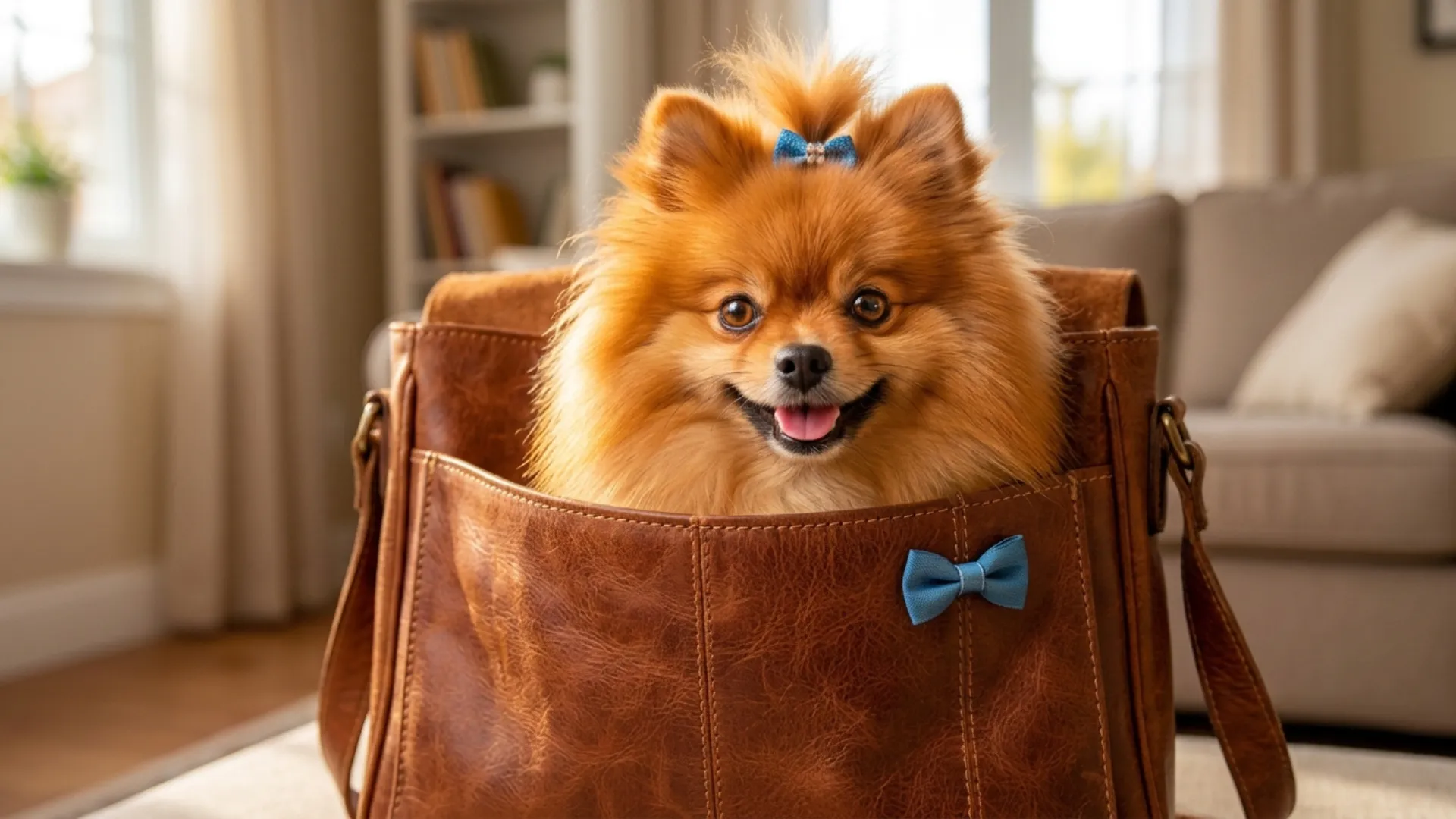
There’s just something irresistible about a dog so tiny you could almost imagine carrying them around in your pocket. These little companions may be small in size, but they can bring plenty of personality, affection, and playful energy into everyday life.
Small dogs can be especially appealing for apartment dwellers or anyone living with limited space. They usually don’t need a huge backyard to stay comfortable, and many can get plenty of enjoyment from shorter walks, indoor play, and time spent with their people.
Before choosing a pocket-sized companion, it’s worth looking beyond those adorable faces. Every dog still needs proper care, exercise, training, and companionship, and their needs can vary greatly.
So what are you waiting for? Let’s take a look at some of the most playful companion dogs.
Playful Pocket Dog Breeds That Will Light Up Your Life
1. Chihuahua
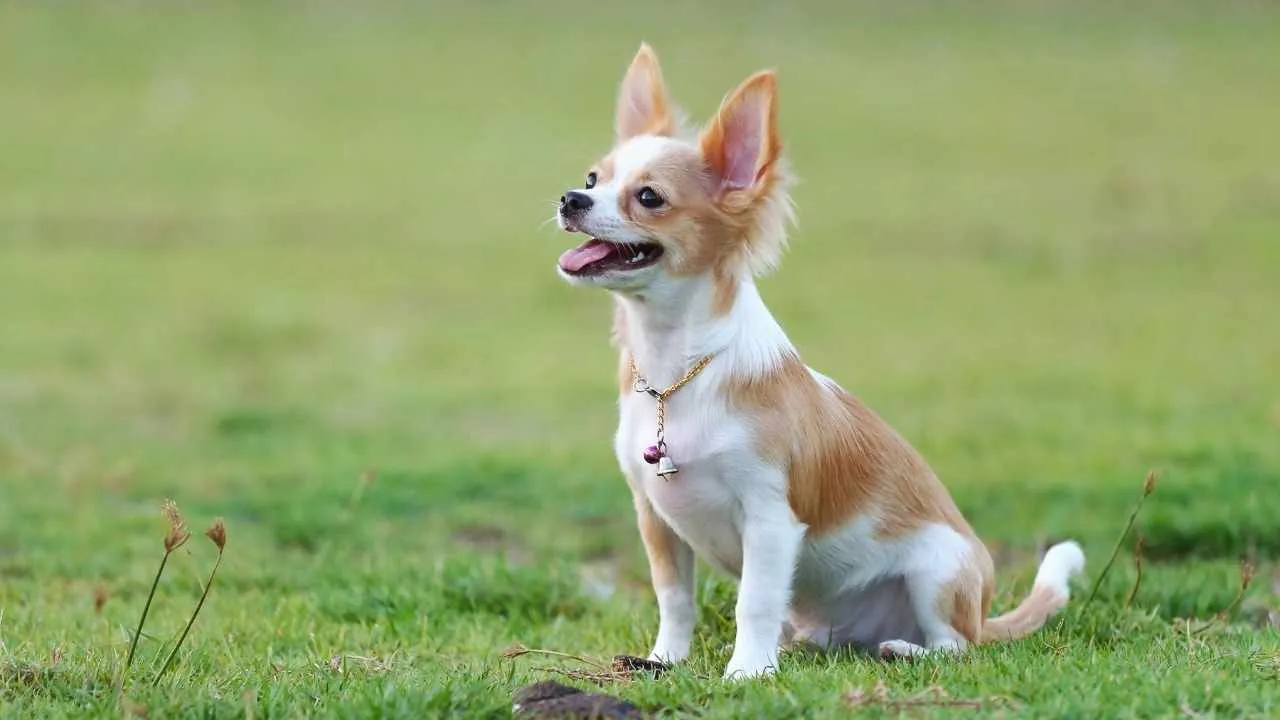
Chihuahuas may be tiny, but they have plenty of confidence and charm. Often called “Chis,” they are loving, loyal, and closely attached to their families. These playful dogs enjoy cuddling on laps, but they are also energetic and love to run, play, sniff, and explore.
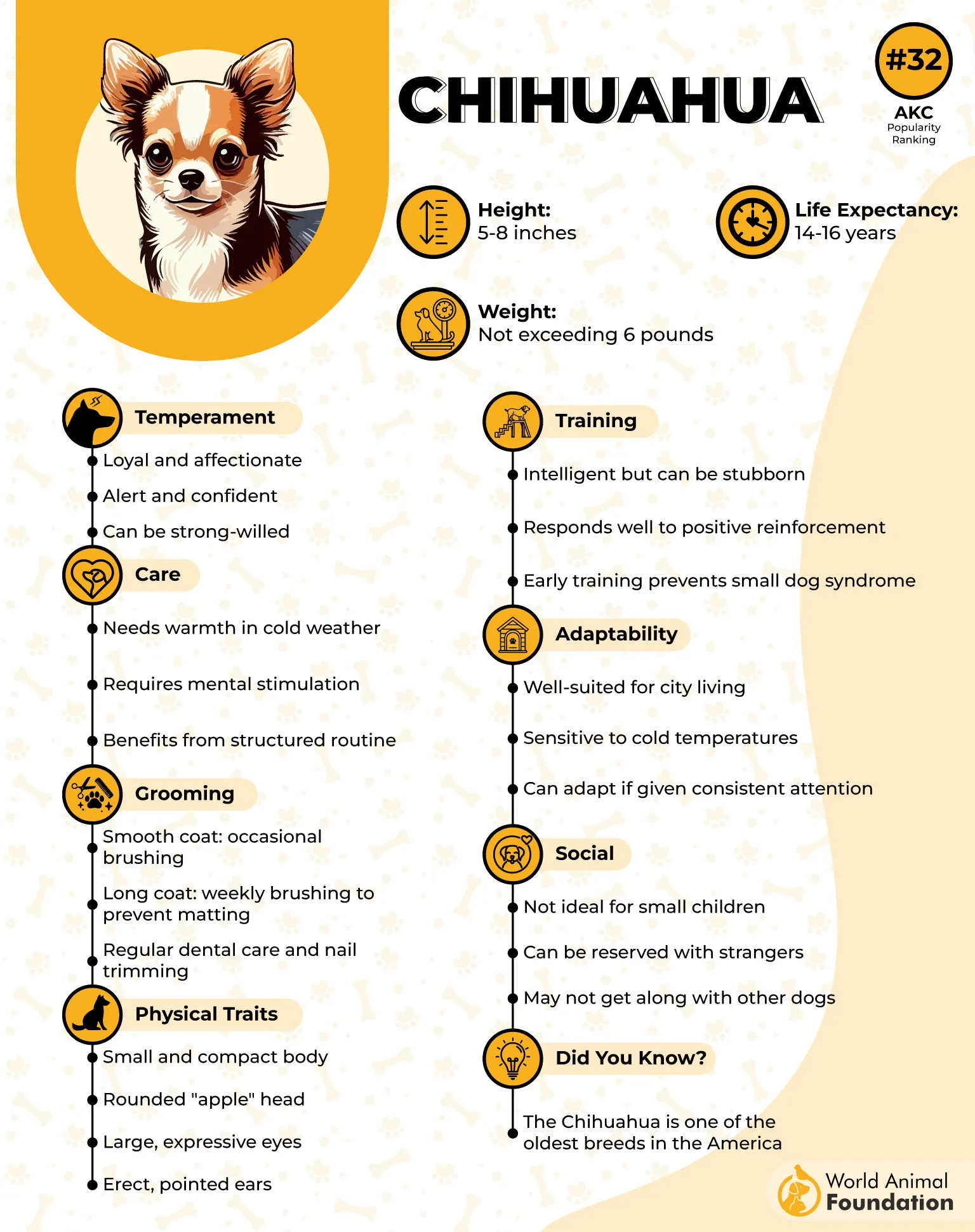
According to PetMD, small dogs were documented in Mexico in the 16th century, and the AKC officially recognized the breed in 1904.
Personality and Traits
Chihuahuas are affectionate with their families but can be wary of strangers. They may bark at unfamiliar people or dogs and may challenge much larger dogs.
Some are bold and confident, while others can be timid and nervous. They are playful, mischievous, intelligent, and can enjoy activities such as agility and obedience.
Training and Care
Chihuahuas need daily walks, indoor play, and chances to explore. Early training and socialization can help them become more comfortable around new people and animals.
They still need normal dog activities instead of being carried everywhere. Their coats may be short or long, with fairly simple grooming needs. Daily tooth brushing is important for their dental health.
2. Pomeranian
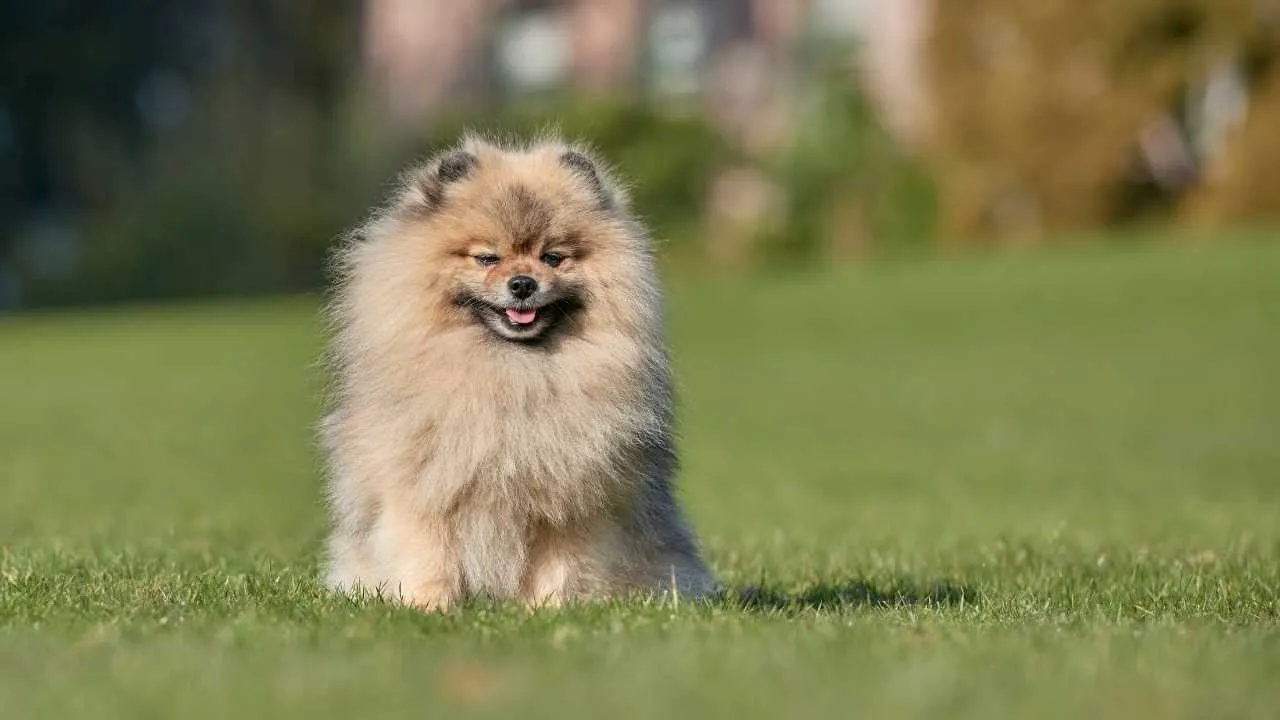
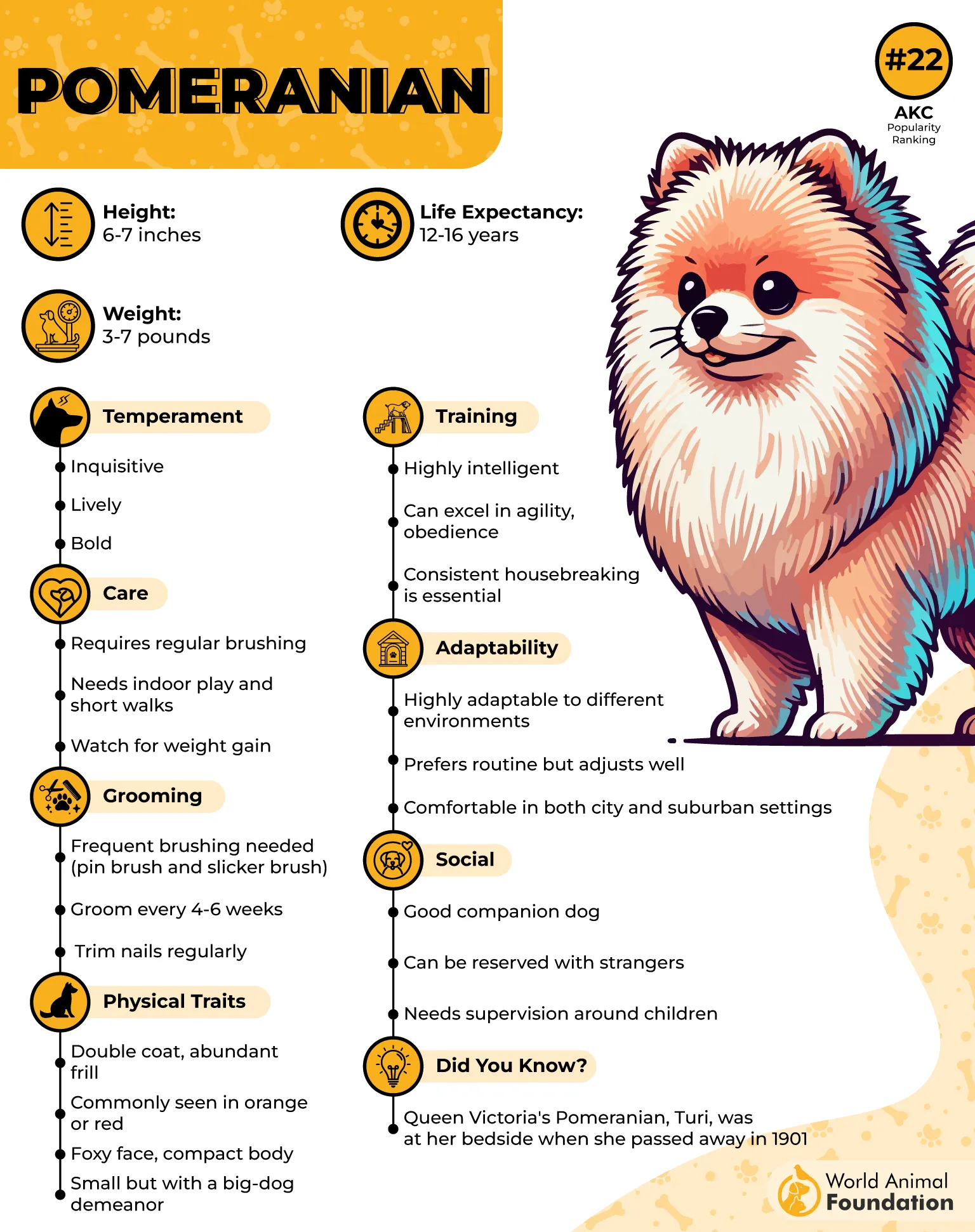
Pomeranians may be small, but they have the confidence of much bigger dogs. Originally bred from larger Spitz sled dogs and once used for herding, they were later bred down in size.
Today, they are known for their foxlike faces, fluffy double coats, and lively personalities. Their coats come in many colors and patterns, including sable, brindle, merle, white, and black.
Personality and Traits
Pomeranians are alert, clever, playful, and naturally curious. They love attention and can happily switch between cuddling on a lap, playing indoors, or enjoying a brisk walk.
Their outgoing nature also makes them good watchdogs. They usually get along well with other pets and can suit families, singles, and older adults, although their small size makes them fragile around young children.

Training and Care
Pomeranians are easy to train and enjoy learning tricks, games, and activities such as agility. They do not need extensive outdoor exercise, as indoor play and short walks can keep them active. Their thick, fluffy coats need daily grooming to stay healthy and neat.
3. Yorkshire Terrier
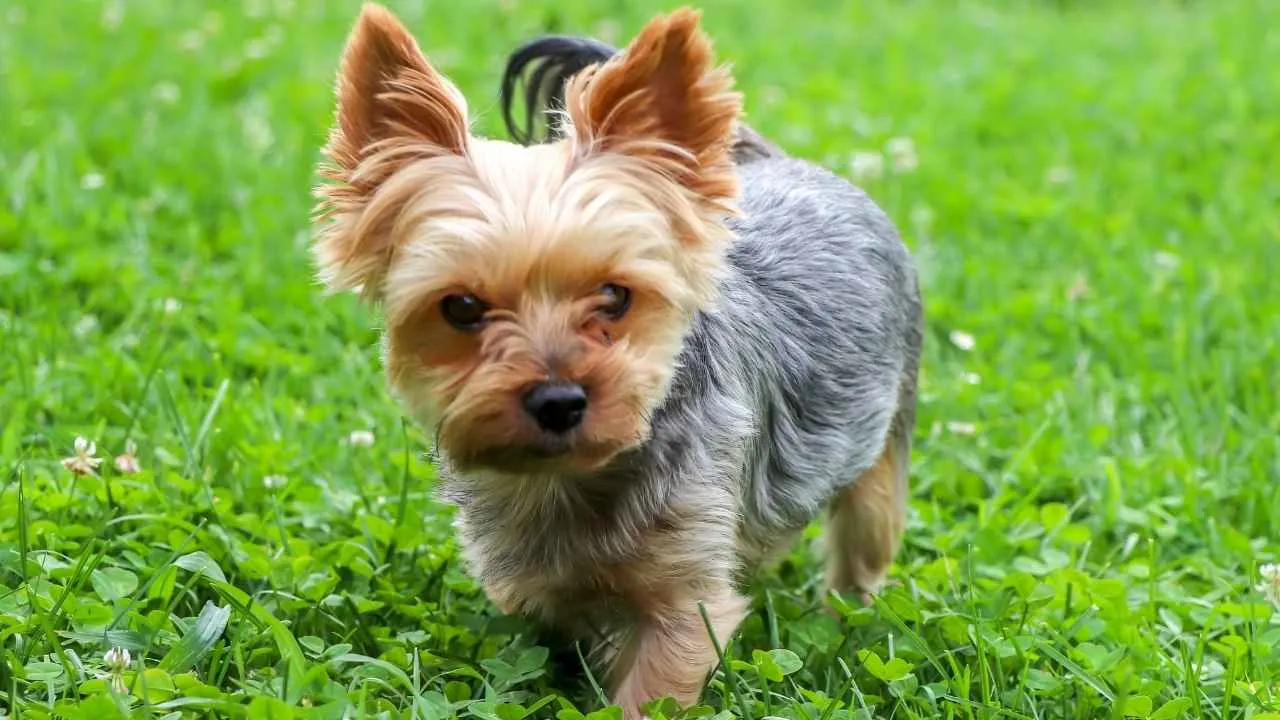
Yorkshire Terriers, often called Yorkies, may be small, but they have a bold and lively nature. They were originally bred in 1800s England to catch rats in textile mills.
Today, these affectionate companions are better known for their silky, long coats and entertaining personalities. They can happily switch between cuddling on a lap and chasing after something that catches their attention.
Personality and Traits
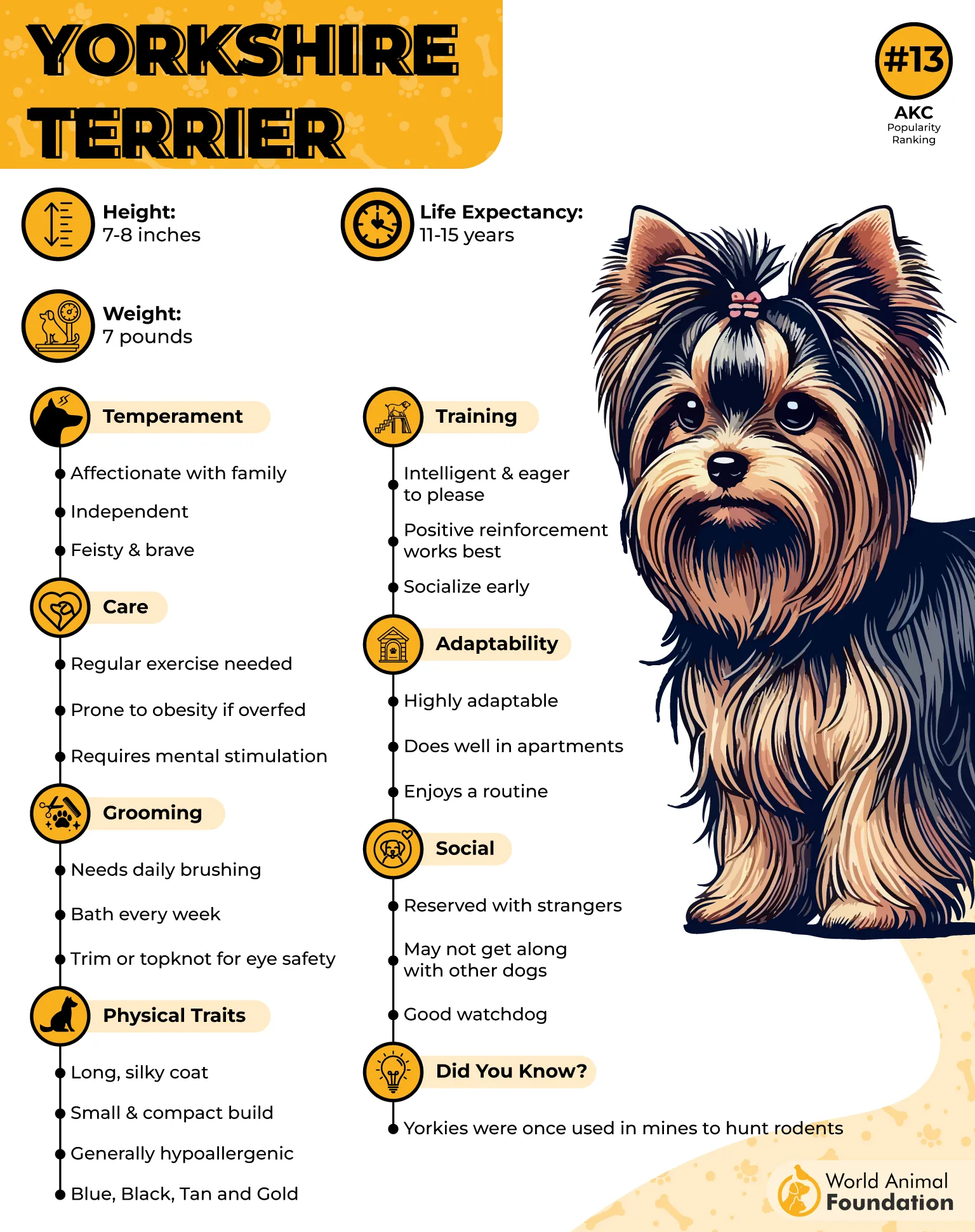
Yorkies are playful, energetic, curious, and sometimes bossy. Their terrier roots make them brave and feisty, and they may even challenge much larger dogs. They can be affectionate with their families and strangers, while their alert nature can make them frequent barkers.
They can also be stubborn, but once they cooperate, they learn quickly. Their small size means children and other pets should always be supervised around them.
Training and Care
Yorkies need mental stimulation, playtime, and regular exercise. Two short walks along with indoor games can help keep them happy and active.
Early socialization is important for building confidence and good behavior. Their long, hair-like coats require extensive grooming, and they may need extra protection in cold weather.
4. Maltese
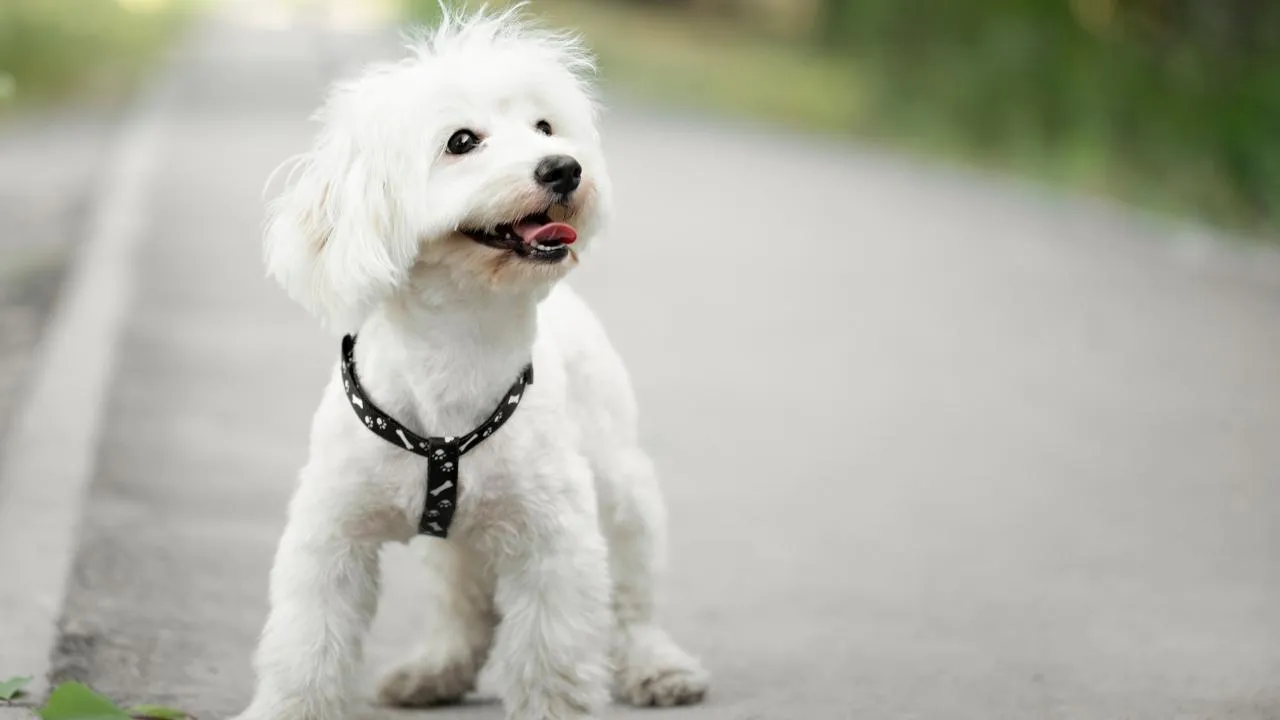
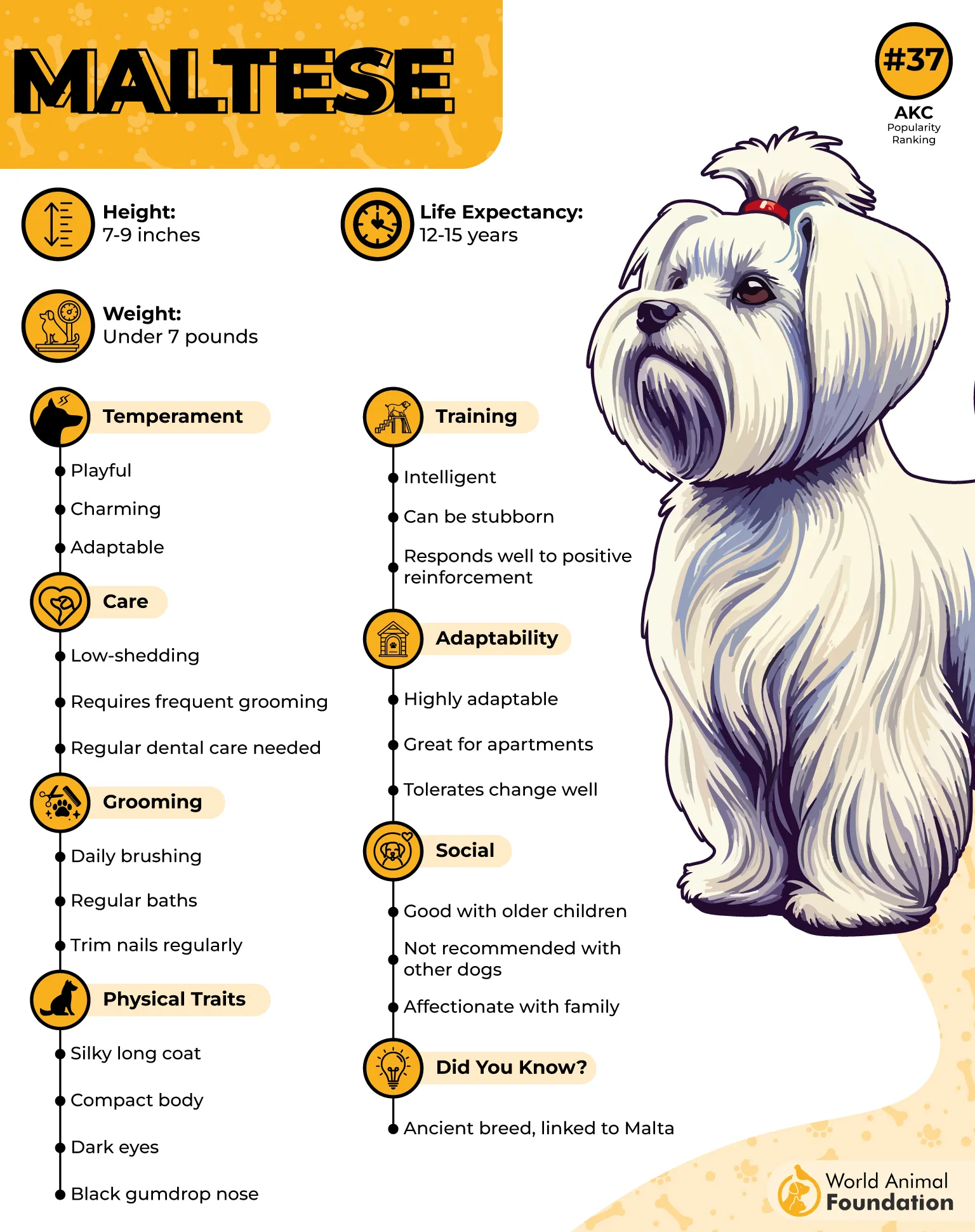
The Maltese is known for its beautiful white coat and cheerful personality. These dogs originated on the Mediterranean island of Malta and have been cherished as companions for centuries.
Ancient Greek and Roman writings also mention the breed. Despite their delicate appearance, Maltese are lively, affectionate, and surprisingly bold.
Personality and Traits
Maltese are gentle, intelligent, playful, and devoted to their families. They enjoy learning tricks, especially when rewards are involved, and can be affectionate companions for older children and seniors.
They are also alert and fearless, sometimes standing up to much larger dogs. Their watchful nature can make them quick to bark at unfamiliar sounds or strangers.
Training and Care
Maltese need daily exercise, mental stimulation, and positive training. Once they have burned off their energy, they are happy to relax as lapdogs.
Their long, silky white coats need near-daily grooming to stay in good condition. Socialization is also important from an early age, especially since they can be snappy around raucous children, as mentioned by Hill’s Pet.
5. Poodle
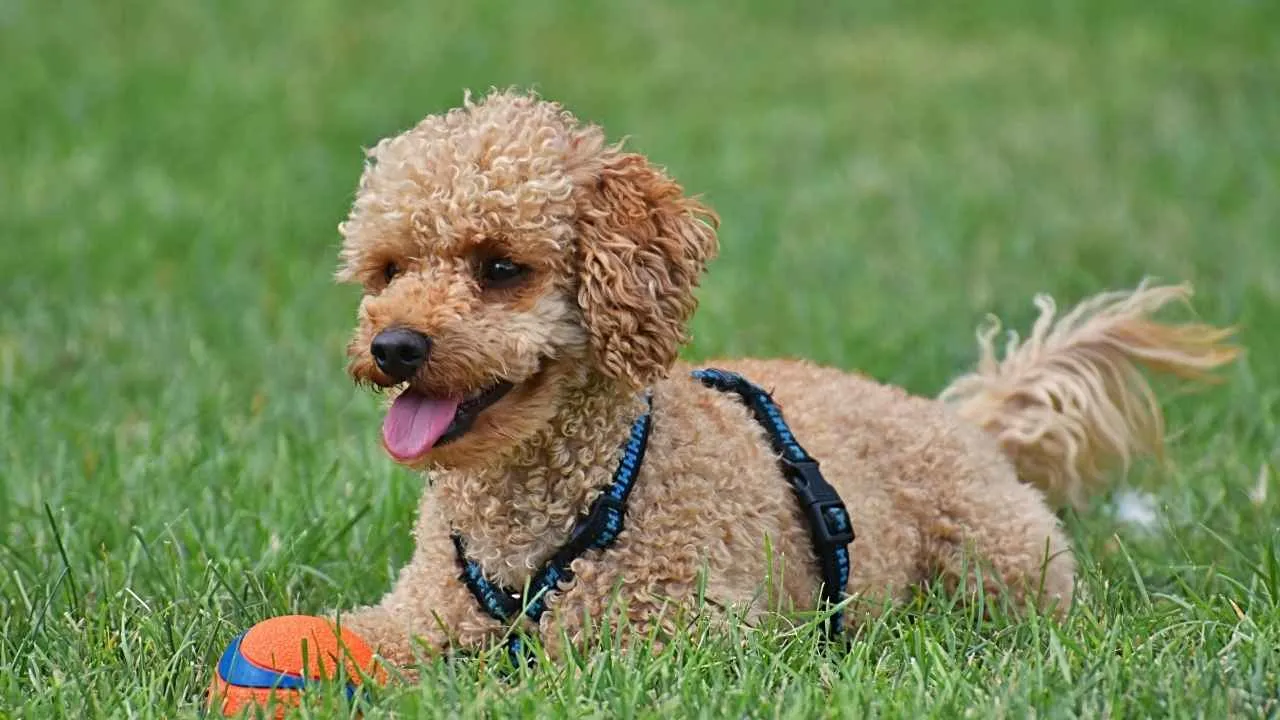
Toy Poodles may be small, but they have plenty of energy and personality. They are extremely intelligent, alert, affectionate, and quick to learn.
Their larger relatives were developed in Germany for duck hunting, while Toy Poodles were bred down from the larger varieties. Their love of performing and learning also made them popular in circus acts.
Personality and Traits
Toy Poodles are loving, funny, and eager to please. They enjoy being around people and can do well with families, children, other pets, and dogs. They need plenty of attention and can become mischievous or destructive when left alone too often.
They are not typical lapdogs and enjoy playing, learning tricks, and taking part in activities such as agility, obedience, and Flyball.
Training and Care
These clever dogs need consistent, reward-based training and regular mental stimulation. They learn quickly, especially when training is made fun.
Daily walks and indoor games help use their energy, but they also need time outdoors. Their curly coats need regular grooming and trimming every four to six weeks.
6. Papillon
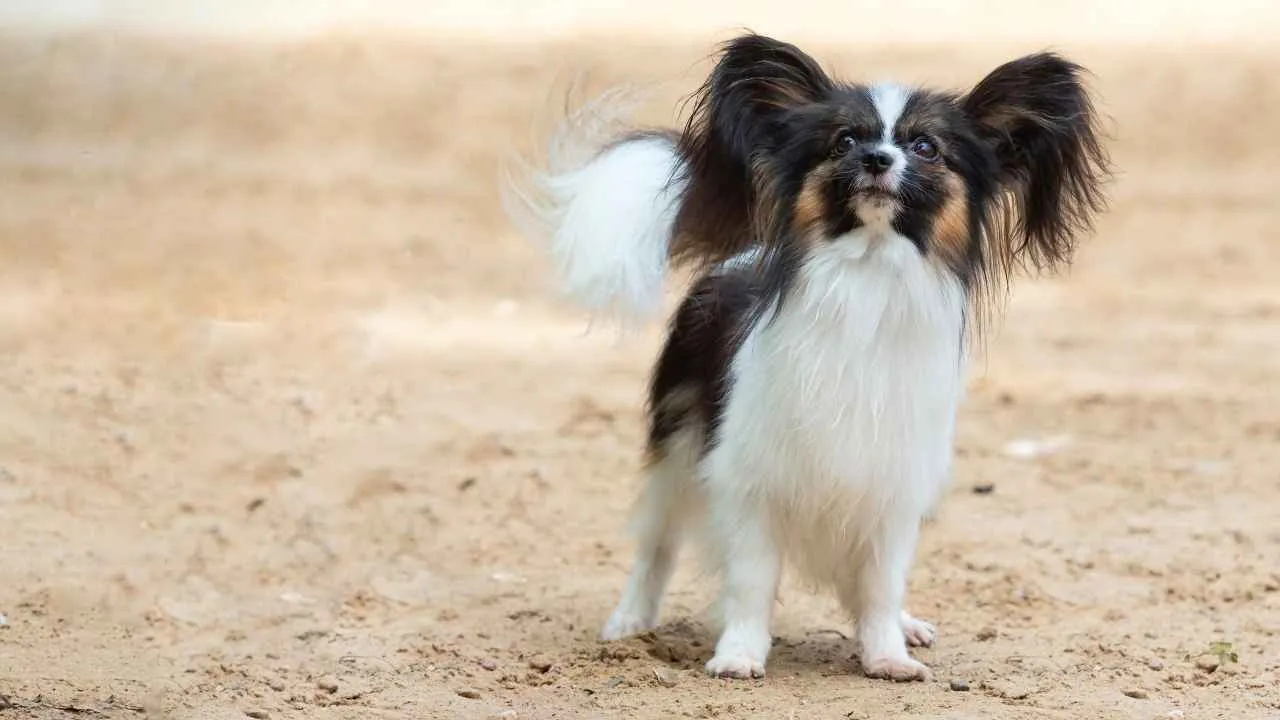
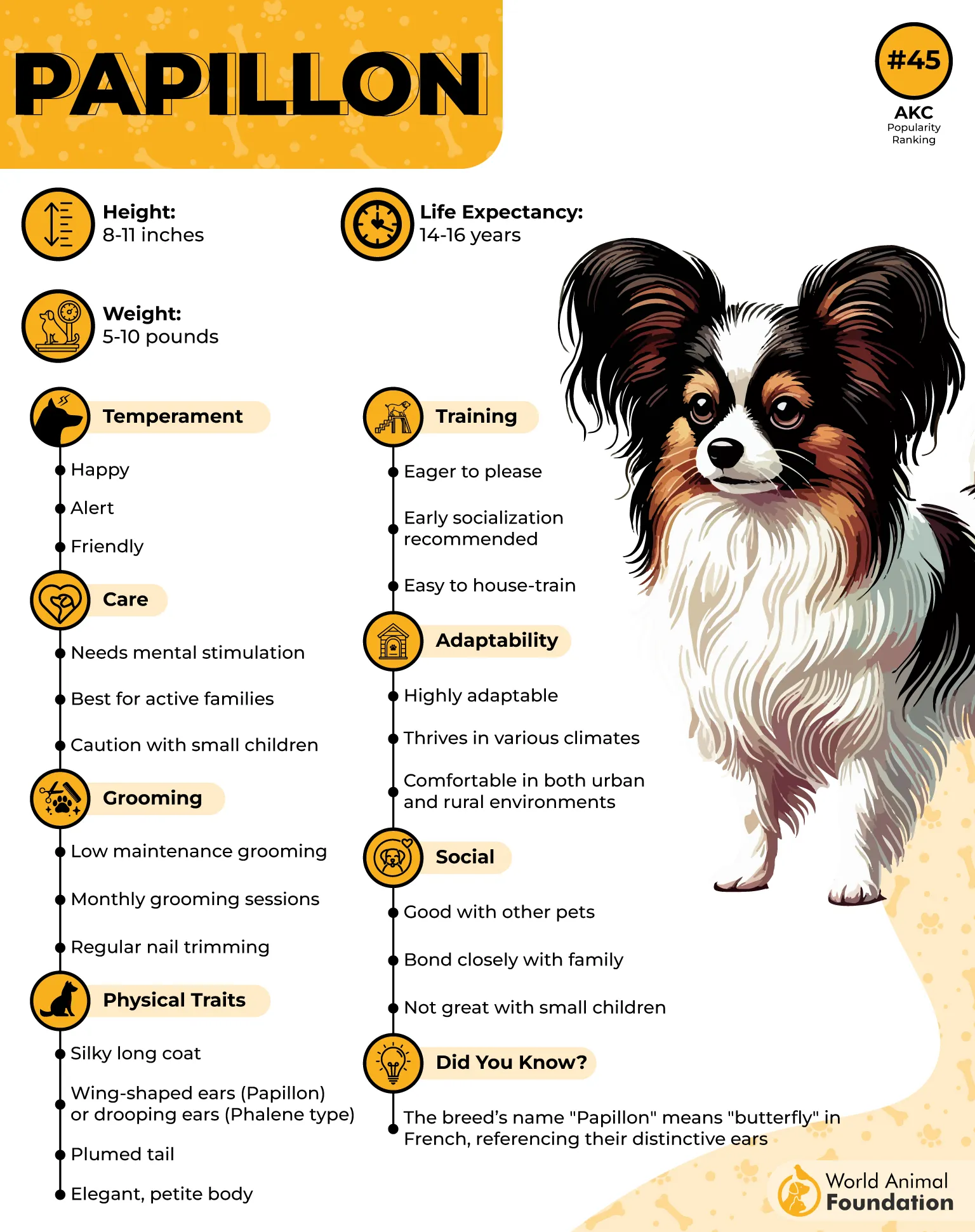
Papillons are small, cheerful dogs known for their large, butterfly-like ears and lively personalities. Their name comes from the French word for “butterfly,” inspired by their distinctive ears.
Their history can be traced through Western European artwork from the 16th century, and they have long been cherished as companion dogs.
Personality and Traits
Papillons are highly intelligent, athletic, friendly, and eager to please. They learn quickly and often excel in obedience and agility.
They enjoy games such as fetching and can get along well with people, dogs, and other pets. Their energy makes them more active than many toy breeds, while their affectionate nature means they also enjoy relaxing beside their people.
Training and Care
These clever dogs need regular exercise, attention, and mental stimulation. Indoor games and walks can help keep them busy, while fenced spaces give them room to run and play.
Consistent, positive training can bring out their best qualities. Their long, feathered coats need brushing or combing a few times a week to prevent tangles.
7. Pekingese
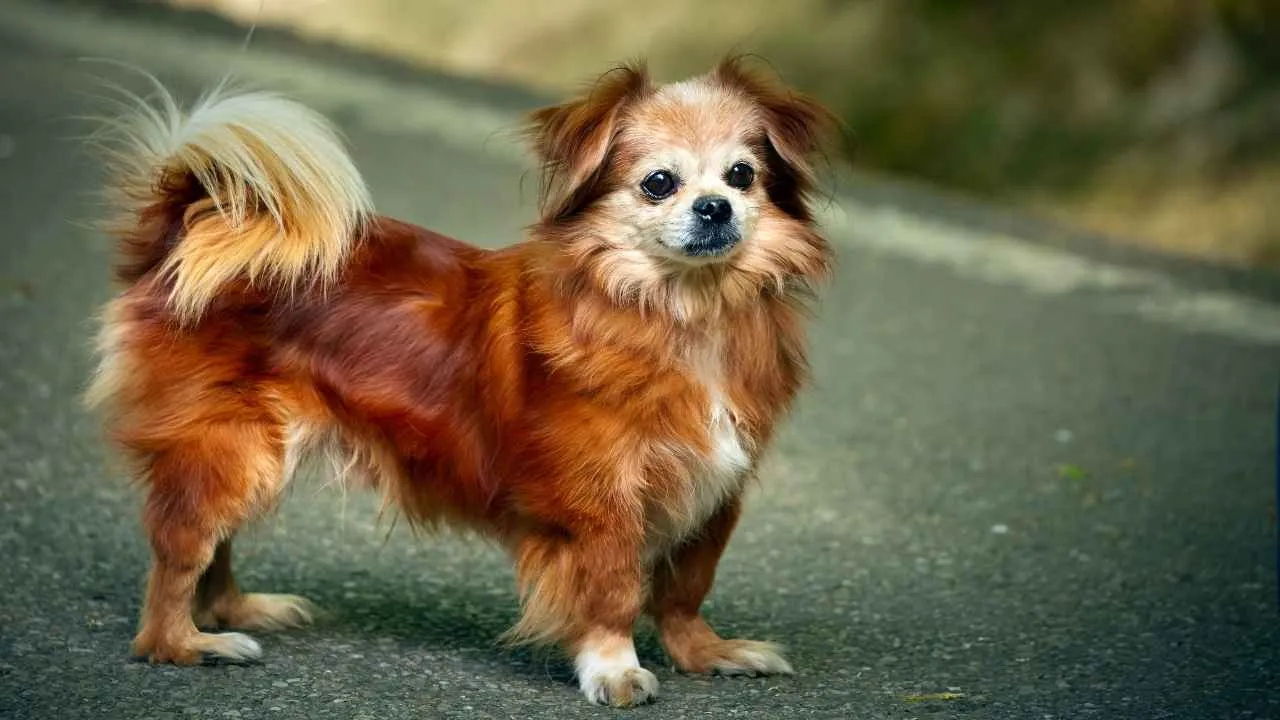
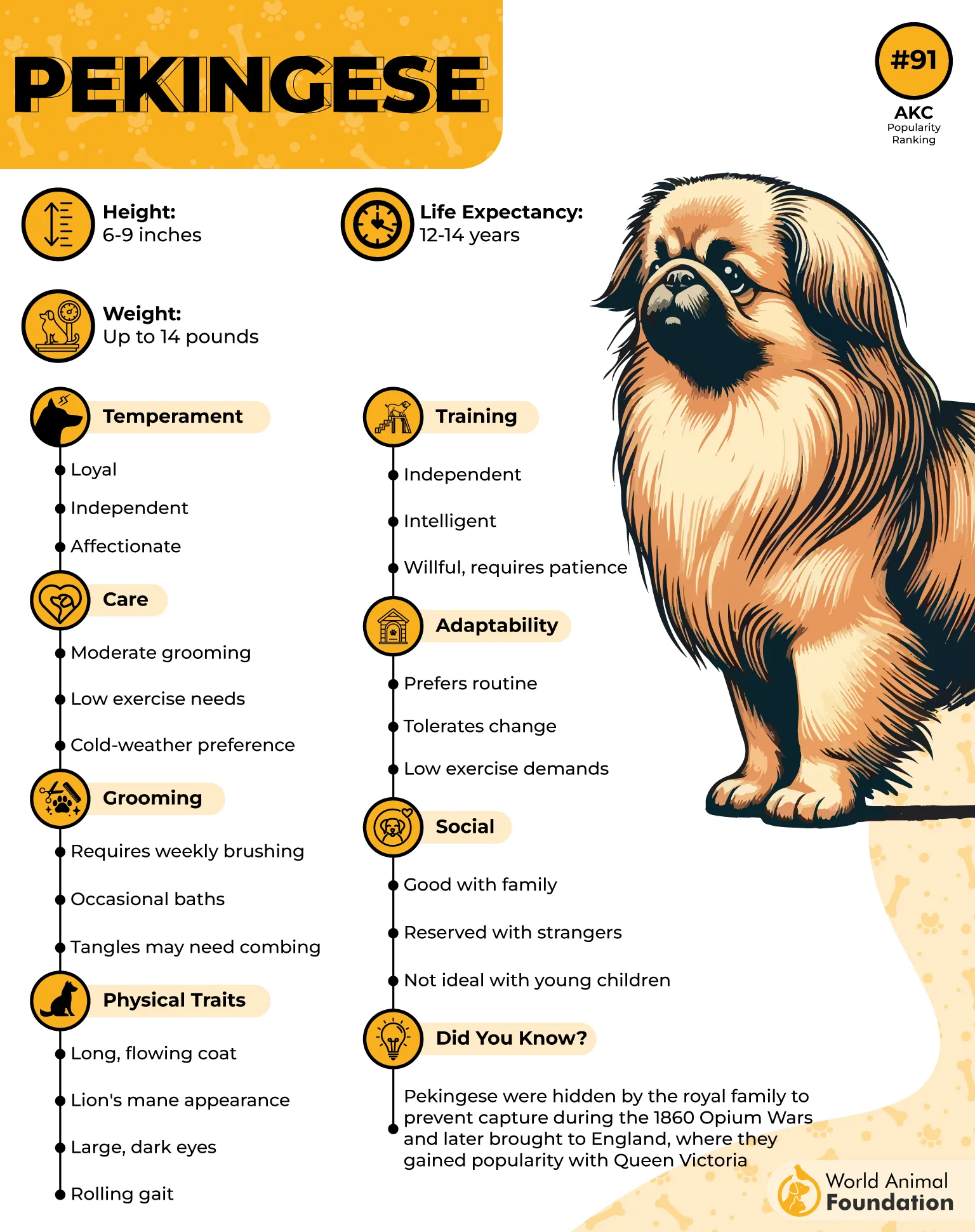
Pekingese have a long and noble history. They were bred as companions for the royal classes of ancient China and were once known as “Lion Dogs.”
The breed reached the West in 1860 and soon became popular. Their thick coat is especially long around the neck, giving them a mane-like appearance that matches their proud nature.
Personality and Traits
Pekingese are affectionate, loyal, brave, and devoted to their families. They can be reserved with strangers but are often funny and playful at home.
These independent dogs can be stubborn and may bark to alert their families. They can also stand up to much larger dogs, so early socialization is important. They usually get along with other dogs and pets when properly introduced.
Training and Care
Pekingese need moderate exercise but are not built for strenuous activity. Because of their short faces, they can overheat easily, so hot-weather exercise should be avoided. Their thick double coats need regular brushing to prevent mats.
Training takes patience and creativity because they can be strong-willed. They also prefer company and may not do well when left alone for long periods.
8. Japanese Chin
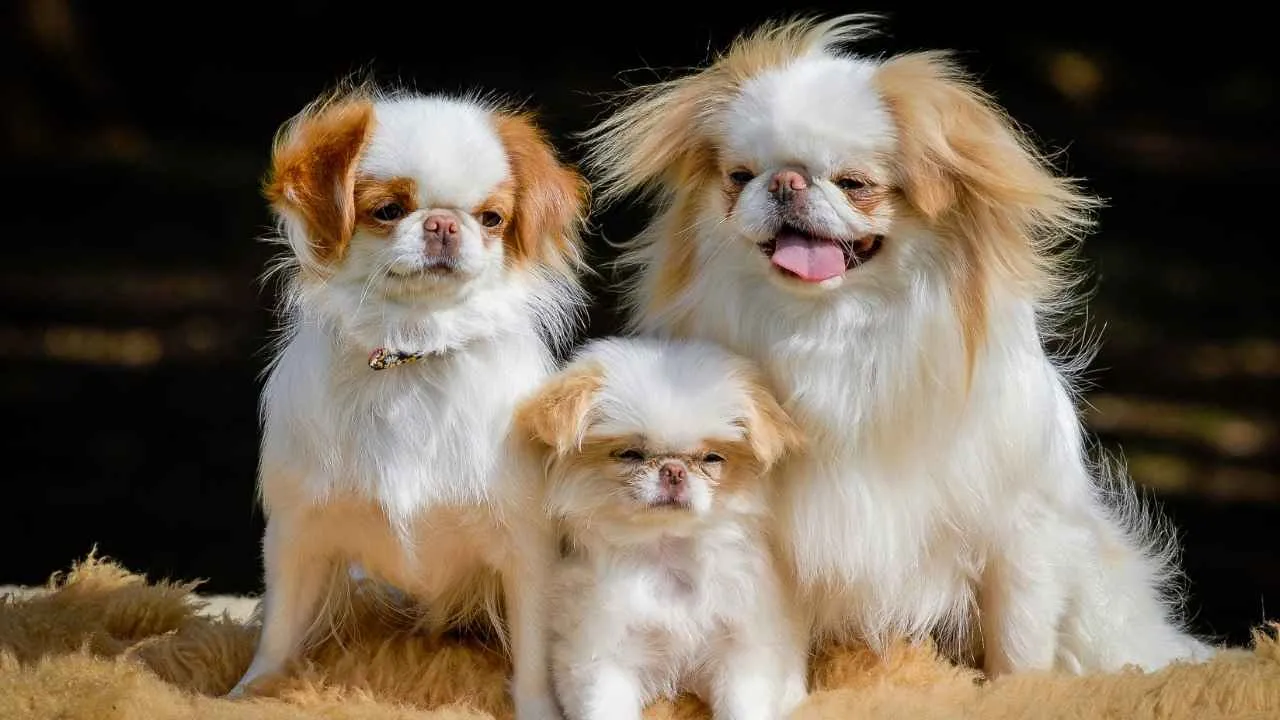
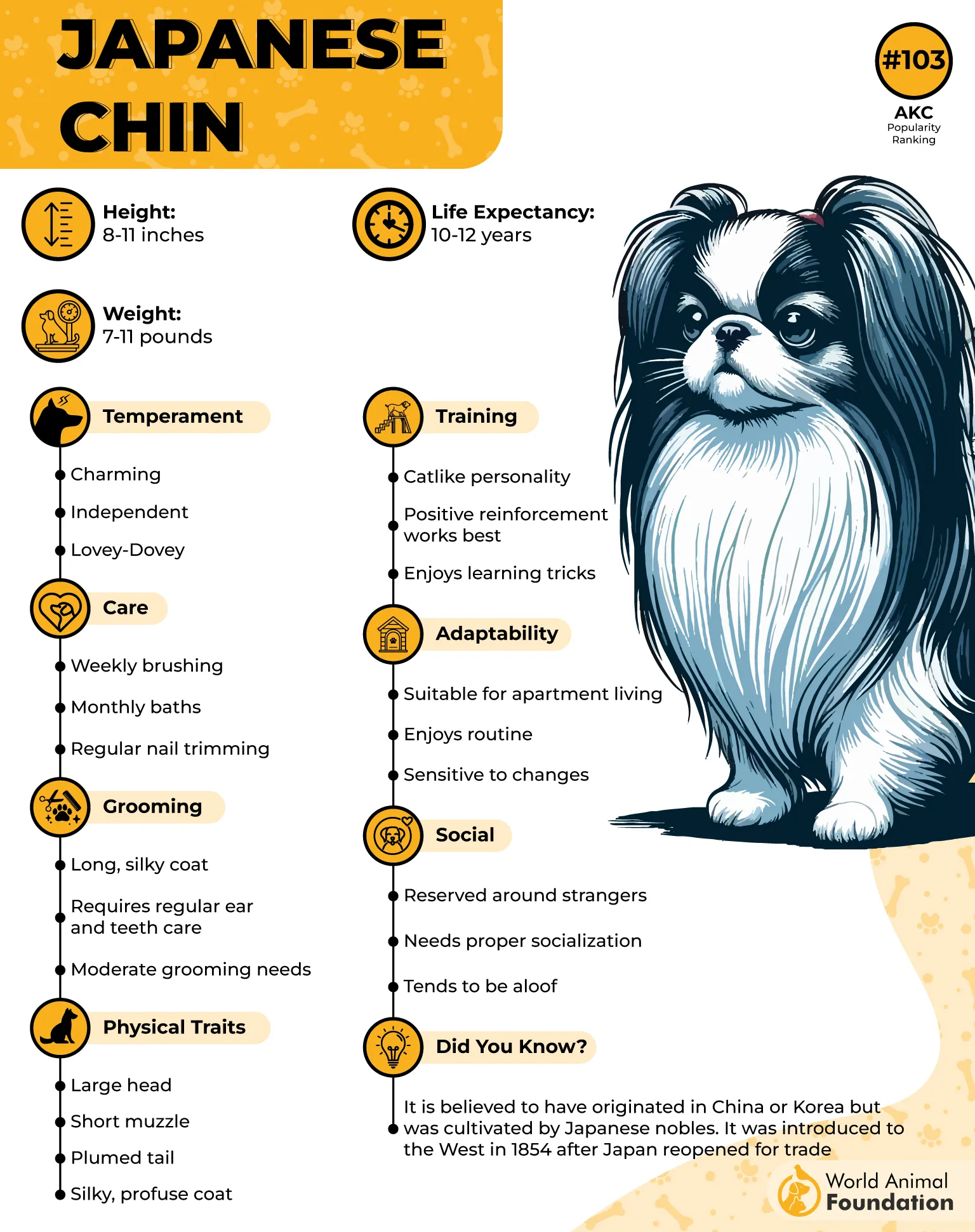
Japanese Chins are affectionate, intelligent, and entertaining little companions. Their history is ancient, with connections to Buddhist monks and nobility, although their exact origins remain unclear.
Despite their name, the breed is often linked to China rather than Japan. Their silky coat, broad head, short muzzle, and wide-set eyes give them a distinctive look.
Personality and Traits
Japanese Chins are gentle, playful, and devoted to their people. They can be reserved around strangers and have an independent, sometimes sassy side. Their catlike habits make them especially fun to have around.
They may climb onto furniture, groom themselves, or perch on the back of a sofa. Some are also known for their unusual “singing” and excited spins. They can do well in apartments and with families or people living alone.
Training and Care
These intelligent dogs can learn well with proper training, although their independent nature means they may not always follow directions immediately.
They enjoy walks, tricks, and time with their people. Their silky, single-layer coat is fairly easy to maintain, with brushing once or twice a week and baths when needed.
9. Brussels Griffon
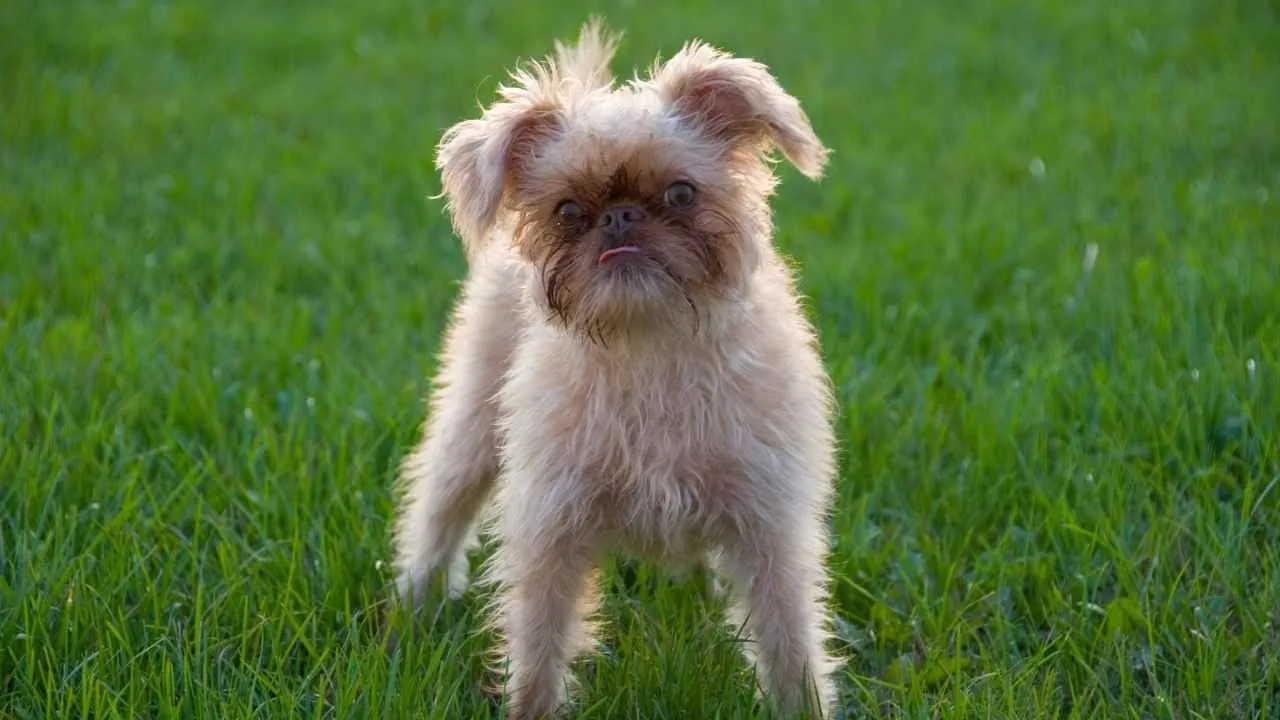
Brussels Griffons are small, expressive dogs with almost human-like faces and huge personalities. They were originally bred in Belgium as vermin hunters, which helps explain their confident and purposeful nature.
Today, their friendly personalities and compact size make them popular companions, especially for apartment living.
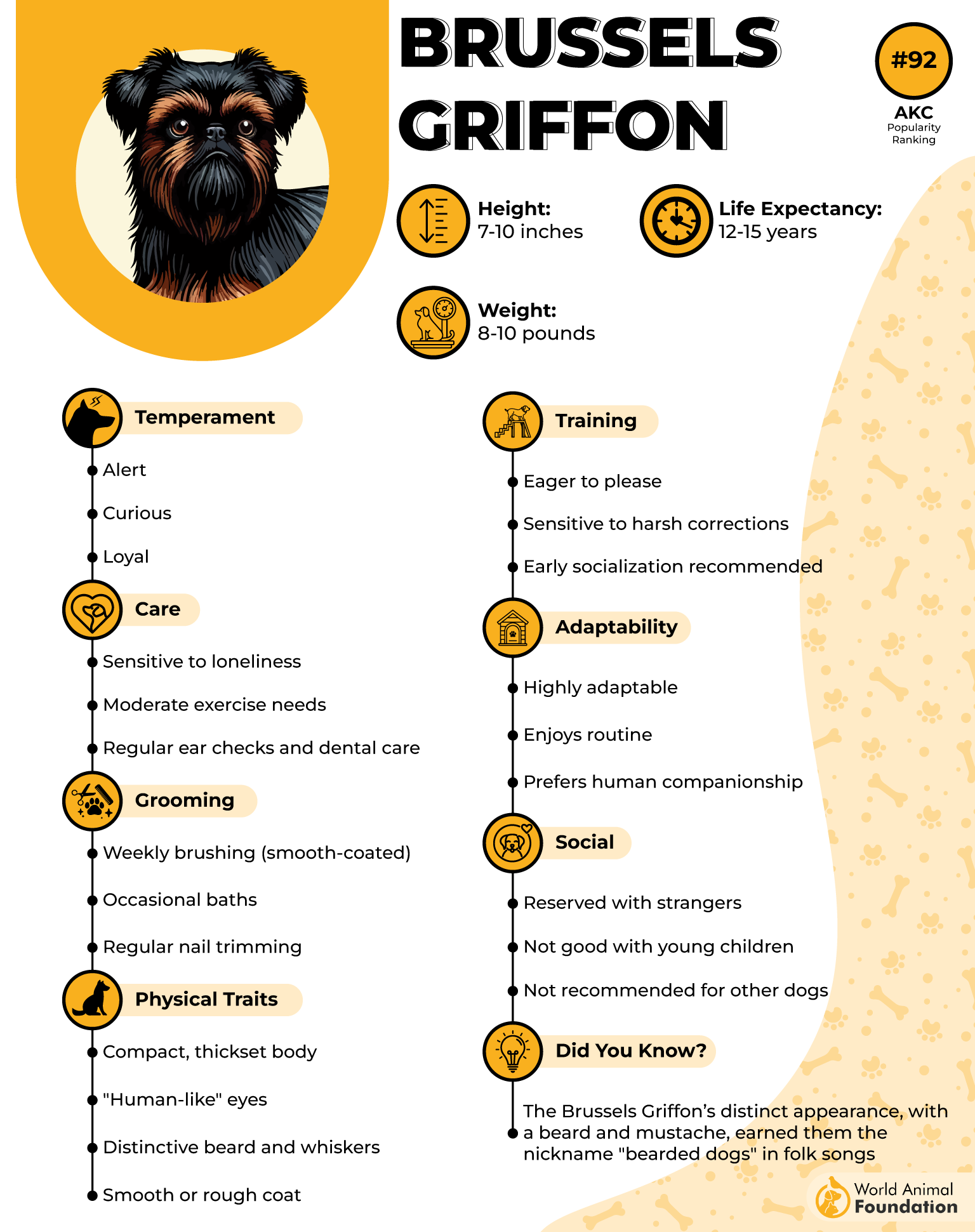
Personality and Traits
Brussels Griffons are lively, intelligent, affectionate, and very attached to their people. Often called “Velcro” dogs, they want to stay close to their families and do not enjoy being alone for long. They can be assertive, stubborn, and fearless around larger dogs.
Purina says they make excellent watchdogs but may bark too much without proper training. They can live well with family dogs and cats, though care is needed around unfamiliar dogs and smaller pets.
Training and Care
These active dogs need daily walks, games, and plenty of interaction. They can live comfortably in apartments but still need regular exercise. Training requires patience and positive reinforcement, as they do not respond well to harsh treatment.
Their flat faces make them sensitive to hot, humid weather, while their small size makes extreme cold difficult too.
10. Shih Tzu
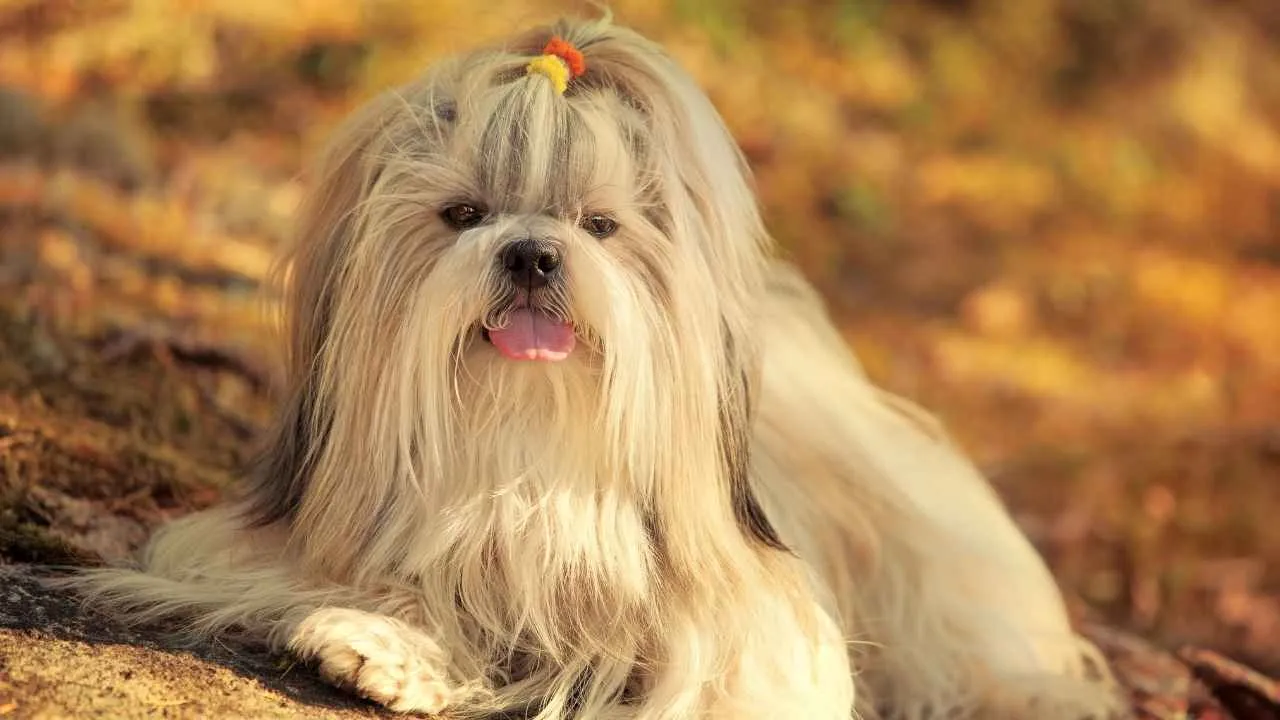
Shih Tzus were bred to be loving companion dogs and have a history that dates back centuries. Known as “lion dogs,” they were associated with Buddhism and were once kept by Chinese imperial rulers. Their role later changed from alerting homes to simply being cherished family companions.
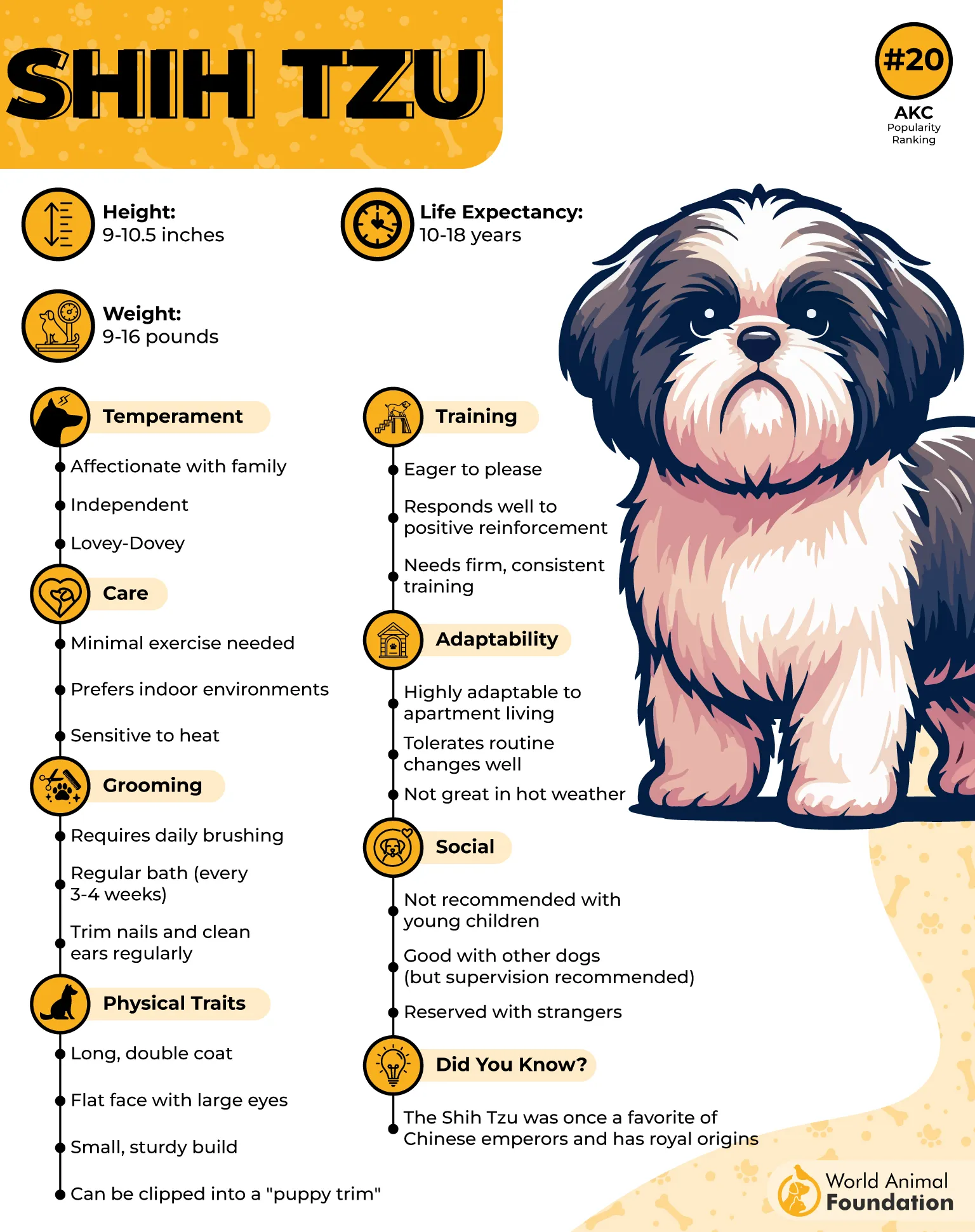
Personality and Traits
Shih Tzus are playful, affectionate, outgoing, and sociable. They usually enjoy meeting new people and can get along well with other dogs and pets. They love being around their families and do not enjoy spending long periods alone.
Their confident nature can make them excellent little watchdogs, although their small size means they are not suited for protection work.
Training and Care
Shih Tzus need daily activity but are often happy with a walk and some playtime at home. Early socialization can help prevent excessive barking and other unwanted behaviors.
They can be slow to obey because of their independent nature, but they learn quickly once they cooperate. Their long coat needs regular grooming, while a harness is better than a collar for walks because of their short muzzle.
Conclusion
Pocket-sized dogs may be small, but they can bring plenty of energy, affection, and personality into a home. From playful companions to clever and confident little dogs, each breed has its own needs when it comes to exercise, training, grooming, and attention.
The key is to look beyond their size and choose a dog whose personality fits your lifestyle.
Before bringing one home, take time to learn about the breed’s care needs, activity level, and temperament. With the right match and plenty of love and companionship, a tiny furry friend can become a big part of your everyday life.
