




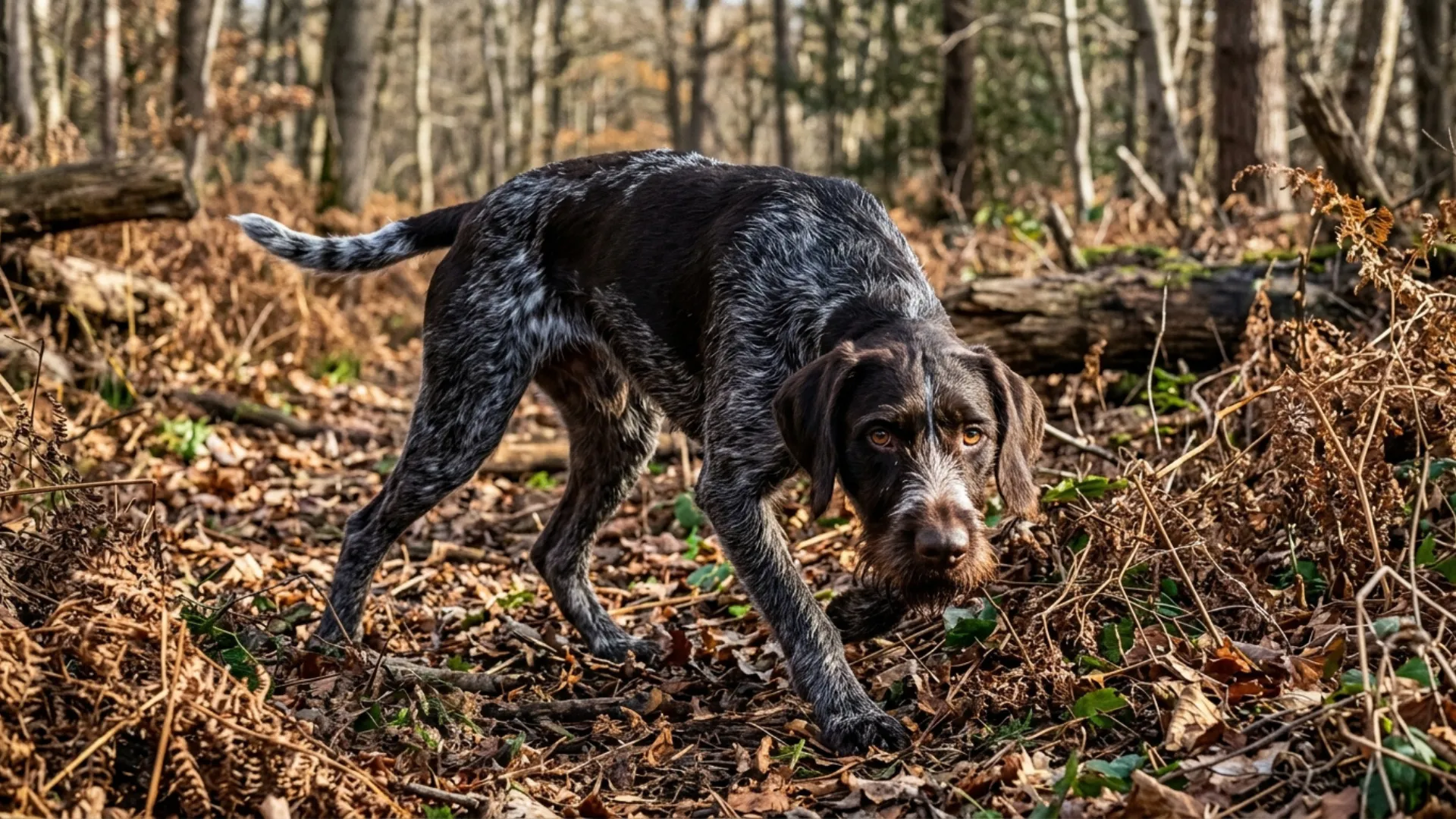
For hunters, the right canine partner can turn an outdoor pursuit into a more rewarding experience. Dogs bred for hunting often bring exceptional noses, athleticism, stamina, and an instinctive ability to follow scents across challenging terrain.
A truly versatile hunting dog needs more than a strong prey drive. Trainability, intelligence, obedience, resourcefulness, and reliable recall can all make a difference in the field.
From tracking and locating game to supporting their handlers across demanding environments, these ten breeds showcase impressive versatility. Their active nature also makes regular exercise and mental stimulation essential.
Top Versatile Hunting Dog Breeds That Track Well
1. German Wirehaired Pointer
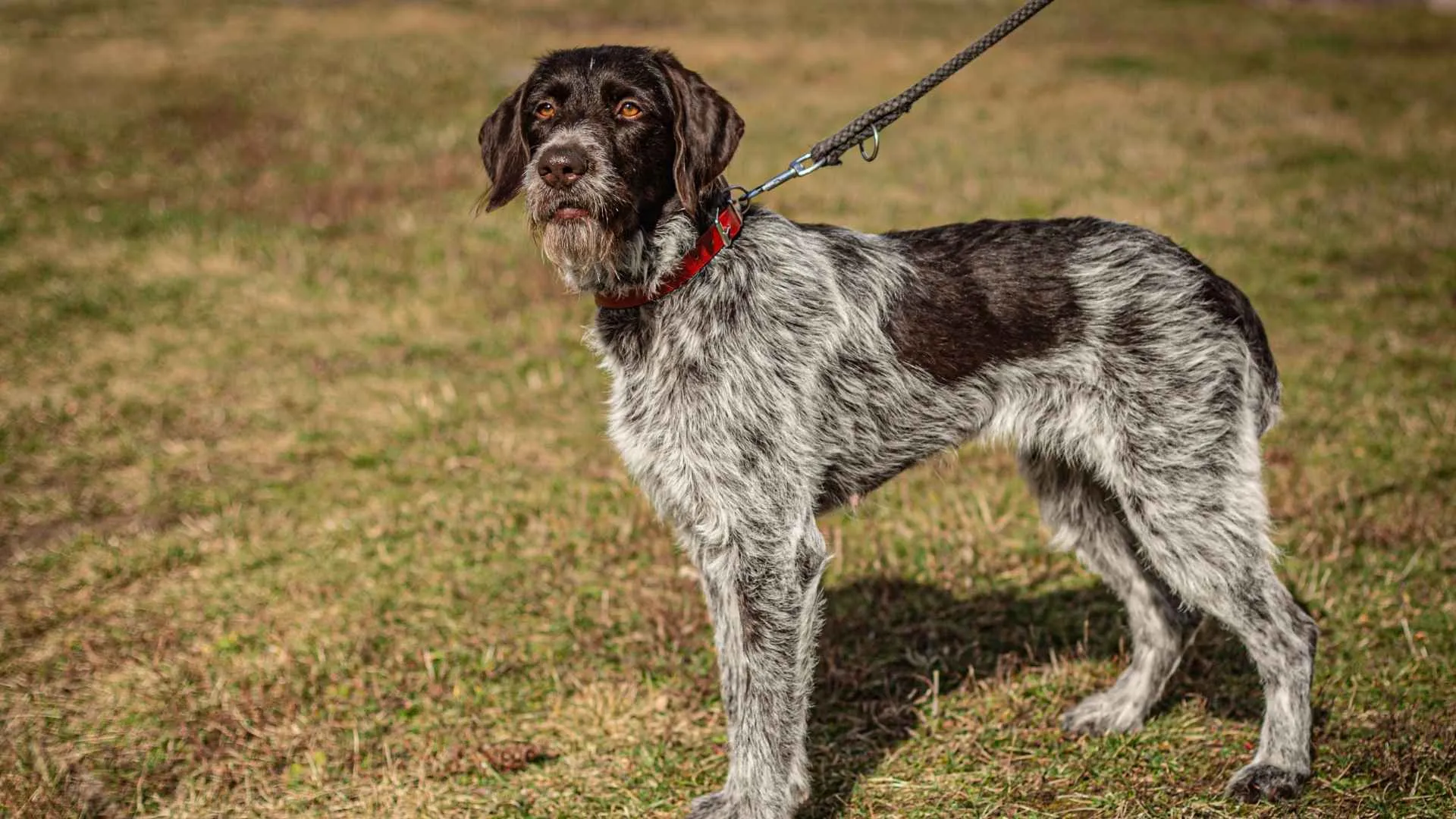
The German Wirehaired Pointer is built for demanding hunts across rugged terrain and water. Its wiry, weather-resistant coat helps shield it from thorny vegetation and harsh conditions, while webbed feet support work in the water.
According to PetMD, German Wirehaired Pointers may experience anxiety, especially when they are separated from their owners.
Intelligent, energetic, and eager to work, this breed excels when tracking, hunting, or training alongside its owner. Its versatility extends across land and water, and its strong desire to stay busy makes regular physical and mental activity essential.
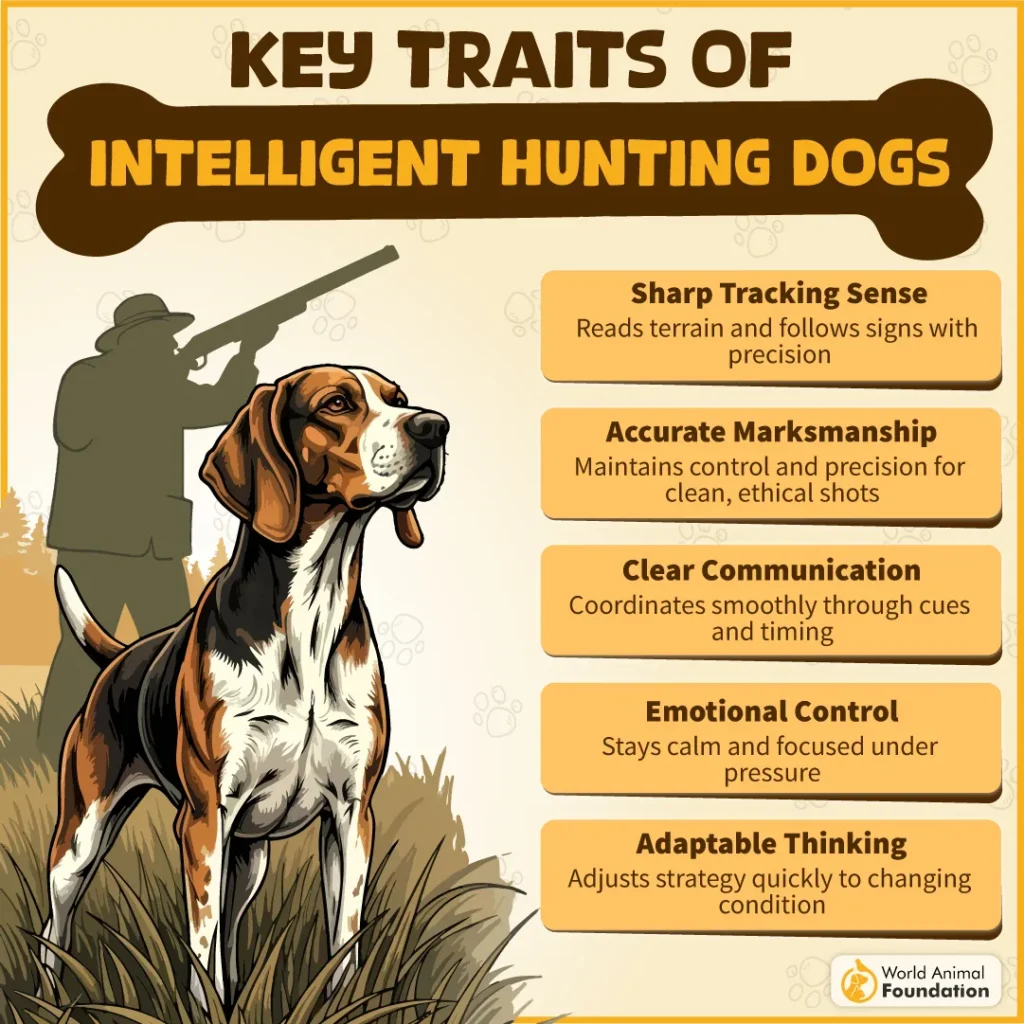
How This Breed Stands Out
All-weather field worker: Handles challenging outdoor conditions with a protective coat suited to rough terrain and wet environments.
Versatile tracking ability: Can work across different settings while using its intelligence and determination to locate game.
2. Wirehaired Pointing Griffon
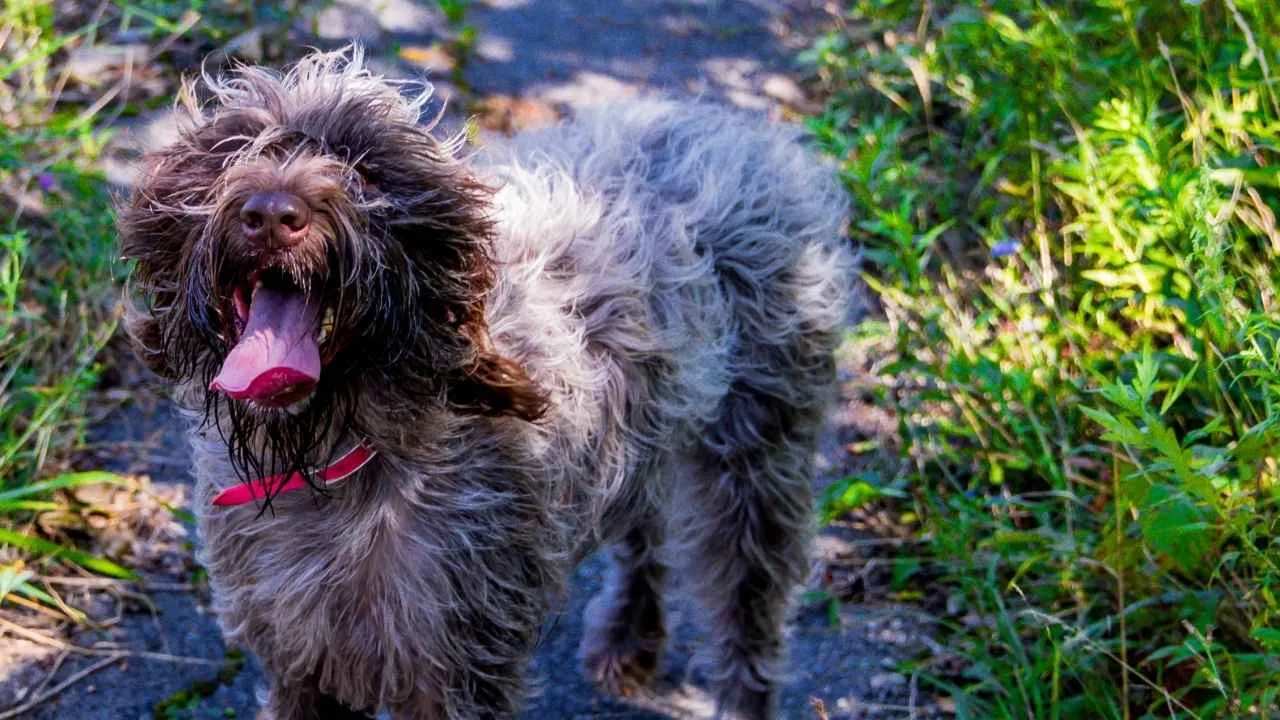
The Wirehaired Pointing Griffon is a rugged, versatile gundog with a keen nose and a distinctive bristly coat. Bred to work across varied terrain, this medium-sized hunter can pursue upland birds, waterfowl, and furred game with a deliberate and persistent approach.
According to Orvis, the Wirehaired Pointing Griffon is an energetic, sociable, and outgoing breed with a strong drive and determination to succeed.
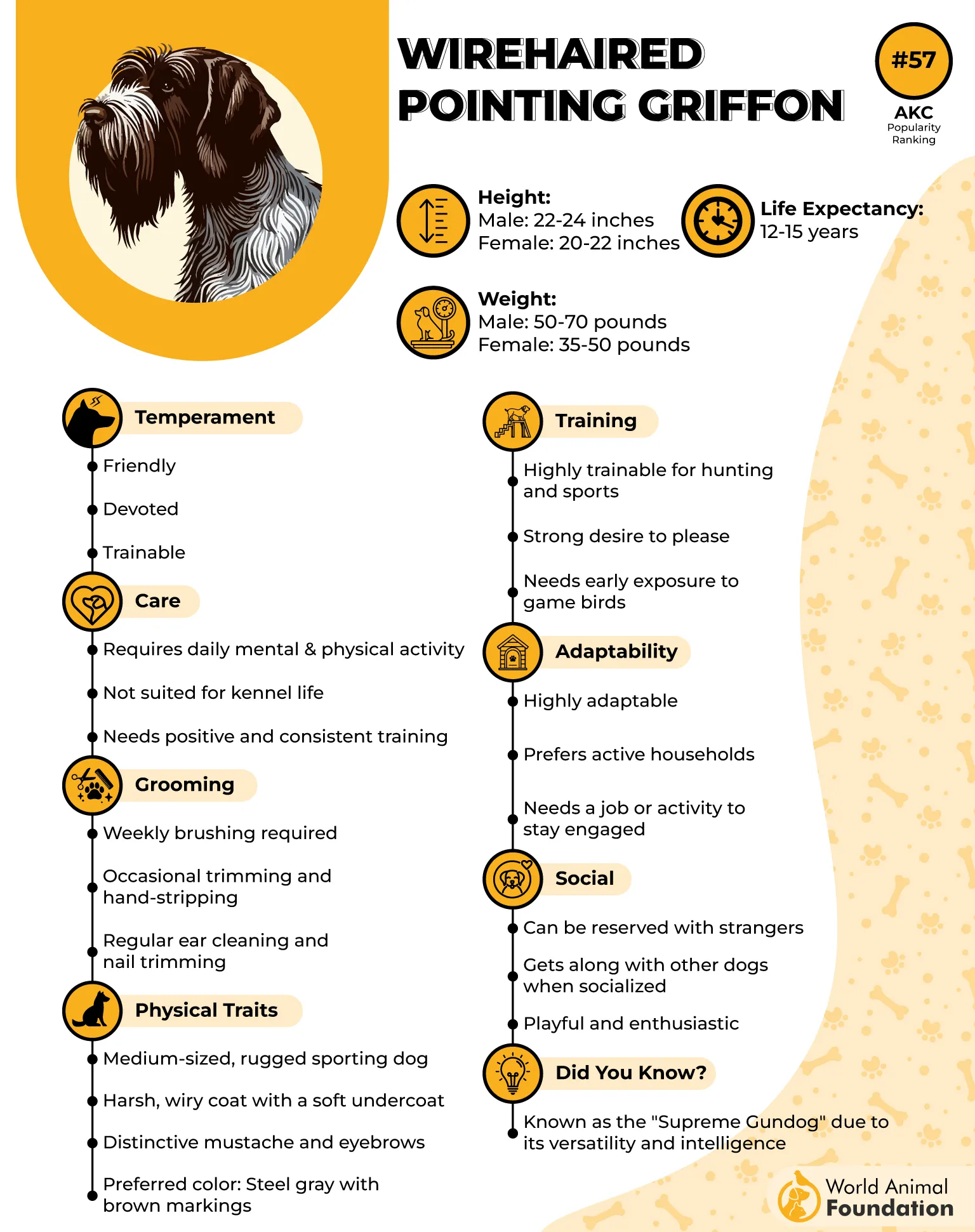
Energetic and highly trainable, the Griffon performs best when given regular opportunities to work and explore outdoors. Its ability to navigate dense cover, combined with a strong desire to please its handler, makes positive and consistent training especially valuable.
How This Breed Stands Out
Exceptional scenting nose: Uses its keen sense of smell to methodically locate and track different types of game.
Dense-cover adaptability: Its rugged coat and determined working style help it push through challenging vegetation while hunting.
3. Spinone Italiano
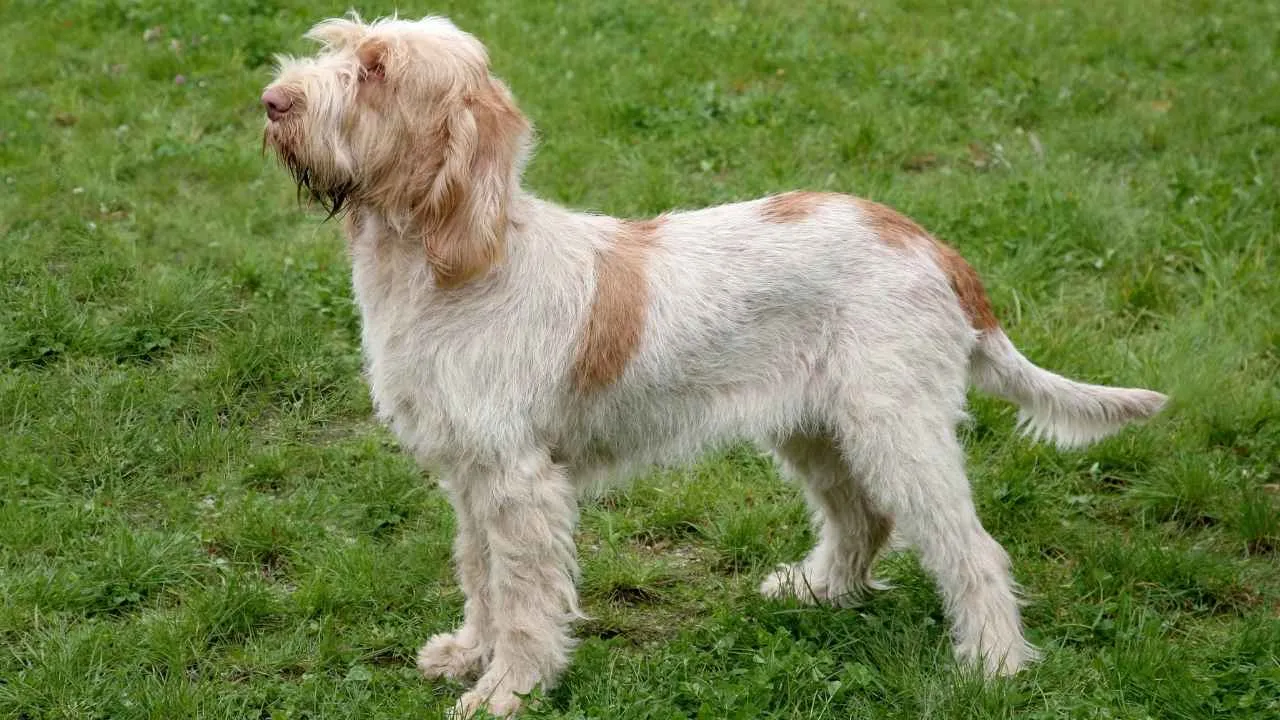
The Spinone Italiano is a rugged Italian sporting breed known for its steady approach to hunting. Its dense, wiry coat provides protection in challenging weather, while its strong prey drive helps it remain focused when encountering birds and other quarry.
According to Purina, Spinoni have moderate mental and physical exercise needs compared with other sporting breeds.
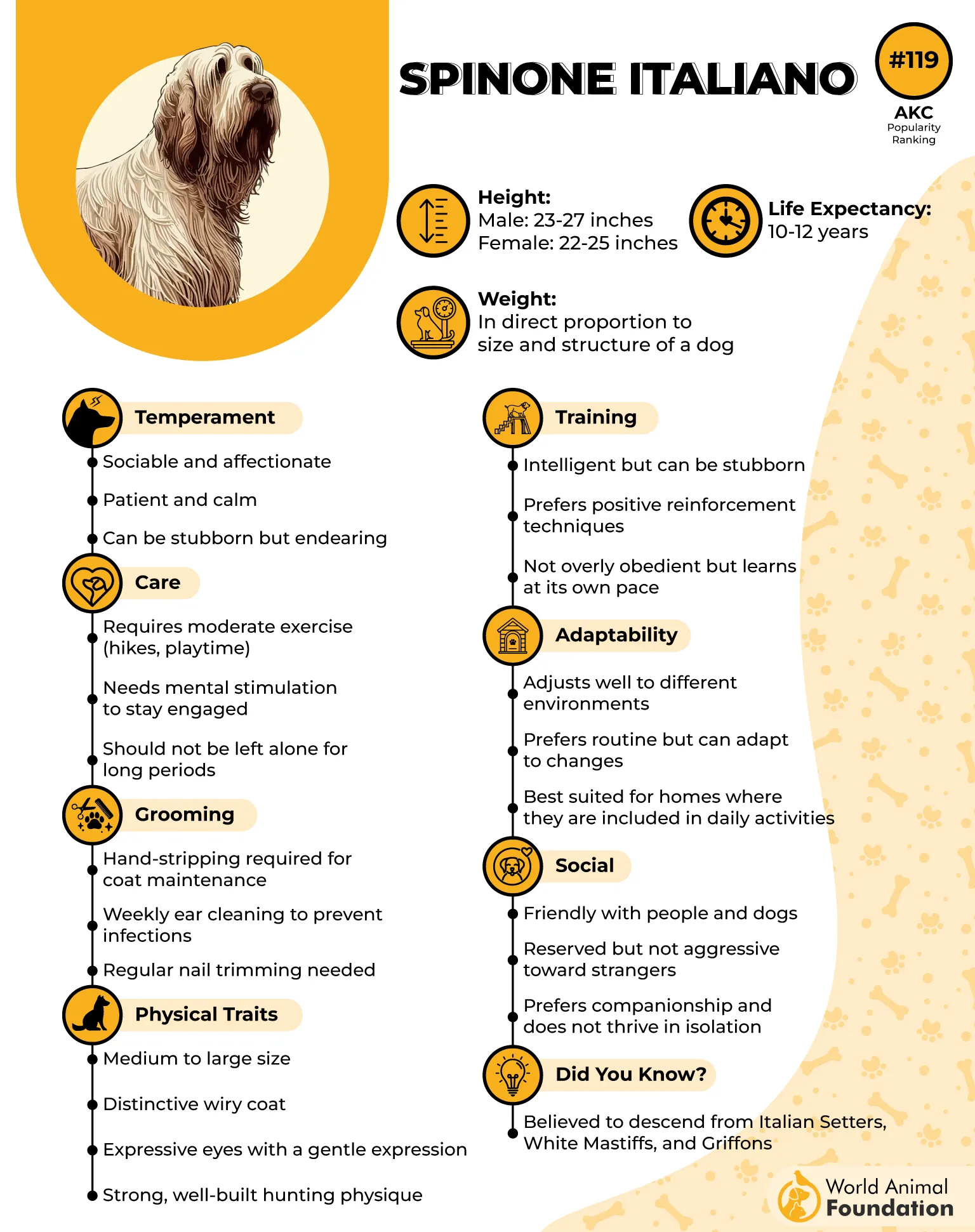
Rather than rushing through the field, the Spinone works at a measured pace and benefits from daily walks plus opportunities to run safely. Sensitive and people-oriented, it thrives when included in family life and given regular exercise and attention.
How This Breed Stands Out
Slow, methodical searching: Moves deliberately through hunting areas, giving it time to investigate scents and locate game.
Gentle retrieving style: Combines its hunting ability with a softer approach when handling and retrieving quarry.
4. Bracco Italiano
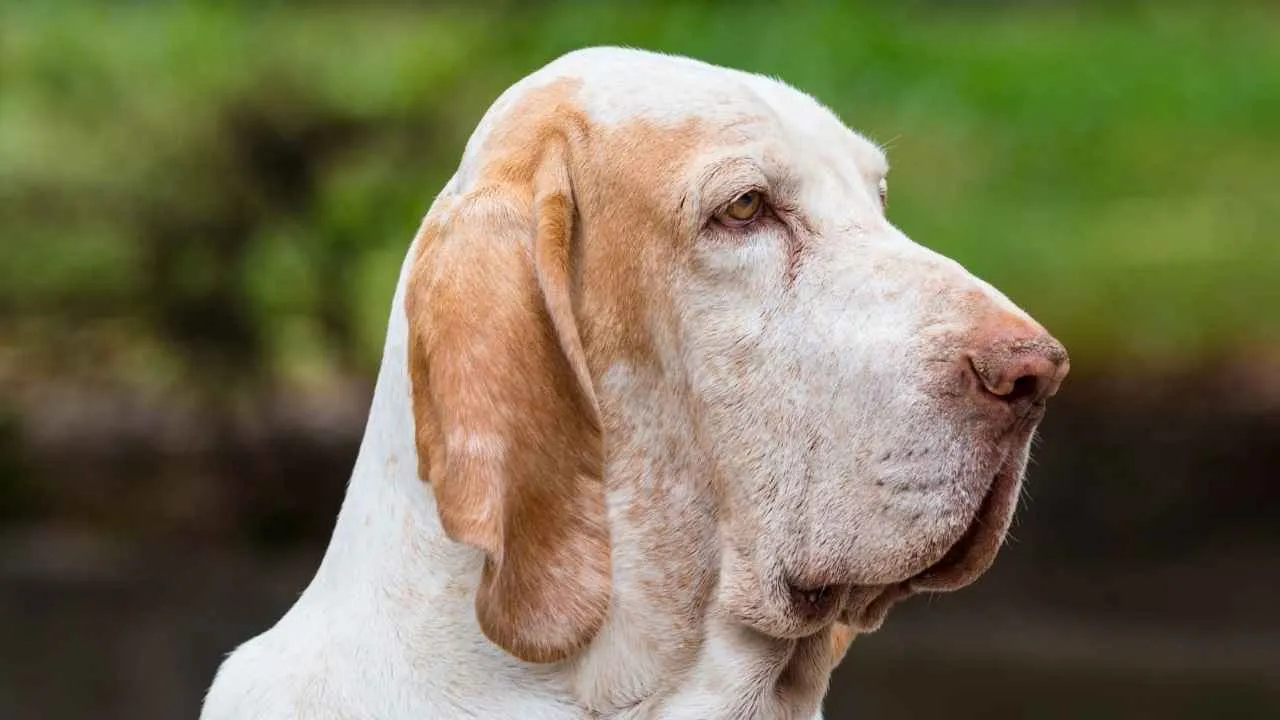
The Bracco Italiano is a rugged, intelligent pointing breed with deep roots in versatile bird hunting. Its exceptional nose allows it to locate birds across the field, while its natural pointing instinct helps indicate their position before the retrieve.
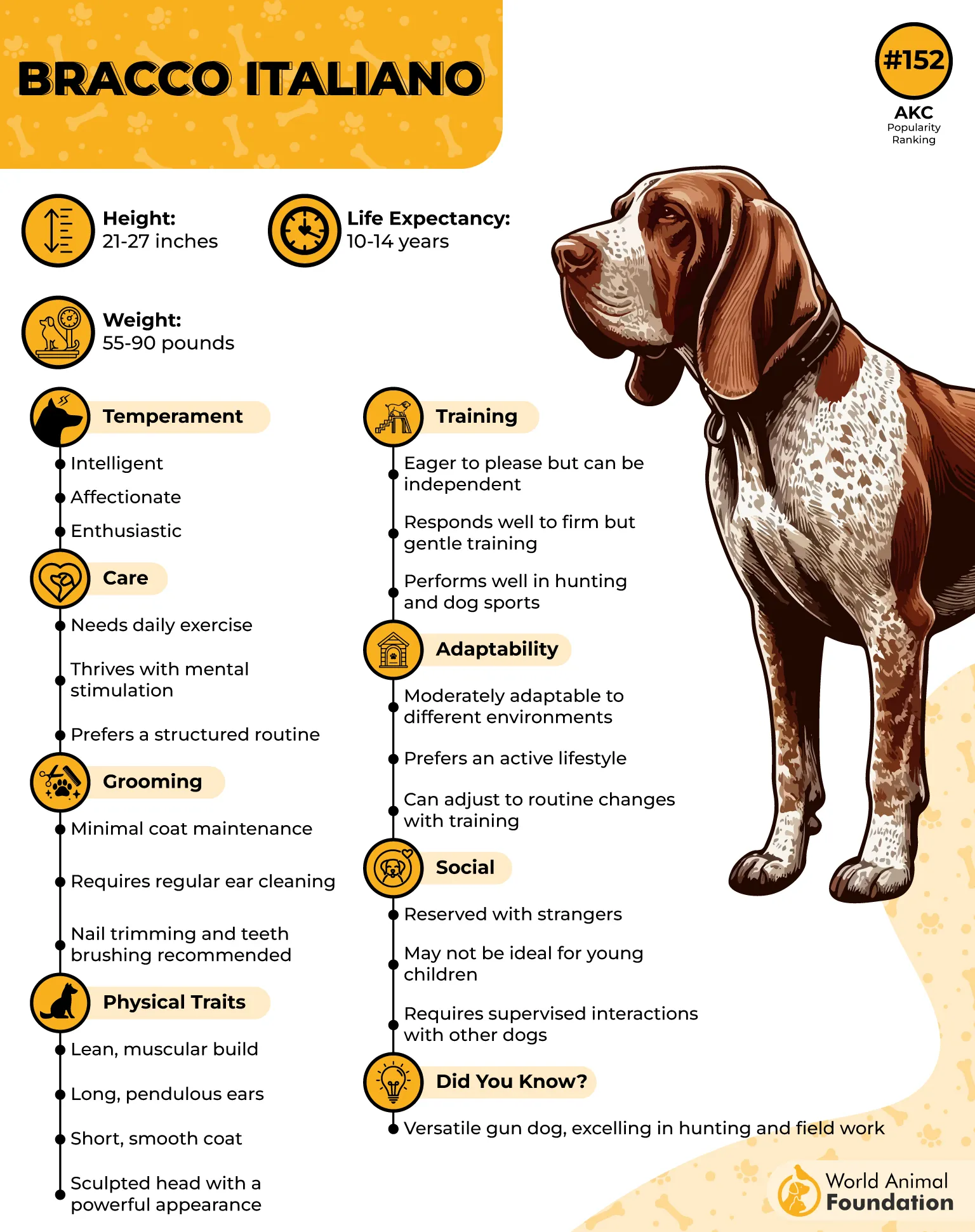
A deliberate hunter rather than a rushed one, the Bracco works methodically and is also valued for its soft mouth when carrying retrieved birds. This moderately to highly energetic breed needs daily exercise, mental stimulation, and preferably meaningful work or training.
How This Breed Stands Out
Distinctive ground-covering gait: Moves steadily across hunting terrain, allowing it to search broad areas without sacrificing its methodical style.
Strong pointing heritage: Combines scenting ability with an instinct to locate and indicate birds for the hunter.
5. Drentsche Patrijshond
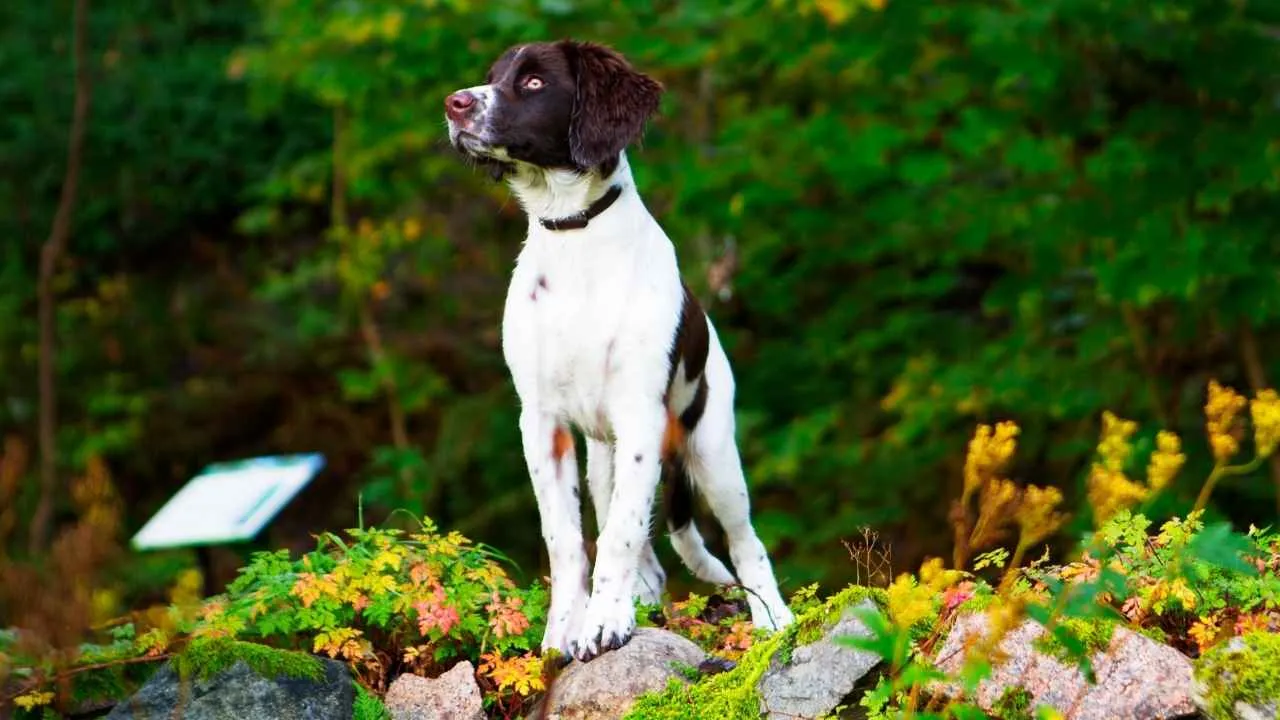
The Drentsche Patrijshond is a highly adaptable hunting dog capable of working across open fields, marshland, and other terrain. It can pursue upland game and waterfowl while also excelling at retrieving, with many of its hunting abilities coming naturally.
Known for maintaining close contact with its handler, the Drent works cooperatively while searching for game and can show increased focus when it catches a scent. Intelligent and eager to learn, it responds best to gentle, positive training and needs regular exercise.
How This Breed Stands Out
Close partnership with hunters: Naturally stays connected to its handler while searching, making it a cooperative field companion.
Versatile farm-to-field skills: Combines hunting and retrieving abilities with a history of working around farms and family homes.
6. Small Münsterländer
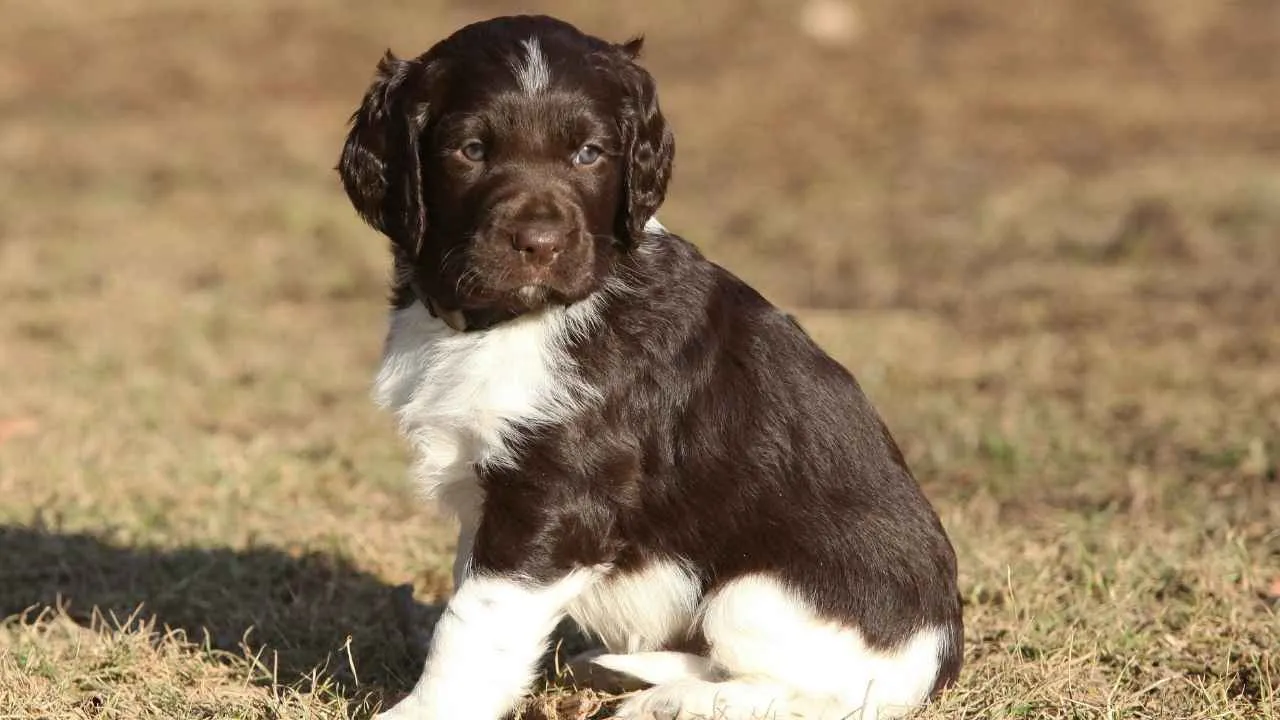
The Small Münsterländer is a versatile German hunting breed with a natural talent for pointing, retrieving, tracking, and swimming. Its strong desire to work and keen sense of game allow it to remain useful across different stages of a hunt, including locating wounded quarry.
Intelligent and steady-natured, this breed stays closely connected to its handler and responds well to training. Its high energy and strong hunting instincts require daily exercise and mental stimulation, whether through fieldwork, outdoor activities, or engaging dog sports.
How This Breed Stands Out
Natural pointing instinct: Reliably identifies game and indicates its location before the hunter moves in.
Excels at tracking wounded game: Uses its strong tracking ability to follow scent and locate animals after the shot.
7. Boykin Spaniel
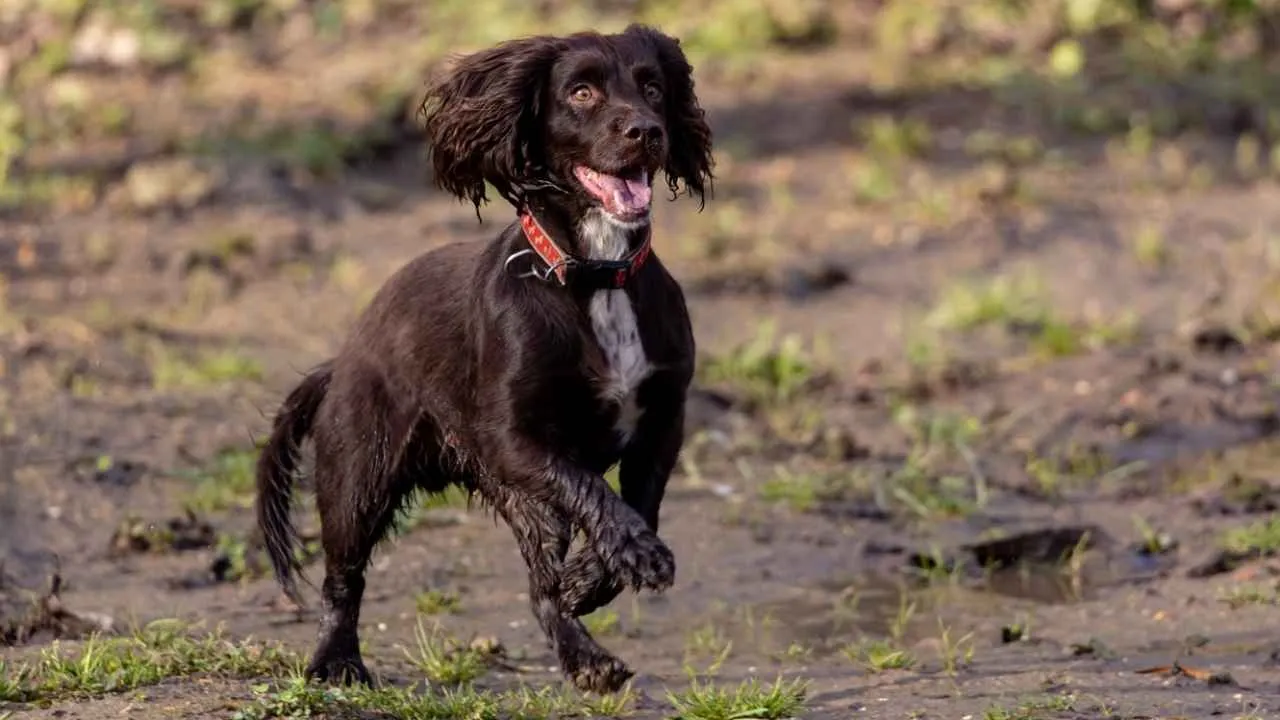
The Boykin Spaniel is a compact, versatile hunting dog developed for working in South Carolina’s lakes and swamps. Its webbed feet and manageable size make it well suited to water-based hunts, while its keen instincts help it flush and retrieve birds.
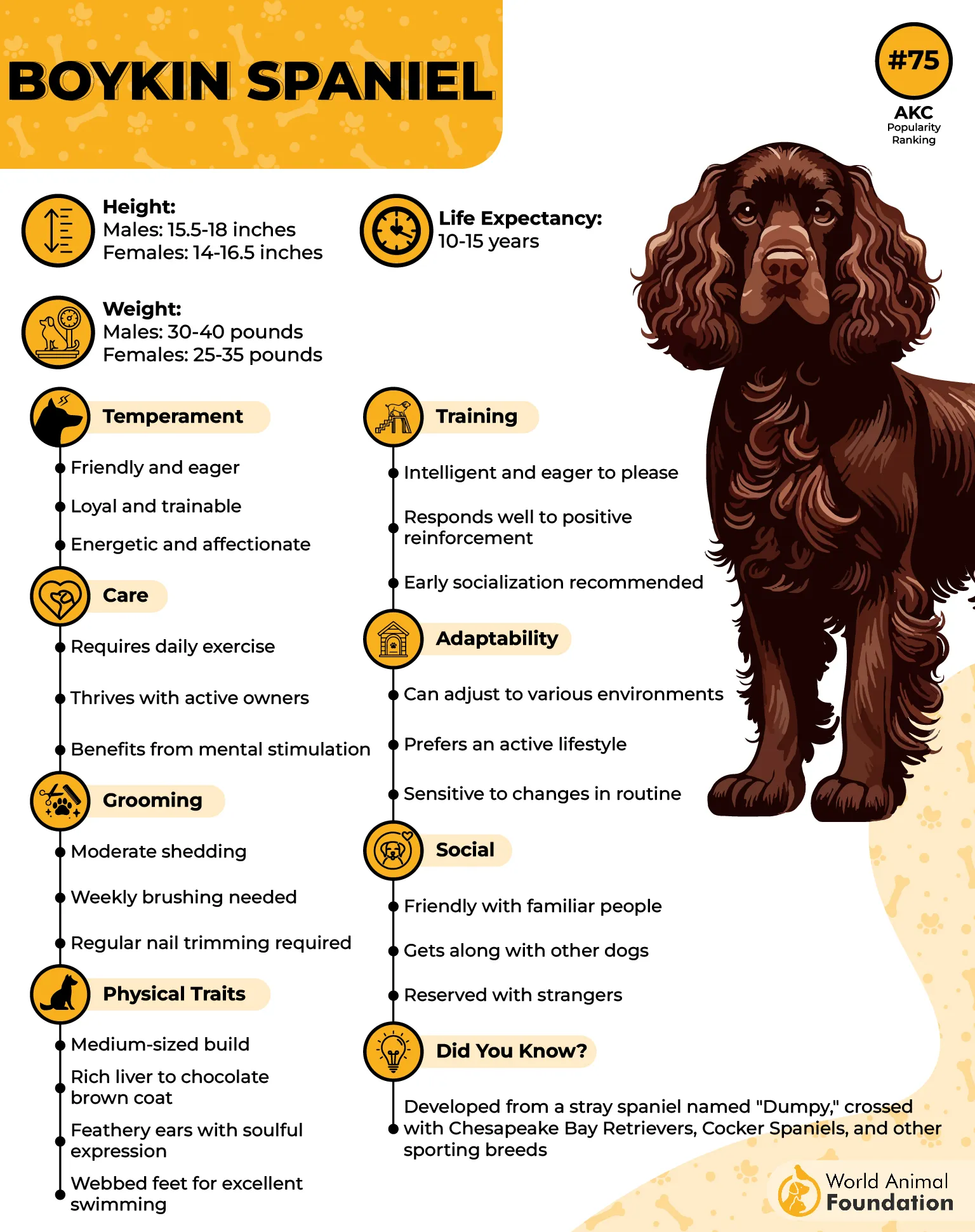
Energetic and eager to please, the Boykin combines determination in the field with an affectionate nature at home. It learns quickly and stays focused during training, but needs plenty of exercise and mental engagement to remain content and well-behaved.
How This Breed Stands Out
Compact woodland worker: Its smaller build allows it to move efficiently through tight cover and travel easily during boat-based hunts.
Strong flushing and retrieving drive: Naturally pushes birds from cover and confidently retrieves downed game from land or water.
8. Slovakian Wirehaired Pointer
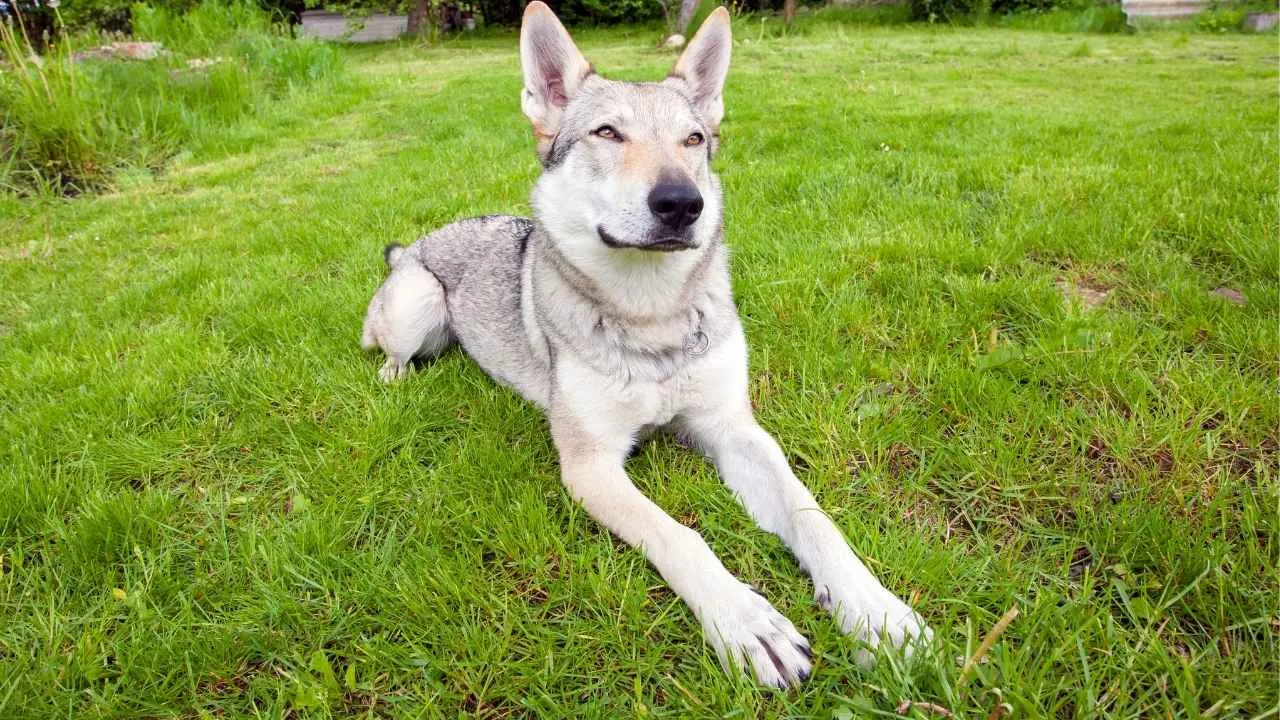
The Slovakian Wirehaired Pointer is a sturdy yet refined hunting breed built to handle varied landscapes. Its versatility allows it to work across open plains, woodland, and water, particularly when searching for and retrieving injured game after the shot.
Lively, intelligent, and eager to please, this Pointer forms a close partnership with its owner and thrives when given meaningful work. Its strong hunting instinct and considerable stamina make regular exercise essential, while varied, engaging training helps prevent boredom.
How This Breed Stands Out
Rugged terrain versatility: Moves confidently through fields, forests, and water while maintaining its effectiveness as a working dog.
Strong endurance on long hunts: Has the energy and hardiness needed to remain active during demanding outdoor work and extended searches.
9. Brittany
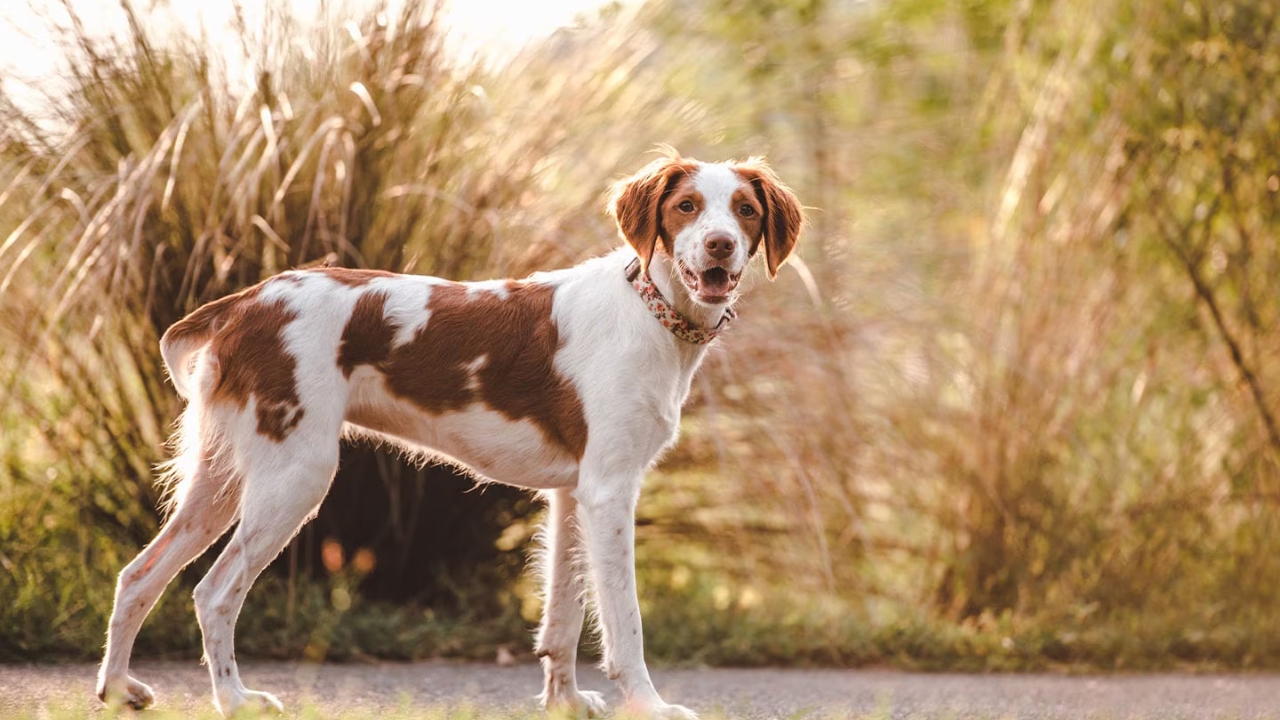
The Brittany is a tireless, intelligent gun dog especially valued for upland bird hunting. Agile and energetic, it can cover extensive ground while using its keen scenting ability to locate birds such as pheasants and quail across open hunting country.
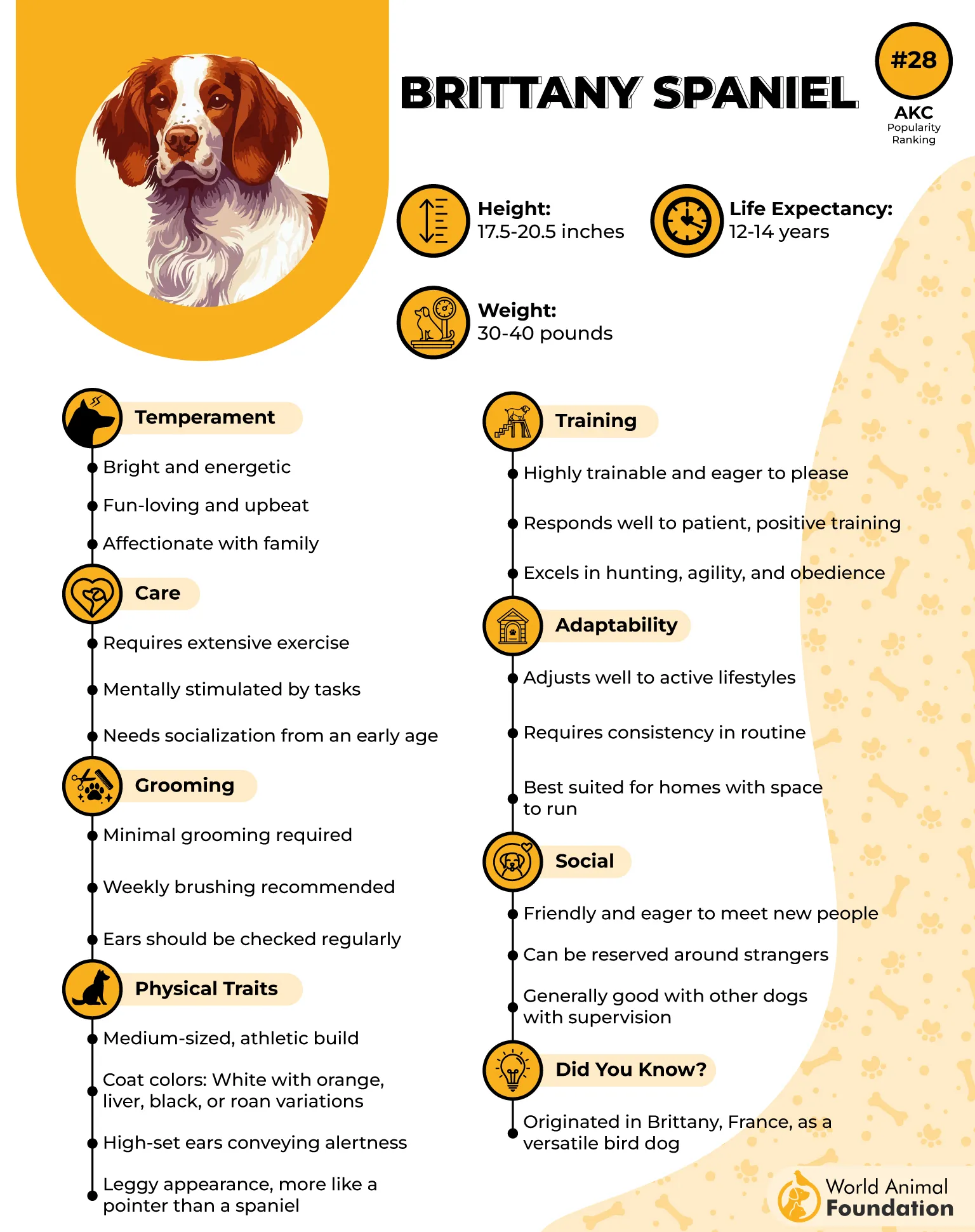
With an upbeat, willing temperament, the Brittany responds well to training and can channel its working instincts into activities such as agility and obedience. Its high energy demands an active lifestyle, while its strong attachment to people means it thrives with regular companionship.
How This Breed Stands Out
Fast quartering pattern: Moves efficiently across hunting ground, systematically covering terrain while searching for birds.
Exceptional upland bird detection: Combines sharp scenting ability, agility, and stamina to locate game birds effectively.
10. Weimaraner
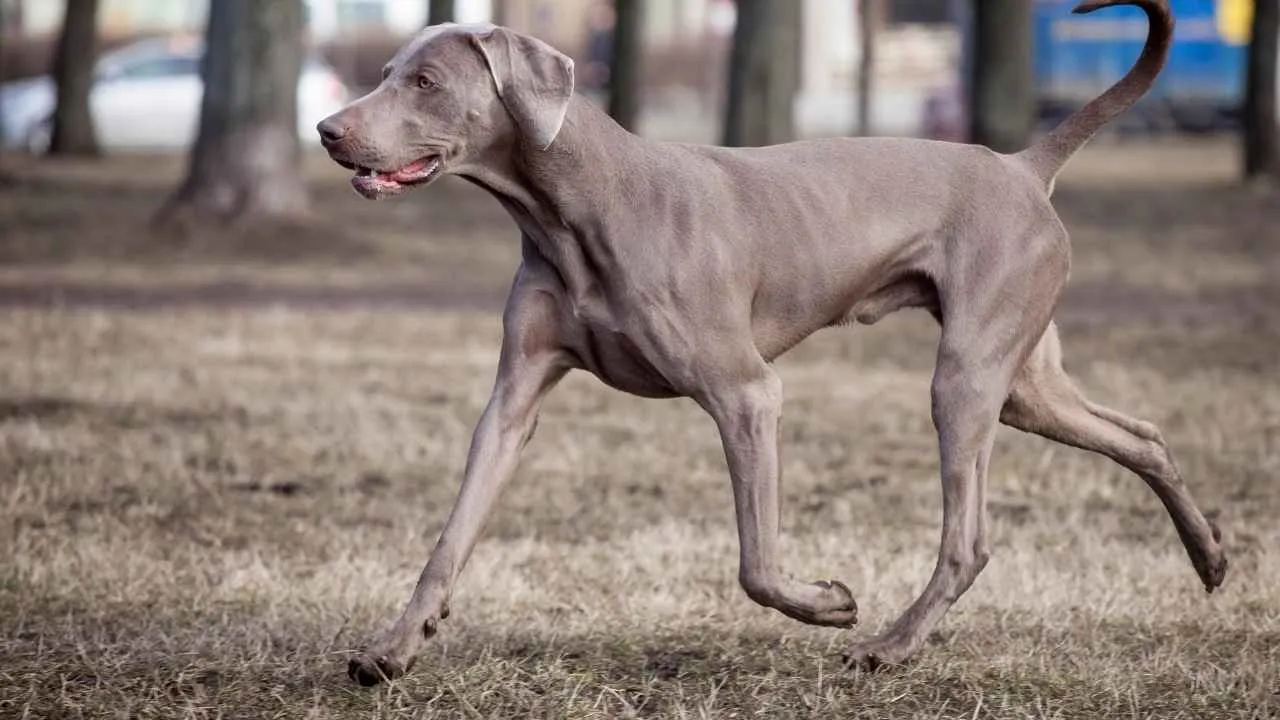
The Weimaraner was originally developed to pursue formidable quarry such as deer, boar, and bear, but its hunting role later expanded to smaller game. Its speed, stamina, and ability to work across different distances make it a highly adaptable tracking companion.
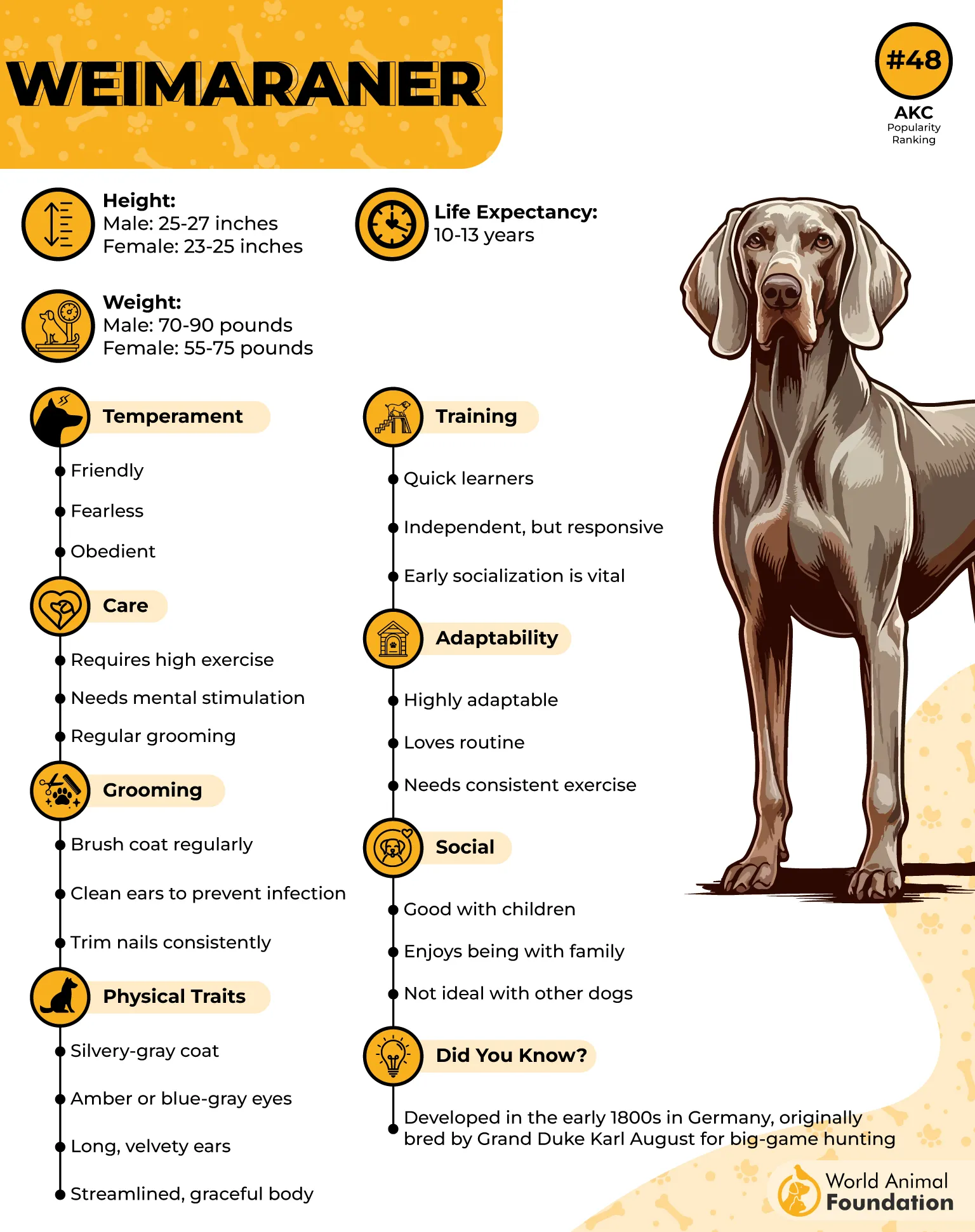
Athletic and intelligent, the Weimaraner can maintain a steady pace during extended work before accelerating when needed. It thrives alongside an active handler and requires substantial physical exercise and mental engagement to channel its energy and hunting instincts effectively.
How This Breed Stands Out
Versatile quarry tracking: Can adapt its hunting skills to different types and sizes of game, from large quarry to smaller animals.
Exceptional athletic endurance: Combines sustained stamina with impressive speed, allowing it to handle demanding hunts and extended outdoor activity.
Conclusion
Versatile hunting dogs stand out for their ability to combine tracking with other valuable field skills. Their intelligence, stamina, and willingness to work allow them to adapt to different hunting environments and tasks.
The German Wirehaired Pointer, Wirehaired Pointing Griffon, and Spinone Italiano bring distinctive strengths to challenging terrain. The Bracco Italiano and Drentsche Patrijshond add reliable scenting, pointing, retrieving, and adaptable fieldwork.
Small Münsterländer and Boykin Spaniel excel across land and water, while the Slovakian Wirehaired Pointer handles plains, woodland, and water. The Brittany brings speed, stamina, and exceptional ability in upland bird hunting.
These breeds also require more than natural hunting ability to thrive. Regular exercise, mental stimulation, consistent training, and meaningful activities help channel their instincts while keeping them focused, responsive, and ready for demanding outdoor work.
