




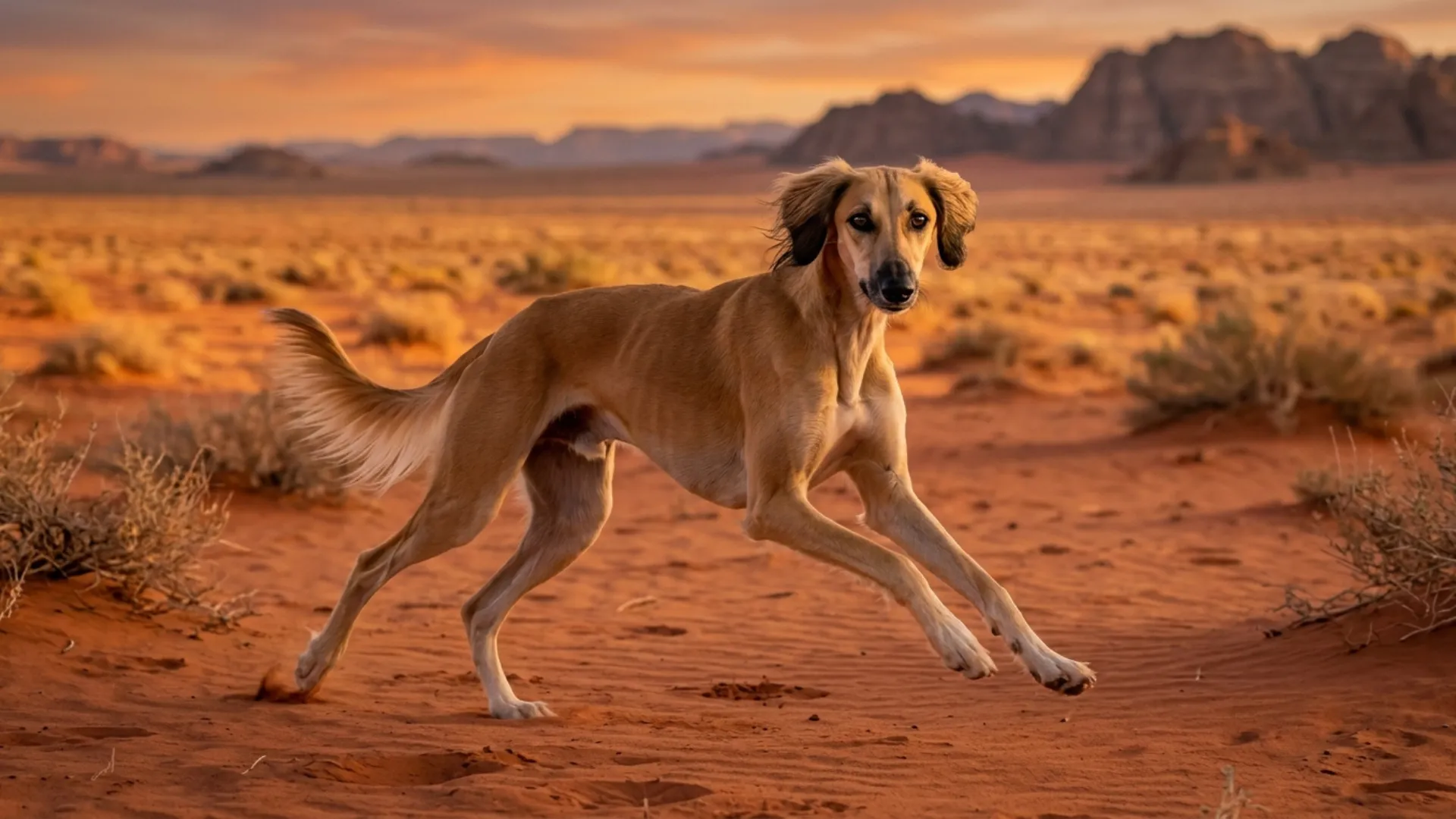
Have you ever watched a dog suddenly chase a squirrel, bird, or even a leaf blowing past?
That quick reaction may come from prey drive, an instinct to hunt and chase. It does not always mean a dog is aggressive. In fact, dogs with high prey drive usually want to move closer to a target, while aggressive dogs may try to create distance.
This instinct can show through stalking, chasing, fixation, barking, whining, or digging. The full predatory sequence can include orient, eye, stalk, chase, grab-bite, and kill-bite behaviors. Dogs bred for hunting often show stronger prey drive, but every dog is different.
Some herding breeds also chase while controlling livestock movement. For families with small pets, knowing these instincts can make a big difference. So, which dog breeds are especially known for powerful prey drive traits? Let’s meet seven fascinating examples.
Dog Breeds That Exhibit Powerful Prey Drive Traits
1. Greyhound
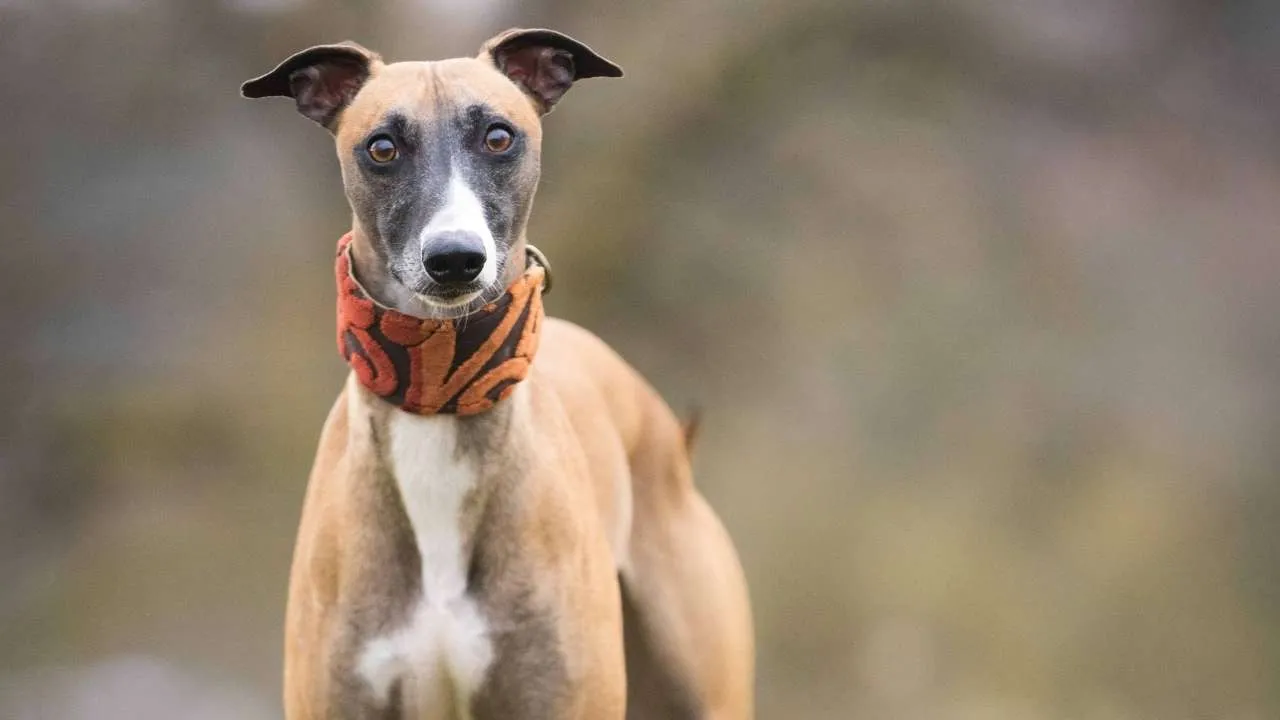
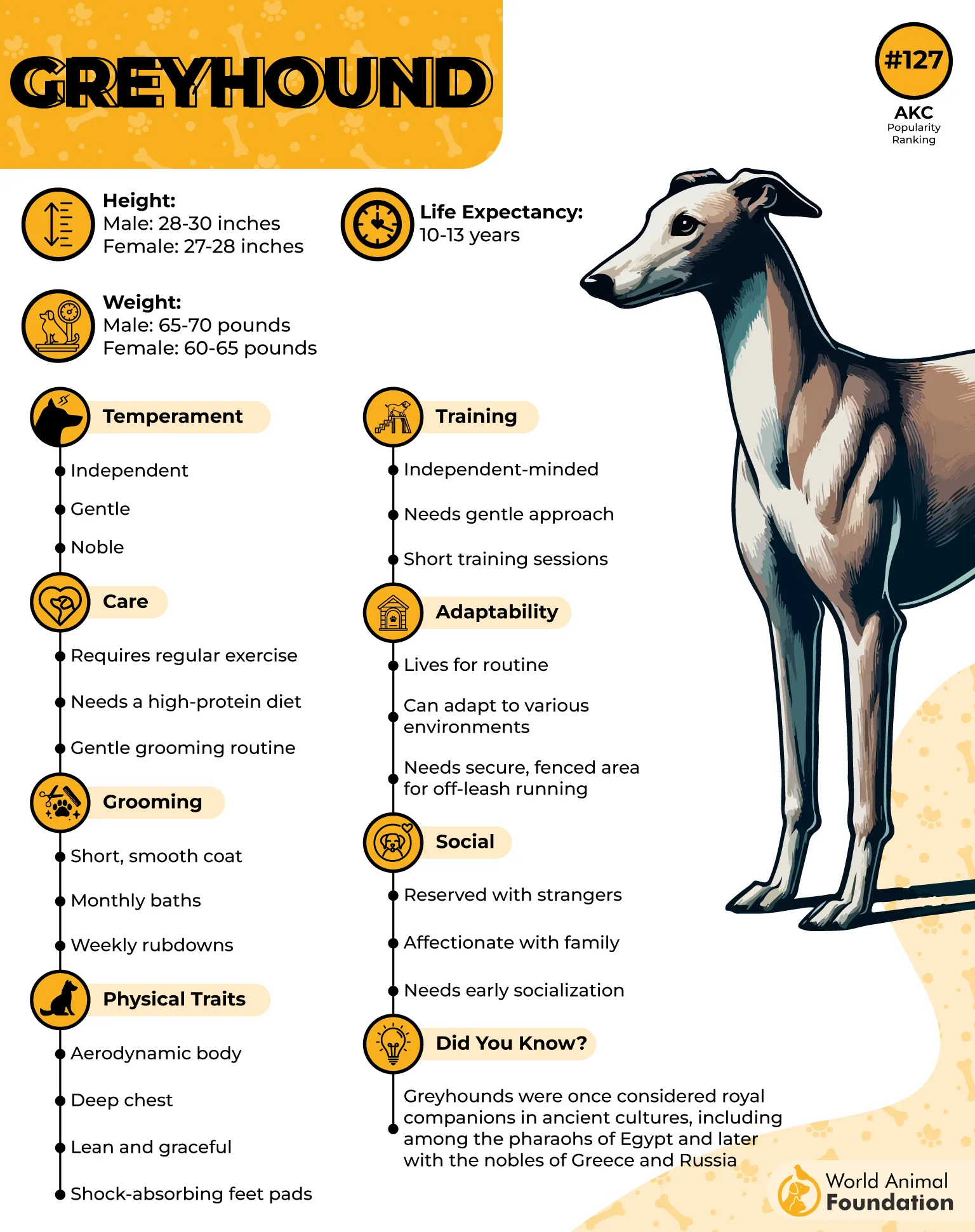
The Greyhound is built for chasing what catches its eye. This ancient sighthound was developed to hunt game by sight and speed. Its long legs and sharp visual focus helped it pursue moving targets across open ground.
According to Wikipedia, Greyhounds can have a strong prey drive and may show little or no recall response. That trait can appear when a Greyhound spots sudden movement nearby. A running animal may quickly become the centre of its attention.
For this breed, the urge to pursue is closely tied to its history as a fast visual hunter.
How Greyhounds Follow Their Prey Drive
A Greyhound can move through the prey drive sequence with impressive speed. First, it may notice small animals at a distance, then focus on their movement before giving chase. A high-prey-drive dog like this may ignore other pets when excitement takes over. A cat or rabbit can trigger that response.
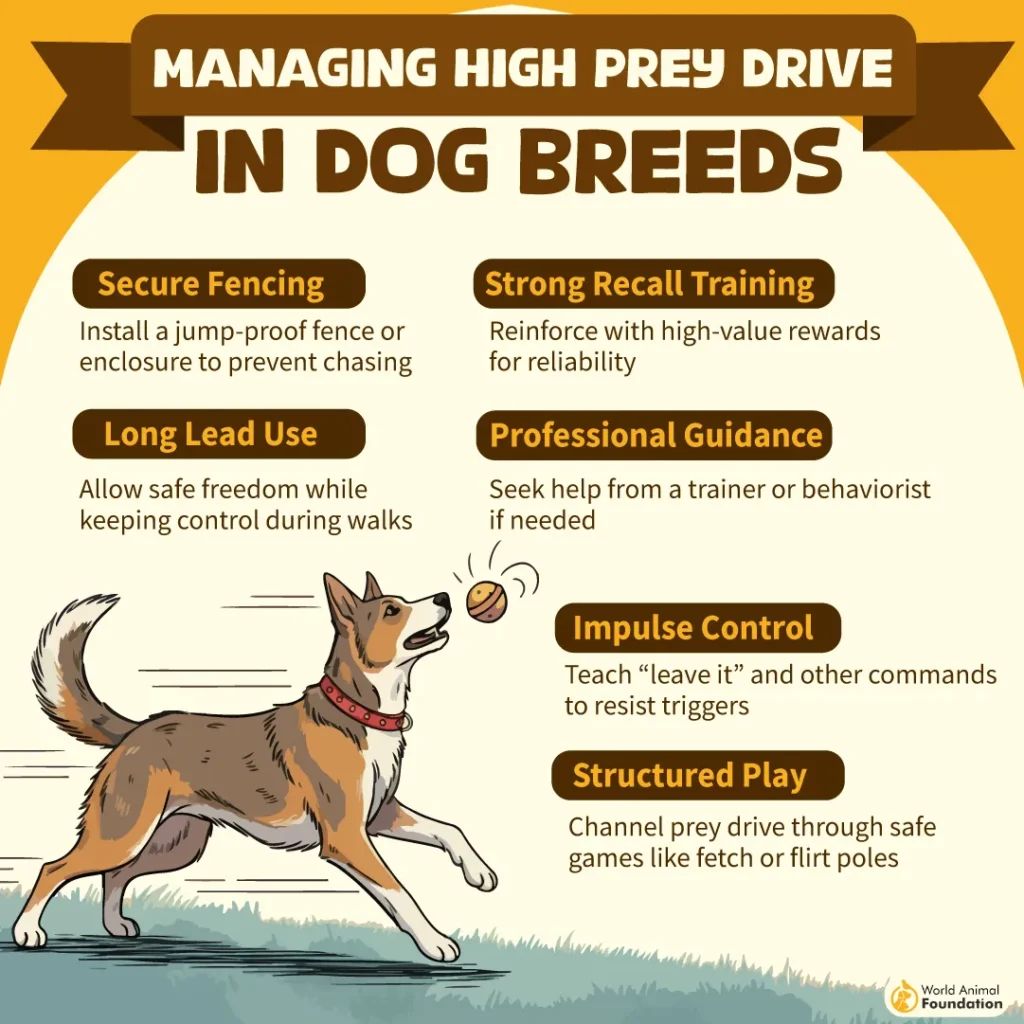
Owners should manage this instinct by using securely fenced areas and controlled activities. Safe games can engage a Greyhound’s chasing instinct without allowing a dangerous pursuit. This approach helps keep its natural talent enjoyable and controlled.
2. Saluki
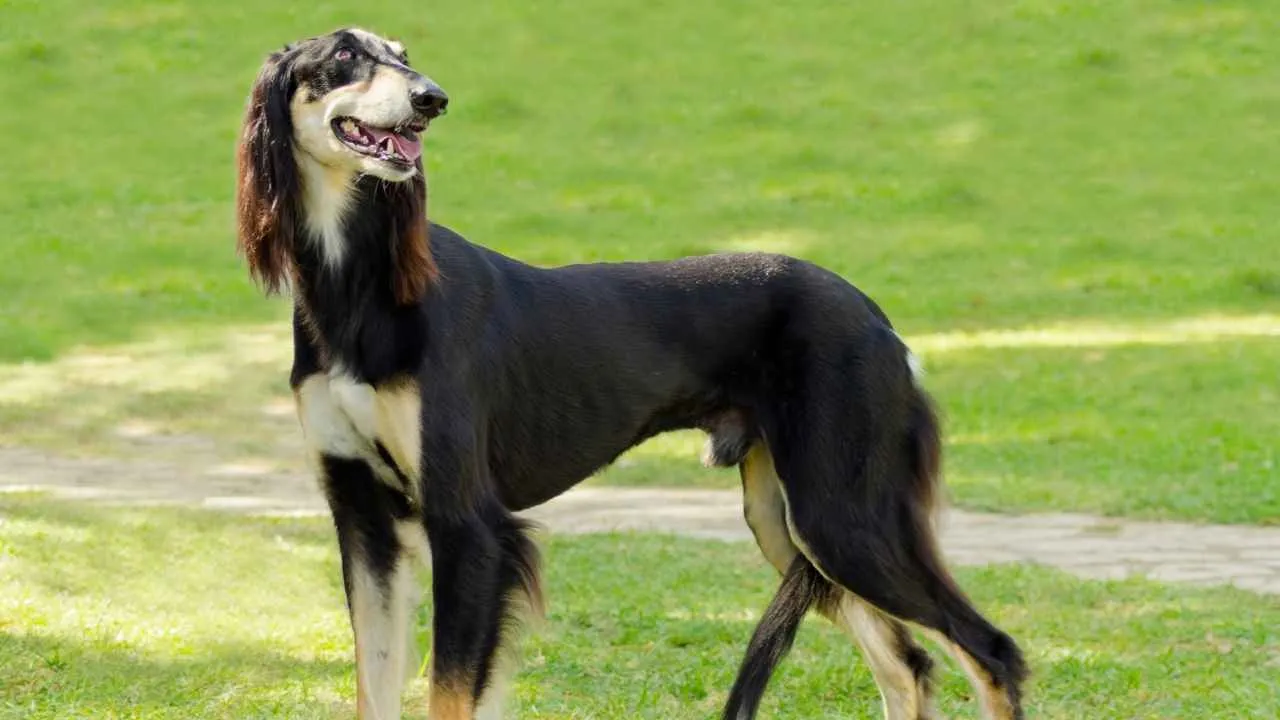
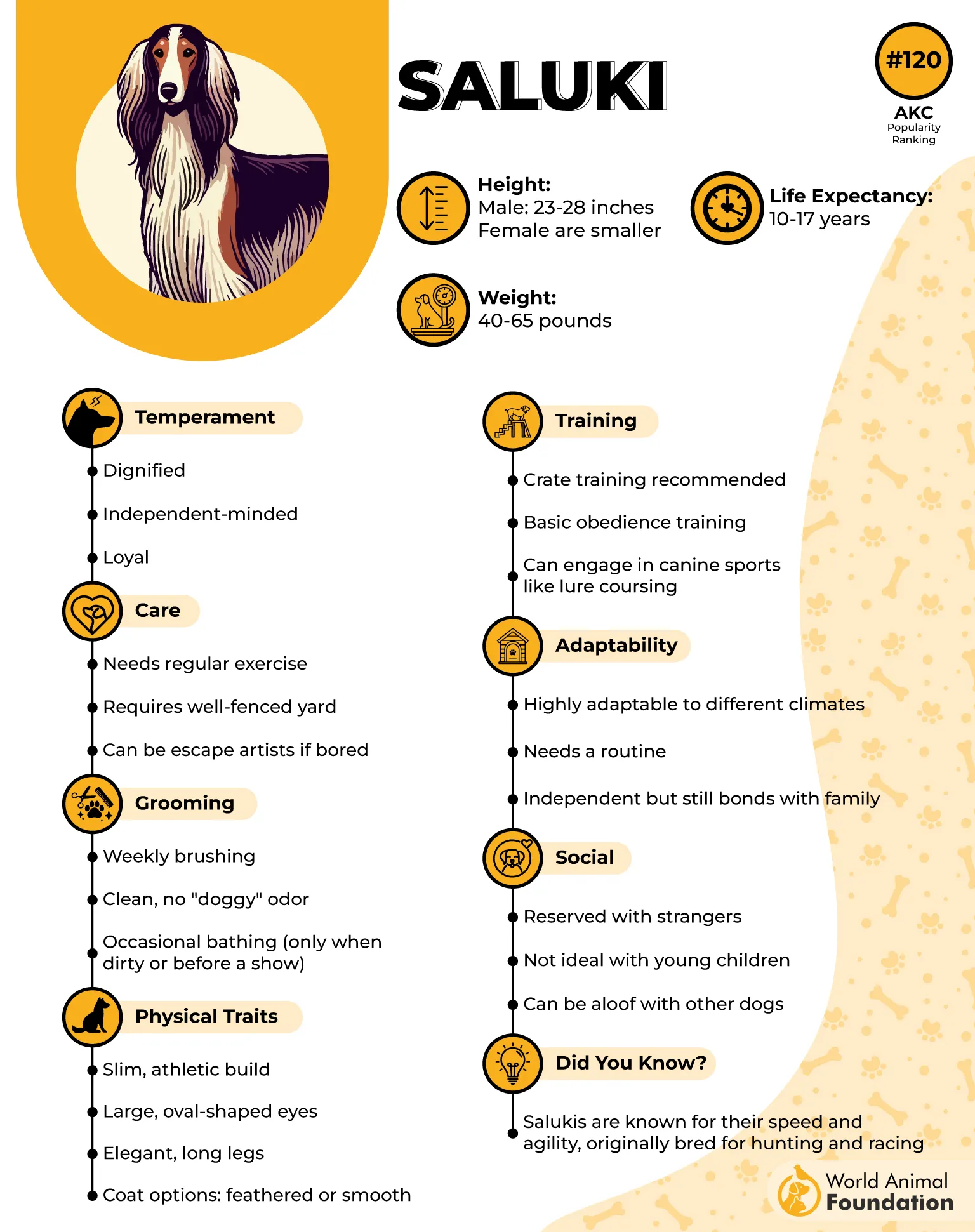
Among the world’s oldest dog breeds, the Saluki has spent thousands of years working as a swift hunting hound. This elegant breed is slim, strong, and remarkably agile, with the stamina to cover ground while pursuing moving game. Its independent nature can make its hunting instincts especially interesting.
According to VCA Animal Hospitals, Salukis may accept other dogs but often view small animals as an invitation to chase. This high prey drive instinct can appear even in a well-loved family companion. A Saluki may seem calm at home, then become intensely focused when something moves nearby.
When a Saluki Locks Onto Prey
For pet parents, this behavior can make distance important during walks. Once a Saluki spots something worth catching as prey, calling it back may prove difficult. Dogs with this instinct can become deeply focused and overlook familiar commands.
Early training can help a pup learn when to stay focused on its handler. Controlled walks and secure spaces also give Salukis room to move without turning every sighting into a chase.
3. Afghan Hound
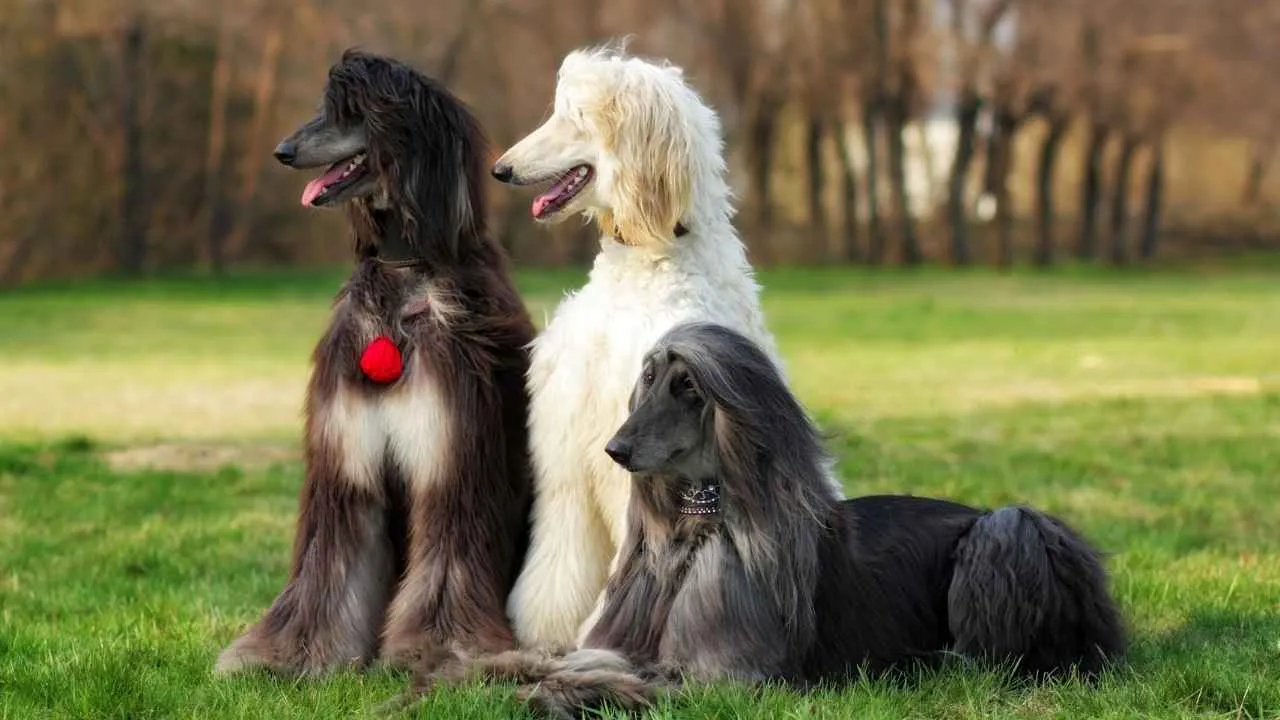
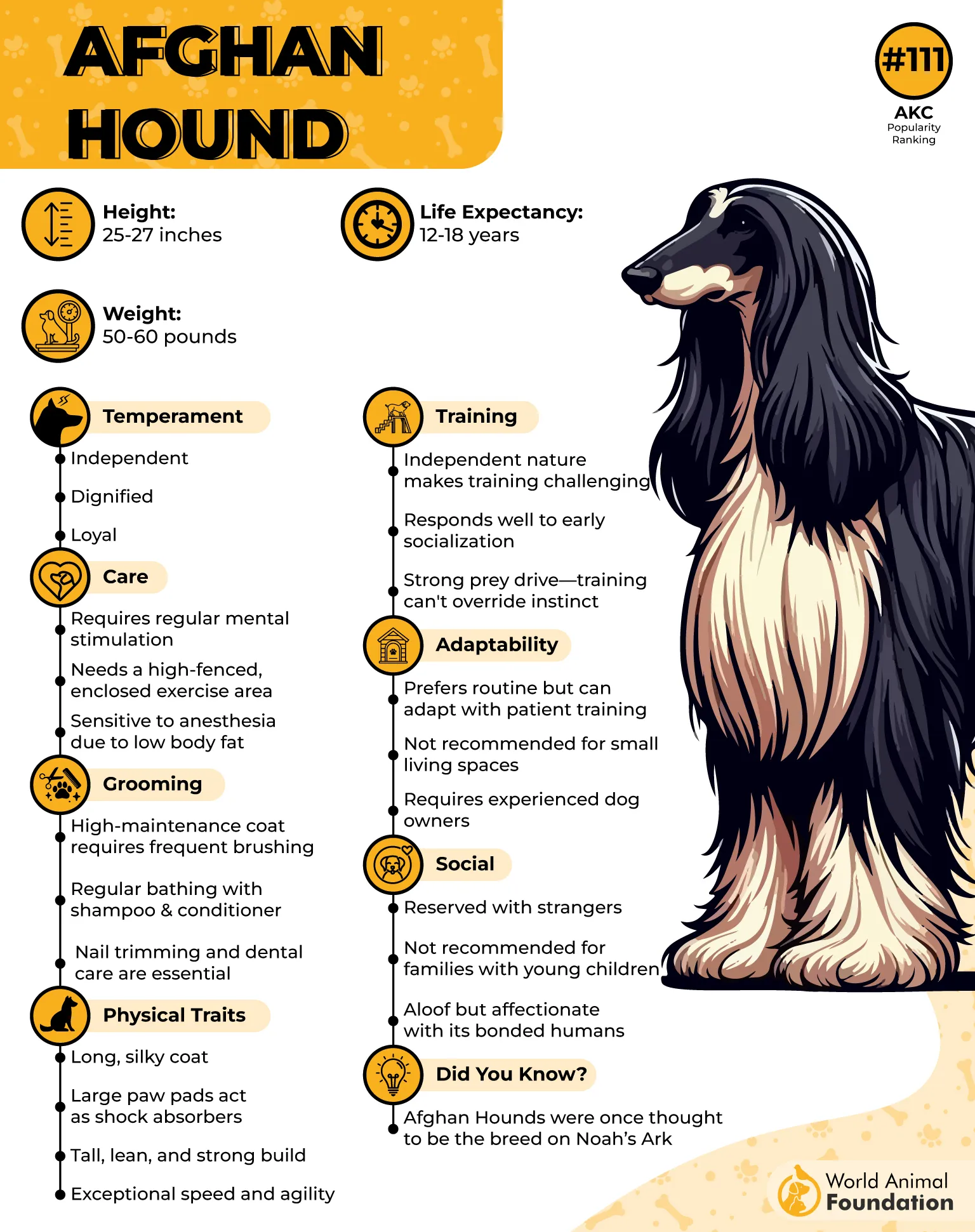
The Afghan Hound may look calm and elegant, but its hunting roots tell another story. This striking breed was developed to handle long hunts across difficult mountain terrain. Its powerful body, large paw-pads, and athletic build supported that demanding work.
Beneath the flowing coat lies a dog with a strong prey instinct and a natural interest in movement. According to PetMD, the Afghan Hound is a high prey drive dog breed. That instinct can shape its behavior when it notices other animals nearby. Instead of rushing forward at once, an Afghan may first watch closely and assess the target.
Signs of a Stalking Instinct
One of the clearest signs can be intense staring or quiet creeping toward a target. This desire to observe and follow movement may quickly turn into pursuit. Owners can engage an Afghan Hound through fun games that encourage focus without involving real prey.
Families with children can also use gentle play to provide safe mental outlets and keep instincts directed toward appropriate activities.
4. Jack Russell Terrier
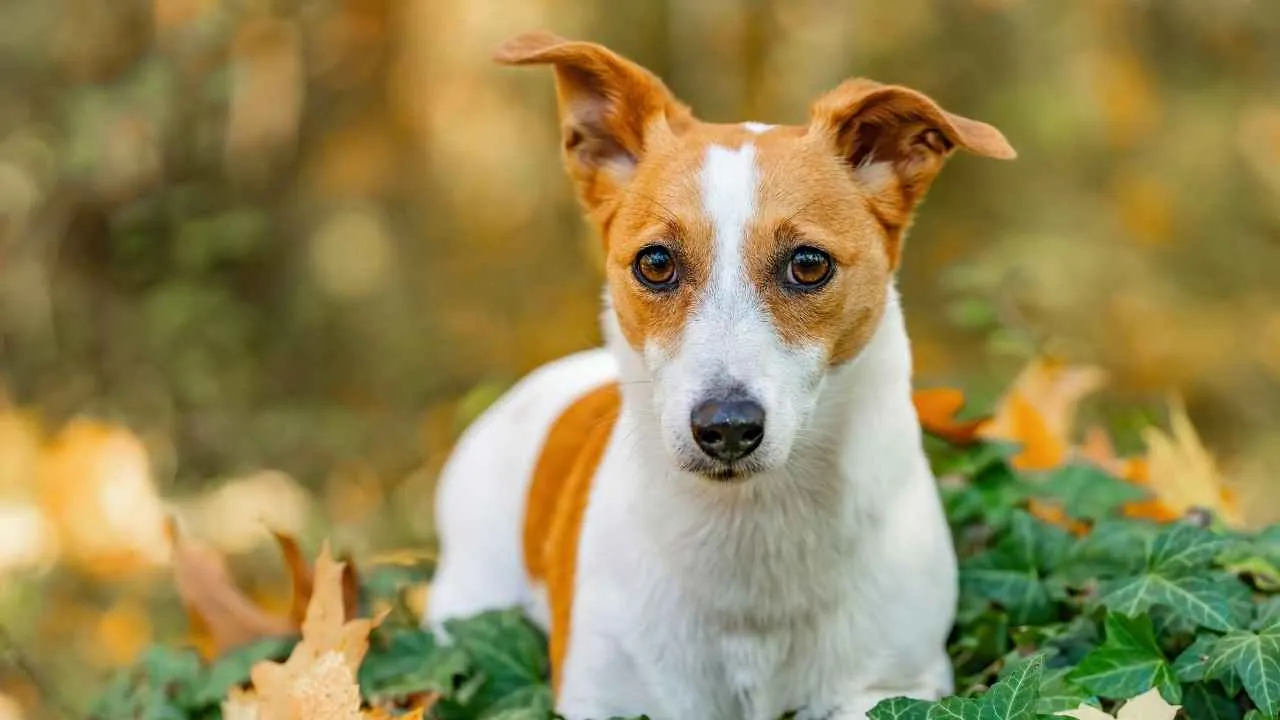
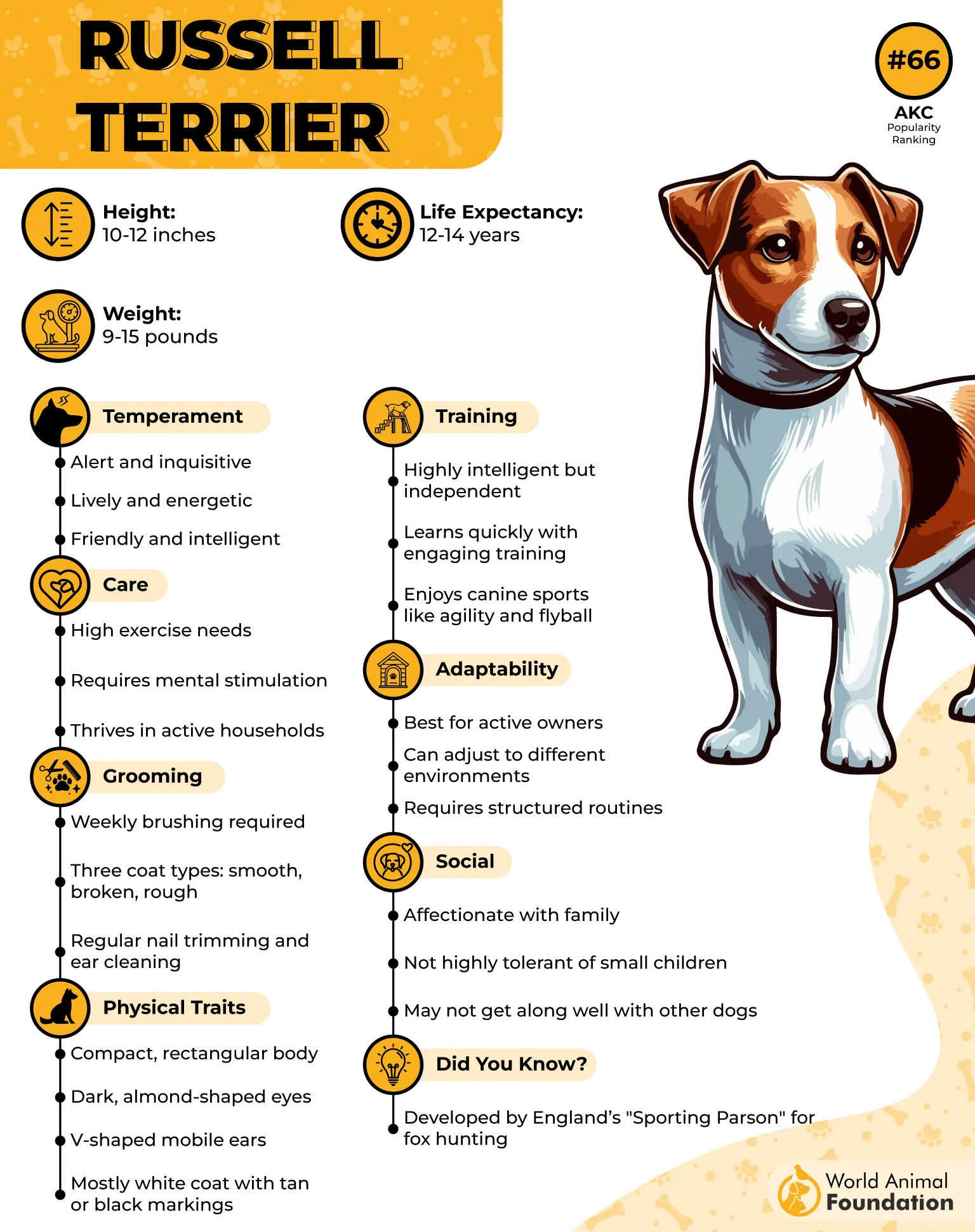
Jack Russell Terriers may be small, but their hunting instincts are anything but tiny. These lively dogs were bred for work that demanded confidence, quick thinking, and persistence. Their strong interest in chasing and digging reflects that working background.
According to Britannica, their high prey drive can make them challenging around small animals and small pets. A Jack Russell may also become a determined little boss when it wants to follow its own plan. That independent streak can shape its behavior, especially when something exciting catches its attention.
Digging Into Their Hunting Instinct
For this breed, digging can be more than simple mischief. A Jack Russell may investigate holes because its instincts encourage it to search for hidden prey. This is where a leash and consistent training can help guide that natural drive.
Owners should consider their dog’s individual rate of learning and build short, rewarding lessons into daily life. A suitable lifestyle can also include supervised search games, scent activities, and controlled play that give this busy terrier a safe job to do.
5. Australian Cattle Dog
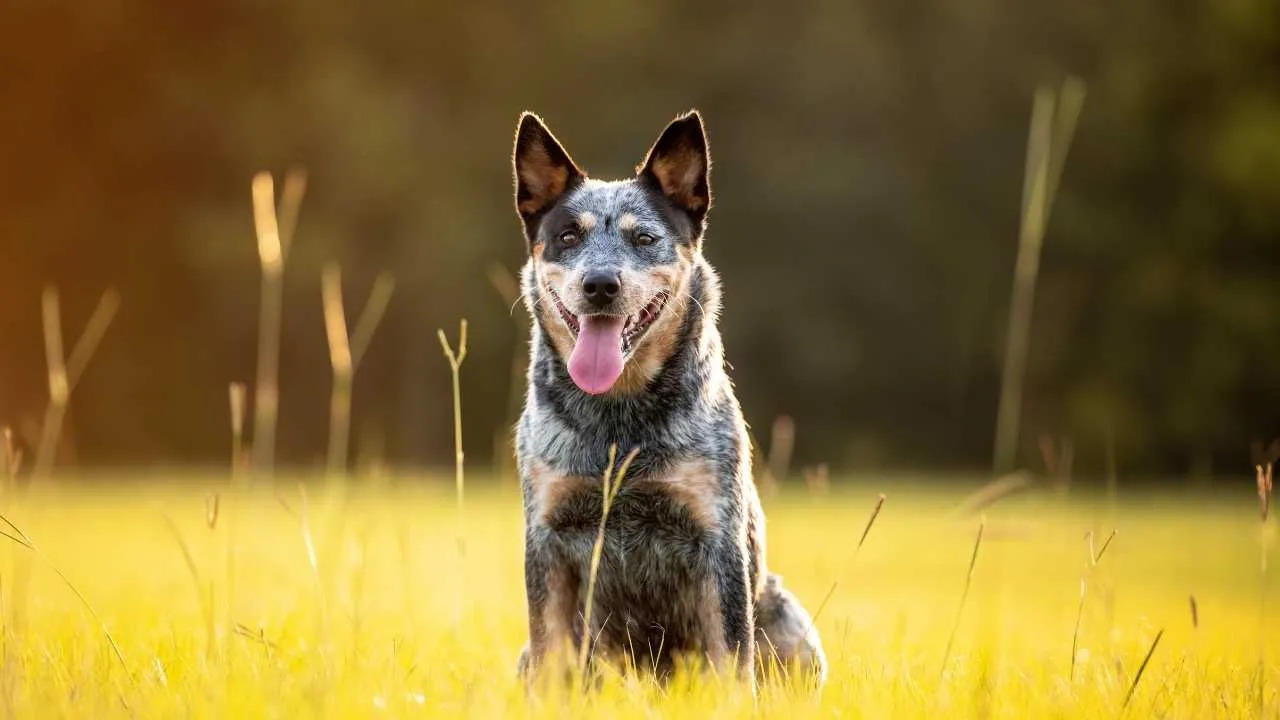
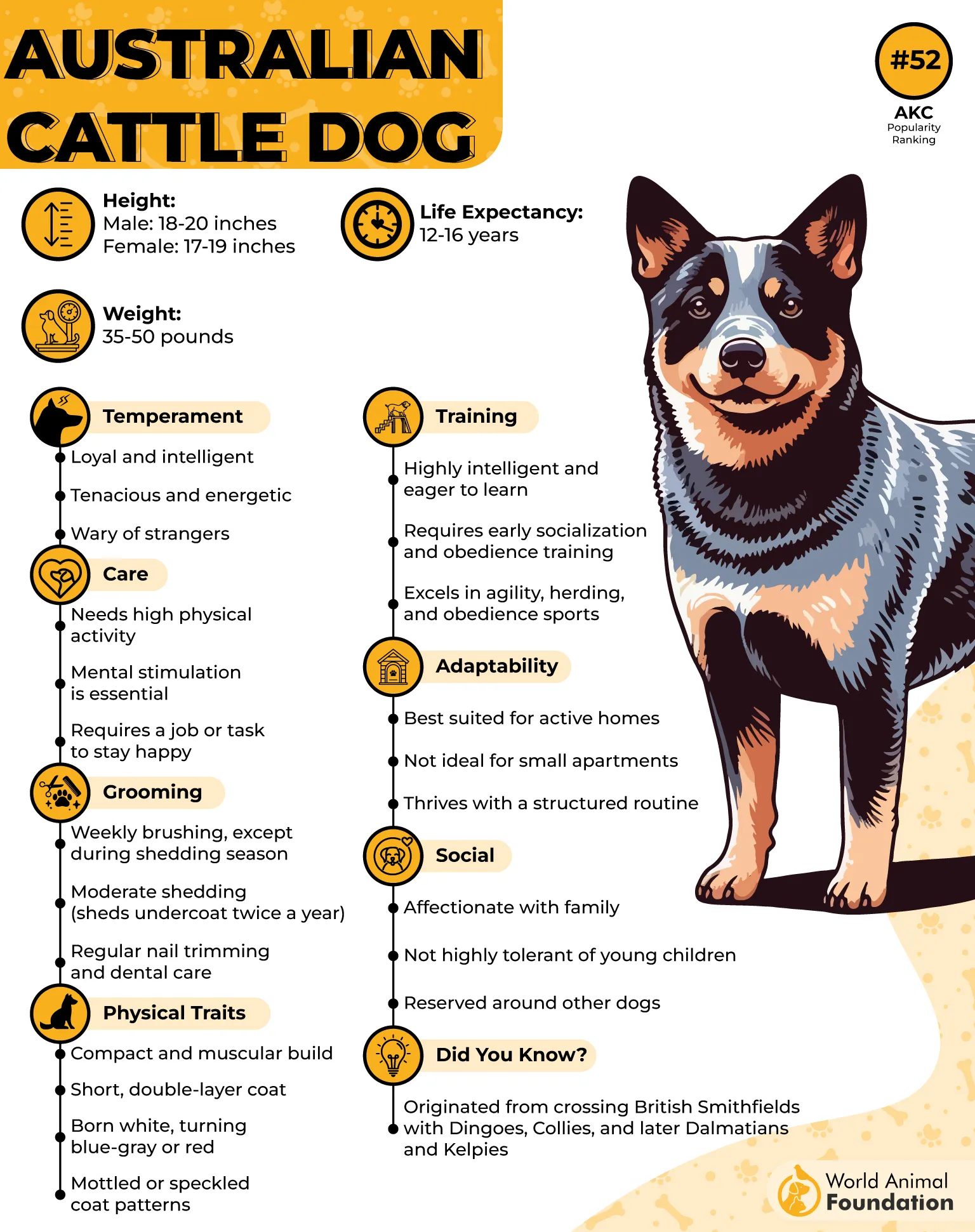
The Australian Cattle Dog shows how herding instincts can overlap with prey instinct without making a dog a true hunter. According to the American Kennel Club, these smart, muscular workers excel at controlling and moving livestock.
Their strong work drive also explains why prey drive in dogs can appear through chasing and controlling movement. Although not simply a hunting dog breed, the Australian Cattle Dog can react quickly when animals or other moving targets enter its path. Its alert nature makes it especially aware of changes around it.
Reading Movement Around Them
An Australian Cattle Dog may notice running children, bicycles, or animals during walks and react before an owner expects it. This behavior comes from its instinct to control movement. Owners should manage these reactions by giving the dog clear tasks and rewarding calm responses.
A secure yard can provide room for activity while limiting unwanted pursuits. Regular mental work also helps prevent boredom, while teaching the dog to stay focused on its owner despite distractions in its surroundings.
6. Weimaraner
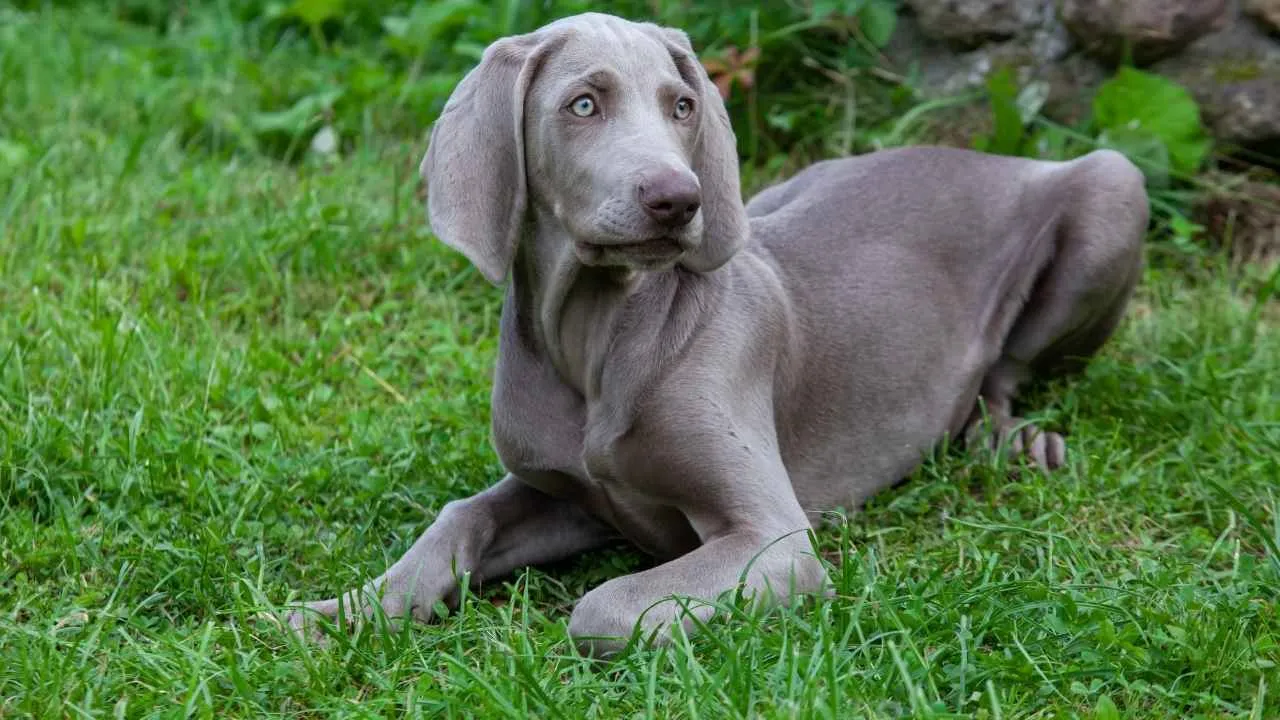
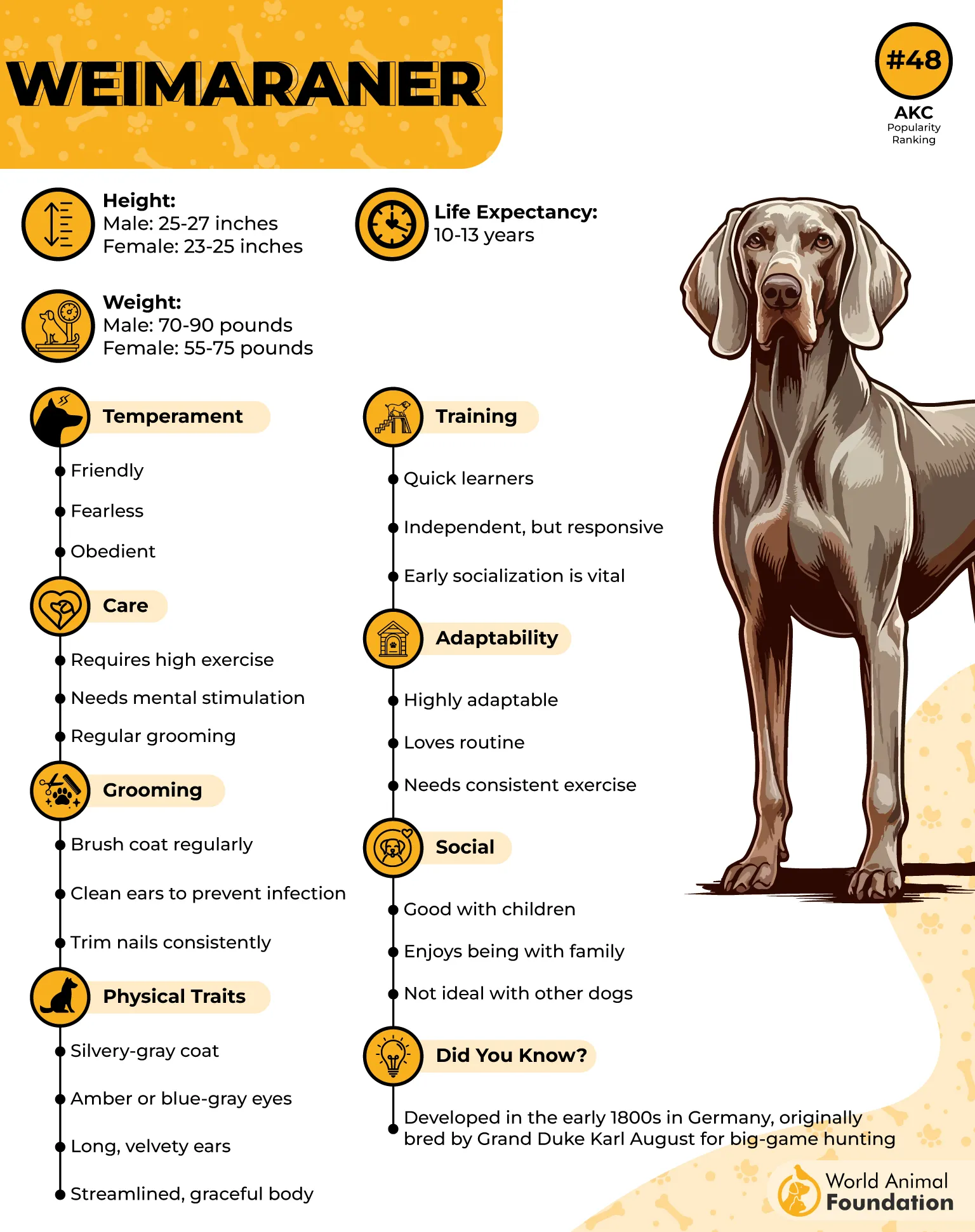
The Weimaraner brings a bold sporting spirit to the world of prey drive. This German hunting breed was developed for active work and remains an energetic companion today. Friendly, fearless, and obedient, the breed also has the focus needed for demanding activities.
According to Purina, Weimaraners are highly alert, trainable, and obedient, with a loving nature that suits family life. Their working background can fuel a high prey drive in dogs, especially when exciting movement catches their attention. That natural desire to investigate and pursue makes purposeful activity an important part of their routine.
Turning Their Drive Into a Job
Weimaraners often thrive when their energy has somewhere useful to go. Dogs love interactive games, and retrieving toys can turn their hunting interest into structured fun. A fenced-in area gives them space to move without creating unsafe pursuits.
Owners can also use treats or food rewards during training to build focus around distractions. The need for regular activity remains important, but positive lessons can help manage their instincts while strengthening cooperation with their families.
7. Beagle
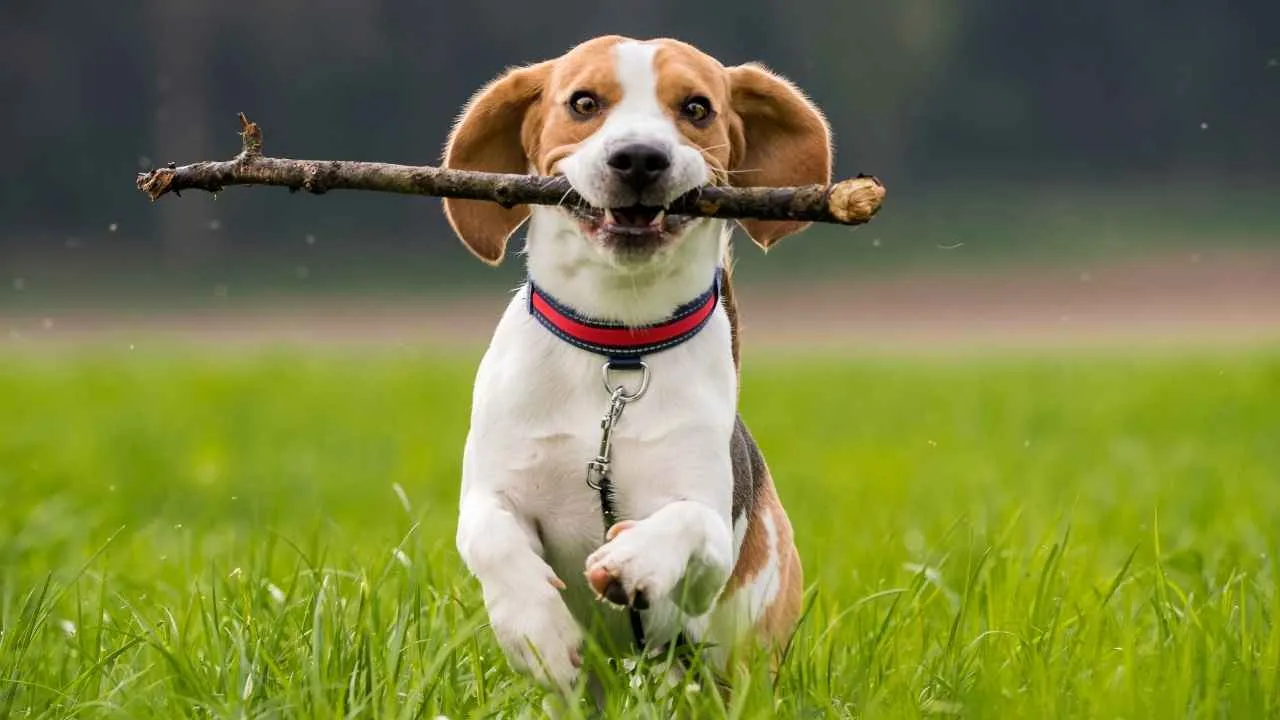
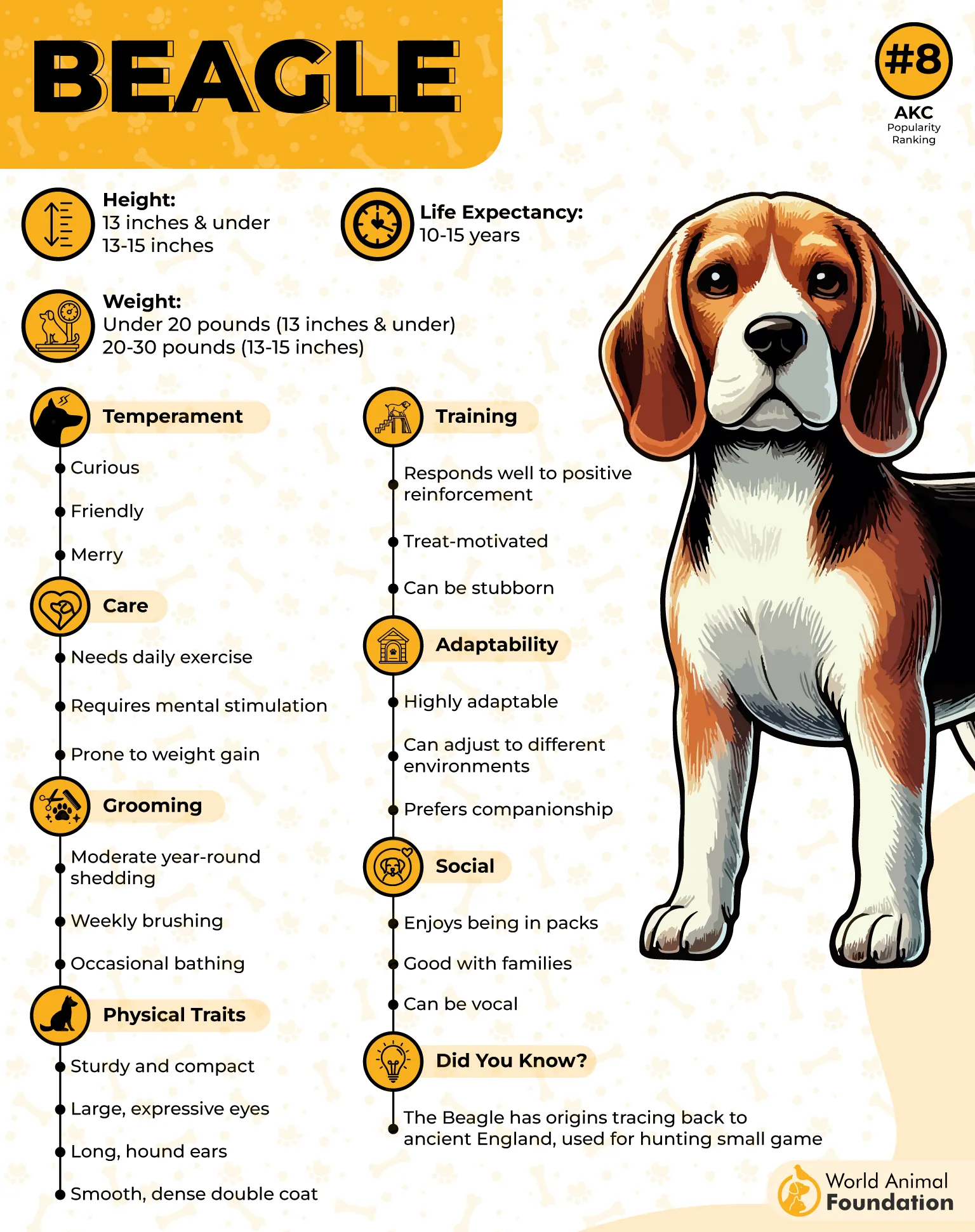
The Beagle follows its nose more than its eyes. This British scent hound was bred to track rabbits and hares, making it a natural specialist at following trails. According to Hill’s Pet, Beagles are active, curious dogs with a strong tendency to roam.
Their tracking ability also makes them useful for detection work. Unlike a Greyhound, which spots moving targets from a distance, a Beagle can stay focused on a scent trail that leads somewhere out of sight. This makes their hunting style especially interesting among small dogs.
A Nose Built for the Hunt
A Beagle may follow an interesting trail far beyond its house or familiar route. During walks, a scent can become more exciting than anything else nearby. A secure lead or fenced space helps prevent wandering during trekking and outdoor adventures.
This instinct can develop early in pups, so owners should guide it with safe scent games and plenty of interaction. Unlike retrievers, Beagles were not bred mainly to bring objects back. Their natural drive is to follow, investigate, and sometimes pursue prey rather than kill it.
Conclusion
Prey drive is an instinct that can shape how a dog explores the world. A dog’s prey drive may appear through stalking, chasing, fixation, or tracking, while high prey drive can look different across certain breeds. Some rely on sight, others follow scent, hunt small animals, or control movement.
Still, prey drive does not automatically mean aggression. Many dogs can learn to manage these instincts with patient training, secure fencing, safe exercise, and structured mental games. Families with small pets should consider compatibility carefully and choose activities that fit their home and routine.
Treats or food rewards may support training, but owners should also suggest clear boundaries and safe outlets. With the right experience, owners can better understand instincts and build a safe, rewarding relationship with their dog.
