




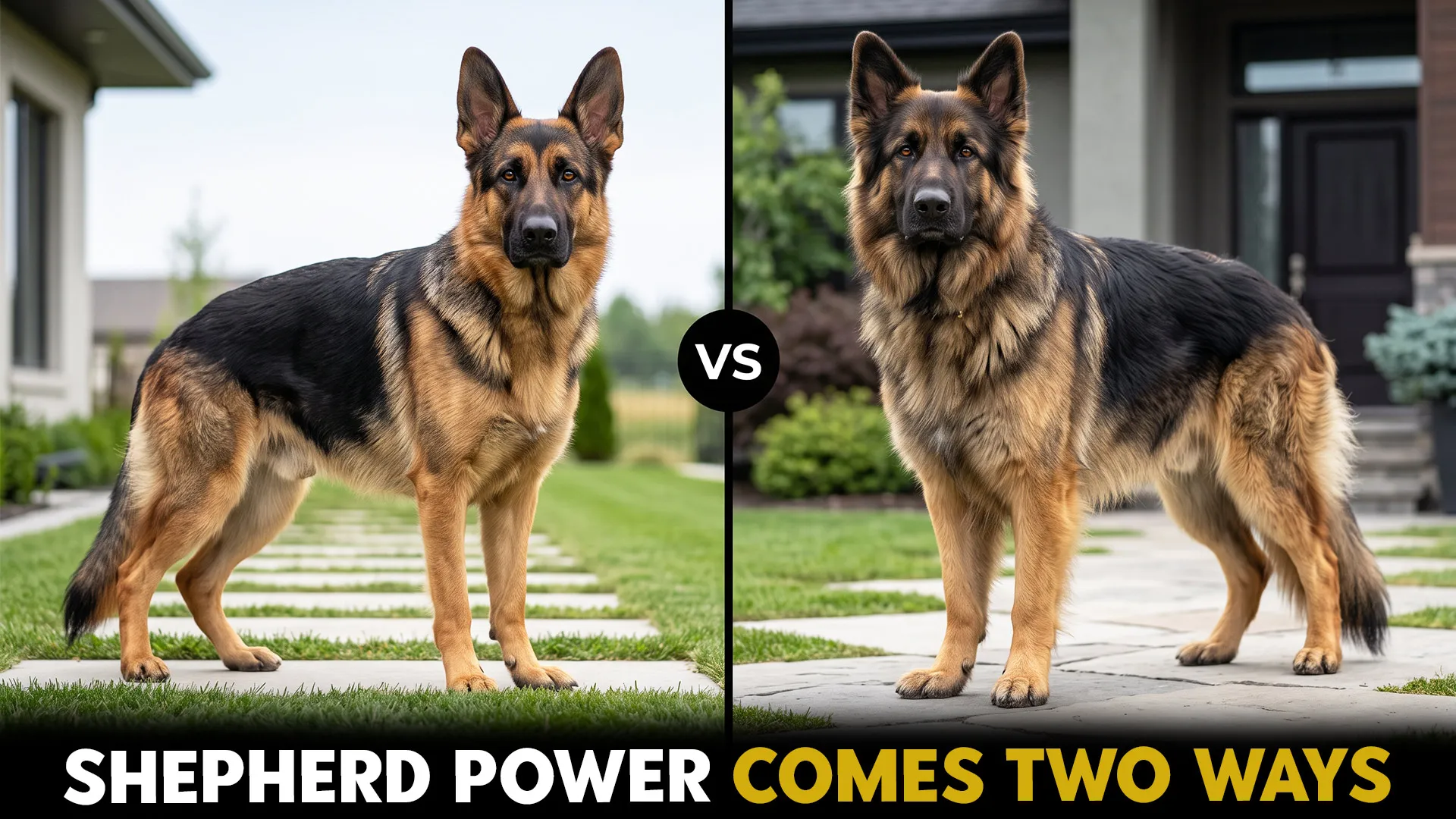
At first glance, the German Shepherd and King Shepherd can seem almost like two versions of the same impressive dog.
Both share German Shepherd ancestry and are known for intelligence, loyalty, alertness, and protective instincts. Yet, the differences become clearer when you look beyond their similar appearance.
The German Shepherd is an established working breed with a strong drive for training, exercise, and purpose, while the King Shepherd is a newer hybrid typically bred to be larger and heavier, with a temperament that tends to become more mellow with age.
Their needs can also differ in practical ways, from grooming and shedding to exercise, training, and living space. Health and lifespan are worth considering too, particularly because the two dogs have different backgrounds and reported longevity.
For anyone choosing between them, understanding these distinctions matters. The right companion is not simply the biggest or smartest dog, but the one whose temperament, care requirements, and energy level fit your everyday life.
Key Takeaways
German Shepherds are highly intelligent, loyal, and strongly trainable working dogs.
King Shepherds share German Shepherd ancestry but are hybrid dogs, so their traits can vary.
King Shepherds are typically larger and heavier than German Shepherds.
Both breeds need consistent training, socialization, exercise, and mental stimulation.
German Shepherds have strong protective instincts and can make excellent guard dogs.
German Shepherd vs. King Shepherd: Size and Temperament Compared
1. Origins & Purpose
The German Shepherd has roots stretching back to the late 1800s, when Max von Stephanitz worked to develop a capable herding and working dog from German herding dogs.
The breed was originally intended to herd and protect livestock, but its intelligence, loyalty, resilience, and willingness to work eventually made it useful far beyond the pasture. German Shepherds have since been used in police and military work, search and rescue, guiding, therapy, and other service roles.
Their history helps explain why the breed is so closely associated with dedication and a strong desire to have a job to do.
The King Shepherd came much later, with its development beginning in the United States during the 1990s.
It was created by David Turkheimer and Shelly Watts-Cross as a cross between the German Shepherd and Shiloh Shepherd, with older ancestry also involving dogs such as Alaskan Malamutes and Great Pyrenees.
The goal was to develop a larger shepherd-type dog while addressing concerns associated with the traditional German Shepherd. The result is a relatively new crossbreed that retains a clear connection to its German Shepherd ancestry.
2. Size & Build
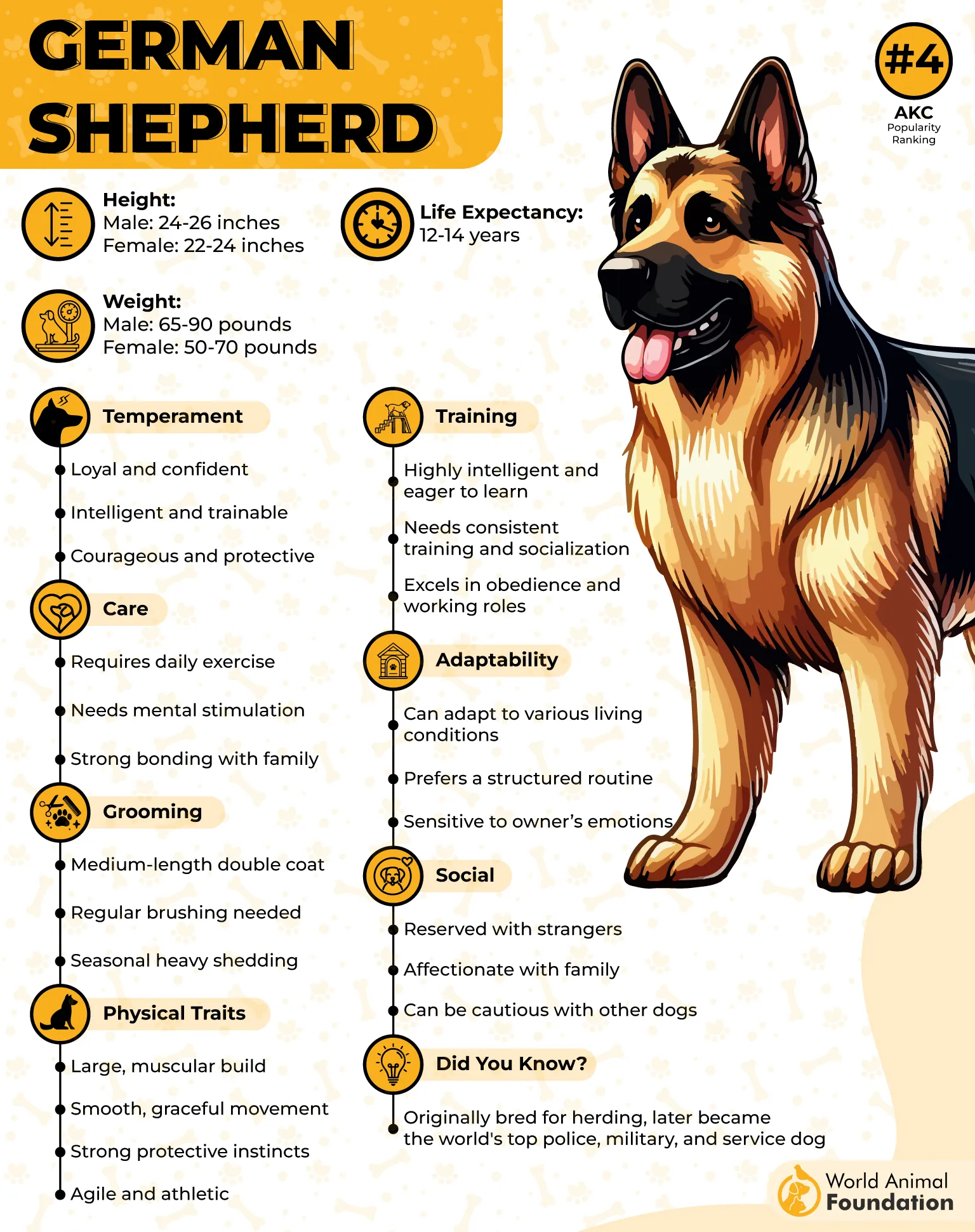
Size is one of the most immediately noticeable differences between these two dogs. The German Shepherd is already a large, powerful breed, with the supplied breed information giving a typical weight of around 50-90 pounds.
Its familiar athletic outline reflects its long history as a working and herding dog. The breed is strong and capable without being defined simply by bulk, and its physical structure has traditionally supported the agility, endurance, and movement expected of a working dog.
The King Shepherd takes that impressive scale even further. According to the supplied source, males commonly weigh between 90 and 150 pounds, while females range from 75 to 110 pounds.
Males are listed at around 26–29 inches at the shoulder, with females around 25–27 inches. The breed is described as long, strong, and imposing, with a large, boxy head, erect triangular ears, and a medium-length double coat that can be straight or curly.
Its coloring can resemble the German Shepherd, including coats with a black saddle. In appearance, therefore, the King Shepherd clearly carries its German Shepherd heritage while presenting a considerably larger overall frame.
3. Pricing & Availability
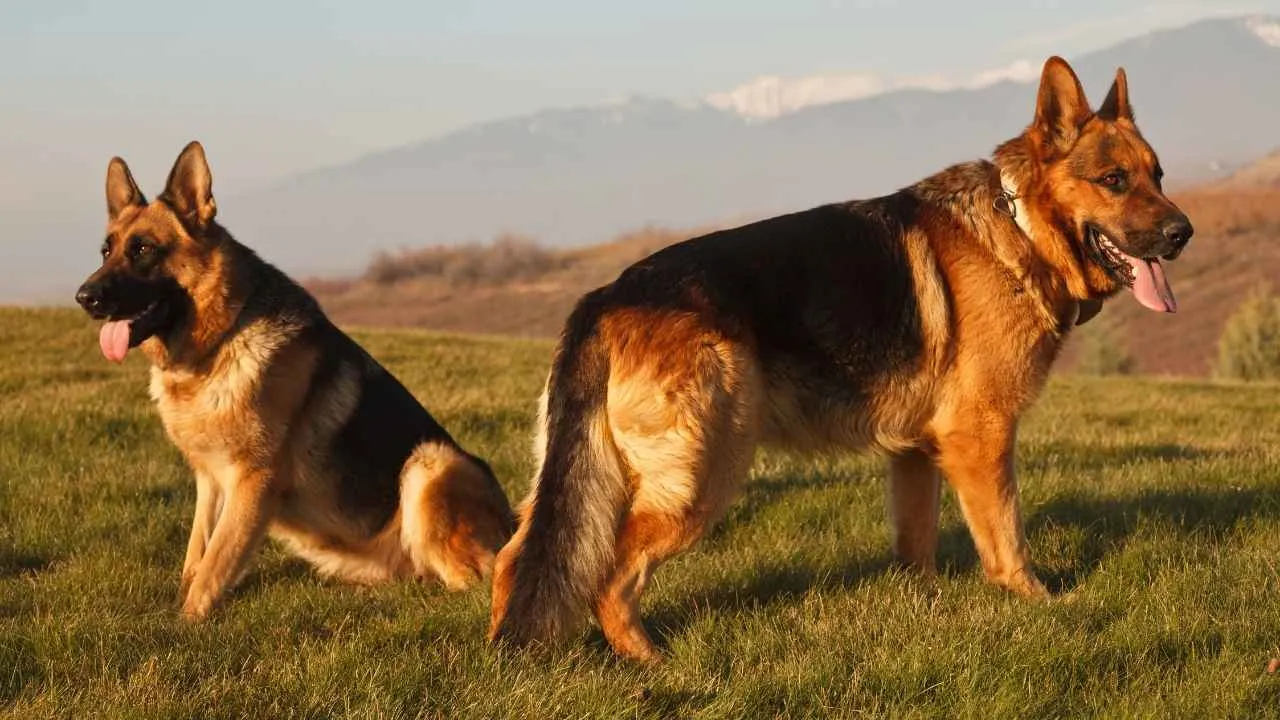
Price and availability can make the decision between these two dogs very different. German Shepherds have been established for generations and are widely recognized, which means prospective owners can encounter them through breeders, rescue centres, and breed-specific rescues.
The supplied information gives a breeder price range of approximately $2,000–$4,000 for a German Shepherd from a reputable breeder, although the exact cost can vary. Adoption can also provide a more affordable route while giving a dog another opportunity for a home.
Regardless of the route, researching breeders, health testing, socialization, and the dog’s background is important.
King Shepherds are less straightforward to find. The breed is a relatively new crossbreed that is not recognized by the American Kennel Club or other major kennel clubs, although it has gained recognition through organizations including the American King Shepherd Club.
Because the breed is less common, availability can be limited, and well-bred puppies may command a higher price.
King Shepherd puppies cost around $1,500–$3,000, while also warning that increasing popularity can attract breeders who do not carry out appropriate genetic and physical testing. For either dog, availability should never outweigh careful consideration of responsible breeding and health screening.
4. Temperament & Personality
The German Shepherd is known for a combination of intelligence, loyalty, confidence, protectiveness, and a strong work ethic. The breed is devoted to its owners and naturally protective of its family. It is not aggressive by nature, according to Pooch and Mutt.
Because German Shepherds can be cautious around strangers, early socialization and consistent training are important for helping them develop into well-mannered companions.
They are highly intelligent and enjoy having their minds challenged, which can make training rewarding but also means they may become bored when their physical and mental needs are neglected.
The King Shepherd shares many of these appealing qualities but is described in the supplied material as particularly sweet, affectionate, friendly, and loyal.
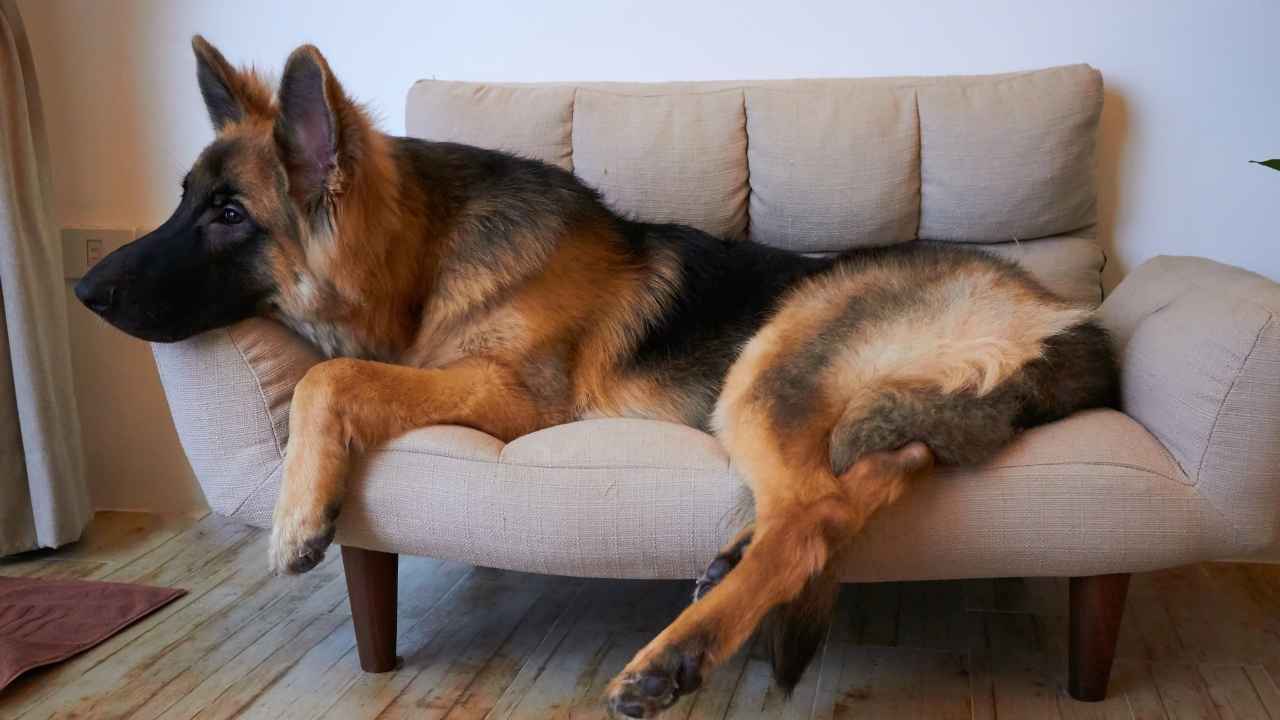
Its intelligence and eagerness to please can make it highly trainable, while its size and protective nature give it a strong presence as a watchdog. Interestingly, the King Shepherd is described as naturally non-aggressive and sometimes indifferent toward strangers, although proper socialization remains important. It can also be friendly and affectionate with children and other animals.
Overall, the comparison suggests that both dogs can form deep bonds with their families, but the King Shepherd is presented as having a somewhat calmer, more restrained personality alongside its imposing size.
5. Exercise Needs & Energy Level
Neither breed is designed for a life without activity. The German Shepherd is an energetic working dog whose intelligence and history create a strong need for both physical exercise and mental engagement.
Around two hours of exercise a day minimum for adult German Shepherds, which can include activities such as long walks, fetch, agility, and other forms of training.
Exercise is not simply about tiring the dog out; keeping an intelligent German Shepherd occupied also helps prevent boredom and unwanted destructive behaviour. Their strong work ethic means that regular challenges, training, and interaction can become an important part of everyday life.
The King Shepherd is also described as a high-energy dog, despite the supplied comparison suggesting that its working drive can be more restrained than that of some German Shepherd lines, as stated by Animal Corner. Its exercise needs should not be underestimated.
At least 60 minutes of daily exercise, along with varied activities throughout the week. Walking can be supplemented with jogging, fetch, games, and activities that encourage the dog to search for toys or treats.
With its size and energy, the King Shepherd needs owners who can provide enough room, activity, and engagement. In both cases, an active lifestyle is essential, but the amount and intensity of exercise may differ between individual dogs and lines.
6. Trainability & Obedience
When it comes to trainability, both the German Shepherd and King Shepherd bring considerable intelligence to the table, but their backgrounds and temperaments can shape the experience differently.
German Shepherds are exceptionally intelligent and highly trainable, with a strong history of working closely with people, as explained by Best Mate Dog Training.
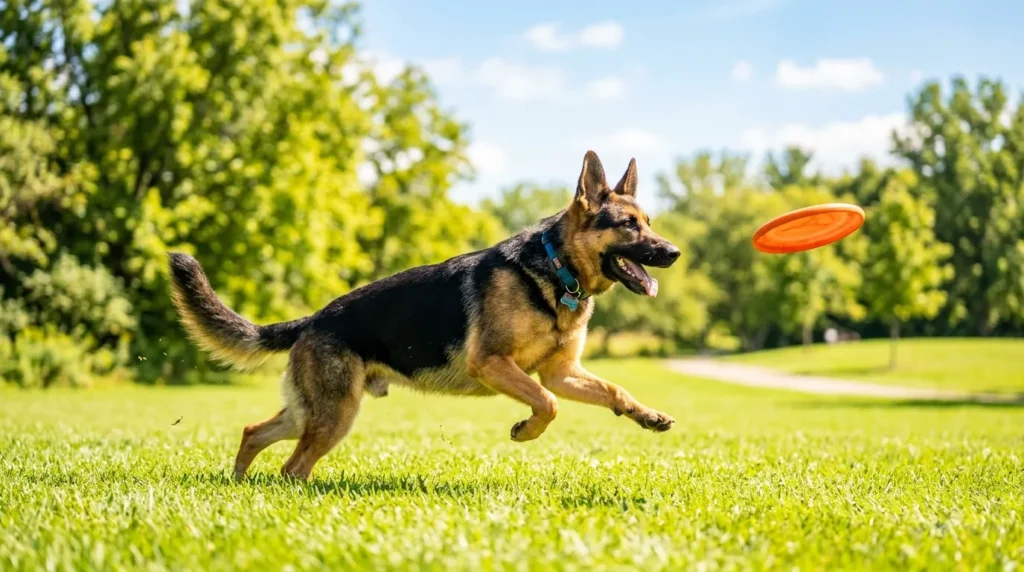
They learn quickly and can excel in obedience, tracking, herding, protection work, service roles, and other demanding activities. However, that intelligence also means they can notice inconsistencies in training.
Without clear expectations, sufficient exercise, and regular mental stimulation, a German Shepherd may become difficult to manage or develop unwanted behaviors.
King Shepherds also tend to learn commands quickly and are described as intelligent and relatively easy to train. Their calmer temperament can make them appealing to owners who want a capable dog with a more relaxed personality.
However, they are still large, energetic dogs that benefit from appropriate training and socialization. Since King Shepherds are hybrids, individual traits can vary depending on the breeds involved in their ancestry.
Ultimately, neither dog should be viewed as automatically obedient simply because it is intelligent. Consistency, structure, communication, and appropriate training remain important for both.
7. Grooming Needs & Shedding
Neither the German Shepherd nor the King Shepherd is an ideal choice for someone hoping to avoid dog hair. Both can shed heavily, making regular coat care an important part of ownership. German Shepherds have a thick, medium-length double coat, with a dense topcoat and insulating undercoat.
They shed throughout the year and experience heavier seasonal shedding, particularly during spring and fall. Weekly brushing is recommended, with more frequent brushing during those heavier shedding periods. Regular grooming can help manage loose hair, although owners should still expect plenty of fur around the home and car.
King Shepherds also have medium-length, soft coats and are known to shed frequently. Because they are hybrids, their appearance and coat characteristics can vary, but the information provided describes shedding as a significant grooming consideration.
Frequent brushing helps prevent the coat from becoming tangled or knotted and keeps loose hair more manageable.
The German Shepherd’s grooming routine generally revolves around consistent brushing and occasional bathing, while the King Shepherd likewise requires regular coat maintenance. For either breed, prospective owners should be comfortable with shedding and prepared to make brushing part of their routine rather than treating grooming as an occasional task.
8. Guarding Instincts & Alertness
Both dogs can appeal to owners looking for a loyal companion with protective instincts, but their expressions of those instincts differ. The German Shepherd has a particularly strong working and protective background.
It is naturally protective, alert, intelligent, and capable of serving as a guard dog. A well-adjusted German Shepherd may alert its family when visitors arrive while remaining composed once it determines that there is no threat.
Its combination of trainability, awareness, and protective instincts has also contributed to its long history in police, military, detection, and personal protection work.
King Shepherds share many of these qualities because German Shepherd ancestry is part of their foundation. They are described as excellent watchdogs and can alert their owners to potential problems through barking.
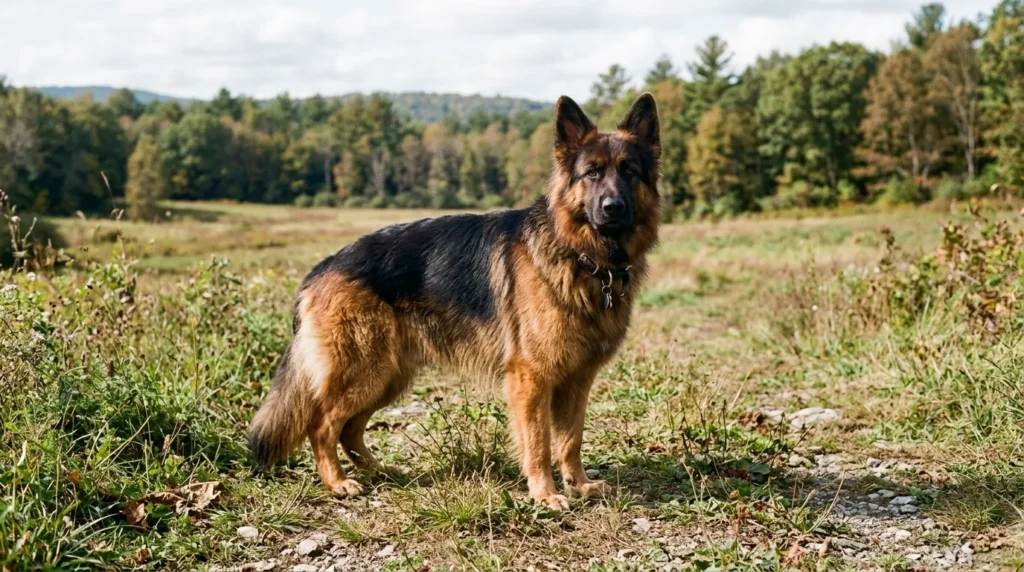
At the same time, they tend to be calmer and generally bark less frequently, particularly as they mature. Their large size and imposing appearance can also contribute to their effectiveness as watchdogs.
However, protective ability does not mean either breed should be encouraged to behave aggressively. The German Shepherd information emphasizes that a sound dog should be confident and alert rather than hostile, while King Shepherds may react aggressively when frightened or threatened. Proper training and socialization therefore remain important for both.
9. Health & Lifespan
Health and longevity are important considerations when comparing these two large dogs, particularly because their histories are different. German Shepherds have a reported life expectancy of 7 to 12 years in the provided information.
Although generally described as a healthy breed, they can be affected by several health concerns, including hip and elbow dysplasia, digestive problems, gastric dilatation-volvulus, degenerative myelopathy, allergies, thyroid problems, epilepsy, certain heart conditions, eye problems, and other diseases.
Responsible breeding and appropriate health screening can help reduce the risk of serious inherited conditions.
King Shepherds were developed with the intention of producing larger dogs while attempting to reduce some health problems associated with German Shepherds.
They are described as generally healthy, although they can still experience conditions such as joint and hip problems, eye issues, allergies, thyroid problems, von Willebrand’s disease, and bloat. Their reported lifespan is 11 to 13 years, which is longer than the German Shepherd range provided above.
Because King Shepherds are hybrids, their characteristics can vary depending on their ancestry. Regardless of breed, routine veterinary care and attention to changes in a dog’s health remain important throughout its life.
10. Which Loyal Protector Is Right for You?
The better choice between a German Shepherd and a King Shepherd ultimately depends on what you want from life with a large, intelligent, protective dog.
A German Shepherd may suit someone who appreciates a highly driven working companion and is prepared to provide consistent training, vigorous daily exercise, mental stimulation, and clear structure.
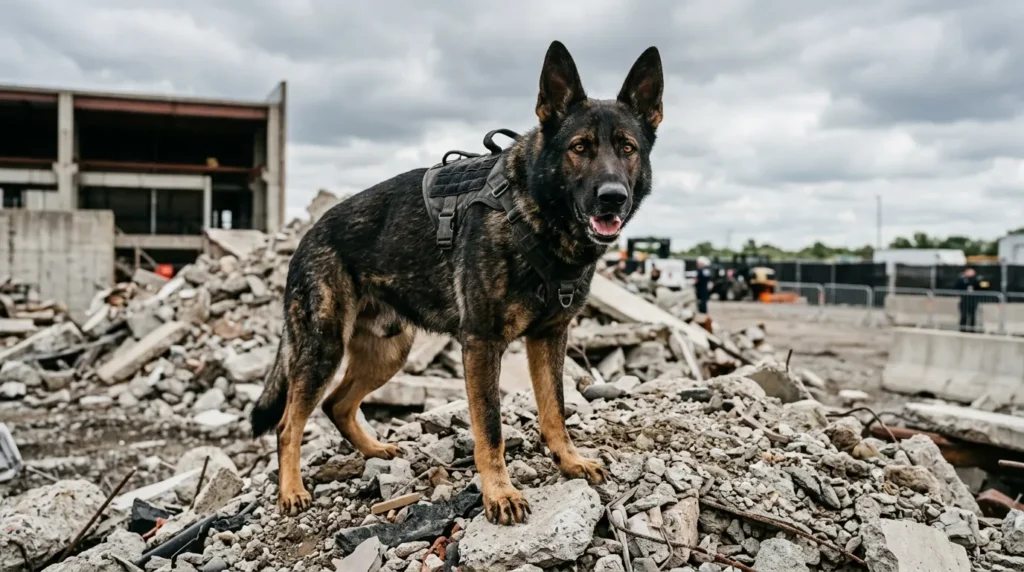
This breed can be deeply loyal and devoted to its family, but its intelligence and energy also mean that it is not a low-maintenance companion. It may become frustrated or destructive when its physical and mental needs are neglected.
A King Shepherd may appeal more to someone drawn to the German Shepherd look and qualities but interested in a typically larger, heavier dog with a calmer temperament as it matures.
It can be affectionate, social, intelligent, protective, and relatively quiet, while still enjoying play and outdoor activity. However, its considerable size means that space, grooming, exercise, and feeding requirements should be taken seriously.
Neither breed should be chosen solely because it looks impressive or protective. The right match depends on whether you can consistently provide the training, companionship, exercise, grooming, and care the dog needs.
Conclusion
German Shepherds and King Shepherds may share a familiar appearance and many of the same admirable qualities, but living with either breed comes with meaningful responsibilities. The German Shepherd stands out for its intelligence, loyalty, alertness, and strong working drive, making it a devoted companion for an owner who can provide consistent training, exercise, and mental stimulation.
The King Shepherd offers many similar qualities while typically being larger, heavier, and more relaxed as it matures. However, its size also brings greater demands for space, grooming, exercise, and food.
Neither dog should be chosen simply for its impressive appearance or protective nature. Both need responsible care, clear training, and companionship to thrive. Ultimately, the right choice comes down to your lifestyle and what you can realistically provide.
If you want a highly driven working partner, the German Shepherd may appeal more; if you prefer a larger, generally calmer companion, the King Shepherd could be the better fit.
