




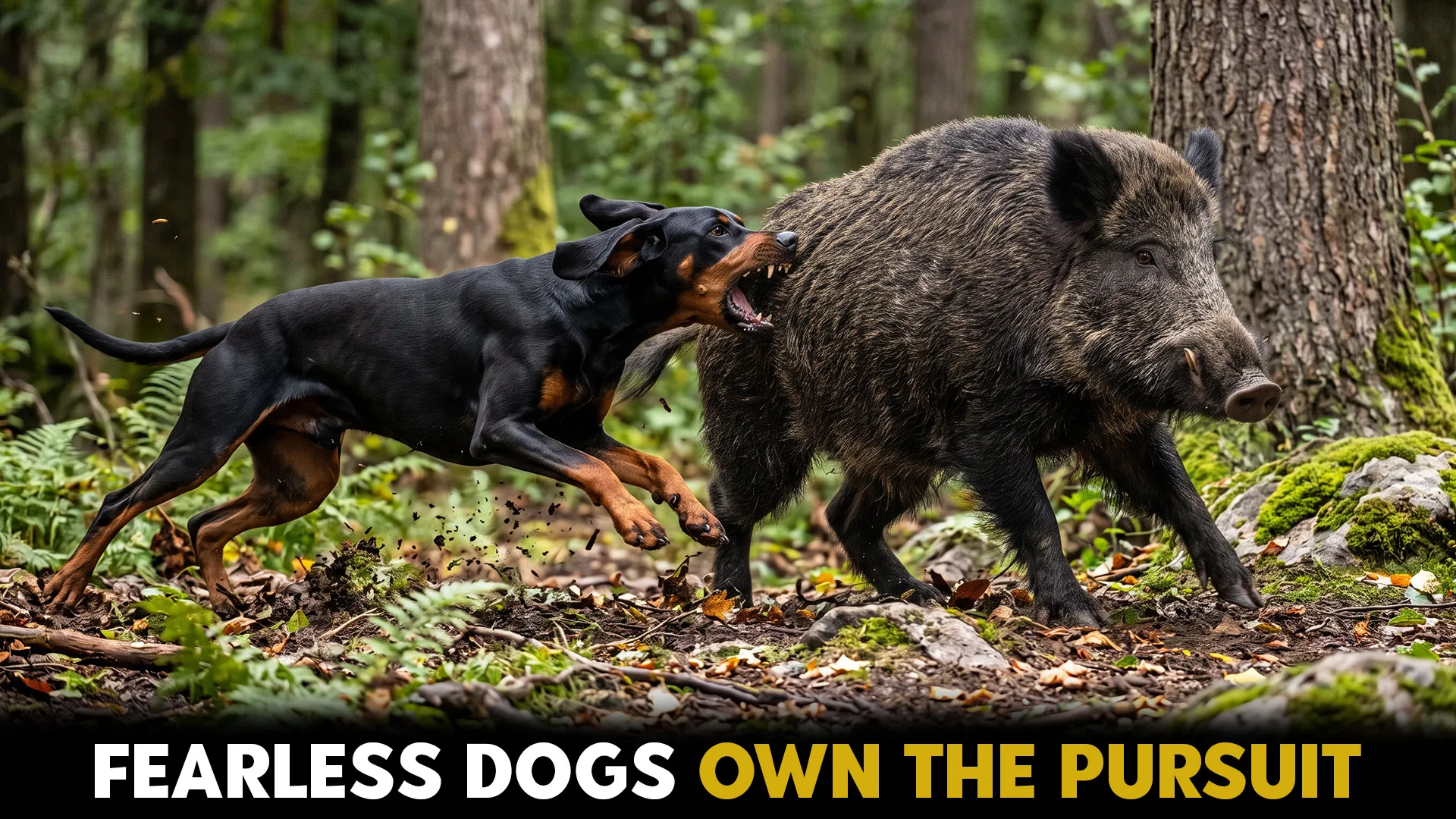
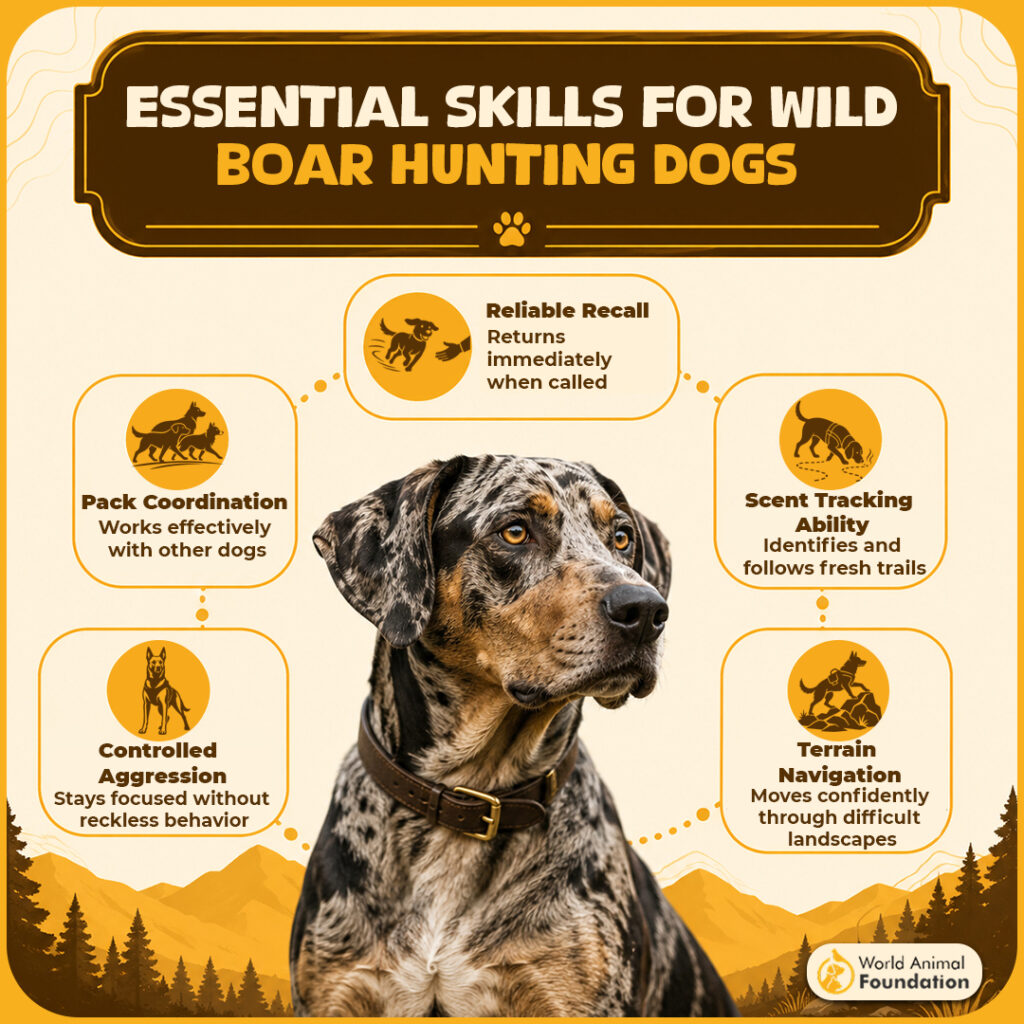
A wild boar is not an easy animal to follow, corner, or control. It is strong, quick, and unpredictable when pressured. That puts very different demands on a dog than an ordinary walk around the neighborhood.
The best dog breeds to hunt wild boars with confidence and precision tend to have a useful mix of scenting ability, stamina, courage, athleticism, and determination. Some follow a trail through thick vegetation. Others locate and bay quarry, while powerful catch dogs have historically been used for more direct work.
That does not mean every dog on this list performs the same job. Their strengths vary, and good training matters just as much as instinct. Here are seven powerful breeds whose working qualities make them worth considering for wild boar hunting.
Best Dog Breeds to Hunt Wild Boars With Confidence and Precision
1. Plott Hound
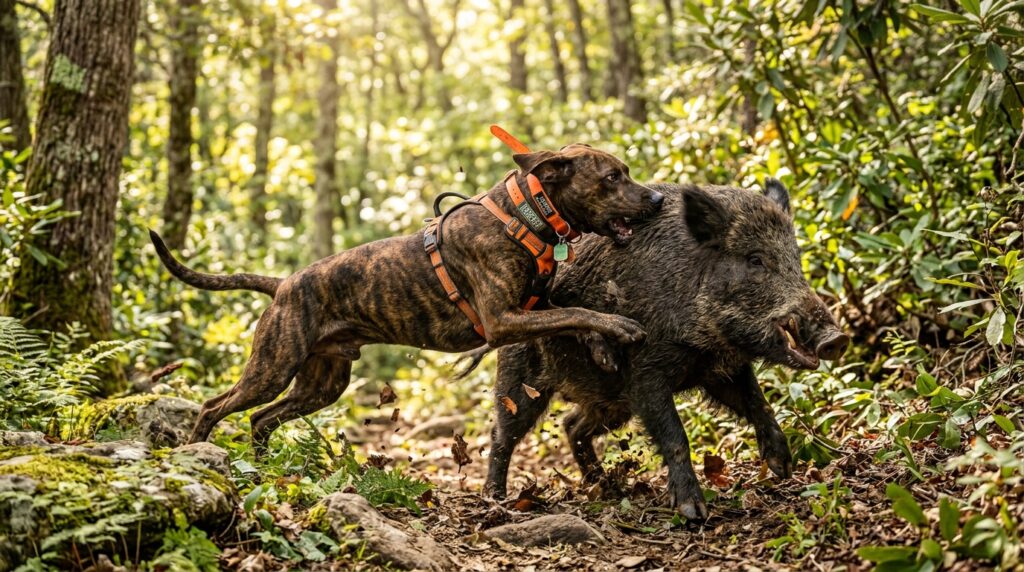
The Plott Hound seems to have a nose pointed toward trouble. This breed is a great fit for hunting wild boar because courage, endurance, and determination are part of its working history.
The Plott is North Carolina’s state dog and descended from German Hanover hounds brought to the state in the 18th century. Its ancestors were developed for hunting bear, while the modern breed has also been used against wild boar.
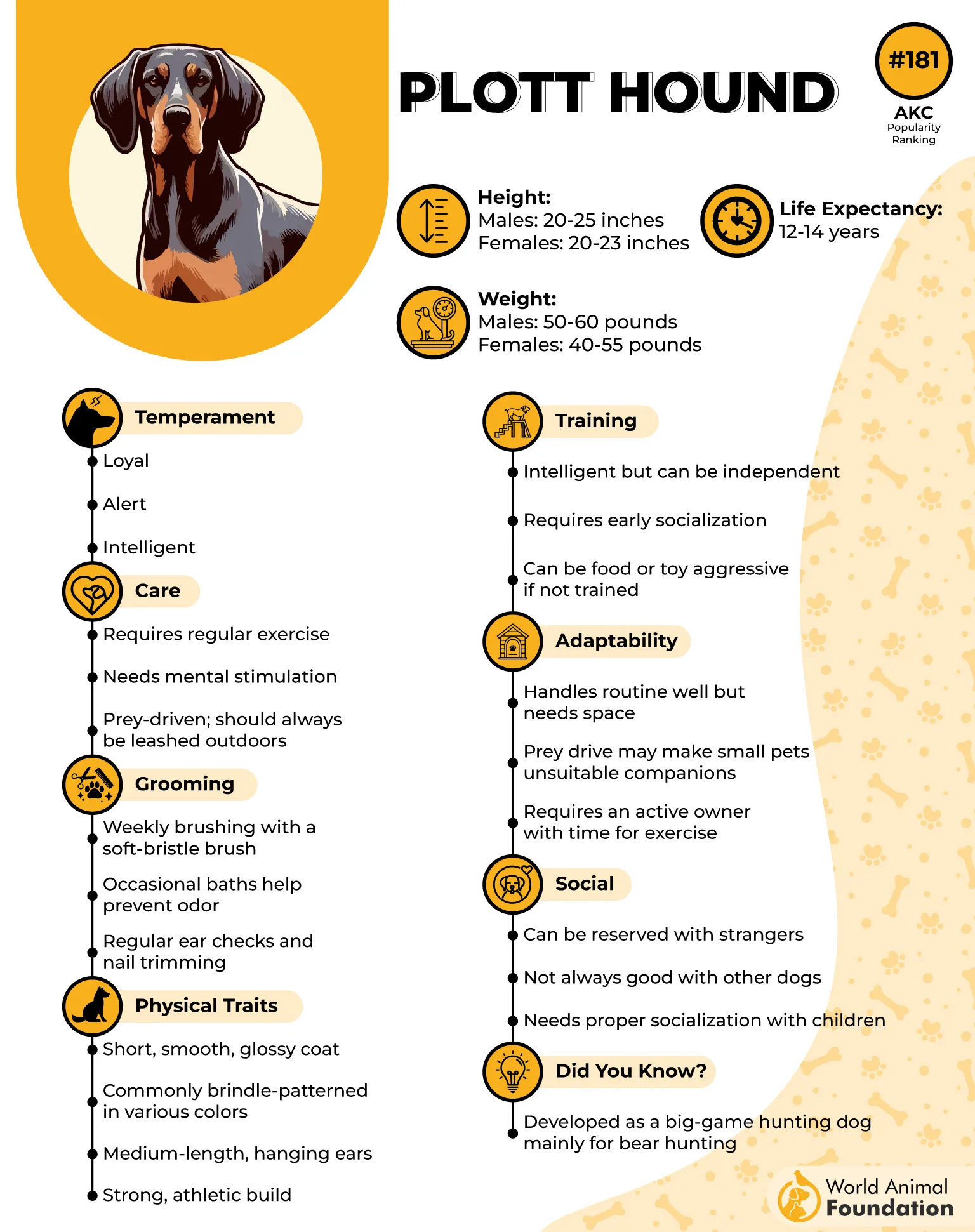
PetMD describes the Plott as confident, intelligent, determined, bold, and fearless. Its scenting ability helps it stay with a trail when quarry disappears into dense forest or thick vegetation. Its athletic build also suits difficult ground and long periods of activity.
Unlike a dog valued mainly for speed, the Plott brings persistence to the job. That combination explains why it remains one of the more relevant dog breeds for demanding hunting work.
Training and Handling Needs
A Plott needs early socialization, consistent obedience, and plenty of daily exercise. Its hunting instincts make dependable recall especially important.
Training should be firm but fair, with enough mental work to keep this intelligent hound engaged.
2. Catahoula Leopard Dog
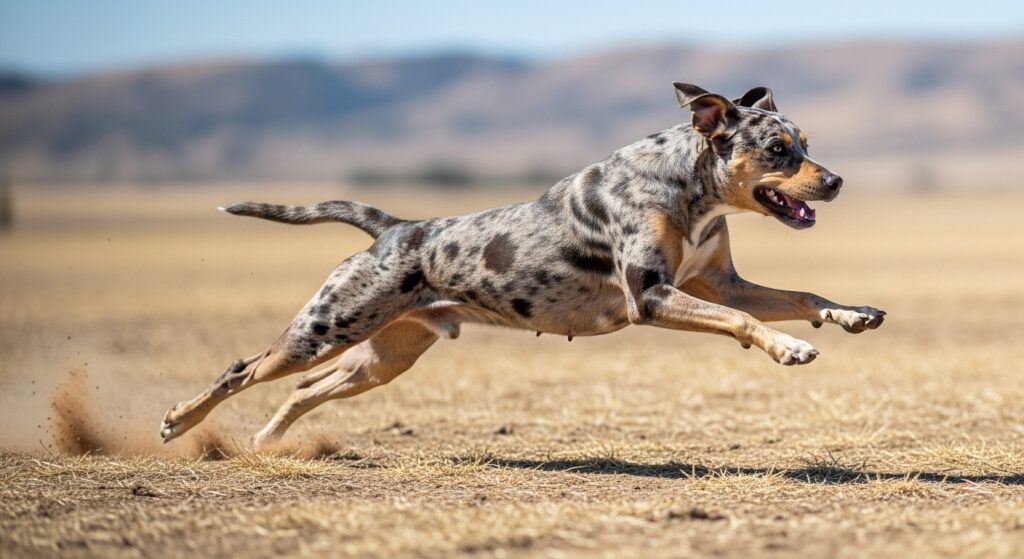
Put a Catahoula Leopard Dog in a demanding environment, and its working personality quickly makes sense. This breed is a strong choice for hog hunting because it combines athleticism, intelligence, confidence, and determination.
The Catahoula developed in Louisiana as a versatile working dog, with a history involving hunting and livestock work. Its agility helps it navigate difficult ground. Its alert nature keeps it tuned into movement around it.
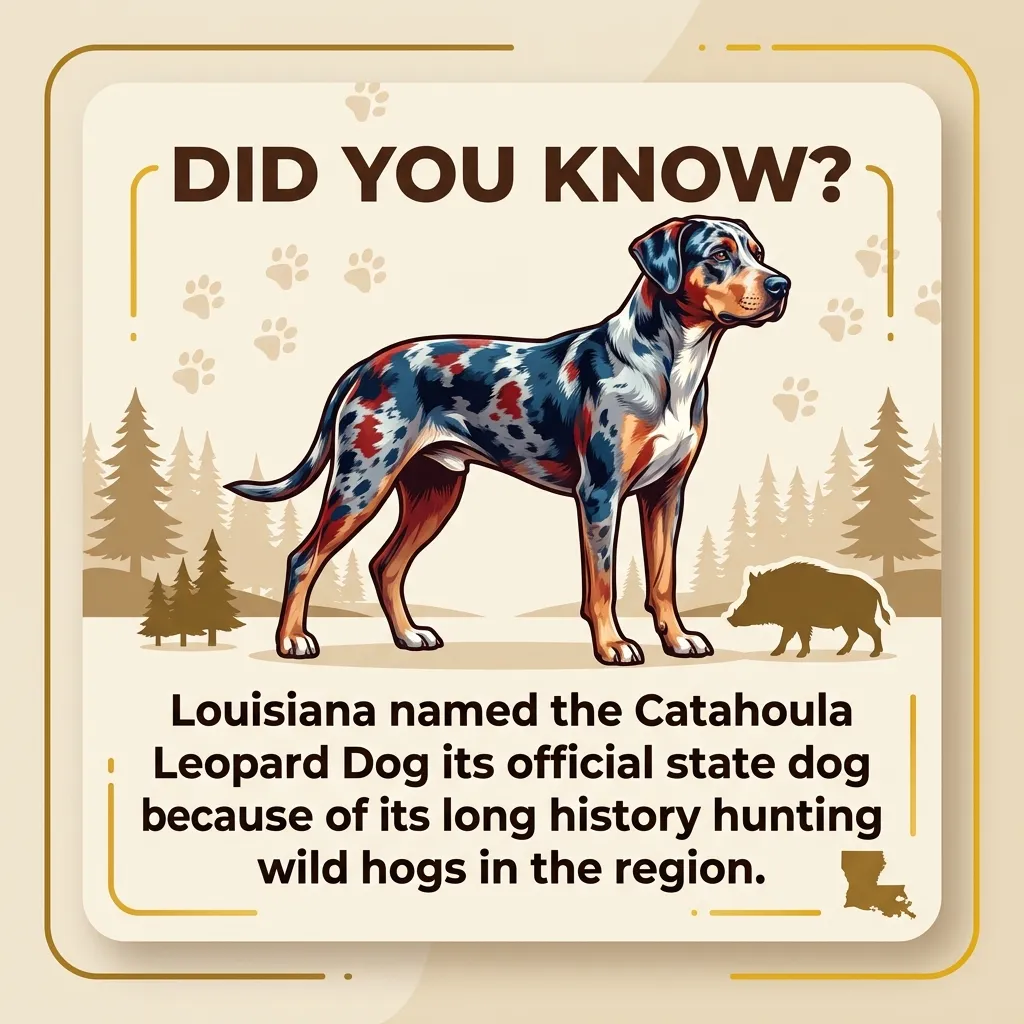
Catahoulas are often associated with bay dogs, which locate and pressure quarry while maintaining some distance. That requires more than raw bravery. The dog needs enough judgment to work without rushing blindly into danger.
Its distinctive coat and unusual eyes give this serious worker plenty of personality, too. Underneath that eye-catching appearance is an energetic dog that thrives when given a meaningful task.
The breed's versatility is its biggest attraction. It can work across changing conditions instead of being limited to one narrow role.
Training and Handling Needs
Catahoulas need early socialization, reliable obedience, and regular physical activity. Their intelligence makes them quick learners, but their independent streak calls for patient, consistent handling.
They are better suited to experienced, active dog owners than people looking for an easygoing companion.
🎧 Dogcast
Episode 37 — Why Dogs Stay Close without Touching
If you don't hear sound, tap the button above to enable audio.
3. Bloodhound
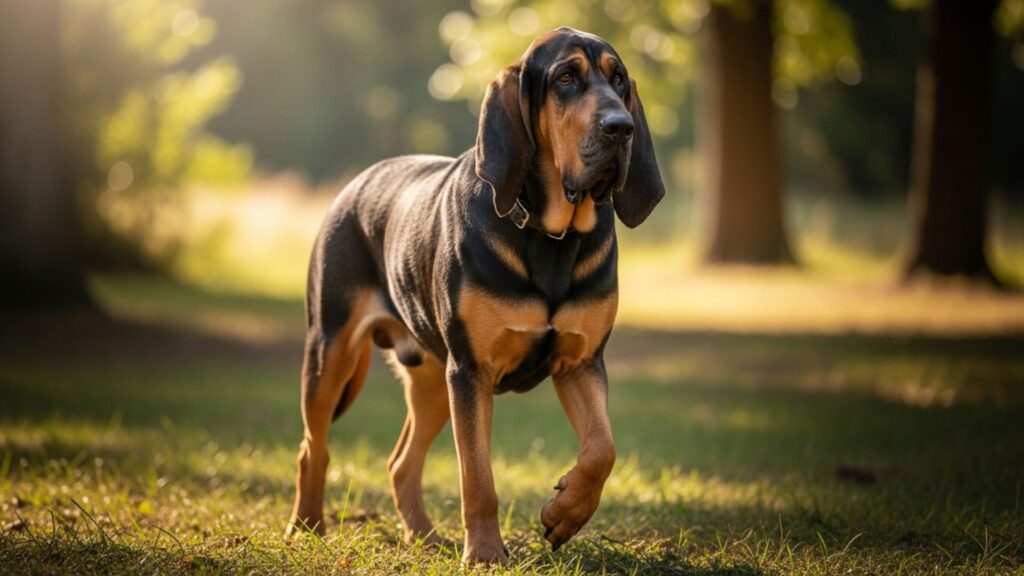
A Bloodhound does not need much encouragement once its nose finds something interesting. This breed is a great fit for tracking work because its extraordinary scenting ability and persistence can keep it following a trail long after humans have lost it.
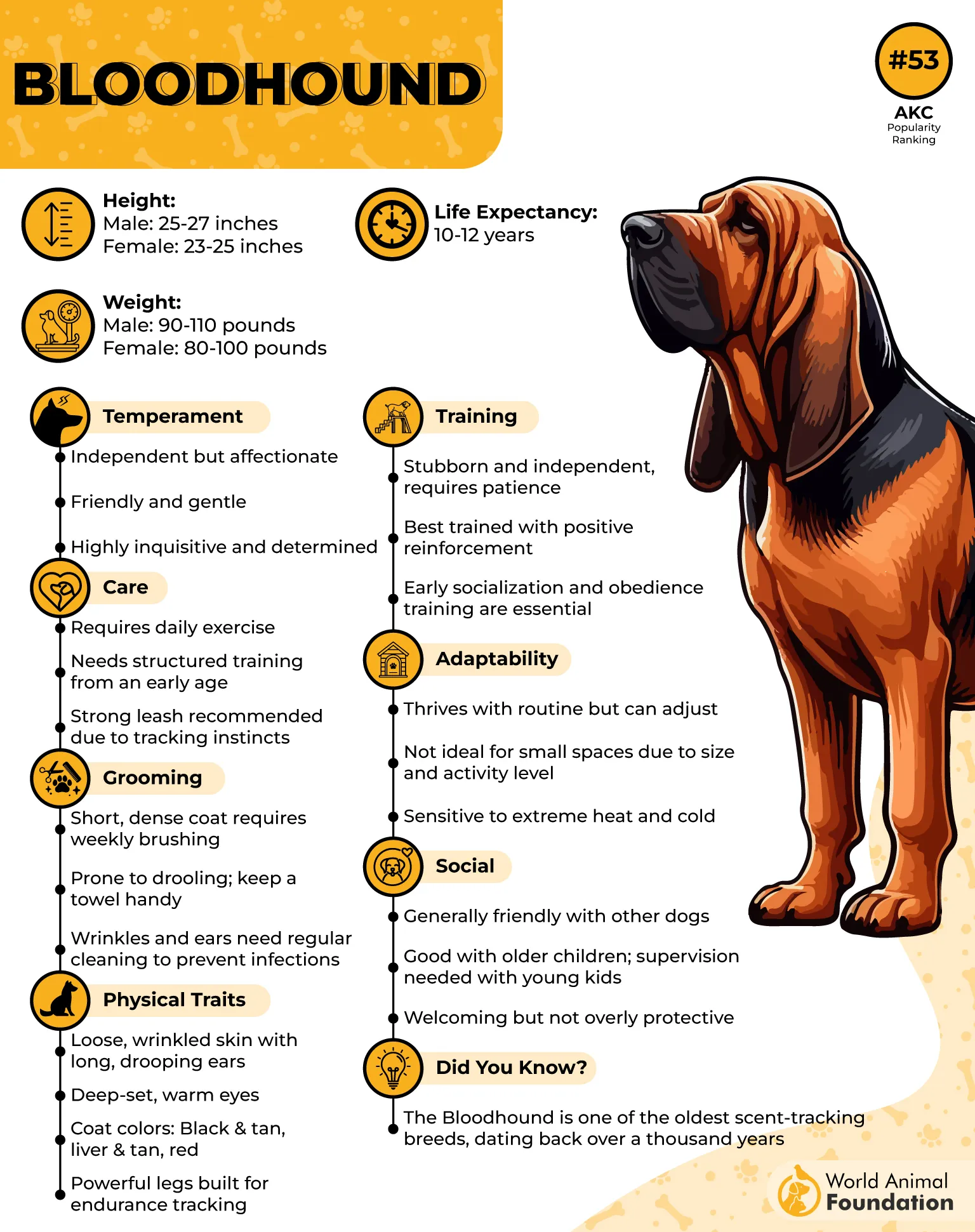
Bloodhounds historically followed deer and wild boar over long distances. Their exceptional tracking ability later made them valuable as search and rescue dogs and in law enforcement.
That background makes the Bloodhound especially useful when finding quarry matters more than chasing it at speed. It can work through complicated ground while staying focused on scent.
This is not the breed to choose if you want a powerhouse catch specialist. Its real talent is tracking. That distinction matters when comparing certain dog breeds for hunting work.
And yes, the droopy face is adorable. The nose underneath it is anything but lazy.
Training and Handling Needs
Bloodhounds require patient obedience work and dependable recall. Their scent drive can easily take over when an interesting trail appears.
Early socialization, secure management, regular exercise, and calm repetition help keep this independent tracker responsive to its handler.
4. Redbone Coonhound
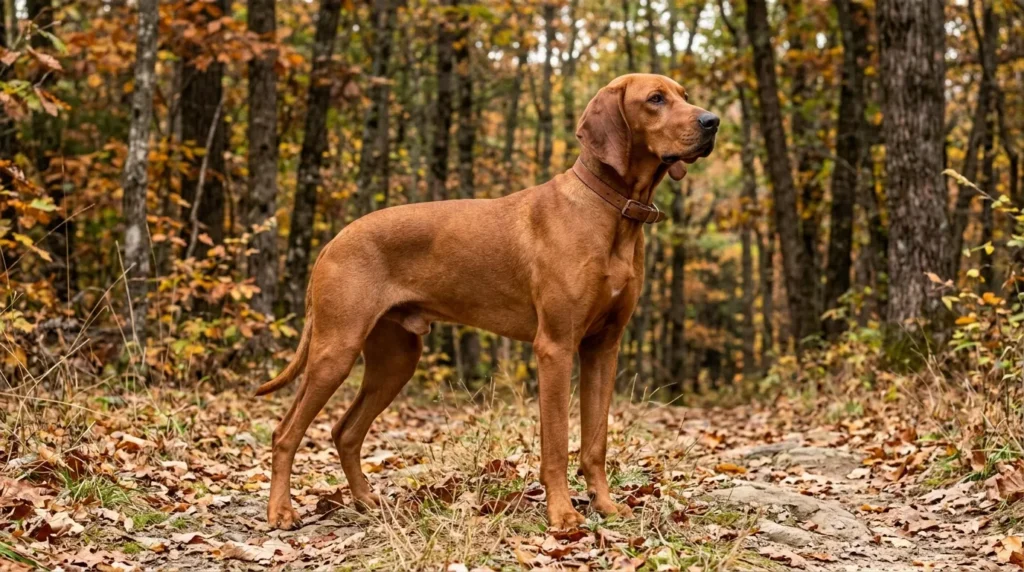
The Redbone Coonhound brings speed and stamina without losing that classic hound determination. This breed is a great fit for demanding outdoor work because it can cover difficult ground while staying focused on scent.
Redbone is fast, agile, and tenacious. It can travel across lowlands and steep, rocky hills and has the ability to pick up very old trails.
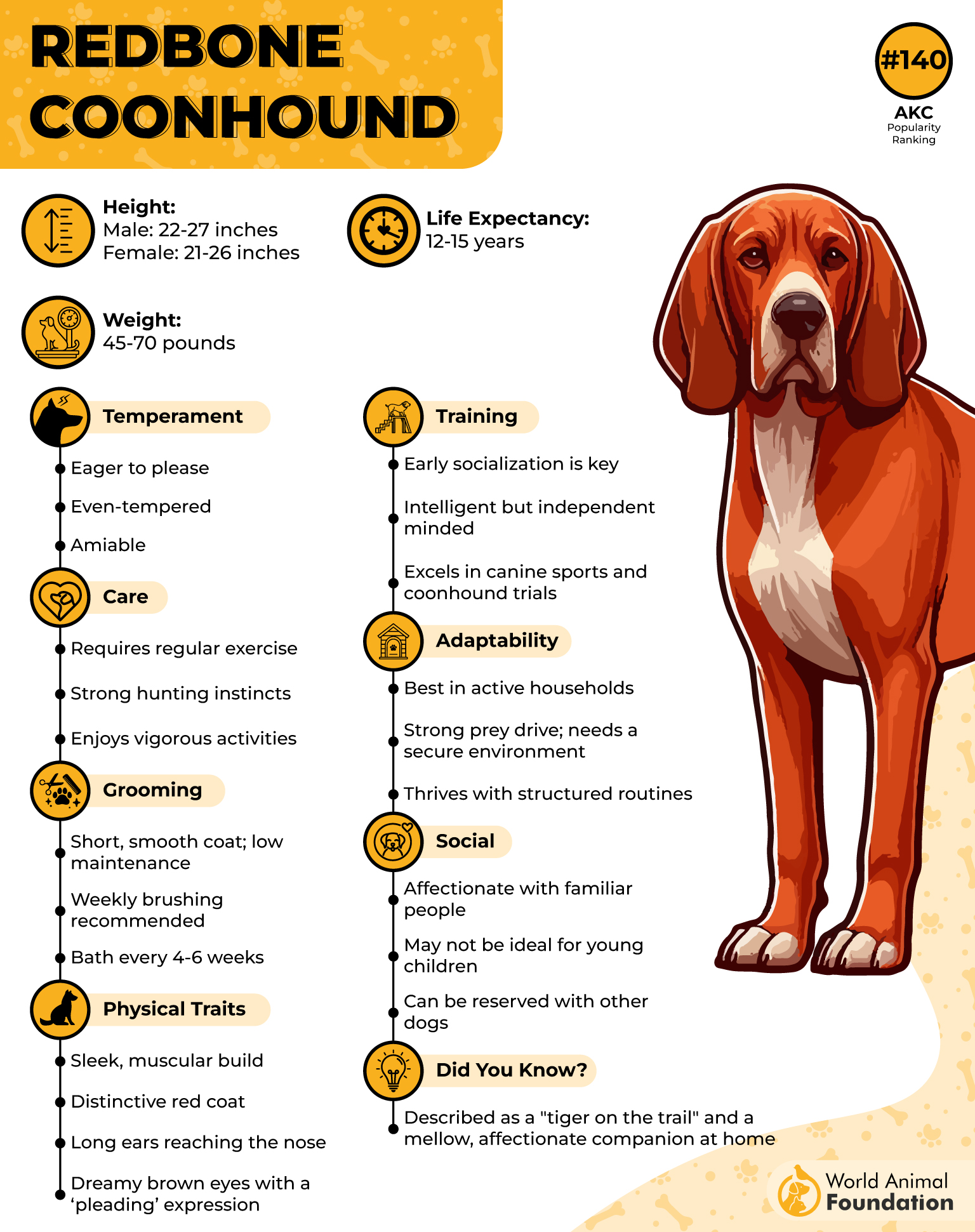
Those qualities matter when a trail crosses mixed terrain or disappears into heavy cover. The breed's athletic frame supports sustained activity, while its scenting ability helps it stay connected to quarry.
The Redbone was developed in America from red Foxhound-type dogs and other hunting stock. It became a versatile hunting companion rather than a single-purpose specialist.
Its rich mahogany coat gives this serious worker a polished appearance, but the personality underneath is all business when a trail begins.
Training and Handling Needs
Redbones respond best to patient, consistent training and early socialization. Their scent drive makes recall important, particularly outdoors.
They also need regular exercise and mental stimulation to channel their energy into useful work rather than household mischief.
5. Black and Tan Coonhound
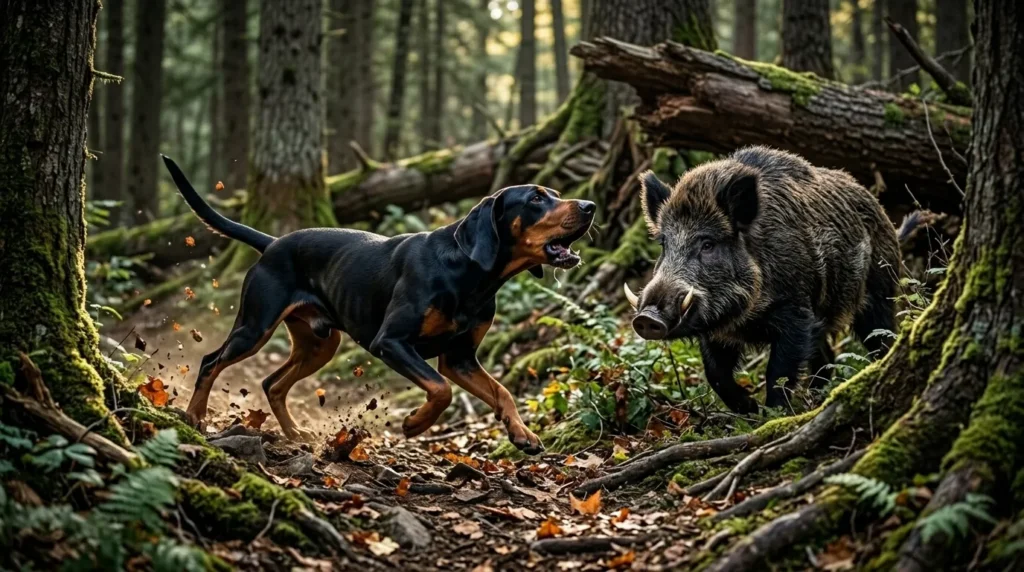
The Black and Tan Coonhound has a nose that takes its job very seriously. This breed is a great fit for tracking-focused hunting because it combines scenting ability, endurance, athleticism, and determination.
WebMD calls the breed a large, athletic hunter with a history of working at night. It developed from American hunting hounds, including Bloodhound and Foxhound ancestry. This hunting dog was used to track quarry by scent.
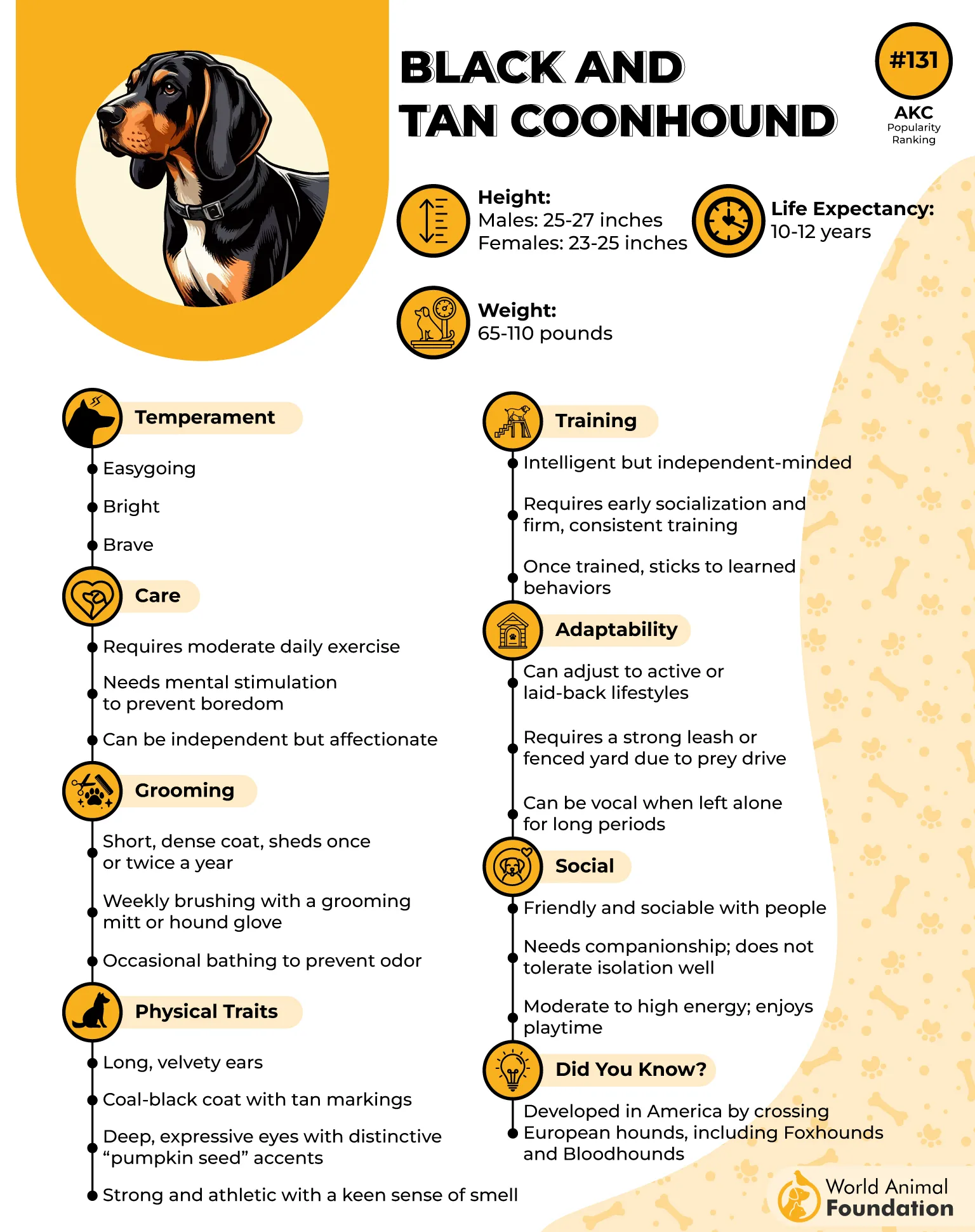
It is not primarily a specialist hog dog, so its value should be understood correctly. Its strength lies in tracking and pursuing scent rather than being automatically suited to confrontation with a boar.
That makes its working style different from powerful catch-oriented breeds. For an experienced handler, however, its endurance and scenting ability can be useful when following game through woodland and difficult cover.
At home, this formidable-looking hound is known for being friendly and easygoing. On a trail, that sleepy expression suddenly disappears.
Training and Handling Needs
Black and Tan Coonhounds need regular physical and mental exercise, early socialization, and consistent obedience training. Their independent scenting nature makes recall essential. Calm, patient handling is preferable to harsh corrections.
6. Dogo Argentino
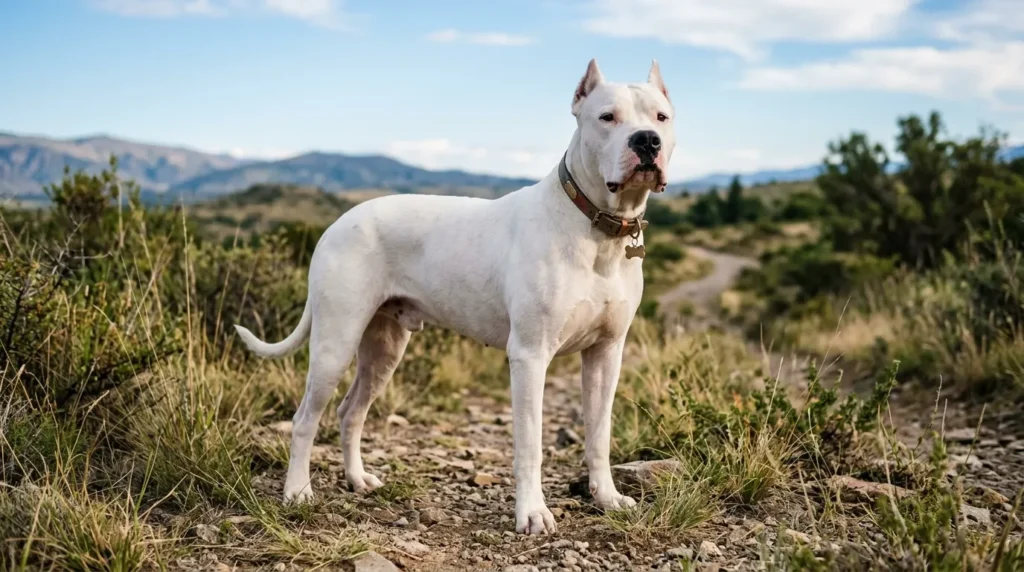
The Dogo Argentino brings a completely different kind of power to the field. This breed is a great fit for demanding wild hog hunting because it was developed in Argentina for pursuing large and dangerous game.
The breed was created by Antonio Nores Martinez and developed from several breeds to produce an athletic hunting dog with strength, endurance, and courage.
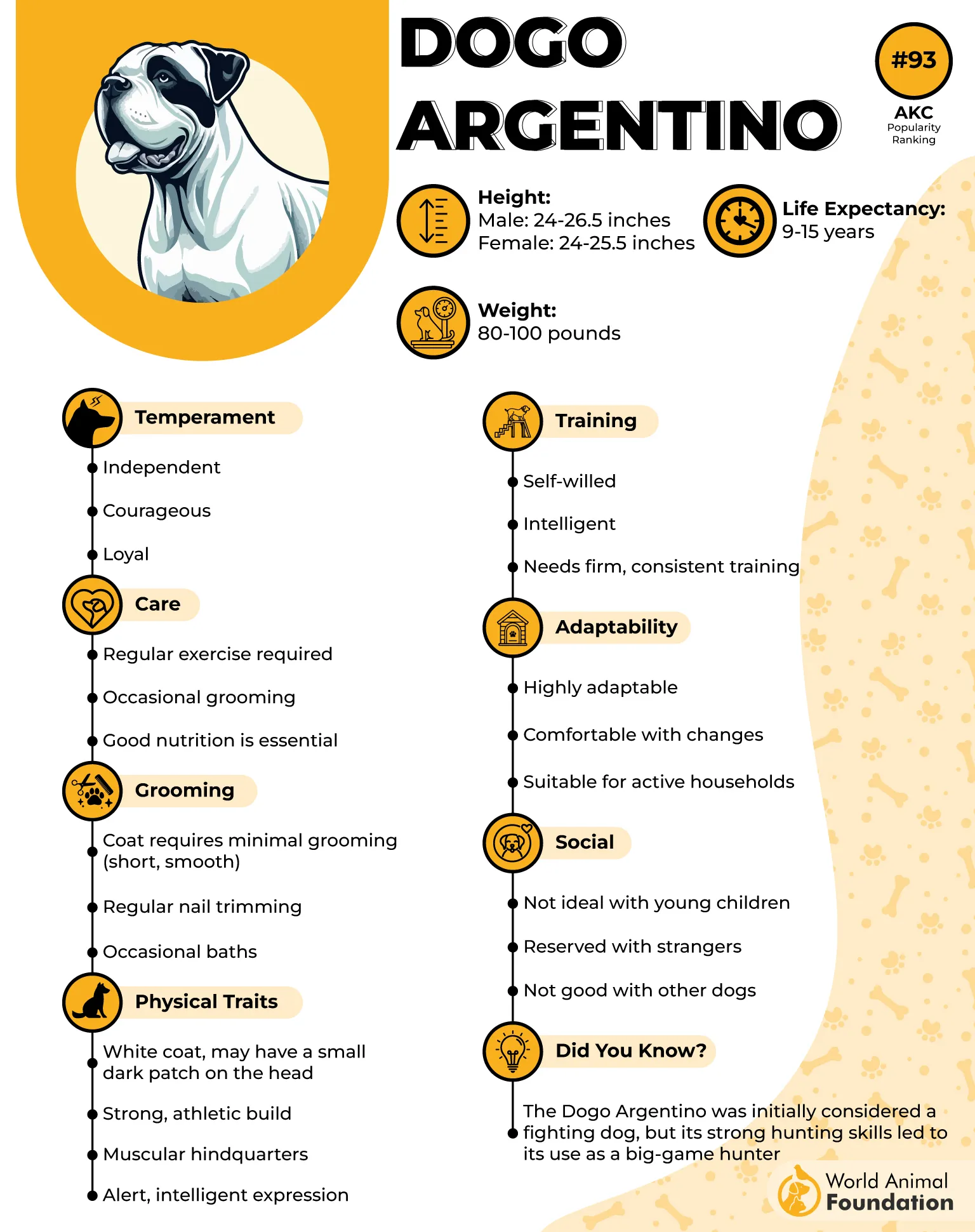
Its muscular build and determined temperament distinguish it from scent hounds whose primary job is to locate and trail. The Dogo has historically been associated with hunting large quarry and direct catch work.
That strength comes with serious responsibility. A powerful dog cannot simply be released and expected to make good decisions around dangerous animals. The risk of injury is real for both the dog and the hunter.
Its short white coat is relatively simple to maintain, which is convenient after an exhausting day outside.
Training and Handling Needs
The Dogo needs early socialization, structured obedience, and an experienced handler. Its physical strength makes reliable control essential.
Regular exercise and clear boundaries should start early, while any field work should be approached with appropriate safety equipment and veterinary preparation.
7. Airedale Terrier
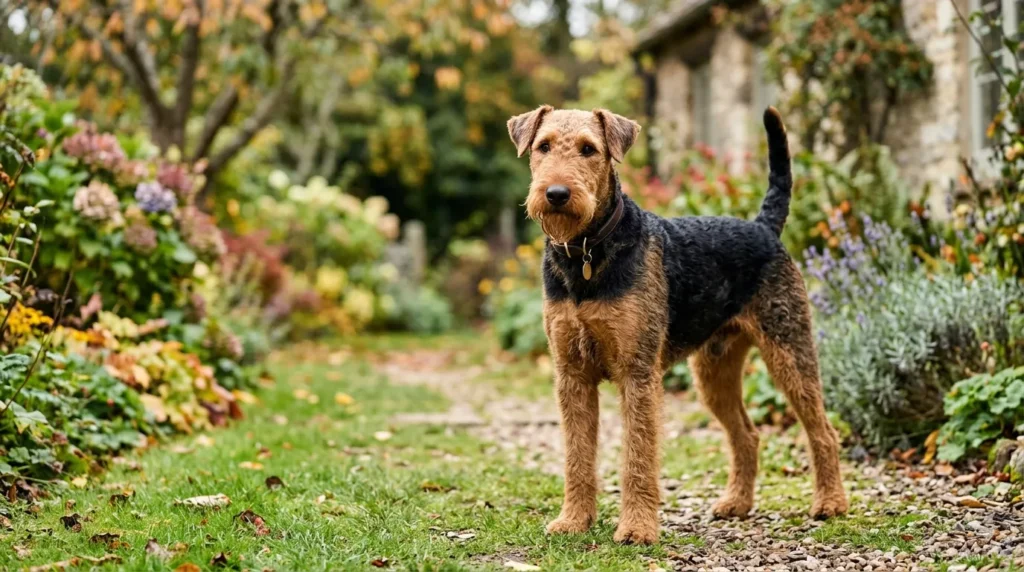
The Airedale Terrier proves that a dog does not need enormous size to bring plenty of attitude to the field. This breed is a great fit for active hunting work because it combines intelligence, courage, athleticism, and classic terrier determination.
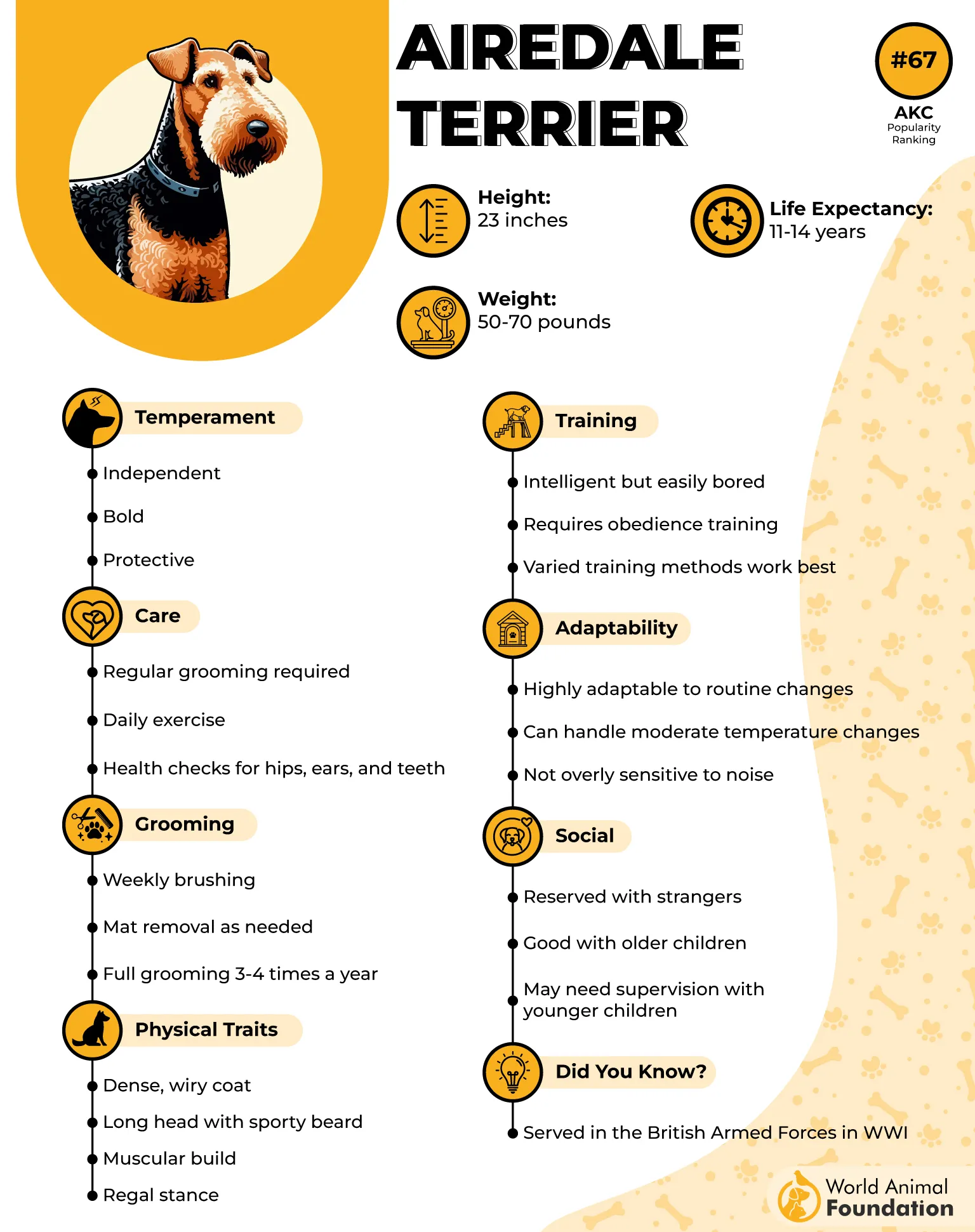
The Airedale is the largest terrier breed. Orvis notes that terriers were generally bred to hunt vermin and protect homes or barns, and describes the group as energetic, determined, and sometimes stubborn.
The Airedale's versatility is one of its biggest strengths. It has a long working history and enough athletic ability to handle demanding outdoor activity. Its terrier instincts also give it plenty of confidence when investigating movement and unfamiliar situations.
It is not a dedicated boar specialist, so its strengths should not be exaggerated. Think versatility, intelligence, energy, and grit rather than sheer physical power.
Its wiry coat adds another practical consideration. After a day in vegetation, burrs and debris may need attention.
Training and Handling Needs
Airedales need engaging training because a bored terrier is rarely a peaceful terrier. Early socialization, obedience, and regular exercise are important.
Consistent rules help manage their independent streak, while active work gives their energy somewhere useful to go.
Conclusion
The right hunting companion depends on what you need from the dog. There is no magical answer for every hunter, and choosing between several breeds should never come down to appearance alone. Look at temperament, training needs, fitness, working style, and your own experience.
A capable dog is impressive in the field, but a well-trained dog that knows when to listen is even more valuable. Good preparation gives both of you a much better chance of coming home safely after a demanding day outdoors.
