




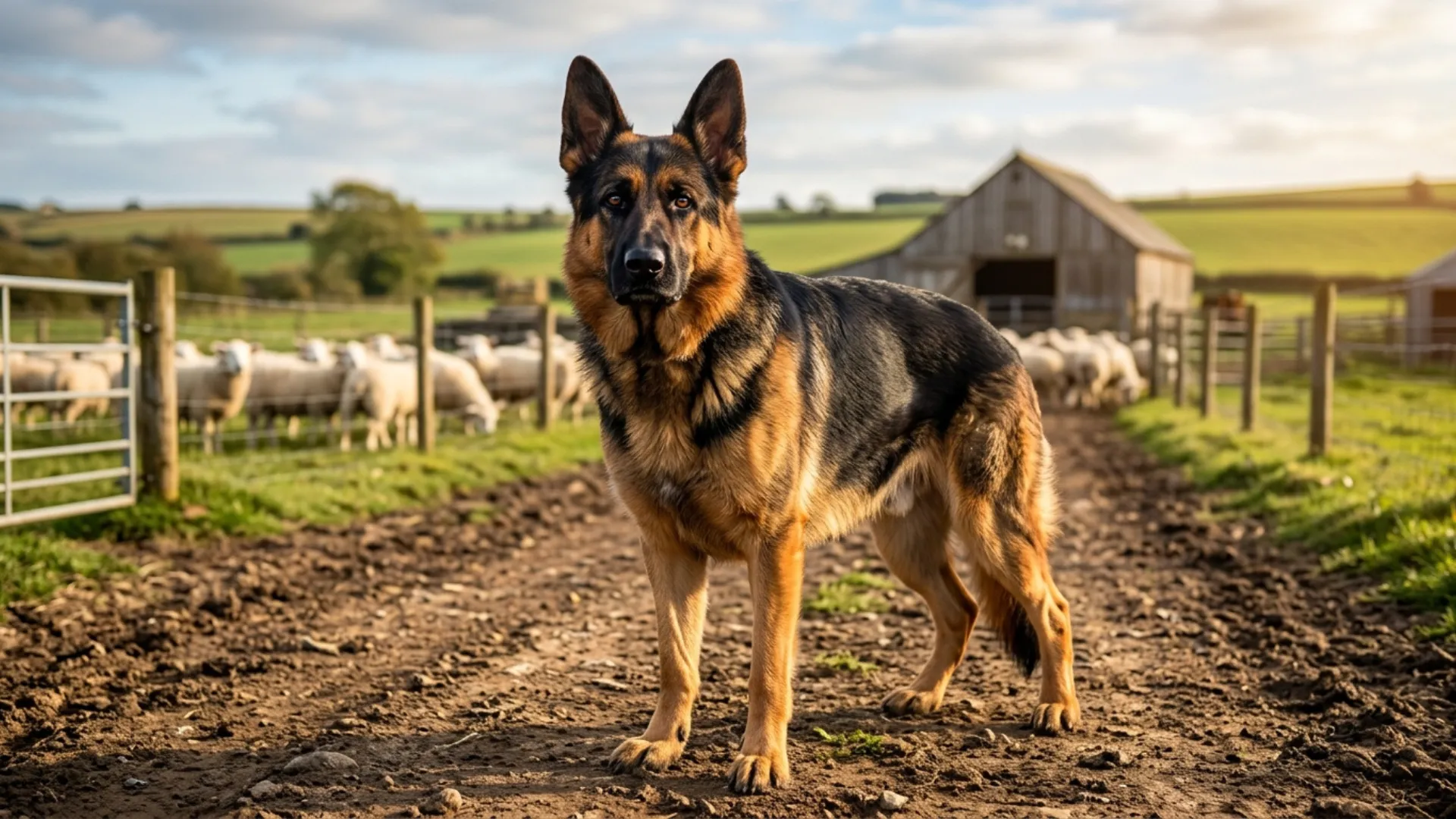
Picking a herding dog isn’t like picking other breeds; it’s not just about finding the most athletic dog on paper. A truly good herding dog needs the right blend of instinct, responsiveness, stamina, and confidence, plus something even more important: the ability to work around livestock without causing chaos.
It also helps to know that herding styles vary quite a bit from breed to breed, since each one was originally developed for a different kind of job. Some breeds drive cattle by nipping at their hindquarters, others work in close coordination with a handler, and some are confident enough to make their own calls out in the field.
Whether you’re looking for a working dog to help manage farm animals, handle ranch work, or take on serious herding duties, here are seven breeds worth knowing about, each bringing its own particular strengths to the table.
One last thing to keep in mind as you weigh your options: when it comes to choosing the right breed, compatibility is everything for both the dog and the owner.
Top Herding Dog Breeds for Livestock and Farm Work
1. Australian Shepherd
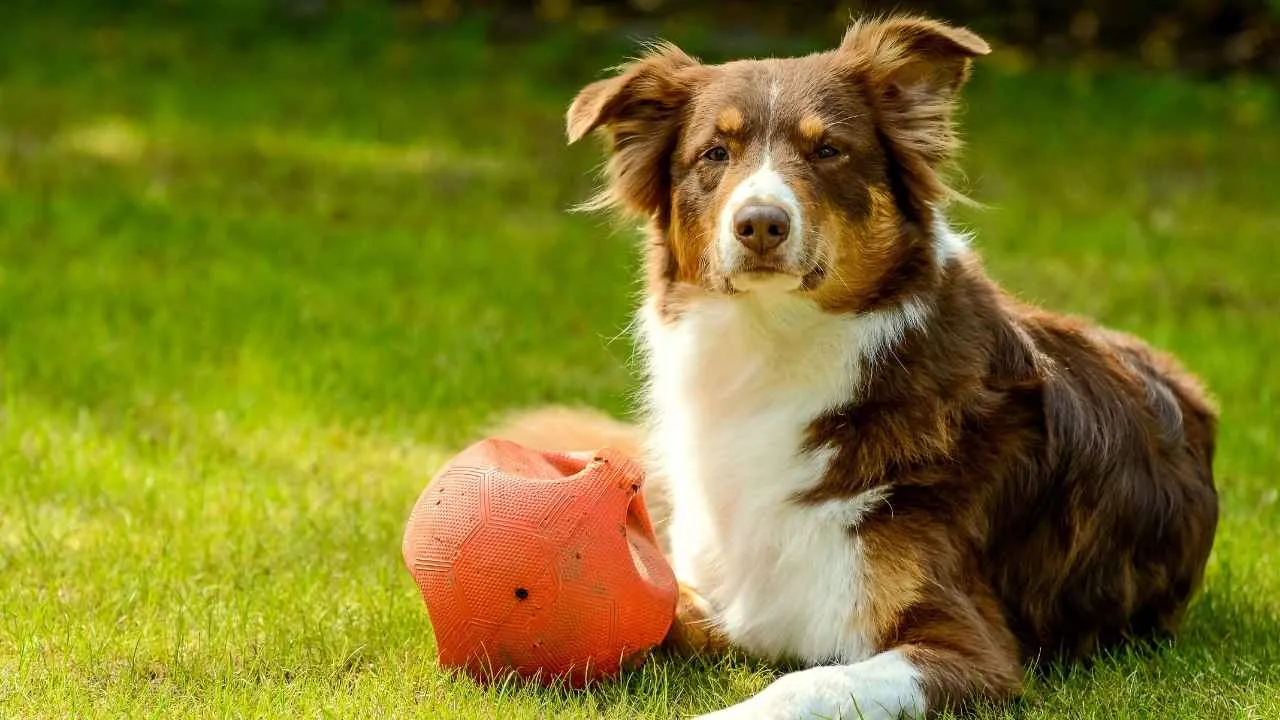
The Australian Shepherd is a great fit for owners who want a true working partner on the ranch; not a dog that only shows up for the job when it feels like it.
Here’s a fun fact: despite the name, the Aussie is actually an American breed, developed right here in the USA. Ranchers came to rely on them heavily for herding and guarding flocks, and that hard-earned trust says a lot about the breed.
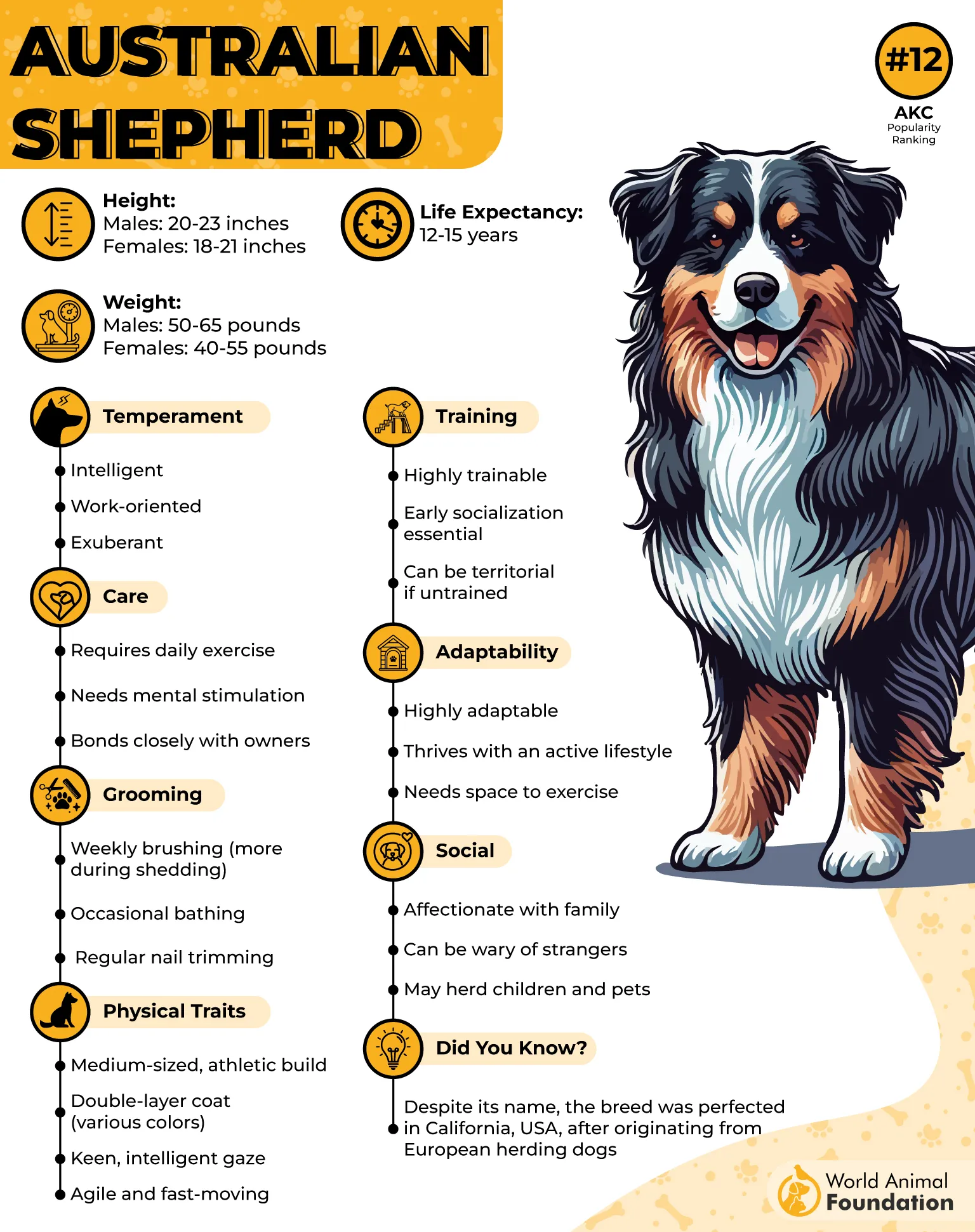
Stamina is where Aussies really shine. A well-trained one can power through a demanding day of work and then still have energy left over for farm chores, agility, or obedience training. They’re also incredibly responsive, which makes them ideal when a handler needs the dog to turn on a dime or switch tactics mid-task.
The flip side? In a home without a job to do, that same drive and intelligence can become a real handful. If you’re bringing an Aussie into your life for herding work, just be ready to give that brain and body the outlet they need.
Ideal for: Active farms and ranches that need a versatile, handler-oriented working dog.
2. German Shepherd Dog
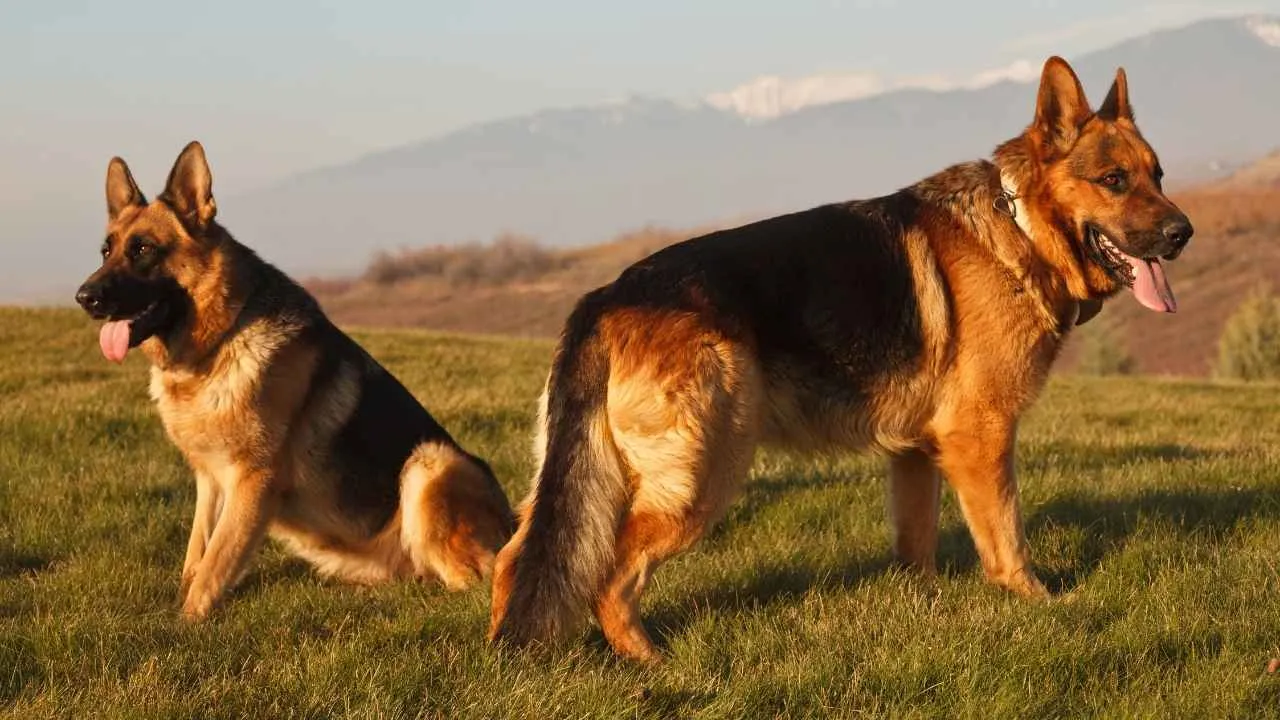
The German Shepherd is a genuinely interesting pick for this list, mostly because its roots as a herding dog tend to get overshadowed by its modern reputation in police and military work.
Originally bred in Germany as a working sheepdog, the breed’s founder cared far less about looks and far more about utility, intelligence, responsiveness, and raw working ability, and that focus shows.
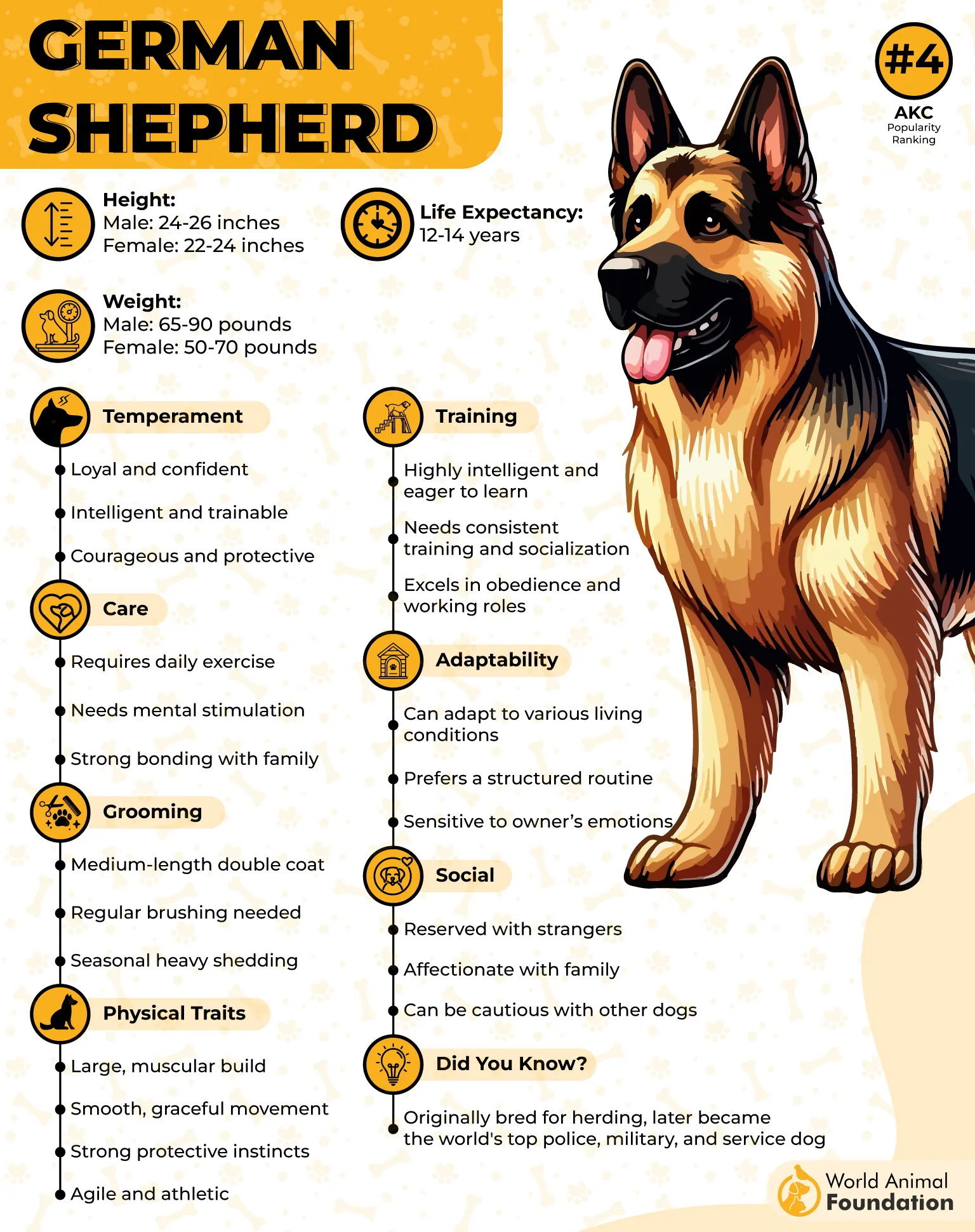
Versatility is really where German Shepherds excel. Physically capable and endlessly trainable, they can absolutely hold their own with livestock, but they’re just as comfortable pitching in on other farm tasks too. They tend to carry themselves with confidence around property, equipment, people, and other animals alike.
It might not be the first breed you think of if you need a highly specialized herder, but that adaptability is a genuine strength — and one that makes this breed easier to train than a lot of others out there.
Ideal for: Owners looking for what the AKC calls one of dogkind’s finest all-purpose workers.
3. Australian Cattle Dog
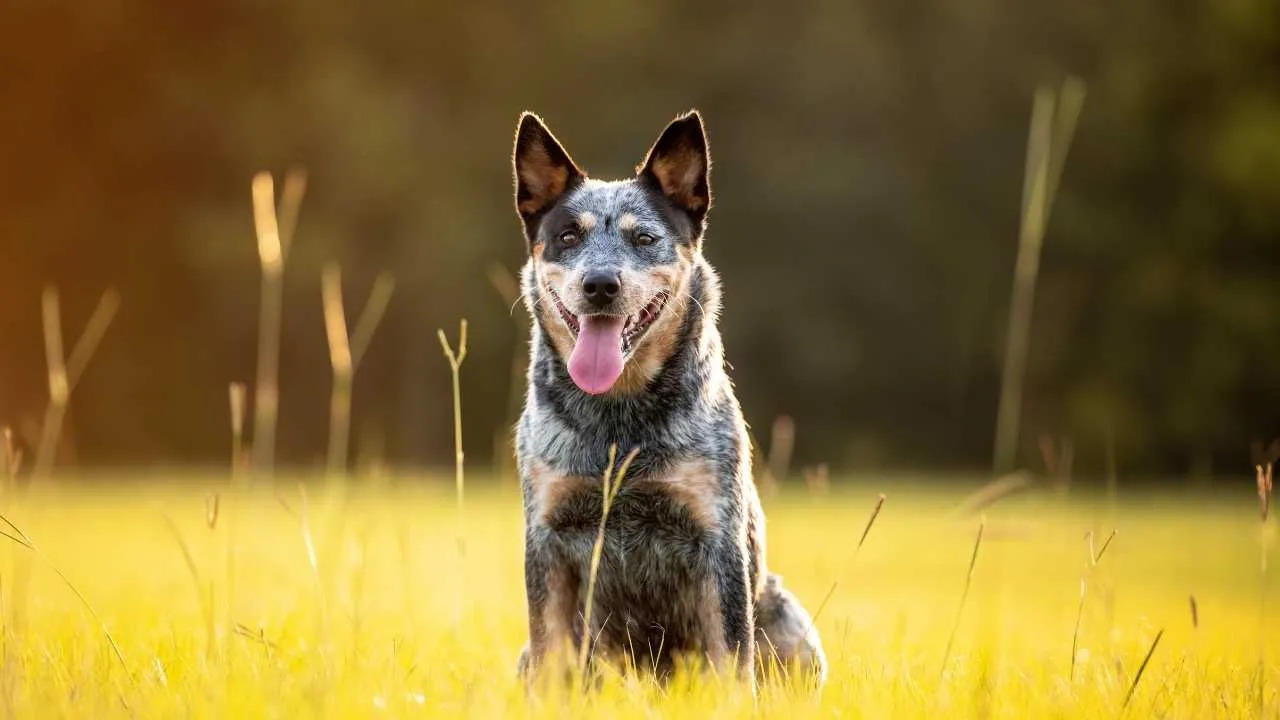
The Australian Cattle Dog is a fantastic option from the herding group if your work involves cattle, rough terrain, hot weather, or long distances.
This breed was built for the harsh Australian outback, and it shows: its muscular, compact body and remarkable endurance are a direct result of generations spent moving cattle across tough landscapes. Tough, driven, and sharp as a tack, this is a dog that can genuinely outsmart its owner more often than people expect.
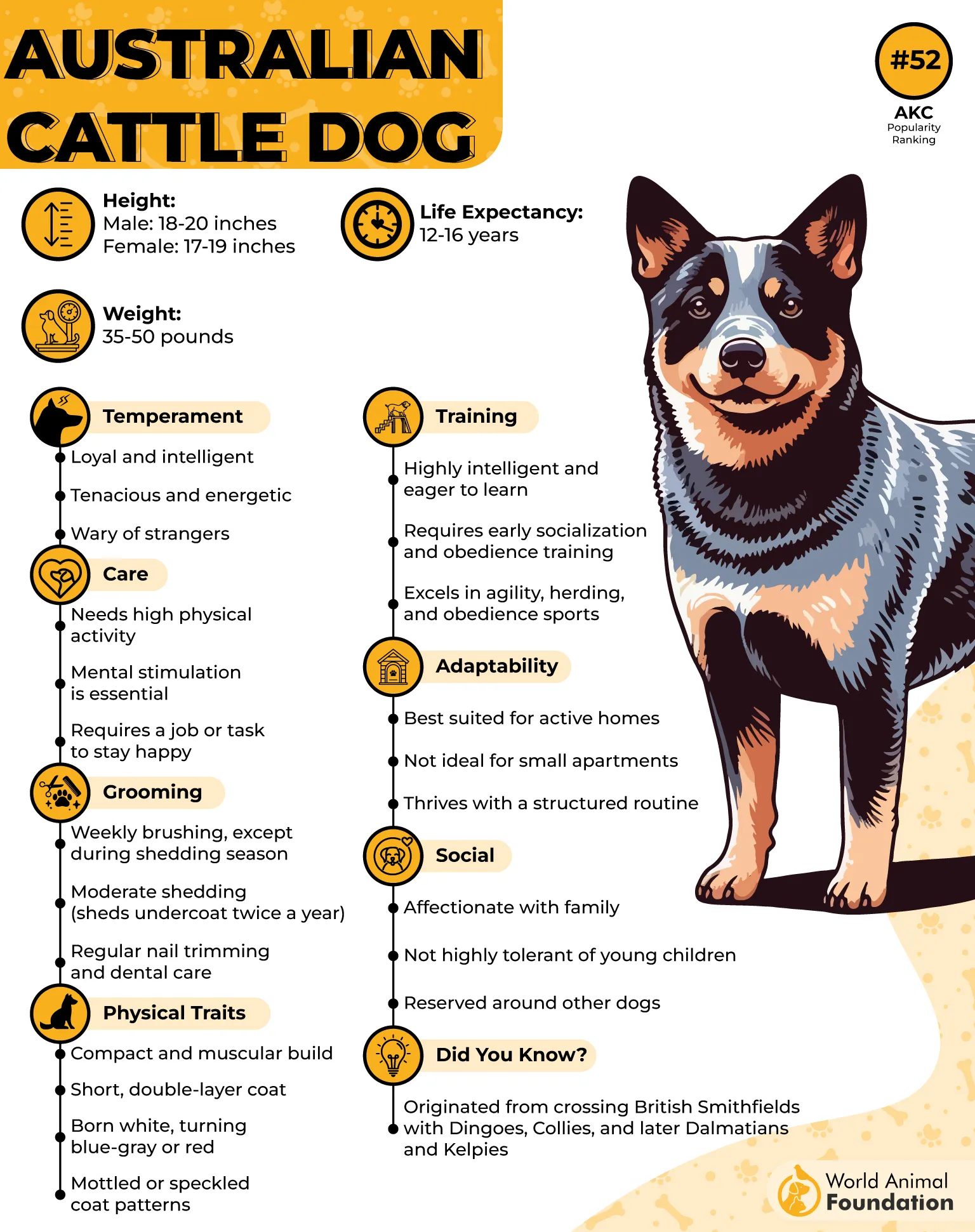
Australian Cattle Dogs don’t just tag along behind livestock; they were bred to actively influence how cattle move, using quick bursts of motion and controlled pressure.
That practical need is exactly where their famous “heel nipping” trait comes from, and it’s a big part of what makes them so effective with stubborn cattle. On a working property, those same traits translate into serious value.
Ideal for: Cattle properties and owners who want a tough, dependable dog built to last.
4. Border Collie
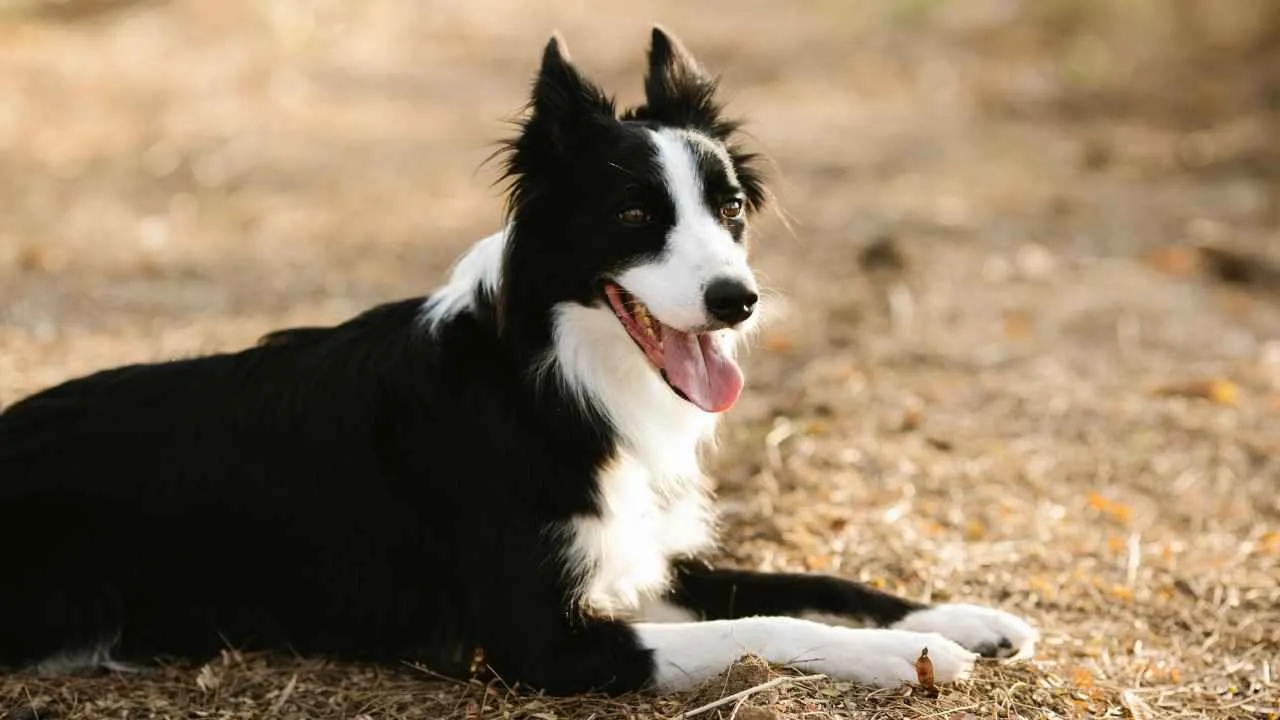
If precision livestock management is what you’re after, the Border Collie is the breed to beat.
What sets this breed apart is its famous “herding eye,” an intense, strategic gaze paired with calculated movement that lets it control animals without ever needing to physically push them around.
Instead, Border Collies guide and position livestock with remarkable finesse, which is exactly why they’re so prized for sheep work and structured herding.
Intelligence is another huge part of the appeal. Border Collies were bred to think independently, making smart decisions even when working across long distances without a handler close by. They’re deeply work-oriented dogs that truly light up when given a job to do, and they thrive on consistent mental stimulation.
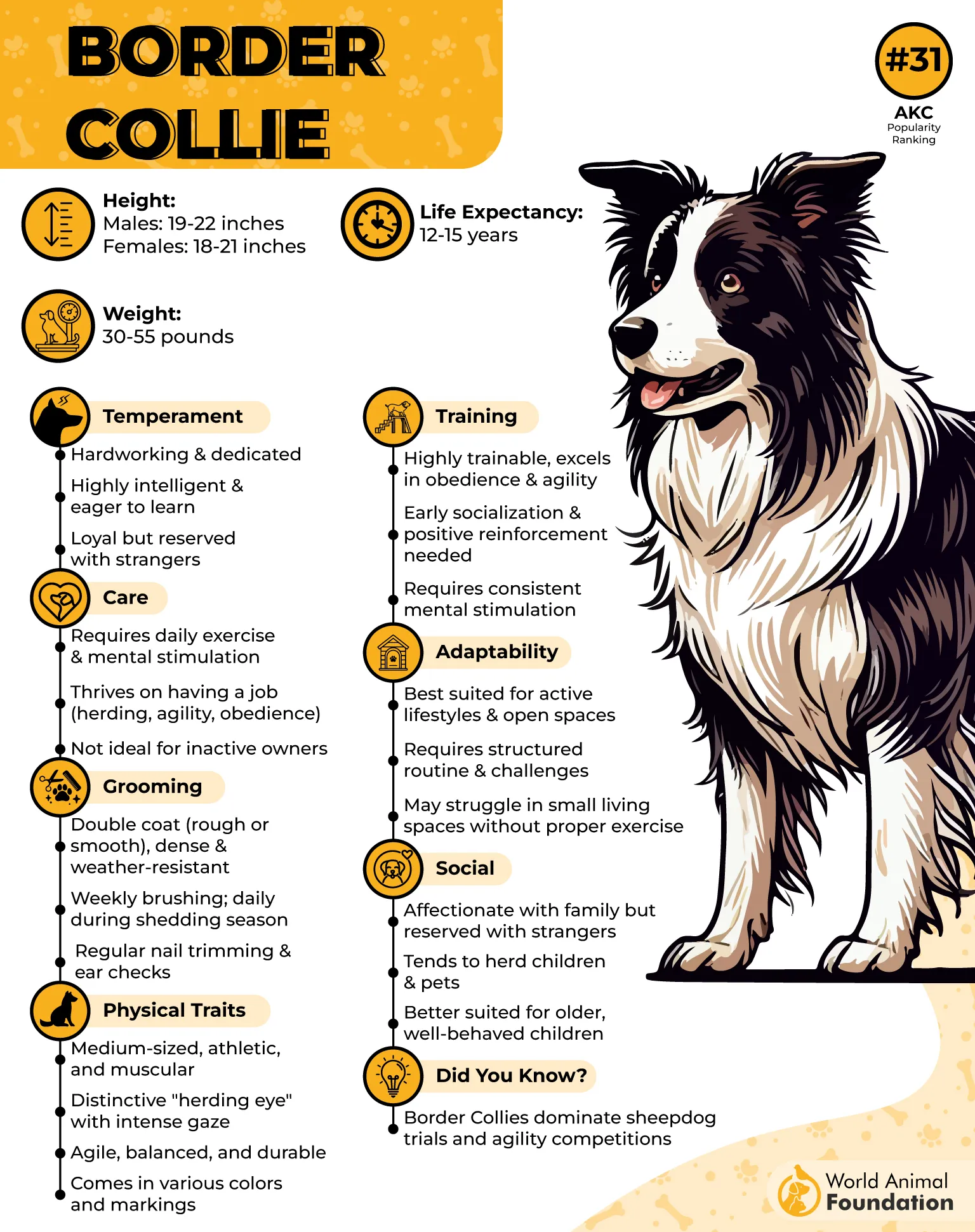
Ideal for: Sheep owners, competitive herding enthusiasts, and handlers who value precision and advanced control.
5. Polish Lowland Sheepdog
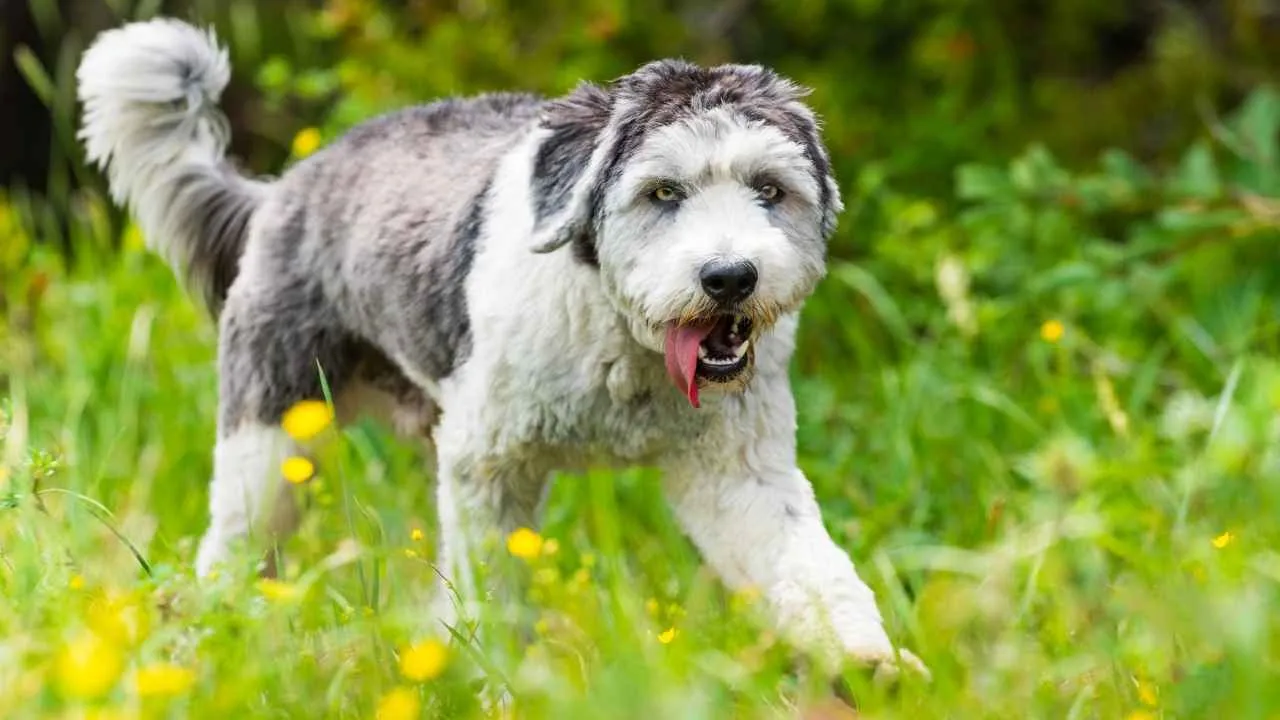
The Polish Lowland Sheepdog is easy to overlook next to bigger names like Border Collies and Australian Shepherds, but it’s got a genuine working history that deserves some recognition.
This shaggy little Polish breed was developed as a herding and farm dog, and it shows in every part of its personality: small, alert, clever, and more than capable of putting in a hard day’s work. Smart and self-confident come standard with this breed, though so does a stubborn streak.
That stubbornness is worth keeping in mind before bringing one home for livestock work. This is a dog that often knows exactly what you’re asking for; it just might decide to get there its own way.
Where the breed really shines is on smaller operations, where a dog needs to wear multiple hats rather than stick to just one job. Its coat offers solid protection from the elements too, though it does call for more grooming than you’d need with shorter-coated working breeds.
Ideal for: Smaller farms and experienced owners who don’t mind an independent, versatile herding breed with a mind of its own.
6. Pembroke Welsh Corgi
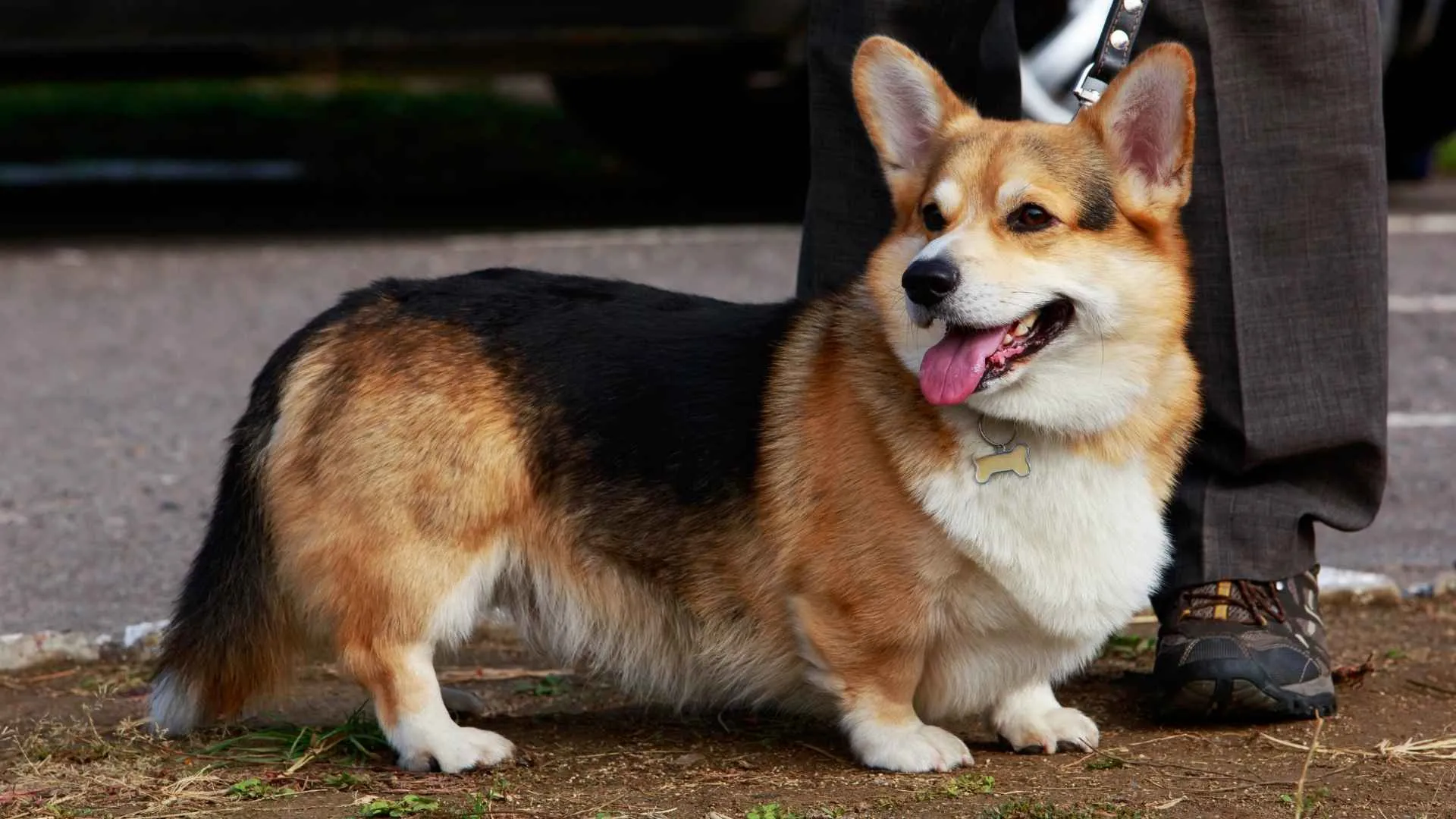
Pembroke Welsh Corgi proves that a herding dog doesn’t need long legs to get the job done, despite what most other breeds would suggest.
Traditionally, Corgis helped Welsh farmers herd cattle out to pasture and back home again for milking. Their low-to-the-ground build was actually a huge advantage here, letting them duck under kicking hooves without getting hurt, while quick movements and heel nipping kept the cattle moving right along.
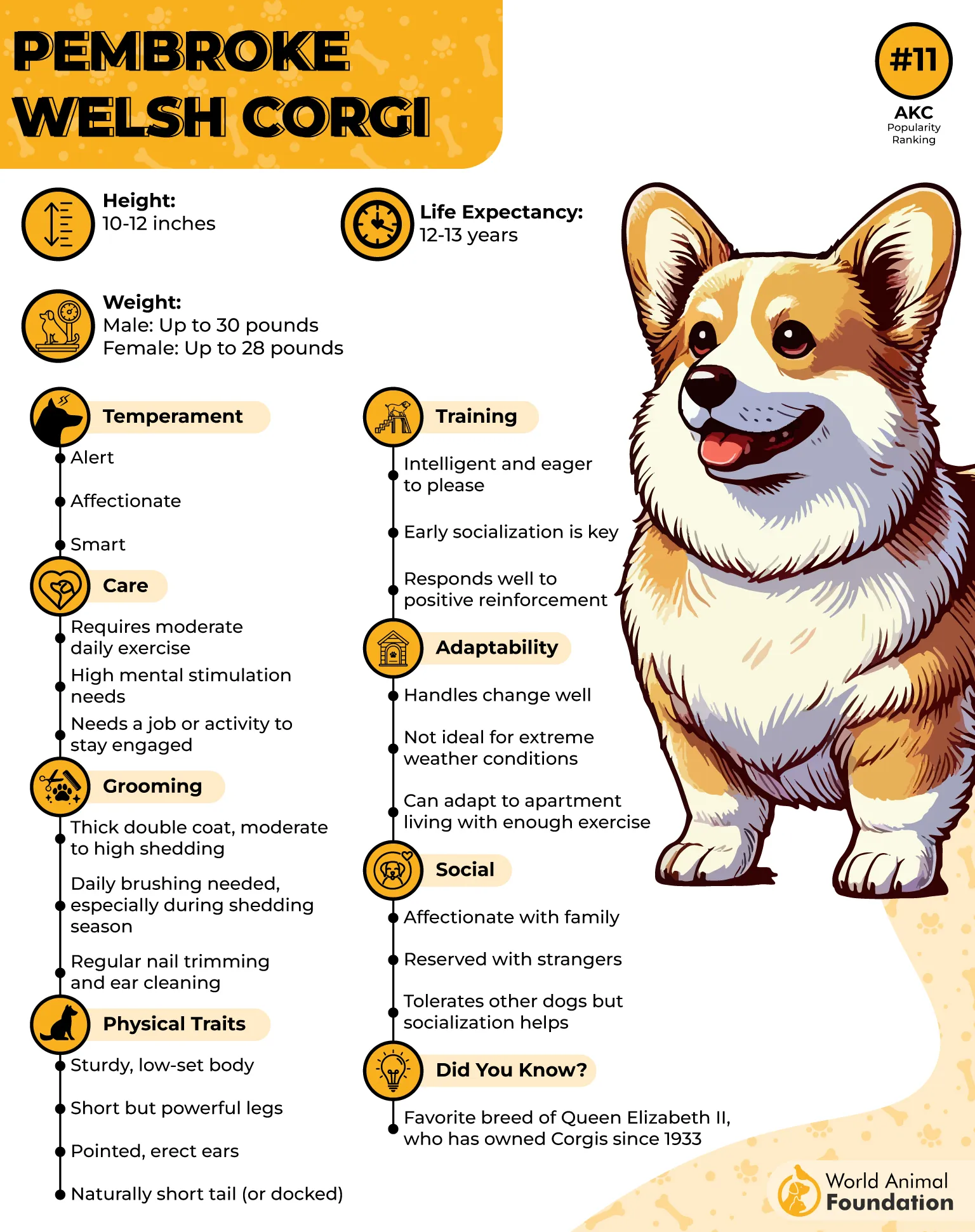
But the Pembroke’s job description didn’t stop at cattle herding. Orvis states that these dogs pulled double duty as general farm helpers too, controlling vermin, keeping watch over livestock, and guarding the homestead.
These days, most Corgis live as beloved companion animals, but that herding instinct never really went away. Plenty still put it to use in modern herding trials, dog sports, and training.
Ideal for: Small farms, hobby herders, and working-dog owners who appreciate a compact package.
7. Dutch Shepherd
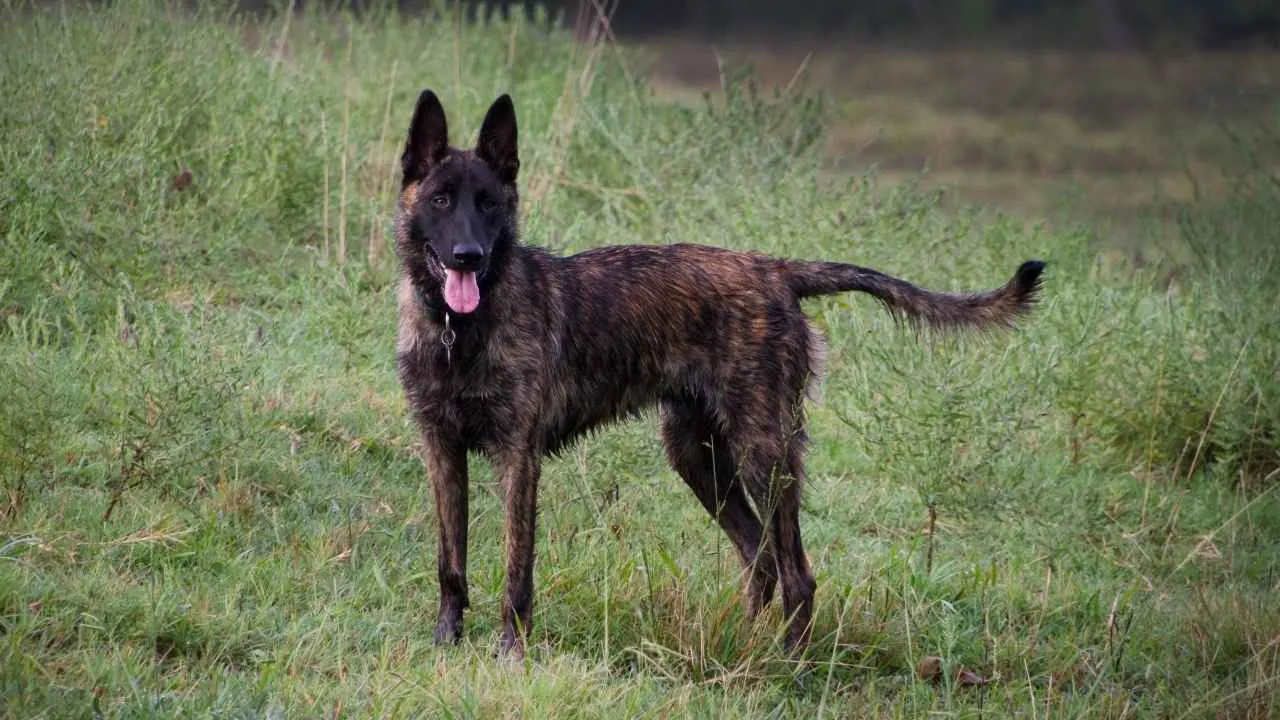
Described by Purina as independent thinkers, the Dutch Shepherd was originally developed in the Netherlands as a farm dog tasked with keeping sheep confined to specific grazing areas.
What set the Dutch Shepherd apart from other herding breeds was its active, hands-on approach: actively controlling livestock movement while staying closely tuned in to its handler’s cues.
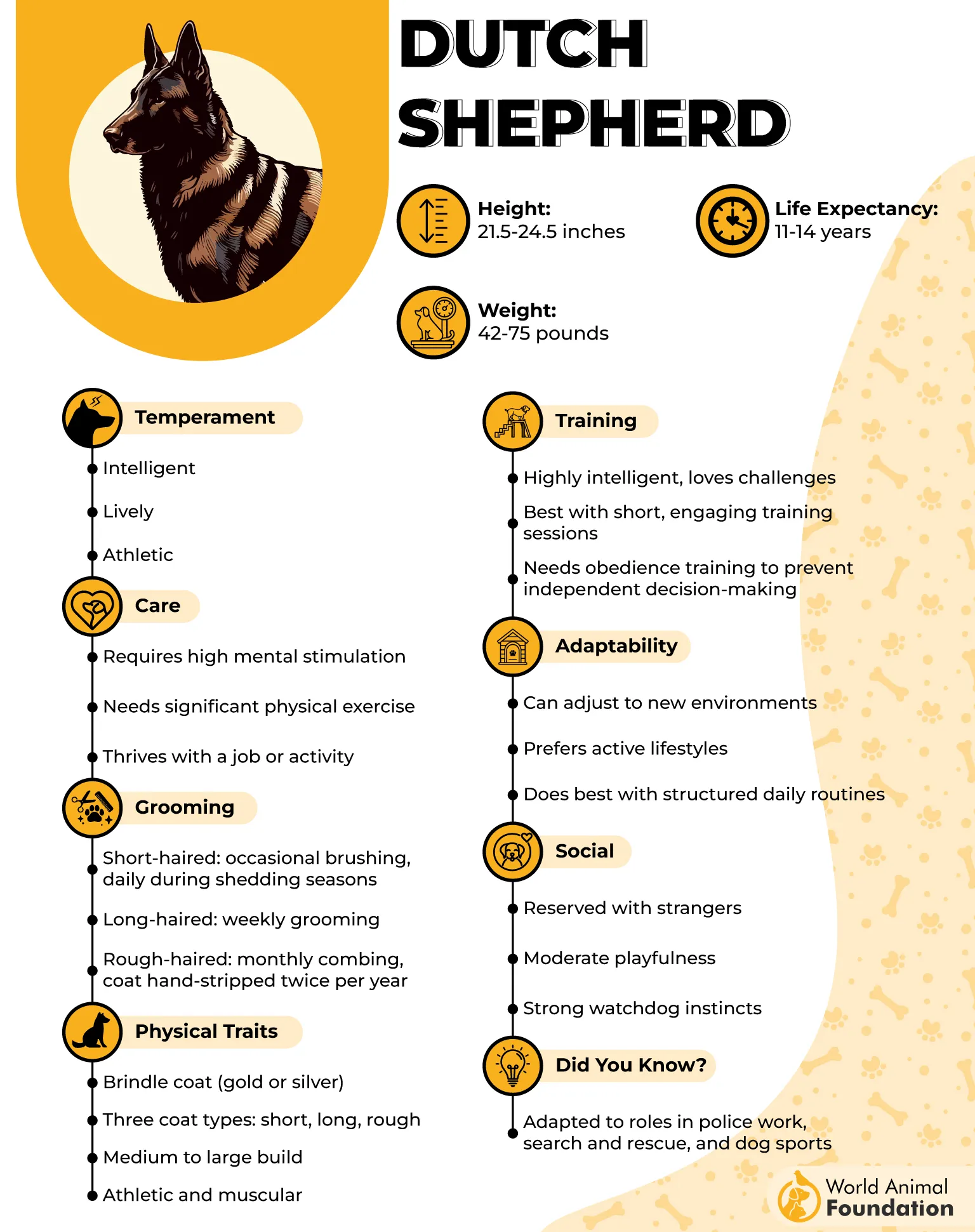
High-energy, lively, athletic, and sharp, this breed has held onto its original herding instincts right up to today. And while it’s perfectly capable of thinking for itself, it still needs daily exercise and consistent basic training from its owner.
This is really a breed for someone who wants to actively train their dog, not just manage it day to day. Once the herding work is done, Dutch Shepherds are happy to channel that energy elsewhere, whether that’s obedience work, tracking, extra exercise, or dog sports.
Ideal for: Experienced handlers looking for an athletic, versatile dog that thrives on structured work.
Conclusion
Keep the job itself in mind when choosing a breed. Think through what you actually need — close handler responsiveness, independent decision-making, endurance, livestock control, or the ability to juggle multiple farm tasks at once.
Worth noting: herding breeds can develop behavioral issues if their drive isn’t given a proper outlet, and that intensity can end up being a bit much for small children or even adults to handle. Consistent training and plenty of play from puppyhood on go a long way toward raising a well-behaved dog.
At the end of the day, the breed with the flashiest reputation isn’t automatically the right one for you. The best choice is always the dog whose work ethic actually matches the work you need done.
