




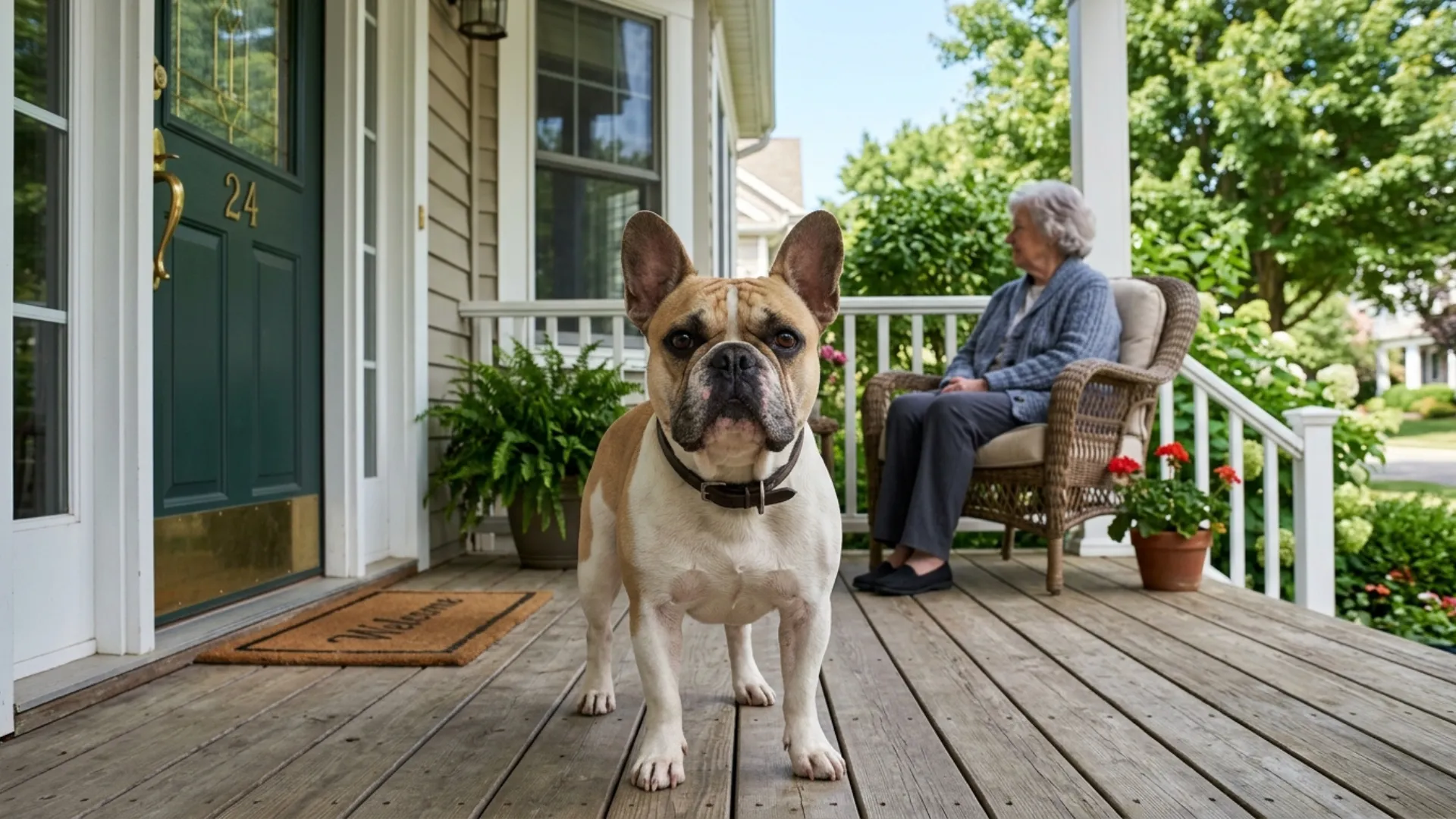
Feeling safe at home does not always require a dog that barks at every footstep or startles the neighbors at midnight. For many seniors, the ideal companion offers something more useful: calm confidence, loyal company, and quiet awareness when something seems out of place.
The best dog breeds for seniors seeking quiet protection tend to combine steady temperaments with natural alertness. They can make their presence known when needed, stay close to their owners, and offer reassurance without turning daily life into constant noise or high-energy chaos.
The right dog should make you feel more secure, not more exhausted. These protective companions bring a thoughtful balance of safety, affection, and manageable everyday care.
From relaxing beside you to alerting you when something feels unusual, the right breed can fit naturally into a senior’s routine. These nine adaptable dog breeds combine gentle companionship with protective qualities for a quieter, more reassuring home.
Top Dog Breeds for Seniors Seeking Quiet Protection
1. Havanese
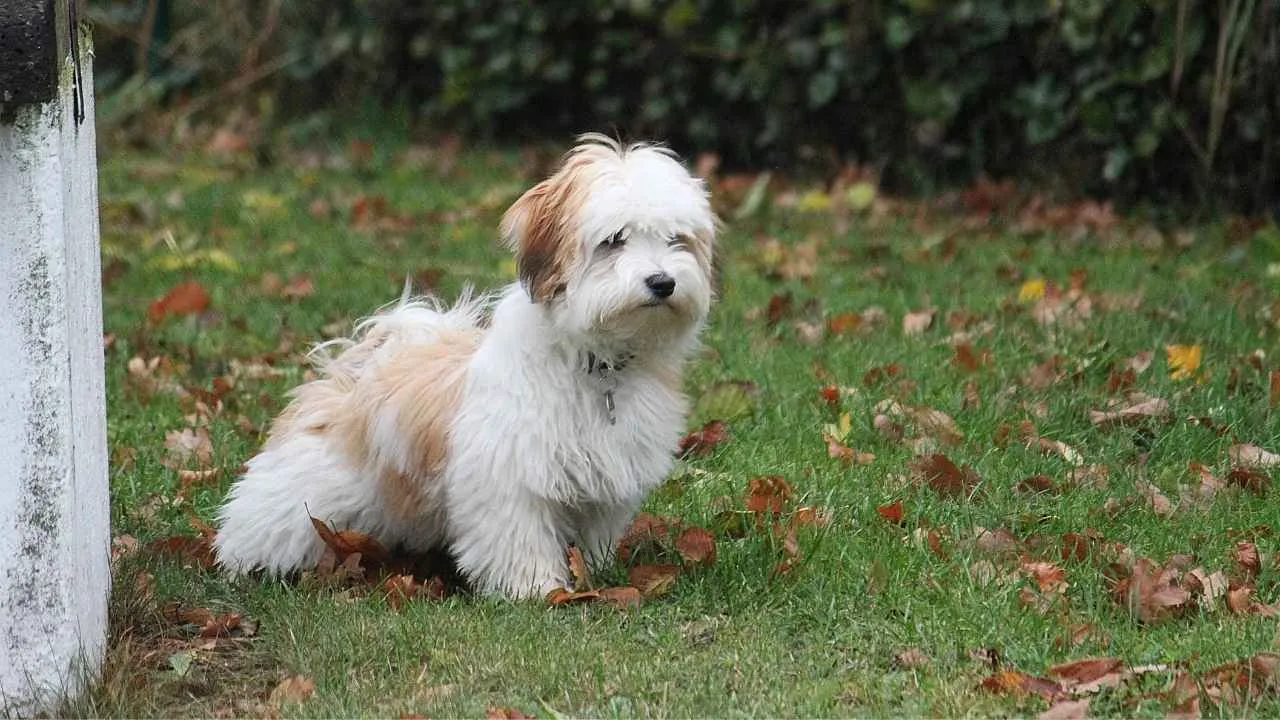
The Havanese is a small, sociable companion with moderate exercise needs, making it manageable for many seniors. Its gentle, adaptable personality allows it to enjoy relaxed time at home while still bringing plenty of playful energy to daily life.
They may lack the size, instinct, or intimidating presence needed for physical protection, but Havanese more than make up for it as excellent apartment dogs and natural alert barkers. They’ll quickly and vocally let you know the moment a visitor arrives, or something sounds off.
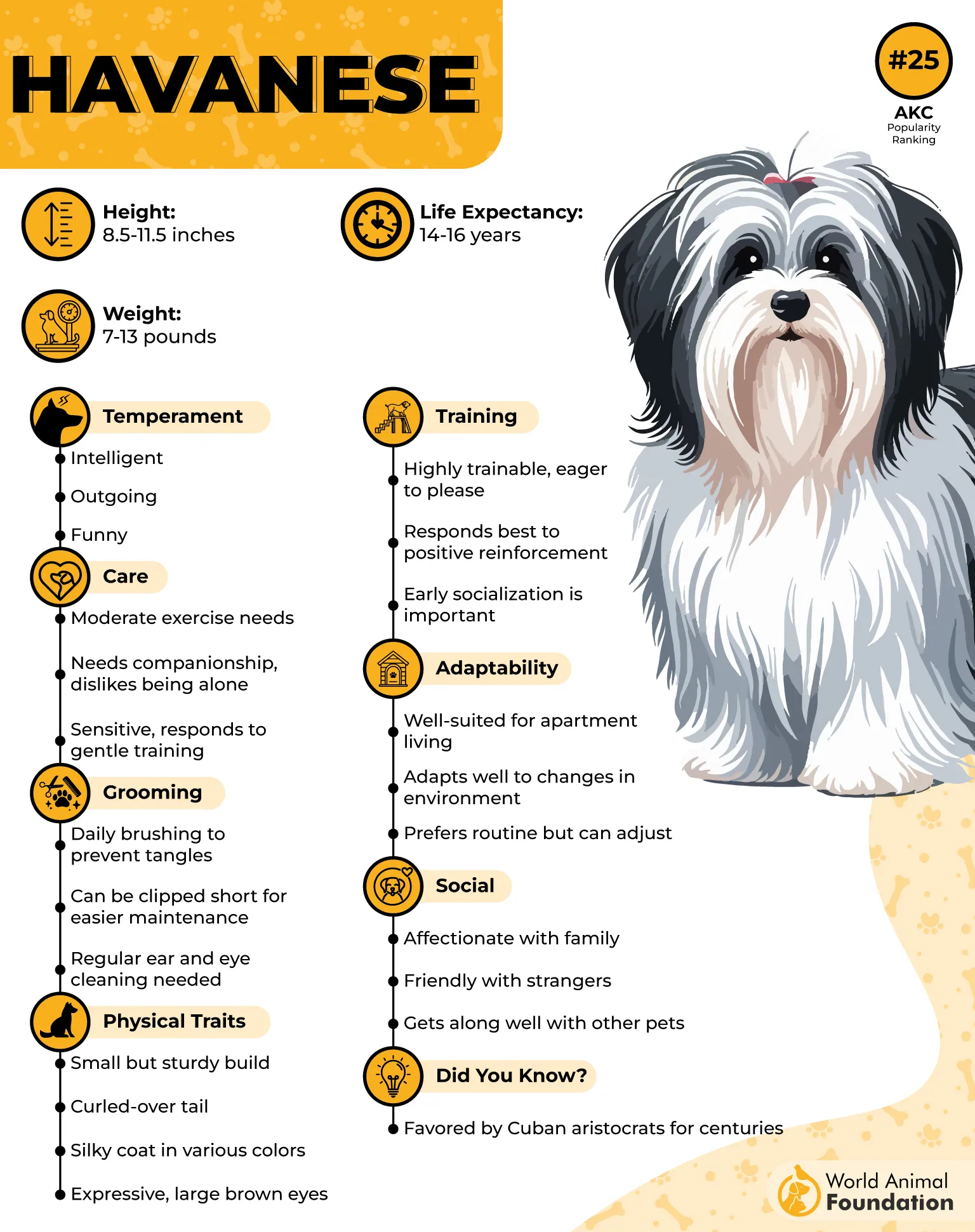
Known for staying close to their people, Havanese form strong bonds and are often attentive to changes around the household. Their affectionate nature makes them engaging companions, while their trainability can help owners establish good everyday habits.
How This Breed Stands Out
Easy to train: The Havanese is intelligent and responsive, making it easier to teach basic manners and household routines.
Devoted companion: This affectionate breed thrives on human company and enjoys staying close to its owner throughout the day.
2. French Bulldog
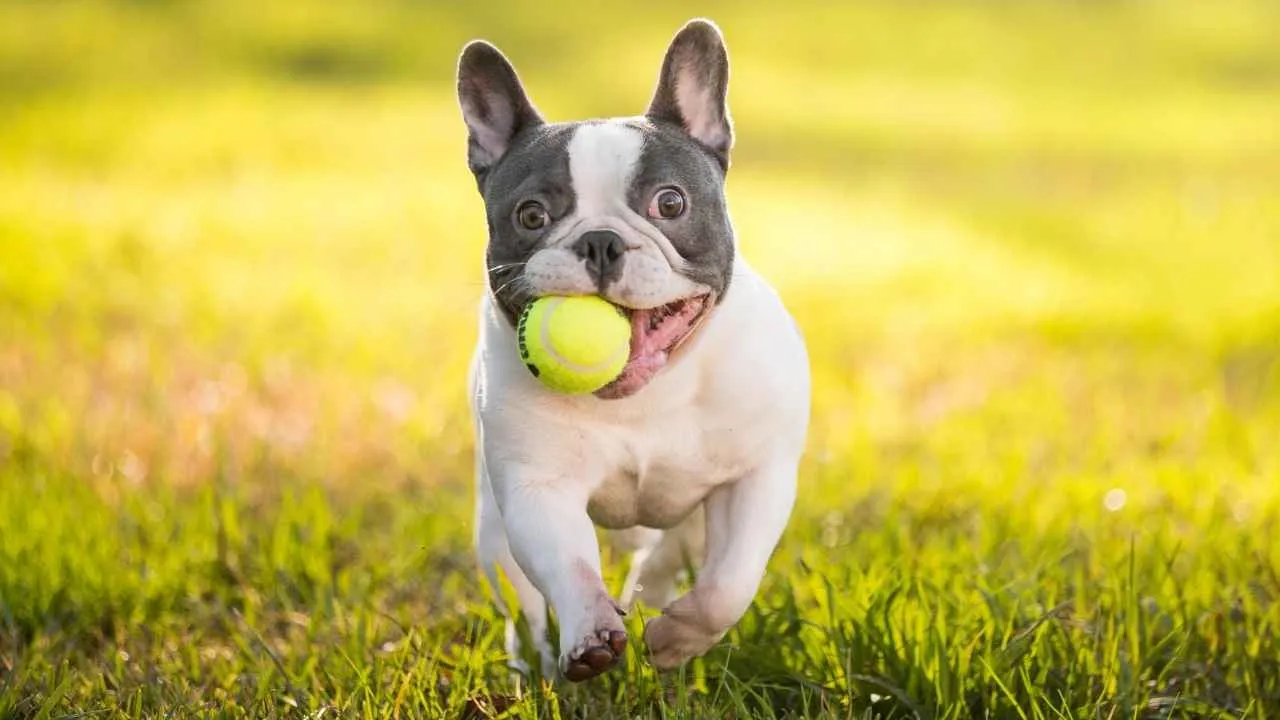
The French Bulldog is a compact, affectionate companion with a calm personality and modest exercise needs. Its energy usually comes in brief bursts, followed by plenty of relaxing and cuddling, making it a manageable choice for seniors who prefer a quieter routine.
They form strong bonds with their owners and can get a bit territorial or possessive over their home turf. Orvis notes that Frenchies are quick to notice unusual sounds or visitors and will bark to give you a heads-up. While they’re too small and friendly to physically fight off an intruder, they still make decent watchdogs, happy to bark and warn you whenever something seems off.
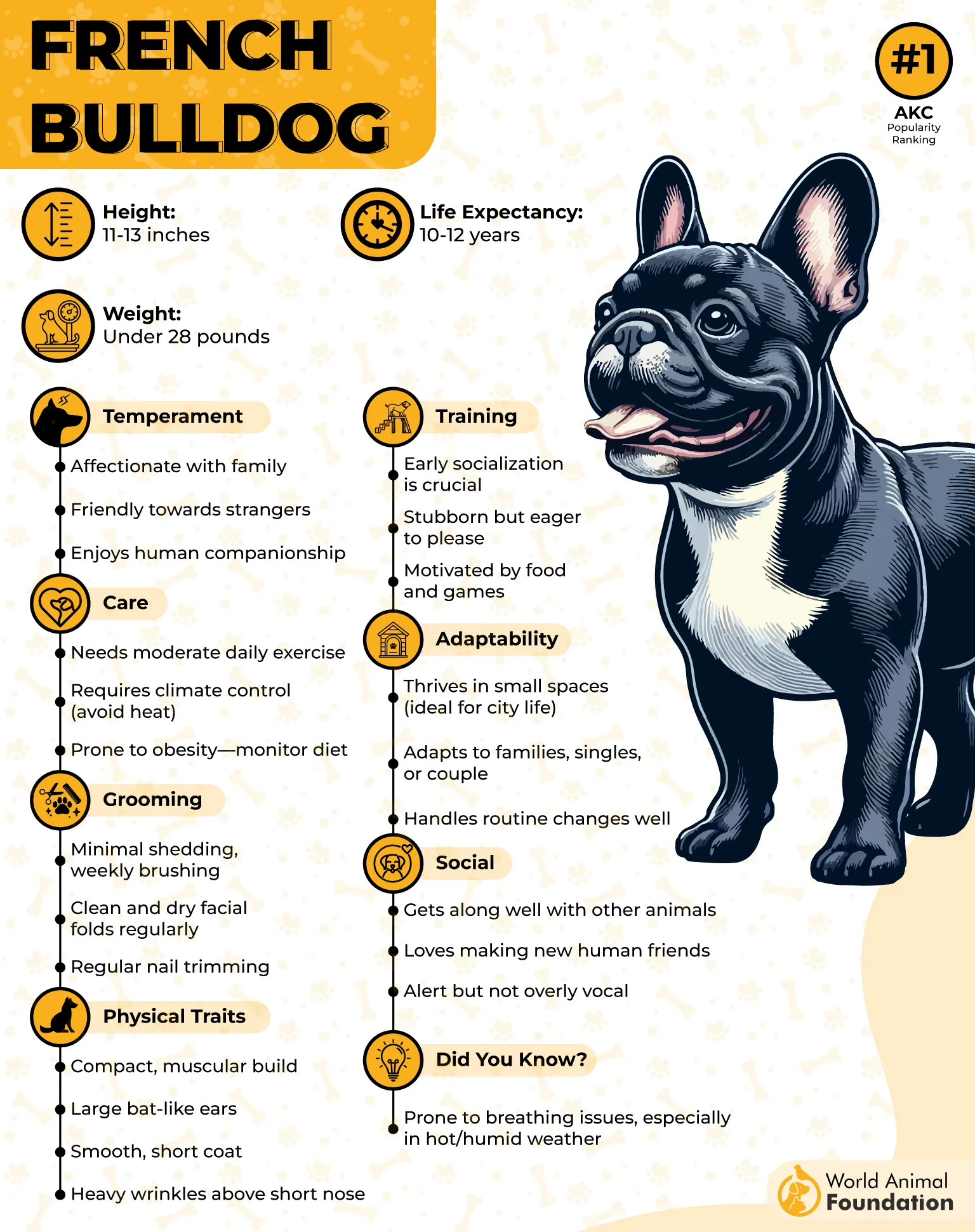
Frenchies adapt well to apartments and larger homes alike, and they generally do not bark excessively. Their low-maintenance coat requires little grooming, although owners should be mindful of potential skin and breathing concerns associated with their flat-faced structure.
How This Breed Stands Out
Low grooming needs: Its short, smooth coat requires minimal brushing, making routine coat care relatively simple for seniors.
Quiet, sturdy presence: A muscular, compact build and generally calm demeanor provide companionship without demanding strenuous daily exercise.
3. Pug
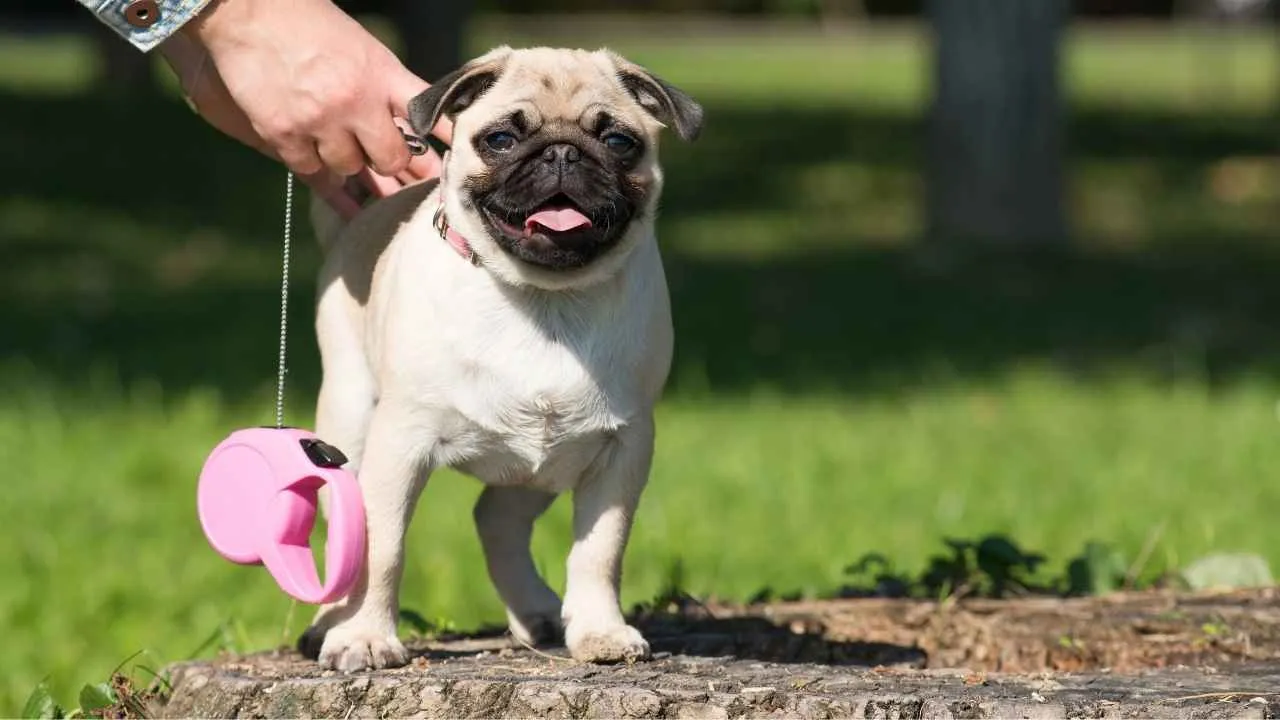
The Pug is a small, affectionate companion known for its playful personality and easygoing approach to daily life. Its moderate energy level suits seniors who enjoy cheerful companionship without the demands of a highly active dog, and its adaptable nature works well in apartments.
Pugs can be protective of their owners, but that usually shows up as alert barking and getting in the way rather than any actual physical defense. Thanks to their great hearing, Pugs will bark loudly the moment a stranger approaches or something sounds unusual.
Many even like to plant themselves right between their favorite human and the door, another pet, or even a family member, just to keep an eye on things.
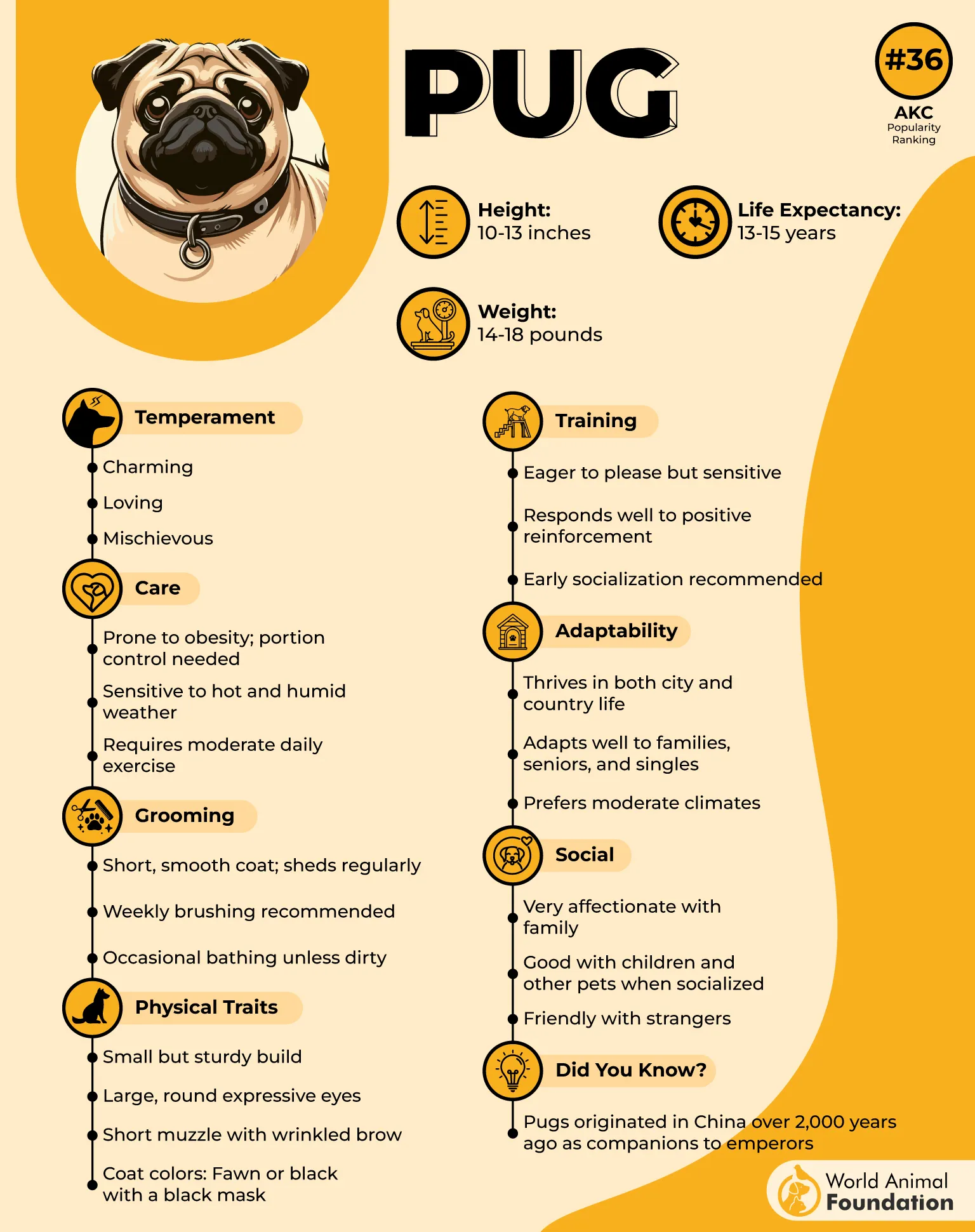
Pugs form strong bonds with their owners and are often happiest staying close to their families. Their attentive, social character can make them aware of activity around the home, although their short muzzle means they need careful management of heat, breathing, exercise, and weight.
How This Breed Stands Out
Adaptable personality: Pugs can adjust comfortably to different living environments and generally enjoy spending time indoors with their families.
Strong attachment to owners: Pugs thrive on companionship and often prefer staying close to the people they love throughout the day.
4. Japanese Chin
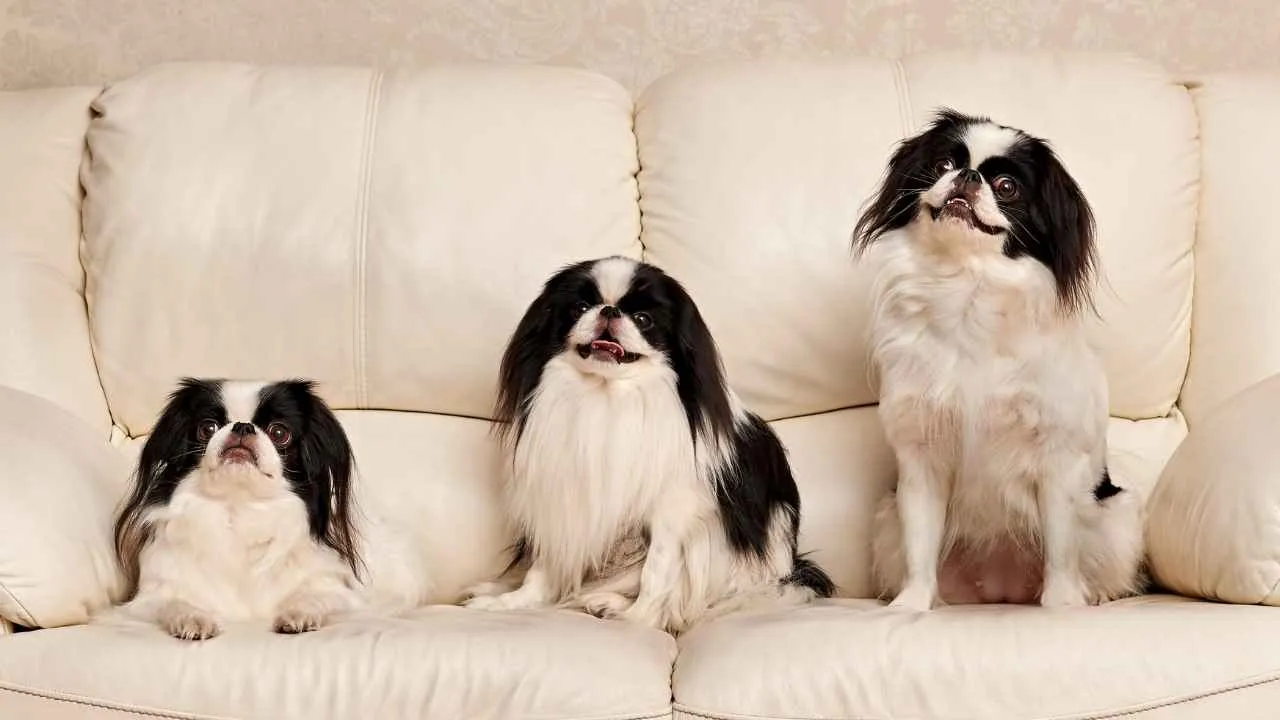
The Japanese Chin is a graceful toy companion with a gentle, generally calm personality that suits seniors seeking peaceful company. Highly attuned to its surroundings, this elegant little dog often watches household activity closely while remaining content to stay near its people.
Unlike many toy breeds, they’re generally pretty quiet and don’t bark excessively. That said, they’ll still let out a short, quiet bark to give you a heads-up when a stranger’s at the door, stepping into that watchful role without being a nuisance about it.
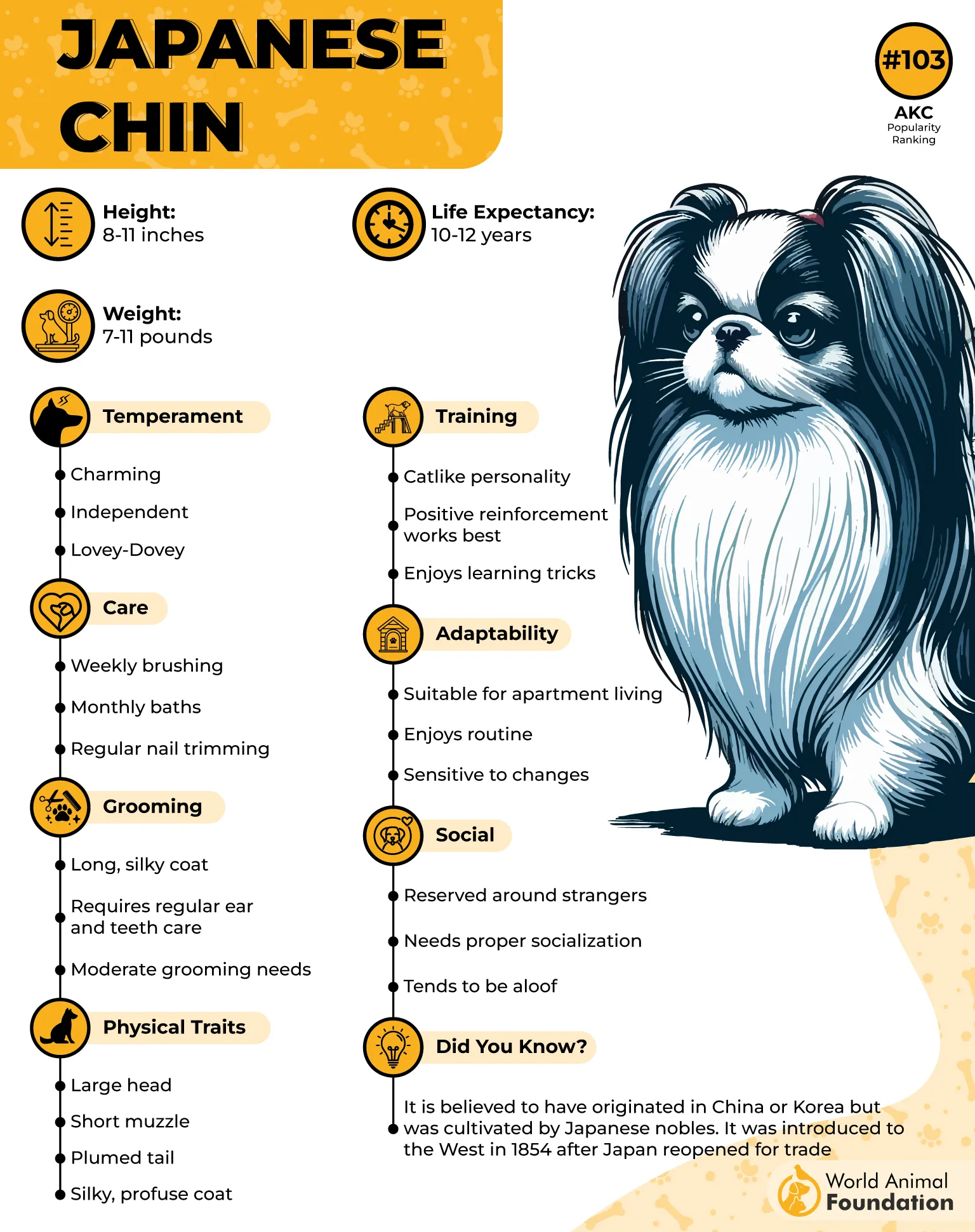
Despite its refined appearance, the Chin is playful and adaptable, bringing occasional bursts of amusing energy to its otherwise relaxed routine. Its small size makes it comfortable in apartments and smaller homes, while its strong attachment to family means it enjoys being included in everyday life.
How This Breed Stands Out
Low exercise demands: The Japanese Chin can stay content with short walks and indoor play, making it suitable for seniors who prefer a relaxed daily routine.
Independent streak: Although affectionate with its family, the breed can entertain itself and does not always require constant attention or activity.
5. Maltese
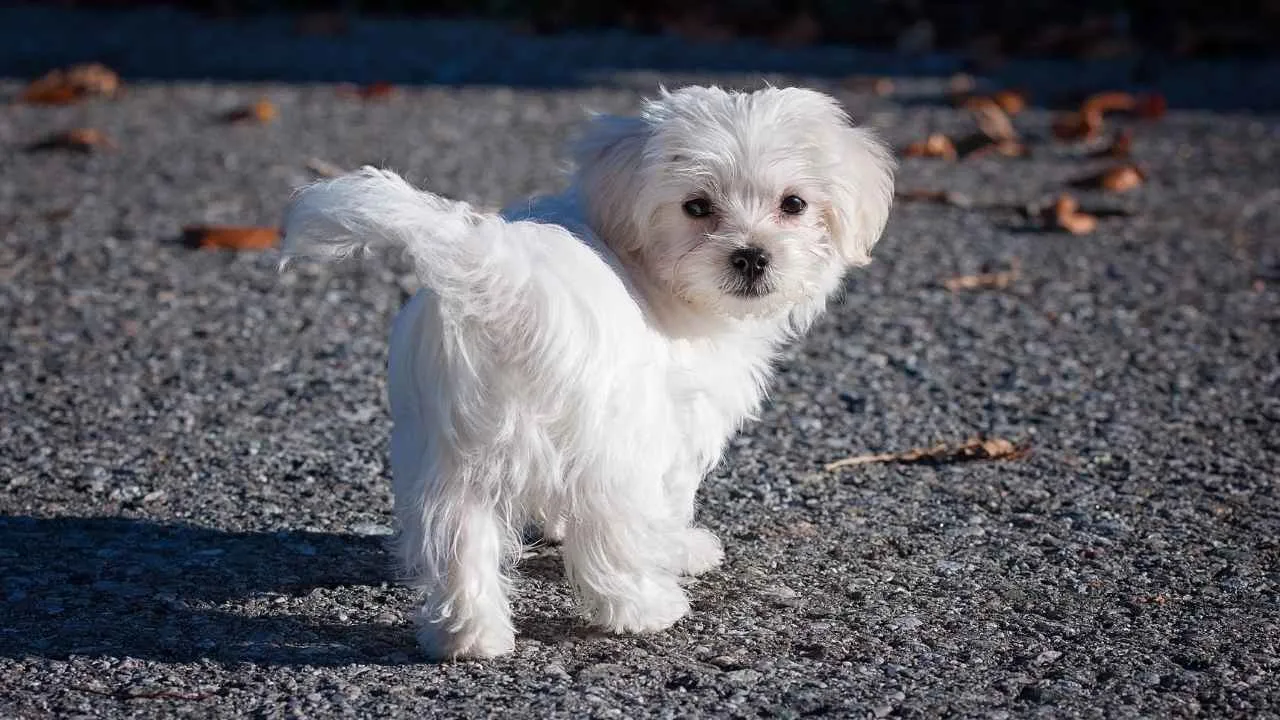
The Maltese is a tiny, affectionate companion that thrives on closeness and quiet interaction with its owner. Weighing around four to seven pounds as an adult, this gentle breed needs little exercise and can comfortably fit into smaller homes and relaxed senior lifestyles.
According to the American Kennel Club, Maltese dogs have bold, confident personalities and honestly seem to have no idea how small they actually are. They can get defensive or bark at strangers and other dogs until a proper introduction takes place, and they’re highly alert, often quick to “alarm bark” at the slightest noise or change in their surroundings.
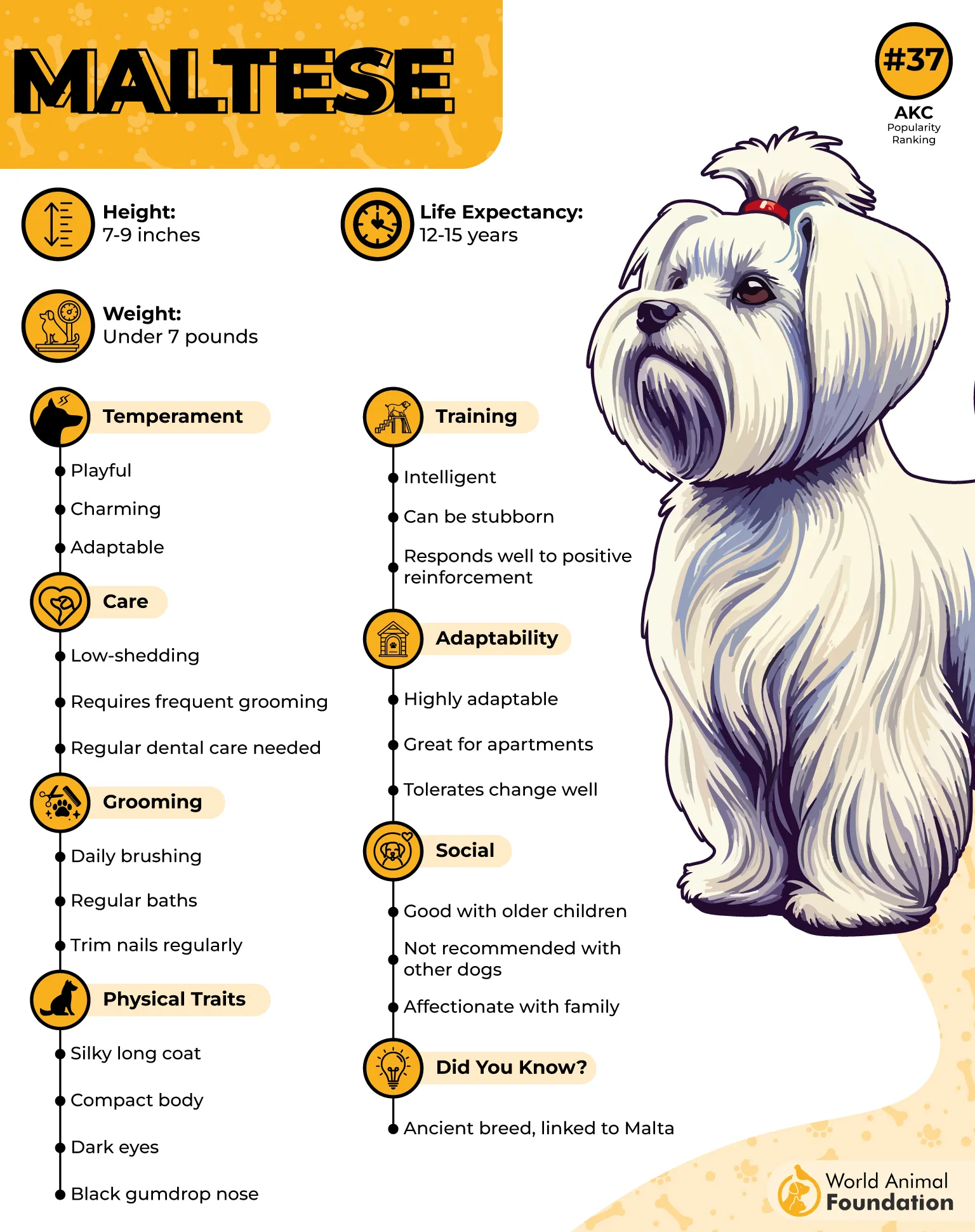
This toy breed moves gracefully beneath its long, silky white coat, which contrasts beautifully with its dark eyes and black nose. Their intelligence and sensitivity to their owner’s mood add to their companionable nature, while their long, soft coat requires daily brushing despite shedding very little.
How This Breed Stands Out
Intelligent and responsive: The Maltese is a bright breed that can pick up household routines and basic training with consistent guidance.
Affectionate personality: Its loving nature makes the Maltese happiest when spending quality time with its owner and receiving plenty of companionship.
6. Pekingese
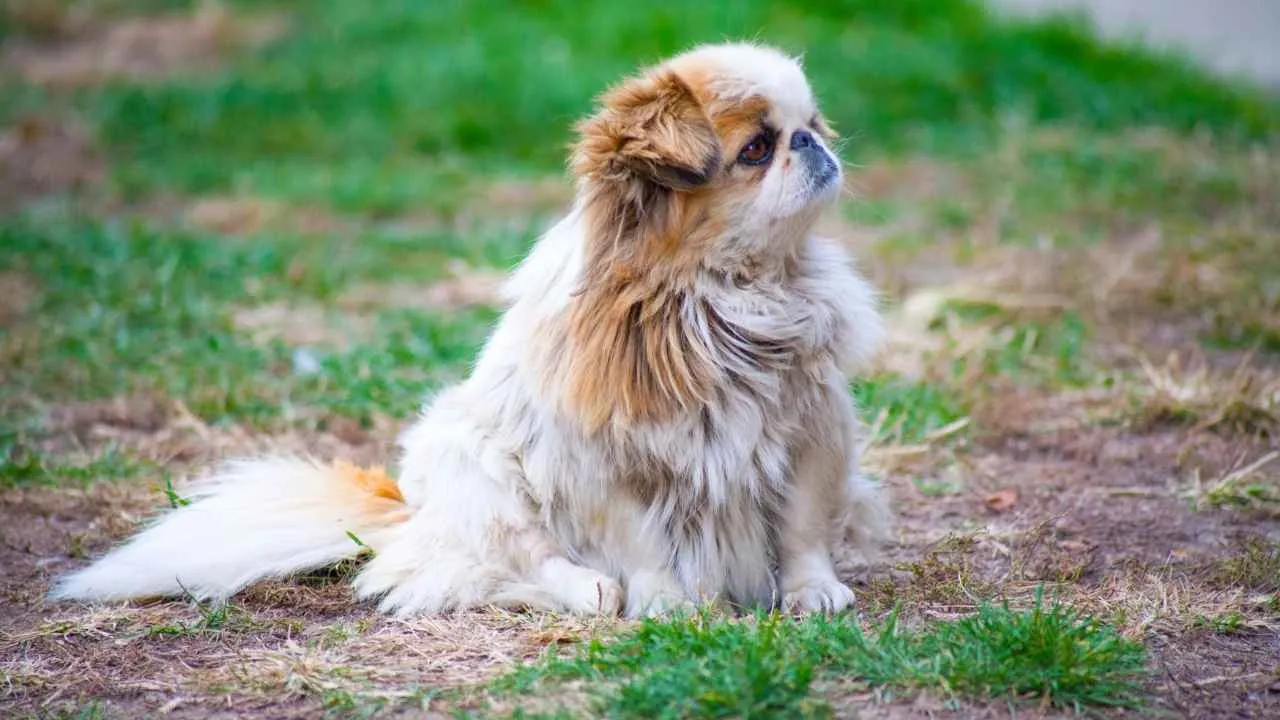
The Pekingese is a compact, confident companion with a naturally watchful personality. Originally favored by China’s ruling classes, this loyal toy breed forms close bonds with its people and remains attentive to activity around its home and territory.
They pack a surprisingly sharp, loud bark for such a small dog, quick to sound the alarm at approaching visitors or even the smallest changes around them. Pekingese also tend to stay naturally wary of unfamiliar people, which makes them decent watchdogs, though they’re really too small to offer any physical protection from actual danger.
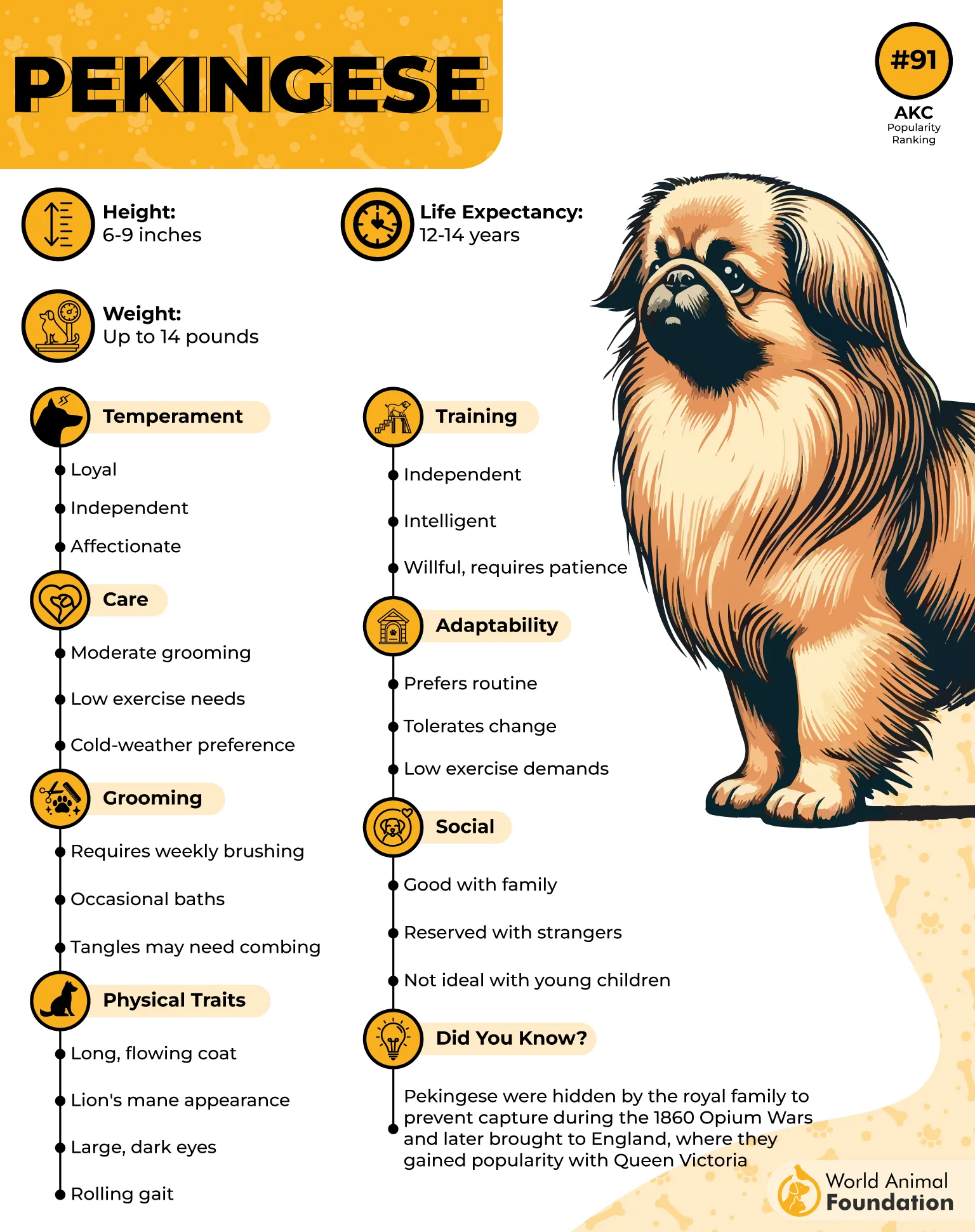
Pekingese need moderate exercise, but as a short-faced (brachycephalic) breed, they’re more prone to overheating, so it’s best to skip exercise during hot weather. Their thick double coat also needs regular brushing to prevent matting, so be ready to spend some real time on grooming.
How This Breed Stands Out
Courageous despite its size: Its fearless, confident temperament can make the Pekingese willing to confront situations far larger than itself.
Naturally territorial: Strong attachment to its home and family can encourage this watchful breed to vocalize when unfamiliar people approach.
7. Shih Tzu
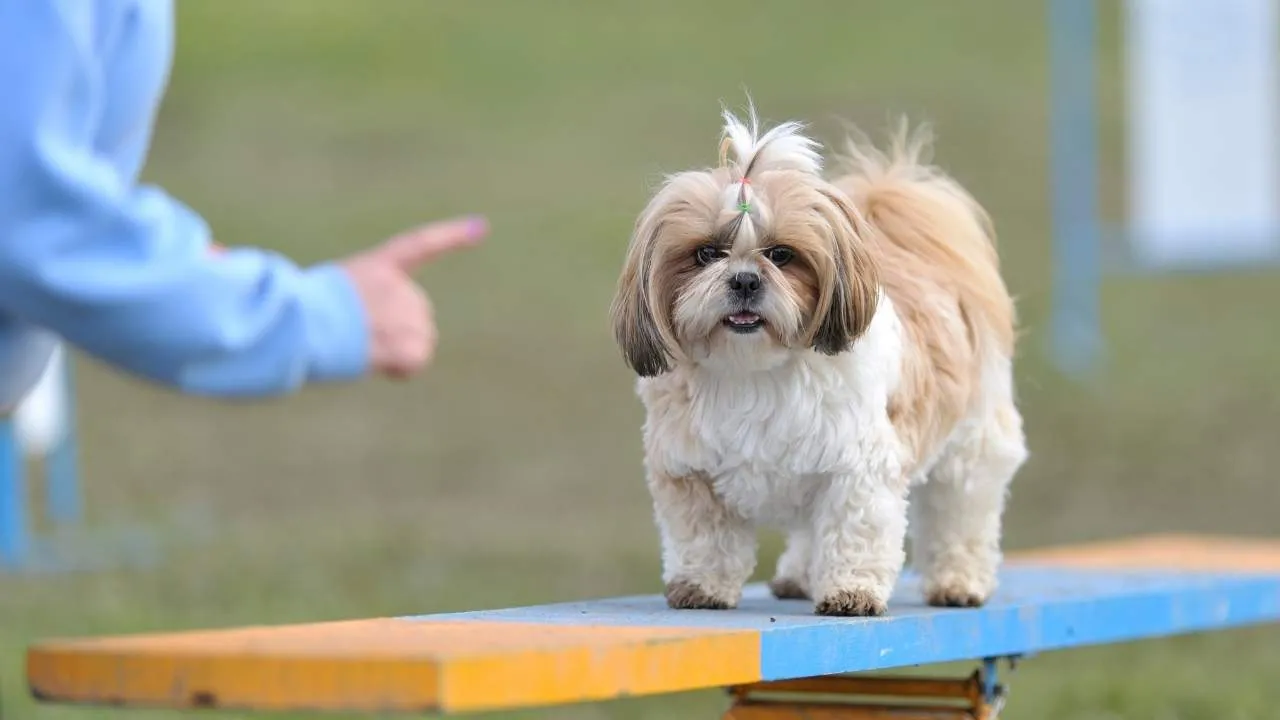
The Shih Tzu is a gentle, affectionate companion that thrives on staying close to its owner. Its calm temperament and modest exercise needs make it well suited to seniors who prefer peaceful companionship, with short walks and indoor play usually providing enough activity.
They’ll bark or growl at the window if something catches their eye outside, whether it’s a delivery worker, an animal, or a passing car. They also keep a close watch on your daily routine, often following you around or staring you down the moment something feels a little off.
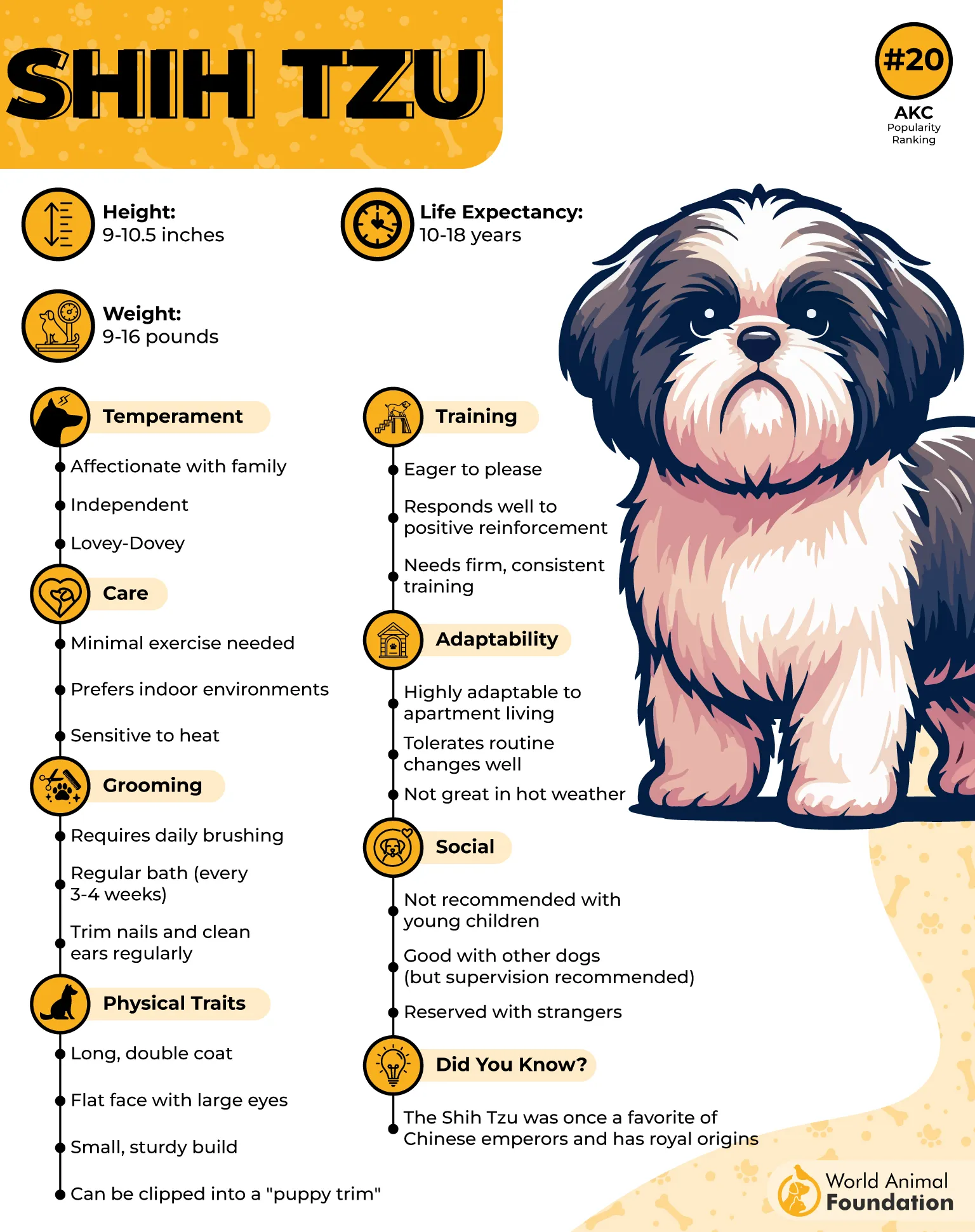
Although primarily a cuddly house companion, the Shih Tzu can remain attentive to changes around its home and family. Its response to unfamiliar people can vary, so early socialization and positive experiences can help encourage confident behavior, while regular grooming keeps its coat manageable.
How This Breed Stands Out
Low exercise requirements: The Shih Tzu can get much of its needed activity through short walks and indoor play, fitting comfortably into a relaxed lifestyle.
Affectionate nature: This people-oriented breed enjoys close companionship and often prefers spending much of its day beside its owner.
8. Pomeranian
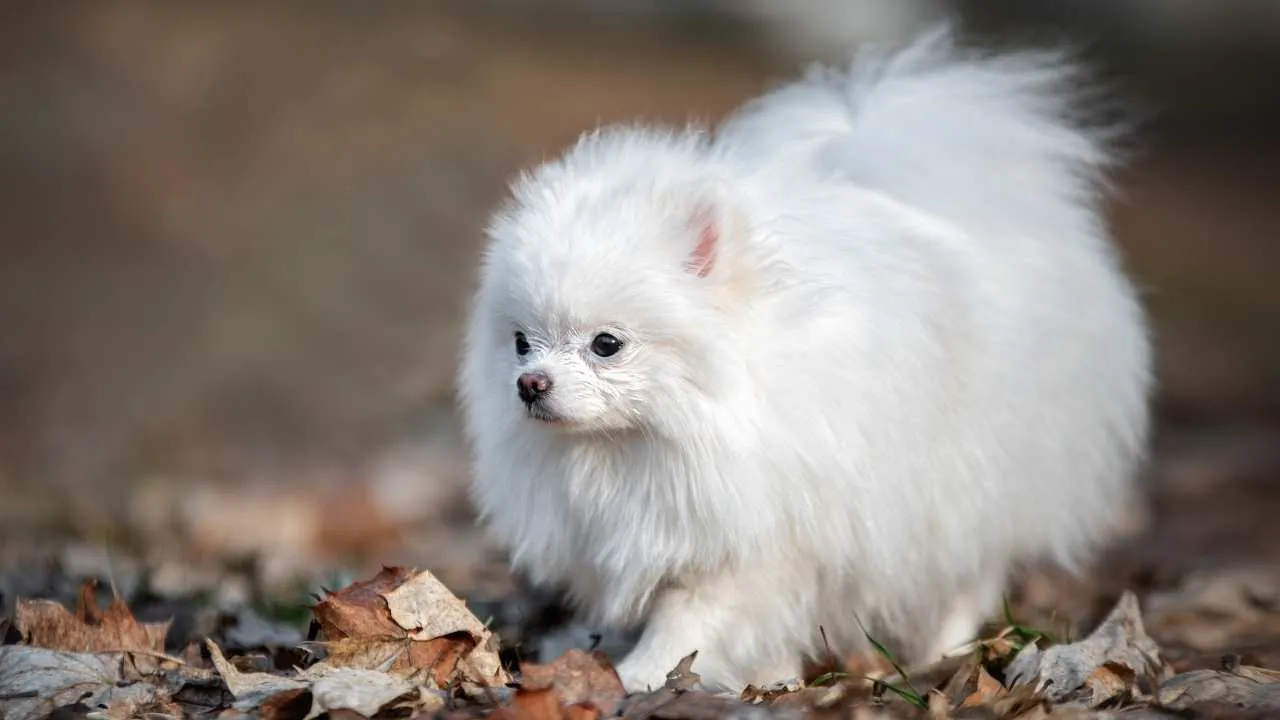
The Pomeranian may be tiny, but its bright and vigilant personality gives it a surprisingly watchful presence. Loyal and curious, this lively companion forms a close bond with its owner while remaining manageable for seniors and adaptable to apartment living.
Pomeranians make surprisingly good alert watchdogs. Their sharp instincts can wake you up or give you those crucial extra seconds to react to a potential threat. And despite weighing just 3 to 7 pounds, they’ve got plenty of courage and a strong territorial streak to match.
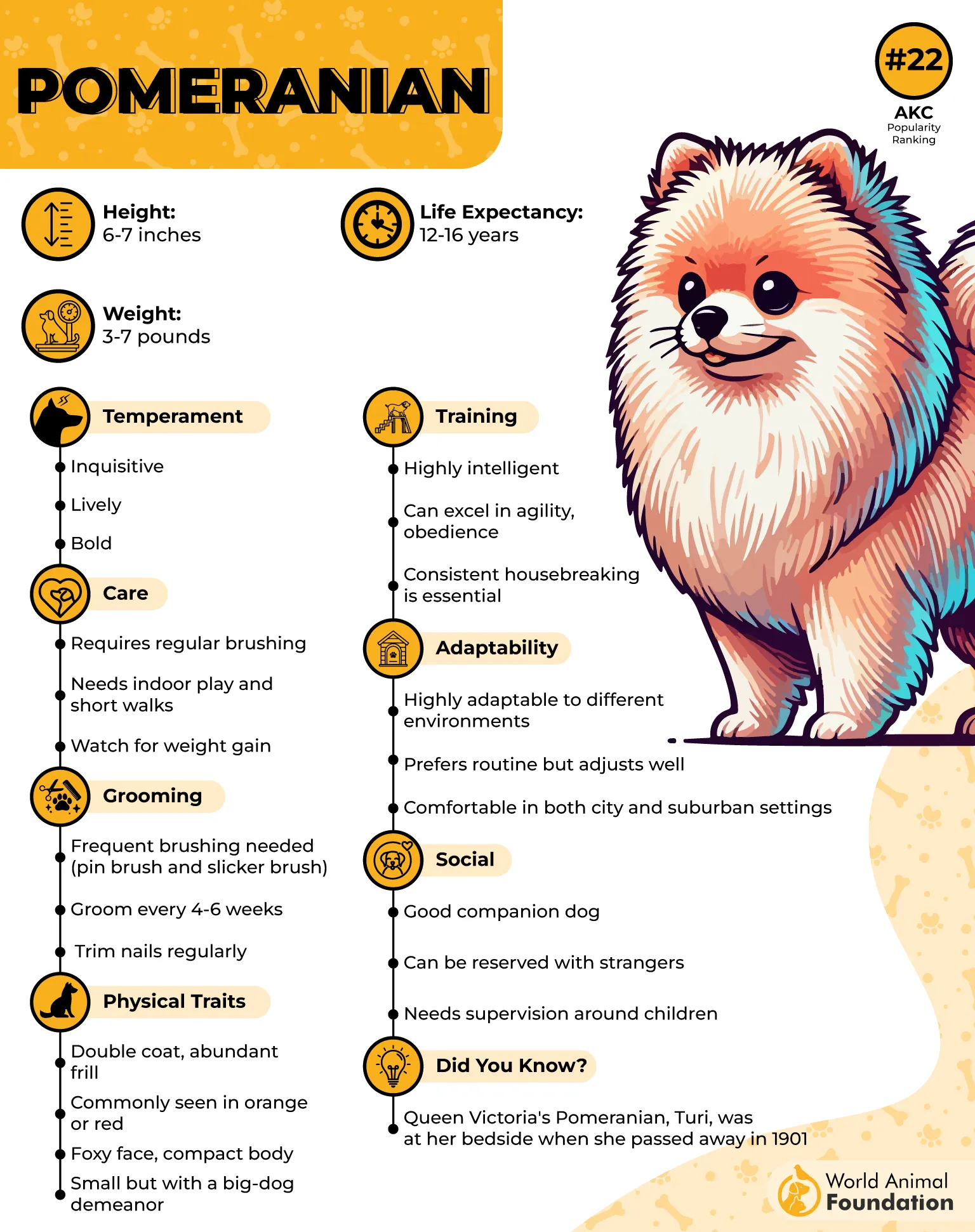
According to PetMD, Pomeranians often get along well with other pets and enjoy receiving plenty of attention. Its fluffy double coat needs regular brushing, while early, consistent training is useful for keeping its instinctive barking controlled rather than excessive.
How This Breed Stands Out
Confident personality: Despite its small stature, the Pomeranian often carries itself with confidence and enthusiasm, bringing plenty of character to a senior household.
Strong owner bond: This affectionate breed enjoys close interaction with its favorite person and can become a devoted everyday companion.
9. Clumber Spaniel
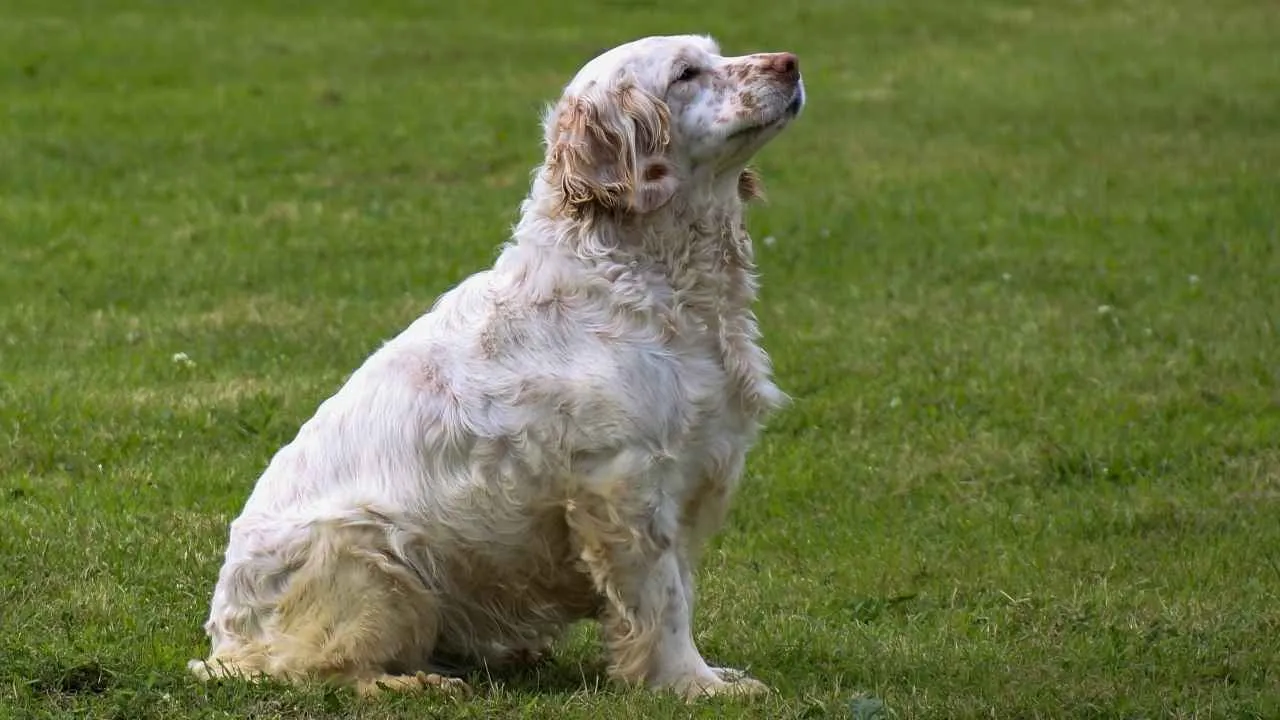
The Clumber Spaniel is a gentle, affectionate dog breed with a relaxed temperament and a strong connection to its family. Despite its heavy build, this English hunting companion is generally quiet indoors and comfortable with a moderate level of daily activity.
Clumber Spaniels tend to be cautious around strangers and protective of their territory. They’ll usually bark when someone approaches the house, but settle down quickly once their owner gives them the “all clear.”
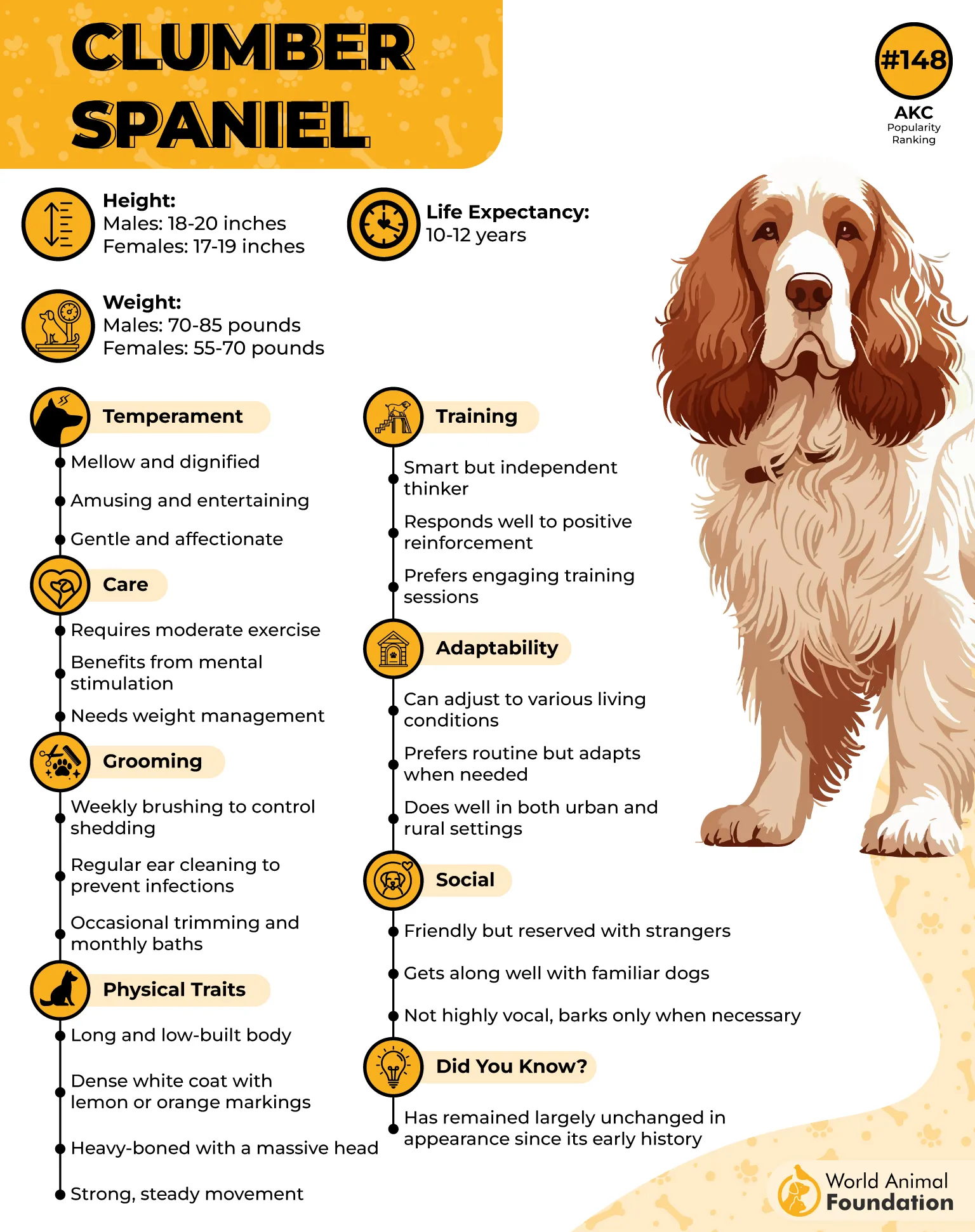
According to Orvis, Clumber Spaniels prefer being with their people and generally tolerate only short periods of time alone. They are not typically aggressive or frequent barkers, so their protective value comes more from their attentive presence and family attachment than from active guarding.
How This Breed Stands Out
Affectionate and people-oriented: Clumber Spaniels enjoy spending time with their families and often seek out close companionship rather than preferring to be left alone.
Naturally composed: Their relaxed temperament helps them remain steady and easygoing in a household that favors a quieter pace.
Conclusion
Finding a furry friend for quiet protection means balancing companionship, temperament, alertness, and manageable care. Seniors may benefit from small breeds that stay attentive to their surroundings without demanding strenuous exercise or constant activity.
Small companions such as the Havanese, French Bulldog, Pug, Japanese Chin, Maltese, and Shih Tzu can provide affectionate companionship while remaining comfortable in calmer households. Their close bonds with pet owners also make them attentive to changes around the home.
The Pomeranian offers stronger watchdog instincts and readily alerts its owner, while the Pekingese brings confidence and territorial awareness despite its small size. The Clumber Spaniel provides a larger, calmer presence with devoted family loyalty.
The best dog breed depends on individual lifestyle, living space, and ability to provide appropriate care. Regardless of breed, socialization, training, and understanding each dog’s temperament can encourage a peaceful and rewarding relationship.
