





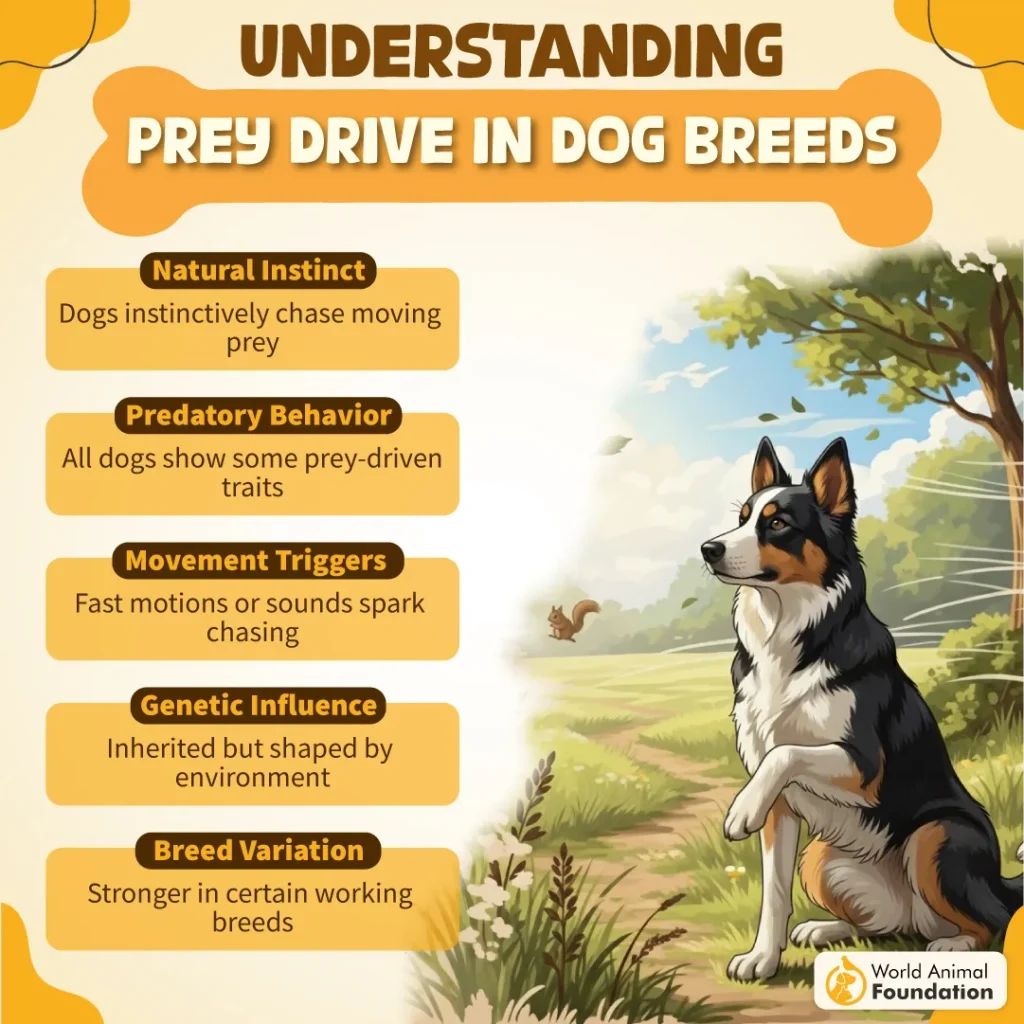
Some dogs seem wired to chase, stalk, and pursue anything that catches their attention. This powerful instinct, known as prey drive, varies between breeds and can influence how a dog responds to small animals, movement, and outdoor environments.
Centuries of selective breeding have strengthened these instincts in many sighthounds and hunting breeds, giving them impressive focus, athleticism, and endurance.
A strong prey drive can be valuable for hunting and other activities, but it also requires responsible management and training. Understanding these remarkable breeds can help owners appreciate their instincts while meeting their unique needs.
Dog Breeds Exhibiting Remarkable Prey-Drive Skills
1. Rhodesian Ridgeback
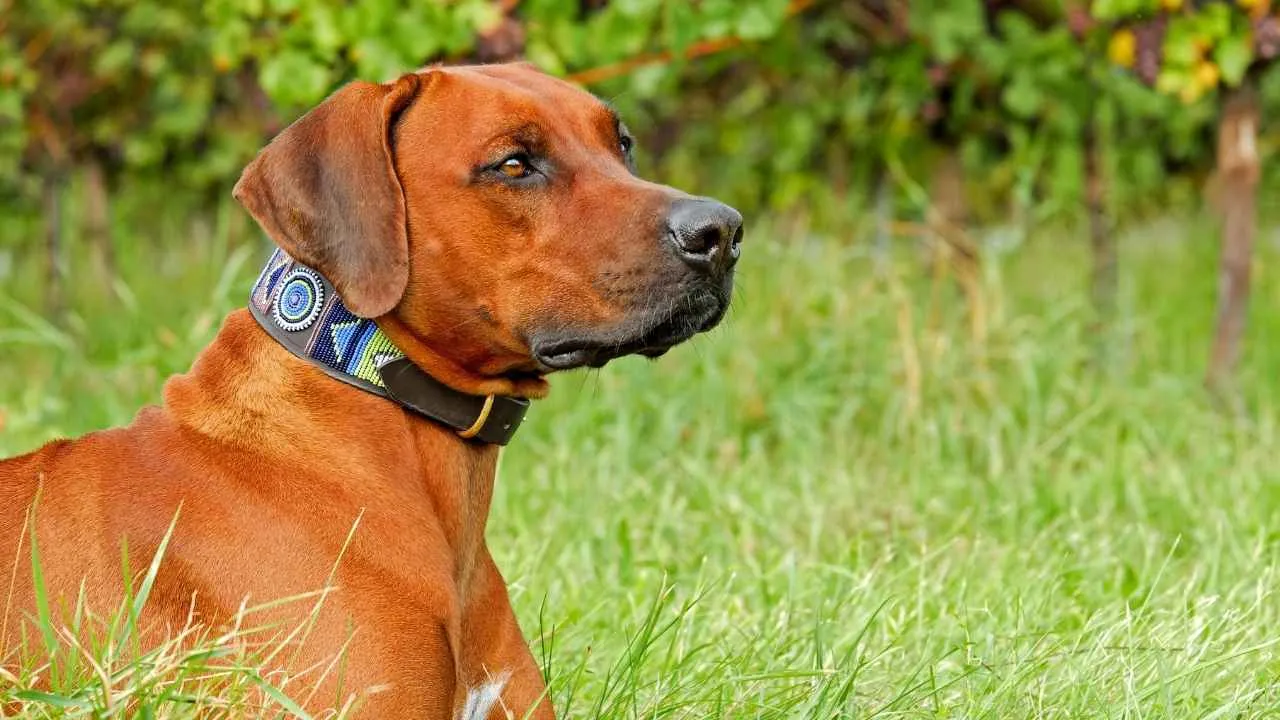
The Rhodesian Ridgeback was developed in Africa to assist hunters pursuing formidable game, including lions. Strong, athletic, and independent, this breed retains sharp hunting instincts and a powerful sense of smell that can quickly draw its attention toward moving prey.
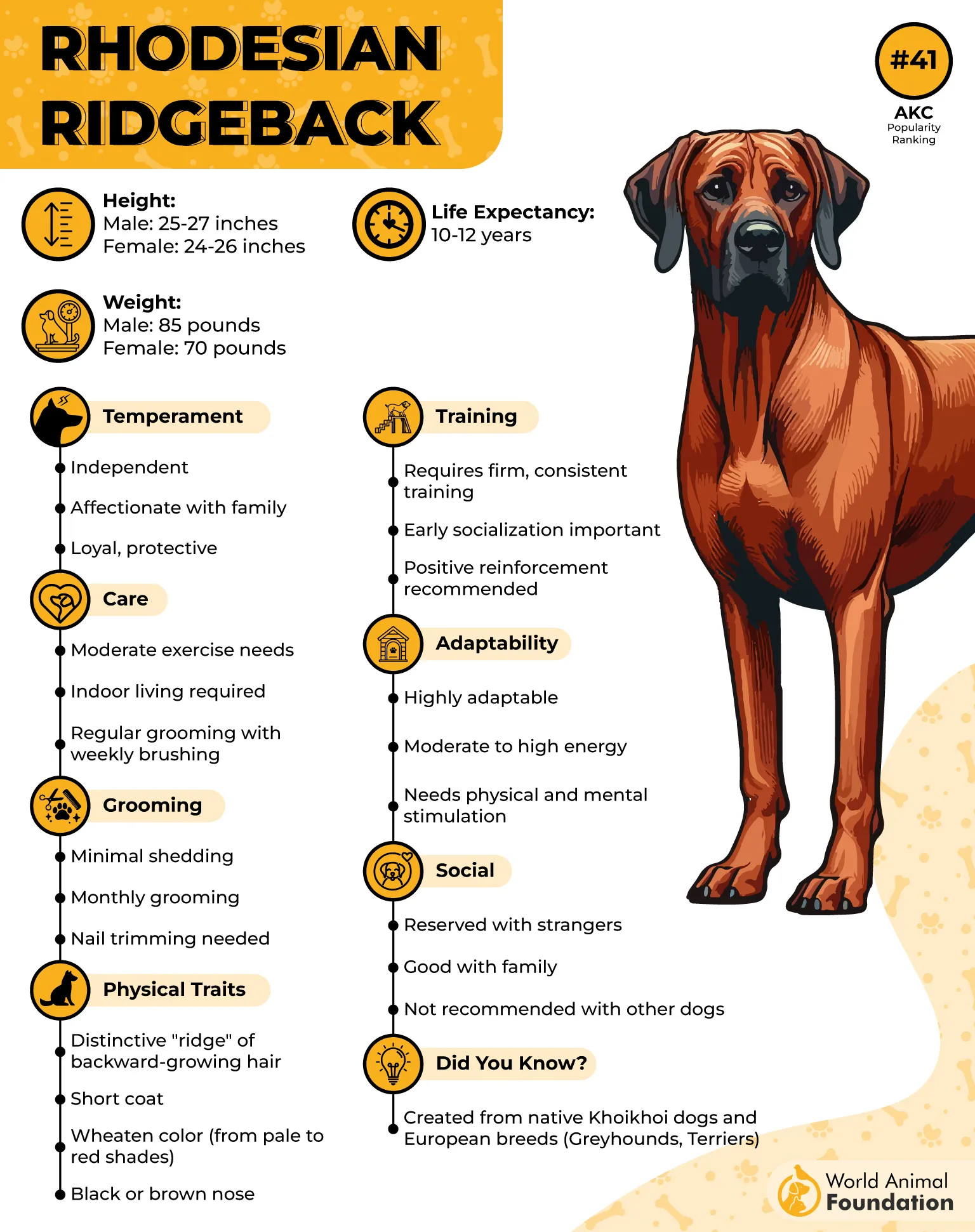
Although modern Ridgebacks rarely face large game, their natural drive remains evident in everyday situations. Early, consistent training and reliable leash control are important, particularly around smaller animals. They tend to suit homes with older children and few small pets.
How This Breed Stands Out
Bred for tracking large game: Its heritage required stamina, scenting ability, and determination when following challenging prey.
Courageous pursuit instinct: Fearlessness and confidence remain hallmarks of a breed historically expected to confront dangerous animals.
2. Irish Setter

The Irish Setter is a graceful yet hardworking bird dog, recognized for its flowing mahogany-red coat and athletic build. Beneath its elegant appearance lies a determined hunter with a strong instinct to locate and pursue birds across open terrain.
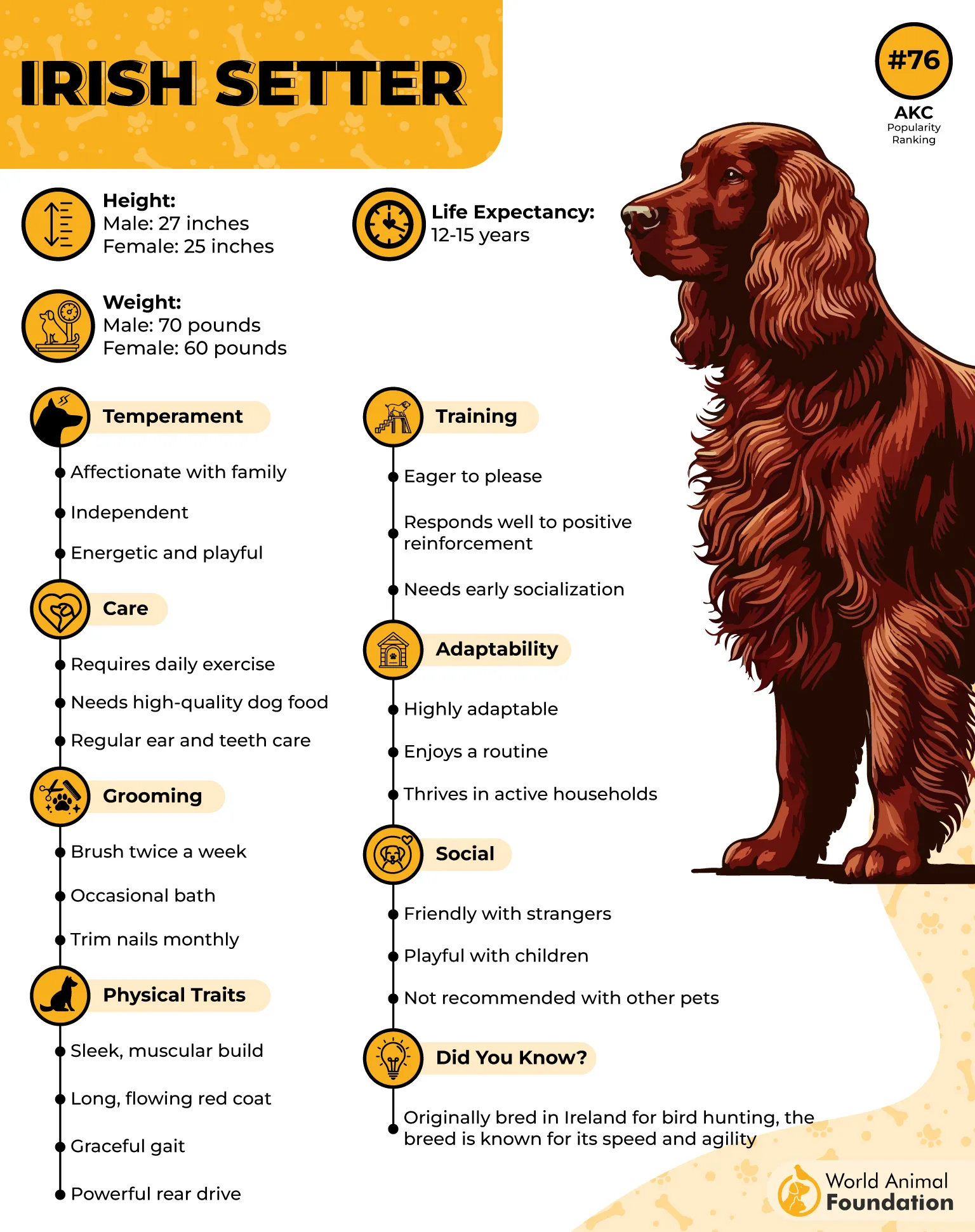
Bred to cover broad areas while searching for game, this energetic breed thrives when given plenty of physical activity. A good game of play such as fetch provides a healthy outlet for chasing instincts, and agility sports can channel that drive positively. Its enthusiasm for running and natural field ability remain important traits, while its affectionate, friendly personality also makes it a devoted family companion.
How This Breed Stands Out
Strong bird-finding drive: Its hunting heritage gives the Irish Setter a natural ability to search for and locate birds.
Energetic field movement: Built for covering open ground, it combines stamina, agility, and enthusiasm when working outdoors.
3. Afghan Hound
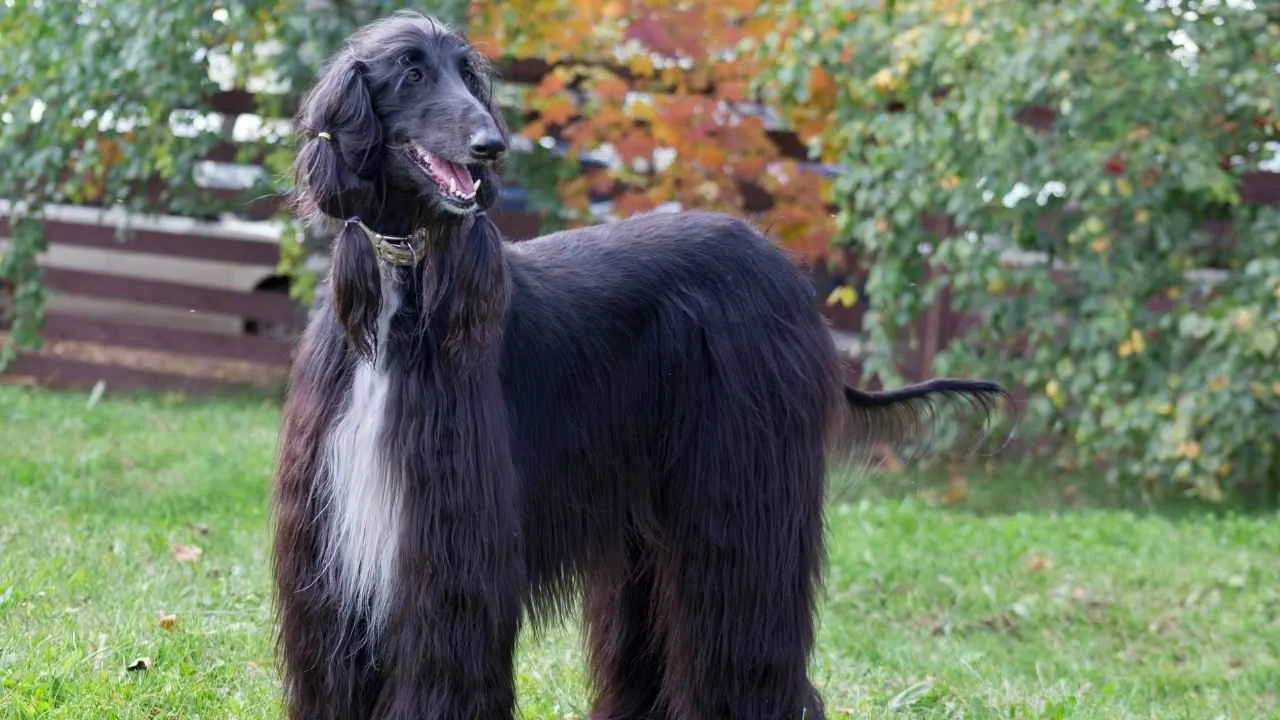
The Afghan Hound is an ancient sighthound distinguished by its flowing coat, athletic frame, and remarkable ability to spot movement from a distance. Originally used to pursue swift, challenging prey, it relies heavily on vision rather than scent when hunting.
Independent and dignified, the Afghan Hound can quickly switch from calm companion to determined pursuer when something catches its eye. Its instinct to chase makes secure fencing and dependable leash control essential, while regular opportunities to run help satisfy its considerable exercise needs.
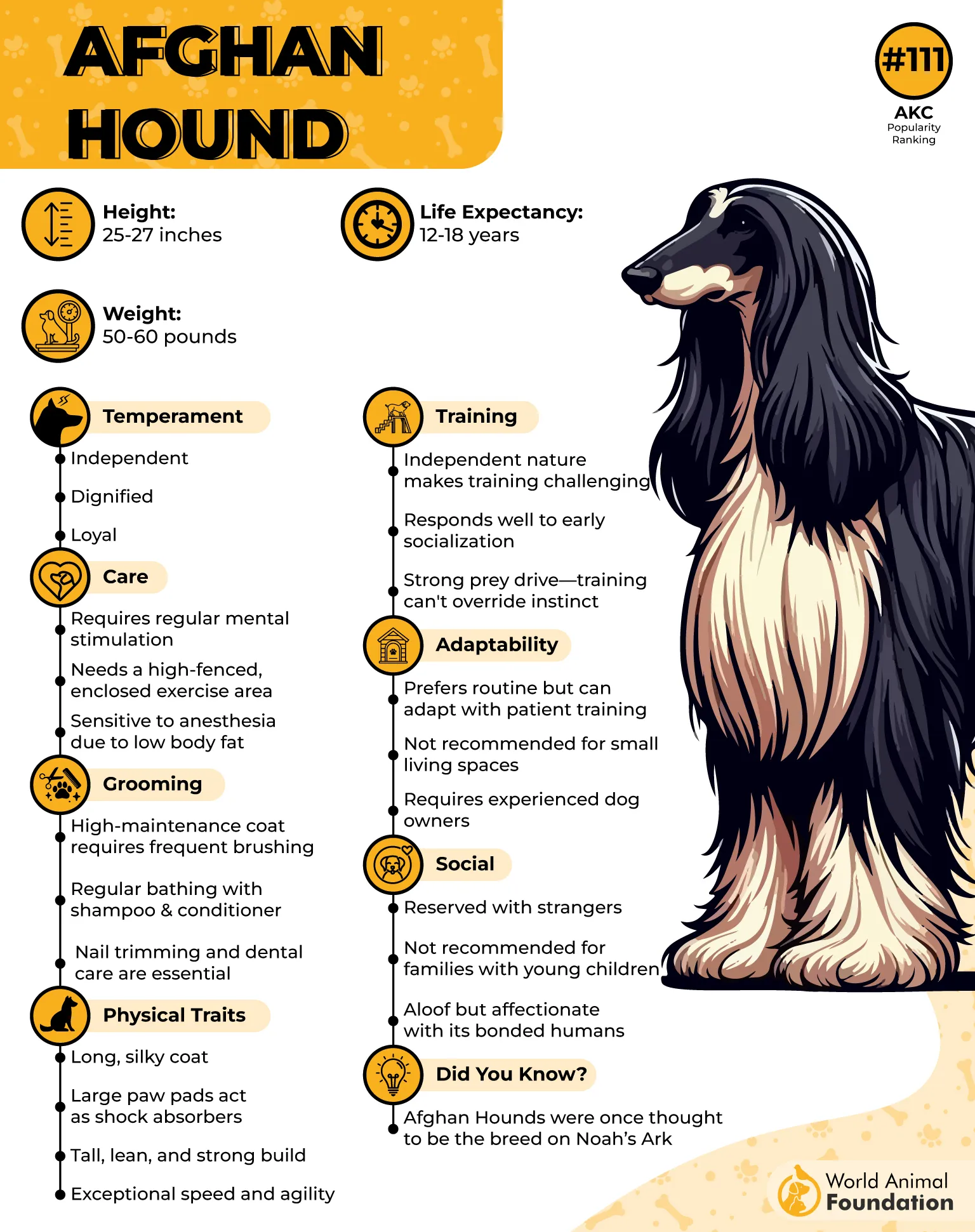
How This Breed Stands Out
Exceptional visual prey detection: Its keen eyesight allows it to notice and track moving prey across considerable distances.
Independent hunting style: Bred to pursue quarry with determination, it can make decisions and chase without relying heavily on human direction.
4. Greyhound
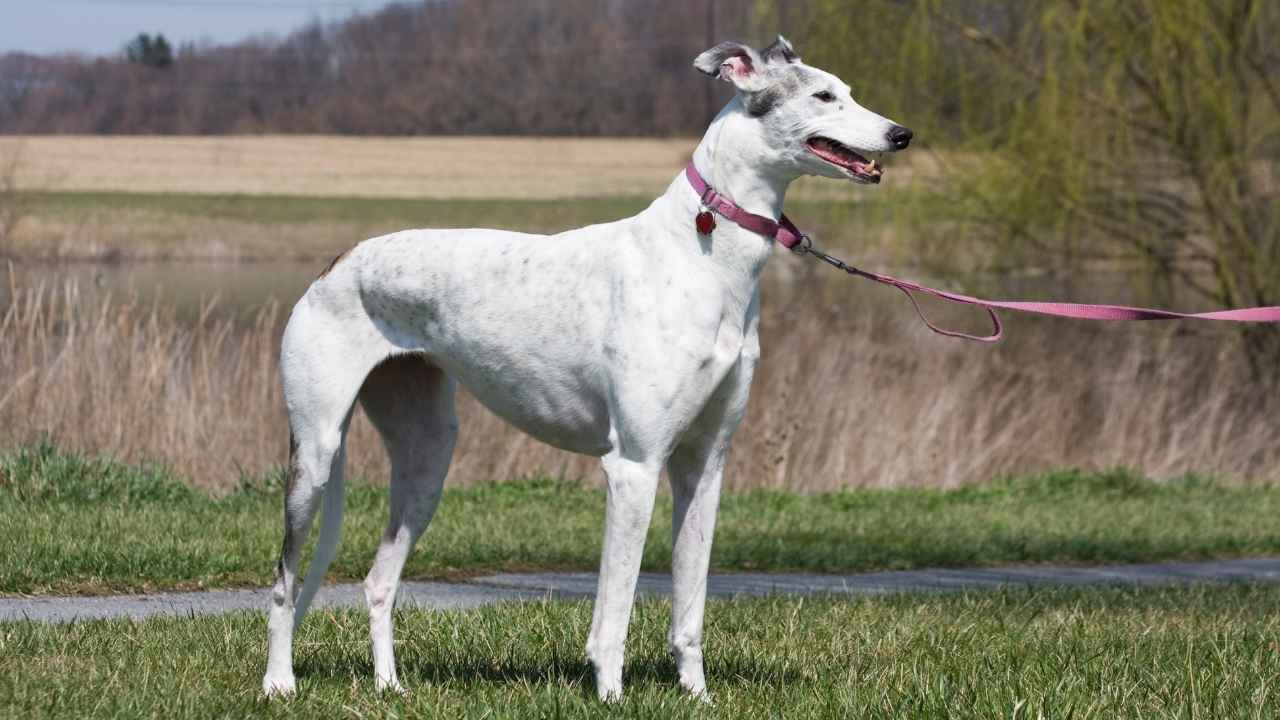
The Greyhound is renowned for its extraordinary speed and intense interest in fast-moving animals. This ancient sighthound was developed to chase prey such as rabbits and foxes, using its sharp vision to detect movement and initiate pursuit.
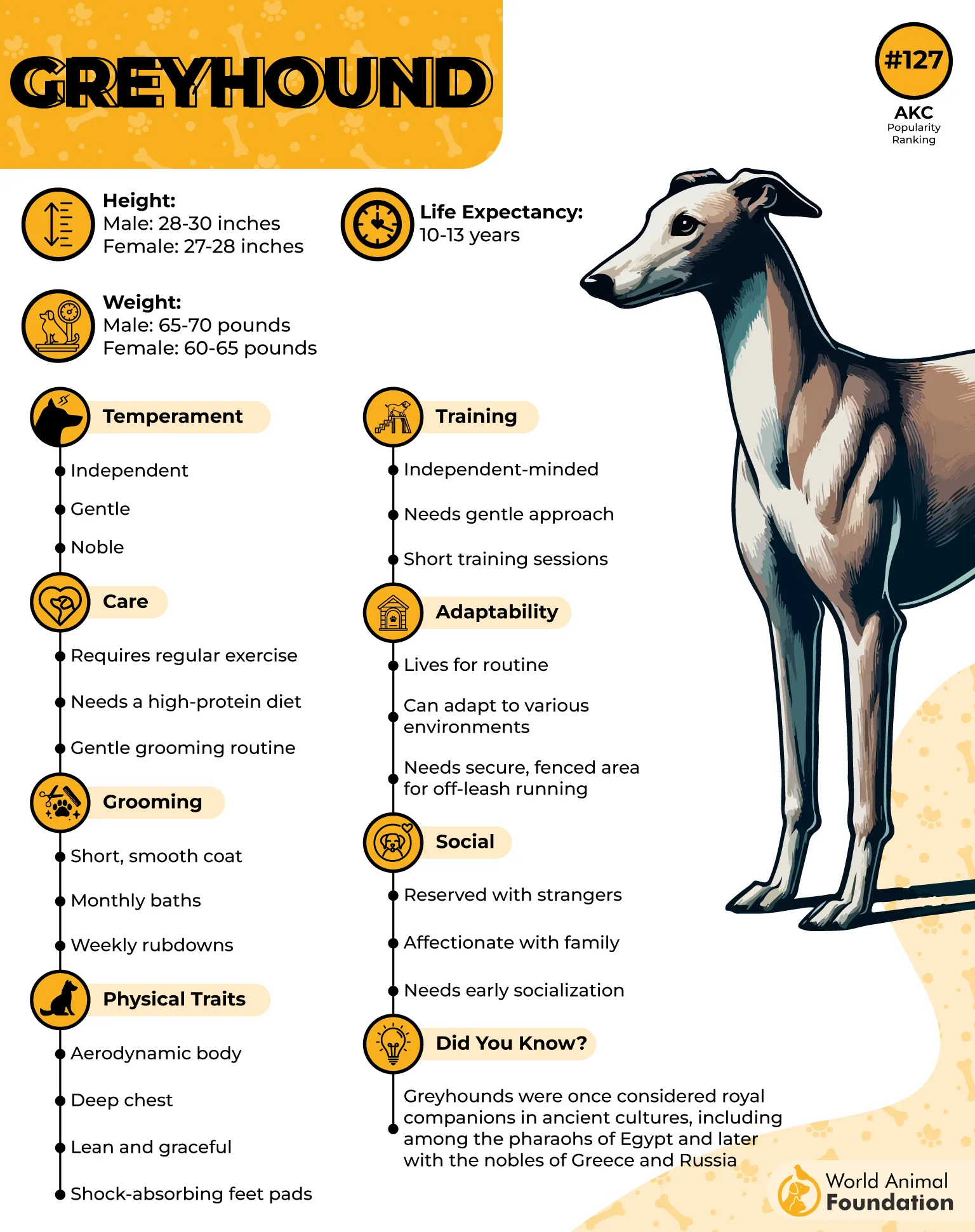
According to PetMD, they do not require constant exercise but benefit from regular activity to stay mentally stimulated and happy.
Despite its powerful hunting instincts, the Greyhound can be surprisingly relaxed indoors and often enjoys long periods of rest. Outdoors, however, its attention can quickly shift toward squirrels, rabbits, or other moving targets, so a well-fitted collar helps prevent escape, recall matters if the dog is called, and a fixed-length leash offers better control than extendable options when they pull.
How This Breed Stands Out
Powerful sight-chasing instinct: Its exceptional vision allows the Greyhound to quickly identify movement and trigger a natural pursuit response.
Explosive sprinting speed: Built for short, intense bursts of running, it can accelerate rapidly when chasing a moving target.
5. Saluki
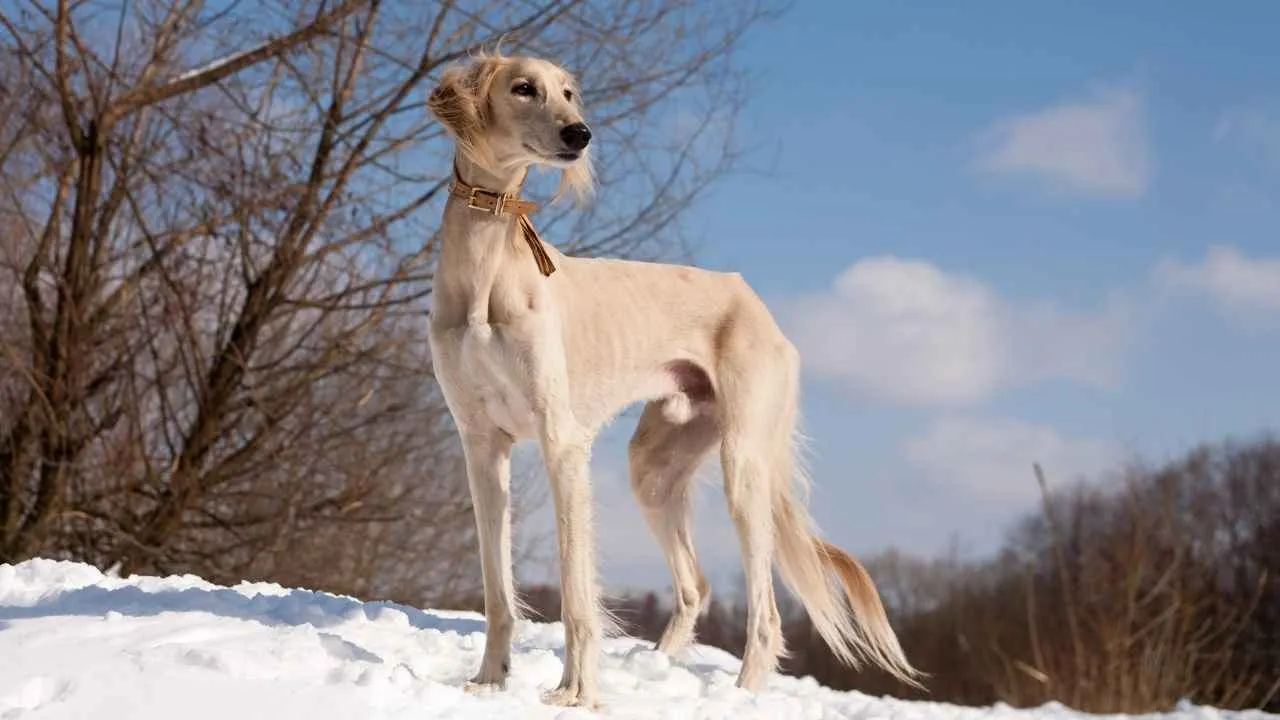
The Saluki is an ancient sighthound with deep roots in the Middle Eastern deserts, where it was valued for hunting across demanding terrain. Slim yet powerful, this breed combines keen eyesight, agility, and a remarkably strong instinct to chase moving animals.
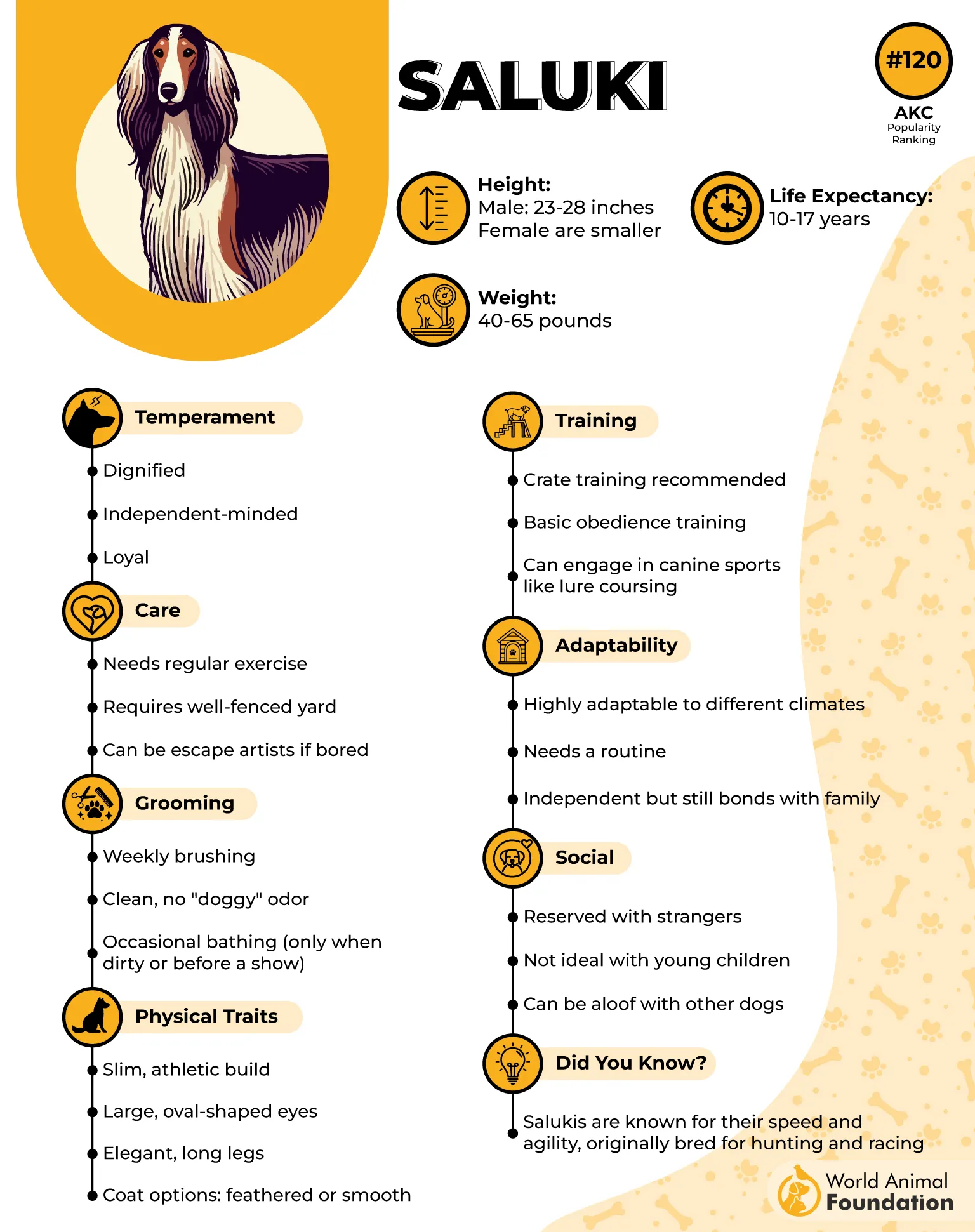
According to PDSA, Salukis are gentle and sensitive dogs that can be reserved or somewhat aloof around unfamiliar people.
Built for endurance as well as speed, Salukis can maintain pursuit over considerable distances and require substantial daily exercise. They are affectionate with familiar people but independent by nature, while smaller animals may trigger their hunting instincts. Secure fencing and consistent leash use are essential.
How This Breed Stands Out
Ancient desert hunting heritage: Salukis were prized hunting companions for thousands of years in harsh desert environments.
Exceptional long-distance pursuit: Their athletic build and stamina allow them to sustain energetic chases across open terrain.
6. Weimaraner
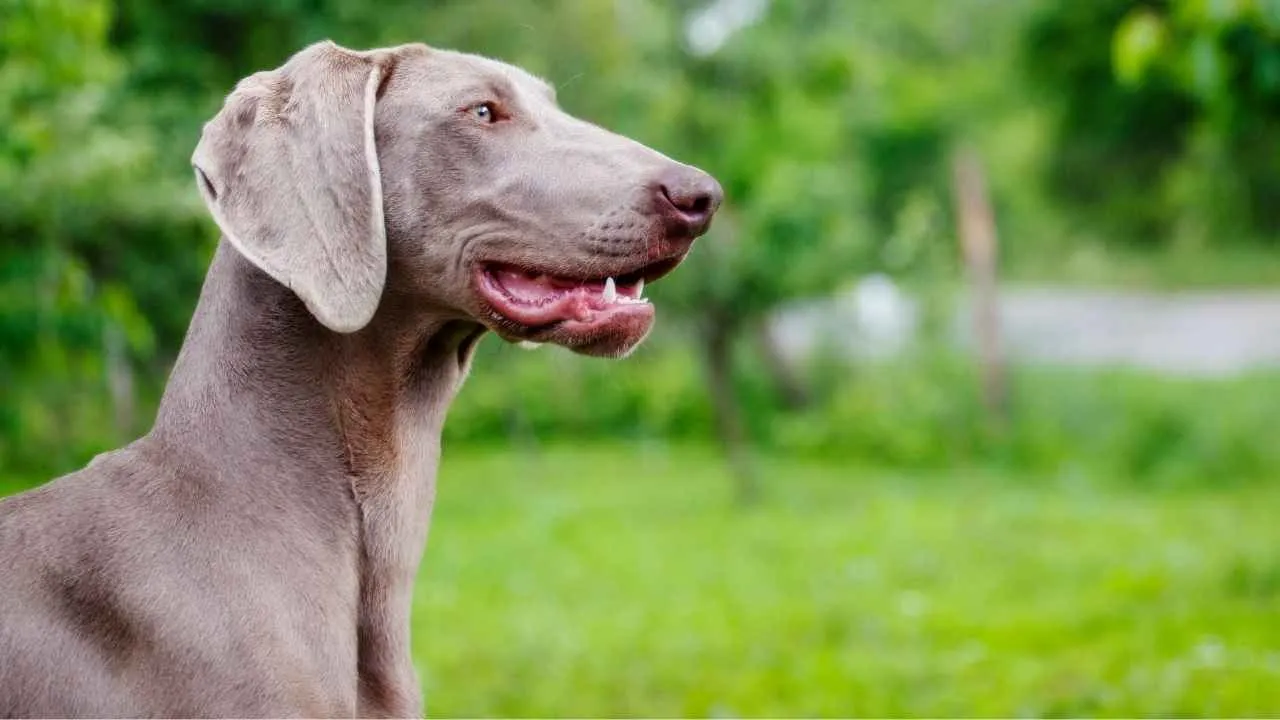
The Weimaraner is a versatile hunting breed with a history of pursuing substantial quarry, including deer and bears. Its athletic build, sharp intelligence, and determined working nature give it the stamina and focus needed to follow and pursue game in demanding conditions.
According to Purina, the Weimaraner has a short, low-maintenance coat that is typically solid gray, sometimes with a small white chest marking, while its amber or blue-gray eyes give it an intelligent expression.
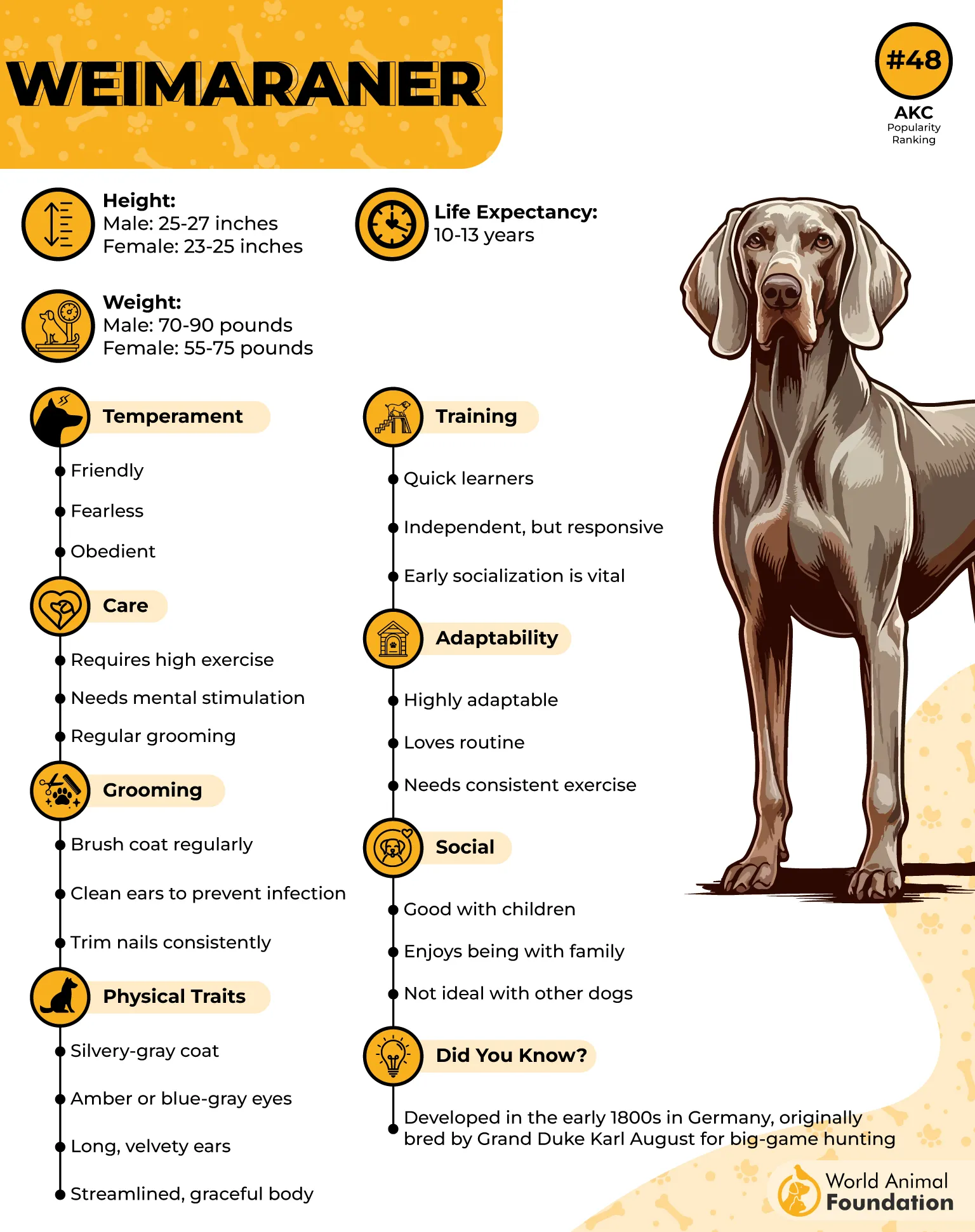
Today, Weimaraners commonly work with birds while also serving as affectionate family dogs. Their intelligence allows them to learn quickly, so consistent training and early socialization are important. They also require plenty of physical activity and mental stimulation to stay balanced.
How This Breed Stands Out
Versatile quarry drive: Its hunting background has equipped the Weimaraner to pursue different types of game, from birds to larger animals.
Persistent tracking ability: Intelligence, athleticism, and determination help it remain focused while following a scent or pursuing quarry.
7. Whippet
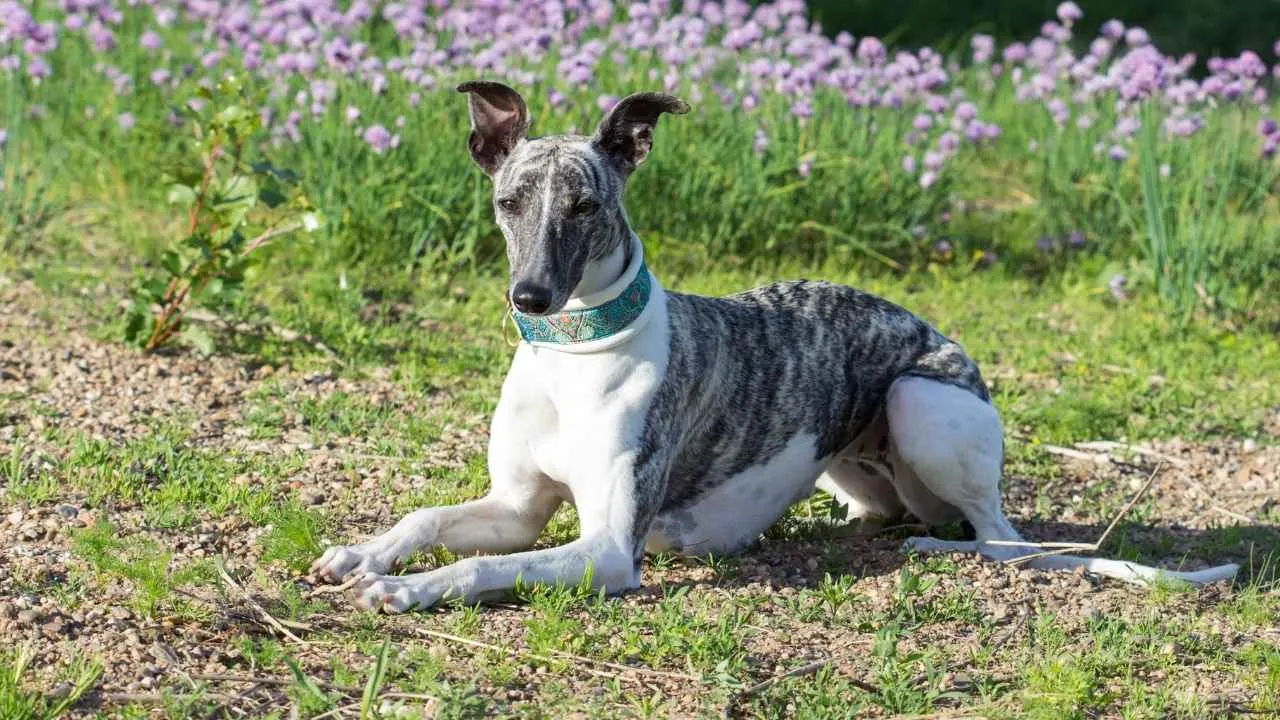
The Whippet is a sleek, athletic sprinter built for rapid acceleration and energetic pursuit. Its slim frame, long legs, and powerful stride allow it to react quickly when something moves, reflecting the strong chase instinct inherited from its hunting background.
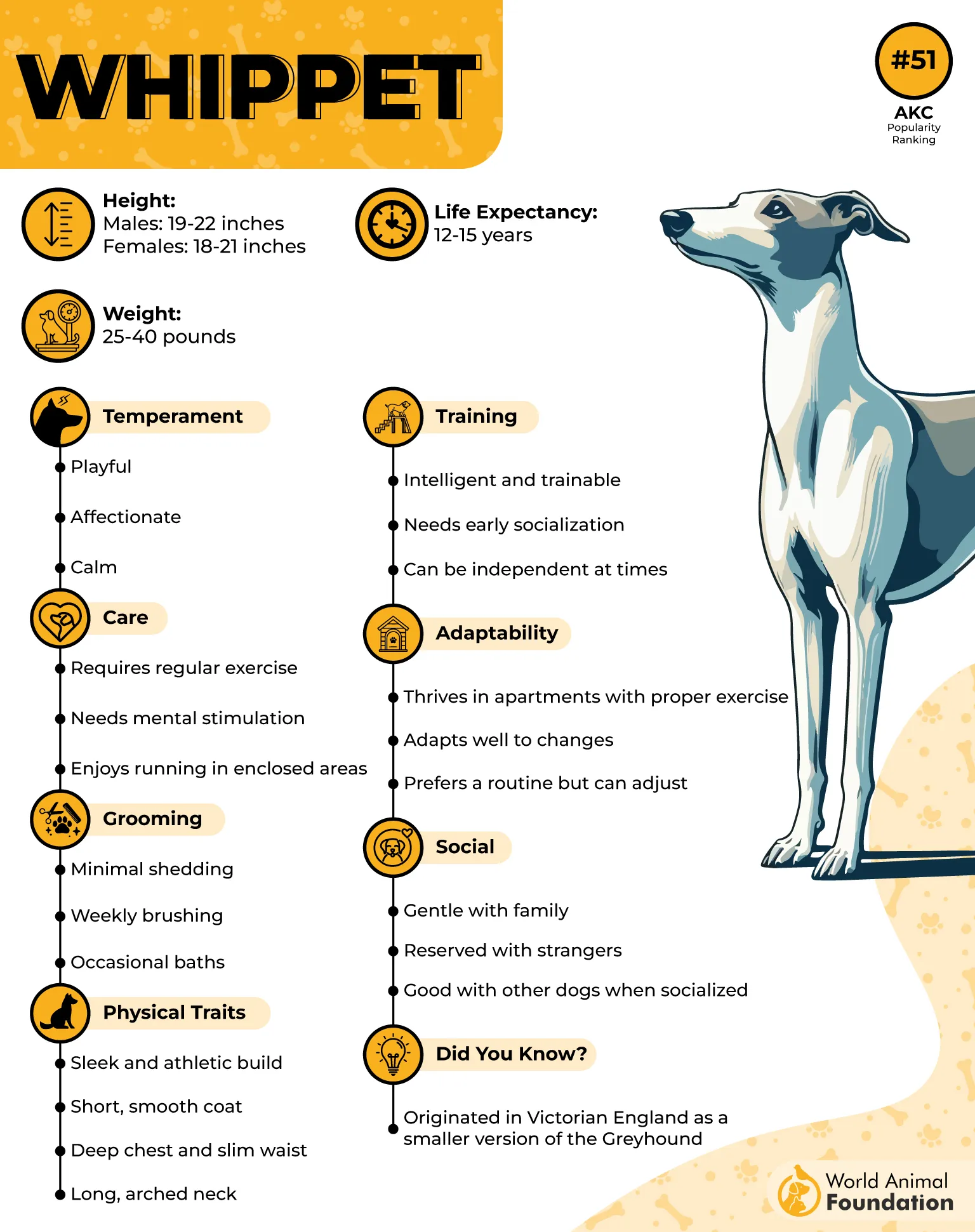
Despite their intensity outdoors, Whippets are notably calm at home and enjoy relaxing beside their owners after exercise. They need regular opportunities to run safely, while a fenced area is especially important because their instinct to chase can quickly take over when they spot moving prey.
How This Breed Stands Out
Quick response to moving prey: Its sharp visual awareness and athletic reflexes allow the Whippet to react almost instantly to movement.
Agile short-distance pursuit: Powerful bursts of speed and nimble movement make it highly effective at chasing targets over shorter distances.
Conclusion
Prey drive is a powerful instinct shaped by generations of selective breeding for hunting and tracking. Breeds with this trait can be highly focused, athletic, and responsive when they detect potential quarry.
The Rhodesian Ridgeback and Weimaraner demonstrate strength and determination, while the Irish Setter excels at locating birds. Afghan Hounds, Salukis, Greyhounds, and Whippets rely heavily on keen eyesight and remarkable speed to pursue moving prey.
These instincts can be impressive, but they also require responsible handling. Secure fencing, dependable leash control, regular exercise, and consistent training are especially important for dogs that may instinctively chase smaller animals.
Understanding a breed’s hunting heritage can help owners provide appropriate outlets for its natural abilities. With suitable structure, mental stimulation, and safe opportunities to exercise, these dogs can channel their prey drive in healthy ways.
