




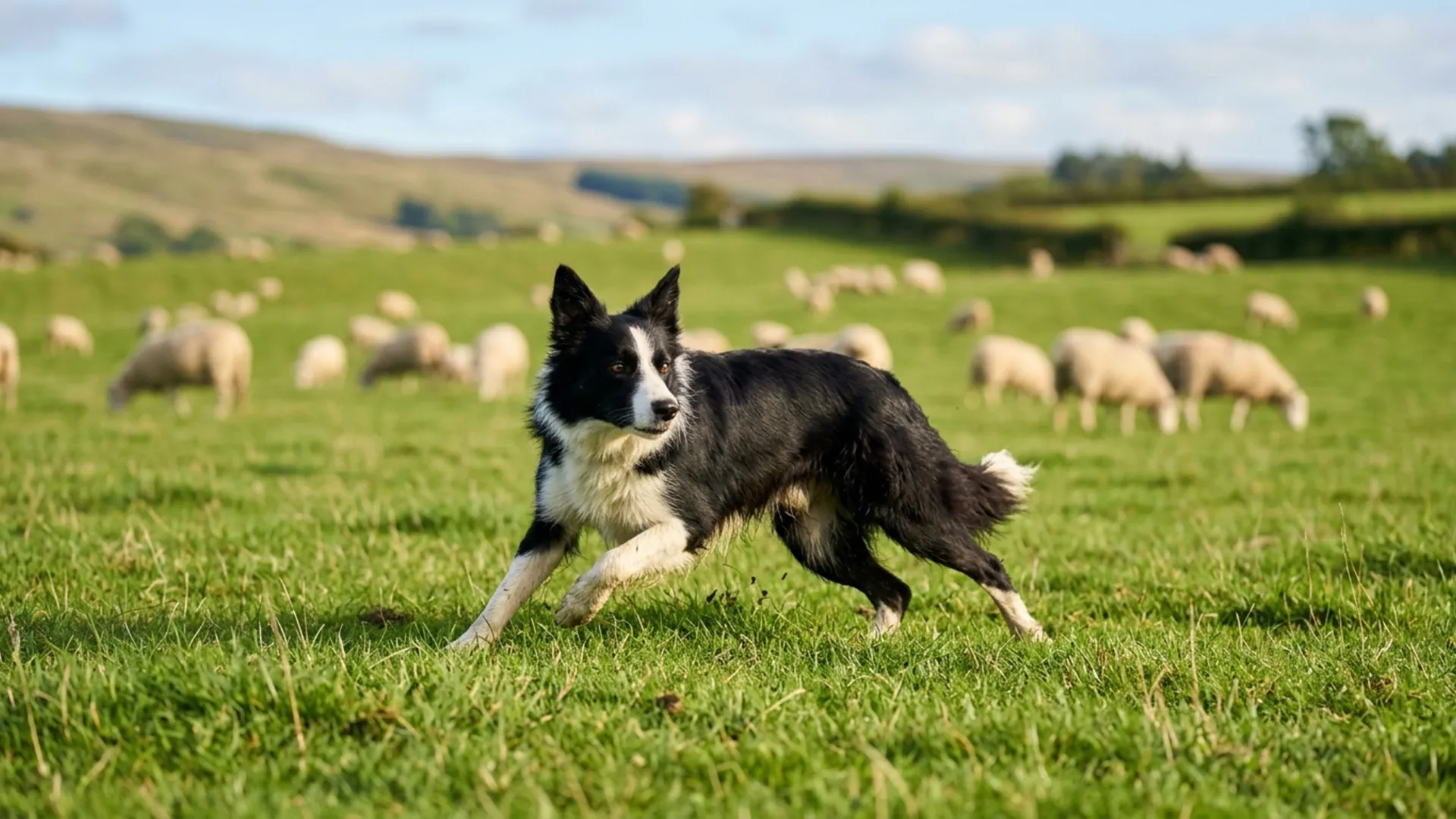
Ever wondered how some dogs can keep an entire flock moving in the right direction? Herding dogs are naturally intelligent, energetic, and quick to respond, making them valuable partners for farmers and livestock owners. Their instincts help them gather, guide, and control animals with remarkable focus.
But there’s more to these dogs than their impressive working skills. Different herding dogs have different ways of doing the job, and their strong instincts can also influence how they behave at home. They often need plenty of exercise, training, and mental stimulation to stay happy and well-behaved.
In this article, we’ll explore the best dog breeds that excel in herding, what makes their working abilities special, and what you should know about these hardworking companions.
Key Takeaways
See why Border Collies are masters of precision, focus, and fast-paced herding.
Discover how Australian Shepherds bring versatility, agility, and ranch-ready instincts.
Learn what makes Australian Cattle Dogs fearless, tough, and built for demanding work.
Find out how each breed’s exercise, training, grooming, and instincts shape life with them.
Must‑Know Dog Breeds That Excel in Herding
1. Border Collie
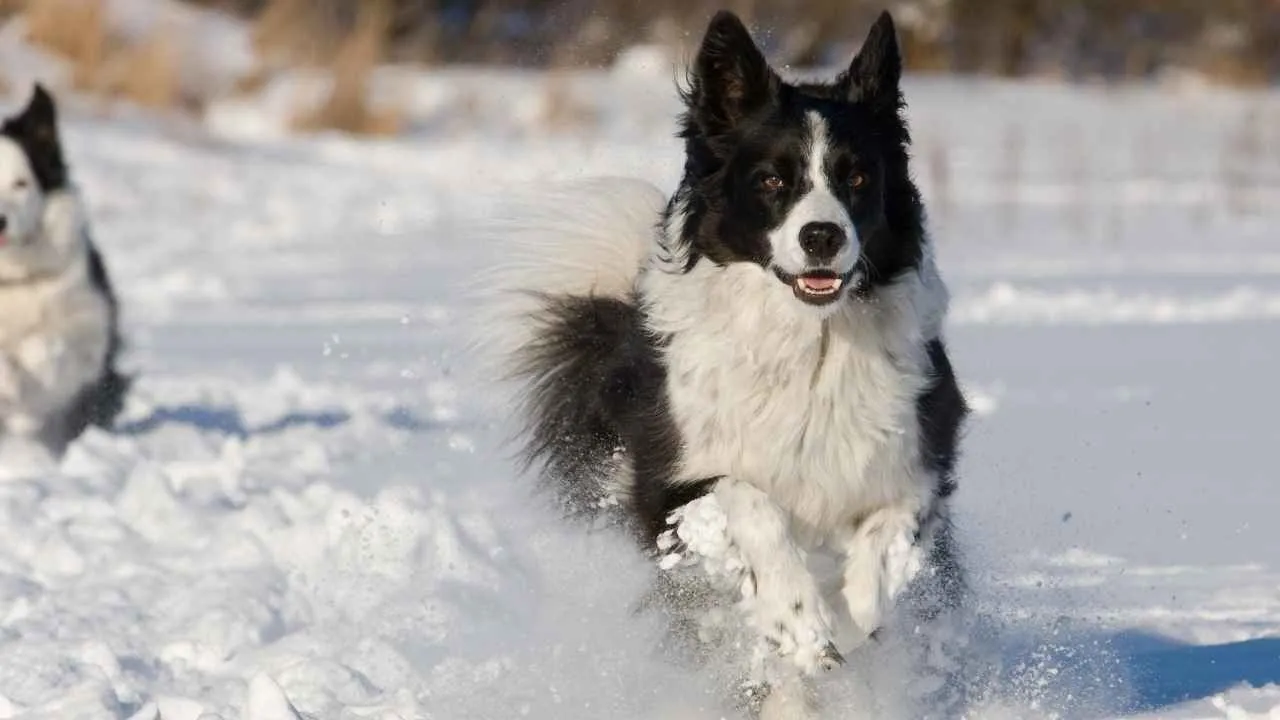
Border Collies are known for their intelligence, athleticism, and strong herding instincts. They originated from sheepdogs in the British Isles, especially around the border of England and Scotland.
Their quick movements, sharp focus, and ability to follow human direction made them excellent livestock workers. Today, they still work on farms and excel in herding, agility, obedience, tracking, flyball, and disc sports.
What Makes Them Stand Out
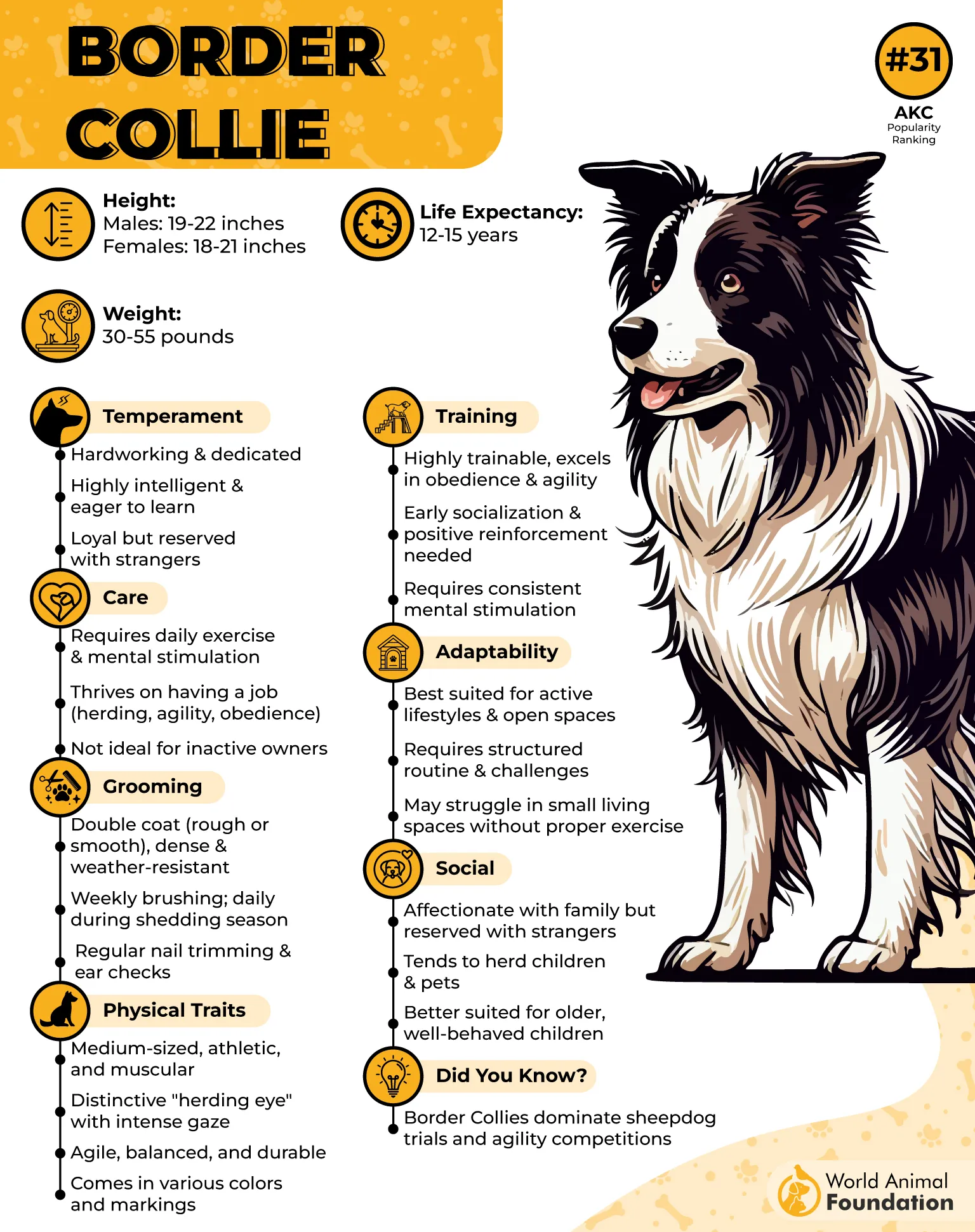
Border Collies are highly driven dogs that love having a job. Their herding style combines careful control with quick bursts of speed. Their instincts can also appear at home, where they may try to herd children, people, or other pets.
They learn quickly and respond well to training, but they need regular physical activity and mental challenges. Without enough stimulation, they may become bored and start barking, digging, or chewing.
Care and Health
Border Collies have rough or smooth double coats that shed seasonally. Regular brushing helps control loose hair and prevent tangles. They are generally hardy dogs, but some can develop conditions such as hip dysplasia, epilepsy, deafness, collie eye anomaly, and progressive retinal atrophy.
2. Australian Shepherd
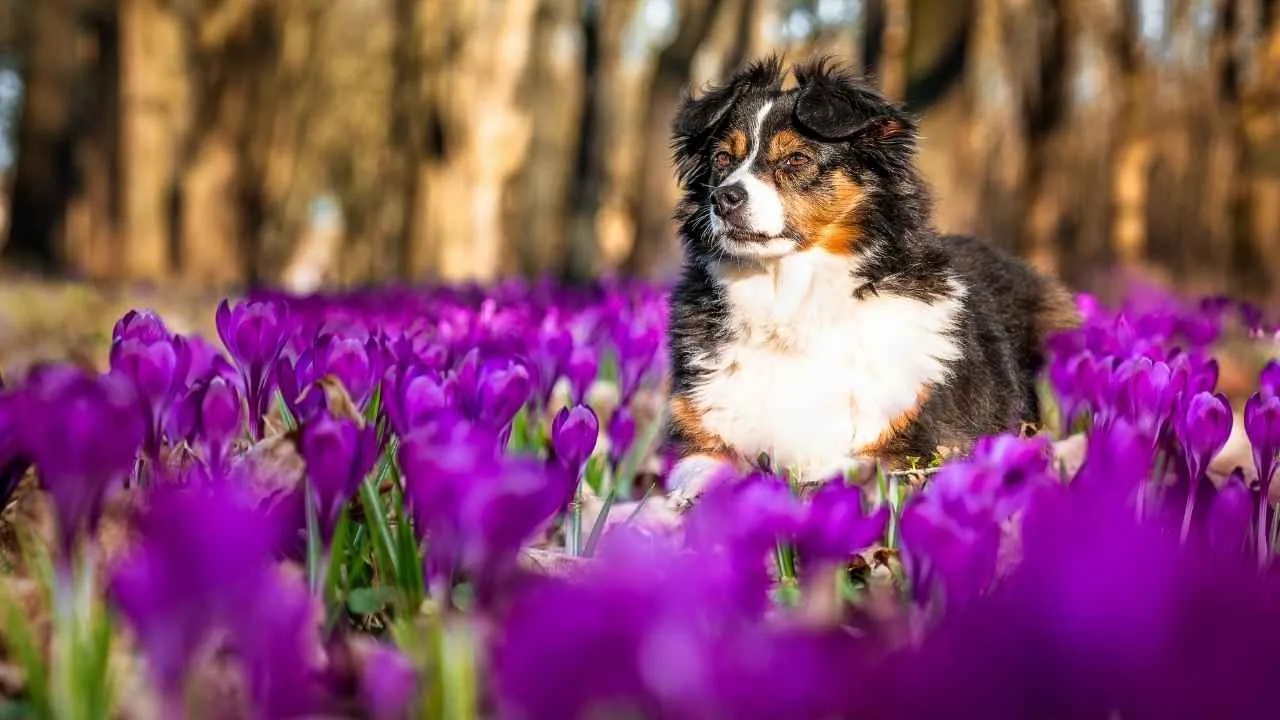
Australian Shepherds are energetic, intelligent herding dogs with a strong work ethic. Despite their name, they were developed in the western United States and became closely linked with ranch and cowboy life.
Their alert nature, agility, and independent thinking helped them manage livestock. They are also versatile workers and have been used in search and rescue, therapy work, police work, and assistance roles.
What Makes Them Stand Out
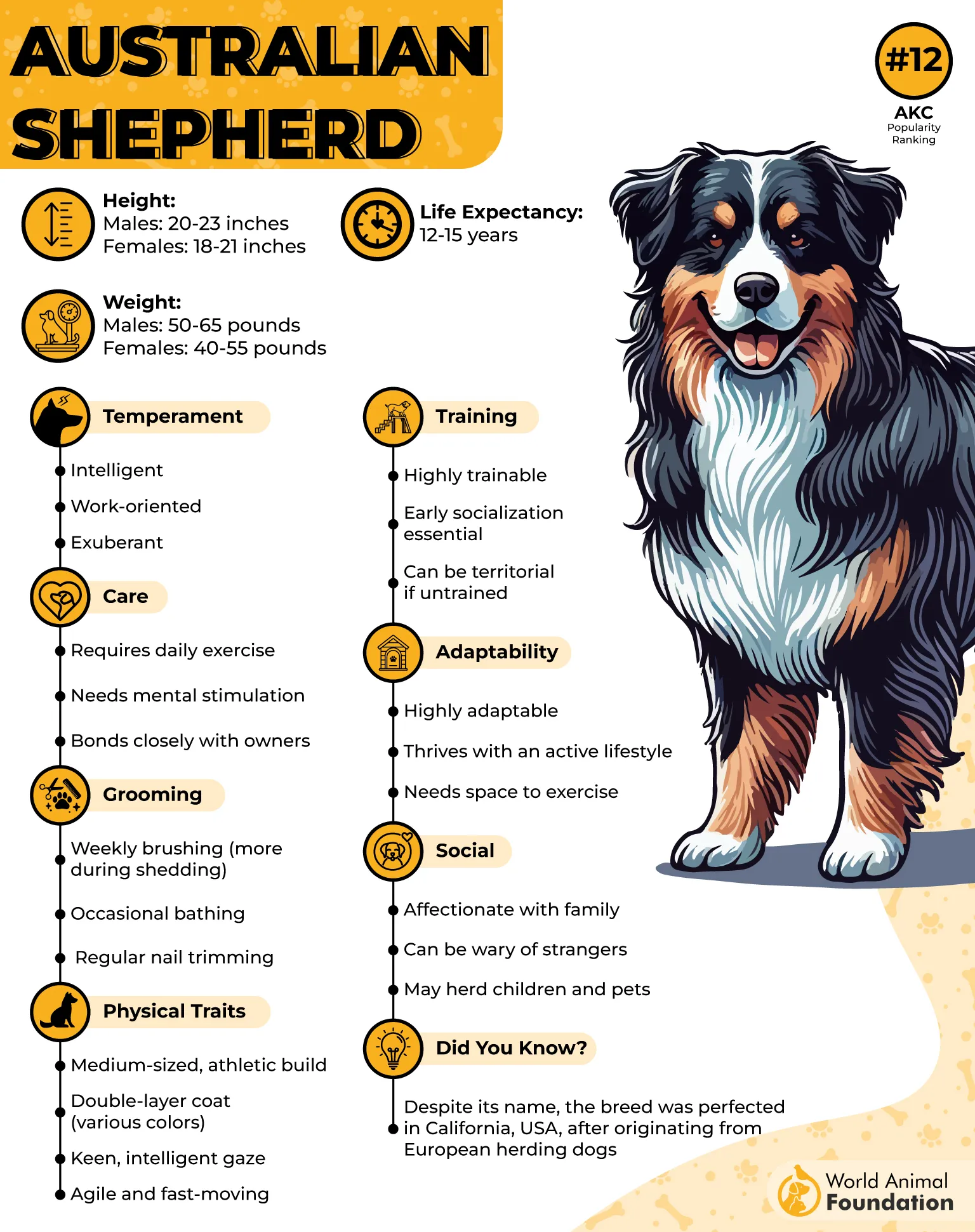
Aussies are natural herders with strong guarding instincts. They can confidently manage livestock while staying responsive to their handlers. Their herding instincts may also show at home, where they might try to chase or control children, cats, or other moving objects.
Early socialization and consistent training can help redirect these behaviors. They learn quickly and enjoy activities such as herding, agility, obedience, tracking, running, and dock diving.
Care and Health
These dogs need plenty of physical and mental activity each day. Long walks, vigorous play, running, and retrieving can help keep their energy focused.
Their water-resistant double coats need weekly brushing, with extra grooming during shedding seasons. Australian Shepherds are generally healthy, but hip dysplasia, epilepsy, and cataracts can occur.
3. Shetland Sheepdog
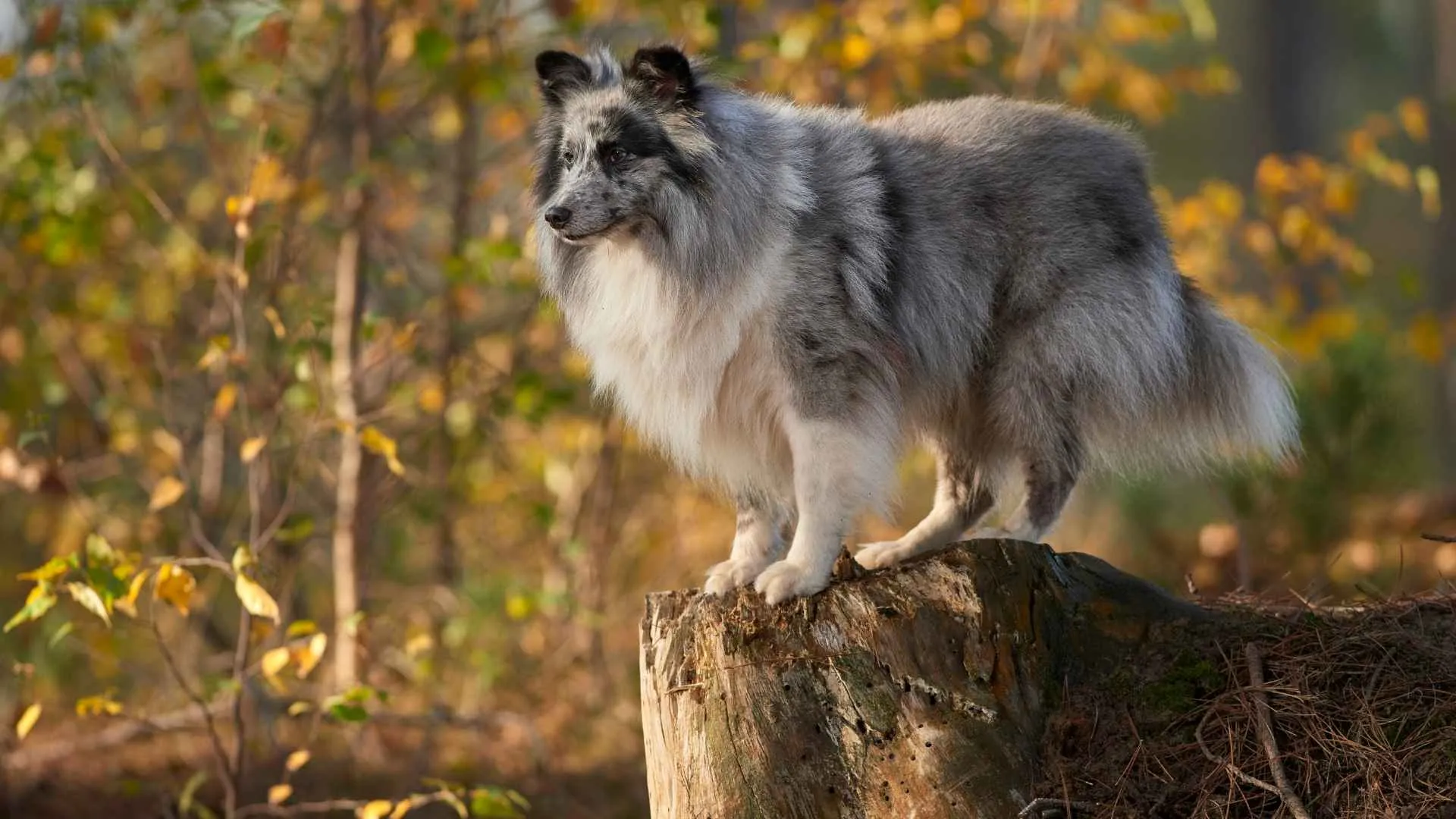
Shetland Sheepdogs, often called Shelties, were developed on Scotland’s Shetland Islands to manage small livestock in a rugged environment with limited food and harsh weather.
Their smaller build made them practical for the islands, while their agility, alertness, and intelligence made them capable herding partners. Although they resemble miniature Rough Collies, Shelties are a distinct breed with their own history and working abilities.
What Makes Them Stand Out
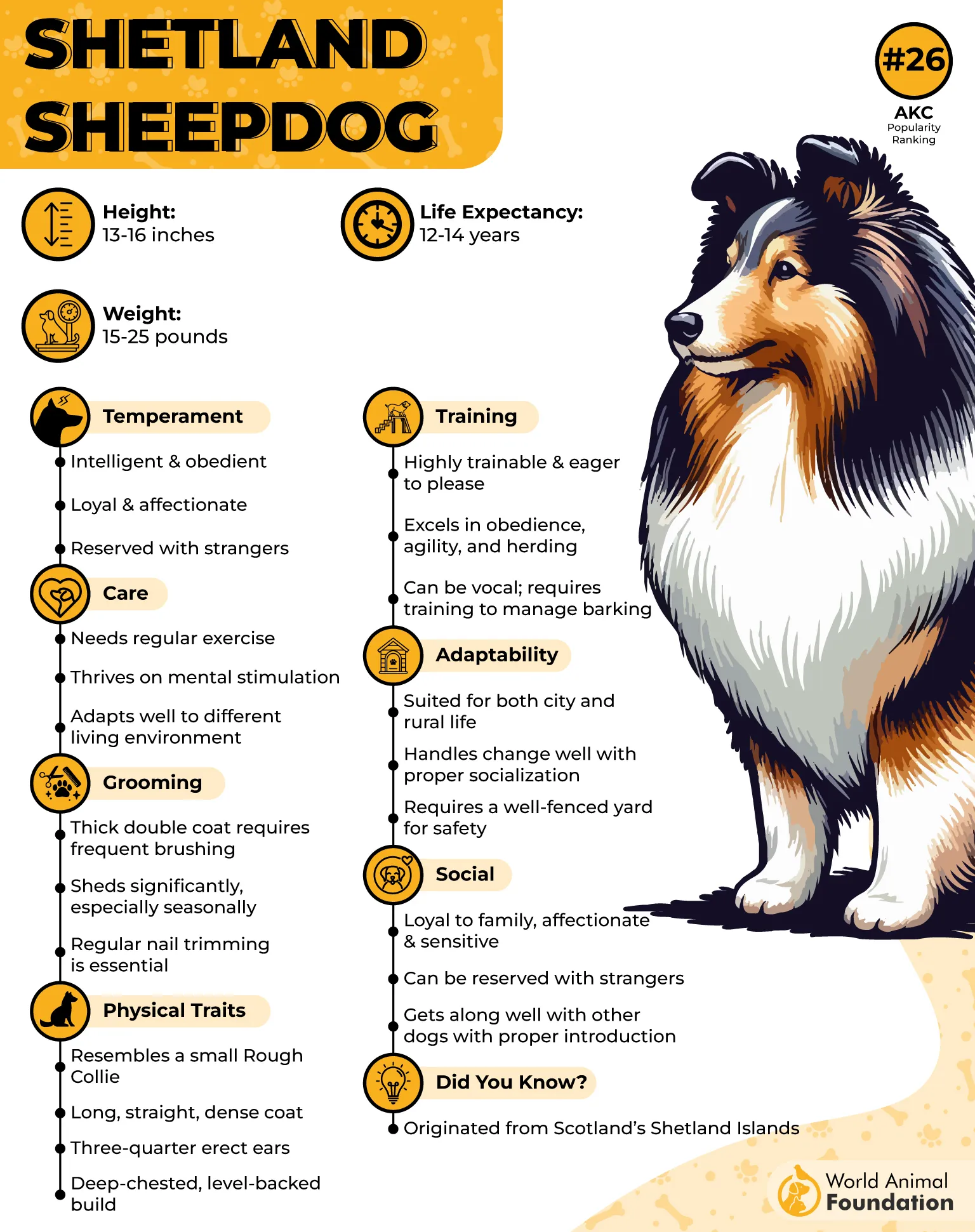
Shelties are among the most biddable herding dogs, meaning they are highly responsive to their handlers and eager to learn. Their sharp minds and willingness to work helped them control sheep, poultry, and ponies, and those same traits make them excellent at obedience, agility, tracking, and other activities.
They are also naturally alert and vocal, often using their distinctive bark to warn their families about unfamiliar people or activity. Their herding instincts can make them chase moving animals, so training and secure areas are important.
Care and Health
These energetic dogs need daily physical and mental activity and can become bored, noisy, or destructive without enough to do.
Their long double coats are another consideration, requiring brushing at least twice a week and more frequent grooming during heavy seasonal shedding. Shelties are generally healthy and typically live around 12–14 years.
4. Australian Cattle Dog
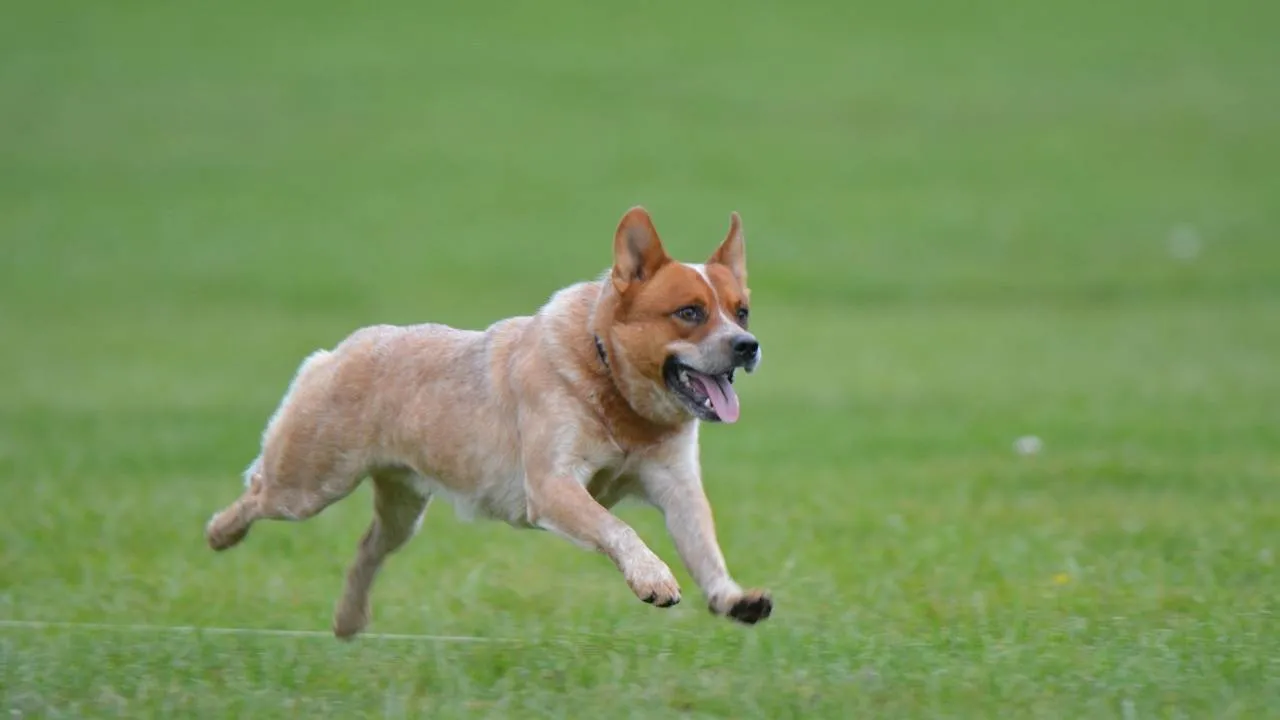
Australian Cattle Dogs were developed in Australia to handle a tough job: moving stubborn cattle across vast, rugged properties. Their breeding combined several working dogs, including Dingoes, to create a sturdy, enduring herder that could cope with heat, rough terrain, and long distances.
Also known as Blue Heelers or Red Heelers, they earned their names from their distinctive method of nipping at the heels of livestock to keep them moving, as mentioned by Britannica.
What Makes Them Stand Out
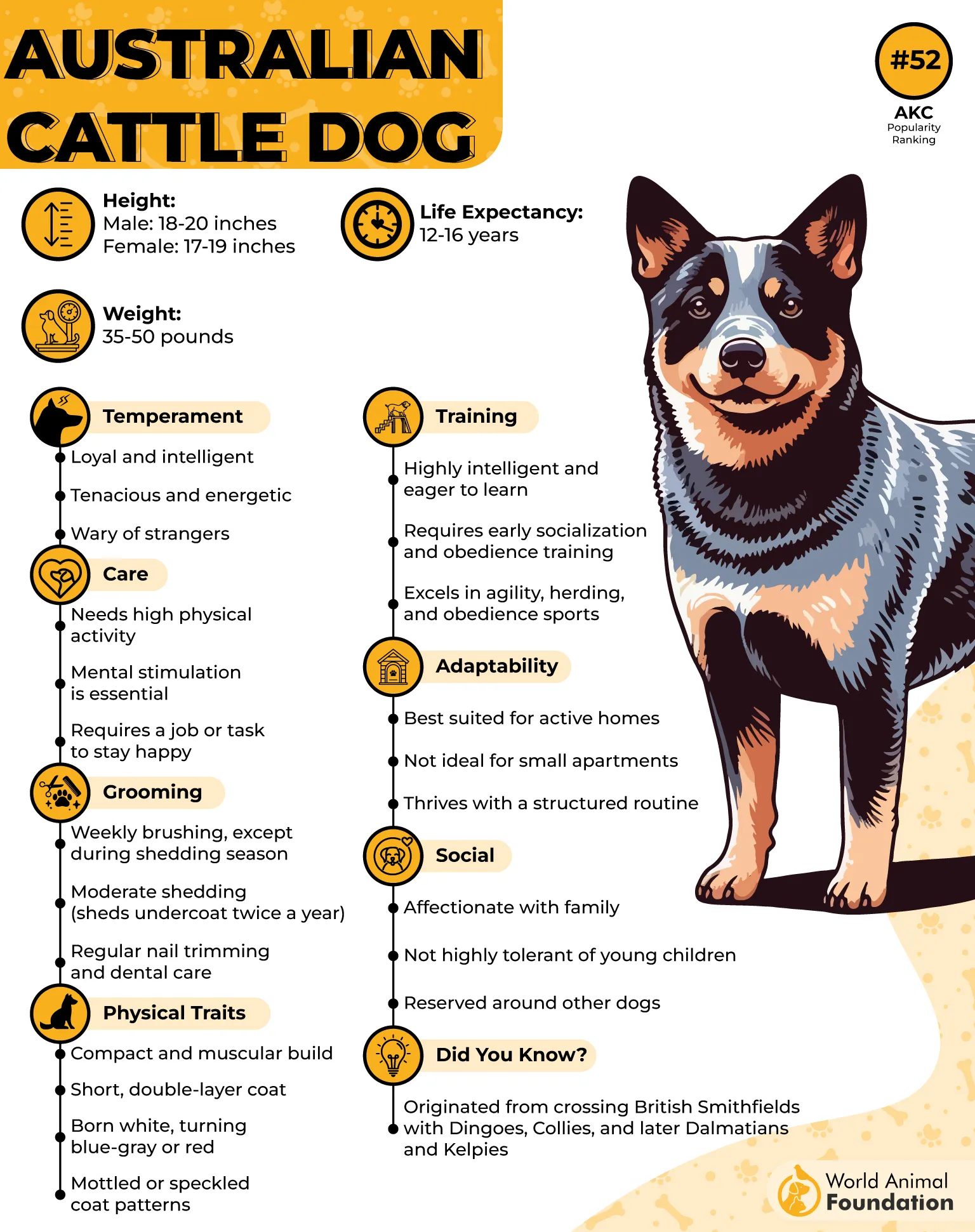
Few herding dogs match the Australian Cattle Dogs for toughness and stamina. They are courageous enough to challenge animals much larger than themselves while remaining focused on their handler.
Unlike dogs that rely heavily on barking, they were developed for a quieter style of cattle work, which helped prevent livestock from becoming frightened or stampeding. Their intelligence and independent thinking also allow them to solve problems on their own.
Care and Health
Australian Cattle Dogs are best suited to active homes where they have a regular job or challenging activities. Without enough physical and mental stimulation, they can become destructive or develop separation-related problems.
They generally handle both hot and cold climates well. Early socialization and positive training are especially important because their strong herding instincts can lead to nipping or attempts to herd children and other pets.
5. Pembroke Welsh Corgi
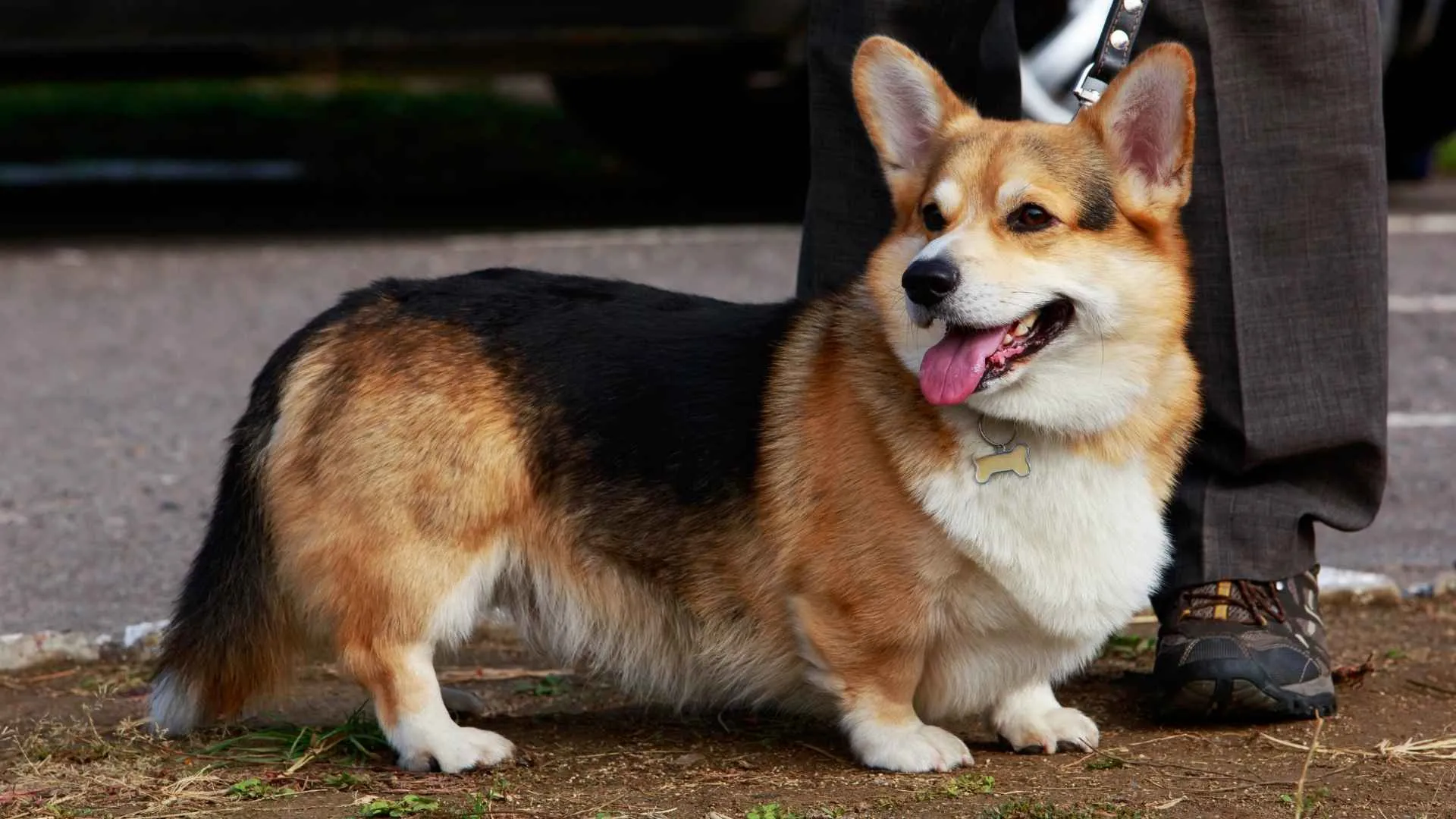
Pembroke Welsh Corgis may look compact, but their short legs hide a serious working history. Developed in Wales, these sturdy dogs were bred to drive cattle and sheep, using their low-to-the-ground build to move safely around livestock.
Their compact size also made them agile enough to dart around the animals they were controlling.
What Makes Them Stand Out
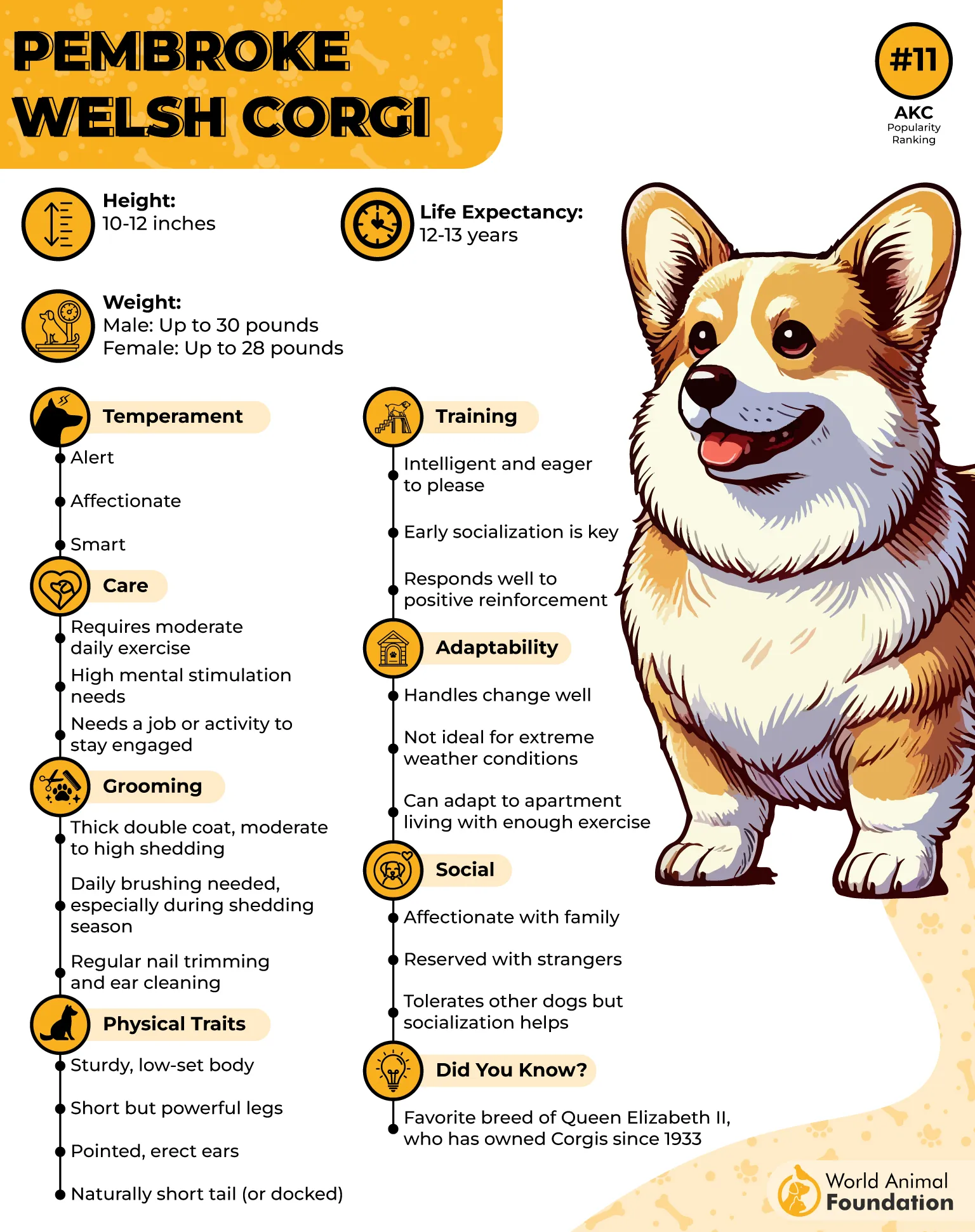
Corgis have a distinctive way of controlling livestock: they nip at the animals’ ankles to keep them moving. This technique, combined with their confidence and quick reactions, allowed them to handle cattle despite their smaller stature.
Their herding instincts can still appear at home, where they may try to herd children or other pets. They are also eager to learn and enjoy activities that give their minds a workout, including herding, agility, tracking, obedience, and Treibball.
Care and Health
Pembroke Welsh Corgis are surprisingly athletic and need regular exercise and engaging activities to prevent boredom and unwanted behaviors.
Because of their long backs and short legs, maintaining a healthy body condition is especially important. Early socialization and positive training can also help manage their tendency to nip, bark, or become territorial.
6. Old English Sheepdog
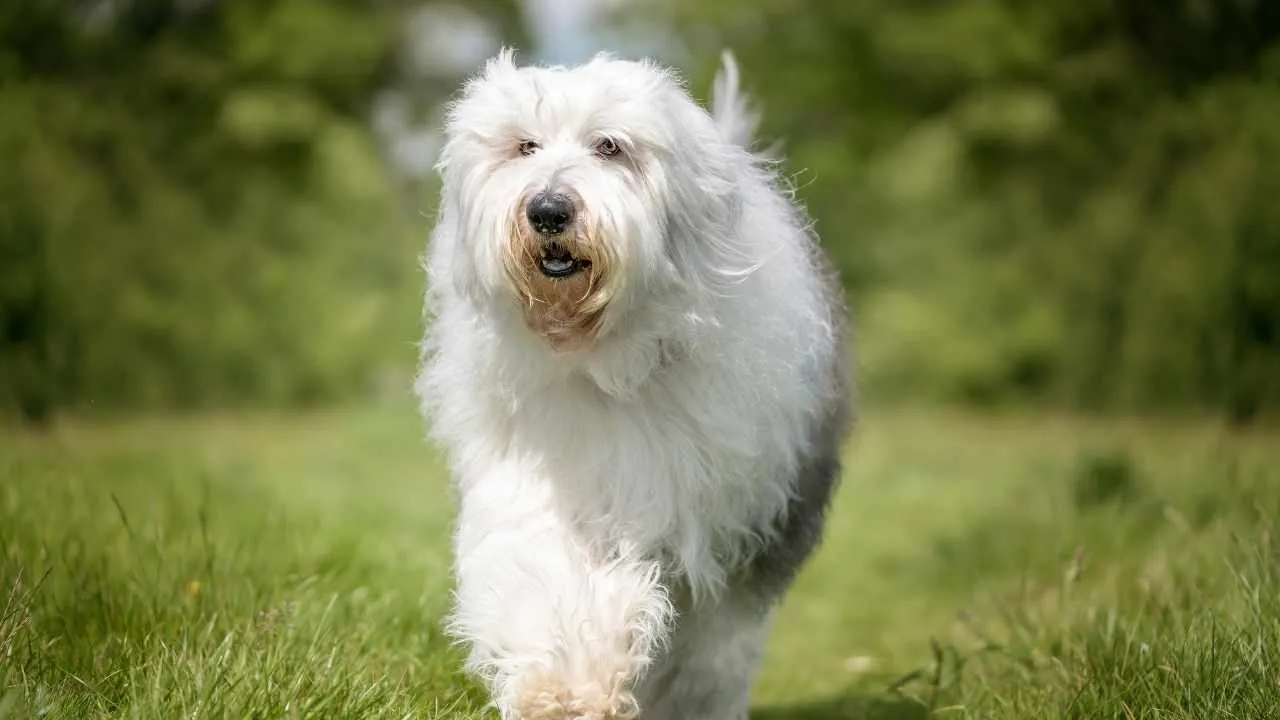
Old English Sheepdogs originated in western England in the late 1700s, where they worked as sturdy drover dogs moving sheep and cattle from farms to local markets.
According to Omlet, their exact ancestry is uncertain, although they may have descended from local drover dogs crossed with Bearded Collies.
Their strength, endurance, and working instincts made them valuable livestock dogs, and their distinctive docked tails once helped identify them as working dogs exempt from local taxes.
What Makes Them Stand Out
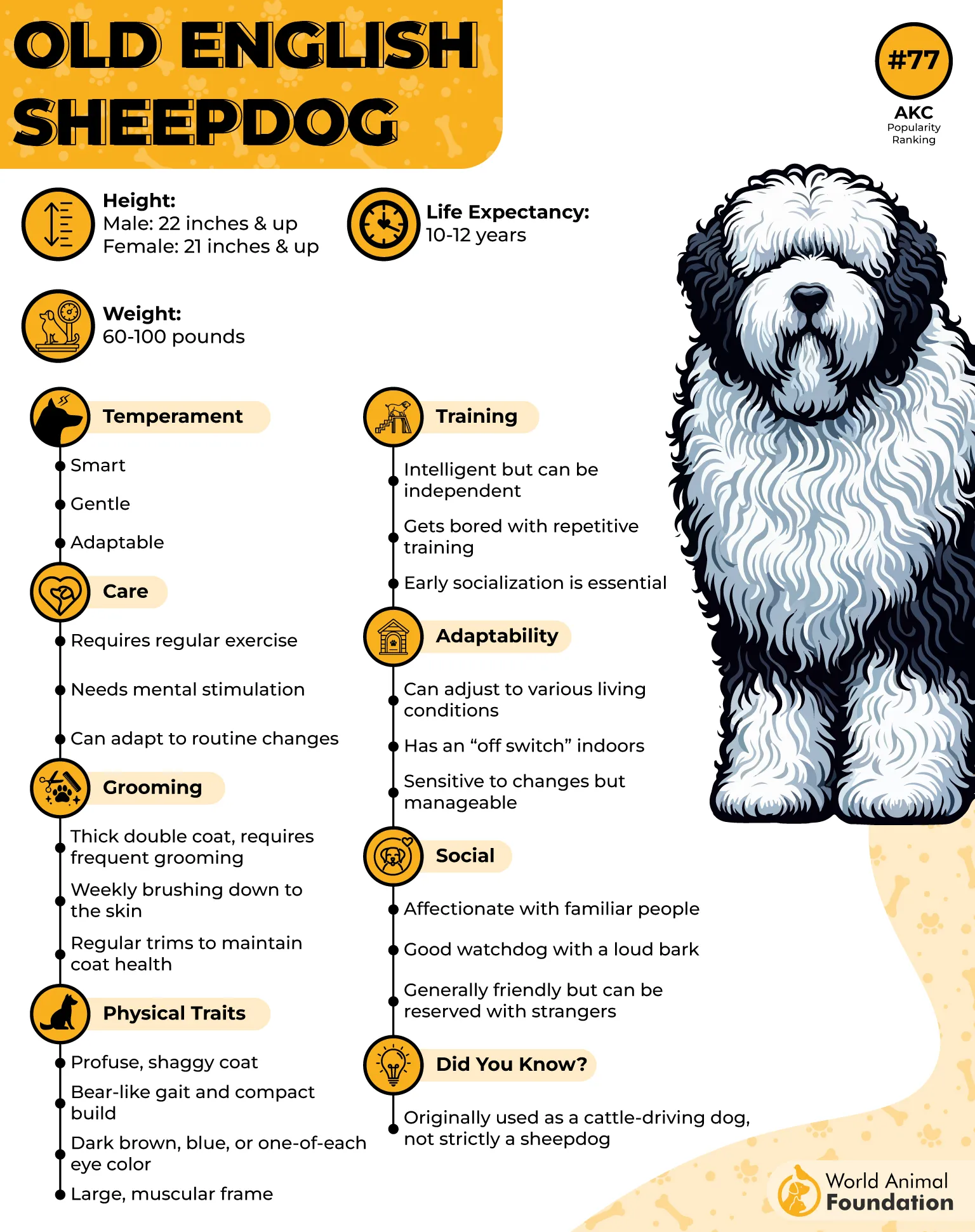
Beneath their shaggy coats, Old English Sheepdogs are serious working dogs with an independent streak. They were bred to move livestock rather than simply guard it, and they remain happiest when they have a task to complete.
Their playful, almost clownish personality makes them entertaining companions, but their stubborn side means they need patient, consistent training. Herding, obedience, agility, and skills training can give them an outlet for both their working instincts and sharp minds.
Care and Health
Their thick double coat demands considerable upkeep, with thorough brushing needed for several hours each week to prevent mats and debris from building up. Many owners choose regular trims to make grooming more manageable.
Daily exercise and mental enrichment are important, especially when they are young, while positive training and early socialization help manage their strong-willed nature.
7. Australian Kelpie
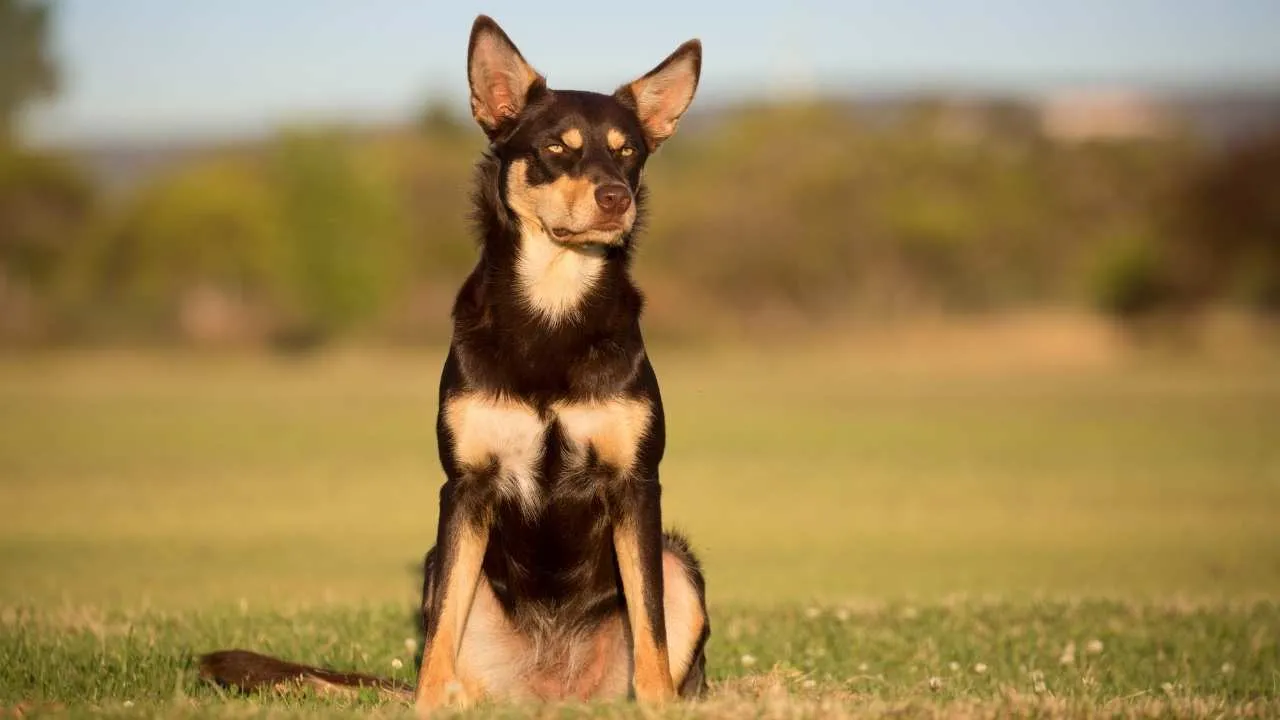
Australian Kelpies are hardworking herding dogs developed in Australia to manage enormous flocks across challenging terrain and difficult weather. Despite their name, their roots trace back to Scottish working collies dating back to around 1870, according to the AKC.
One of the breed’s early foundation dogs was a female named Kelpie, whose impressive herding ability helped establish the line.
What Makes Them Stand Out
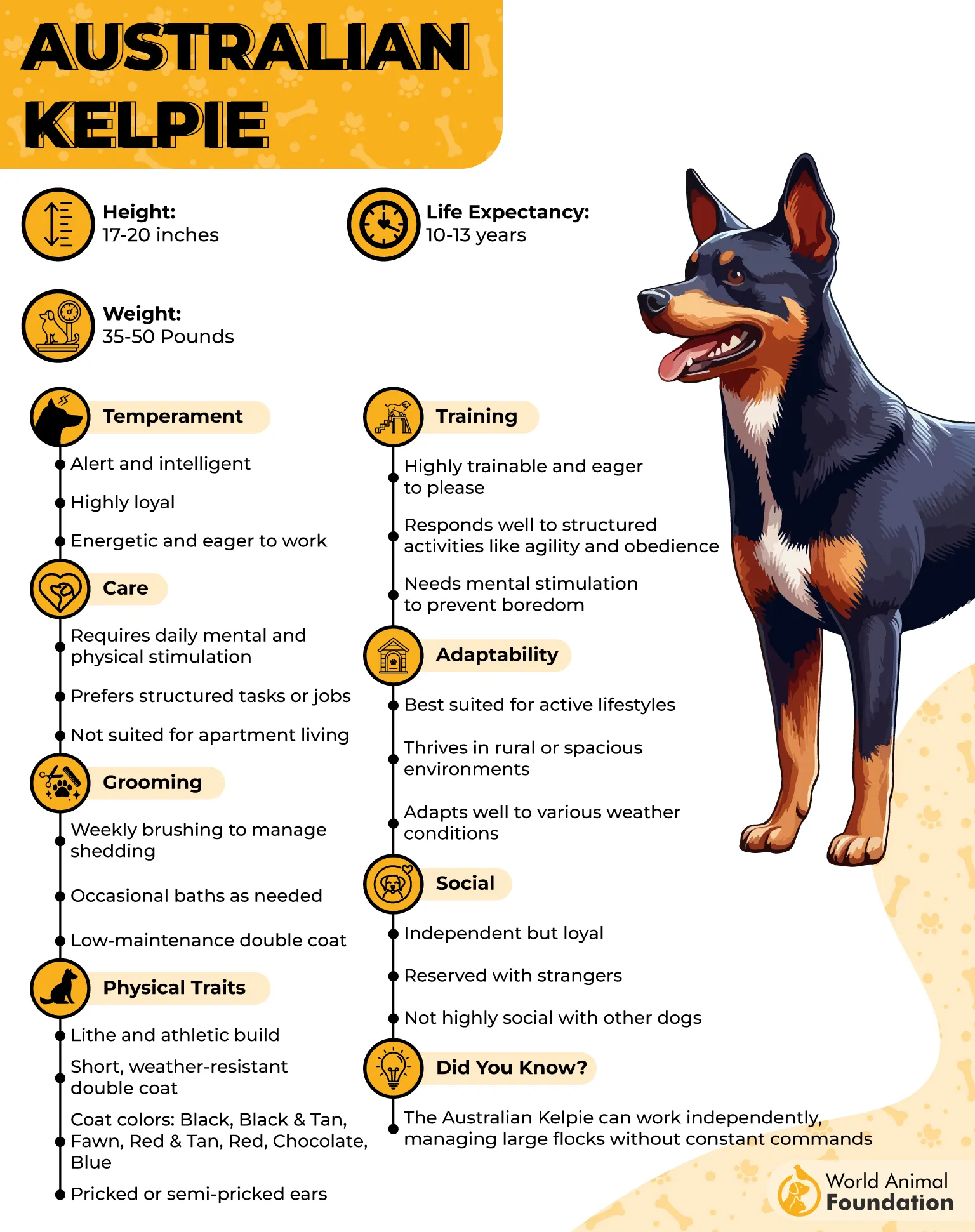
Kelpies are built for endurance and can move livestock across long distances without tiring easily. Their intense work drive, agility, and ability to learn new tasks make them remarkably versatile on farms.
They are also highly responsive to training and can channel their energy into herding, agility, running, retrieving, swimming, and other demanding activities. Their herding instincts can carry into the home, where they may try to control children or smaller pets.
Care and Health
This is not a breed that thrives on a quiet, inactive lifestyle. Pet Kelpies need substantial daily exercise and mental stimulation, with safe opportunities to run freely. Their short, weather-resistant double coat is relatively easy to maintain with weekly brushing, although they shed considerably.
Kelpies can adapt to suburban life when their activity needs are met, but boredom may lead to excessive barking, anxiety, or unwanted behaviors.
Conclusion
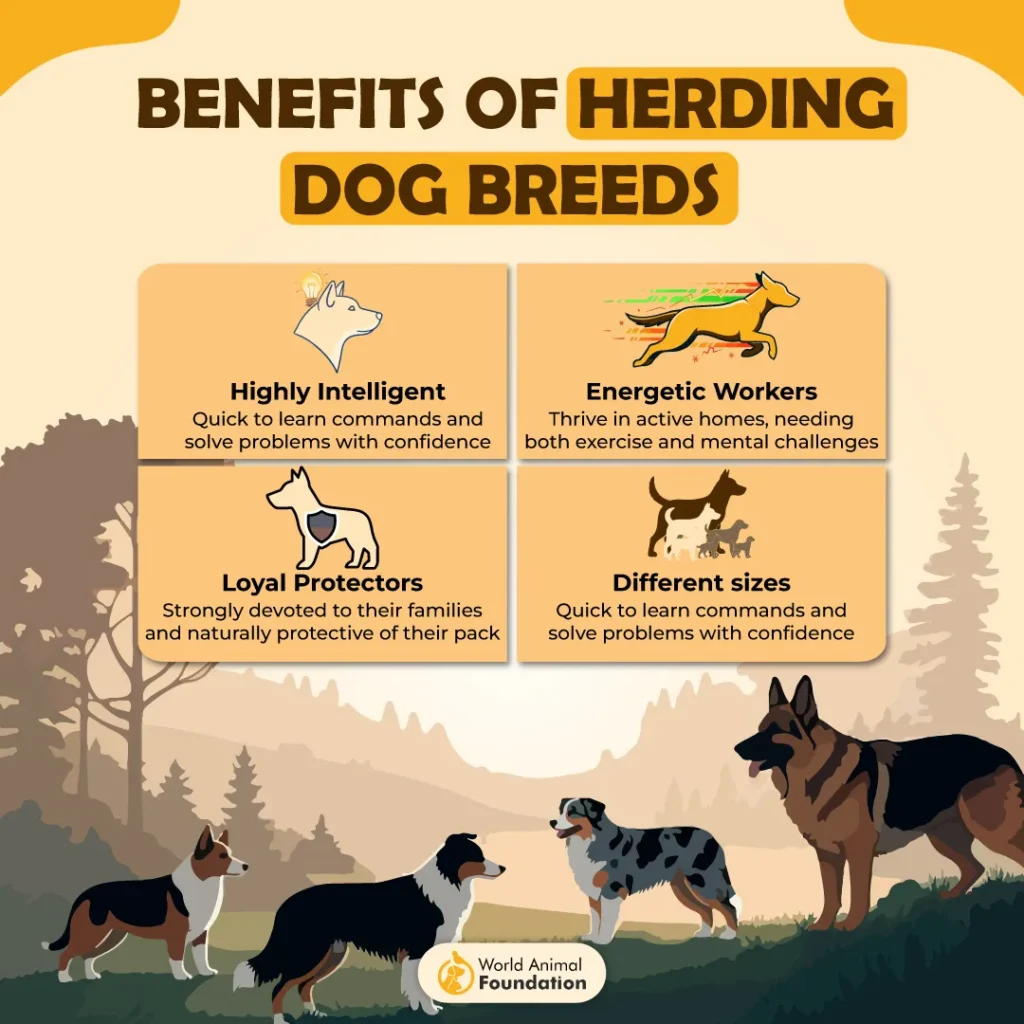
From intense working partners to adaptable family companions, these herding breeds each bring their own style, instincts, and strengths to the job.
Some excel through speed and precision, while others rely on stamina, courage, or their ability to work closely with a handler. What they have in common is a strong need for purpose, activity, and mental engagement.
If you’re considering one of these dogs, look beyond their impressive herding abilities and think about whether their energy and working instincts fit your lifestyle.
With the right exercise, training, and companionship, a herding dog can be far more than a livestock worker. It can become an eager partner that keeps life active and interesting.
