




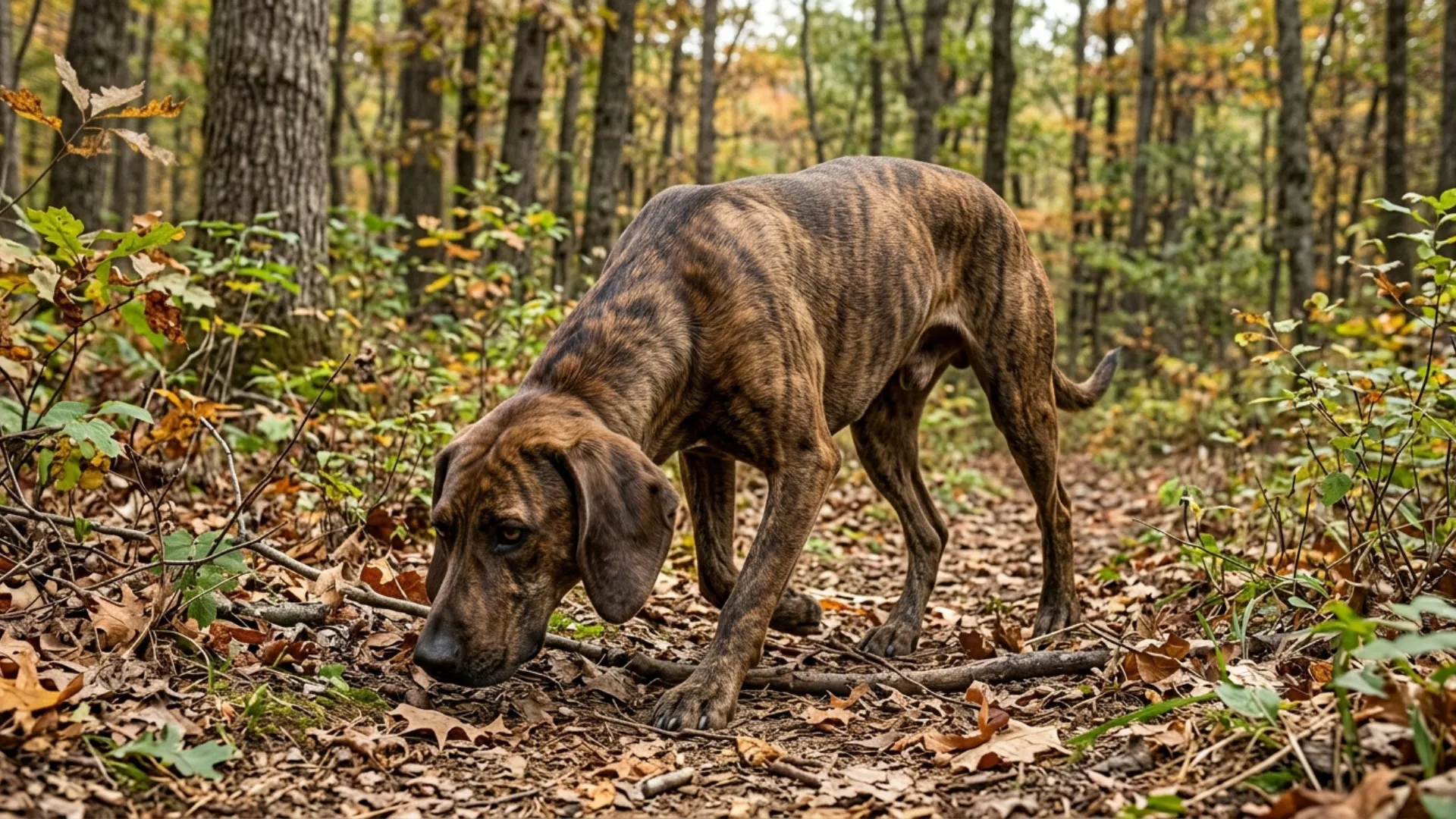
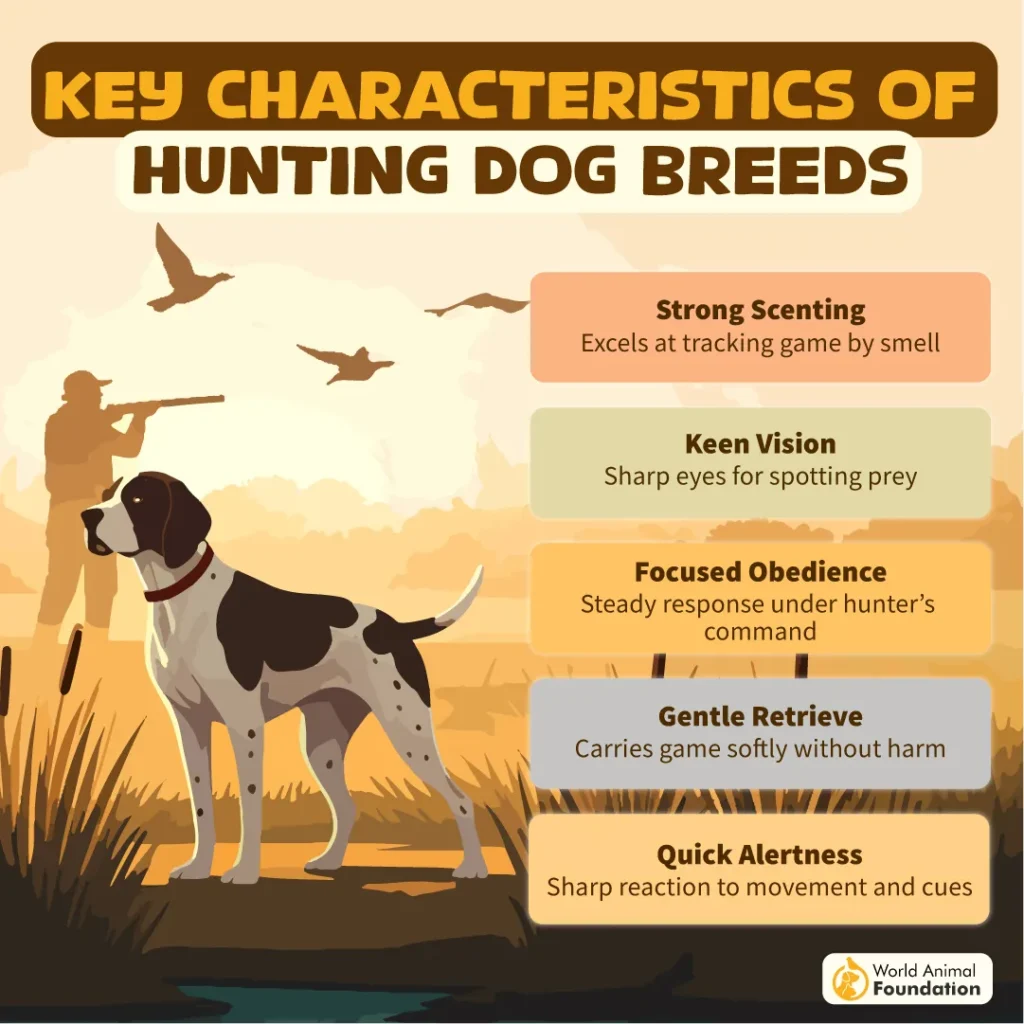
Tracking and hunting require dogs with exceptional senses, physical stamina, concentration, and the ability to work cooperatively with their handlers. While many dogs enjoy outdoor activities, certain breeds have been selectively developed to follow scent trails, locate animals, pursue quarry, or help hunters identify where game has traveled.
Scent hounds are particularly valued for their powerful noses and persistence. They can follow odor trails across forests, fields, and other challenging terrain, sometimes long after an animal has passed through an area. Sporting breeds, meanwhile, often combine scenting ability with speed, pointing, searching, and retrieving skills.
The breeds featured below represent different approaches to tracking and hunting work. Some are specialists at following individual scent trails, while others are versatile field dogs capable of searching large areas and assisting hunters in several stages of the hunt.
Superior Dog Breeds for Tracking and Hunting Tasks
1. Bloodhound
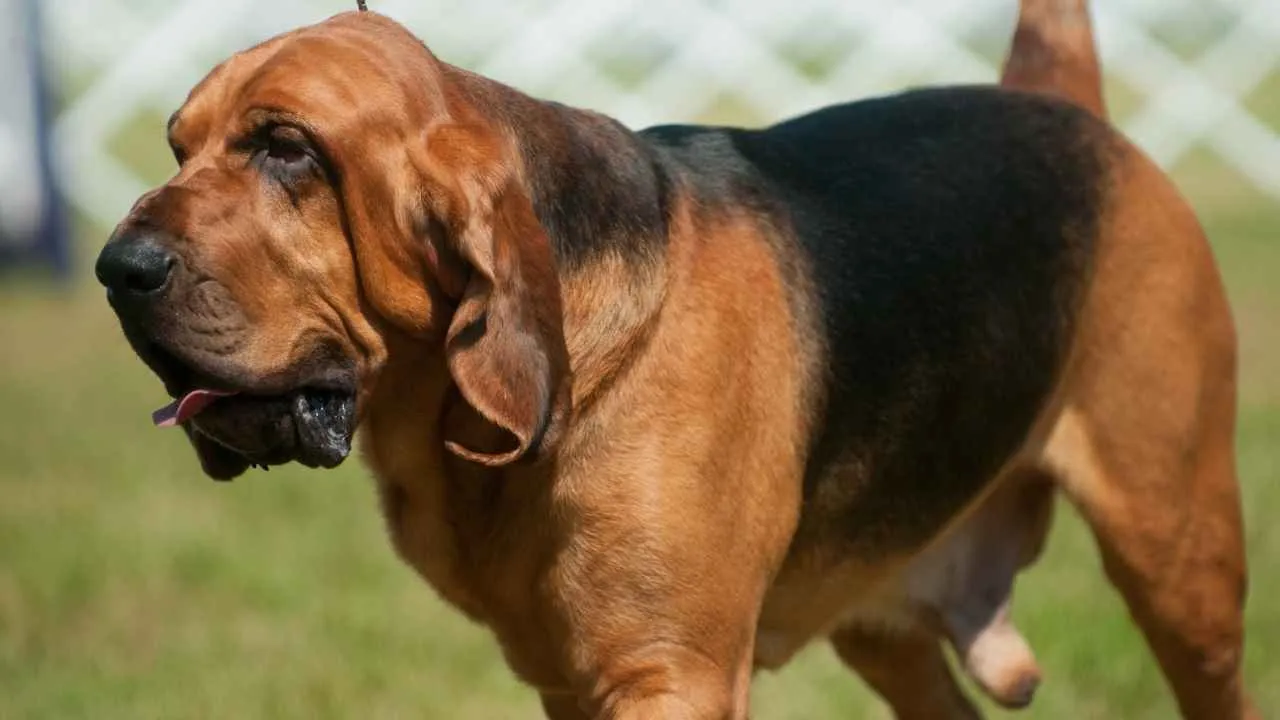
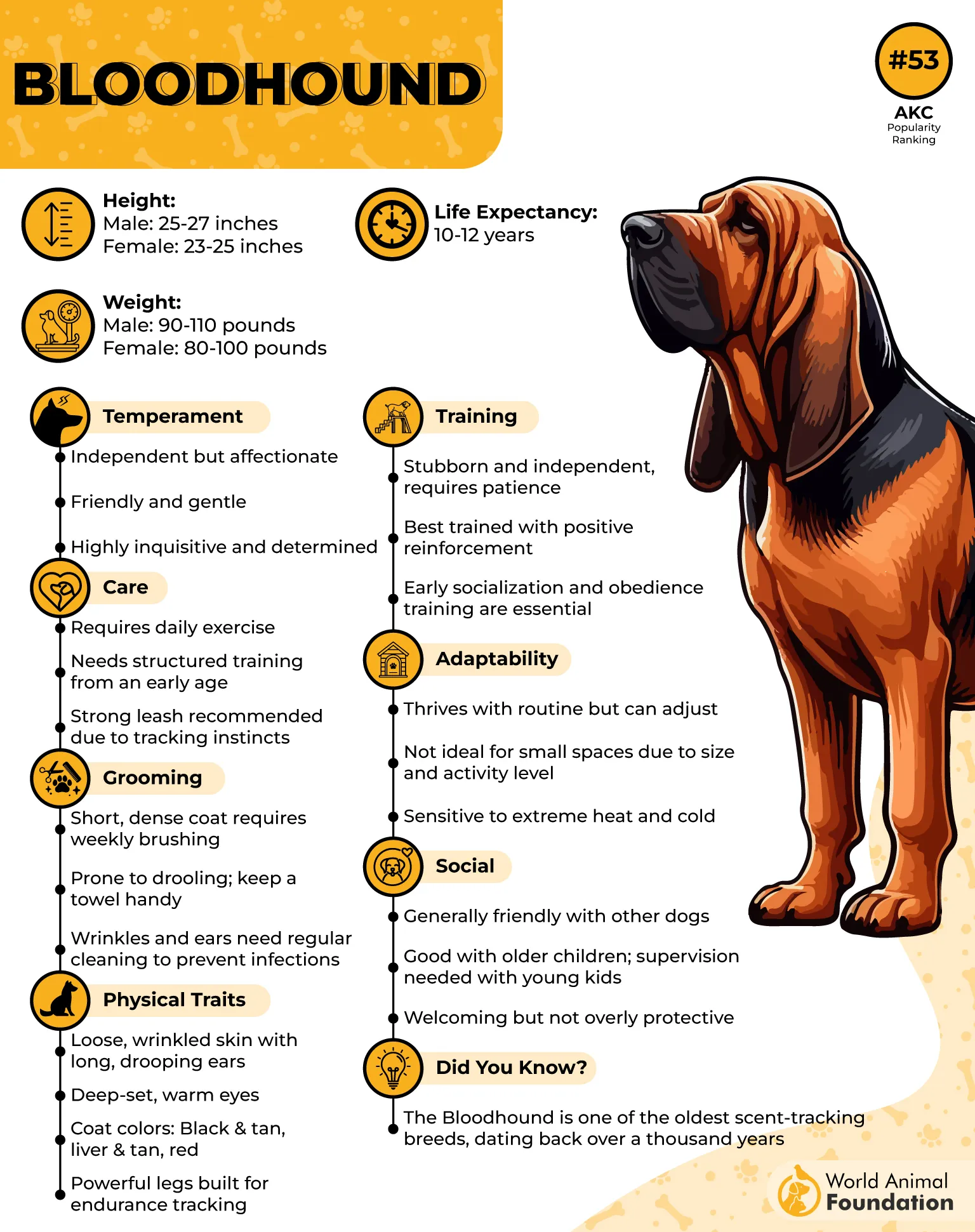
The Bloodhound is one of the most famous scent-tracking breeds in the world. Its extraordinary sense of smell has made it valuable for following trails over considerable distances and across complicated terrain.
Bloodhounds are persistent dogs that can become deeply focused once they identify an interesting scent. They were developed to follow trails rather than simply search randomly, making them particularly different from breeds that rely primarily on sight or speed.
Support Their Need for Exploration
Bloodhounds require opportunities to use both their bodies and noses. Long walks, supervised outdoor exploration, scent games, and tracking exercises can provide useful stimulation.
Training should focus on recall and basic obedience while allowing appropriate opportunities for independent scent work. Because a Bloodhound may become intensely interested in a trail, reliable control is especially important when working outdoors.
An Exceptional Scent Tracker
The Bloodhound’s greatest hunting and tracking asset is its extraordinary ability to follow scent. It can investigate a trail and methodically work through changes in terrain while maintaining concentration.
Although modern Bloodhounds are often associated with search work rather than conventional hunting, their scenting heritage makes them remarkable tracking dogs. Their persistence allows them to continue investigating a trail when other dogs might lose interest.
2. German Shorthaired Pointer
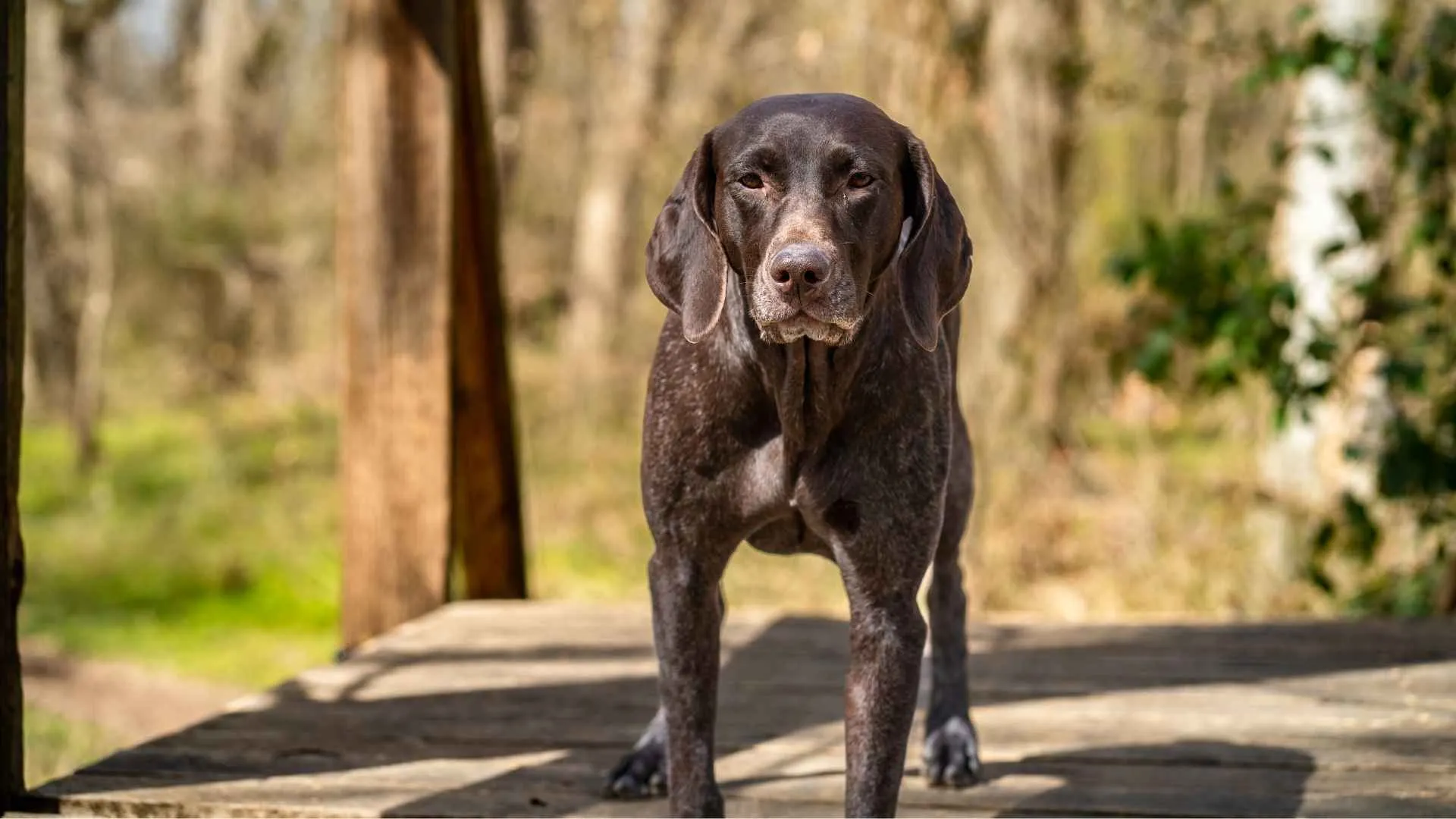
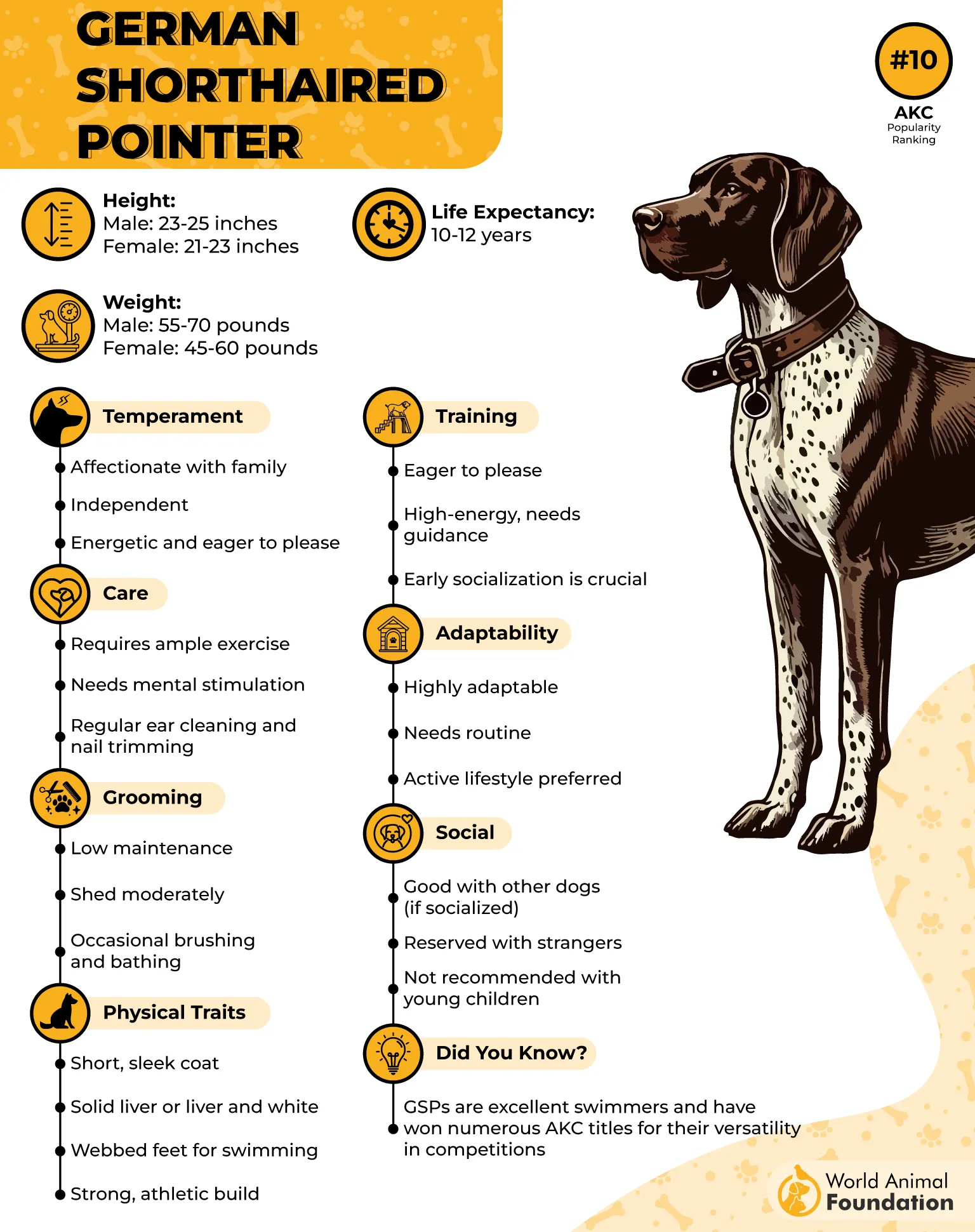
The German Shorthaired Pointer is a versatile sporting breed developed in Germany for a broad range of hunting duties, according to Purina. It can search for game, locate scent, point, retrieve, and work across fields, woodland, and water.
Its athletic build allows it to cover significant distances, while its intelligence and responsiveness make it highly trainable. These dogs typically require considerable exercise and are best suited to owners who can provide regular opportunities for active work.
Combine Exercise With Mental Challenges
German Shorthaired Pointers need more than casual walks to remain satisfied. Running, hiking, swimming, retrieving, scent exercises, and structured field training can help meet their high activity requirements.
Training should combine physical work with obedience and problem-solving. Varying exercises can keep these intelligent dogs engaged while reinforcing recall, steadiness, and responsiveness.
A Versatile Tracking and Hunting Partner
The German Shorthaired Pointer’s strength comes from versatility. It can search for game using scent, indicate its location through pointing, and continue working with the hunter throughout different stages of a hunt.
Its endurance is particularly useful when covering open terrain. When properly trained, the breed can switch between searching, pointing, retrieving, and other tasks, making it a practical choice for hunters seeking one dog with multiple field abilities.
3. Bavarian Mountain Hound
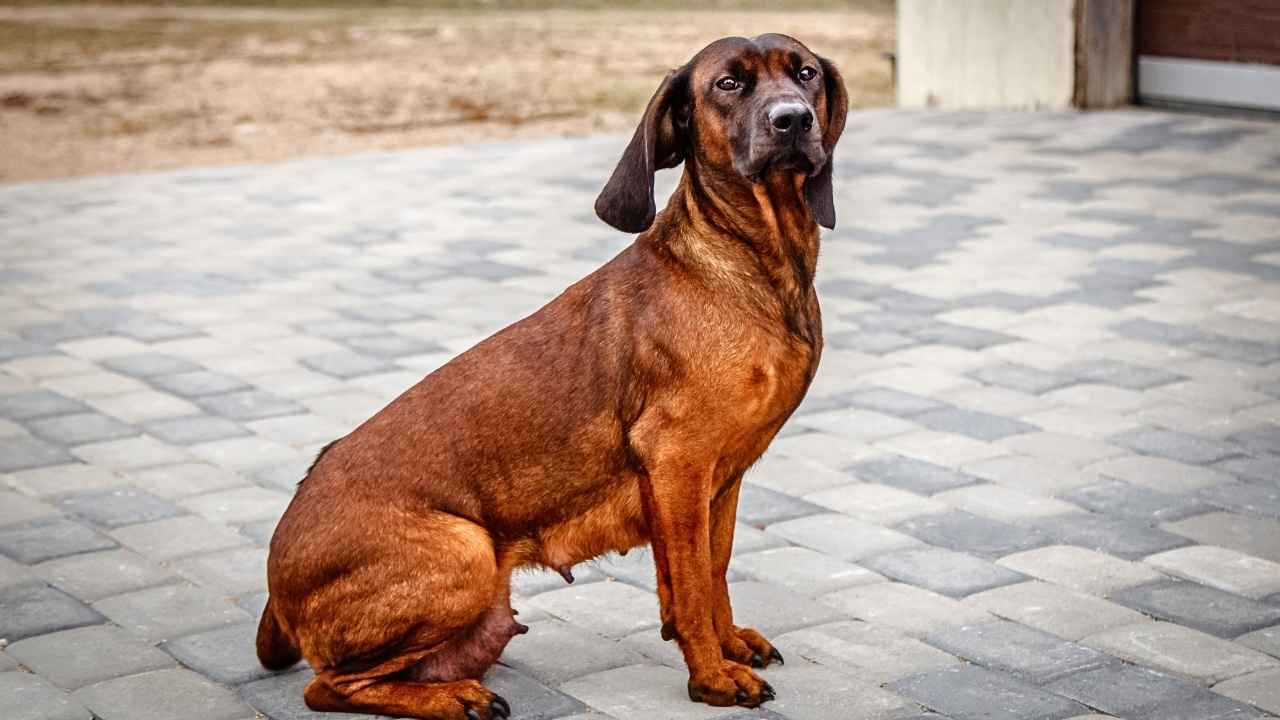
The Bavarian Mountain Hound originated in Germany and was developed to track wounded game through mountainous and forested terrain. Its specialized scenting abilities and determination make it particularly suited to following a specific trail rather than simply searching broadly for animals.
These strong dogs are athletic and focused, with a working style that emphasizes concentration and persistence. They tend to form close relationships with their handlers and are most fulfilled when given meaningful activities.
Provide Purposeful Outdoor Exercise
Bavarian Mountain Hounds benefit from regular opportunities to walk, explore, and use their noses. Tracking practice, hiking, scent games, and controlled outdoor activities can provide valuable stimulation.
Their independence should be balanced with obedience training. A strong recall and reliable handler communication are essential when a dog is naturally inclined to follow an intriguing scent.
Specialized at Following Game Trails
The Bavarian Mountain Hound’s hunting strength is its ability to work along the scent trail of game, particularly when following wounded animals. Its nose allows it to distinguish and pursue an individual trail through difficult landscapes.
This focused tracking ability makes it particularly valuable for hunters who need a dog capable of carefully working through mountainous or wooded areas. Its persistence and concentration are central to its traditional purpose.
4. Plott Hound
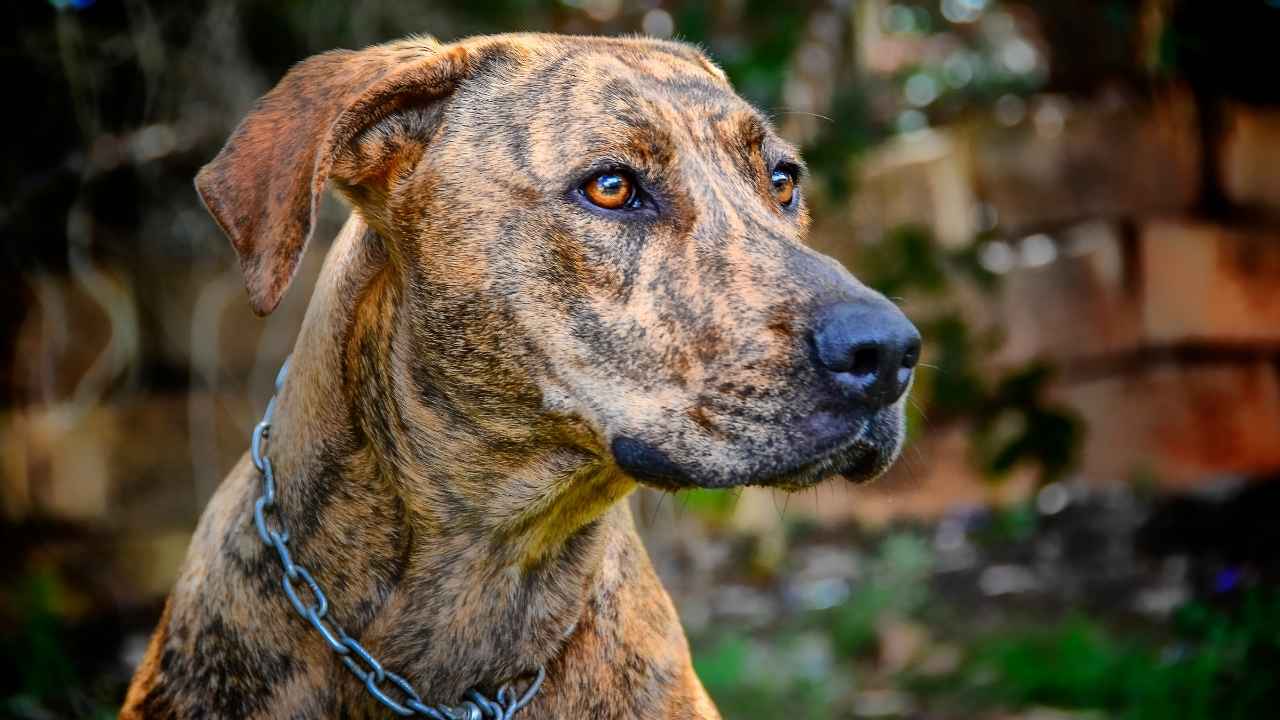
The Plott Hound is an American hunting breed with roots in North Carolina. It was developed for pursuing large game and became particularly associated with tracking and hunting animals such as bears and wild boar.
Plotts are muscular, courageous, and energetic. Their determination gives them the stamina to continue working in demanding terrain, while their strong scenting abilities allow them to pursue quarry through forests and other challenging environments.
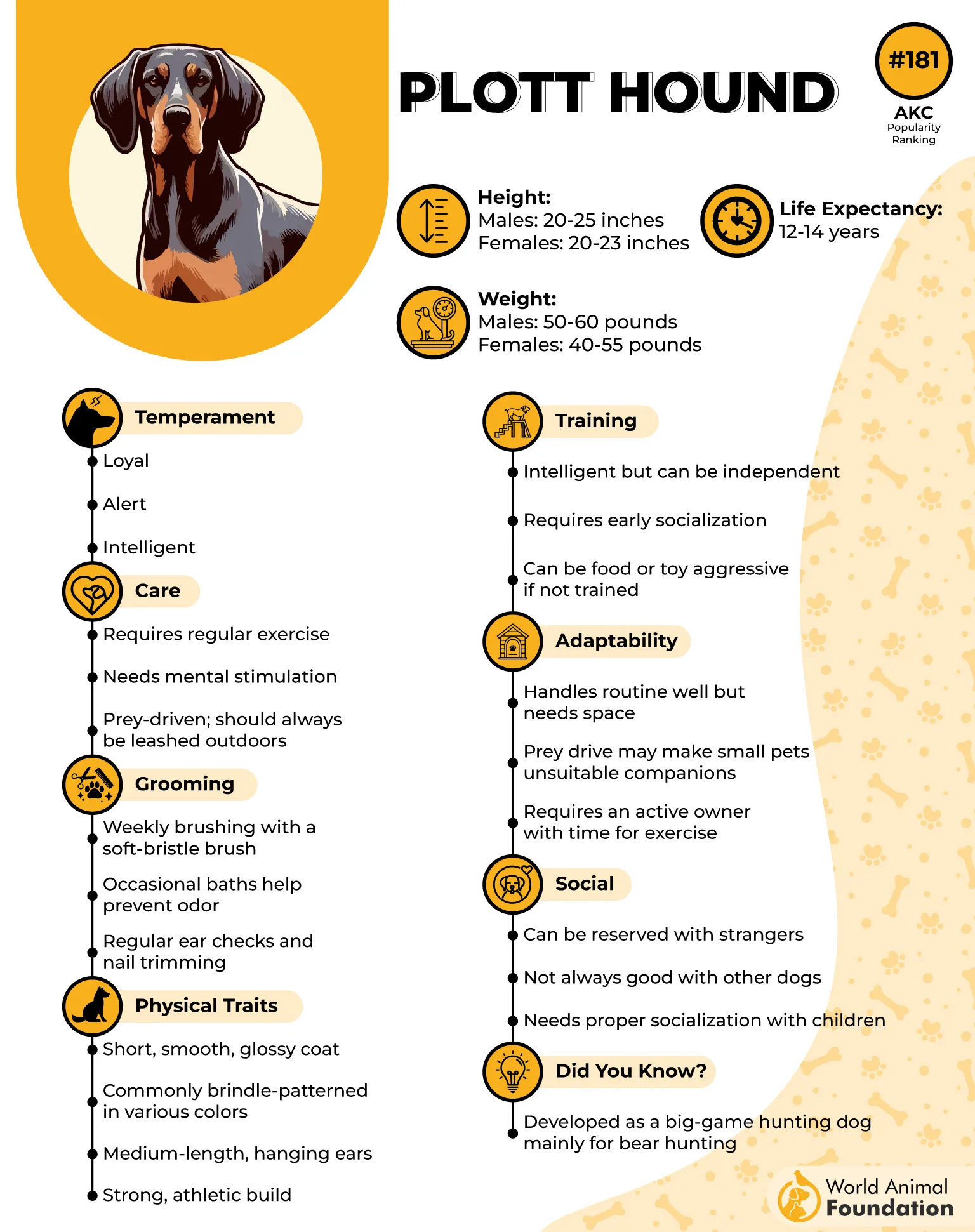
Give Them Plenty of Physical Activity
Plott Hounds need substantial exercise and benefit from activities that allow them to move and investigate their surroundings. Hiking, scent games, tracking exercises, and long outdoor sessions can help channel their energy.
Because of their strong hunting instincts, training should emphasize recall and control from an early age. Owners should provide secure environments where the dog can exercise without being able to pursue wildlife independently.
A Persistent Hunter With a Strong Nose
The Plott Hound combines scenting ability with determination and physical power. It can follow quarry through rugged terrain and continue working even when the trail becomes difficult.
Its traditional role as a big-game hunting dog highlights its courage and endurance. For experienced handlers, these qualities can make the breed an effective partner during demanding tracking and pursuit work.
5. Black and Tan Coonhound
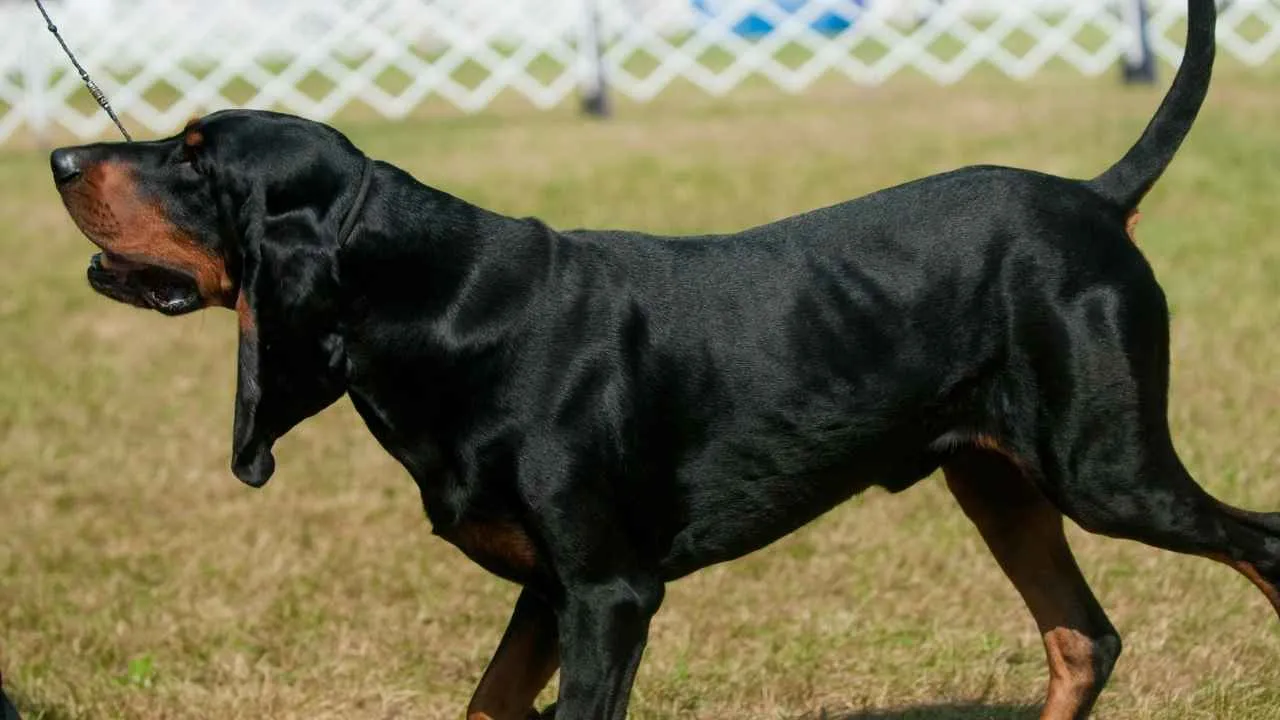
The Black and Tan Coonhound is an American scent hound developed for tracking and pursuing game. Its heritage is strongly associated with raccoon hunting, although its nose and stamina can be useful for following other quarry as well.
These muscular dogs are recognizable by their black-and-tan coats, long ears, and powerful voices. They combine determination with an ability to work independently, particularly when following an interesting scent trail.
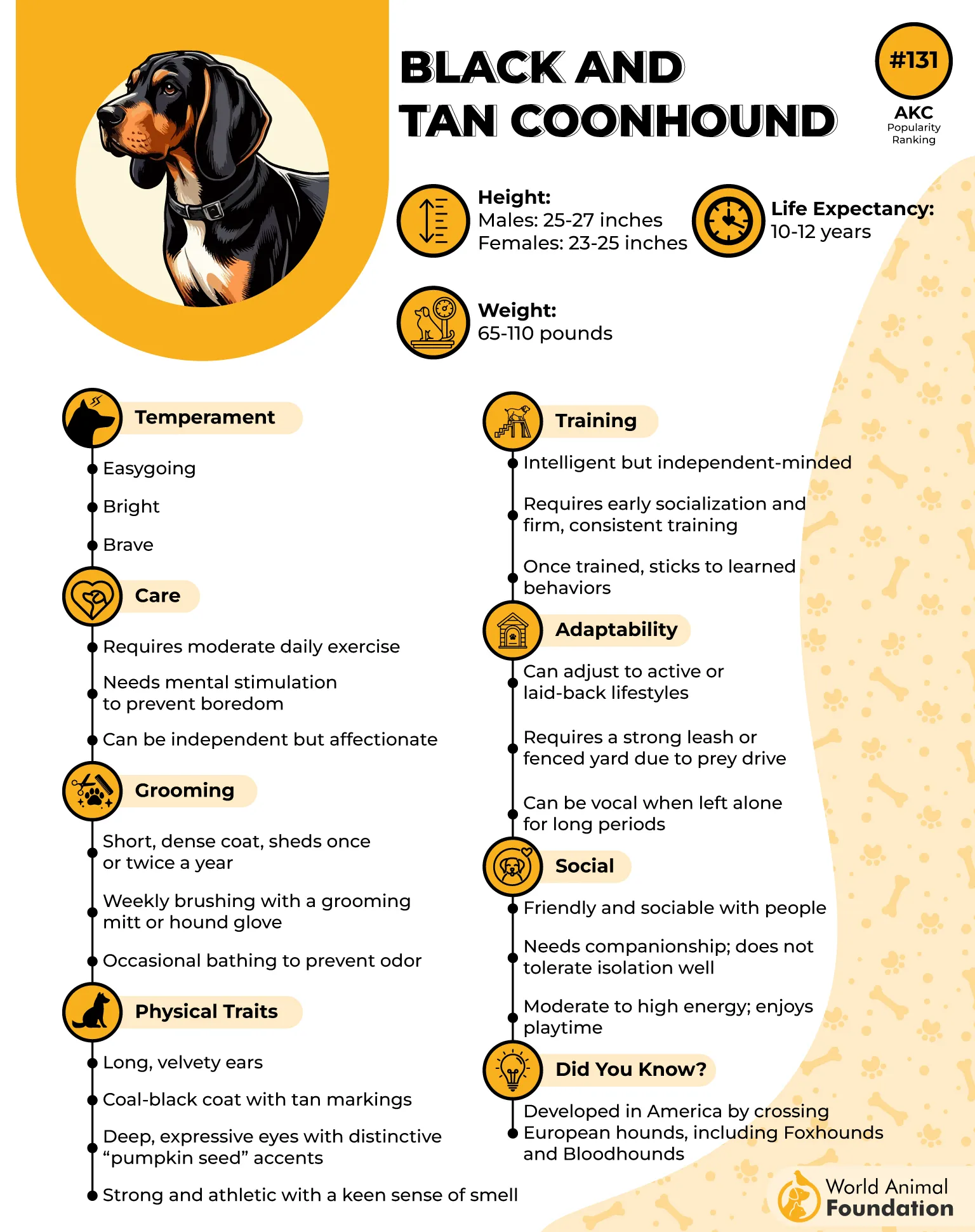
Keep Their Nose and Body Active
Black and Tan Coonhounds need regular exercise and opportunities to investigate scents. Long walks, hiking, tracking games, and supervised outdoor exploration can provide useful outlets.
Training should establish dependable recall and boundaries. Their instinct to follow scent can be powerful, so owners should take care when exercising them in areas where wildlife is present.
A Skilled Trail-Following Hunter
The breed’s primary hunting advantage is its ability to locate and follow scent trails over extended distances. Once it identifies a promising odor, it can remain focused while navigating through varied terrain.
Its endurance and vocal communication were valuable during traditional hunts, where handlers needed to know that the dog had located and was pursuing quarry. These qualities continue to define the Black and Tan Coonhound as a capable tracking dog.
6. Bluetick Coonhound
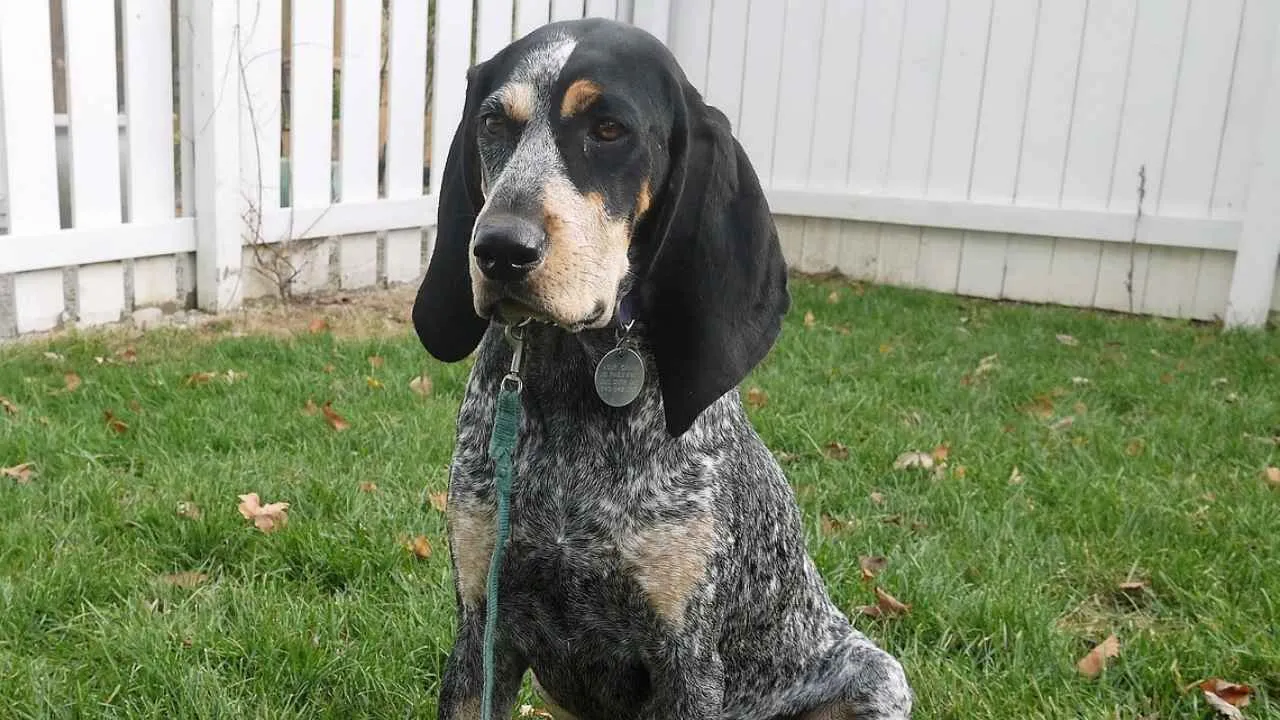
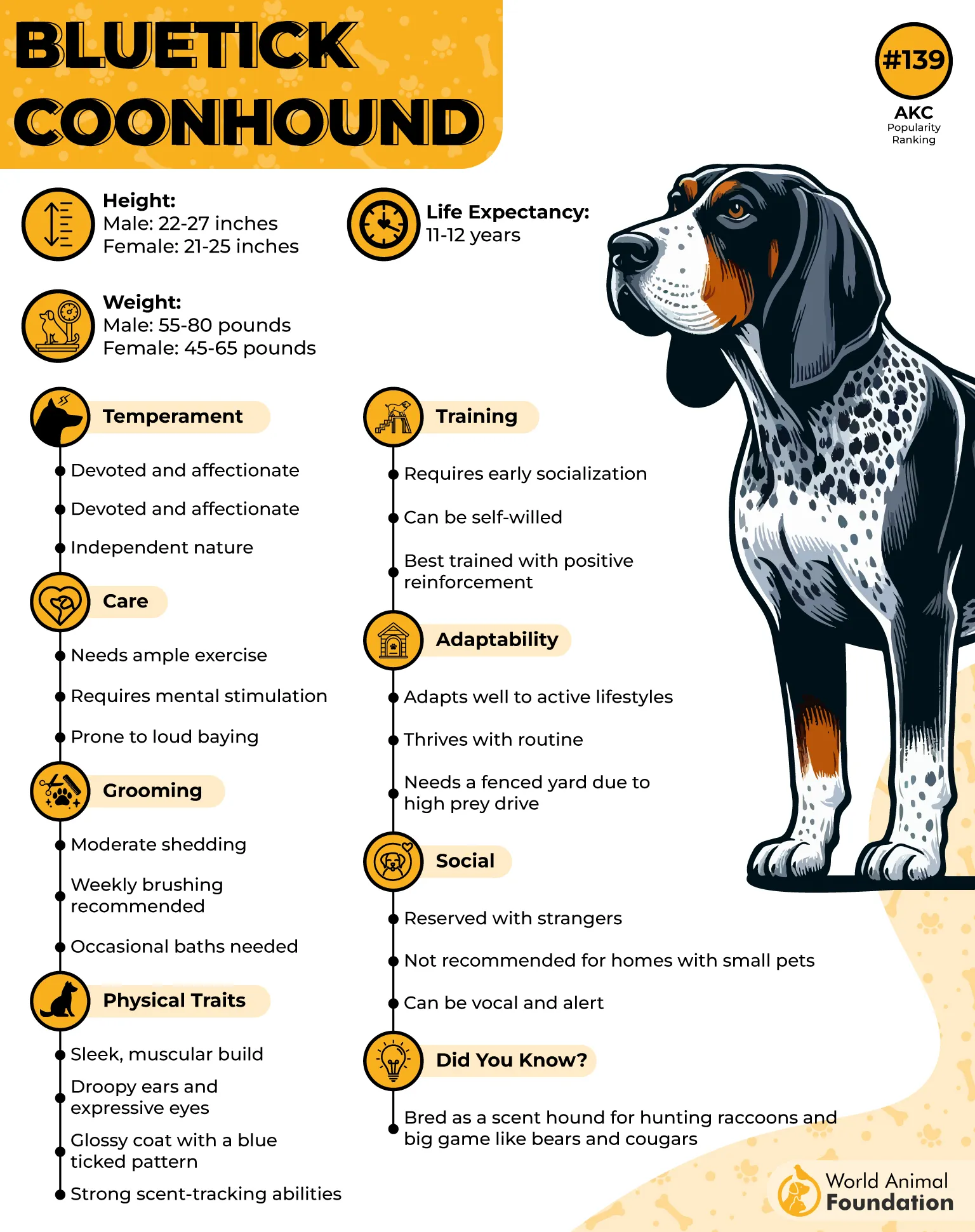
The Bluetick Coonhound is another American scent hound developed for hunting and tracking, as noted by the AKC. Its distinctive mottled blue-and-black coat accompanies a powerful nose and strong instinct to follow game through wooded landscapes.
Blueticks are generally energetic and determined dogs. They can work independently while pursuing scent and often use their distinctive voices to communicate during a hunt.
Encourage Their Energy in Controlled Ways
Bluetick Coonhounds need regular exercise to stay physically and mentally balanced. Hiking, scent-based games, tracking exercises, and long walks can help satisfy their natural curiosity.
Training should place strong emphasis on recall and impulse control. Their enthusiasm for following scent means owners should avoid allowing them to roam freely in areas where they could chase wildlife or become lost.
An Enduring Scent Hound for Hunting
The Bluetick Coonhound’s strongest hunting quality is its ability to pick up and follow game scent. Its nose can guide it through wooded areas while its endurance allows it to continue working for extended periods.
This combination of scent detection, persistence, and vocal communication has made the breed particularly useful in traditional coon hunting. Its abilities are best appreciated when paired with responsible handling and structured training.
7. American Foxhound
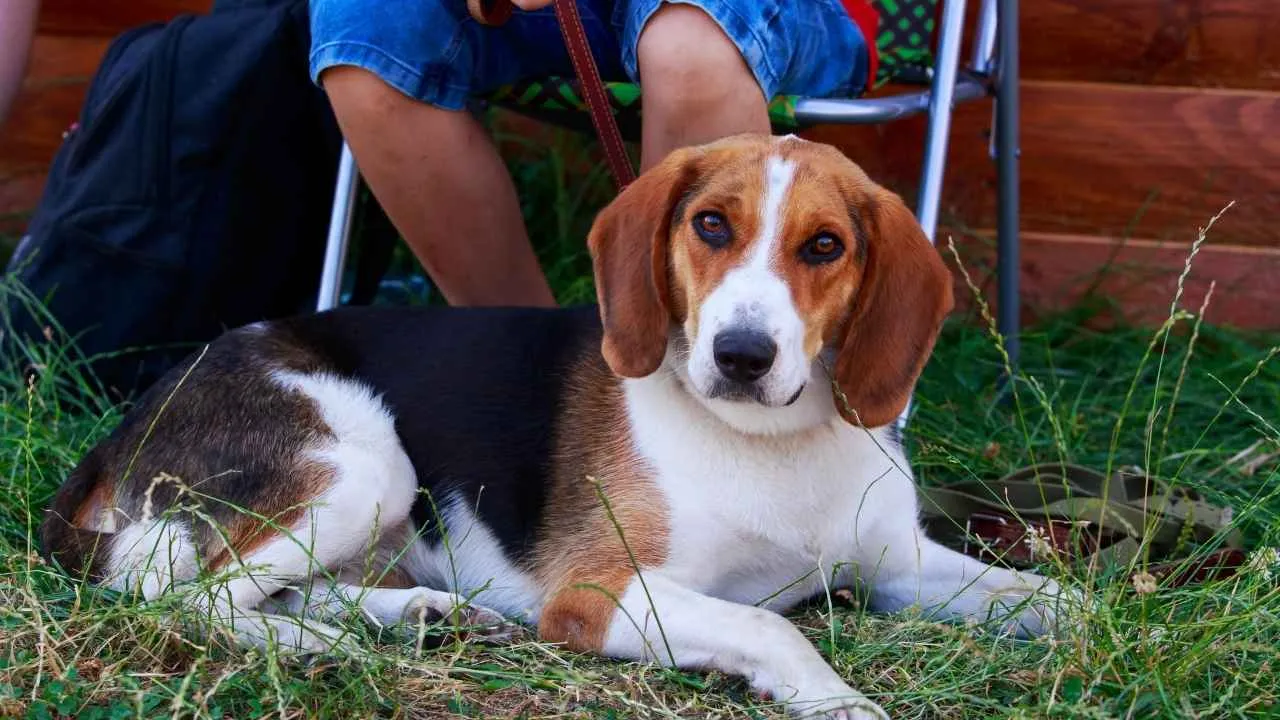
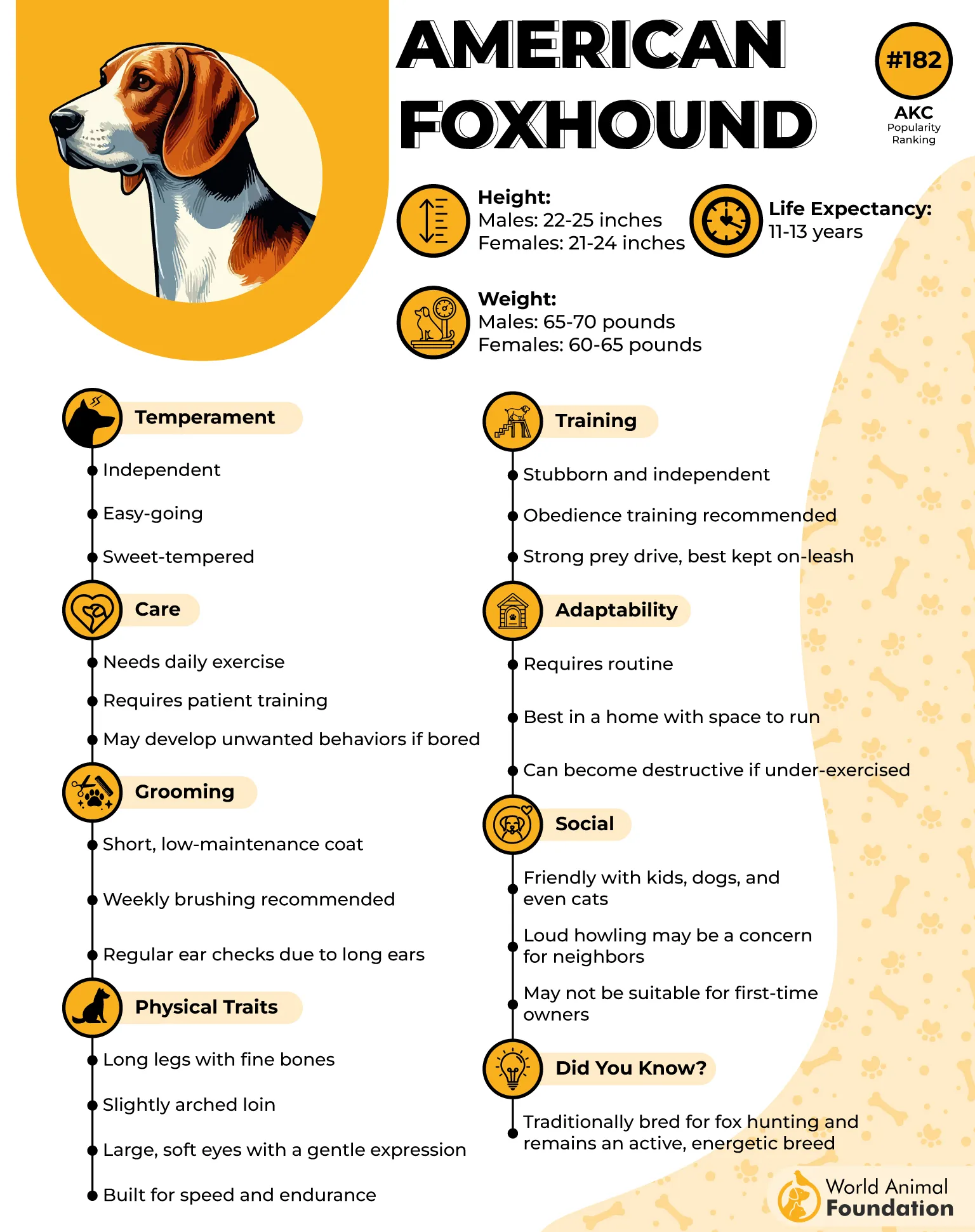
The American Foxhound was developed in the United States from foxhounds brought from Europe and was bred for pursuing foxes across large areas, as per WebMD. The breed combines a strong sense of smell with speed, endurance, and an ability to maintain a steady pursuit.
American Foxhounds are athletic and generally energetic dogs. Their long legs and efficient movement allow them to cover considerable distances, while their scenting ability helps them remain on the trail of quarry.
Provide Room to Move and Explore
American Foxhounds require significant exercise and are not typically suited to a sedentary lifestyle. Long walks, hiking, controlled running, and scent-based activities can help meet their physical needs.
Because they have a strong inclination to pursue scents, secure exercise areas and dependable recall training are especially important. Their independence should be managed through consistent boundaries and positive training.
Built for Long-Distance Hunting
The American Foxhound’s combination of scenting ability and endurance makes it well suited to prolonged hunting pursuits. Rather than relying only on short bursts of speed, it can maintain movement over considerable distances while following quarry.
Its ability to work as part of a pack also reflects its traditional hunting purpose. When properly managed, the breed’s stamina, nose, and persistence make it a strong example of a dog designed for demanding tracking and hunting work.
Conclusion
The best tracking and hunting dog depends heavily on the type of work expected in the field. Bloodhounds and Bavarian Mountain Hounds are particularly specialized for following scent trails, while Plott Hounds, Black and Tan Coonhounds, Bluetick Coonhounds, and American Foxhounds have strong histories as pursuing and scent-tracking hunters.
The German Shorthaired Pointer offers a broader sporting skill set, combining scent detection with searching, pointing, retrieving, and athletic field work. This versatility can make it especially appealing to hunters who want a dog capable of handling several responsibilities.
Regardless of breed, successful tracking and hunting require appropriate training, conditioning, socialization, and responsible handling. These dogs have powerful instincts that should be directed through structured activities rather than unrestricted pursuit of wildlife.
When their natural abilities are developed responsibly, they can become focused and capable partners for a wide range of outdoor tasks.
