




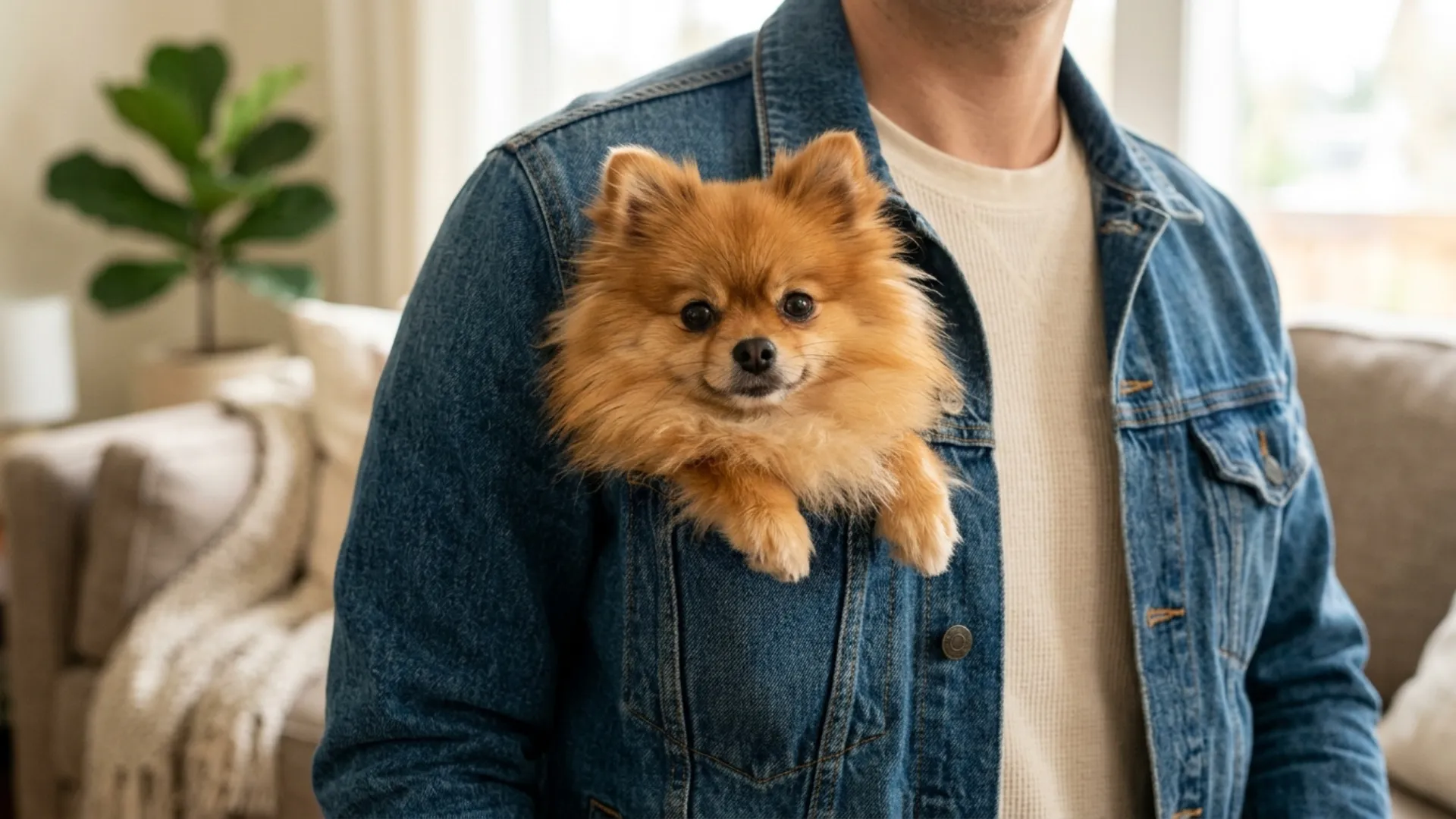
Pocket-sized dogs are usually picked due to their ease of carrying, ease of housing, and because they are adorable. Yet they are appealing for more than their small bodies. There are quite a number of them that have interesting histories, good instincts, and odd abilities.
Not all small breed dogs act like lap dogs. Some were developed to catch vermin. There were others that were bred to be companions only. Others are most unexpectedly sporty, and others prefer to be near their beloved one.
The category is also subject to size. The handling of small dogs for pet parents is entirely different from handling dogs of other sizes.
Each of the seven popular small dog breeds listed below has something new to the table. They are fascinating companions to those who adore exceptionally small dogs because of their origins, personalities, coats, abilities, and daily routines.
Charming Pocket Dog Breeds: A Guide to Tiny Tails
1. Yorkshire Terrier
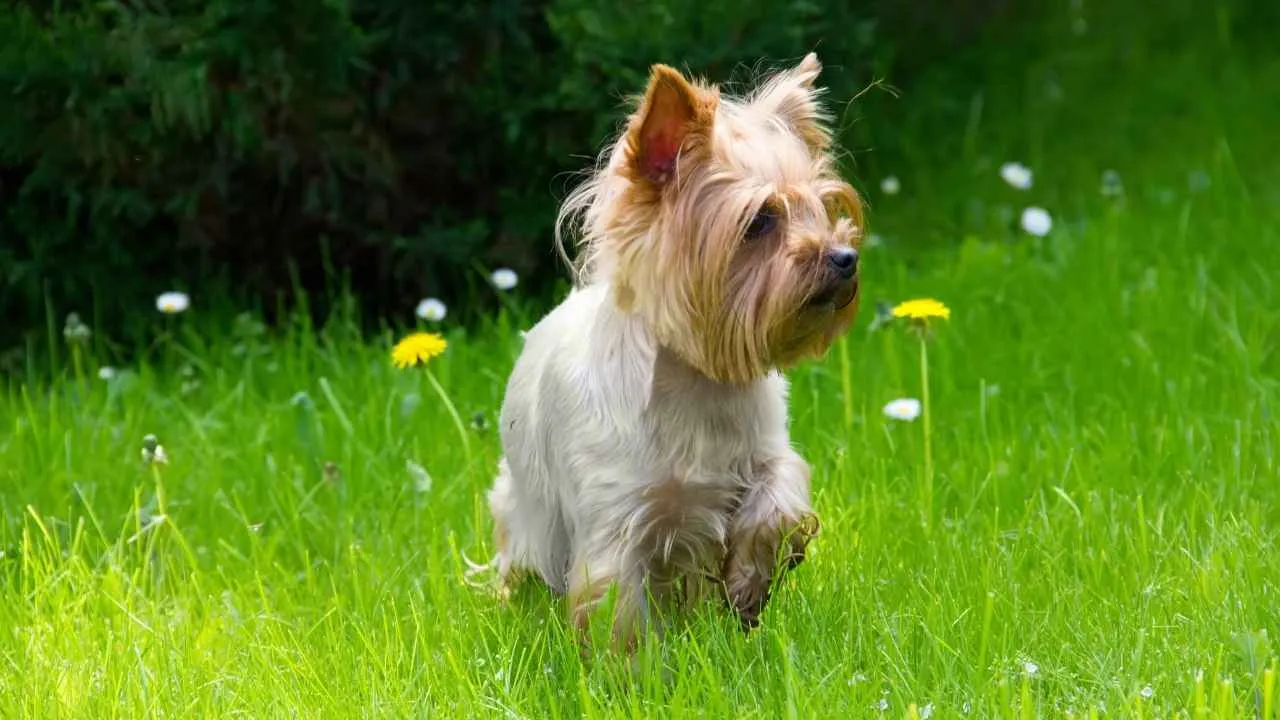
The Yorkshire Terrier has a history that is easy to remember. Sporting long, silky coats, Yorkies were domesticated in Northern England to hunt rats in tight spots in textile mills and other industries.
They tend to be quick to look into anything out of the ordinary. These rat hunters can hear something behind a door, and they instantly want to know what it is. These dogs are also not afraid to approach dogs twice their size, and hence leash training is necessary.
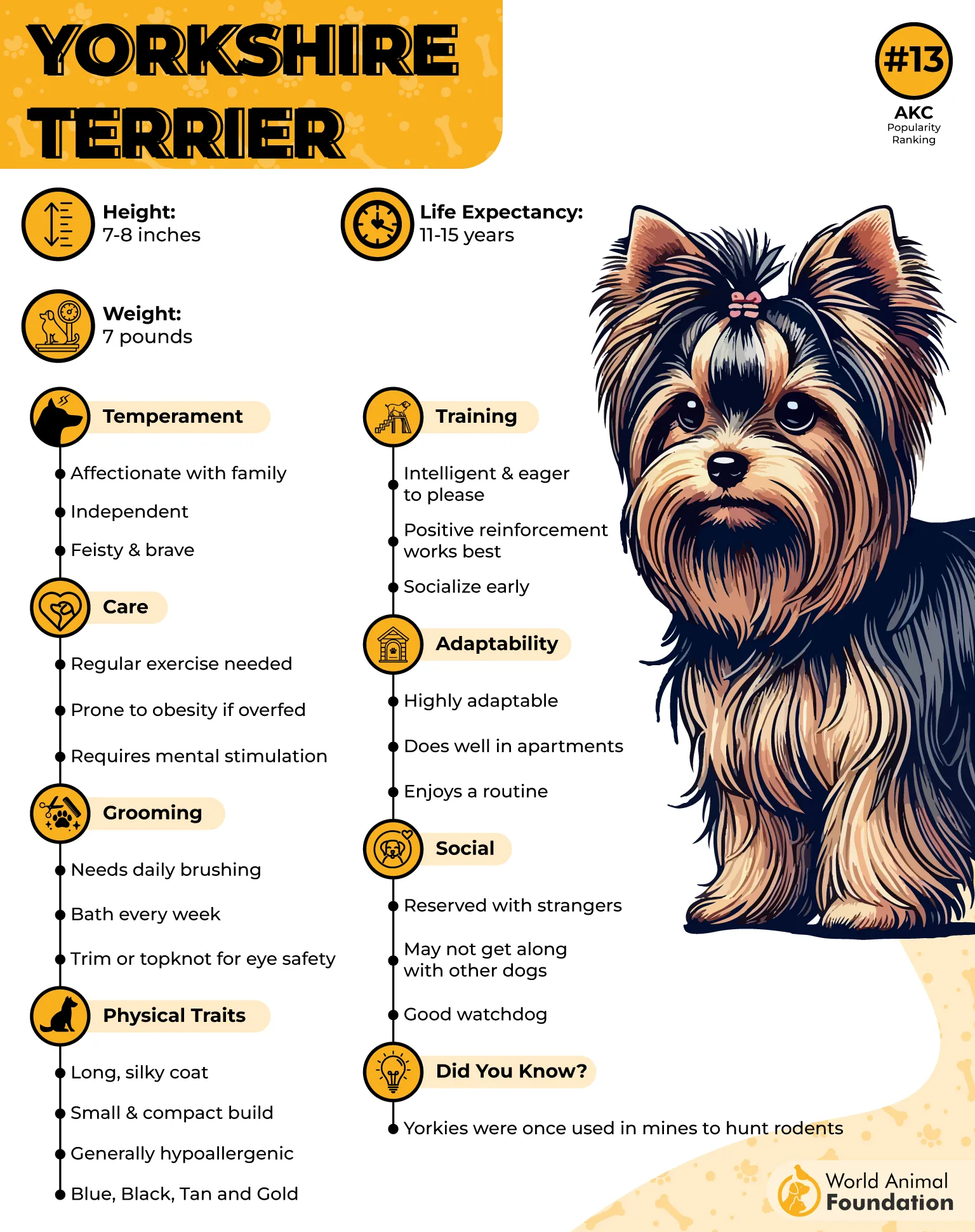
Their coat is their defining characteristic. Yorkie hair is fine and straight. It does not shed seasonally, and instead, it continues growing. They are also very easy to travel with due to their small size. They also follow their owner on errands, journeys, or walks across the city.
These are the best small dog breeds with fluffy coats that win the hearts of thousands of people around the world. It is easier to provide these small-sized dogs with mental and physical exercise.
2. Maltese
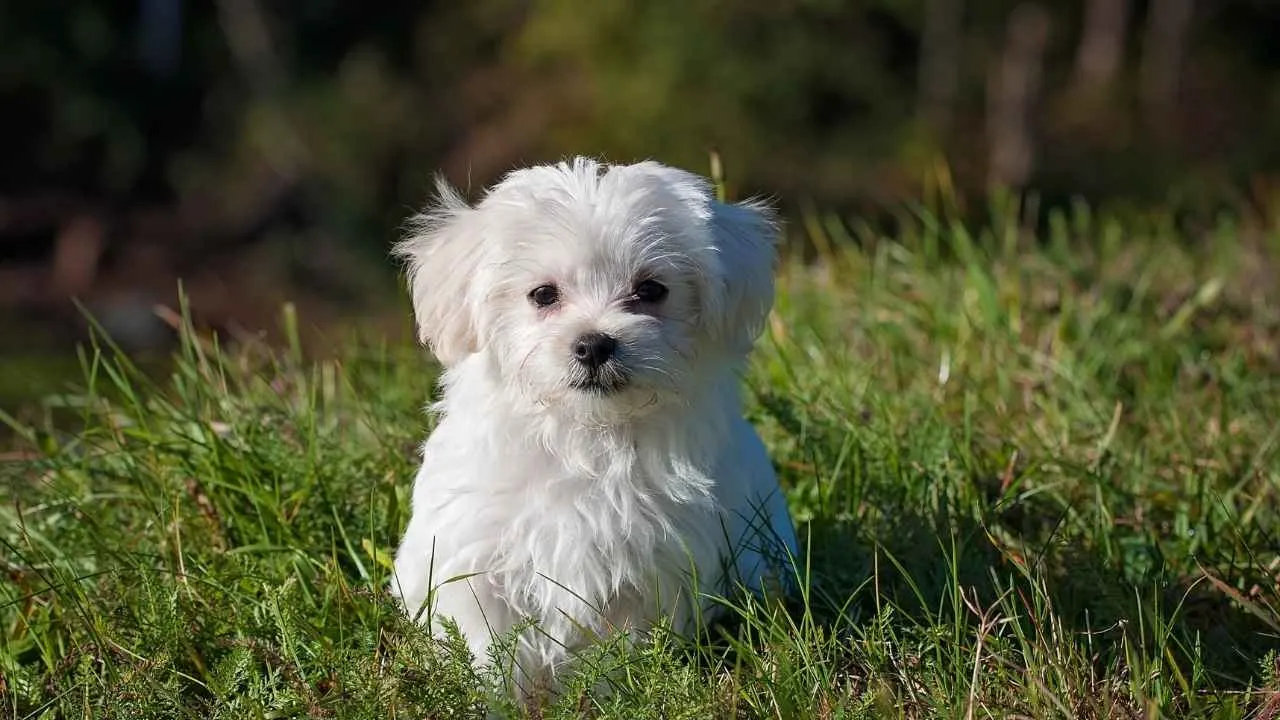
Maltese has a very unusual history as a companion dog. It has its origins in the Mediterranean area where wealthy families kept small white dogs as pets.
One of the largest attractions is its appearance. The coat is lengthy, straight, and white. The hair is also not of the thicker type, like the double coat of most fluffy dogs. It may get dirty around the face, and therefore cleaning the area is a part of daily care.
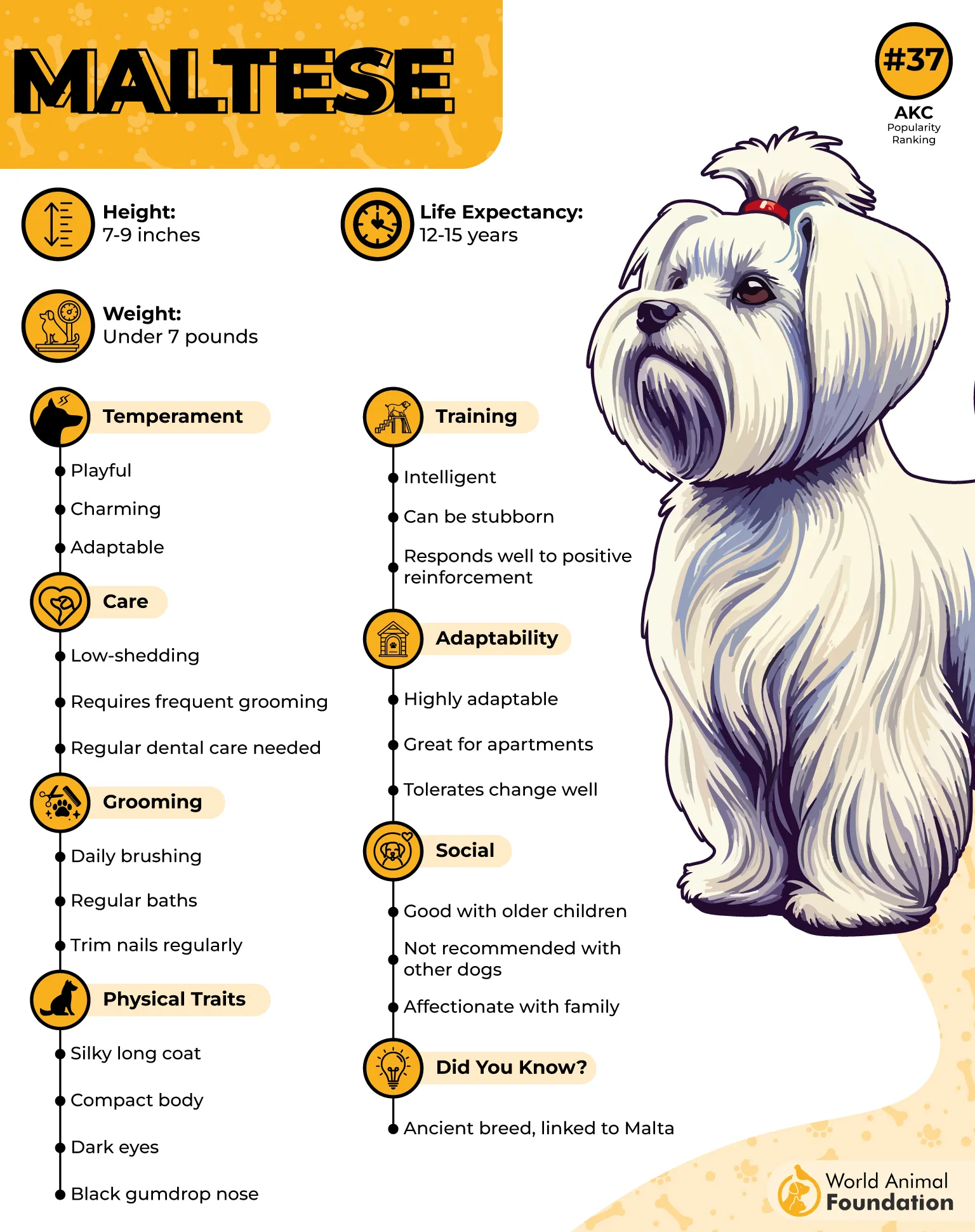
Maltese dogs will also play inside. They tend to like running around with toys, learning easy tricks, or trailing their owners throughout the house. Their extremely small size calls for careful handling. A fall that the other dog might comfortably withstand can hurt a Maltese.

Their attachment to people is also likely to be strong. They are very social animals, and they are perfect for owners who want a companion with them throughout the day.
3. Shih Tzu
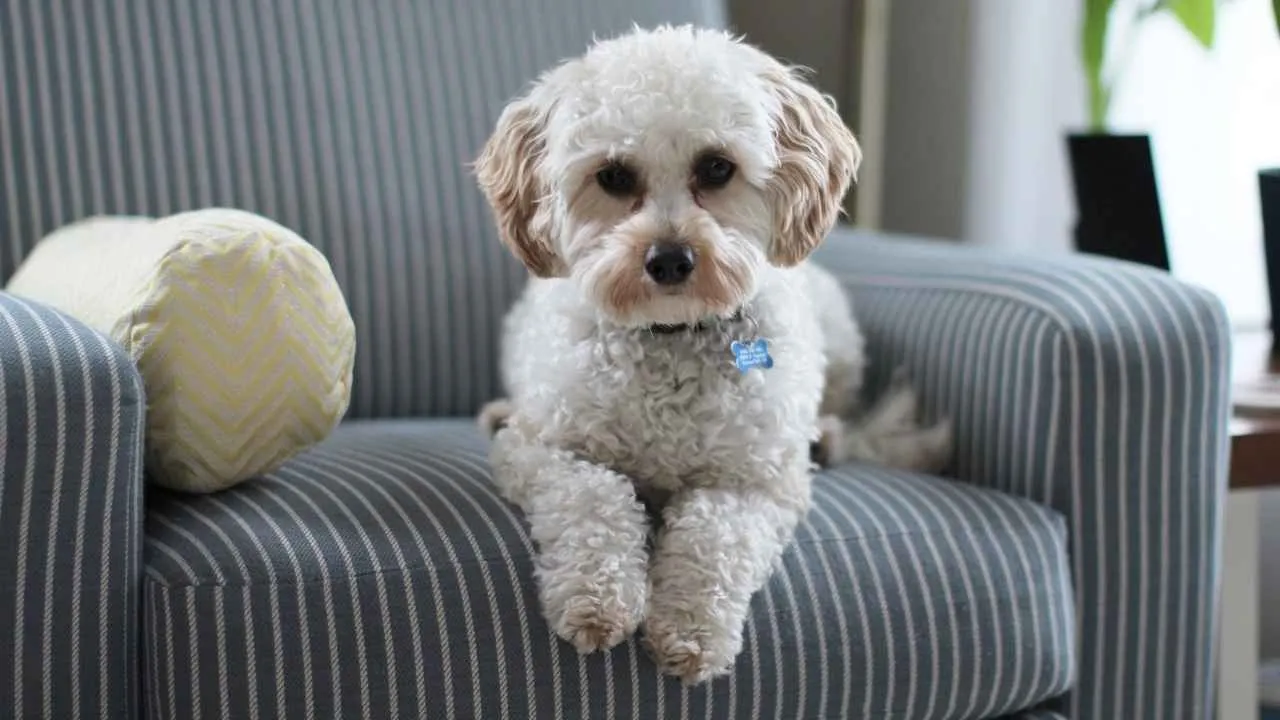
Shih Tzu has a highly royal history. The breed was valued in Chinese royal families and was mainly bred to be used as a companion.
It could do none of the running that a terrier or sporting breed would be expected to do, or do any hard physical labor. Its purpose was to be lazy and lounge around people.
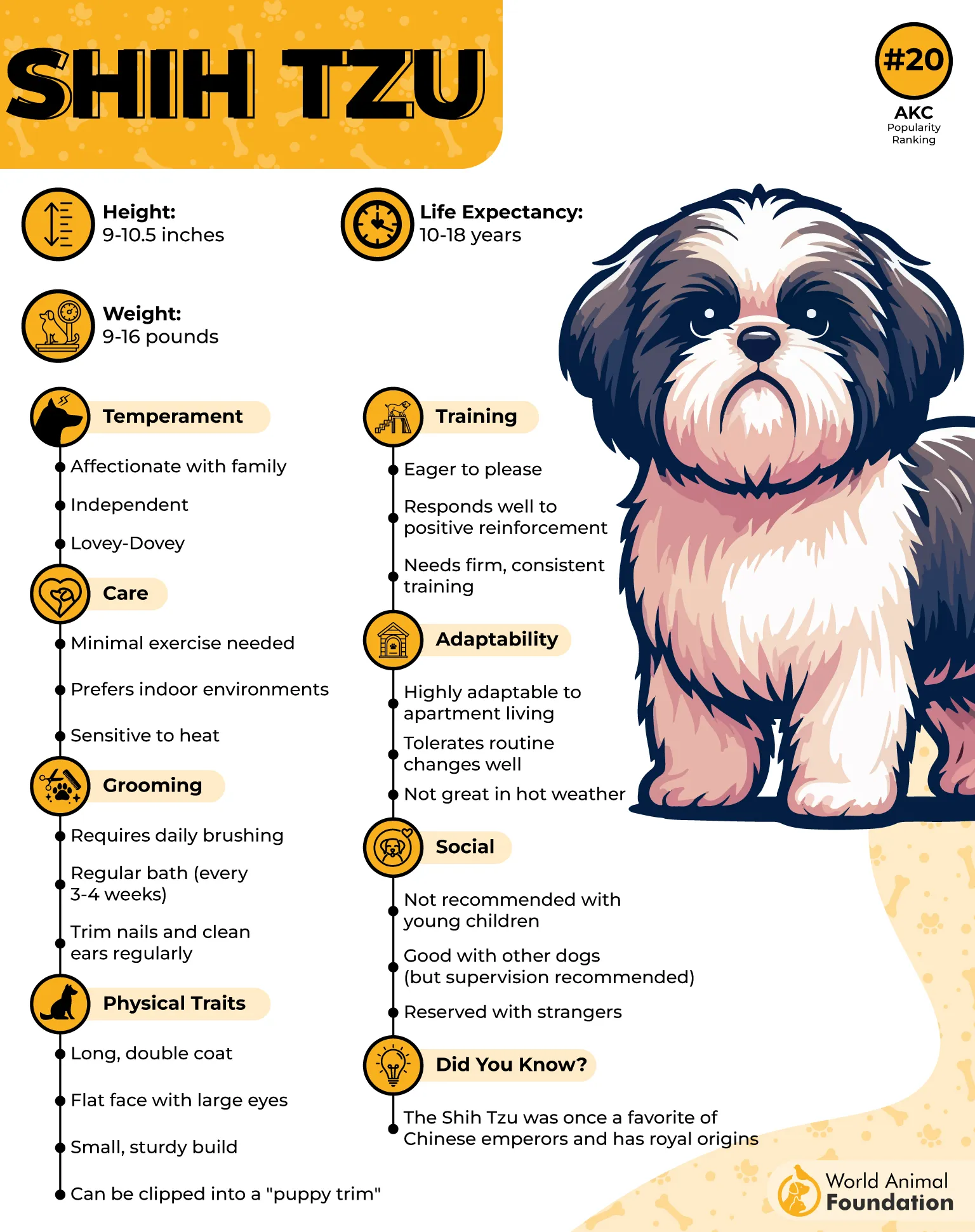
Their personality is still reflected by those habits. A good number of these dogs are happy to accompany their owners around the rooms and to be in close contact with them throughout the day. Its muzzle is short, and its eyes are large and expressive-looking.
These characteristics add to its unique look, but also imply that heat management should be a serious matter to owners. The coat grows so long as to cover the floor. Such a look needs a lot of care. Brushing frequently avoids the formation of mats of hair. A short pet cut results in a much easier grooming routine. It is also much easier to examine the skin and look for any issues on the body.
4. Pomeranian
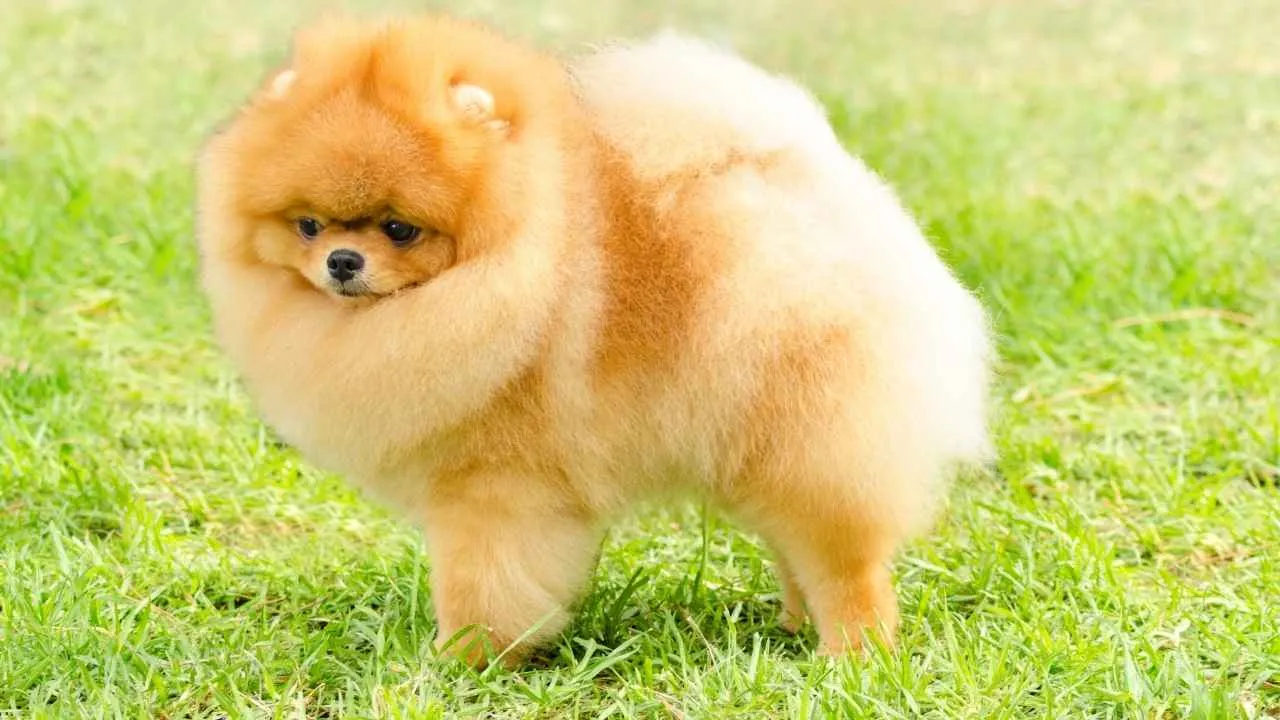
The Pomeranian is a small family member of the Spitz. Its forebears were larger and heavier dogs which were employed in the north. The Poms today are significantly smaller, although a certain quality of that ancient Spitz remains today as well.
They are frequently very vigilant. External sounds may cause an immediate reaction. This is what makes them critical household watchdogs, but when not trained, barking may become excessive.
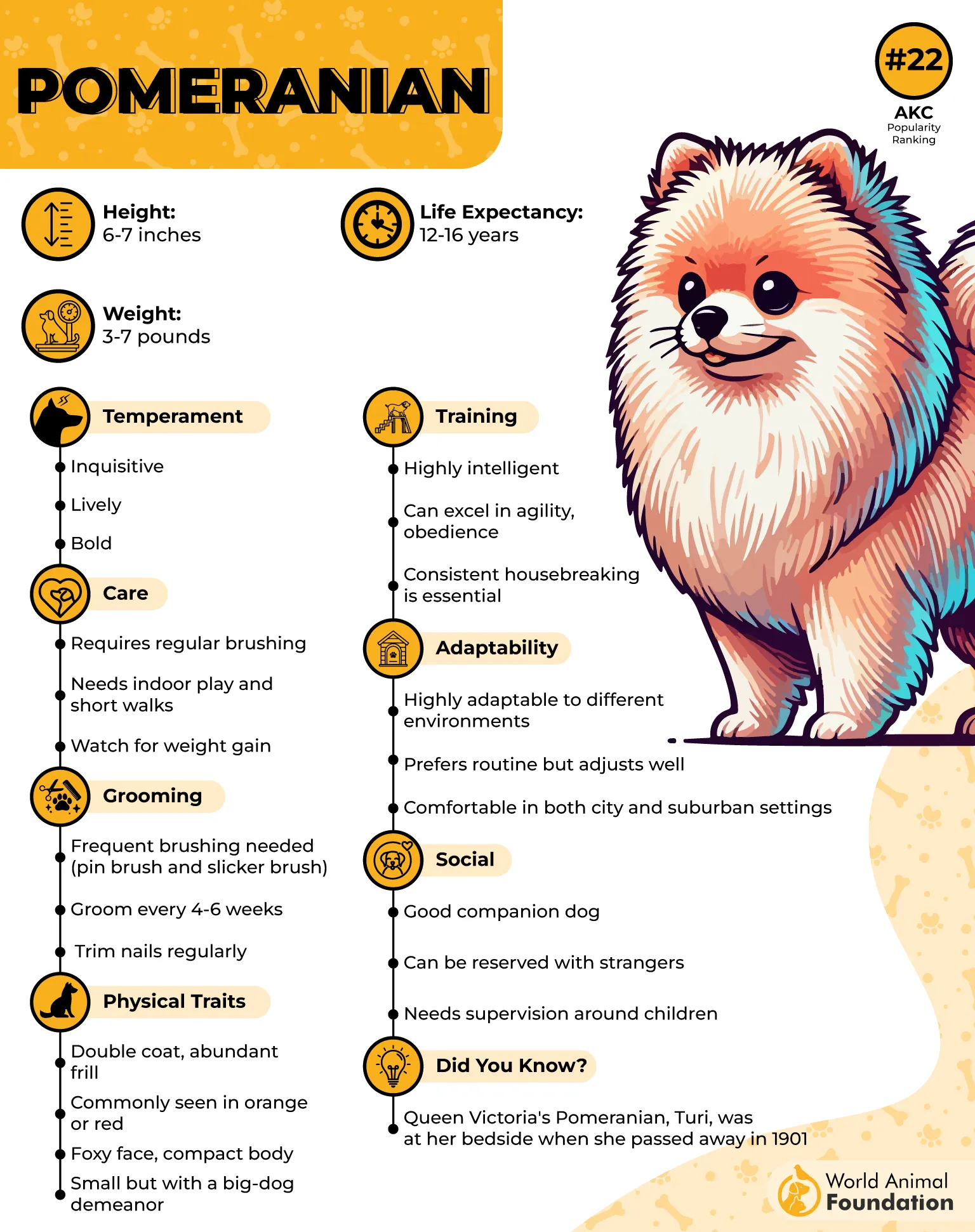
Another factor to consider is their coat. Pomeranians have a thick double coat with a dense undercoat, according to the American Kennel Club. This layered structure makes them appear fluffy. Frequent brushing will keep the loose undercoat off and eliminate tangles. Seasonal shedding may also occur.
Pomeranians are able to learn tricks despite their small size. Their smartness makes them easy to train as a means of occupying them. These active dogs require more grooming compared to many large dogs.
5. Toy Poodle
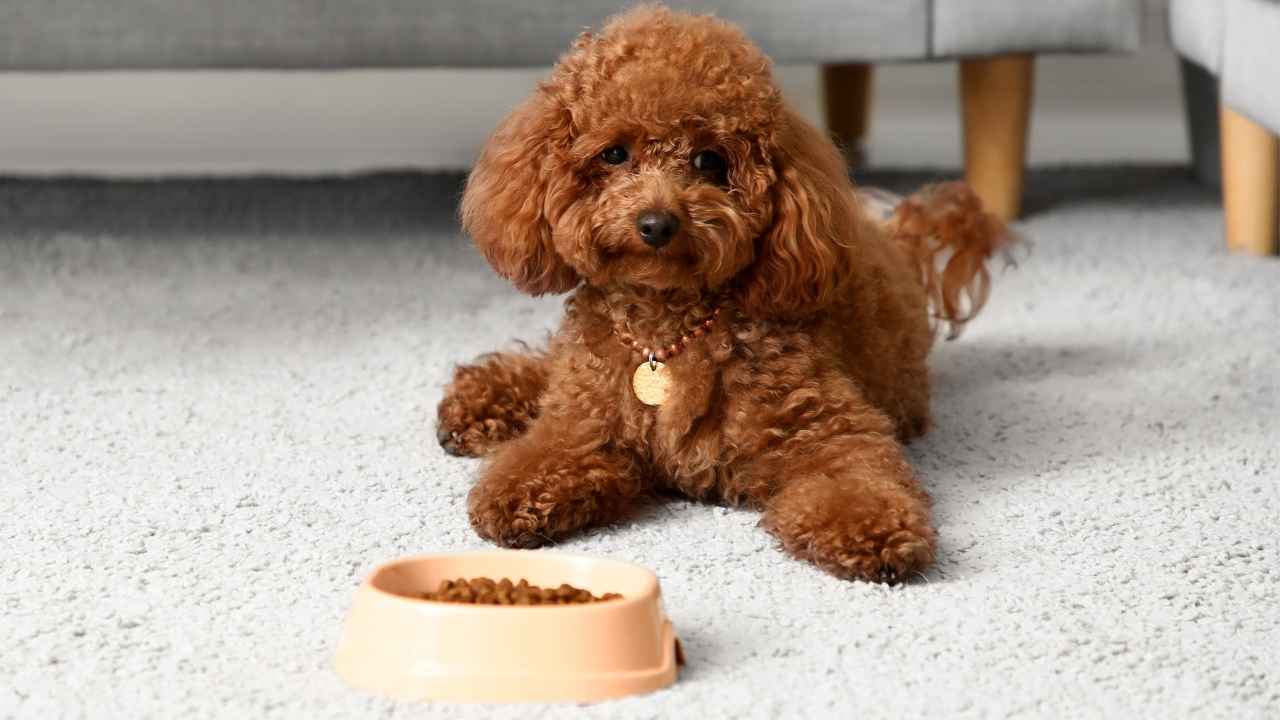
The Toy Poodle is an example that a small dog can possess a serious working attitude.
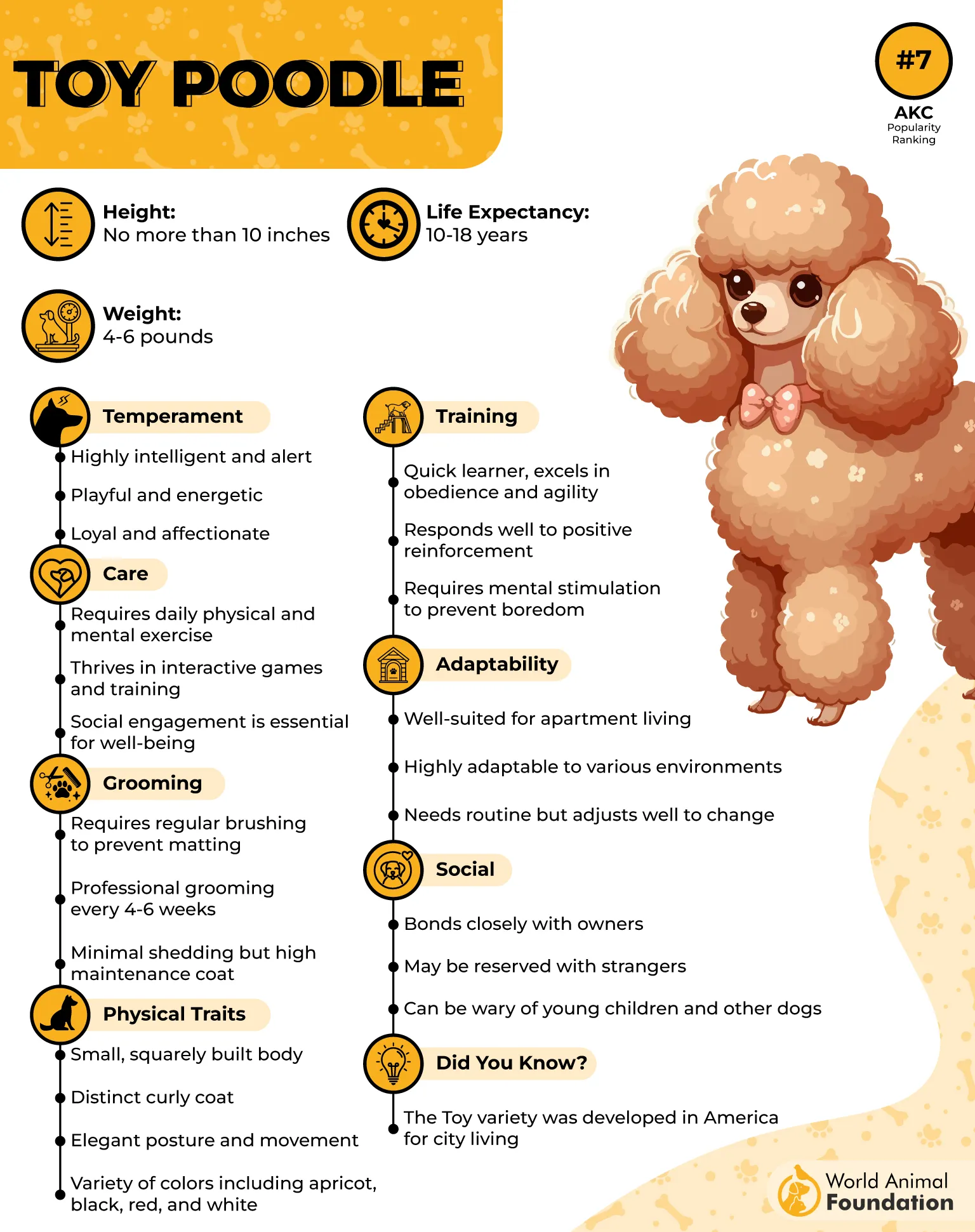
Intelligence and trainability are the defining characteristics of Toy Poodles. The toy type is the one that puts all those qualities in a very small package.
This is because they are good candidates to be trained due to their learning capabilities. They are able to learn object retrieval, target exercises, obedience commands, and other activities that require their brains to be challenged.
All of this can be done in a living room or hallway, a great benefit of having such a small dog.
Another significant feature of Poodles is their coat. The Poodle is a toy breed with a curly coat, which sheds very little compared to those of many other breeds. The loose hair may be caught up in the curls rather than falling freely about the house.
Mats may develop due to a lack of brushing, and they should be regularly groomed by a professional. If you want a dog that is smart as well as small, this pet won’t disappoint.
6. Papillon
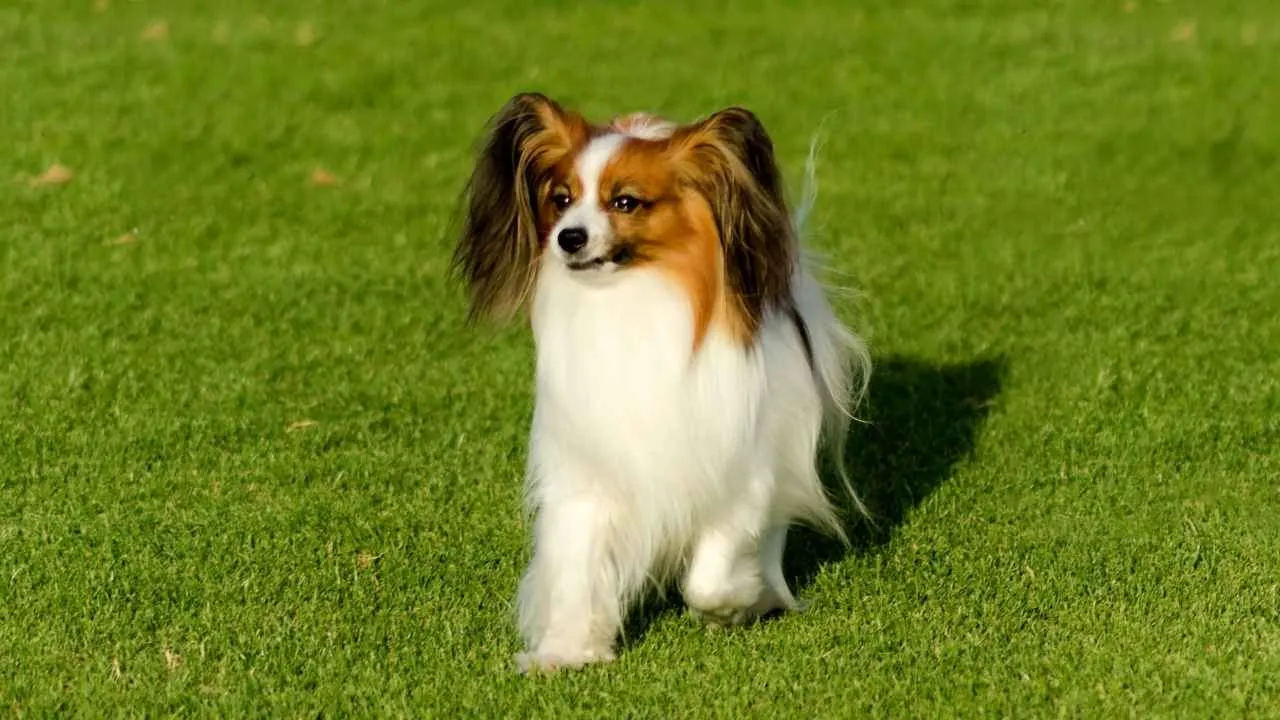
The Papillon is easily identifiable due to its huge wing-like ears. The breed may appear delicate due to its looks, but its capabilities tell another tale.
These dogs are very nimble and have always been good in obedience and dog sports. Their bodies are small to enable them to run fast and change direction easily.
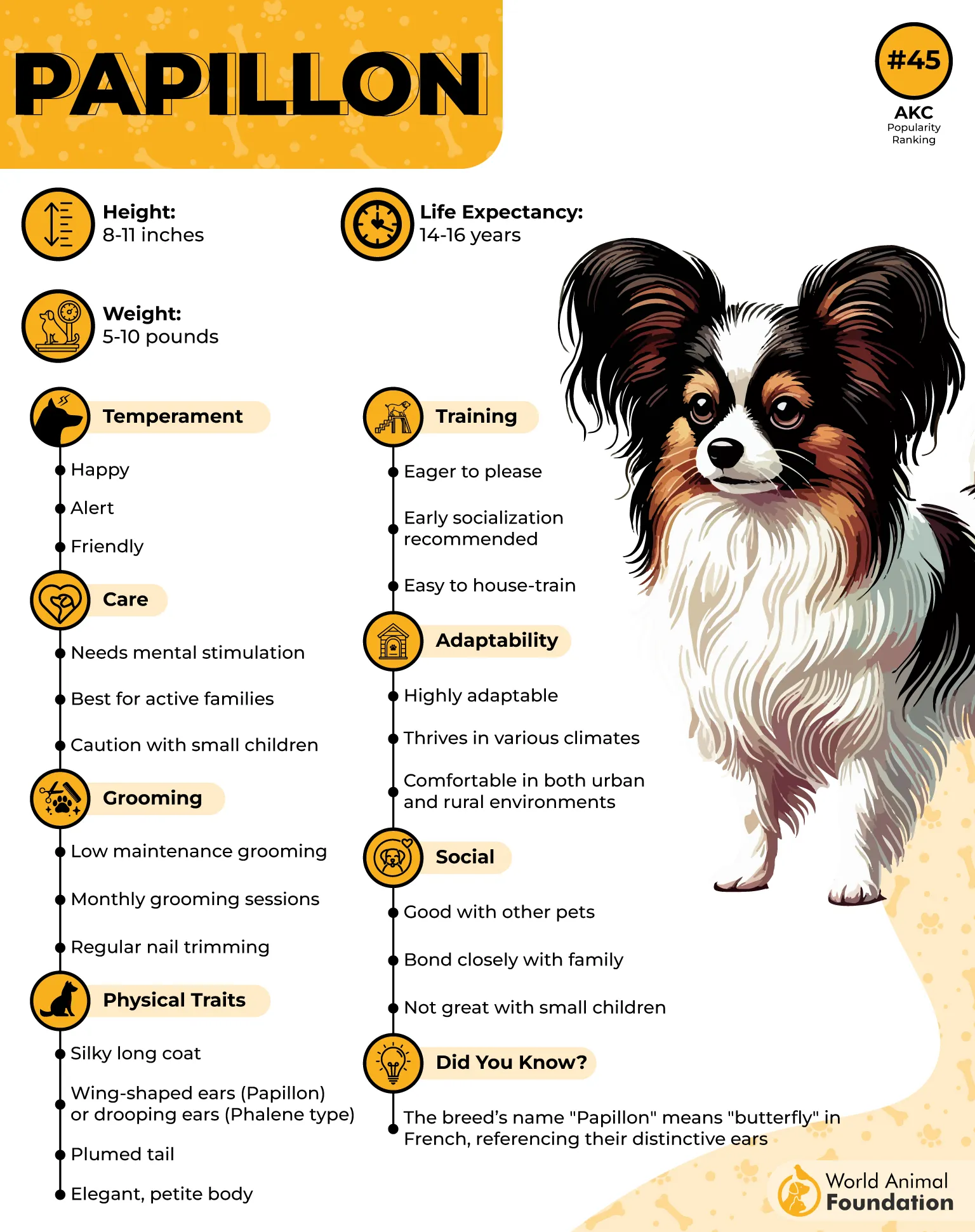
They are also clever dogs. Papillons can be taught new tricks soon after they get to know what treat lies in store. This makes the routine entertaining for both their owners and Papillons. They also appreciate different training routines which incorporate new games every time, according to Purina.
Their coat is long and smooth, but without a heavy undercoat as in most of the fluffy dogs. It typically requires frequent brushing, particularly around the ears. Always playful and vigilant, they suit owners who prefer an active little dog as their companion throughout the day.
7. Havanese
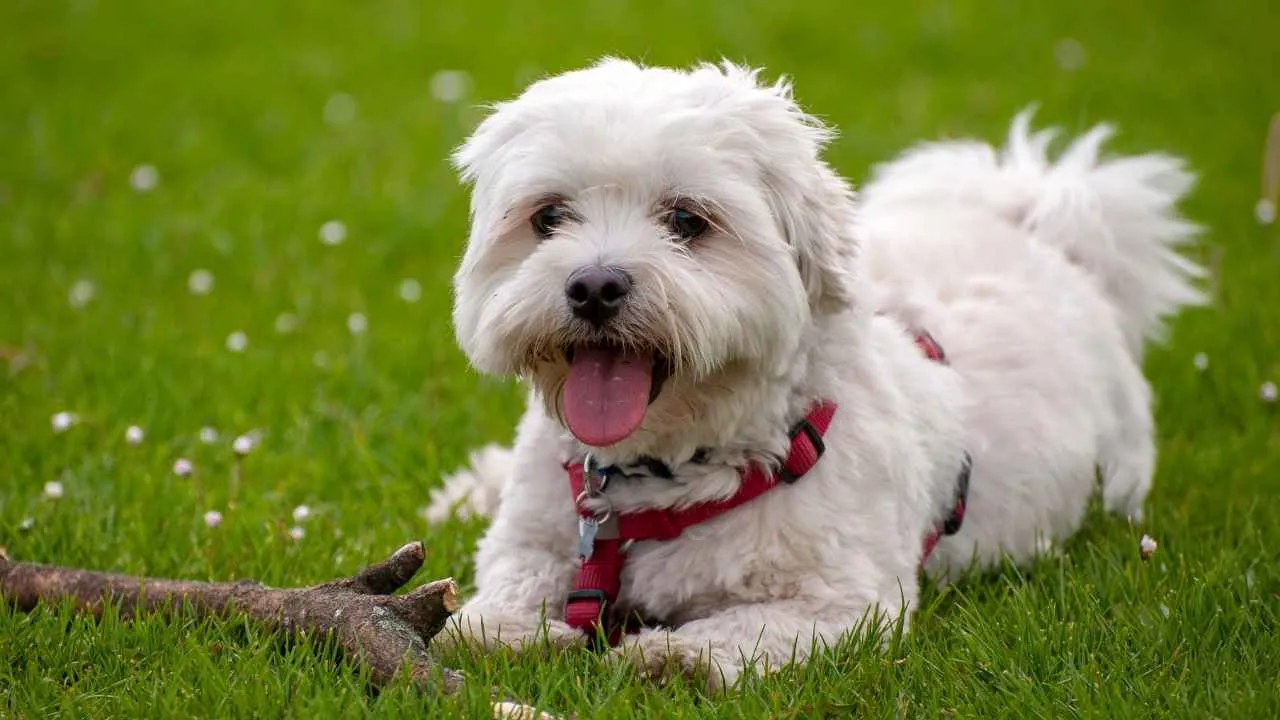
Havanese has a special place in the history of dogs. This high-energy breed is the national dog of Cuba and was originally bred to be a pet to Cuban families in Havana.
These delightful companions have a sociable nature and like to know everything about their owner’s day-to-day activities. They can be wonderful companions when compared to their larger counterparts because these fur babies are people-pleasers. The American Kennel Club (AKC) states that mental stimulation for them is necessary from a very young age.
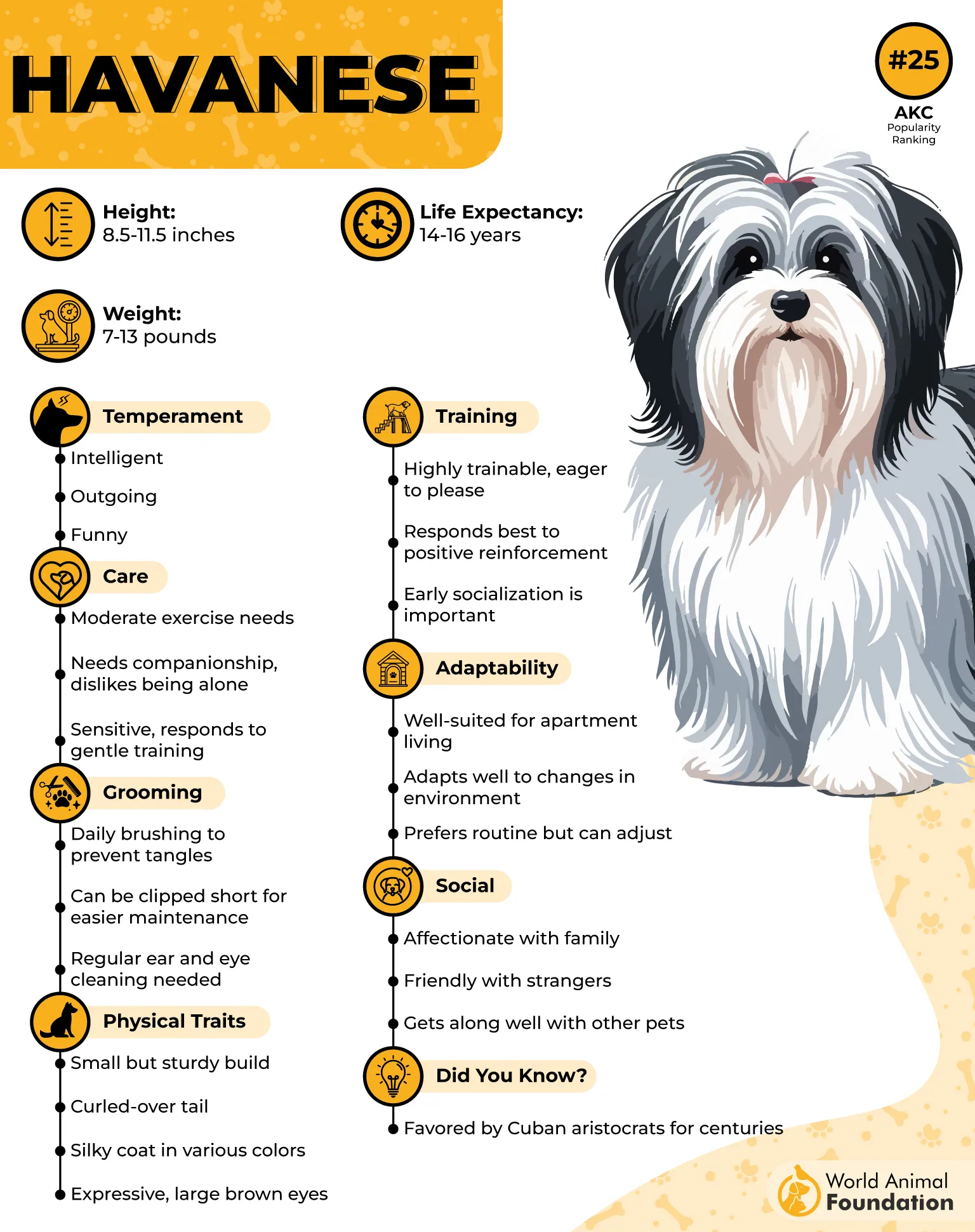
Most of these dogs with luxurious coats can be easily trained and create strong bonds with activities like new tricks, playing with toys, or moving things around the house. These pups are also highly intelligent and can be good watchdogs because of their alert nature.
One thing that is different is that these dogs are not necessarily low maintenance. Apartment dwellers will need to provide regular brushing. These fiercely loyal pups come in a variety of colors and patterns. They can have a few health problems because of their small stature.
Conclusion
All the dogs in this guide can be great companions and excellent pets. There will never be a dull moment around these affectionate pals. All of them need less space to fit, and regular exercise like consistent training and daily walks can make them active dogs as well.
Little dogs have a very different background than other pets, but their tiny size is just the beginning. It is the diversity that makes these pocket dog breeds so interesting.
Their health issues are much less than those of many large breeds, and they require much less grooming. And the best part? They are much easier on your pocket too! Their compact size makes them perfect for people living in smaller spaces too.
