




Some dogs catch on fast. They seem to get the point before you reach the end of your sentence. You teach a new move two or three times. You give a small pat or a quick kind word. Then they lift their paws and try again like it was their idea. Training can feel lighter that way, not like a chore. That said, not every dog learns the same way. What came before them matters.
Their personality matters too. What drives them and how you train also changes the pace. Even so, some breeds have an easier start. People worked with them for many generations, and that history shaped how they pay attention and how ready they are to learn. If you want a dog that might learn quickly, here are ten breeds to look at.
You can see it in instinct, like moving animals or bringing things back. You can also see it when they solve a puzzle on their own. Then there is the kind that comes from watching people and learning routines. So a bright dog can surprise you in different ways.
Dog Breeds That Learn Faster Than Most
1. Border Collie
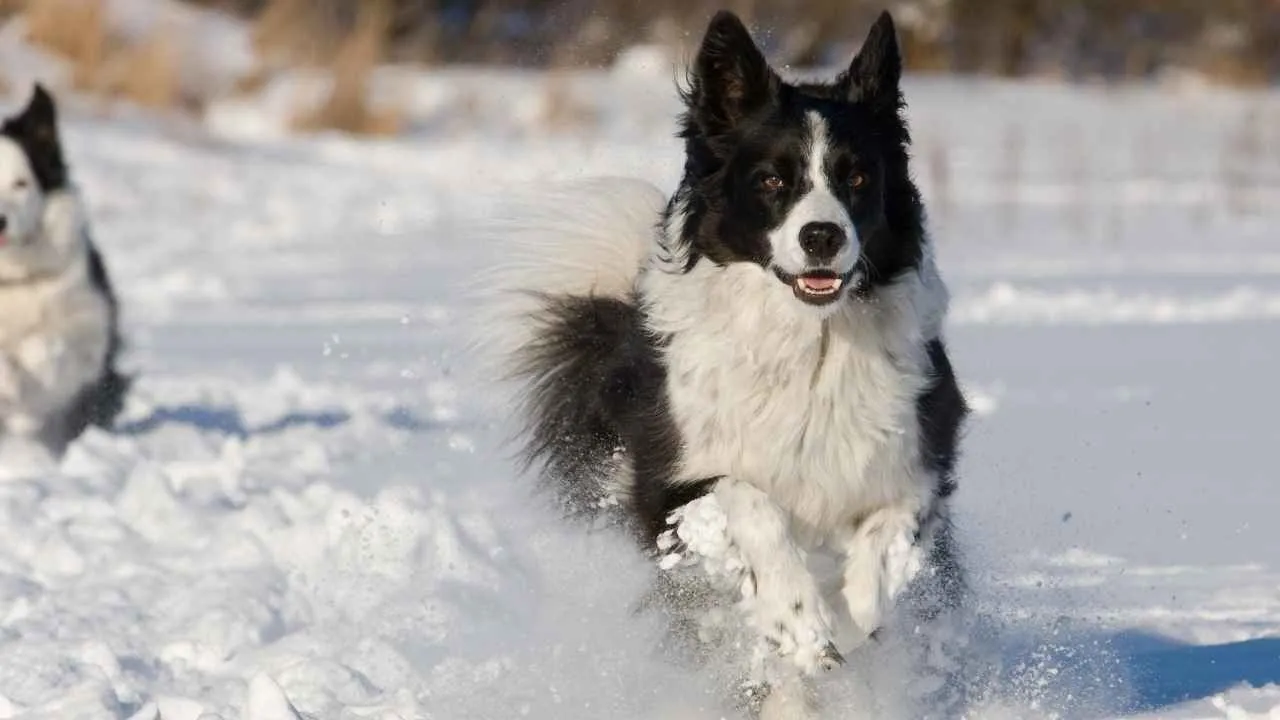
The Border Collie is often named as one of the smartest breeds, and the claim is a reason. This herding dog was built to work with people, guiding sheep over rough ground. Border Collies are sharp and full of energy. They want to do well.
New cues can land quickly, sometimes after only a few tries, especially if you keep the sessions fun and give rewards. Having a Border Collie can be great, but it is not a calm fit for everyone. Now owners may find it tough. A smart dog still needs a purpose.
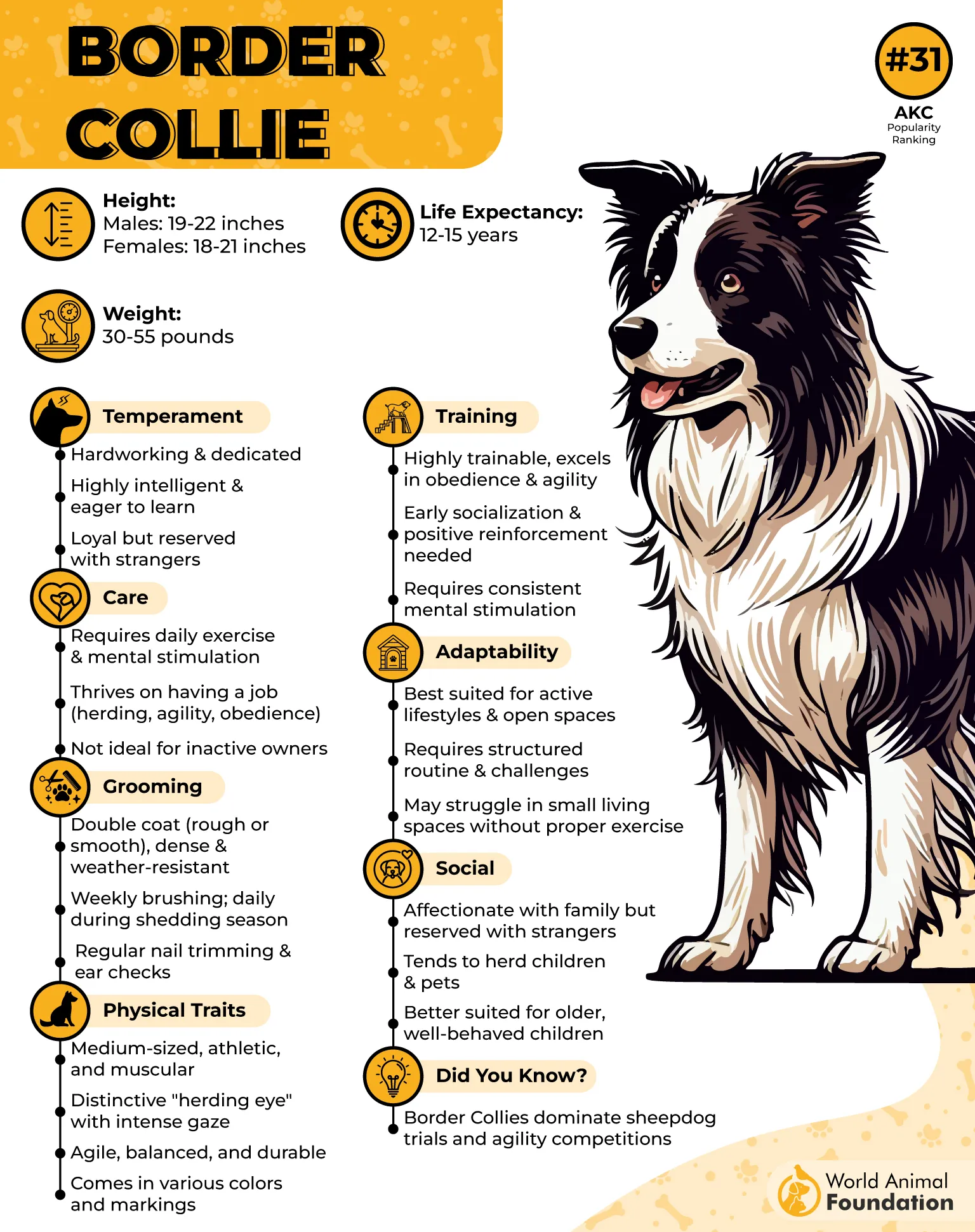
This breed needs daily movement and also brain work to feel settled and happy. The American Kennel Club says Border Collies were shaped for farm work, where they must choose while handling livestock. They often do well at herding tasks. Many also show talent in obedience, tracking, and agility.
2. German Shepherd
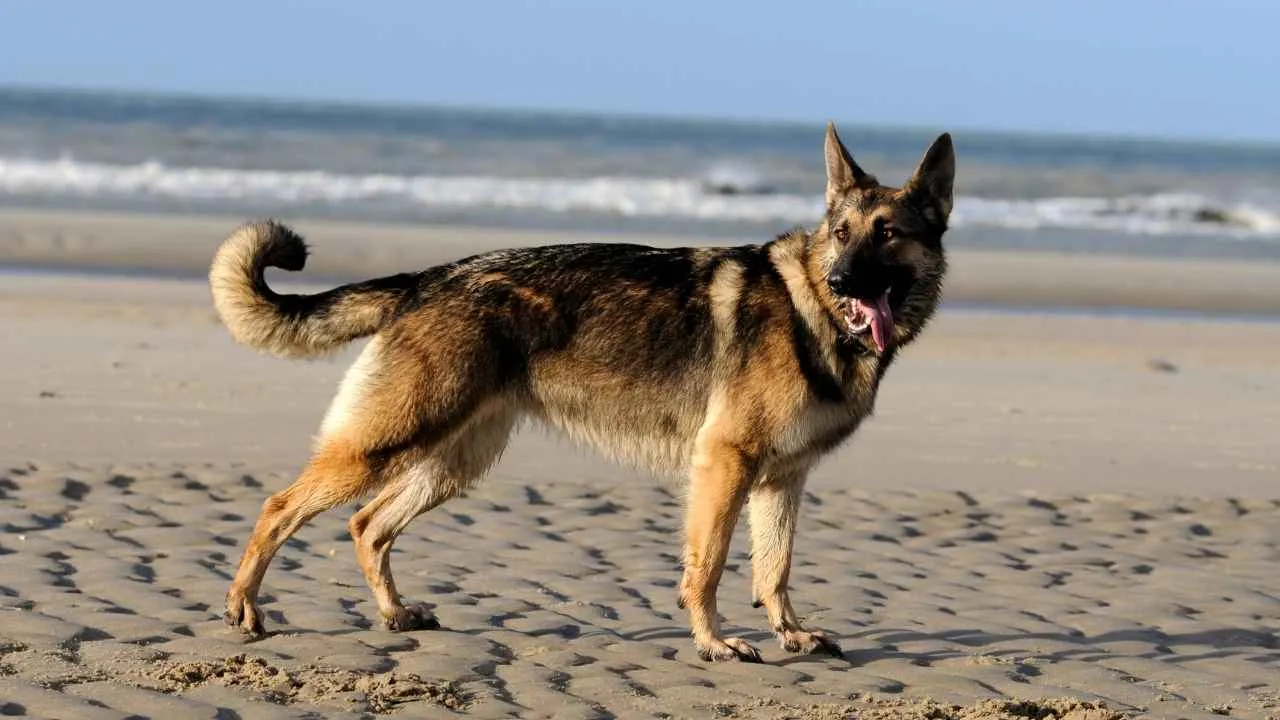
A German Shepherd Dog is known for more than police and military roles. People also see the breed in many service settings. This working dog tends to want to work with others. Because of that, training can fit into daily routines.
German Shepherds are alert and athletic. They are loyal too. They often pick up new commands fast. Because of those traits, they have been used in many jobs, such as service work and search-and-rescue. They can also be steady family companions.
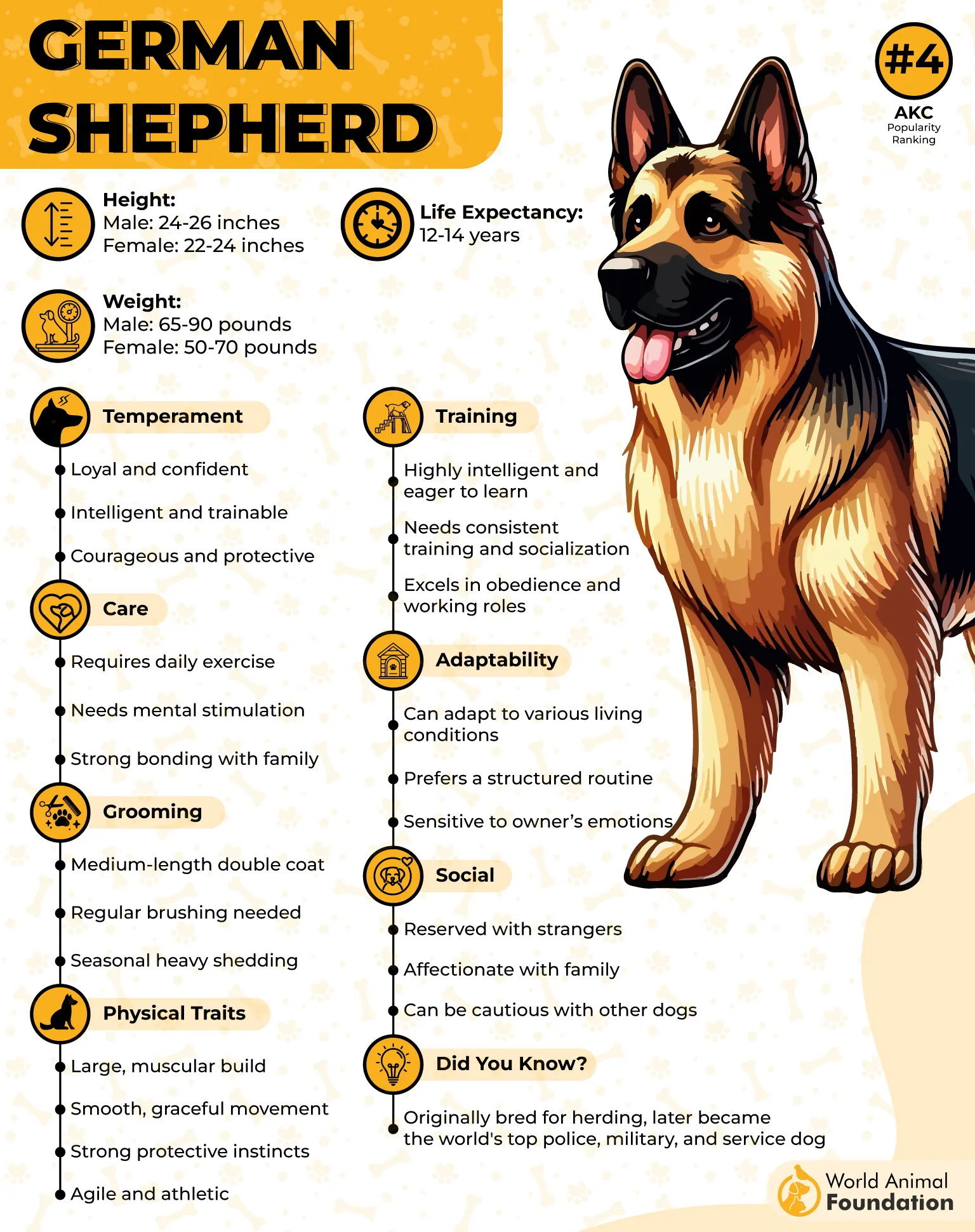
Regular walks, games, obedience practice, and mental work can make training feel like time together, not just chores. It also notes their working past and the need for both movement and mental focus.
3. Miniature Poodle
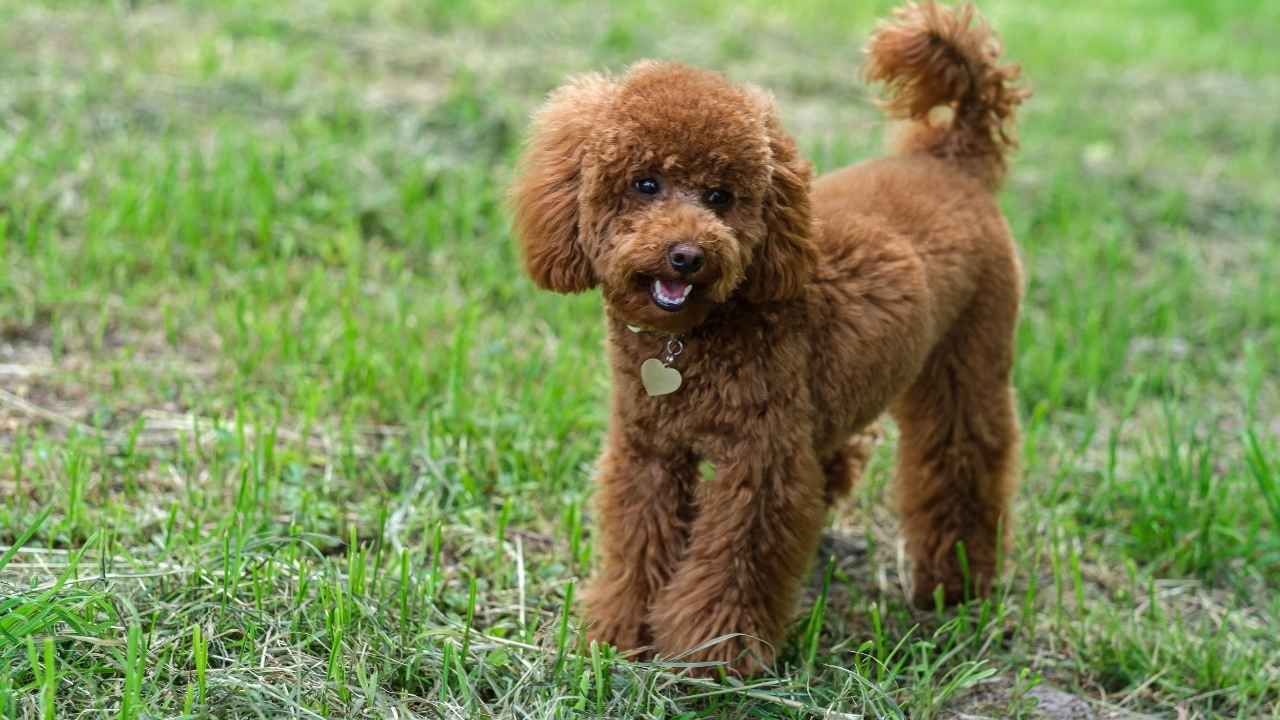
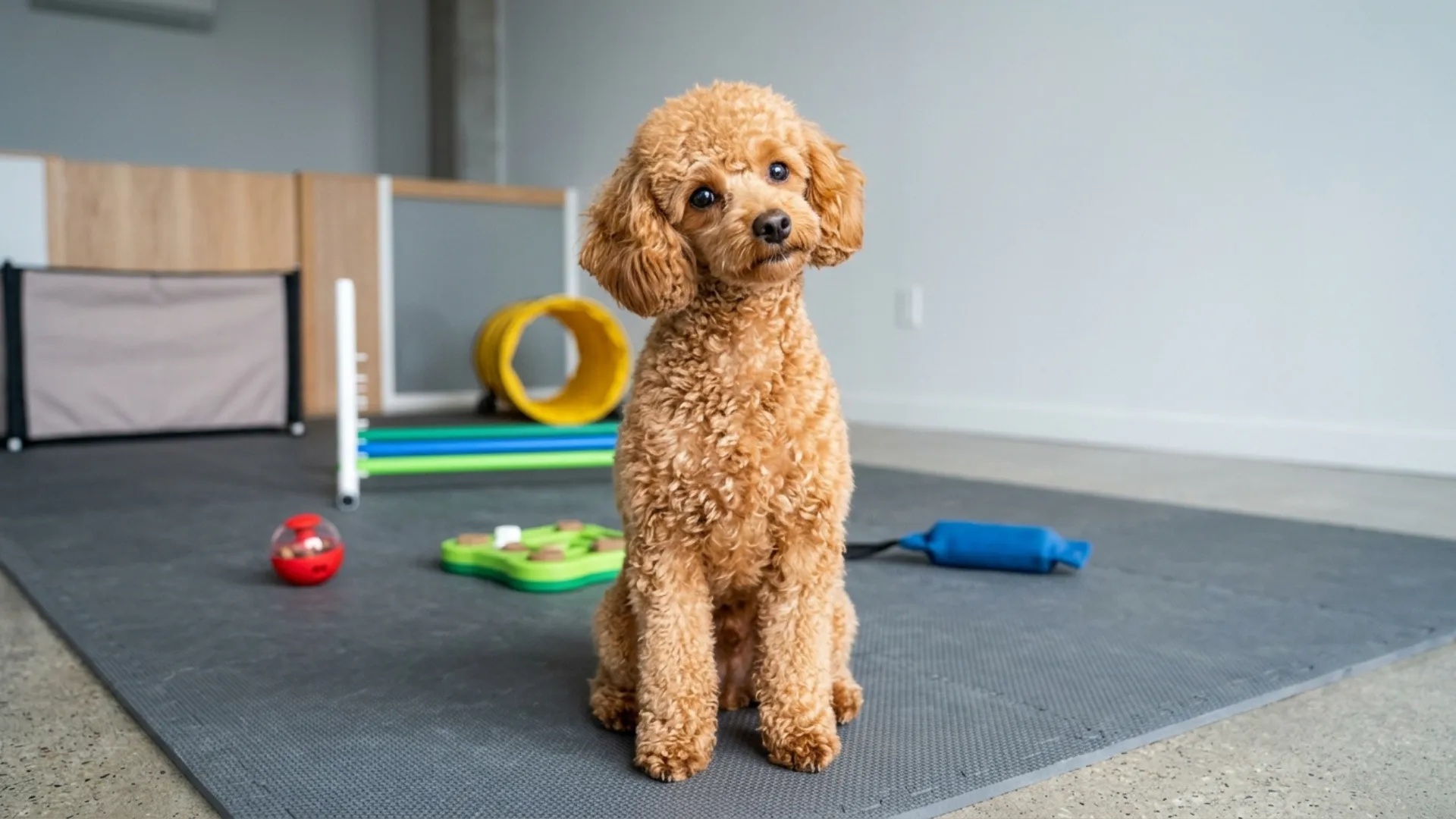
The Miniature Poodle is small in size. Still, the dog behind those curly ears is not calm in a lazy way. This is an intelligent breed that likes to learn. It often brings real energy to training. Miniature Poodles can be lively companions.
They may enjoy learning tricks. They often like walks and swimming. Puzzle games and agility are also options. When the dog wants to please, basic obedience can feel more natural than hard. The curly coat asks for steady upkeep.
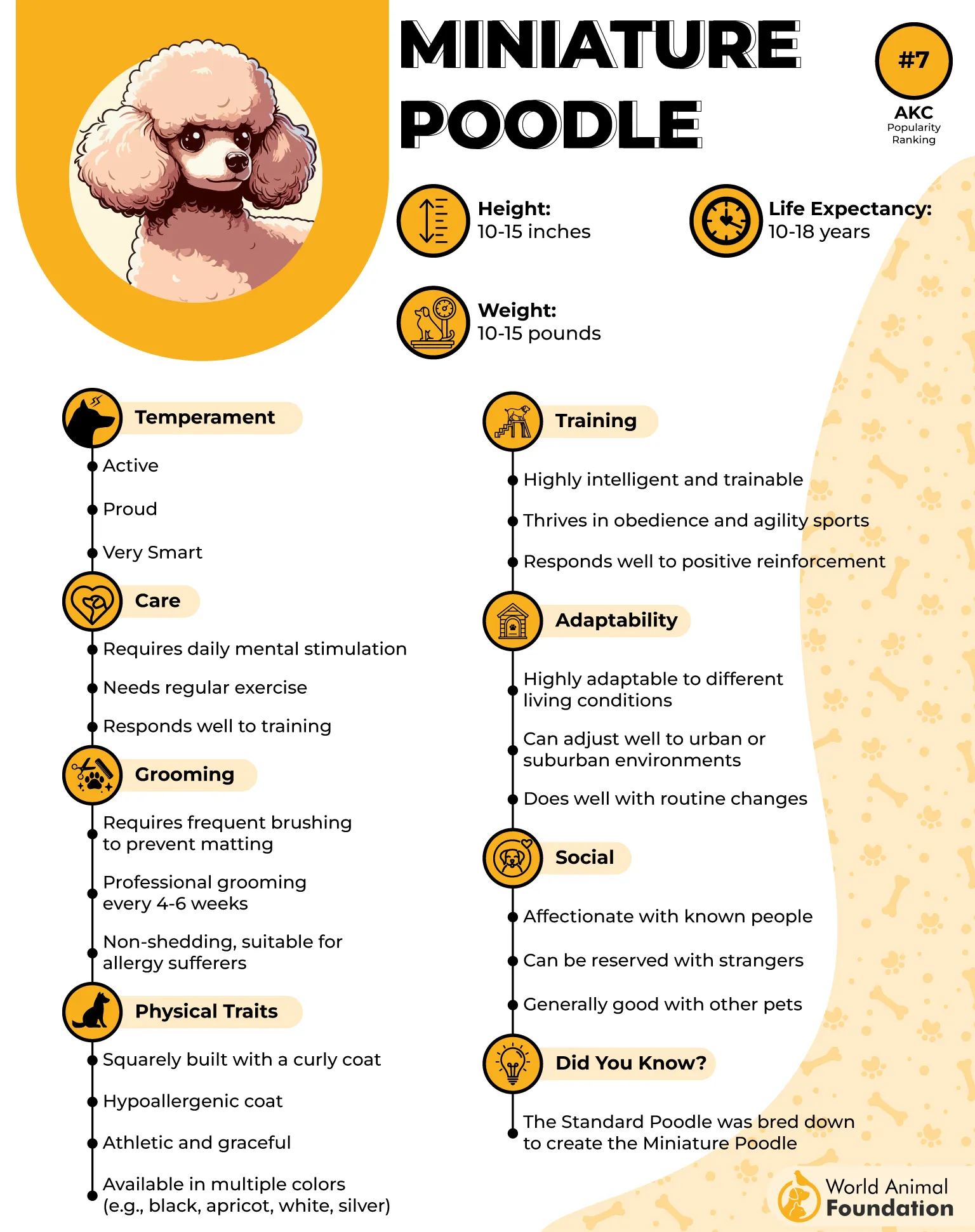
If you own a dog, you have to plan for brushing and bathing too, not only walks. Even a smaller breed can get bored fast. That is why the Miniature Poodle still needs daily movement and practice. PetMD notes that Miniature Poodles are lively and smart. They pick things up fast.
4. Doberman Pinscher
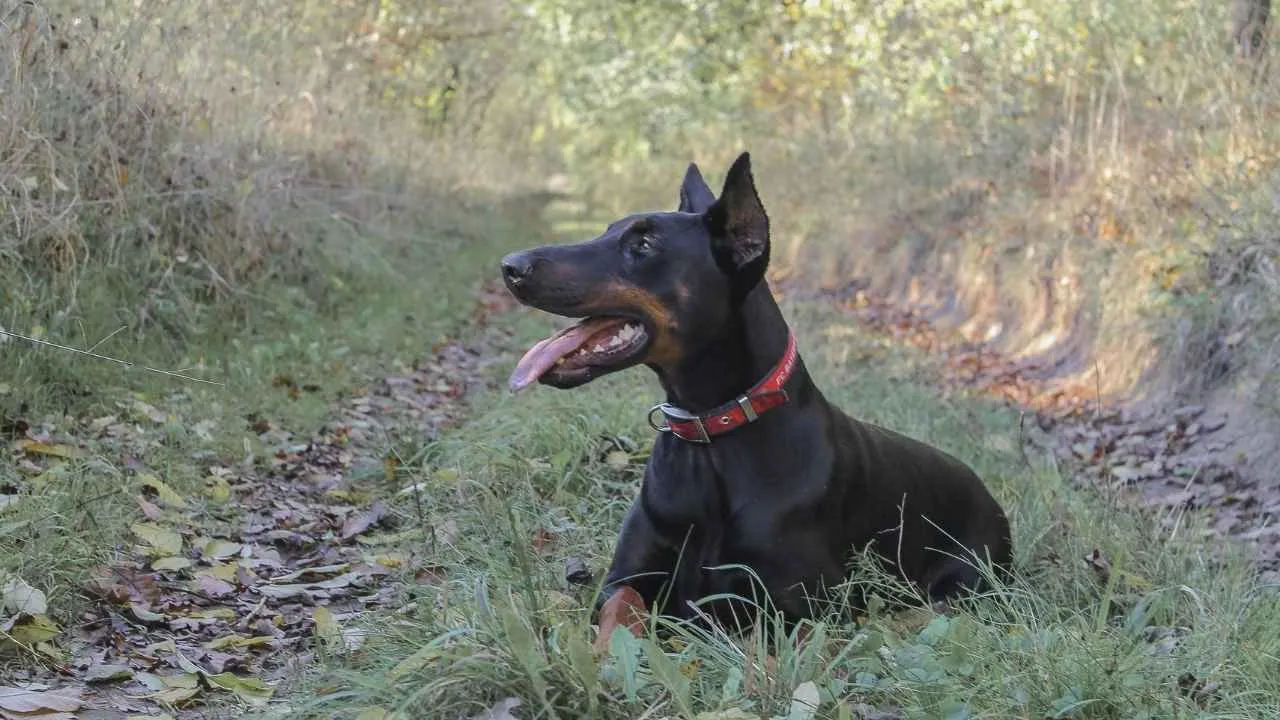
The Doberman Pinscher looks athletic, and it can seem strict at first. If you spend time with a calm, well-trained dog, you often see a warm and loyal nature. Dobermans tend to understand new commands with little trouble.
They also tend to stay alert and react well. Because of their background as working and protection dogs, they often do best when training is clear and focused. They do better when you start social work early. This breed can be watchful around strangers.
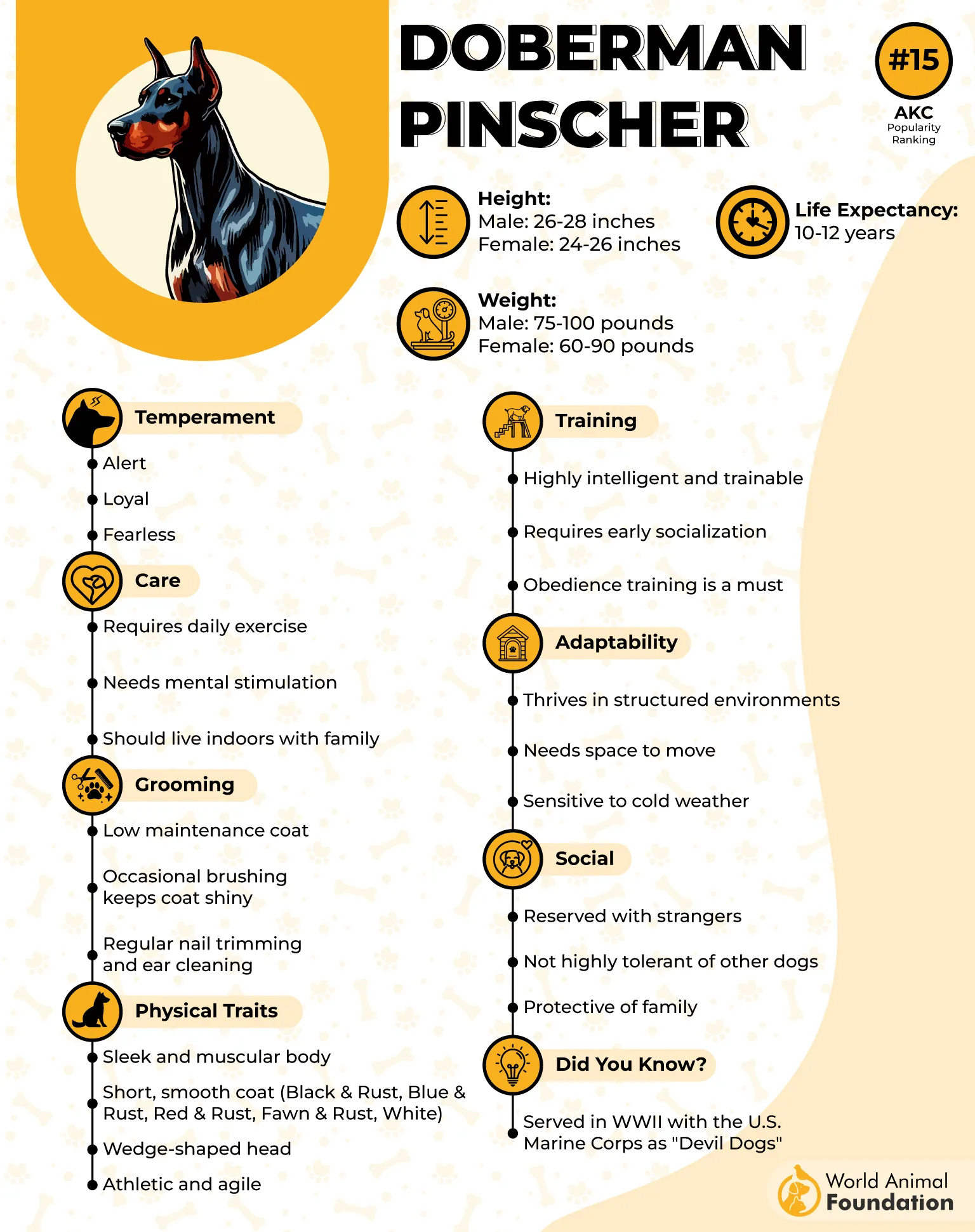
Keep training the same from day to day. A Doberman likes a clear goal. That can be obedience drills, tracking practice, agility work, or learning simple home manners. Dobermans are smart and can learn quickly. It also points out the value of early social time and training that stays consistent.
5. Shetland Sheepdog
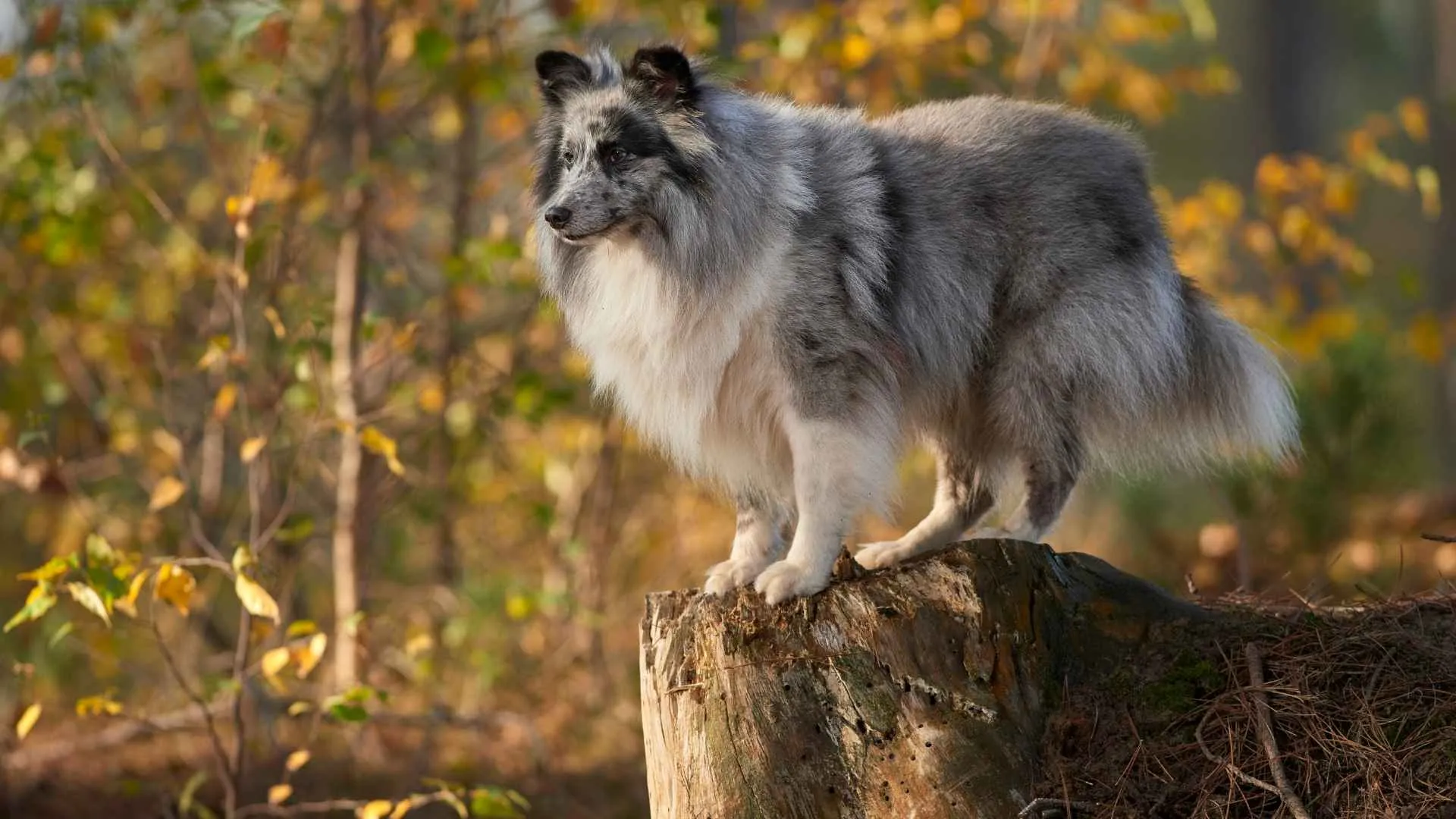
The Shetland Sheepdog, or Sheltie, is a good example of sharp thinking in a smaller dog. The breed was made to herd. It also often forms a strong bond with people. Shelties usually pay close attention and learn quickly.
Training often feels light and pleasant since they like kind feedback and working with someone they trust. Their thick double coat needs steady brushing. This matters even more during the times when they shed heavily.
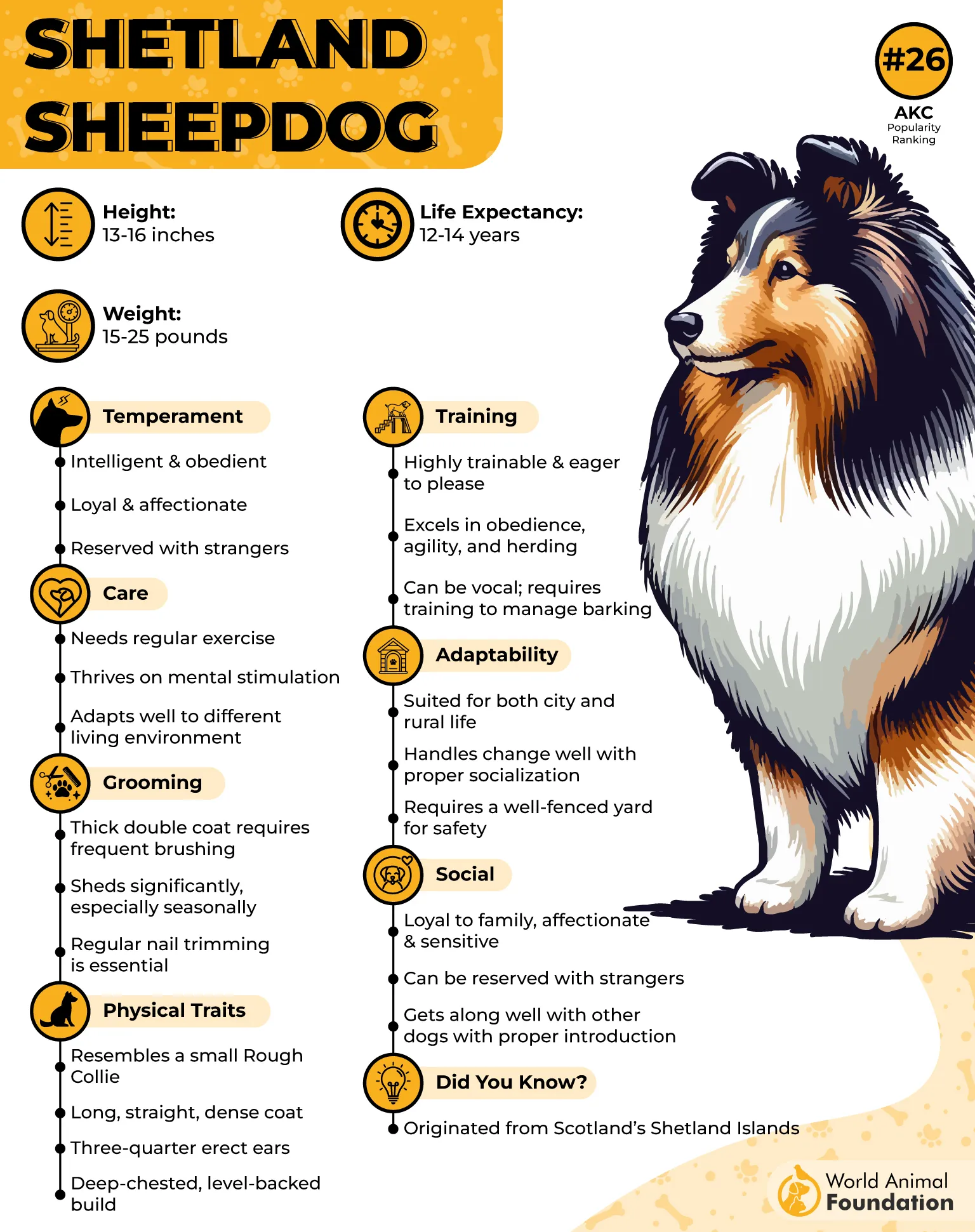
Many Shelties also stay sharp in their head. Obedience work, agility, tracking, herding drills, and easy games give them something to focus on. It also helps burn off extra energy in a healthy way. The Shetland Sheepdog is smart, quick to respond, and simple to train.
6. Labrador Retriever
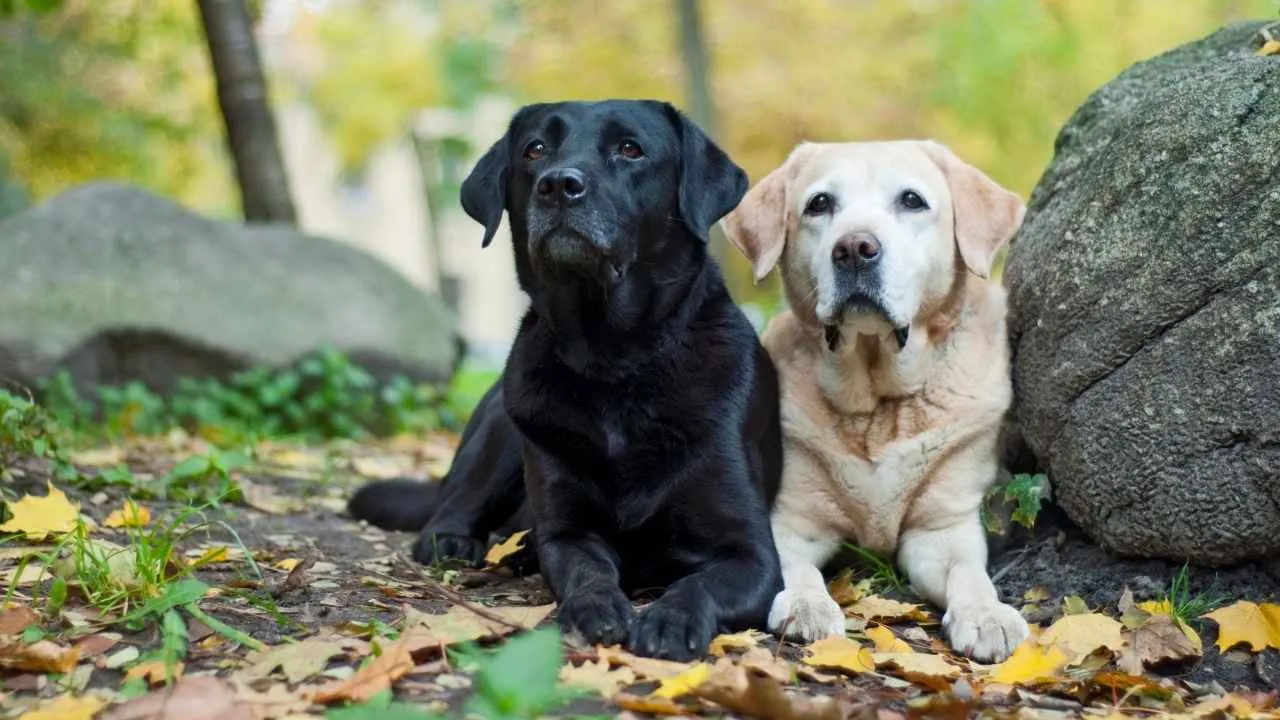
The Labrador Retriever ranks among the most loved breeds. A bright, friendly expression and a playful attitude help it fit well into family life. Labs often pick up training fast. They also have a natural drive to retrieve, which gives lessons a clear goal.
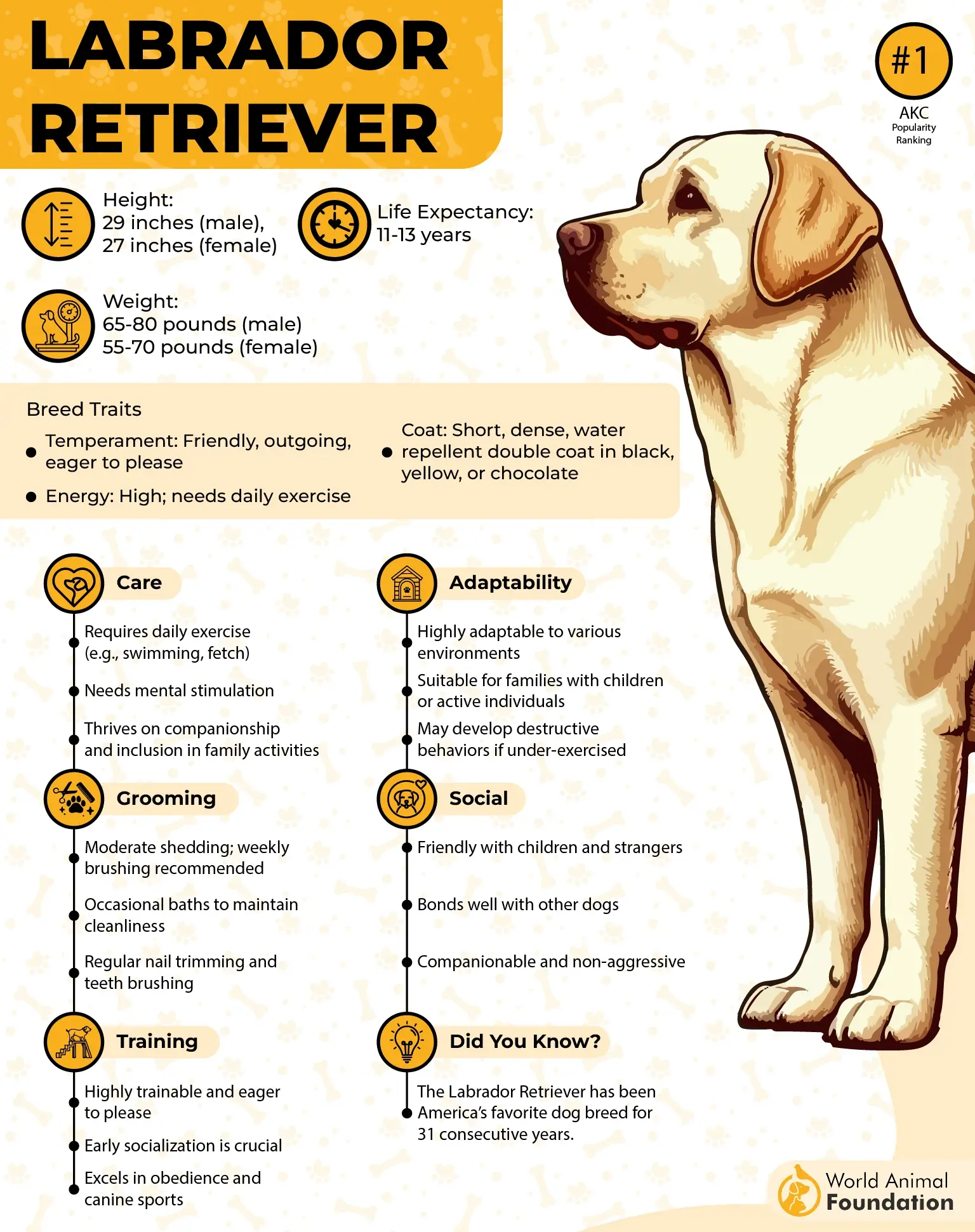
Treats can be especially helpful since many Labs are eager for food during practice. Some younger Labs have lots of energy. They may get carried away at times. Starting early with basic obedience can guide that energy into better habits like staying calm, not chewing, and not rushing at every moving thing.
For a happy Lab, keep up with walks and play. Fetch, swimming, and other interactive games work well; when they get enough time and attention, training starts to feel like play, not a chore. Labradors are bright dogs that pick up new skills quickly.
7. Papillon
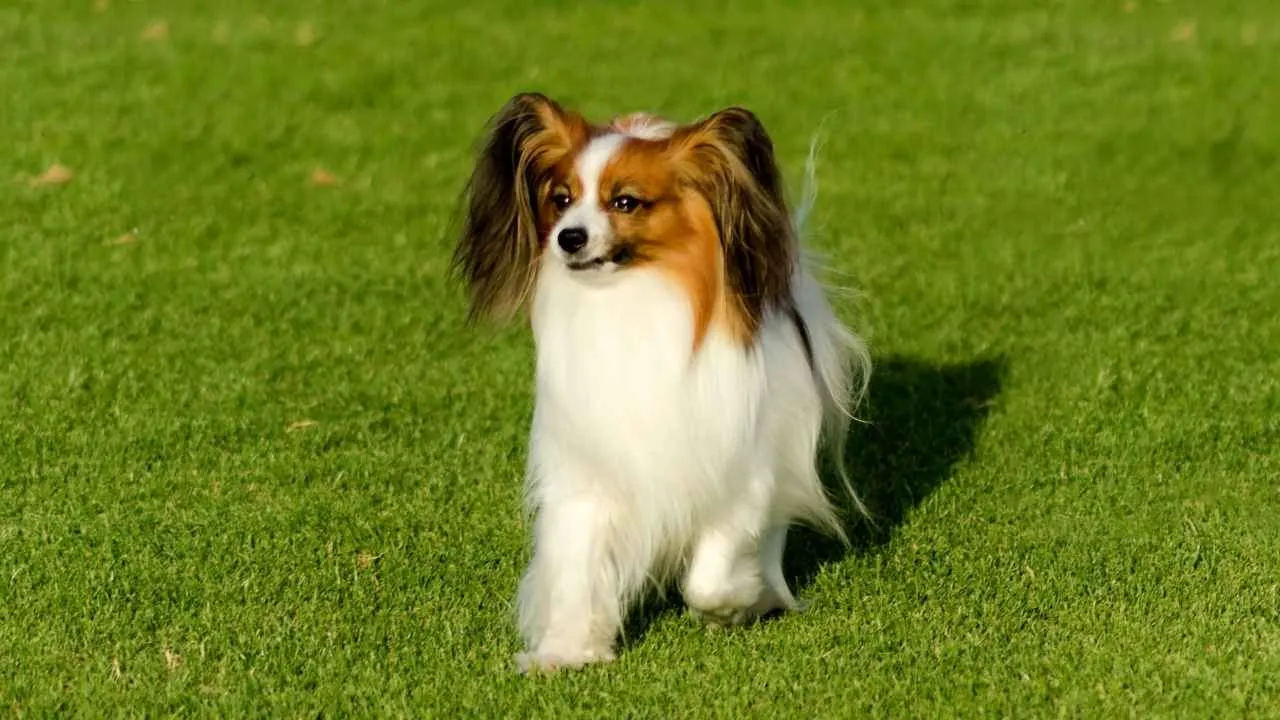
A Papillon is proof that a small dog can have a big brain. This toy breed is usually kind, playful, and watchful. Many owners notice it responds well when training begins. A Papillon can take in basic obedience and fun tricks.
It also seems to like the focus that training brings. If you use rewards, the session often feels more like play than work. Because it is small, daily tasks are easier to fit into life indoors. A brief practice period, a puzzle toy, or a light walk can still support good mental effort and movement.
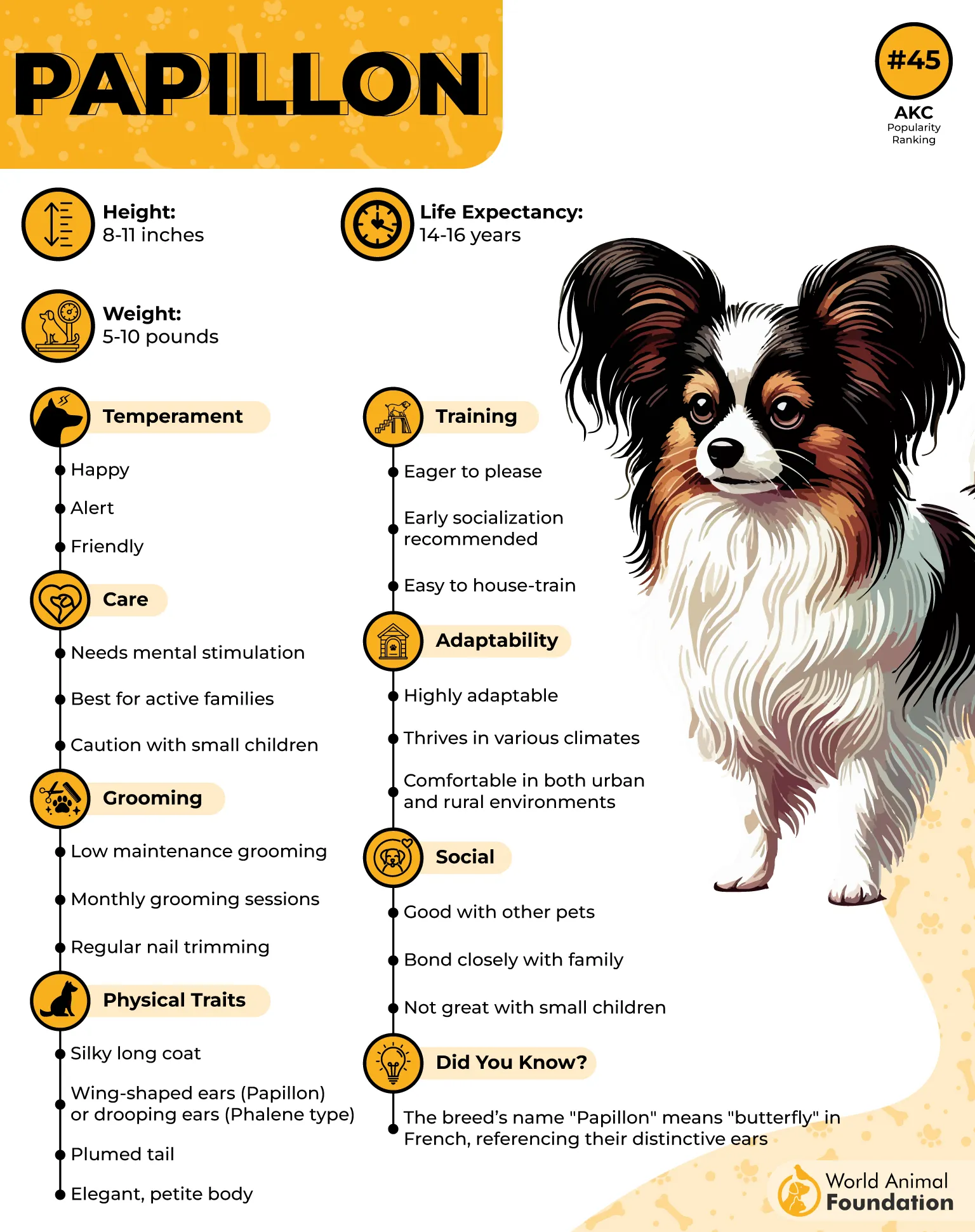
Meeting new people matters too. If the dog has good early outings, it may feel less nervous around strangers, other dogs, and new places. PDSA points out that Papillons tend to be obedient and playful. They usually respond well to training, and they do best with early practice and social time.
8. Rottweiler
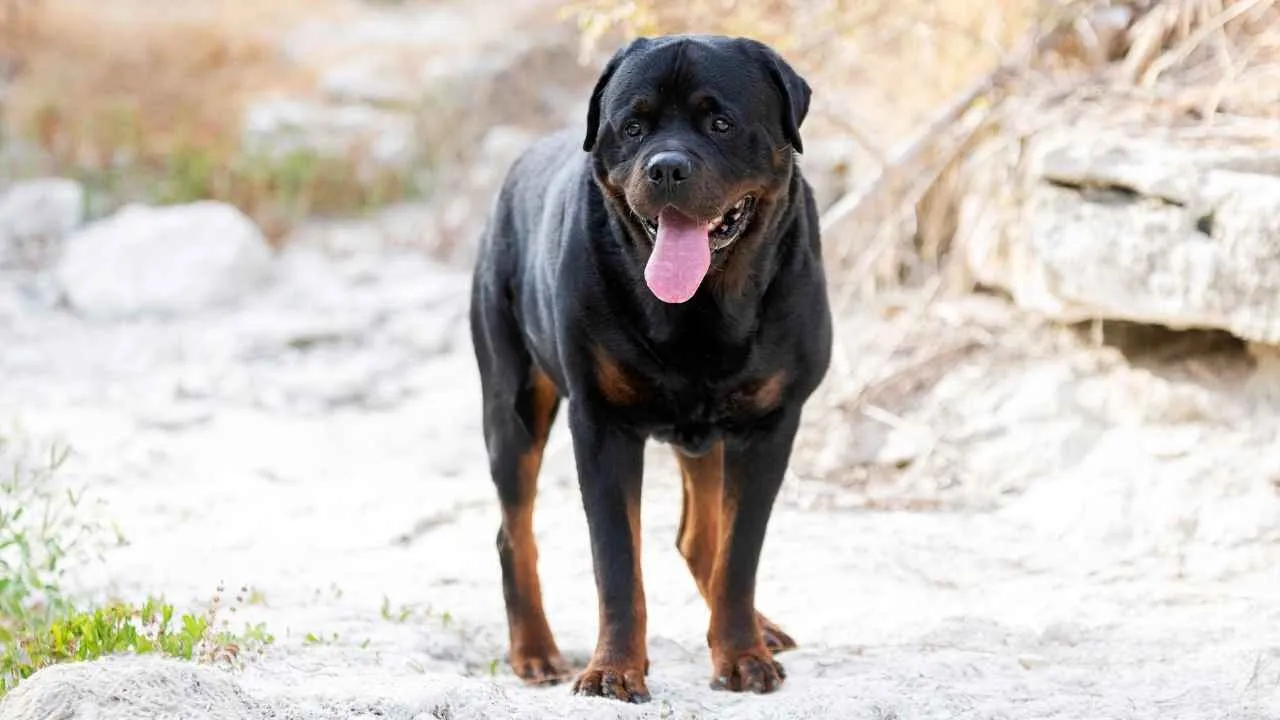
Rottweilers are strong working dogs. They often have a keen mind and a real drive to do the job. The breed traces back to work with animals, and later it fit roles that required strong effort and guarding.
That history can explain their ability to handle useful tasks. With the right training, a Rottweiler can enjoy obedience, scent tracking, herding, and other jobs that feel meaningful. Start training early if you want the process to go smoothly without clear help; managing strength and confidence later can feel harder.
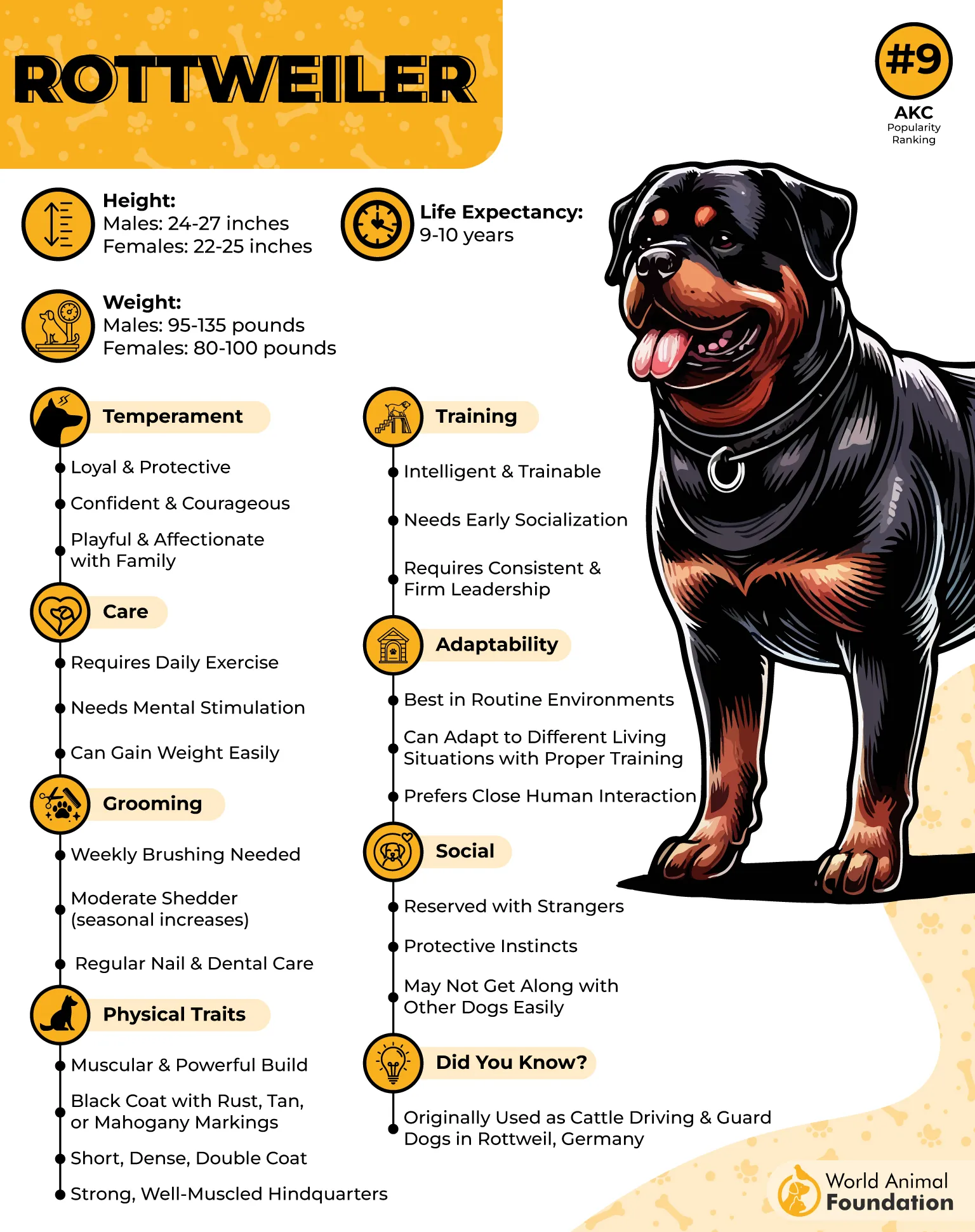
When you set firm limits and keep showing up for routine practice, a young Rottweiler can learn what is allowed and what is expected. People often talk about the breed in a tough way, but a trained Rottweiler does not have to be distant. With good work, many are warm with their family.
9. Pembroke Welsh Corgi
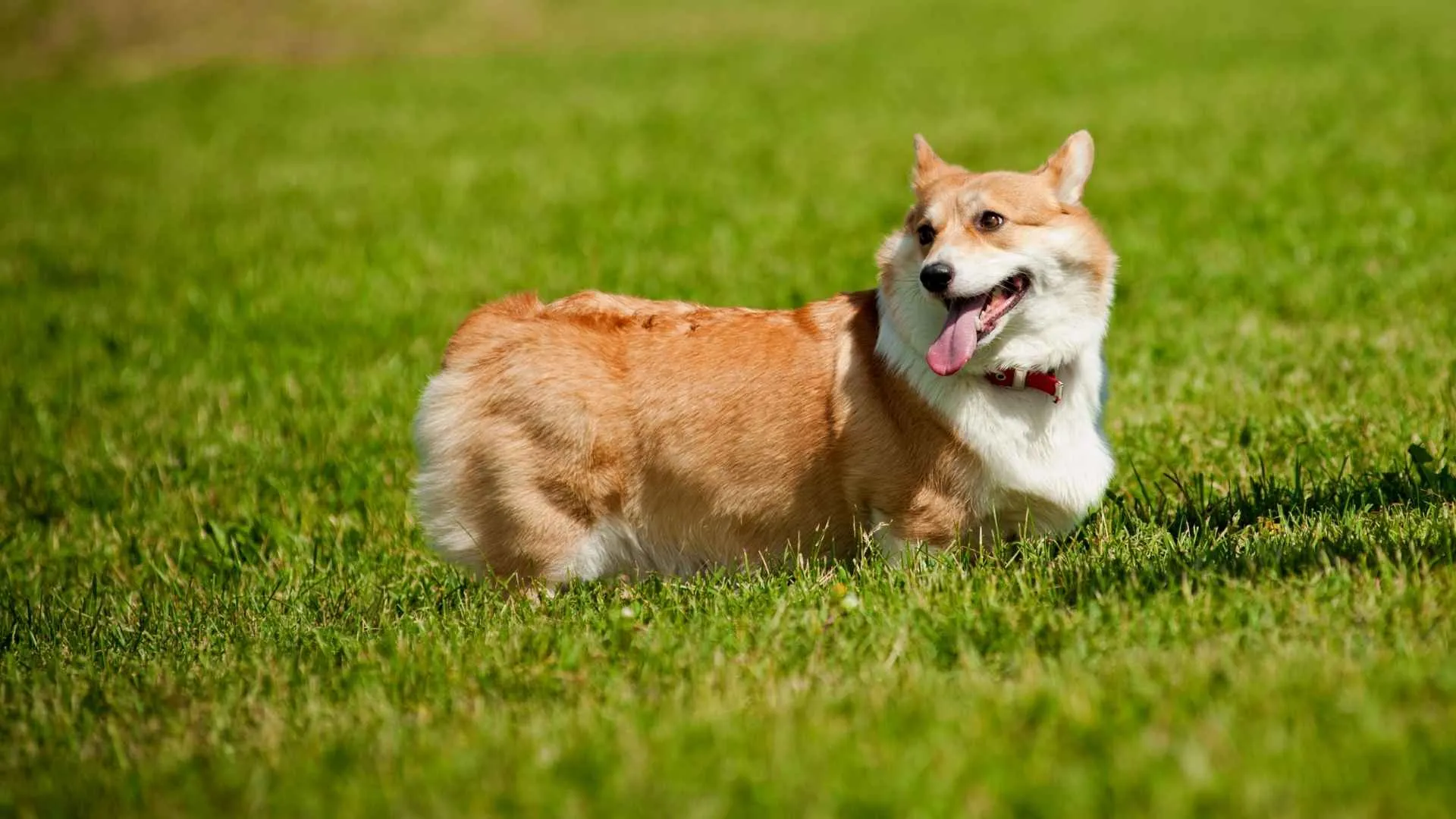
Short legs do not mean a slow head. A Pembroke Welsh Corgi is small, but it is alert, quick, and full of curiosity. This breed was created for herding. In the past, it managed cattle and other farm animals. That background still shows today, since many Corgis learn fast and stay busy.
They also tend to pay attention to people, even if they still make their own calls at times. You may notice some stubborn behavior. That is why patience matters in obedience work. Reward-based training can help a Corgi shift from “doing things their way” to working with you, and training does not need to feel tense.
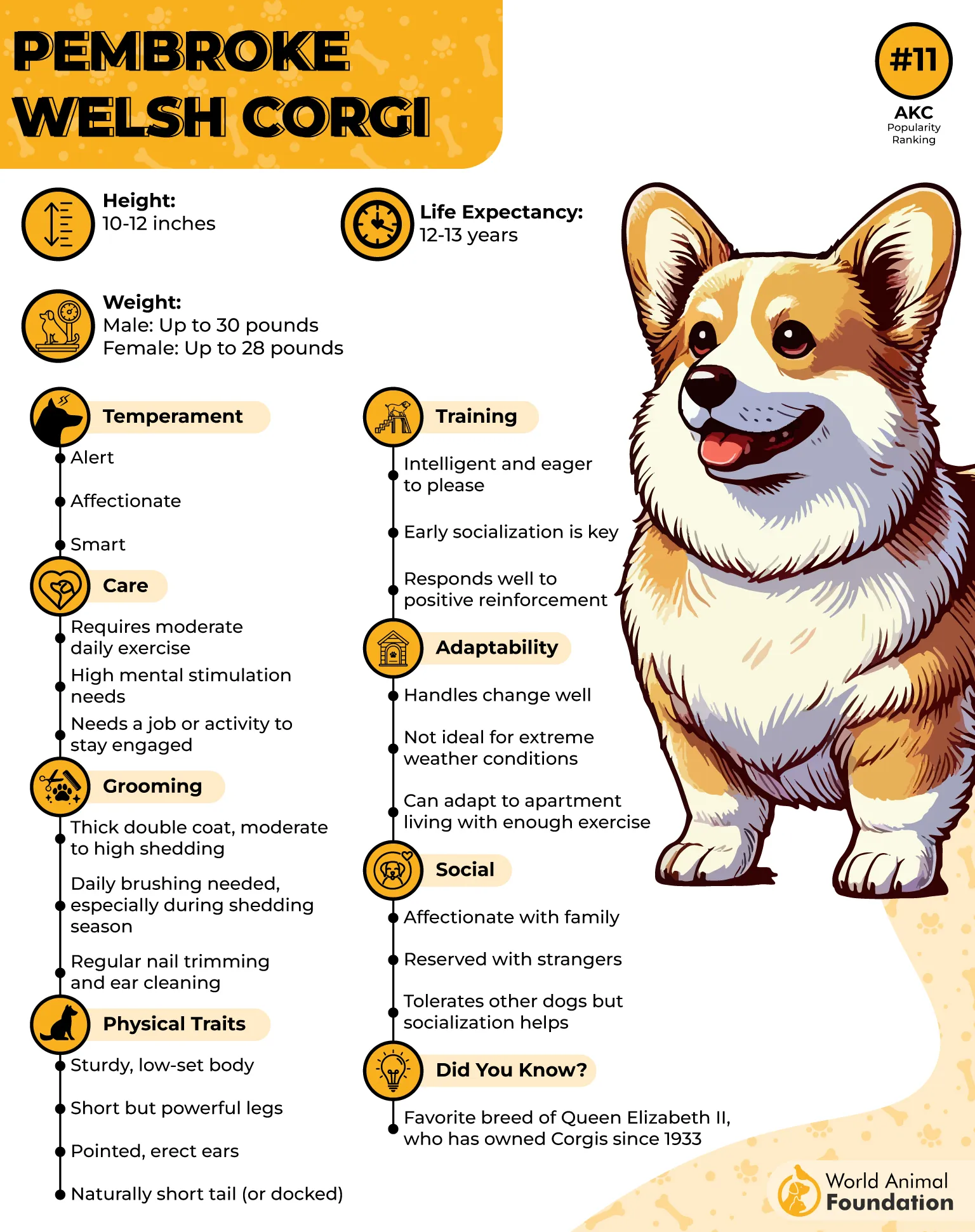
Daily walks help, and so do small mental games. This dog is compact, so it can fit into many homes. Still, it needs time, regular movement, and a place in everyday family life.
10. Australian Cattle Dog
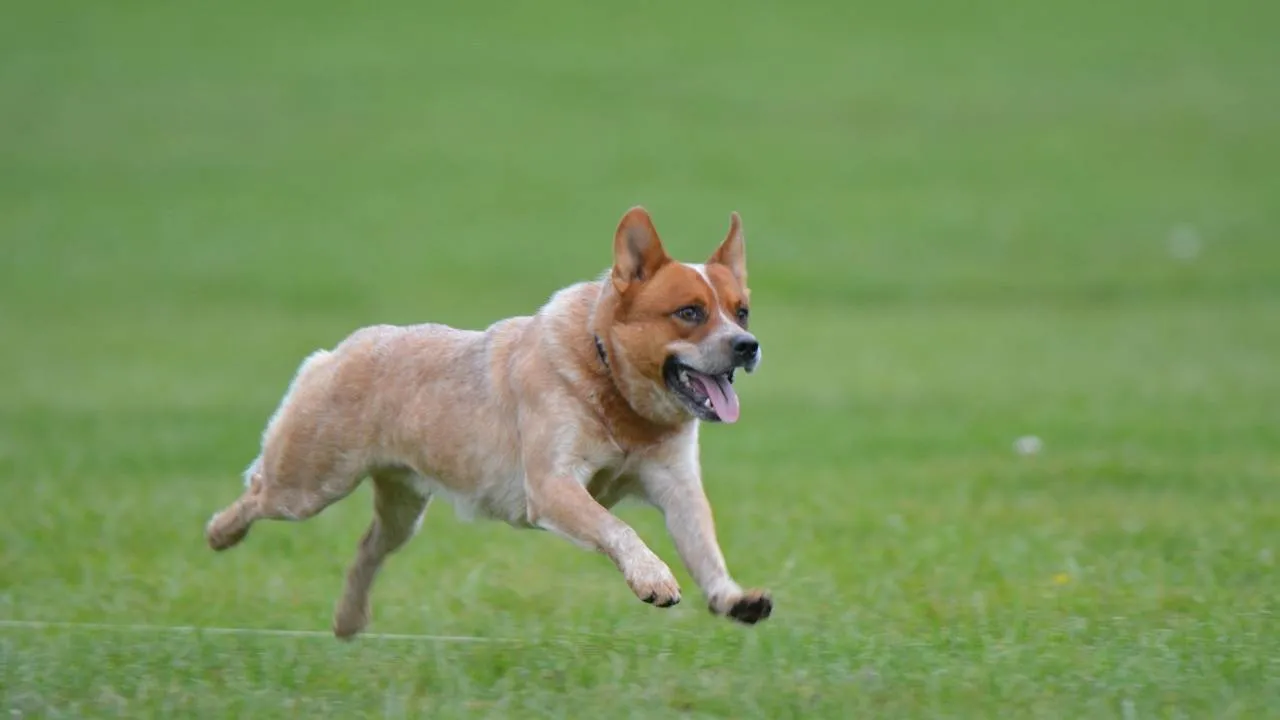
This dog was made for real work. People bred it in Australia to help move cattle over long stretches and tough ground. The job demanded focus, fast thinking, and steady energy. Because of that history, the Australian Cattle Dog often acts smart and stubborn at the same time.
It may learn cues fast, but it can also decide on its own. If training is vague, the dog may push limits just to see what happens. This is not a good fit for everyone. If you want a calm, low-energy life, this breed may feel like too much.
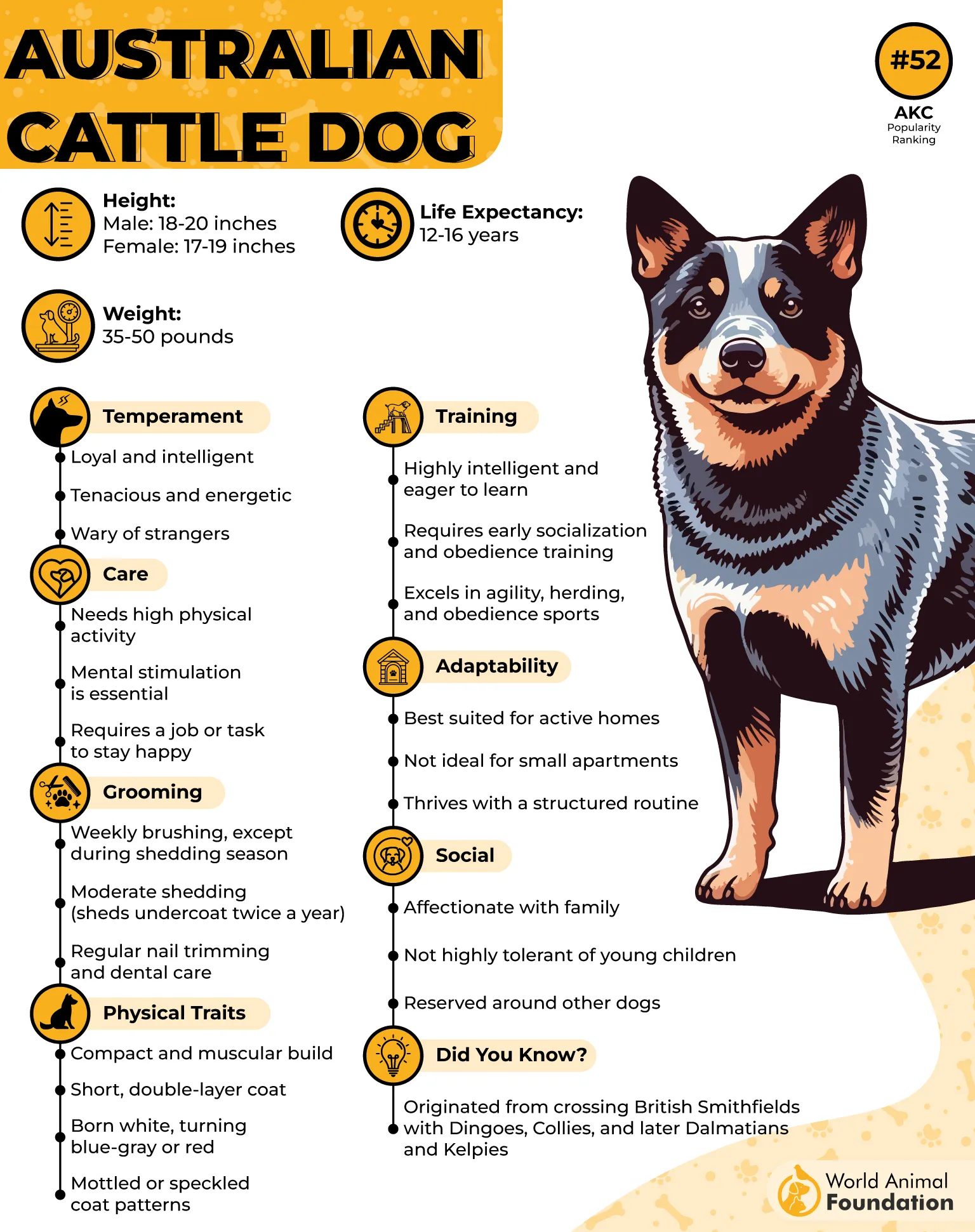
Plan on daily movement. Also plan on brain games. Training sessions, puzzle play, or dog sports can help a lot. Herding instinct can show up with people and other animals. The dog may want to chase or nip at heels. You can reduce this with early social time and firm rules.
Conclusion
Picking an intelligent dog can feel fun and hopeful. Still, smarts are not the whole story. A fast learner also needs daily exercise, calm handling, early social exposure, warm bonds, and a home that matches its daily needs.
Border Collies often do best with a clear task. Labradors may enjoy learning as part of family life. Papillons can make small training wins into a game.
Australian Cattle Dogs often need a more active day to feel content. The best part is when training turns into time together. The first clean sit. The first reliable recall. Or the moment the dog finally gets what you’re asking.
