




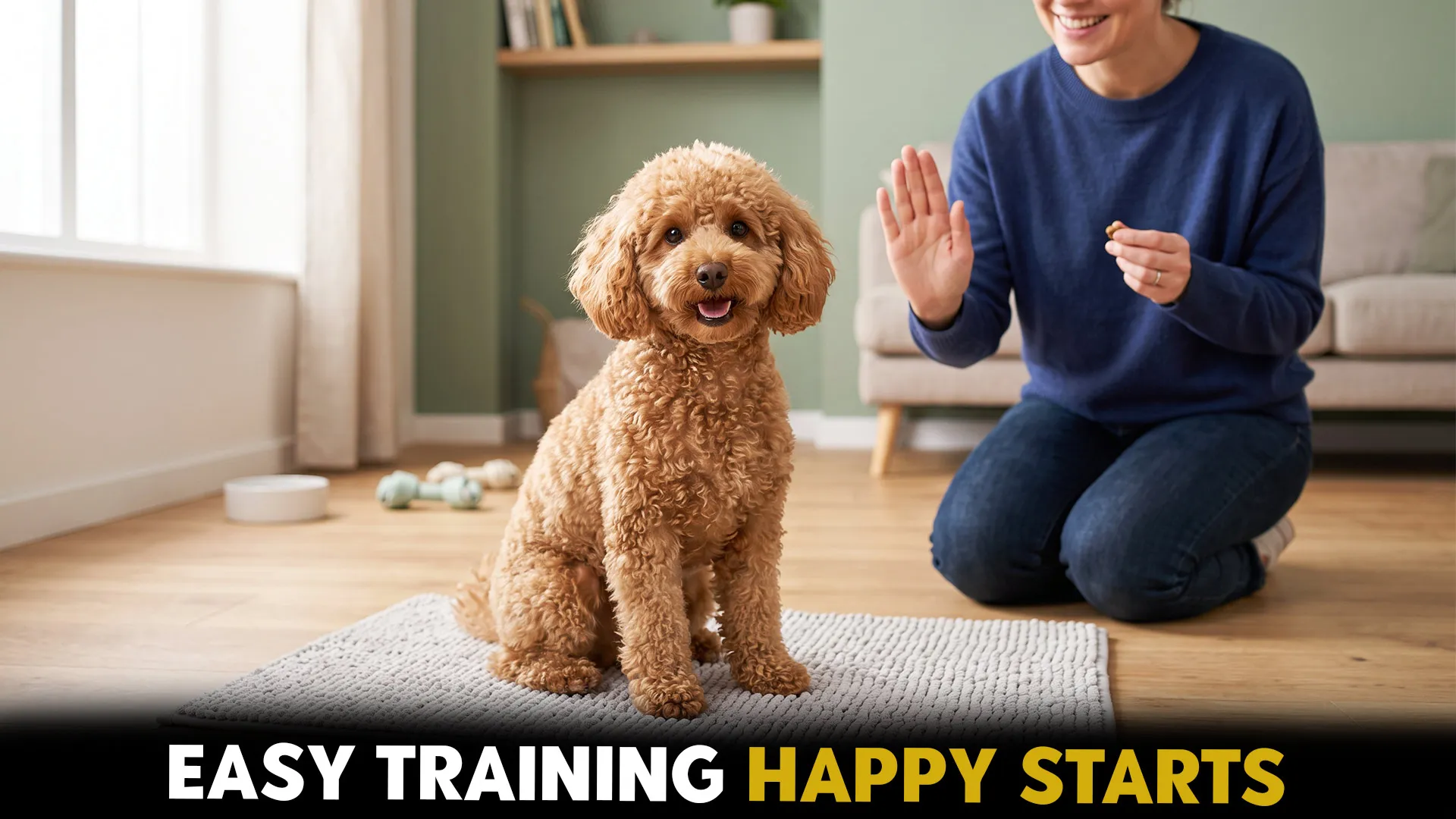
A first dog should not make every “sit” feel like a hostage negotiation. The right learner turns treats, praise, and a little consistency into progress you can actually see.
For now, the useful truth is simpler: repetition beats shouting, and timing matters more than a fancy command voice.
Still, “easy to train” does not mean low-energy, low-maintenance, or magically house-trained by Tuesday. Temperament, grooming, exercise, and your daily routine all get a vote.
Just keep in mind that choosing one of the best dog breeds for first-time owners, then providing consistent training, attention, and veterinary care, helps build a lasting bond. So, which dogs make training feel less like homework and more like fun?
Easy‑to‑Train Dog Breeds Ideal for New Owners
1. Labrador Retriever

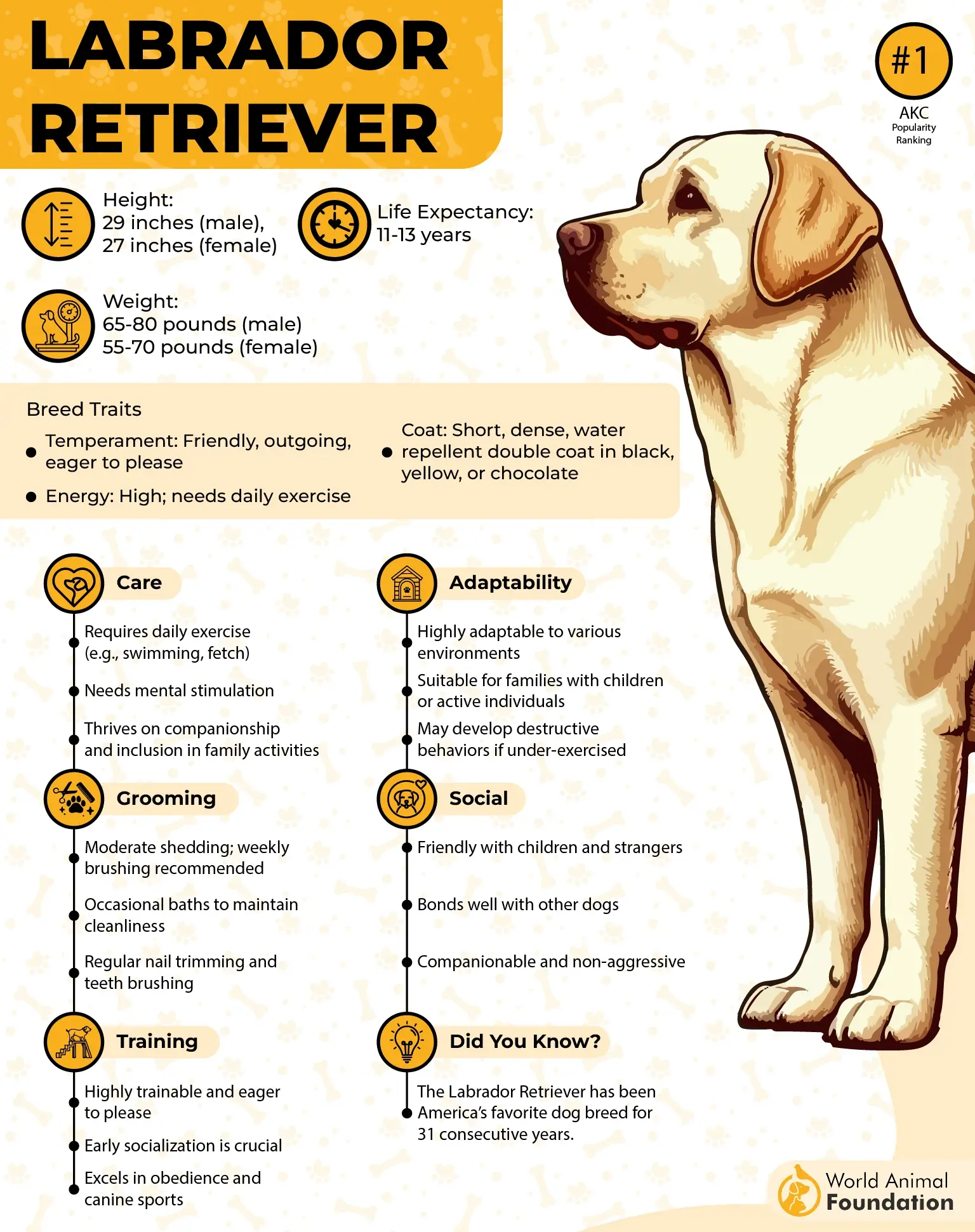
Labradors greet life with a thumping tail and the conviction that every visitor arrived for them. For first-time dog owners, few breeds make dog ownership feel this immediately rewarding.
Their outgoing, food-motivated nature turns lessons into a cheerful treasure hunt, though adolescent enthusiasm can make greetings spectacularly bouncy.
Easy learner: They are quick learners who notice rewards quickly and enjoy retrieving objects, picking up basic commands with the kind of enthusiasm that makes dog training an enjoyable experience.
Therefore, teach polite hellos before letting anyone reward jumping. Pair short recall games with puppy training classes, and keep treats ready when other dogs appear; timing beats a lecture.
Avoid: Letting excited pulling become the normal route to every walk.
The AKC calls the breed friendly, outgoing, and high-spirited, so quick praise matters. Begin leash practice before squirrel sightings become your dog’s emergency broadcast.
Note for first-time pet parents: They love food and are prone to overeating, meaning you must monitor their diet to prevent obesity.
2. Golden Retriever
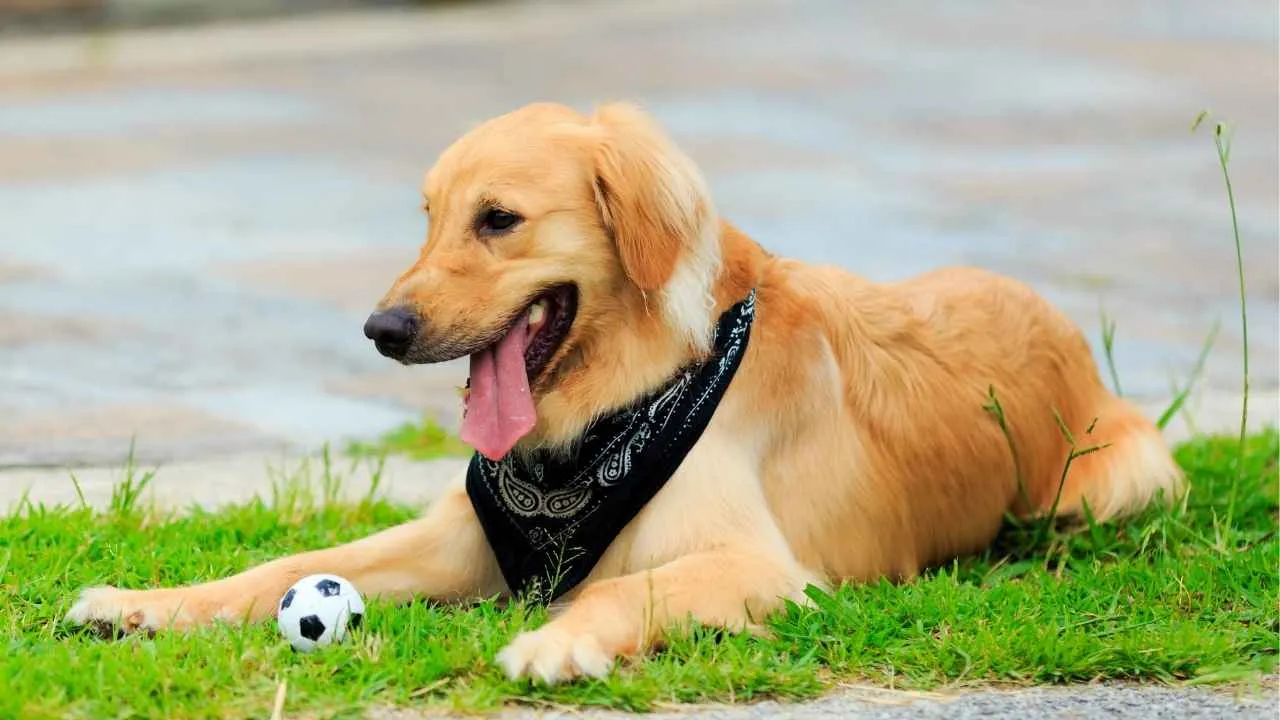
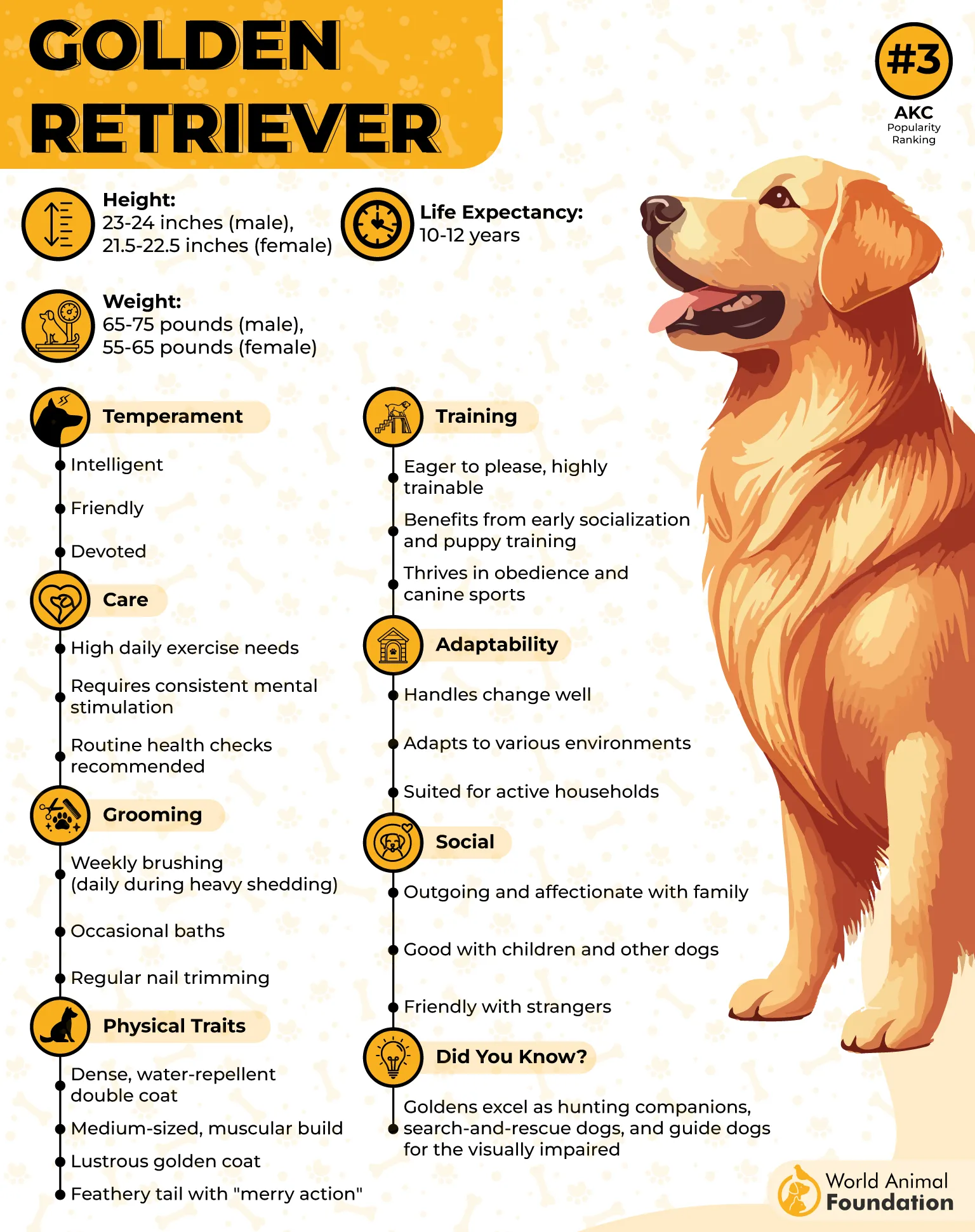
Golden Retrievers arrive with soft eyes, a waving tail, and a powerful opinion that every sock needs retrieving. For any first-time pet owner hoping to build strong bonds from day one, this is a great choice.
They are gentle, people-oriented quick learners; however, their puppy mouthiness means manners must begin before sleeves become toys.
Easy learner: Their loyal nature and love of tasks make reward-based repetition feel purposeful, and consistent training builds good behavior that lasts a dog’s life.
Socialise early, practise recall around distractions, and measure treats carefully: an eager appetite can make pounds pile up. Make sure to socialise around children, other dogs, traffic, and visitors, rewarding four paws on the floor. Practise swaps for objects; a retriever with a sock should learn “trade,” not launch a chase scene.
Avoid: Repeating a cue five times, then teaching your dog that the sixth is optional.
PDSA lists these intelligent dogs as the easiest dog breeds to train, though they need at least two hours of daily exercise. A tired Golden is much less likely to invent kitchen-counter archaeology.
Note for first-time pet parents: Their thick double coats shed constantly year-round, requiring regular brushing and frequent vacuuming.
3. Toy Poodle
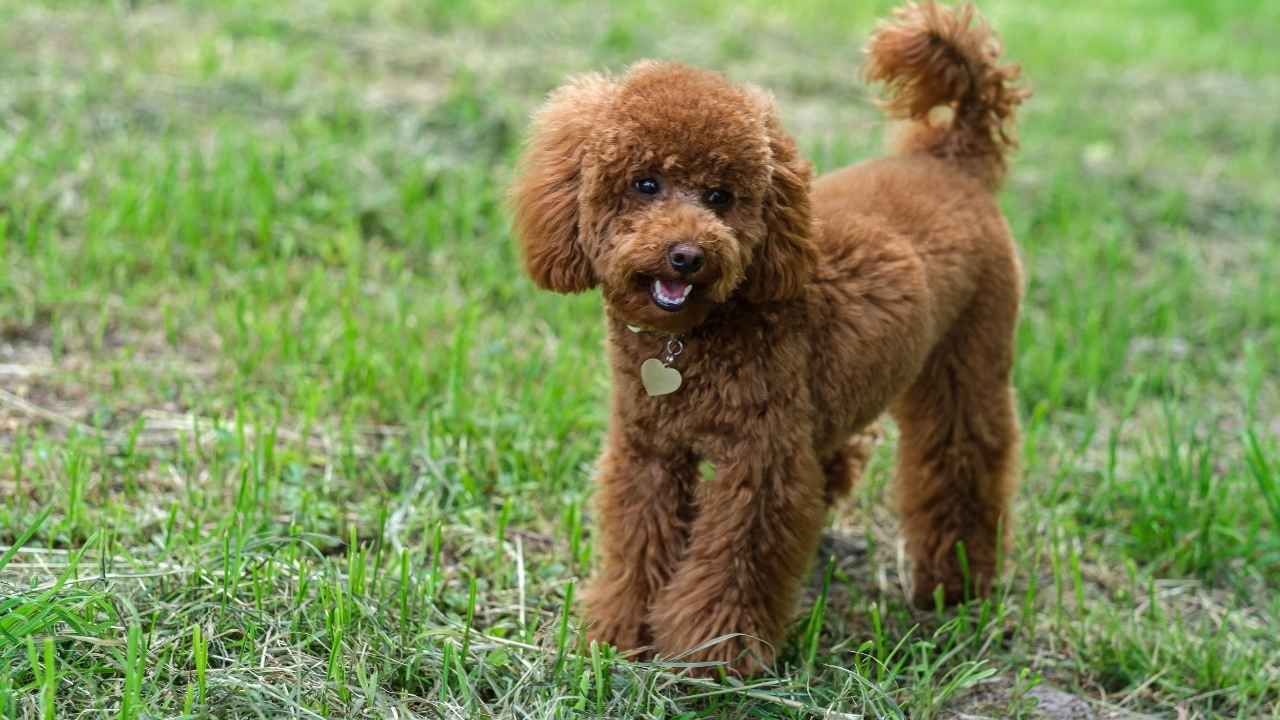
Toy Poodles have the brain of a stage magician packed into a very small dog. Among toy breeds, they stand apart as an extremely intelligent, highly trainable breed that also happens to fit in an apartment.
Their witty, people-focused temperament makes training an enjoyable experience; nevertheless, they can develop selective hearing if rules wobble from one family member to another.
Easy learner: They quickly connect a cue with a reward and love trick training, absorbing new tricks faster than most other breeds.
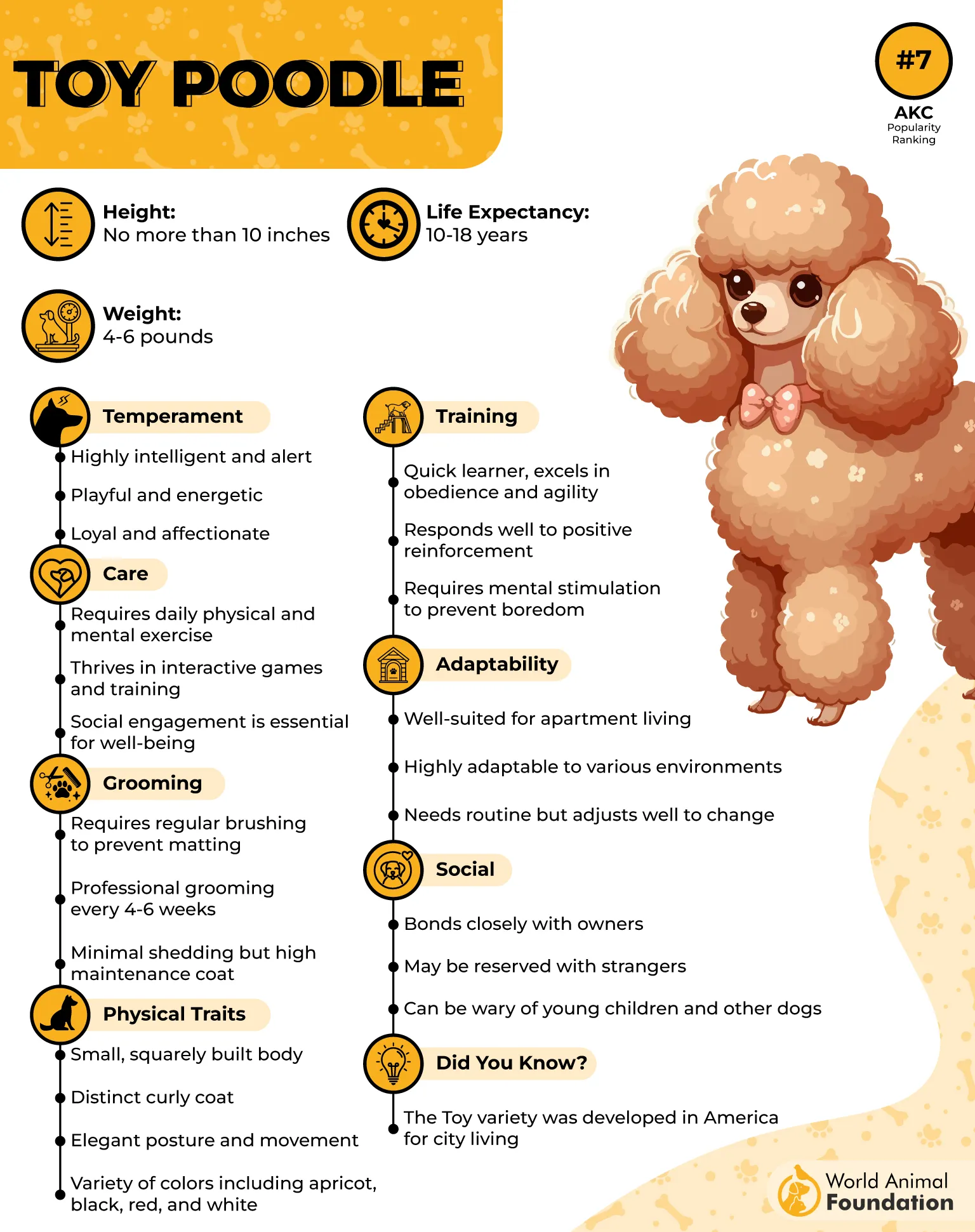
First, use five-minute sessions and reward calm barking pauses, then include new surfaces, sounds, and friendly strangers. Mental stimulation matters as much as exercise requirements here: frequent, varied sessions prevent a highly intelligent dog from writing its own agenda.
Avoid: Turning every lesson into a marathon; stop while attention is sharp.
According to Purina, Toy Poodles can be prone to separation anxiety. Build alone-time practice gradually, because a clever dog can turn distress into barking or chewing.
Note for first-time pet parents: Their hair keeps growing like human hair and mats easily, requiring professional clips every 4 to 6 weeks and daily brushing.
4. Papillon
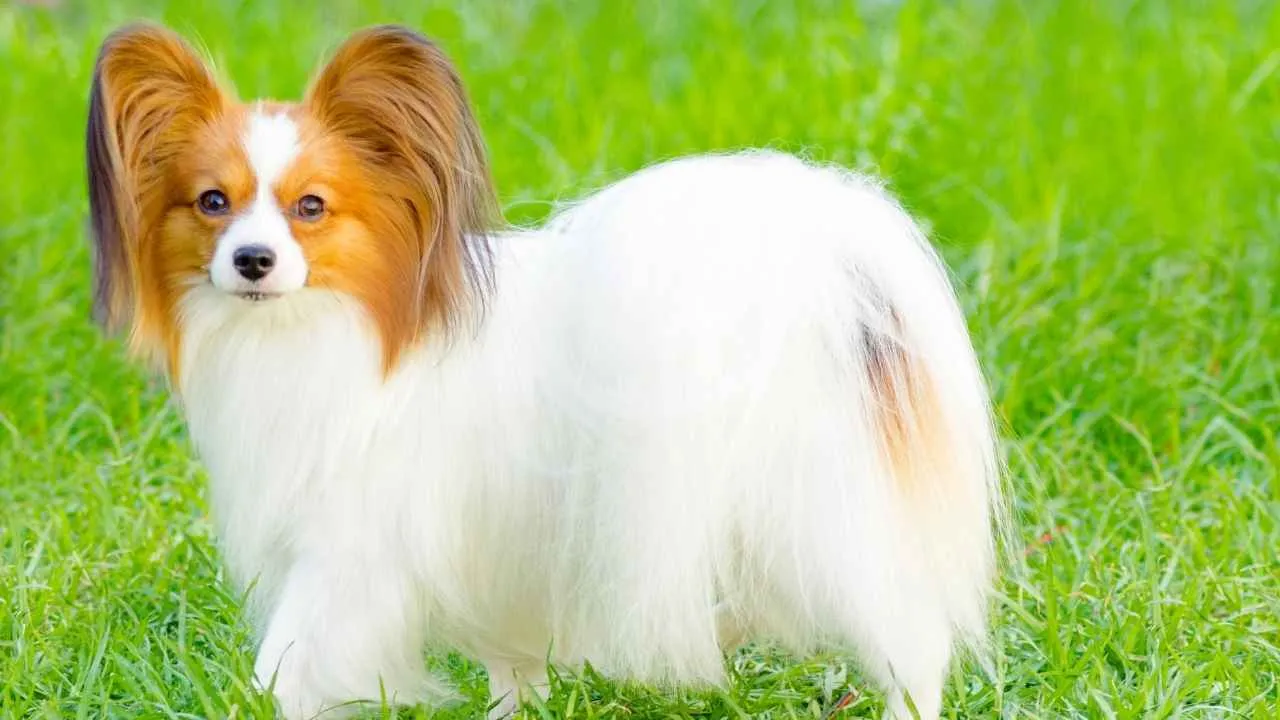
Papillons arrive looking like decorative butterflies, then reveal the stamina of a tiny sports commentator. They are bright, lively, and eager for interaction, so a bored one may narrate every hallway sound at maximum volume.
Easy learner: Their enthusiasm for dog training, agility, and obedience turns practice into an event, and they enjoy learning new tricks the way some dogs enjoy sniffing lamp posts.
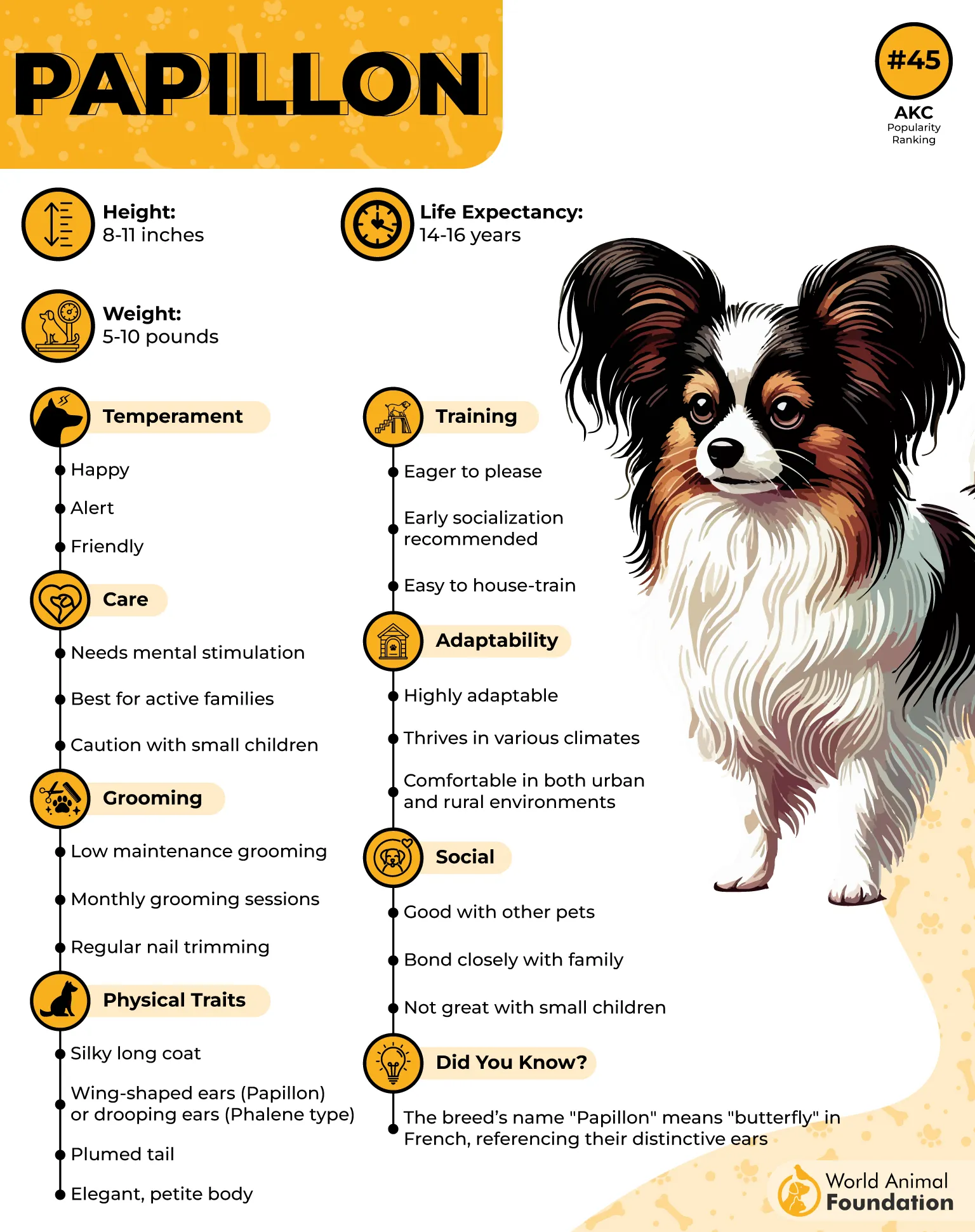
Therefore, begin socialisation early and schedule many potty breaks; small puppies often need more reminders than new dog owners expect. Keep recall games playful, gradually adding distance and distractions only after reliable responses.
Avoid: Assuming a clever dog will house-train without a consistent training routine.
Experts advise that consistent, fun, positive lessons can make obedience training easy, yet Papillon puppies may be challenging to house-train. Patience beats turning the carpet into a courtroom exhibit.
Note for first-time pet parents: They have delicate bones, especially as puppies, and can get hurt easily by rough or very small children. Many owners and experts recommend them for families with older, gentler kids.
5. Havanese
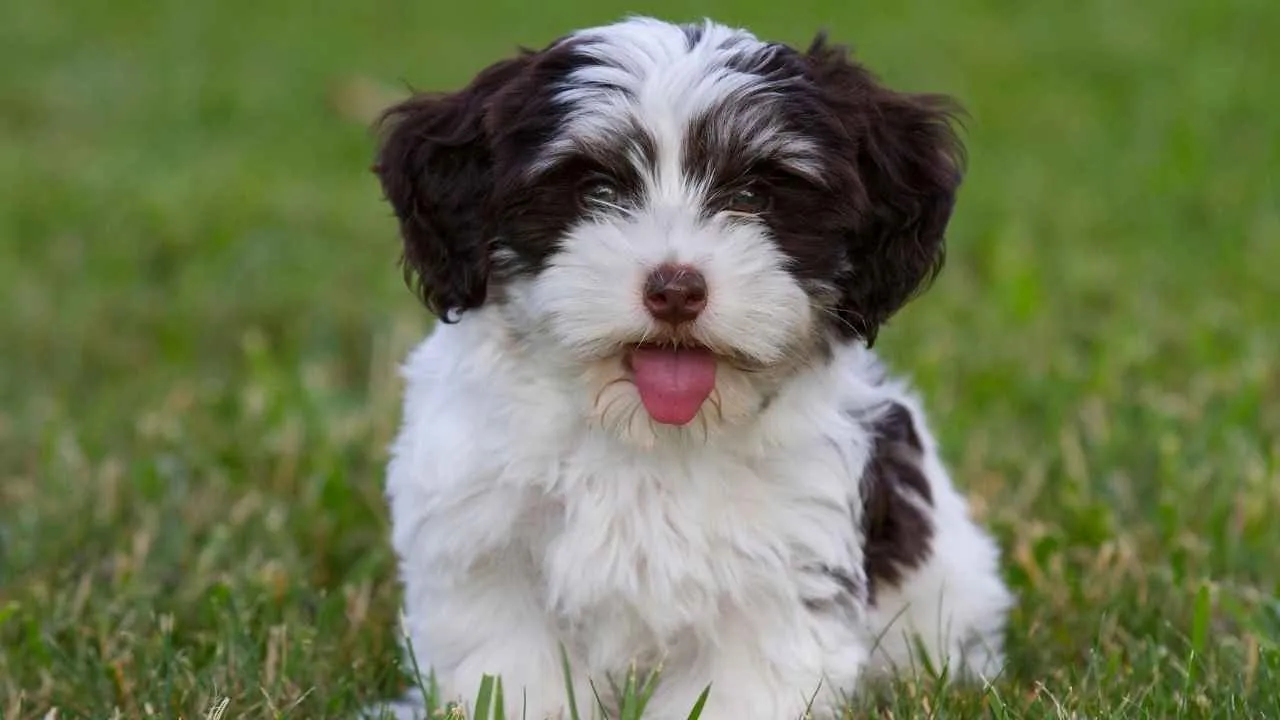
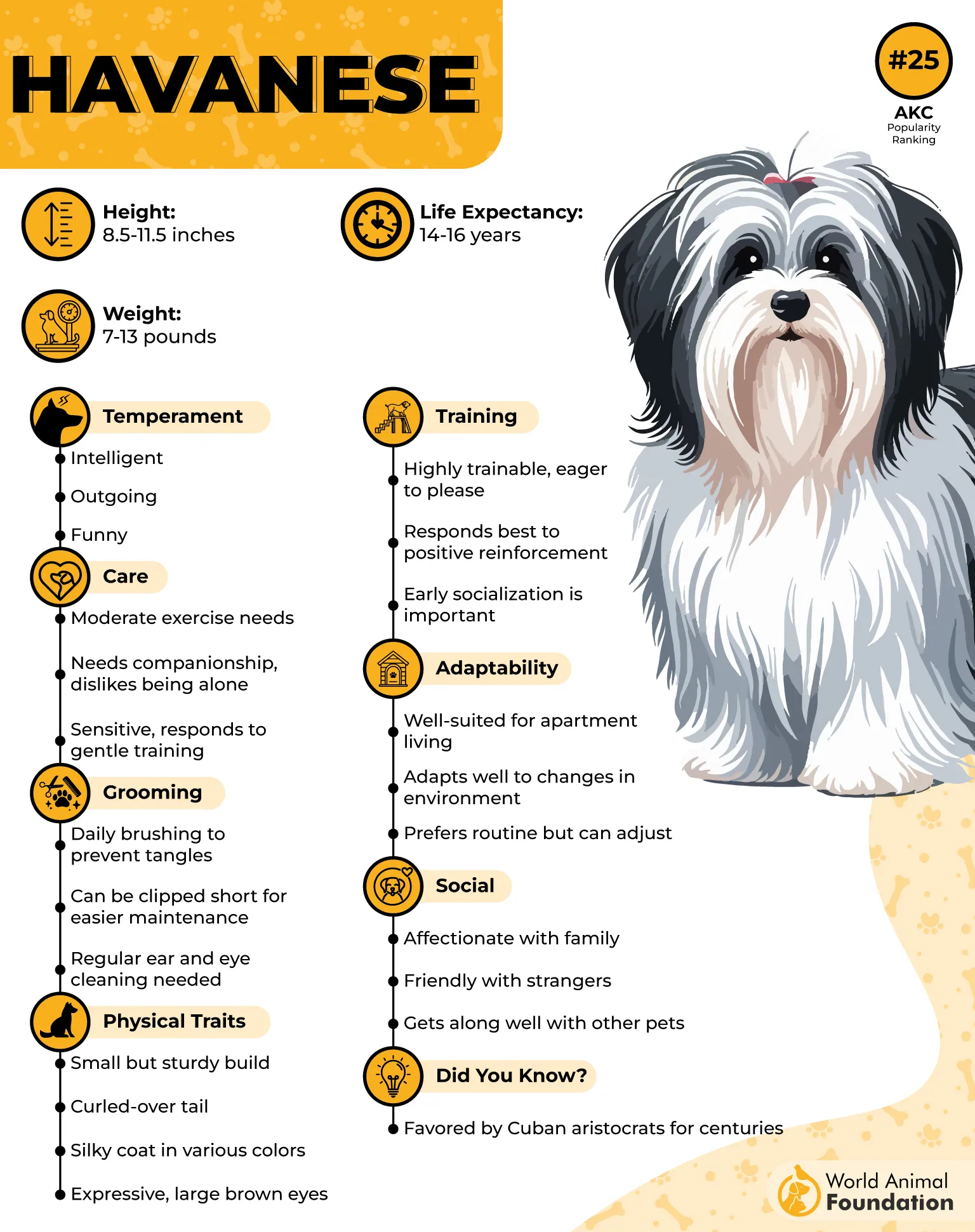
Havanese have a comic little shadow routine: stand up, and yours is already following you to the kitchen. For a beginner-level dog owner who wants to spend time at home and genuinely enjoy companionship, this breed offers that in abundance.
Their bright, outgoing temperament loves company and games; therefore, they respond beautifully when training feels social rather than stern.
Easy learner: They thrive on positive reinforcement and quick, playful challenges, forming strong bonds with a pet parent who makes sessions fun rather than formal.
Then, introduce brief absences, visitors, and new walking routes before attachment becomes an all-day job. Reward quiet behaviour, and use a puzzle toy during crate practice to make independence less dramatic.
Avoid: Letting barking earn attention or a speedy lap invitation.
A walk around the block once or twice daily plus vigorous play can meet exercise needs. That manageable routine makes house manners easier to practise, which is absolutely a relief for anyone stepping into dog ownership for the first time.
Note for first-time pet parents: They are prone to tear staining around the eyes that requires daily wiping.
6. Bichon Frise
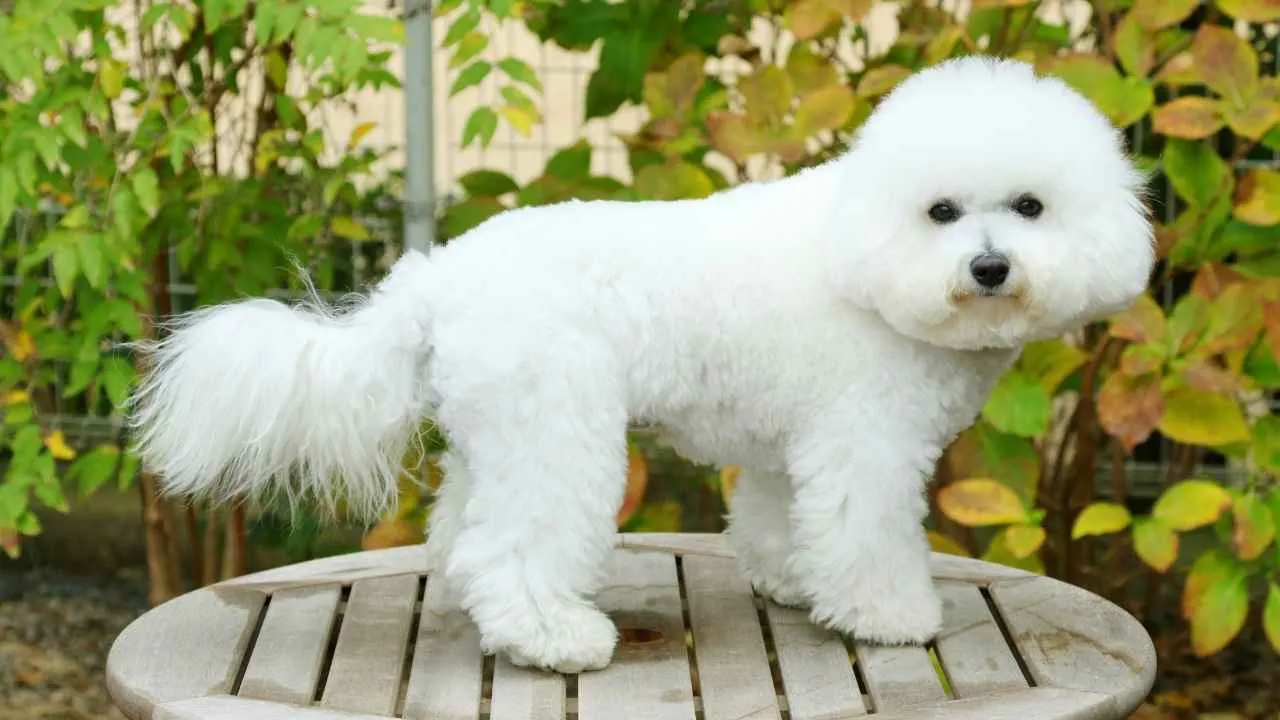
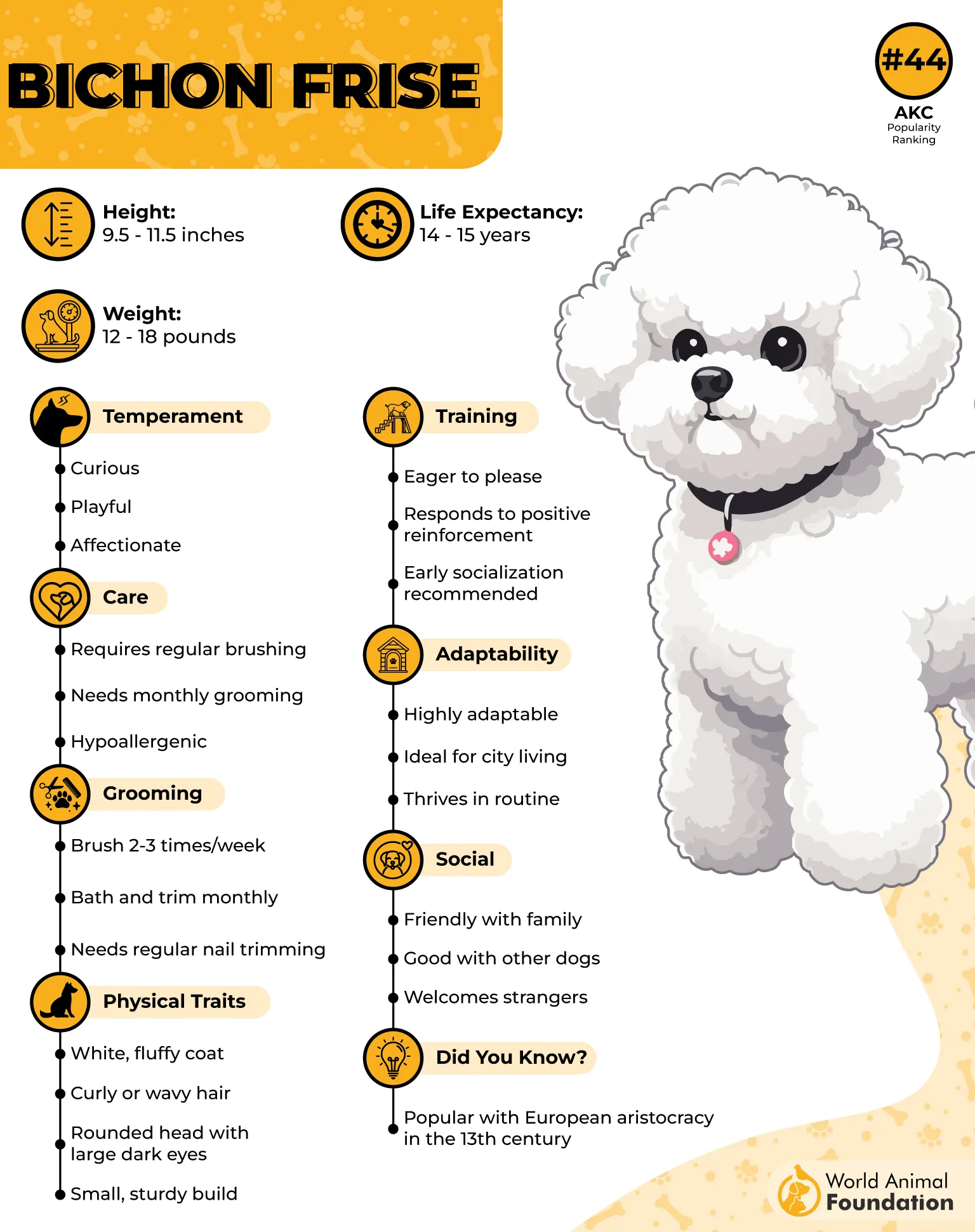
Bichon Frises are walking marshmallows with the confidence of a nightclub host greeting every guest. Their sunny, affectionate temperament keeps lessons light; however, a cheeky streak means they may test which household rule is truly non-negotiable.
Easy learner: Use praise and tiny treats to make each cue worthwhile.
Meanwhile, begin toilet training on a strict schedule and celebrate success outdoors immediately. Introduce brushing as a puppy ritual, then pair friendly strangers and calm dogs with rewards for composed greetings.
Avoid: Scolding accidents; consistency works better than a frustrated speech.
These highly social companion dogs bond closely with their owners and can struggle with extended periods alone. They are best suited to households where someone is home often, since too much isolation may lead to barking or destructive habits.
Note for first-time pet parents: Royal Canin says daily grooming prevents mats; budget for brushes and trims.
7. Cavalier King Charles Spaniel
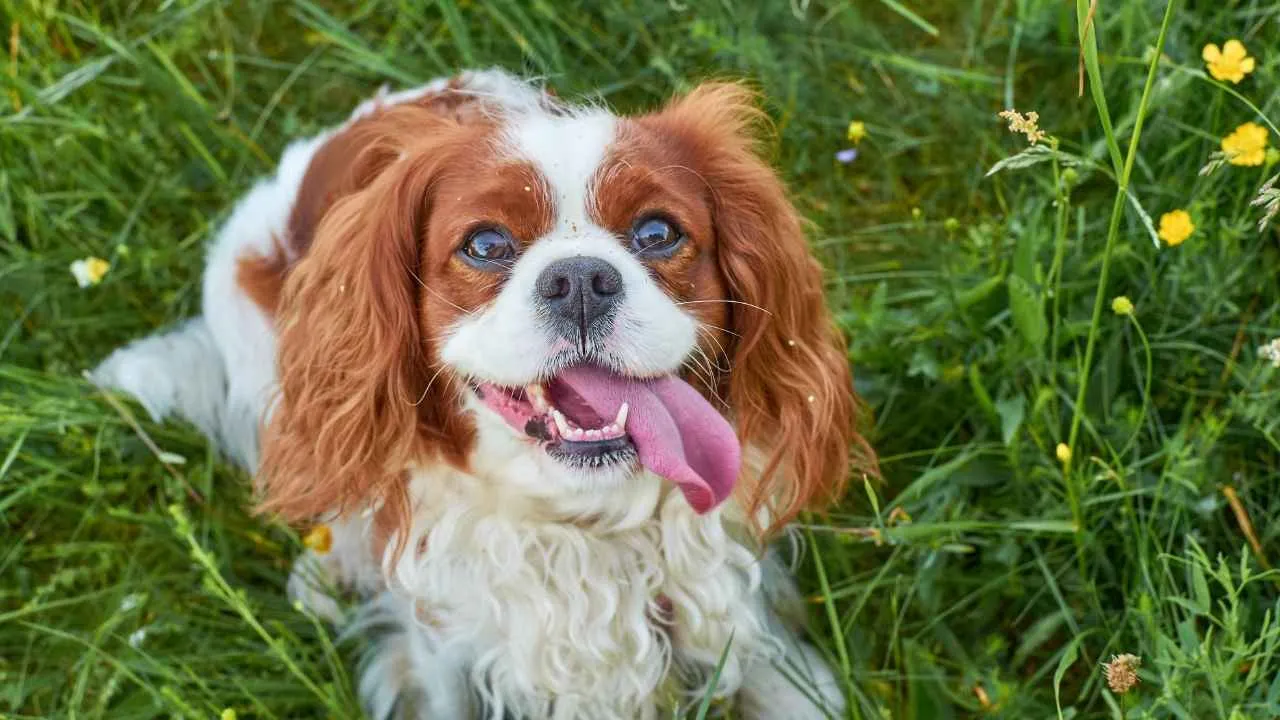
Cavaliers bring a royal name, silky ears, and a reassuring belief that every lap is reserved seating. Their gentle, affectionate nature makes early training feel cooperative, although their fondness for people means alone-time skills need deliberate practice.
Easy learner: Their people-pleasing temperament and own personality respond warmly to calm praise and food rewards, making basic commands easier to establish than with less people-oriented other breeds.
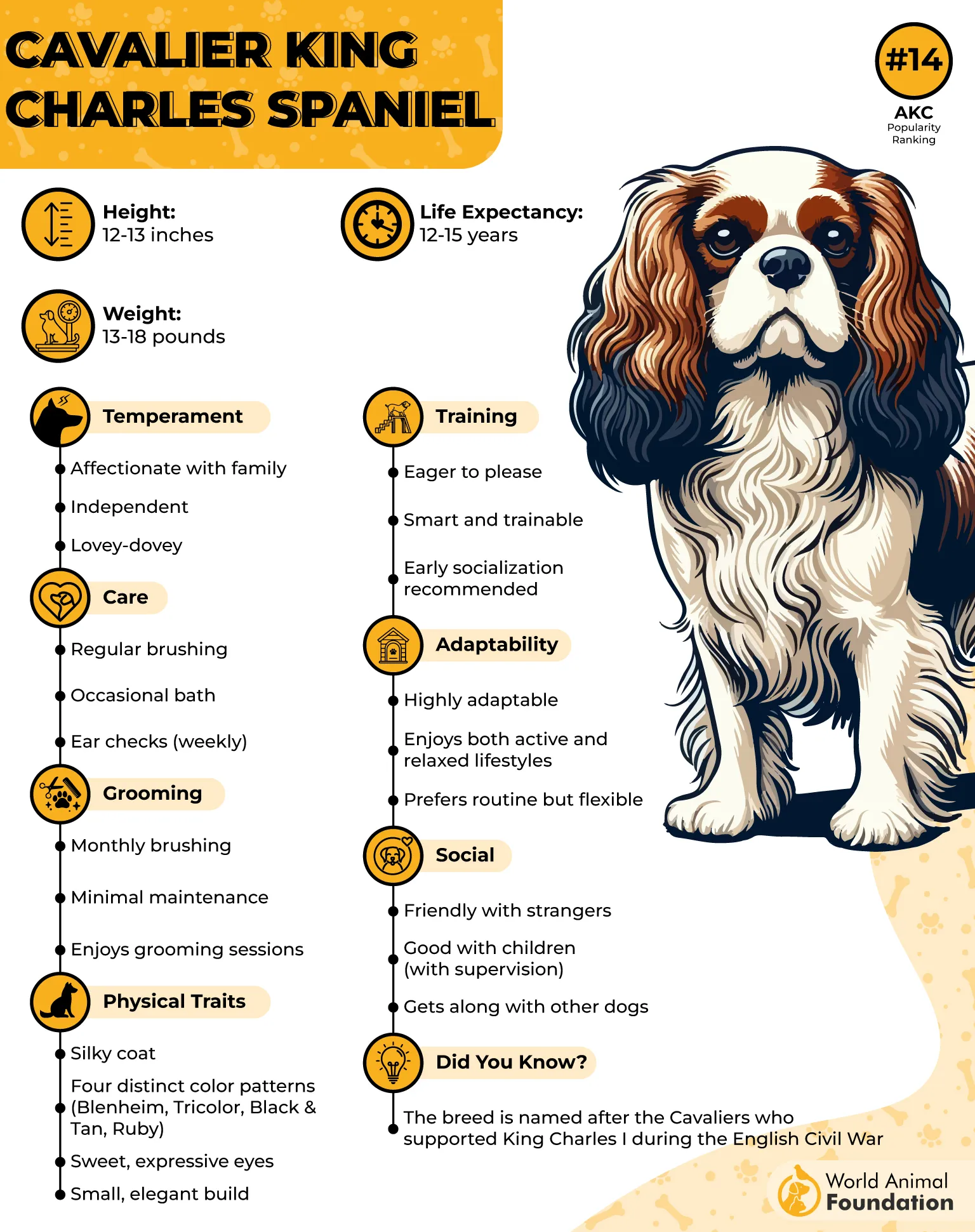
Next, socialise them around visitors, traffic, and other pets, including ear checks and brushing. Practise a mat settle before guests arrive, so excitement does not turn the front hall into a welcome parade.
Avoid: Letting separation distress build because “just this once” becomes a habit.
Cavaliers are eager to please and responsive to training, yet they can become anxious when separated from their people. Practise short departures while leaving a chew or puzzle toy.
Note for first-time pet parents: The Cavalier carries serious health risks around heart disease. Buy only from a reputable breeder who screens both parents, and insure the dog before a murmur appears on the record.
Conclusion
Easy training is less about finding a dog born fluent in “sit” and more about building a routine both of you understand. Clear cues, timely rewards, early socialisation, and enough exercise turn natural willingness into the sort of manners that survive a ringing doorbell.
Before choosing, write down your daily schedule, grooming tolerance, exercise time, and training budget. Then meet adult dogs or speak with a responsible breeder or rescue, and enrol in a positive-reinforcement class within your puppy’s first week home.
