




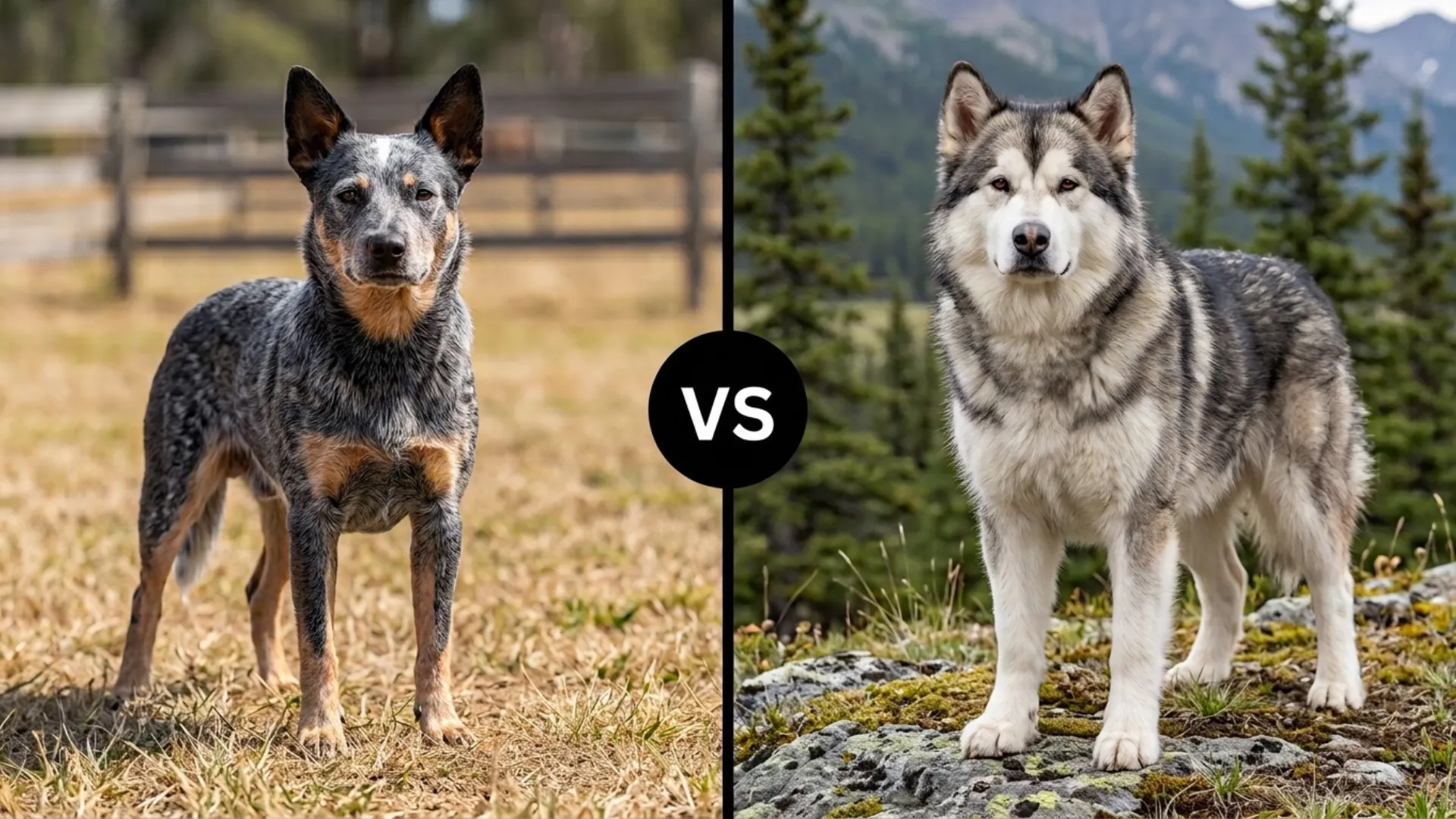
The Australian Cattle Dog and Alaskan Malamute both arrive with serious working credentials and absolutely no interest in becoming decorative sofa cushions. One moved stubborn cattle across punishing Australian terrain; the other hauled heavy freight through an Arctic world where “a bit chilly” was a spectacular understatement.
Their shared toughness can be misleading. The Australian Cattle Dog is a compact, quick-thinking herder that watches everything, while the Alaskan Malamute is a much larger, sociable powerhouse designed for steady pulling rather than rapid obedience.
Choosing between them means looking past dramatic coats and heroic histories. Size, purchase price, training style, climate, and daily activity will determine which working dog fits your actual Tuesday—not the adventurous life your hiking boots keep promising.
Australian Cattle Dog vs. Alaskan Malamute: What Every Owner Should Know
The Australian Cattle Dog and Alaskan Malamute are both hardworking, high-energy breeds, but they bring very different personalities and instincts to daily life. From training and exercise to grooming and temperament, this comparison reveals what every owner should know before choosing between them.
Origins & Purpose
What happens when demanding landscapes ask dogs to perform two completely different jobs? Both breeds developed as durable outdoor workers, but their assignments shaped opposite operating styles.
Australian settlers developed the Australian Cattle Dog during the 1800s to move cattle over long, rugged distances. Britannica notes its connection to the Dingo, helping explain the breed’s resilience, alertness, and talent for controlling livestock by working near their heels.
The Alaskan Malamute traces its name and purpose to the Mahlemut Inuit, who relied on strong dogs for hauling heavy loads and supporting Arctic survival. Unlike racing sled dogs built chiefly for speed, Malamutes supplied power and endurance; the two breeds diverge neatly into agile cattle controller versus heavyweight freight specialist.
Size & Build
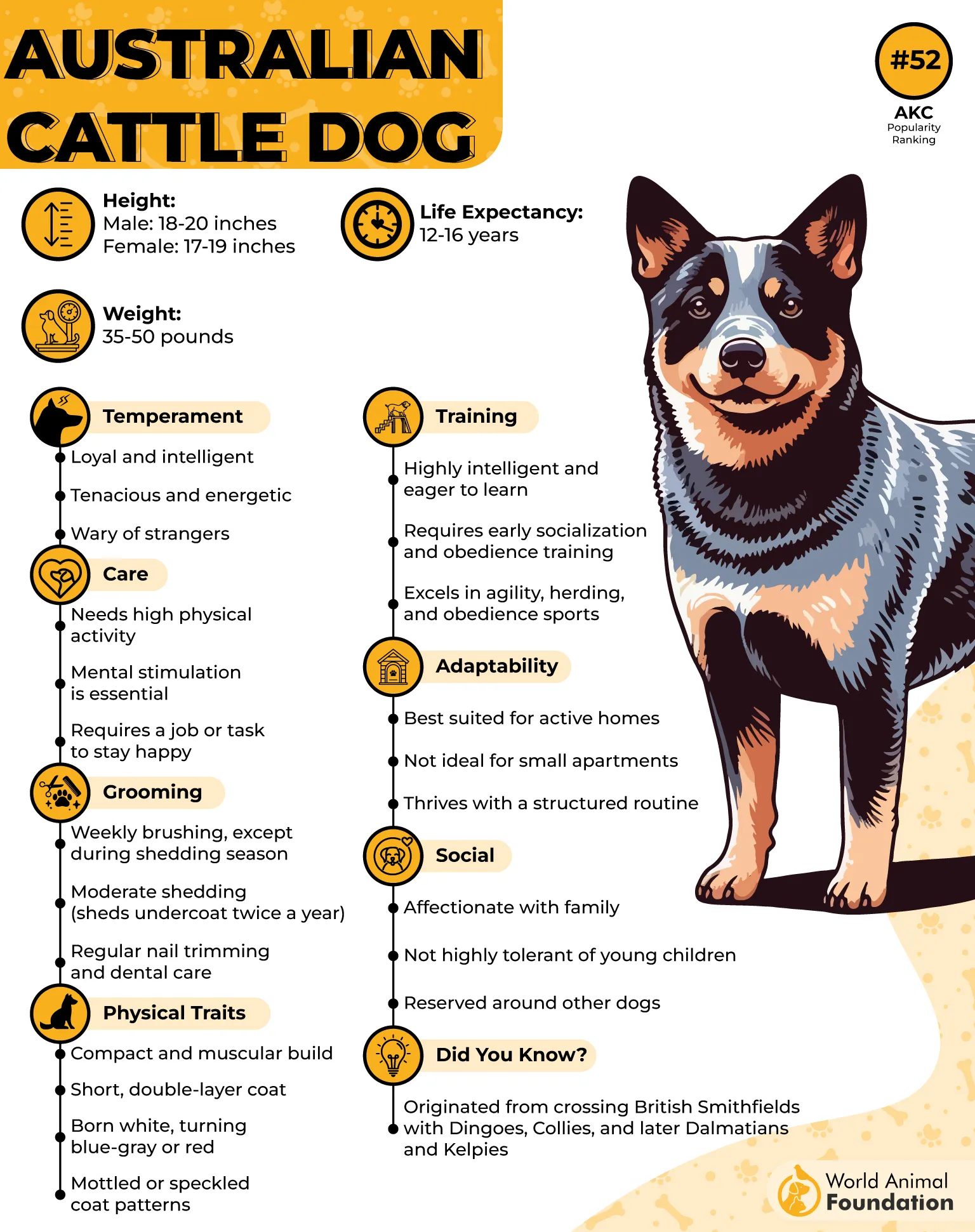
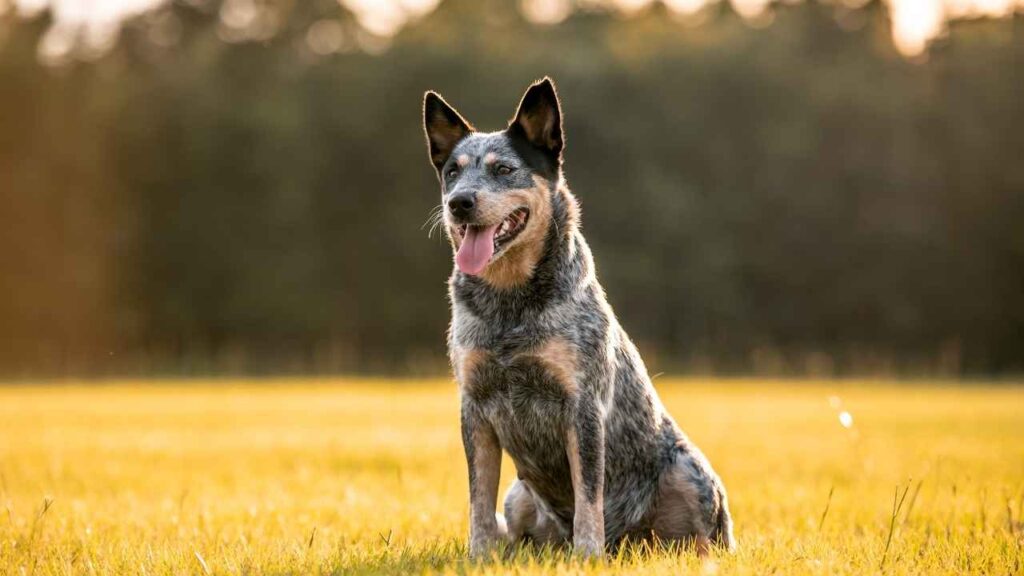
The size difference is impossible to politely ignore. According to the AKC standards, Australian Cattle Dogs stand 17–20 inches and weigh 35–50 pounds, packing considerable muscle into a medium, highly maneuverable frame.
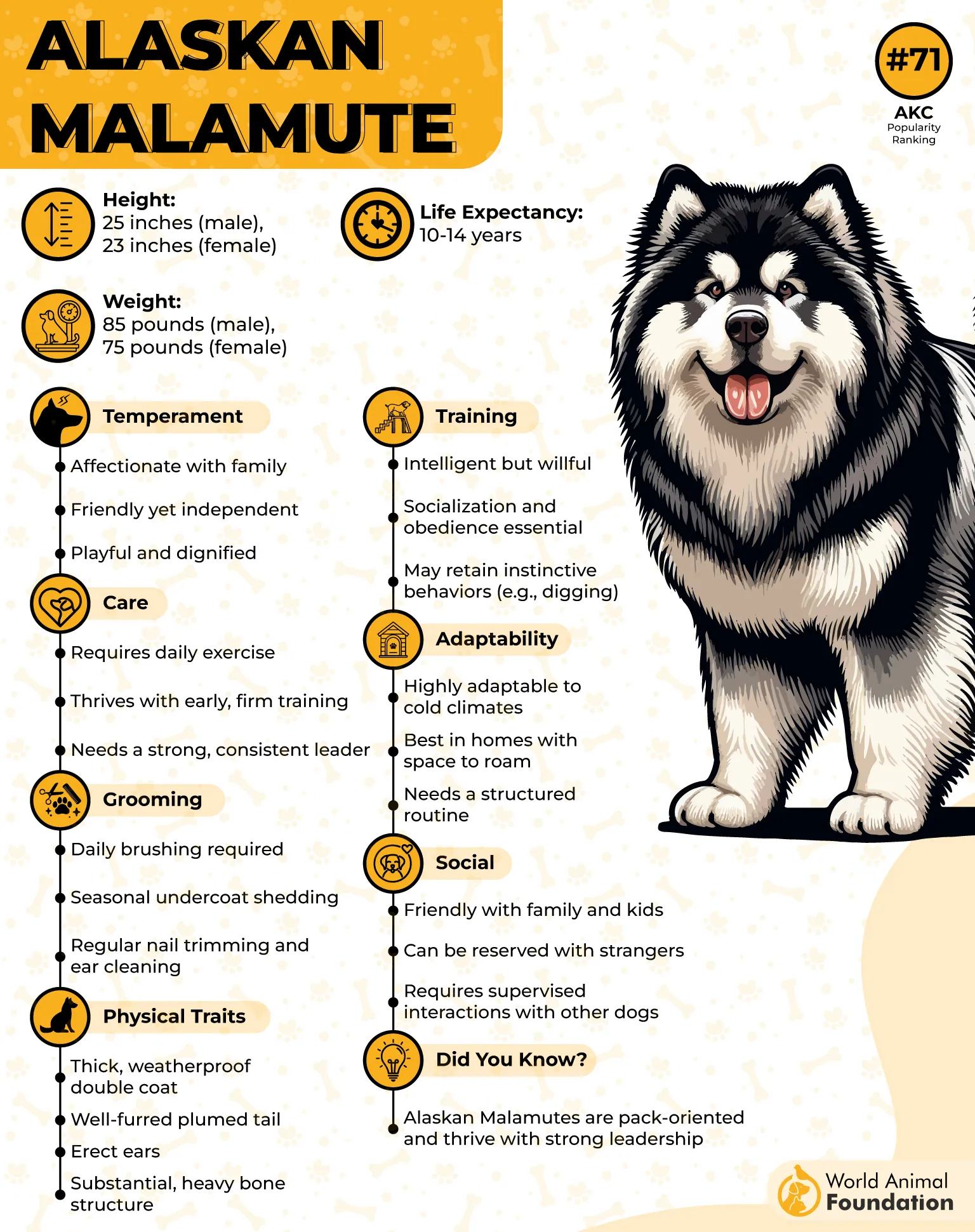
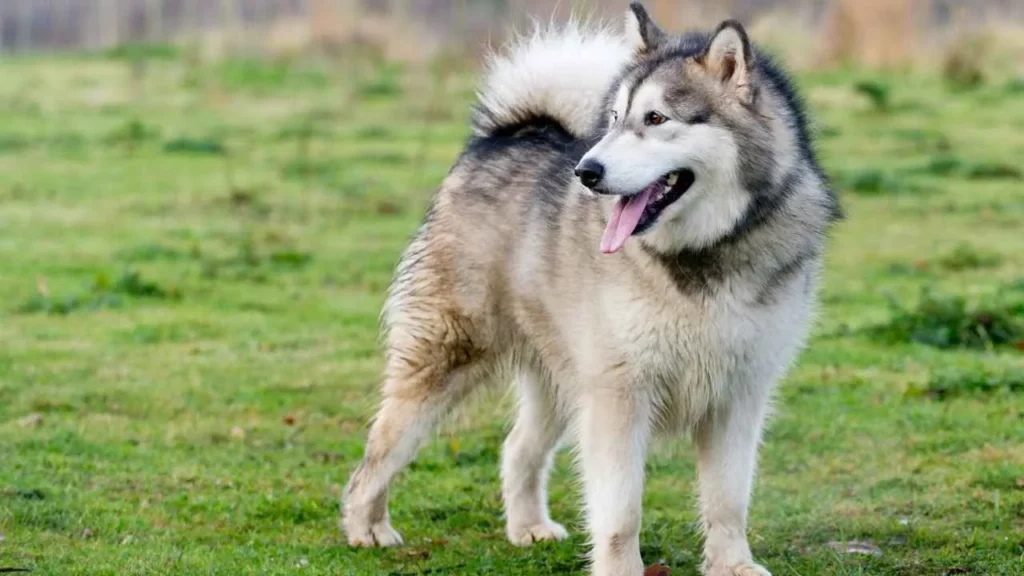
Alaskan Malamutes carry far more dog per dog: preferred freighting sizes are 23 inches and 75 pounds for females, and 25 inches and 85 pounds for males. Their substantial bone, deep chest, powerful shoulders, and large feet supported traction and strength across snow.
Both breeds have weather-resistant double coats and upright ears, yet their silhouettes advertise different careers. The cattle dog turns, accelerates, and slips away from hooves; the Malamute leans into a harness and keeps pulling, meaning owners face very different challenges in tight rooms, crowded sidewalks, and enthusiastic leash greetings.
Pricing & Availability
Picture two prospective owners opening breeder listings on a Saturday morning and immediately reconsidering their budgets. In the United States, an Australian Cattle Dog puppy may cost approximately $800–$2,000 from a responsible breeder, while an Alaskan Malamute may cost approximately $1,200–$3,000; prices require current regional confirmation.
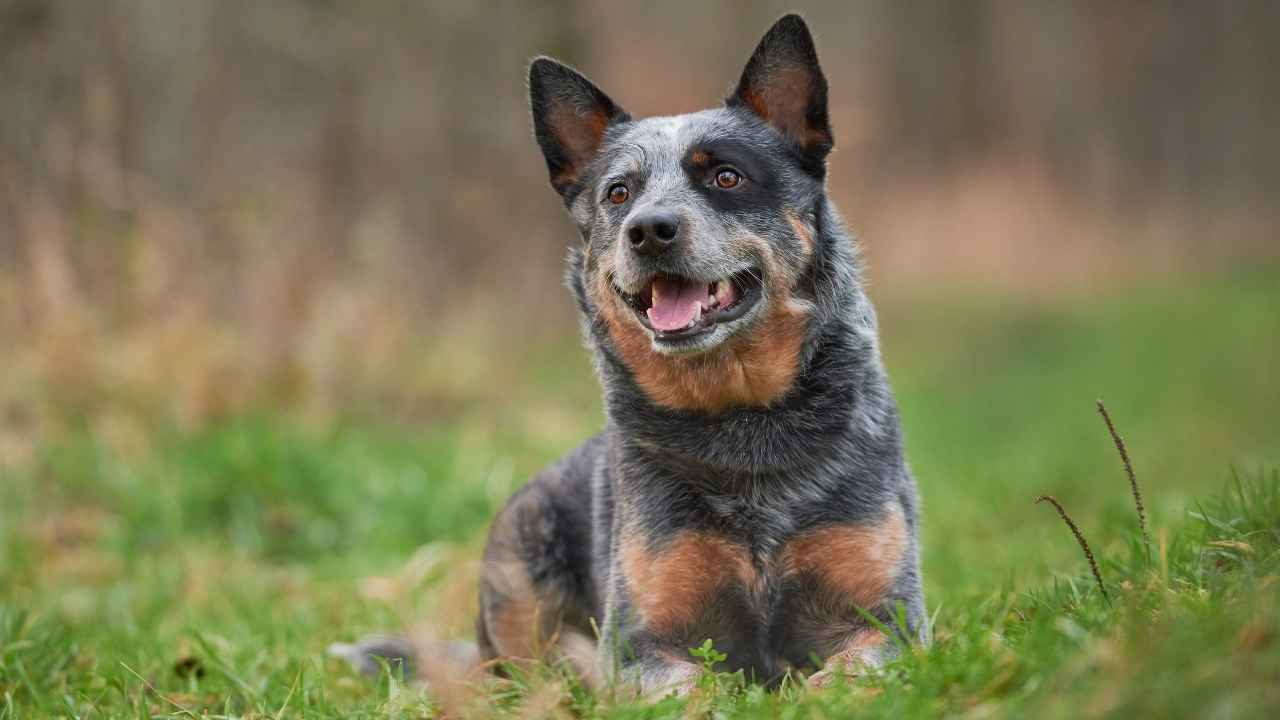
Australian Cattle Dog availability: More rescue and working-line options may appear in ranching regions, although temperament, socialization, and health testing vary.
Alaskan Malamute availability: Fewer suitable litters may mean longer travel or waiting, particularly when seeking documented hip, eye, and genetic screening.
Lifetime spending: The 75–85-pound Malamute generally consumes more food and may attract higher boarding, medication, and insurance costs than a 35–50-pound cattle dog.
A cheap puppy without verified health records can become the most expensive option astonishingly quickly.
Temperament & Personality
The Australian Cattle Dog treats life like a job with suspiciously poor management. Intensely loyal and highly observant, it bonds closely with its family members but may remain cautious around strangers.
Its herding instincts can appear as staring, circling, chasing, or heel-nipping. Early socialization and consistent boundaries help channel that bossy brilliance before the dog appoints itself household supervisor.
The Alaskan Malamute is usually more outgoing, playful, and openly affectionate. It enjoys family activity, communicates through expressive howls, and often greets life with considerable confidence.
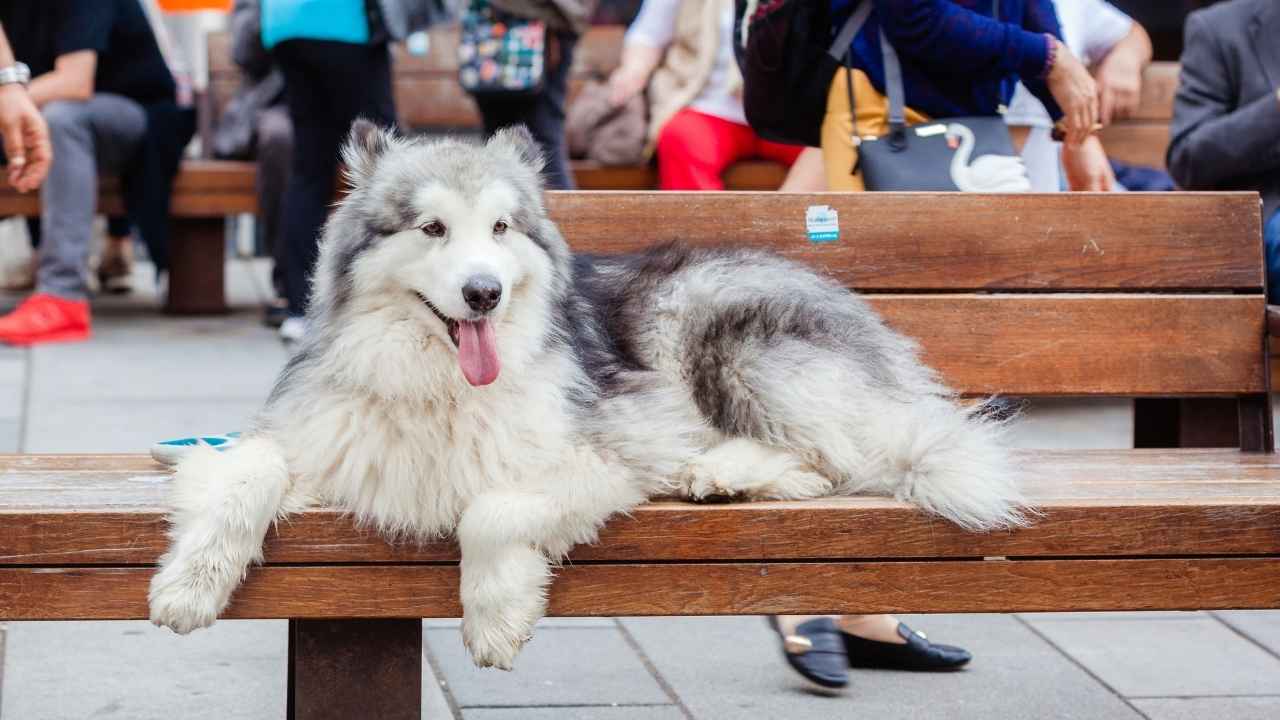
That friendliness does not equal automatic obedience. Malamutes are intelligent, independent thinkers that may understand a request perfectly and still pursue their own agenda. The core difference is focus: cattle dogs are intense and protective, while Malamutes are sociable, spirited, and gloriously opinionated.
Exercise Needs & Energy Levels
Two hours of exercise can be a warm-up when working-dog enthusiasm enters the chat. The PDSA recommends at least 2 hours daily for an Alaskan Malamute, while Australian Cattle Dogs benefit from extended activity, including runs of at least 45 minutes.
The cattle dog wants speed plus strategy: agility, herding, fetch, and obedience satisfy its busy brain. The Malamute prefers sustained effort through hiking, backpacking, skijoring, or pulling in cool weather.
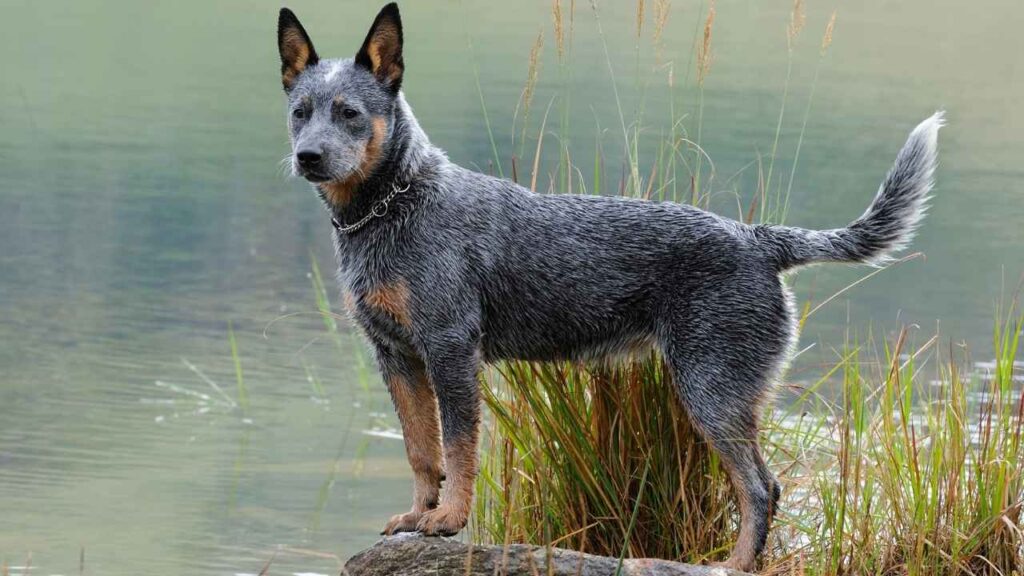
Neither will applaud a five-minute pavement shuffle presented as adventure. The Australian heeler generally needs more rapid mental challenges; the Malamute demands greater physical control, particularly when excitement meets a leash and decides brakes are optional.
Trainability & Obedience
Smart dogs are not always agreeable employees. Begin Australian Cattle Dog training at around 8 weeks, using lively 5–10-minute sessions to develop recall, impulse control, and polite interactions.
Heelers learn quickly but notice every loophole. Repetitive drills invite improvisation, which may involve chasing feet, reorganizing children, or promoting themselves to household security chief.
Alaskan Malamutes also understand commands rapidly; obeying them is a separate committee decision. Early leash training matters before their full strength arrives, and positive reinforcement works better than confrontation. The heeler tests your timing and consistency, while the Malamute tests your patience—and occasionally the structural integrity of the garden gate.
Grooming Needs & Shedding
Shedding season turns both energetic breeds into highly efficient fur distributors. Each carries a double coat, but the Malamute delivers considerably more fluff per square metre of furniture.
Cattle dog care: Brush weekly, increasing to every few days during its 2 yearly coat blows.
Malamute maintenance: PetMD recommends daily brushing and a bath approximately every 6–8 weeks.
Essential rule: Never shave either double coat simply to reduce shedding or improve summer comfort.
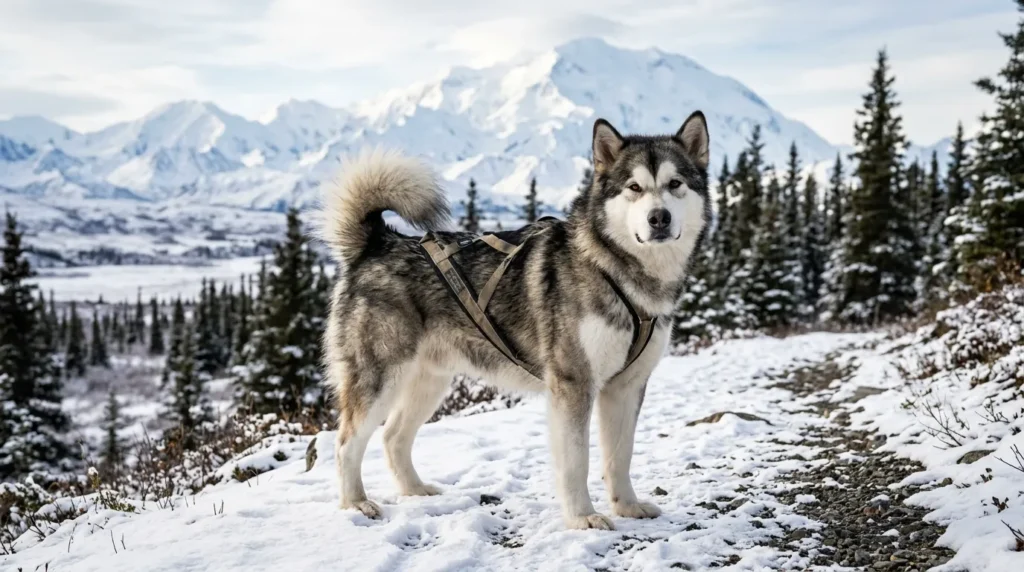
The Australian Cattle Dog’s short, weather-resistant coat rarely tangles and usually releases dirt without drama. The Malamute needs more brushing, drying, and undercoat removal, particularly when seasonal shedding begins. One leaves visible hairs; the other appears to have exploded gently across the sofa.
Outdoor Adventure & Exploration
Picture a trail splitting between rocky switchbacks and a snowy route stretching towards the horizon. The Australian Cattle Dog attacks the technical path with quick turns, sharp focus, and enough enthusiasm to make your fitness tracker feel personally judged.
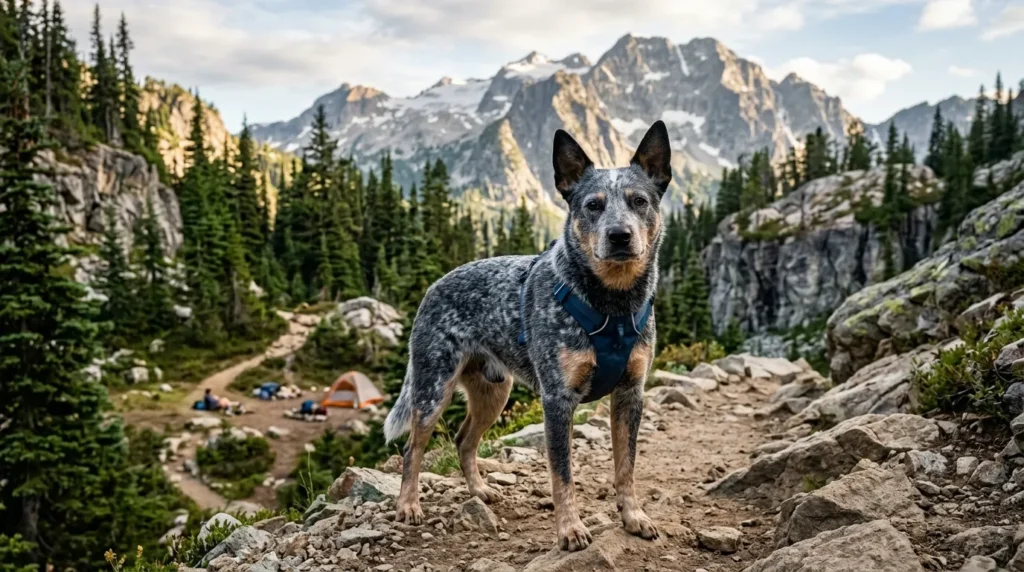
The Alaskan Malamute chooses the long route. Its history favors steady hauling, making backpacking, skijoring, and cold-weather trekking natural outlets; plan at least 2 hours of daily activity and reduce exertion sharply during hot conditions.
Both high-energy dogs require dependable restraint around wildlife. Heelers may launch after movement, while Malamutes can follow prey with impressive commitment and mysteriously temporary hearing. For fast, interactive adventures, the cattle dog shines; for sustained winter mileage, the Malamute brings the horsepower.
Health & Lifespan
The smaller cattle dog often offers the longer timeline. Experts report that Australian Cattle Dogs may live to 16 or older, while Alaskan Malamutes typically reach 10–14 years.
Cattle dog screening: Ask about progressive retinal atrophy, deafness, hip dysplasia, and relevant heart testing.
Malamute screening: Check for hip and elbow dysplasia, cataracts, chondrodysplasia, hypothyroidism, and polyneuropathy.
Routine care: Book at least 1 wellness examination yearly and monitor weight, movement, hearing, and vision.
Good breeding records matter more than a puppy’s photogenic eyebrows. Keeping either dog lean also reduces unnecessary pressure on hardworking joints. Request documented results before paying a deposit; “the parents seemed healthy” is a lovely anecdote, not medical evidence.
Australian Cattle Dog vs. Alaskan Malamute: Which Active Breed Is Right for You?
Choose the Australian Cattle Dog if you enjoy fast training, demanding dog sports, and being silently evaluated by an alert 35–50-pound supervisor. It suits experienced owners who can provide 90–120 active minutes daily.
Choose the Alaskan Malamute if you live somewhere cool, have secure space, and genuinely enjoy long hikes or pulling sports. You must also handle heavy shedding and a powerful dog whose obedience may occasionally become philosophical.
Apartment owners could manage a heeler with exceptional structure, outdoor access, and noise control. Hot-climate first-time owners seeking relaxed walks should choose neither breed; these workers need purposeful routines, not motivational speeches delivered beside an untouched leash.
Conclusion
The Australian Cattle Dog offers compact athleticism, fierce focus, and a brain that treats boredom as permission to improvise. The Alaskan Malamute brings Arctic strength, sociable charm, and enough independence to make every successful training session feel diplomatically significant.
Neither breed earns a universal trophy. One suits owners who enjoy fast, structured work; the other fits experienced households prepared for size, shedding, strength, and cool-weather adventures.
Meet adult dogs, examine health records, calculate realistic expenses, and compare each breed’s needs with your ordinary weekly routine before choosing your working partner.
