




Not everyone has a life that allows a dog to tag along everywhere. There is work to finish, errands to run, traffic to survive, and plans that occasionally keep you away from home longer than expected.
Coming back to chewed furniture, endless barking, or a stressed-out dog pacing around the house is hardly the reunion you hoped for.
For some dog owners, finding a companion that is comfortable with a little personal space makes everyday life easier. That is where self-sufficient breeds truly shine.
These large dog breeds are often more comfortable spending a few hours on their own instead of needing constant interaction throughout the day. That independence does not mean leaving a dog alone for excessive periods. Every dog still needs exercise, mental stimulation, care, and time with its people.
The following large breeds bring a little more independence into the dog-parenting equation.
Self‑Sufficient Large Dog Breeds That Thrive Alone
1. Tibetan Mastiff
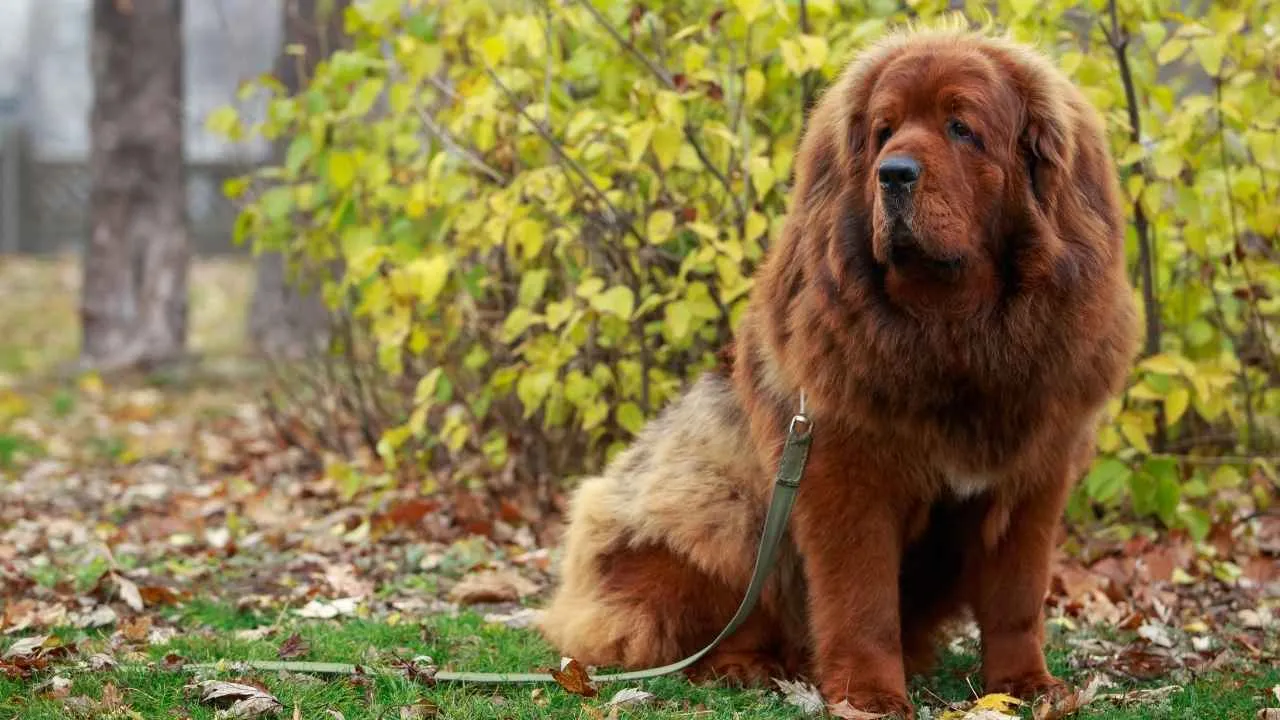
The Tibetan Mastiff makes a fascinating independent large dog breed because it was never meant to wait around for instructions. It was originally bred to guard livestock, homes, and monasteries across the Himalayas, often making decisions without direct human supervision. That history shaped an independent nature that still defines the breed.
A Tibetan Mastiff forms a deep bond with family members, but it is not usually overly affectionate or desperate for constant attention. It may happily watch the household from its favorite spot while you get on with your day. Its aloof temperament also makes it naturally suspicious of strangers.
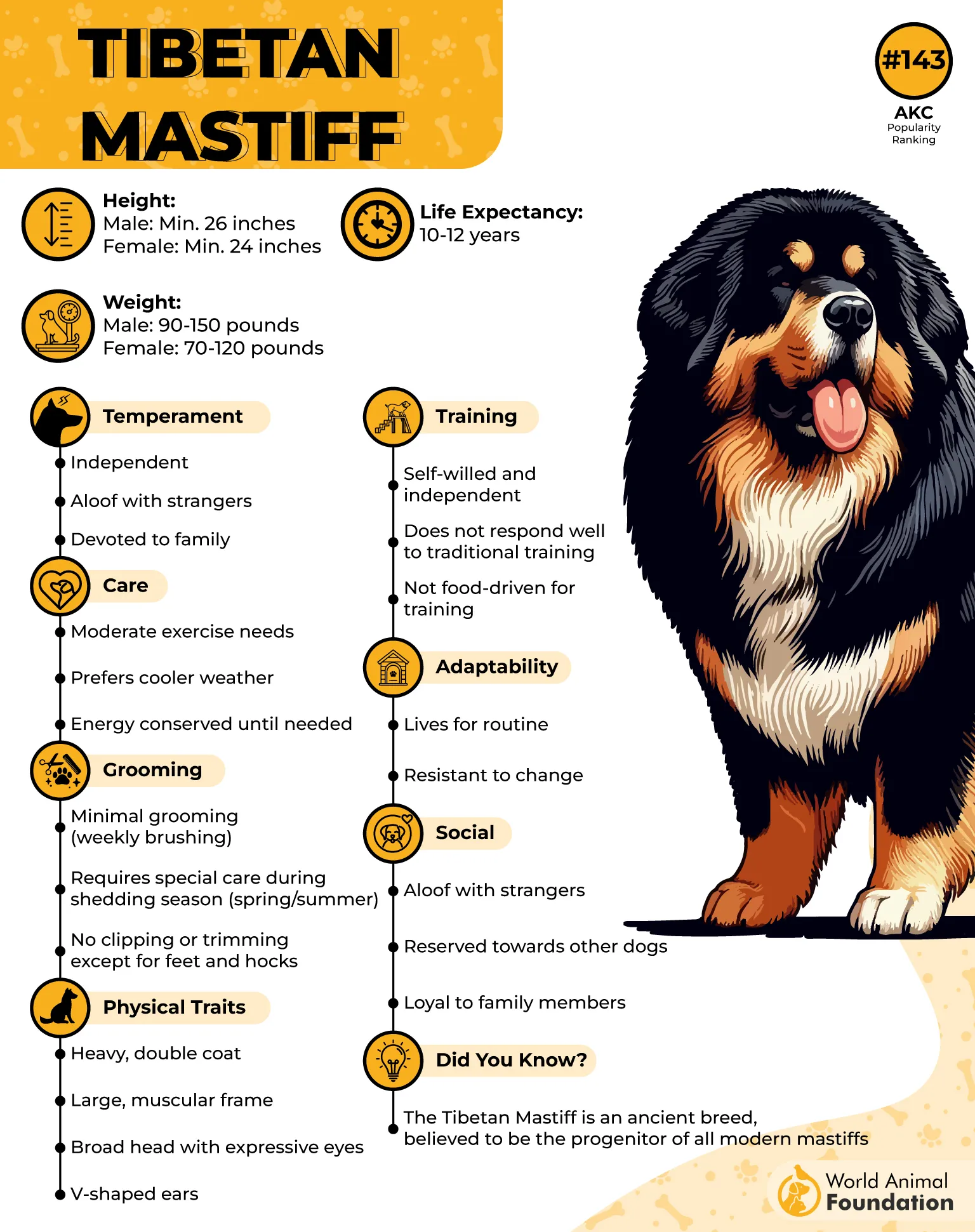
This is a serious guardian, though. Its territorial instincts mean early training and socialization matter enormously. It may also be selective around other dogs, particularly when its protective instincts kick in.
Daily Life with a Tibetan Mastiff
The breed needs regular exercise, but it does not have a high-energy lifestyle. Its thick double coat needs frequent brushing, especially during seasonal shedding. A secure dog home with enough outdoor space suits it far better than cramped apartment living, as PetMD agrees.
It is particularly comfortable with solitude because it does not need someone entertaining it constantly. Still, being left alone for long periods is not the same as healthy independence.
2. Greyhound
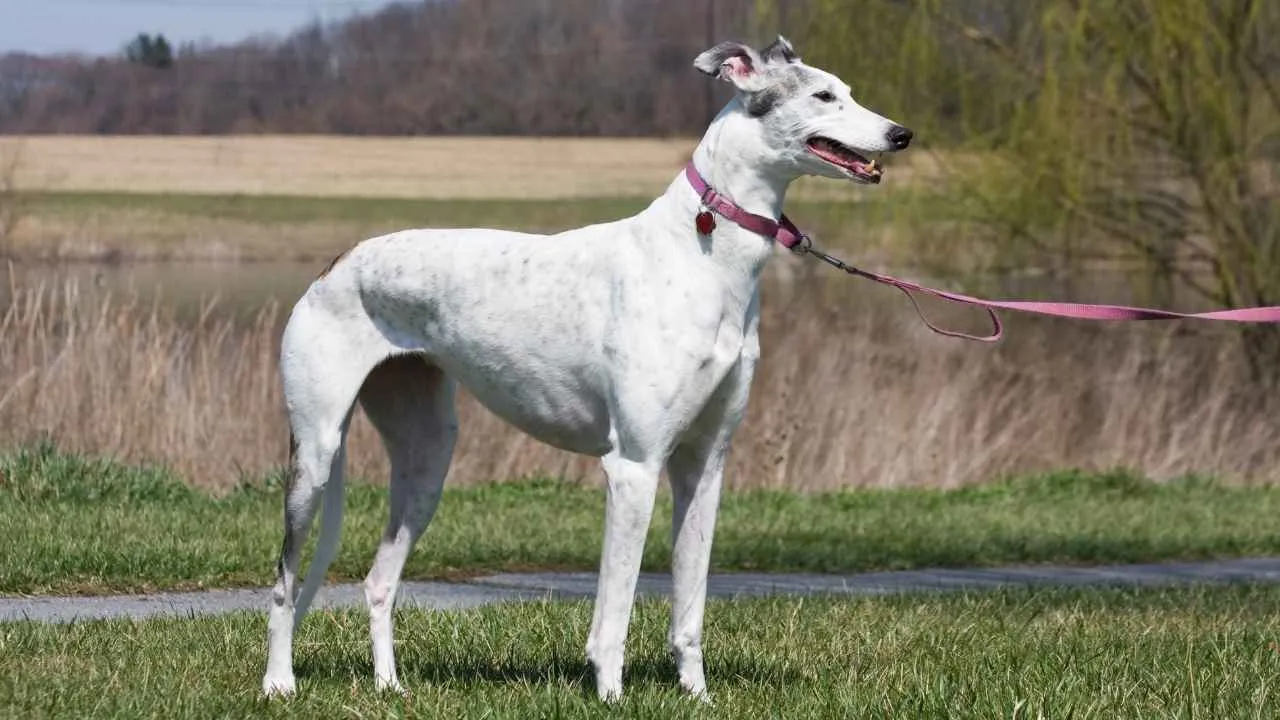
The Greyhound is one of the more relaxed large dogs you could bring home. It is an independent dog that often enjoys its own company after getting the chance to stretch those famously long legs.
It is known to be the cat of the dog world because it shows affection on its own terms and loves to snooze alone for hours. A Greyhound can enjoy companionship without needing nonstop interaction. Its calm temperament also makes it a favorite among people who appreciate a quieter household.
Petplan added that Greyhounds were developed to chase prey by sight, so their independent personality comes with a powerful chase instinct. Yet inside the house, many are true couch potatoes, happily spending hours snoozing between outings.
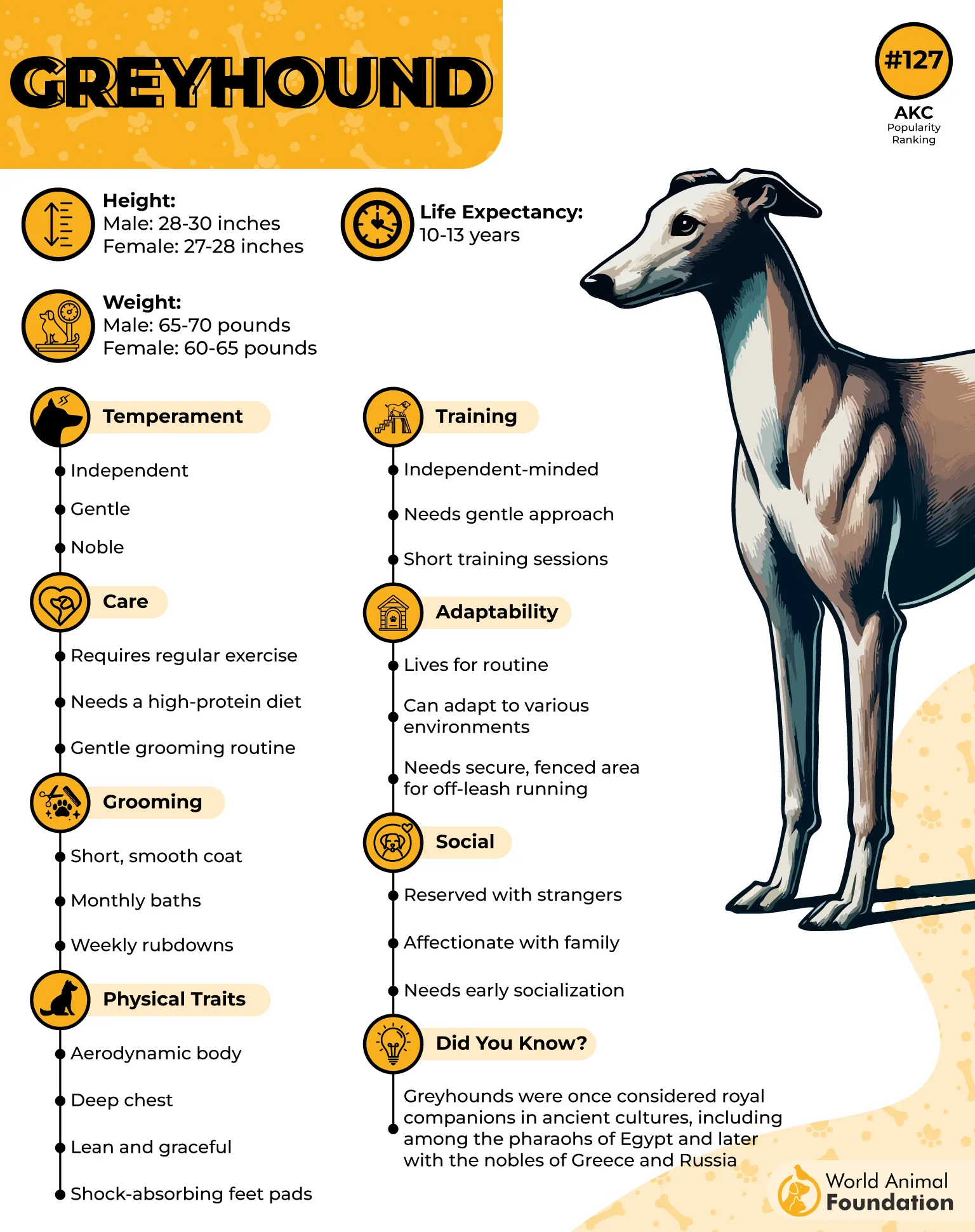
That contrast makes the breed appealing to busy owners who want a large companion without a constantly demanding energy level.
Daily Life with a Greyhound
Despite its reputation for speed, it does not need as much exercise as you might expect. Moderate exercise needs and daily exercise usually keep it content, with safe opportunities to run being especially important.
Its short coat is simple to maintain, but its lean frame needs a comfortable bed and protection from cold weather. If you are away for a few hours, a settled adult Greyhound may happily sleep through much of that time.
3. Great Pyrenees
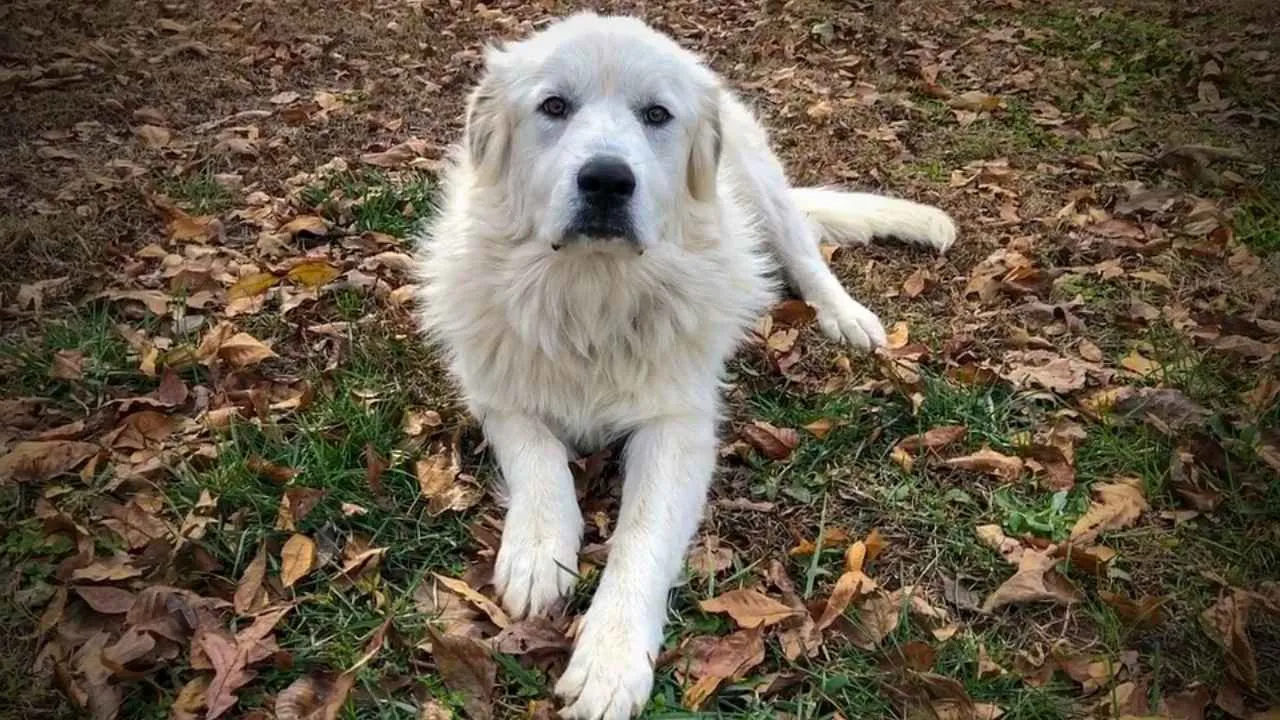
The Great Pyrenees is the majestic mountain dog, carrying the kind of independence that comes from having an actual job to do. This guardian spent generations watching livestock on mountains, often without a person standing nearby to direct every move. It had to assess danger and make decisions for itself.
That working history explains why the breed can seem independent-minded at home. It enjoys being near its people but does not need constant entertainment. Its reserved personality also means strangers may not receive the same warm welcome given to familiar people.
Daily Life with a Great Pyrenees
Regular walks and outdoor activity provide useful mental stimulation, but this breed does not need endless physical exertion. Its fluffy double coat requires consistent brushing and sheds heavily during seasonal coat changes.
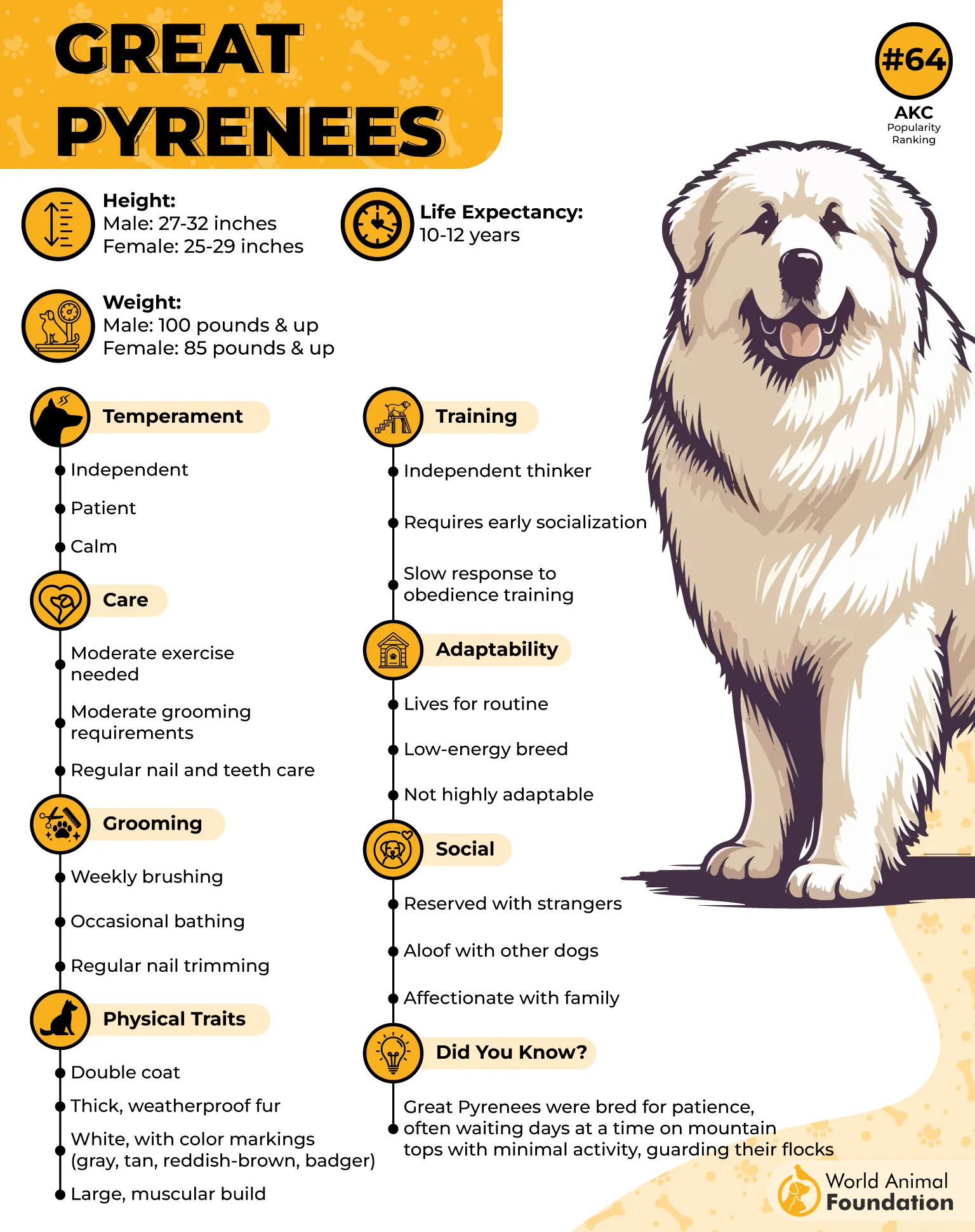
It can be deeply loyal while maintaining a little of its own space. Pyr’s protective instincts remain strong. However, WebMD stated that its famous nighttime alertness also means barking may become part of your routine.
Socialization should begin early to avoid incessant barking and teach when guarding behavior is appropriate.
A secure yard is important because this dog may naturally patrol its surroundings. Give it room to observe, rest, and move, and it is often quite comfortable managing its own downtime.
4. Caucasian Shepherd
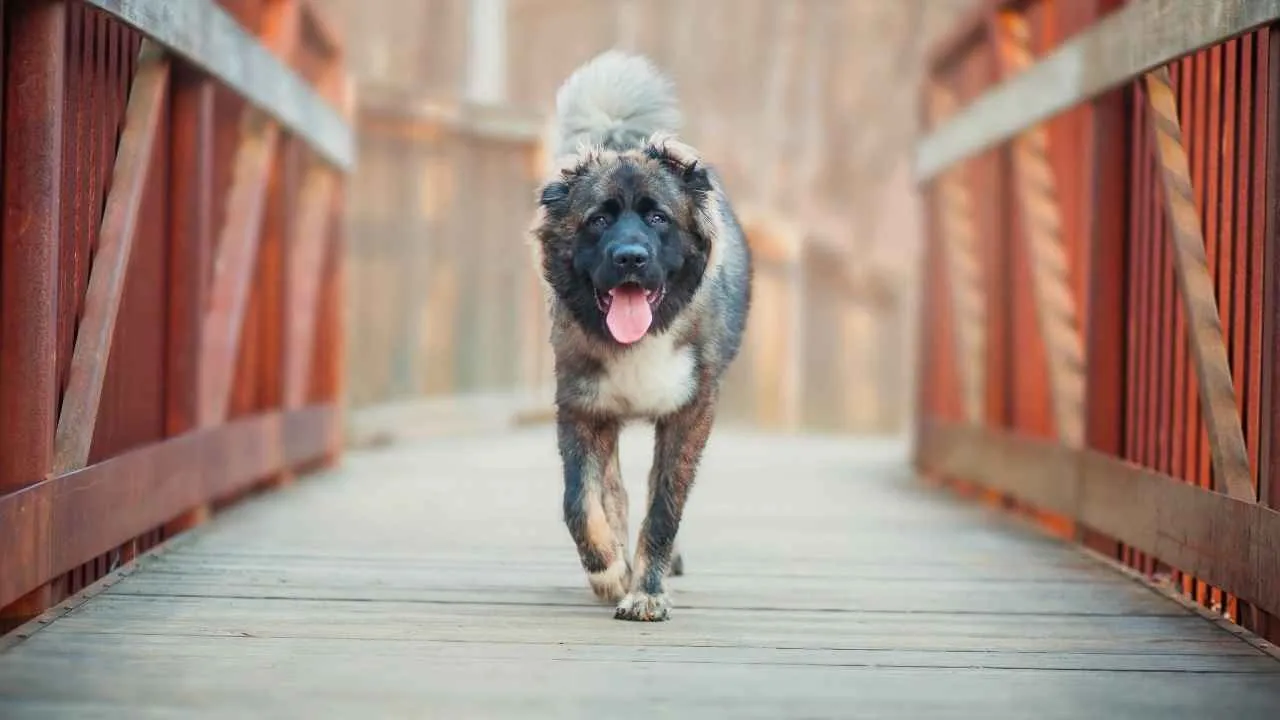
Enormous in size, with a plush, thick double coat, the Caucasian Shepherd is among the working dog breeds. Self-sufficiency is deeply rooted in its bones. Originally built to protect livestock and guard estates, this large dog used to make decisions without waiting for a human to tell it what danger looked like.
Its strong-willed character is obvious. The breed tends to be confident, territorial, and naturally wary of unfamiliar people. It can form intense loyalty toward its household while maintaining a distinctly aloof temperament around outsiders.
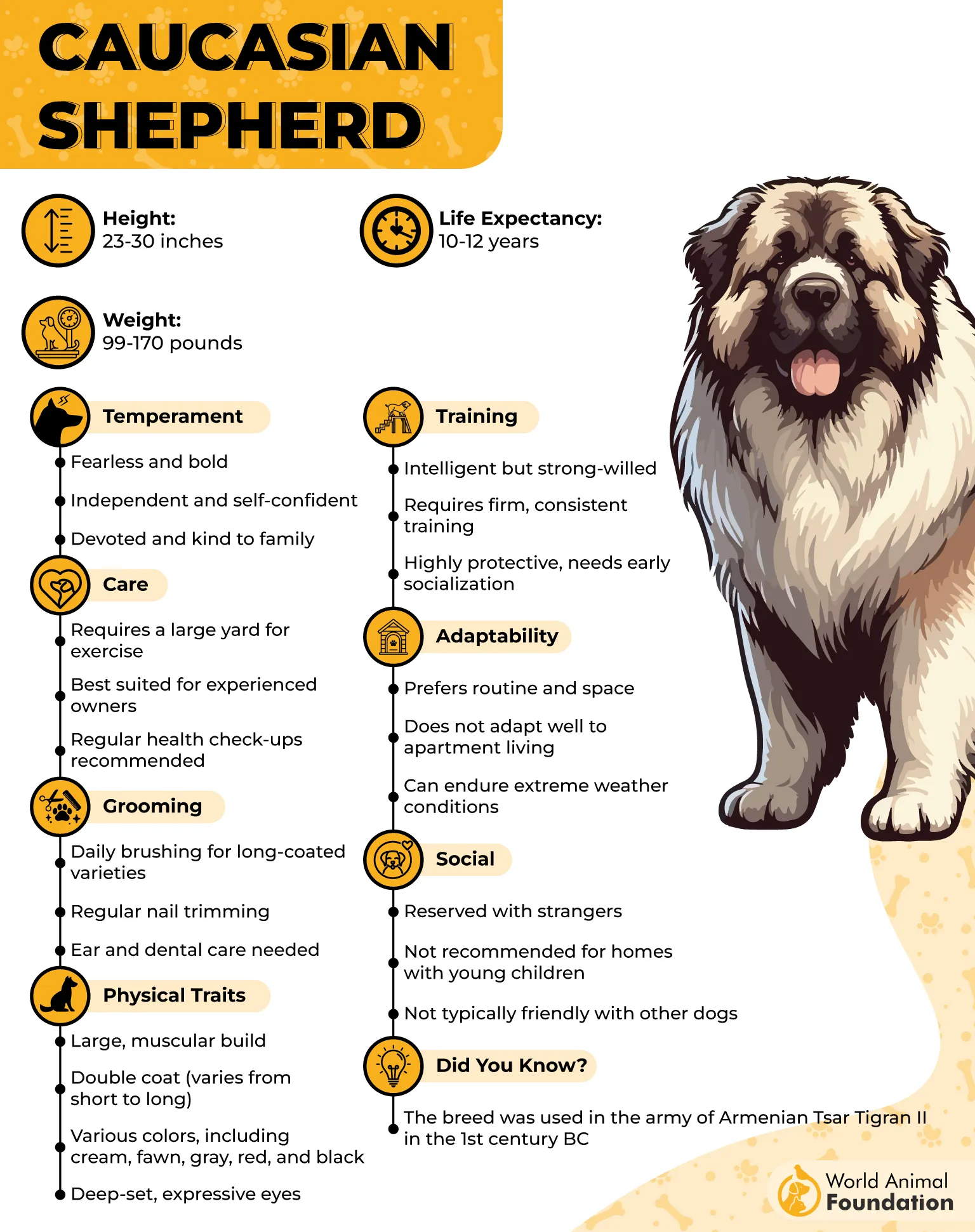
That makes this one of the best dogs for an experienced owner who understands guardian breeds, but a poor choice for someone expecting easy obedience.
Daily Life with a Caucasian Shepherd
The Caucasian Shepherd needs a secure property, regular exercise, and structured daily activity. Mental challenges help keep its intelligent mind engaged. Its sheer size amplifies every behavioral issue, so experienced pet parents are much better prepared for the commitment.
Its heavy coat needs routine grooming, and shedding can be substantial. It is also better suited to spacious homes than restrictive environments.
This is not a dog to leave home alone without considering its temperament and surroundings. Its guardian instincts remain active even when nobody has asked it to work.
5. Akita
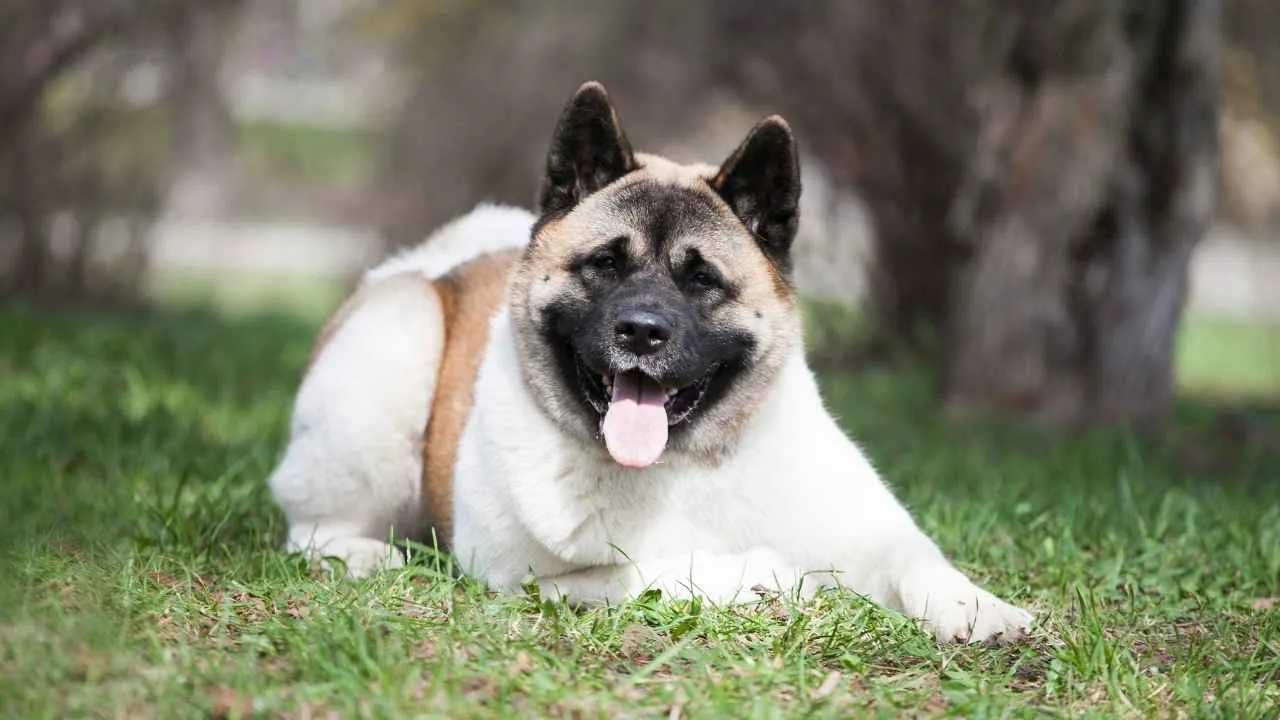
An Akita has a wonderfully self-contained way of moving through life. It is well known for its dignity, unwavering loyalty, and independent streak, often staying close to its people without constantly asking to be touched, praised, or entertained.
Originated in Japan, Akita independence reflects its hunting roots. These dogs used to make quick decisions while hunting large game like bears or boars, as Britannica mentioned
This large dog can be aloof with unfamiliar faces, whether human or other pets, so careful introduction matters. With family, it is a fiercely loyal, affectionate, and protective companion.
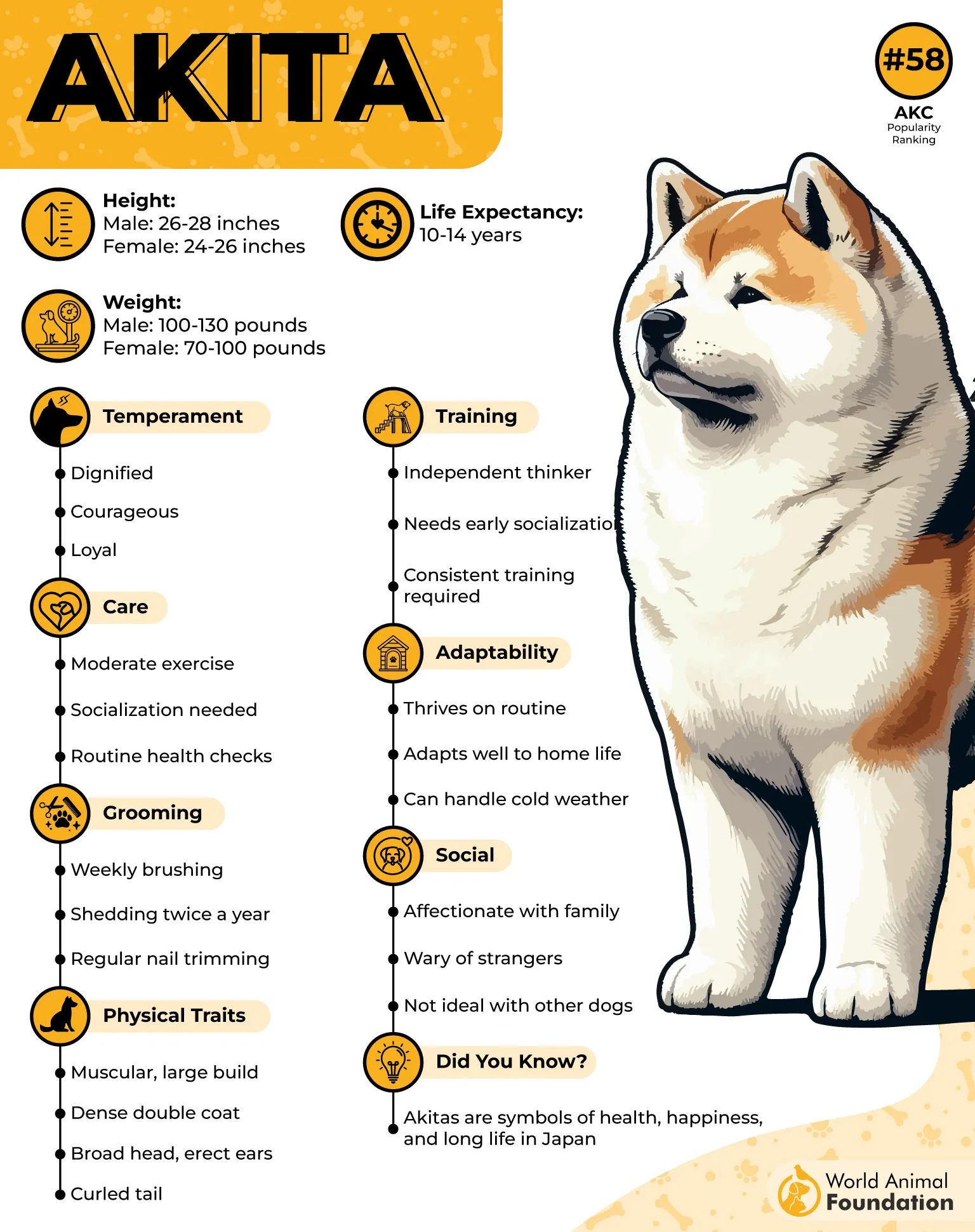
The breed’s confident character also means training requires patience. An Akita may understand exactly what you want and still decide it has a better idea. That stubborn side is part of what makes the breed so distinctive.
Daily Life with an Akita
An Akita needs moderate exercise, mental engagement, and a predictable routine. When it comes to its thick double coat care, regular brushing is required because it sheds heavily during seasonal coat changes.
It is generally clean and often enjoys quiet solo time. Puzzle toys and short training sessions provide useful mental stimulation without turning the day into an endless activity schedule. With clear boundaries and respectful handling, its calm confidence becomes much easier to appreciate.
6. Anatolian Shepherd
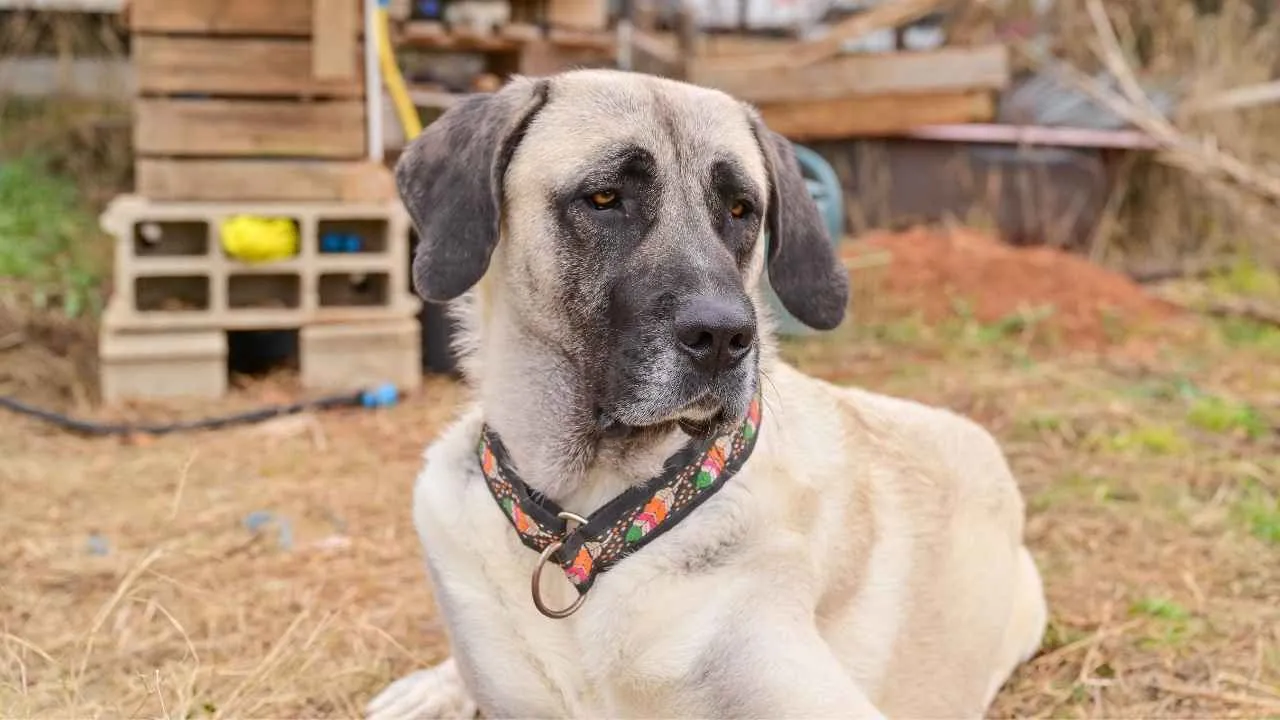
Give an Anatolian Shepherd a job, and it is quite happy to figure out the rest. This breed developed as a livestock guardian, where independent decision-making was not optional. It needed to notice predators, assess risks, and protect its flock without waiting for constant human cues.
It can spend time observing its surroundings without becoming frantic for attention. At the same time, it forms strong bonds with its household and takes its protective role seriously.
The Anatolian is intelligent, courageous, territorial, and naturally cautious around strangers. Those characteristics make it one of the more genuinely self-reliant large breeds, but it also demands responsible ownership.
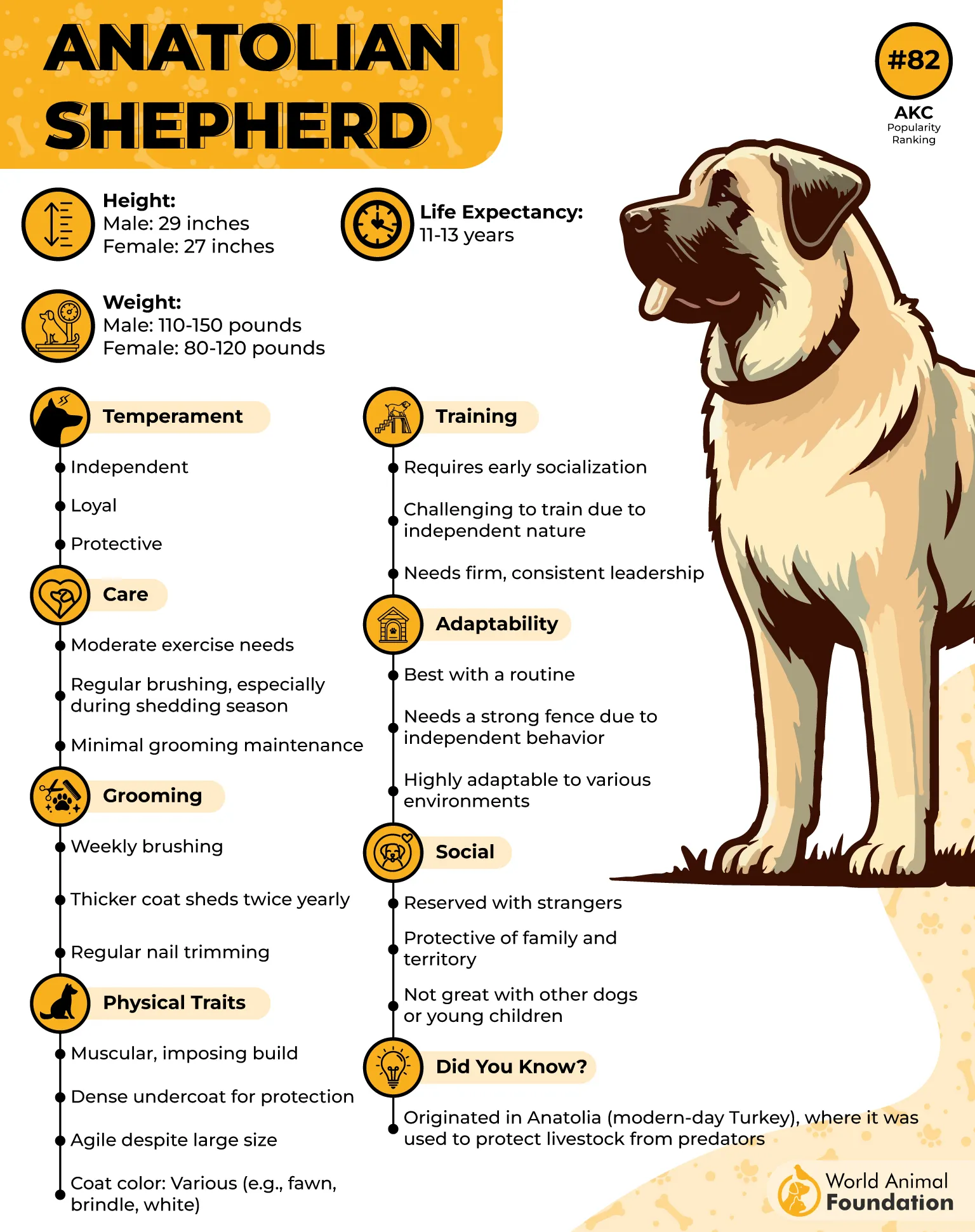
It is not a dog that simply follows every command because you asked nicely. Training works best when you respect its intelligence while establishing clear boundaries.
Daily Life with an Anatolian Shepherd
A spacious, secure property suits this breed best. It needs physical activity, exploration, and useful mental challenges, but its routine does not have to revolve around exhausting workouts.
Its coat is relatively straightforward to maintain with regular brushing, although shedding increases seasonally.
7. Central Asian Shepherd
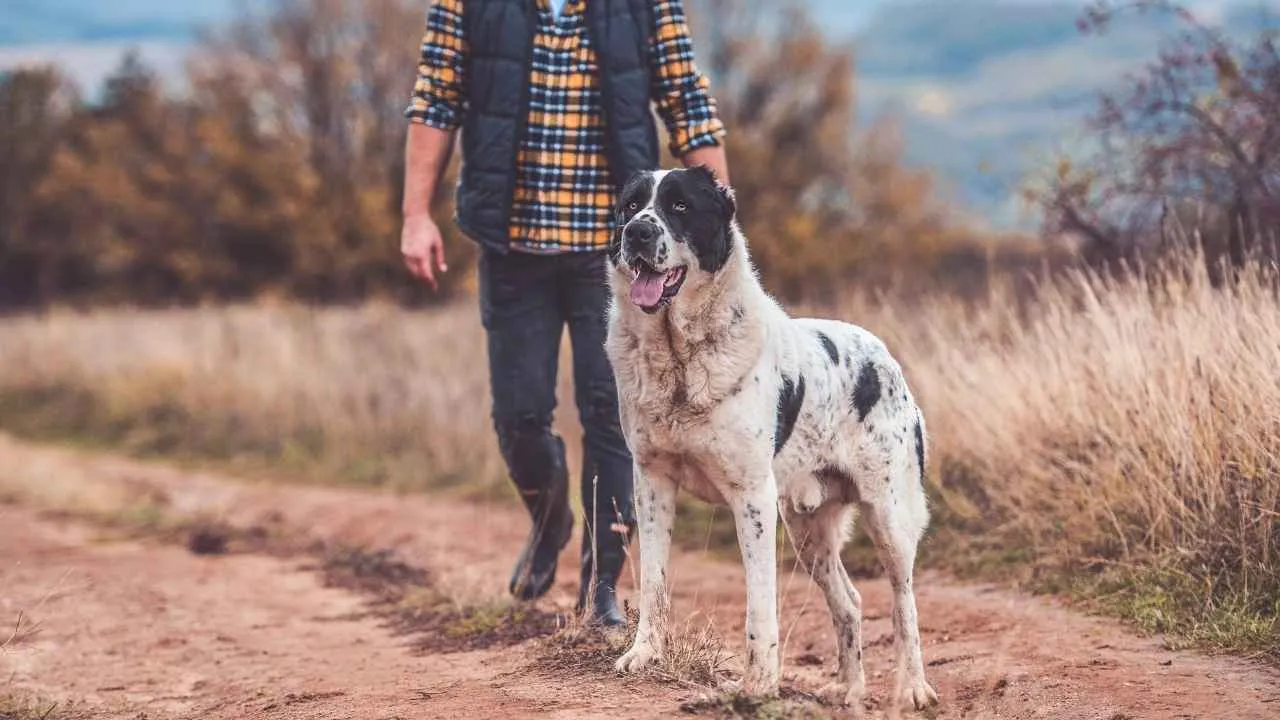
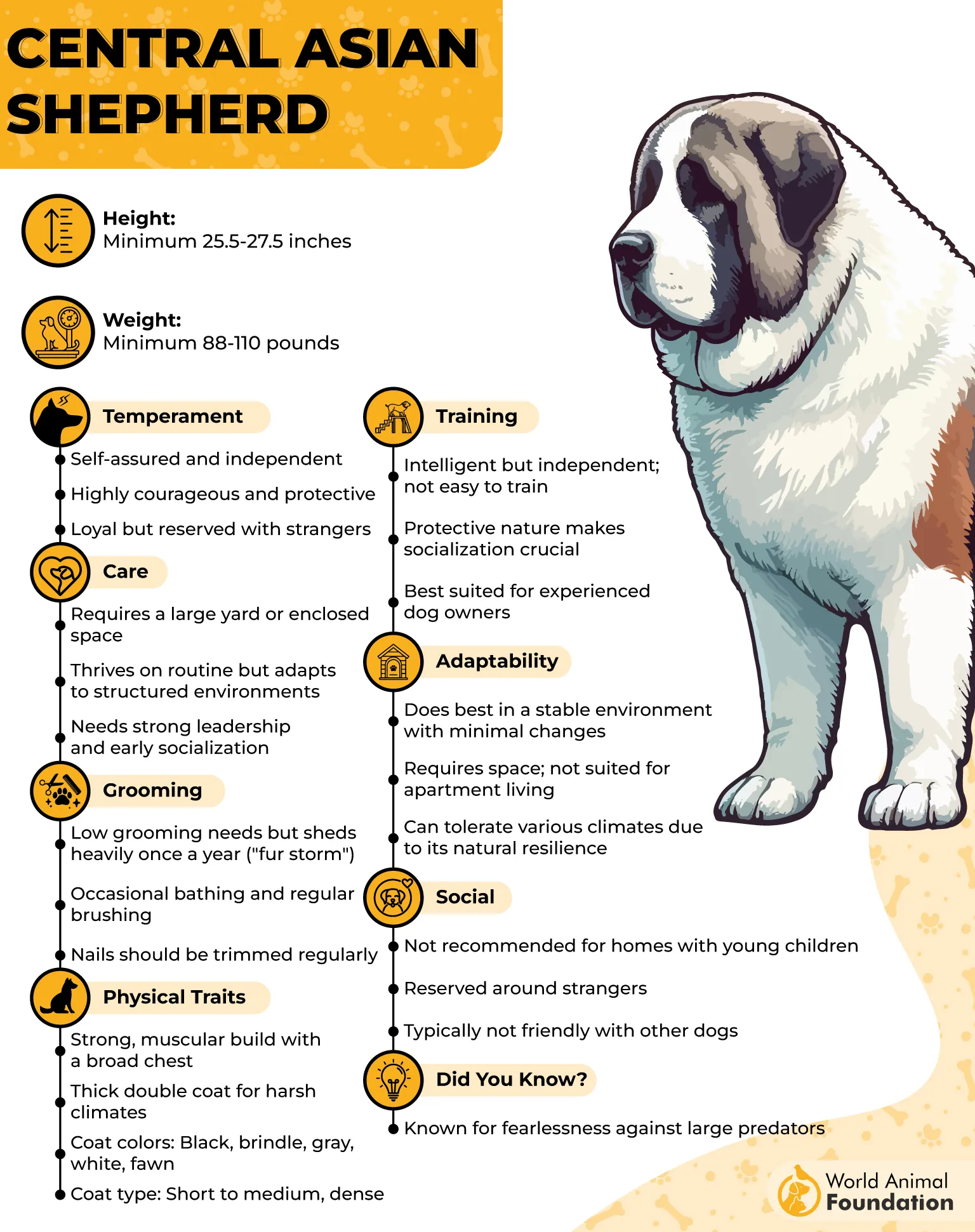
Strong, fearless, confidant, the Central Asian Shepherd has the kind of self-reliance that you notice almost immediately. This ancient guardian was shaped by generations of working across large territories, protecting livestock and property while relying heavily on its own judgement.
That independent-minded approach makes it appealing if you want one of the best dog breeds for owners who value personal space. It craves companionship with its household without becoming dependent on constant contact.
Its protective instincts, however, are powerful. It may be cautious with unfamiliar people and dogs, and its size makes responsible management especially important. This is why it’s not a good choice for inexperienced owners.
Daily Life with a Central Asian Shepherd
The breed needs room to move, a secure boundary, and regular exercise. Its activity level is generally more moderate than that of highly energetic sporting breeds, although daily movement remains important.
Due to its strong guardian instinct, it is prone to loud barking, but it can be managed with lifelong socialization and training. Start exposing it in the early weeks of puppyhood to the environment, other pets, and people.
It may happily spend alone time resting on its territory, but even independent breeds still need meaningful family interaction, structure, and care.
Conclusion
A dog does not always have to be your shadow to feel like part of your life. These independent dog breeds may choose the far end of the room, or ignore your attempt to start a game. They would like to sit quietly as if they have more important things on their mind.
Living with one means accepting that your dog may not always need your attention, approval, or involvement to feel perfectly content. They prove that sometimes the best canine relationship is giving each other a little room to just exist.
