





A dependable nighttime guardian needs more than physical strength. Dogs suited to protective roles often combine attentiveness, confidence, territorial awareness, and the ability to remain composed when something unfamiliar appears after dark. Their natural senses can also make them aware of sounds and movement that people might overlook.
However, a protective breed should never be viewed as a substitute for locks, lighting, alarms, cameras, or other household security measures. Responsible ownership also requires controlled socialization and obedience training so that a dog can distinguish ordinary visitors and environmental activity from situations that genuinely require attention.
The breeds below come from different working backgrounds, including herding, military and police work, property protection, and livestock guarding. Each brings its own approach to watching over a home, and factors such as size, trainability, exercise requirements, and temperament should be considered before choosing one.
Most Reliable Dog Breeds for Nighttime Guarding
1. German Shepherd
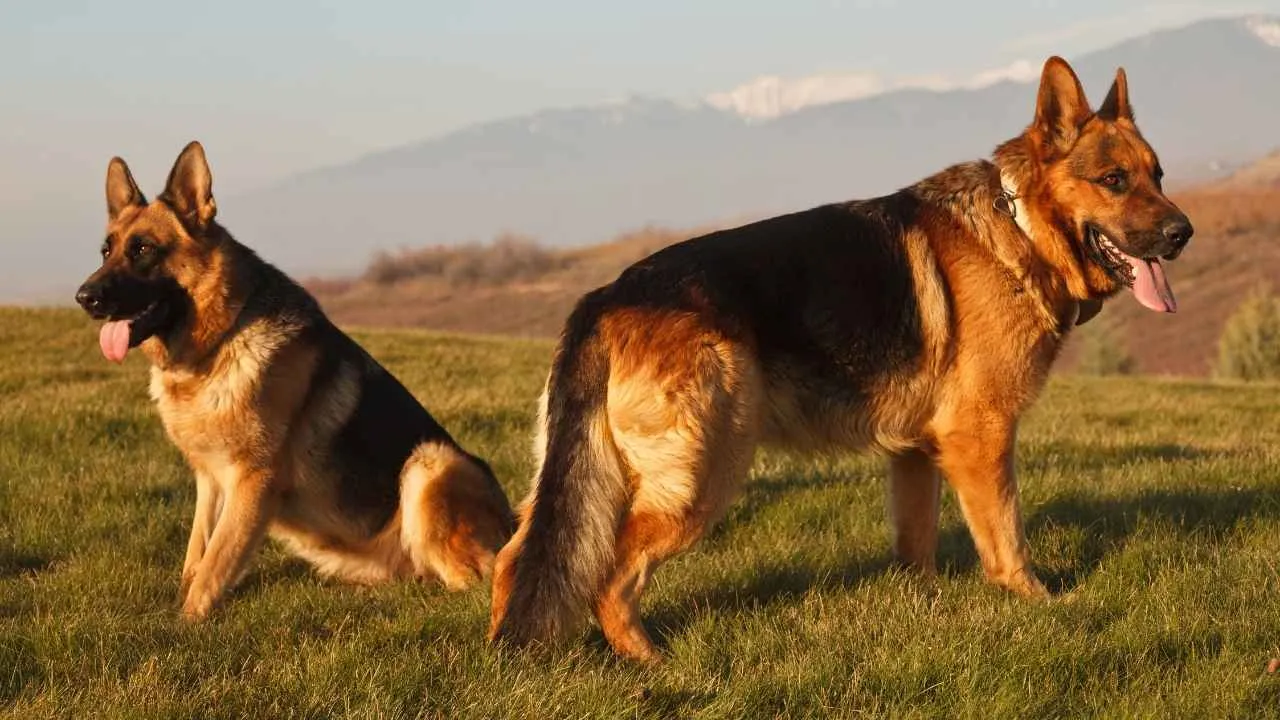
German Shepherds originated in Germany during the late nineteenth century, when breeders sought capable working and herding dogs with intelligence, strength, and versatility.
Their usefulness eventually expanded far beyond livestock duties, leading to roles in police work, search and rescue, military service, and other demanding fields.

Focused Training Foundation
German Shepherds are highly responsive when taught through structured, reward-based training. A young dog should learn household boundaries, reliable recall, calm behavior around guests, and the ability to disengage from distractions.
Their willingness to work can make advanced obedience especially rewarding for owners who enjoy active training.
Alert Protective Presence
Their combination of attentiveness and confidence can make them naturally observant after sunset. A German Shepherd may notice unfamiliar sounds around a property and communicate its concern through barking or changes in posture.
Proper socialization helps ensure that its protective tendencies remain controlled rather than becoming excessive reactivity.
2. Rottweiler
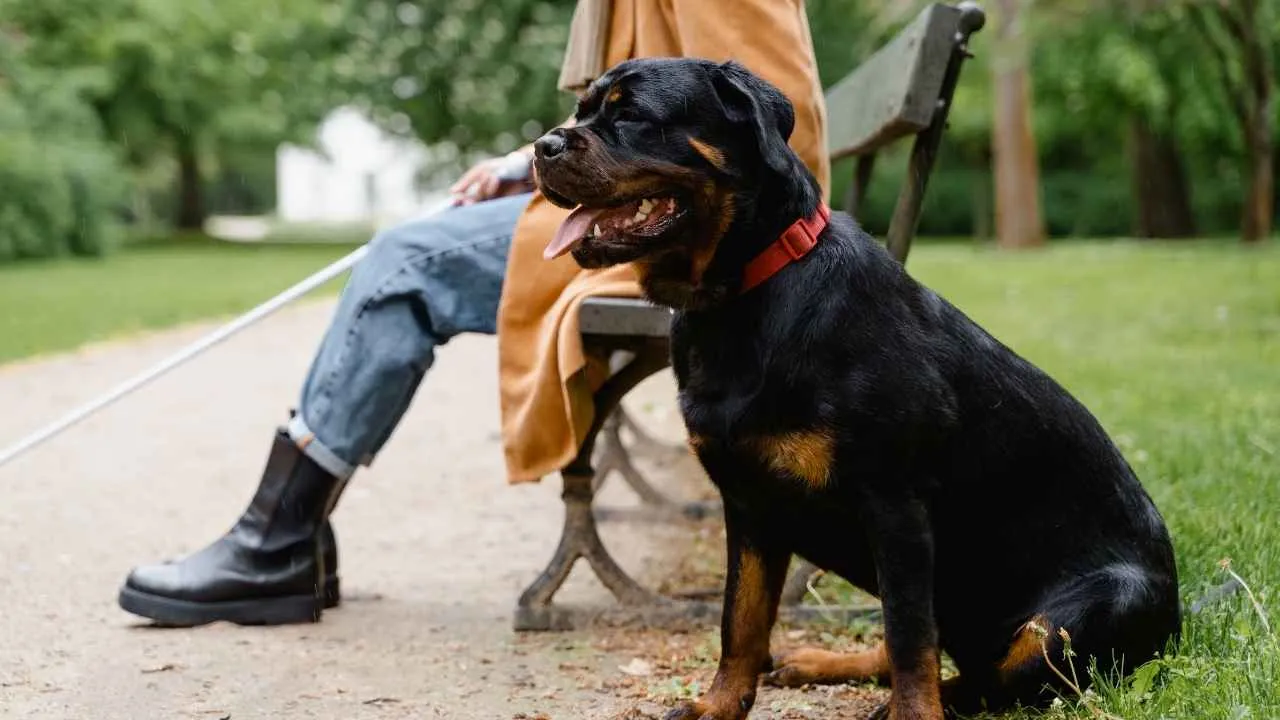
The Rottweiler traces its history to the German town of Rottweil, where its ancestors worked alongside butchers and traders as driving dogs, property guardians, and general-purpose farm animals.
Their jobs demanded strength, confidence, and dependability, qualities that remain prominent in the modern breed, as per PDSA.
Teach Firm Household Boundaries
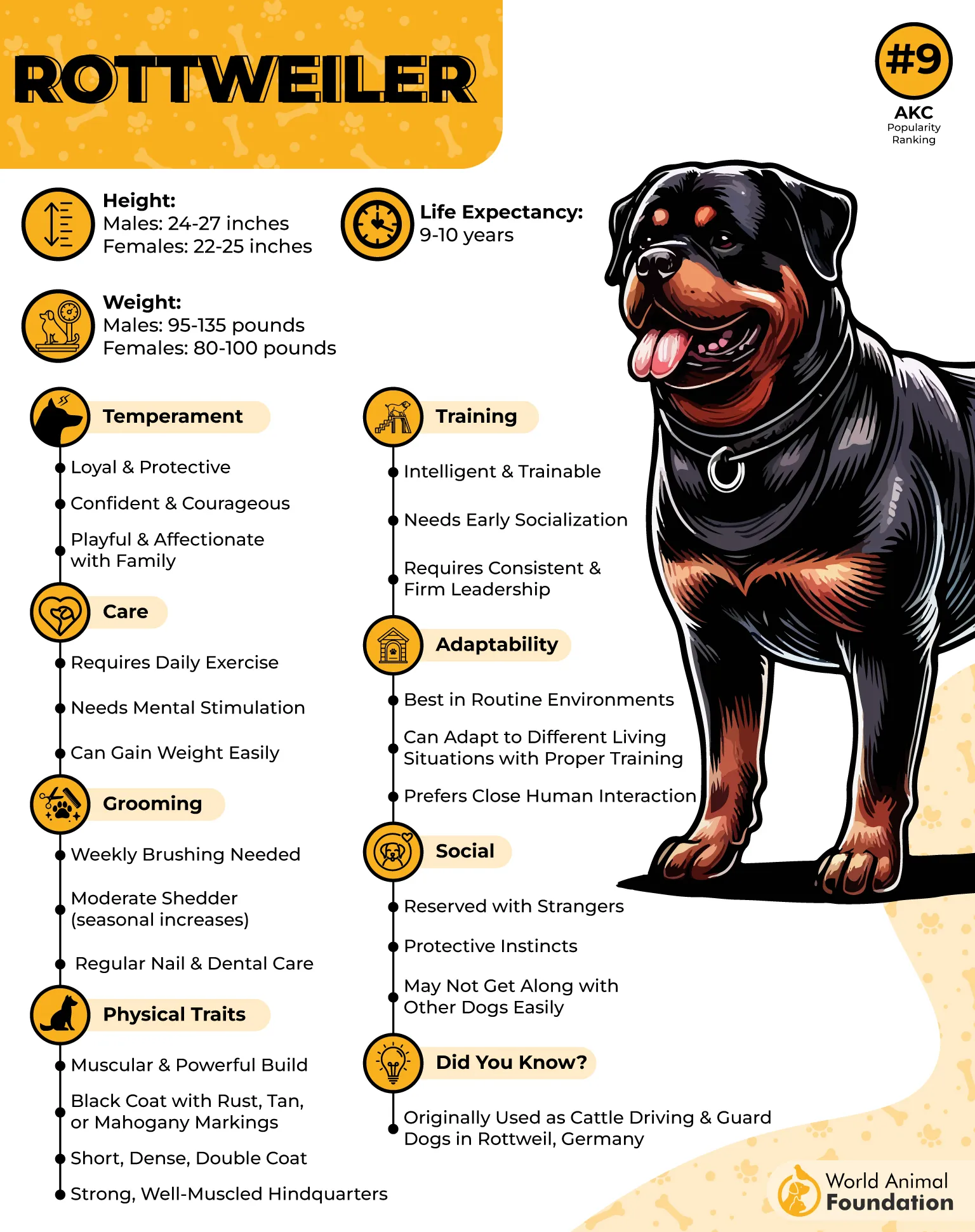
Rottweilers benefit from early instruction that establishes polite behavior and dependable responses to their handlers. Their considerable physical strength makes basic obedience particularly important.
Training should emphasize impulse control, calm greetings, leash manners, and reliable responses in distracting situations.
Confident Property Watcher
A mature Rottweiler can possess a naturally imposing presence without needing constant activity. It may remain attentive to unfamiliar people or sounds around its territory and can become deeply devoted to its household.
Early exposure to different people and environments helps prevent suspicion from becoming unnecessarily difficult behavior.
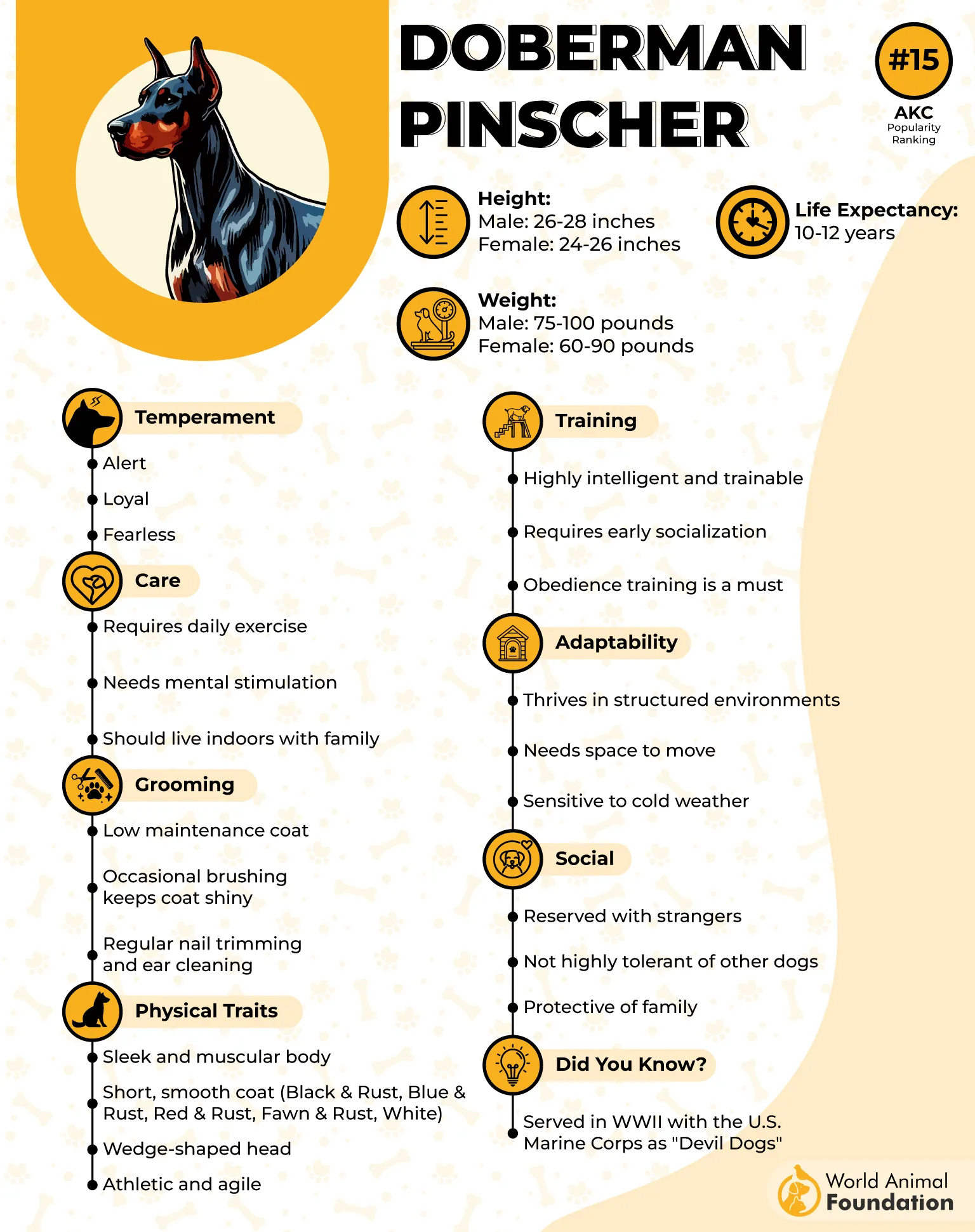
3. Doberman Pinscher
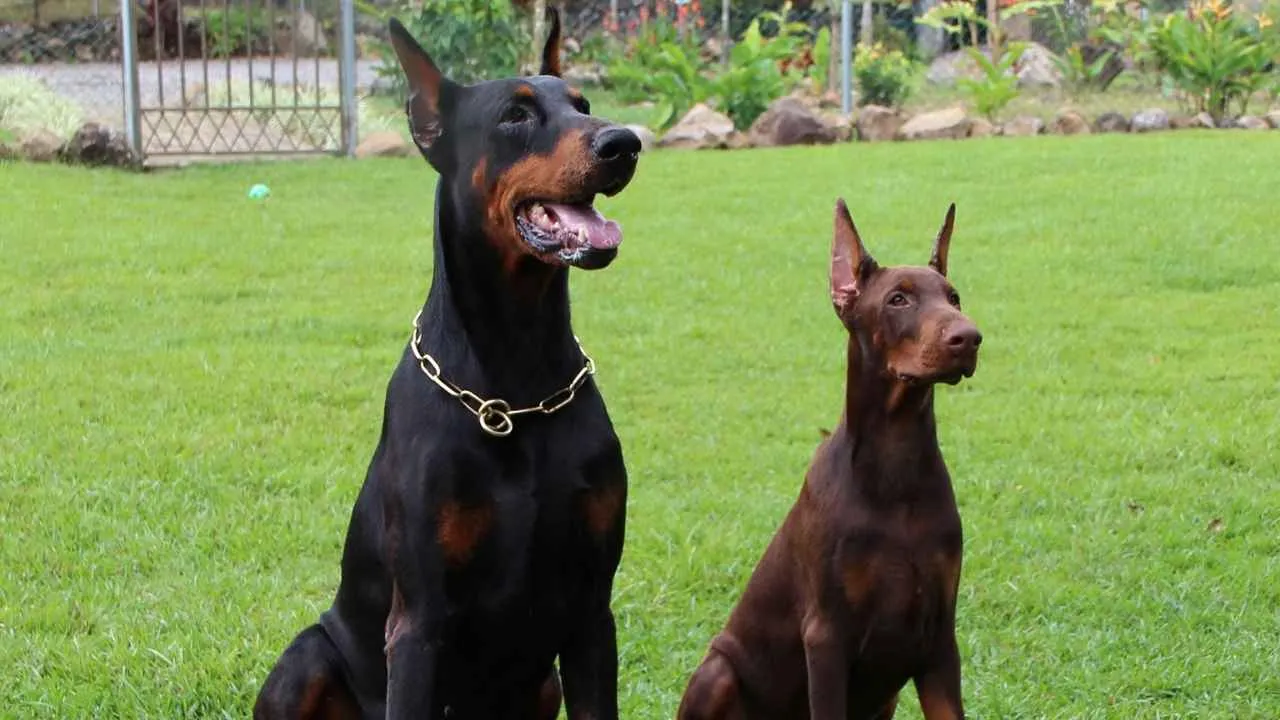
The Doberman Pinscher was developed in Germany by Karl Friedrich Louis Dobermann, a tax collector who wanted a capable personal protection dog to accompany him during his work, as per Britannica.
Breeding combined several working and companion-dog influences, eventually producing a sleek, athletic breed known for its alertness and close connection with its handler.
Reward Clear, Precise Responses
Dobermans are intelligent and often learn commands quickly when lessons are consistent. Their training should extend beyond basic obedience to include settling quietly, responding immediately to their owner’s cues, and remaining composed around ordinary household activity.
Mental challenges can keep their sharp minds productively occupied.
Highly Attentive Guardian
Their combination of sensitivity, speed, and awareness makes them particularly responsive to changes in their surroundings.
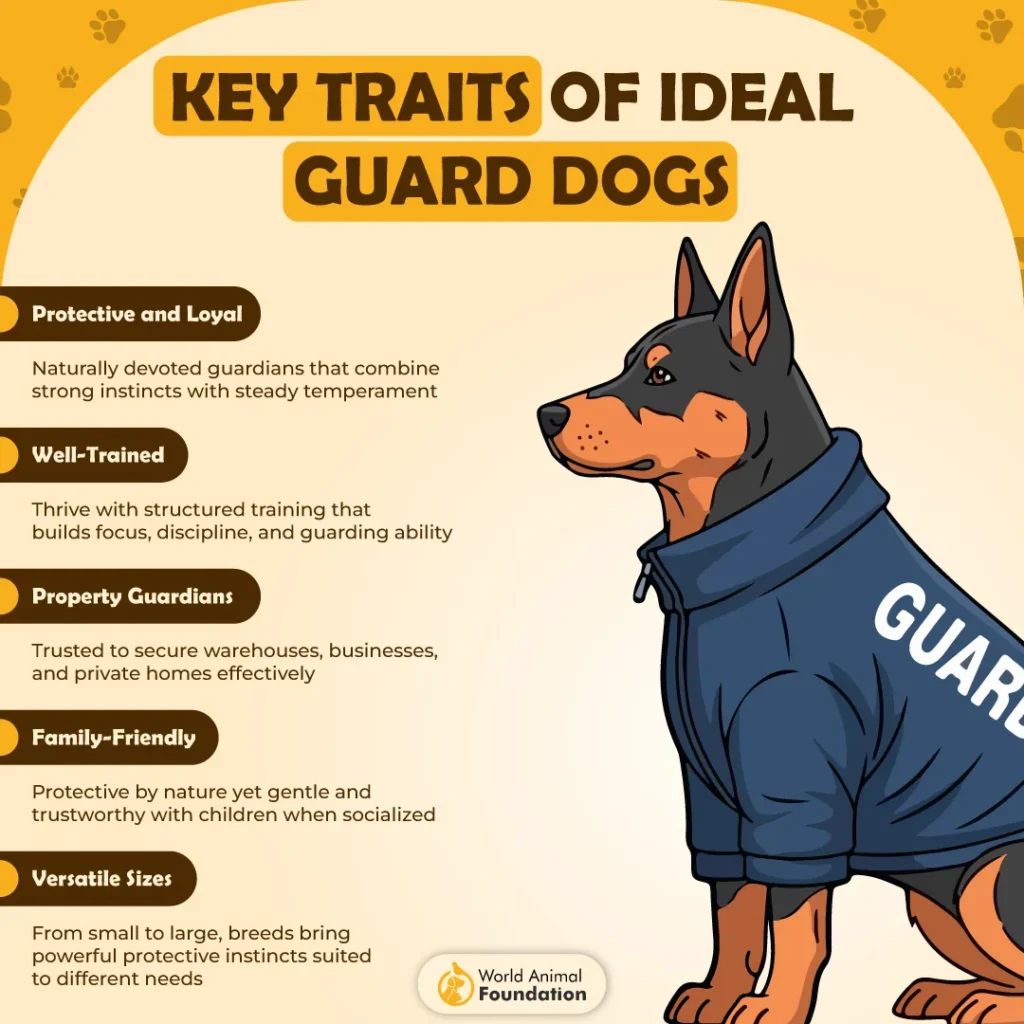
A Doberman may investigate unusual sounds or movement rather than ignoring them. Its strong attachment to its family can also encourage a close partnership with an owner who provides dependable leadership.
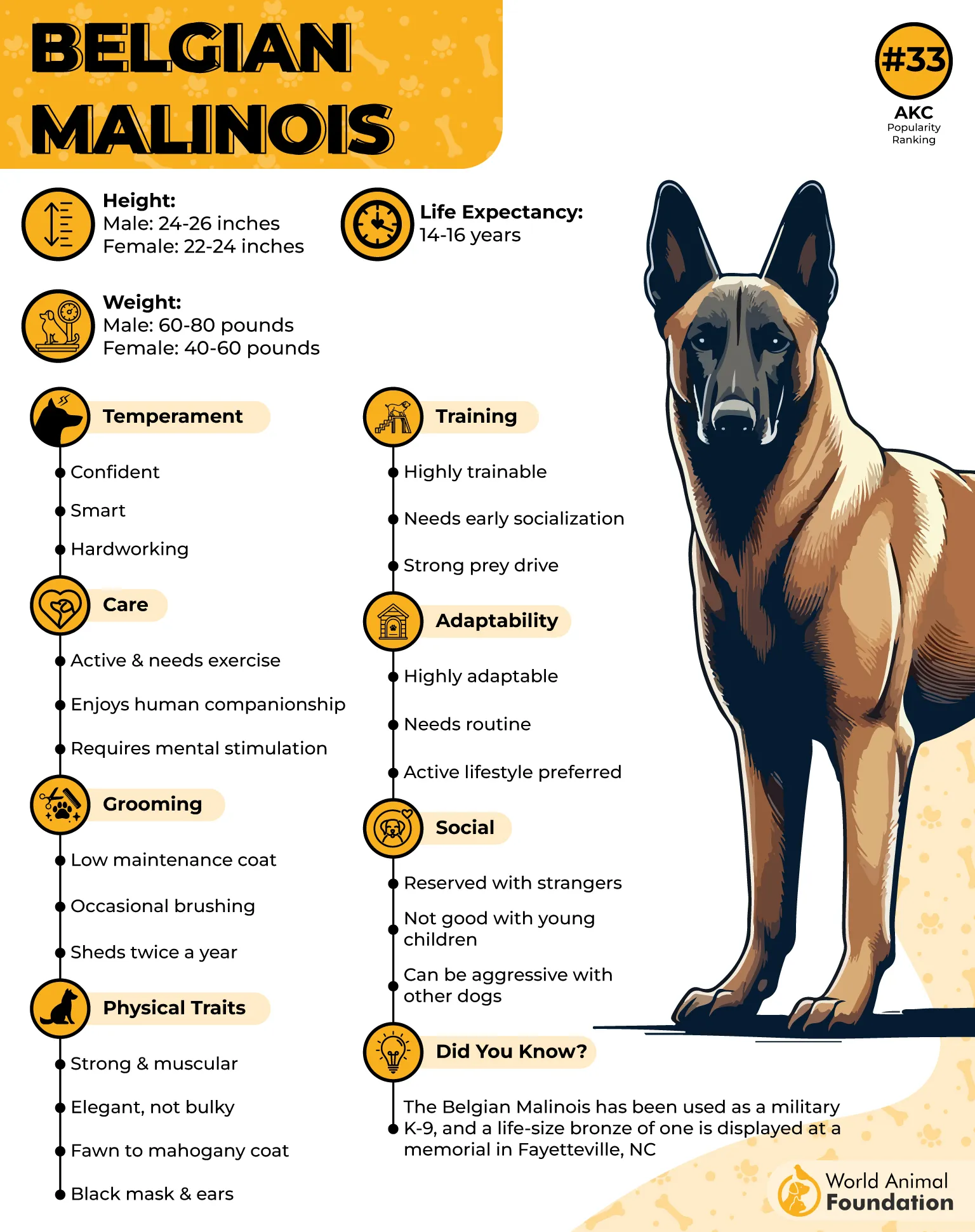
4. Belgian Malinois
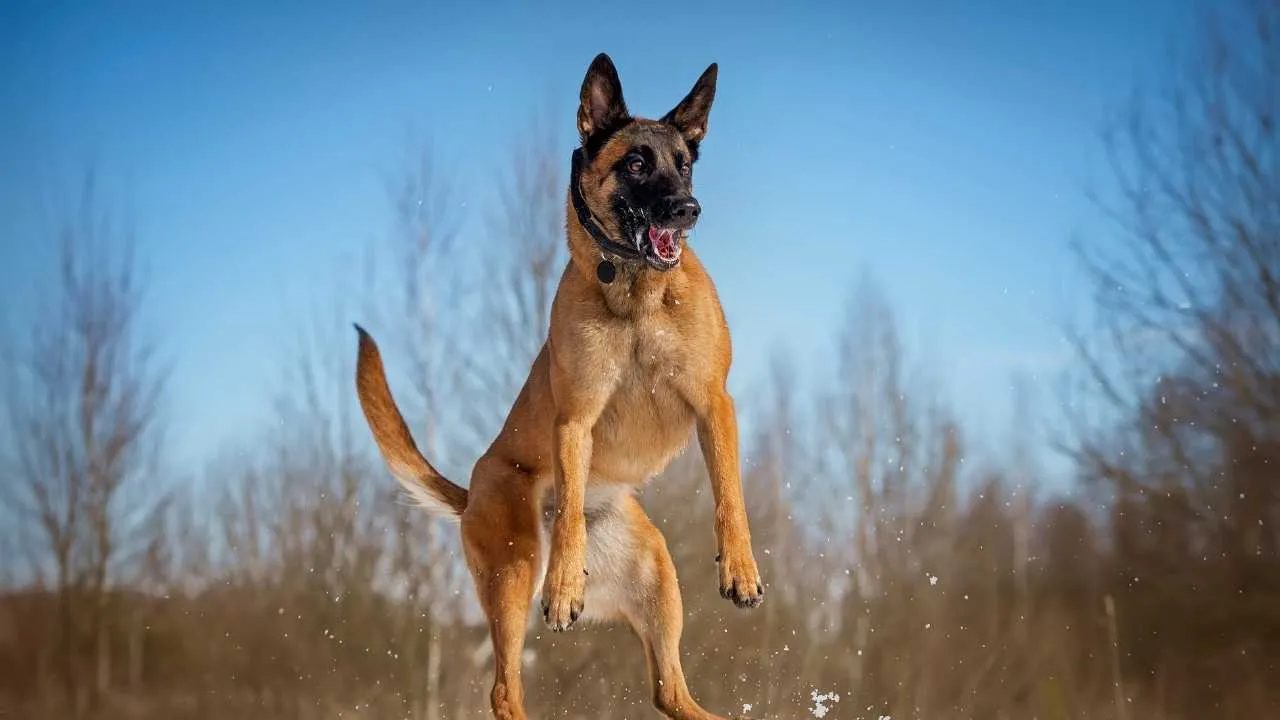
The Belgian Malinois originated in Belgium as one of four Belgian Shepherd varieties, as per Orvis.
Farmers and shepherds valued these dogs for their ability to manage livestock and perform demanding work, while later generations became prominent in police, military, detection, and protection roles because of their remarkable working ability.
Structured Work Keeps Them Focused
Belgian Malinois generally require much more than casual obedience practice. They thrive when training involves purposeful tasks, controlled problem-solving, and regular physical activity.
Owners need to provide appropriate outlets rather than expecting the dog to remain satisfied simply by having access to a yard.
Intensely Alert at Night
Few breeds combine responsiveness and working drive quite like the Belgian Malinois. Their strong awareness can make them quick to notice unfamiliar activity, but that same sensitivity requires careful management.
Without sufficient training and socialization, their intensity can become difficult for inexperienced owners to handle.
5. Bullmastiff
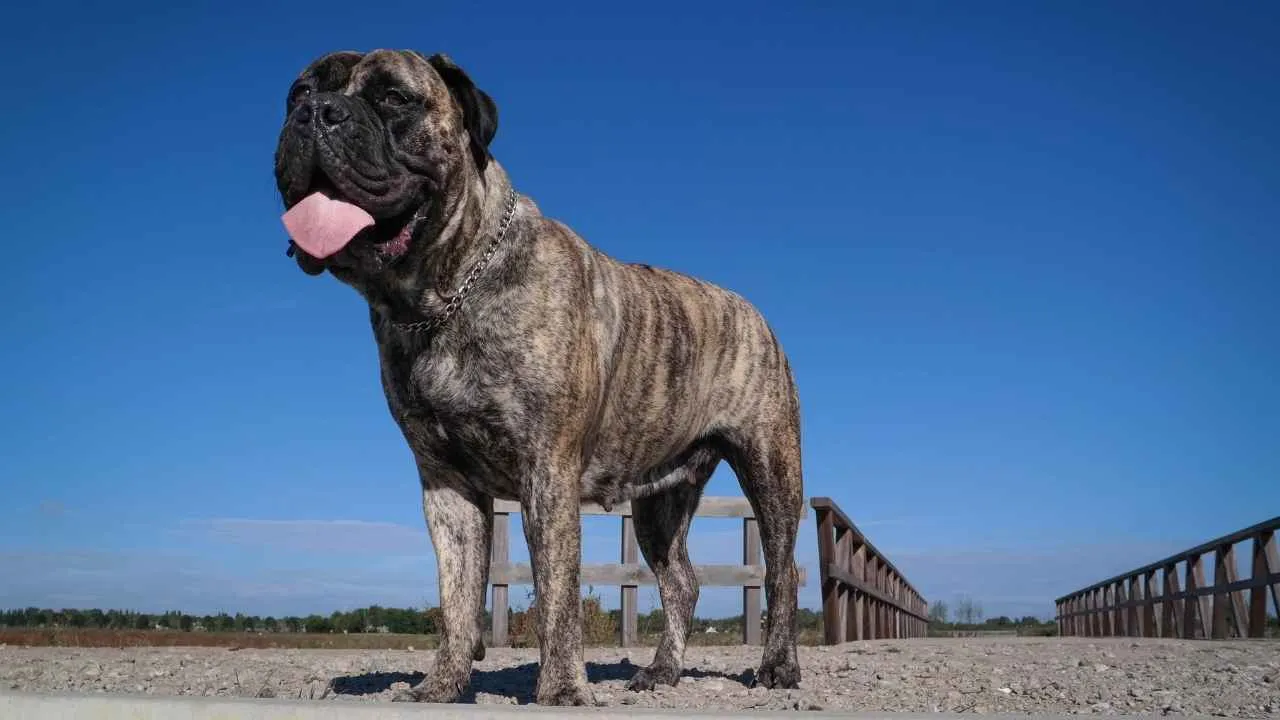
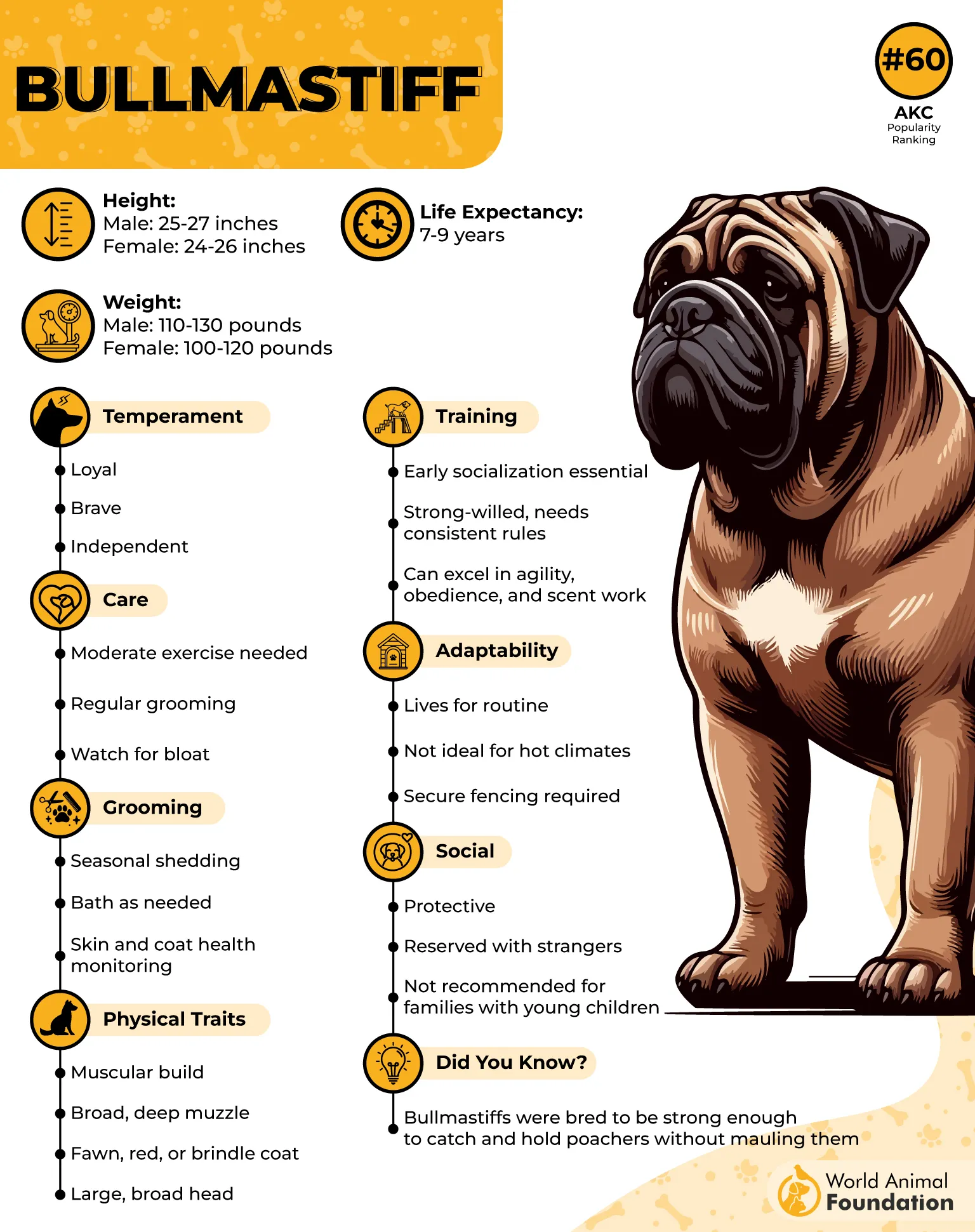
The Bullmastiff was developed in Britain during the nineteenth century to assist gamekeepers in protecting estates from poachers, as per WebMD.
Breeders combined Mastiff and Bulldog ancestry to produce a substantial dog capable of tracking intruders quietly and restraining them without relying primarily on barking.
Build Calm Obedience
Bullmastiffs respond best to patient instruction and clear expectations established from an early age. Their large size means that good manners should be developed before adulthood, particularly around visitors and household members.
Training should focus on cooperation rather than physical confrontation.
Quietly Watchful
The breed’s guarding heritage gives it a naturally observant quality, while its generally composed temperament can make it less restless than some high-drive working breeds.
A Bullmastiff may remain close to its family and monitor unfamiliar activity without constantly seeking stimulation.
6. Akita
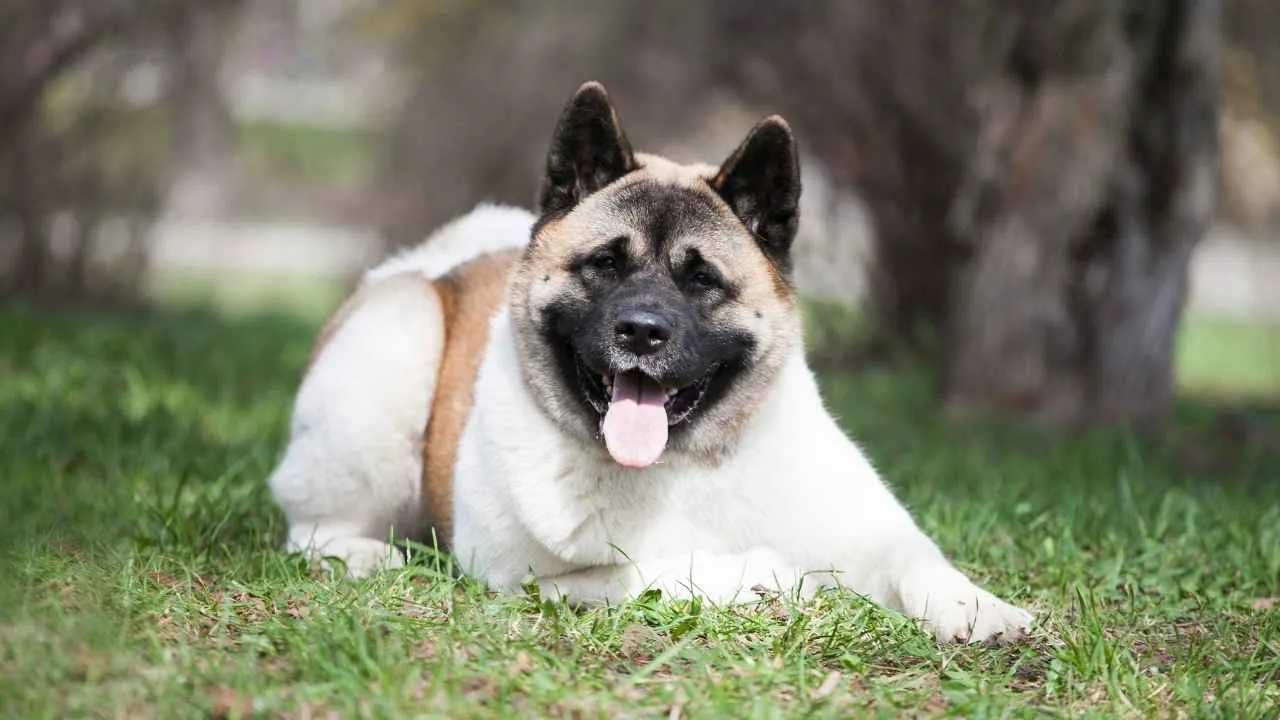
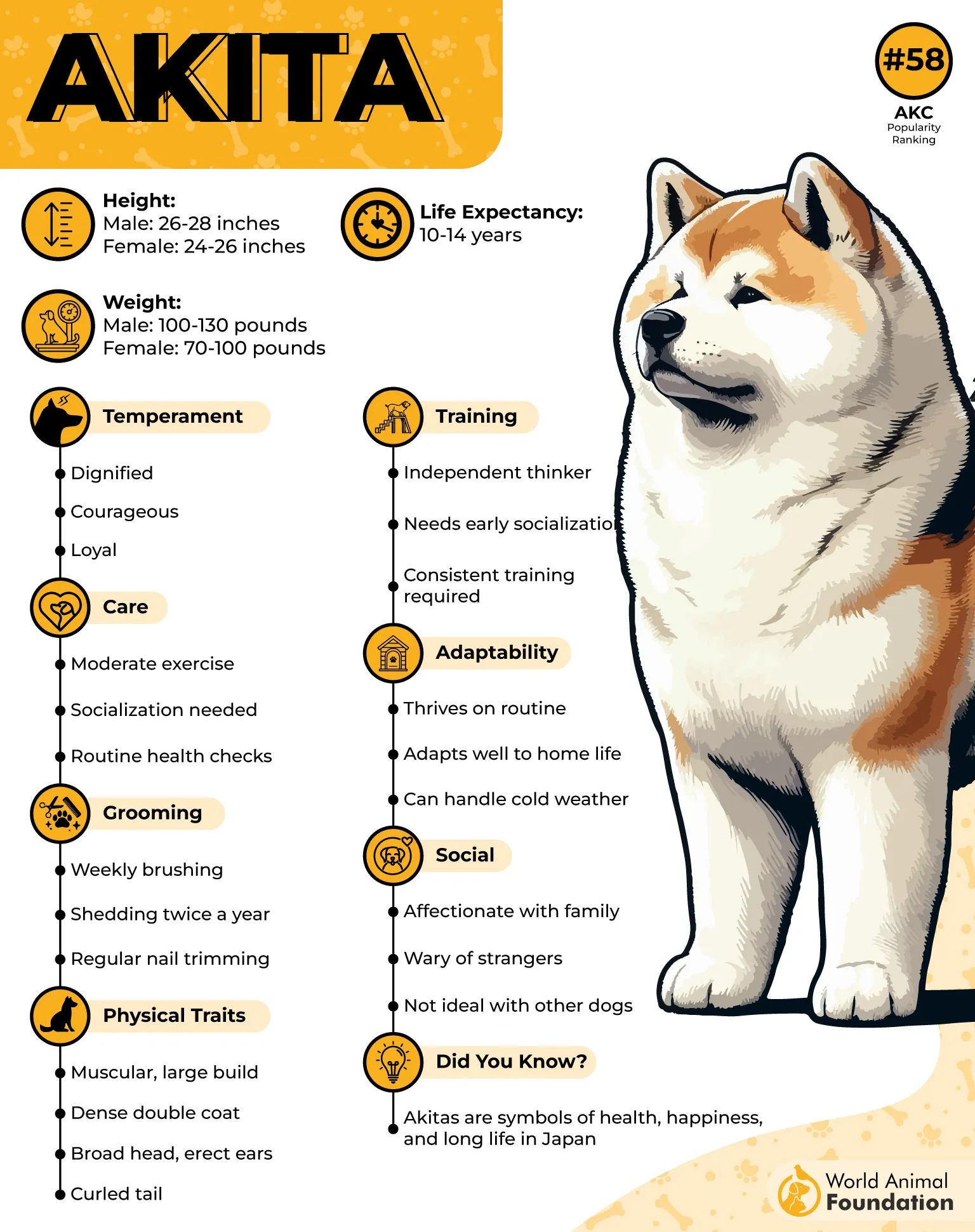
The Akita originated in Japan, particularly in the mountainous northern region of Honshu. Earlier Akitas were used for hunting large game and developed into self-assured, powerful dogs.
The breed later became an important cultural symbol in Japan while continuing to retain its independent working character.
Establish Respectful Control
Akitas can be intelligent but independent, making patient training especially important. Owners should introduce household rules early and maintain them consistently rather than relying on repeated corrections.
Thorough socialization is also essential because the breed can be reserved around unfamiliar individuals and animals.
Strong Territorial Awareness
An Akita may take its surroundings seriously and can be naturally watchful around its home. Its quiet confidence can be particularly noticeable during nighttime hours when unfamiliar sounds become more apparent.
This is a breed for an experienced owner who understands its independent nature rather than expecting automatic obedience.
7. Cane Corso
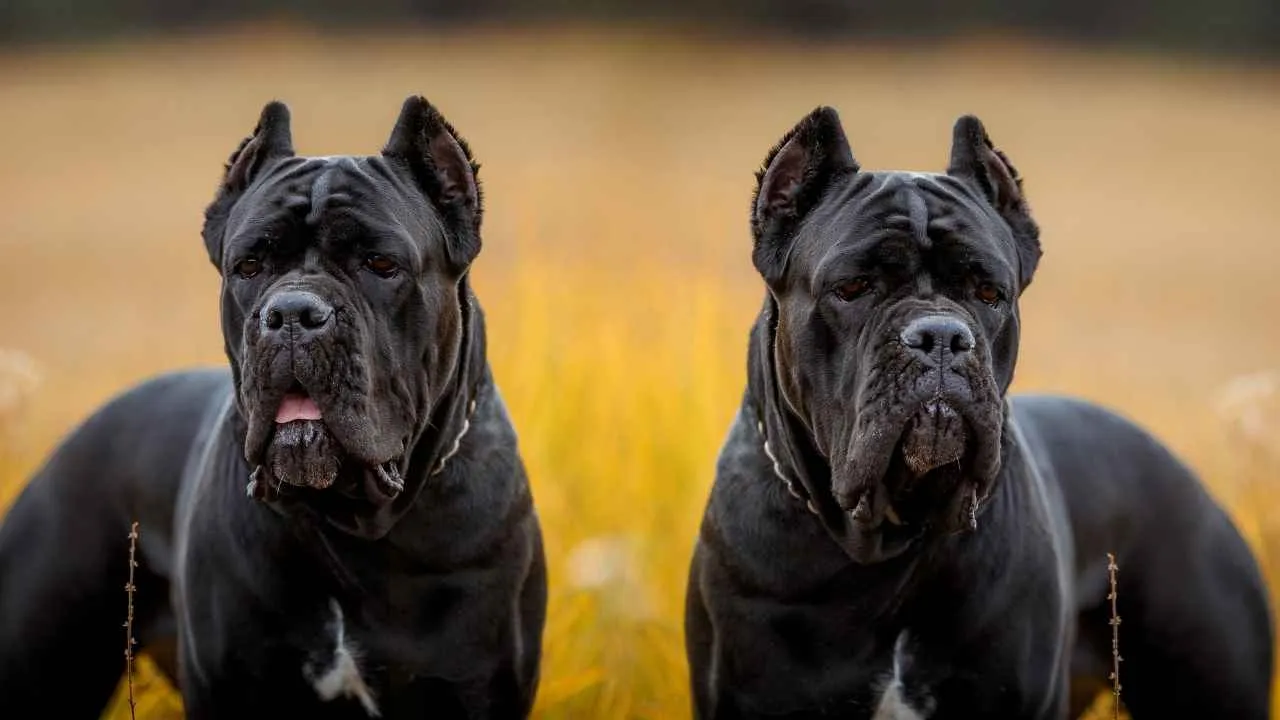
The Cane Corso is an Italian mastiff breed with ancient roots in working dogs associated with rural properties.
Historically, these powerful dogs served in roles that included guarding homes and livestock, hunting, and assisting with demanding farm tasks. Their name and ancestry are connected to the broader tradition of Italian working mastiffs.
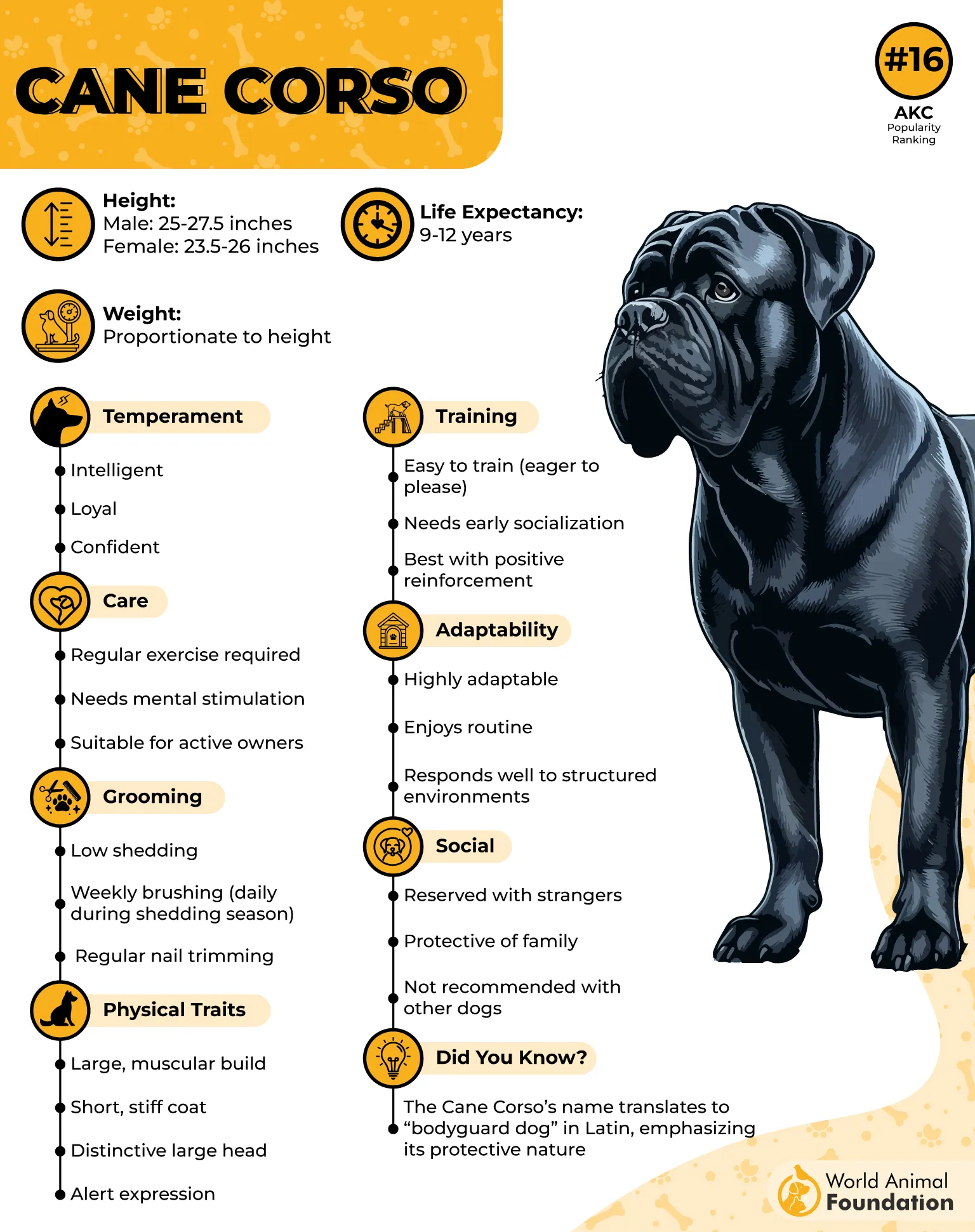
Combine Obedience With Socialization
Cane Corsos benefit from early training that teaches them how to behave appropriately around visitors, other animals, and changing environments.
Because of their substantial physical power, reliable control is not optional. Owners should prioritize calm responses and clear communication from puppyhood.
Imposing Home Guardian
Their muscular build and naturally serious demeanor can provide a strong visual deterrent. Cane Corsos may remain highly attentive to activity around their territory and often develop strong bonds with their families.
Their guarding instincts are best managed through thoughtful ownership rather than encouraging unnecessary suspicion.
8. Giant Schnauzer
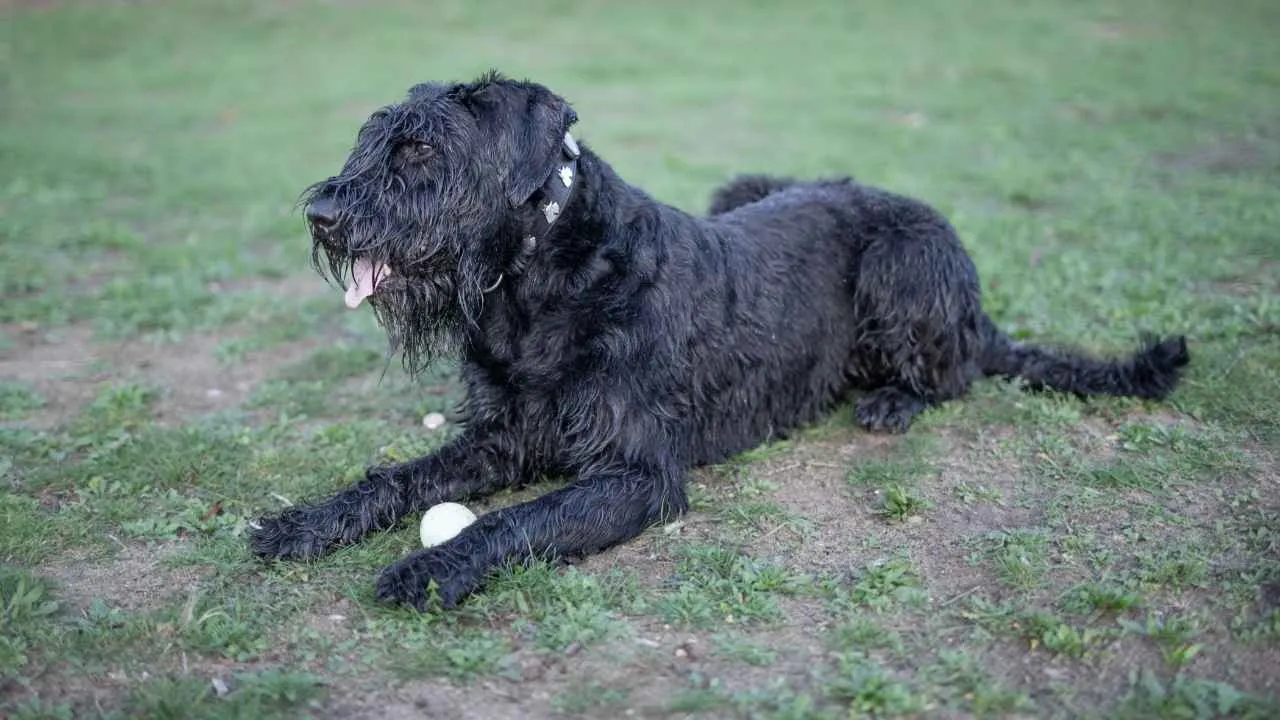
The Giant Schnauzer was developed in Germany as a robust working dog used for driving cattle and later for guarding and other forms of utility work.
Its larger size distinguished it from the Standard and Miniature Schnauzers, while its intelligence and versatility helped it transition into demanding working roles.
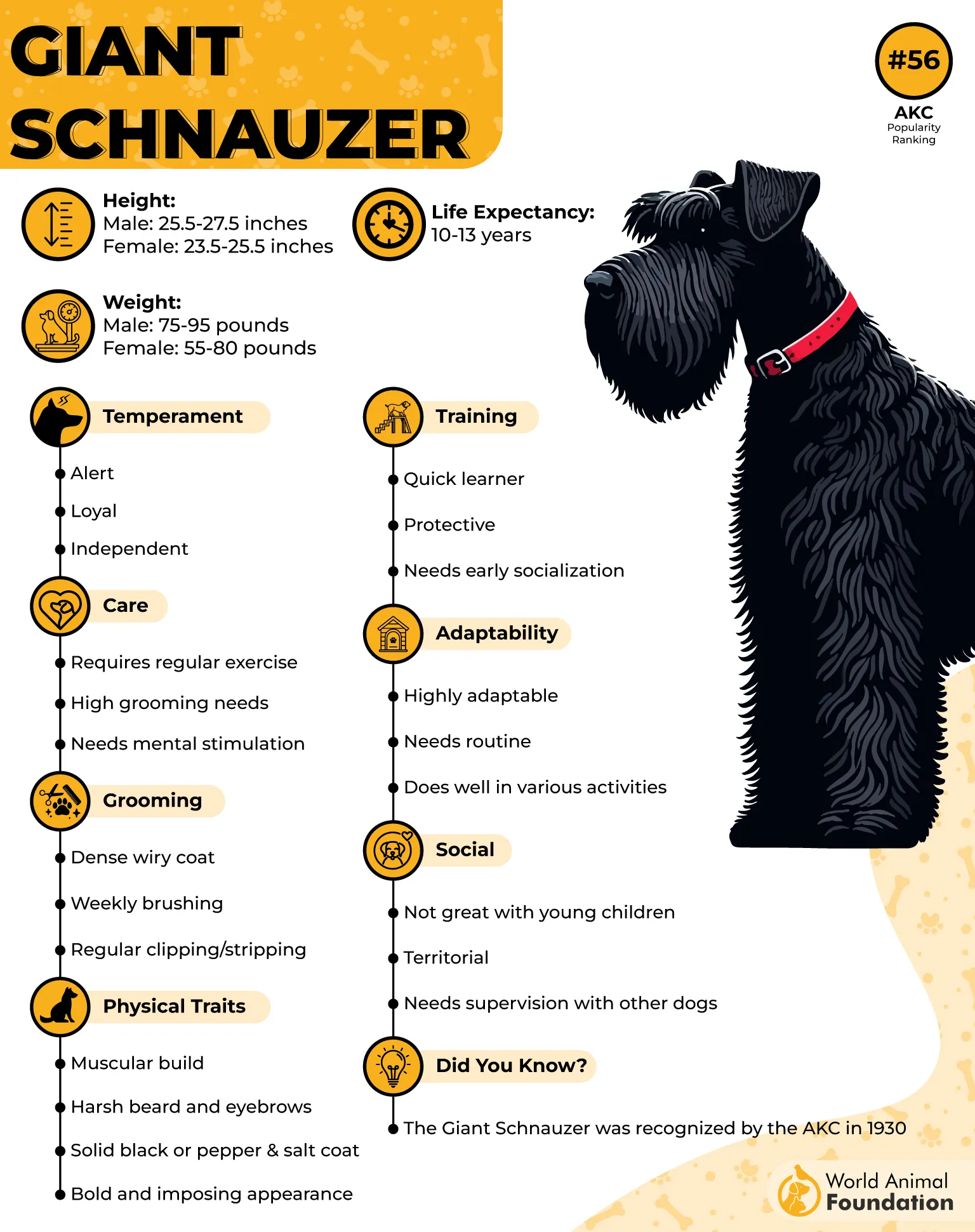
Keep Training Mentally Engaging
Giant Schnauzers tend to learn quickly and appreciate having meaningful tasks. Obedience, scent games, structured exercise, and controlled problem-solving can provide useful mental outlets.
Training should remain consistent because an intelligent dog with little direction may create its own activities.
Vigilant and Territorial
Their working background contributes to an alert disposition and willingness to investigate unfamiliar circumstances. Giant Schnauzers can be particularly attentive to changes around their property and family.
Socialization helps them learn that ordinary nighttime sounds and legitimate visitors do not automatically require defensive responses.
9. Black Russian Terrier
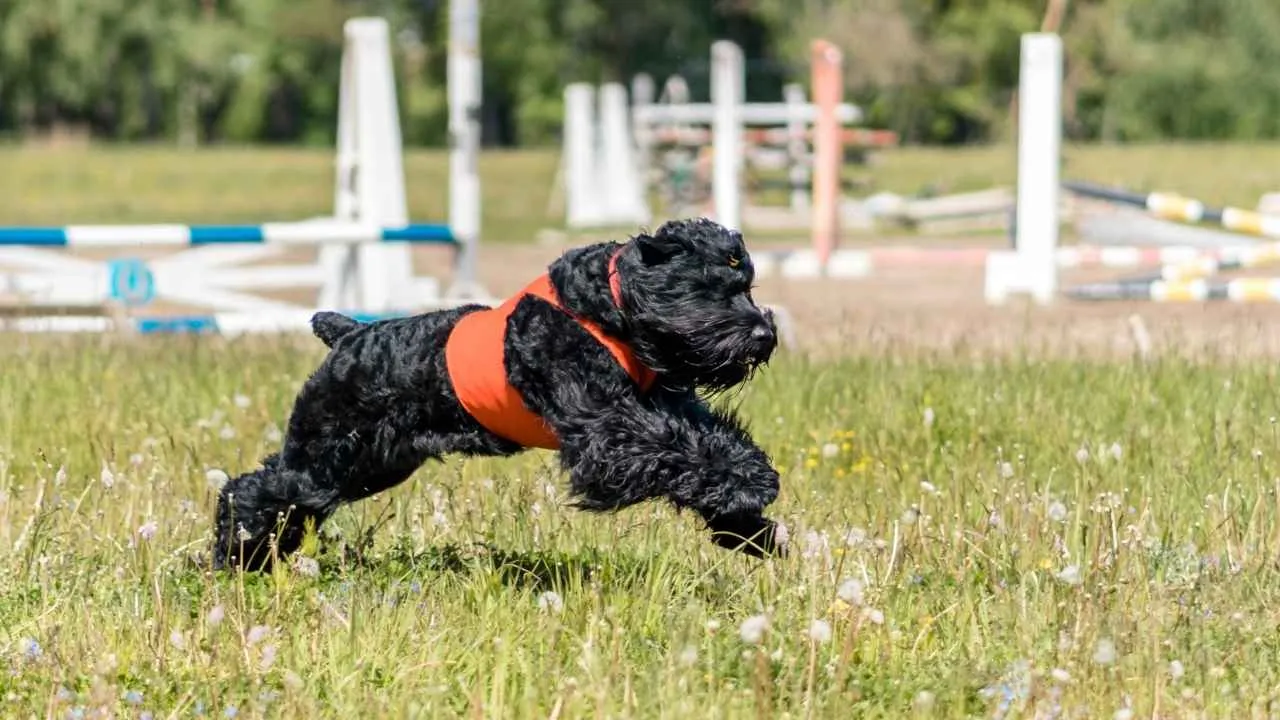
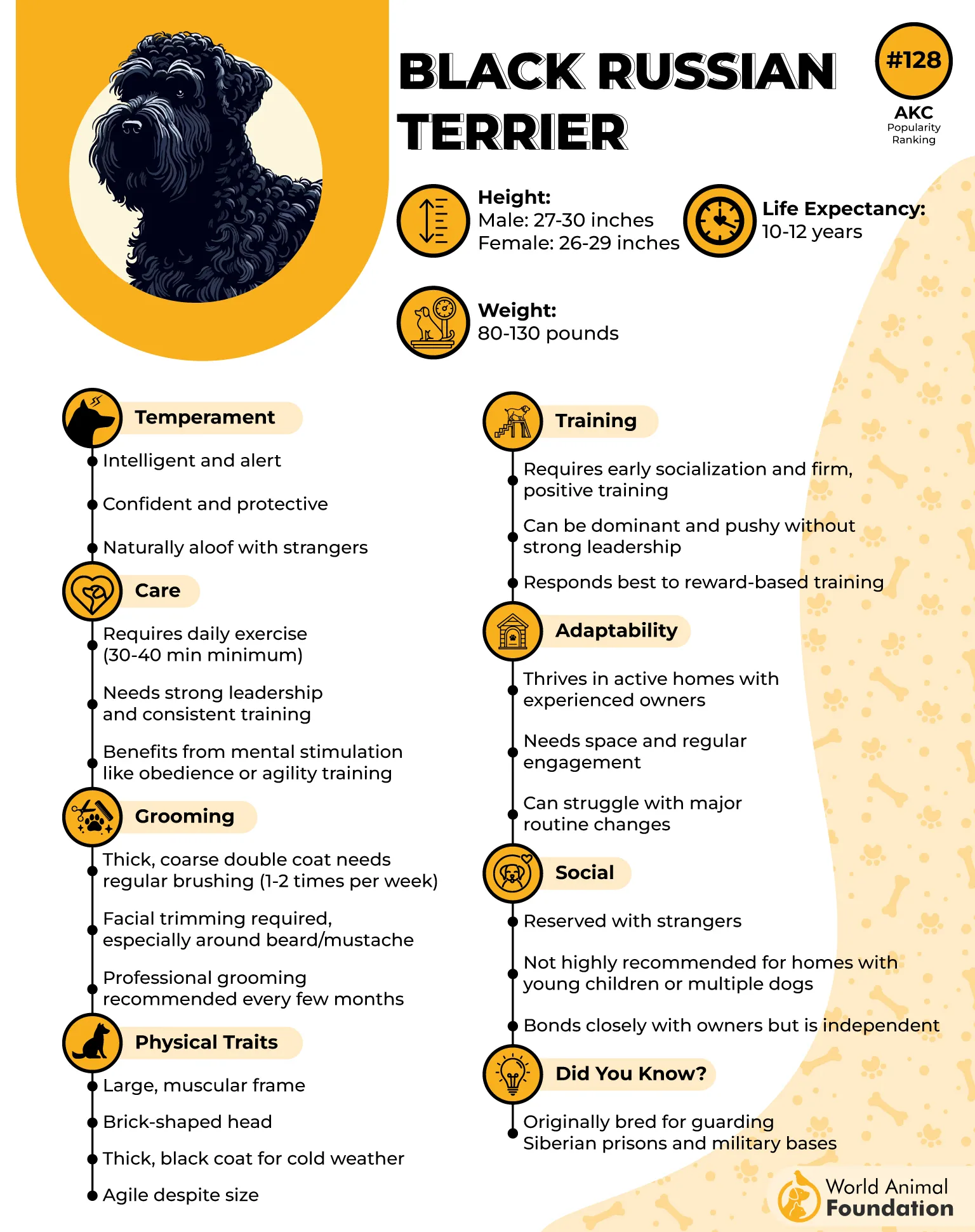
The Black Russian Terrier was developed in the Soviet Union during the twentieth century as a versatile service and working dog.
Breeders combined several breeds to create a large, resilient animal capable of functioning in challenging conditions and performing duties requiring strength, endurance, and reliability.
Develop Confidence Through Training
Black Russian Terriers can be powerful and independent, so early education should establish dependable communication with their handlers.
Training works best when expectations are predictable, and lessons build gradually. Exposure to different people, environments, and situations can also encourage stable adult behavior.
Naturally Protective Disposition
The breed was deliberately shaped for working and protective duties, giving it a serious approach to unfamiliar situations.
It may remain attentive to activity around its home and family, particularly when something seems unusual. Its substantial size and deep, imposing presence can reinforce its natural deterrent effect.
10. Anatolian Shepherd
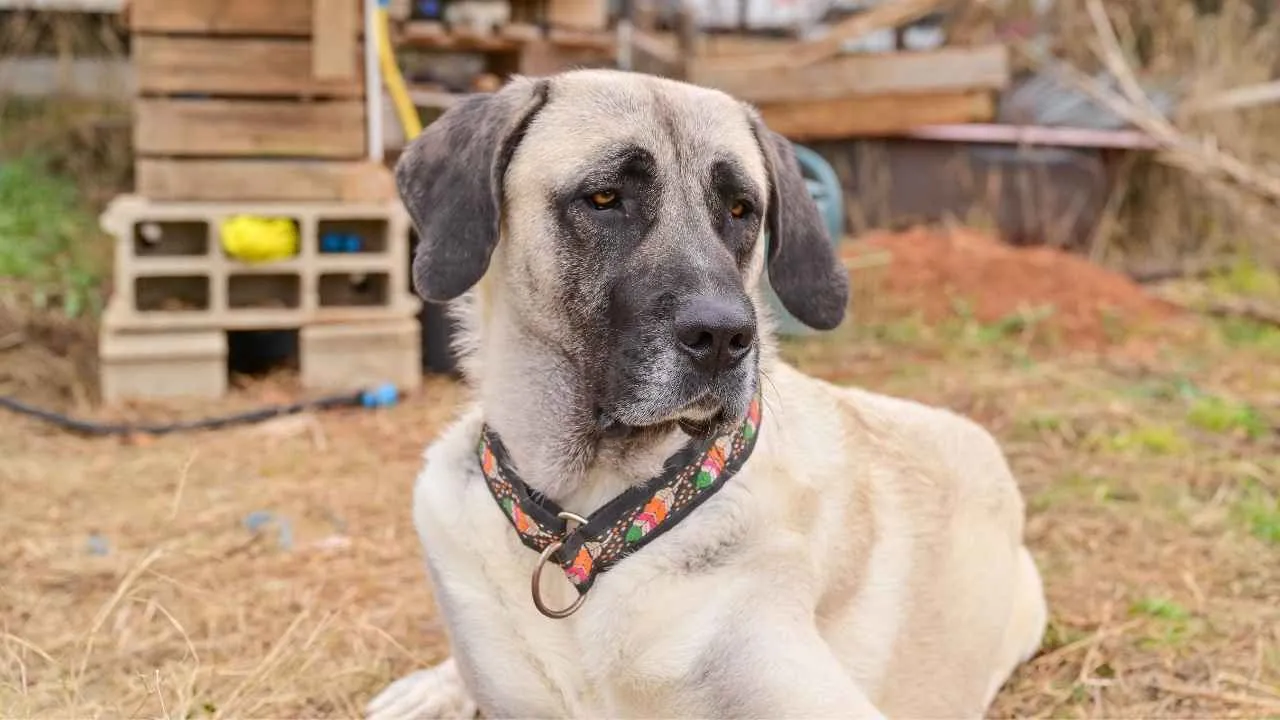
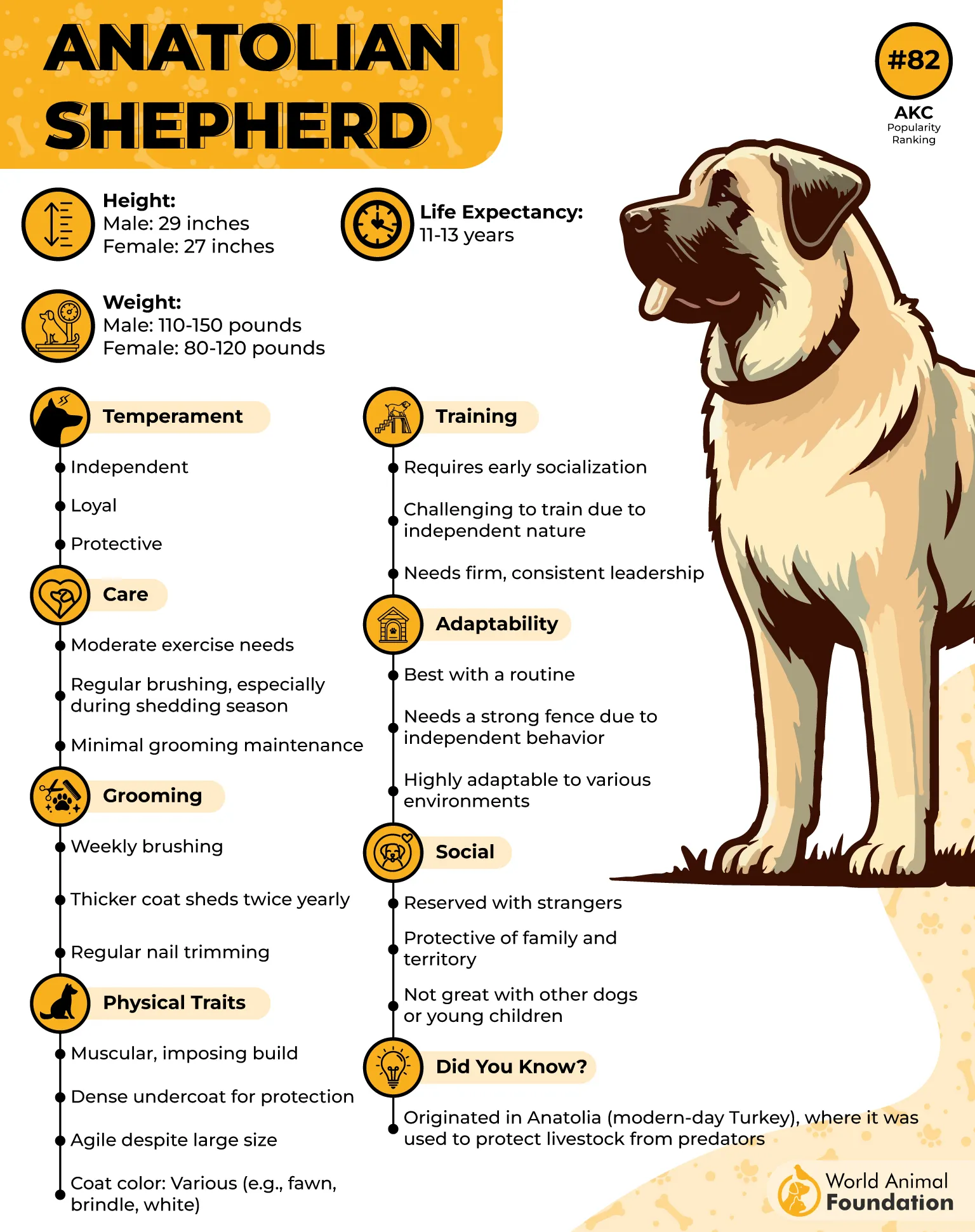
The Anatolian Shepherd descends from ancient livestock guardian dogs of Turkey, where generations of working animals protected flocks against predators across expansive rural landscapes.
Rather than taking constant commands from a handler, these dogs were expected to assess threats independently and make decisions while remaining with vulnerable livestock.
Train for Reliable Cooperation
Anatolian Shepherds differ from highly handler-focused working breeds because independence is deeply embedded in their history. Training should therefore concentrate on boundaries, recall, socialization, and practical household behavior.
Owners should use patience and consistency rather than expecting the dog to respond like a traditional obedience specialist.
Independent Night Watcher
Their livestock-guardian heritage gives them strong environmental awareness and a tendency to monitor their surroundings without needing continuous direction.
An Anatolian Shepherd may investigate unusual nighttime sounds and remain vigilant over its territory. This independence makes experienced ownership especially important, particularly in residential settings.
Conclusion
The German Shepherd, Rottweiler, Doberman Pinscher, and Belgian Malinois combine alertness with strong working relationships with their handlers. Bullmastiffs and Cane Corsos bring substantial physical presence, while Akitas and Anatolian Shepherds are more independent guardians shaped by traditions that required them to assess situations on their own.
Giant Schnauzers and Black Russian Terriers offer another blend of intelligence, vigilance, and physical capability. Each breed can have valuable protective qualities, but none should be encouraged to become unnecessarily aggressive. A reliable guardian can recognize unusual situations while remaining responsive to its owner’s direction.
The ideal choice depends on experience, living arrangements, training ability, exercise capacity, and the dog’s individual temperament. Responsible socialization and obedience should remain central to ownership, with professional guidance worthwhile whenever a powerful protective breed becomes difficult to manage.
