




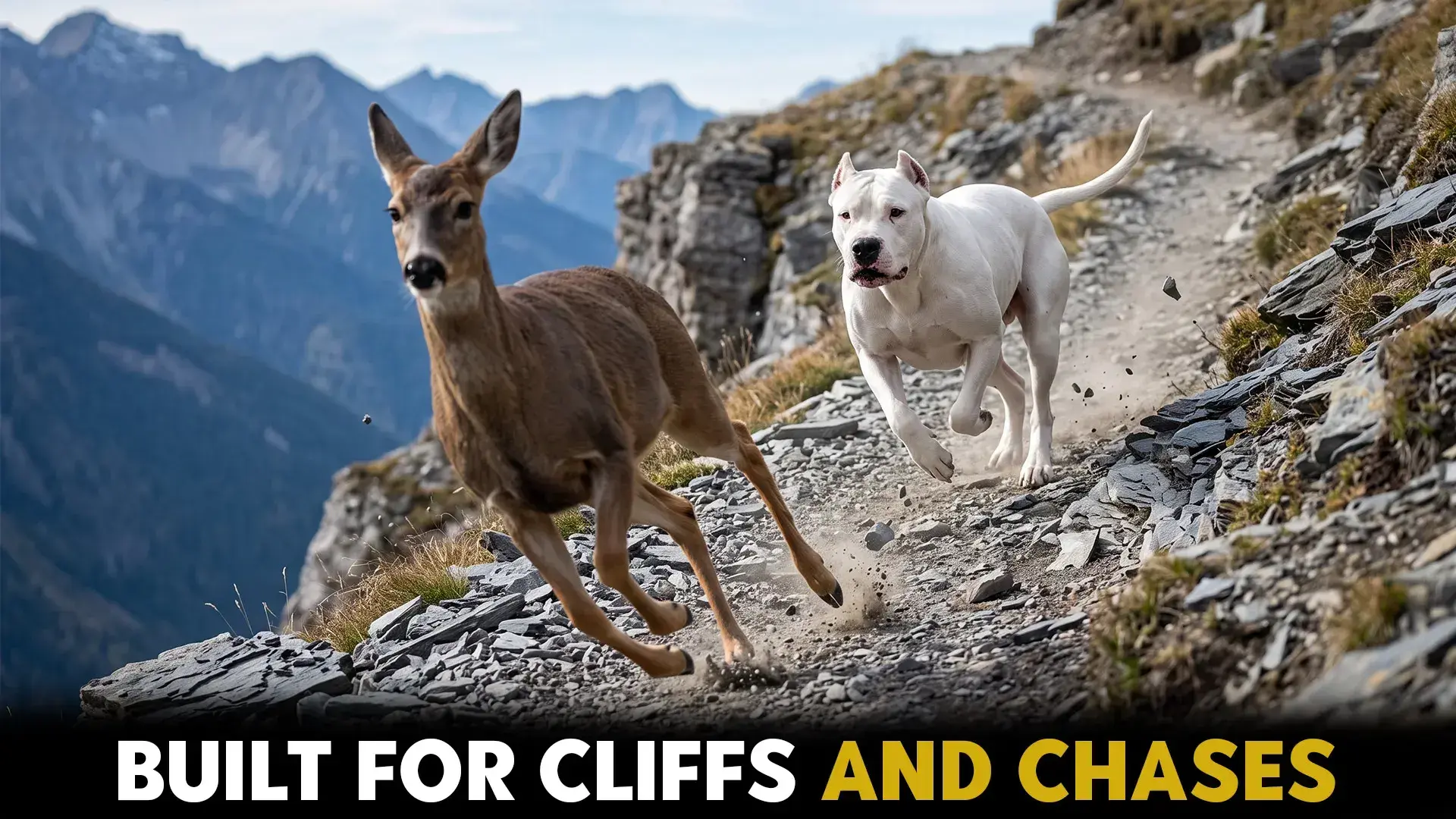
Some hunts are a walk in the woods. Chasing deer across steep, unforgiving terrain is definitely not one of them. Rocky slopes, thick cover, sudden turns, and disappearing scent trails can turn the pursuit into a serious test of speed, stamina, focus, and instinct.
That is where the right hunting dog can make things very interesting. These athletic workers are built to stay alert, cover challenging ground, follow game, and keep going when the landscape seems determined to slow everyone down.
If your idea of an impressive hunting dog involves fast paws, sharp instincts, and serious trail determination, the breeds ahead deserve your attention.
Did you know?
Some hunting dogs can become so driven by a fleeing deer that they keep chasing across long distances, especially breeds naturally wired for pursuit. In deer country, that speed and determination can turn a chase into a serious test of control.
Dog Breeds Known for Their Speed in Pursuing Deer on Steep Cliffs
1. Weimaraner
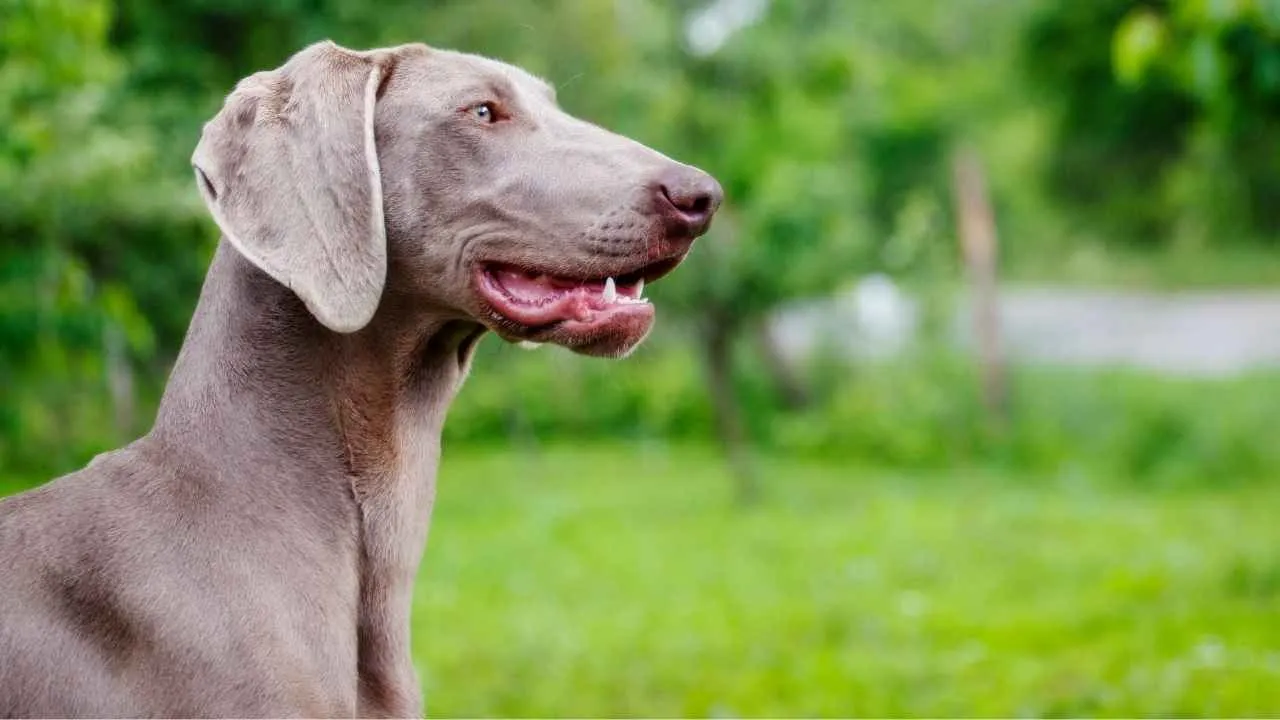
Some dogs look fast standing still, and the Weimaraner practically does. This sleek German sporting dog carries serious running ability. Its athletic frame gives it the kind of quick, purposeful movement that suits demanding outdoor pursuit.
Back in Germany, nobles wanted an exceptional sporting dog. They developed the Weimaraner during the 1800s for large game, including bears and wolves. Later, the breed became a versatile pointing and retrieving gun dog with broader field skills.
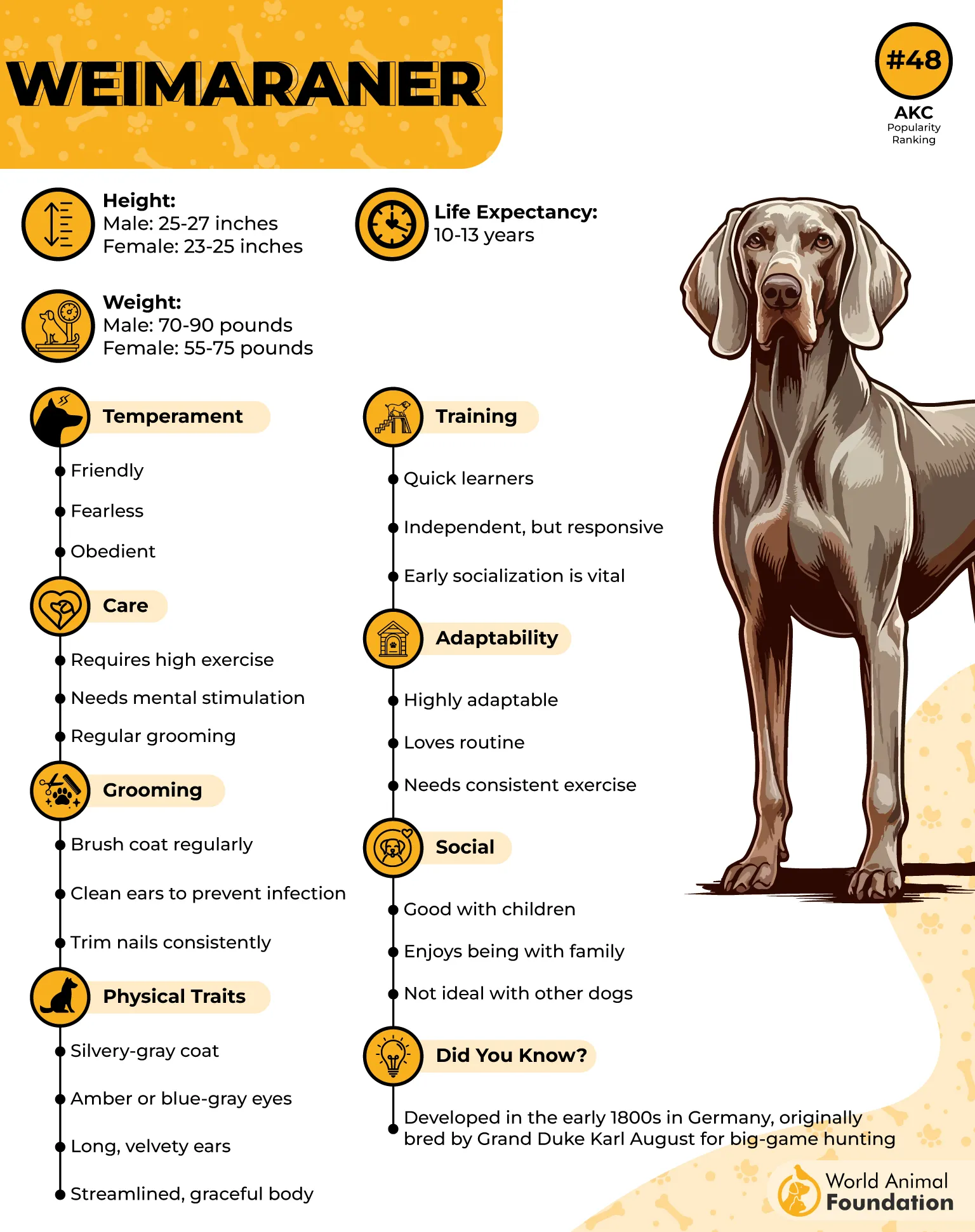
Here is where those famous legs earn their keep. Weimaraners are built for speed and need plenty of hard exercise. Tracking ability plus durability makes challenging, fast-moving terrain feel far more in character than anything resembling a casual stroll.
What Makes This Breed Stand Out
Their intelligence can get wonderfully sneaky, with some figuring out doors, gates, and even faucets.
Weimaraners are versatile hunters, historically used for large game and later adapted to hunt smaller game and birds.
2. Rhodesian Ridgeback
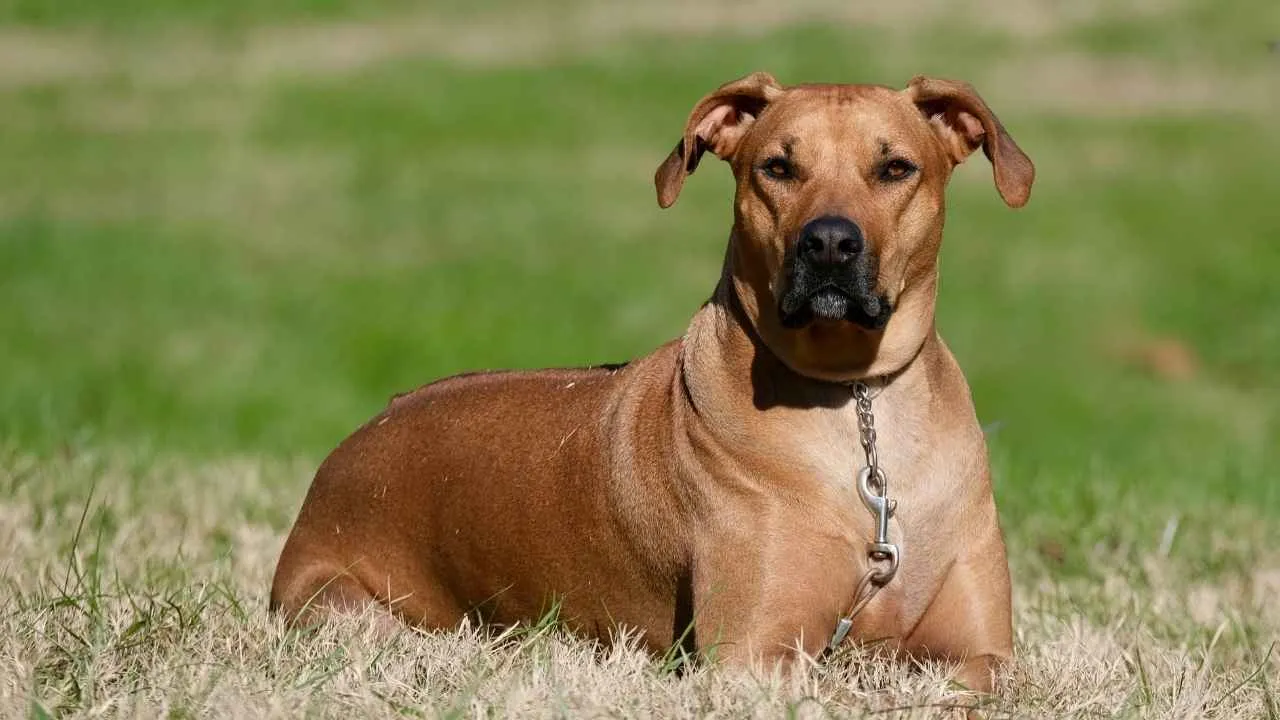
That famous ridge gets the attention first, but the engine underneath is the bigger story. Rhodesian Ridgebacks are muscular, powerful athletes with stamina and endurance. Add a strong prey drive, and serious pursuit fits comfortably within their working identity.
In hunting circles, the Ridgeback earned its reputation the hard way. Southern African dogs tracked lions and held them at bay. They also coursed quick-footed antelope and trotted beside mounted riders for long stretches, creating a formidable hunting résumé.
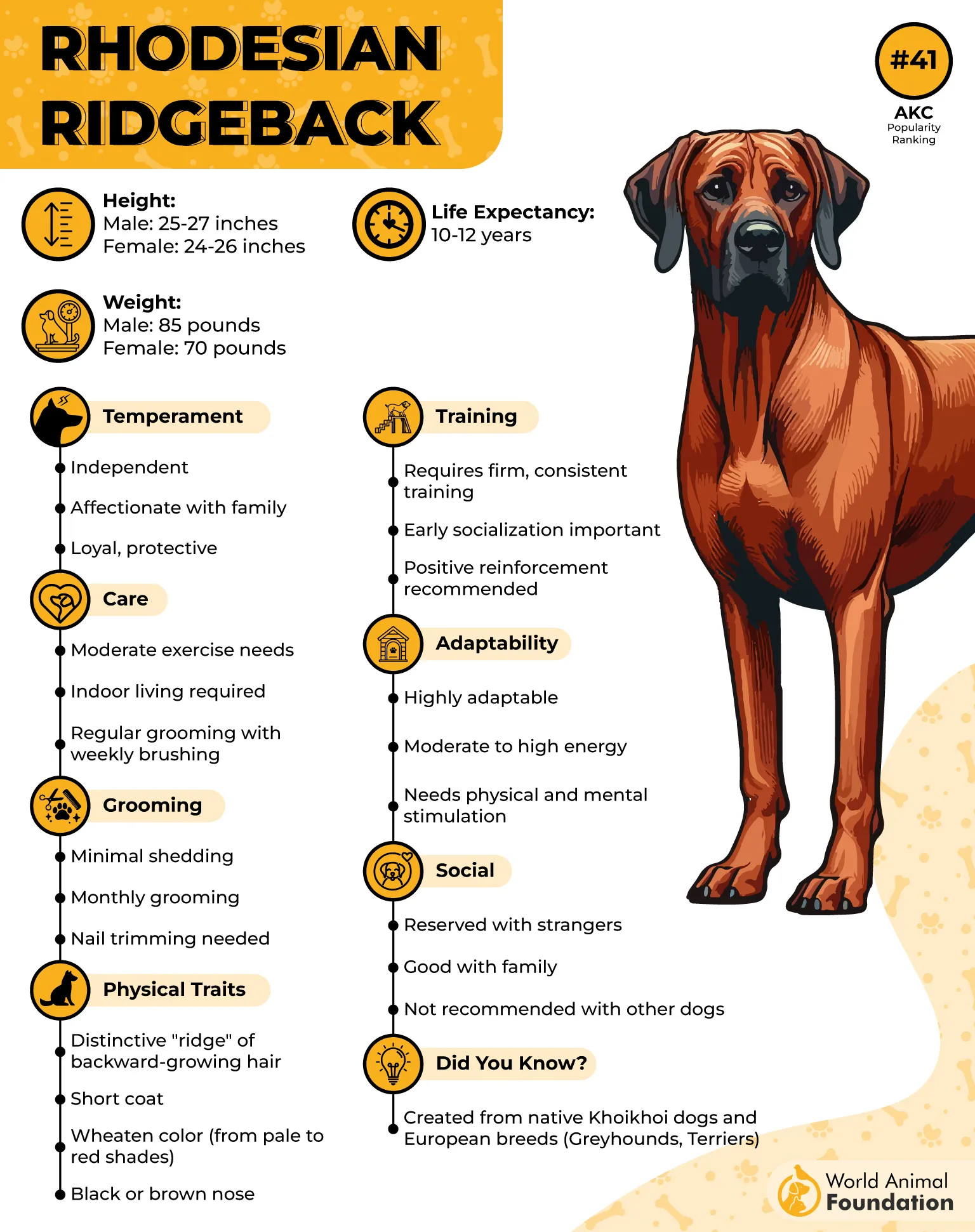
As noted by PetMD, Ridgebacks are intelligent enough to learn hunting and tracking work quickly. They also carry an independent streak. Lifelong obedience work and positive reinforcement dog training help keep that athletic enthusiasm connected to the person giving directions.
What Makes This Breed Stand Out
The backward-growing strip of hair along the spine gives the Ridgeback an unmistakable signature.
A naturally more reserved attitude around unfamiliar people contrasts with the affection shown toward trusted family.
3. Scottish Deerhound
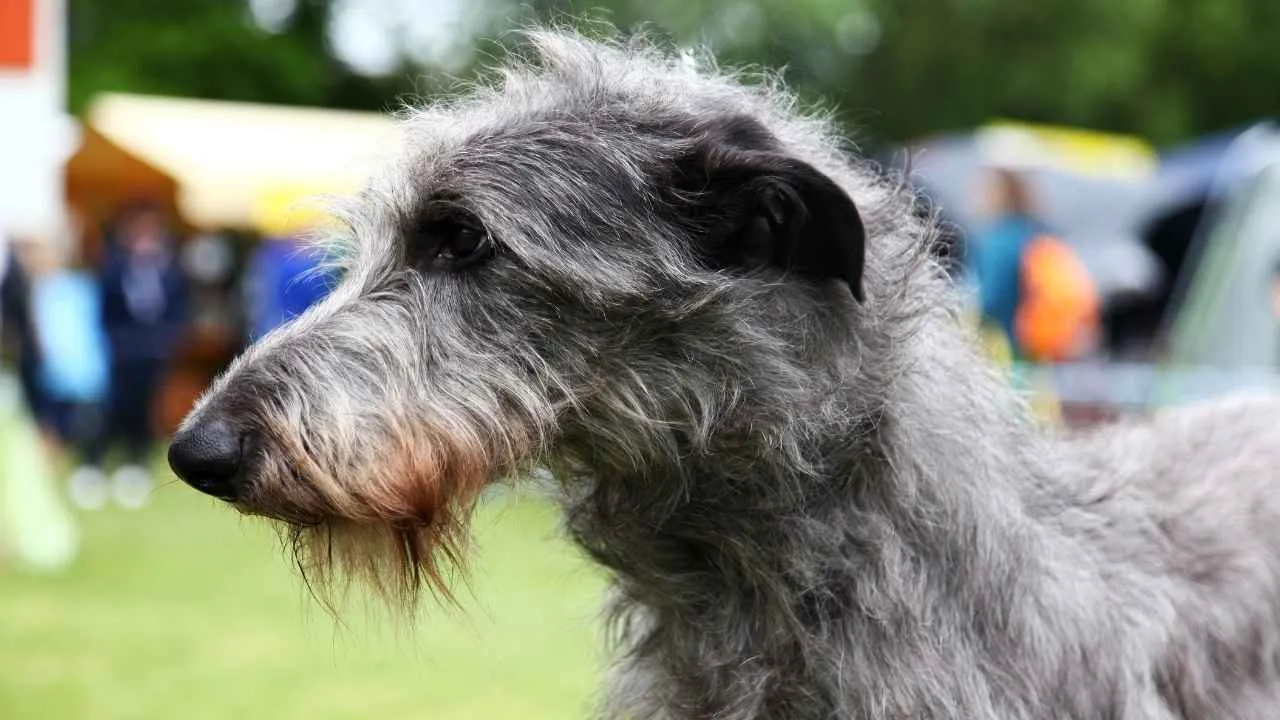
The Scottish Deerhound carries its speed with an unfair amount of elegance. This coursing hound has a long, effortless stride. Its athletic frame was designed for speed and endurance, which explains why demanding open ground suits its historic working style.
Centuries ago, Highland chieftains bred these dogs to pursue red deer across harsh Scottish terrain. Their speed, stamina, and courage mattered enormously before firearms changed hunting. Working in pairs, Deerhounds could chase and bring down formidable quarry in open country.
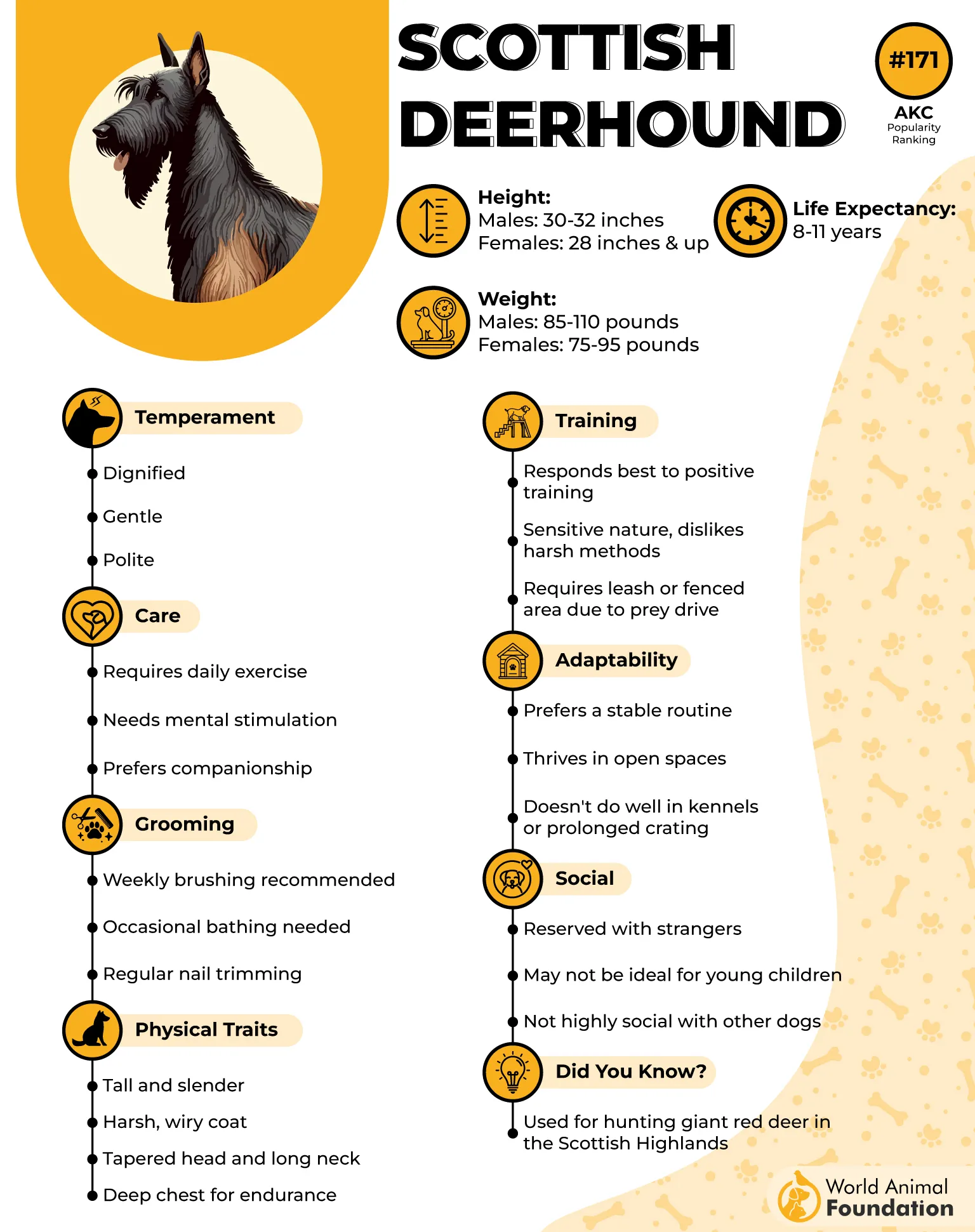
Scottish Deerhounds need plenty of exercise to stay satisfied, especially opportunities to run in secure spaces. Their long stride, speed, and endurance suit active routines, while regular movement helps channel the athletic drive built into this coursing hound.
What Makes This Breed Stand Out
They are famously quiet dogs, so excessive barking is unusual.
Their independent thinking gives the Deerhound a distinctly self-directed working character.
4. German Shorthaired Pointer
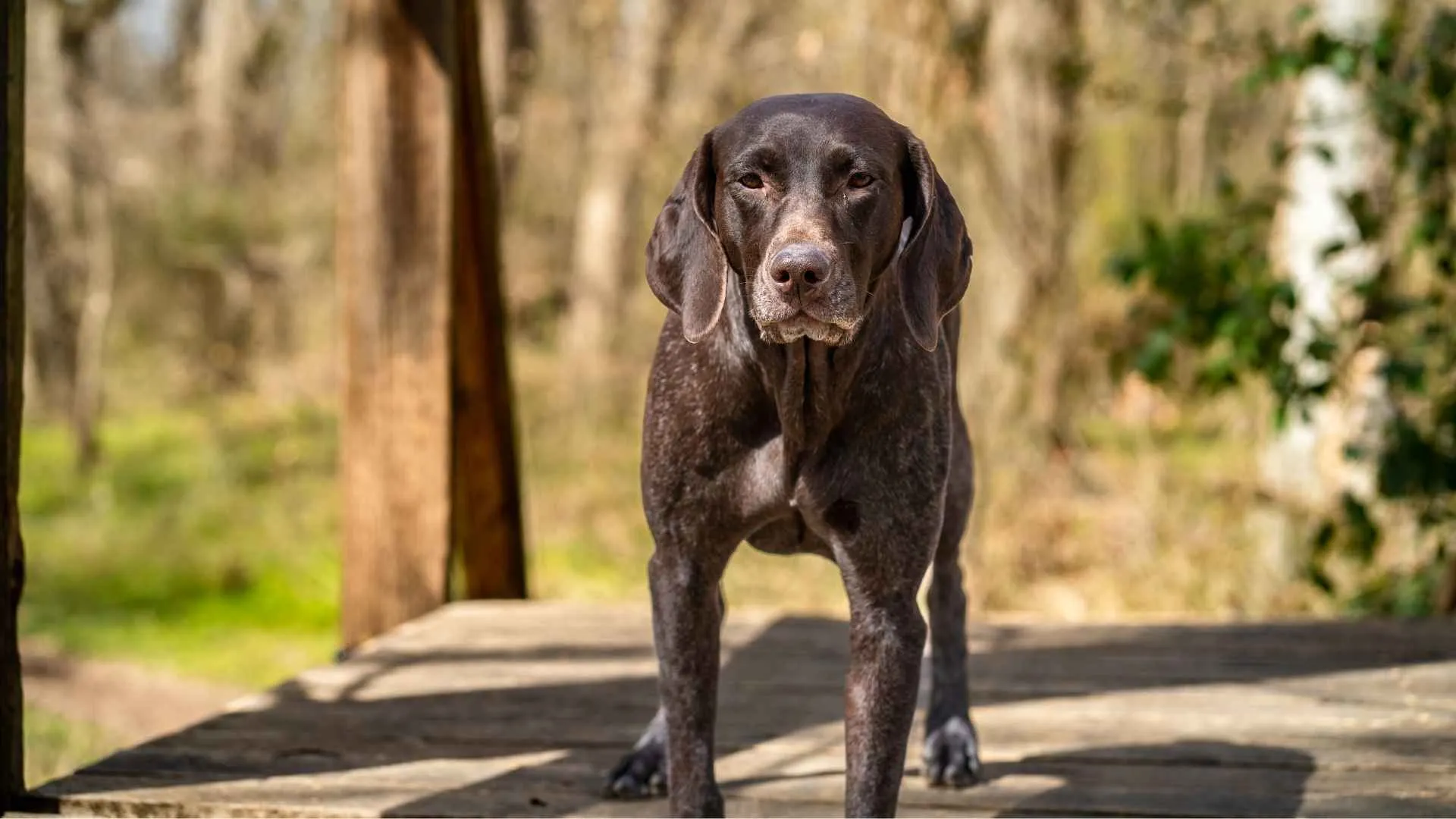
Speed, agility, and endurance come bundled into the German Shorthaired Pointer. This dog rarely feels one-dimensional. Recognized by the American Kennel Club (AKC) in 1930, the GSP is an energetic hunting partner built to switch jobs without making much fuss about it.
Versatility is where the GSP gets almost showy. This popular hunting dog can point, retrieve, and track. It has also been used for rabbits, raccoons, and deer, making it useful when a hunt demands more than one specialized skill.
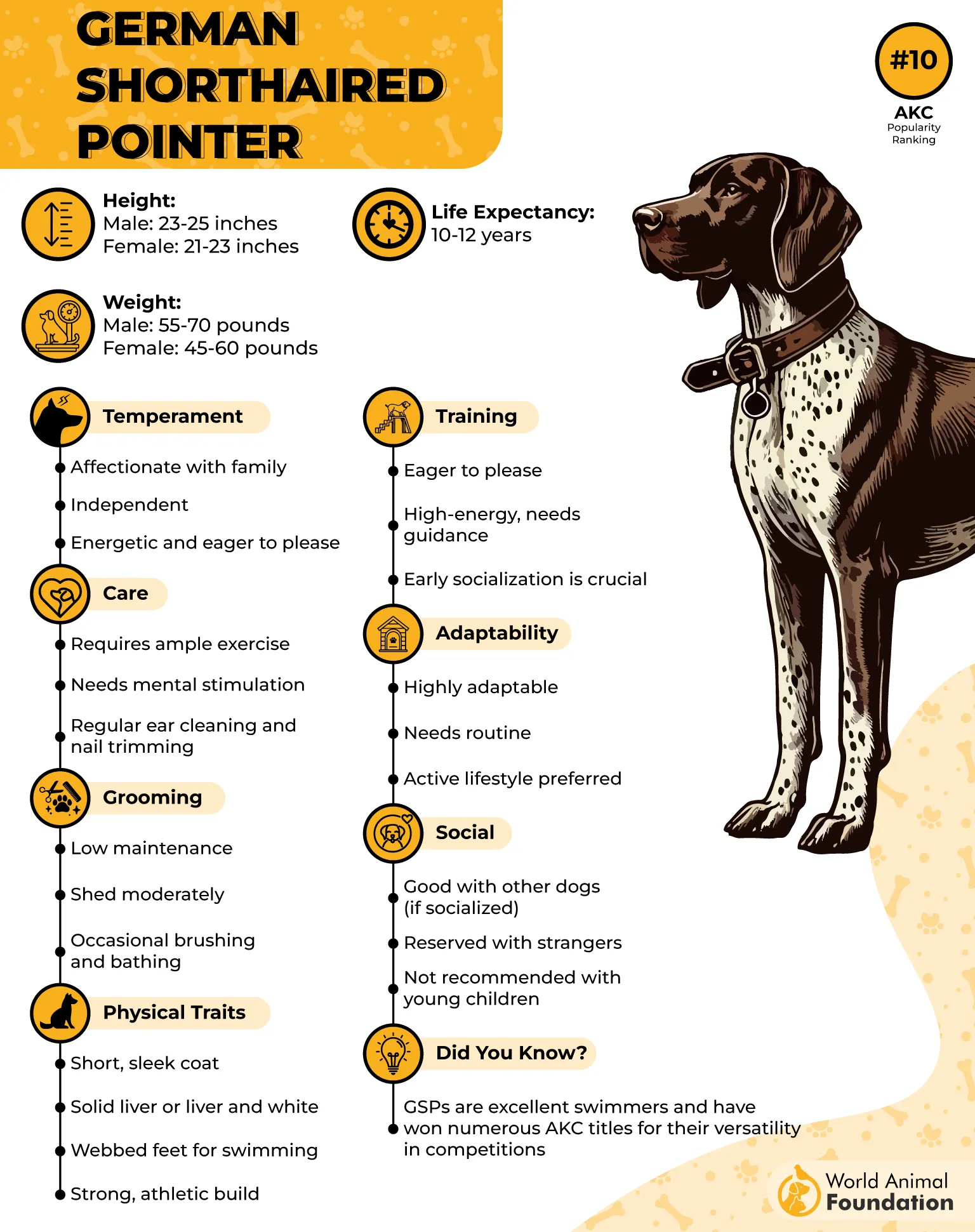
Out in upland cover, this versatile bird dog has a very specific move. It stops, points its nose toward scent, and waits for the hunter’s signal. That bird-dog instinct, paired with endurance and quick movement, makes active field work feel wonderfully natural.
What Makes This Breed Stand Out
Webbed feet give these enthusiastic workers another advantage when swimming enters the assignment.
Their youthful exuberance can hang around surprisingly long, giving the breed a distinctly puppy-like spark.
5. Dogo Argentino
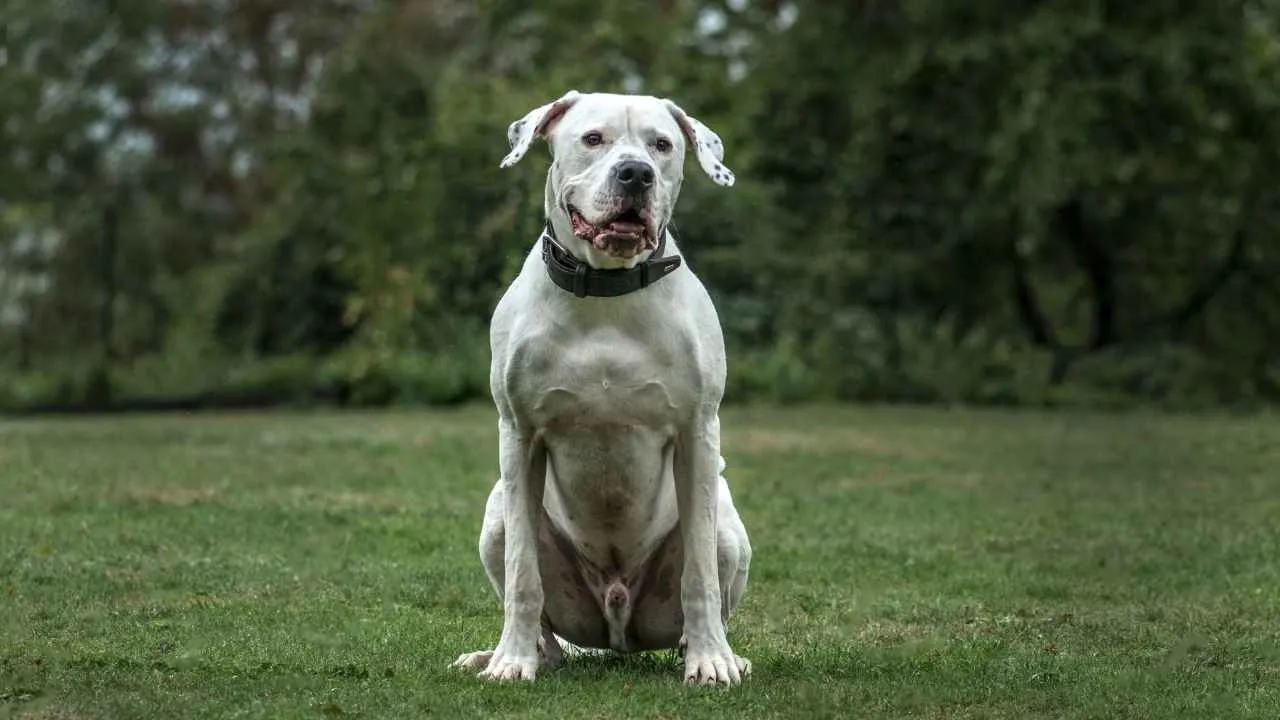
The Dogo Argentino does not exactly whisper “working athlete.” This powerful Argentine breed combines an agile, muscular build with quick responsiveness. A strong nose and serious lung capacity add useful tools when pursuit becomes physically demanding.
Its origin story is all business. Developed in Argentina during the 1920s, the Dogo was created for dangerous big-game work. Packs used strength, bravery, and scenting ability against formidable quarry such as wild boar and mountain lions.
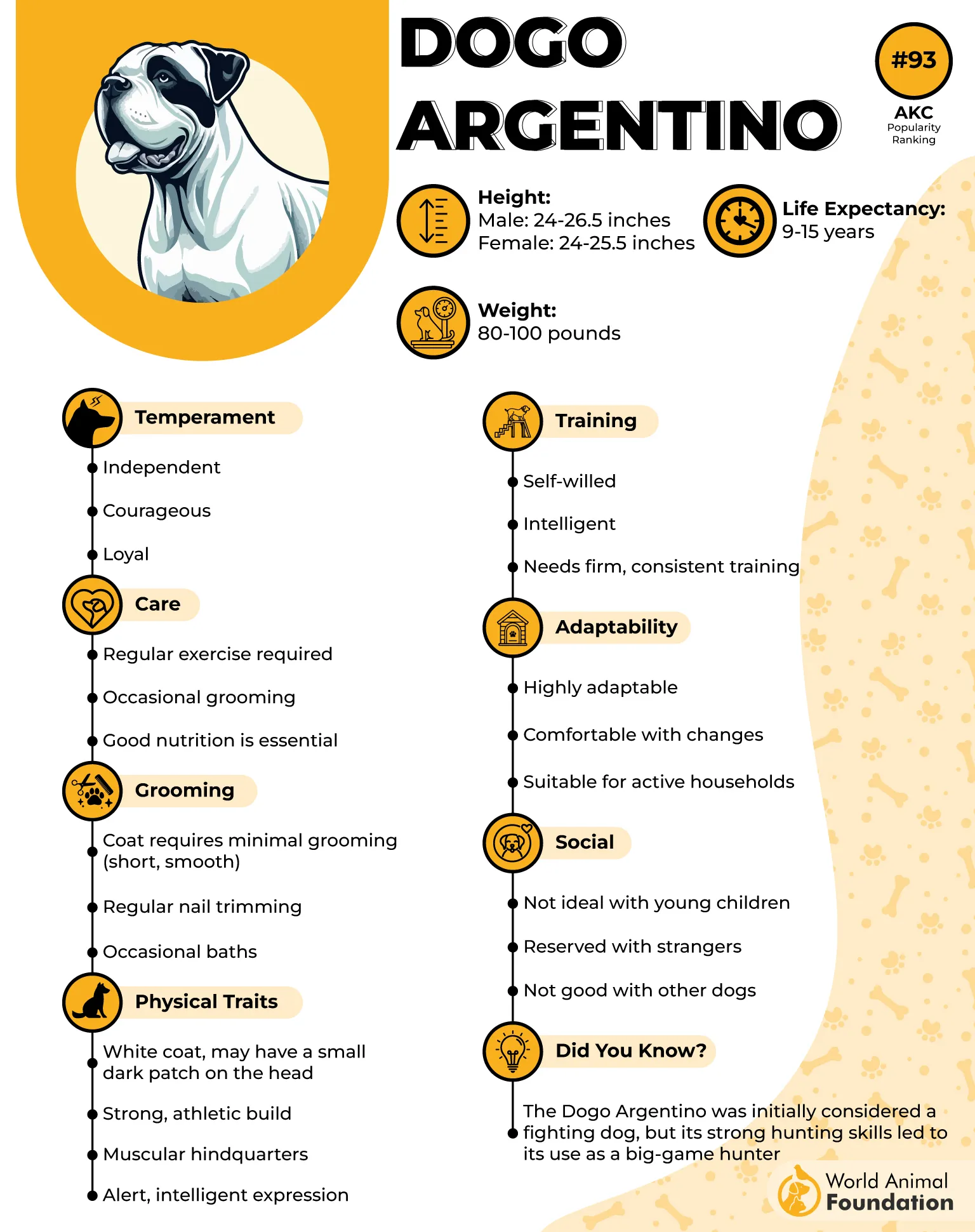
Built like a serious working athlete, the Dogo Argentino combines a muscular frame with agility and quick responsiveness. Strong lung capacity and a powerful nose add even more athletic ability, helping the breed handle physically demanding pursuit with impressive confidence.
What Makes This Breed Stand Out
These dogs tend to be relatively quiet rather than persistent barkers.
Their combination of strength, bravery, and scenting ability gives the breed a distinctive big-game working identity.
6. American Foxhound
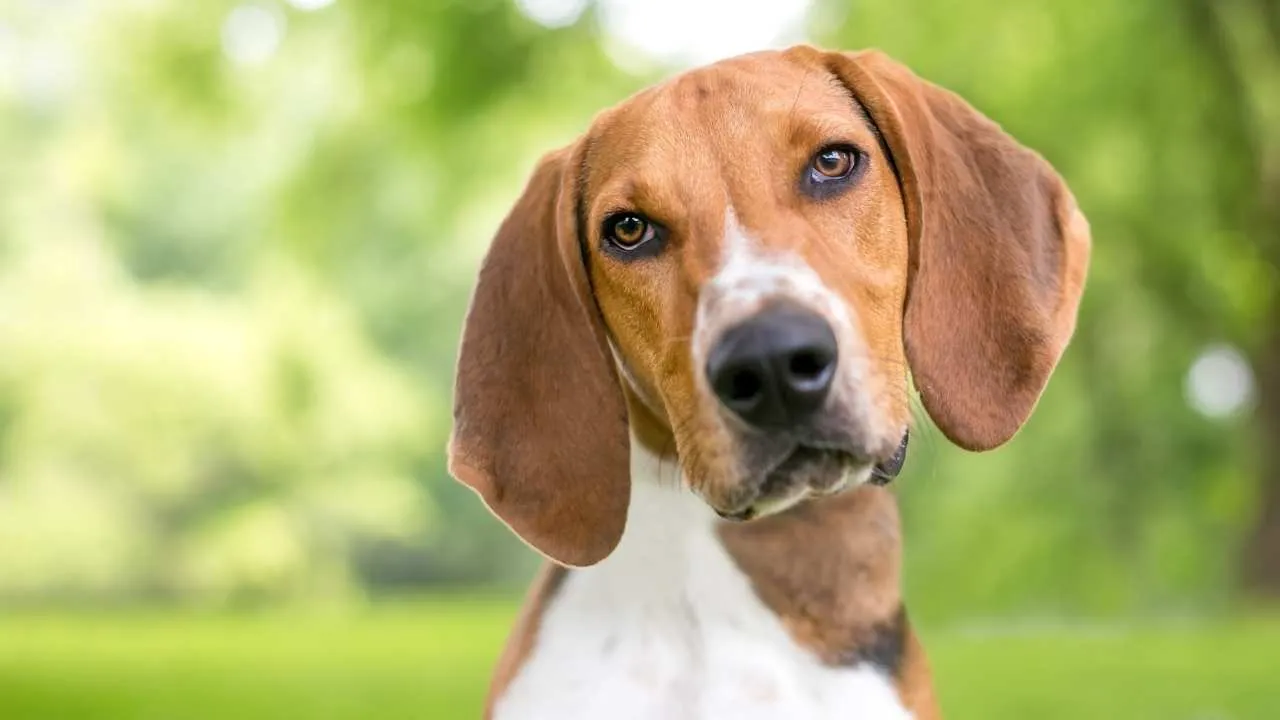
Now here is a hound built for long-distance pursuit, not just a quick sprint. American Foxhounds are sleek hunters prized for speed, endurance, and work ethic, with a strong prey drive that keeps them focused when scent takes over.
Historically, these scent hounds were originally bred primarily for hunting foxes. Later, American Foxhounds also became involved in deer hunting, bringing the same determined chase instinct and endurance into the pursuit of larger game.
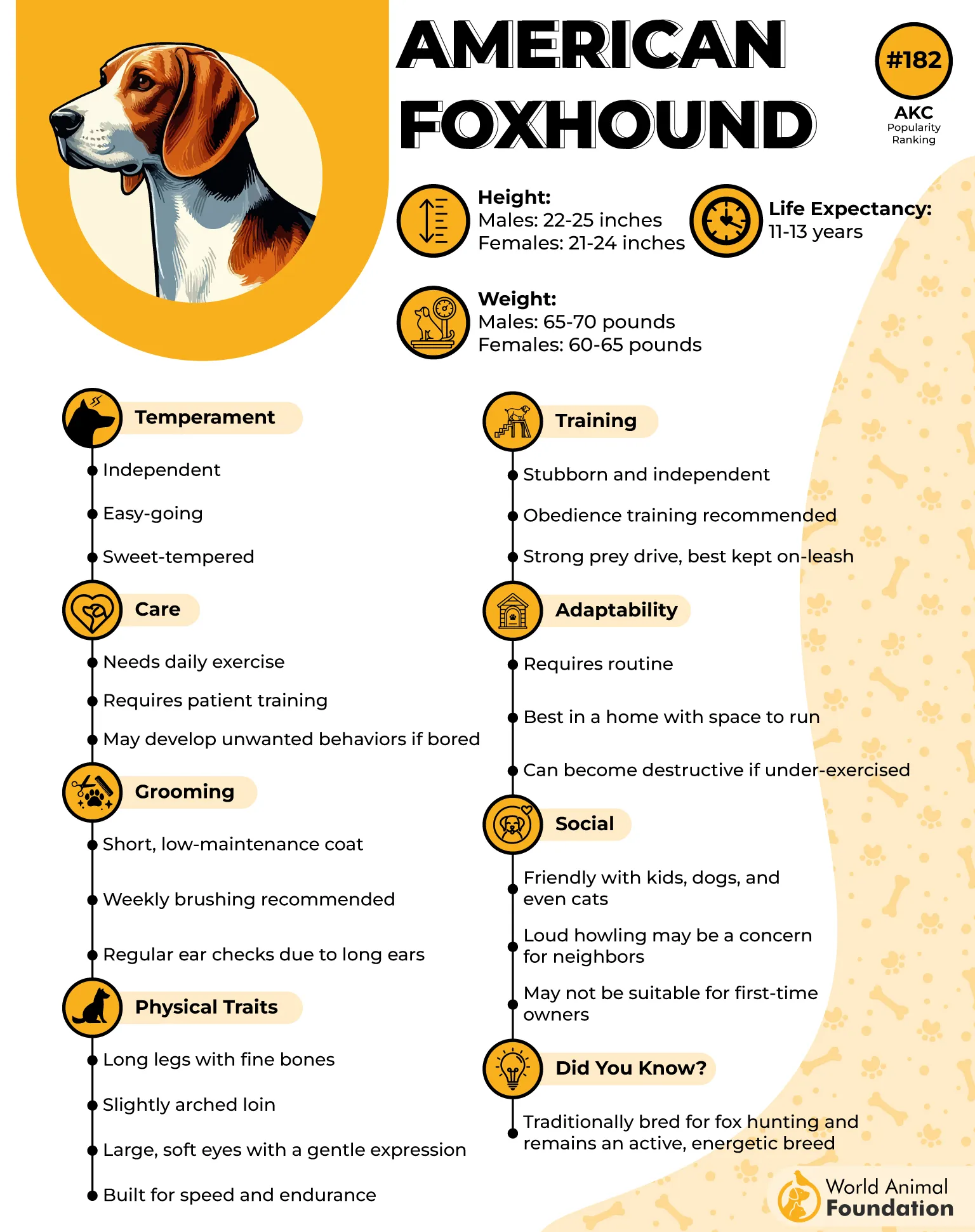
As mentioned by WebMD, American Foxhounds can be stubborn, so patience goes a long way. Leash-based obedience work in a secure yard, professional guidance, and positive reinforcement with treats can help keep these independent hounds listening and engaged.
What Makes This Breed Stand Out
Their booming bay once helped signal to hunters when the hound had picked up a scent.
Pack hunting comes naturally to a breed historically comfortable working alongside other dogs.
7. Catahoula Leopard Dog
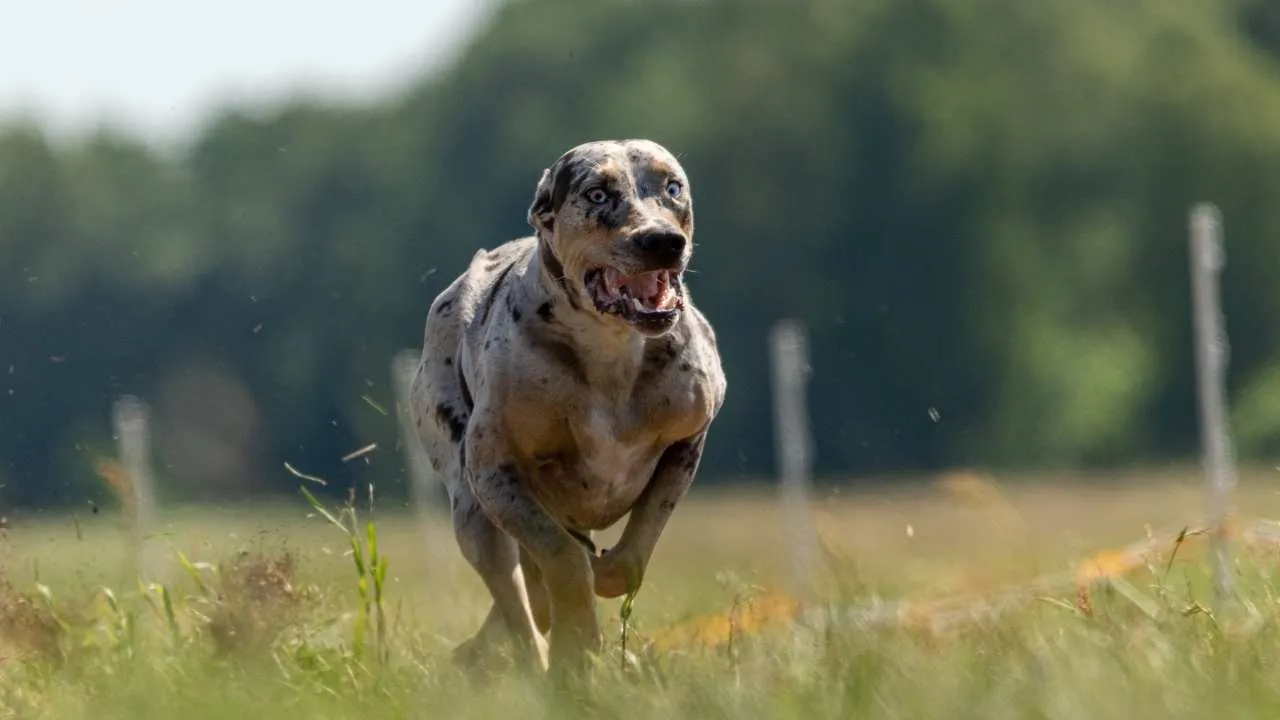
Now this one brings serious working-dog energy to the conversation. Catahoula Leopard Dogs are powerful without being bulky, and their combination of agility and endurance gives them an athletic foundation suited to long, demanding pursuits over rough country.
The breed’s history of hunting deer and other wild game pairs naturally with its agile, enduring build. Those qualities support fast, sustained movement when pursuit becomes physically demanding across uneven and rough terrain.
Then the hunting instinct adds another layer. Catahoulas were valued for scenting, trailing, and treeing game, while their prey drive remains strong today. That combination helps explain why these dogs stay intensely engaged once a quarry trail has their attention.
What Makes This Breed Stand Out
These versatile dogs are used for hunting smaller animals and larger game, including wild hogs.
Their unusual range of coat patterns and eye colors gives this hunting breed an unmistakable presence.
8. Labrador Retriever
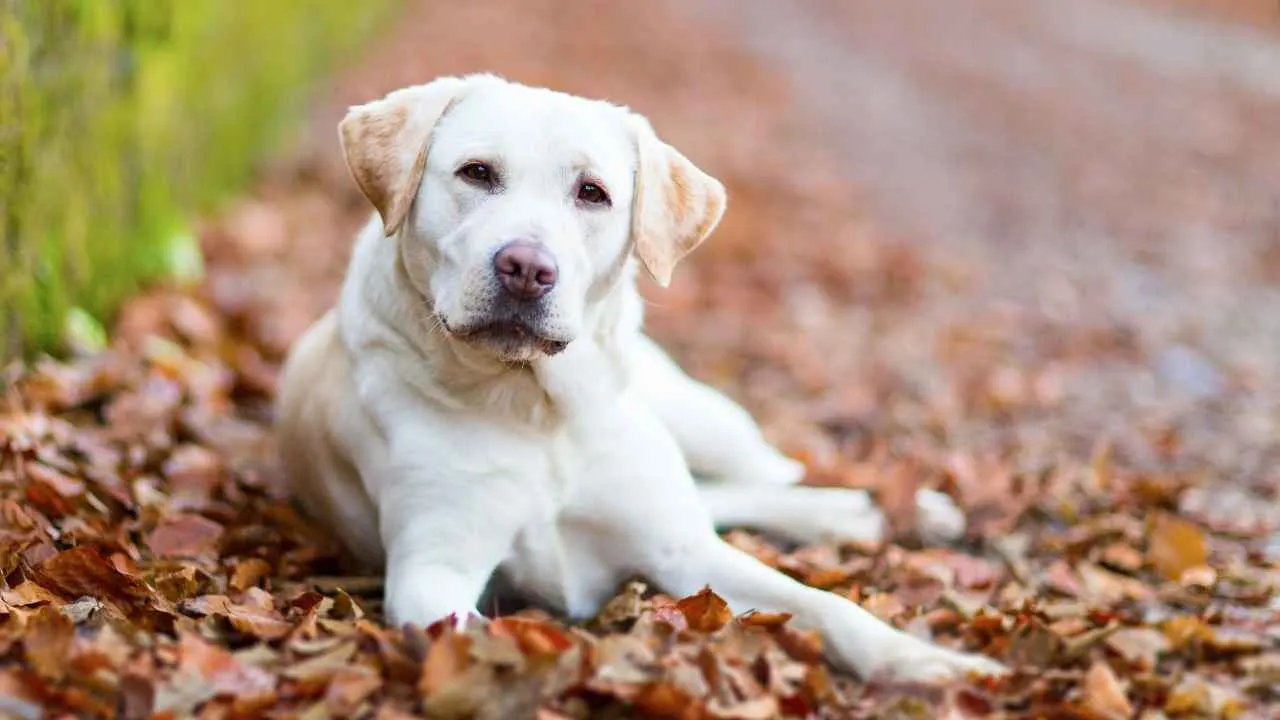
Now the Labrador enters with a completely different hunting résumé. This sporting dog comes from retrieving work, and its background around fishermen and gundog duties gives it a practical, cooperative style centered on finding and bringing game back.
The Lab has a real knack for bird hunting. British sportsmen developed the breed as a gun dog for retrieving waterfowl, while its Newfoundland background had already given it strong swimming ability and natural retrieving instincts from working alongside fishermen.
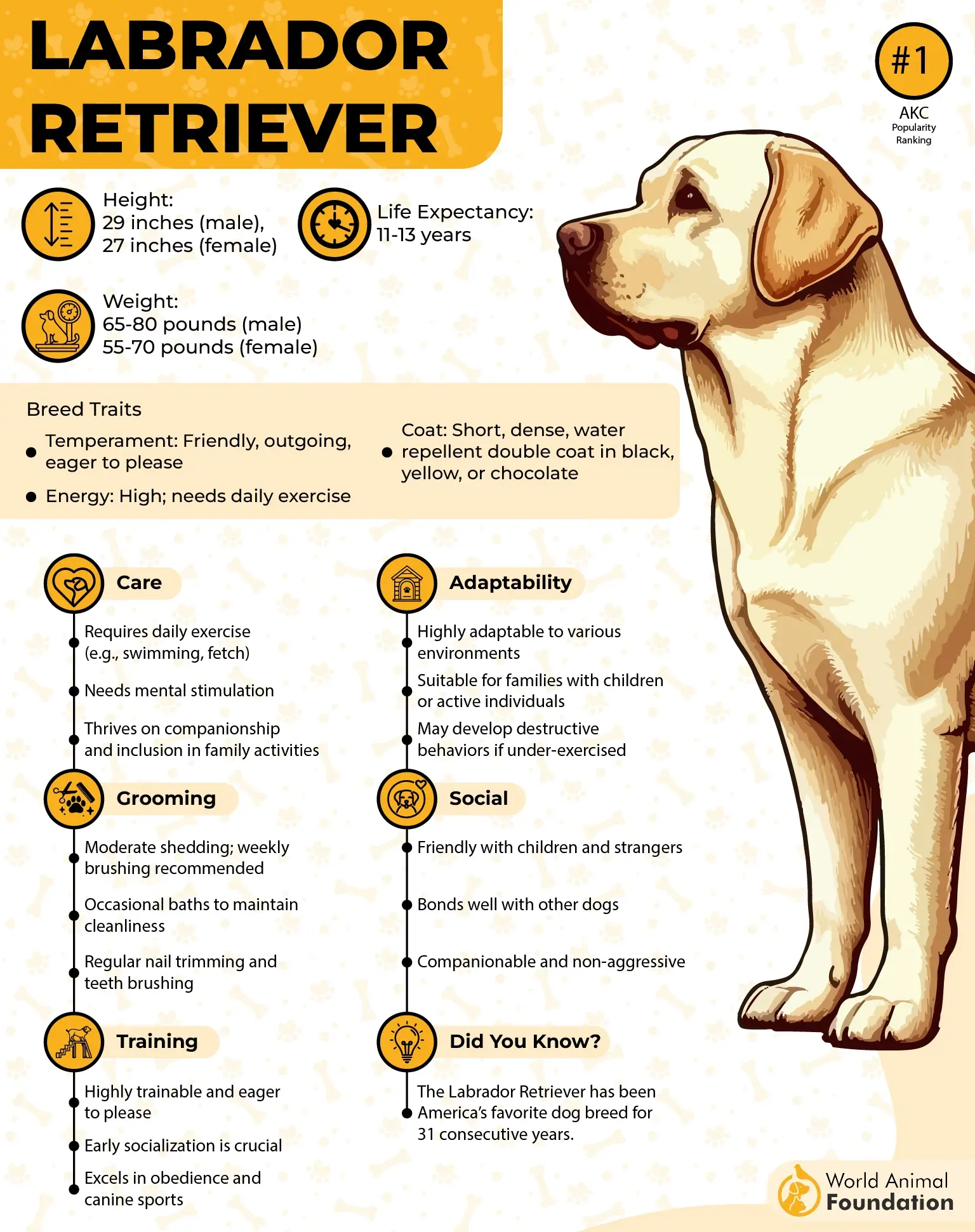
Then comes the teamwork factor. Labradors are obedient, quick to learn, eager to please, and strongly driven to retrieve. That combination makes communication with a hunter feel less like a wrestling match and more like a job the dog wants.
What Makes This Breed Stand Out
The thick tapering tail works like a rudder, helping the dog turn while swimming and retrieving birds.
Labs can combine running, sniffing, swimming, and retrieving in their regular activity, giving them an unusually broad working toolkit.
9. Saluki
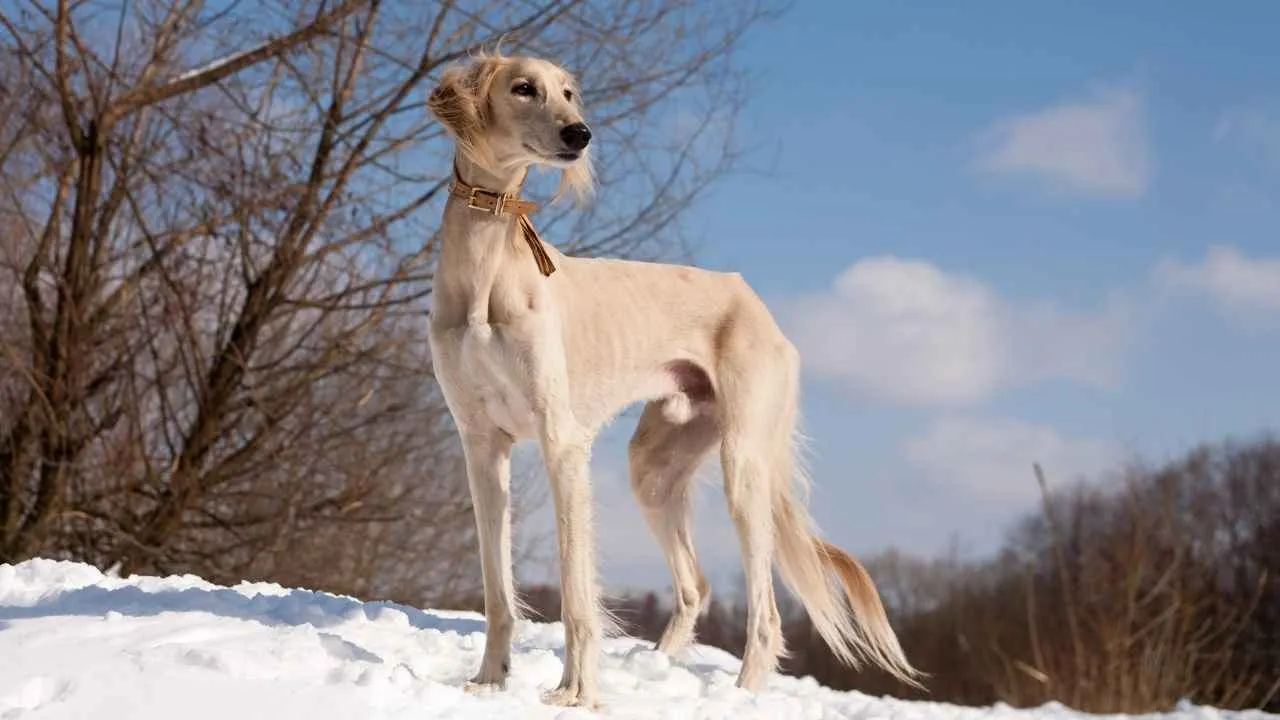
Now for the sprinter of the group. Salukis are swift, agile hunting hounds with a powerful chase instinct, and their lean, balanced build was shaped for speed. They were used to pursue fast quarry such as gazelle, hares, and foxes.
Salukis are serious athletes that thrive on vigorous activity and love getting the chance to sprint. Their powerful legs, high exercise needs, and background pursuing fast-moving quarry all point to a body built naturally for rapid, sustained pursuit.
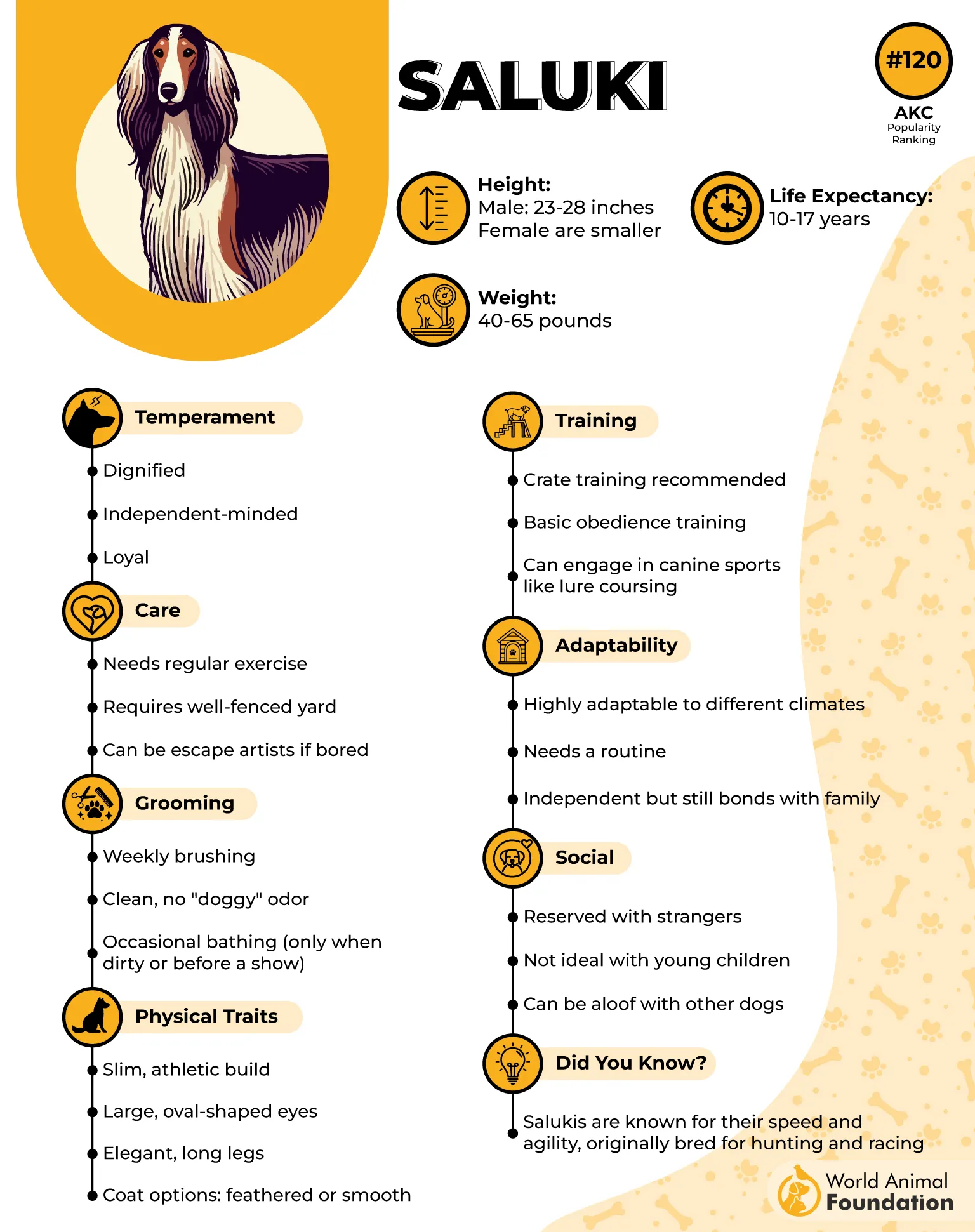
Salukis tend to be gentle, sensitive, and somewhat reserved, with an independent streak that gives them a calm, dignified presence. Their strong chase instinct remains noticeable, especially around fast-moving animals, so their behavior often reflects their hunting background.
What Makes This Breed Stand Out
Once their activity needs are met, Salukis can become remarkably calm indoors.
Their gentle, dignified nature is paired with an independent yet loyal personality.
Conclusion
Speed is impressive, but the best hunting dog brings more than quick legs to the trail. These breeds combine drive, athletic ability, focus, and working instinct in very different ways. The right match depends on the kind of hunting style, terrain, and teamwork you value most.
Some thrive on scent, others shine through sight, endurance, retrieving, or bold pursuit. That variety is exactly what makes this group so interesting. Pick the breed whose natural strengths fit your goals, respect what it was built to do, and let the adventure begin with confidence.
