




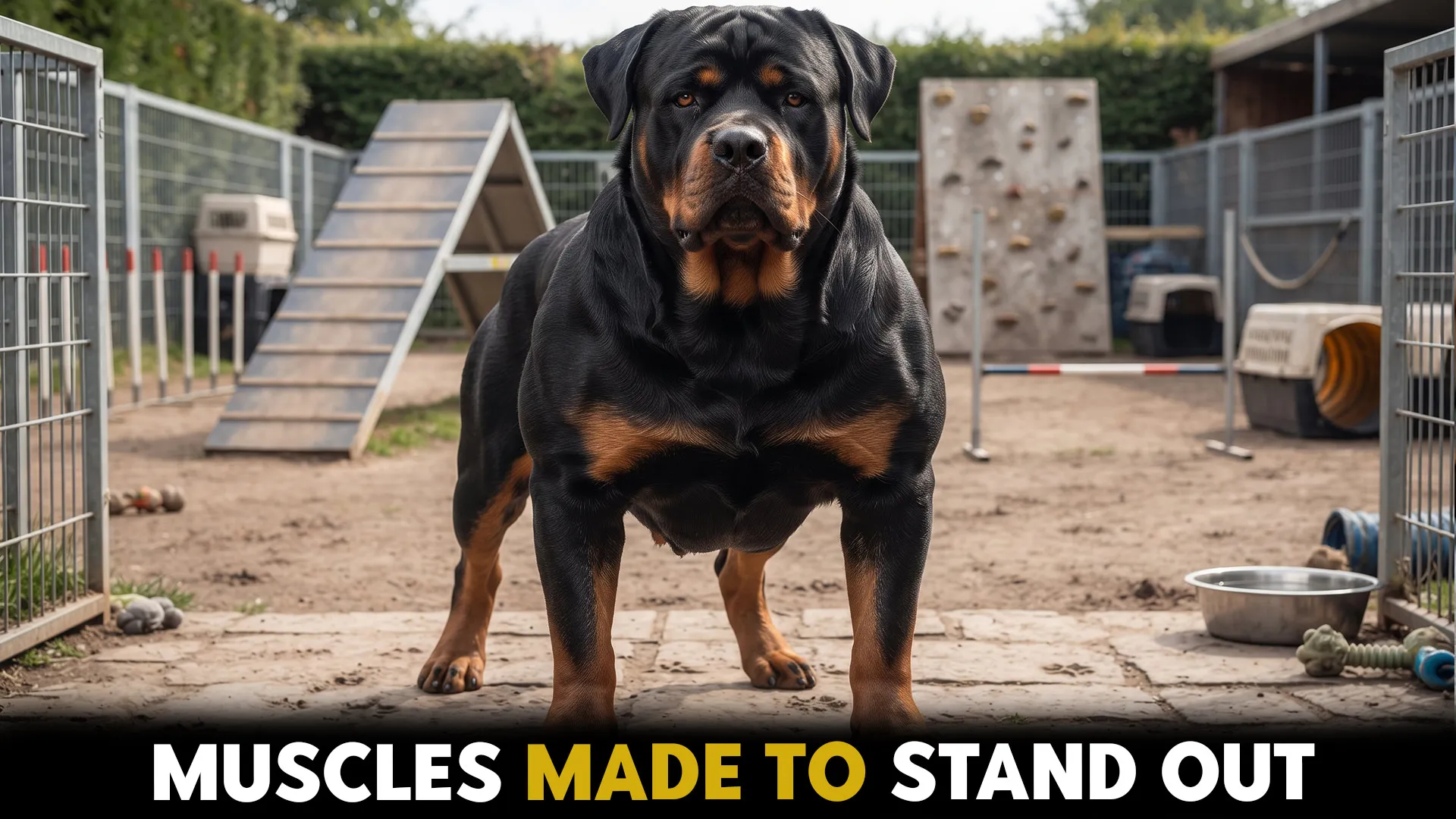
Some dogs don’t just walk into a room; they command it. These are the dogs that make you do a double-take, the ones built like they skipped the puppy phase entirely and went straight to “professional athlete.” Muscular dog breeds carry centuries of hard work in their DNA, bred to herd, guard, and protect.
According to the American Kennel Club, working dog breeds rank among the most physically capable in the world, and the numbers back it up. They make wonderful companions, but their size and naturally protective instincts mean prospective owners need to be prepared to invest in proper training and socialization. Some breeds in the Working Group simply aren’t the best fit for first-time dog owners.
Whether you’re a dog lover, a curious owner exploring powerful breeds, or someone who appreciates raw, purposeful strength, this one’s for you. Let’s dive in.
Robust Dog Breeds With Exceptional Muscle Development
1. Rottweiler
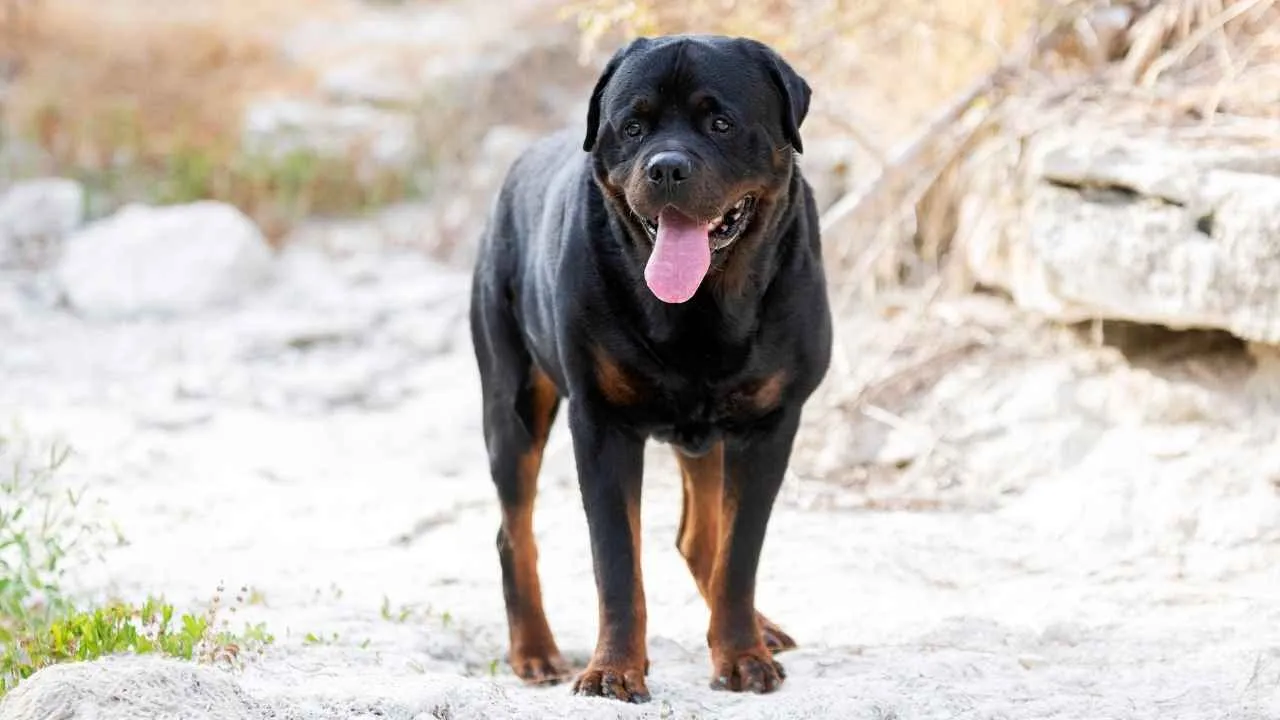
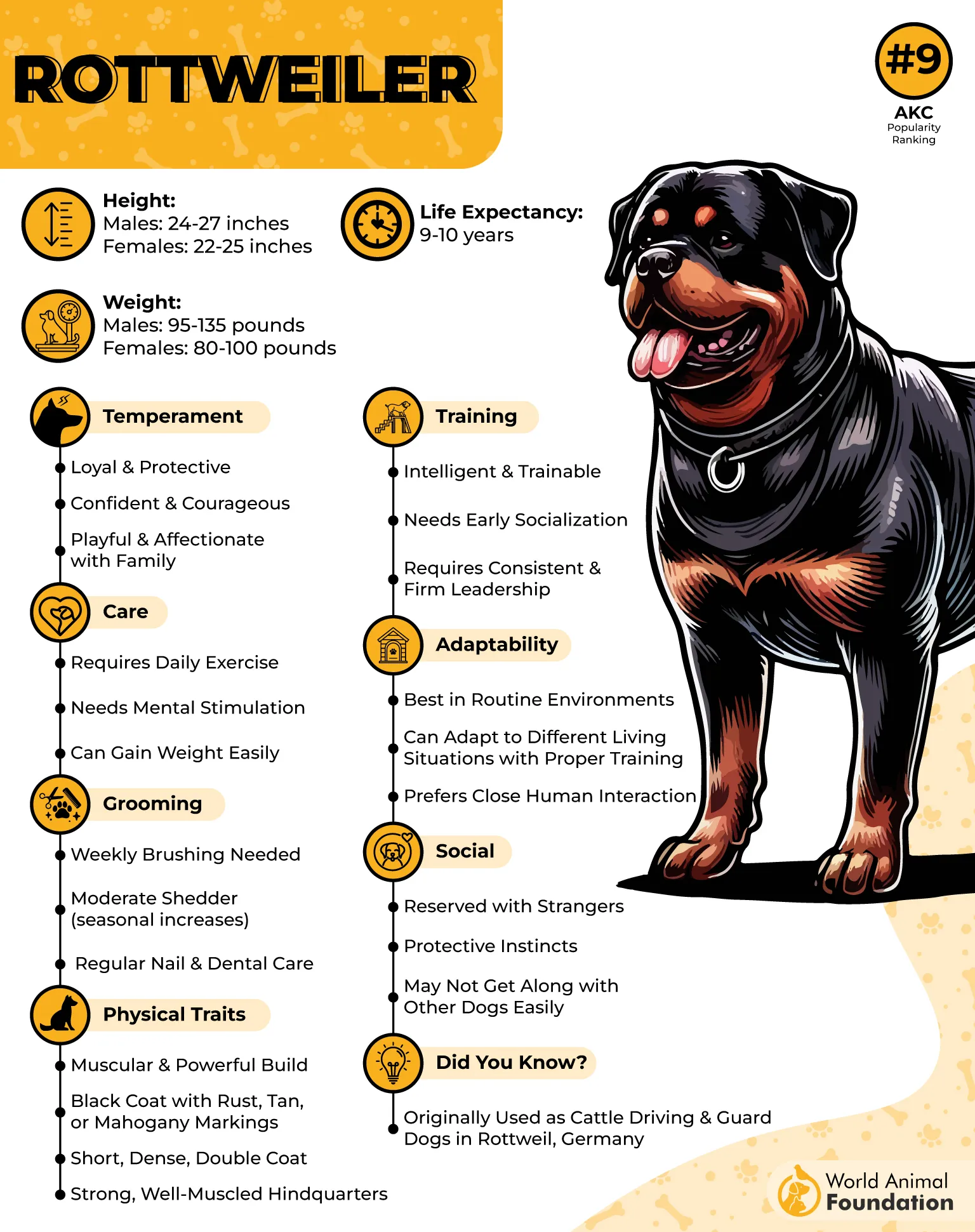
Originally bred in Germany, this medium-to-large mastiff-type dog was known as the “Rottweiler Metzgerhund” or Rottweiler Butcher’s Dog, because it was used to haul heavy meat carts to market long before railways existed, according to Wikipedia. The breed is still capable of carrying 10–20% of its own body weight.
Built like a tank, the Rottweiler has a complete set of 42 teeth with a scissor bite, where the upper incisors overlap the lower, and a bite force of 328 PSI. The shoulder blade sits at a 45-degree slope, and the heavy physical structure is designed to evenly distribute and absorb impact.
Well-muscled upper thighs provide the primary drive behind explosive bursts of speed, reaching up to 35–40 mph.
Rottweilers typically weigh between 80–135 pounds and stand 22–27 inches tall. Physically stronger than a German Shepherd, the breed is capable of overpowering an adult human. To stay healthy and balanced, this robust dog needs 1–2 hours of vigorous daily exercise: think brisk walks, hiking, swimming, and jogging, paired with regular mental stimulation.
2. Doberman Pinscher
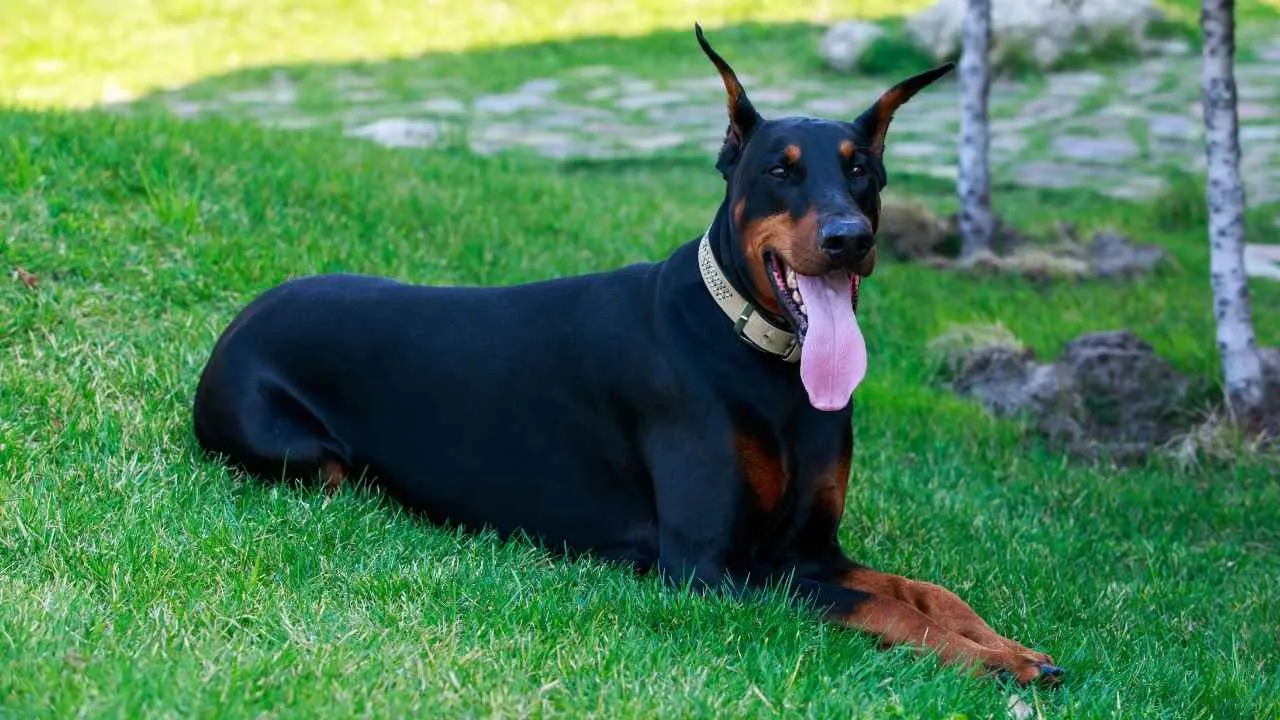
Developed in Thuringia, Germany, in 1890 by tax collector Louis Dobermann, this medium-to-large working dog weighs around 70–100 pounds and stands 25–28 inches tall. It ranks as the 5th most intelligent dog breed and is built for stamina and high speed, reaching 32–35 mph.
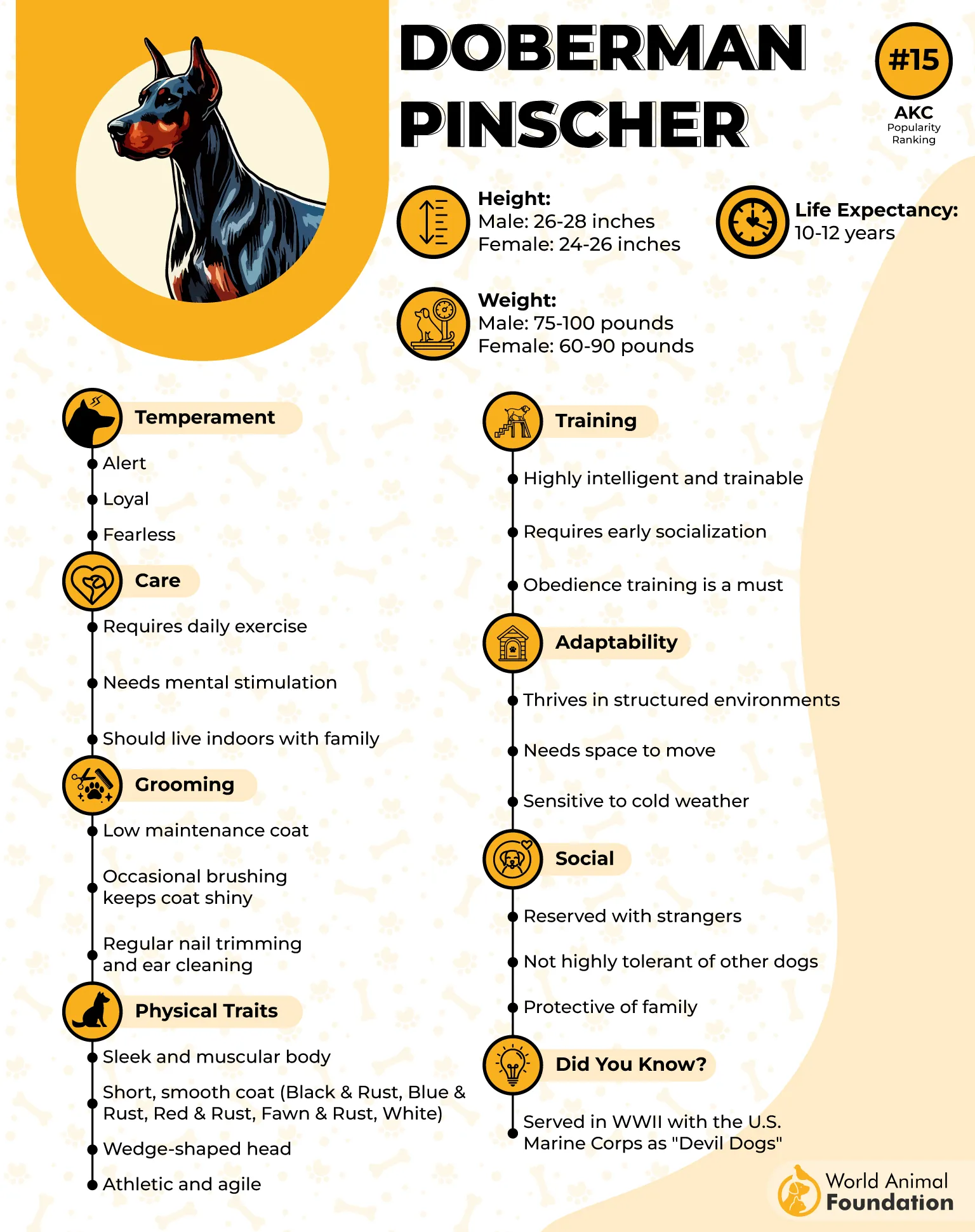
The shoulder blade sits at a 45-degree slope, meeting the upper arm at 90 degrees. This forequarter anatomy acts as a shock absorber and enables a long, efficient stride.
The rear legs tuck under the abdomen while running, and the square build provides an excellent center of gravity. With very low body fat, the Doberman relies heavily on its high metabolic rate to generate body heat.

With a bite force of 305 PSI, the Doberman can tear through muscle and crush bone with ease. It needs 1.5–2 hours of daily exercise and mental stimulation: obedience training, puzzle toys, and high-impact activities all work well. For puppies, the 5-minute rule applies: add 5 minutes of exercise per month of age, scaling up gradually over the first 1–2 years.
3. American Pit Bull Terrier
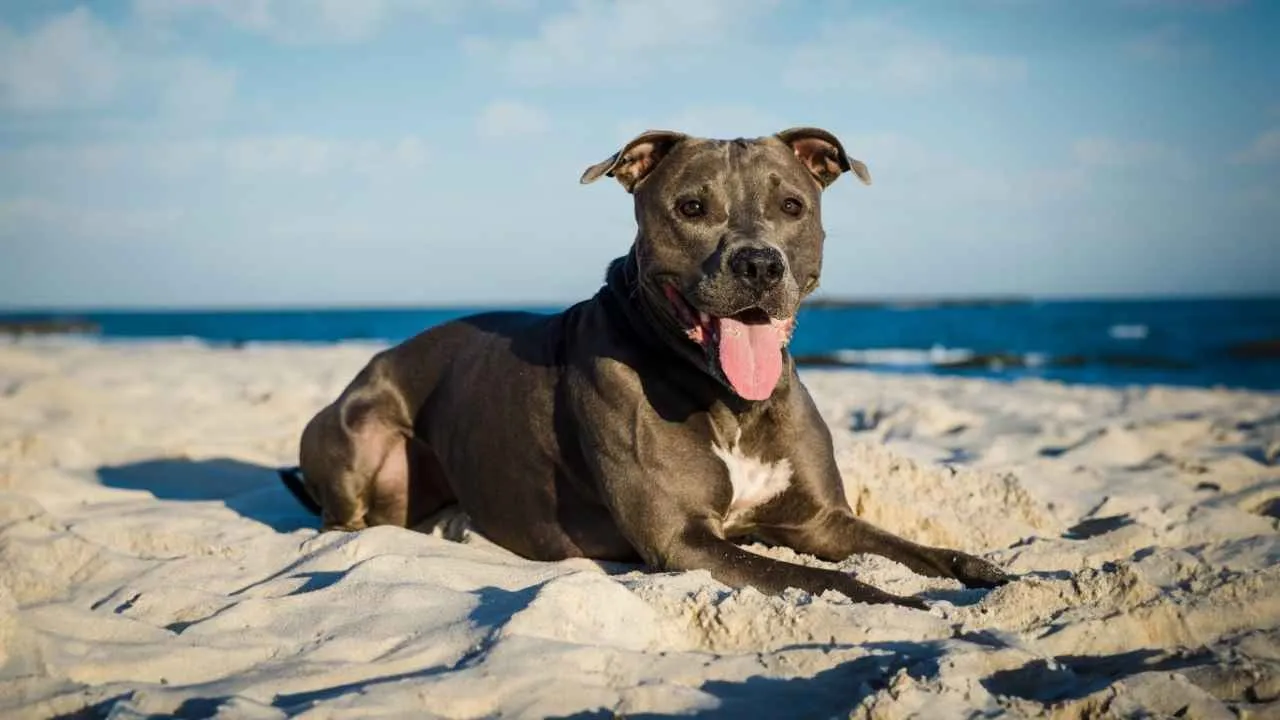
Originally developed in England for bull-baiting and later brought to the U.S. for dog fighting, this breed weighs around 35–70 pounds and stands 18–21 inches tall. Despite its sturdy, muscular build, it has a friendly and outgoing nature that makes it a wonderful family dog, according to PetMD.
The Pit Bull has a classic “sprinter” physiology: built for explosive, high-intensity bursts of movement rather than long-distance endurance. Its robust neck musculature provides the stability needed to hold on during a fight, while well-angled knees and powerful thigh muscles transfer massive force to the ground.
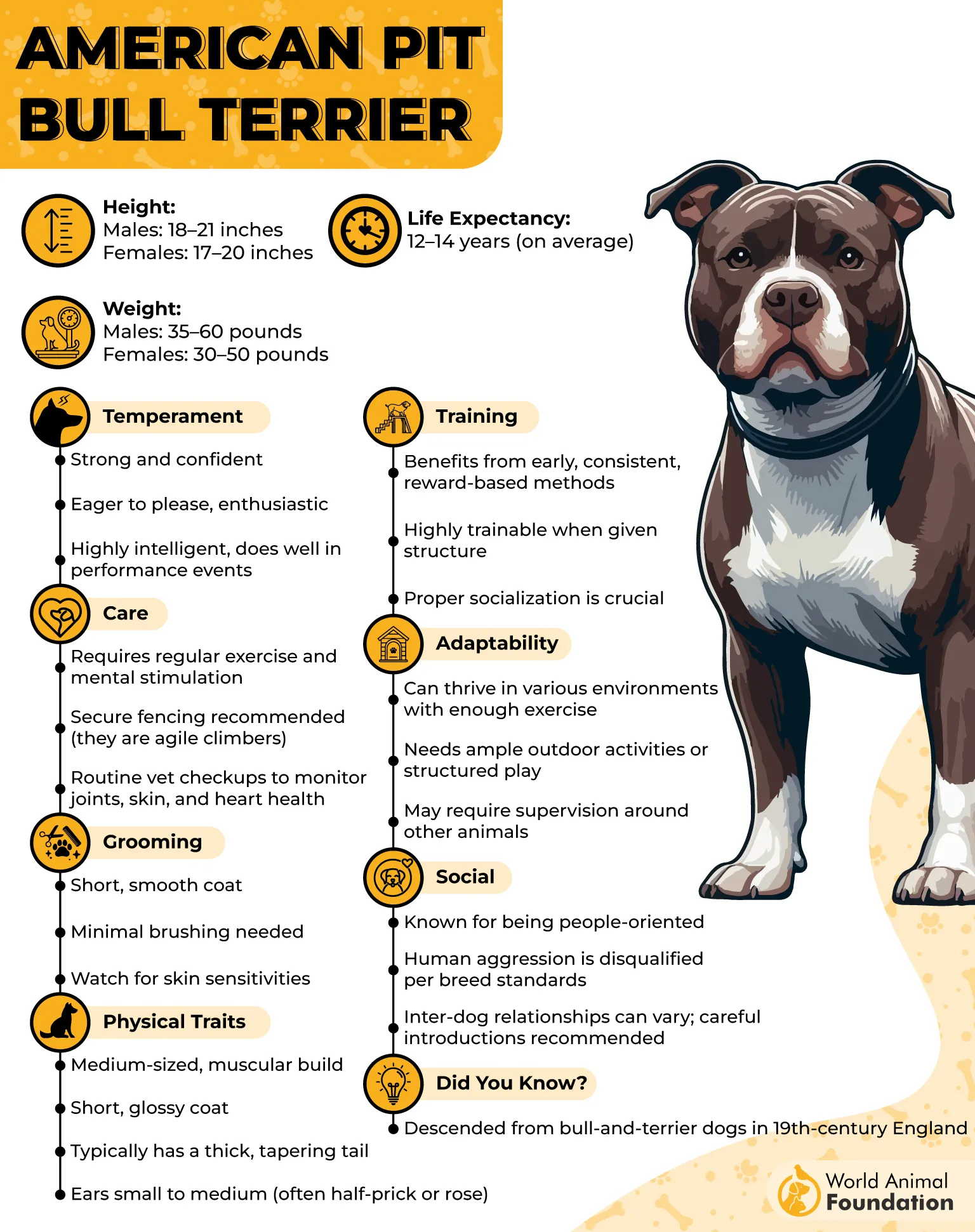
Due to its powerful build, this breed thrives on a high-quality protein diet, consistent training, and early socialization. One common misconception worth clearing up: Pit Bull jaws do not physically lock.
They are, however, developed to bite, hold, and shake; backed by a bite force ranging from 235–300 PSI. They need around 45–60 minutes of moderate exercise daily to stay healthy and balanced.
4. Cane Corso
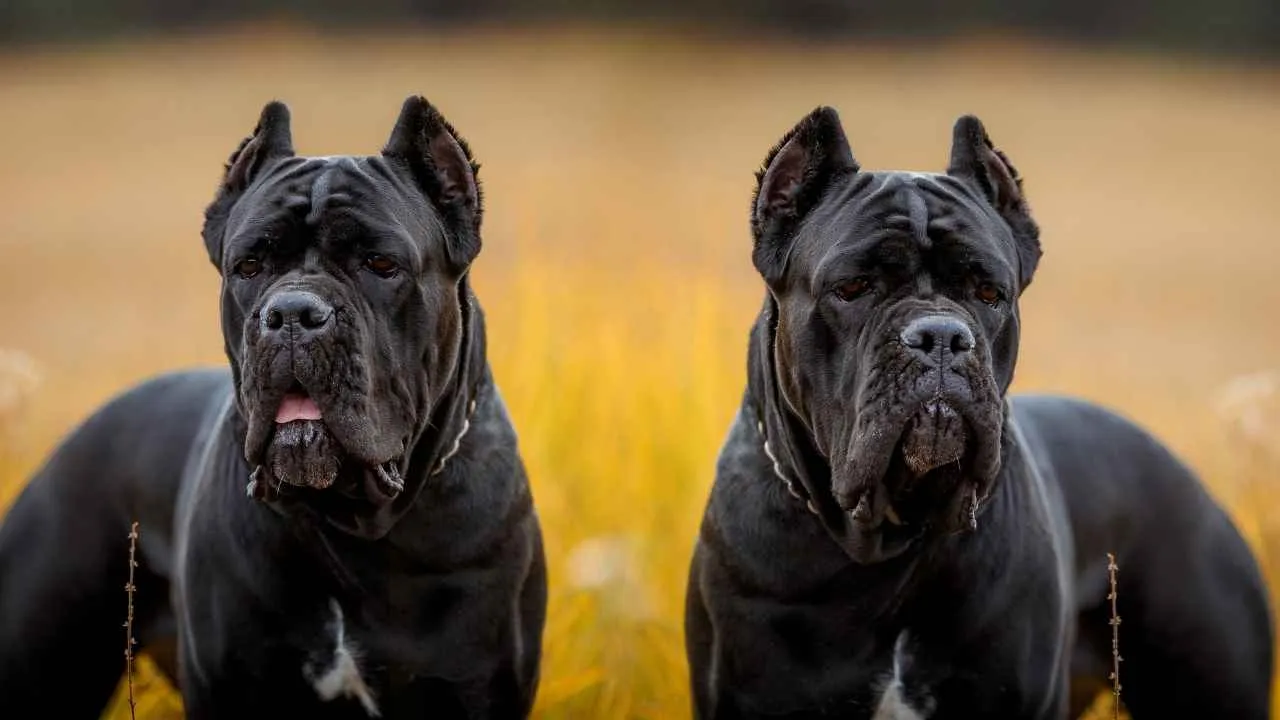
This Italian Mastiff gets its name from its protective instincts; “Cane Corso” literally means “bodyguard dog.” Weighing around 100 pounds and standing up to 28 inches tall, the breed was originally developed to serve as a farm dog, watchdog, and canine soldier. Behind that imposing, large-headed, muscular exterior is a gentle giant with a surprisingly expressive face.
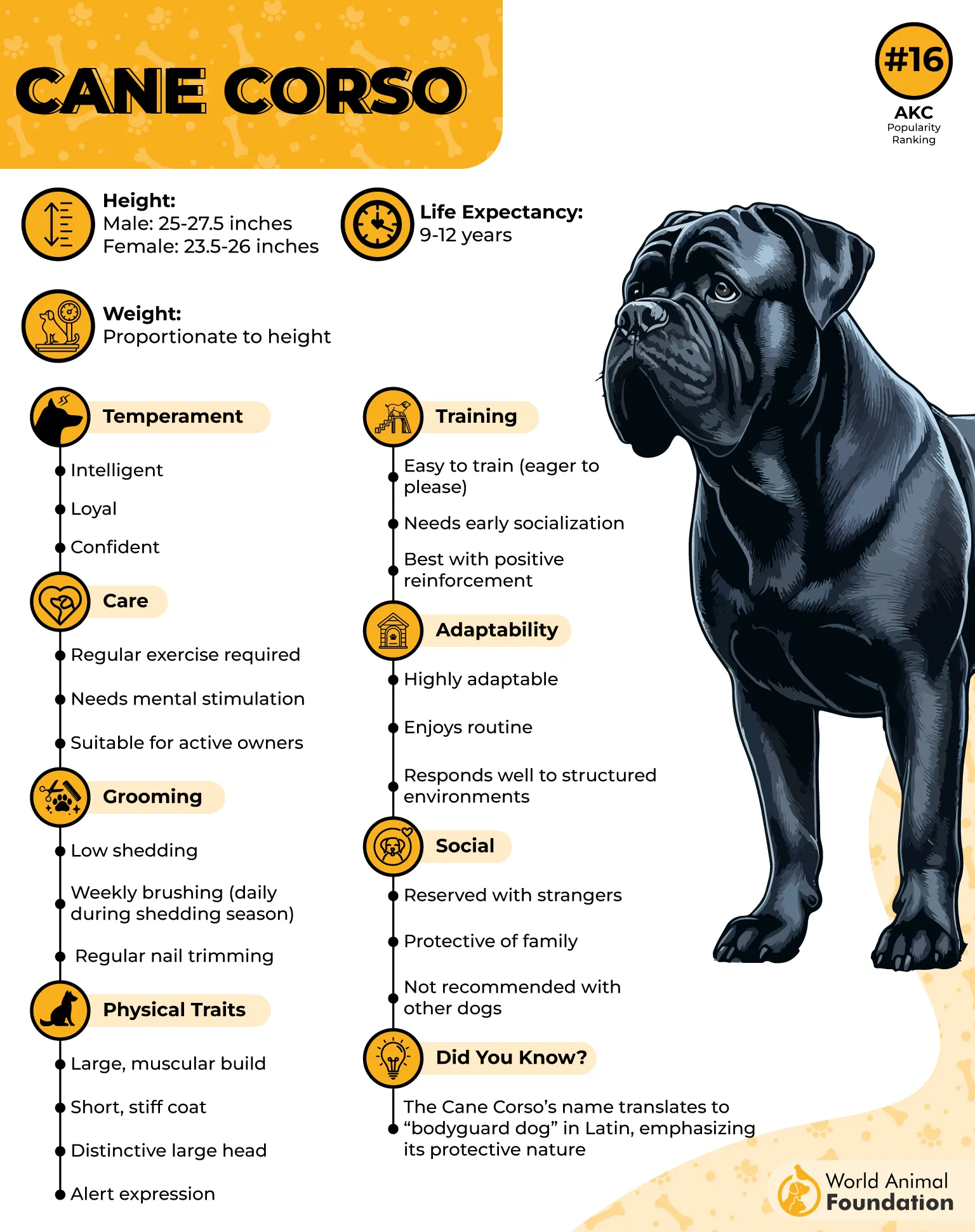
The Cane Corso has fast-twitch muscle fibers and powerful hindquarters that allow it to produce short bursts of rapid movement. Its broad, Molossus-type head delivers a formidable bite force of around 700 PSI, more than enough to hold an intruder in place. Like many large breeds, it is prone to certain health conditions, including hip and elbow dysplasia and obesity.
It needs around 60 minutes of exercise daily: swimming, running, jogging, hiking, fetching, and indoor play all work well. Its short double coat requires weekly brushing to remove loose hair and maintain natural oils. Bathing every 6–8 weeks with a gentle shampoo helps keep the skin from drying out.
5. Dogo Argentino
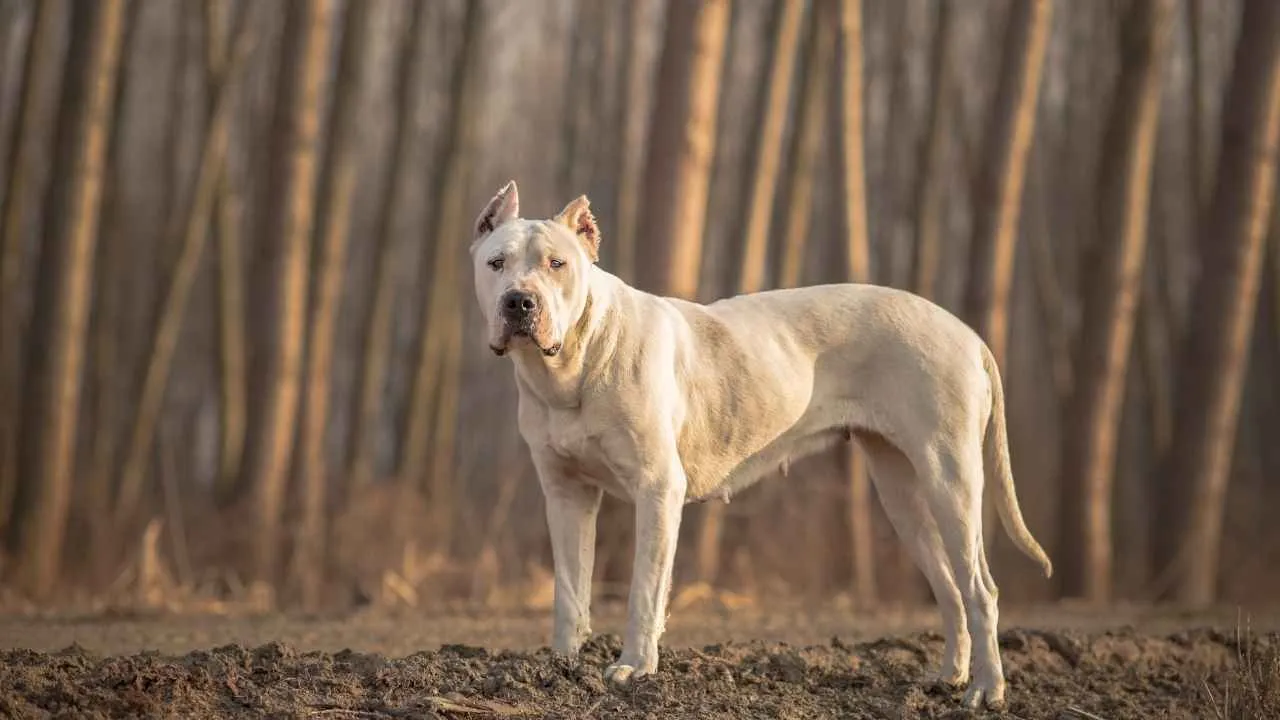
Originally developed in Argentina by Dr. Antonio Nores Martinez, the Dogo Argentino was created by crossing several large, hardworking breeds to produce the ultimate hunting dog for large game. It weighs 80–100 pounds and stands up to 27 inches tall. Highly intelligent with a strong prey drive, it requires proper training and socialization, especially in homes with other pets.
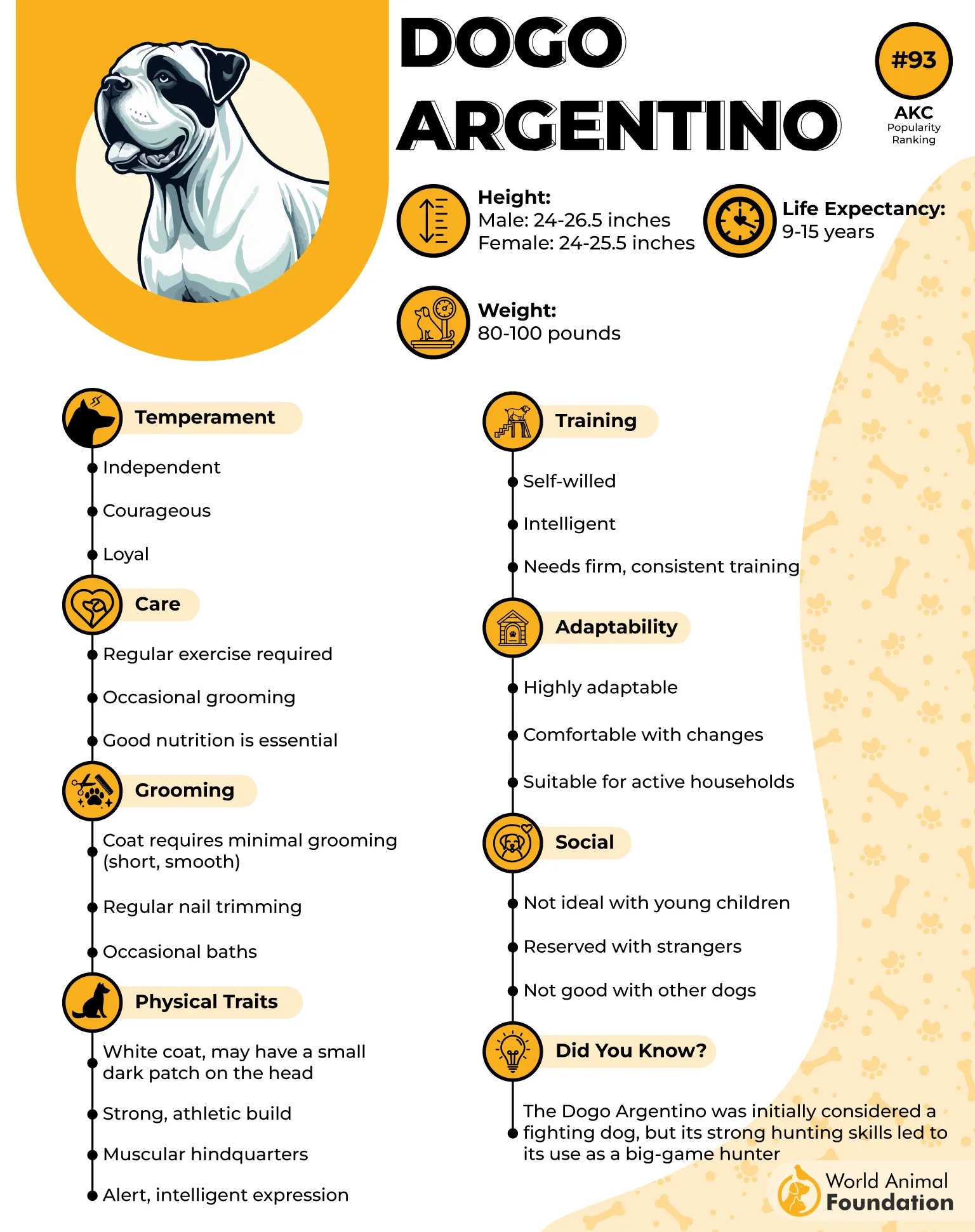
Sturdy fore and hindquarters allow the breed to absorb heavy impacts, pin down large prey, and cover rough terrain without tiring. Its short white coat also aids heat dissipation in warm climates. The square dental arch maximizes bite surface area, backed by a bite force of around 500 PSI.
The breed needs 1.5–2 hours of daily exercise: hiking, jogging, fetching, weight-pulling, and leash training all work well. Weekly brushing with a rubber curry brush followed by a bristle brush keeps the coat in good shape. Since the white coat is prone to sunburn, avoid intense outdoor activity during peak sunlight hours.
6. Boxer
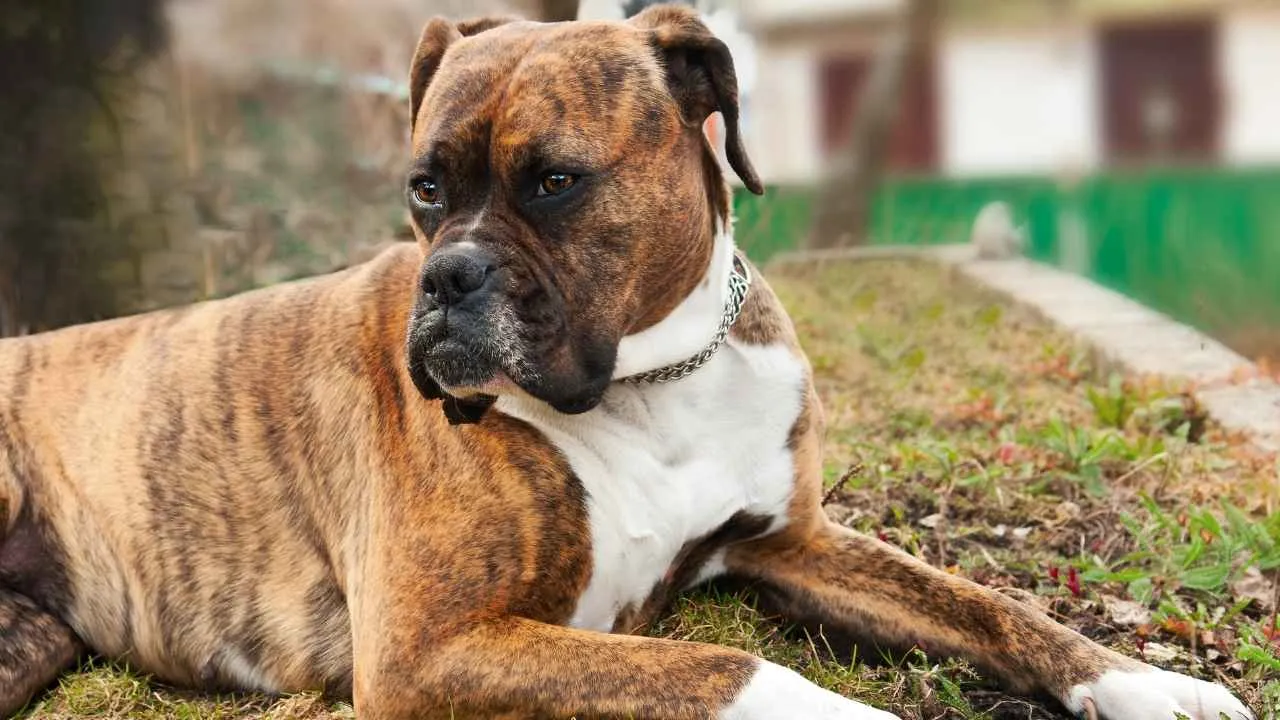
Also known as the German Bulldog, the Boxer is a crossbreed of the German Bullenbeisser, a hunting dog bred to take down large game, and the English Bulldog. As demand shifted toward lighter, faster dogs in the 19th century, the Boxer was developed to meet that need, according to Purina UK.
The quads, hips, and calves generate rotational energy that gets amplified through the shoulders. A strong core enables dynamic twisting: pivoting, slipping, and weaving, while low body fat gives the breed its distinctly chiseled look. The powerful forequarters are what give the Boxer its signature punching ability, which is also where the name comes from.
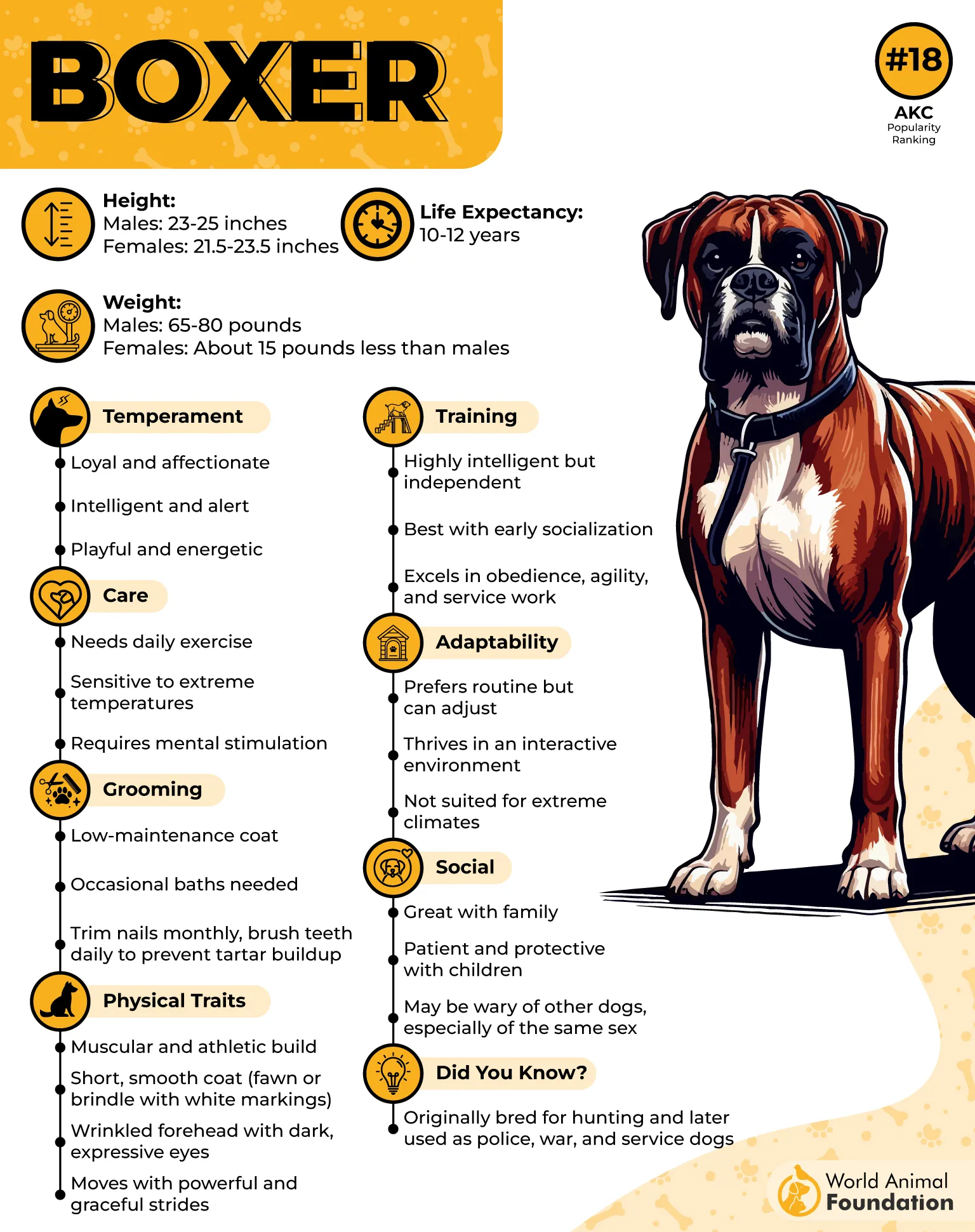
That same core acts as a bridge between the upper and lower body, producing explosive torque in movement. The breed needs around 2 hours of daily exercise: scent work, brisk walks, and agility drills all work well.
One important note: the Boxer is a brachycephalic breed, meaning it has a flat face and narrowed airways, which can cause breathing difficulties during intense outdoor activity in hot weather.
7. Kangal
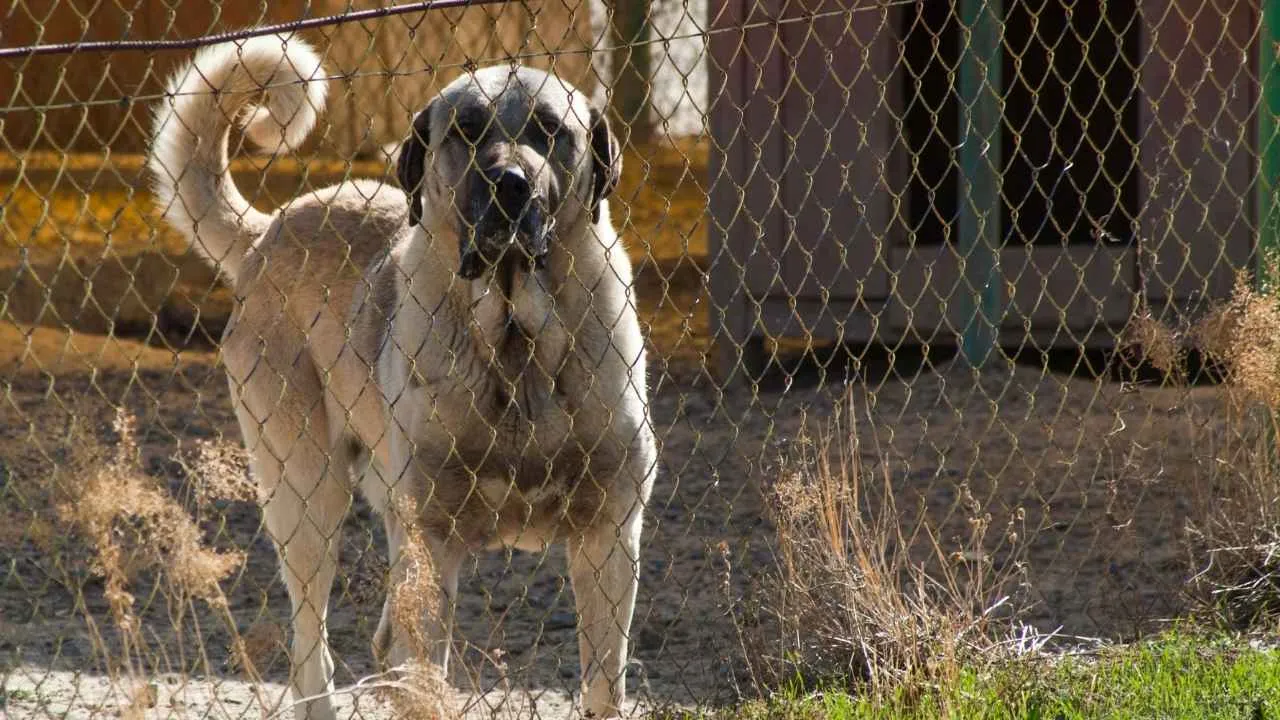
Originally bred in Turkey as a livestock guardian, this four-legged powerhouse was built for independence. Rather than staying close to its handler, it would position itself near the flock, alert them to potential threats, and physically fight off predators when necessary.
The breed boasts one of the strongest bite forces in the canine world at 743 PSI. Its large, deep chest houses a big heart and sizeable lungs that boost cardiac output while running, and powerful hindquarters drive it to speeds of up to 31 mph. Bred for long-distance patrolling, it efficiently converts a nutrient-rich diet into pure physical endurance.
Cat-like paws and thick-boned legs provide excellent shock absorption and stability on rough terrain. The breed weighs around 121–176 pounds and stands 27–33 inches tall. Keeping up with that robust build requires 1–2 hours of solid daily exercise: steady walks, hikes, and jogging.
Conclusion
These seven breeds are not simply muscular. They are purposeful. Every pound they carry reflects what humans needed dogs to accomplish across generations of real, demanding work. From the Rottweiler’s cattle-driving roots in southern Germany to the Kangal’s record-setting 743 PSI bite force documented by researchers, strength in the most muscular dog breeds is never accidental.
It is always earned. If you are thinking about bringing one of these breeds into your life, go in with both eyes open. Invest in early training, quality socialization, and genuine daily commitment. These dogs give everything they have. Meeting them halfway is not optional. It is the whole point.
