




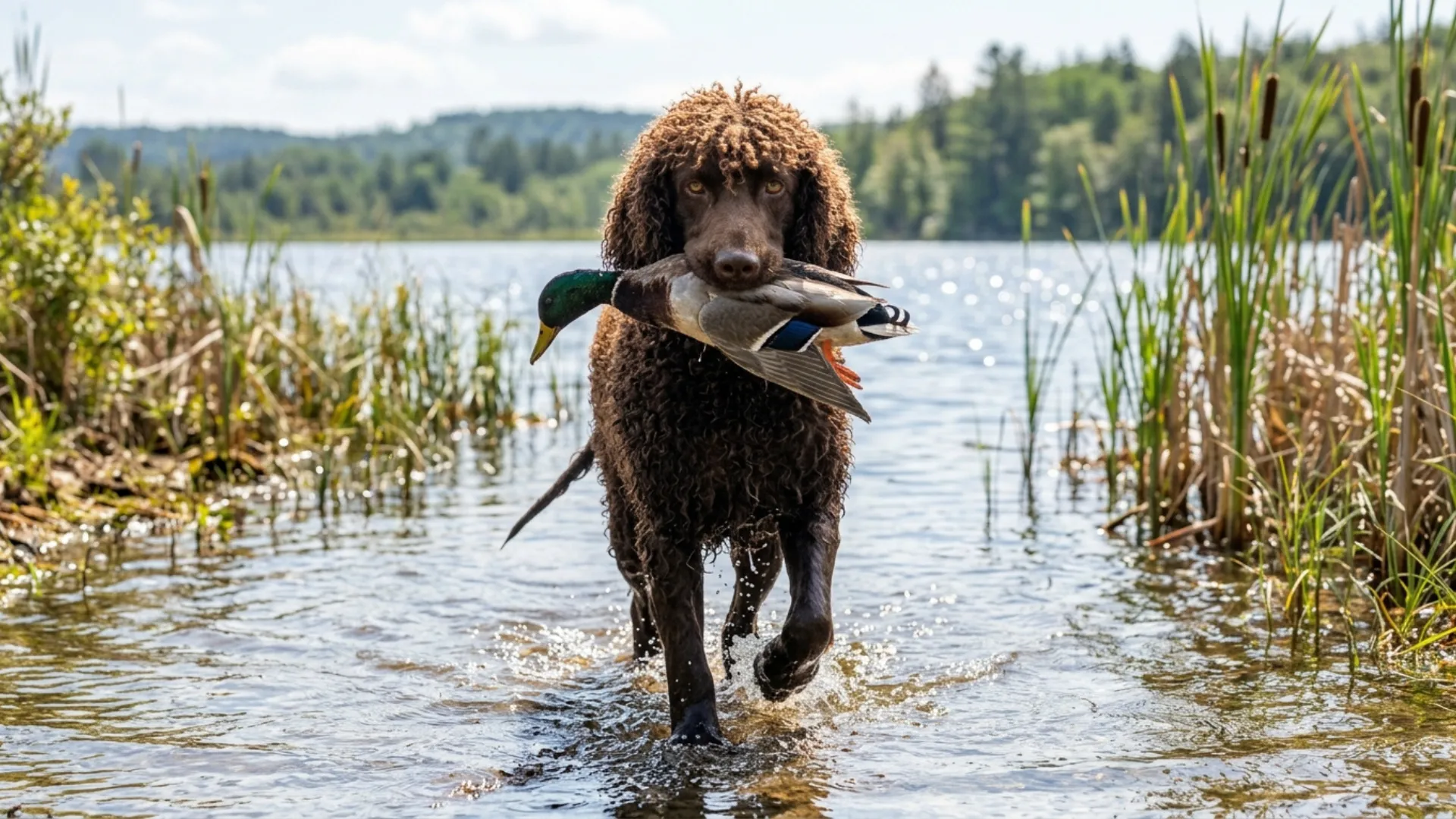
Waterfowl hunting often takes place in challenging conditions, including cold water, thick vegetation, muddy shorelines, and difficult terrain. A capable retrieving dog needs more than an interest in chasing birds. It should have the stamina to work outdoors, the confidence to enter water, and the discipline to return to its handler with game.
Many sporting breeds have been developed specifically for work involving water and retrieving. Their coats, swimming ability, trainability, endurance, and natural desire to carry objects can make them particularly useful in the field. Some were bred primarily to retrieve, while others combine retrieving with flushing, hunting, or other sporting tasks.
The breeds below are recognized for qualities that can make them effective waterfowl companions. Their sizes, temperaments, exercise requirements, and working styles vary considerably, so prospective owners should consider the dog’s natural abilities alongside the hunting environment and training they can provide.
Top Dog Breeds Skilled at Waterfowl Retrieval
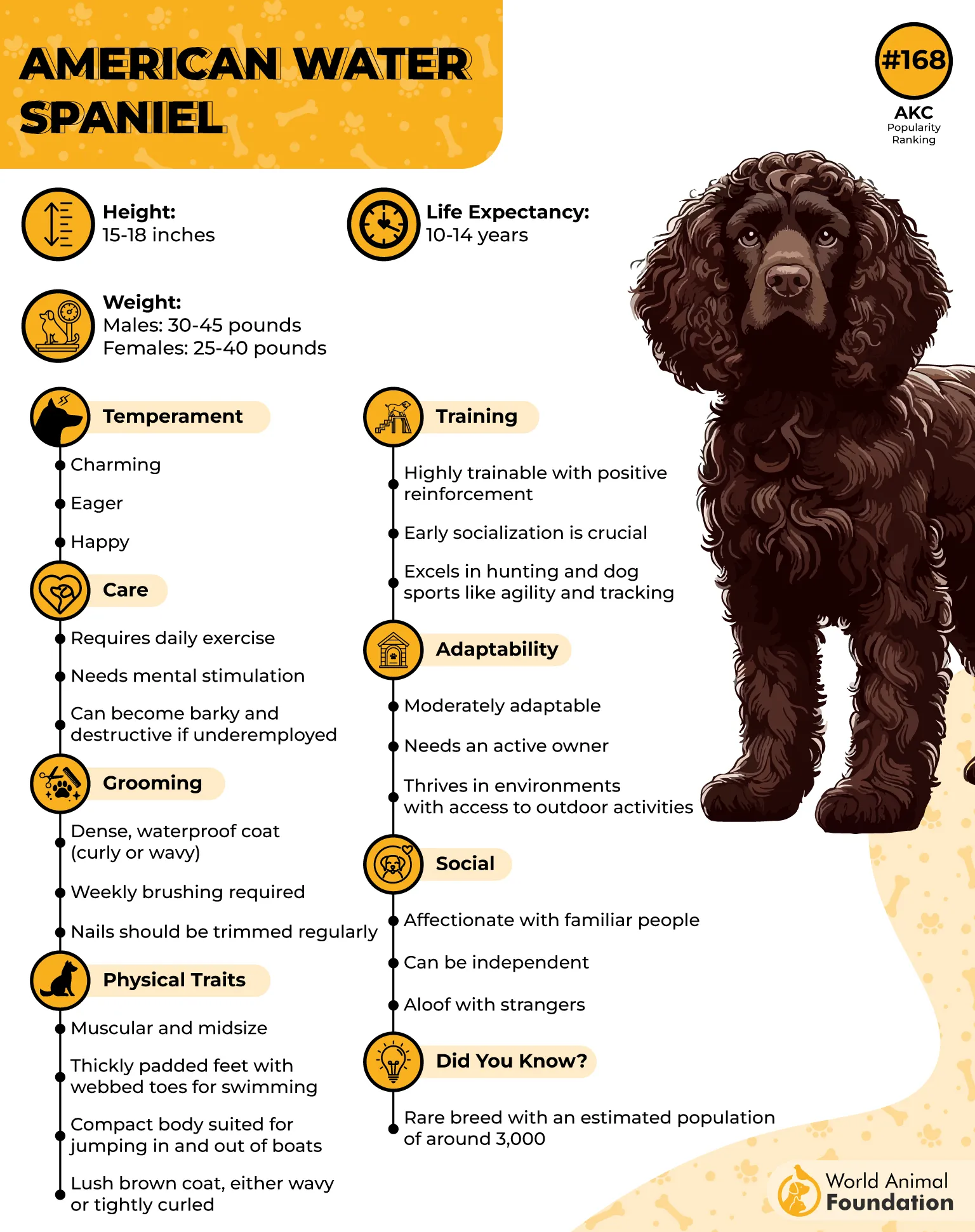
1. American Water Spaniel
The American Water Spaniel was developed in the United States as an all-purpose hunting dog with a particular aptitude for working around water. Its relatively compact size makes it practical for navigating boats, marshes, and shoreline cover, while its curly or wavy coat provides some protection in wet conditions.
These dogs tend to be energetic, attentive, and eager to participate in activities with their handlers. Their hunting background gives them an instinct to search, flush, and retrieve, allowing them to perform several jobs during a day in the field.
Meet Their Need for Active Work
American Water Spaniels need consistent physical and mental stimulation. Swimming, hiking, retrieving exercises, scent games, and obedience sessions can provide useful outlets for their energy.
Because they are intelligent and responsive, training can incorporate different exercises rather than relying on the same routine every day. Building dependable recall and teaching the dog to remain steady around birds and water are particularly useful skills.
A Confident Retriever Around Water
The American Water Spaniel’s compact athletic build and natural affinity for water can make it a capable waterfowl retriever. It can enter ponds, marshes, and other wet environments to collect birds and return them to its handler when properly trained.
Its willingness to work closely with people is another advantage. With appropriate conditioning and exposure to cold-water environments, the breed can become a useful retrieving partner without requiring the size of a larger retriever.
2. Nova Scotia Duck Tolling Retriever
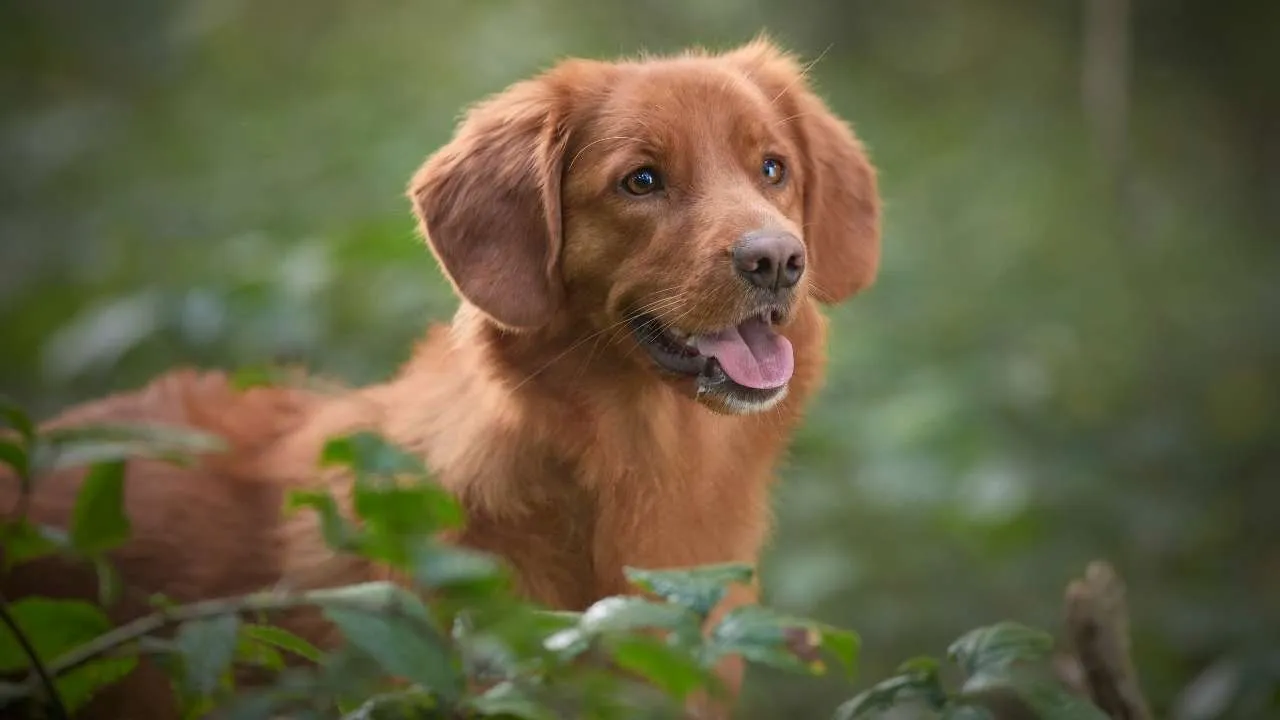
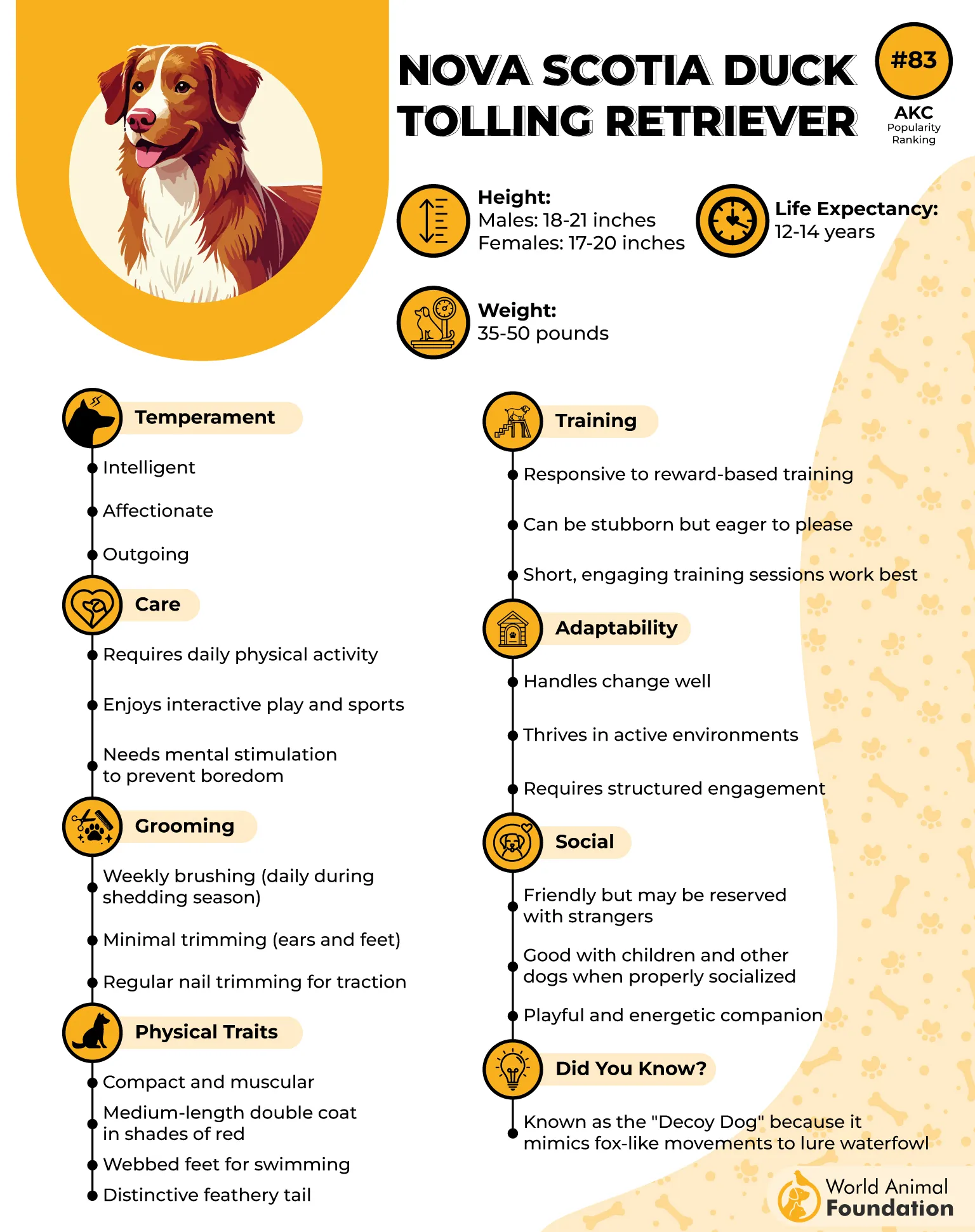
The Nova Scotia Duck Tolling Retriever, often called the Toller, was developed in Canada to assist hunters with waterfowl. Its unusual hunting heritage includes attracting curious ducks toward shore through movement and play before retrieving birds after a successful shot.
The breed is medium-sized, agile, and highly energetic. Tollers are generally intelligent dogs that enjoy having a job to perform and can become intensely focused when engaged in an activity.
Keep Their Intelligence Engaged
A Toller benefits from activities that challenge both its body and brain. Fetch, swimming, scent games, agility exercises, hiking, and obedience work can help prevent boredom.
Training should be varied and reward-based. Clear commands, impulse-control exercises, and reliable recall can help transform the breed’s natural enthusiasm into controlled field behavior.
Built for Waterfowl Retrieval
The Toller has a strong historical connection with retrieving ducks from water. Its athletic swimming ability, energetic nature, and willingness to carry objects make it well suited to this type of sporting work.
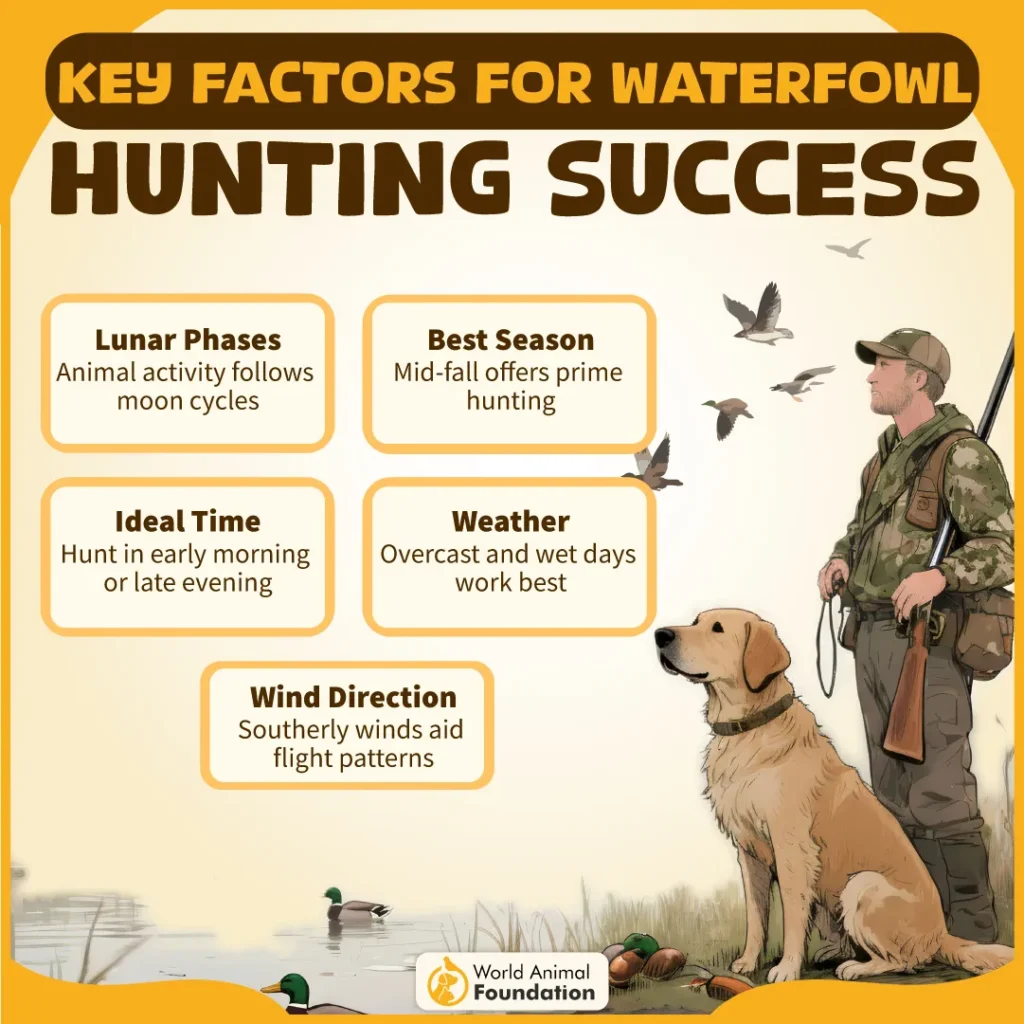
Its medium frame can also be useful for handlers who want a capable water dog without the size of some traditional retrievers. With careful training, a Toller can search for fallen birds and bring them back efficiently.
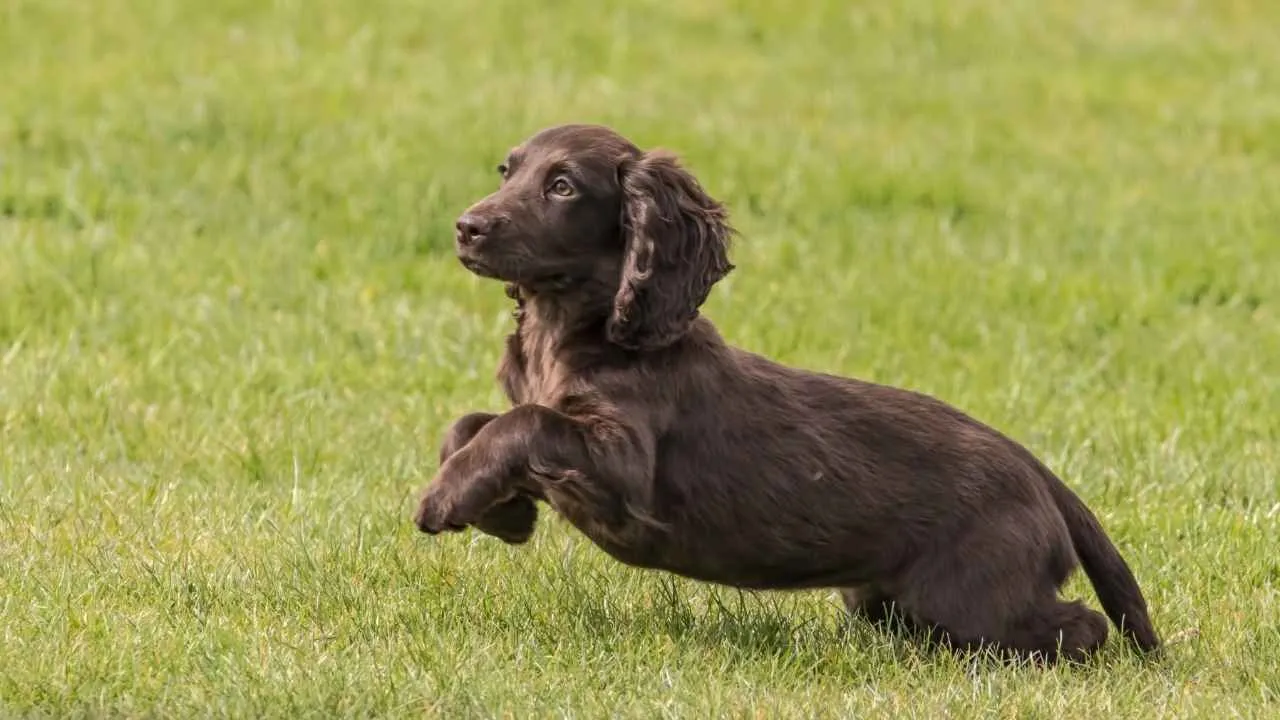
3. Boykin Spaniel
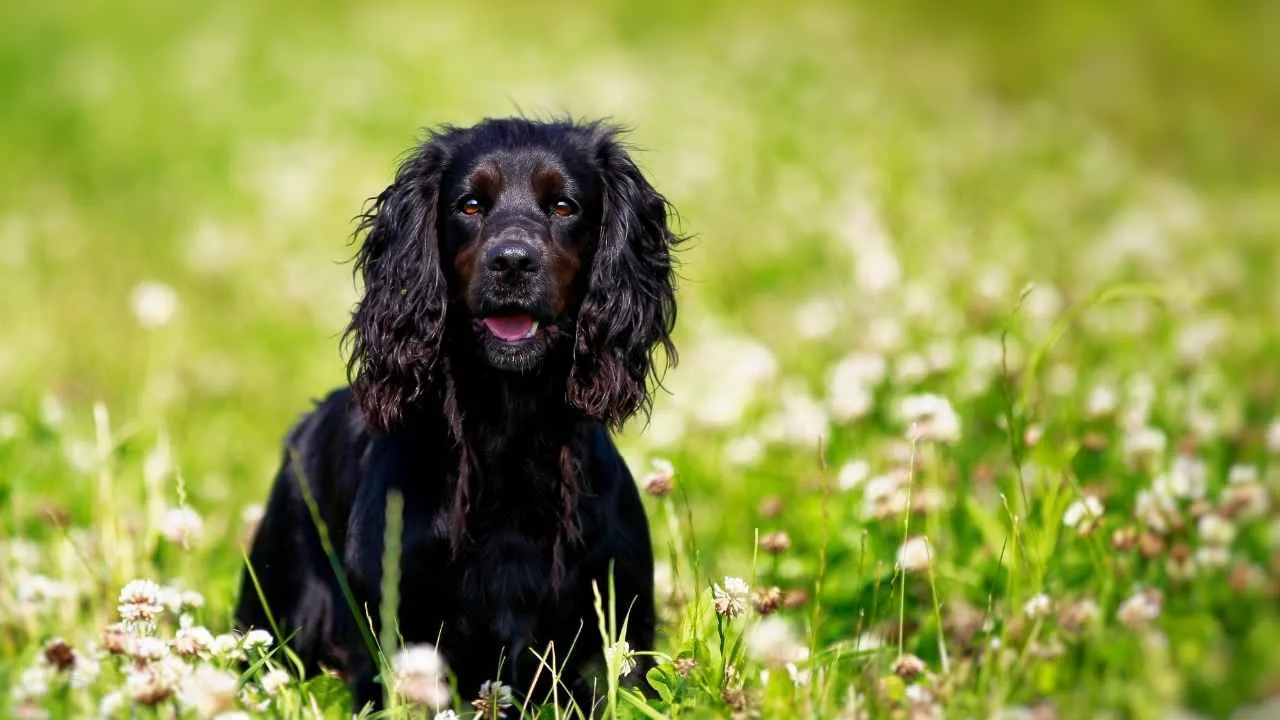
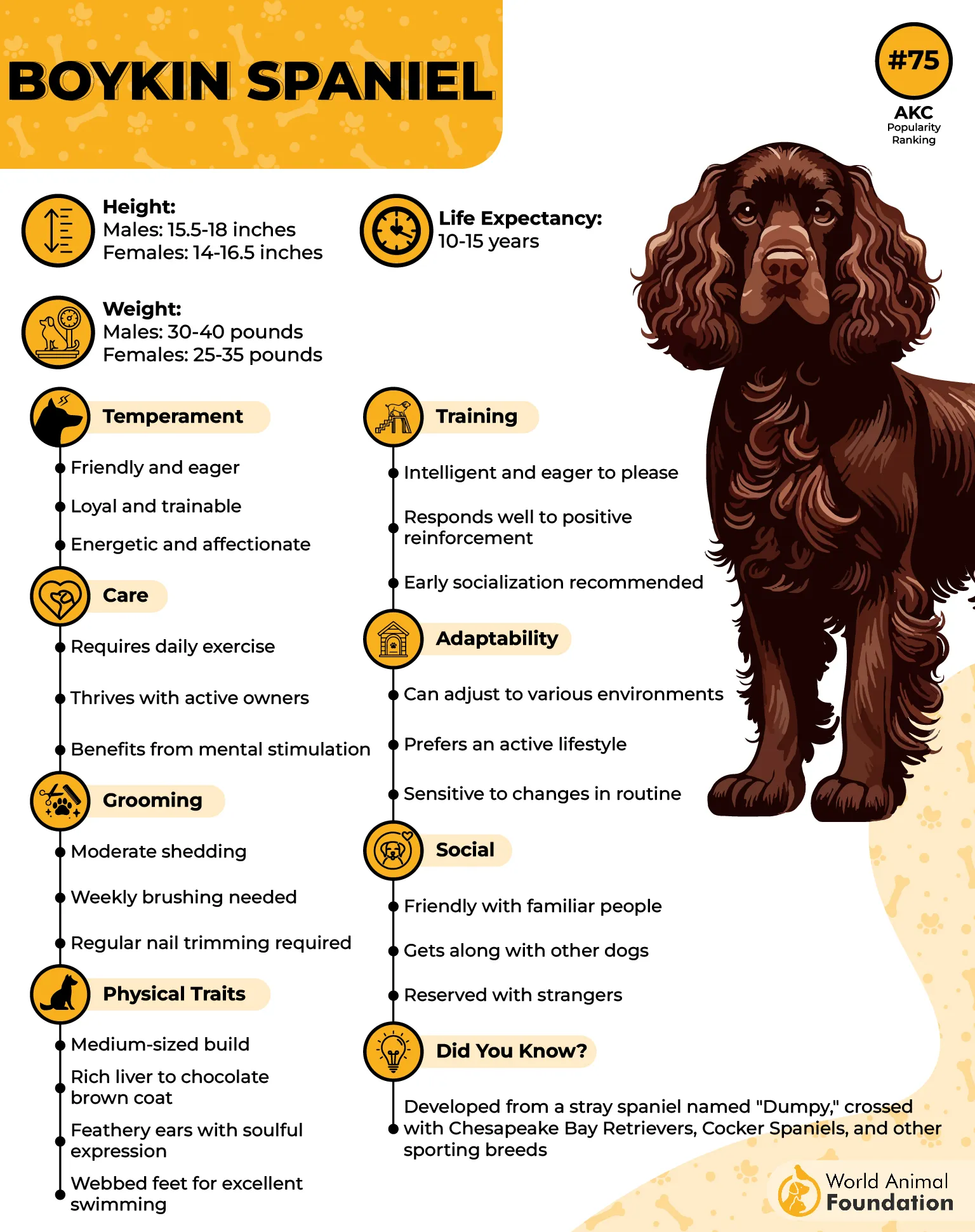
The Boykin Spaniel originated in South Carolina and was developed as a versatile hunting dog capable of working in swampy terrain and retrieving game from water. Its manageable size and energetic nature helped make it useful in environments where a smaller sporting dog could move efficiently through cover.
Boykins are generally enthusiastic workers that enjoy interacting with their handlers. They can be trained for flushing and retrieving and often show a strong interest in water.
Combine Exercise With Purposeful Training
Boykin Spaniels need regular activity to stay physically and mentally satisfied. Long walks, swimming, retrieving games, field exercises, and scent-based activities can all be useful.
Training should establish good manners around water and birds while reinforcing recall and steadiness. Short, engaging sessions can help maintain their attention and enthusiasm.
An Agile Retriever for Marsh and Water
The Boykin Spaniel’s history in Southern wetlands makes it particularly suited to waterfowl work. Its smaller frame can help it move through marshy areas and dense vegetation while its enthusiasm for water supports retrieving tasks.
A properly trained Boykin can collect downed birds from ponds and other waterways and return them to the hunter. Its versatility allows it to contribute both before and after the shot.
4. Irish Water Spaniel
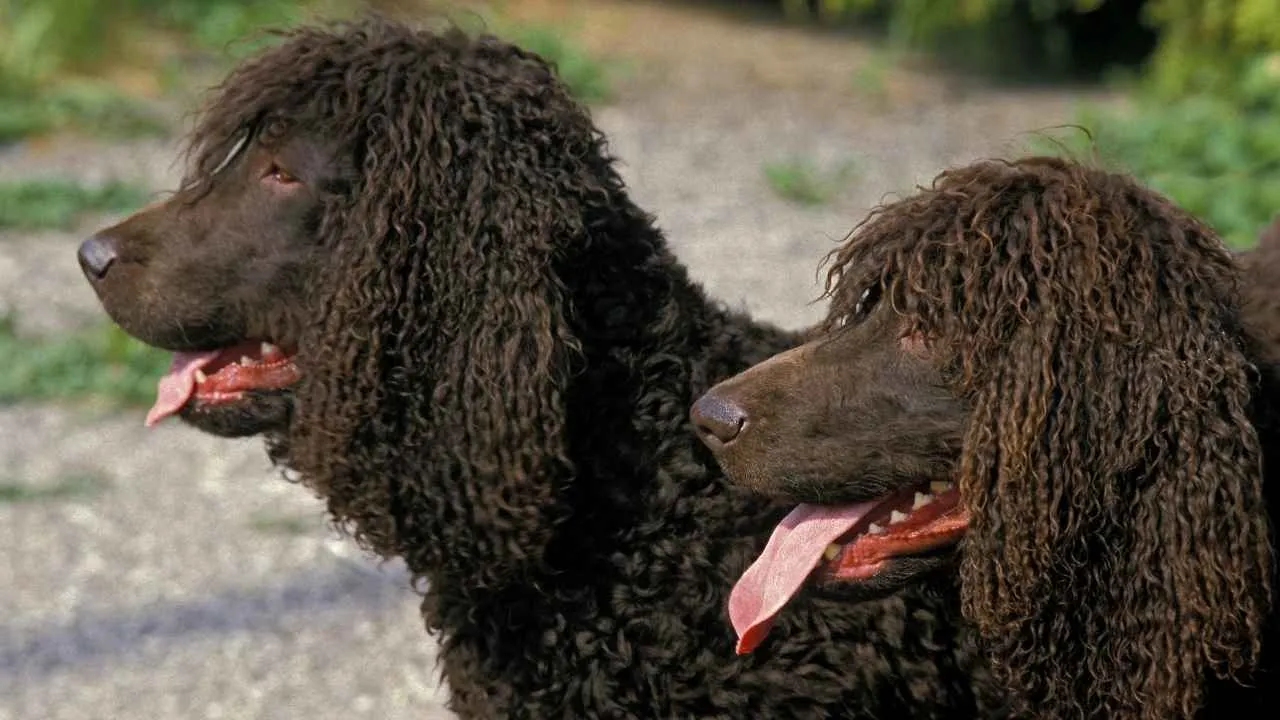
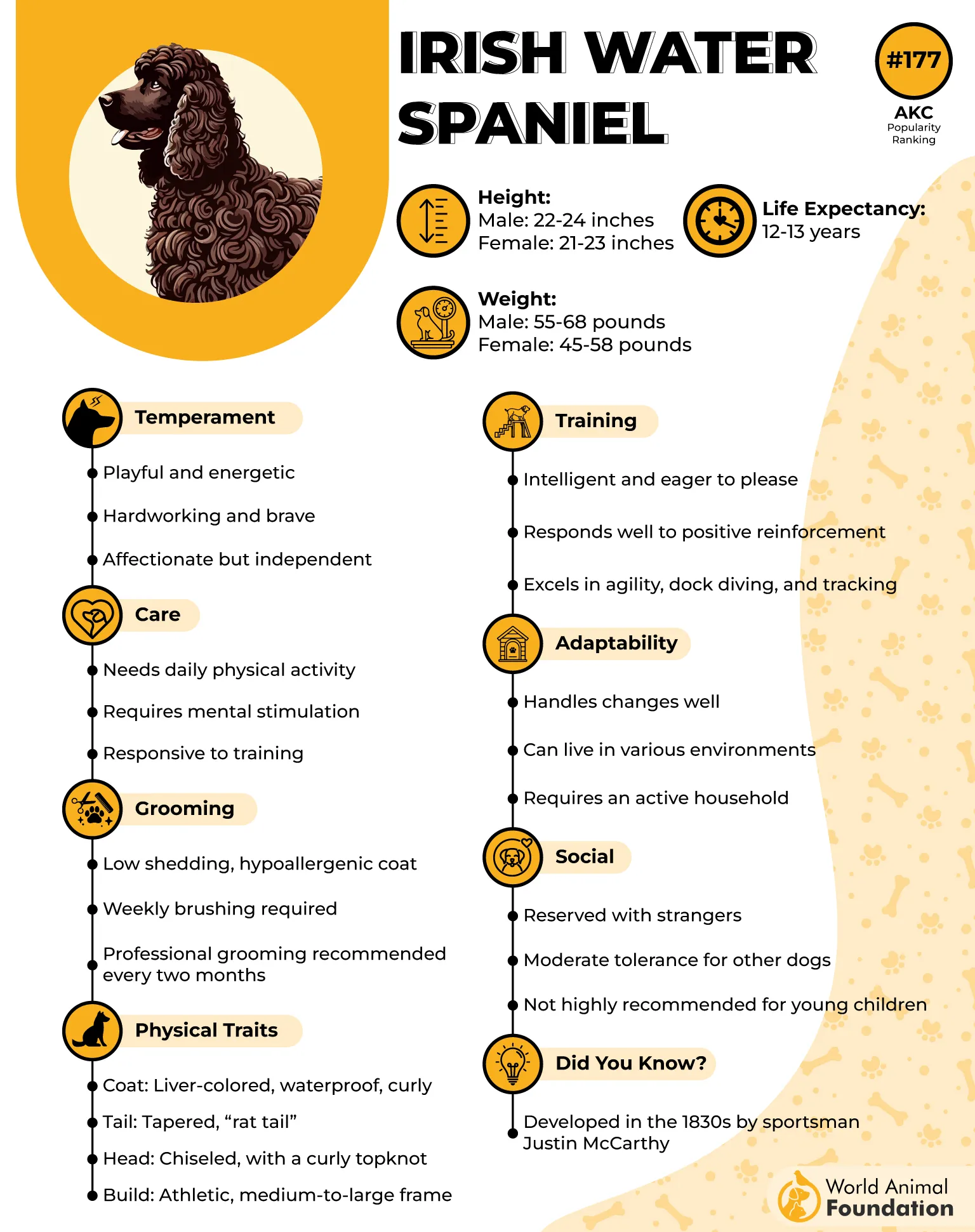
The Irish Water Spaniel is one of the larger spaniels and has a distinctive curly coat that helps protect it while working in wet environments. Originating in Ireland, the breed was developed for hunting and retrieving and became particularly associated with water-based work, as per Hill’s Pet.
These dogs are athletic, intelligent, and often strongly motivated by activity. Their unusual appearance should not obscure the fact that they were bred to be practical working animals capable of handling demanding outdoor conditions.
Support Their Strength With Consistent Activity
Irish Water Spaniels require regular opportunities to exercise. Swimming, hiking, retrieving drills, field training, and scent work can help satisfy their physical requirements.
Because they are intelligent dogs, they also benefit from learning new tasks. Training should encourage patience, responsiveness, and controlled behavior rather than allowing their enthusiasm to dictate every movement.
A Strong Swimmer for Waterfowl Work
The Irish Water Spaniel’s love of water is one of its most valuable qualities for retrieving. Its curly coat offers some protection from wet conditions, while its athletic build supports sustained swimming.
When properly trained, it can retrieve downed ducks and other waterfowl from ponds, lakes, and marshy environments. Its stamina and confidence in water can make it particularly useful for hunters who regularly work in challenging wet terrain.
5. Chesapeake Bay Retriever
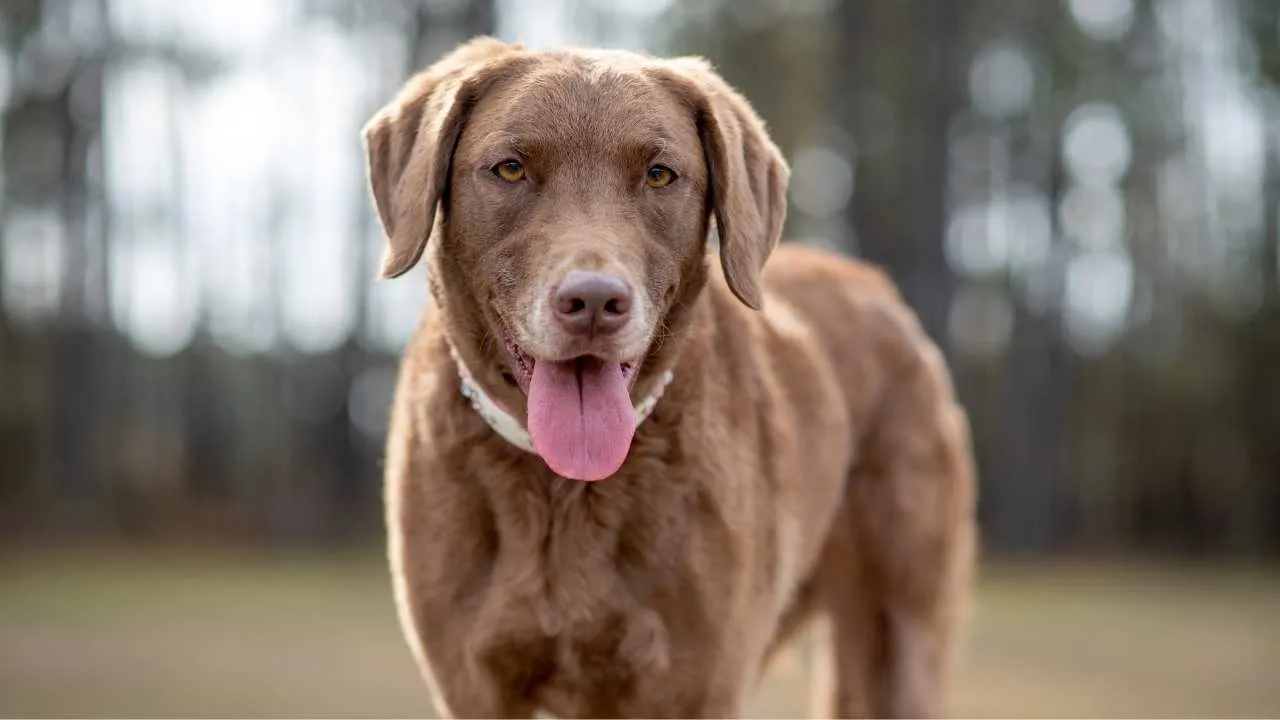
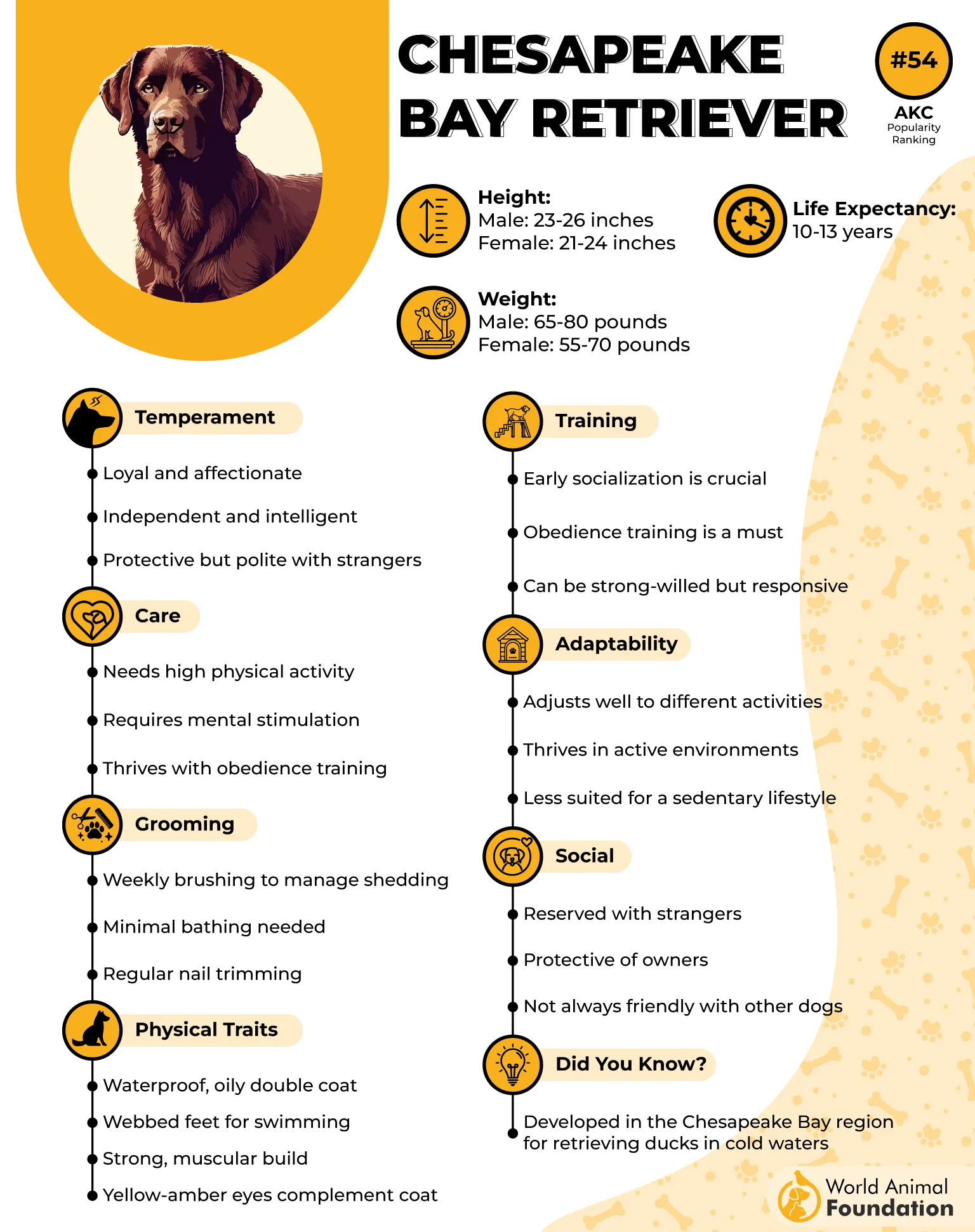
The Chesapeake Bay Retriever was developed along the Chesapeake Bay in the United States and has a long history as a waterfowl hunting dog. The breed was valued for its strength, endurance, swimming ability, and ability to work in cold and rough water.
Chessies are typically powerful, determined, and intelligent. They often have a more independent working style than some other retrievers, which makes early training and a consistent relationship with the handler especially important.
Build Strength and Control Through Exercise
Chesapeake Bay Retrievers need substantial physical activity. Swimming, retrieving, hiking, running, and structured field work can help them use their considerable energy appropriately.
Obedience and impulse control should be developed alongside physical conditioning. A dog that can remain attentive despite distractions is much easier to handle during demanding hunting situations.
A Powerful Cold-Water Retriever
Few qualities are more closely associated with the Chesapeake Bay Retriever than its ability to retrieve waterfowl from difficult aquatic environments. Its dense, oily coat provides insulation and helps shed water, while its strong body supports swimming in challenging conditions.
The breed’s determination is another important asset. A trained Chessie can repeatedly enter cold water, locate fallen birds, and carry them back to shore or a boat, making it a particularly strong choice for serious waterfowl work.
6. Golden Retriever
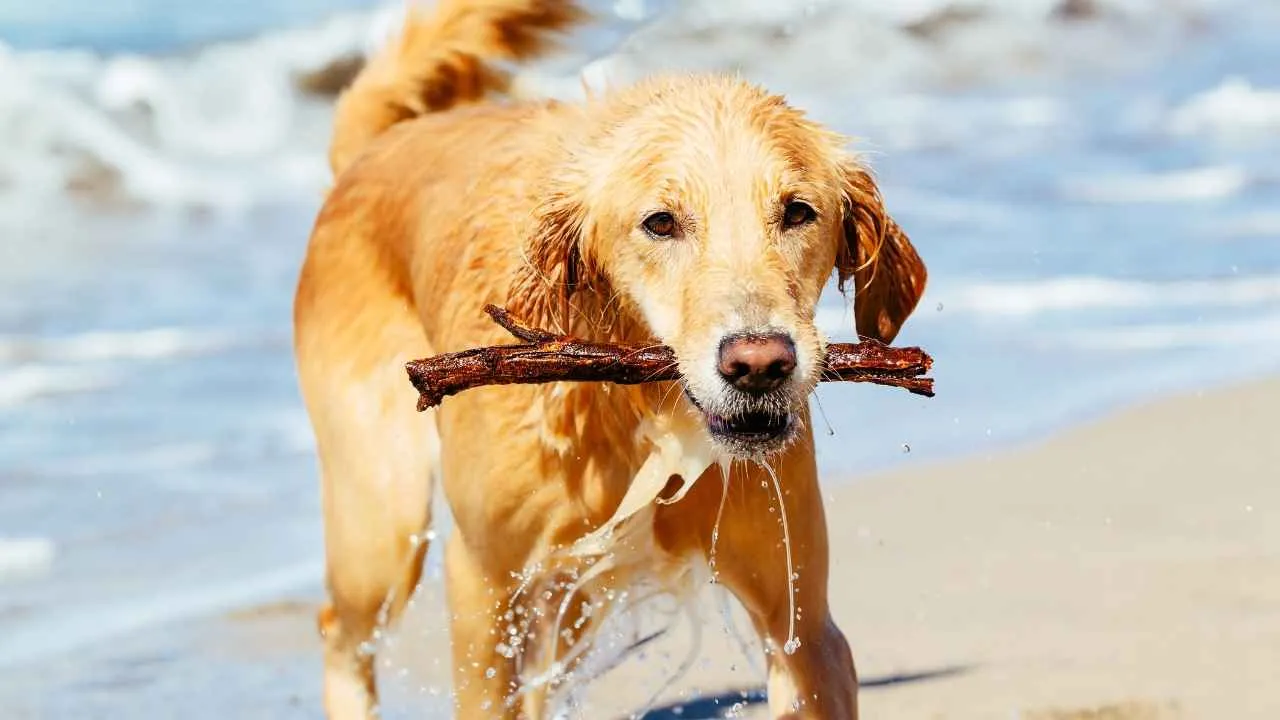
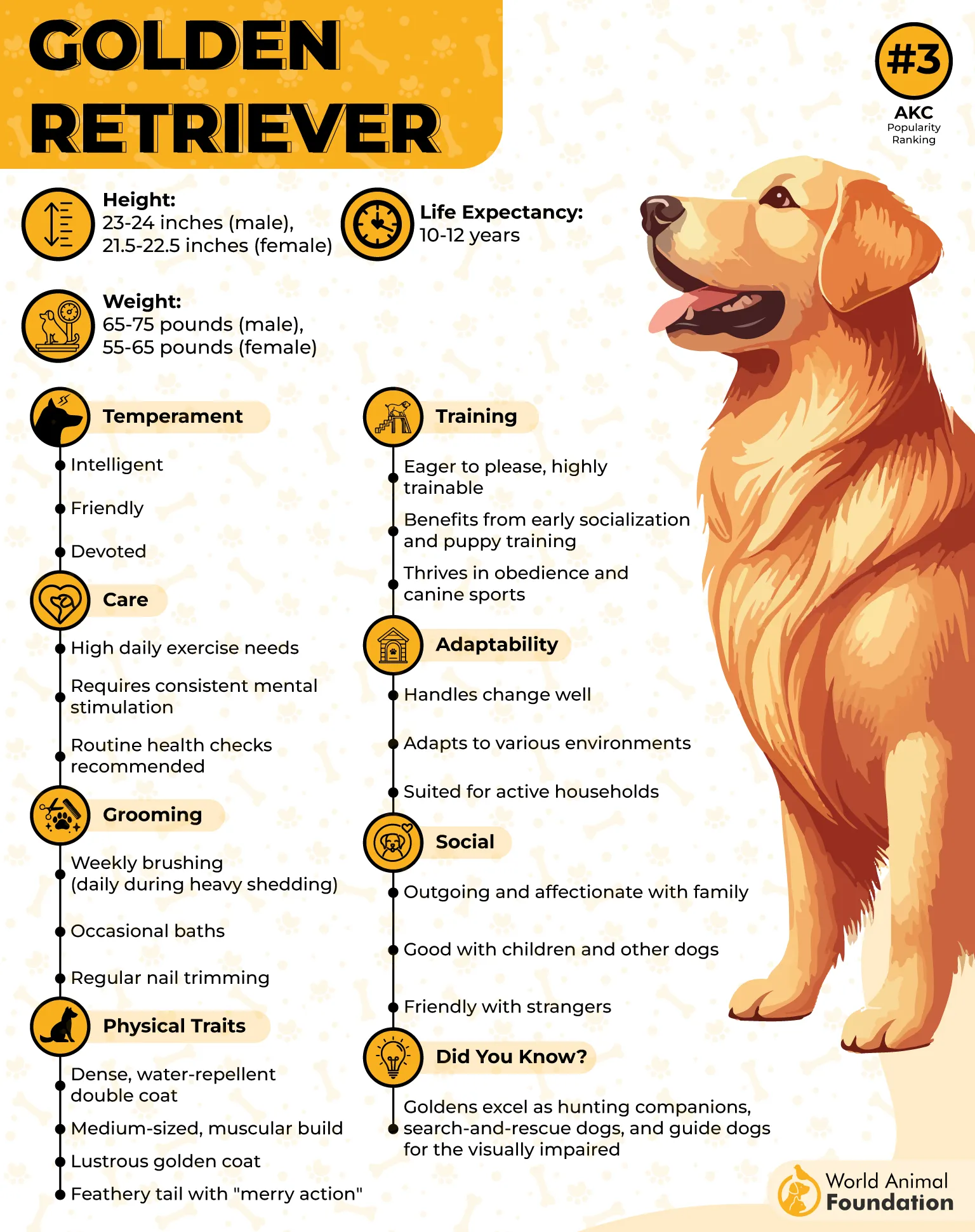
Golden Retrievers were developed in Scotland as sporting dogs and became especially respected for retrieving game. Their love of water, athletic ability, soft mouths, and cooperative temperaments have helped them become popular among hunters as well as families.
Although modern Goldens are often seen primarily as companion animals, their sporting heritage remains evident. Many naturally enjoy carrying objects, swimming, searching, and participating in activities with their owners.
Give Them Plenty of Outdoor Engagement
Golden Retrievers thrive when they receive regular exercise and meaningful interaction. Swimming, hiking, retrieving games, field drills, and obedience training can all provide useful stimulation.
Training should teach the dog to respond promptly to commands and wait for direction before rushing after an object. These skills can be especially important when working around water and firearms.
Gentle and Reliable With Downed Birds
The Golden Retriever’s soft mouth and natural tendency to carry objects carefully are valuable characteristics when retrieving waterfowl. A well-trained dog can enter the water, locate a fallen bird, and return it without unnecessarily damaging the game.
Its cooperative personality can also make repeated retrieves easier to manage. For handlers seeking a water-loving sporting dog that can combine field ability with a friendly household temperament, the Golden Retriever can be an excellent option.
7. Labrador Retriever
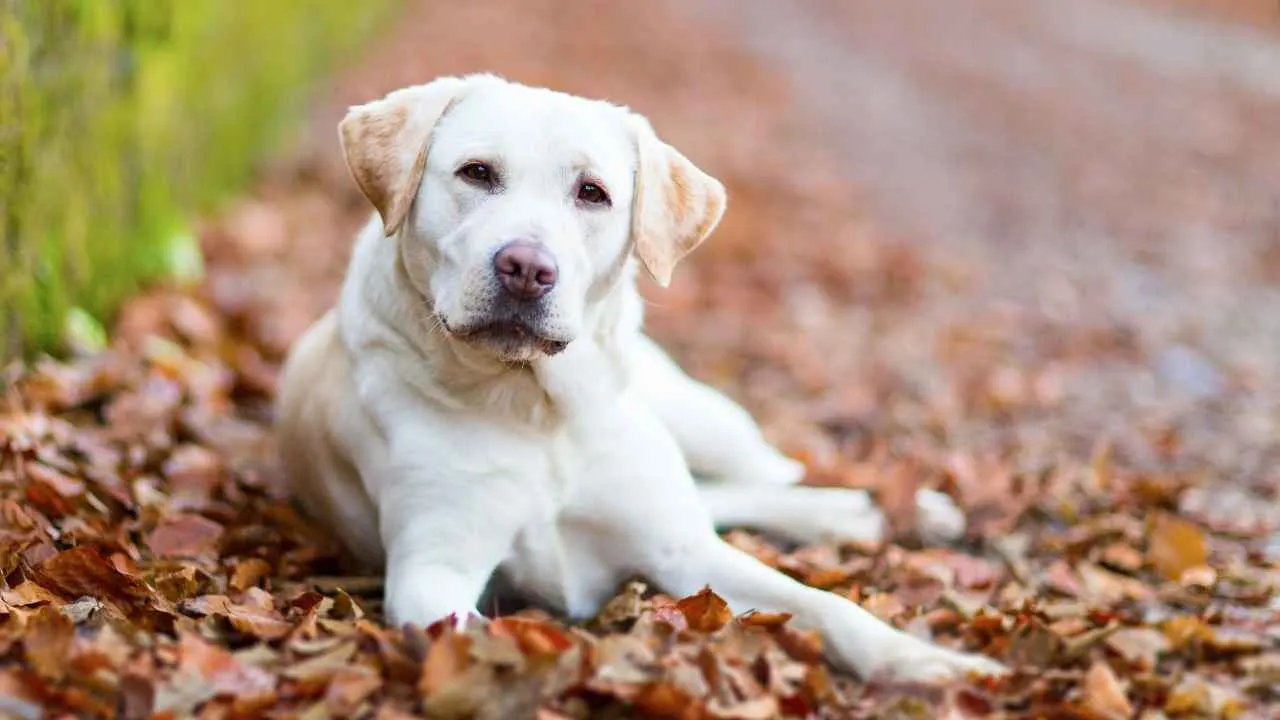
Labrador Retrievers have become one of the world’s most recognizable sporting breeds, with a long history connected to retrieving work. Their ancestors were associated with fishermen in Newfoundland, where retrieving objects from water was an important part of their working heritage, as per Britannica.
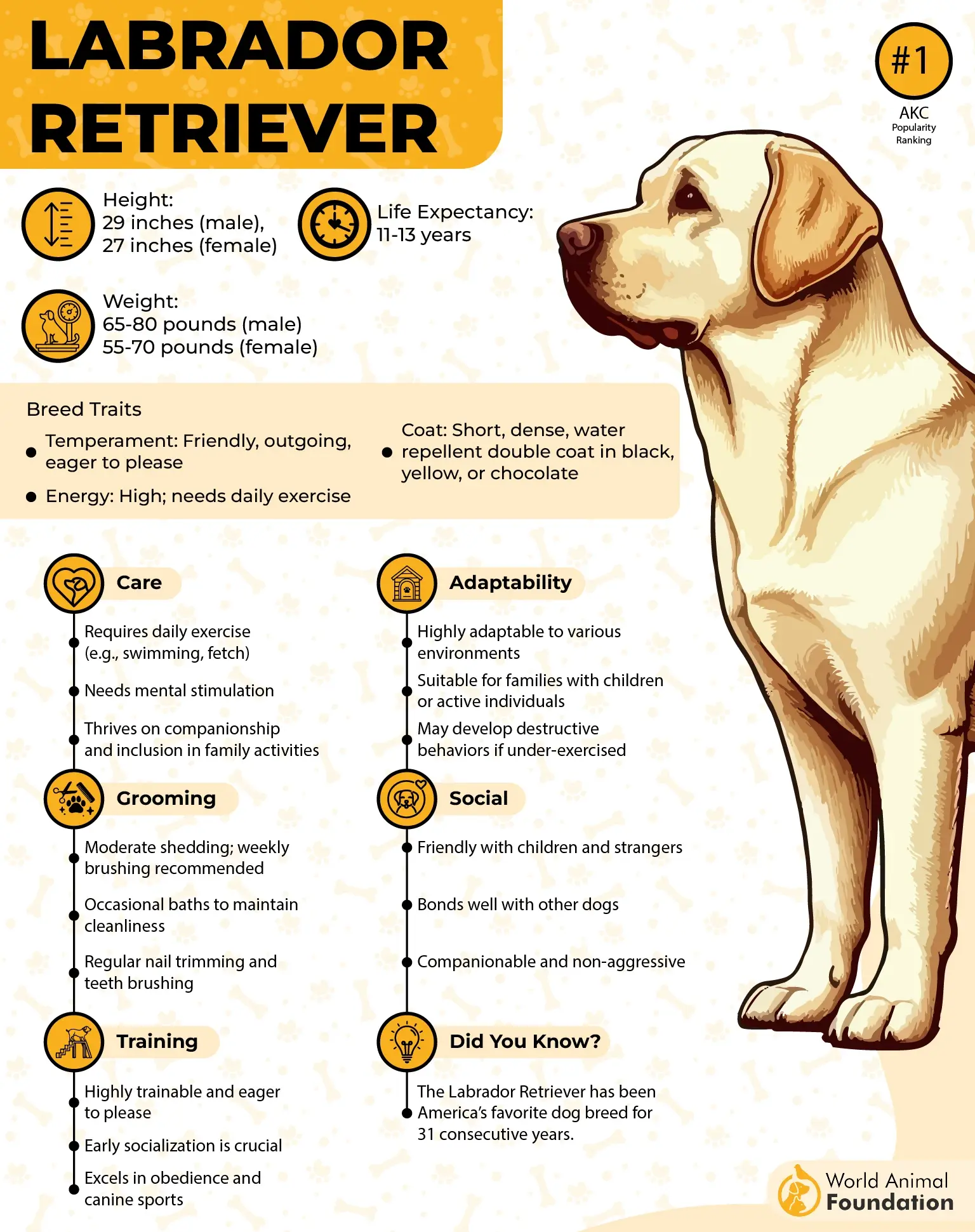
Labradors are generally energetic, trainable, and highly motivated by retrieving. Their enthusiasm for carrying objects can be shaped into reliable field behavior through structured training.
Channel Their Energy Into Training
Labradors need regular exercise and opportunities to work their minds. Swimming, walking, retrieving drills, scent activities, and obedience exercises can help keep them balanced.
Young Labradors may be especially enthusiastic, so training should gradually develop patience and self-control. Recall, steadiness, delivery to hand, and calm behavior around birds are valuable foundations.
A Classic Waterfowl Retriever
The Labrador’s combination of swimming ability, endurance, trainability, and retrieving instinct makes it one of the strongest choices for waterfowl hunting. Its short, dense coat offers some protection from wet conditions while its athletic build allows it to cover water efficiently.
A well-conditioned Labrador can retrieve multiple birds during a hunting session and work comfortably alongside its handler. Its natural enthusiasm for retrieving, combined with careful training, makes it a dependable partner for ducks and other waterfowl.
8. Flat-Coated Retriever
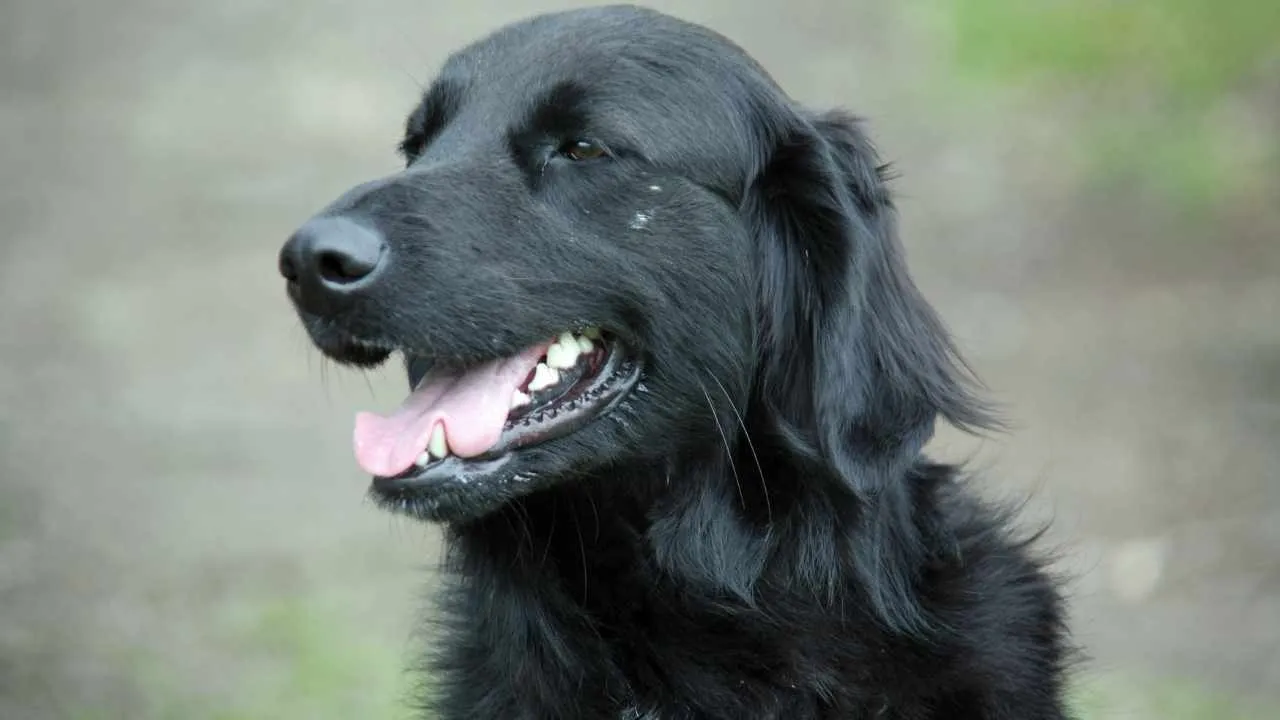
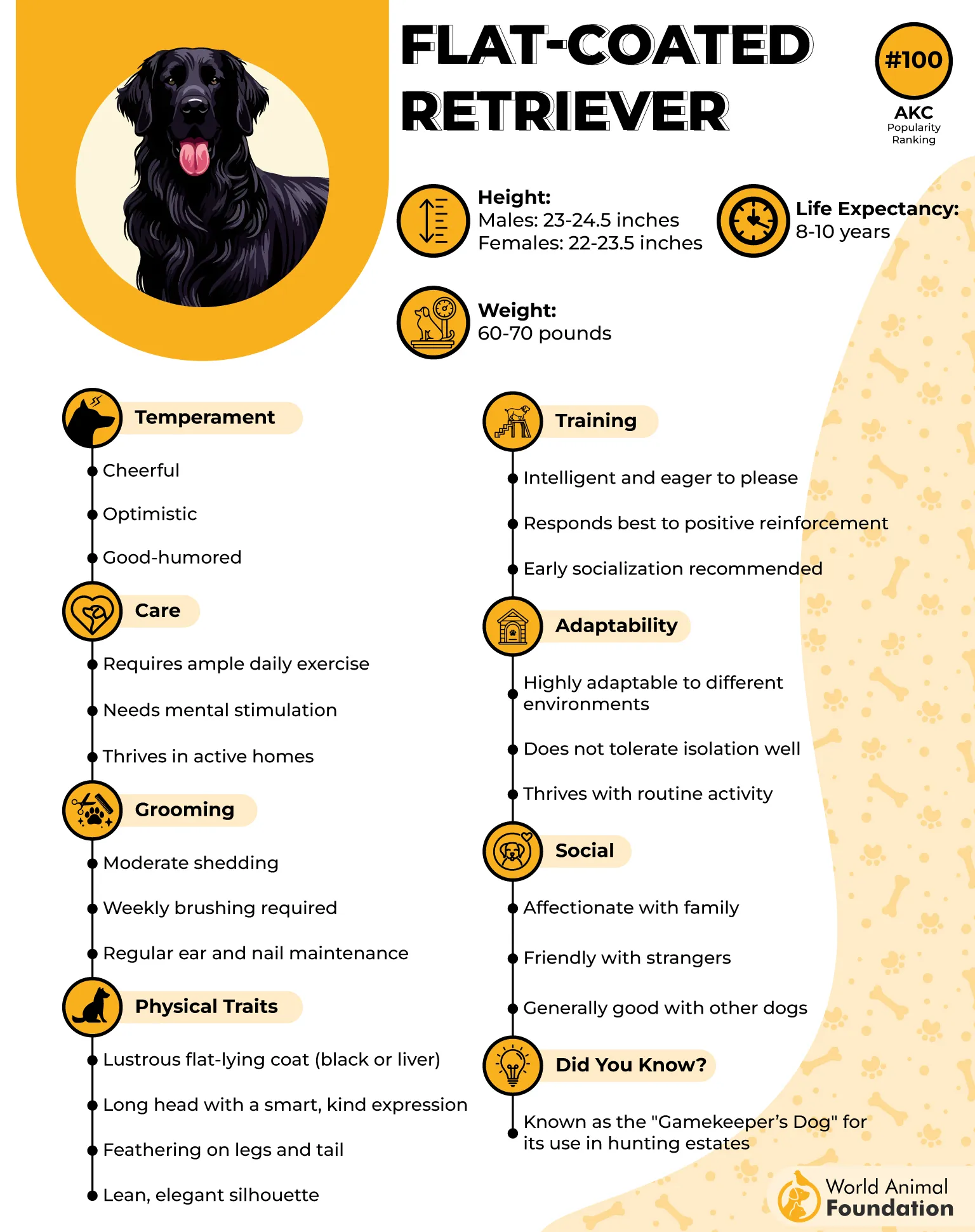
Flat-Coated Retrievers were developed in Britain as general-purpose retrieving dogs. They have a cheerful temperament, athletic body, and strong desire to work with people, making them suitable for a range of sporting activities.
Their long, flat coats provide some protection while working outdoors, and their energy allows them to remain active for extended periods. They are typically tough dogs that enjoy retrieving and learning new tasks.
Keep Their Working Instincts Active
Flat-Coated Retrievers benefit from regular exercise that combines physical movement with mental engagement. Swimming, hiking, retrieving games, field training, and scent exercises can be particularly rewarding.
Training should emphasize consistency without becoming unnecessarily repetitive. These dogs often respond well when learning is presented as an engaging activity rather than a monotonous routine.
An Enthusiastic Waterfowl Retriever
Flat-Coated Retrievers have a natural aptitude for carrying and returning game, including birds recovered from water. Their athleticism allows them to work across varied terrain and enter water when required.
Their enthusiasm can be an advantage in the field when paired with good control. With appropriate instruction, they can learn to mark falling birds, wait for the command to retrieve, and return directly to the handler.
9. Curly-Coated Retriever
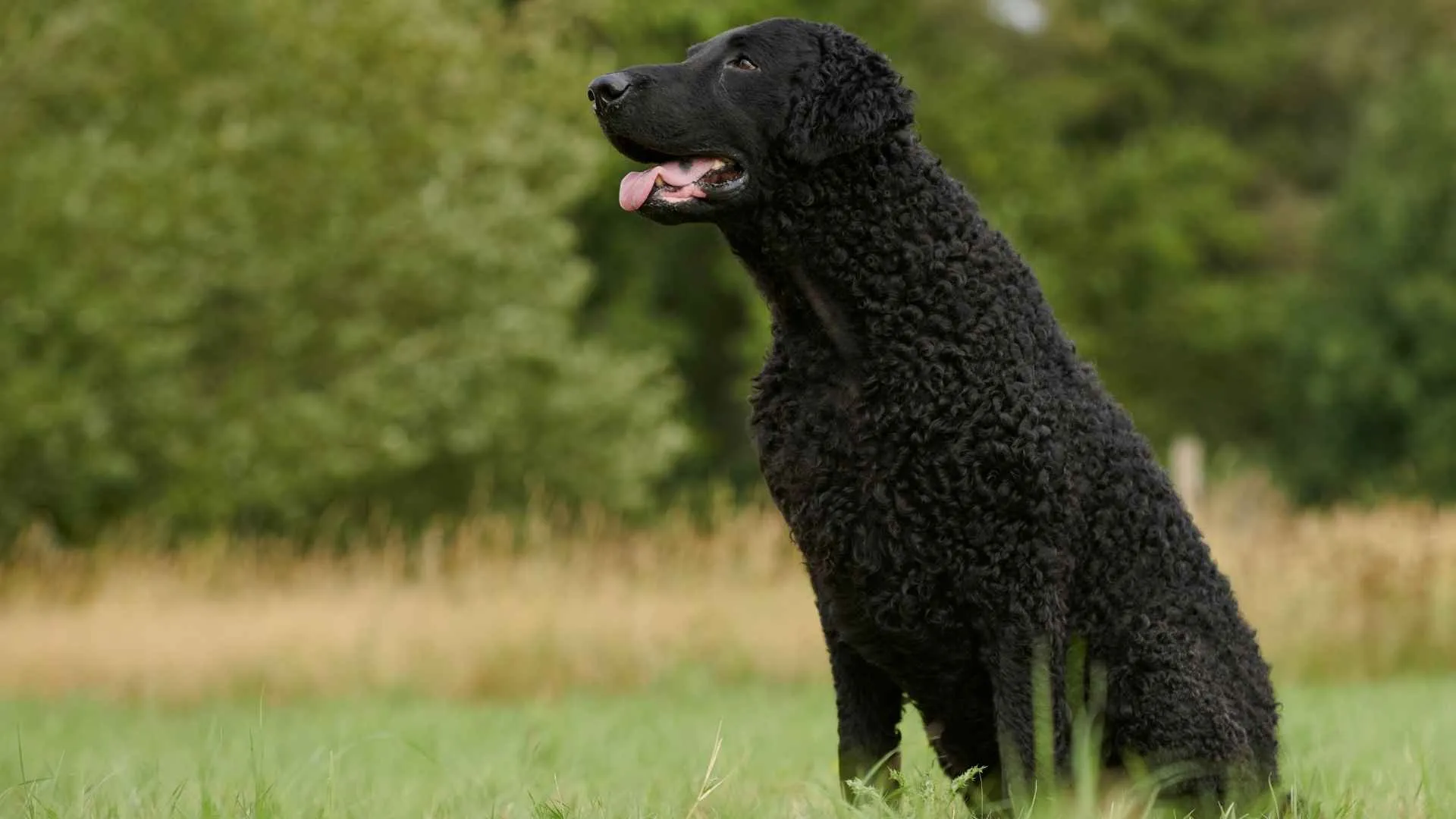
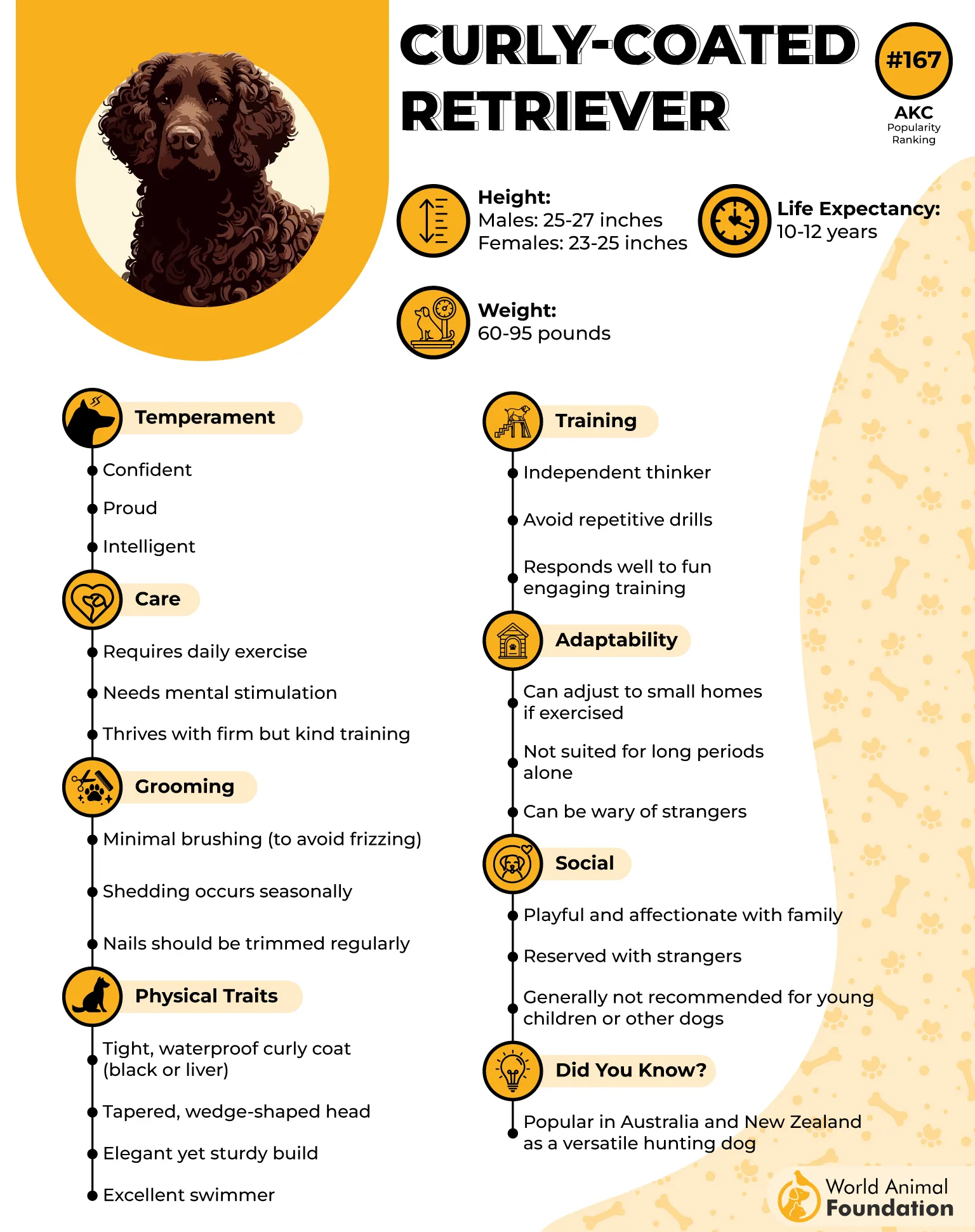
The Curly-Coated Retriever is an English sporting breed recognized by its distinctive tight curls. It was developed as a retrieving dog and has historically been used for collecting game from both land and water.
Curly-Coated Retrievers are typically athletic, intelligent, and confident. They may have a somewhat independent nature, so successful training often depends on establishing clear communication and maintaining consistency.
Provide Challenging Activities
These retrievers need regular physical exercise and mental stimulation. Swimming, long walks, retrieving games, tracking, and advanced obedience can give them productive outlets, as per PetMD.
Their intelligence means that they may appreciate varied training challenges. Building a strong recall and teaching reliable delivery skills can make their natural retrieving ability easier to direct.
Well Suited to Wet Retrieving Conditions
The Curly-Coated Retriever’s water-resistant curly coat offers protection while it works in damp environments. Its athletic build and history as a working retriever also support demanding outdoor activity.
For waterfowl hunters, the breed can be trained to retrieve birds from lakes, ponds, and other waterways. Its confidence and independent working style can be valuable when a retrieve requires persistence, provided the dog has received thorough field training.
10. Portuguese Water Dog
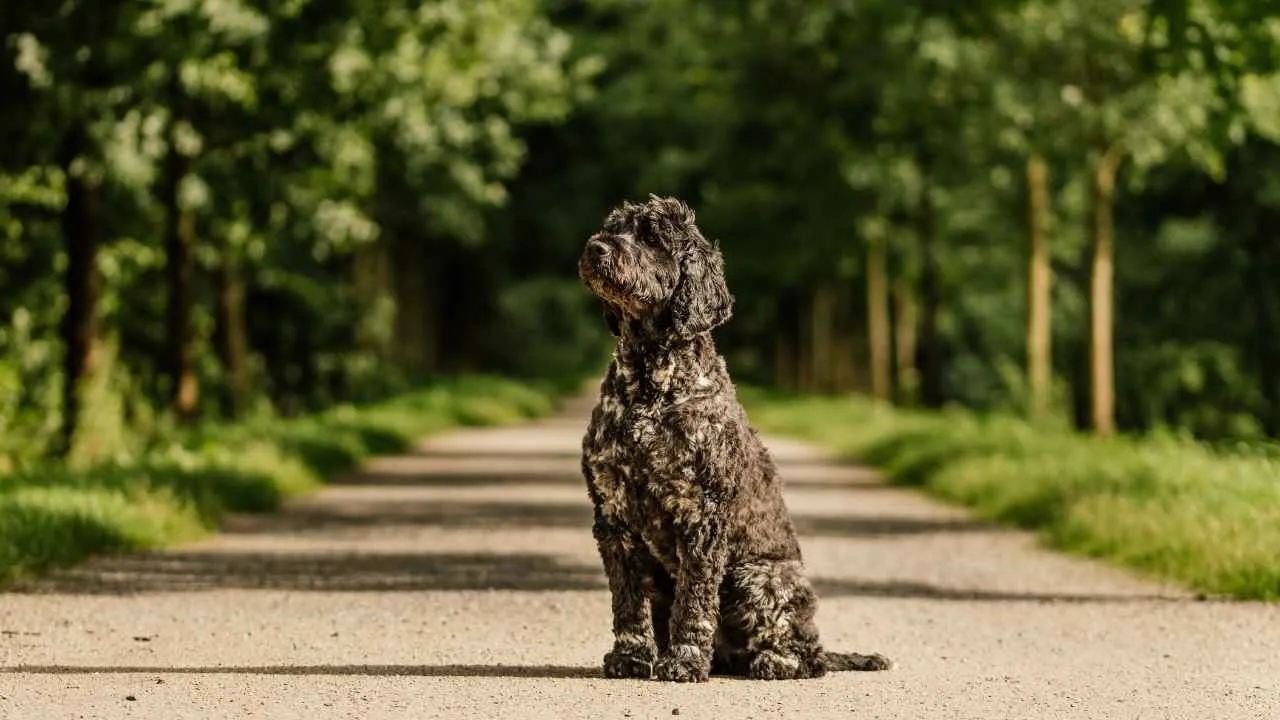
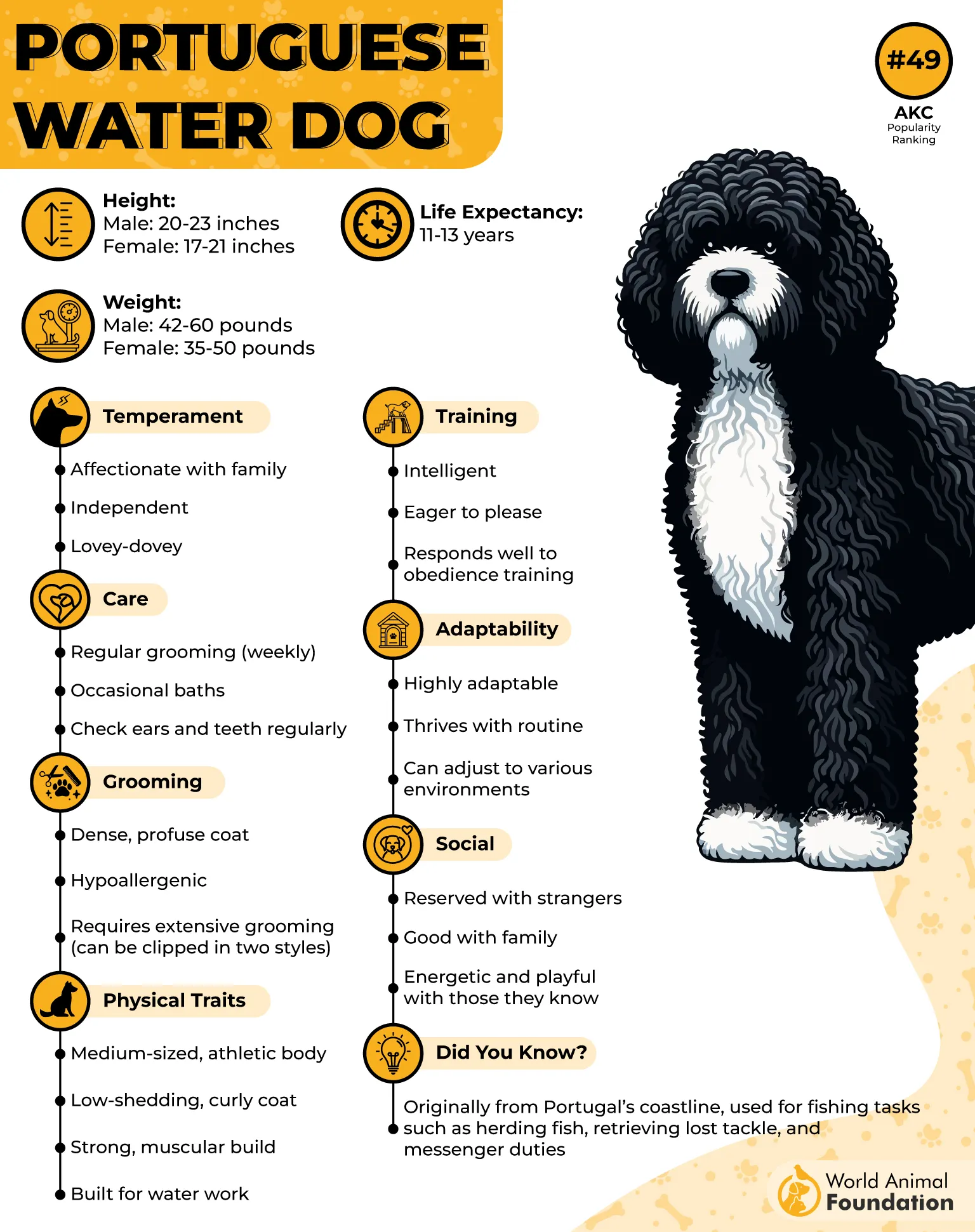
The Portuguese Water Dog has a long working history around water. Originating in Portugal, these dogs were used by fishermen for tasks involving the sea, including retrieving objects and assisting with fishing activities.
Their webbed feet, athletic bodies, and strong swimming ability contribute to their reputation as capable water workers. They are also intelligent and energetic dogs that generally enjoy having tasks to complete.
Give Them a Job to Stay Satisfied
Portuguese Water Dogs require consistent activity and mental challenges. Swimming, retrieving games, hiking, obedience, and canine sports can all help keep them engaged.
Their intelligence makes training especially important. A structured approach can teach them to respond to commands even when water, floating objects, or other distractions capture their attention.
A Water-Loving Retrieval Specialist
The Portuguese Water Dog’s history of assisting fishermen gives it a particularly strong connection to aquatic work. Its swimming ability and willingness to retrieve make it capable of working around ponds, lakes, and coastal environments.
Although it is not as specialized for modern waterfowl hunting as some retriever breeds, a properly trained Portuguese Water Dog can collect birds from water and return them to its handler. Its enthusiasm for aquatic activities can make retrieving work especially rewarding.
Conclusion
Waterfowl retrieval demands a combination of swimming ability, stamina, confidence, trainability, and a willingness to work closely with a handler. Breeds such as the Chesapeake Bay Retriever and Labrador Retriever are particularly well known for this role, while Golden Retrievers, Curly-Coated Retrievers, and Flat-Coated Retrievers also bring strong retrieving instincts to the field.
The Spaniels on this list offer a different combination of qualities. American Water Spaniels, Boykin Spaniels, Irish Water Spaniels, and Nova Scotia Duck Tolling Retrievers can combine water work with searching, flushing, and other sporting behaviors. The Portuguese Water Dog brings a unique maritime working heritage to the group.
Choosing a waterfowl dog should involve more than looking at breed reputation. Hunters should consider the dog’s size, coat, swimming confidence, endurance, temperament, training needs, and the conditions in which it will be expected to work.
With proper conditioning and consistent instruction, these breeds can turn their natural attraction to water and retrieving into valuable skills for waterfowl work.
