




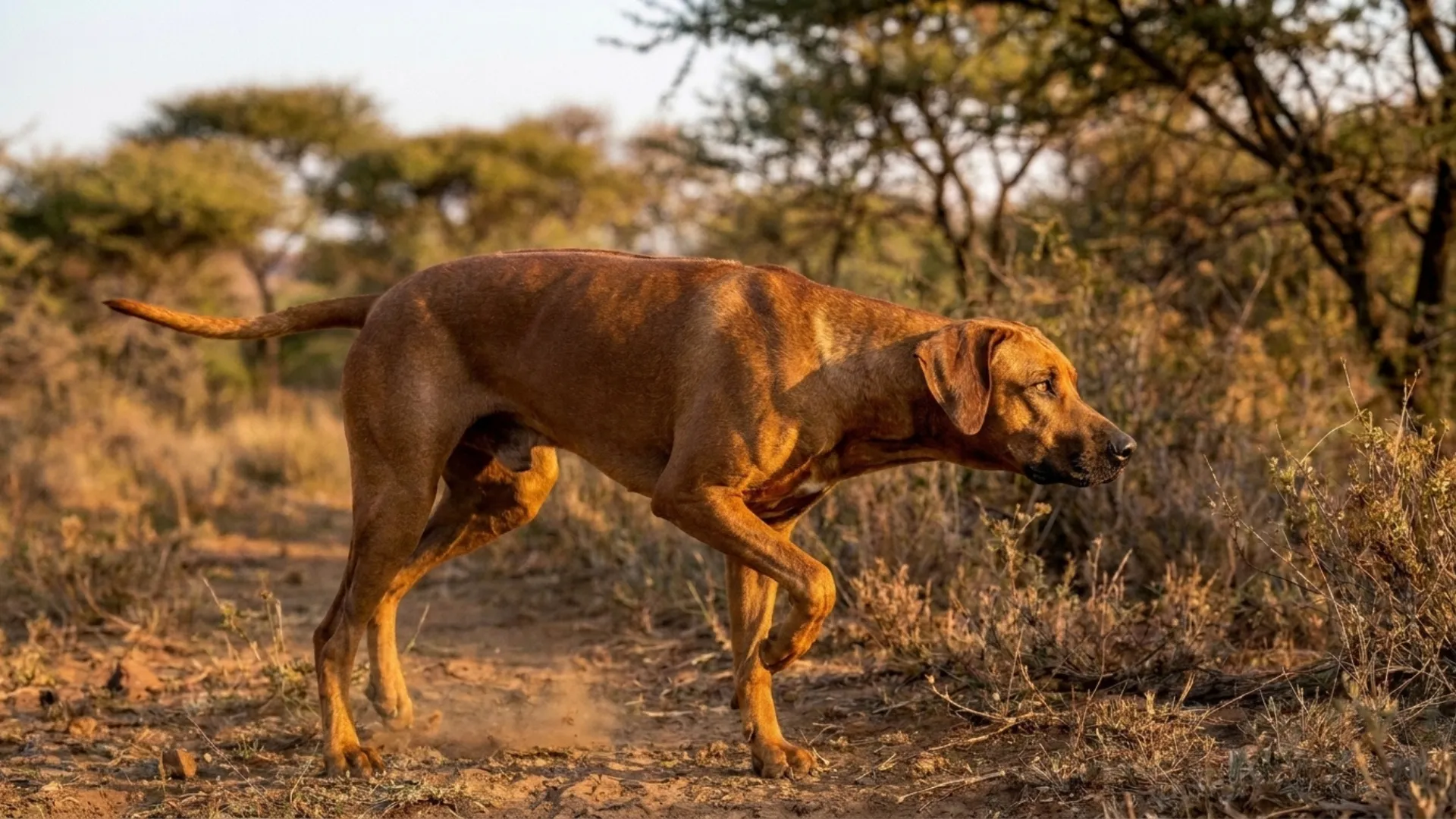
Some dogs seem naturally tuned to the outdoors, quickly noticing unfamiliar scents, sudden movement, or the presence of animals long before their owners do. For certain breeds, this heightened awareness is not accidental; generations of selective breeding shaped them to locate, track, flush, point toward, or pursue quarry.
A pronounced hunting instinct can make these dogs exciting companions for people who enjoy hiking, field activities, scent work, and canine sports. It can also create challenges in ordinary settings, particularly around wildlife, livestock, or small household pets. Strong recall, thoughtful management, and appropriate outlets are therefore important parts of responsible ownership.
The breeds below represent several different hunting styles. Some rely heavily on scent, others use sight, while pointers, spaniels, and retrievers were developed to perform specialized jobs alongside hunters. Their instincts may appear differently at home, but their working histories remain an important part of understanding their behavior.
Dog Breeds Known for Strong Hunting Instincts
1. Irish Water Spaniel
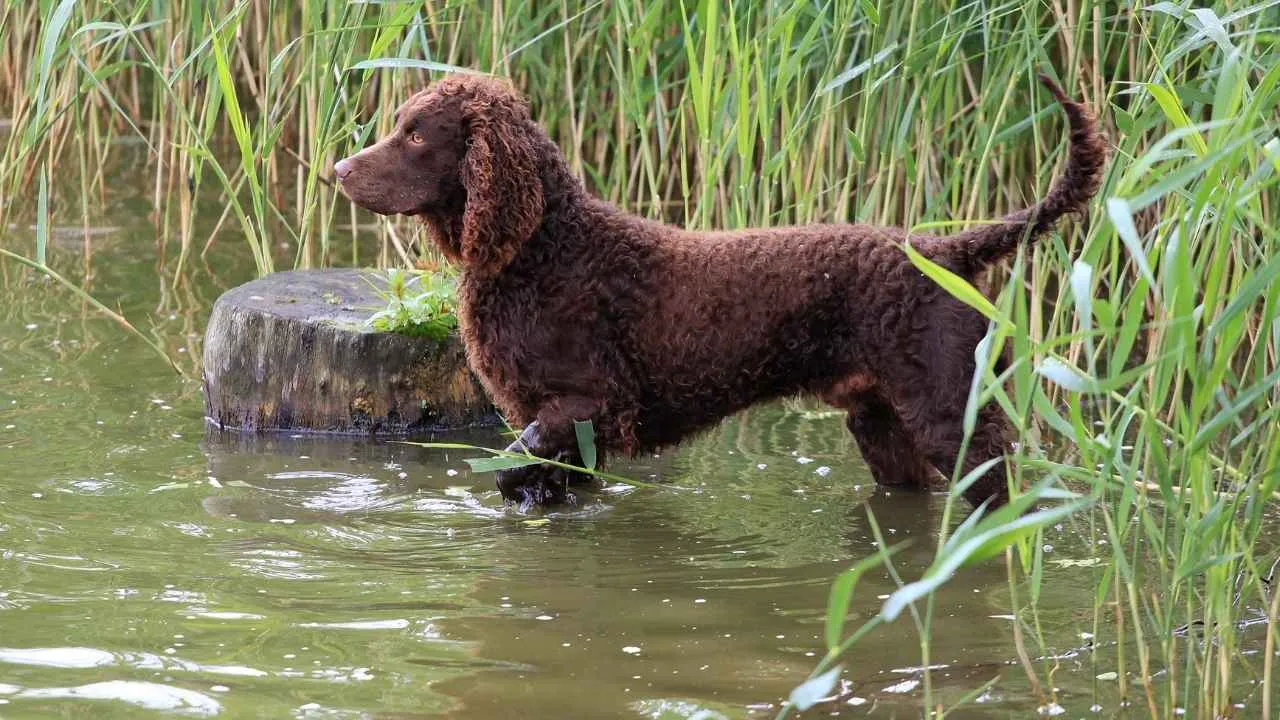
Irish Water Spaniels are energetic, intelligent dogs with an obvious enthusiasm for active pursuits. They can be curious about unfamiliar smells and movement, making outdoor exploration particularly stimulating for them.
Training should begin early and remain engaging, especially because a dog with a busy working mind can quickly find its own entertainment. Retrieving exercises, swimming, scent games, obedience, and controlled exploration can provide productive outlets for its natural abilities.
A Versatile Hunter From Ireland
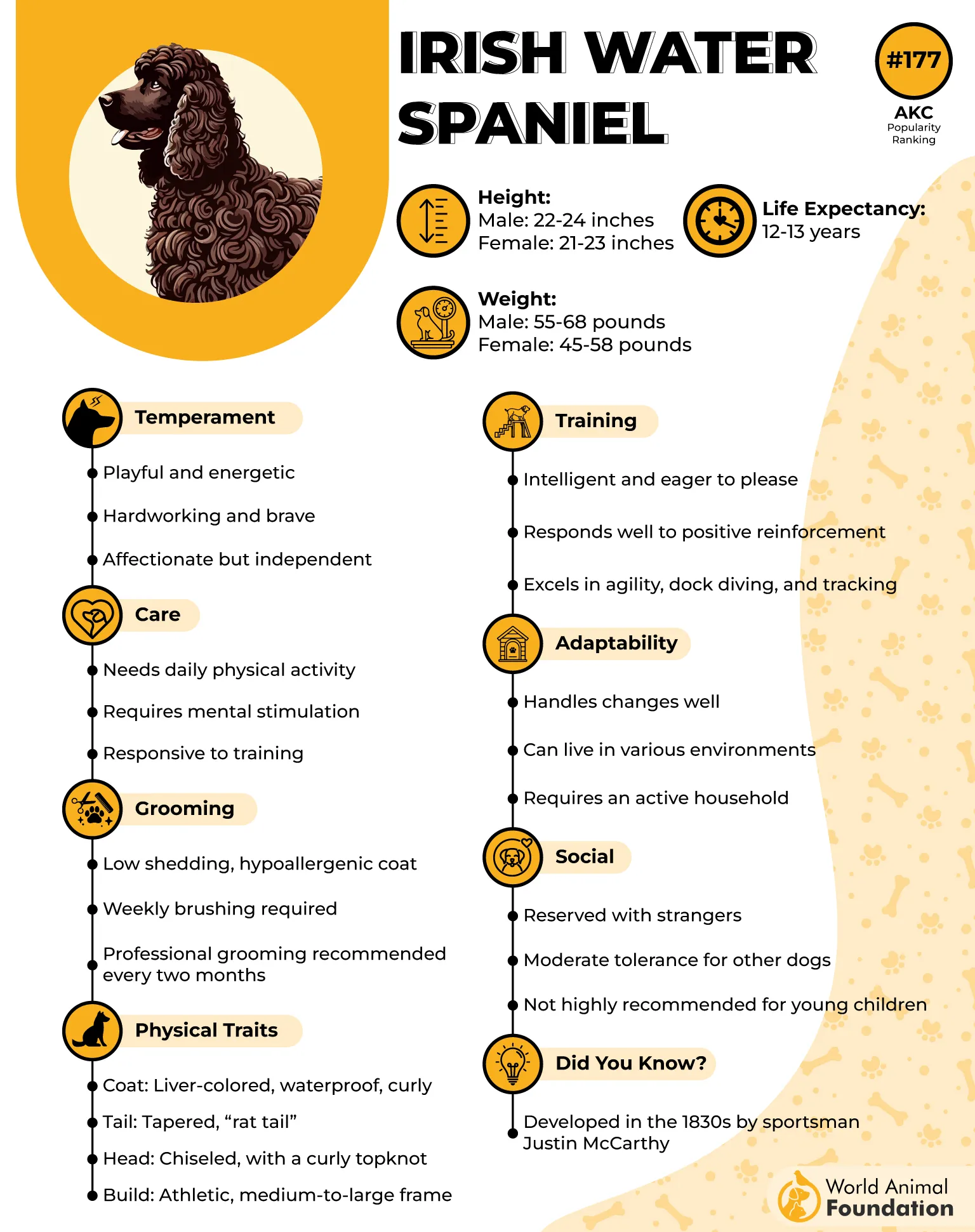
The Irish Water Spaniel developed in Ireland as a sporting dog used for retrieving game, particularly from water.
Its background as a gundog helps explain its enthusiasm for retrieving and investigating its surroundings. A modern companion may not participate in hunting, but those instincts can still appear when the dog encounters birds, wildlife, or unfamiliar scents.
A Curly Coat With Specific Maintenance Needs
The breed’s dense, curly coat requires regular attention to prevent tangling and matting. Brushing and combing should be incorporated into its routine, while the ears also deserve frequent inspection because their structure and active lifestyle can contribute to moisture retention.
2. Rhodesian Ridgeback
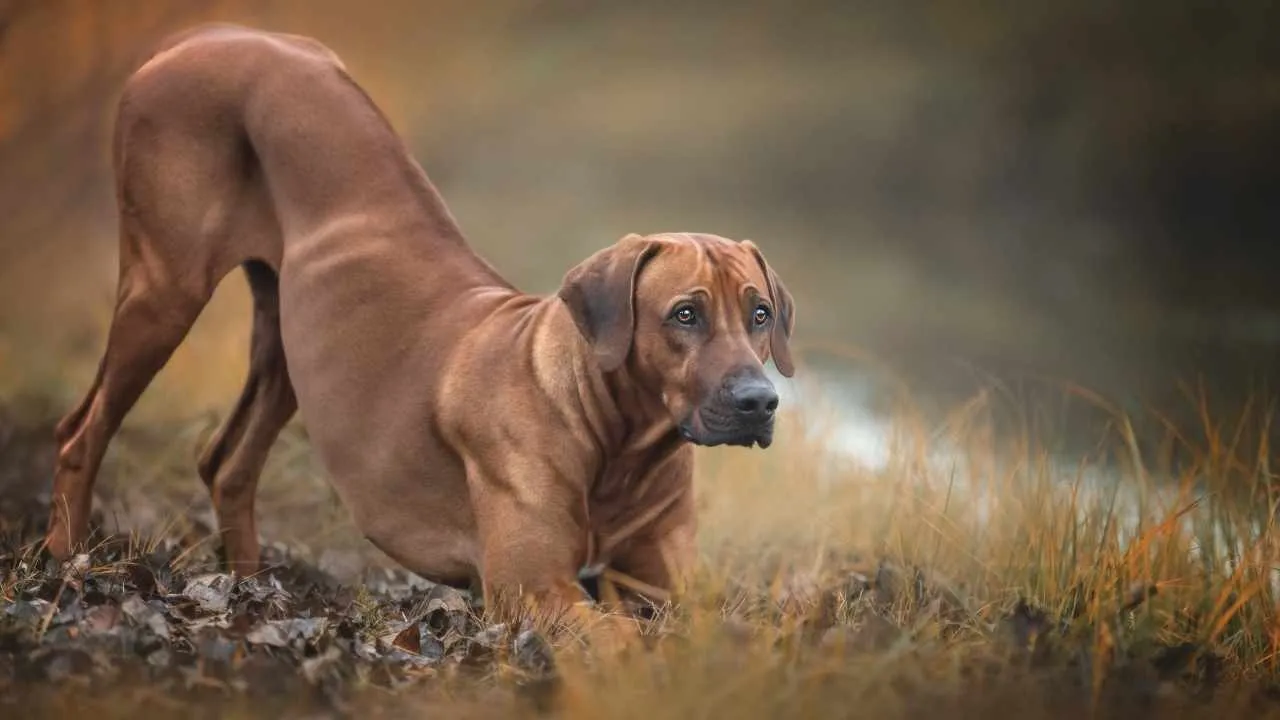
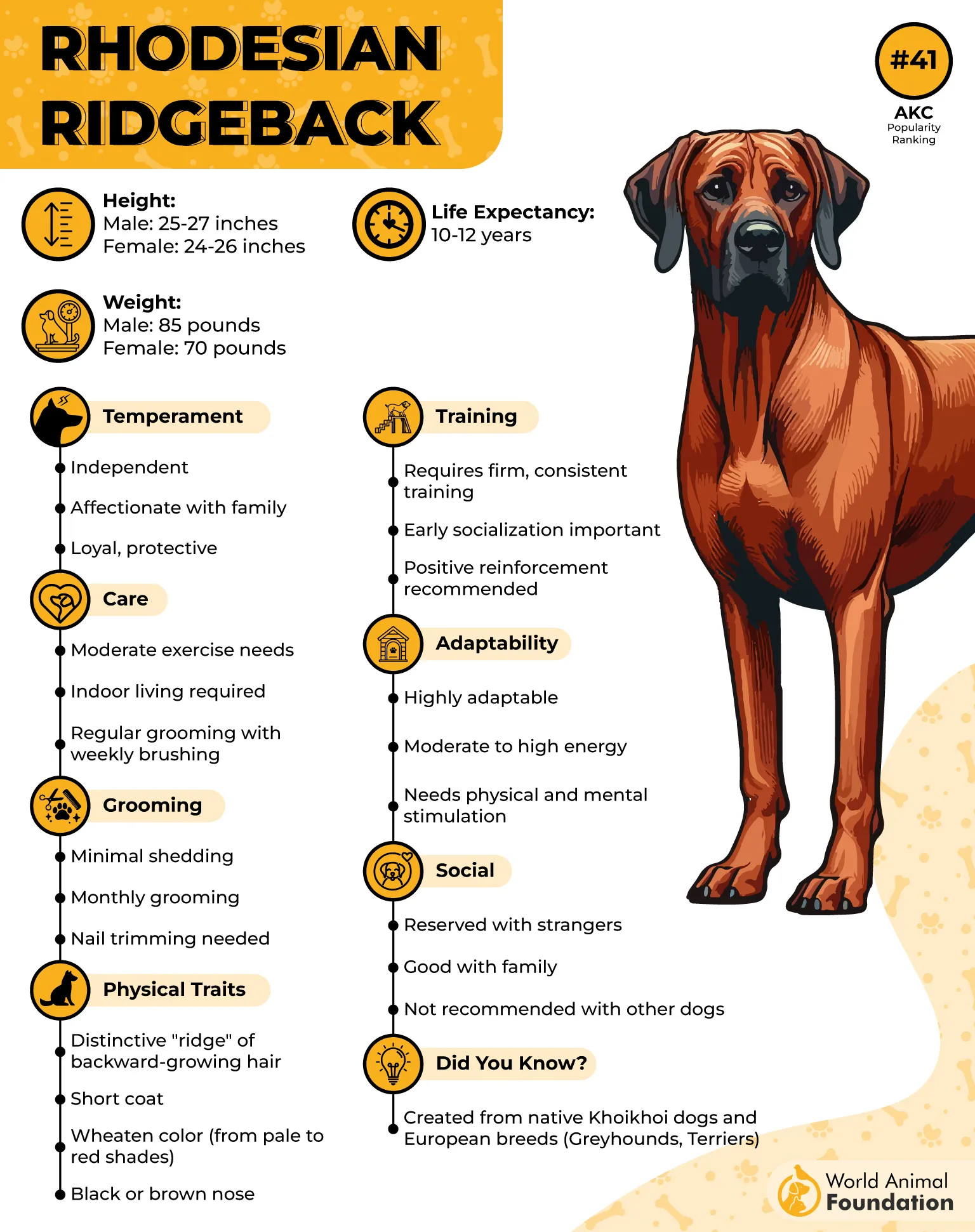
Rhodesian Ridgebacks are confident, muscular dogs that combine endurance with considerable independence. Their hunting heritage means they can become intensely interested in animals they encounter outdoors, particularly when movement activates their pursuit instincts.

They benefit from structured exercise and clear boundaries rather than repetitive activity without purpose. Long walks, hiking, controlled running, obedience work, and scent-based games can help provide the physical and mental engagement this breed often enjoys.
Developed for Hunting in Southern Africa
The Rhodesian Ridgeback was developed in Southern Africa and became associated with hunting and tracking large game. European settlers crossed their dogs with local African dogs to produce an athletic companion capable of coping with demanding conditions.
Its role involved tracking, locating, and holding game at bay while working alongside hunters. This history contributed to its courage, stamina, and determination.
A Short Coat That Is Simple to Maintain
Rhodesian Ridgebacks have a short, sleek coat that generally requires relatively little grooming. A regular brushing routine can remove loose hair and help keep the skin and coat in good condition.
3. Irish Setter
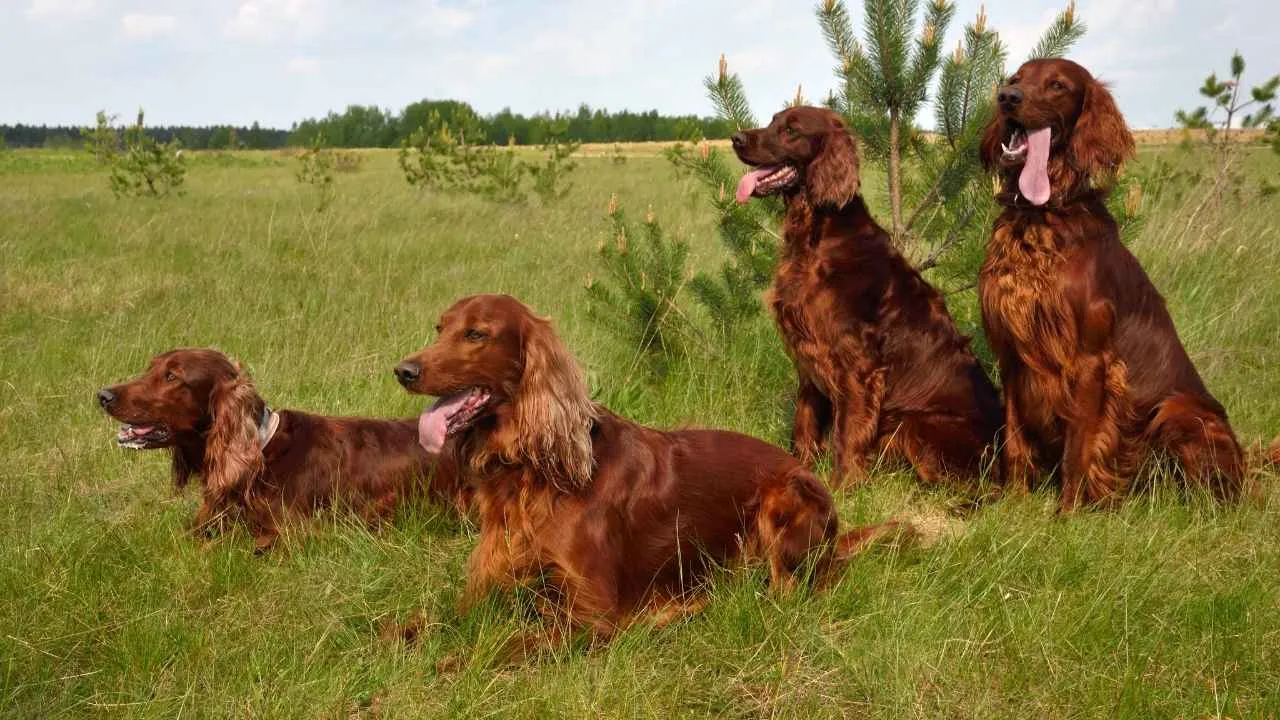
Irish Setters are exuberant, athletic dogs that often approach outdoor life with enormous enthusiasm. Their energy can be especially noticeable when they discover an interesting scent or spot a moving creature, and their size allows them to cover ground quickly.
They tend to do best with owners who enjoy active routines and are willing to continue training beyond basic commands. Running, hiking, retrieving, scent activities, and dog sports can help direct their considerable energy into constructive pursuits.
A Red-Coated Gundog Built to Find Birds
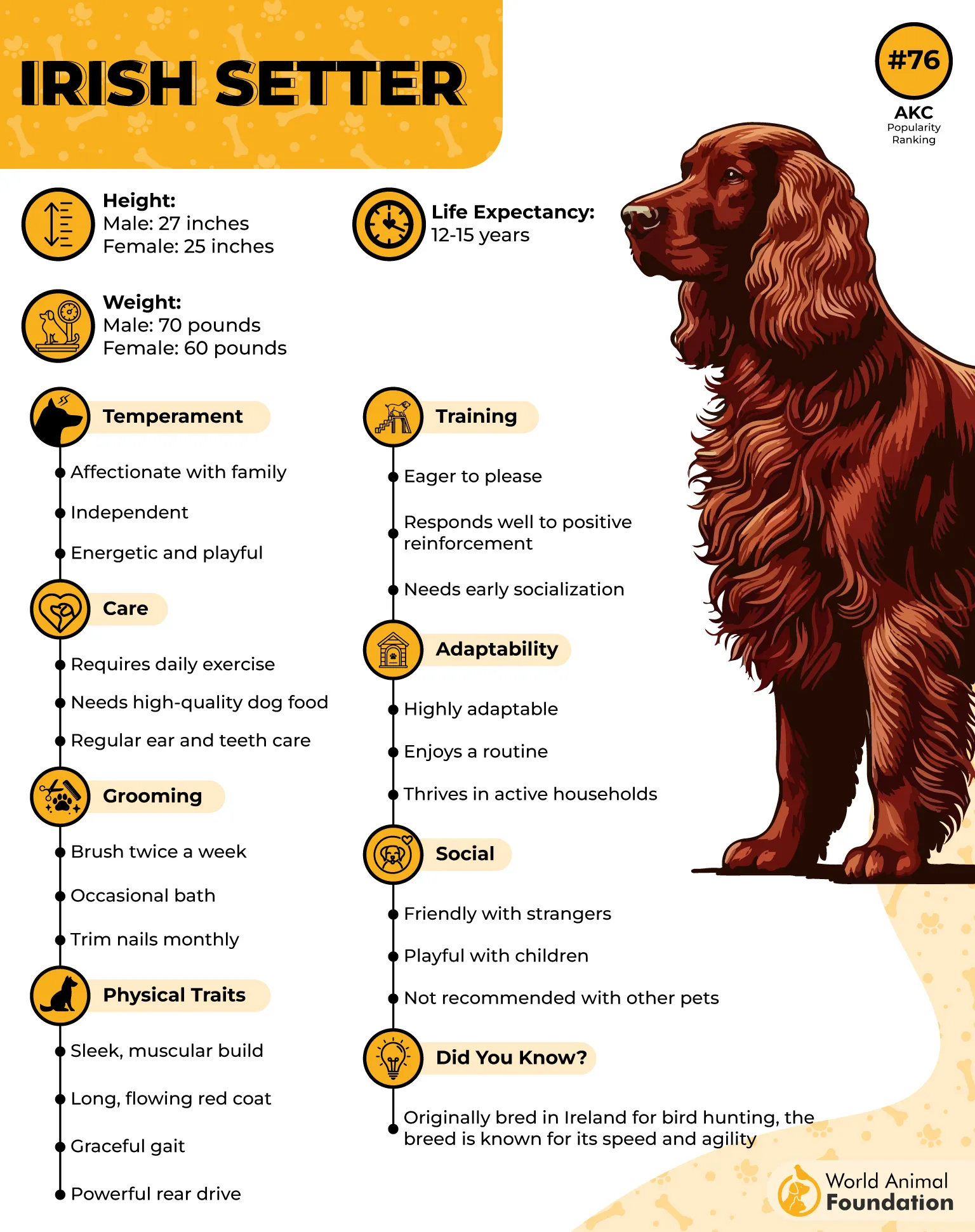
Irish Setters originated in Ireland as hunting companions used to locate game birds. Their excellent nose, stamina, and ability to work across open country made them valuable to hunters seeking a dog capable of covering substantial ground.
Their traditional role involved locating birds and indicating their presence rather than independently pursuing and killing them, as per PetMD.
Feathering That Needs Regular Attention
The Irish Setter’s long, silky coat includes noticeable feathering around the ears, legs, chest, belly, and tail. These areas can collect burrs, dirt, and tangles during outdoor excursions, so routine brushing is important.
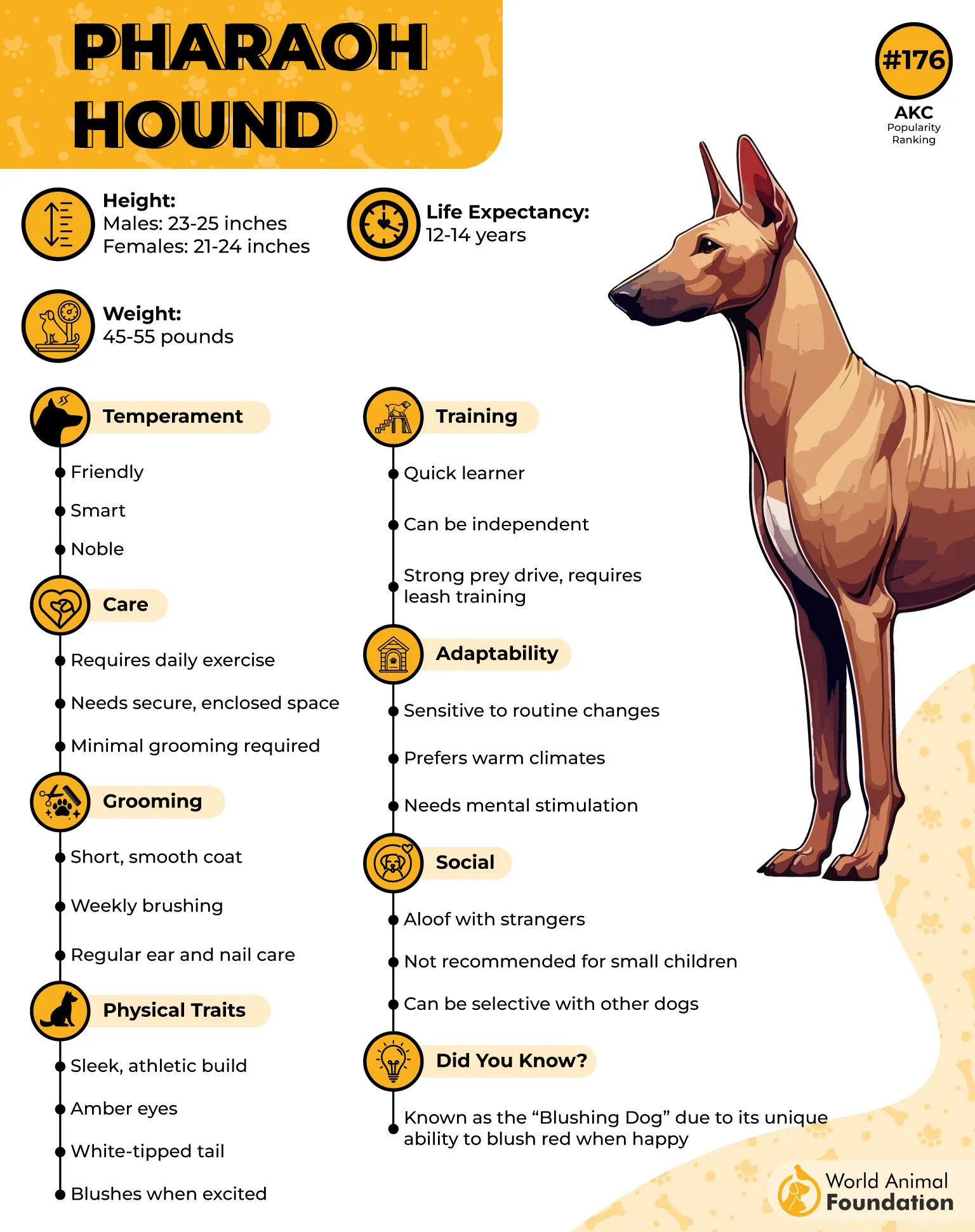
4. Pharaoh Hound
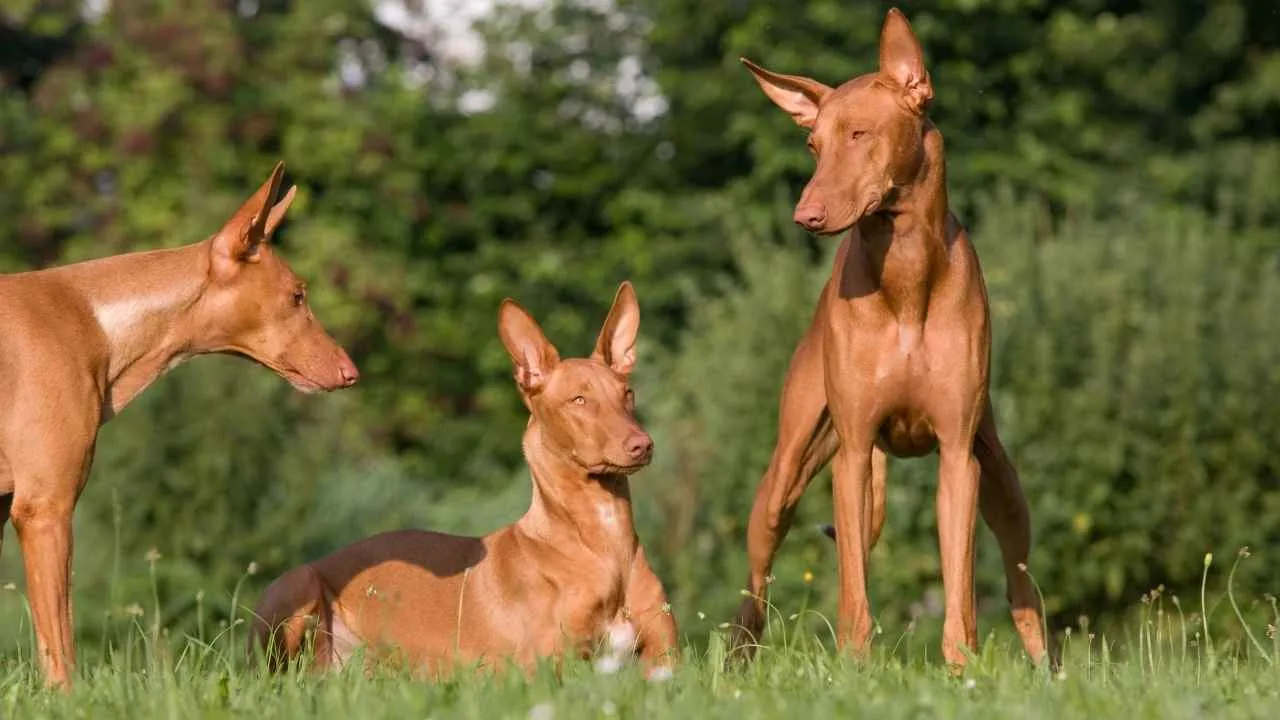
Pharaoh Hounds are agile, alert dogs with a distinctive combination of independence and athleticism. They can become highly focused when something catches their attention, particularly outdoors where scents and fast-moving animals provide endless stimulation.
Their physical capabilities mean secure areas are especially valuable. Owners should work on recall and attention from an early age, while providing opportunities for safe running and exploration rather than expecting a short walk to satisfy their natural activity level.
An Ancient-Looking Hunter From Malta
Despite its ancient Egyptian appearance, the modern Pharaoh Hound is closely associated with Malta, where it was traditionally used for hunting rabbits, as per Dogs NSW. Its speed, sight, hearing, and scent helped it pursue quarry across challenging terrain.
A Sleek Coat With Modest Grooming Demands
Pharaoh Hounds have short coats that are relatively uncomplicated to maintain. Light brushing can remove loose hair and distribute natural oils across the skin without requiring extensive coat work.
Because the coat is short, owners should additionally be mindful of extreme weather and prolonged exposure to harsh outdoor conditions.
5. Treeing Walker Coonhound
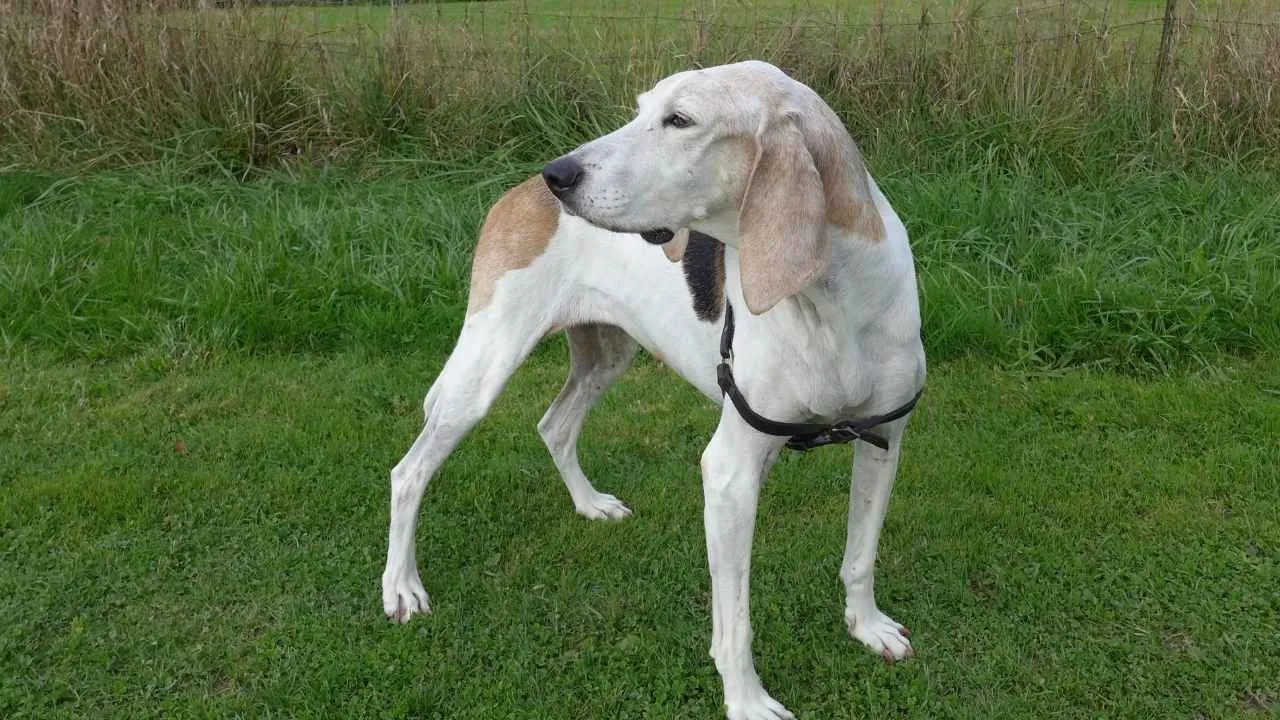
Treeing Walker Coonhounds are energetic scent hounds with an impressive ability to follow an interesting trail. Once their nose identifies something compelling, they can become extremely focused, which makes ordinary walks much more stimulating for both dog and handler.
Tracking games, long walks in secure areas, hiking, and structured scent work can be especially rewarding while helping reduce boredom.
A Fast Coonhound With a Specialized Job
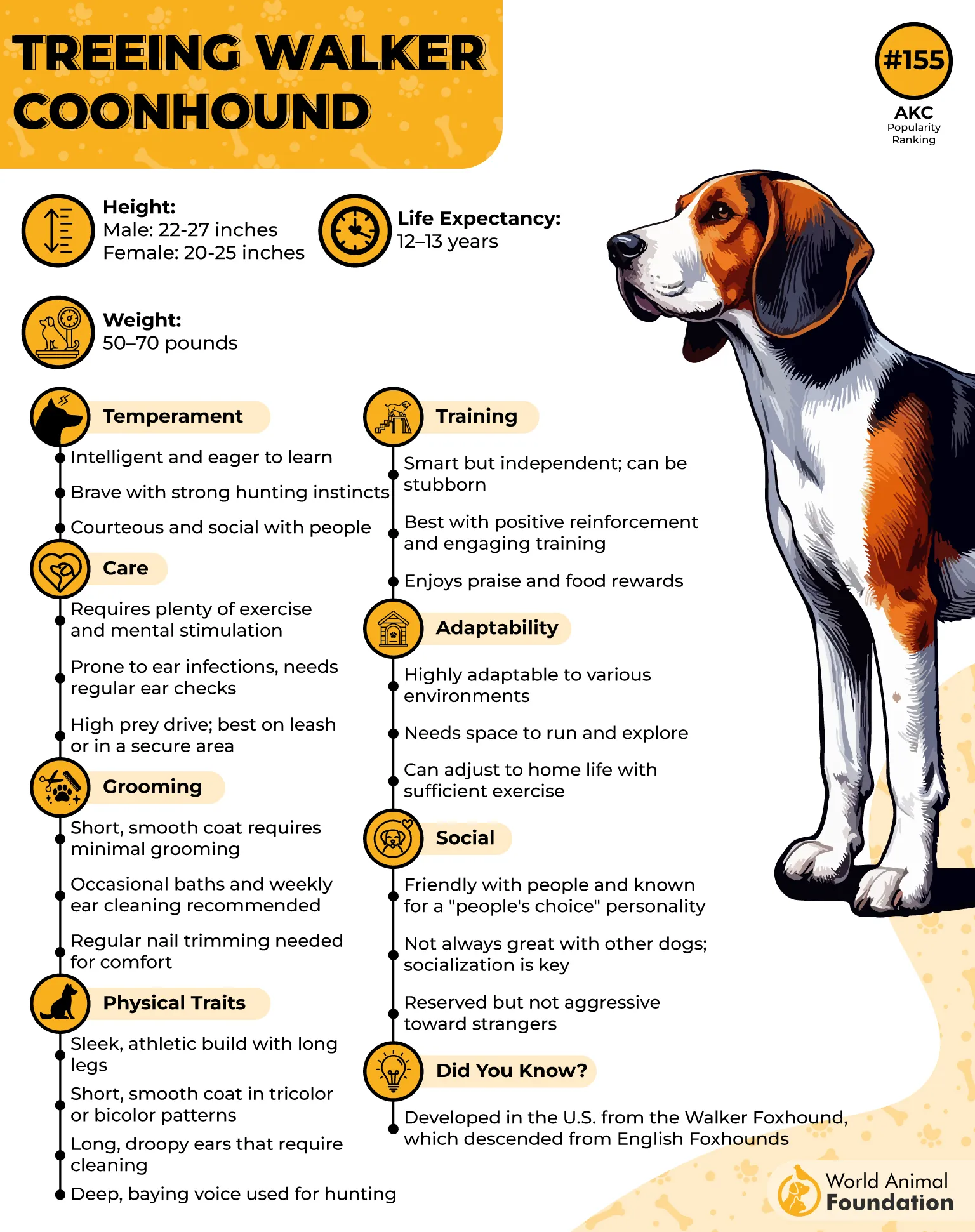
The Treeing Walker Coonhound was developed in the United States for hunting raccoons, as noted by the AKC. Hunters valued dogs that could follow a trail, pursue the animal, and then indicate that the quarry had climbed into a tree.
A Short Coat That Does Not Require Elaborate Styling
The breed has a short, glossy coat that is comparatively easy to care for. Weekly brushing can help remove loose hair and keep the coat looking tidy, with additional brushing useful during heavier shedding periods.
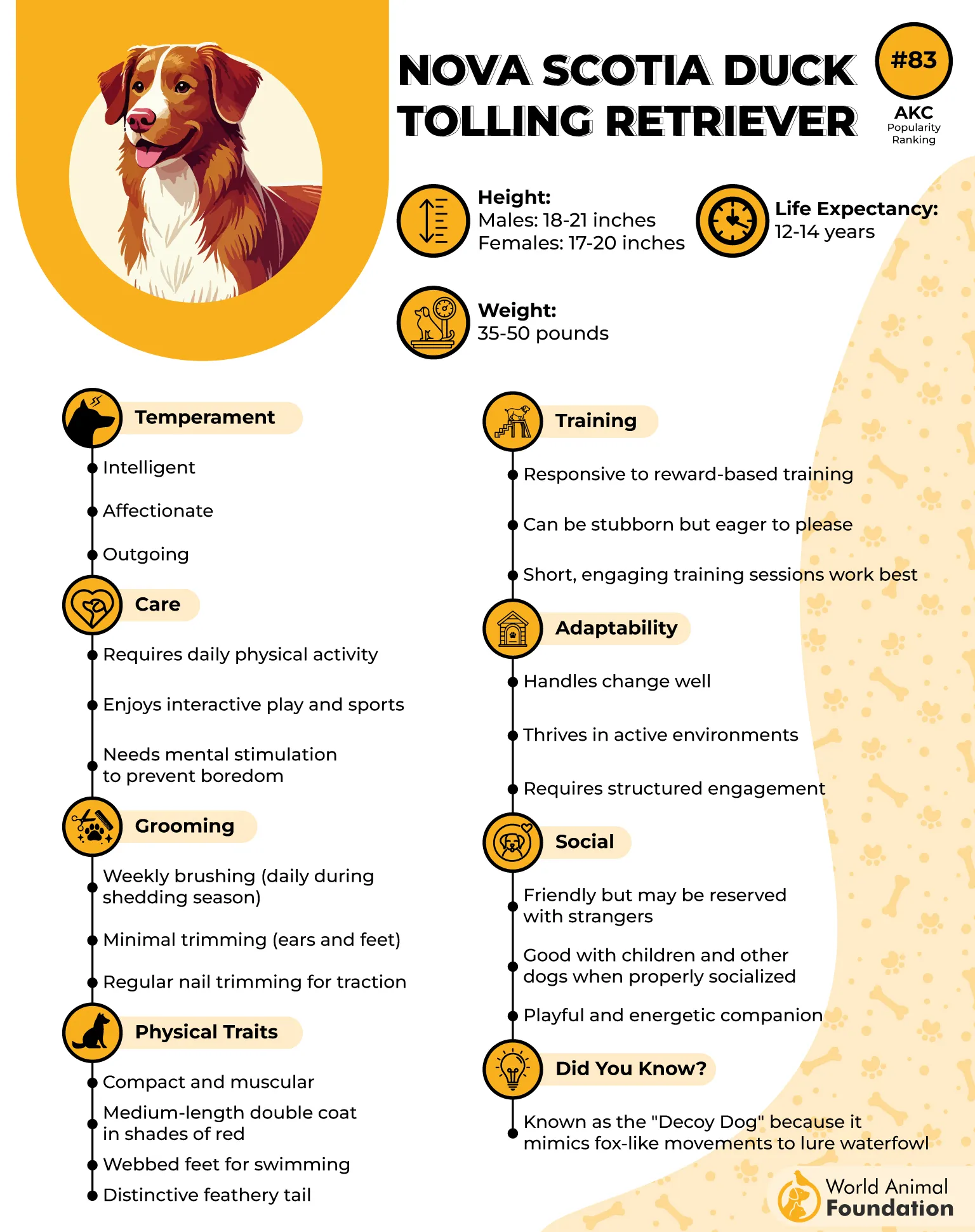
6. Nova Scotia Duck Tolling Retriever
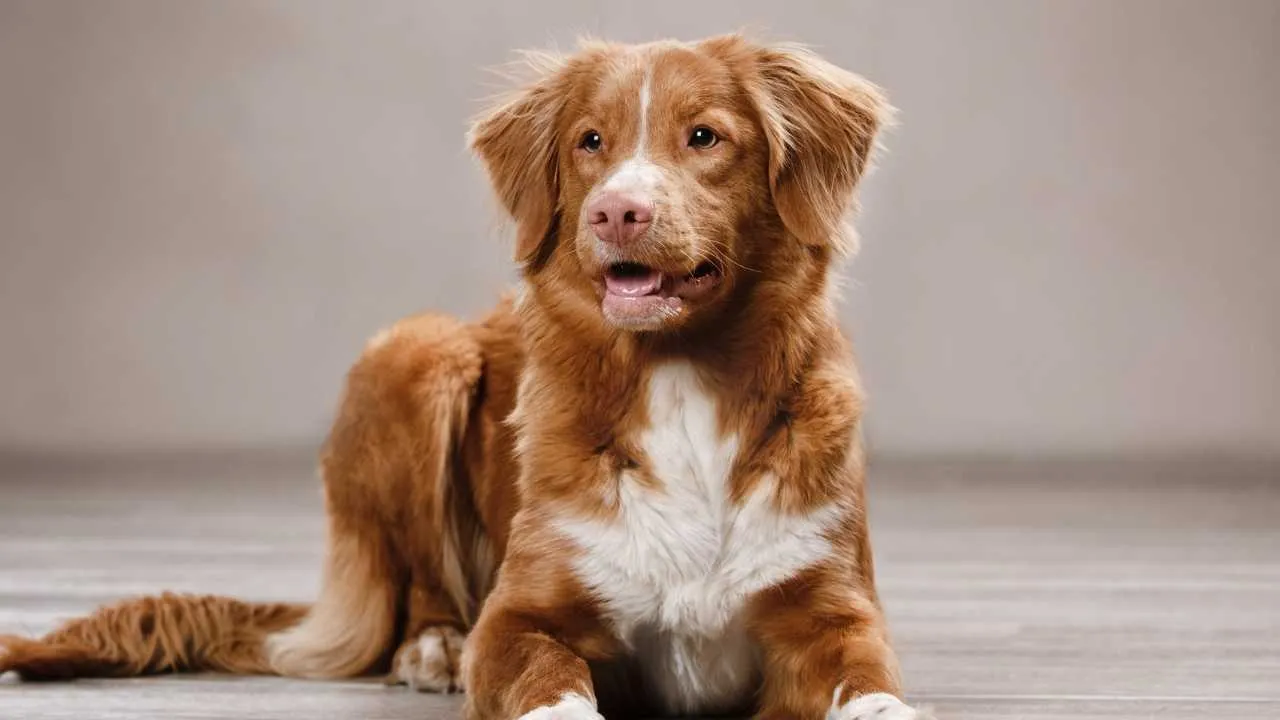
Nova Scotia Duck Tolling Retrievers, often called Tollers, are lively, strong dogs that enjoy having something interesting to do. Their curiosity and sporting enthusiasm can make them particularly attentive to movement, sounds, and activities happening around them.
Retrieving, swimming, scent work, agility, obedience, and interactive play can help prevent their intelligence and energy from turning into unwanted household behavior.
A Retriever With an Unusual Hunting Technique
The Toller was developed in Nova Scotia to assist hunters with waterfowl. Its distinctive role involved attracting curious ducks toward shore through playful movements before the hunter took the shot, after which the dog retrieved the birds from the water. This unusual working method required alertness, enthusiasm, and a strong retrieving instinct.
A Double Coat Designed for Outdoor Work
The Toller has a medium-length double coat that protects against cold water and challenging weather. Regular brushing helps remove loose undercoat and prevent the feathered areas from becoming untidy.
Seasonal shedding can increase the amount of hair produced around the home, making more frequent brushing useful during those periods.
7. German Wirehaired Pointer
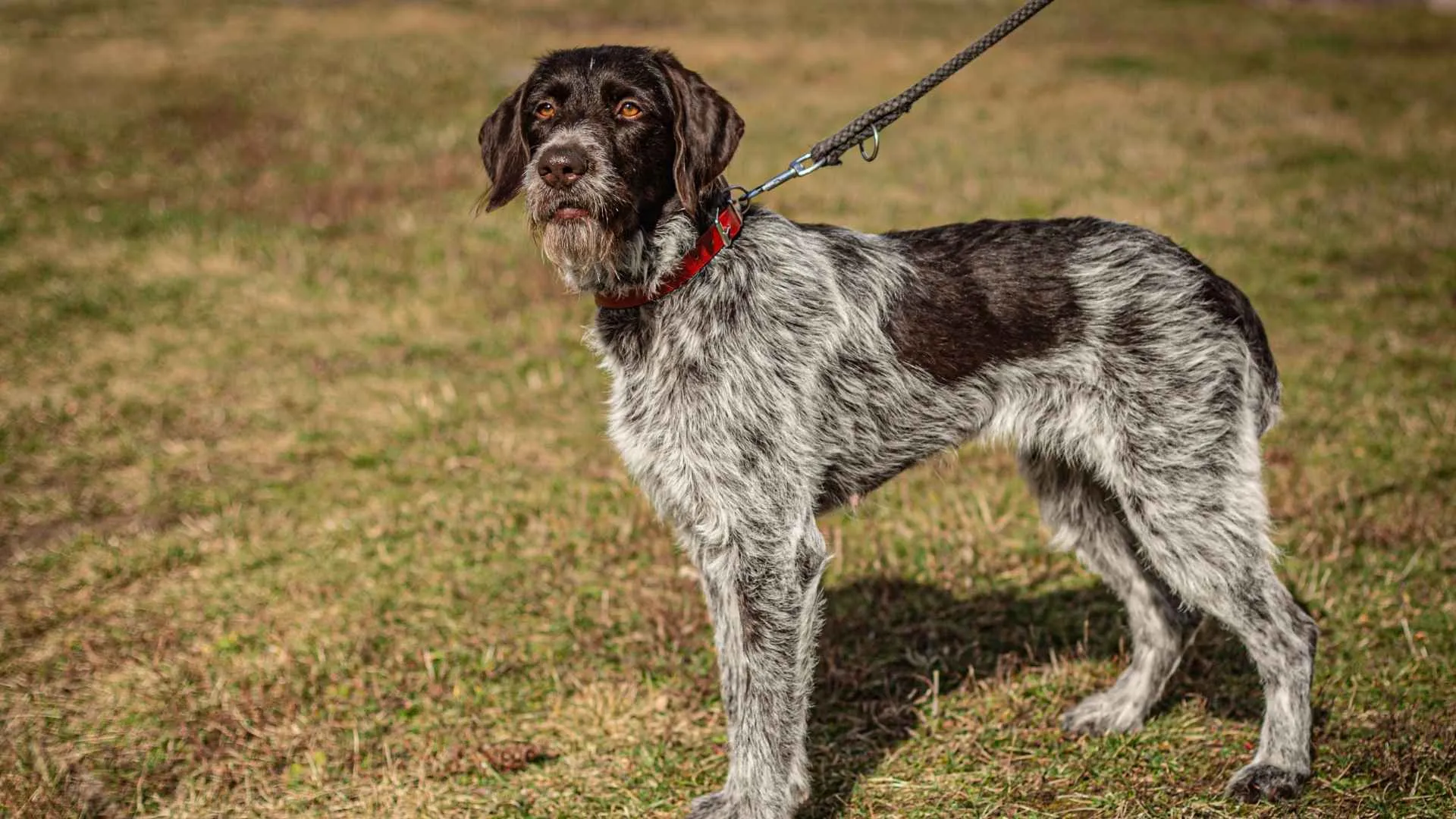
German Wirehaired Pointers are rugged, energetic sporting dogs that were designed for versatile fieldwork, as per Purina. They tend to be highly attentive to scents and movement, and their stamina allows them to remain active for extended periods.
Owners can provide suitable outlets through hunting activities, tracking, hiking, retrieving, swimming, obedience, and other demanding forms of exercise that combine physical effort with mental engagement.
Germany’s All-Purpose Field Specialist
The German Wirehaired Pointer was developed in Germany as a versatile hunting dog capable of pointing, tracking, retrieving, and working across land and water. Breeders sought a durable dog that could handle different types of terrain and weather.
Its broad skill set means the breed can shift between several hunting tasks rather than being limited to one specialized role.
A Wiry Coat Built for Rough Conditions
Its harsh, wiry outer coat protects the dog from vegetation, cold weather, and rough terrain. The coat generally requires regular brushing to remove debris and loose hair and to prevent the furnishings from becoming untidy.
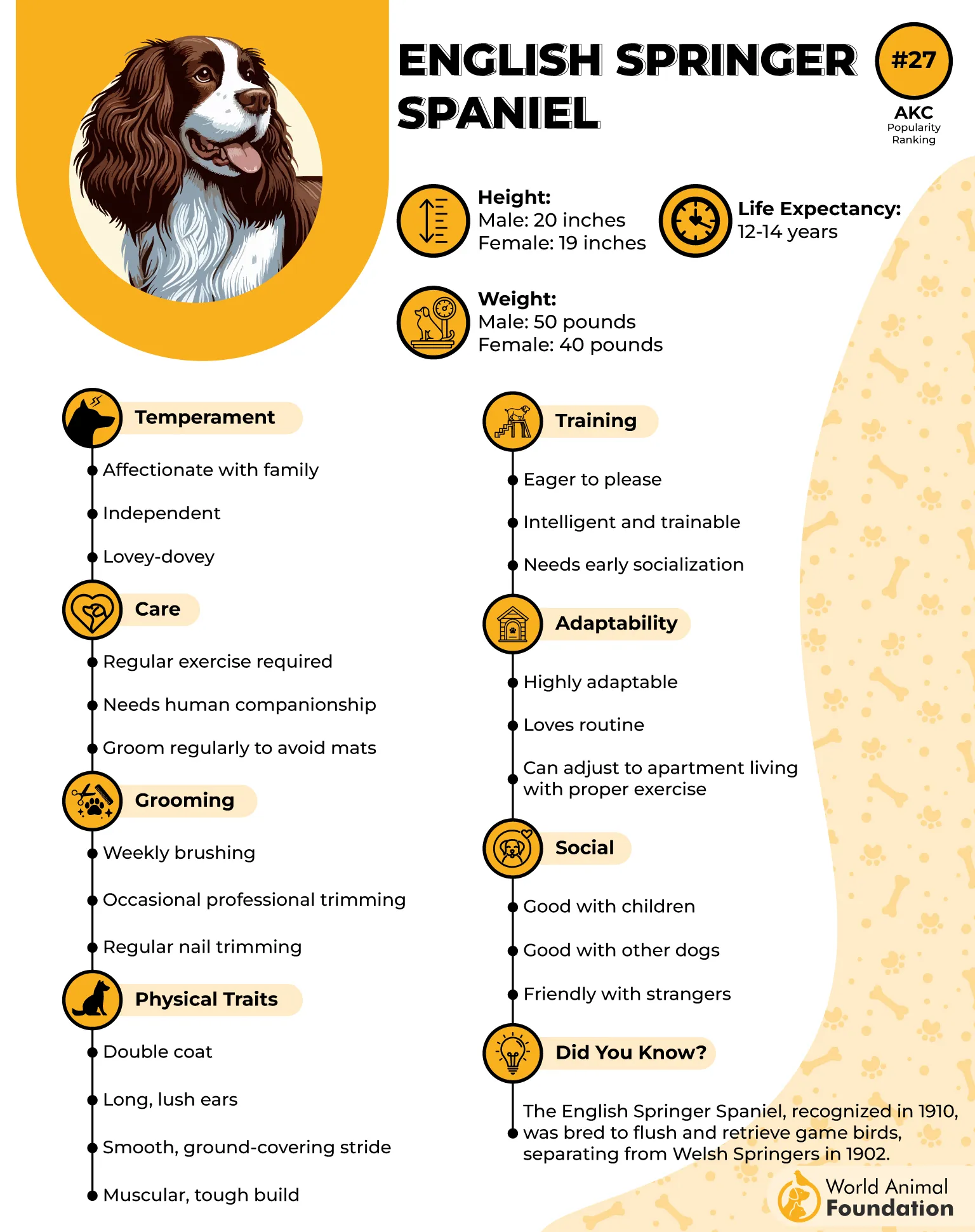
8. English Springer Spaniel
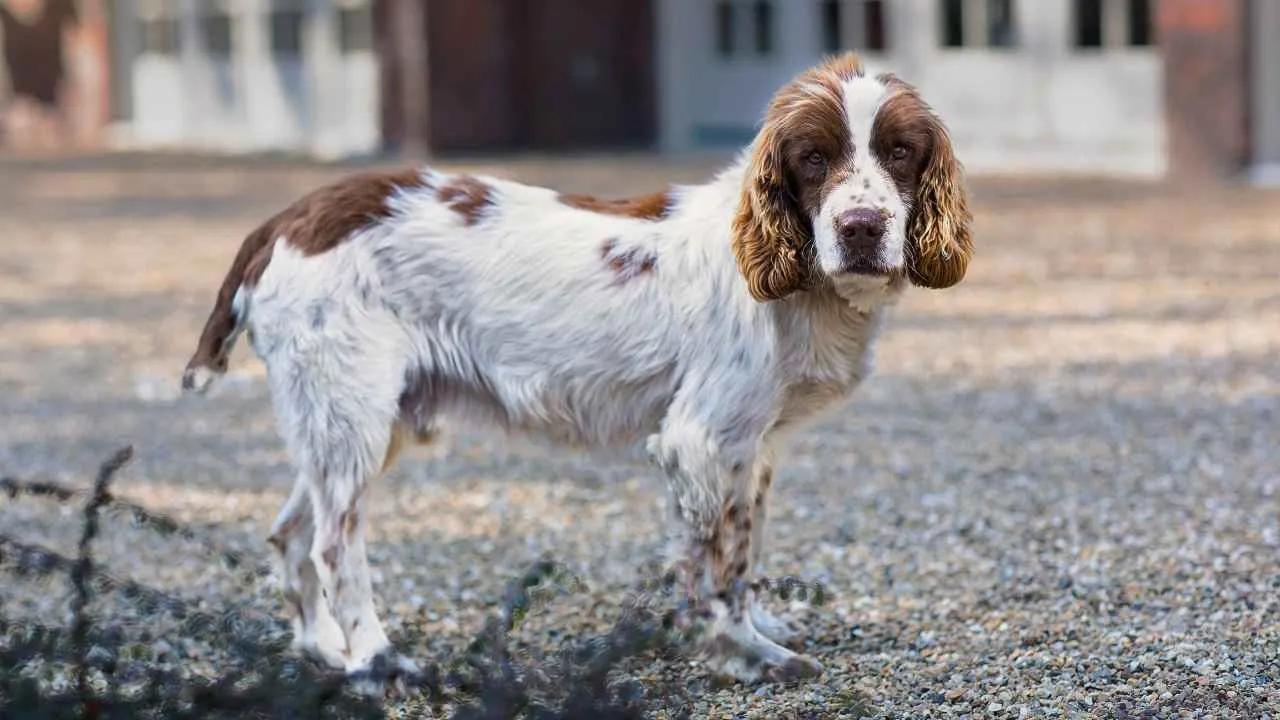
English Springer Spaniels are enthusiastic sporting dogs with a strong desire to investigate their surroundings. Their noses are highly useful during outdoor activities, and the movement of birds or small wildlife can quickly capture their attention.
Retrieving, field exercises, scent games, hiking, swimming, obedience, and interactive play can give them meaningful work while helping them remain settled at home.
A Flushing Dog With a Traditional Field Role
English Springer Spaniels were developed as hunting companions used to locate and flush game birds from dense vegetation. Their compact athletic bodies allowed them to move through difficult cover while staying responsive to the hunter.
Feathered Fur That Benefits From Frequent Brushing
Springers have a medium-length coat with feathering that can easily collect dirt, burrs, and plant material. Regular brushing helps prevent knots, particularly around the ears, legs, chest, and underside.
9. Vizsla
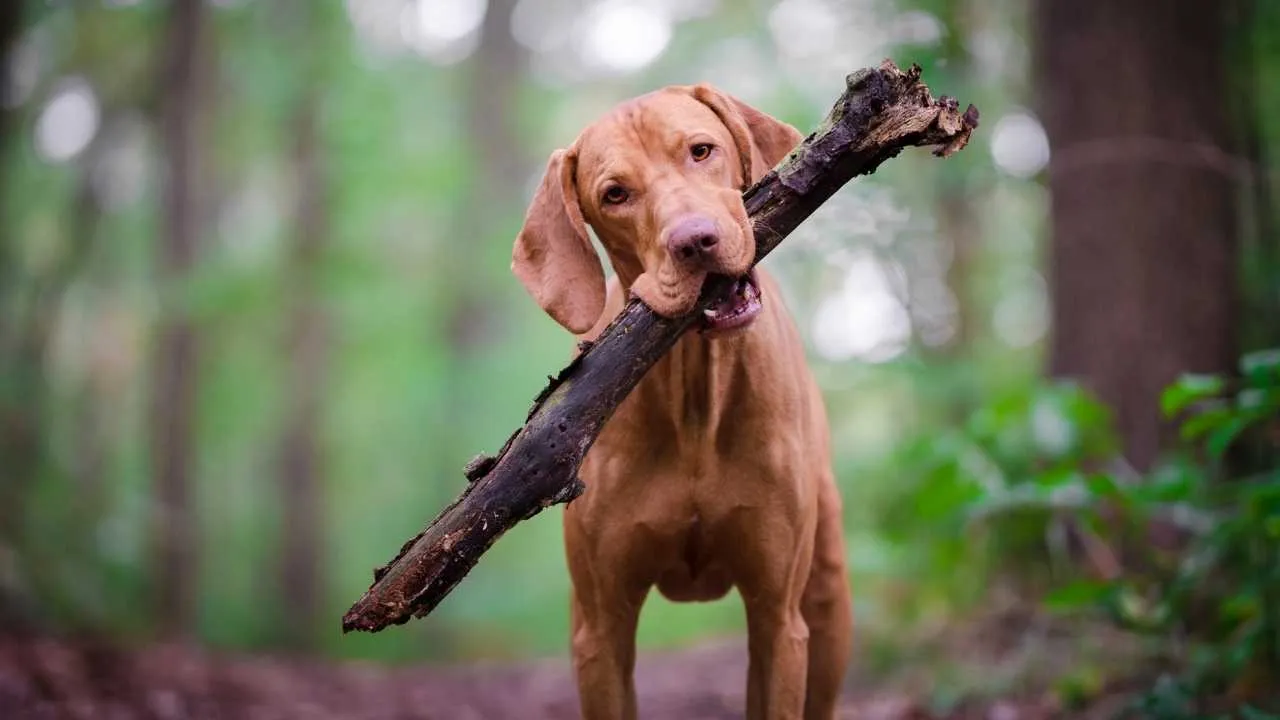
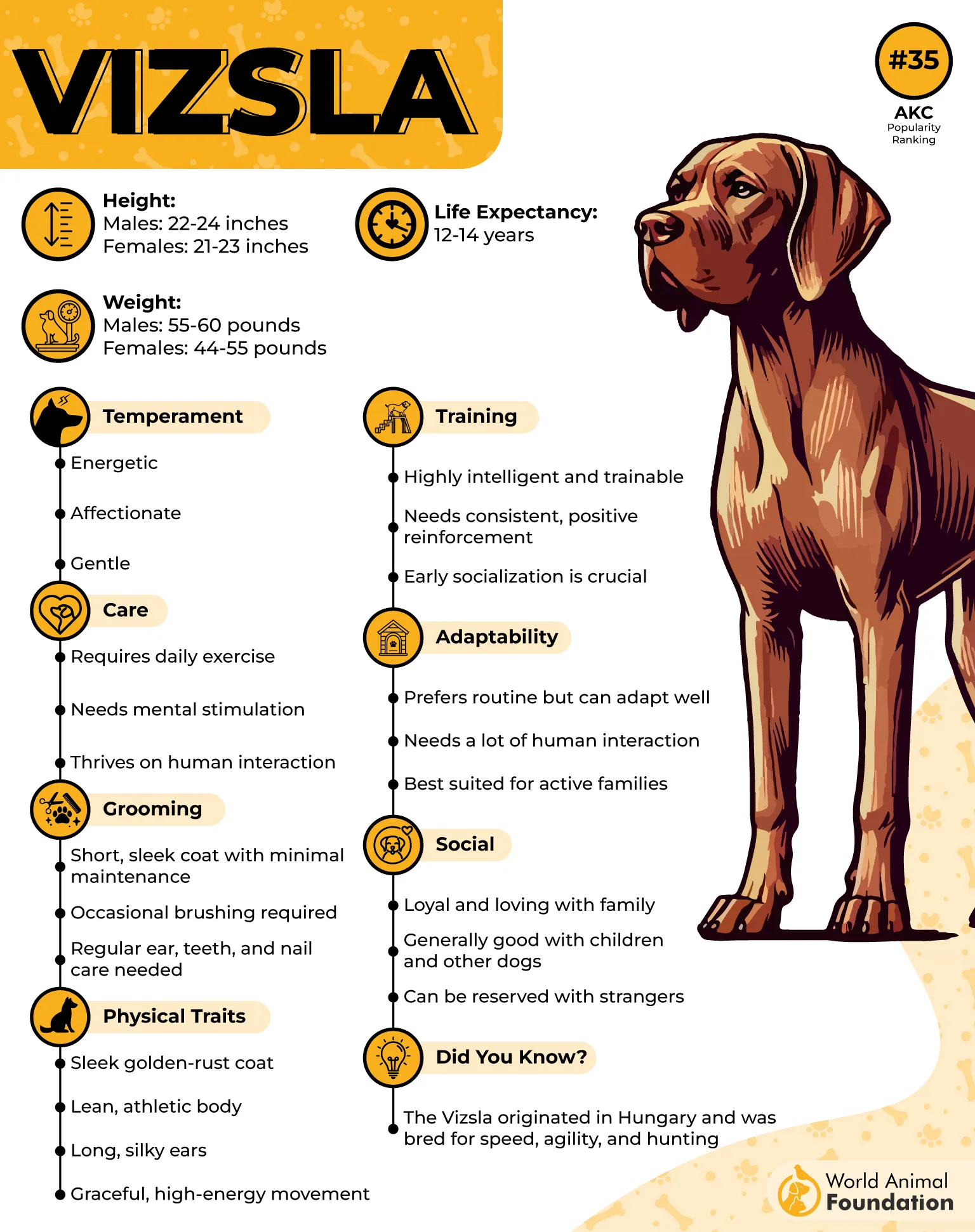
Vizslas are graceful, high-energy sporting dogs that often form strong working partnerships with their owners. They are naturally curious and attentive outdoors, and their noses can lead them toward scents that humans barely notice.
Their exercise requirements are significant, particularly when they are young. Running, hiking, retrieving, field training, swimming, scent work, and obedience activities can help meet their need for both physical exertion and interaction.
Hungary’s Versatile Sporting Companion
The Vizsla originated in Hungary and was developed as a versatile hunting dog capable of pointing and retrieving game. Its close cooperation with hunters helped produce a breed that could locate quarry while remaining responsive to human direction.
A Vizsla may be affectionate and attentive at home while becoming intensely focused when it detects an intriguing scent or spots potential quarry outdoors.
A Short Coat With Straightforward Care
Vizslas have short, smooth coats that generally require little grooming compared with long-coated sporting breeds. A quick brushing session can remove loose hair and help keep the coat clean.
Their thin coat offers limited insulation, so owners should also consider weather conditions during outdoor activities.
10. American Foxhound
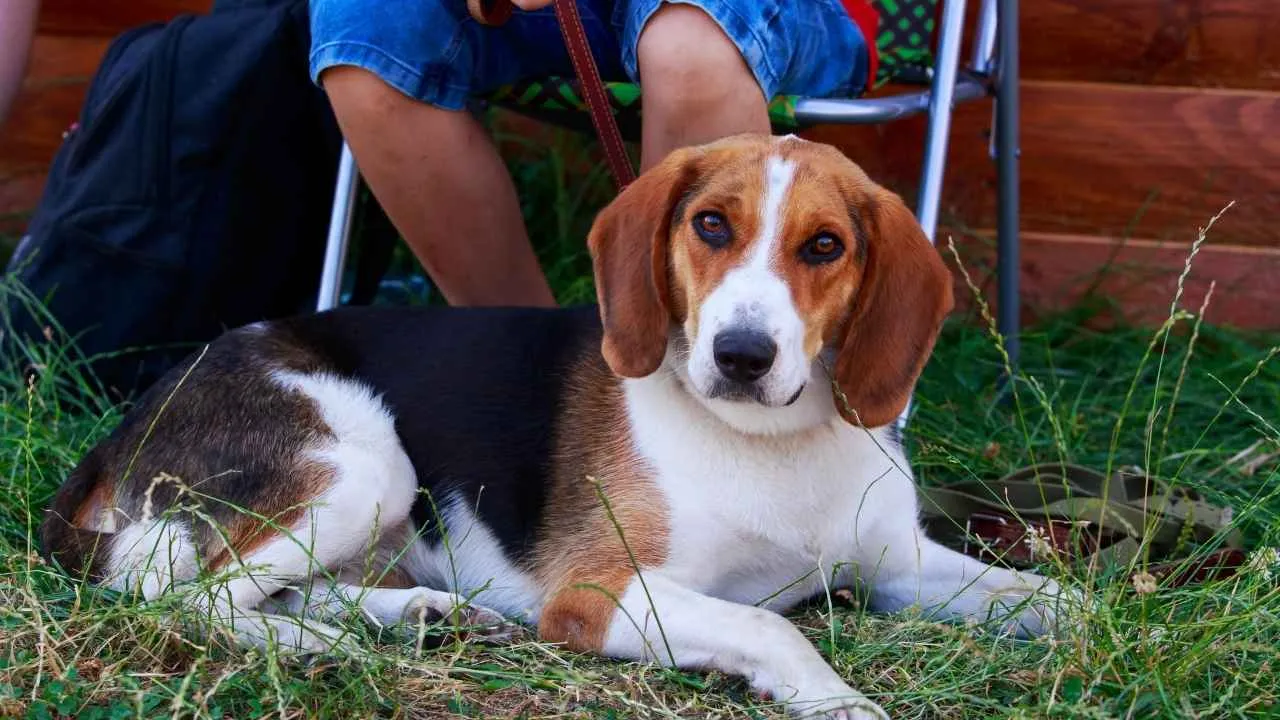
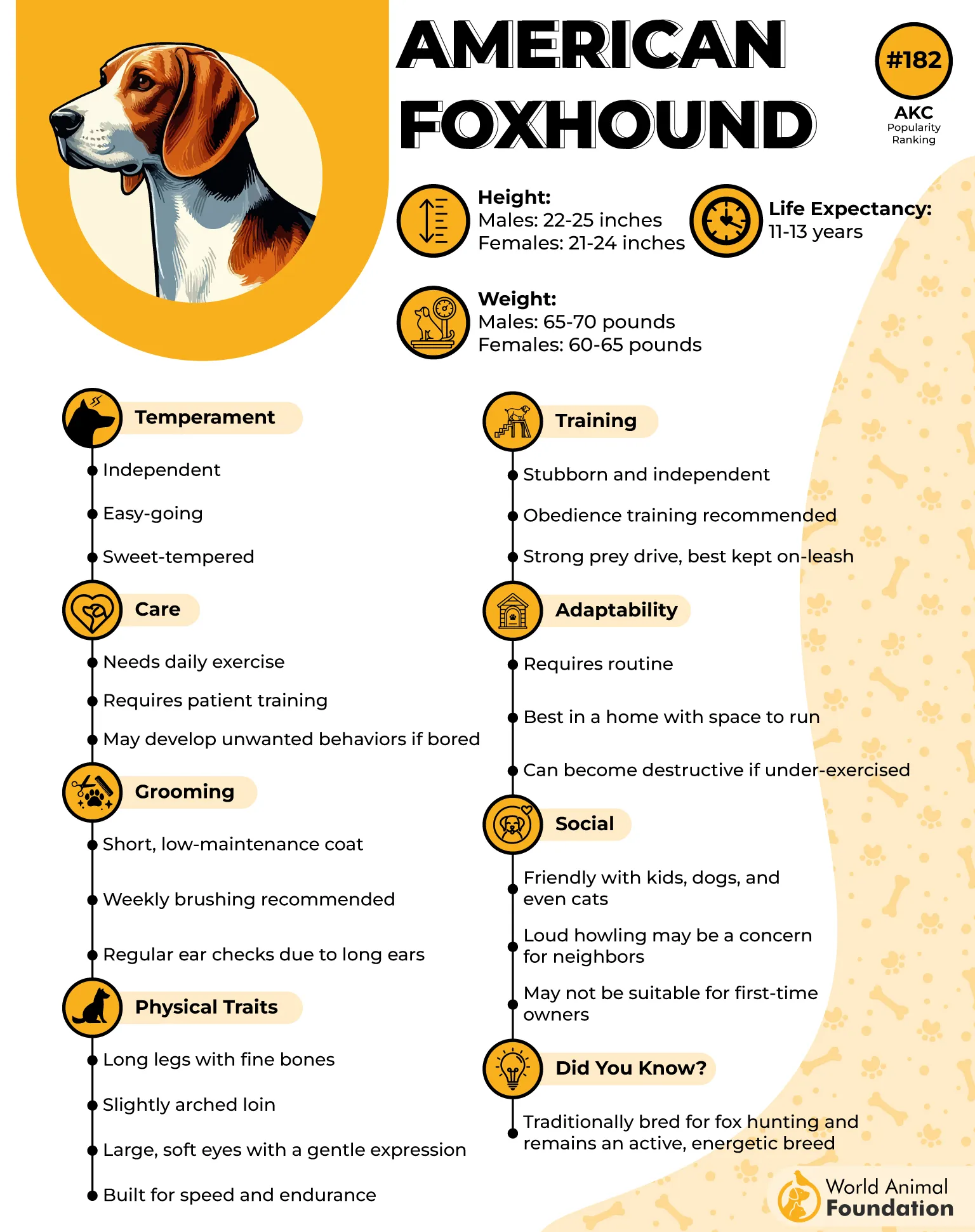
American Foxhounds are determined scent hounds with remarkable stamina and a strong tendency to follow interesting trails. Their noses can turn an ordinary walk into an investigation, particularly when wildlife has recently passed through the area.
These loyal dogs generally need plenty of opportunities to move and explore safely. Long walks, controlled tracking exercises, hiking, and scent games can satisfy their natural abilities while reducing the temptation to follow an uncontrolled trail.
A Scent Hound Shaped by American Fox Hunting
The American Foxhound was developed in the United States from European foxhounds and other hunting dogs. It was bred to pursue foxes by scent and was valued for endurance, speed, and the ability to work as part of a pack.
A pet American Foxhound may therefore become extremely determined when it discovers an appealing scent, making secure fencing and reliable recall particularly important.
A Short Coat That Is Easy to Keep Neat
American Foxhounds have short, close coats that generally do not demand complicated grooming. Regular brushing can remove loose hair and keep the skin and coat in good condition without the need for frequent professional appointments.
Conclusion
A strong hunting instinct can be a wonderful asset when paired with an owner who understands how to channel it. These dogs may thrive in scent work, retrieving, field activities, hiking, tracking, swimming, and canine sports, but many also require dependable recall and careful management around wildlife or small animals.
Breed tendencies should never be treated as absolute predictions. Individual genetics, upbringing, training, age, and environment can significantly influence how a particular dog behaves. Someone considering one of these breeds should therefore evaluate the individual dog as well as the breed’s traditional characteristics.
For active owners who enjoy engaging with their dogs and can provide appropriate outlets, a hunting breed can be an exceptionally rewarding companion. The key is recognizing that the instincts that make these dogs talented workers also shape how they experience the everyday world.
