




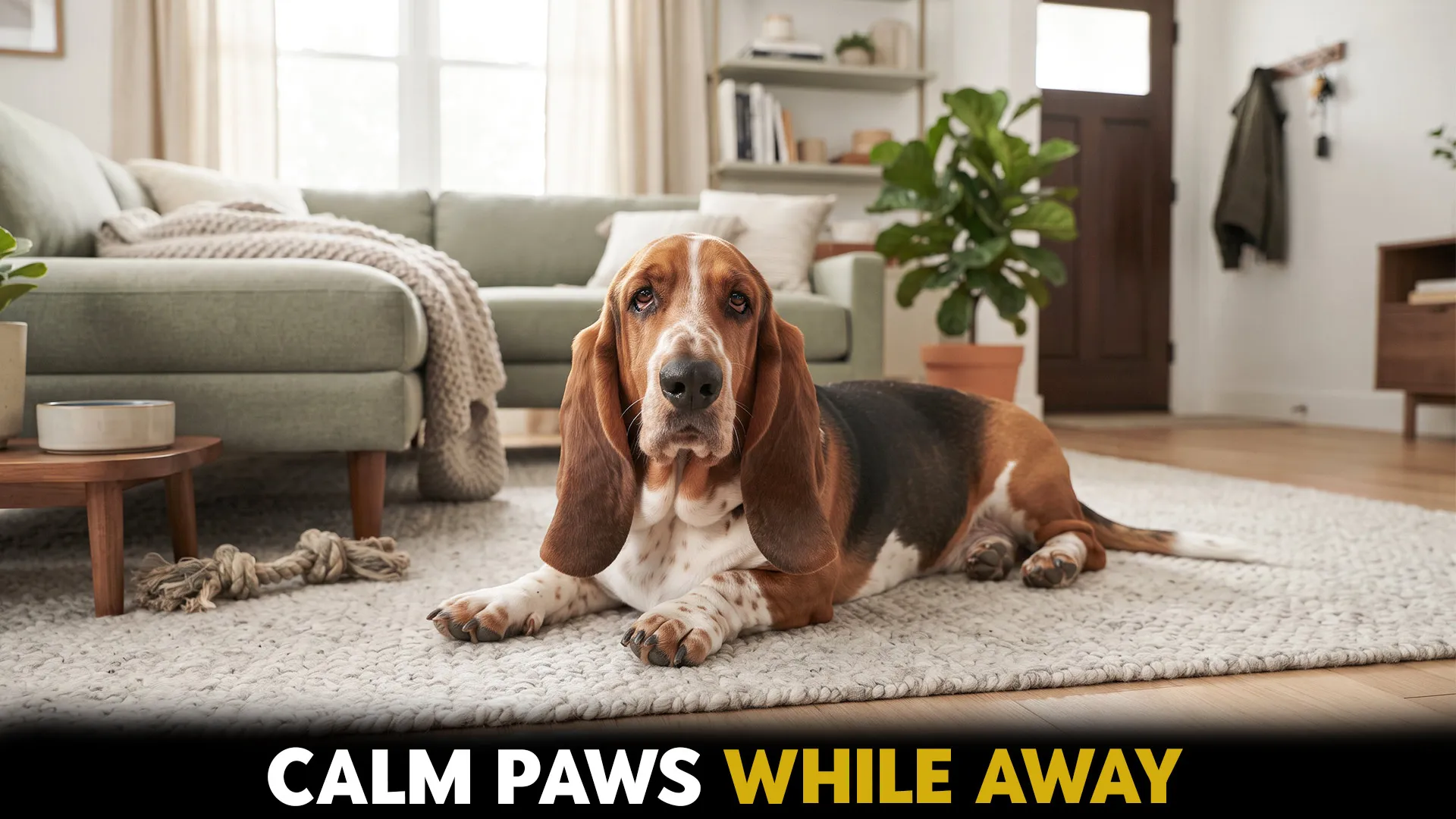
At eight in the morning, the house is busy. By nine, the door closes, the lights are off, and the dog is on its own. For some dogs, those hours can bring barking, scratching, pacing, or attempts to find their people.
For others, the same stretch of time may mean a nap followed by a little window watching. If your routine keeps you away from home for part of the day, that difference can shape whether dog ownership feels manageable or exhausting. Dogs vary widely in their need for company, activity, and reassurance.
Certain breeds are more inclined toward independence and relaxed downtime, although no dog is automatically comfortable with every period of separation or being left alone. Training, exercise, age, environment, and individual temperament all play an important role.
The breeds in this article offer options for households seeking calmer companions, with traits to consider before choosing the right companion for your household.
Key Takeaways
Leaving home for a few hours does not have to mean coming back to a restless dog and a house full of surprises.
French Bulldogs and Basset Hounds can settle into alone time when their routine is built gradually, and their needs are met.
Then there is the Chow Chow, a naturally independent breed with a personality that often feels more cat-like than dog-like.
Keep reading for the breeds that follow, including a 43-mph Greyhound that may be far calmer at home than you expect.
Dog Breeds That Keep Calm When Left Alone
1. French Bulldog
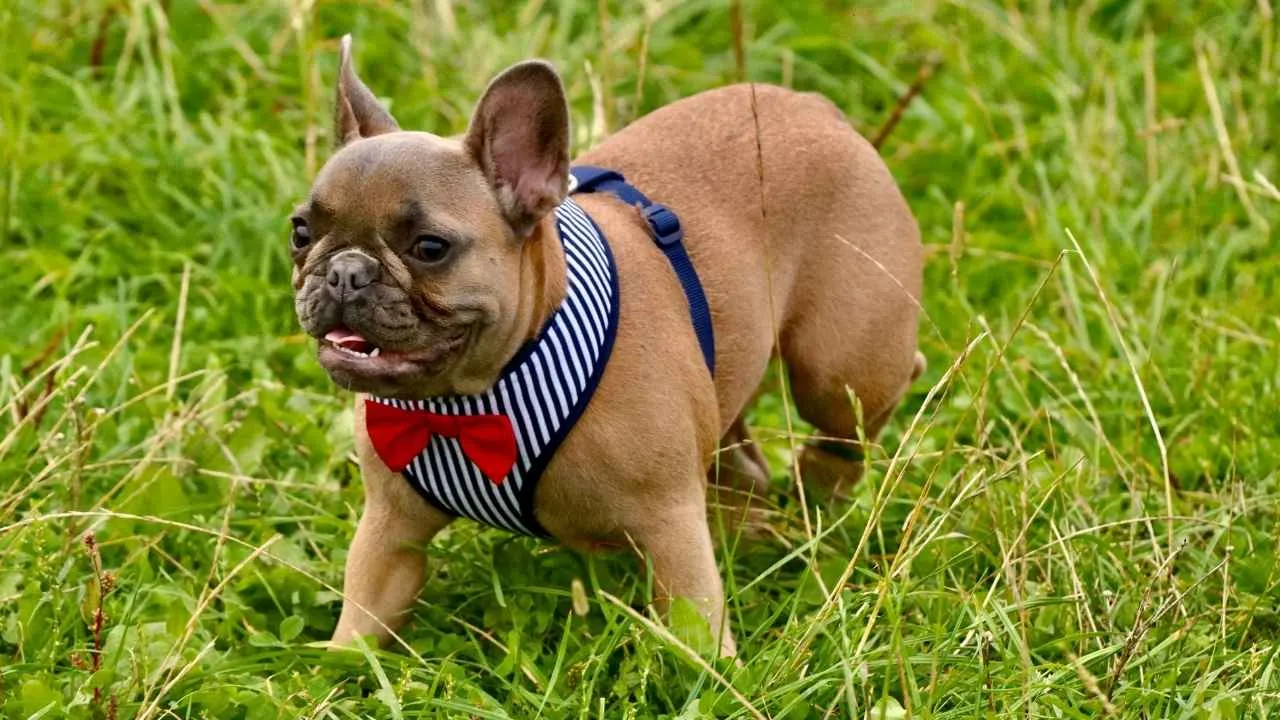
French Bulldog began in England as a smaller version of the Bulldog, becoming especially popular with lace makers. When those workers relocated to France, their little Bulldogs traveled alongside them and eventually became closely associated with French life.
A Limited Solo Window
They can generally handle 4 to 6 hours alone when gradual training, exercise, and a predictable routine are in place, as stated by Frenchies Vs Everybody.
The 1 to 4-hour range is usually easier, while six hours or longer can increase the risk of boredom, chewing, barking, bathroom accidents, or separation-related stress.
Their playful side still needs the right outlets:
Enjoys laid-back strolls and brisk walks
Needs breathing monitored during activity
Benefits from puzzles, scent work, and exploration
Social and Playful
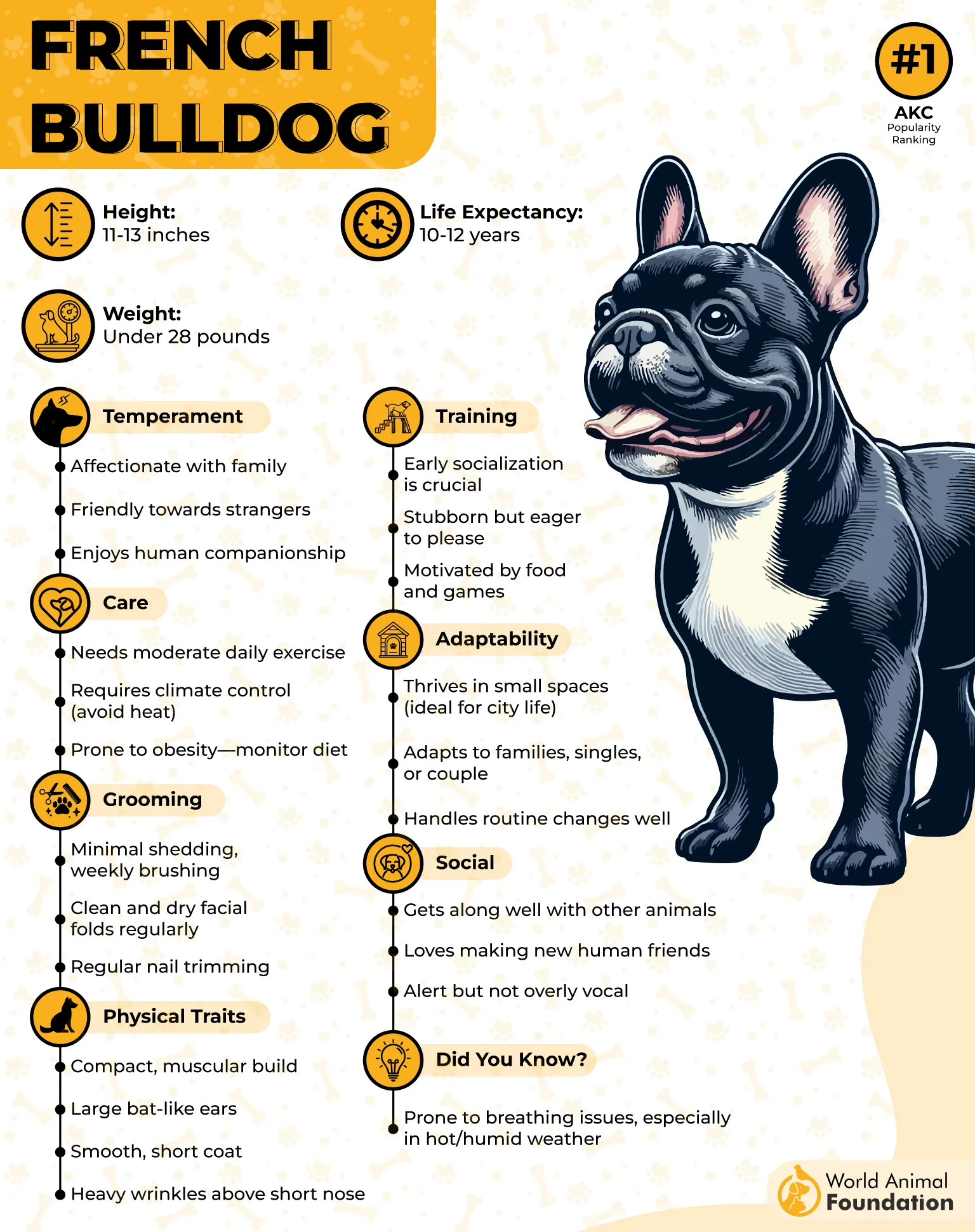
French Bulldogs have a playful, quirky personality and can fit into households with children, other dogs, cats, or no children at all. Early socialization helps shape polite interactions with both human and animal visitors, including those energetic greetings that come naturally to this breed.
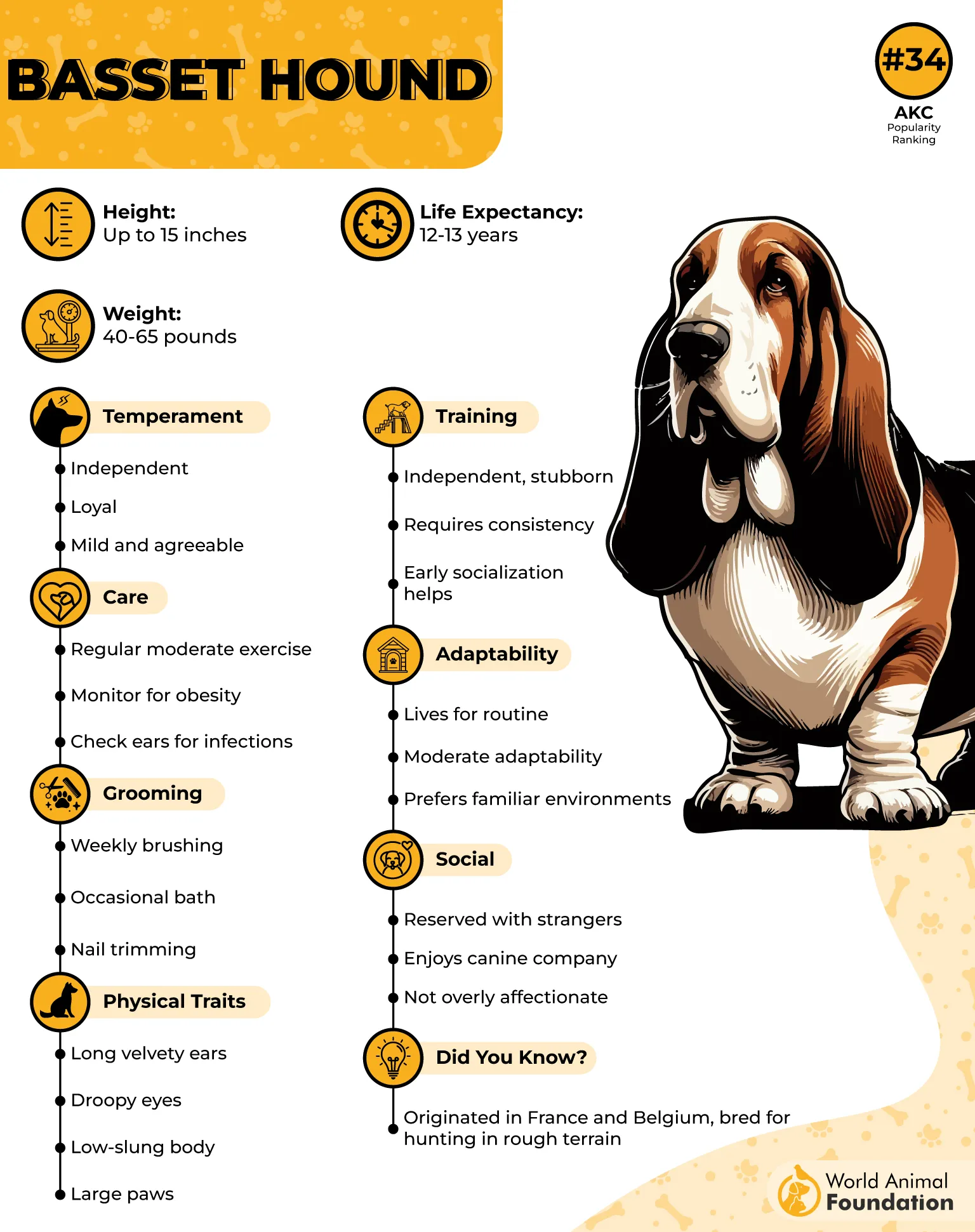
2. Basset Hound
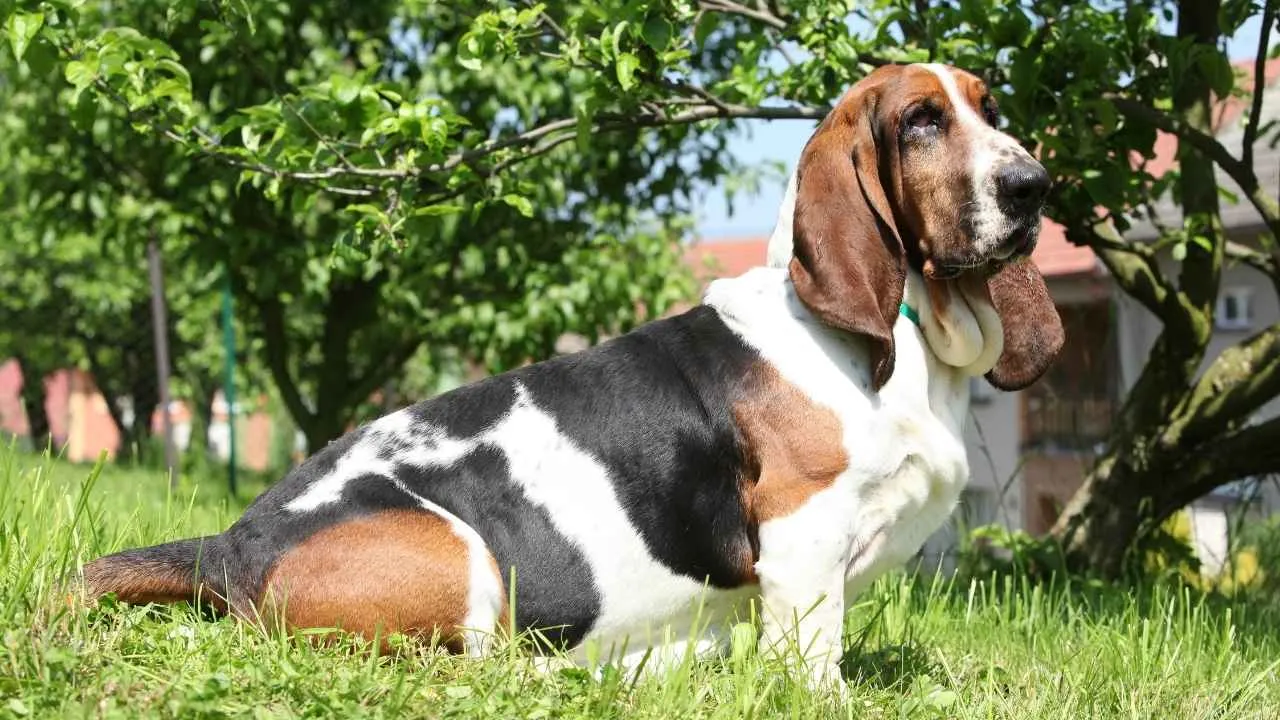
Basset Hound dates to 16th-century France, where low, heavy-bodied hounds followed rabbits through the countryside. The French word bas, meaning “low,” fits their short-legged build, while later breeding in England shaped the familiar form seen today.
Comfortable Alone
Basset Hound has a calm, easygoing personality and tends to treat family members and visitors with the same relaxed attitude. With proper training, this laid-back nature can help the breed handle periods at home without becoming overly unsettled.
These practical details matter when building that routine:
Puppies under one year: no more than 2 hours alone
Fully trained adults: gradually build toward 6 to 8 hours
Begin alone-time practice with 10-minute sessions
Follow the Nose
Basset Hounds can become completely absorbed by an interesting scent, even after appearing uninterested in everything else around it. That powerful tracking instinct comes from generations of rabbit and hare hunting, with some dogs also used to follow wounded larger game.
3. Chow Chow
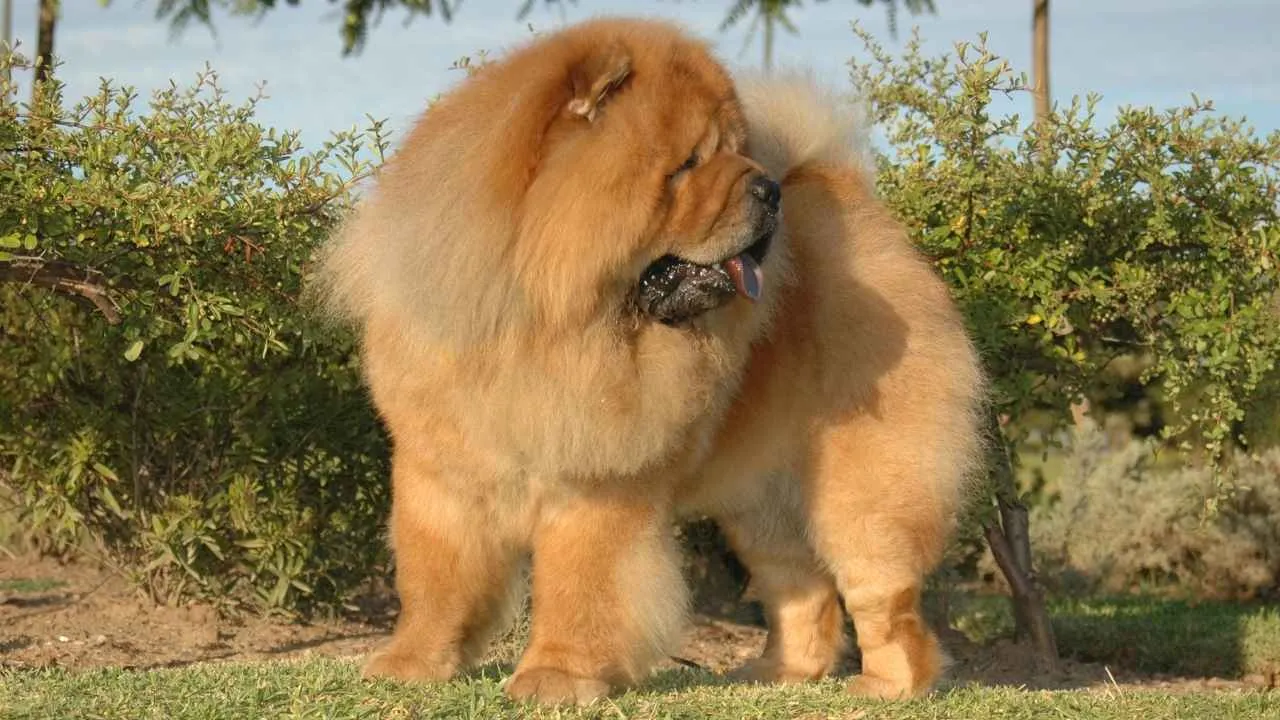
Chow Chow comes from China, where it is called Songshi Quan, meaning “Puffy Lion Dog.” Its unusual blue-black tongue and possible connection to the stone Foo guardians outside Buddhist temples and palaces give the breed a distinctive place in Chinese tradition.
Comfortable Alone
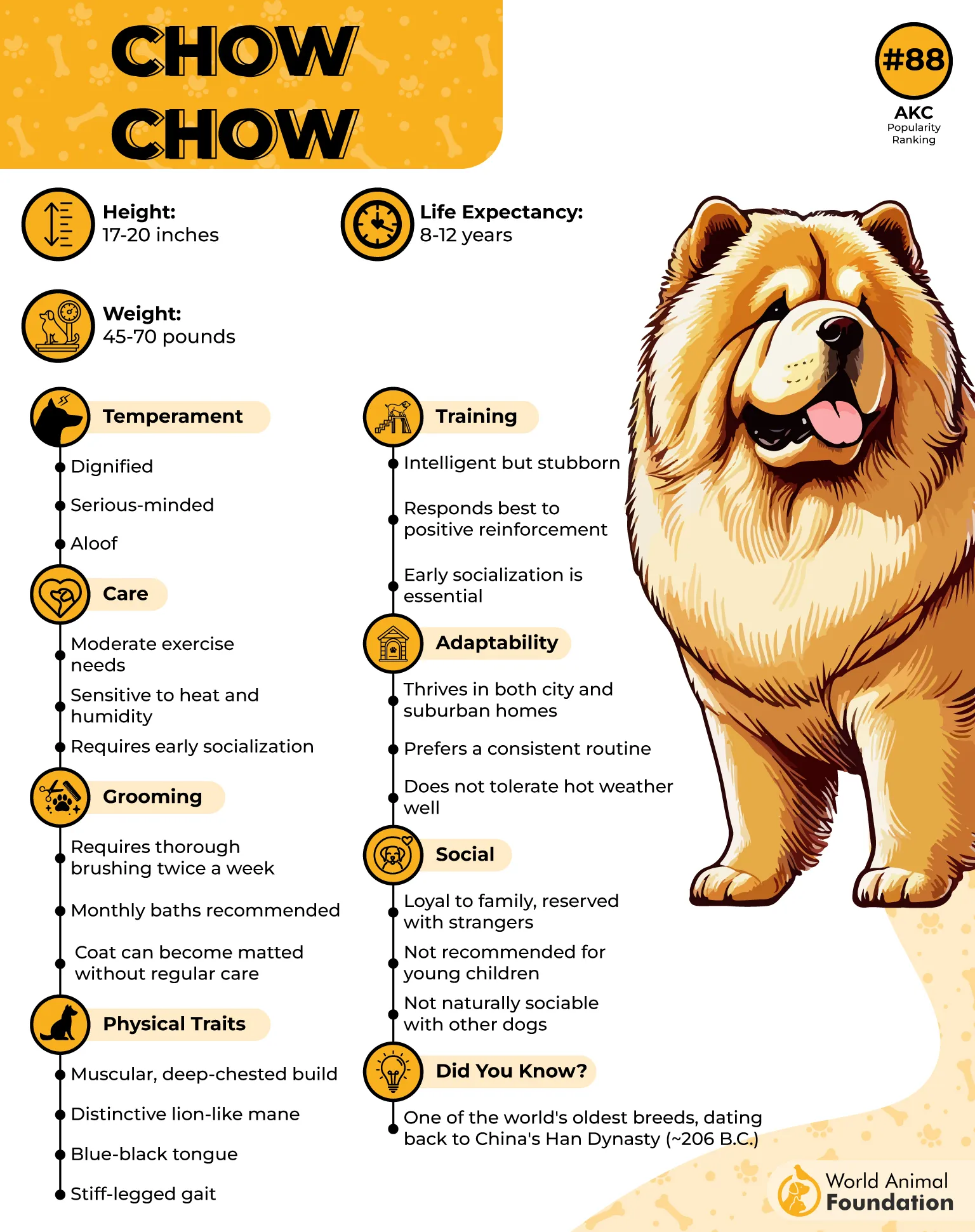
This furry friend may be quite content with some time alone, especially when it has learned that being by itself is part of the routine. An adult dog can often manage 6–8 hours with water, a comfortable place to rest, and a few toys, while puppies need much shorter stretches.
A practical routine depends on these details:
Naturally watchful and wary of strangers
Early socialization helps it accept unfamiliar people
Training helps manage possessiveness around food and toys
Independent by Nature
Chow Chow has an independent, cat-like personality and often appreciates having its own space, as per the AKC. That self-directed nature can make solitude easier to manage, while consistent obedience training is still important because this intelligent breed can be stubborn.
4. Greyhound
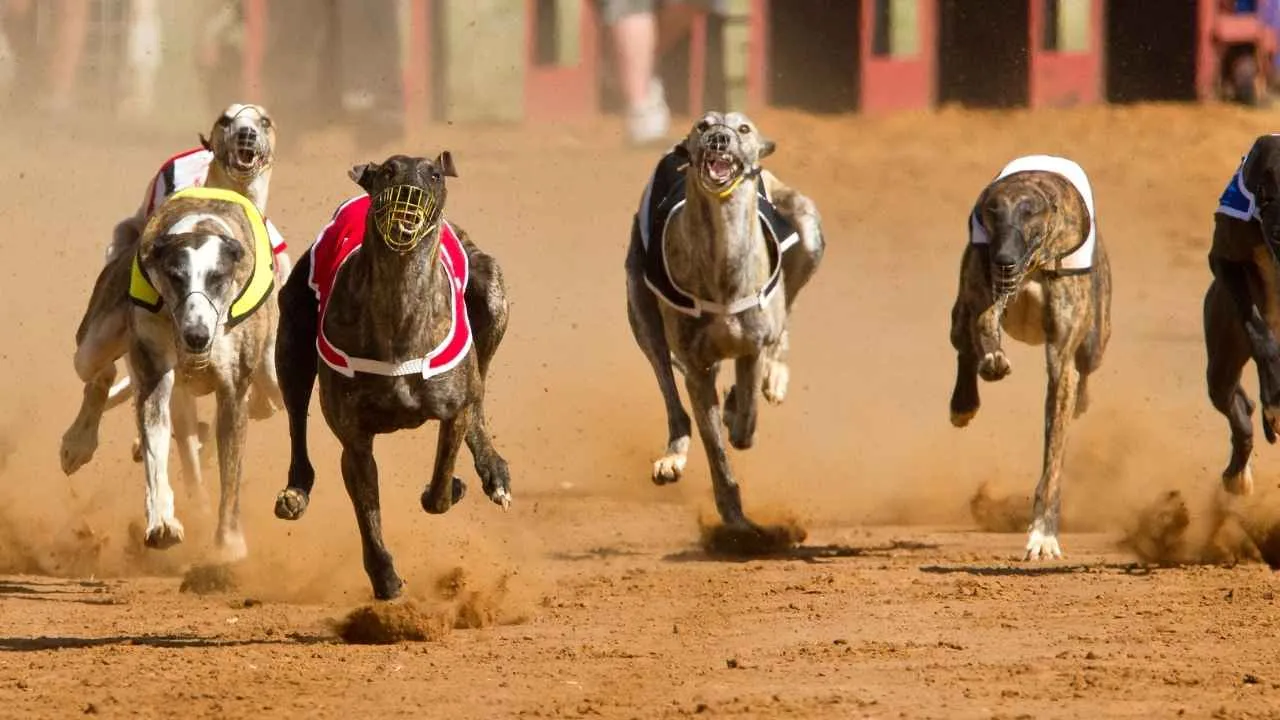
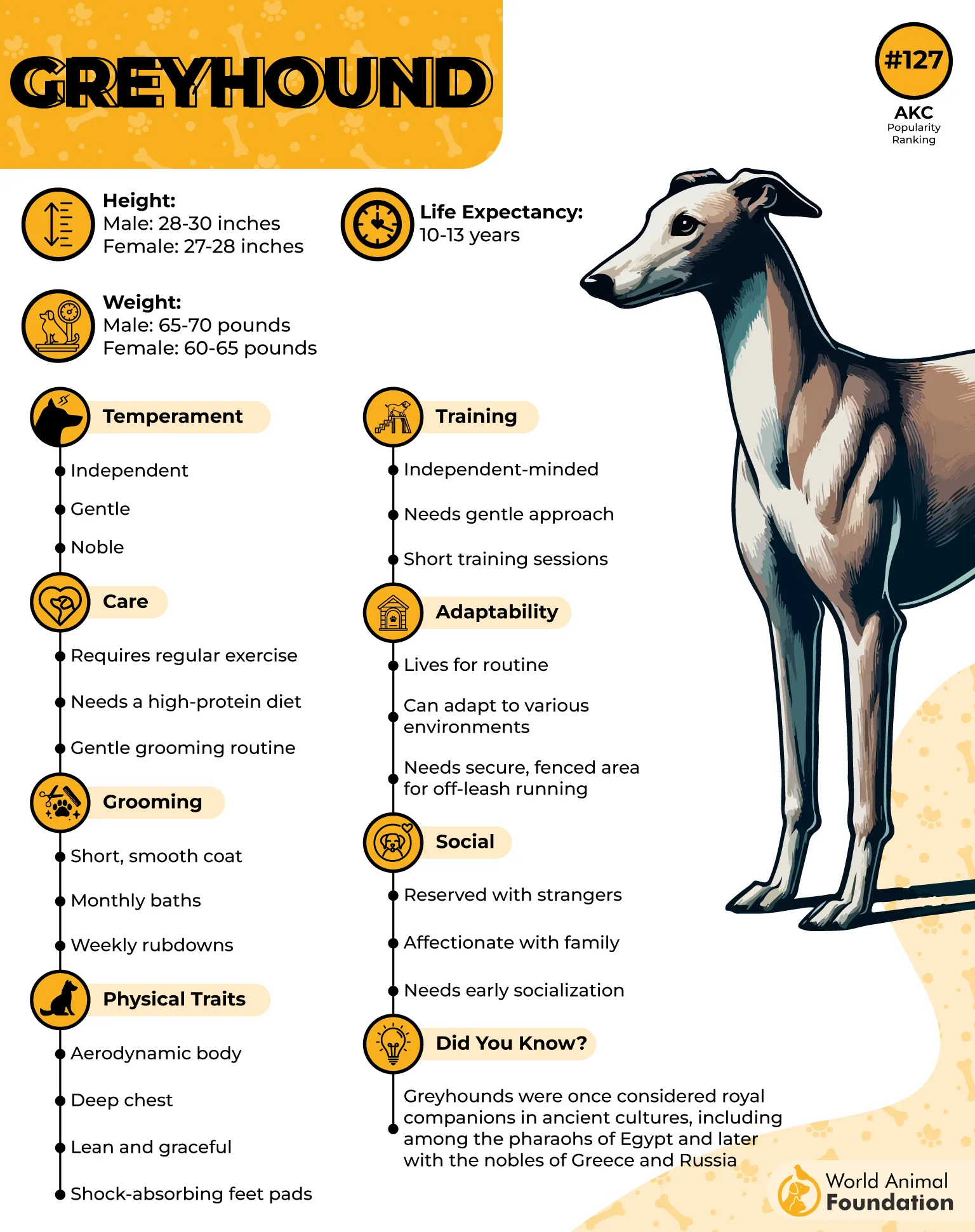
Greyhound is an ancient European sighthound once used to spot and pursue game by sight, with its long legs, slim frame, and flexible spine built for bursts reaching up to 43 miles per hour.
For centuries, these dogs were closely associated with nobility before organized racing became popular in America and Britain during the early 1920s.
Alone-Time Reality
They can be affectionate, social companions, yet long periods without people may feel difficult because racing dogs often spent their days surrounded by humans and other dogs. With gradual preparation, many can learn to handle around four to six hours alone.
These practical details matter when building that routine:
A familiar blanket can provide comfort
Calm departures can reduce fussing
A sitter can help with longer absences
Independent by Nature
Greyhound belongs to the sighthound group, which gives it an independent streak and a tendency toward occasional aloofness. Consistent feeding, walking, and play schedules can provide useful predictability while alone-time training gradually increases.
5. Lhasa Apso
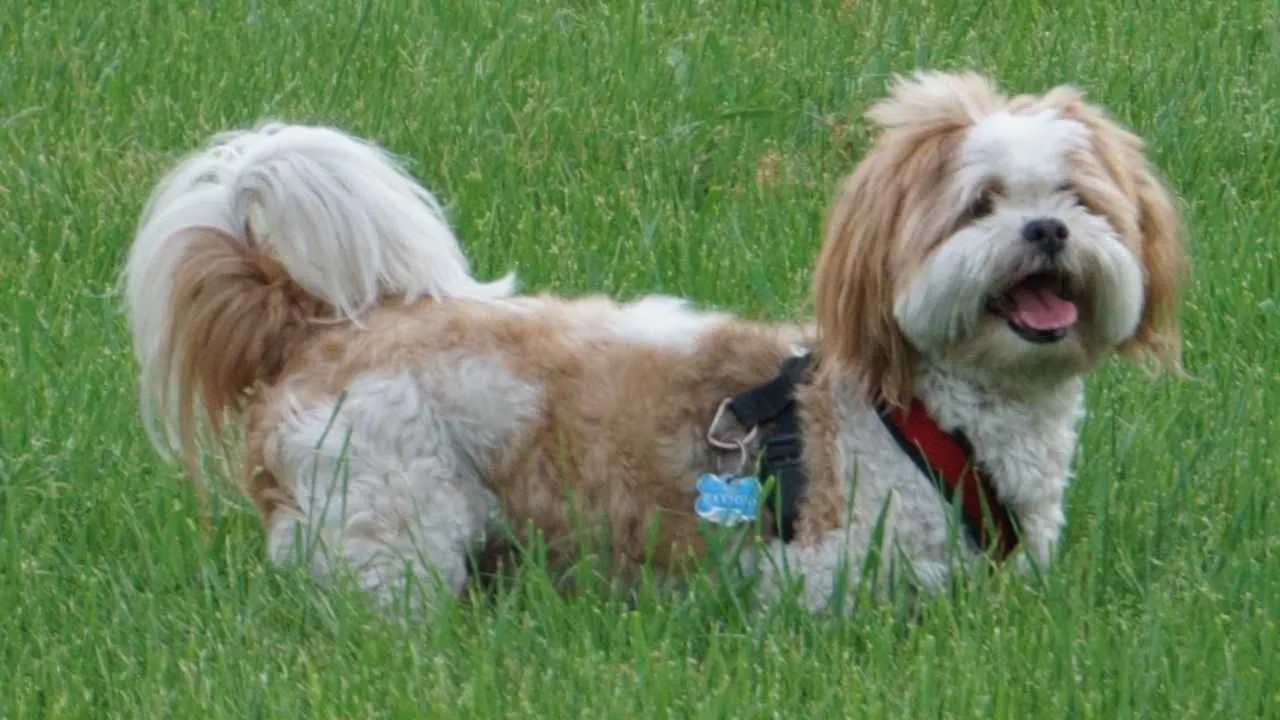
Lhasa Apso comes from Tibet and has been associated with Buddhist monasteries for thousands of years, where it served as an alert dog for monks. Its name also carries a local clue: Lhasa refers to Tibet’s capital, while “Apso” translates as “bearded.”
Comfortable With Short Absences
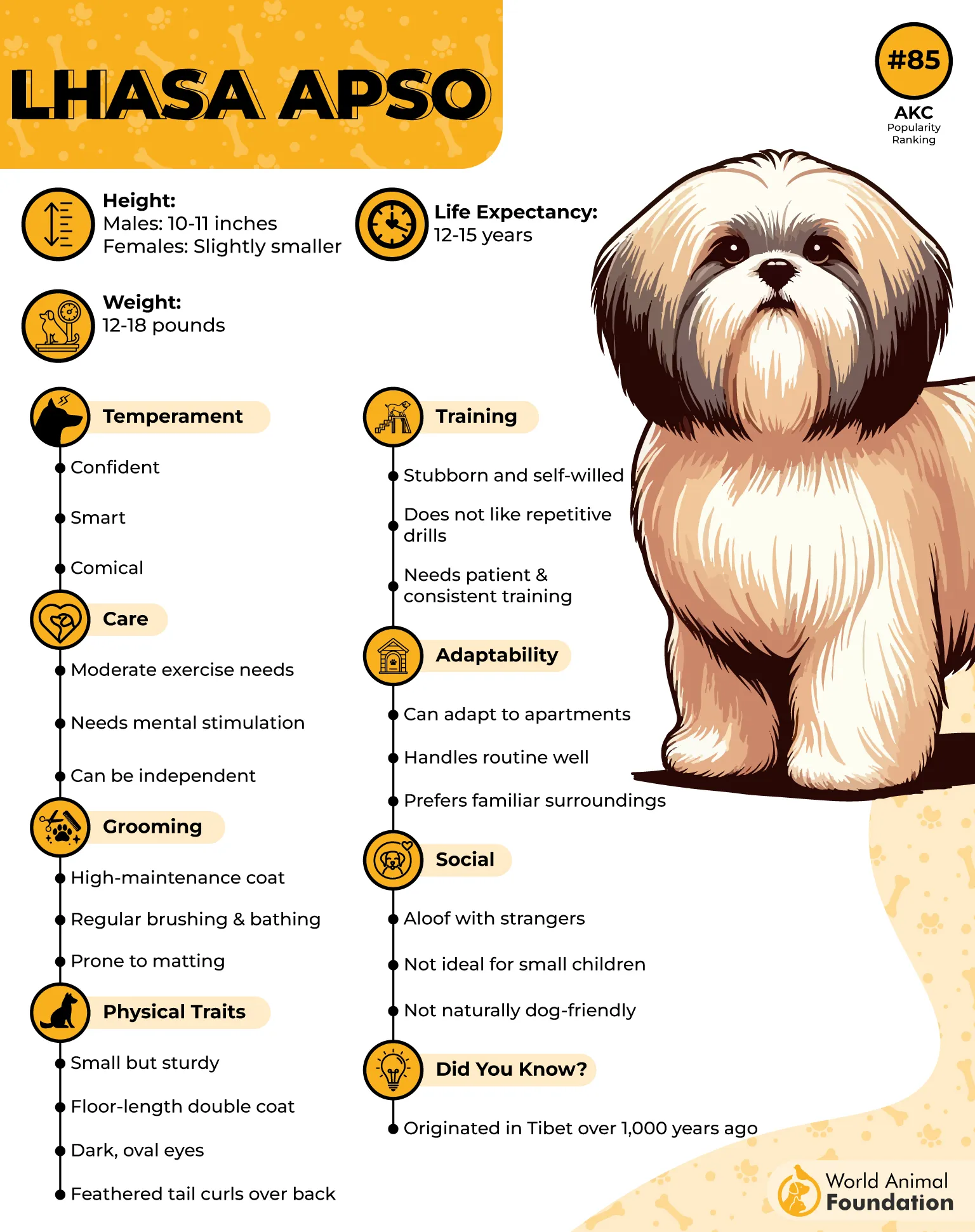
This small dog has an independent nature that can make brief periods alone easier to manage than with highly dependent companions. A comfortable resting spot, fresh water, and a favorite toy can help during short absences of roughly four to six hours.
A few practical details are worth knowing:
Small stature suits flats and smaller homes
A short daily walk can meet basic activity needs
Mental stimulation helps prevent an overly idle routine
Independent, Yet Playful
Lhasa Apso can take time to mature and may retain puppy-like behavior through its first three years, adding plenty of curiosity and energy to daily life. Training requires patience and consistency because this intelligent breed can be stubborn about getting its own way.
6. Basenji
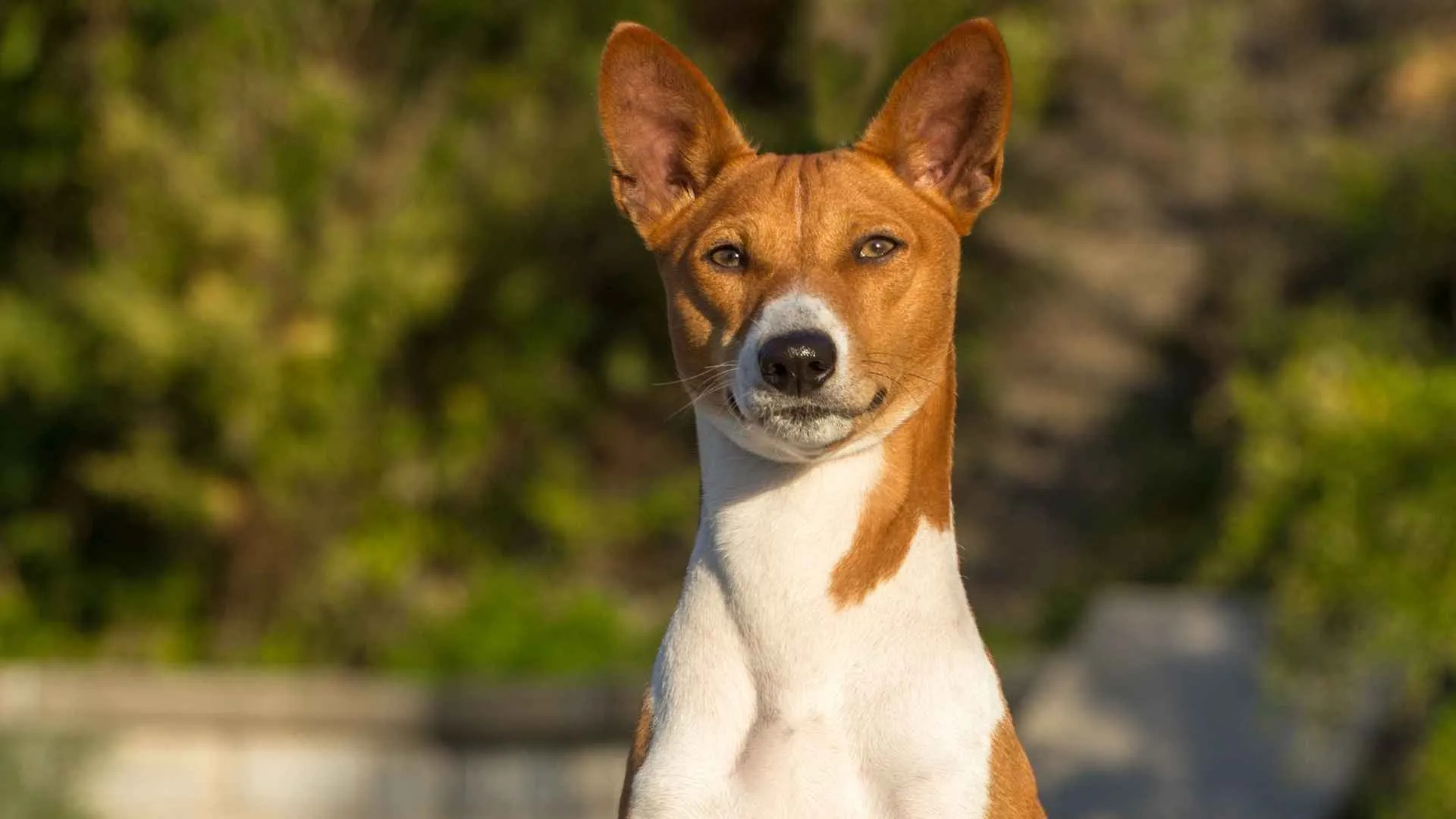
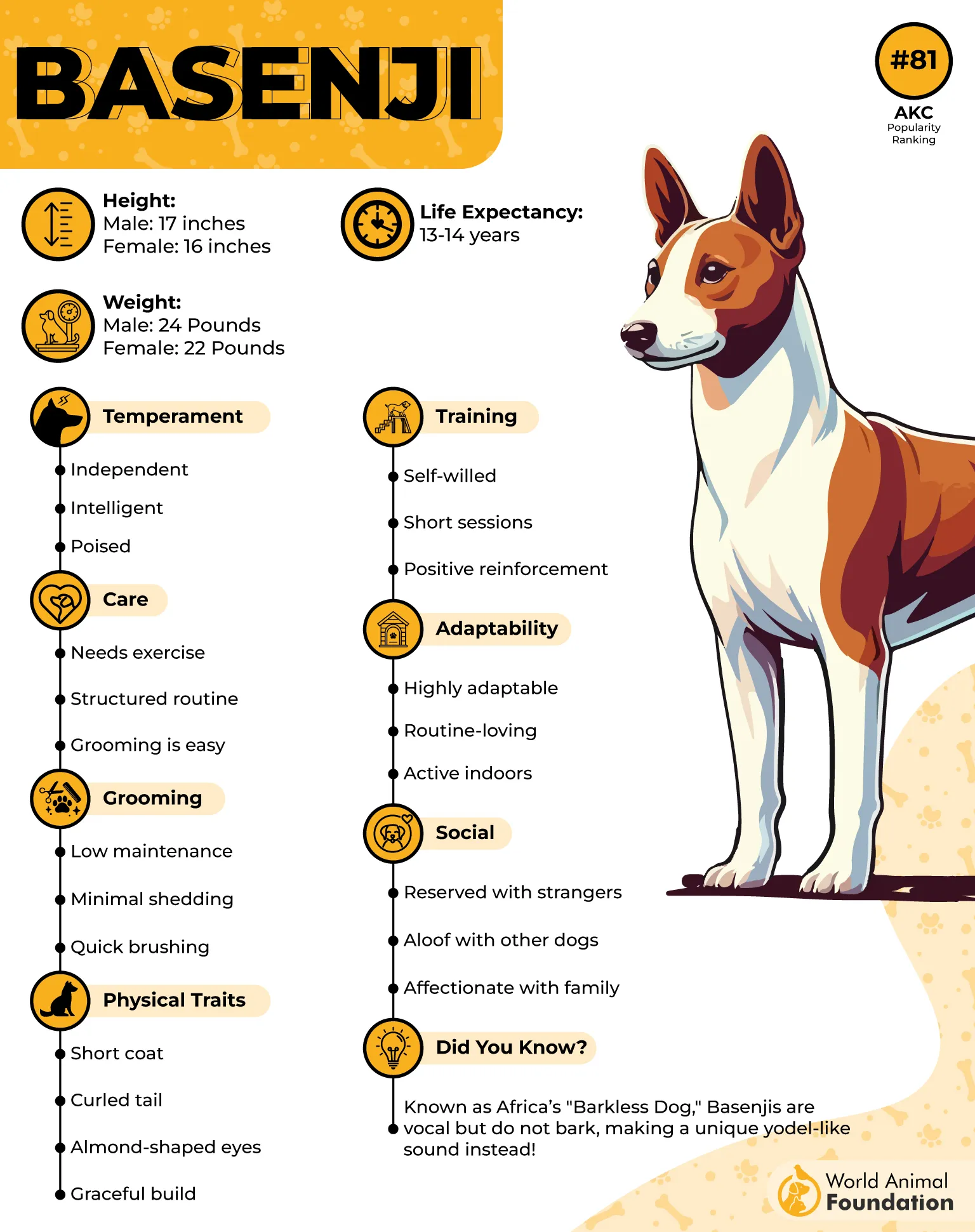
Basenji appears in ancient Egyptian artwork dating back about 4,500 years, with similar dogs repeatedly pictured in funeral art associated with the pharaohs. The breed later became valued by African tribesmen and hunters as an all-purpose hunting companion across the continent.
Time Alone
They can perhaps handle up to eight hours alone, although this independent-minded breed may turn that quiet period into an opportunity for mischief, as Orvis claimed. Crate training can help, while trash cans and other unsafe objects need to remain out of reach.
These characteristics make that arrangement easier to understand:
Needs careful introductions to unfamiliar people
A dog walker can help use up daytime energy
May be destructive when left without enough engagement
Quiet, With a Twist
Basenji does not bark in the usual way, yet excitement can bring out yodels, chortles, or crow-like sounds from time to time. Its cat-like cleanliness and ability to climb, including into trees for some individuals, add to an unusually self-contained temperament.
7. Tibetan Mastiff
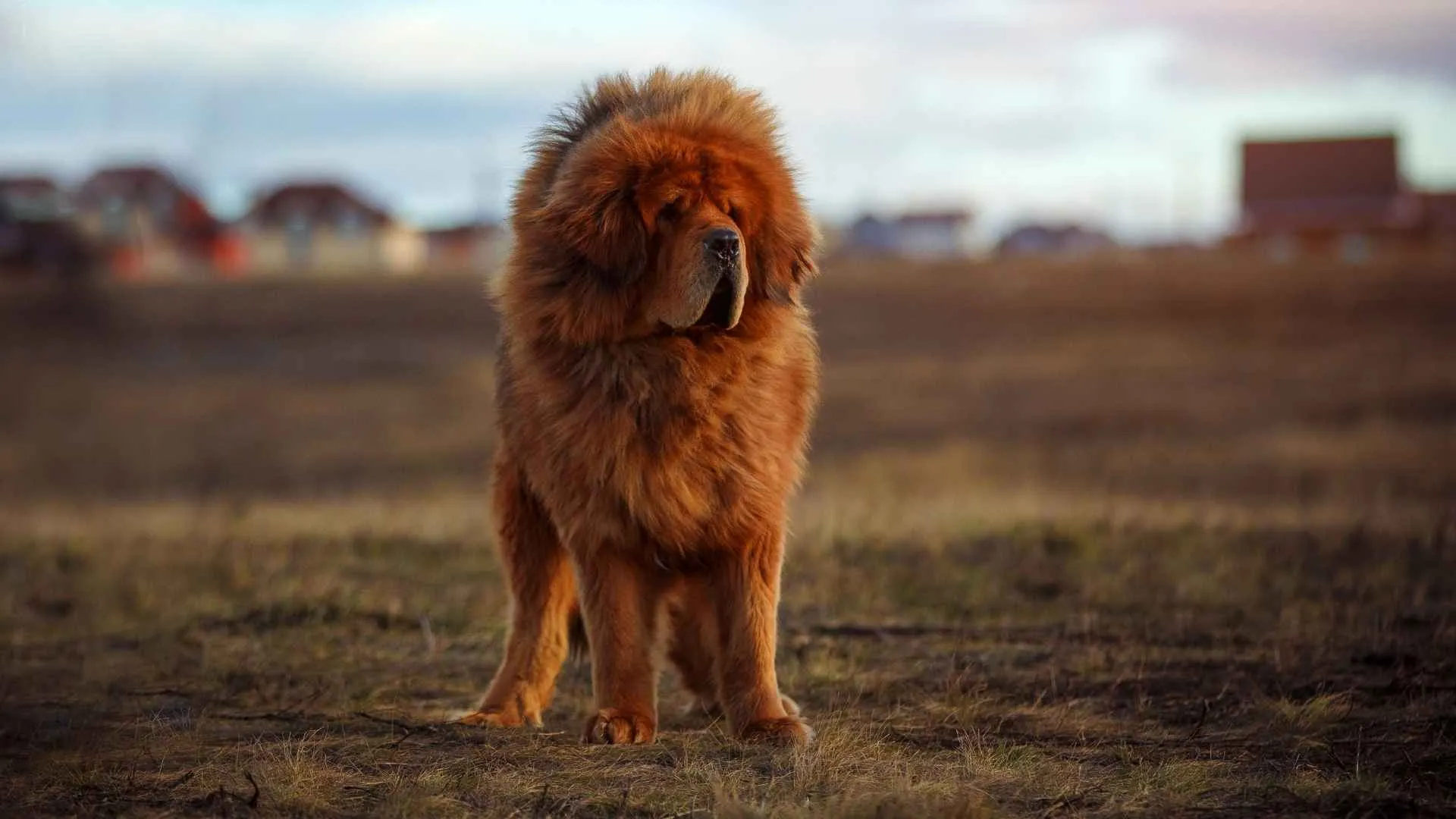
Tibetan Mastiff has guarded people, livestock, and property in Tibet for thousands of years, including temples, monasteries, and the homes of nomadic farmers.
The dogs traveled across wide areas with their people, and generations of interbreeding meant there was no fixed breed standard for much of that time.
Alone at Home
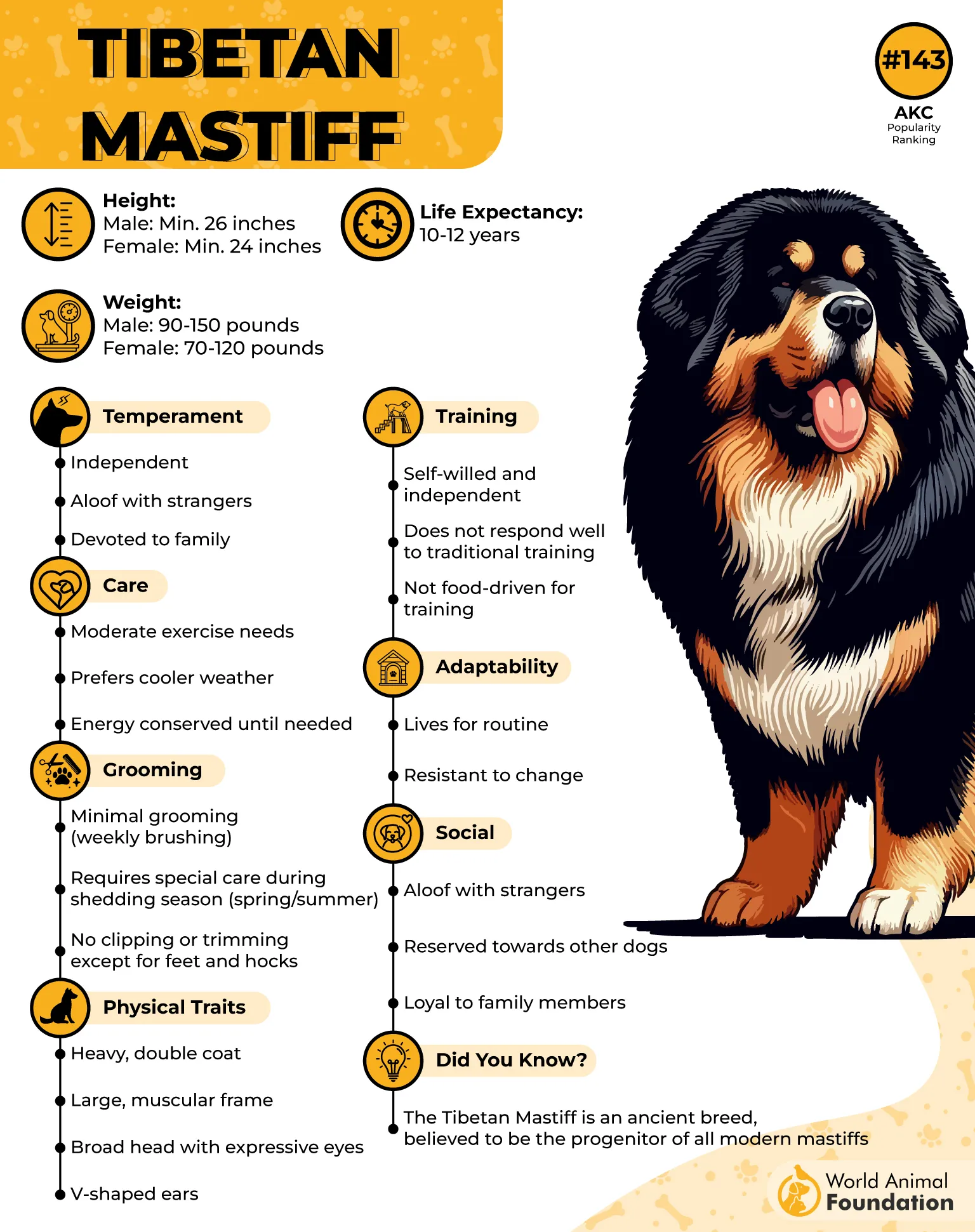
Mastiffs can handle periods without human company because of their independent nature, with adult dogs generally managing four to six hours alone and some well-trained adults reaching eight hours. A canine companion can also give them something to do during longer stretches without people.
A few practical details are worth knowing:
Intelligent, courageous, and deeply devoted
May need patience during obedience training
May patrol and bark at nighttime activity
A Watchful Mind
Tibetan Mastiff has a strong guarding instinct and can become particularly alert when unfamiliar people enter the home. Raised voices from visiting children may also trigger concern, so early socialization with different people and places is especially important.
Conclusion
Being comfortable alone does not mean a dog should be left without preparation. A predictable routine, enough physical and mental stimulation, and gradual alone-time training can make those quiet hours easier to handle.
Age matters too, since puppies need more frequent bathroom breaks, attention, and shorter periods by themselves, while some dogs are prone to separation anxiety or even severe separation anxiety.
Your home setup also matters, especially when boredom could lead to chewing, barking, or other unwanted behavior.
Before choosing a companion, pet parents should consider how long they are usually away and what support they can provide during longer days. Even among the most popular dog breeds, a thoughtful routine can help both you and your dog feel more comfortable when the door closes.
