




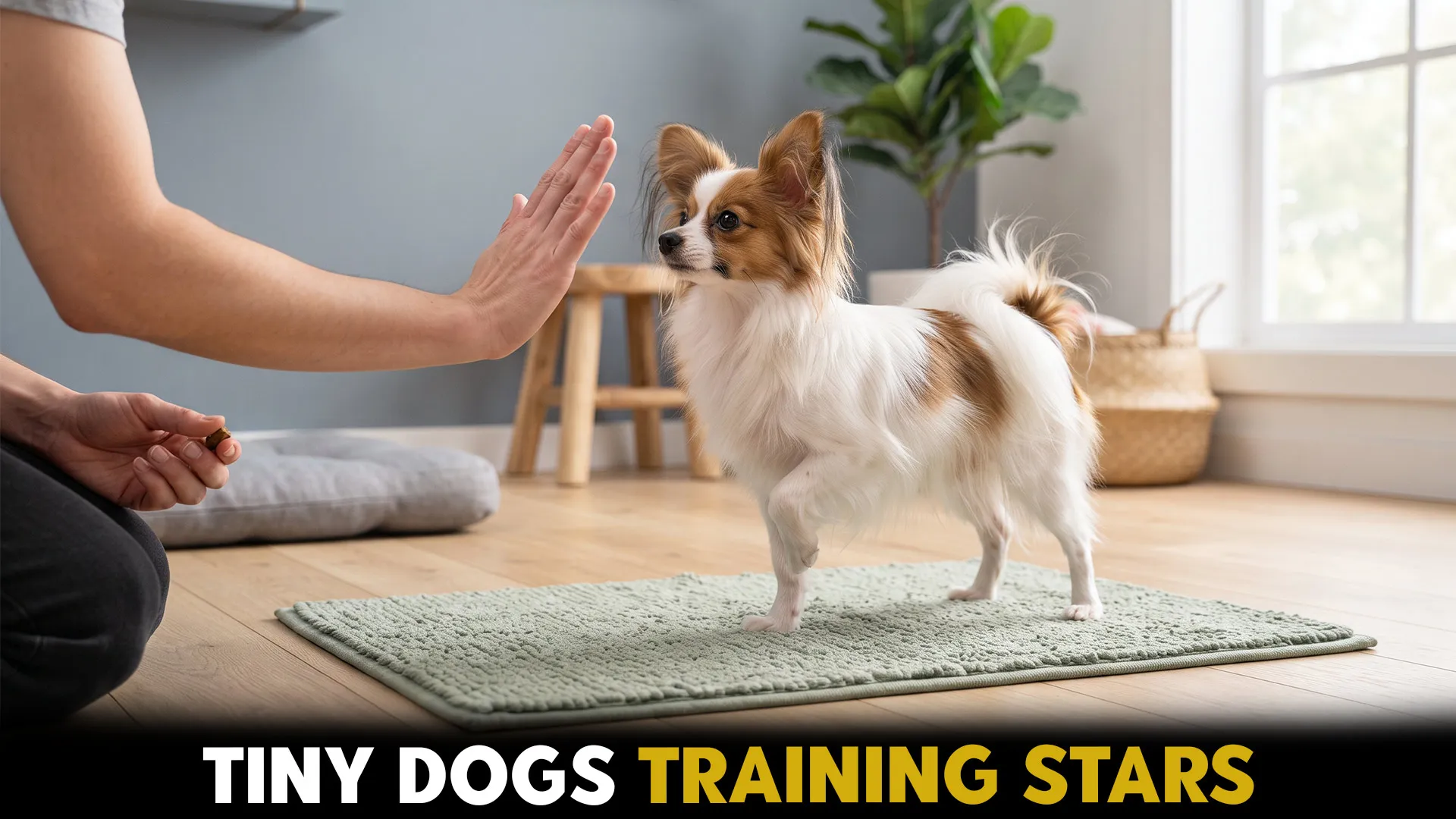
Tiny dogs may be small enough to fit in your lap, but don’t let their size fool you. Many little companions are bright, attentive, and surprisingly quick to learn commands, tricks, and household rules. With the right training, they can become wonderfully well-mannered pets.
Trainability isn’t just about being smart. A dog’s focus, eagerness to please, and motivation for treats, toys, or praise can make a big difference. Consistent, positive training also helps prevent those adorable little pups from developing habits that become harder to manage later.
So, which tiny dogs can master obedience the fastest? From learning basic commands to picking up impressive tricks, these small breeds can make training both rewarding and fun. Let’s take a closer look at some of the smartest small dog breeds that may be eager to become your star student.
Key Takeaways
Meet 7 small breed dogs that can turn training into a fun, rewarding experience.
Papillons and Toy Fox Terriers bring big brains to tiny bodies.
Yorkies and Maltese prove small dogs can be eager, clever learners.
Find out which breed fits your lifestyle, energy level, and training goals.
Top Tiny Dog Breeds That Master Obedience Fast
1. French Bulldog
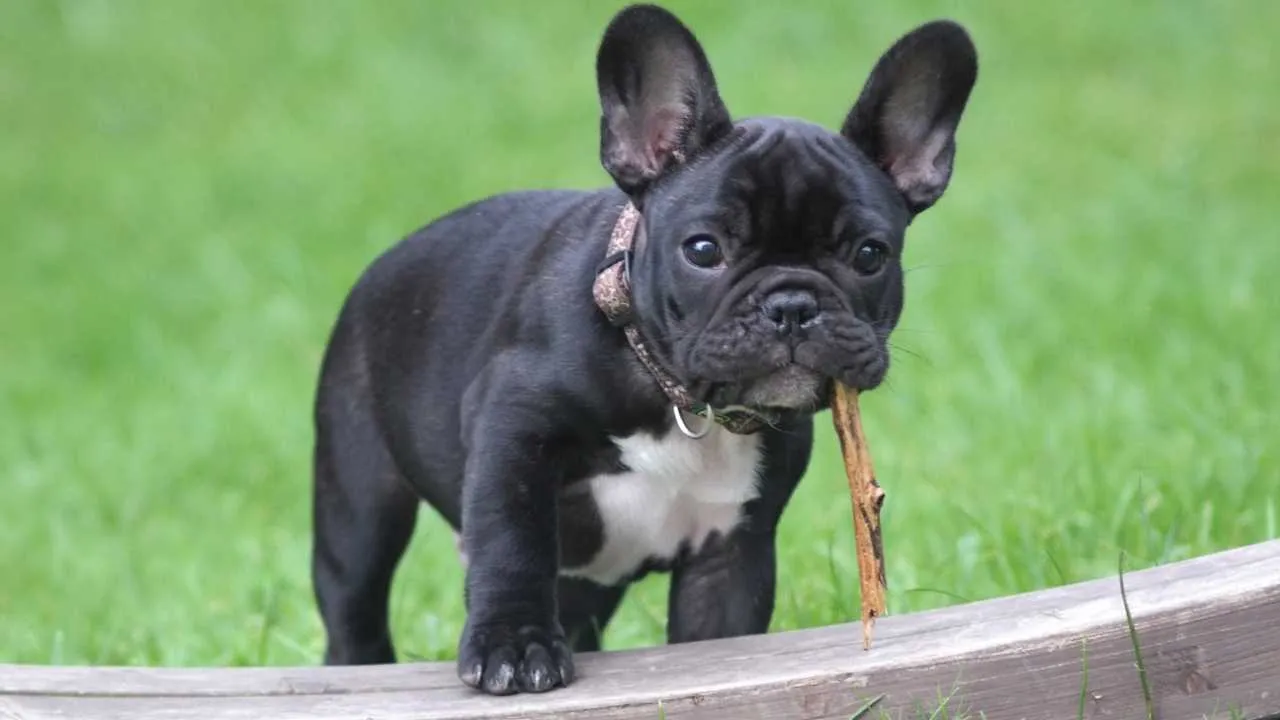
French Bulldogs may look laid-back, but their playful minds make them fun little learners. They are bright, curious, and love being around their families. Their cheerful nature can make obedience training enjoyable, especially when lessons feel more like games than work.
Training That Keeps Them Engaged
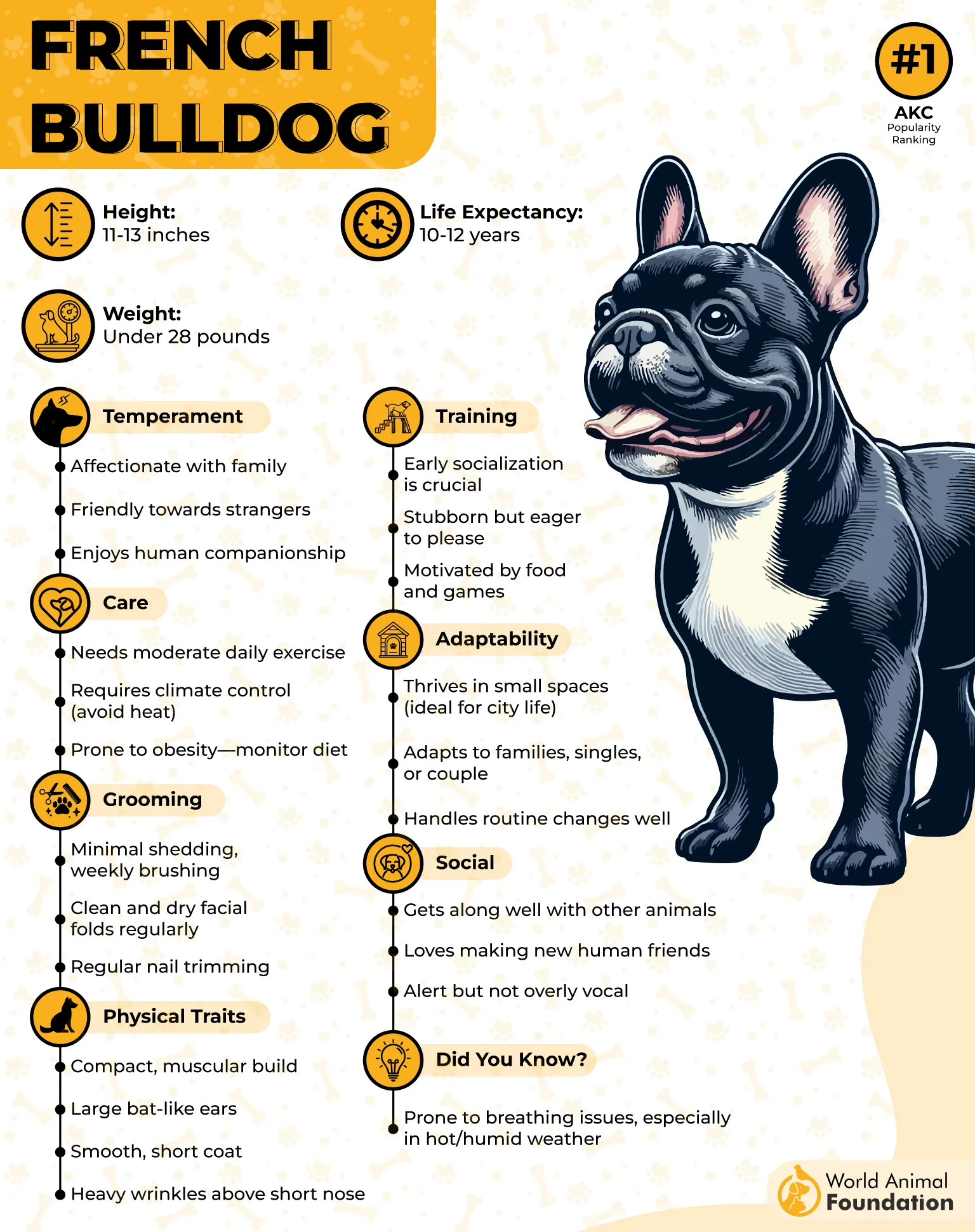
French Bulldogs respond best to positive reinforcement and plenty of encouragement. They can learn commands and enjoy activities such as fetch, tug-of-war, and light agility.
However, they can be stubborn when training becomes boring or repetitive. Short, fun, and rewarding sessions can help keep their attention.
Gentle Exercise Works Best
According to PetMD, these little dogs are adaptable and usually get along well with people and other pets when properly socialized. Their moderate energy levels suit short walks and playful activities.
Because their short-nosed build can cause breathing difficulties and overheating, exercise and training should remain gentle, especially in hot or humid weather.
2. Papillon
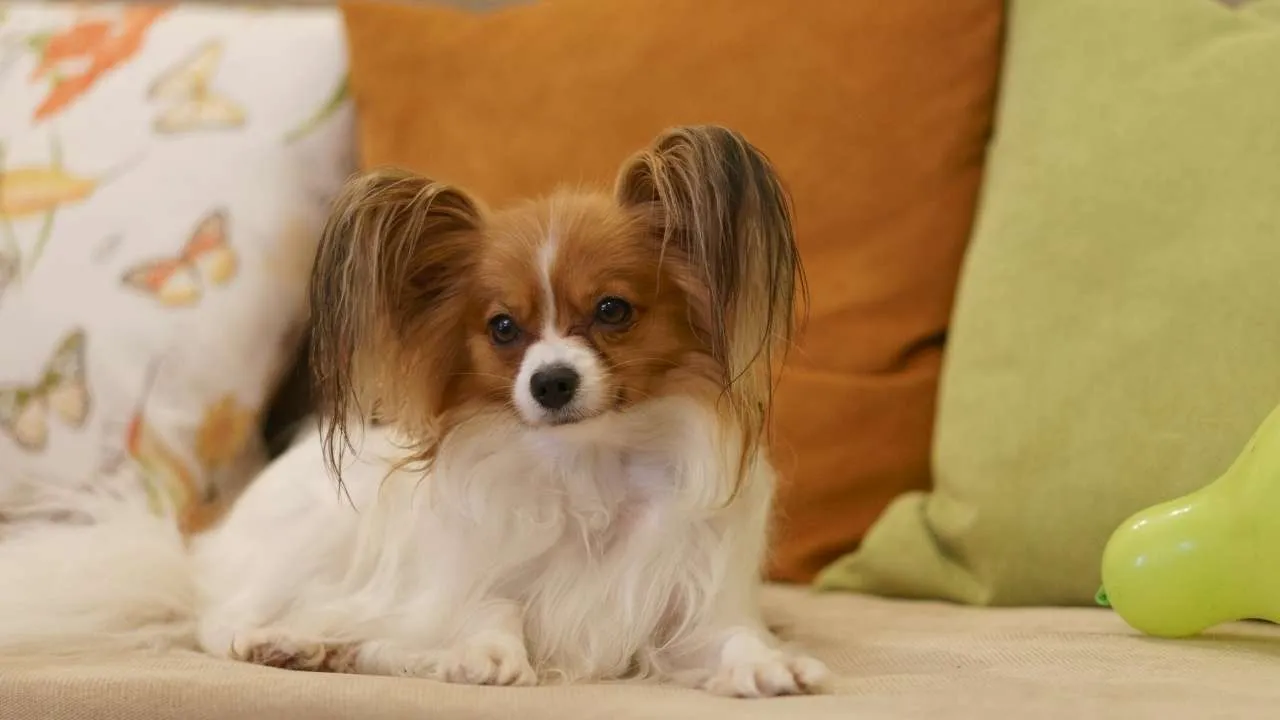
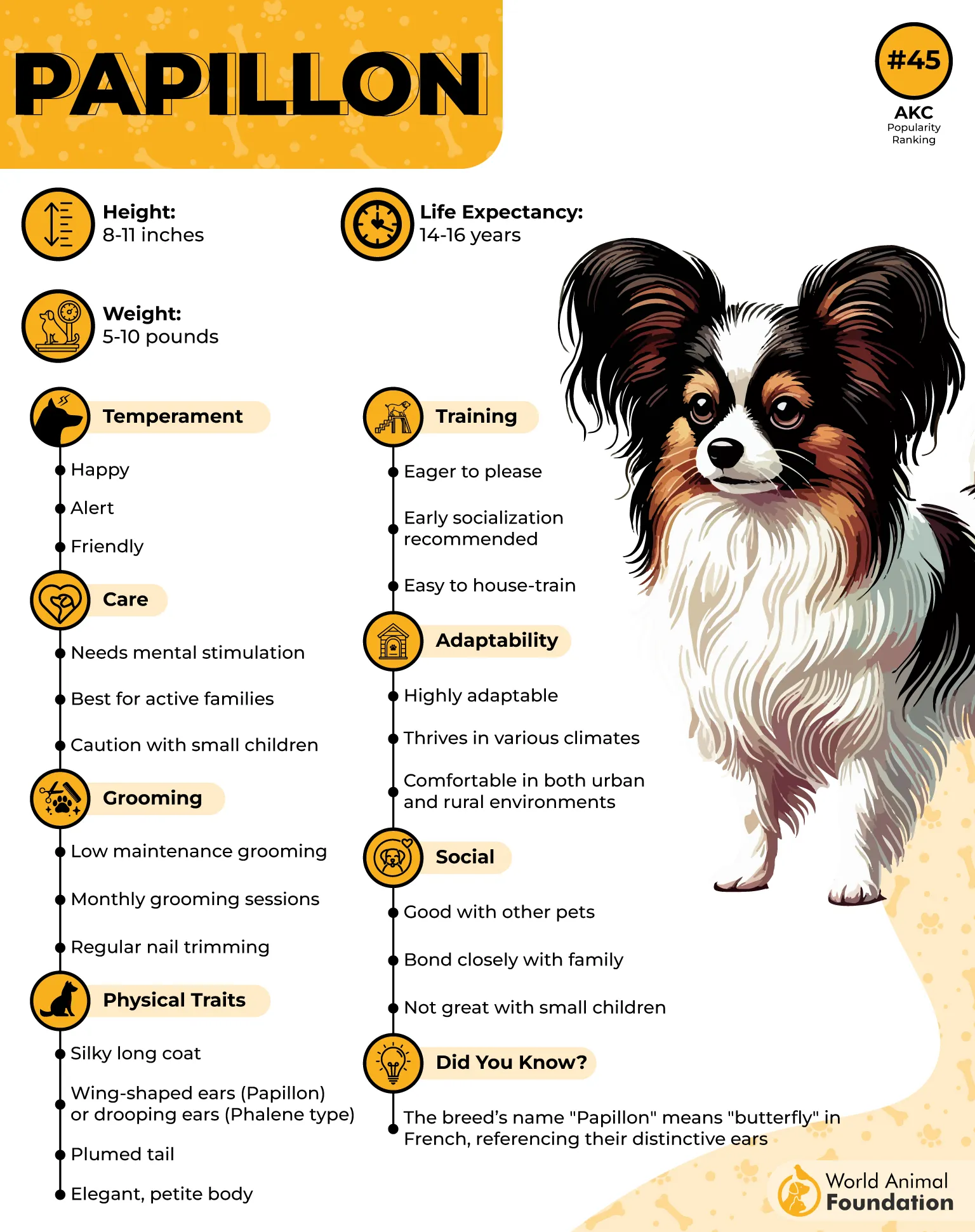
Papillons may be tiny, but their intelligence is anything but small. They are alert, eager to please, and highly responsive to their people. In fact, they are considered one of the most trainable toy breeds and often excel in obedience, agility, rally, and other performance activities, as noted by the AKC.
Positive Training Brings Out Their Best
These little dogs learn quickly when training is consistent, positive, and fun. Short sessions with treats, praise, or play can keep them interested and willing to learn.
They can have a feisty or stubborn side, though, so clear rules and early obedience training are important. Early socialization can also help them grow into confident, well-mannered companions.
Active Minds Need Plenty to Do
Papillons are more energetic than their delicate appearance suggests. They enjoy walks, indoor games, fetch, agility, and other activities that keep both their bodies and minds busy.
They can adapt well to apartment living when their exercise and mental stimulation needs are met. Their long, silky coats also need brushing several times a week to prevent tangles.
3. Cavalier King Charles Spaniel
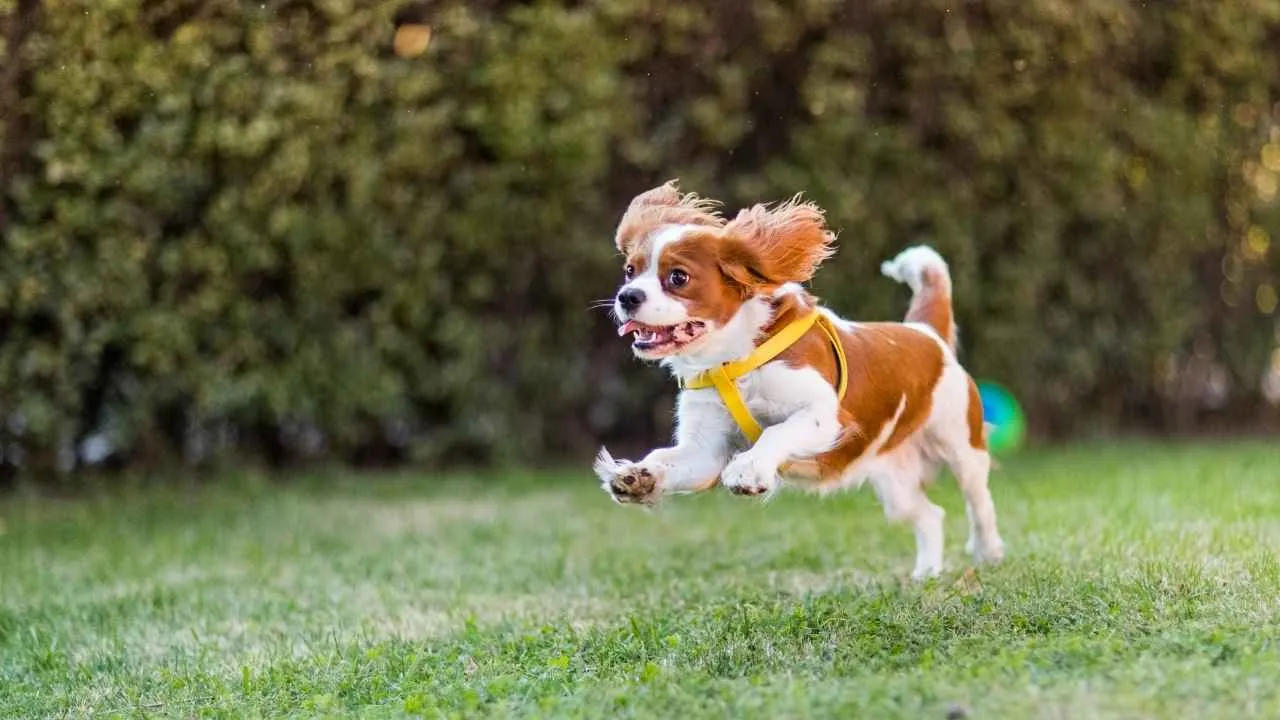
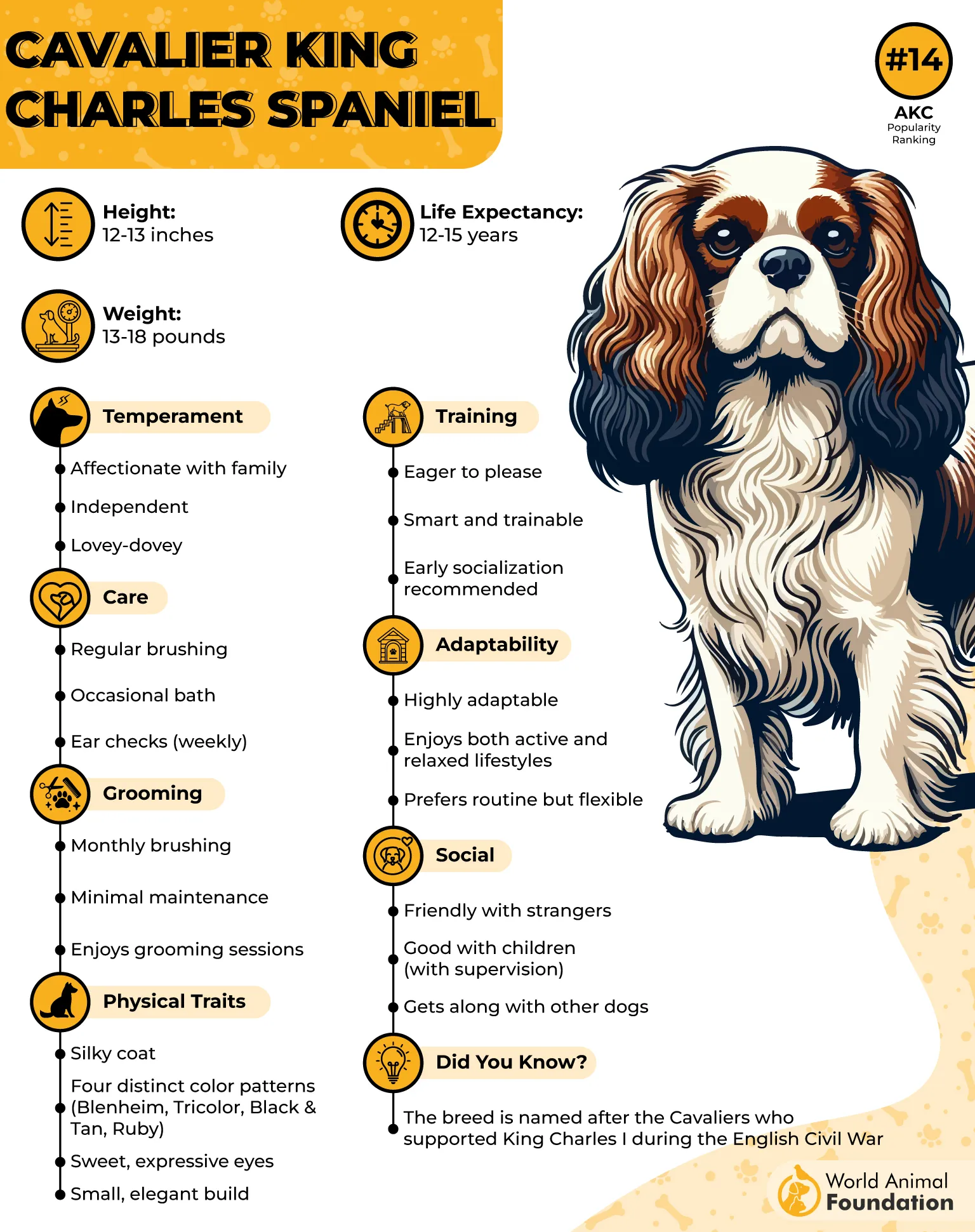
Cavalier King Charles Spaniels are affectionate, intelligent, and eager-to-please pups that were originally bred as companion dogs.
Their friendly nature and strong desire to interact with their people make them naturally responsive during training. They can learn basic obedience quickly and often enjoy activities such as rally, agility, and other dog sports.
Positive Training Works Best
These dogs do well with positive reinforcement, especially when training sessions are short and fun. Starting obedience and socialization early can help puppies become confident and well-mannered adults. Their playful yet gentle personality also makes them a good choice for first-time owners.
Friendly Companions With Moderate Energy
Cavaliers are adaptable dogs that can suit many households. They enjoy daily walks, playtime, exploring, and even retrieving or swimming.
Once their activity needs are met, they are happy to relax beside their families. Their long, silky coats need regular brushing, while their floppy ears and eyes should also be checked regularly.
4. Havanese
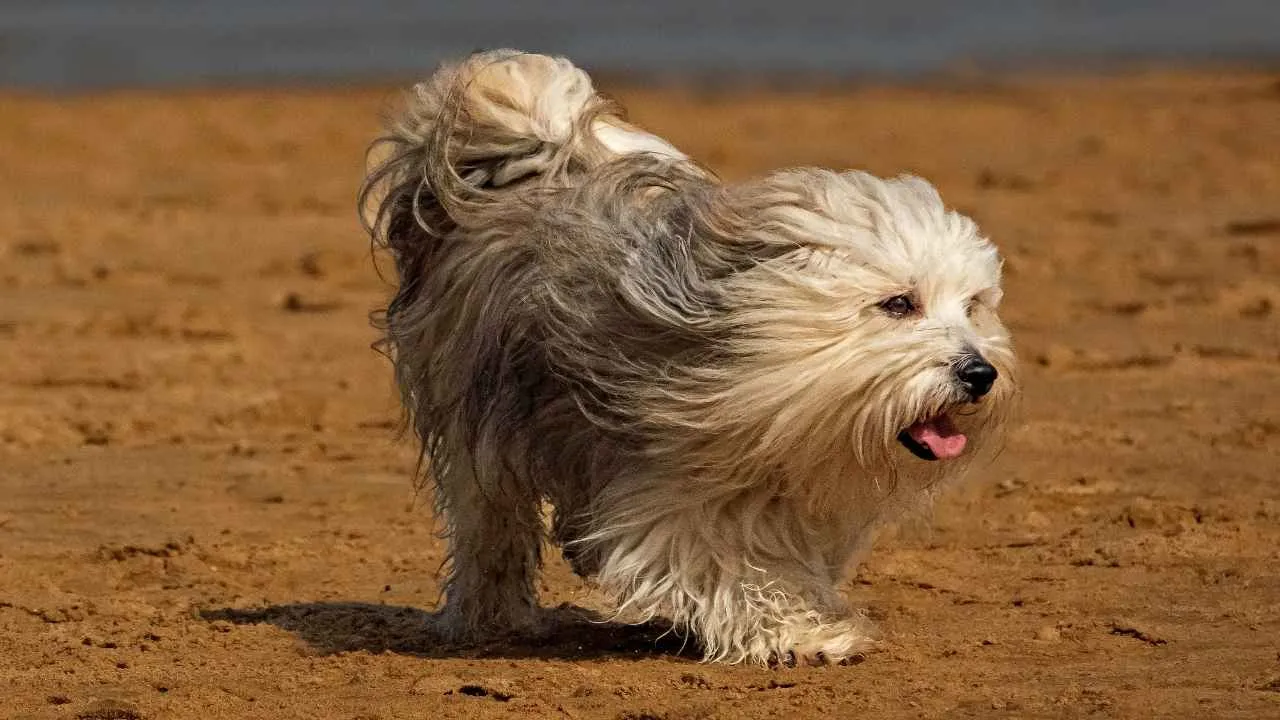
Havanese are intelligent, cheerful, and highly trainable dogs that enjoy spending time with their people. Their playful personalities and eagerness to please make them responsive learners, especially when training is made fun and engaging. They can enjoy learning tricks, basic obedience, agility, and other interactive activities.
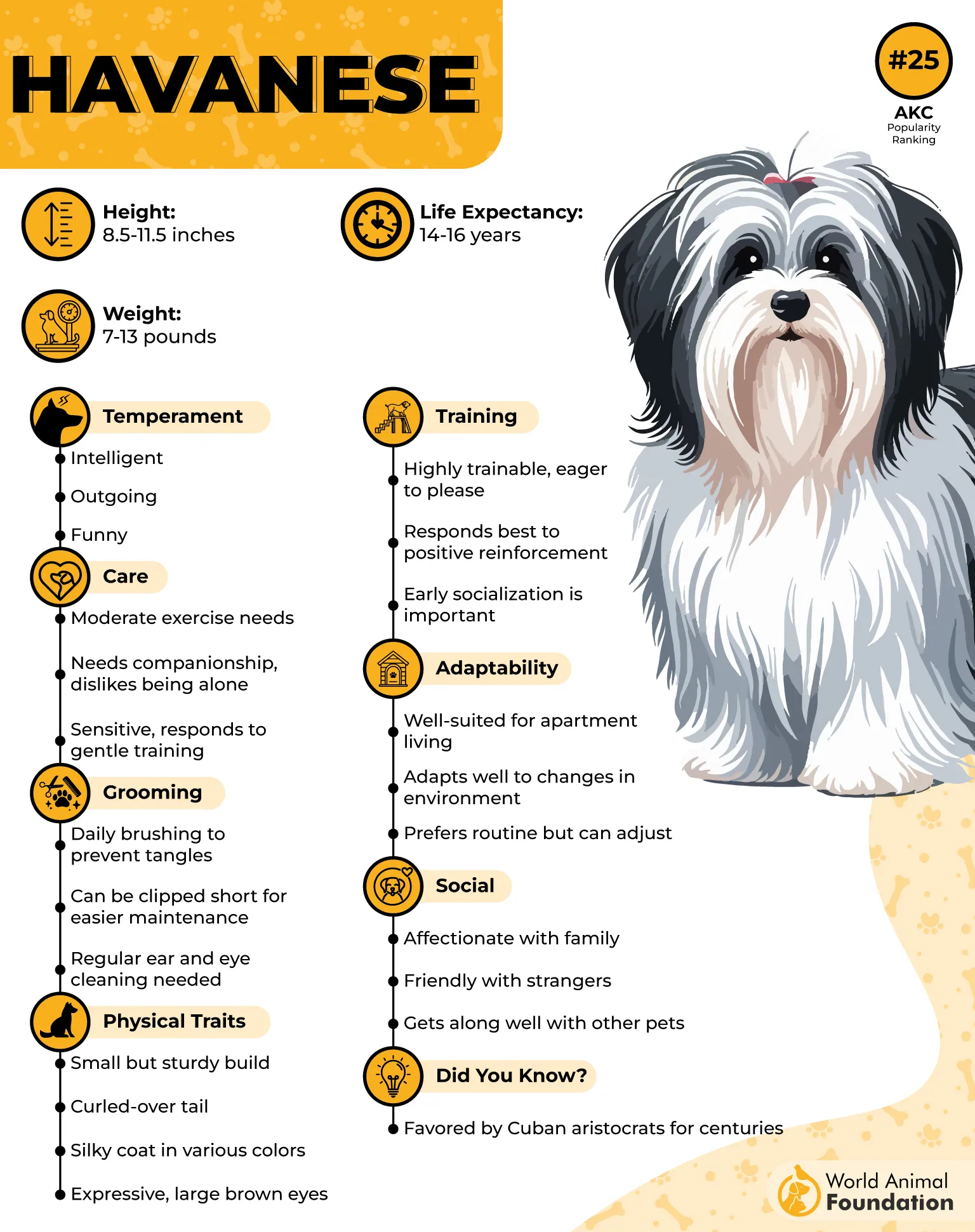
Positive Training Builds Confidence
These dogs respond best to positive reinforcement and short, enjoyable training sessions. Early socialization is important because Havanese can be timid around unfamiliar people if they are not introduced to different experiences from a young age. Consistent training can also help manage their tendency to bark.
Playful Companions With Moderate Exercise Needs
Havanese are active toy dogs that enjoy daily walks, games, and plenty of interaction with their families. They can adapt well to apartments and smaller homes as long as they receive regular exercise and playtime.
Their long, silky coat needs frequent brushing to prevent tangles and mats, while their eyes, ears, and teeth also benefit from regular care.
5. Toy Fox Terrier
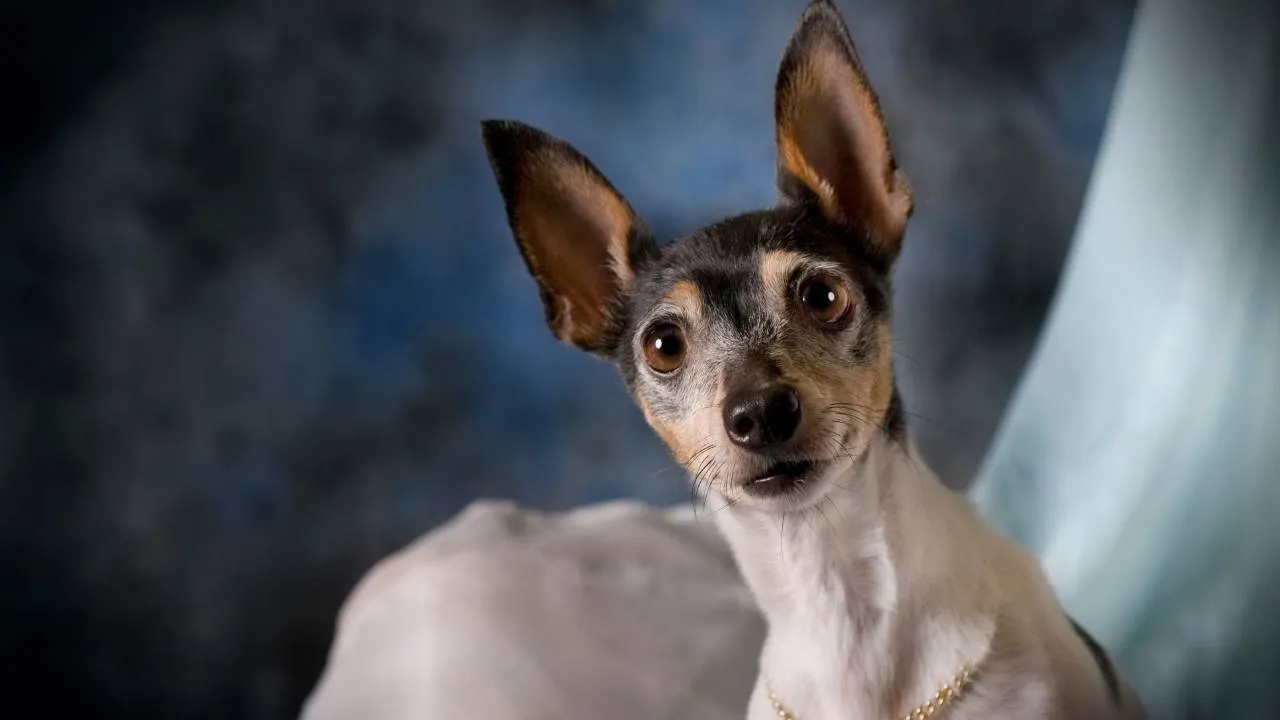
Toy Fox Terriers are smart, fun-loving, and eager to engage with their pet parents. Their terrier background gives them a confident and curious personality, while their strong bond with their families makes them responsive to training. They can learn obedience cues and tricks quickly, especially when training is kept interesting.
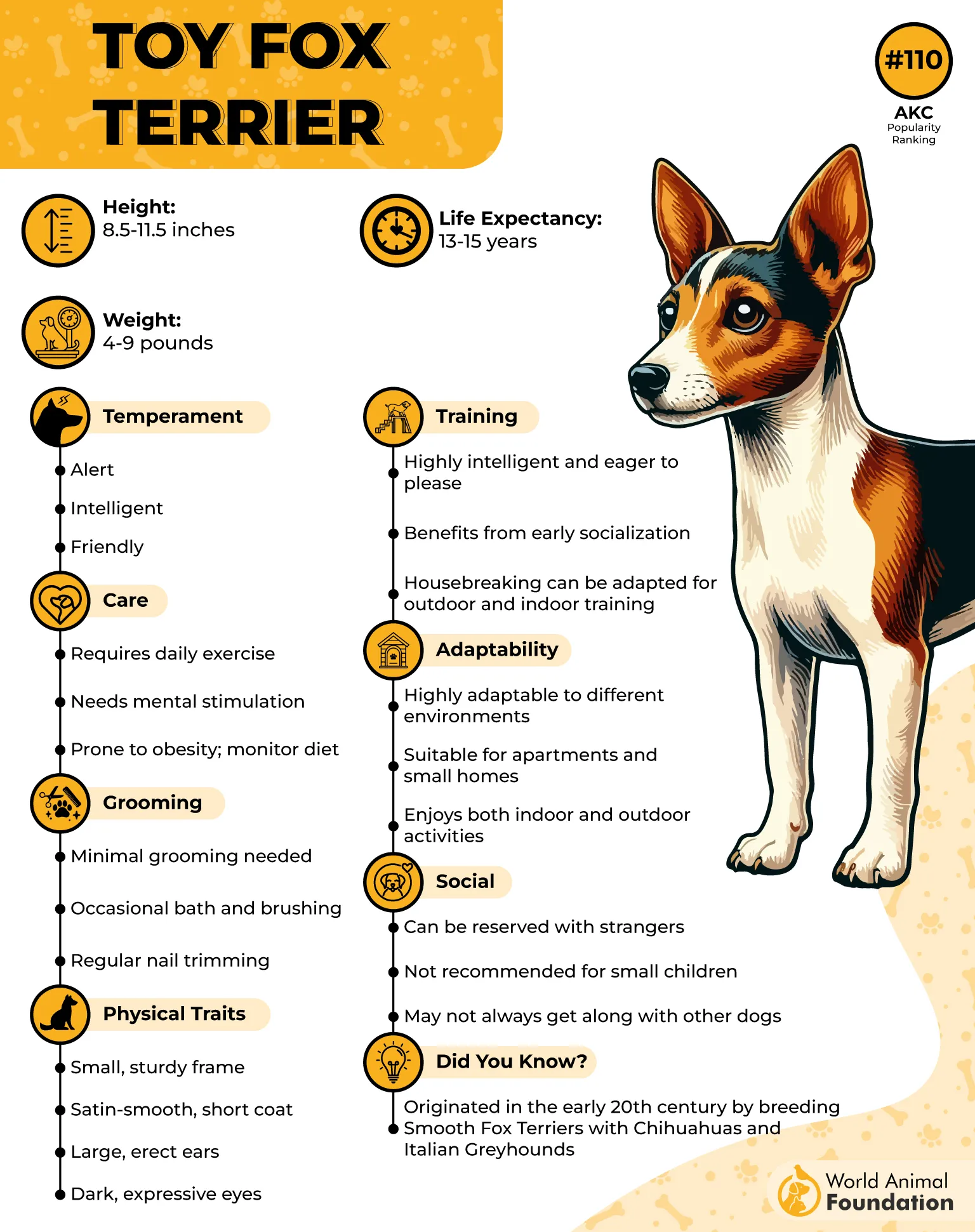
Positive Training Keeps Them Engaged
These little dogs respond best to short, enjoyable training sessions that use treats, praise, and play as rewards. They can become bored with repetitive exercises, so mixing obedience work with tricks, nose work, or interactive games can help maintain their focus.
Early socialization is also important for helping them become confident around people, other pets, and new situations.
High-Energy Companions With Low-Maintenance Coats
Toy Fox Terriers may be tiny, but they have plenty of energy and need daily exercise and mental enrichment games. Walks, fetch, agility, and puzzle toys can help keep these active dogs happily occupied.
Their smooth, short coat is easy to maintain with weekly brushing, while their upright ears should be checked regularly.
6. Yorkshire Terrier
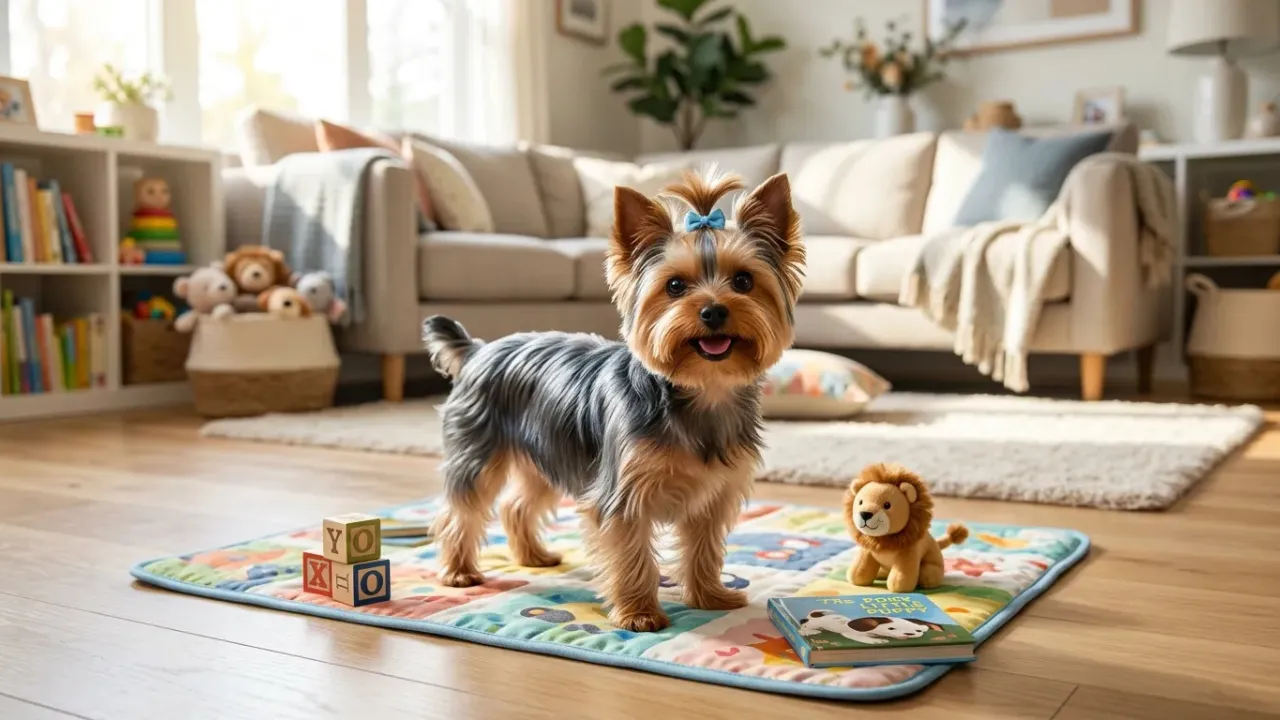
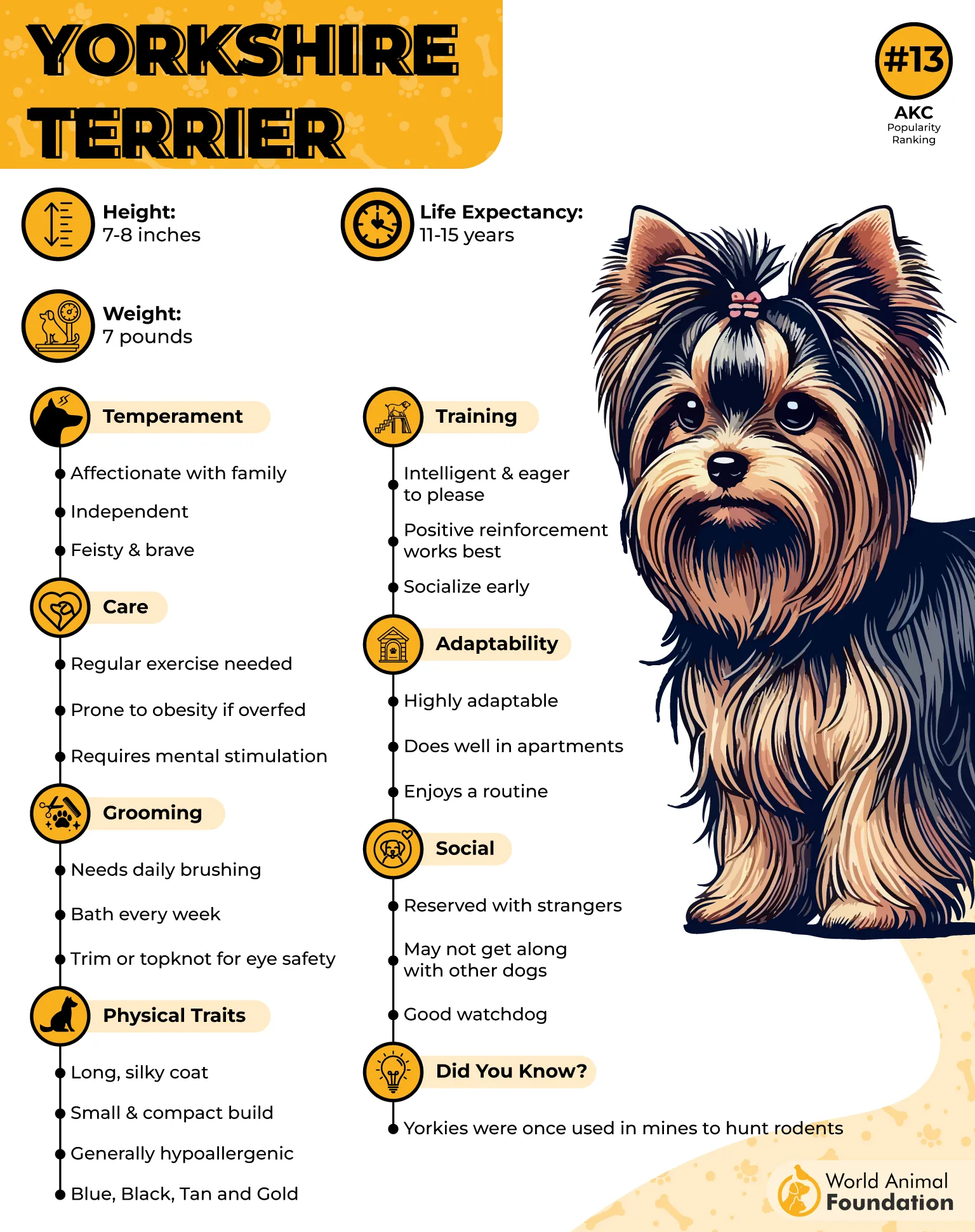
Yorkshire Terriers are small dogs with big personalities. They are intelligent, curious, affectionate, and often surprisingly confident for their size. Although they can have a stubborn streak, Yorkies are quick learners and can pick up obedience cues, tricks, and routines when training is consistent and engaging.
Positive Training Builds Good Habits
Yorkies respond best to short, fun training sessions that use praise, treats, and play as rewards. Early socialization is especially important because these alert little dogs can be wary of unfamiliar people, animals, and sounds.
Consistent training can also help manage their tendency to bark and prevent them from becoming overly protective or bossy.
Energetic Companions With High Grooming Needs
PDSA says Yorkshire Terriers have plenty of energy but don’t require extensive exercise. Two short walks each day, along with indoor play, fetch, or puzzle games, can usually keep them happy and mentally stimulated.
Their long, silky coat needs regular brushing to prevent tangles, while a shorter puppy cut can make grooming easier. With plenty of attention, activity, and companionship, Yorkies are happy to switch from playful terrier to cuddly lapdog.
7. Maltese
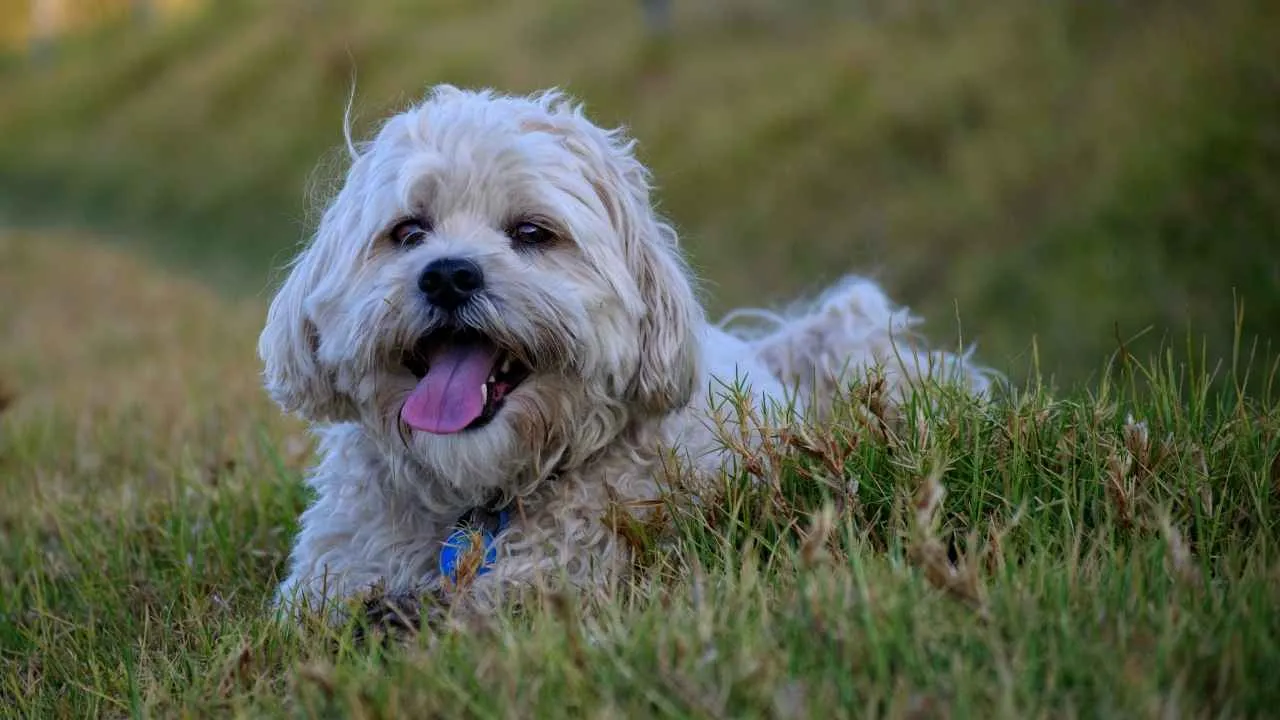
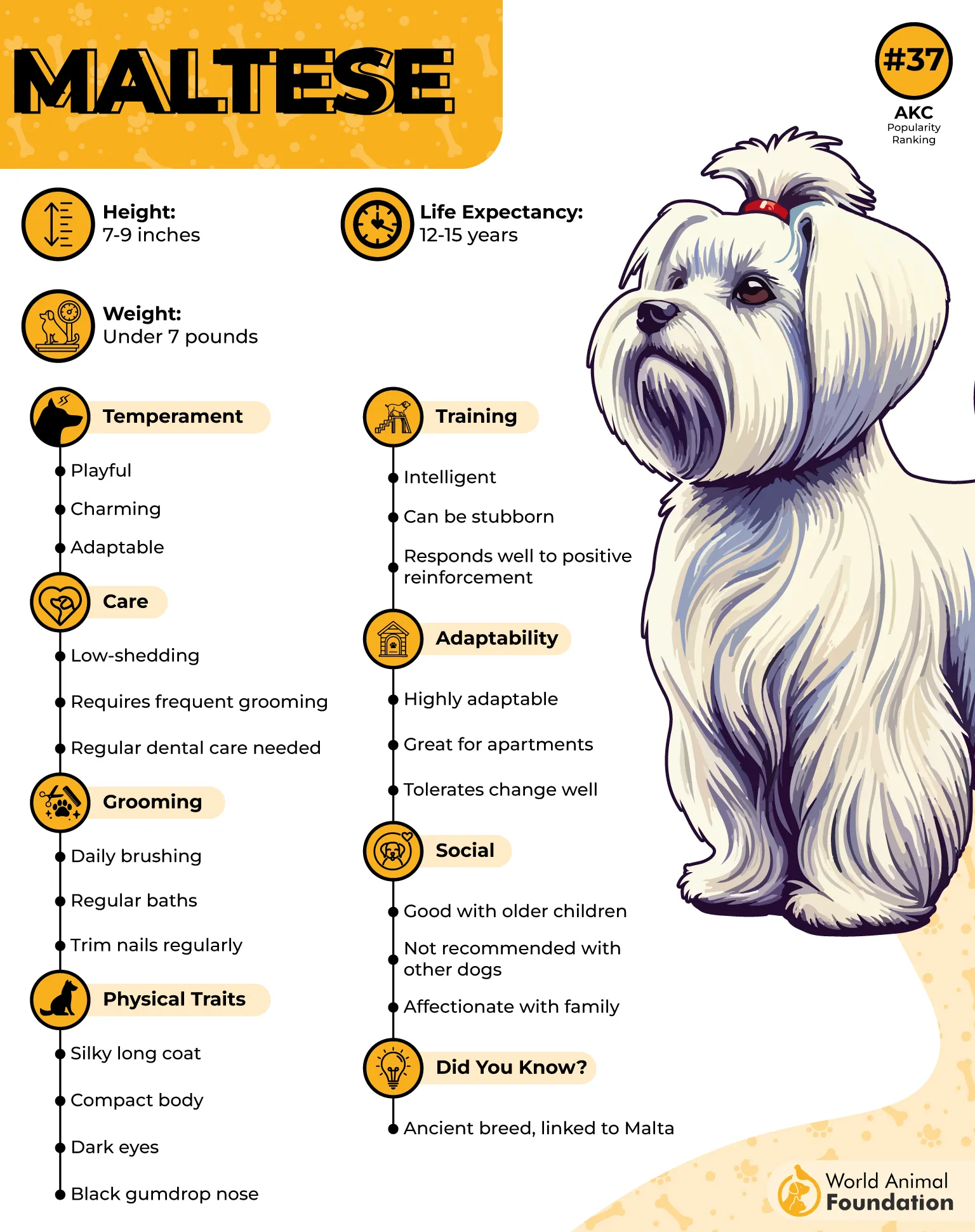
Maltese are highly intelligent, affectionate, and playful companions that form close bonds with their families. Despite their compact size, they have a lively and fearless personality and often enjoy learning tricks and new activities.
Their trusting nature makes them responsive to training, especially when they receive plenty of encouragement and attention.
Positive Training Keeps Them Focused
Maltese respond well to short, fun training sessions that use praise, toys, and occasional treats as rewards. Keeping lessons engaging can help maintain their attention and prevent boredom.
Early socialization is also important, particularly around children, unfamiliar people, and new experiences. Consistent training can also help manage their tendency to bark when they hear unfamiliar noises.
Low Exercise Needs With High Grooming Demands
Maltese don’t need vigorous physical exercise, but they benefit from daily walks, indoor play, and activities such as obedience, agility, and trick training. Their long, silky white coat, however, requires much more attention.
Daily brushing and regular bathing help prevent mats and tangles, while the hair around their eyes should be cleaned regularly to reduce tear staining.
Conclusion
Small dogs may be tiny in size, but they can be intelligent, eager to learn, and full of personality.
The breeds featured in this article can make wonderful companions when given consistent, positive training and plenty of mental stimulation.
Before choosing a breed, consider its energy level, temperament, grooming needs, and how well it fits your lifestyle. With the right match and a little patience, your small dog can become a well-trained and devoted companion.
Looking for more smart pups that master obedience fast? You can also check out the Toy Poodle, Bichon Frise, Italian Greyhound, Shetland Sheepdog, Border Terrier, Miniature Poodle, Cocker Spaniel, Shih Tzu, Miniature Schnauzer, Border Collie, and Boston Terrier.
