




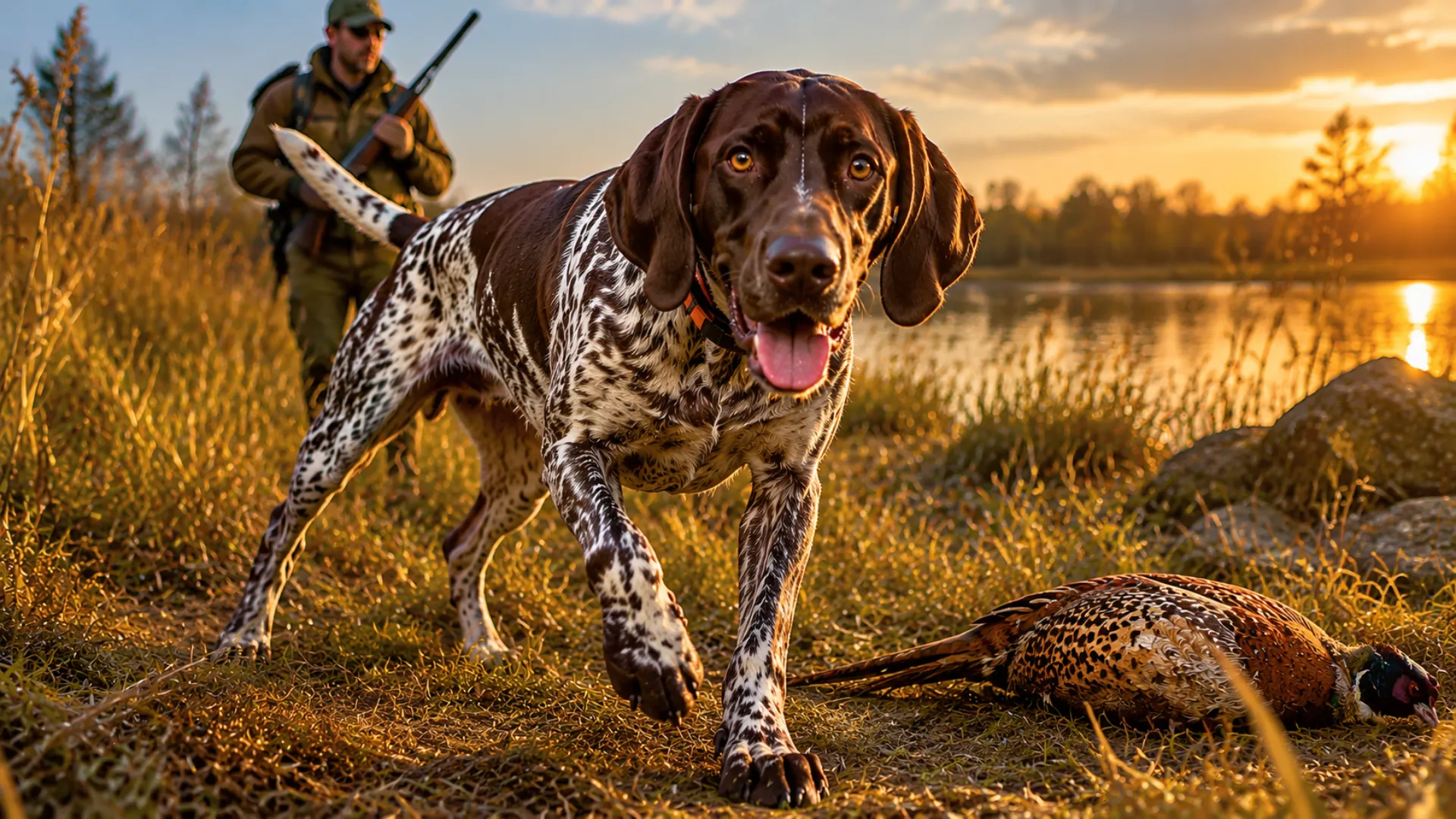
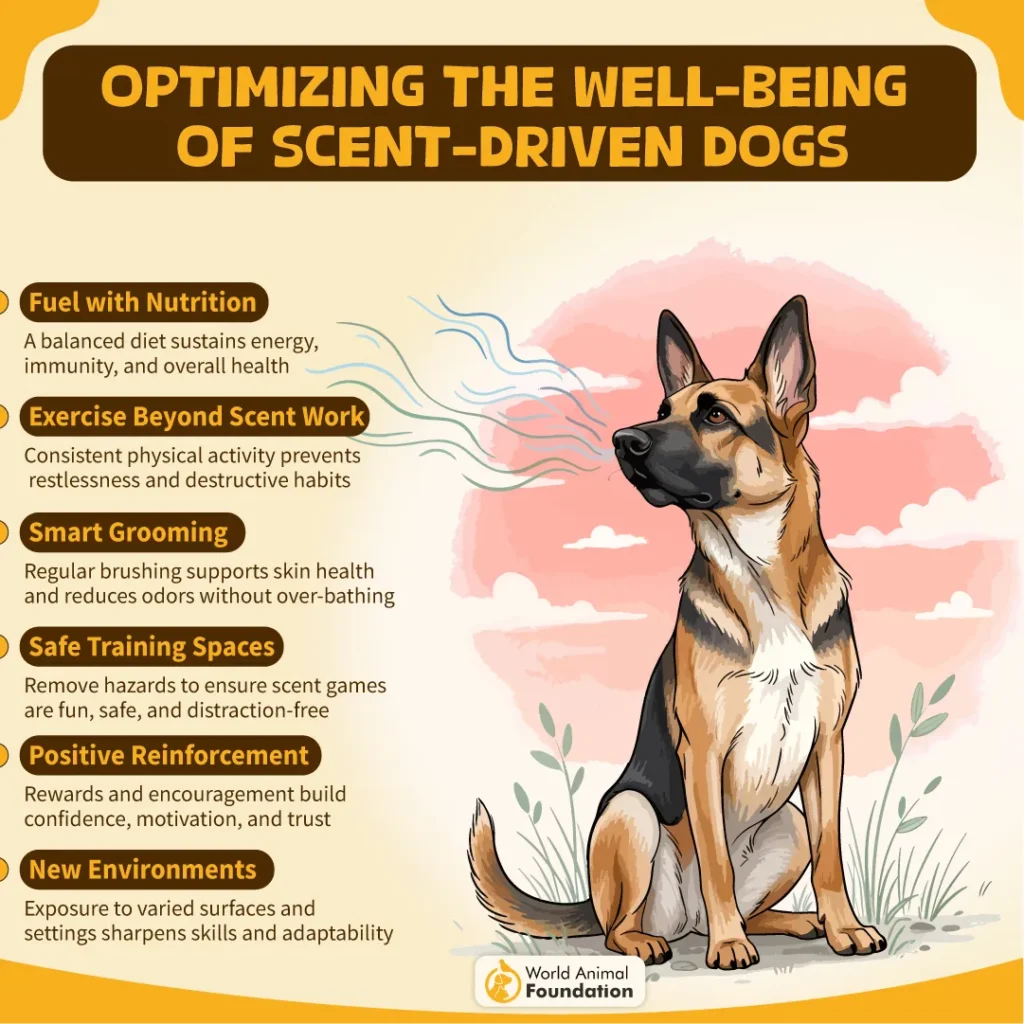
It is more than just a good scent-tracking dog that notices a smell. It must isolate useful odor amongst the myriad odors of the outdoors. A trail may be influenced by wind, vegetation, water, weather, and other animals.
Various tracking tasks have been considered in the development of breeds used in hunting. Others track ground over a long distance. Some find game and signal the hunter. Some breeds are especially successful in following mammals, and some sporting dogs are versatile, able to do scent work alongside pointing and retrieving.
Nose ability is just a portion of the equation. Endurance, concentration, self-reliance, responsiveness, and terrain aptitude can be significant factors in the field. A dog that gets bored in a few minutes will not be as helpful as one that can remain on a tough trail on a long hunt.
The seven breeds below show some of the different ways scent work can be done. The reason why each of them deals with a trail in its own manner is explained by their hunting background.
Top Hunting Dog Breeds Skilled at Scent Tracking
1. Bloodhound
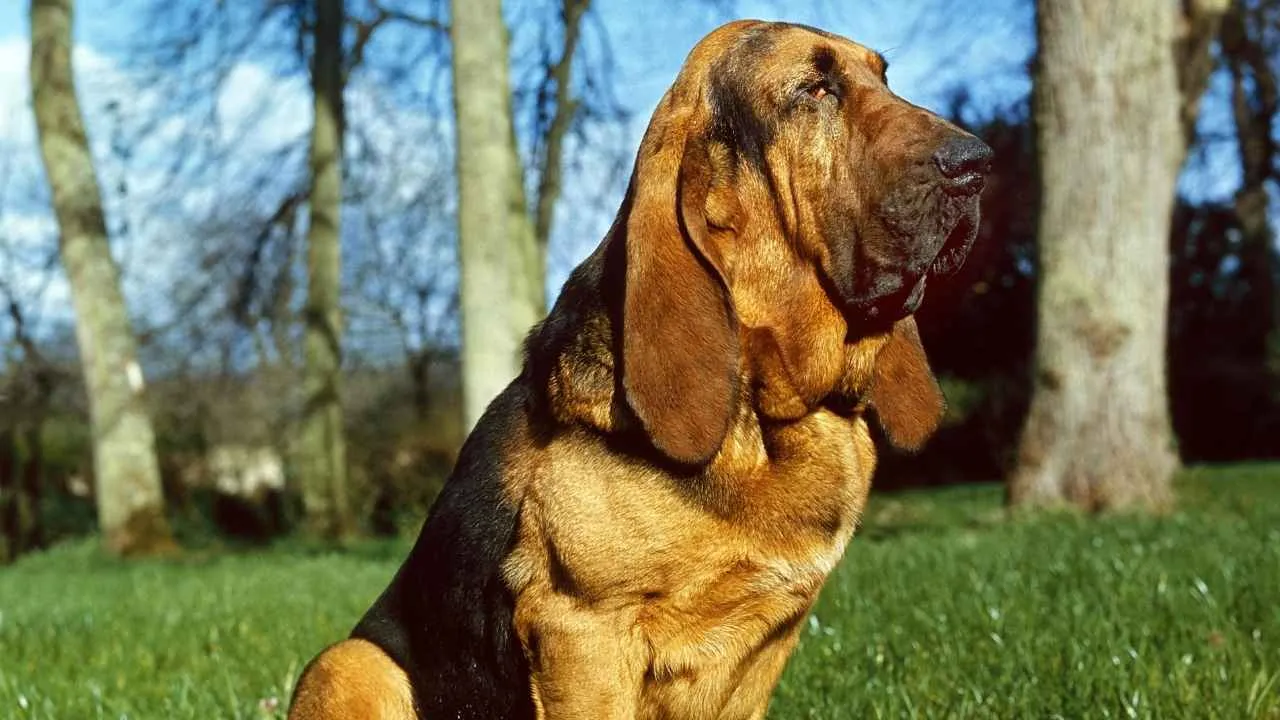
The Bloodhound is known to have a great sense of smell. It is not just its long ears and loose facial skin, but how closely the breed is associated with a scenting structure.
Bloodhounds were trained to track scents, and their capabilities show why they are such effective tracking dogs in the dog world. They are able to work systematically along complex trails rather than just visual prompts. They are good for search and rescue missions because of their curious nature.
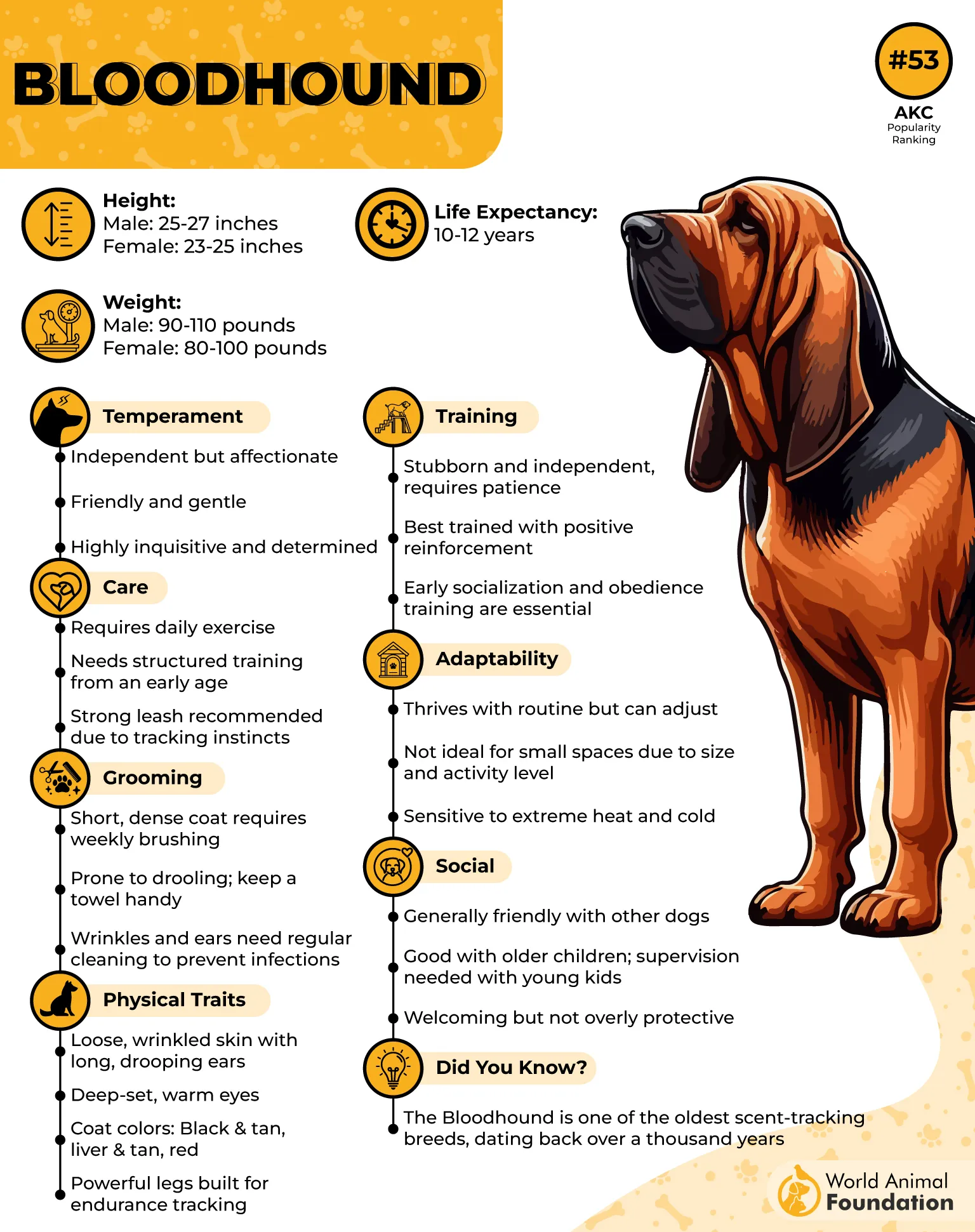
A Bloodhound will have a determined way of following its nose. After it smells a trail, handlers might have to depend on its autonomy and not attempt to continually control the dog.
Its broad body provides stamina, but it is also a sign that this is not a breed that can be kept indoors in confined conditions with a lack of exercise.
The loose skin of the head and neck should be checked frequently. The long ears should also be taken care of, as the ears can get wet and full of debris.
2. German Shorthaired Pointer
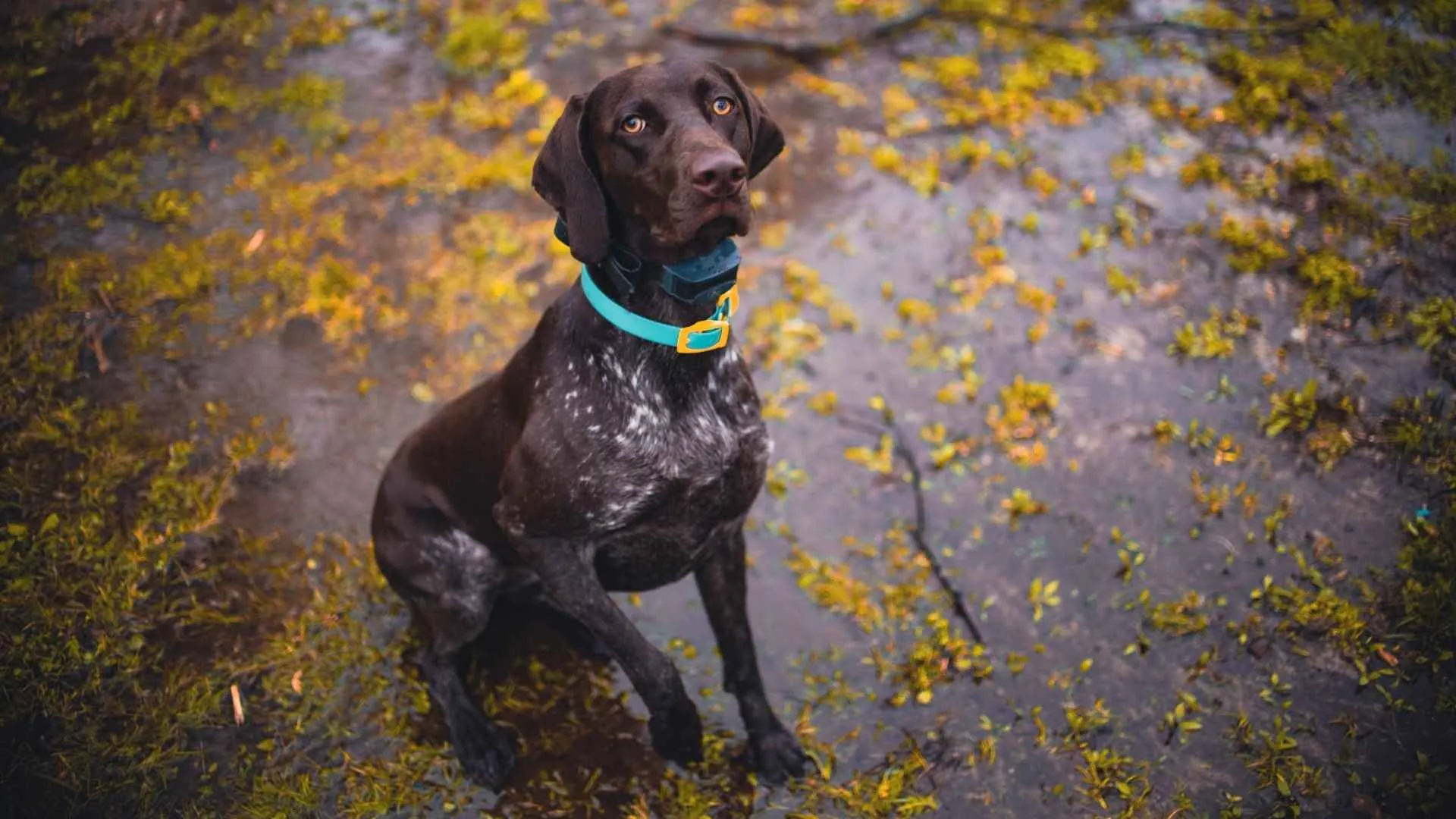
Scent work is made versatile with the German Shorthaired Pointer. It was created as a versatile hunting dog that could hunt, point, retrieve, and work in various environments.
It is not like the specialized trailing hounds. The breed is a mixture of scent detection, movement, and awareness of the visual environment.
Called highly intelligent by Purina, the GSP is capable of covering long distances. This is helpful to hunters who hunt in open fields, woodland, and mixed terrain.
It has an athletic structure that endures extended exercise. But that power also supports a hectic, household life.
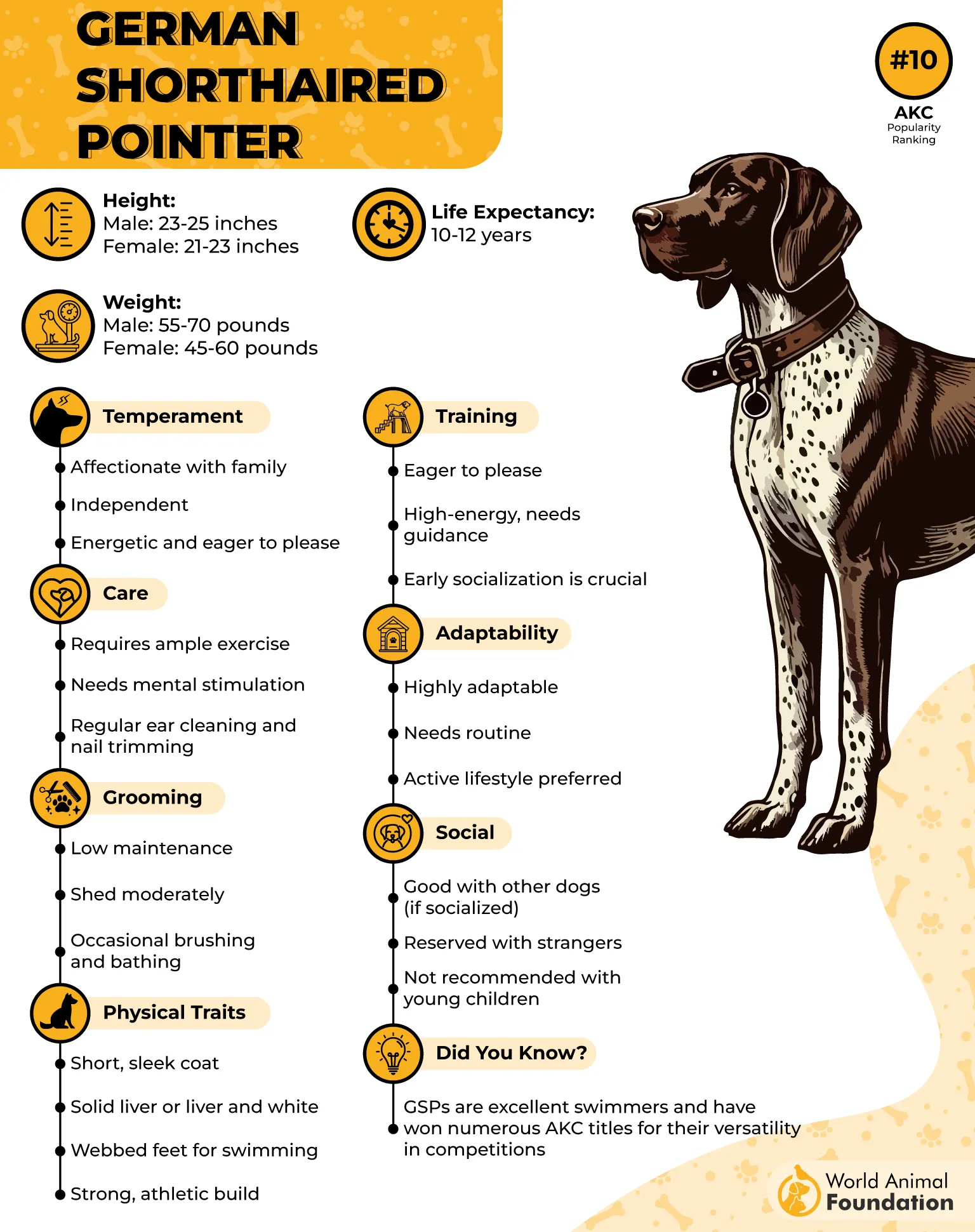
Another significant benefit is that this breed is highly trainable. The breed is typically amiable and willing to work when there is a definite task.
The GSP gives hunters a lot of versatility, as a single dog can be used to do several jobs as opposed to just trailing game.
3. Bluetick Coonhound
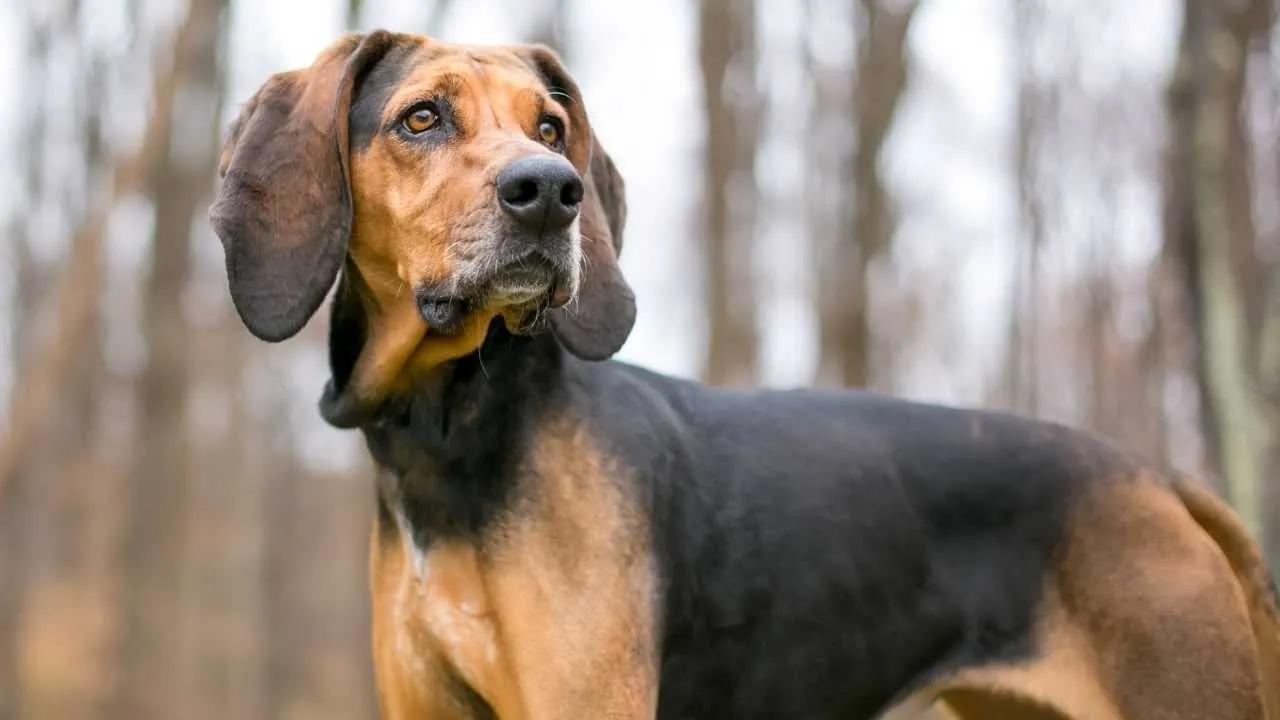
The Bluetick Coonhound has been developed to track and tree game. Its blue-and-black coloring is easily identified, but what is really strong about it is its nose.
It is a breed that is designed to track scent in rugged terrain. The trail can cut through dense plants, rough terrain, or places where there are conflicting scents.
Blueticks are known for their persistence. When they detect a promising trail, they can be extremely intense.
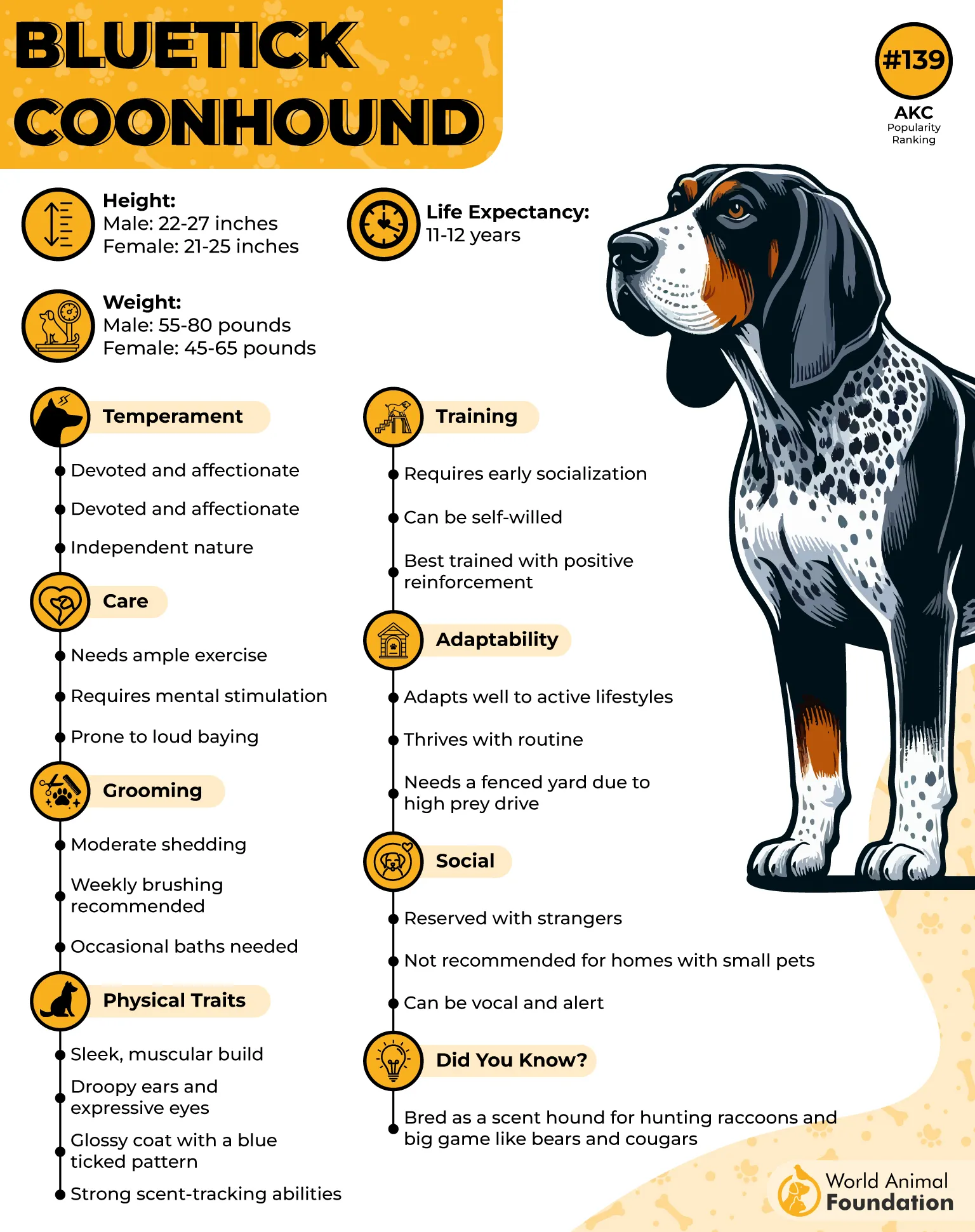
Another trait of hunting is their vocal style. Coonhounds have unique baying calls when working; this enables hunters to track their position even when the dog goes off cover.
Bluetick Coonhounds require a lot of physical stimulation as well. An ordinary stroll down the block will hardly please this adult dog.
They are independent in nature and therefore training a highly handler-oriented sporting dog is different. It takes time and perseverance to create a dependable recall.
4. American Foxhound
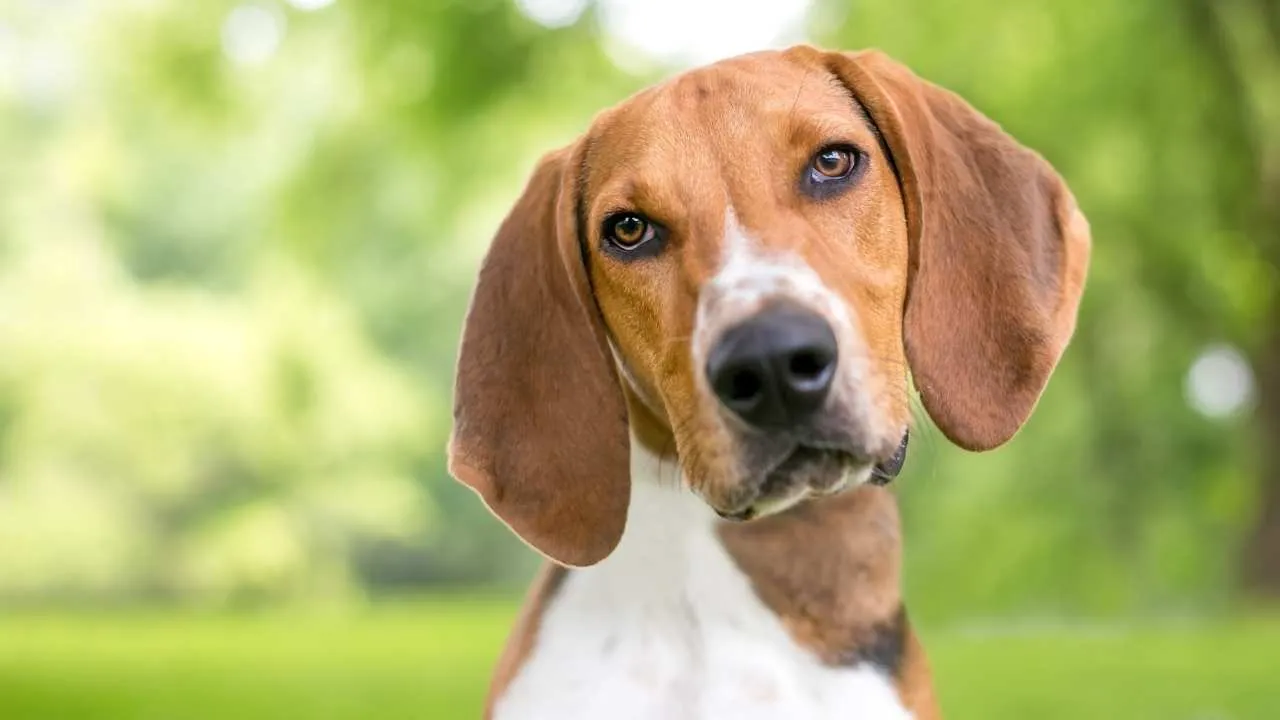
Known as low-maintenance hounds by the American Kennel Club, the American Foxhound was created to hunt long distances. That purpose is reflected in its body. It is lean, has long legs, and the strength to continue to follow a trail across a large distance.
The American Foxhound is a breed that is constructed based on stamina as opposed to short bursts like breeds.
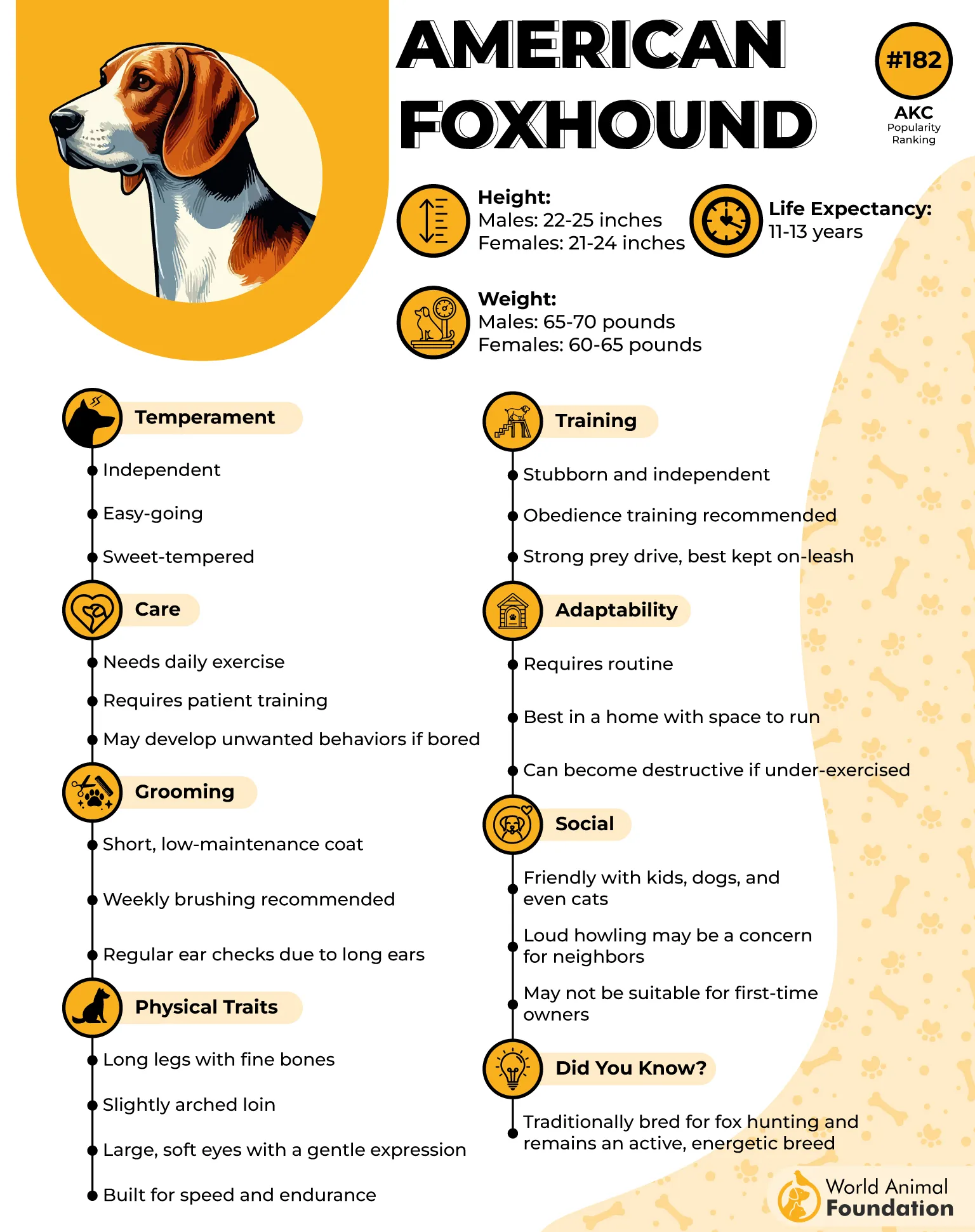
Its nose enables it to take up scent trails at a constant pace. It was a breed that traditionally worked in packs, and therefore its social behavior was also affected by that.
This implies that companionship and interaction may count. A despondent Foxhound might have to seek its own amusement.
The American Foxhound may be a perfect companion to a person who spends a lot of time outside. It is not as appropriate for a sedentary lifestyle.
5. Redbone Coonhound
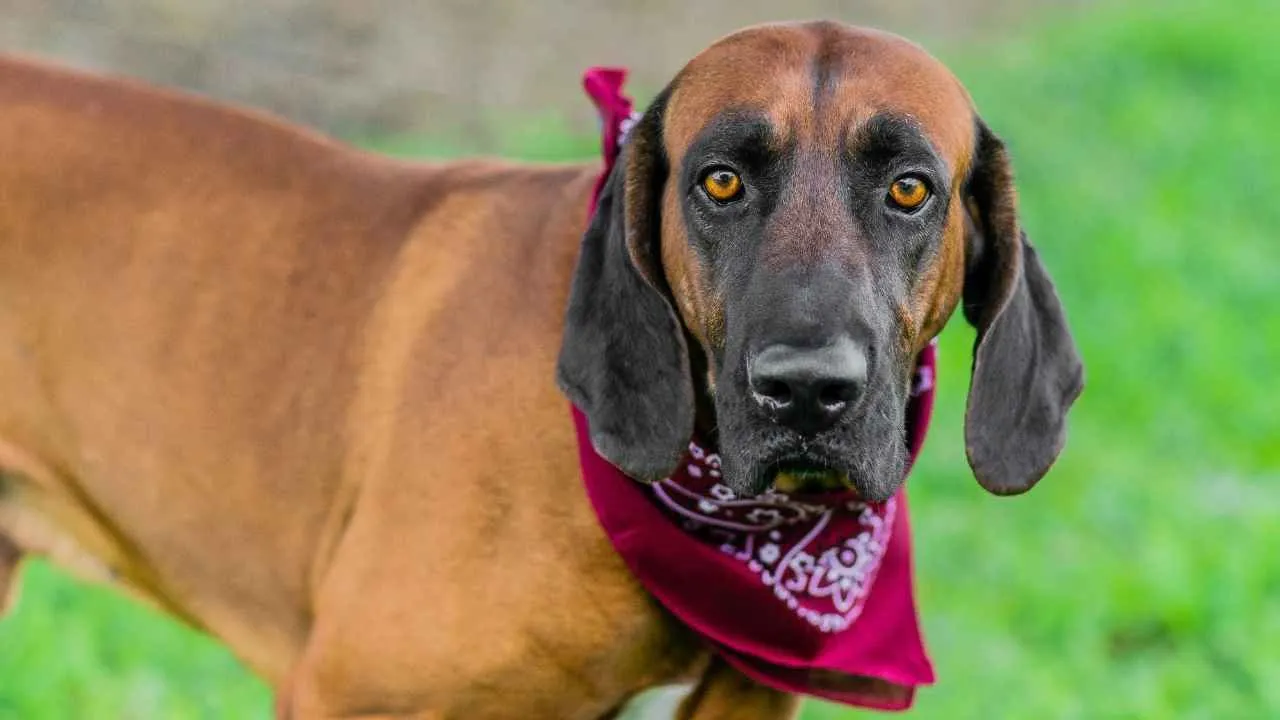
The Redbone Coonhound is immediately noticeable due to its deep-red color. What is secondary to its hunting ability is its appearance.
It was bred as a Coonhound and can track scent paths in a woody area due to its amazing scenting ability. Not only is it a good scent hound, but an excellent family pet as well.
The breed has an interesting combination of determination and sociability. It can be highly concentrated when on the hunt, and is frequently affectionate at home.
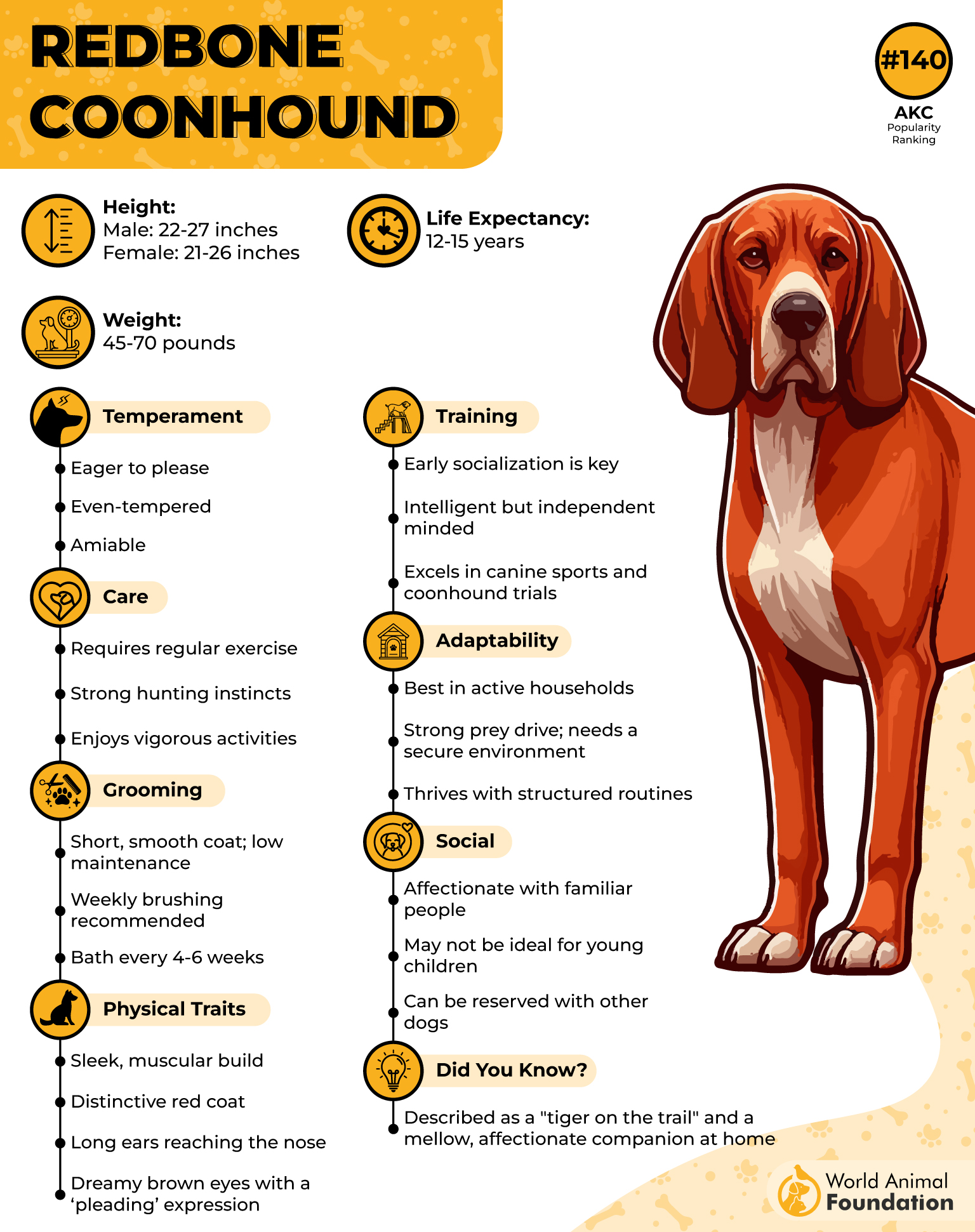
It has an athletic body that enables it to move over rough ground effectively. This breed should be taken on long walks and outings rather than on short-term exercises.
Redbones are also vocal laborers. Their bay is able to travel quite some distance, and this is handy when hunters have to track a dog in thick brush.
6. Black and Tan Coonhound
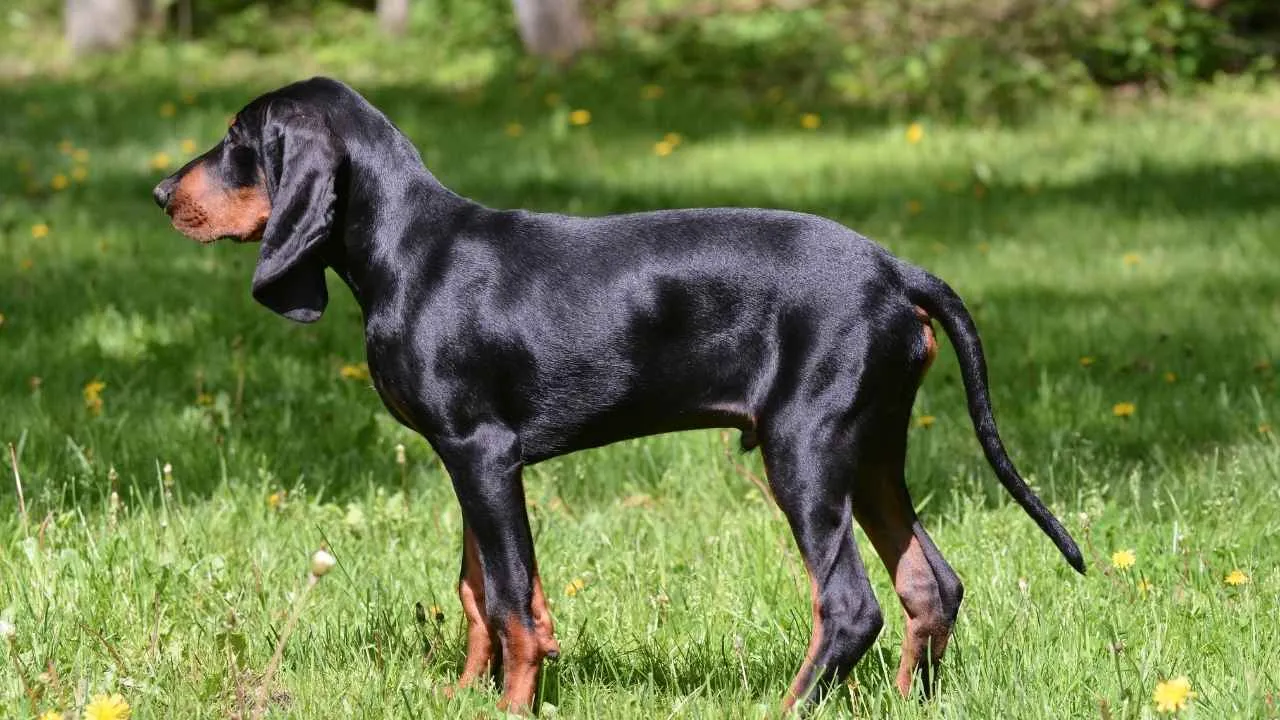
Another scent specialist is the Black and Tan Coonhound. It used to stalk game through rough terrain.
Its floppy skin and long droopy ears make it look unique. But more importantly, its scenting power enables it to remain active on a trail as it traverses through woody habitats.
This breed is persistent. It might not be as fast to give up the trail when it gets difficult.
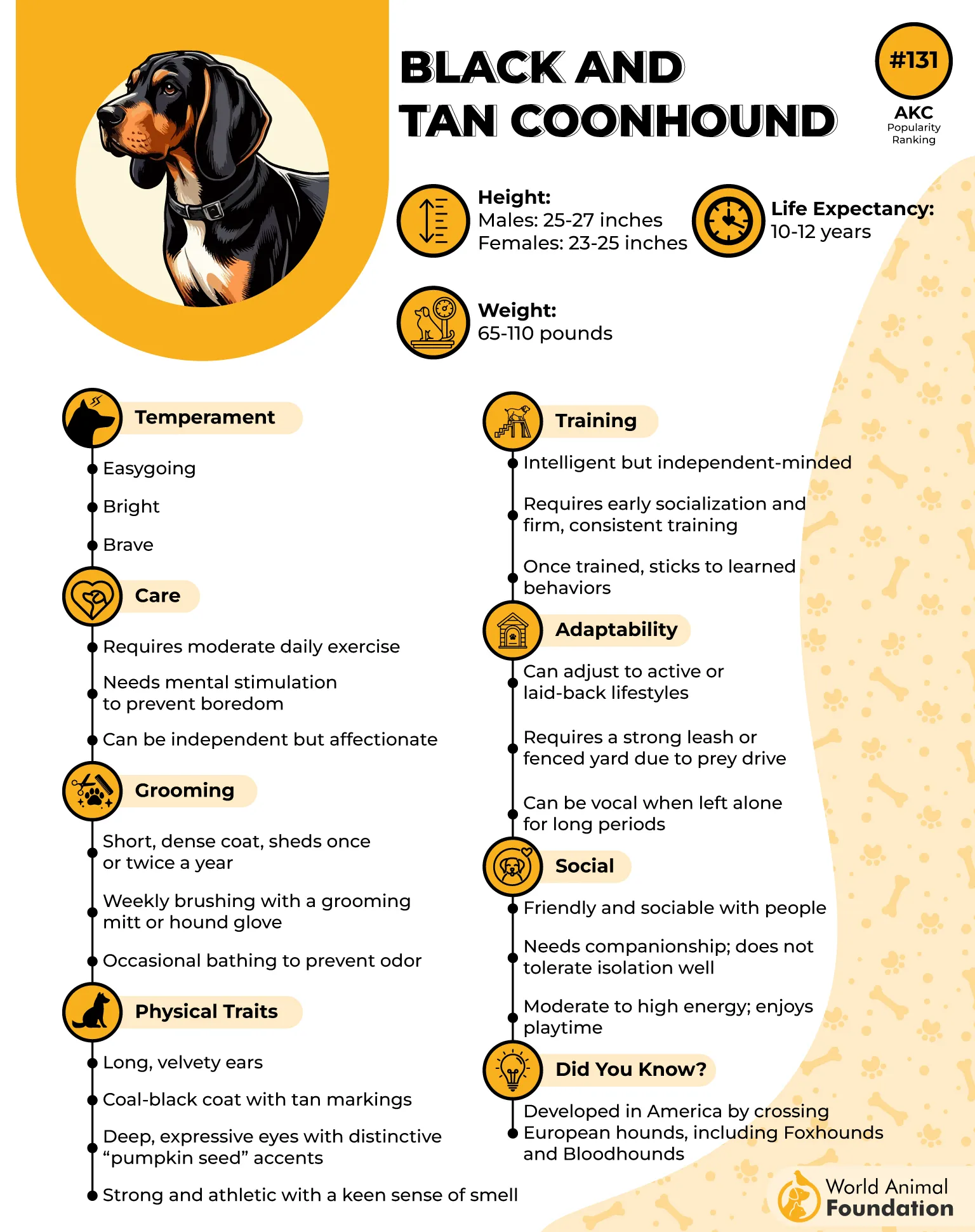
Black and Tan Coonhounds also have a good voice. Their baying is heard even when the dog is out of sight; thus, communication is possible.
These dog breeds for tracking have an ample amount of stamina to follow complex trails because of selective breeding. One thing owners need to make sure is to give these high-energy dogs ample space in the backyard for mental stimulation and regular exercise.
These are some of the most popular breeds that respond well to positive reinforcement and have a strong work ethic.
7. Beagle
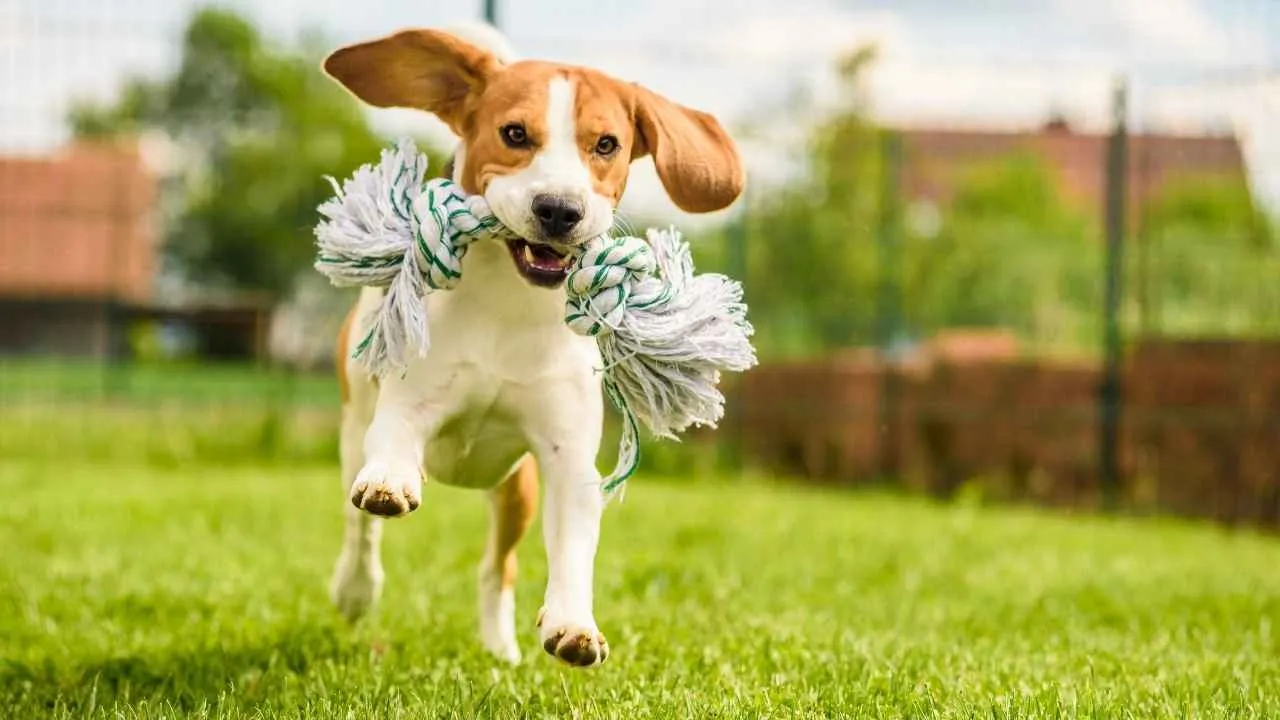
Called energetic and lovable by Orvis, the Beagle is a strong scenting dog in a small package.
Its size enables it to navigate in thick plants and tight places that may pose challenges to other pets that are larger.
Beagles were originally bred to sniff and hunt small animals, especially rabbits and hares. They are able to follow a path, but move in a steady manner.
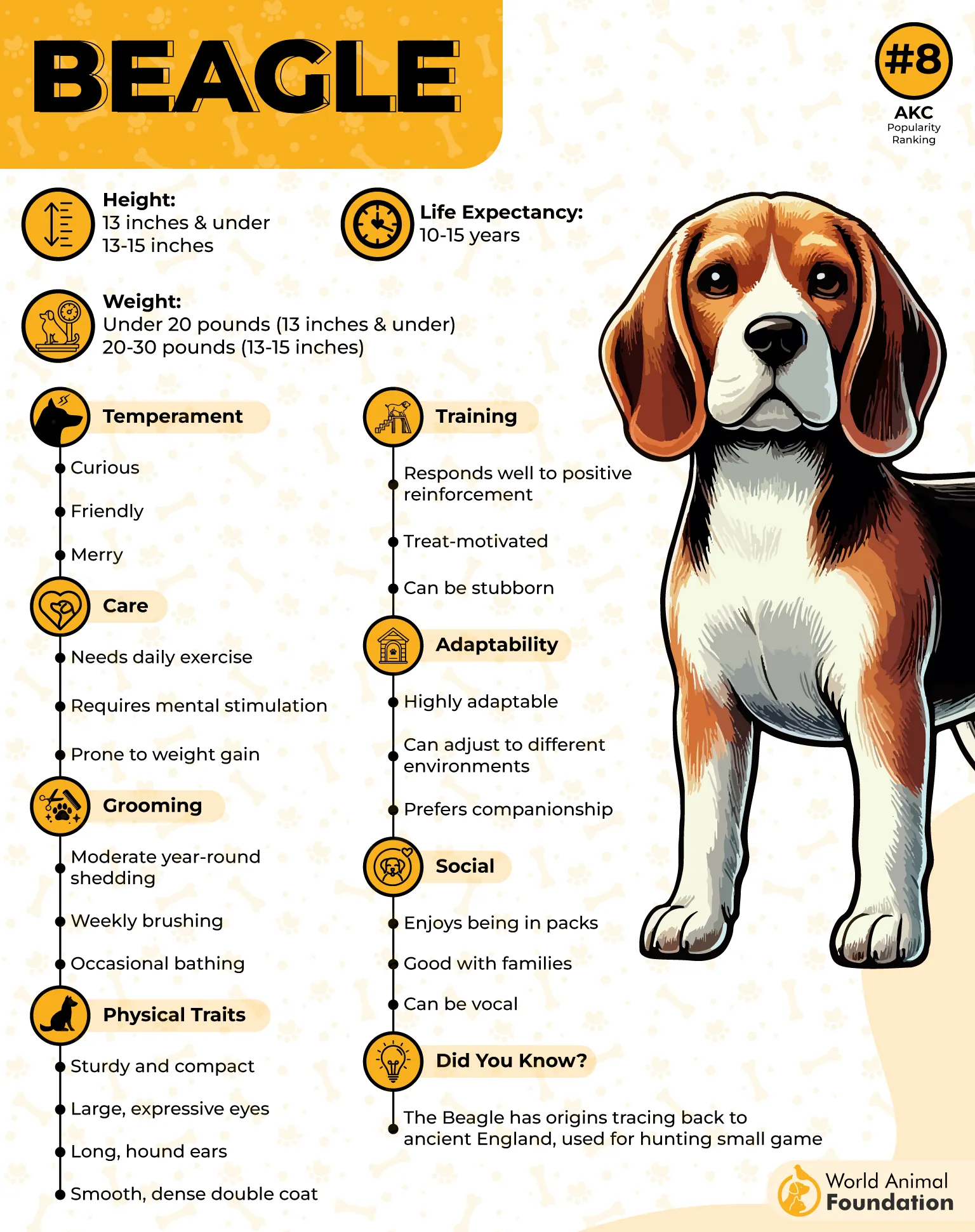
One of their unique features is their nose. Even a Beagle that sniffs something interesting might be so preoccupied that the usual distractions no longer count.
This is the reason why outdoor security zones are necessary. What a bigger, less scent-driven dog would be content with may not be sufficient to a determined Beagle.
These dogs not only track game birds and wounded game but are also very social when at home with family. They can be great pets for active families that don’t mind having a pet with boundless energy.
Conclusion
The selection of the right breed must be based on what kind of hunting or scent work you intend to perform. Take into account terrain, distance, game, training experience, and the quantity of exercise you can give.
One can have a strong nose, but that is only the start. The dog is the best hunting companion if its instinctive skills suit the task, the conditions, and most importantly, the owner.
A strong prey drive and high energy levels can be curbed with consistency and hard work. If you are a hunter looking for a partner to help you in tracking scent trails, then you should definitely consider these fierce dog breeds.
