




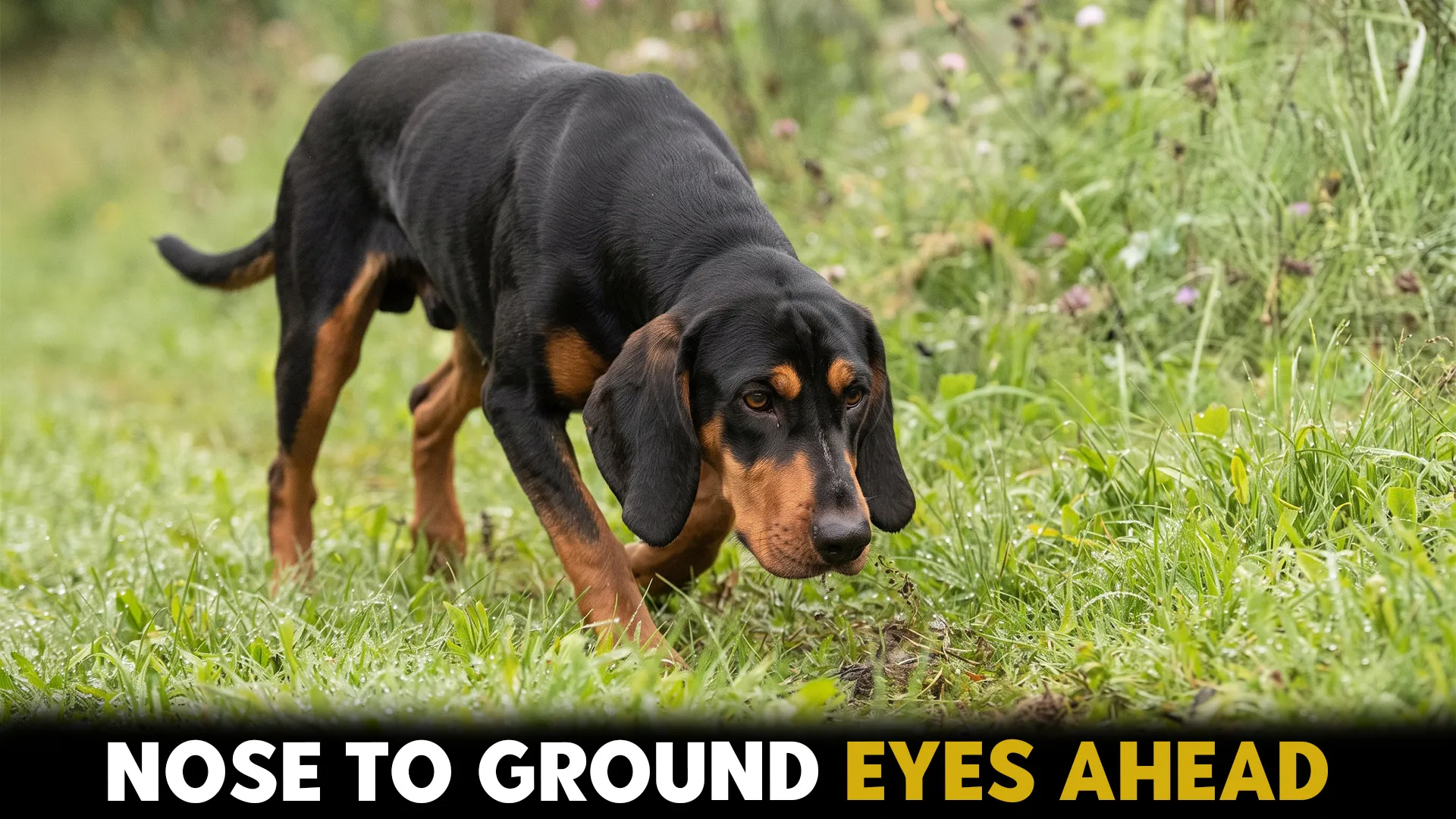
For generations, dogs have worked alongside humans to locate and pursue prey, with different breeds developing specialized abilities for the hunt. Some rely on exceptional scent detection to follow trails, while others use sharp vision, endurance, or focused pointing skills to help hunters locate game.
Choosing the right breed depends on the type of prey, terrain, and hunting method. Scent hounds can follow trails over long distances, while pointers, setters, and flushing breeds excel at locating and revealing hidden animals.
Research suggests 47% of adults in rural areas have more than one pet, highlighting the strong presence of animal companionship beyond urban homes. For hunters, a well-matched canine partner can bring valuable instincts and skill to the field.
Best Dog Breeds Choices for Tracking Prey Animals
1. Bloodhound
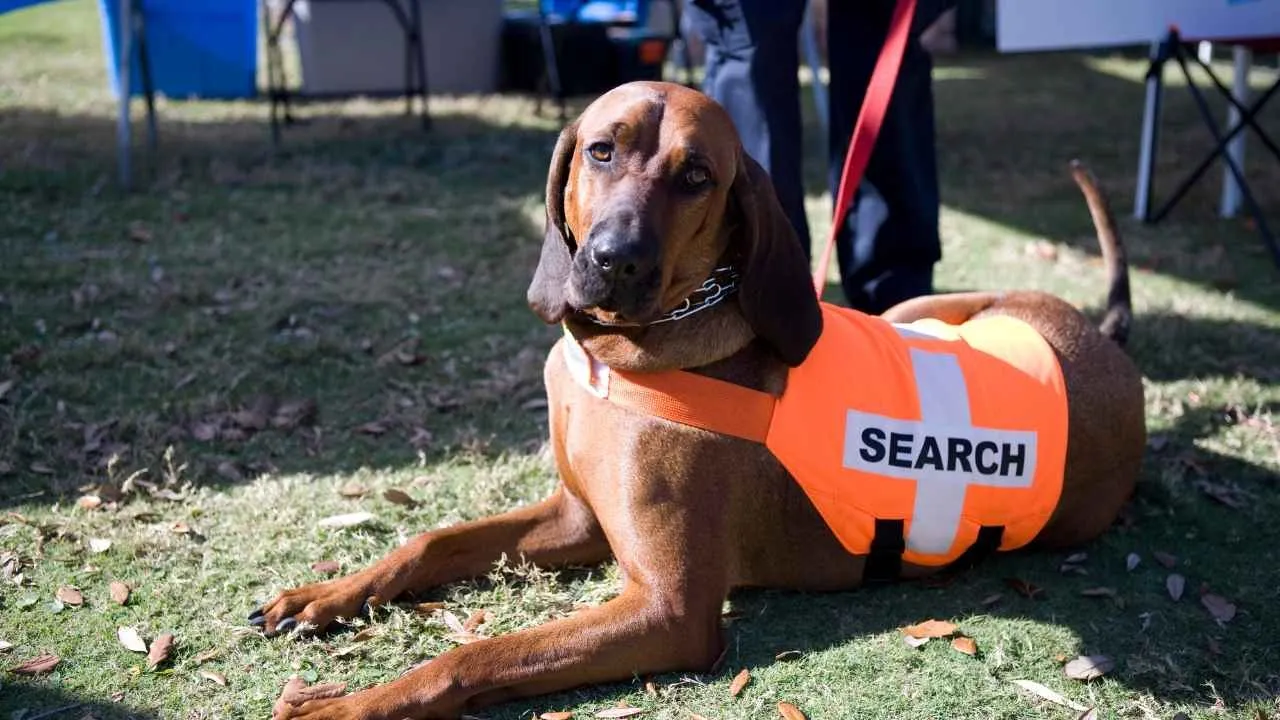
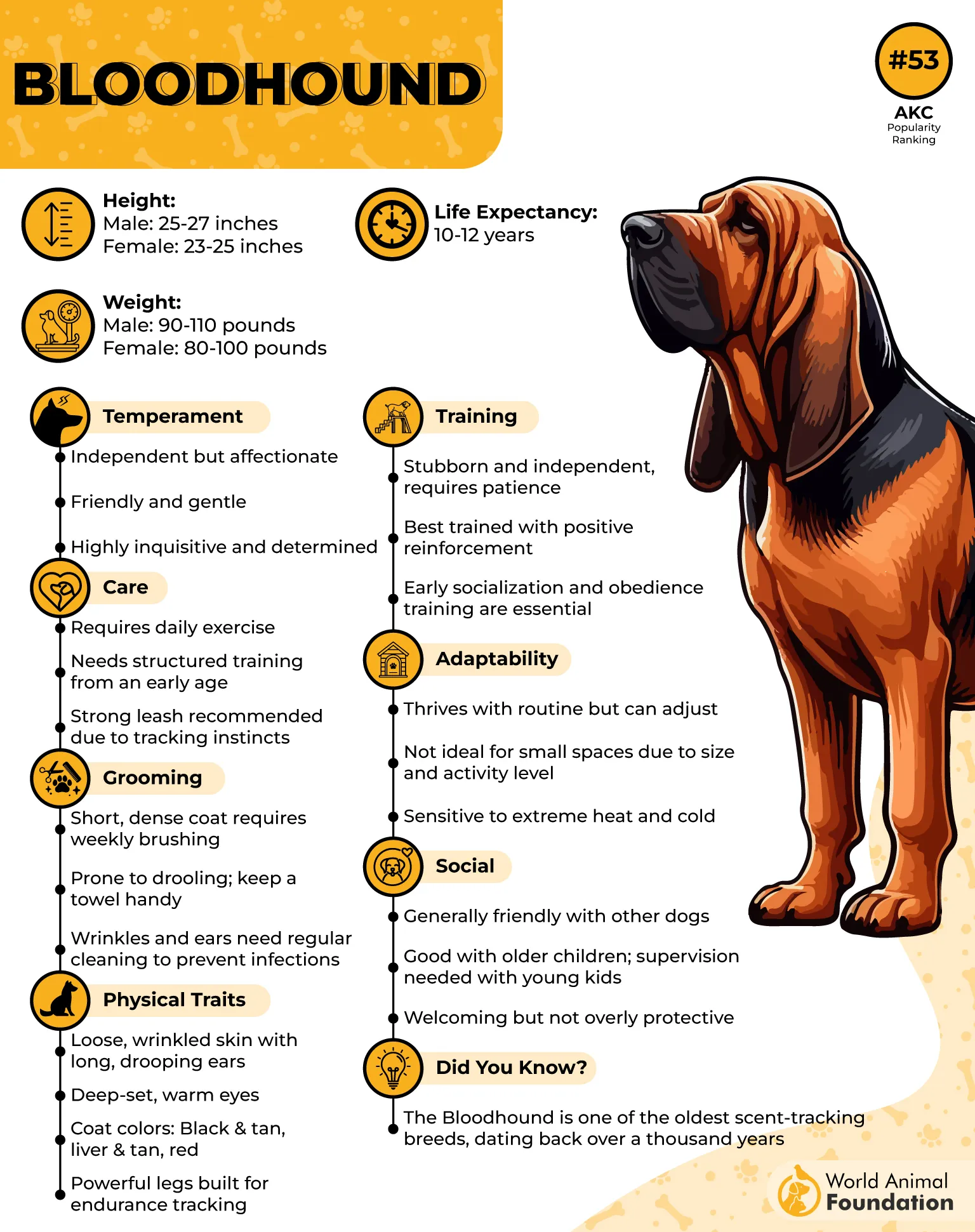
The Bloodhound is renowned for its extraordinary scenting ability, making it highly effective at tracking prey across challenging terrain. Its powerful nose can detect and follow specific scents long after an animal has passed through an area.
According to PetMD, Bloodhounds are now frequently used for investigative tracking and search-and-rescue work, with their scent trails being so reliable that they can sometimes serve as evidence in court.
Despite its tracking talent, the Bloodhound is gentle and easygoing with its family. It needs regular exercise and secure boundaries because an interesting scent can quickly lead it away while following a trail.
How This Breed Stands Out for Prey Drive
Extraordinary scent precision: Its exceptional nose helps identify and follow a particular scent trail with remarkable accuracy.
Follows cold trails: Bloodhounds can track older scent trails, helping them pick up and follow specific scents from prey that passed through an area long before tracking began.
2. Bavarian Mountain Scent Hound
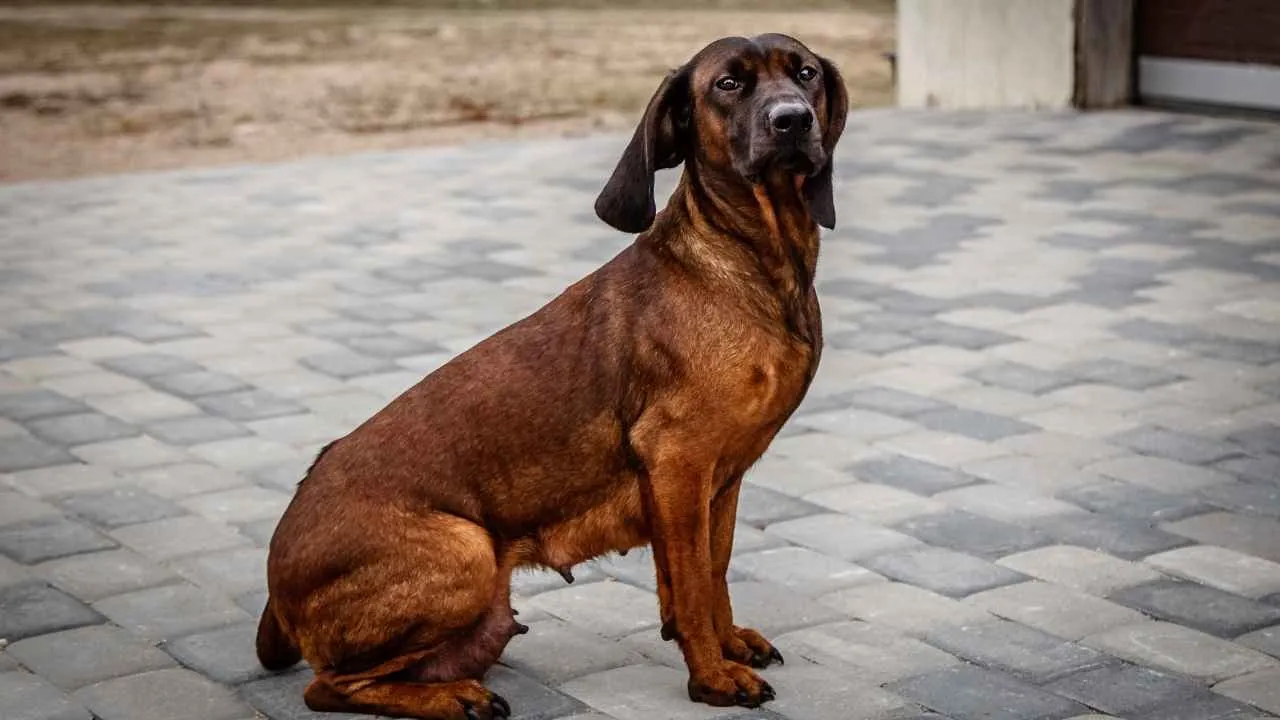
The Bavarian Mountain Scent Hound is a skilled tracking breed developed in Germany for following wounded game. Its exceptional “cold nose” allows it to separate the scent of injured prey from other animals of the same species, even when the trail has become faint.
According to Purina, the Bavarian Mountain Hound has a dignified, noble appearance that clearly reflects its heritage as a scent hound.
Steady and confident, this hound forms a close bond with its owner while remaining cautious around strangers. Its agility, stamina, and strong hunting instinct make it particularly suited to rugged terrain, where regular exercise and mentally engaging scent work are essential.
How This Breed Stands Out
Tracks wounded game: Its remarkably discriminating nose helps it follow the individual scent of injured prey through difficult conditions.
Sure-footed mountain worker: Agile and enduring, it can navigate demanding terrain while maintaining focus on a scent trail.
3. Plott Hound
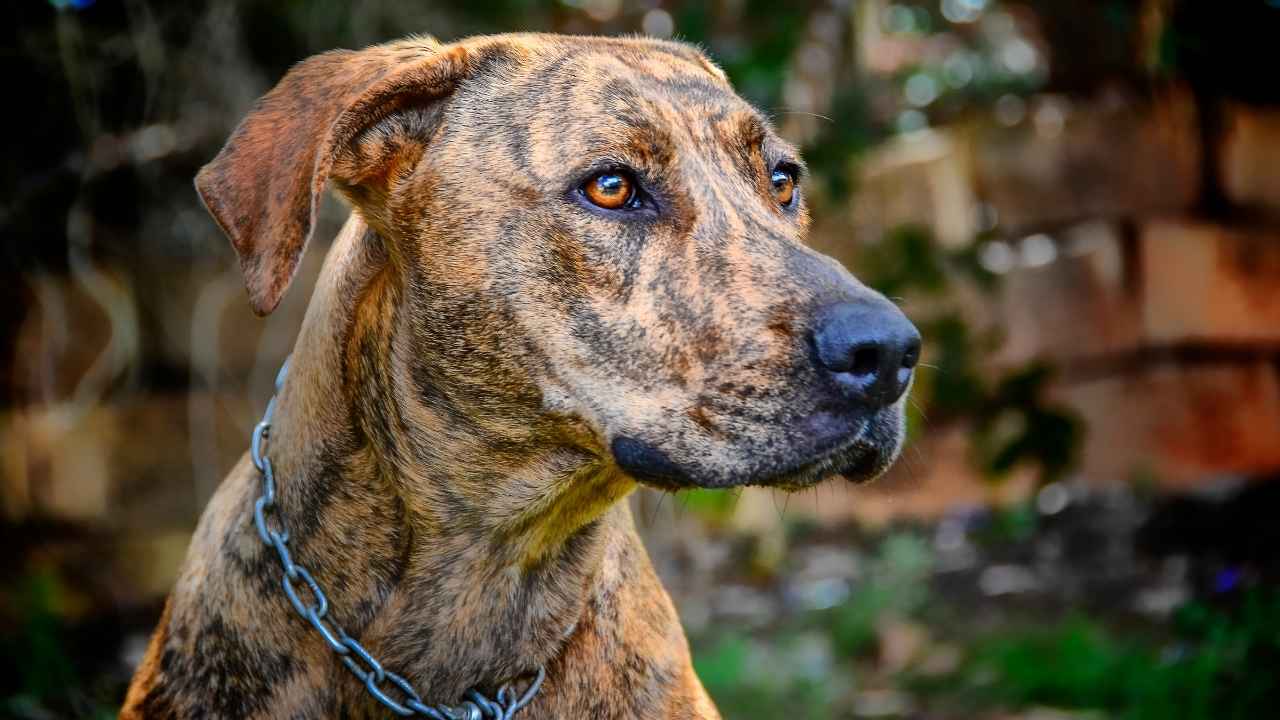
The Plott Hound is a rugged scent hound known for its courage, stamina, and determination in the field. Originally developed in the United States, this breed was built to pursue demanding quarry across challenging terrain. Its powerful nose and persistent nature allow it to stay focused on a trail for extended periods.
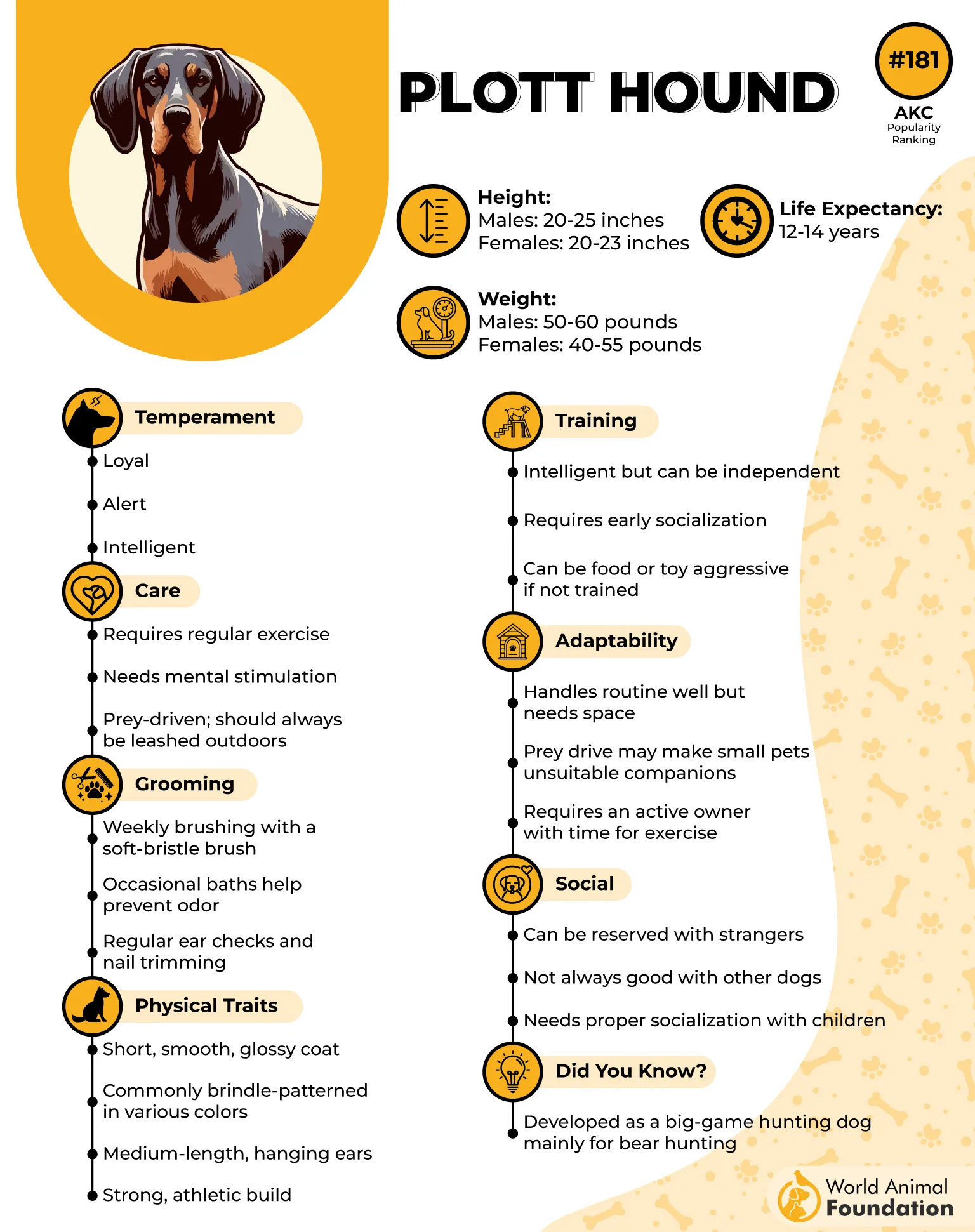
According to WebMD, they are intelligent, self-assured hunting dogs with a determined nature, while also being affectionate and devoted to their families and owners.
Despite its intense hunting drive, the Plott can be affectionate and composed with its family. However, its strong prey drive means small pets may trigger a chase, while unfamiliar people can be met with caution. Daily vigorous exercise and mental stimulation are essential to keep this energetic hound settled and engaged.
How This Breed Stands Out
Pursues challenging quarry: Relentlessly follows difficult scent trails.
Fearless, persistent hunter: Combines courage, stamina, and determination during demanding hunts, with the bold characteristics hunters value in a hard-working hound.
4. Black and Tan Coonhound
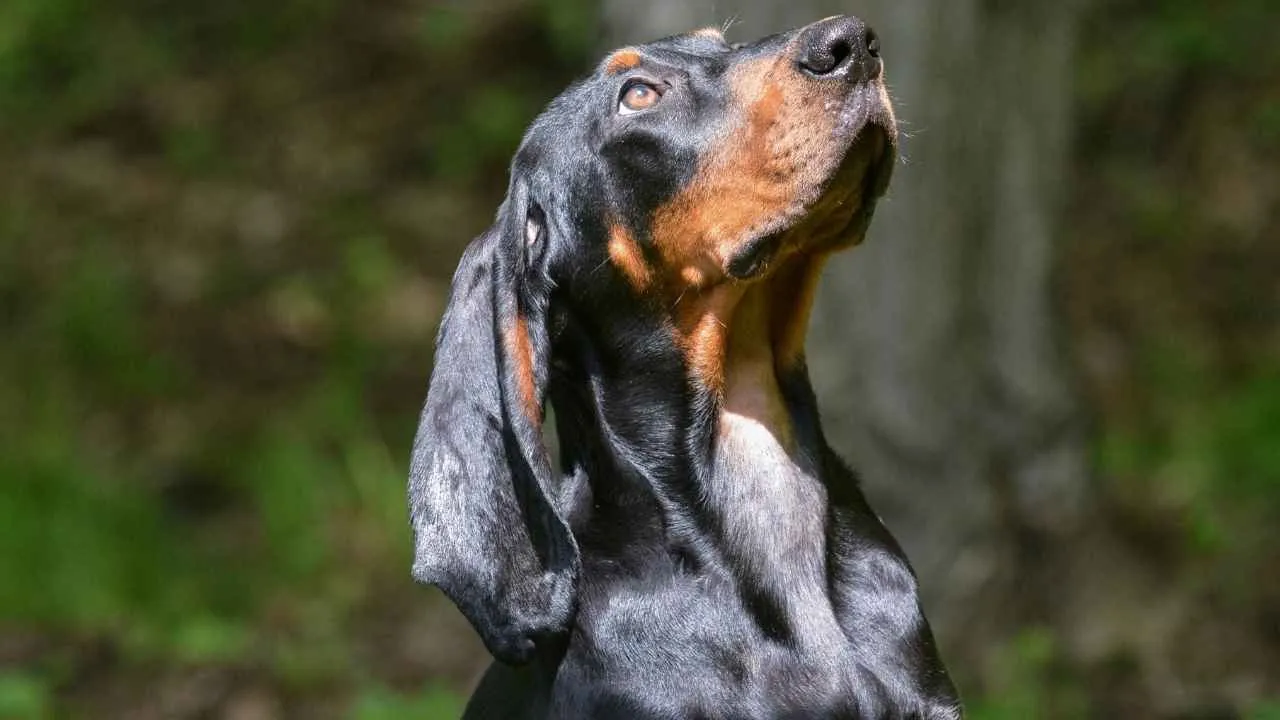
The Black and Tan Coonhound is a skilled scent hound with a powerful nose designed for following trails. Its heritage gives it the agility and endurance needed to track small quarry across varied terrain, while its sturdy build and dense coat help it handle demanding outdoor conditions.
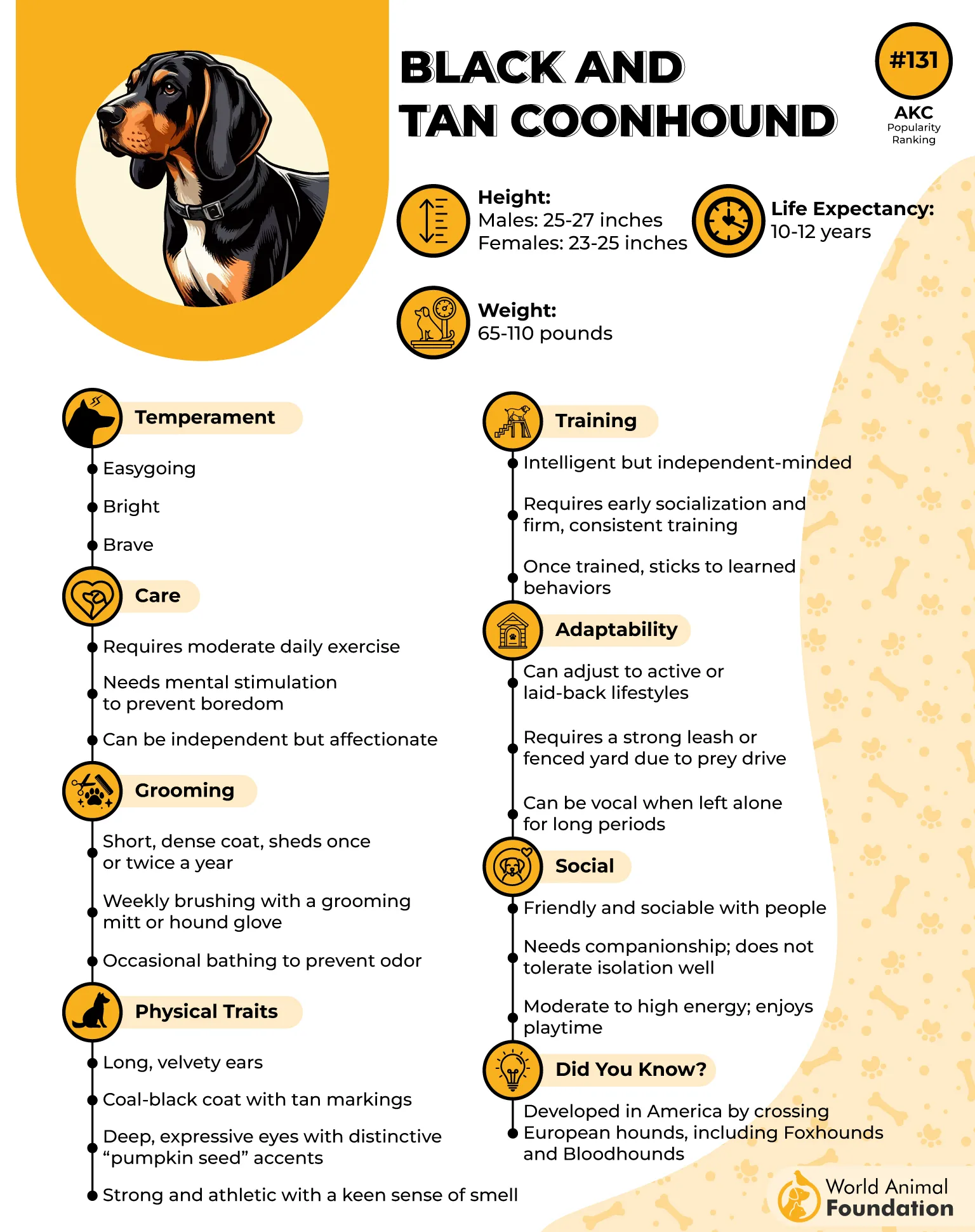
Although focused and determined while tracking, this coonhound is generally gentle and easygoing at home, and calmer indoors than some other breeds with heavier exercise demands. It enjoys daily activity without requiring excessive exercise, making it well suited to active families. Its relaxed nature also allows it to settle comfortably indoors after time spent outdoors.
How This Breed Stands Out
Strong trailing nose: Reliably follows scent trails over challenging ground.
Excels at nighttime tracking: Uses its keen scenting ability to pursue trails even in low-light conditions.
5. Beagle
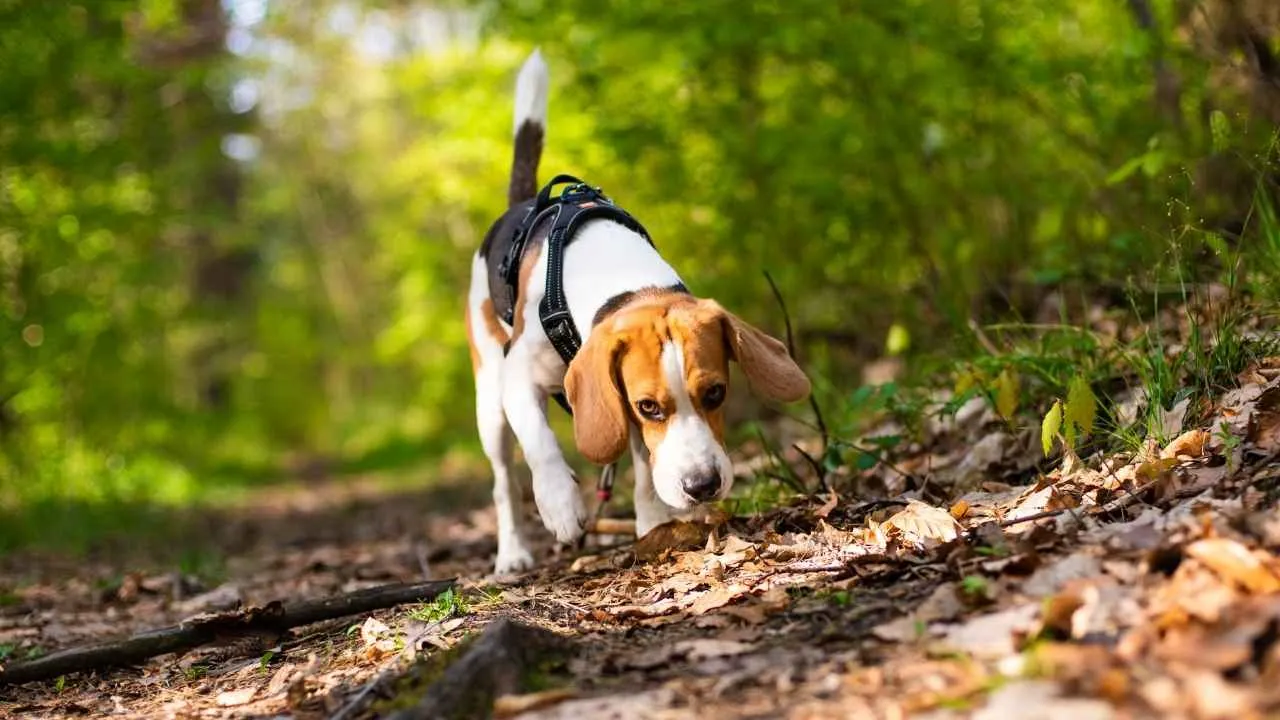
The Beagle is a compact scent hound with an exceptionally capable nose and a distinctive voice. Bred primarily to pursue small game such as rabbits and hare, it can follow intriguing trails with impressive determination. Its curious, nose-led nature also makes the breed useful for scent-based detection work.
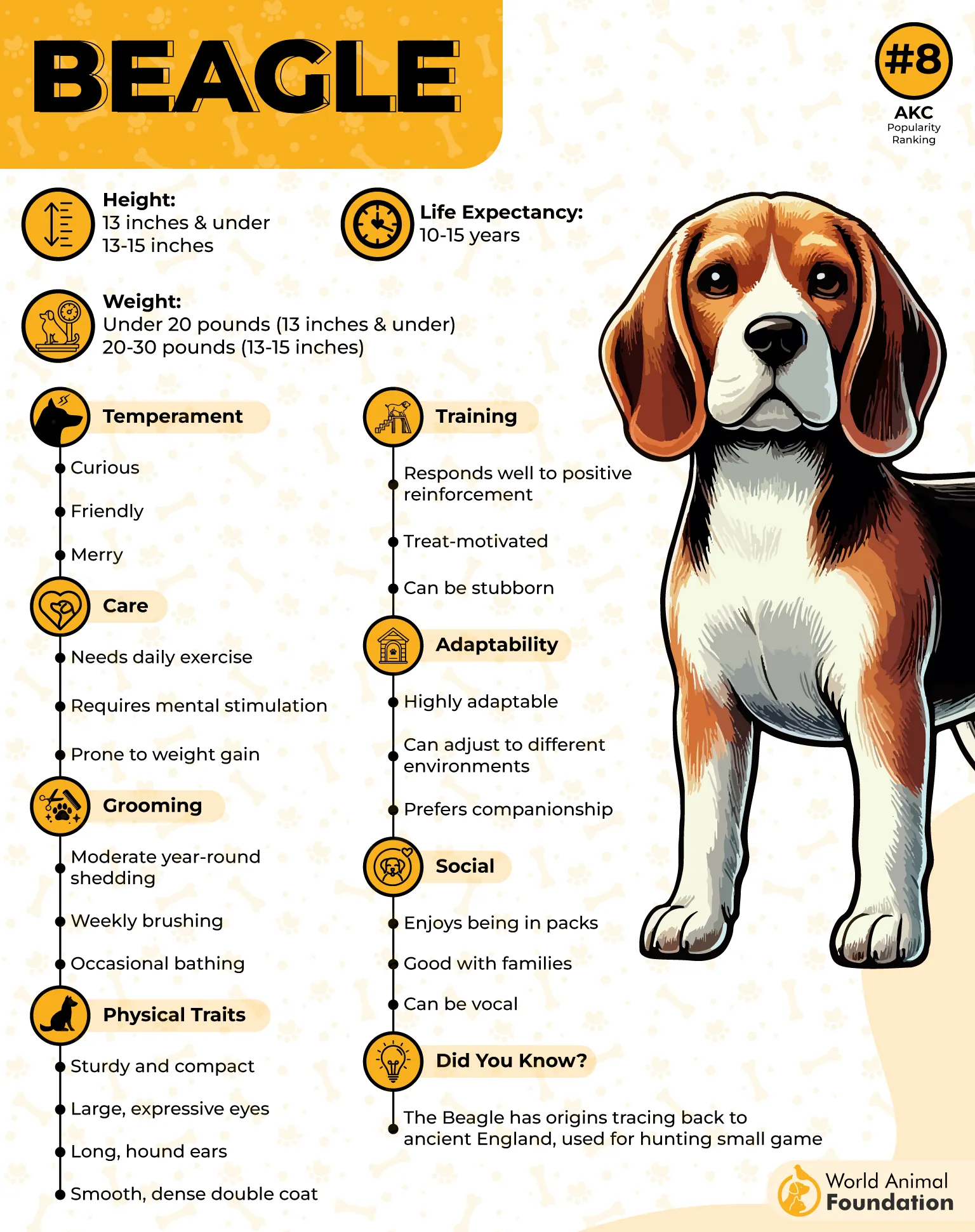
Away from tracking, Beagles are affectionate, sociable companions that generally enjoy family life and interactions with children. Their energetic nature calls for regular exercise and opportunities to explore, while their strong food motivation can make portion control important. Their instinct to investigate scents can also make secure outdoor areas especially valuable.
How This Breed Stands Out
Exceptional scent detection: Uses its highly developed sense of smell to locate and follow intriguing trails.
Compact, persistent tracker: Combines a small, agile build with determination when pursuing quarry, and its size helps it fit many active households with kids.
6. American Foxhound
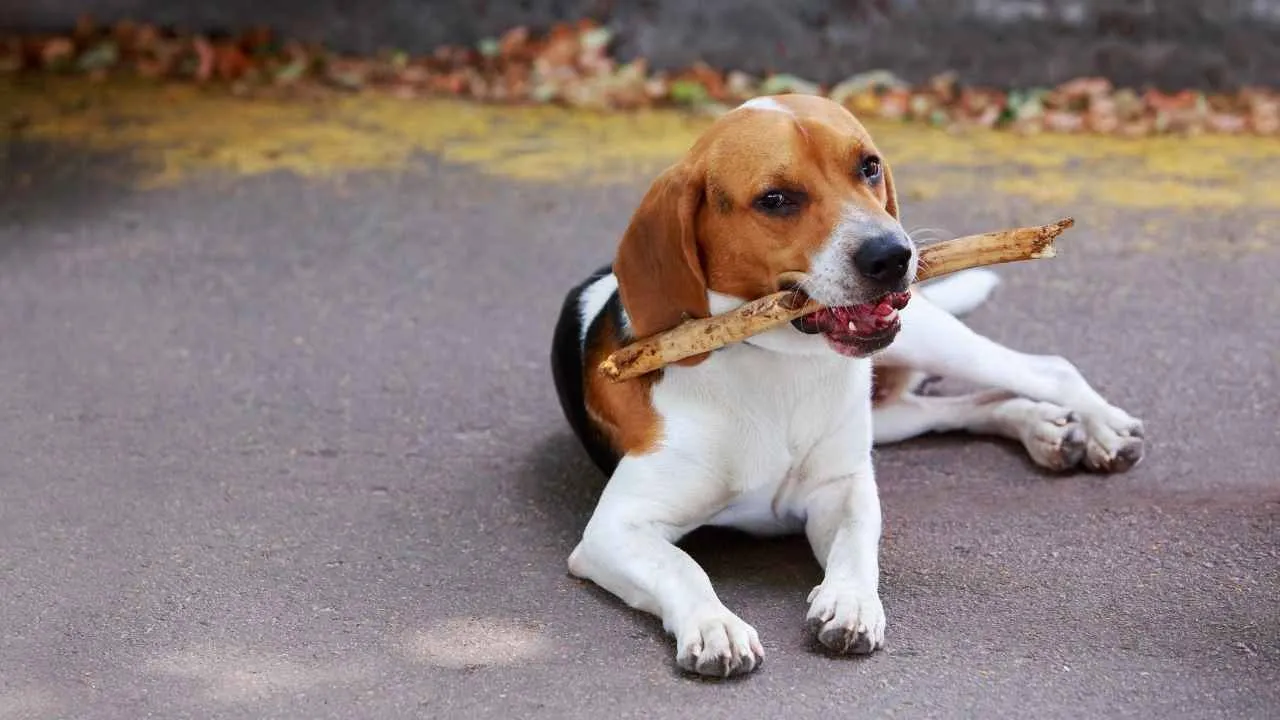
The American Foxhound is a determined scent hound built for the chase. Developed from English Foxhounds, it was traditionally used to pursue foxes and later proved capable of tracking deer. Its keen nose, athletic build, and independent working style help it maintain focus across lengthy trails.
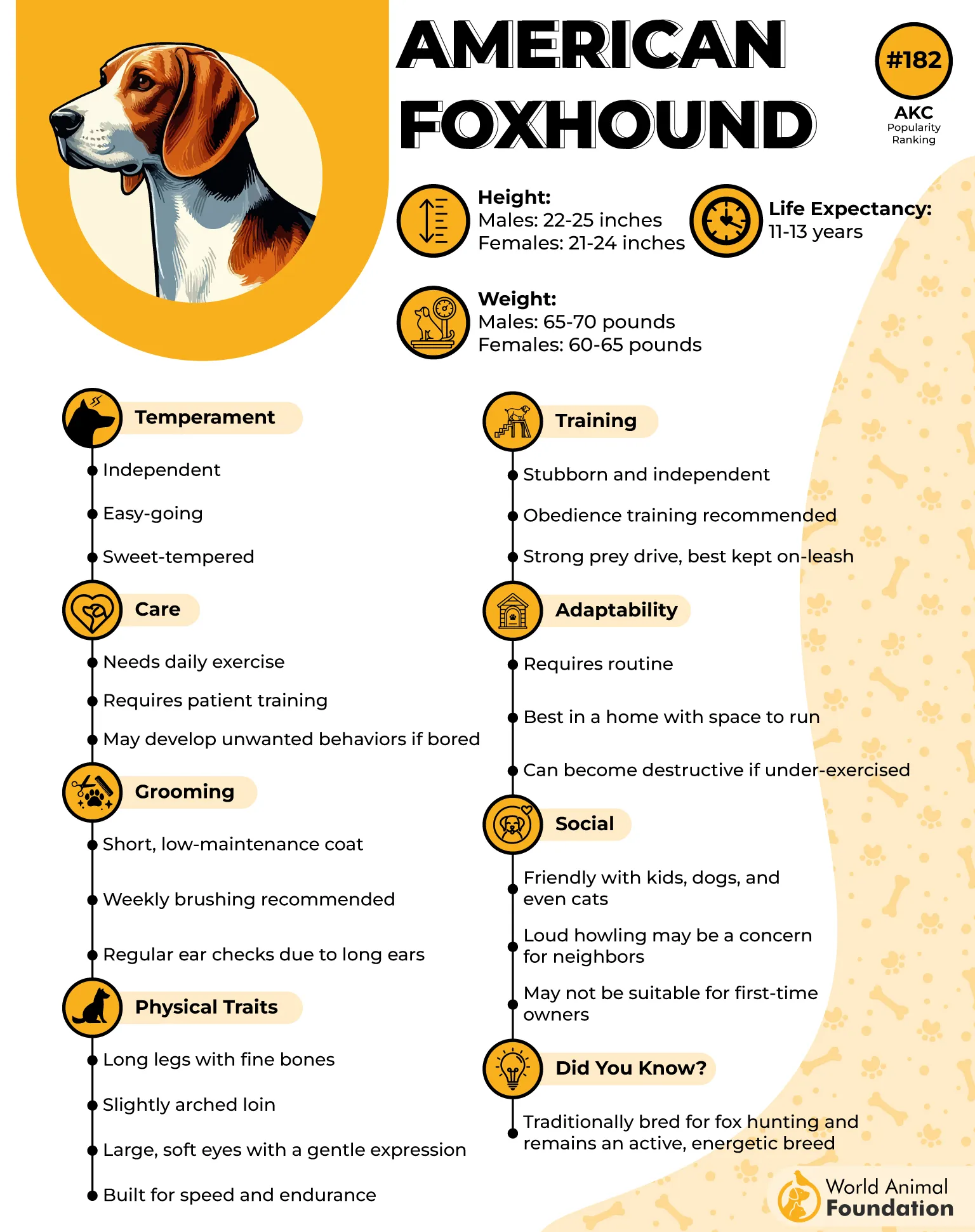
This energetic hound has remarkable stamina and enjoys sustained outdoor activity. It can follow a scent with little human guidance, relying on its own instincts to keep the pursuit moving. At home, American Foxhounds are generally affectionate and loyal, though their distinctive bays and howls can carry considerable distances.
How This Breed Stands Out
Sustained long-distance pursuit: Maintains a determined chase across extended distances and is built more for sustained pursuit than retrieving downed game.
Famous for endurance on trails: Draws on exceptional stamina to remain focused during prolonged tracking work, unlike a retriever such as the Labrador, and while a German Shorthaired Pointer is often preferred for hunting birds.
7. Treeing Walker Coonhound
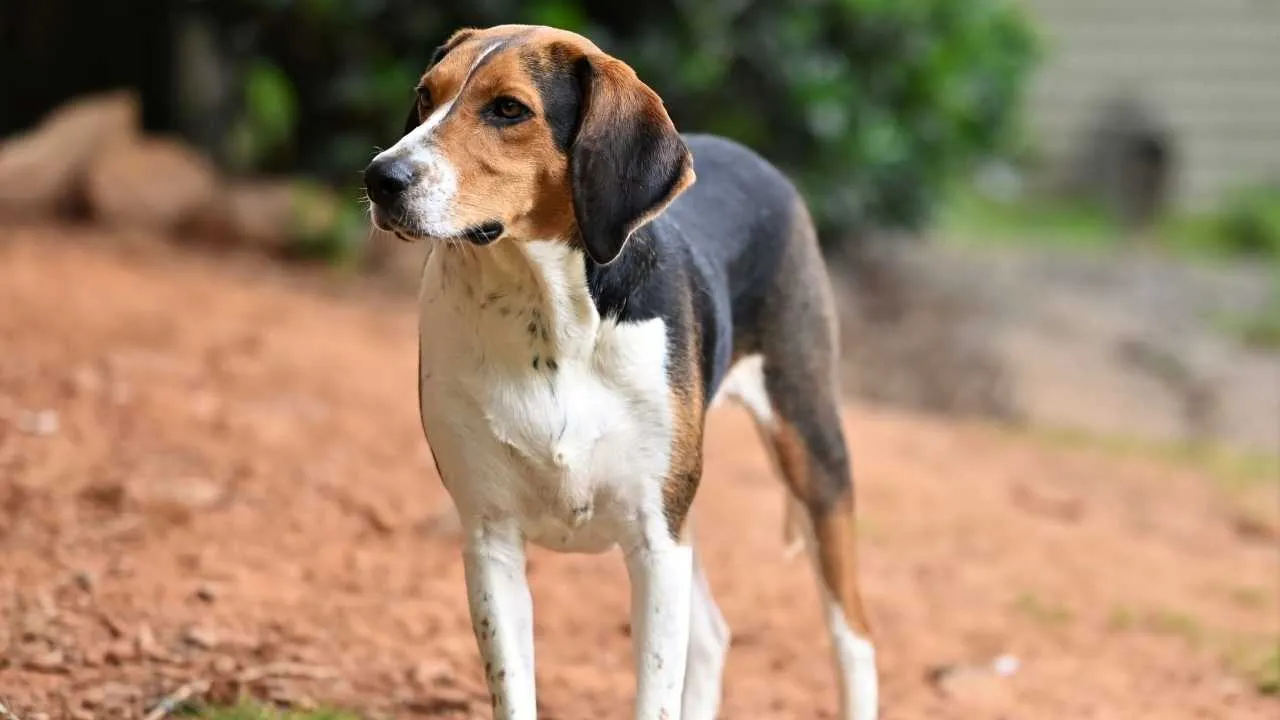
The Treeing Walker Coonhound is a swift, determined scent hound bred to pursue raccoons. It follows trails rapidly before driving quarry up a tree, then uses its distinctive voice to signal the find. Its speed, stamina, and strong hunting instincts make it particularly effective when tracking moving prey.
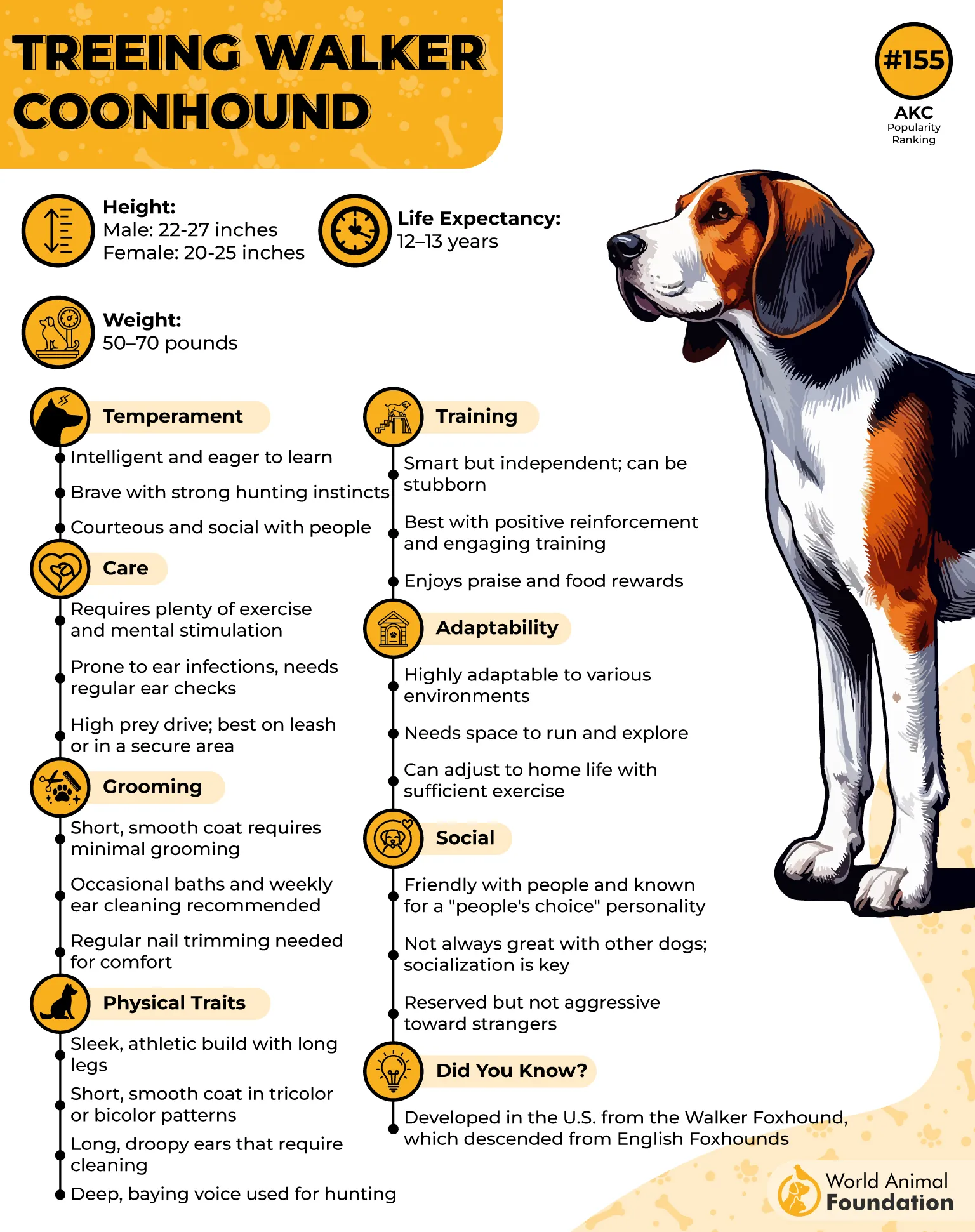
At home, the breed can be affectionate and relaxed when its need for activity is met. Without regular exercise and mental challenges, a Walker may become restless and vocal. Tracking games, scent trails, hide-and-seek, and other nose-focused activities can provide useful outlets for its natural abilities.
How This Breed Stands Out
Fast-moving scent tracker: Combines a keen nose with impressive speed during pursuit.
Excels at treeing quarry: Tracks prey and keeps it treed until the hunter arrives.
Conclusion
Choosing the right dog for tracking prey depends on the type of terrain, quarry, and hunting style involved. These breeds bring specialized abilities that help them follow scents, pursue game, and remain focused in demanding environments.
From the Bloodhound’s remarkable scent precision to the Bavarian Mountain Scent Hound’s ability to follow cold trails, scent-driven instincts make these dogs valuable tracking partners. Coonhounds and Foxhounds add speed, stamina, and persistence to lengthy pursuits.
Each breed also has different exercise and training needs. Some thrive on intensive outdoor work, while others require scent games and structured activities to channel their hunting instincts. Hunting dogs often need a high-fat, high-protein diet. Regular veterinary check-ups are crucial, and high-quality dog food should include protein sources like chicken.
With appropriate training, exercise, and safe handling, these capable dogs can help ensure they stay healthy and ready for work while remaining engaged companions at home.
