




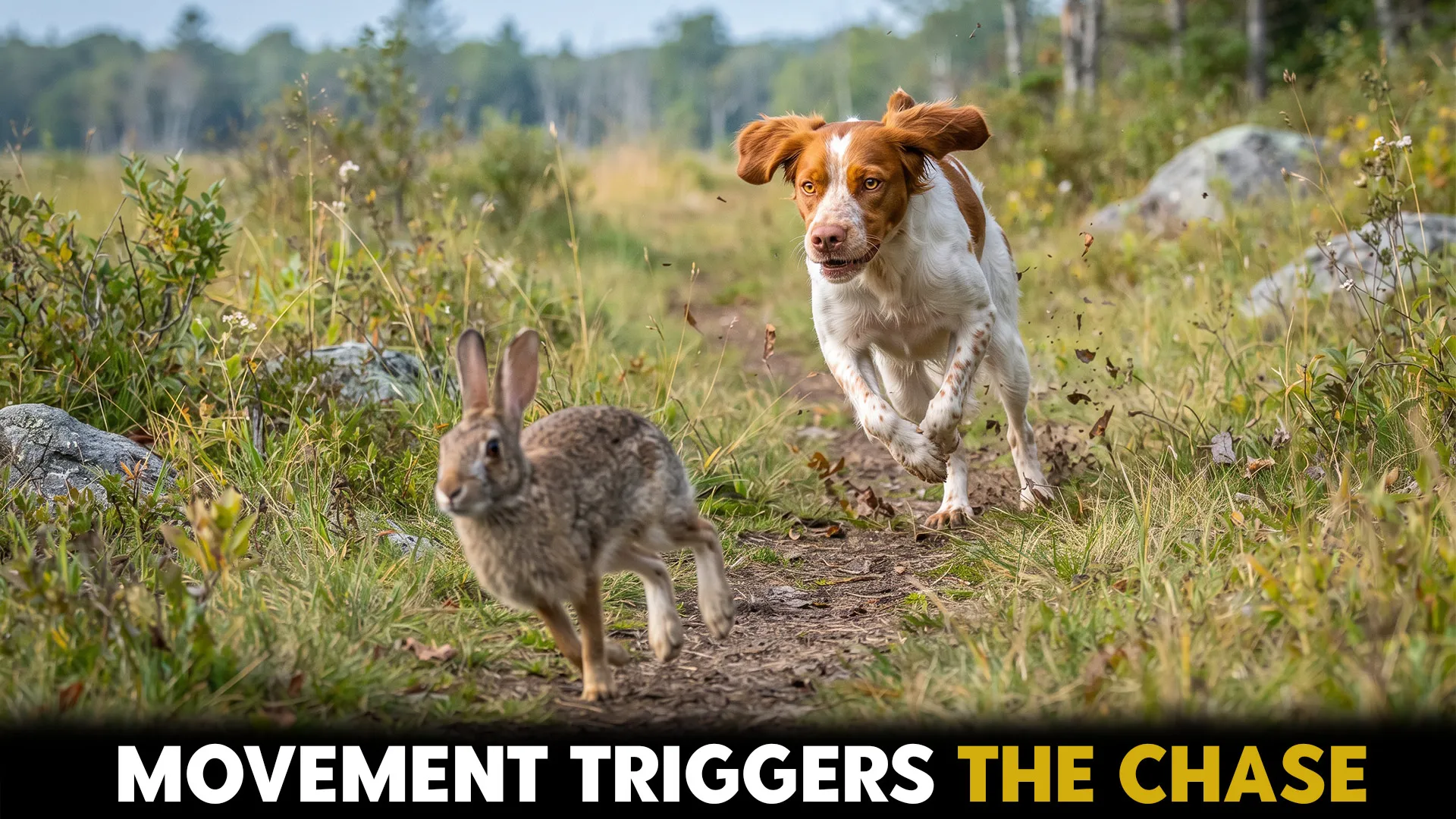
Some dogs seem almost unable to ignore a squirrel darting across the yard, a rabbit disappearing into the bushes, or a bird suddenly taking flight. Chasing can be a natural part of canine behavior, particularly in breeds whose ancestors were selected for finding, flushing, pursuing, or retrieving animals during hunts.
A strong urge to chase does not automatically make a dog aggressive or impossible to manage. Many dogs with pronounced prey drive can live peacefully around other pets when they receive appropriate socialization, reliable recall training, supervision, and suitable outlets for their instincts.
The breeds below are particularly worth understanding if your household includes cats, rabbits, guinea pigs, backyard birds, or other small animals. Individual temperament varies, so breed tendencies should be treated as useful guidance rather than a guarantee of how every dog will behave.
Dog Breeds Most Likely to Chase Small Animals
1. Labrador Retriever
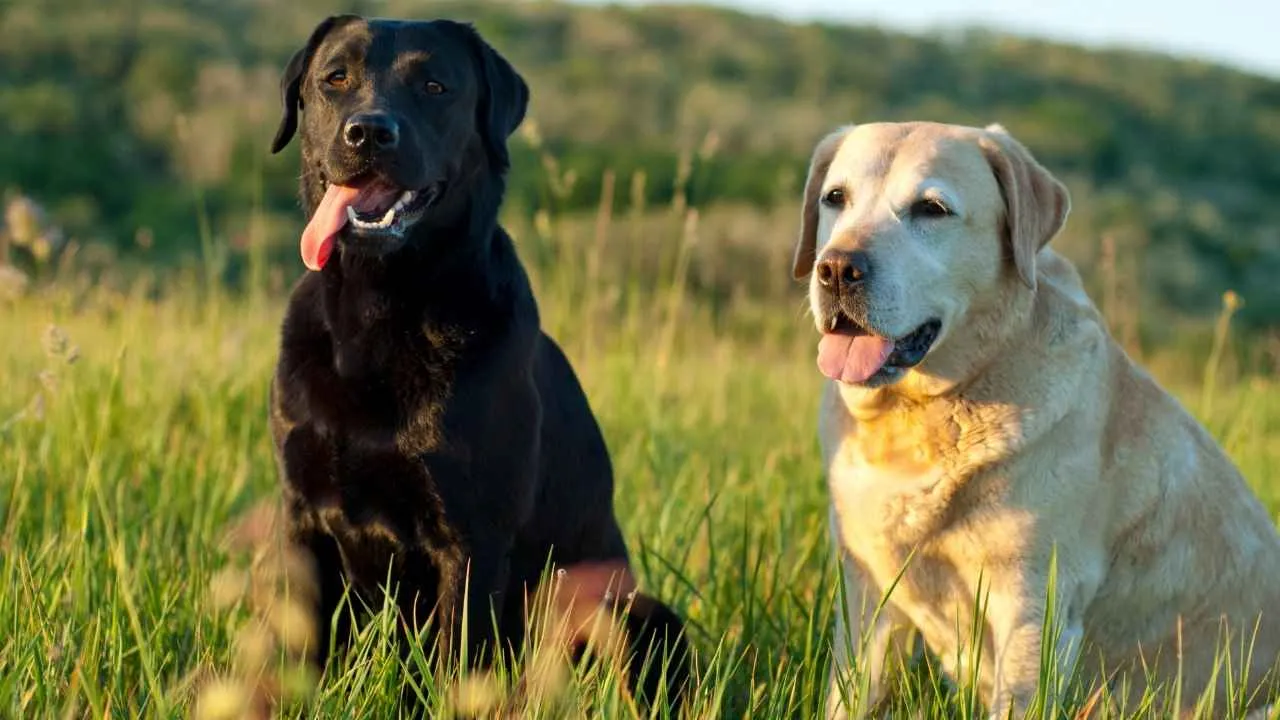
Labrador Retrievers are famously friendly, but their enthusiasm for moving objects can be easy to underestimate. A squirrel sprinting across the garden or a rabbit crossing a trail can quickly become far more interesting than whatever their owner was asking them to do.
Their retrieving background gives them a strong interest in pursuing and carrying objects, while their athleticism allows them to cover ground quickly. Young Labradors can be especially excitable, making early impulse-control work valuable.
A Sporting Dog Bred to Retrieve
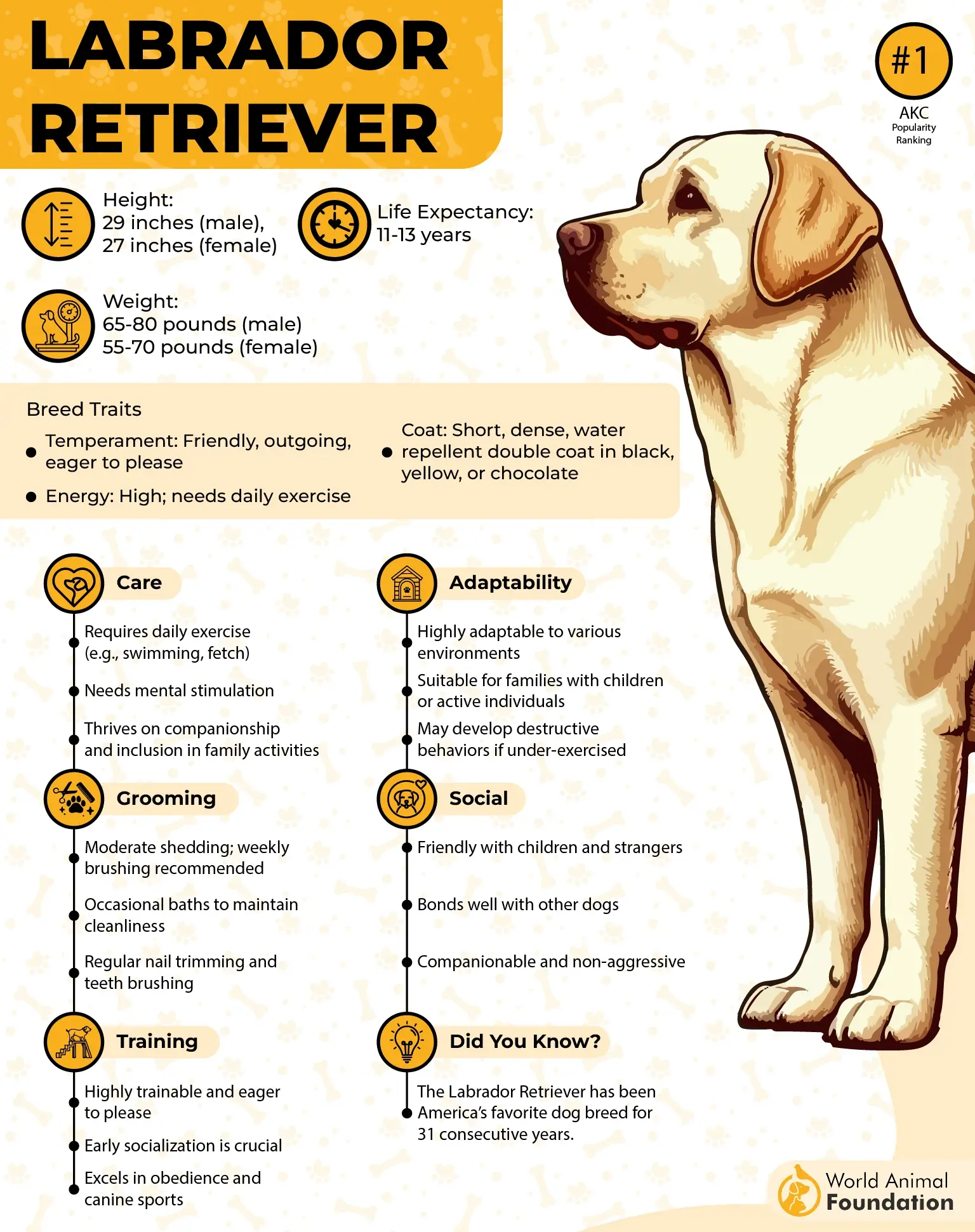
Labradors were developed as sporting dogs with strong connections to waterfowl retrieval. Their willingness to work alongside hunters, combined with their swimming ability and stamina, made them valuable companions in the field, as per Hill’s Pet.
Although their original role emphasized retrieving rather than killing prey, the excitement created by sudden movement can still trigger pursuit. A Labrador may therefore chase wildlife even when it has no intention of harming it.
Managing the Chase Instinct
Teaching a dependable recall is particularly useful for Labradors that become distracted outdoors. Games involving retrieving, scent activities, and controlled fetch can also give them appropriate ways to use their natural enthusiasm.
Owners living with small pets should avoid assuming that a friendly Labrador will automatically understand that rabbits, hamsters, or birds are household companions rather than objects to investigate. Careful introductions and supervision remain important.
2. Golden Retriever
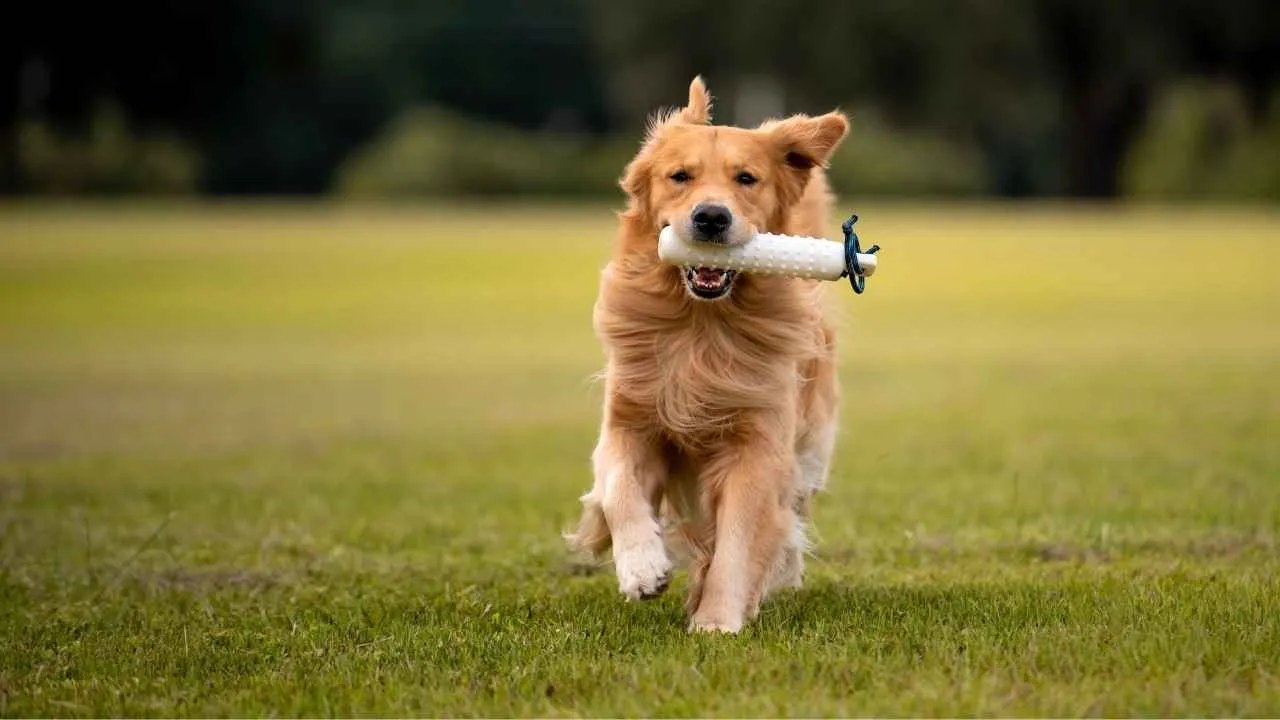
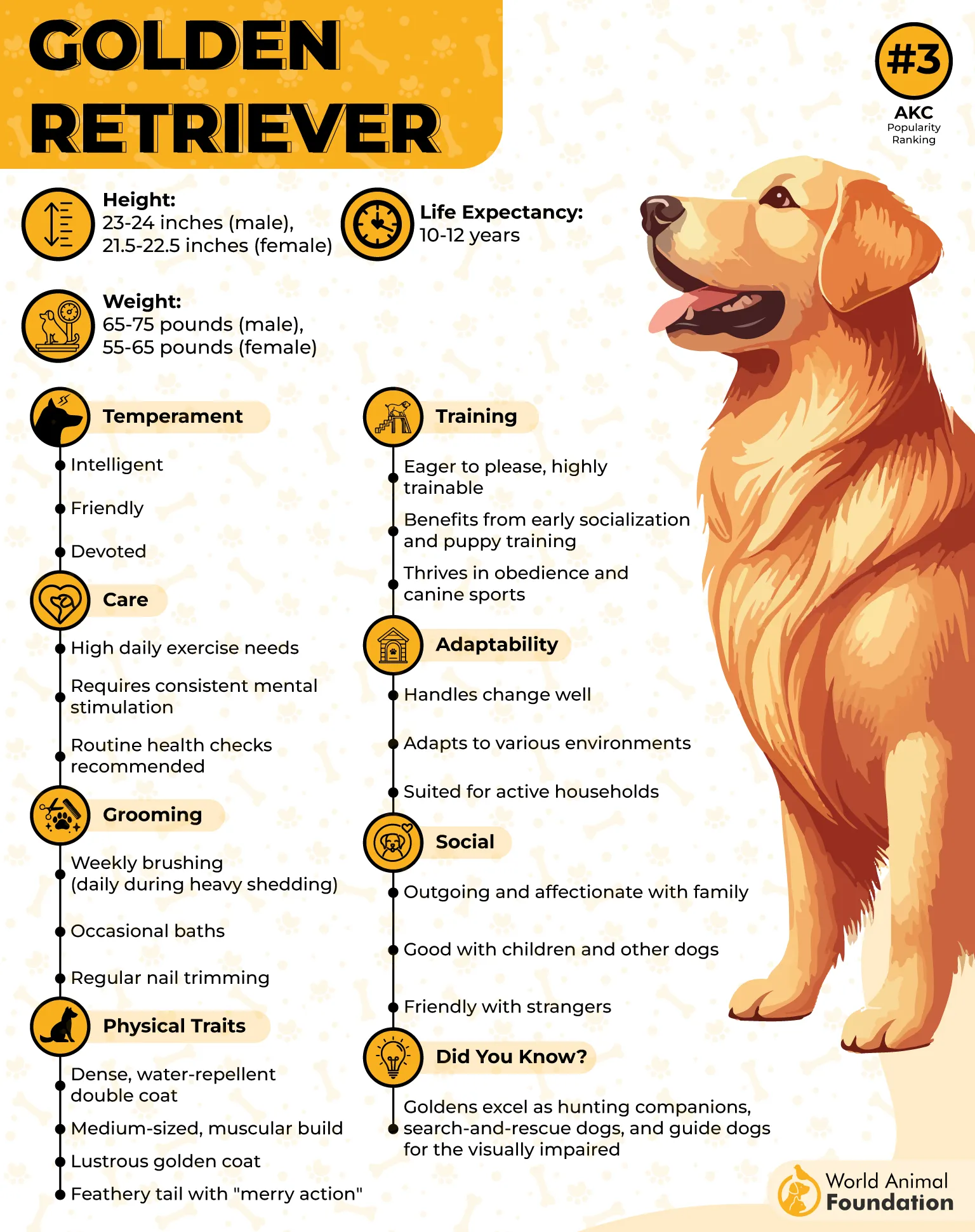
Golden Retrievers often have a gentle reputation, yet their sporting background can make them highly interested in birds, squirrels, rabbits, and other fast-moving creatures. Their eagerness to interact with movement may show up as chasing, following, or attempting to retrieve.
Their enthusiasm is usually paired with a strong desire to cooperate with people, which can make training easier than with some more independent breeds. Still, instinct can become powerful when a small animal suddenly bolts in front of them.
A Hunter’s Companion With Retrieving Instincts
Golden Retrievers were developed in Scotland as gundogs used to retrieve shot game for hunters, as per the PDSA. They were valued for their soft mouths, willingness to work, and ability to operate across different types of terrain.
That history remains visible in their love of carrying objects and their fascination with birds. A Golden may happily coexist with animals it knows while still becoming intensely focused when unfamiliar wildlife suddenly moves.
Turning Natural Drive Into Controlled Behavior
Recall exercises, leave-it training, retrieving games, and structured outdoor activities can help teach a Golden Retriever when pursuit is appropriate and when it needs to return to its handler.
Families with smaller pets should introduce them gradually and maintain supervision until the dog’s behavior is reliably predictable. A calm temperament does not eliminate the possibility of a sudden chase.
3. Chesapeake Bay Retriever
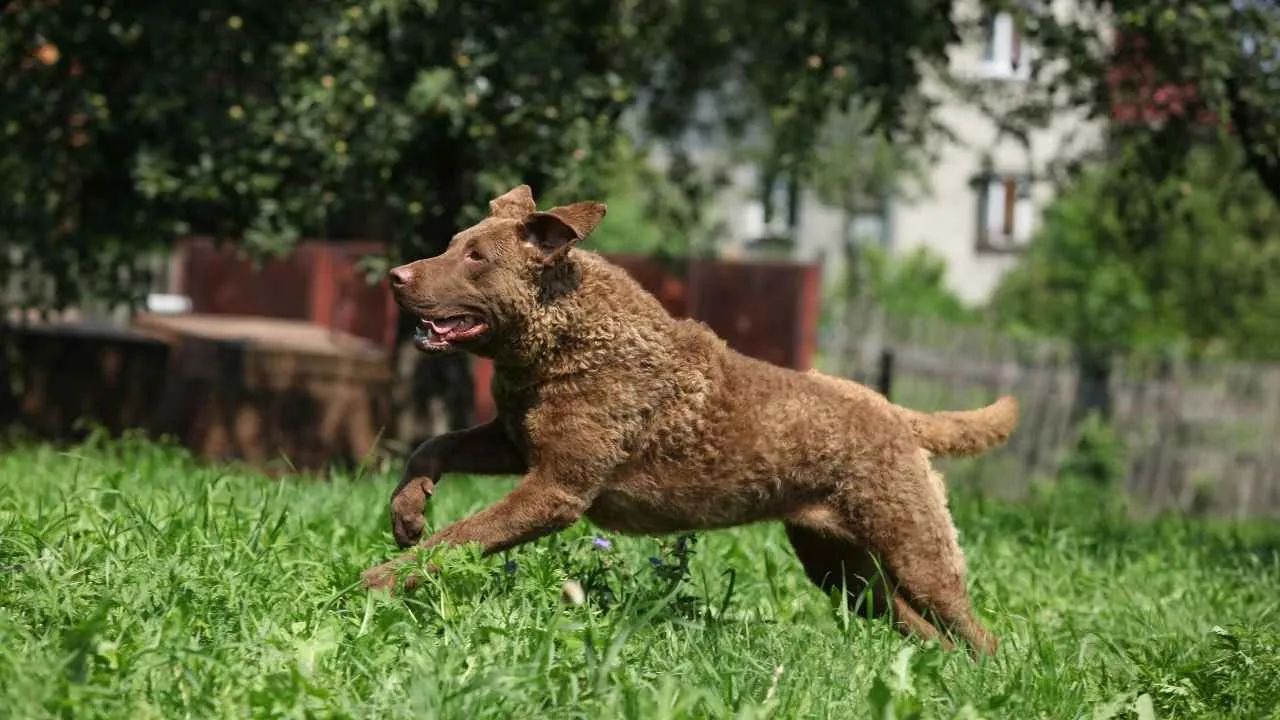
The Chesapeake Bay Retriever is an energetic, powerful breed with a strong work ethic. Its combination of athletic ability, confidence, and interest in retrieving can make moving wildlife particularly tempting.
Compared with some softer-natured retrievers, the Chesapeake can have a more independent and determined personality. This means owners may need to put additional emphasis on consistency and impulse control when managing its interest in small animals.
Built for Demanding Waterfowl Work
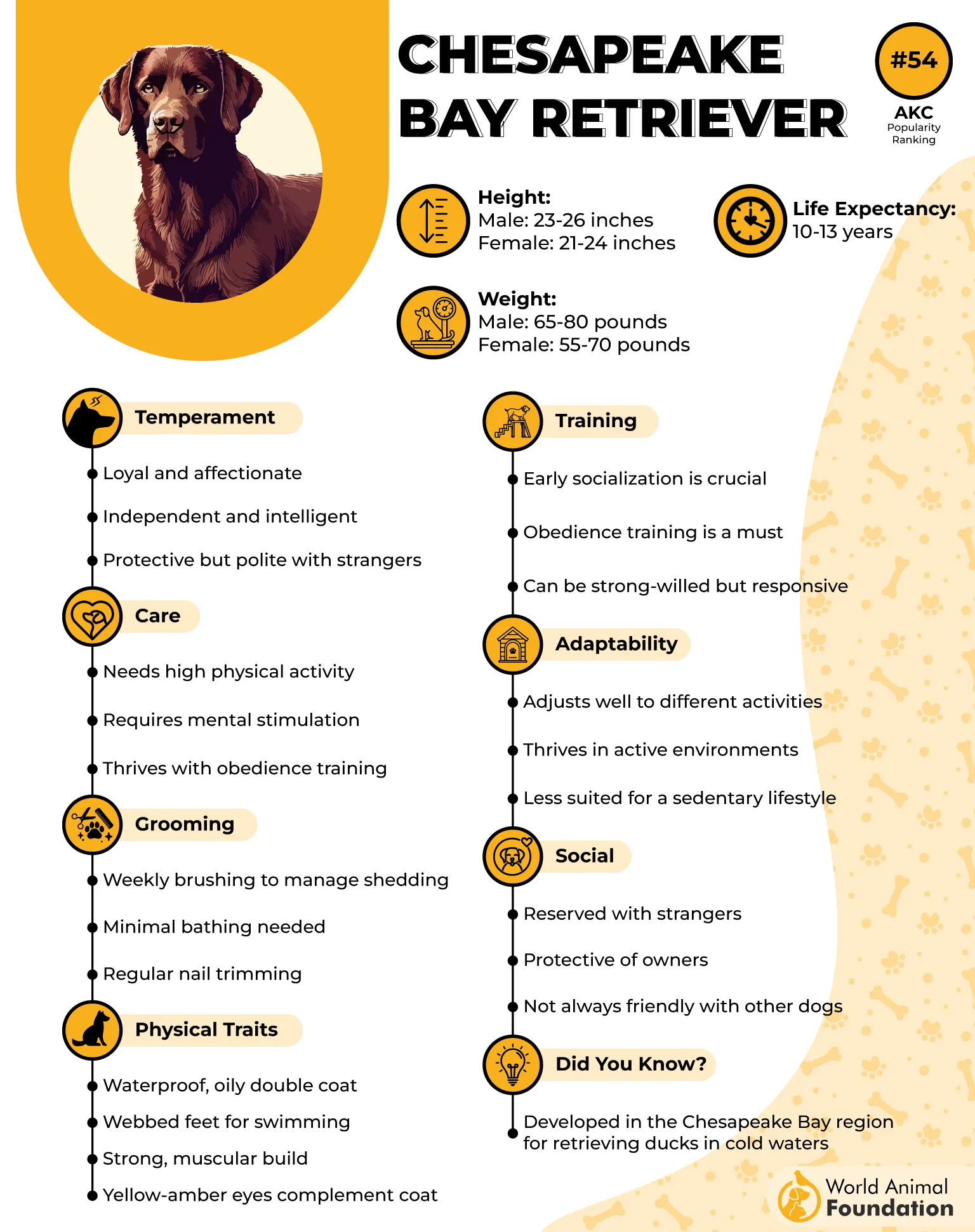
The Chesapeake Bay Retriever was developed in the United States around the Chesapeake Bay to retrieve waterfowl under challenging conditions. Its dense, oily coat, endurance, swimming ability, and resilience helped it perform in cold water and difficult weather.
Its working heritage created a dog designed to remain focused on the task at hand. In modern homes, that determination can be directed toward productive activities, but it may also intensify its wildlife response.
A Breed That Benefits From Structured Outlets
Long walks, swimming, retrieving drills, scent games, and advanced obedience can provide useful physical and mental outlets. Giving a Chesapeake meaningful work can make it easier to manage its natural enthusiasm.
When smaller pets are present, owners should use secure barriers and careful supervision rather than relying entirely on obedience. Even a trained dog may react instinctively when a small animal suddenly runs.
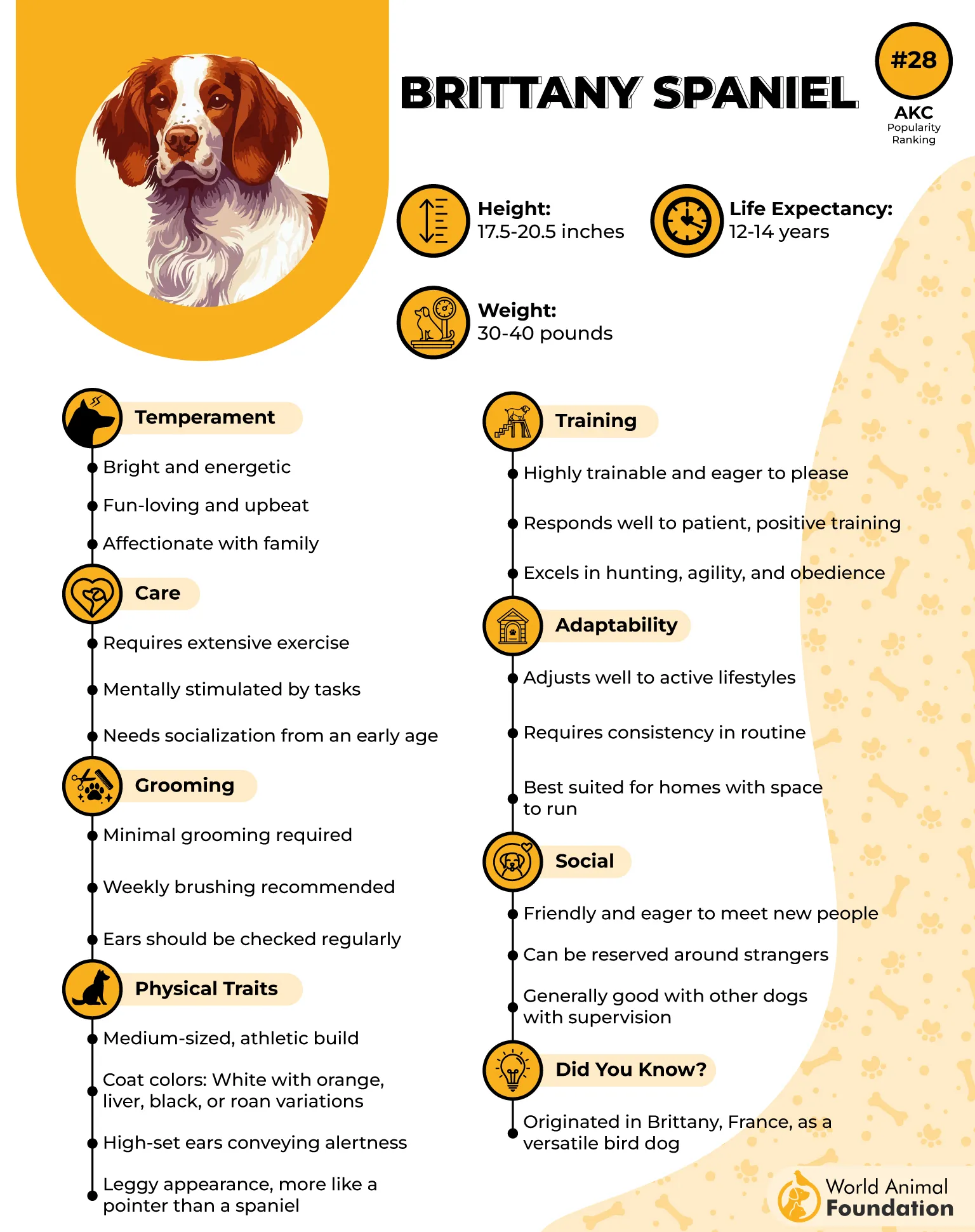
4. Brittany
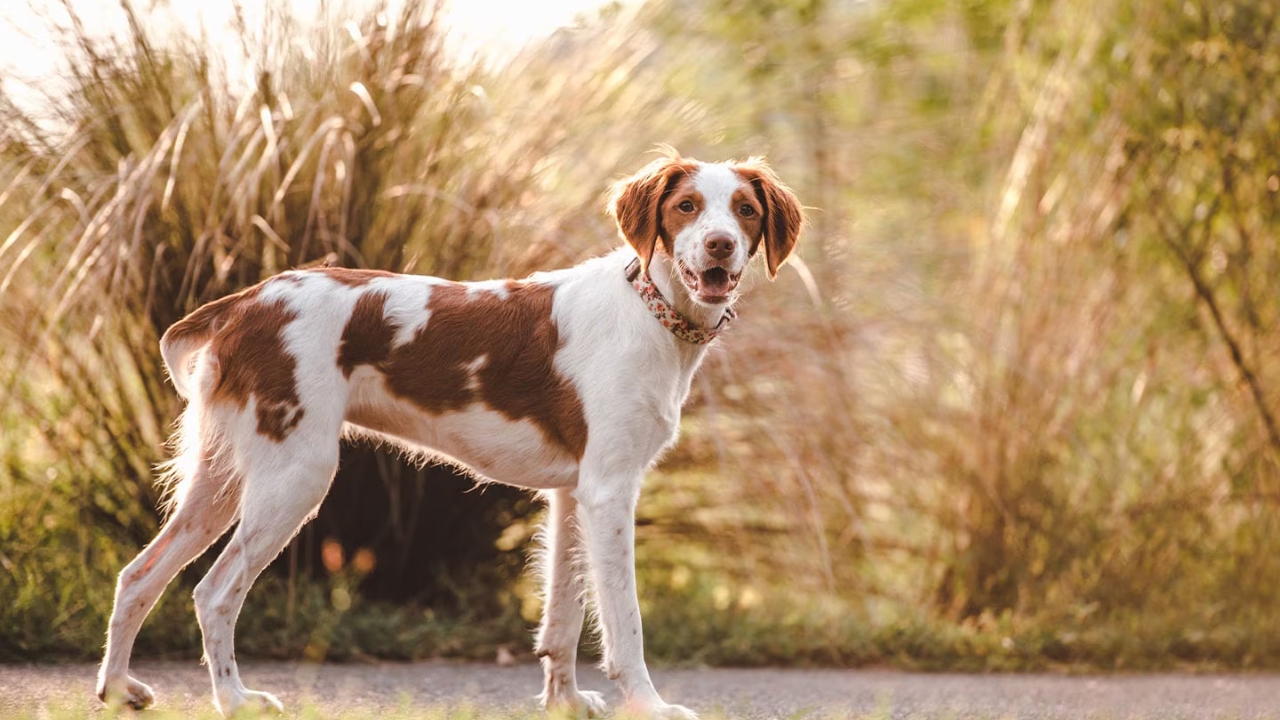
Brittanys are lively, agile sporting dogs with plenty of curiosity and enthusiasm. Their compact size can make them look less formidable than larger hunting breeds, but they can have a very strong interest in birds and other fast-moving creatures.
They tend to thrive when their minds and bodies are kept busy. Without sufficient activity, a Brittany may search for its own entertainment, and chasing wildlife can become an especially rewarding game.
A French Sporting Breed With Strong Field Instincts
The Brittany developed in France as a versatile hunting dog, particularly valued for locating and working game birds. Its compact build allowed it to move efficiently through fields and cover substantial ground.
Its pointing and hunting heritage means that sudden movement, scent, and the presence of birds can capture its attention quickly. This does not mean every Brittany will chase every animal, but its instincts deserve consideration.
Keeping a Fast-Moving Dog Under Control
Recall practice should begin early and be reinforced regularly, especially in environments where wildlife is present. Activities such as scent work, field training, agility, and controlled retrieving can provide more appropriate ways to satisfy its natural drive.
Owners with cats or other small pets should be particularly thoughtful about introductions. A Brittany may learn household boundaries successfully, but outdoor wildlife can still trigger a very different response.
5. English Springer Spaniel
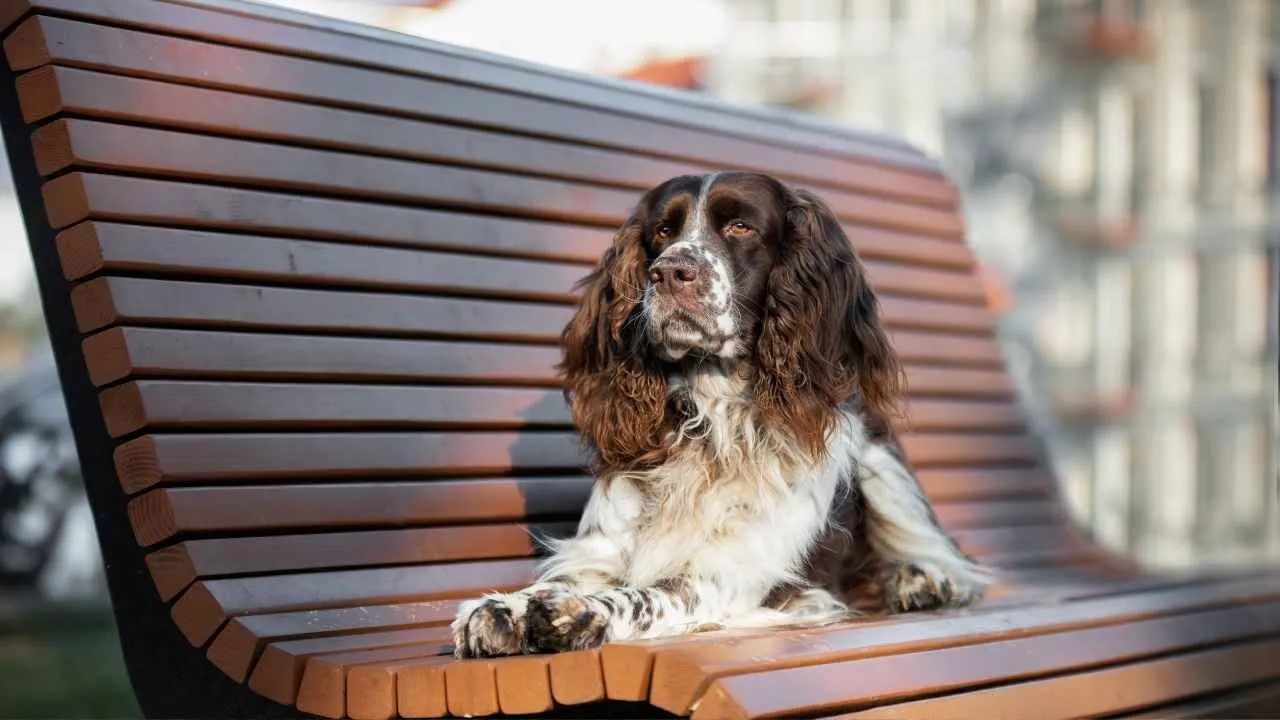
English Springer Spaniels are energetic, responsive, and strongly connected to their sporting heritage. Their natural interest in exploring vegetation, detecting scents, and moving through cover can make small animals particularly exciting.
Their cooperative nature can work in the owner’s favor during training. However, a Springer that catches the scent of a rabbit or spots a bird may temporarily become much more interested in the environment than in its handler.
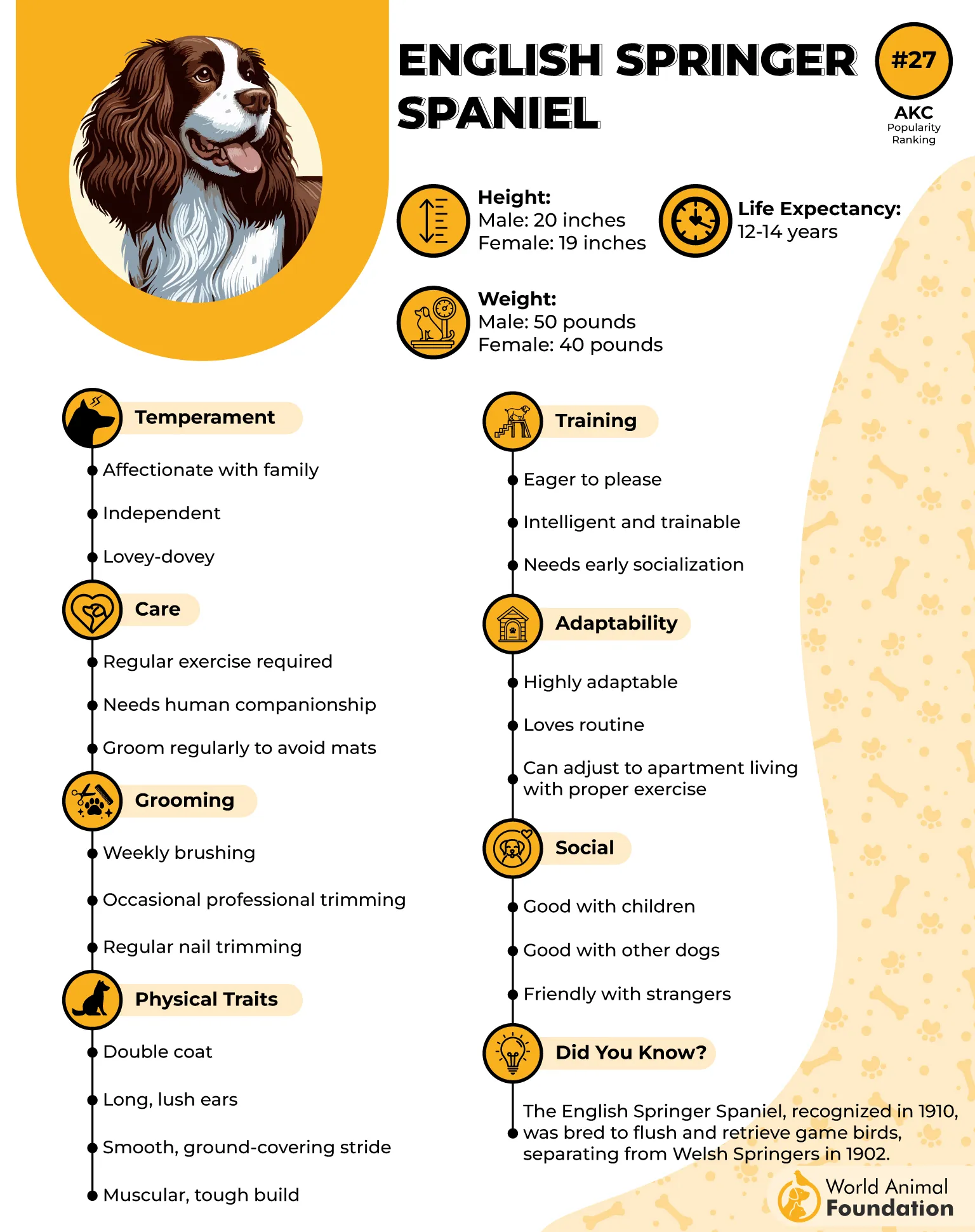
Bred to Find and Flush Game
The English Springer Spaniel was developed as a hunting companion used to locate and flush game birds from cover, as per Orvis. Its job required energy, responsiveness, a good nose, and the ability to work closely with hunters.
What once helped a Springer locate quarry can translate into intense interest in birds, rabbits, squirrels, and other creatures encountered during walks.
Exercise Can Help Channel Its Instincts
A Springer generally benefits from more than a brief neighborhood stroll. Retrieving exercises, scent games, hiking, field activities, obedience, and other interactive pursuits can provide satisfying outlets.
Training should include recall, attention around distractions, and impulse control. When wildlife is nearby, owners should use appropriate leashes or secure areas until they can confidently predict their dog’s response.
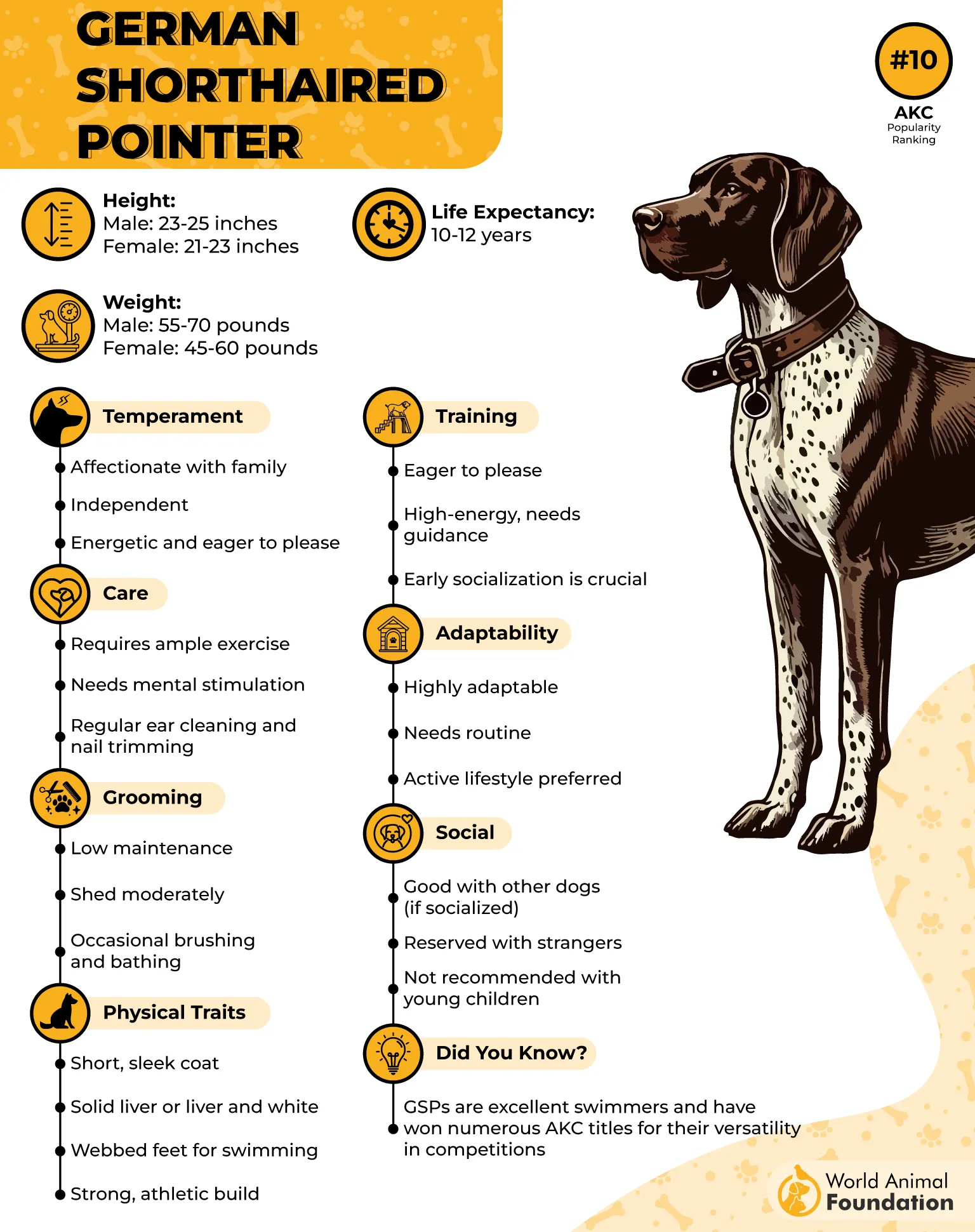
6. German Shorthaired Pointer
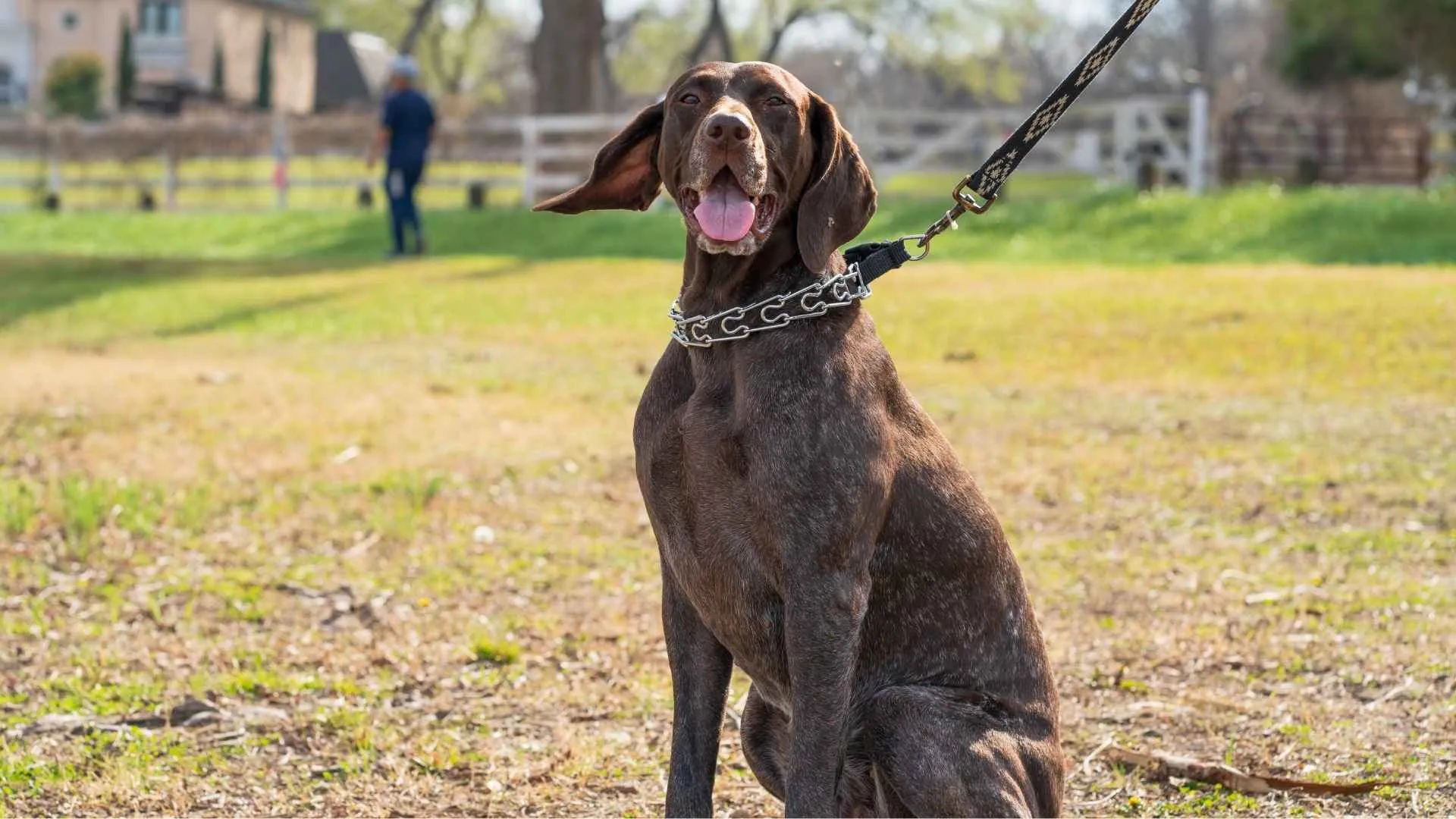
German Shorthaired Pointers are athletic, energetic, and highly driven sporting dogs. Their speed and stamina make them capable of pursuing moving animals over considerable distances, so small wildlife can become a major distraction outdoors.
Their intelligence and willingness to work with people can make them responsive training partners, but they require substantial daily engagement. A bored Pointer may be much more inclined to invent its own activities, including wildlife chasing.
A Versatile Hunter With Multiple Field Skills
The German Shorthaired Pointer was developed in Germany as an all-purpose hunting dog. It was valued for pointing game, tracking, retrieving, and working across different environments.
Its broad hunting abilities mean that it is naturally attentive to movement, scent, and the presence of animals. Squirrels, rabbits, birds, and other small creatures can therefore activate instincts that are deeply connected to its working heritage.
A High-Drive Dog That Needs Purpose
Running, hiking, swimming, retrieving, scent work, field training, and canine sports can help satisfy a German Shorthaired Pointer’s considerable activity requirements. Mental challenges are equally important because physical exercise alone may not fully occupy such an intelligent dog.
Reliable recall should be treated as an ongoing skill rather than a one-time lesson. Around unfamiliar small animals, controlled environments and supervision remain necessary even when a Pointer has completed substantial obedience training.
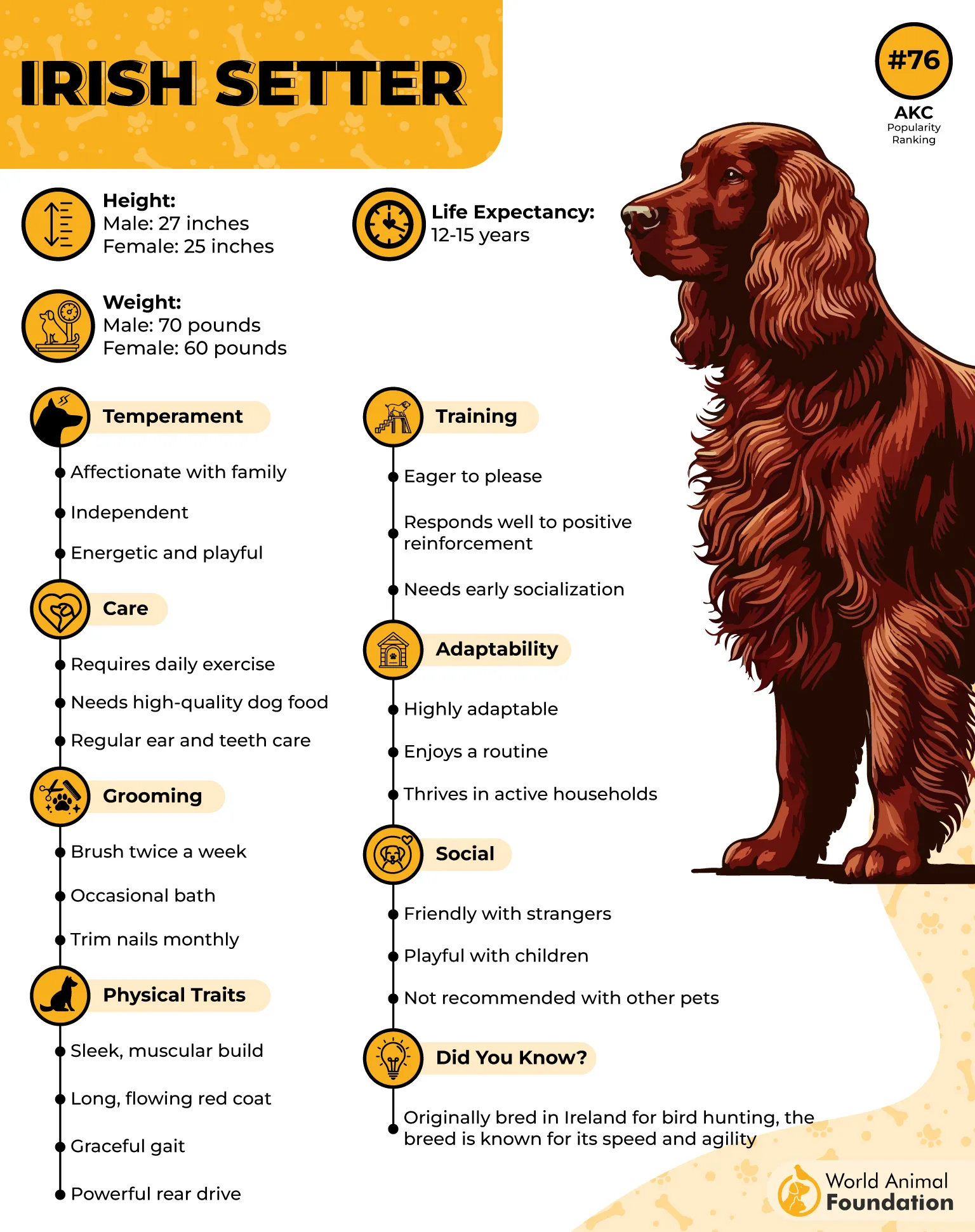
7. Irish Setter
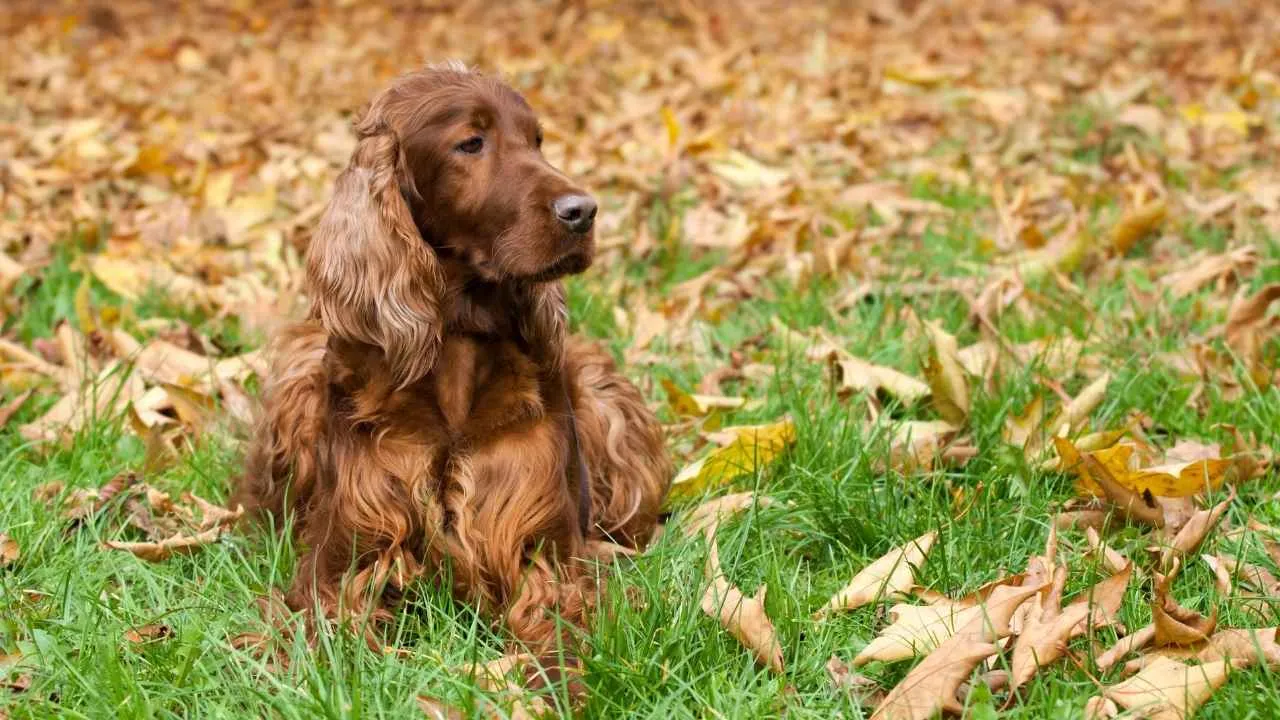
Irish Setters are energetic, athletic, and enthusiastic dogs that can become highly engaged by movement outdoors. Their playful nature may make chasing look like harmless fun, but their sporting heritage gives this behavior a deeper instinctive basis.
They tend to enjoy exploring large spaces and participating in active family routines. Owners who provide sufficient exercise and structured activities can often channel their enthusiasm more effectively than those expecting a naturally sedentary companion.
An Irish Gundog With a Strong Sporting Heritage
Irish Setters were developed in Ireland as hunting dogs used to locate game birds, as per WebMD. Their excellent sense of smell, stamina, and ability to work across open terrain made them valuable companions for hunters.
Although modern Irish Setters are commonly kept as family dogs, their hunting instincts have not disappeared. A bird taking flight or a small mammal suddenly crossing their path may trigger an immediate pursuit response.
Exercise and Recall Are Especially Important
Irish Setters benefit from active routines that include running, hiking, retrieving, scent-based games, and other opportunities to explore. Regular training can help transform their enthusiasm into controlled behavior rather than letting it become impulsive chasing.
Households with smaller pets should introduce the animals carefully and avoid assuming that an affectionate family temperament guarantees safety. Consistent supervision, secure boundaries, and dependable recall are essential when strong prey-driven behavior is possible.
Conclusion
Labrador Retrievers, Golden Retrievers, Chesapeake Bay Retrievers, Brittanys, English Springer Spaniels, German Shorthaired Pointers, and Irish Setters all have histories connected to sporting or hunting work. Their interest in chasing small animals is therefore not necessarily a sign of poor temperament; in many cases, it reflects instincts that humans intentionally developed over generations.
That does not mean every individual from these breeds will pursue small animals with the same intensity. Genetics, age, socialization, previous experiences, training, and individual personality all influence behavior. Some dogs may peacefully live with cats or other household animals, while others may require lifelong management.
If you already have small pets, consider more than breed reputation before bringing one of these dogs home. Ask about the individual dog’s behavior, introduce animals gradually, establish reliable recall and impulse control, and use physical separation whenever supervision is not possible.
A strong chase instinct can often be redirected into retrieving, scent work, field activities, dog sports, and structured exercise. The goal is not necessarily to eliminate a dog’s instincts, but to teach it how to express them safely and appropriately.
