




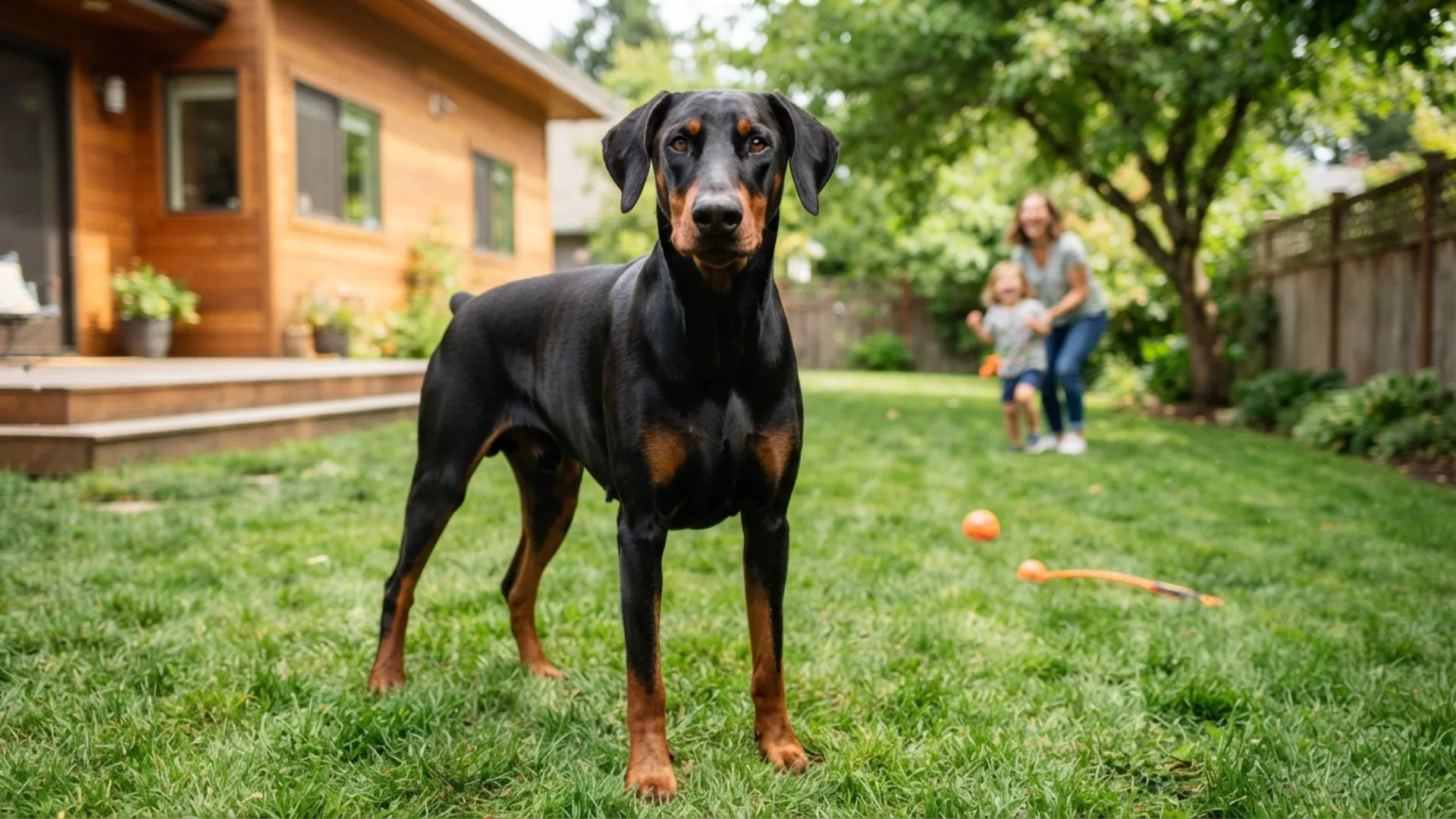
Big dogs come with big paws, big appetites, occasionally big opinions, and a truly unreasonable belief that your lap was designed specifically for them. For active families, though, the right large breed can be an elite adventure buddy, household shadow, training partner, trail companion, and professional couch-space thief all rolled into one furry package.
The top loyal large dog breeds ideal for active families below are great at loyalty, athleticism, and family involvement. Some are serious guardians, some are retrievers, some have enough working drive to make your fitness tracker question its career choices, but all can become deeply connected family companions in homes that genuinely match their needs.
Top Loyal Large Dog Breeds Ideal for Active Families
1. Rhodesian Ridgeback
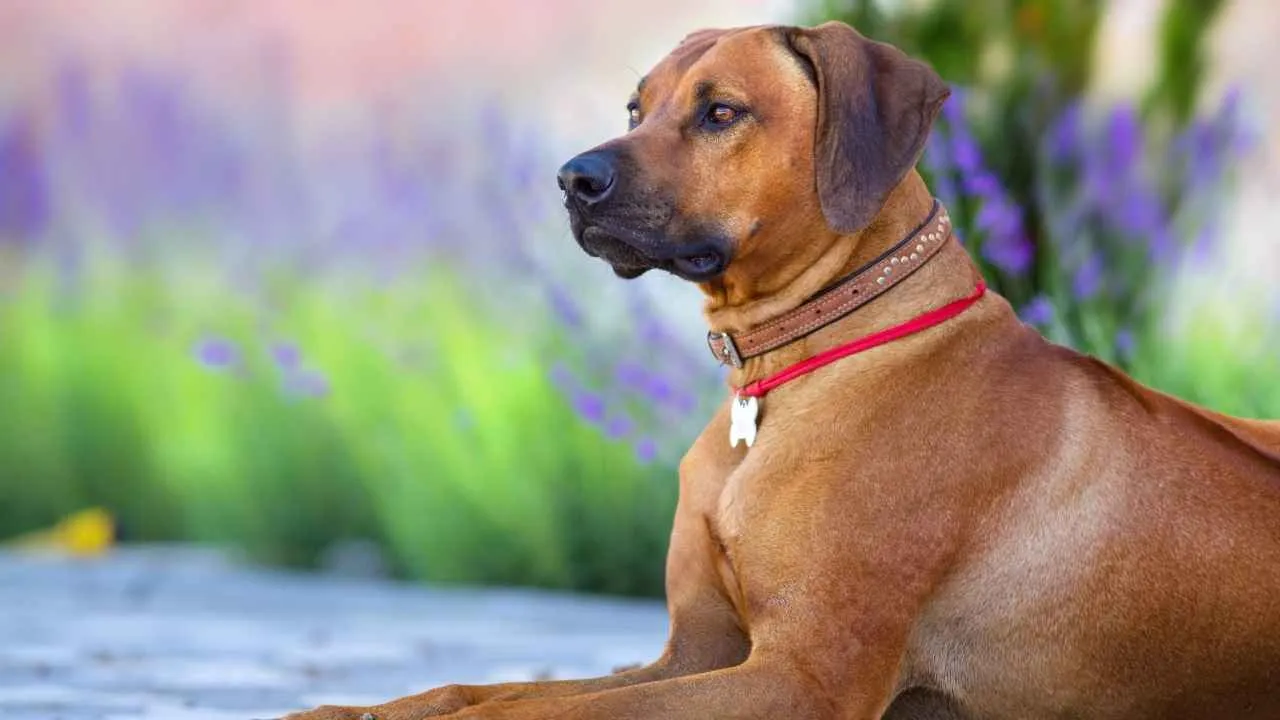
The Rhodesian Ridgeback looks like an athlete, but at home, it is a remarkably devoted family member. It commonly develops close relationships with its people and can be affectionate, observant, and quietly protective without needing to spend the entire day announcing itself to the neighborhood.
This loyal dog often wants to know where everyone is and what the household is doing, making it an excellent companion for families.
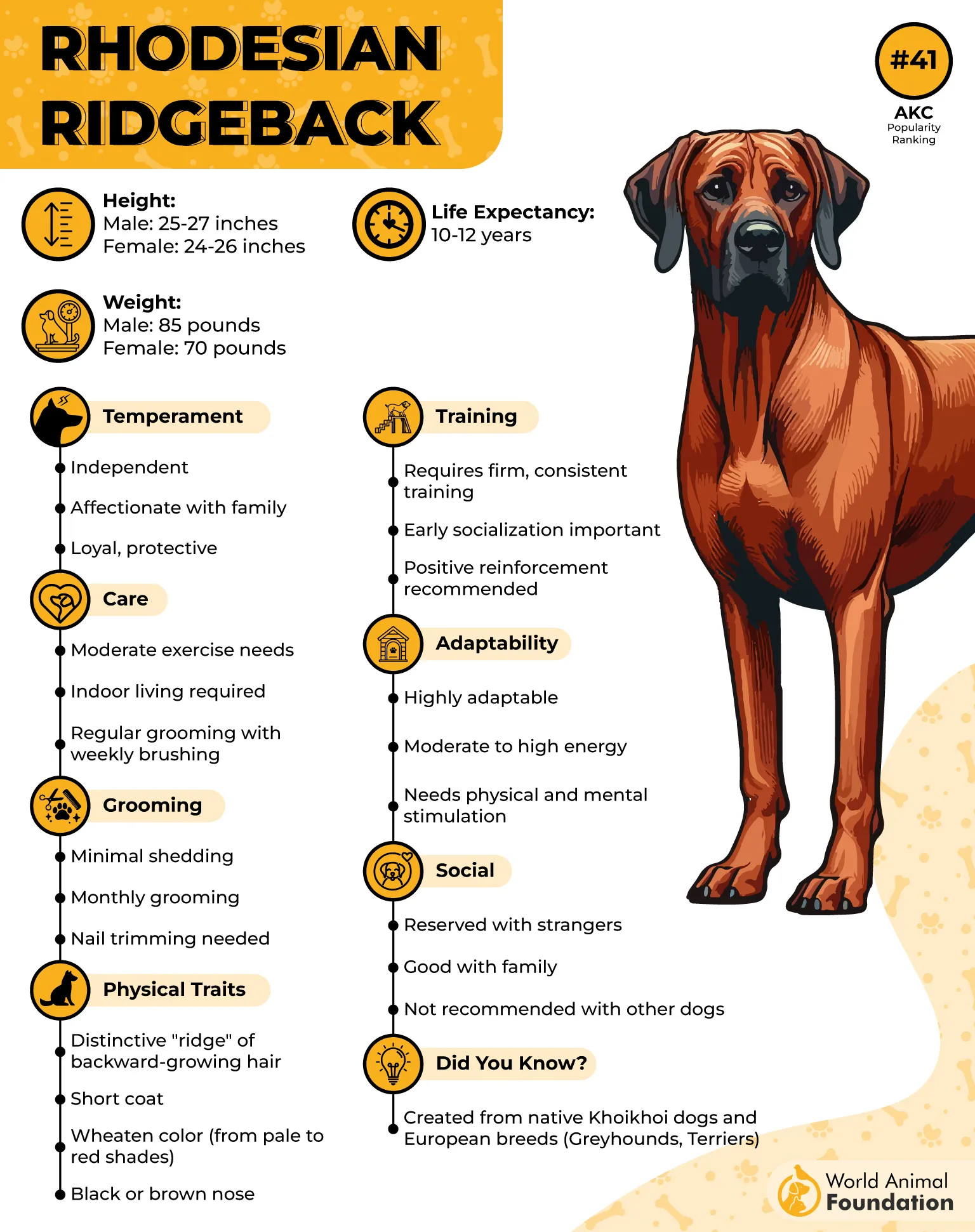
Mature, properly conditioned Ridgebacks can enjoy hiking, long walks, tracking, running, and agility, making weekend adventures much more interesting than another family argument over where to eat.
With children, a socialized Ridgeback can become a reliable and affectionate member of the crew, although its size and strength mean adult supervision remains important.
How They Mingle In The Active Families
A family that spends weekends hiking, exploring trails, camping, or taking long countryside walks gives a Ridgeback a genuinely useful outlet for its stamina.
Their calmer indoor side means adventure does not necessarily continue at full volume once everyone gets home; many are happy to settle near their people after appropriate activity.
2. Cane Corso
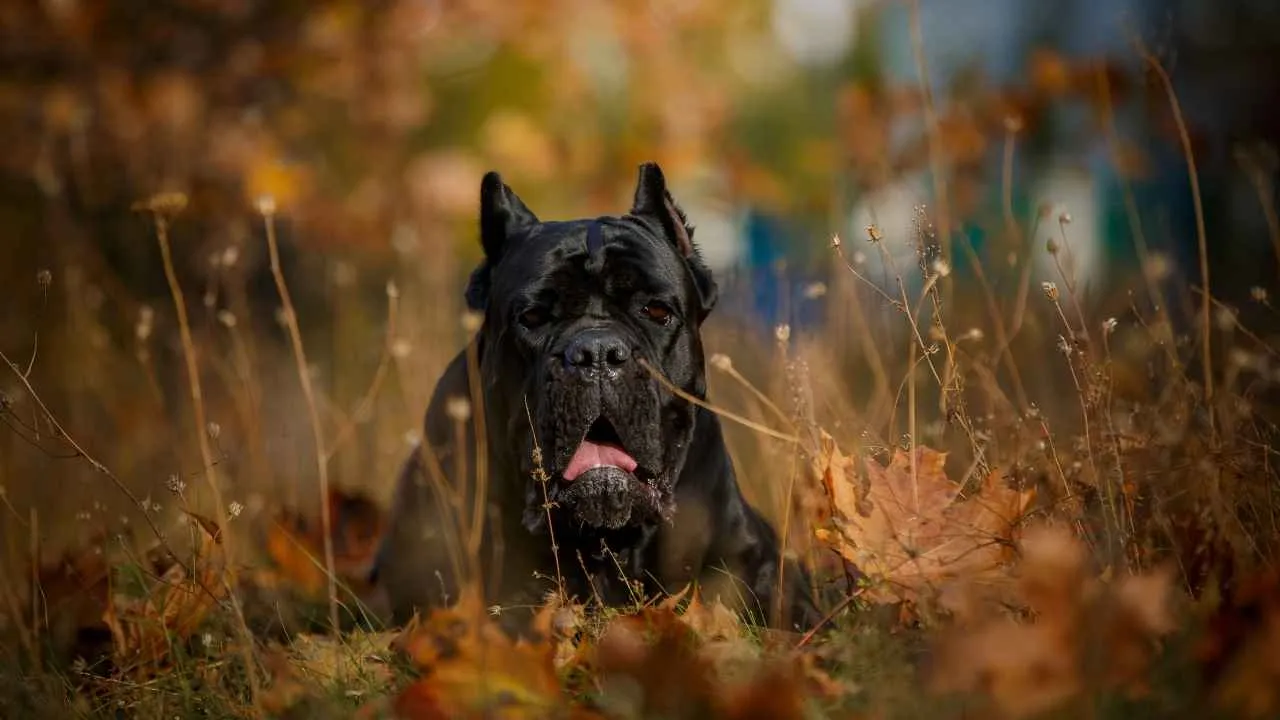
Under a serious exterior, the Cane Corso is a dog capable of being deeply affectionate and strongly attached to its household.
An active home can suit them extremely well because these are working dogs that benefit from regular physical and mental exercise. Purina mentions that long walks, structured hiking, obedience work, scent games, and purposeful training are important to them. They tend to thrive when activity comes with direction.
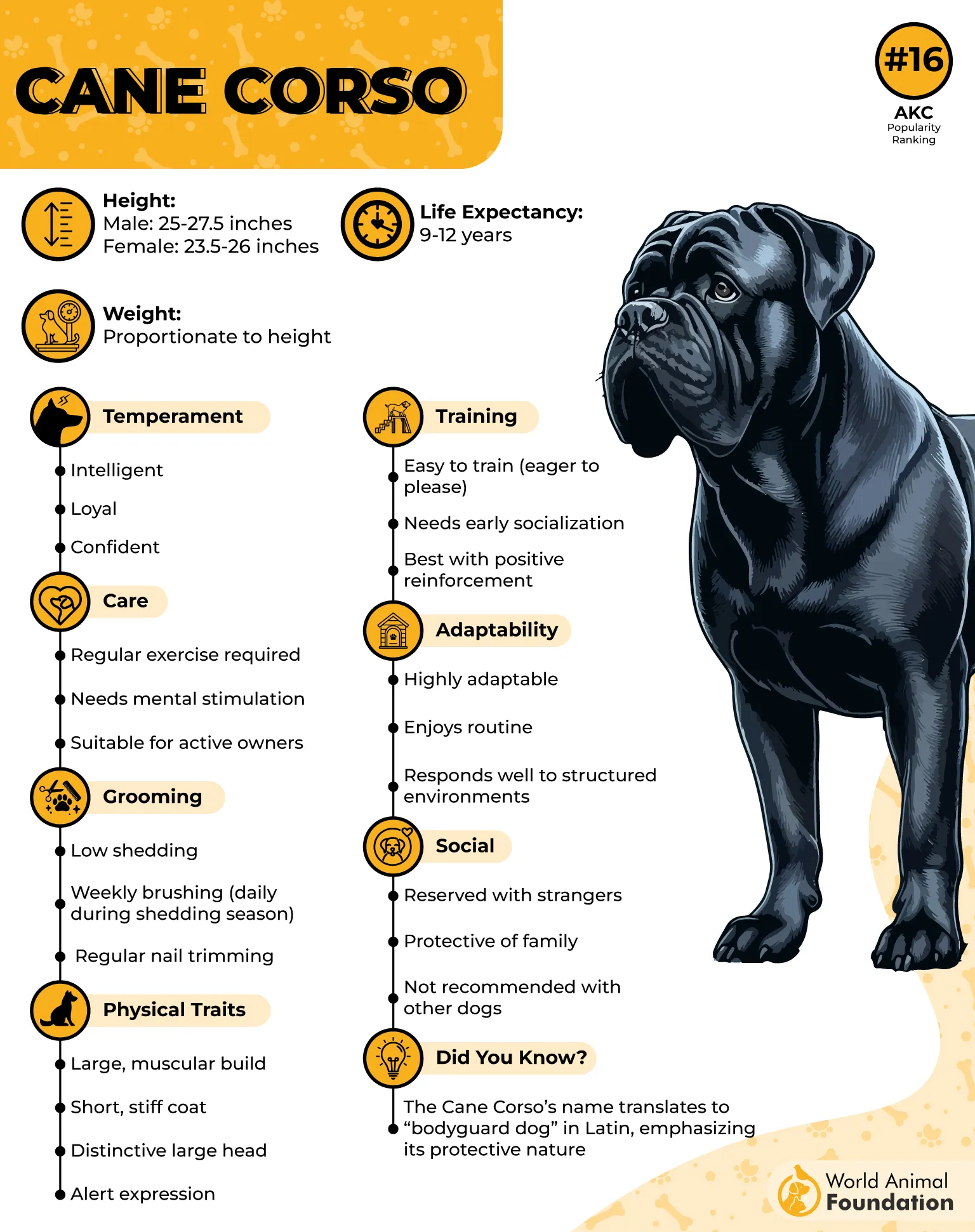
Socialization should teach calm neutrality around visitors, children, dogs, traffic, handling, unusual environments, and everyday household commotion rather than trying to make the dog suspicious in the name of “protection.”
Families with younger children need to think especially carefully because sheer size creates risk even when the dog means absolutely no harm.
How They Mingle In The Active Families
Structured households can channel the Corso’s working instincts through morning walks, obedience sessions, hikes, scent work, and calm family downtime.
Families that frequently host visitors need a clear guest routine because this breed tends to be naturally reserved rather than socially carefree.
3. Doberman Pinscher
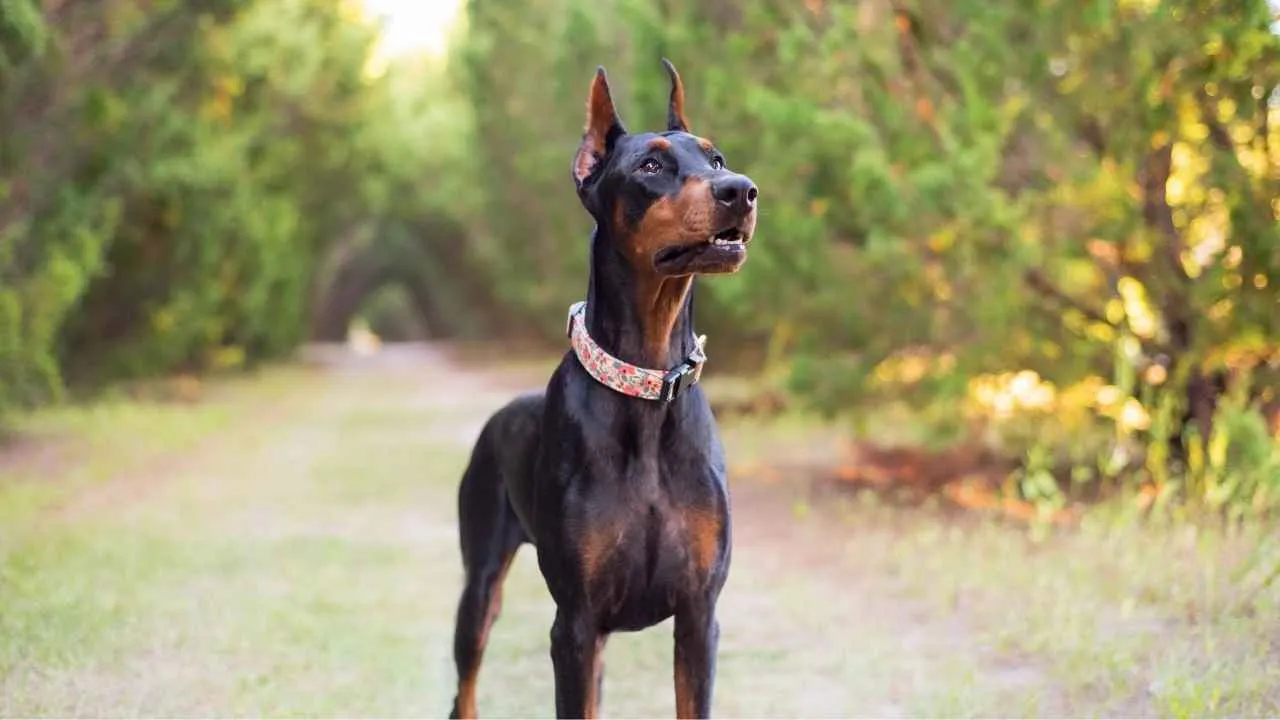
Doberman Pinscher was developed in Germany in the late 1800s and takes its name from Karl Friedrich Louis Dobermann, who wanted a capable protective dog to accompany him during his work.
They often form exceptionally close bonds with their families and are happiest when included instead of treated like ornamental security equipment. They can be affectionate, playful, sensitive, and surprisingly goofy once the serious public-facing uniform comes off.
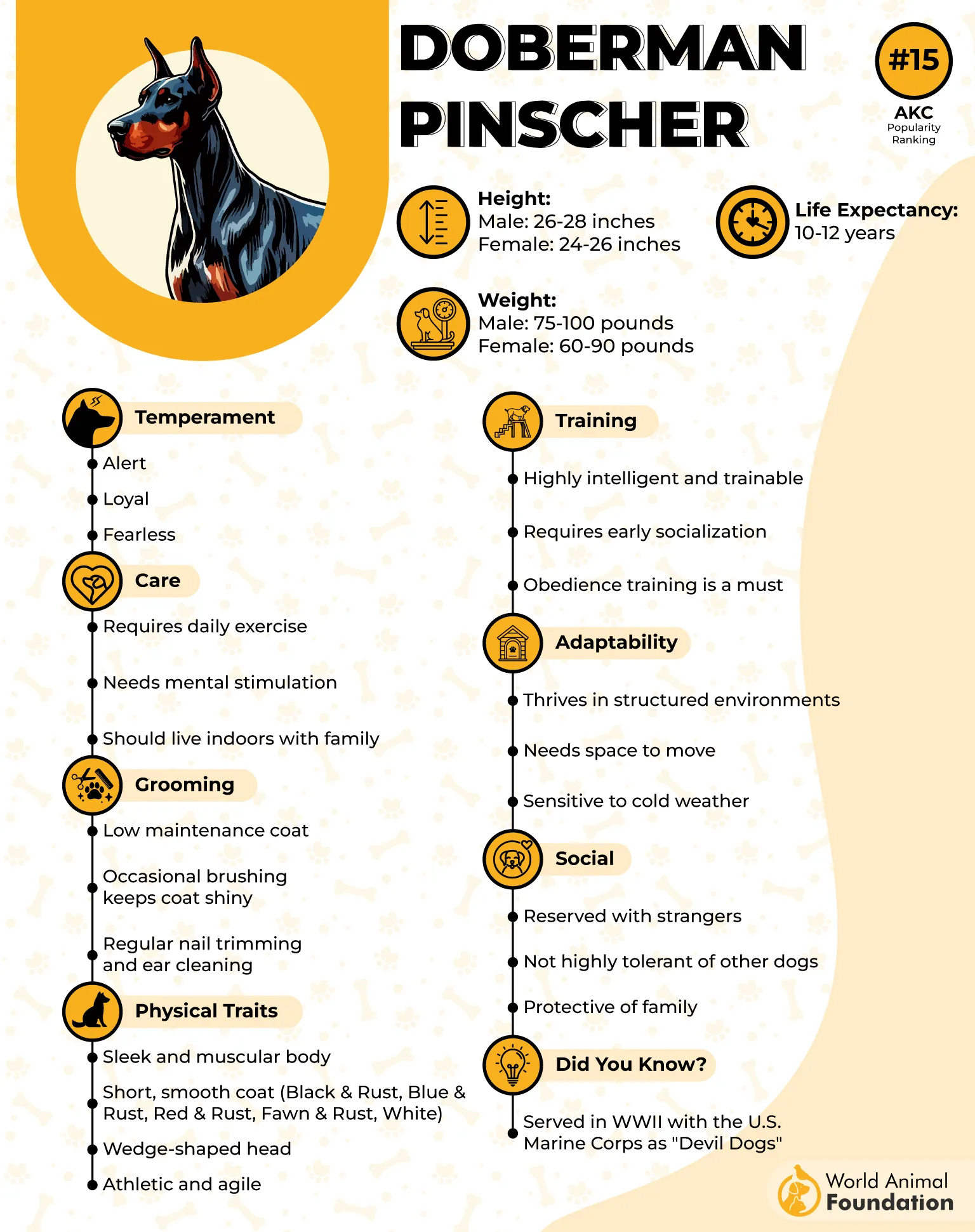
They enjoy hiking, running, obedience, tracking, agility, dock diving, Rally, and other structured sports. Daily mental stimulation matters alongside exercise because a bored, clever Doberman may eventually decide that your furniture, garden, or household rules require some independent innovation.
A properly raised Doberman can fit beautifully into family life, and many do well with children, particularly when everyone has been taught to interact respectfully.
How They Mingle In The Active Families
Runners and hikers gain a companion physically designed for endurance once the dog is mature, healthy, and appropriately conditioned.
Their emotional attachment suits households where the dog is invited into daily activities rather than expected to entertain itself for long stretches.
4. Beauceron
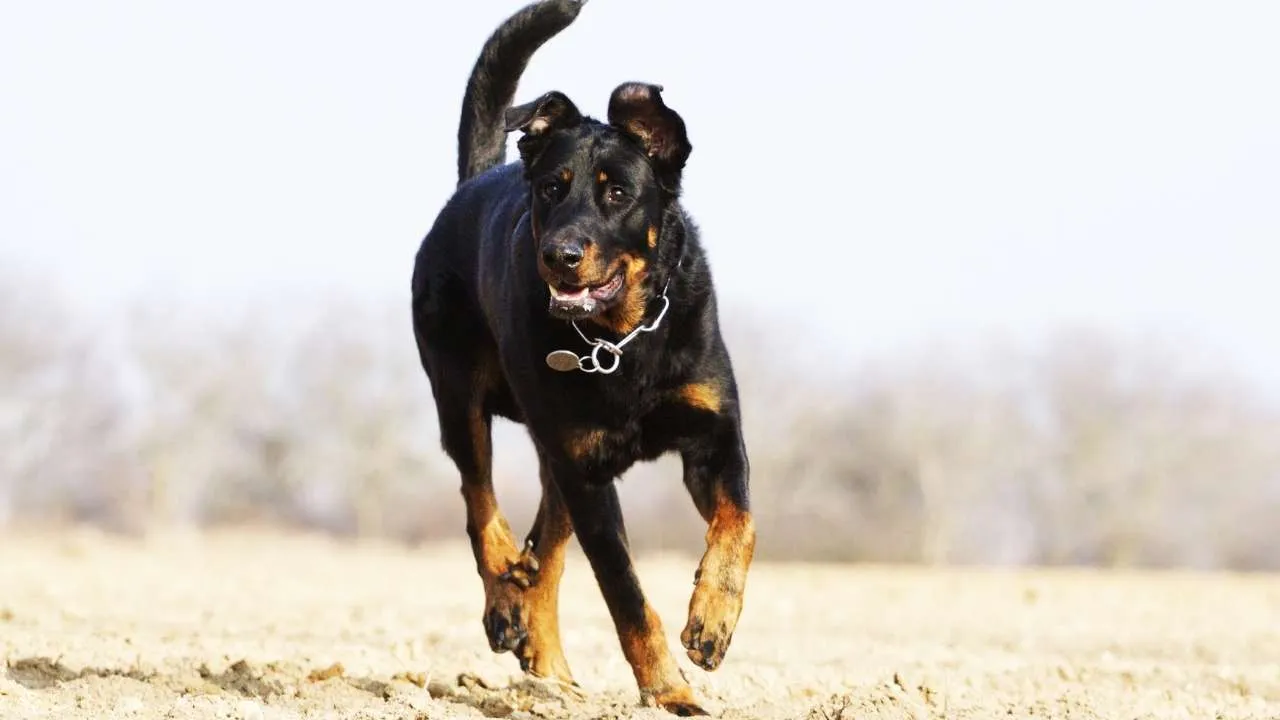
Beauceron is an old French working breed traditionally associated with livestock management and farm work. Modern Beaucerons can therefore become exceptionally devoted family dogs, but they still bring an employee-of-the-month work ethic into the house.
Exercise needs go beyond a slow neighborhood lap while you scroll your phone. PetMD calls them powerful athletes that benefit from varied physical challenges and can participate in activities such as herding, agility, carting, obedience, protection sports, mushing, and even skijoring.
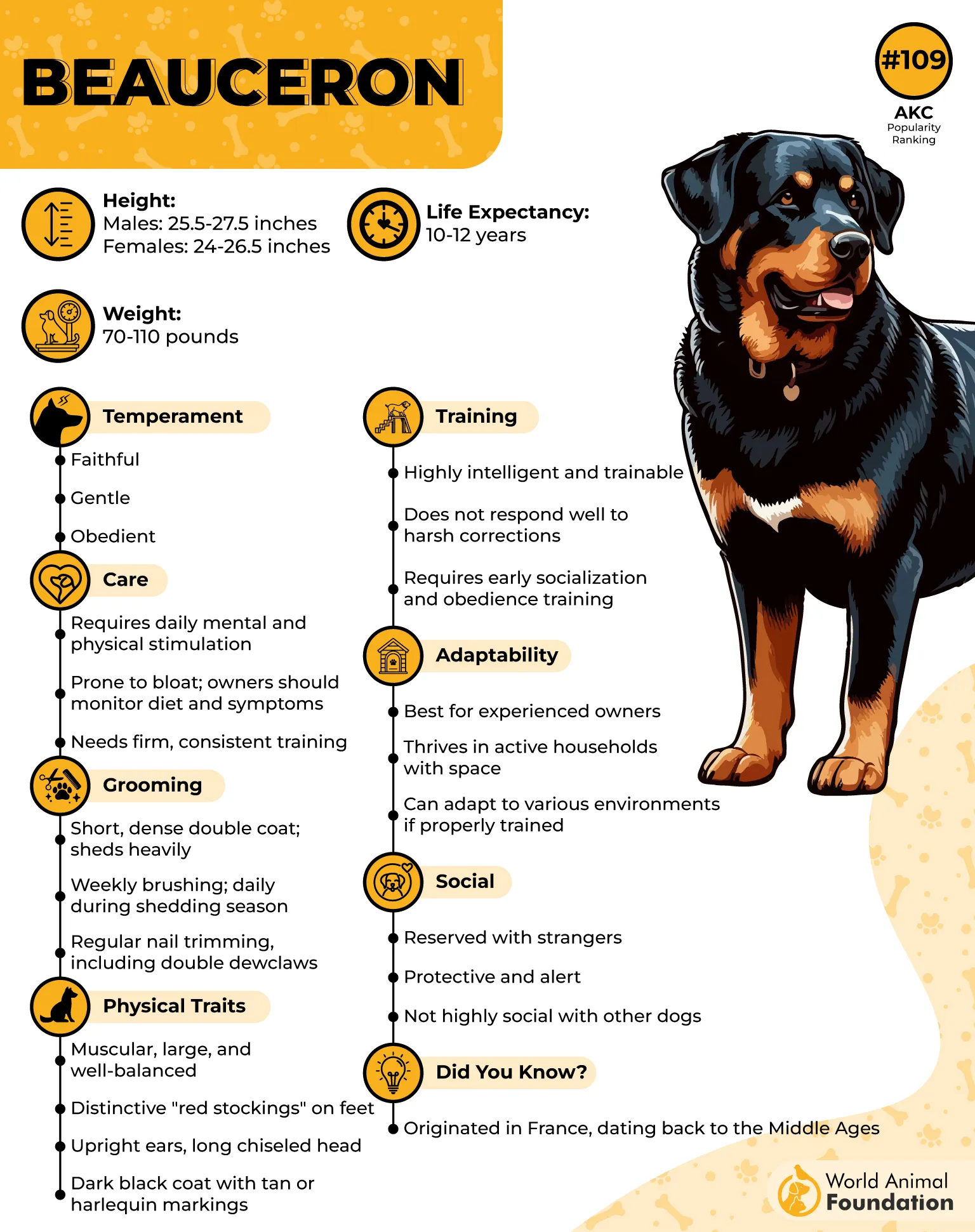
Socialization and obedience training are considered essential, and owners need to teach a Beauceron when its natural herding and protective instincts are useful and when everybody would prefer it to chill.
For experienced active families wanting a dog that can hike on Saturday, train on Sunday, watch the house every day, and still lean against somebody’s legs during movie night, this French powerhouse delivers the full package.
How They Mingle In The Active Families
Families interested in dog sports get an almost ridiculous amount of versatility, from agility and herding to pulling and advanced obedience.
Mental workouts matter as much as mileage, making puzzle tasks, scent searches, impulse-control drills, and new environments valuable additions to the family routine.
5. Curly-Coated Retriever
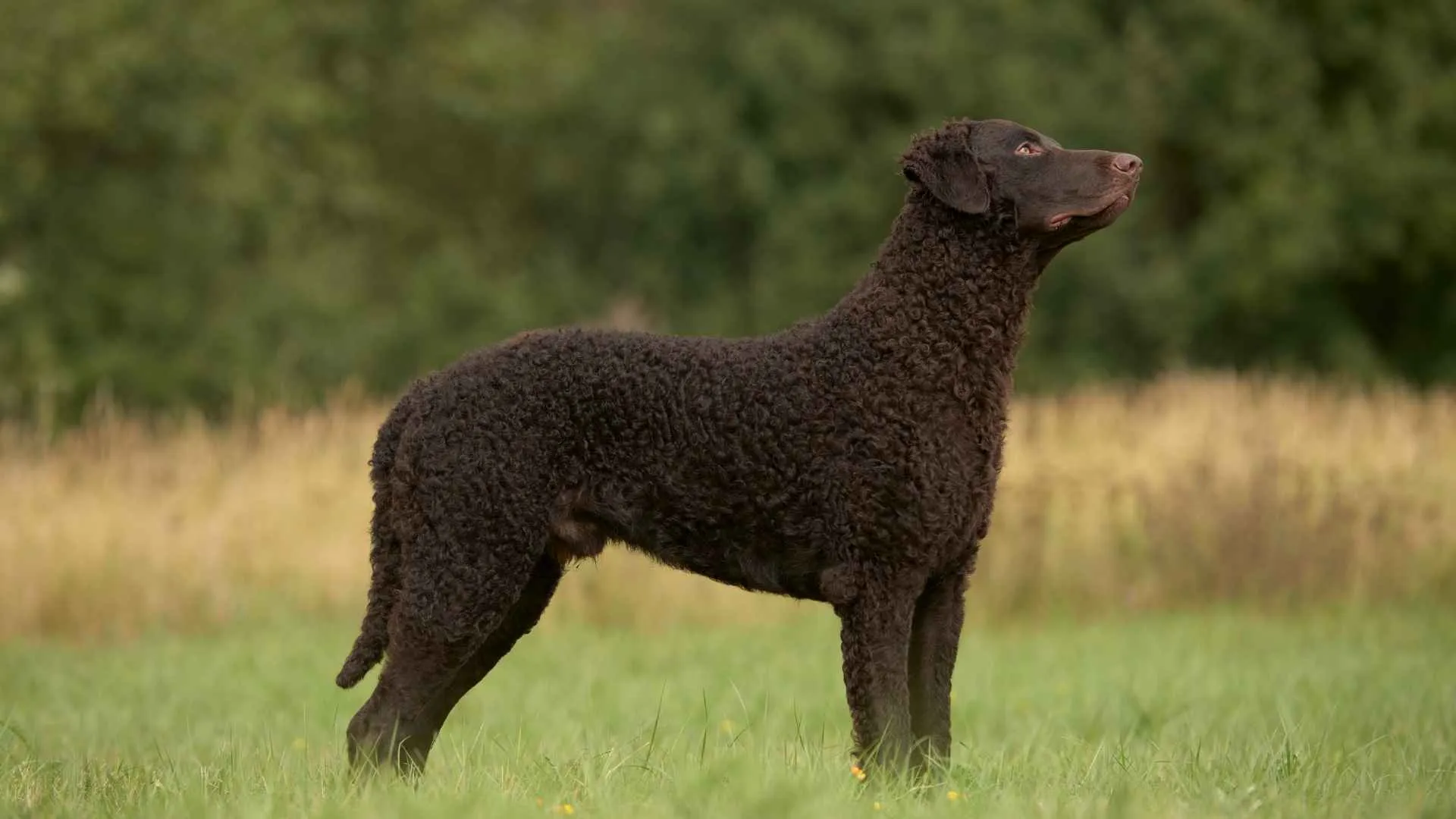
The Curly is considered one of the oldest retriever breeds, with British artwork depicting similar dogs centuries ago and written references dating to the early 1800s.
Family personality is where this breed becomes particularly interesting, because Curlies are not necessarily the golden retriever-at-a-birthday-party stereotype. They can be affectionate, charming, and gentle with their people while showing more independence and reserve around strangers than many other retrievers.
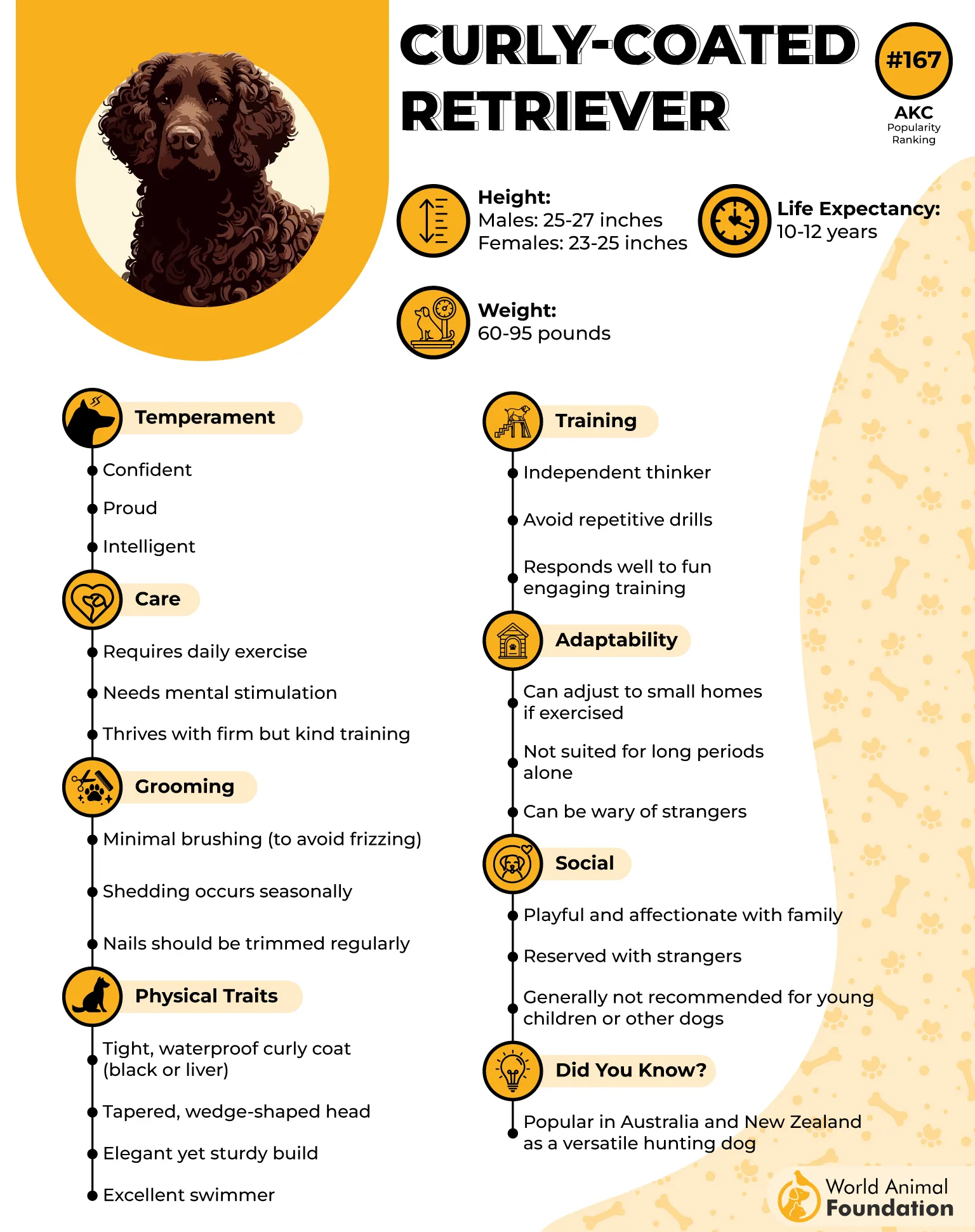
Centuries of retrieving work also gave them serious athletic ability and an especially strong reputation in water. Swimming, retrieving, hiking, field activities, and long outdoor excursions can all make excellent outlets, and the breed’s history means getting wet is often a feature rather than an unfortunate accident.
Curlies often make good companions for children when raised and socialized appropriately, though youngsters should be supervised around any large, energetic dog.
How They Mingle In The Active Families
Water-loving households can turn swimming, dock activities, retrieving games, and lake trips into full-family entertainment.
After adequate exercise, their affectionate home personality gives them a strong “adventure outside, family companion inside” balance.
6. Dogo Argentino
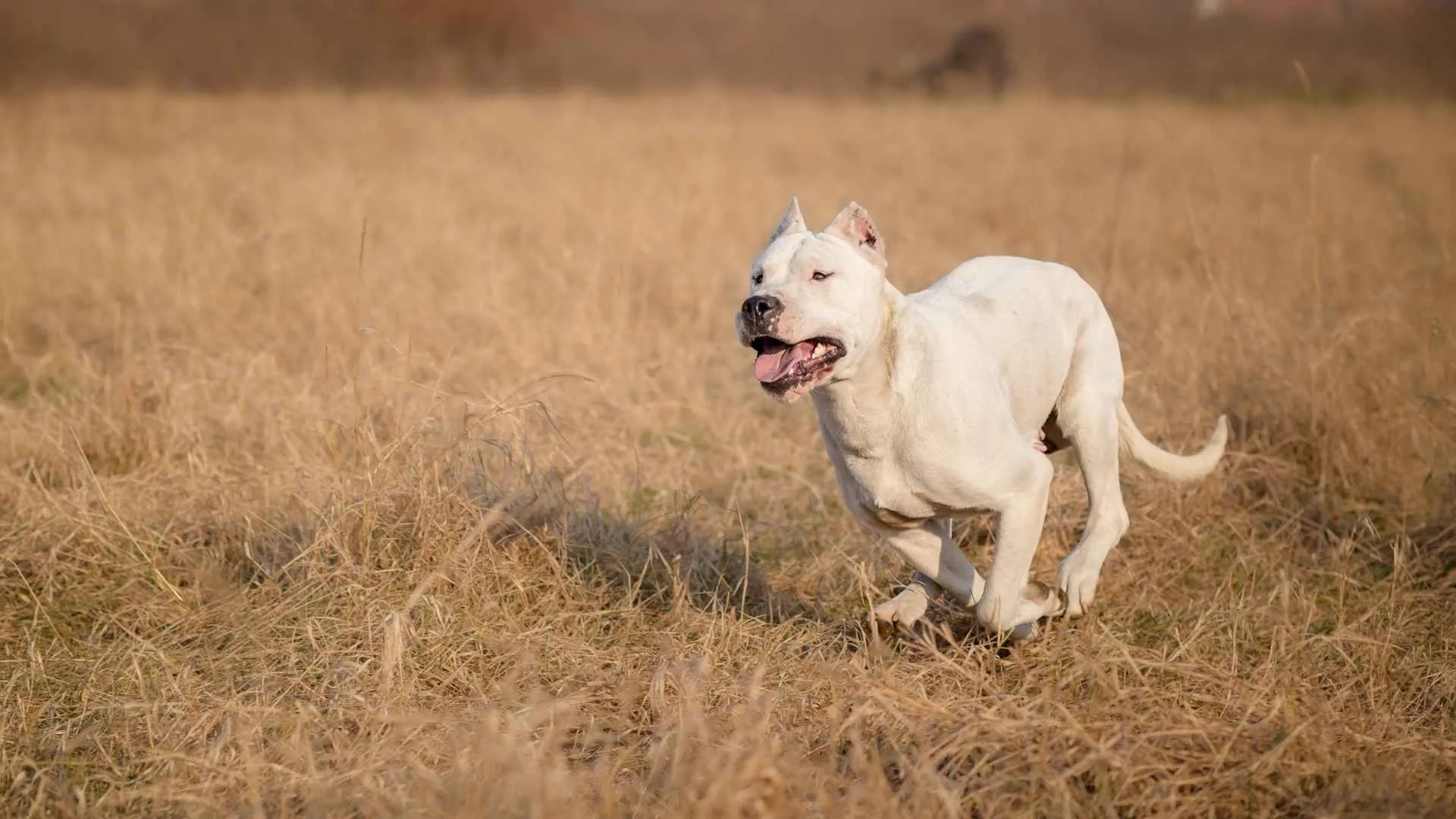
The Dogo Argentino’s athletic frame reflects a very serious original purpose: pursuing formidable game including wild boar and puma.
An active family can give a Dogo many of the things its body and brain were designed to use. Hiking, advanced obedience, tracking, agility, coursing-based activities, scent work, and other structured outlets provide much better enrichment than hoping one energetic game in the yard somehow covers the entire day.
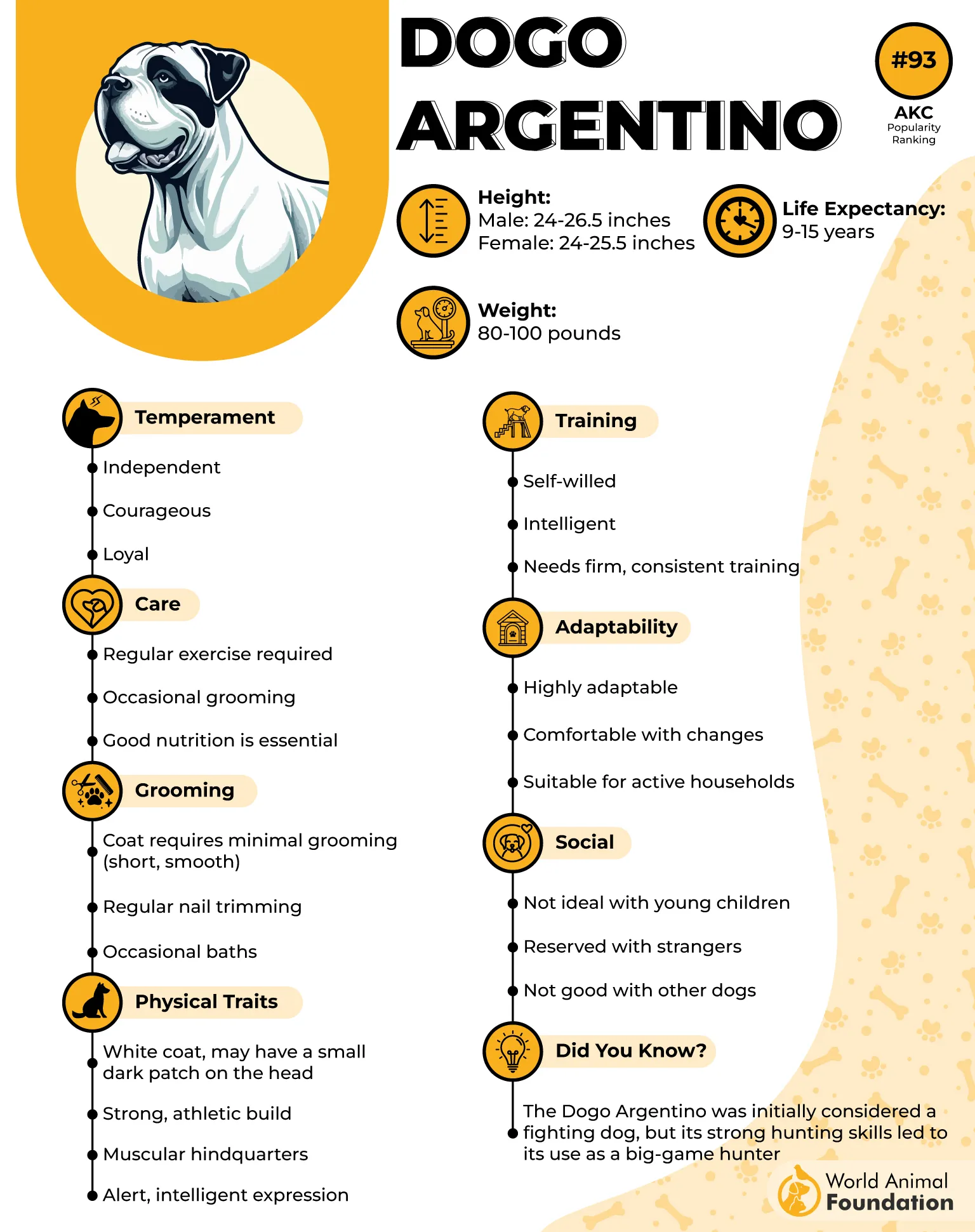
This breed needs owners who take socialization seriously from puppyhood, claims Royal Canin. Exposure to people, environments, friendly dogs, handling, visitors, and routine household situations should build confidence and self-control without encouraging unnecessary confrontation.
How They Mingle In The Active Families
Outdoor enthusiasts can match the Dogo’s athleticism with substantial walks, trail adventures, scent work, and controlled physical games.
Families should make calm social exposure part of everyday life so visitors, travel, new environments, and neighborhood activity become normal rather than suspicious events.
7. Belgian Malinois
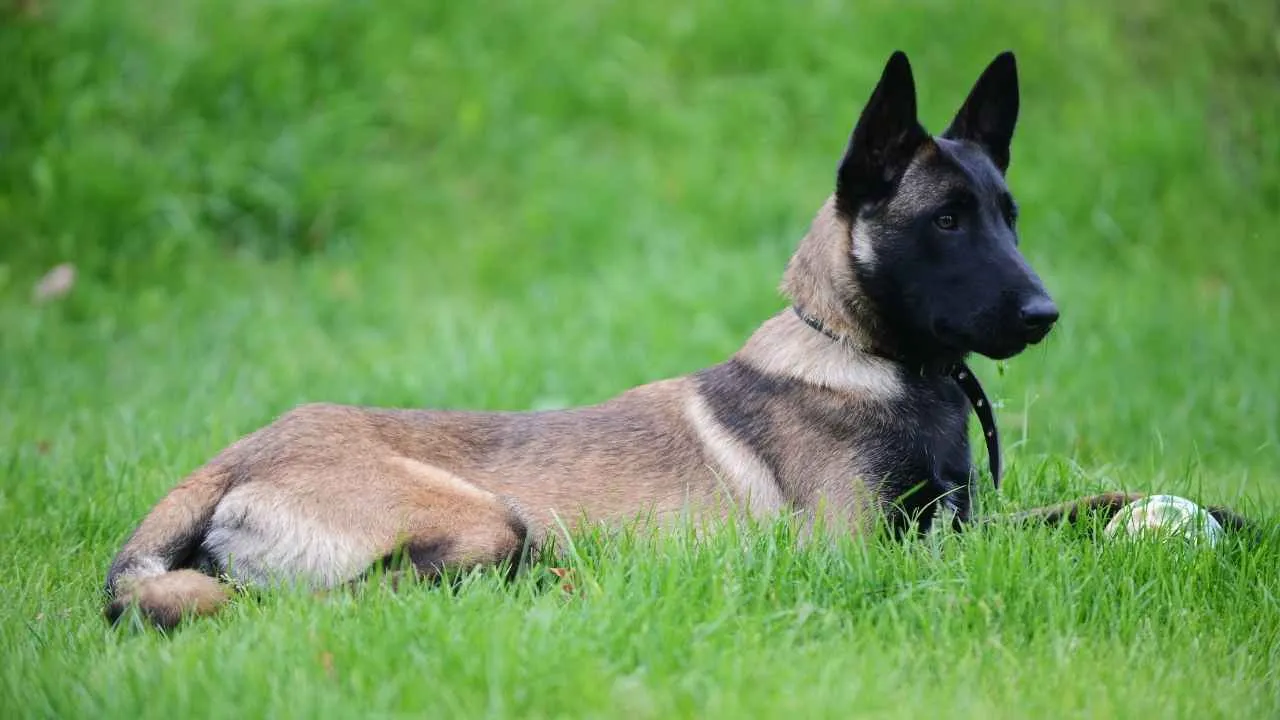
Developed from Belgian shepherd dogs in the late 19th century around the region associated with Malines or Mechelen, they were built for serious work rather than decorative lounging.
Belgian Malinois dogs form powerful bonds with their handlers and frequently want participation, direction, and interaction more than casual companionship.
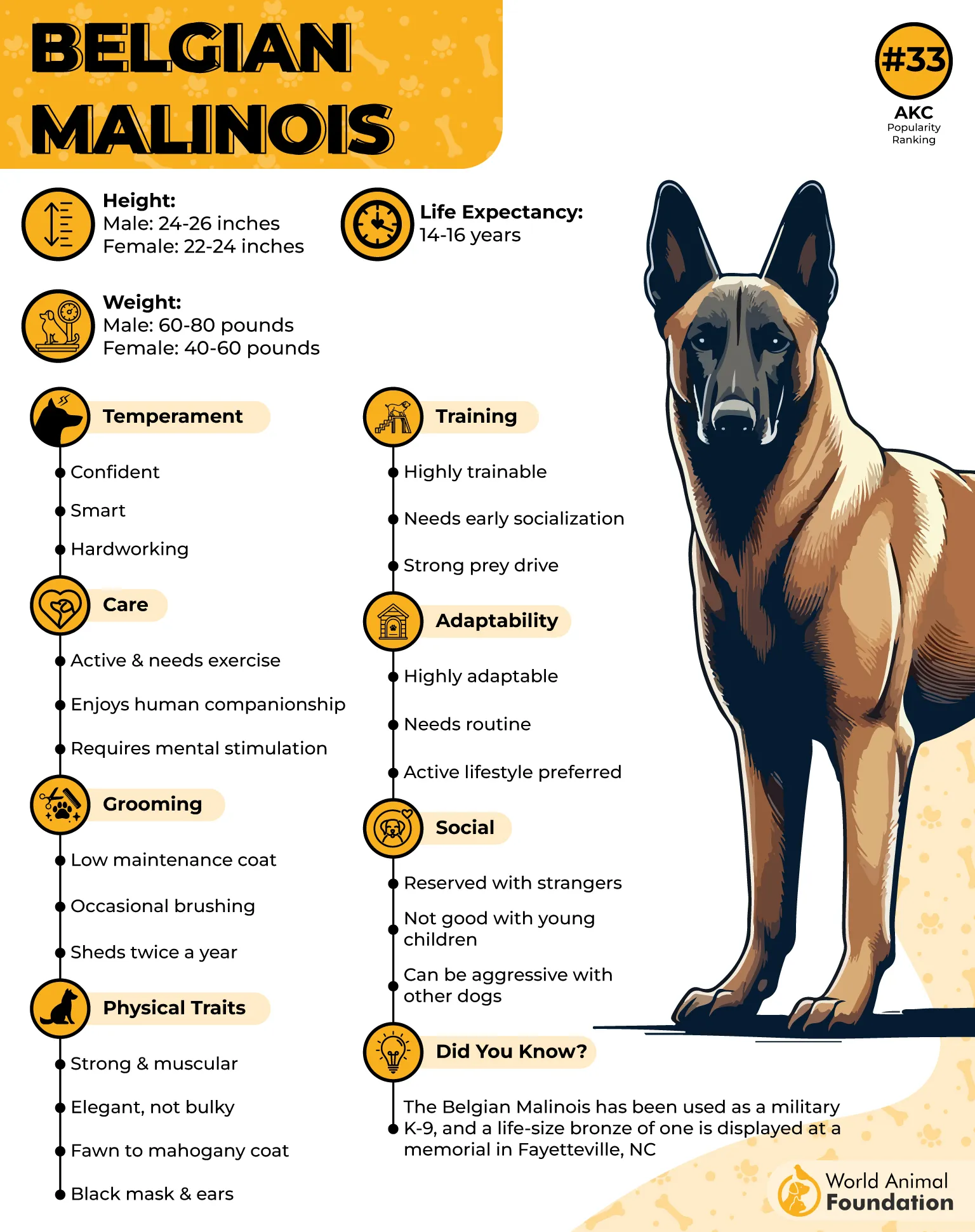
At home, those same qualities can create an incredibly connected dog, but only when the family actually provides enough meaningful work for the mind behind those permanently switched-on eyes.
They require substantial daily exercise beyond one walk or play session, with running, hiking, training, and other owner-focused activities being particularly suitable. For family life, experienced homes with older, responsible children are generally the safer match.
How They Mingle In The Active Families
Family activities should include brain work such as scent searches, obedience sequences, controlled tug, tracking, and problem-solving rather than relying on endless ball throwing.
Scheduled quiet time is surprisingly important because teaching an intense working dog how to switch off is every bit as valuable as teaching another fancy skill.
8. Bouvier des Flandres
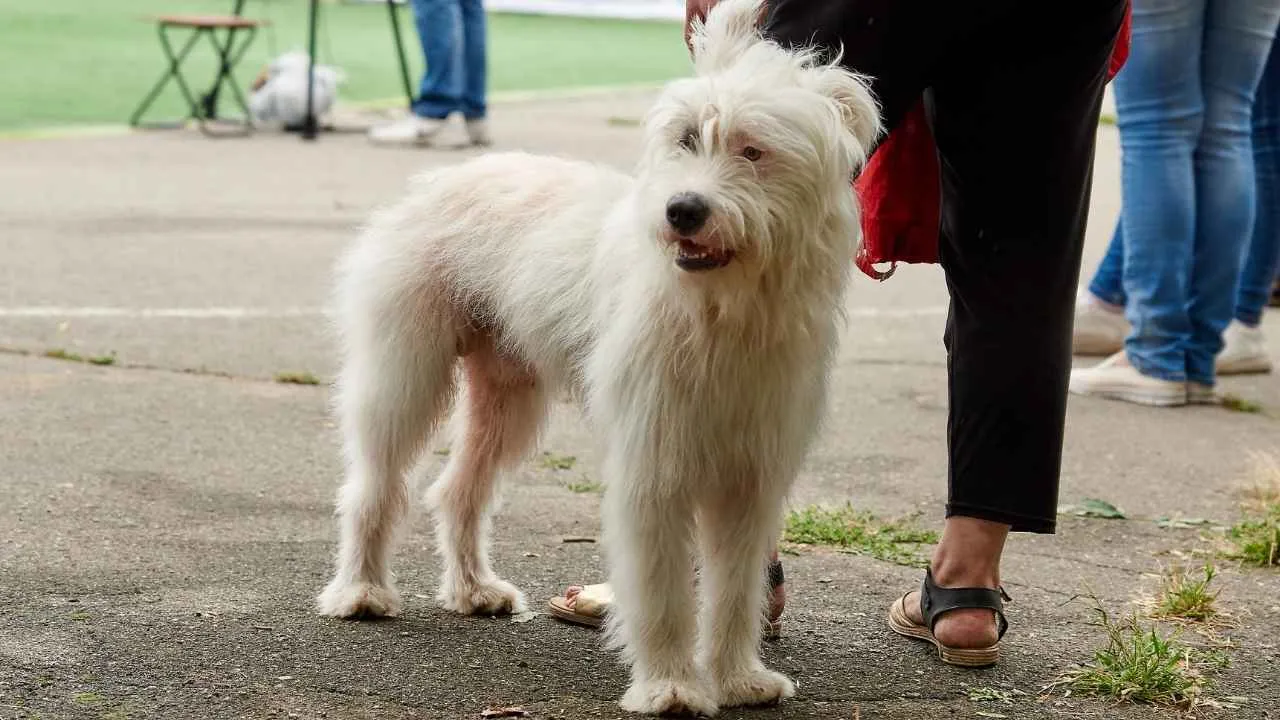
The Bouvier des Flandres originated in Flanders as a multipurpose agricultural worker capable of herding cattle, guarding property, pulling carts, and generally completing more chores before breakfast than most of us manage in a weekend.
Despite the imposing silhouette, mature Bouviers are known for a comparatively steady and composed temperament when properly bred and raised. Active households can keep a Bouvier fulfilled through hiking, obedience training, herding exercises, scent work, tracking, and long, purposeful walks.
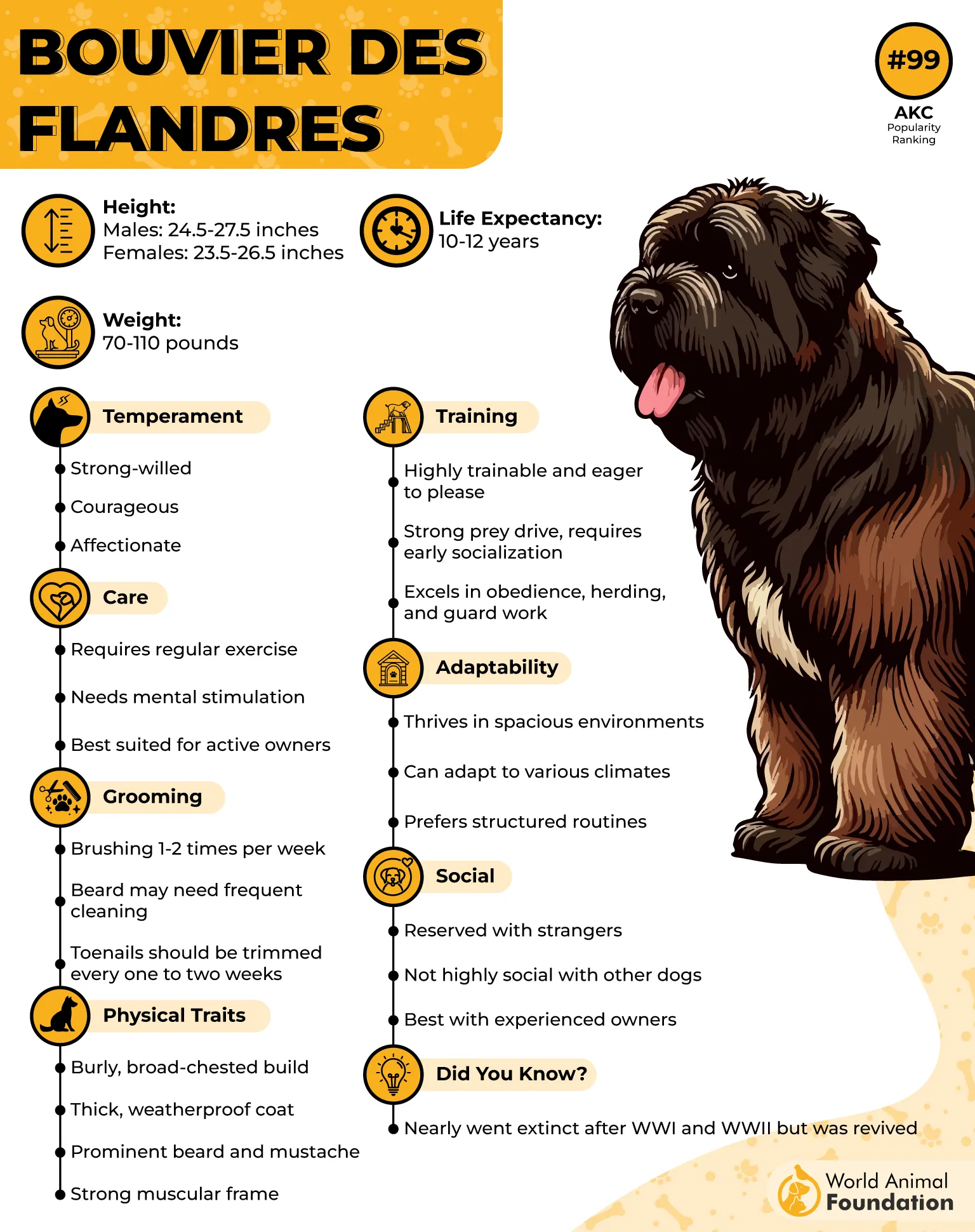
They are substantial animals, but their athletic ability means the rough coat should not fool anyone into assuming a decorative teddy bear is hiding underneath. Once appropriately exercised, many are capable of settling with the household rather than turning the living room into a 24-hour sporting arena.
Socialization matters too because these active dogs can naturally be reserved and watchful, qualities that are useful when balanced but troublesome if allowed to become overprotective.
How They Mingle In The Active Families
The Bouvier suits households that want substantial outdoor activity without necessarily requiring the near-constant, high-arousal work of a Malinois.
Herding games, tracking, obedience, and countryside walks give this former farm employee practical ways to deploy generations of accumulated knowledge.
9. Giant Schnauzer
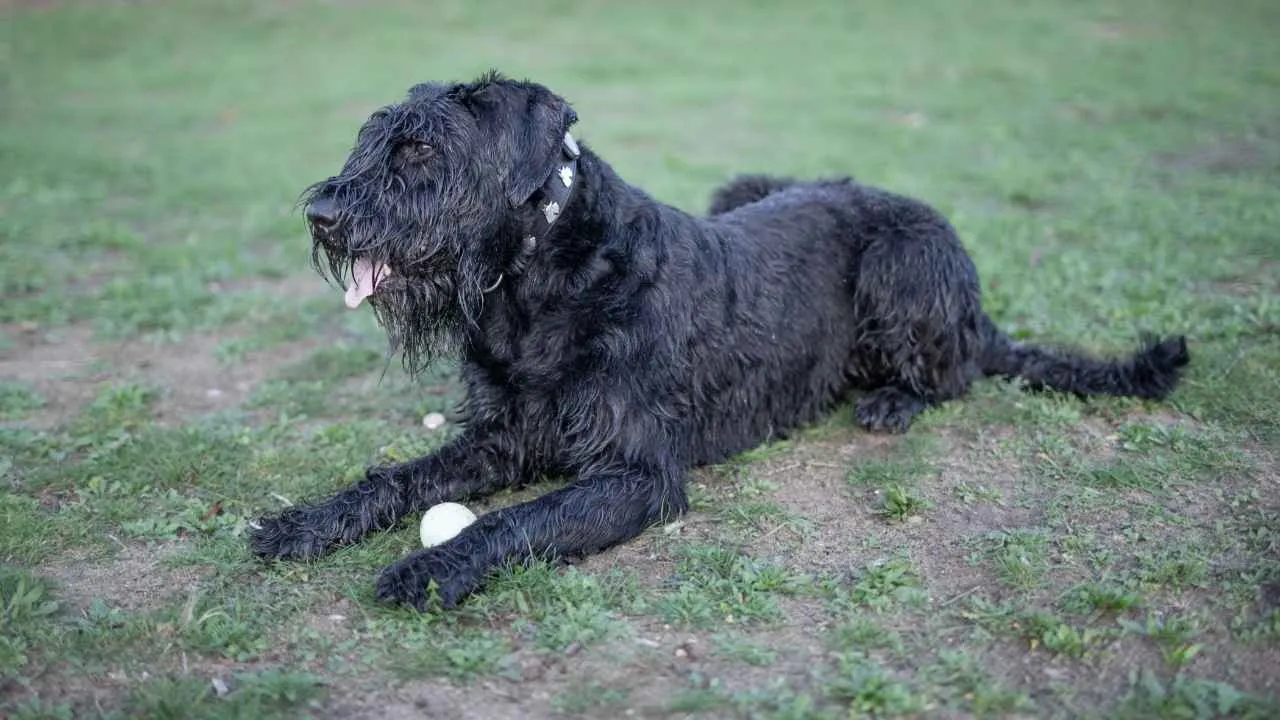
Giant Schnauzers were developed as working dogs rather than as oversized versions of the Miniature Schnauzer, and all three Schnauzer sizes are distinct breeds.
These wonderful family pets are exceptionally loyal to familiar people and often take their household-security responsibilities rather seriously. Around family, they can be affectionate, lively, interactive, and intensely involved, while with strangers they may initially give the cold shoulder.
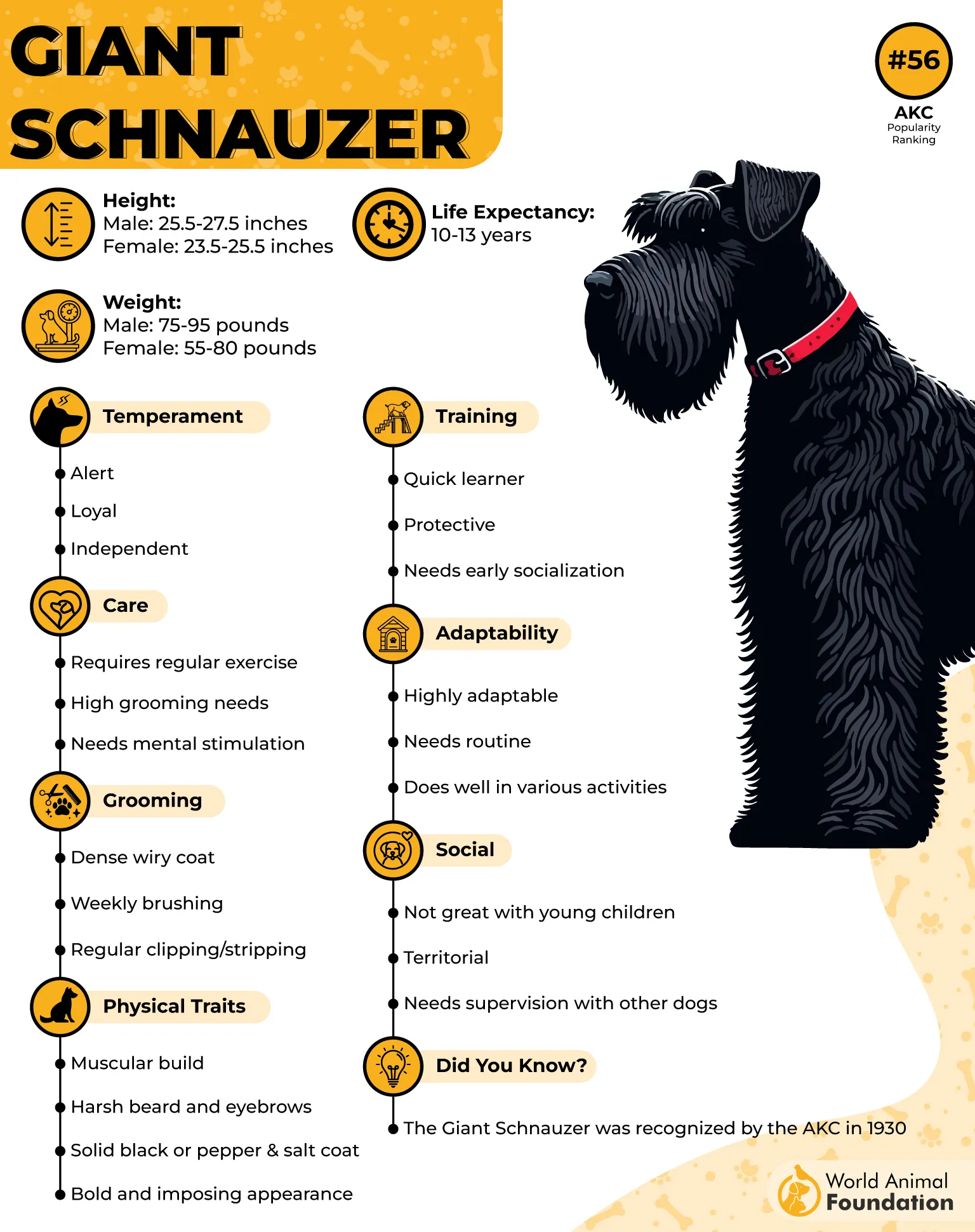
Exercise is definitely not optional with this loyal family companion. These large pups can make strong partners for hiking and running. They may excel in activities including agility, obedience, herding, tracking, carting, and coursing-style sports, especially when training provides a clear goal.
Family suitability, therefore, depends more on household structure than on the Giant’s ability to love its people, since that part usually comes naturally.
How They Mingle In The Active Families
Long-distance walkers and hikers gain a durable partner that generally prefers to participate in the plan rather than watch the family leave without it.
Their territorial instincts make deliberate socialization especially valuable in busy homes where friends, deliveries, neighbors, and visiting relatives are regular features.
10. Anatolian Shepherd Dog
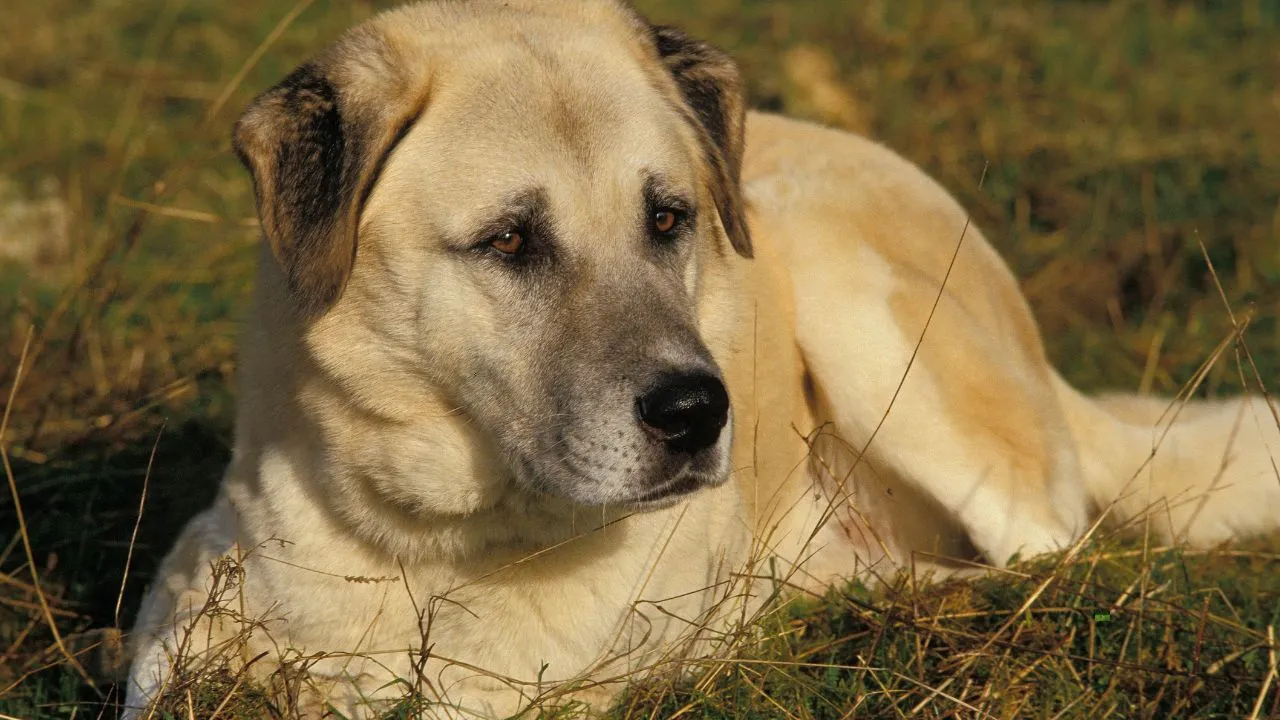
The Anatolian Shepherd Dog is where the word” large ” starts to feel suspiciously inadequate. These massive Shepherd dogs were developed to guard livestock across demanding environments, so beneath the calm exterior sits generations of endurance, vigilance, and independent decision-making.
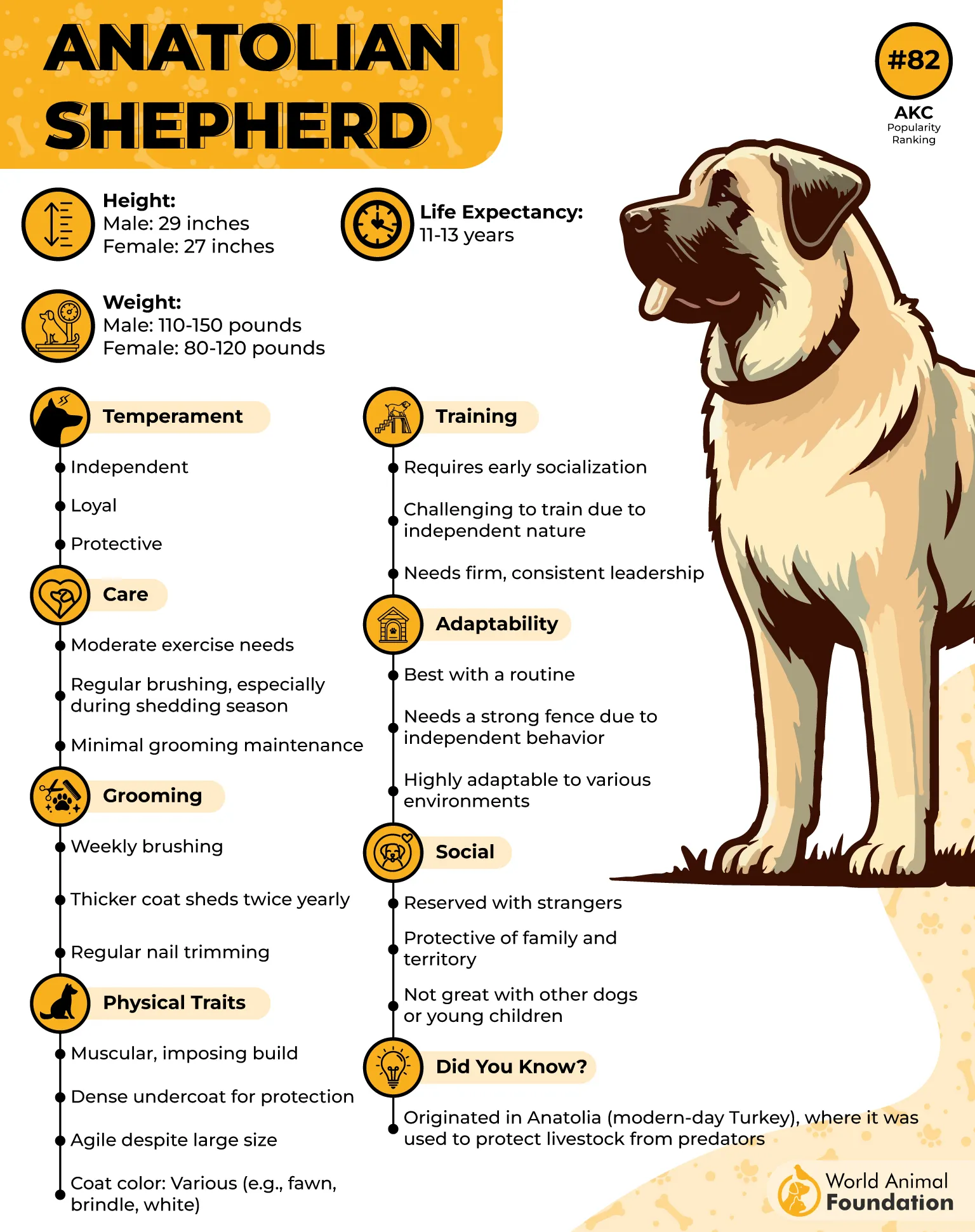
With family, these athletic dogs can be remarkable, patient, and deeply attached while maintaining a calm, self-possessed style. They are generally reserved rather than socially exuberant with unfamiliar people.
Family life can work beautifully when children understand dog boundaries and adults supervise interactions, particularly because even a gentle 150-pound guardian can accidentally overpower a small child through the laws of physics.
How They Mingle In The Active Families
Families with acreage, secure gardens, farms, or substantial outdoor routines can offer the breed a lifestyle closer to the purposeful movement for which it was developed.
Instead of demanding constant games, many Anatolians appreciate exploring, walking, observing, and calmly participating in outdoor family life.
Conclusion
Large dogs can bring something pretty special to an active household. They can turn an ordinary walk into an expedition, make hiking feel like a team sport, encourage everyone to spend more time outside, and become deeply woven into the ridiculous little routines that eventually define family life.
The best breed is not necessarily the biggest, coolest-looking, rarest, or most impressive dog at the park. It is the one whose exercise requirements, temperament, social behavior, trainability, grooming needs, size, and working instincts actually fit the life your family already lives.
