





Some dogs want to nap on the couch all day. And that’s fine. We are not being judgmental here.
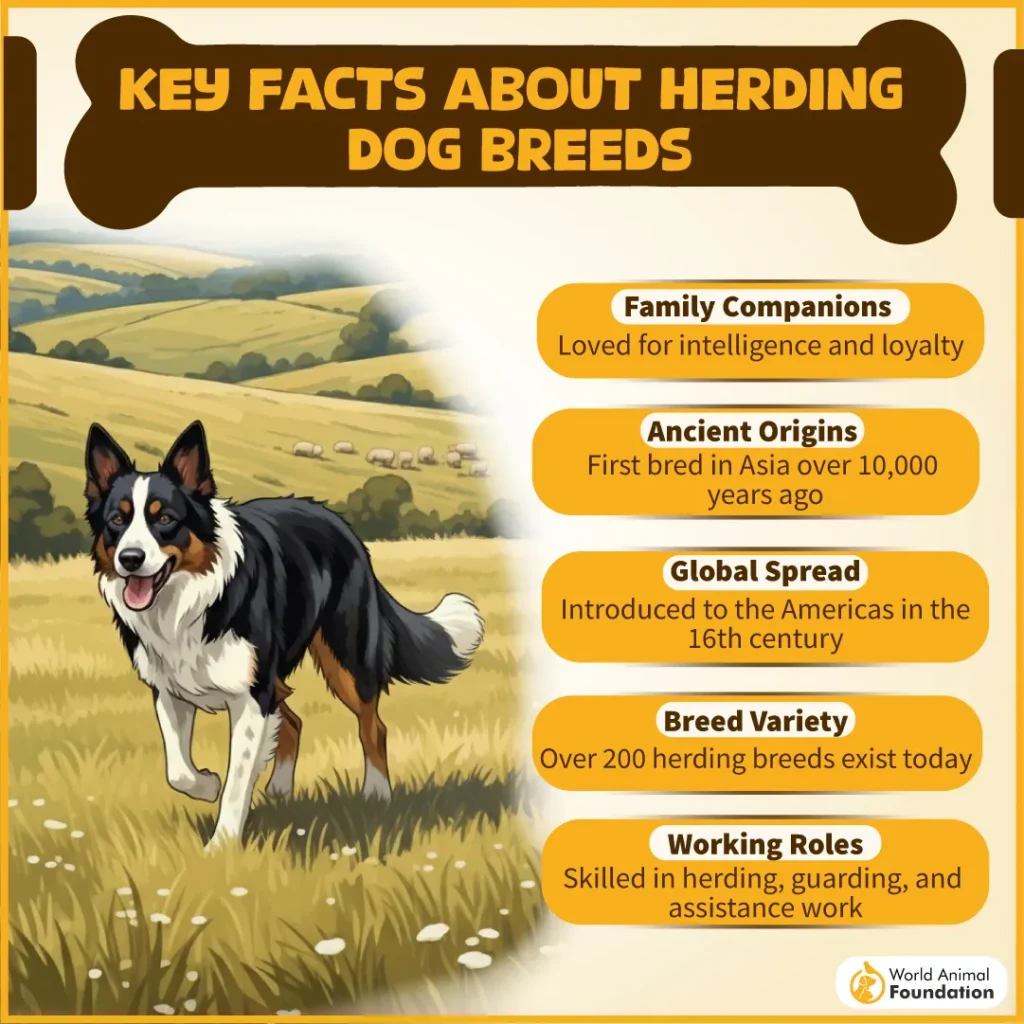
But then there’s the herding group. These dogs want a job. They want to move sheep, chase frisbees, run agility courses, or keep tabs on every single family member in the house at all times. If you sit still too long, don’t be surprised if one of these breeds tries to herd YOU back to the group.
Herding breeds were originally bred to work livestock, cattle, sheep, ducks, you name it.
That instinctual ability does NOT just disappear because they live in a house now instead of a farm. It shows up as herding kids around the yard, circling the cat, and nudging you toward the kitchen at dinner time (very helpful of them, honestly).
So if you love an active lifestyle and want a loyal companion that’s smart, trainable, and always up for an adventure, a herding dog breed might be exactly what you are looking for.
Let’s get into the top dog breeds in the herding group and figure out which herding champion fits your life. A word of advice: start training these herding breeds when the puppy is about 6 months old.
Did You Know?
Border Collies are considered the smartest dog breed on the planet. Some have learned over 1,000 words. One Border Collie named Chaser, studied by researchers at Wofford College, could recall over 1,000 different toys by name. A THOUSAND. Most of us can’t remember where we put our car keys.
Herding trials are the test of a dog’s ability to control livestock and the top herding breeds have a calm command and mental resilience. Focus on the handler is super important in competitive settings and Border Collies are the king of it.
Top Dog Breeds: Which Herding Champion Suits Your Lifestyle?
1. Bergamasco Sheepdog
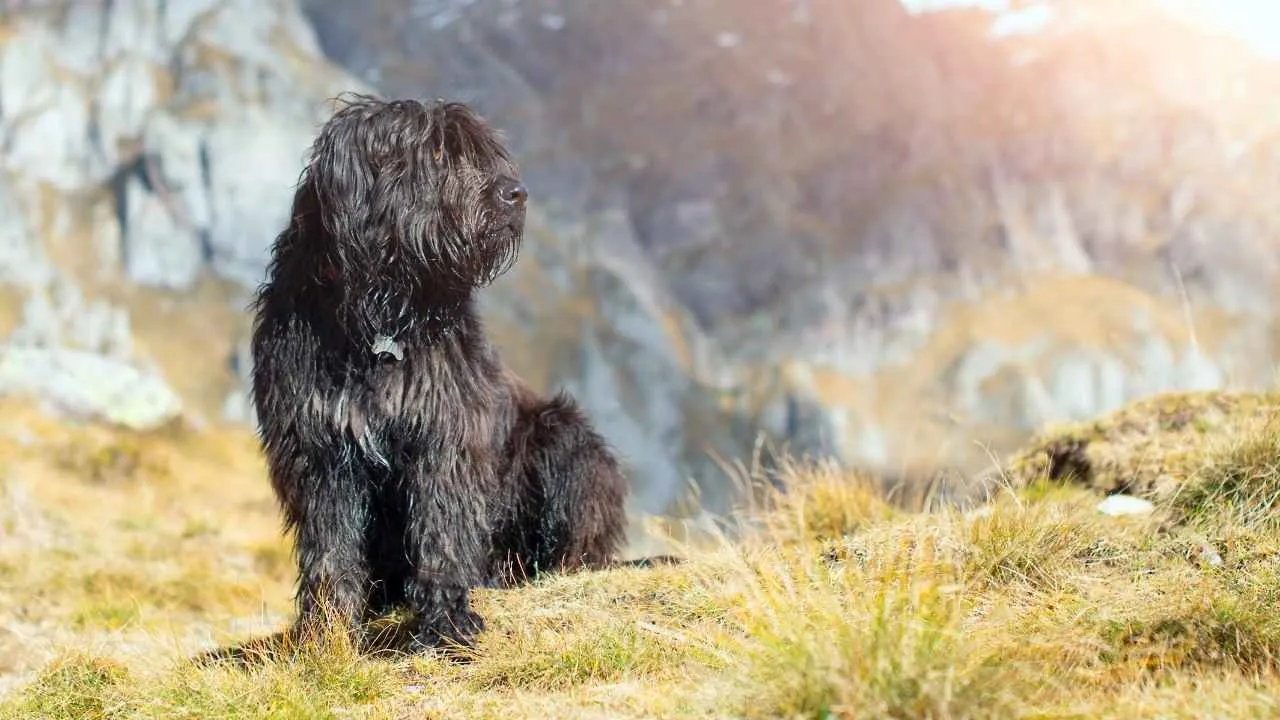
This dog looks like a walking mop. That is part of the charm, we tell you.
The Bergamasco Sheepdog comes from the mountains of Italy, where it worked for centuries protecting sheep from wolves and bad weather alike. According to Purina, its history dates back to pre-Roman times. That thick, corded coat is functional, not for a show, but basically built-in armor against the elements.
This Italian dog breed is calm, patient, and doesn’t need constant chaos to be happy.
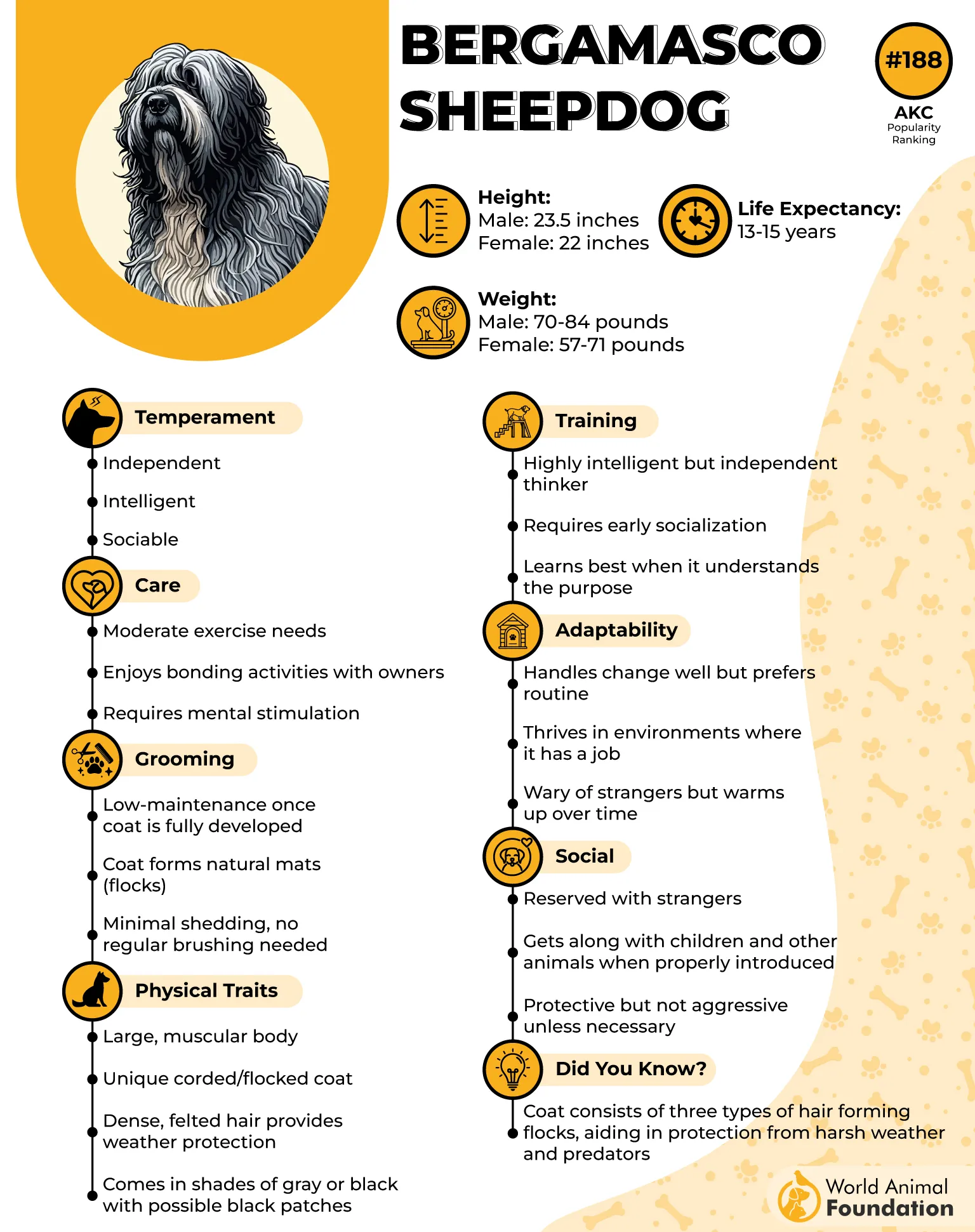
Bergamasco Sheepdogs are medium-to-large dogs, generally weighing between 57 and 84 pounds. Their coat is famous for its felted, dreadlock-like texture, and the surprise is that it barely sheds.
Less brushing, less mess. They do need occasional coat maintenance, but nothing like daily brushing. This breed is gentle with kids, protective of family, and naturally a little reserved around strangers. A great pick for people who want a working dog without the nonstop energy of some other herding breed.
2. Australian Shepherd
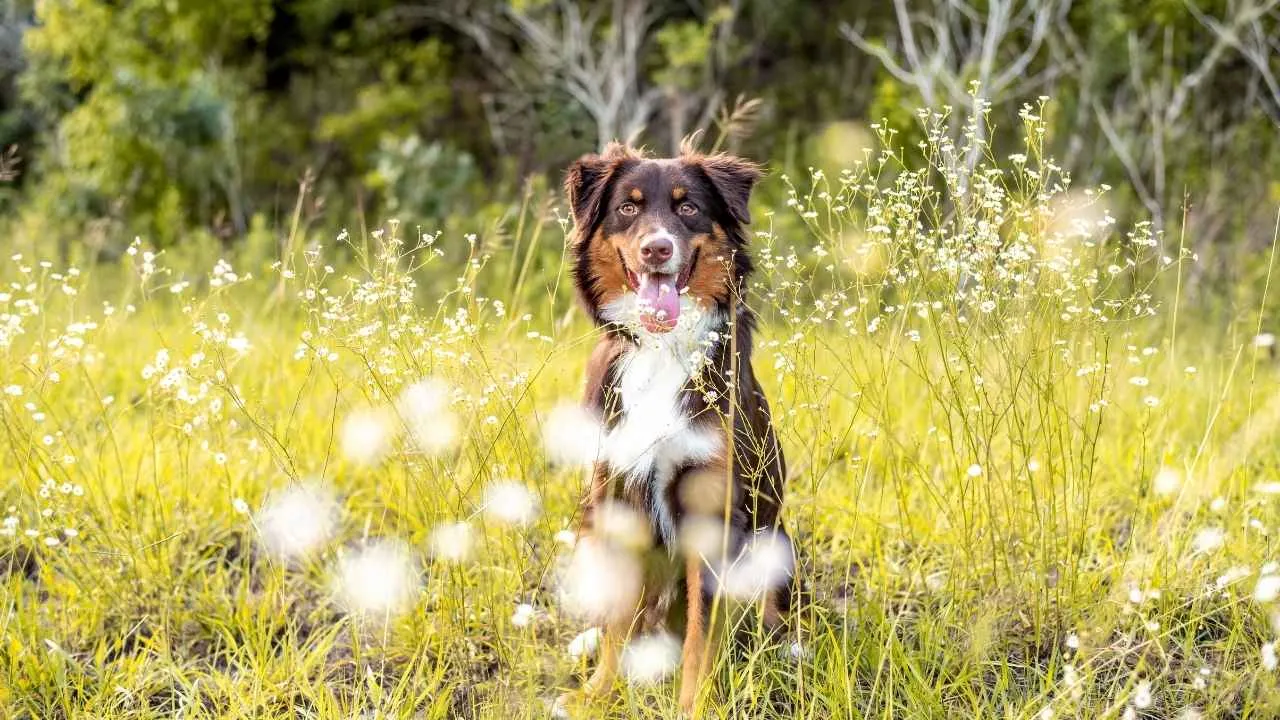
Let’s talk about the Australian Shepherd.
Despite the name, this breed didn’t actually come from Australia; it was developed in the American West. Confusing, we know. But nobody is renaming it now.
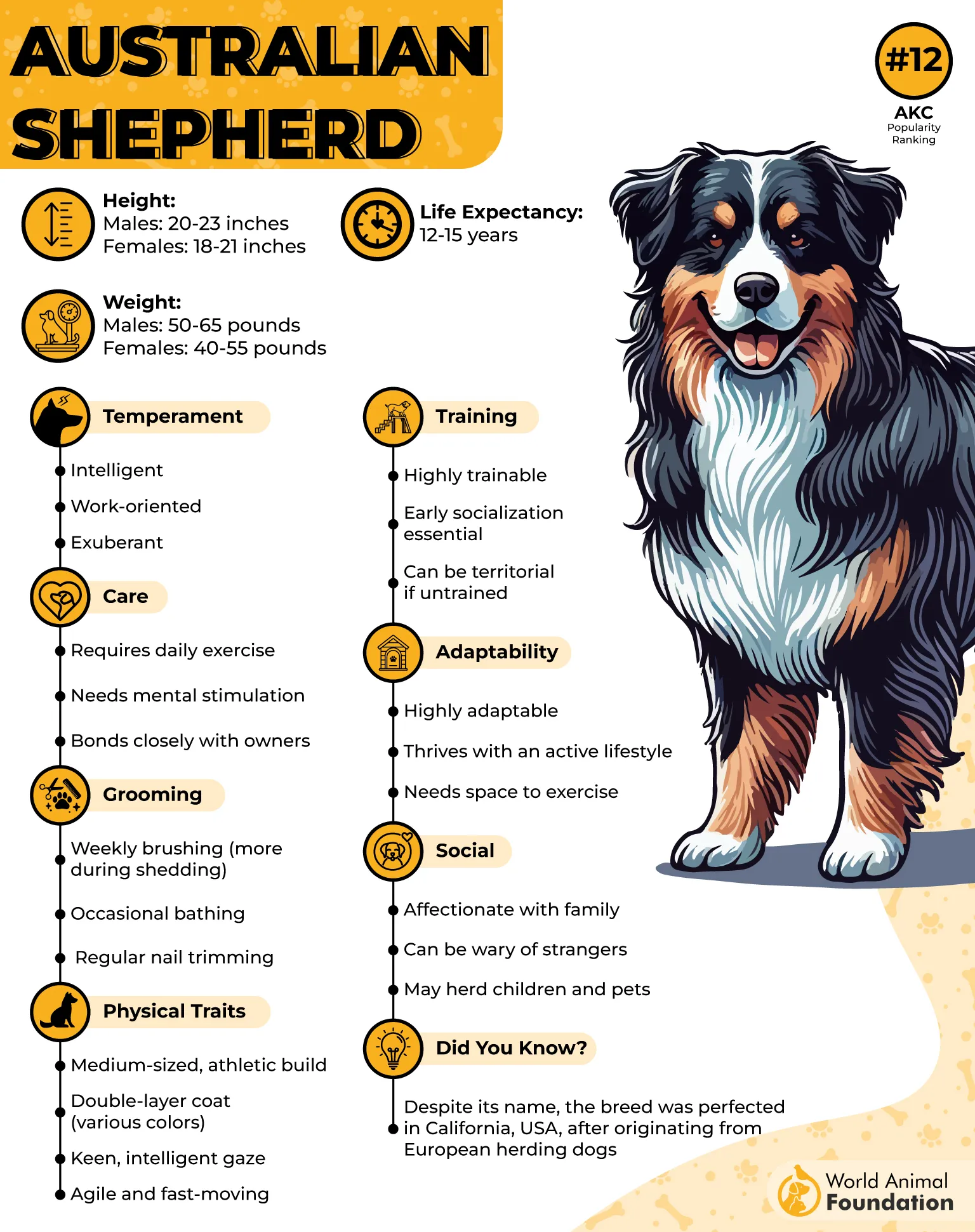
Aussies are high-energy dogs. They thrive with a job to do. That job could be herding livestock, competing in dog sports, or just chasing a ball for the 100th time that day. These Shepherd dogs are smart, loyal companions that form deep bonds with their people.
Australian Shepherds weigh around 40-65 pounds and need regular exercise. We are talking real exercise, not a quick walk around the block. Mental stimulation is important just as much as physical activity. According to the American Kennel Club, these dogs love puzzle toys, agility, obedience training, hiking, and dock diving.
They are generally great with kids and make an excellent adventure buddy for anyone with an active lifestyle. Just know what you are signing up for. This is not a low-key couch potato breed.
3. Pyrenean Shepherd
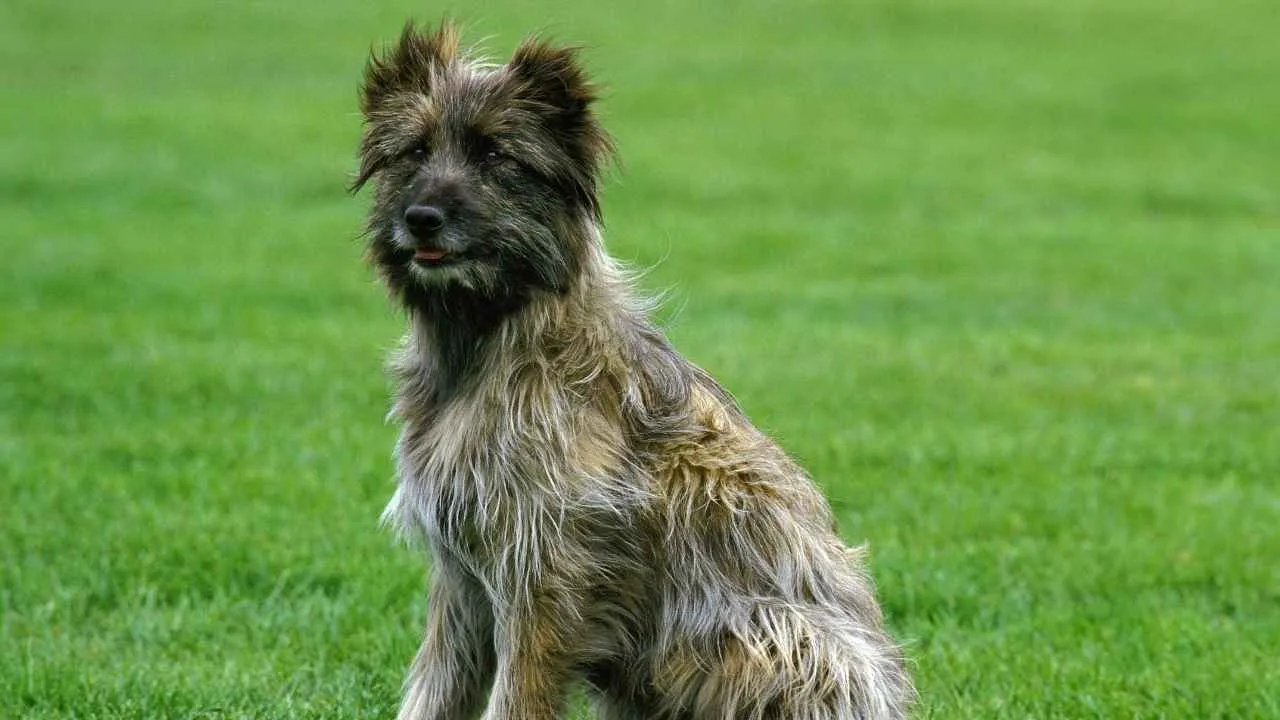
The Pyrenean Shepherd is one of the lesser-known herding dog breeds, but don’t let that fool you.
Bred in the Pyrenees mountains of France, this dog has been herding sheep for generations. They are quick, agile, and endlessly energetic. Some people say they never really stop moving.
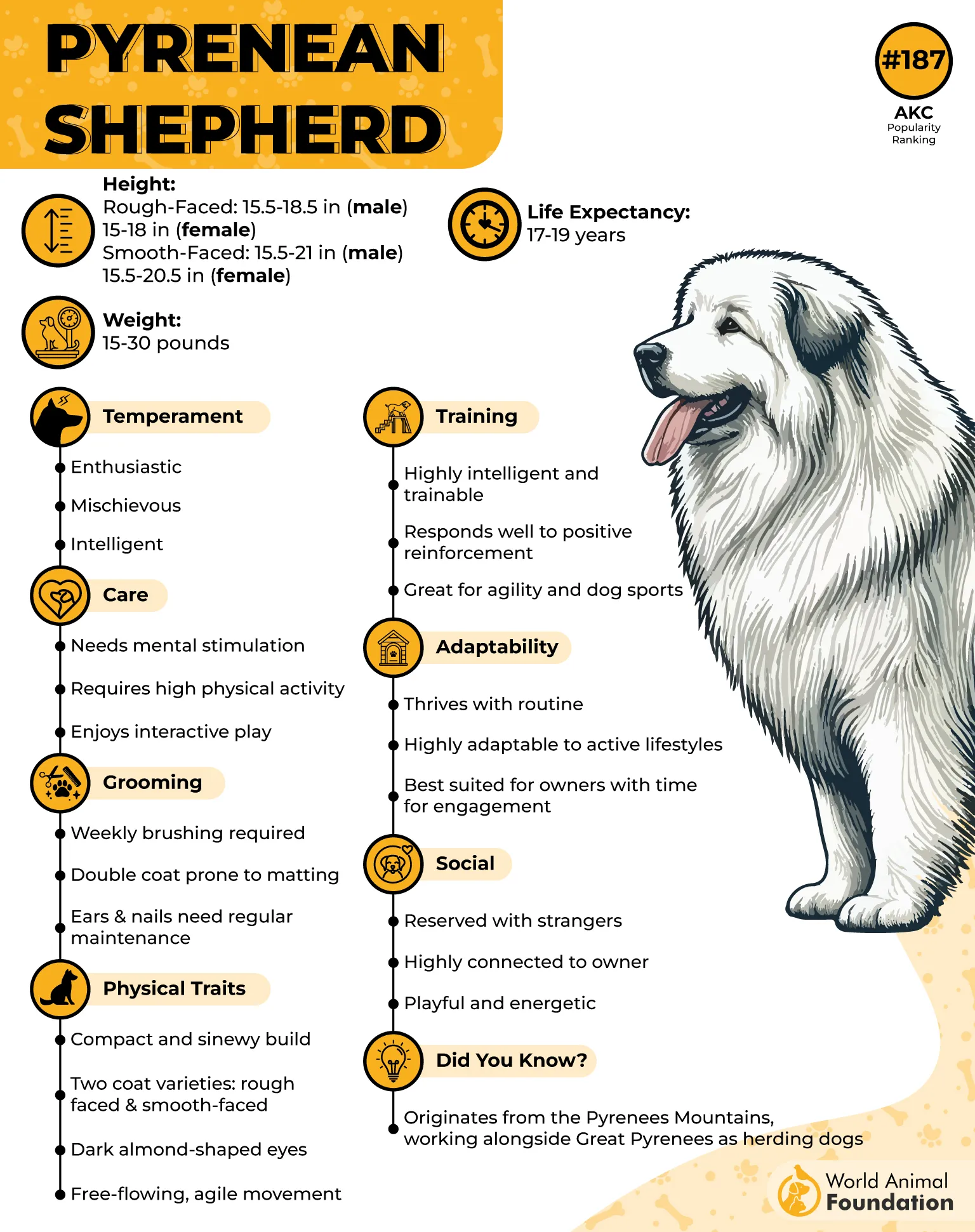
Pyrenean Shepherds are small, usually 15 to 32 pounds, but their energy level is anything but small. They excel at agility and other dog sports and need a job or activity to stay mentally healthy. Left bored, they can get a little mischievous and destructive, says WebMD.
This breed can be wary of strangers at first but warms up once properly socialized.
Grooming stays fairly simple depending on the coat type. All in all, it is a smart, agile dog for people who want big personality in a rather smaller package.
4. Beauceron
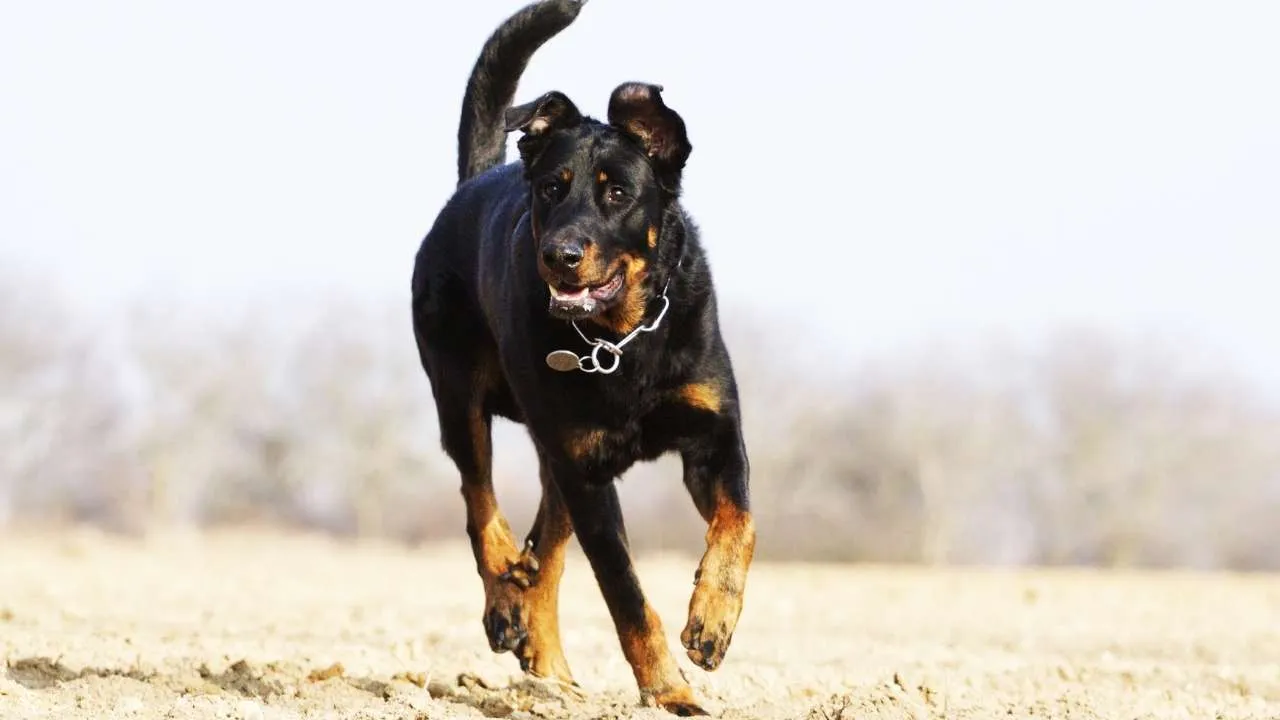
The Beauceron is a French working dog with serious presence. Big, muscular, confident, this is not a breed that blends into the background.
Historically used for both herding and guarding, the Beauceron carries a natural protective streak. They are intelligent and trainable, but they need an owner who understands control and consistency.
This is NOT a breed for first-time owners.
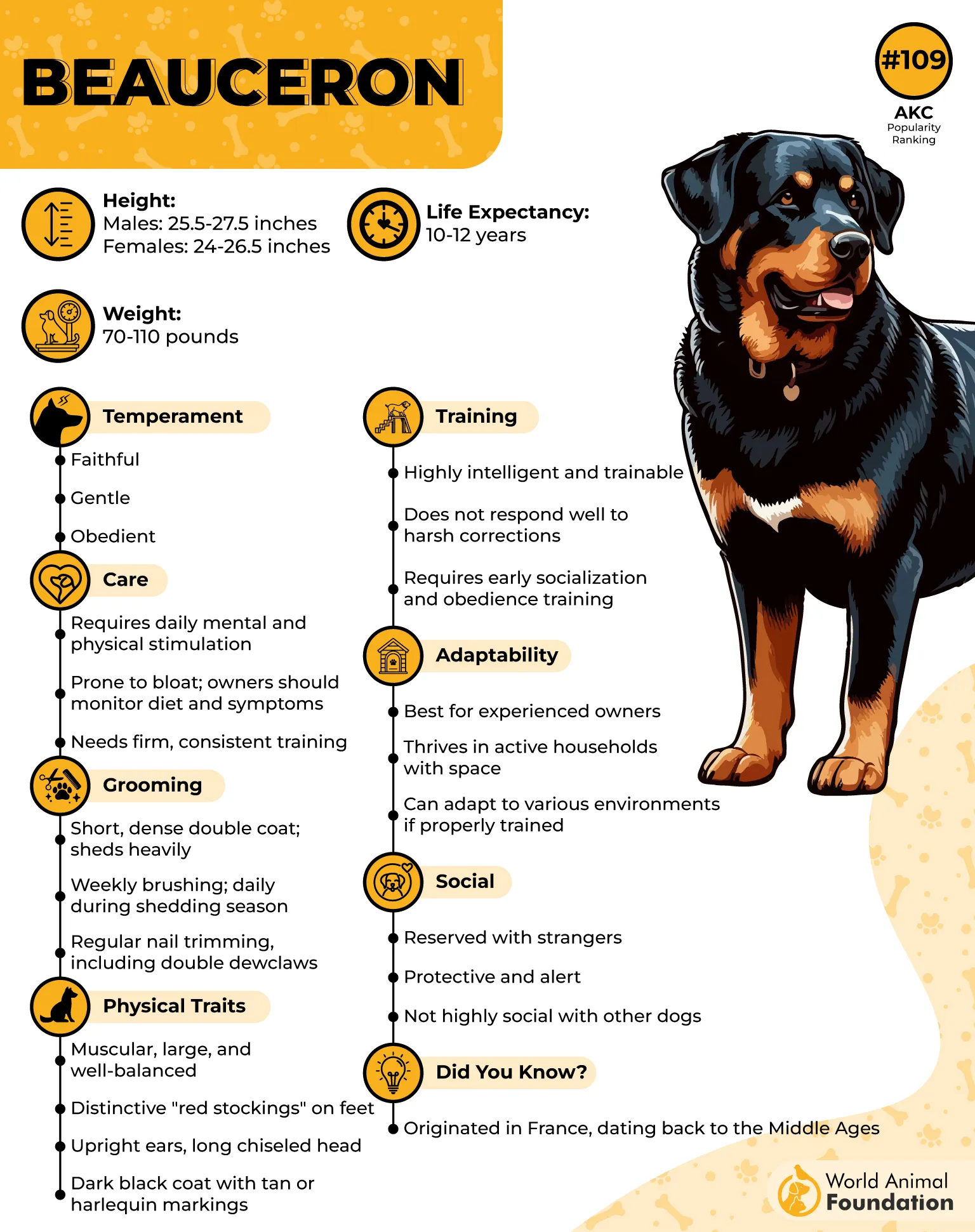
Beaucerons are large, often 70 to 110 pounds, with short coats that make grooming pretty low-maintenance. All they need is regular brushing to manage shedding.
They need regular exercise and thrive with a purpose, whether that’s herding, protection work, or advanced obedience training.
Loyal to their family, they are a little standoffish with strangers and always alert. If you want a serious working dog with a gentle side at home, the Beauceron delivers.
5. Belgian Malinois
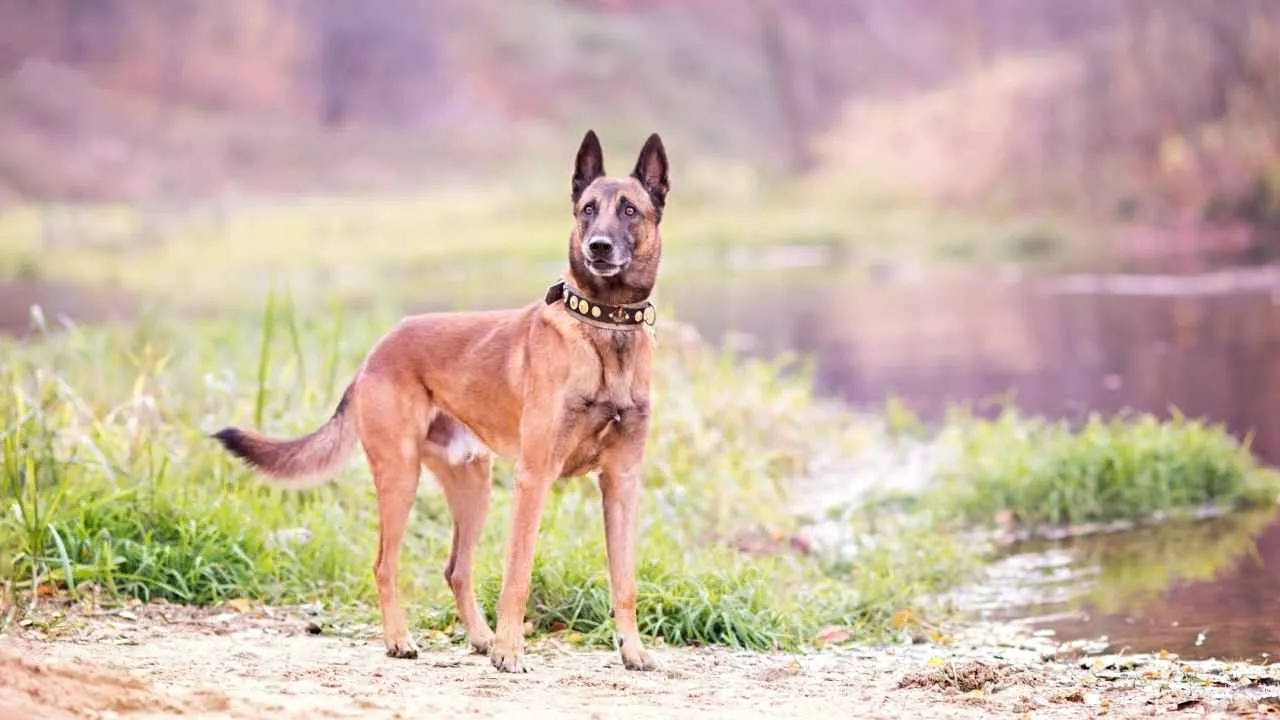
The Belgian Malinois has become a bit of a celebrity lately, and for good reason. This breed handles a lot of police and military work globally. Smart, driven, incredibly trainable.
Belgian Malinois are high-energy, borderline intense. They need a job, real training, and plenty of physical and mental stimulation. Without that, things can get destructive. This is a breed for experienced owners who have the time and energy level to match.
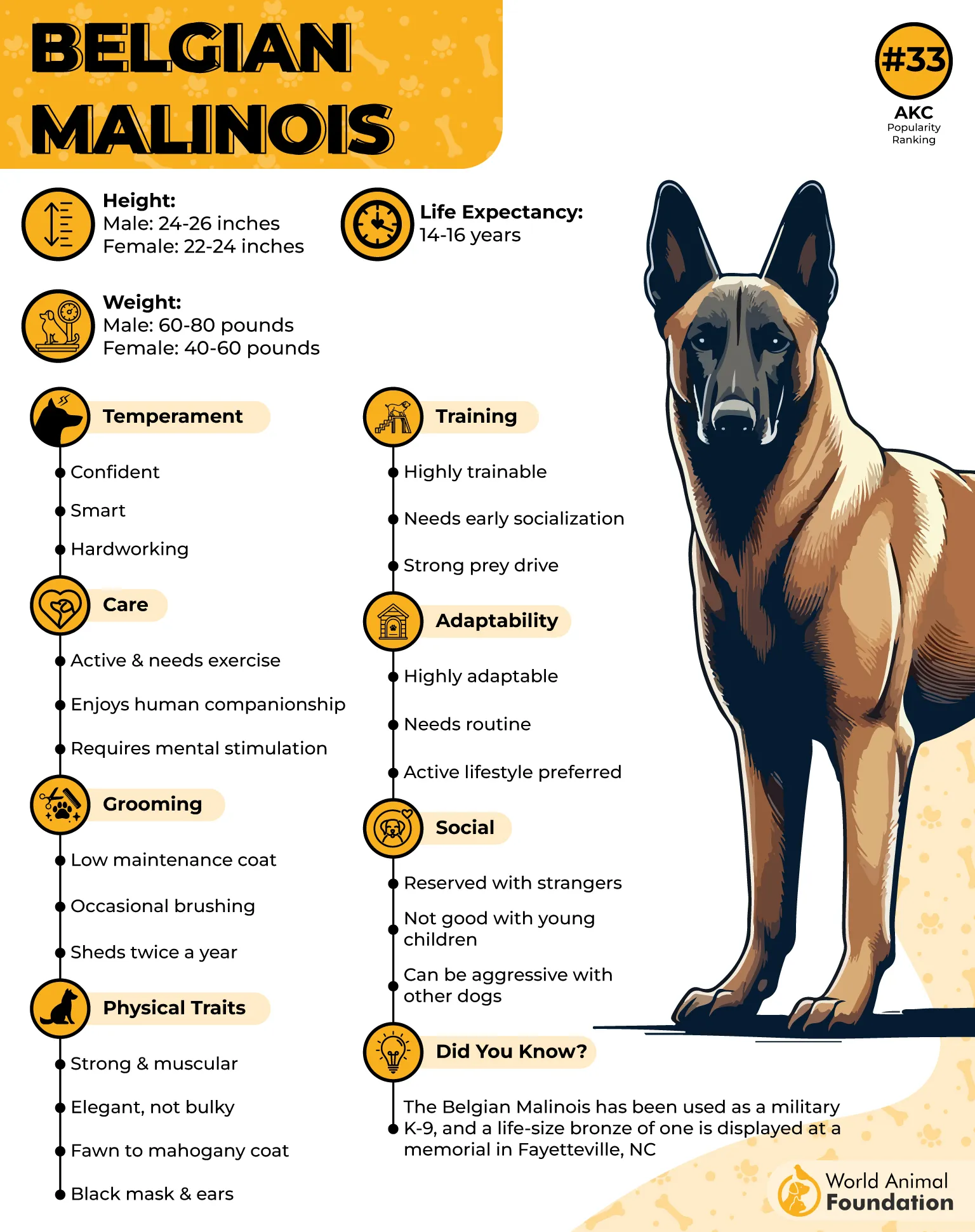
Belgian Malinois typically weigh 40 to 80 pounds and have short, easy-care coats. They are incredibly agile and versatile. They show up in herding, agility, protection work, and YES, military and police roles.
They bond closely with family but stay watchful around strangers, which makes sense given their working history. Not the breed for a relaxed life, but for the right active owner, this is an unmatched working dog.
6. Bouvier Des Flandres
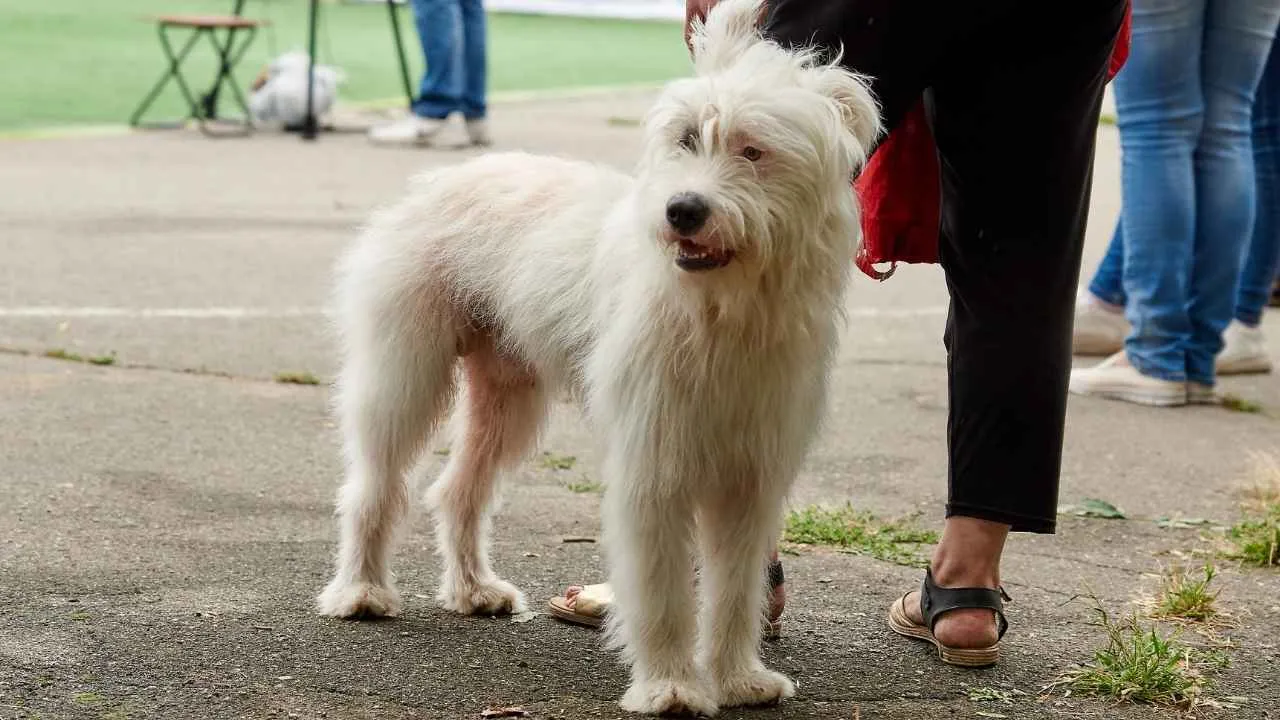
Big, shaggy, and gentle (surprisingly), the Bouvier Des Flandres was originally bred in Belgium and France to herd cattle and pull carts. This herding breed has strength, but also a soft side for family life.
Bouvier Des Flandres are calm indoors for a working breed. They still need regular exercise to stay balanced. These herding dogs are protective without being aggressive, generally good with kids, and tend to be a little wary of strangers until they decide you are okay.
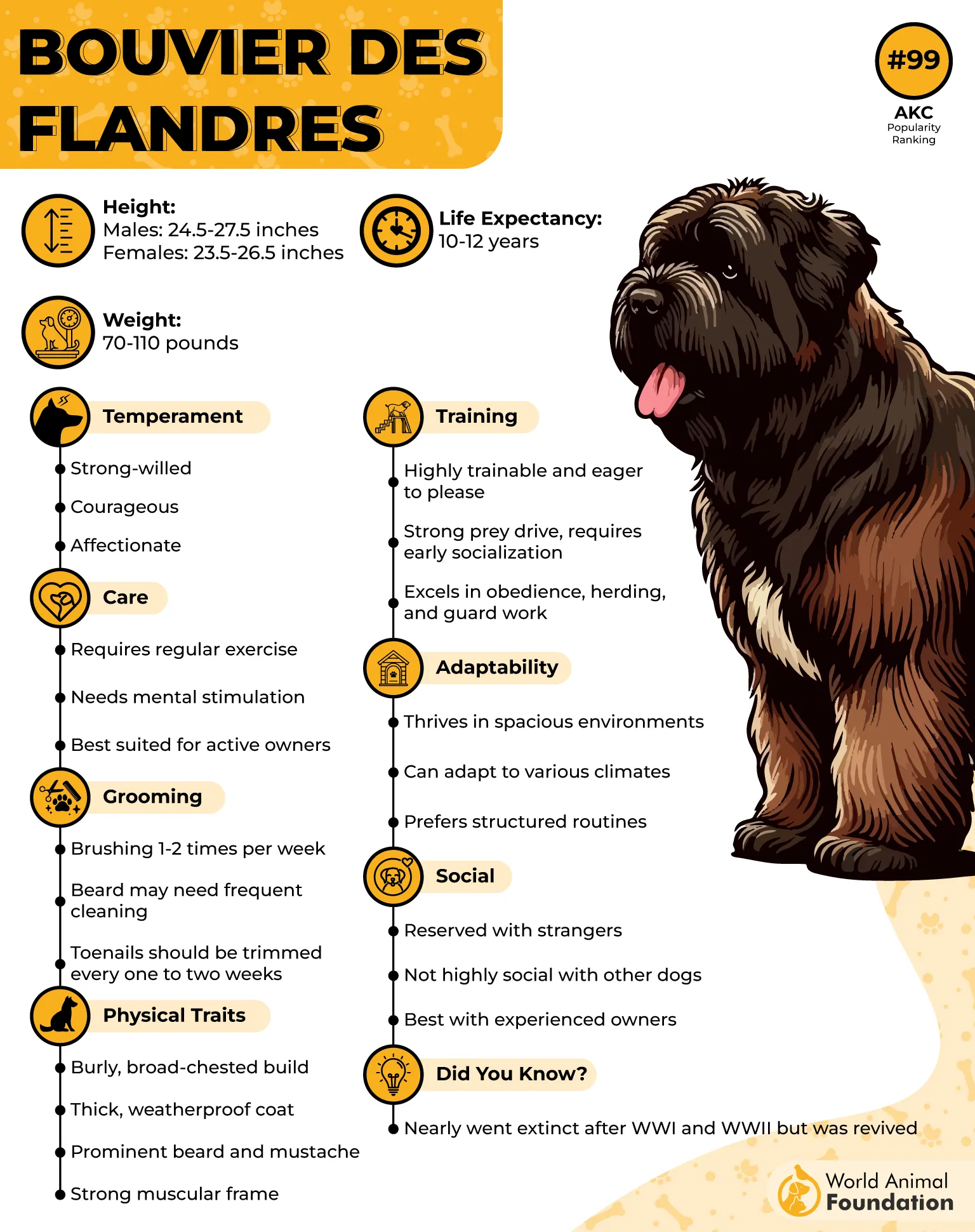
These are large dogs, often 70 to 100 pounds, with a thick double coat that needs regular grooming. Brushing a few times a week keeps things manageable.
This breed is intelligent, loyal, and naturally protective. That makes it a solid family dog for people with some space and time for proper training and socialization.
7. Pembroke Welsh Corgi
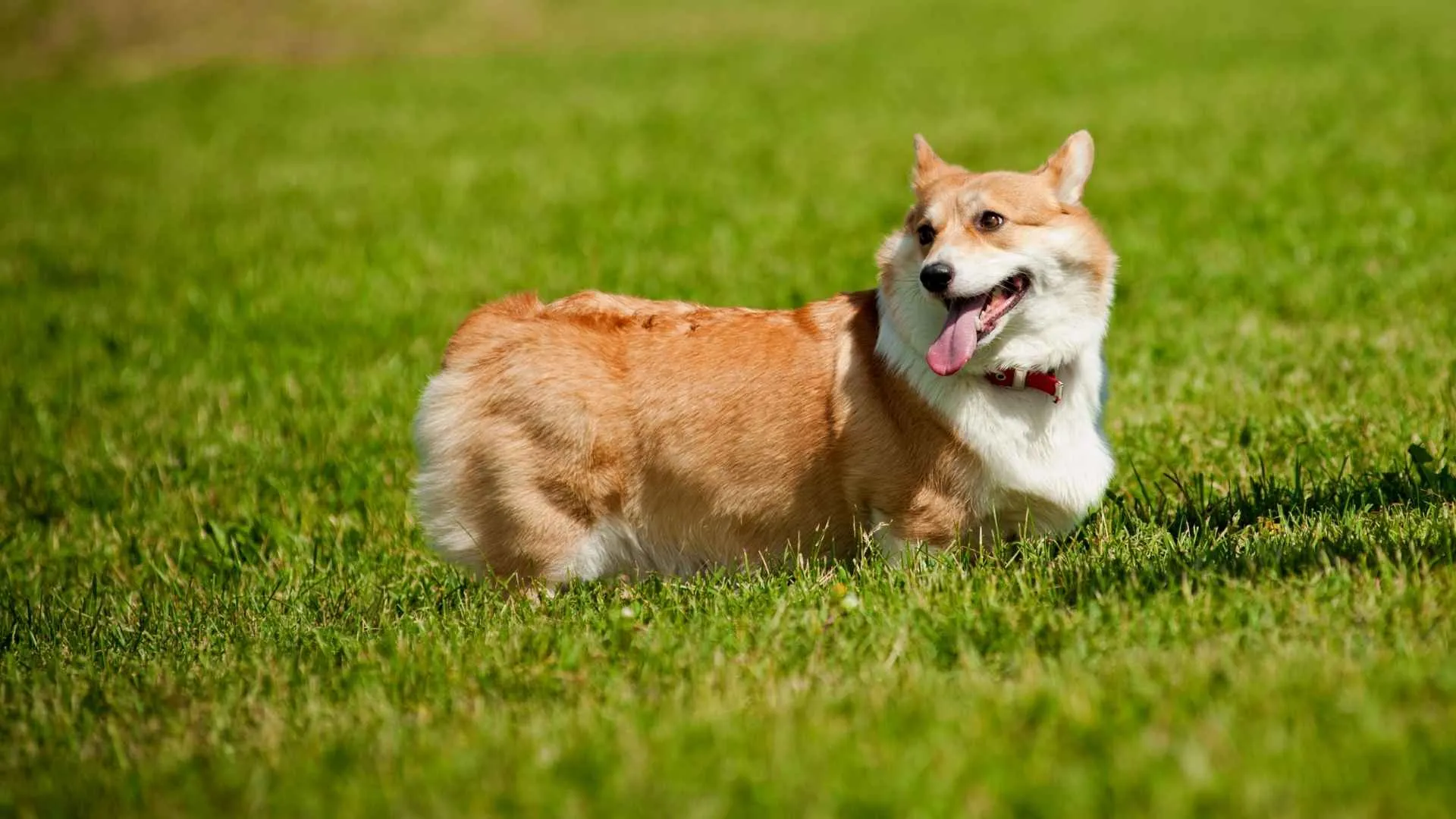
Short legs, BIG personality!! That is the Pembroke Welsh Corgi.
The herding group is not complete without these dogs.
Originally bred to herd cattle (yes, these tiny dogs used to nip at the heels of animals many times their size), Pembroke Welsh Corgis are smart, energetic, and food-motivated, says Orvis.
That honestly makes training a breeze. And yes, Corgis make the perfect apartment dogs as well.
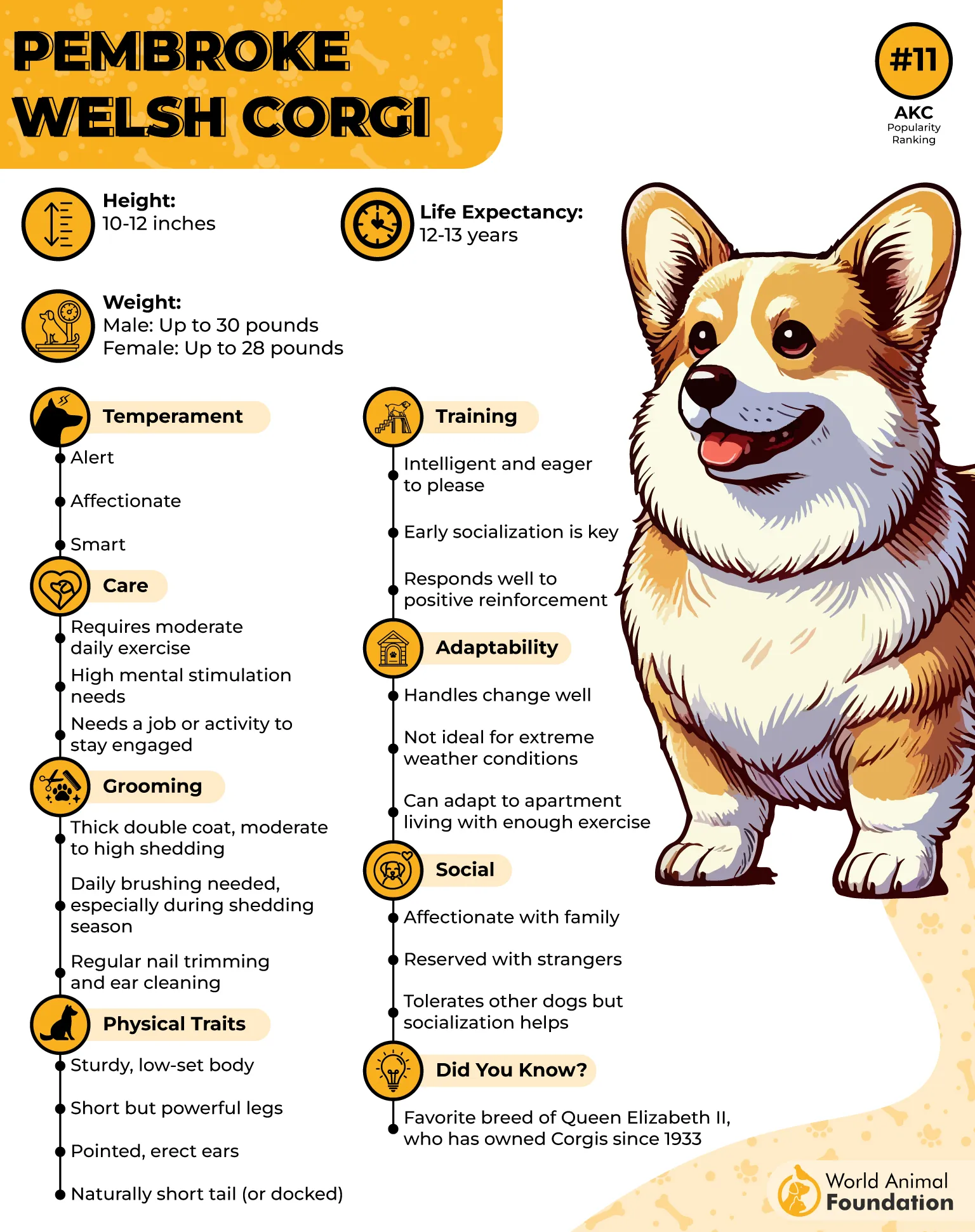
Corgis are small to medium, usually weighing 24 to 30 pounds, with moderate energy needs. They have regular exercise and mental stimulation needs. But they don’t need marathon-level activity like other animals in the herding group.
This Corgi breed is affectionate, generally great with kids, and quick to become the neighborhood’s favorite dog. Loyal, smart, and just a little bit stubborn, this puppy is a wonderful pet for families wanting a herding breed without a farm.
Conclusion
Herding dog breeds are not for everyone, and that’s okay. These dogs come with big brains, big energy, and a need for a job. German Shepherd is another dog that is a hero of the herding group.
If you have an active lifestyle, time for regular exercise and training, and you want a loyal companion who’s always ready for the next adventure, one of these breeds has the tendency to be your perfect match. Several factors come into play here: their versatility, intelligence, and ability to take on challenges.
Talk to your vet, talk to reputable breeders, and think honestly about your day-to-day life before you choose. The right herding breed can bring incredible energy, intelligence, and love into your home.
