




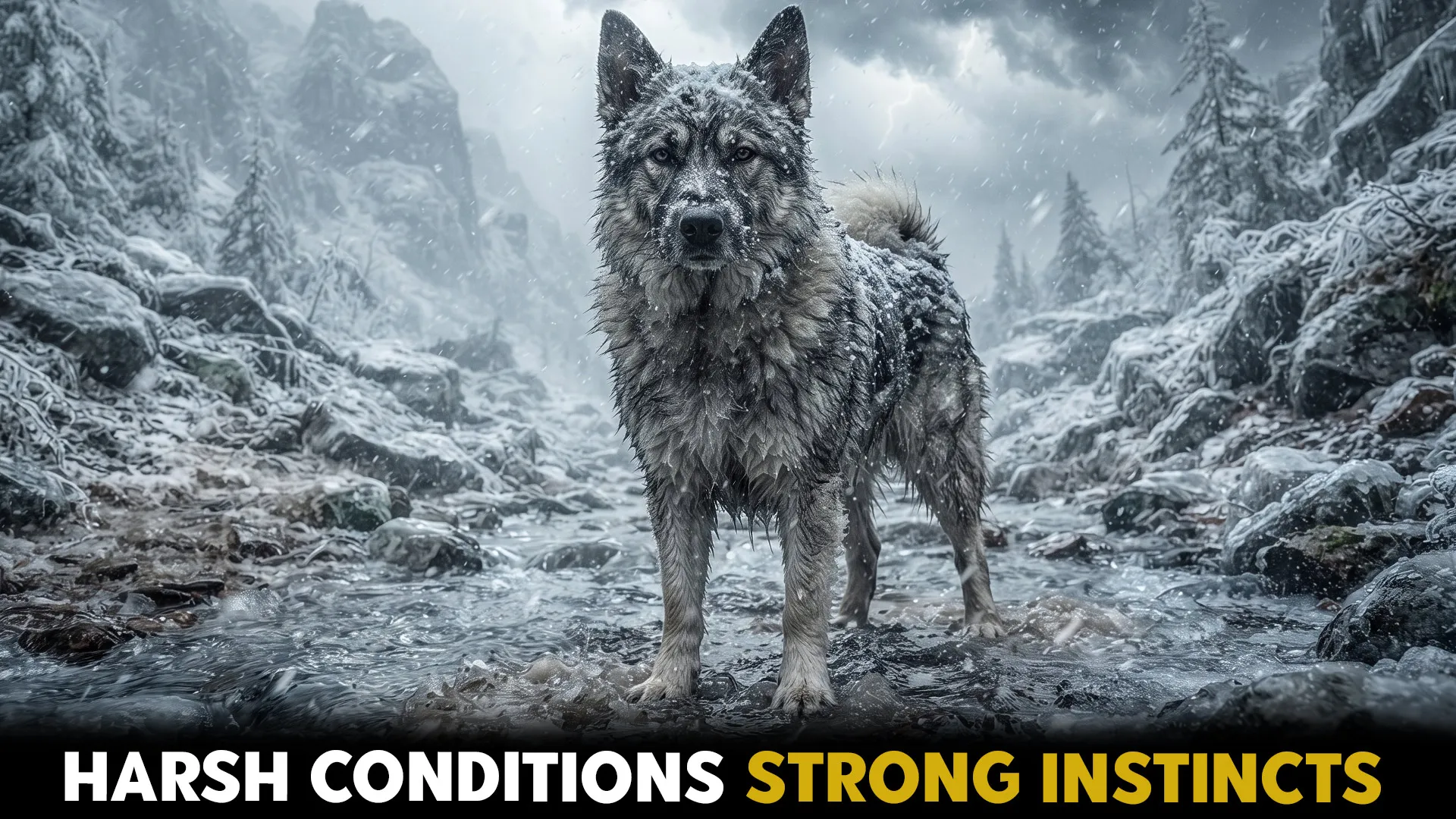
There are dogs in this world bred to work alongside farmers. And then there are dogs shaped by freezing temperatures, rugged mountains, long journeys, predators, and plain hard work. Those conditions moulded them into tough beings, both physically and mentally.
These hardy breeds are known for their stamina, strength, protective instincts, and sheer perseverance when things get difficult. But toughness doesn’t look the same across the board, and not every breed suits every environment.
A sled dog isn’t built the same way as a search and rescue dog, and a hunting breed is a whole different animal from a guard dog.
That’s why it matters to know what each breed was actually bred for. It helps owners choose a dog based on real working ability, not just looks.
Rugged Dog Breeds Built for Extreme Working Conditions
1. Estrela Mountain Dog
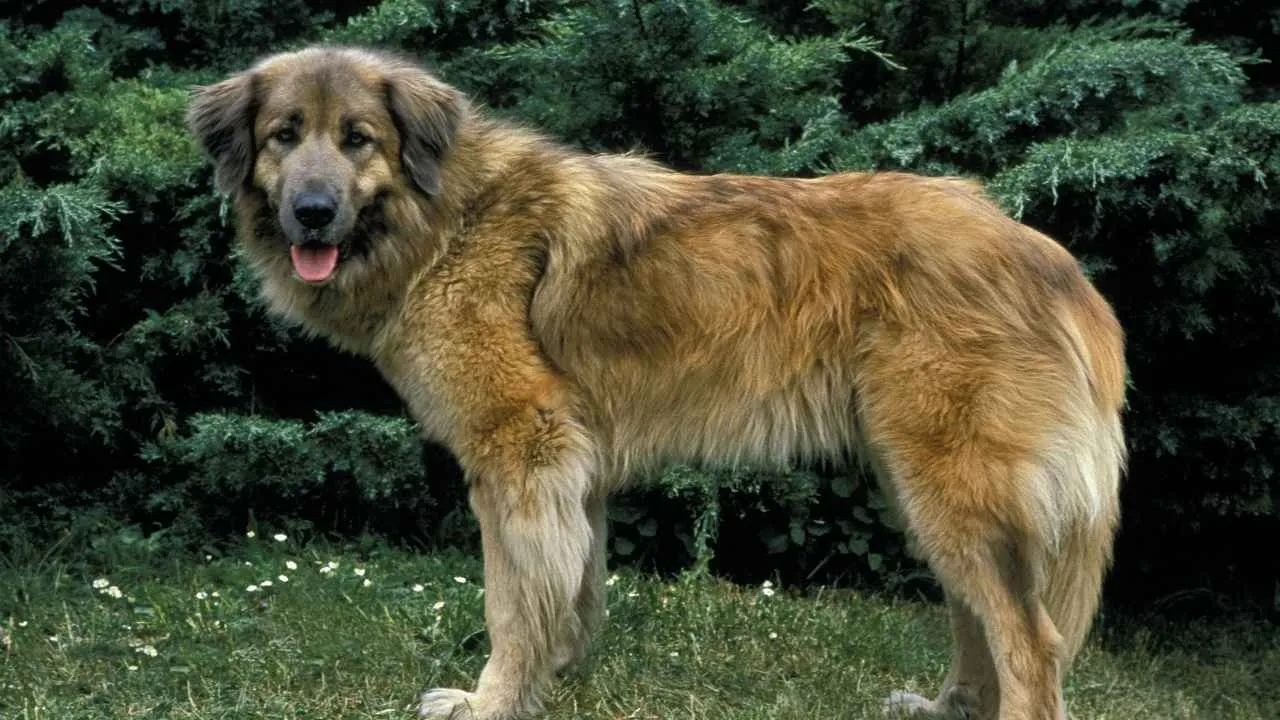
The Estrela Mountain Dog is a breed that hails from Portugal’s Serra da Estrela region, where it was traditionally used to watch over flocks. It has deep roots in steep slopes and wide-open spaces.
This is a breed built to work with minimal supervision. It can keep watch over livestock for hours on end and will react the moment it senses anything unusual in its territory. A thick coat keeps it warm through harsh mountain weather, and the breed comes in both long- and short-haired varieties.
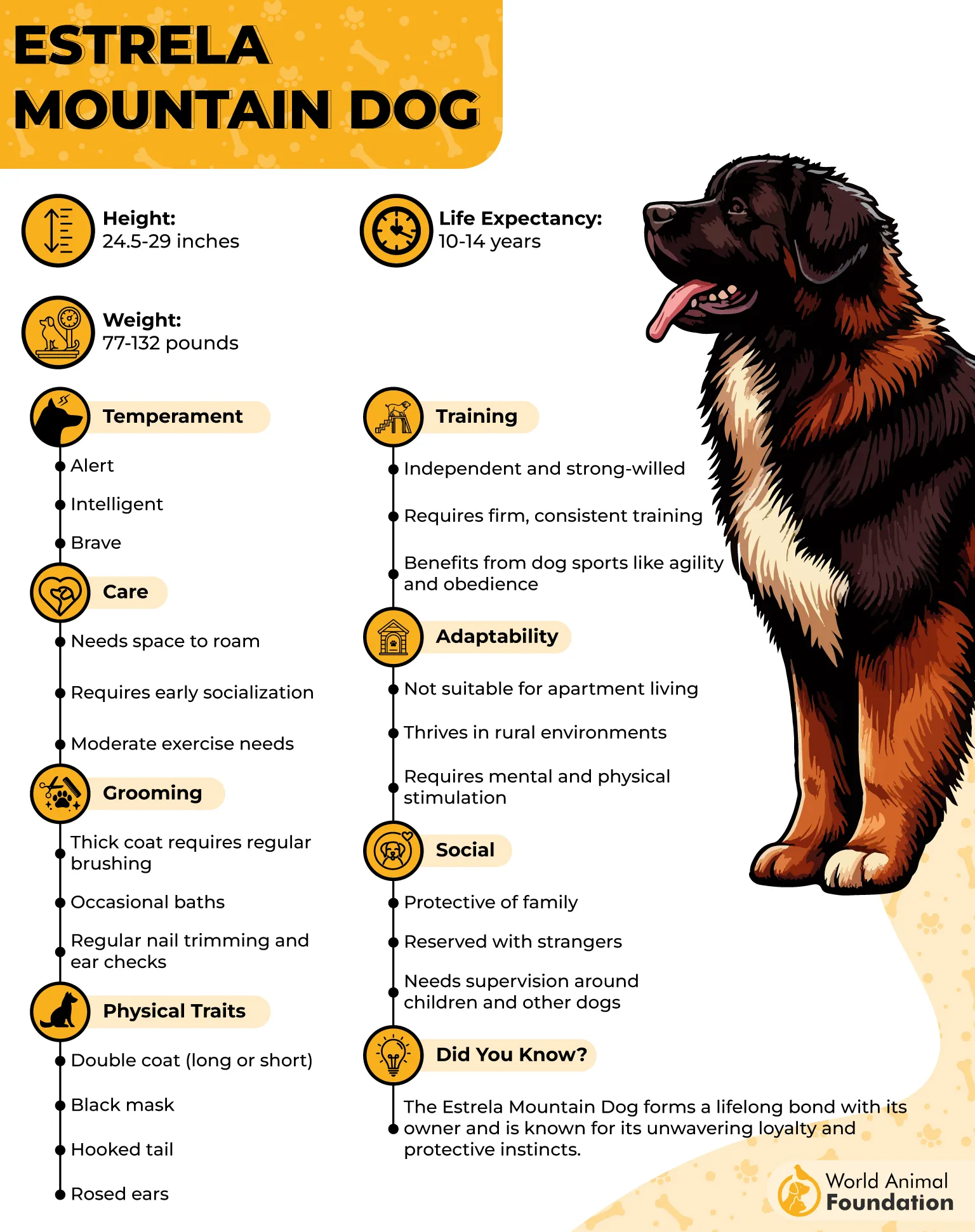
The Estrela isn’t a fast-moving dog, but it’s strong, alert, and deeply devoted to its flock. At home, it’s just as dedicated to its family, though it can be reserved around strangers, which is why early socialization matters so much for shaping good behavior, according to the American Kennel Club.
This breed is best suited to owners who understand independent livestock guardian dogs and have enough space for a large, patrolling dog like this one to roam.
2. Anatolian Shepherd Dog
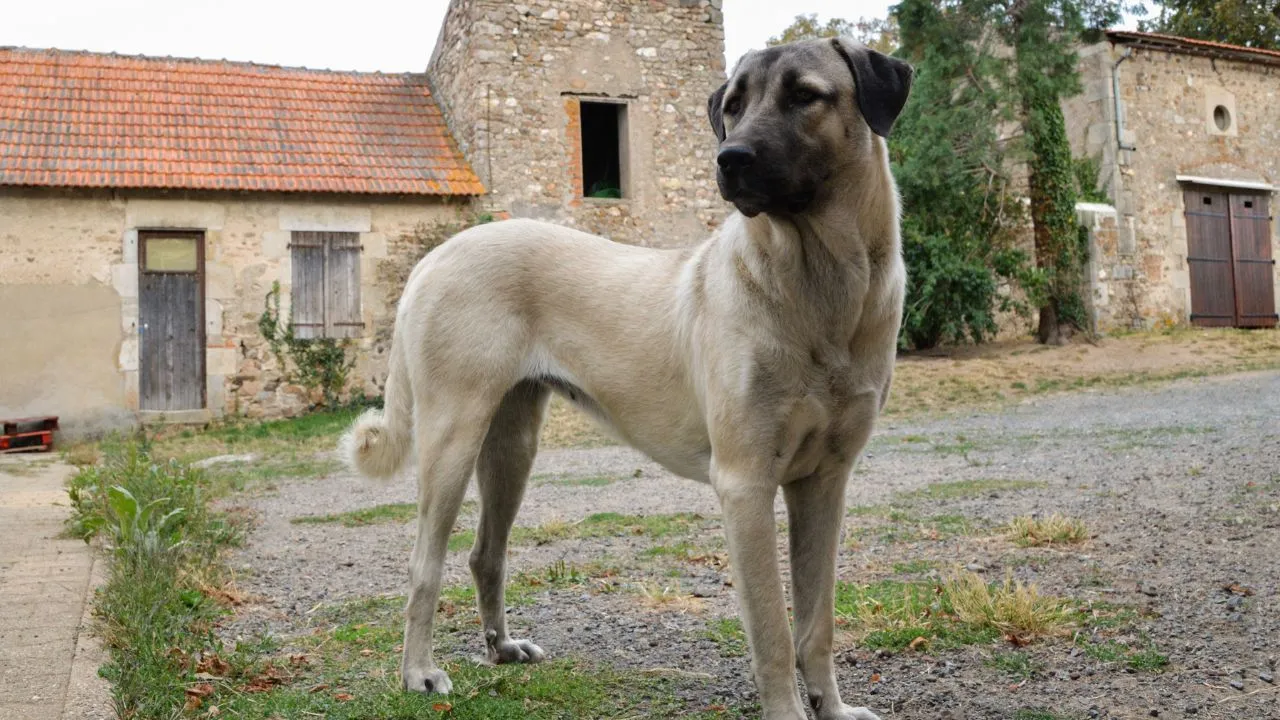
The Anatolian Shepherd Dog was originally bred in Turkey as a livestock guardian, tasked with protecting sheep and other animals across vast stretches of land, sometimes far from any human company.
What really stands out about this breed is its independent streak. An Anatolian Shepherd can size up a situation and make its own call without waiting for instructions. That trait is incredibly useful out on a farm, but it also means obedience training needs to start from day one, ideally with an experienced owner at the helm.
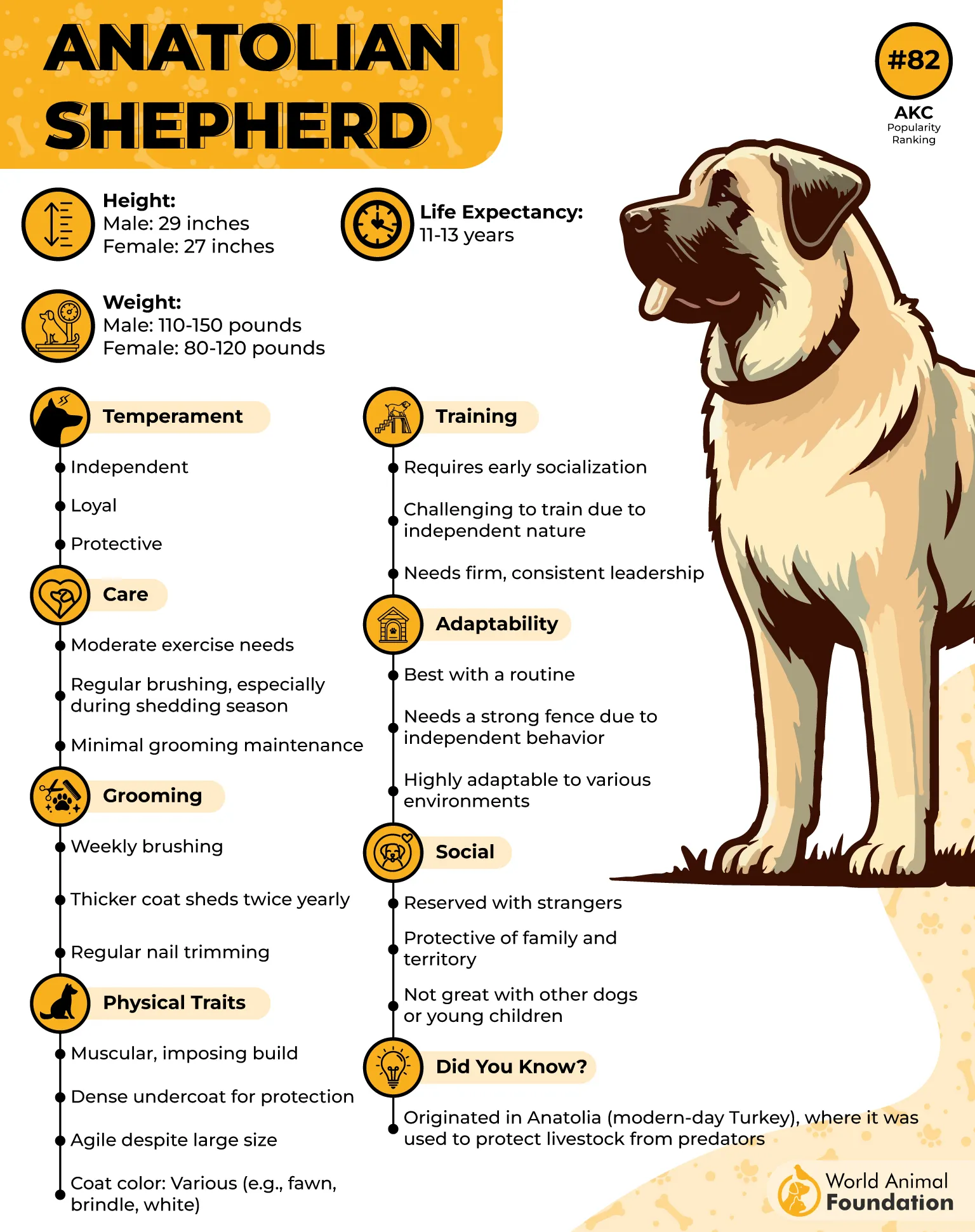
Anatolian Shepherds tend to be wary of strangers, so they need careful handling in areas that see a lot of foot traffic. They also have remarkable stamina, a trait rooted in their history of working long hours in tough outdoor conditions.
This is a breed best suited to someone looking for a serious, no-nonsense guardian dog, according to Purina.
3. Siberian Husky
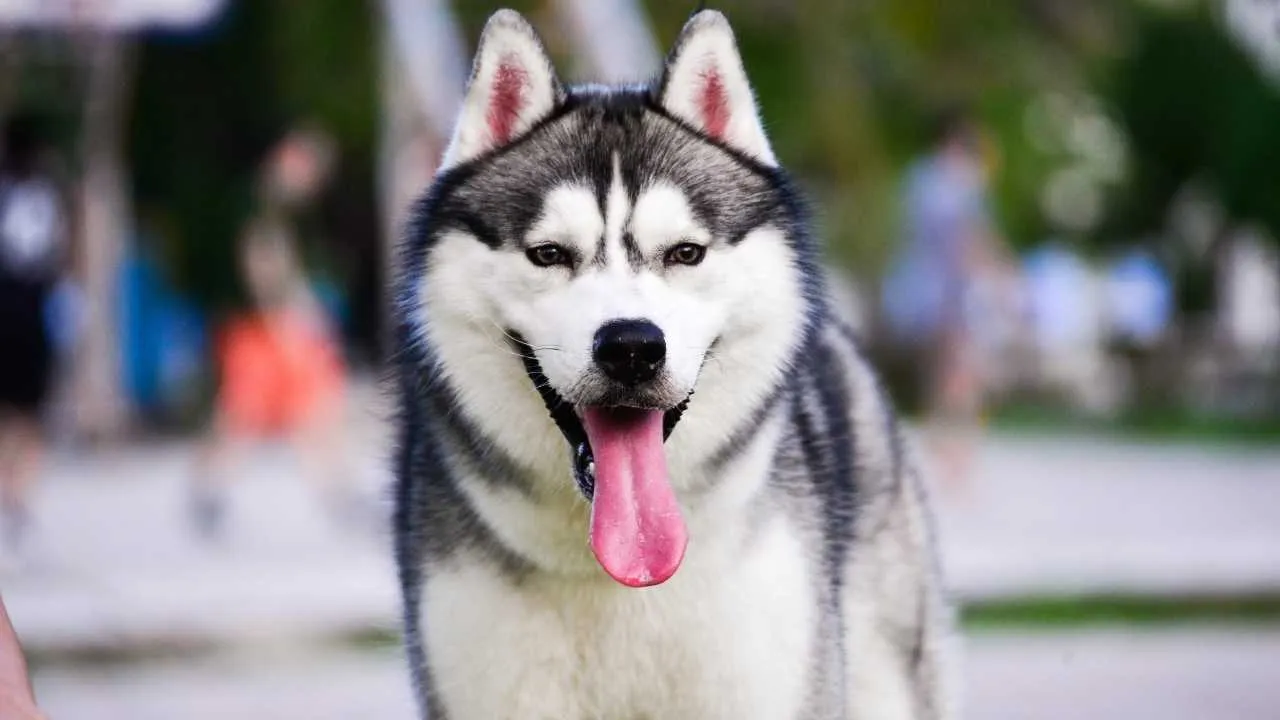
The Siberian Husky was bred by the Chukchi people of northeastern Siberia to work as a sled dog and a key mode of transportation across the region.
This breed truly shines in extreme conditions. Huskies were developed to cover long distances and haul heavy loads without wearing out. Their thick double coat provides serious insulation against brutal cold, while their lean, athletic build lets them handle tasks that would leave most other dogs struggling.
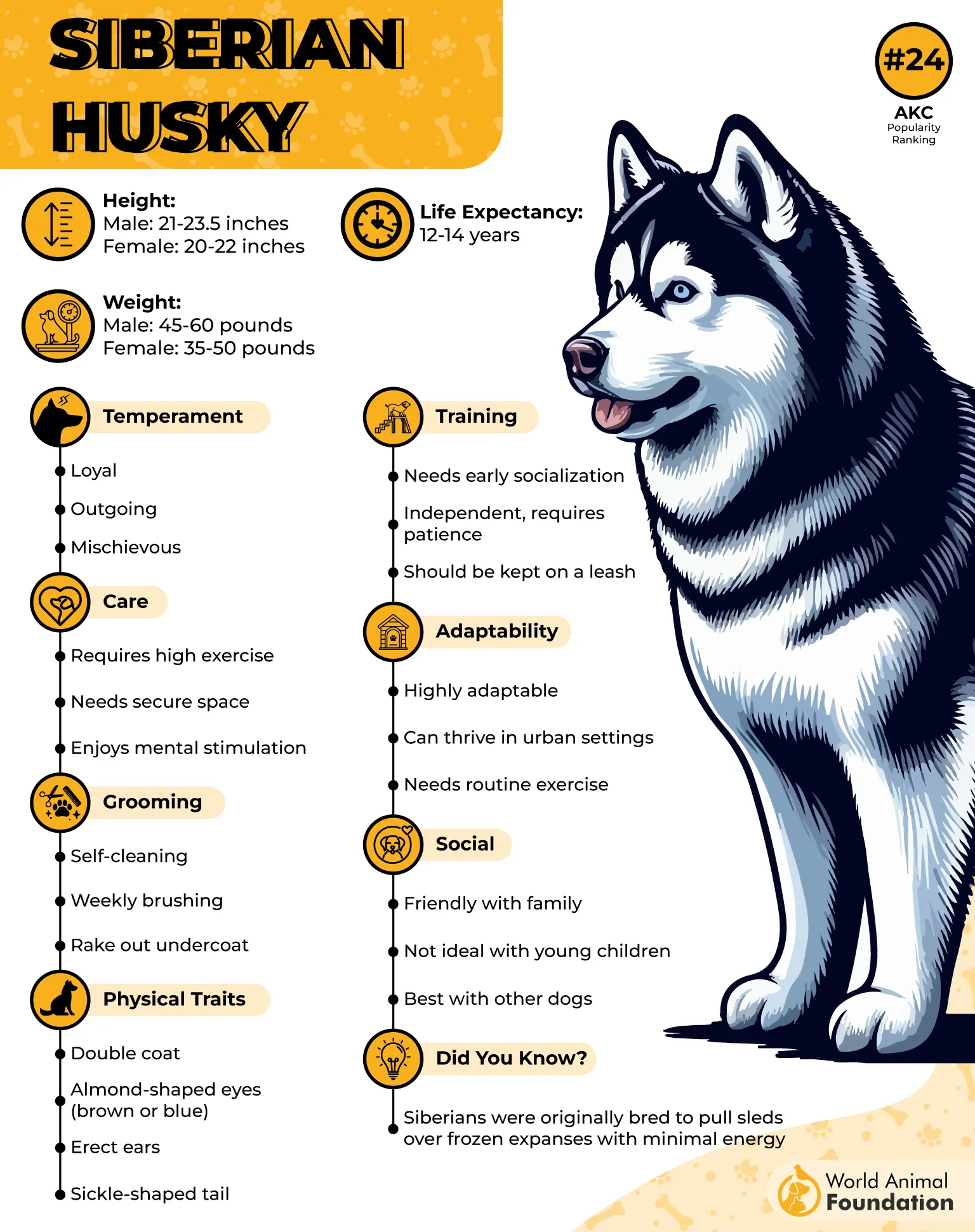
Huskies also work a bit differently than your average dog; they’re highly team-oriented and thrive on sticking close to their owners.
Combined with their legendary stamina and cold tolerance, this makes them naturals at winter sports. That said, exercise needs careful planning in hot, humid weather, since their heavy coat can make them overheat pretty quickly.
4. Alaskan Malamute
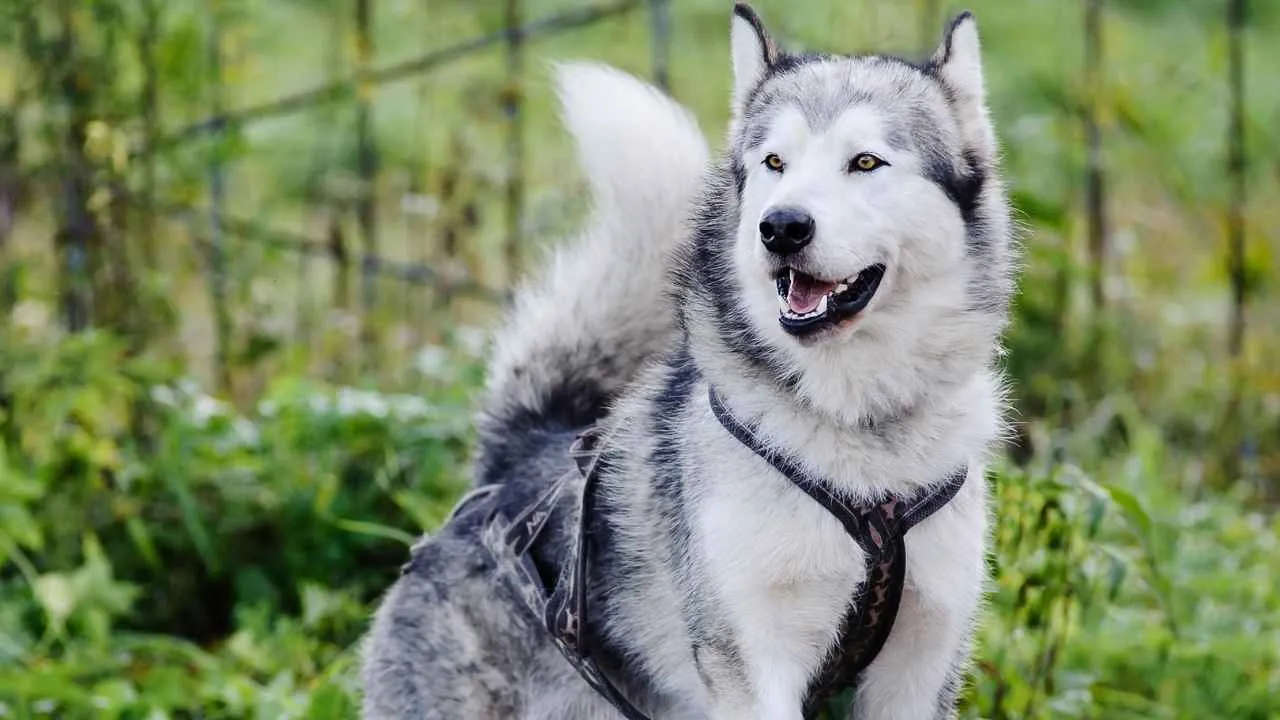
The Alaskan Malamute was bred to haul heavy loads through freezing weather. Where Huskies were built for speed and sled-pulling, the Malamute was bred for raw strength and bulk, built to move heavy loads over long distances.
Their muscular build gives them serious pulling power, and they genuinely thrive when given activities that put that strength to good use. Personality-wise, Malamutes tend to be confident, assertive, and endlessly curious about the world around them.
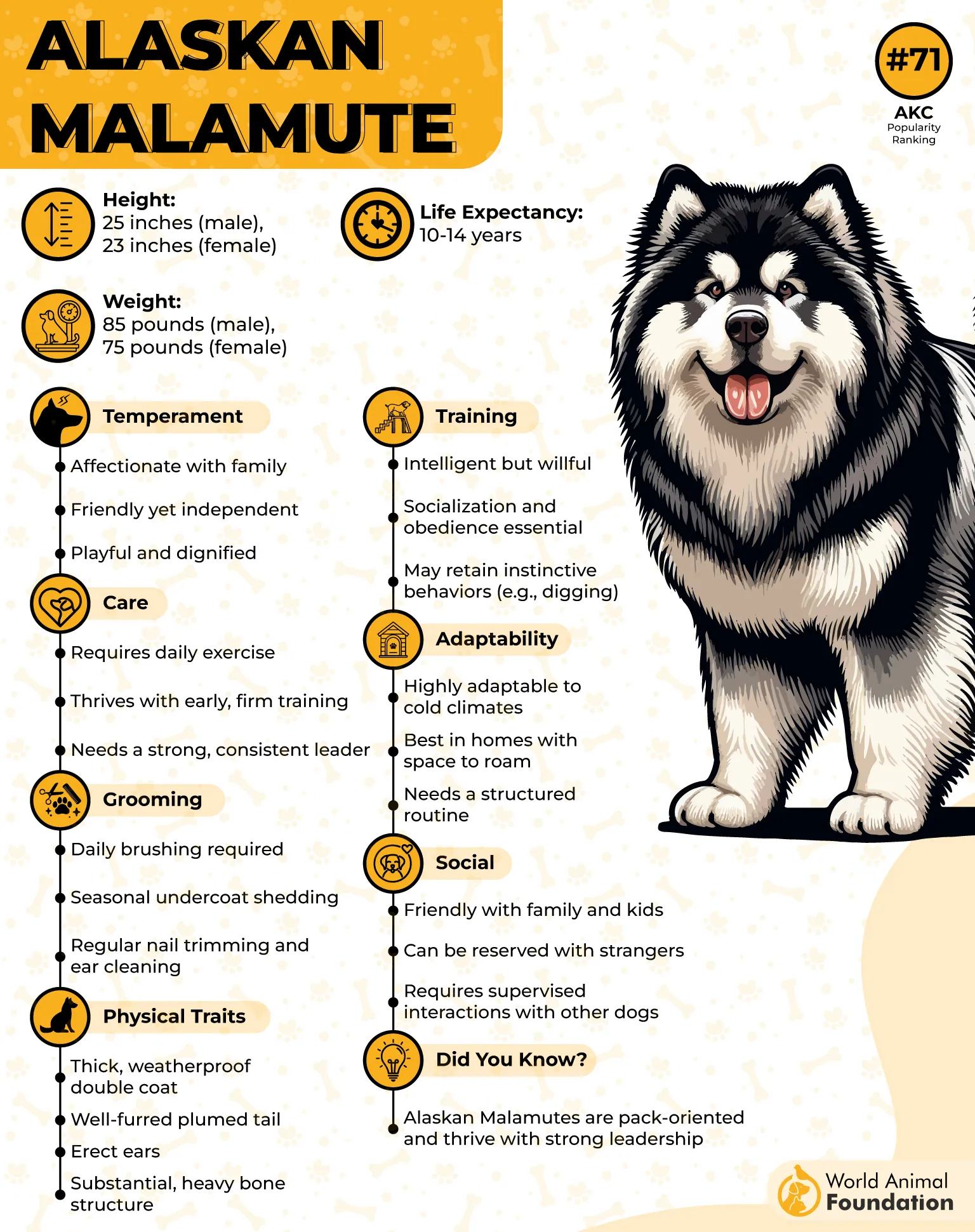
Their thick coat provides great insulation but can also lead to overheating, so exercise in warm weather needs to be timed carefully and watched closely. With the right training, though, they make fantastic hiking and sports companions.
Overall, the Malamute’s working style leans more toward a strong, steady companion than a fast sled dog, making it a great pick for anyone drawn to a different kind of working breed.
5. Norwegian Elkhound
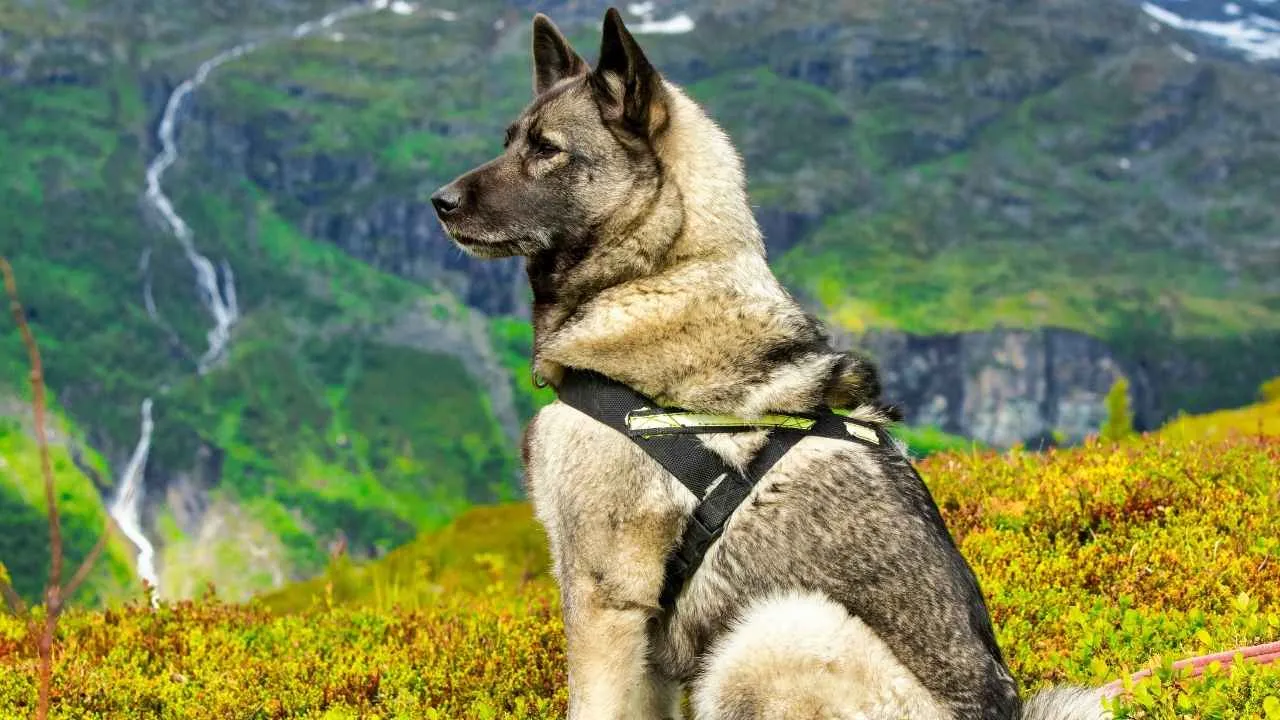
The Norwegian Elkhound is a historic Scandinavian hunting breed with roots stretching back hundreds of years. It was originally used to track and hold large game, especially moose, until hunters could catch up, work that demanded serious courage, endurance, and independence.
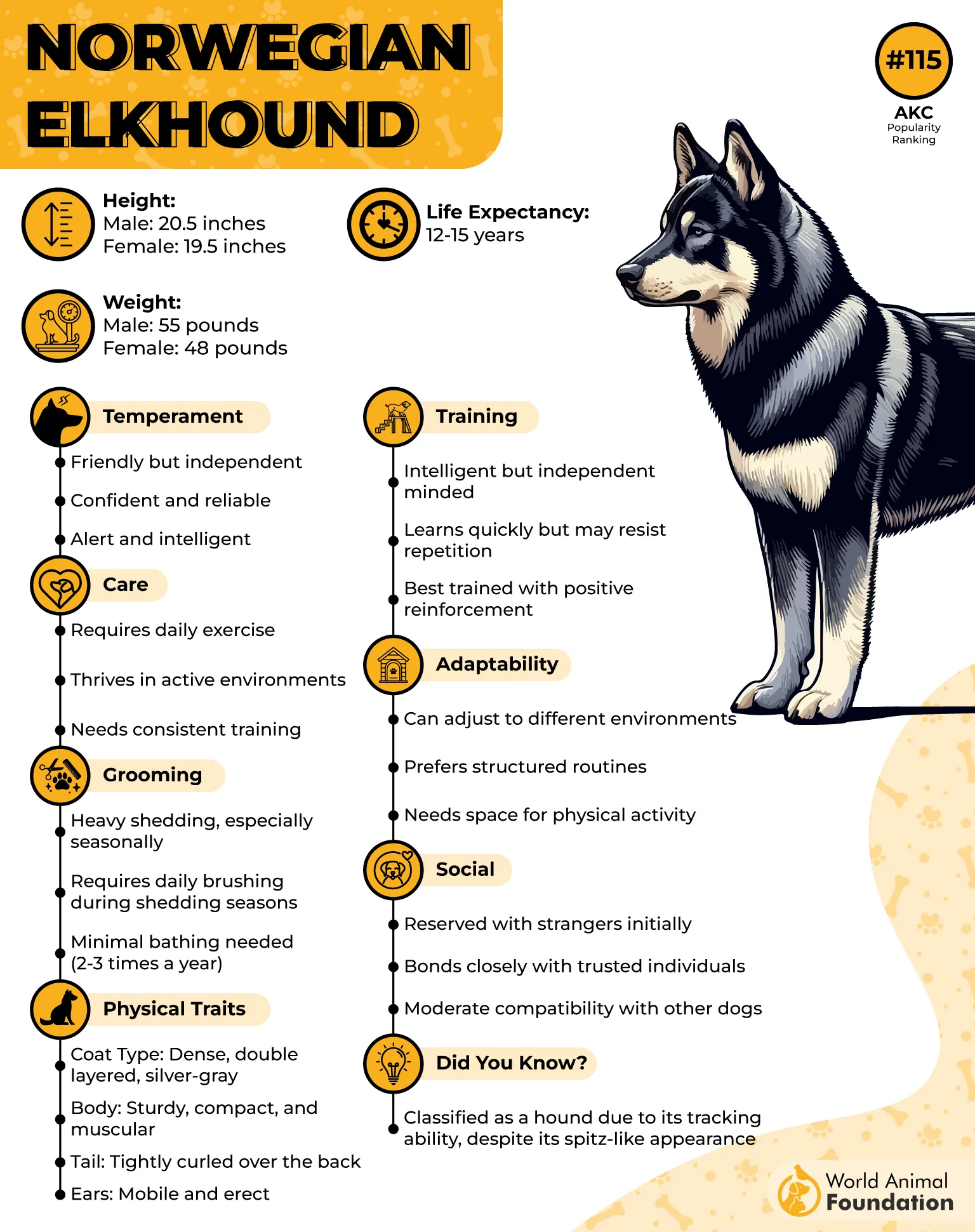
Its compact, sturdy body is built for rough terrain, letting it move effortlessly through forests and hills alike. Alertness is another defining trait of this breed; it’s quick to pick up on changes in its environment and won’t hesitate to let its owner know, often quite vocally.
Thanks to its northern roots, the Elkhound’s double coat is also water-resistant. Mentally, these dogs need regular jobs and problem-solving challenges to stay content. Scent work, tracking games, and hiking tend to be far more rewarding for them than repetitive exercise alone.
6. Great Pyrenees
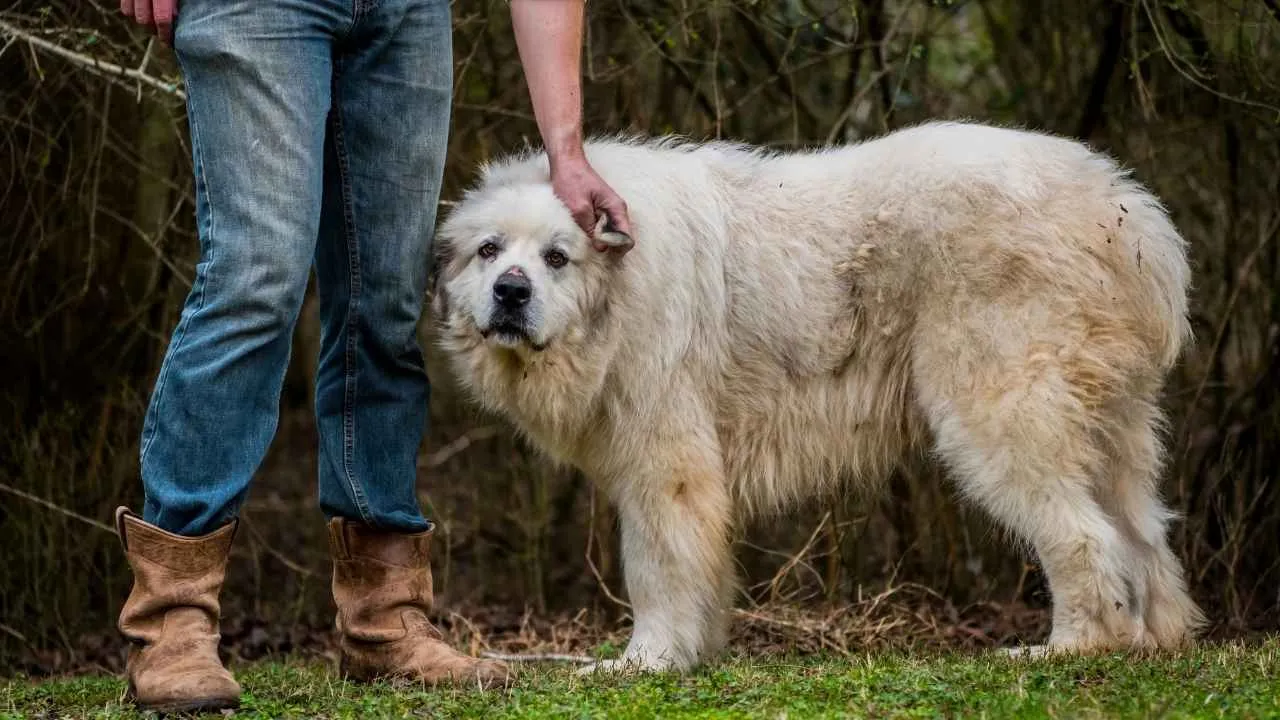
The Great Pyrenees was bred to guard livestock in the highlands between France and Spain, and patience is at the heart of how it works. It doesn’t need to be constantly moving or herding animals; instead, it’ll often take a high vantage point and keep a watchful eye over the whole flock.
This is a massive breed, more than capable of fending off predators like wolves and bears. Its thick white coat keeps it warm through brutal winters. Great Pyrenees tend to be pretty laid-back when things are calm, but that can change in an instant the moment they sense a threat.
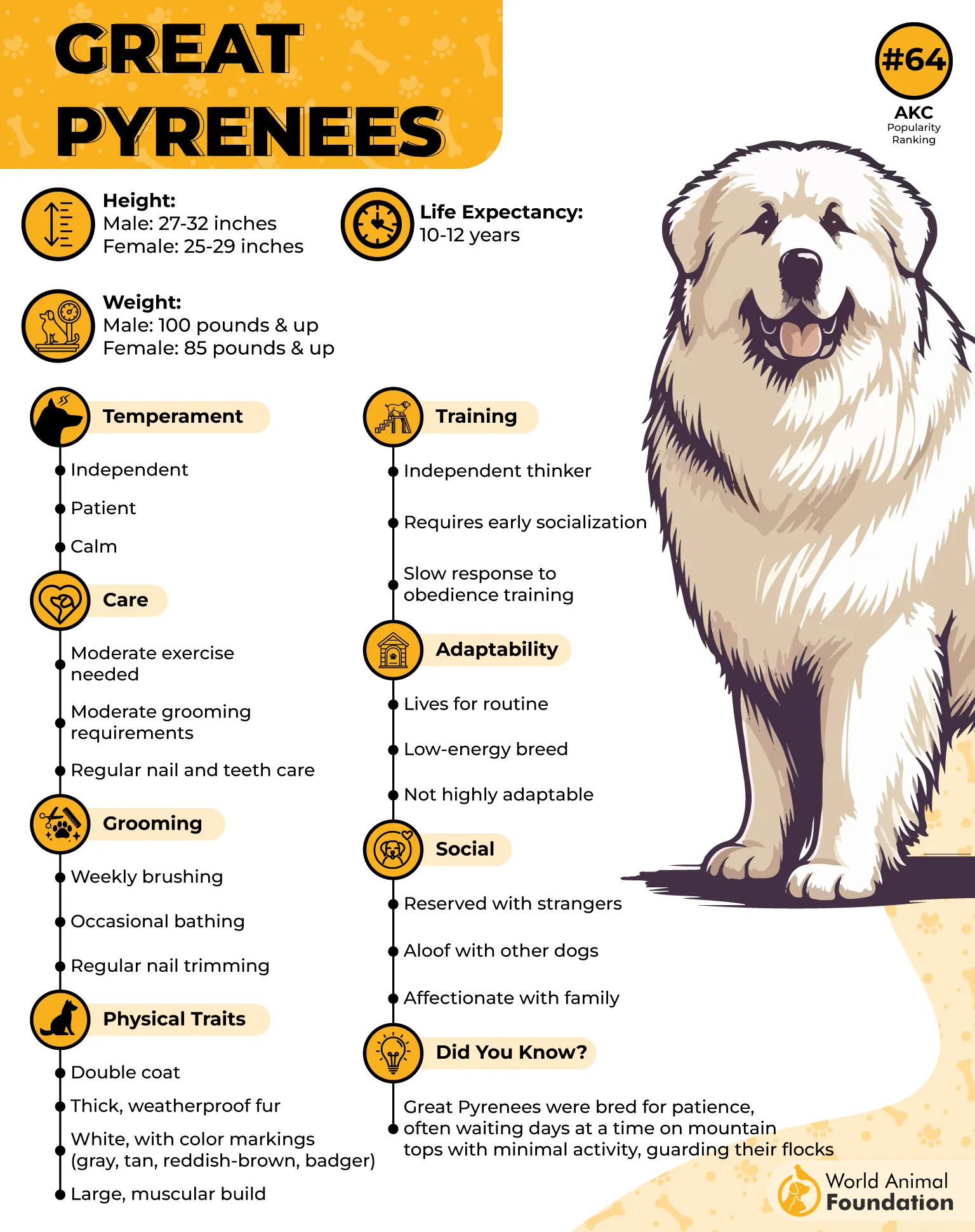
Barking is a core part of how they guard, which works great on rural properties but can become a real problem in crowded residential neighborhoods. It’s also worth noting that this breed can make its own decisions on the fly, even with solid training behind it.
Given all that, the Great Pyrenees does best in large, open spaces rather than a typical house or yard.
7. Akita
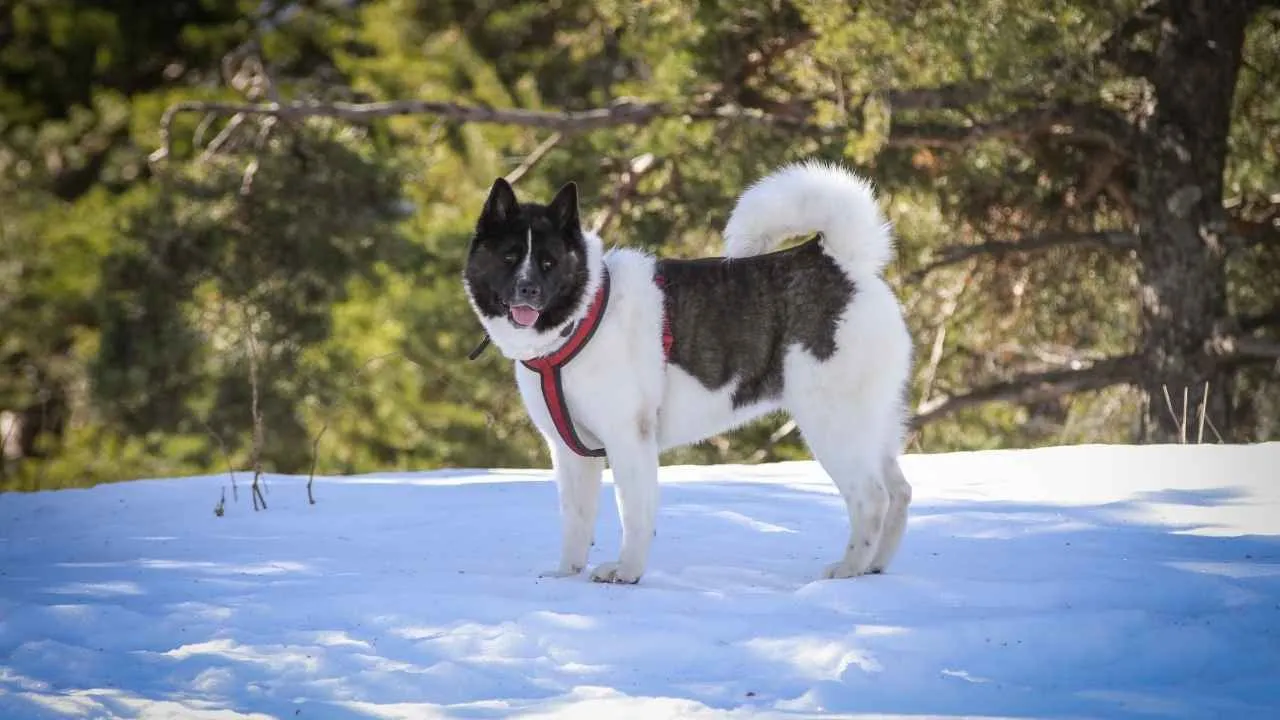
The Akita is an ancient breed from Japan, originally used for hunting big game. That kind of work took real guts, and the breed earned a reputation for actually engaging prey rather than just trailing it from a distance.
Akitas tend to be reserved and dignified by nature. They form strong bonds with their families without being overly clingy or needy.
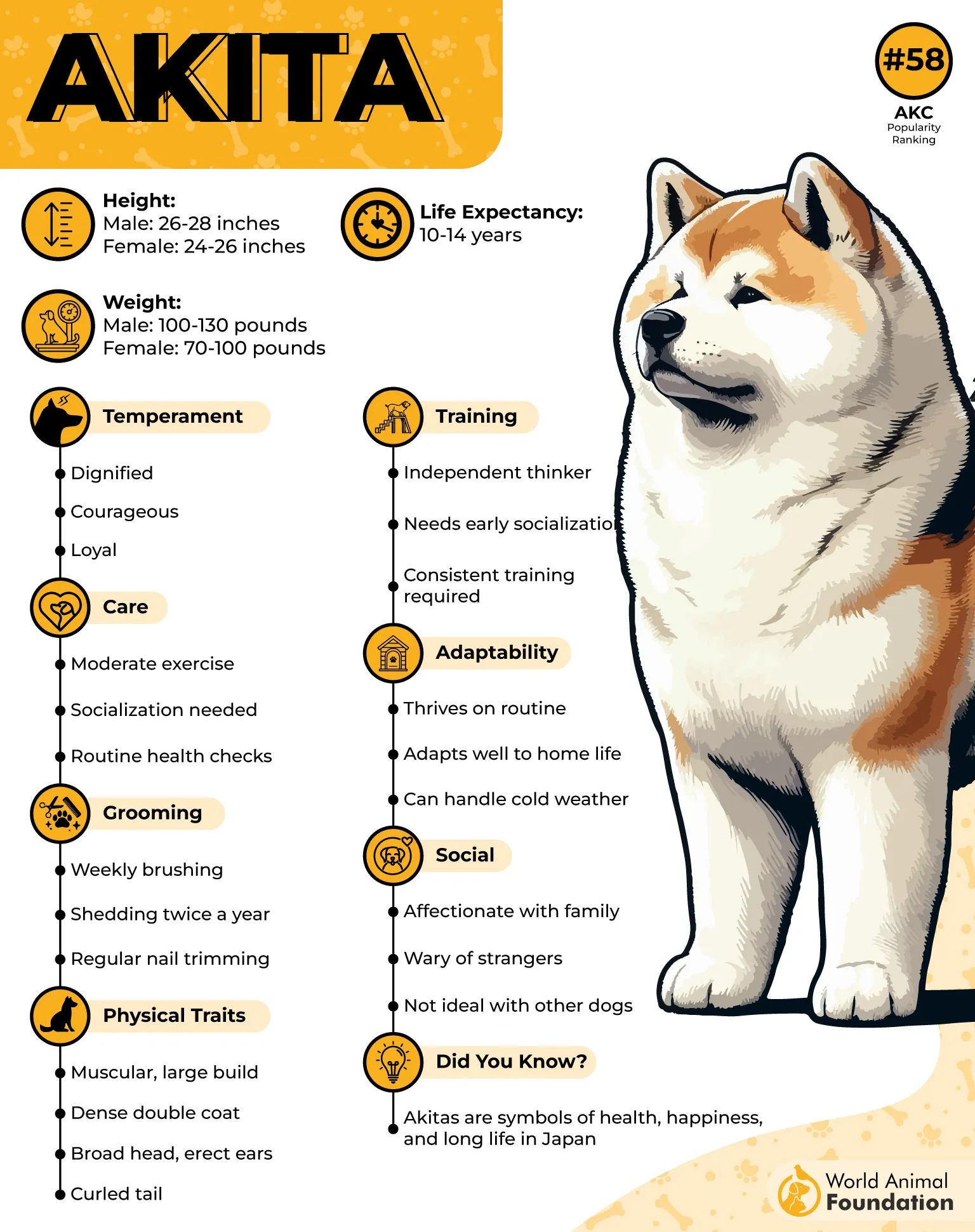
That said, they can be aggressive toward other dogs and pets, so proper training and early, well-supervised socialization are essential to avoid any dangerous incidents around other animals.
Their thick double coat keeps them warm in cold weather, though seasonal shedding can get pretty heavy. All in all, Akitas are rugged dogs, physically strong, confident, and well-equipped to handle harsh weather, according to Chewy.
8. Tibetan Mastiff
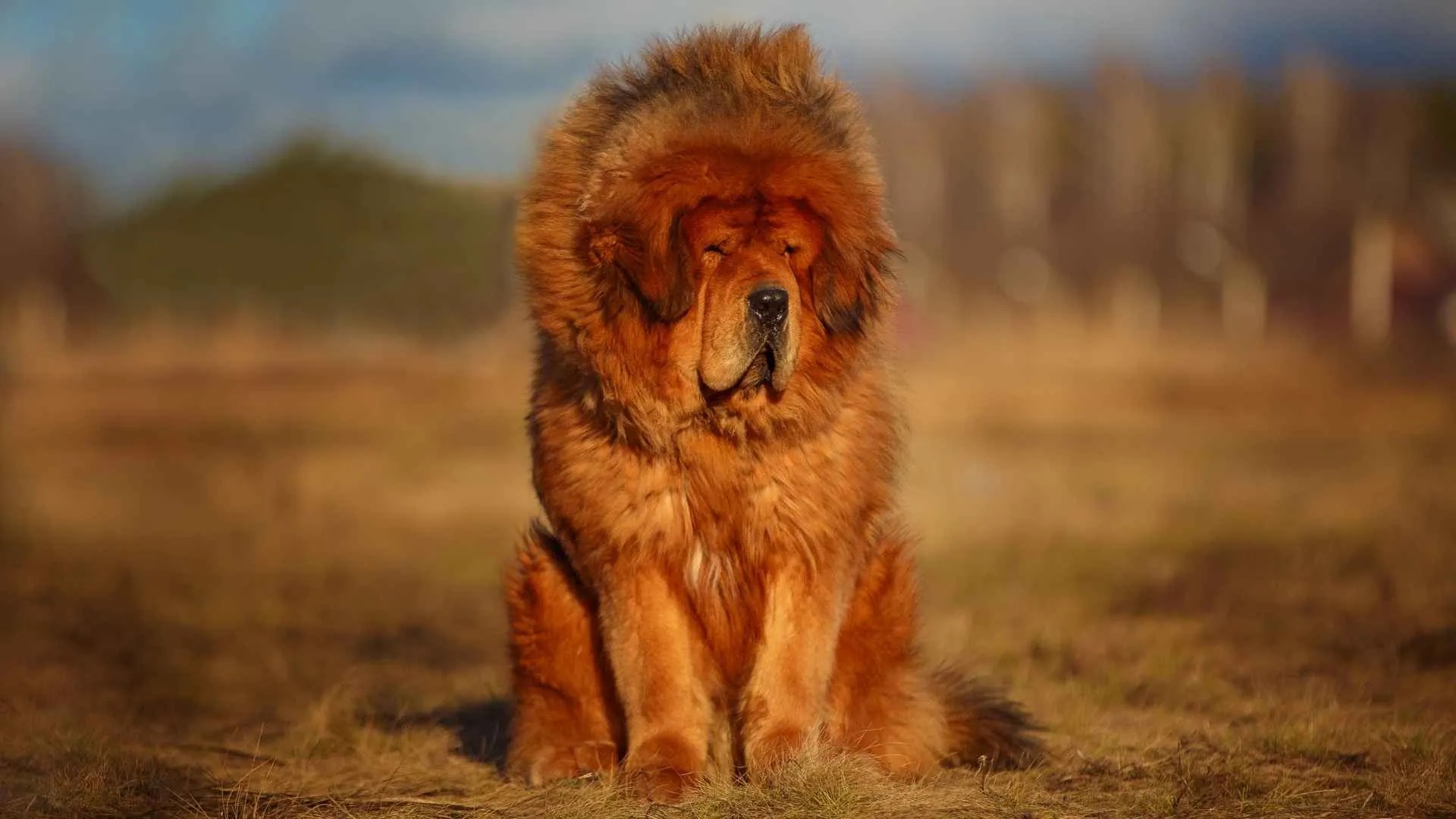
The Tibetan Mastiff is believed to have evolved in the Himalayan region, where it served as a guardian for livestock, homes, and entire settlements. Its dense coat makes it well suited to cold weather, and compared to most pet breeds, this dog can handle far rougher outdoor conditions.
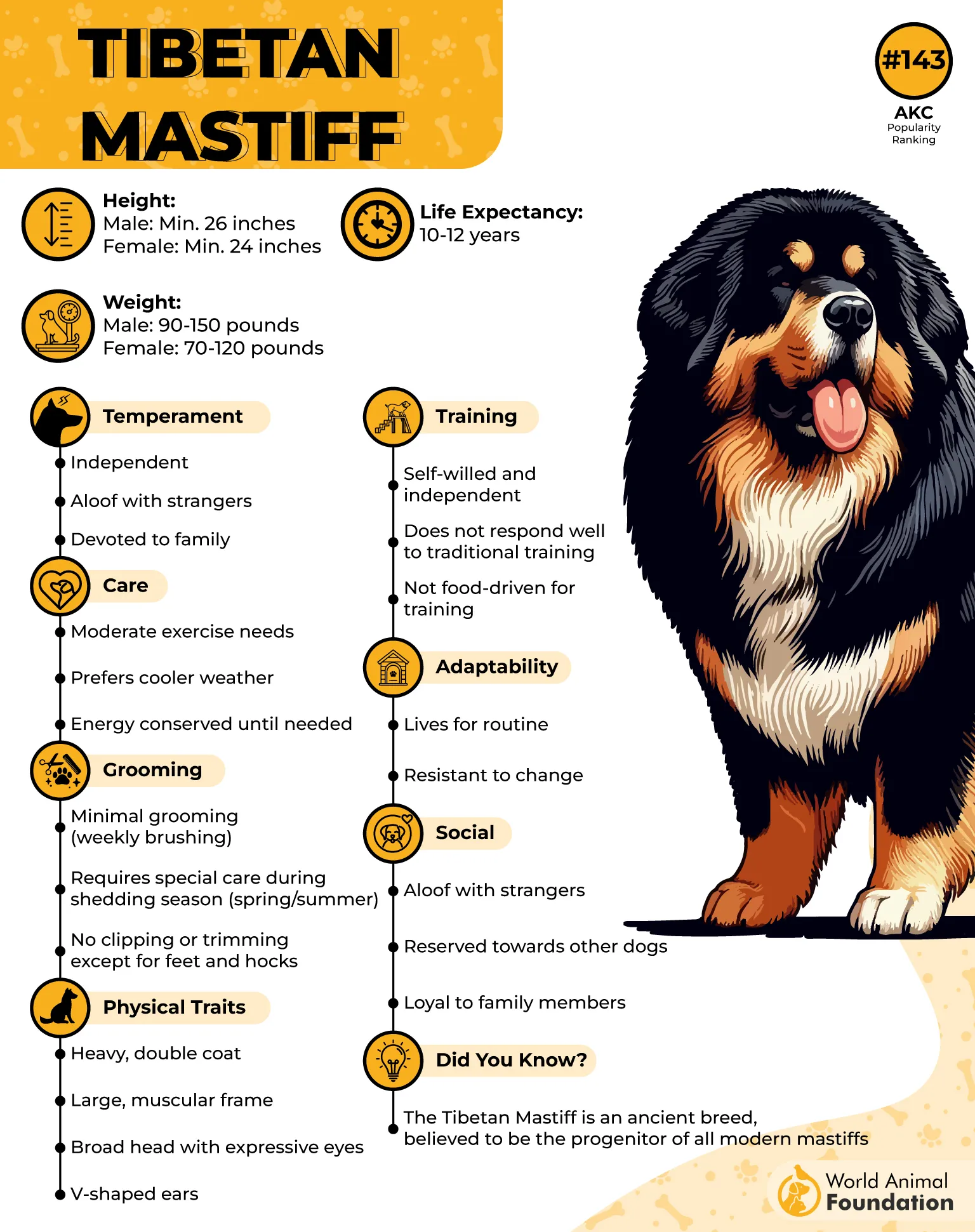
These dogs are especially alert at night, a trait that made perfect sense historically, since predators and intruders were most likely to strike under cover of darkness. Tibetan Mastiffs are also highly territorial and won’t take kindly to strangers wandering into their space.
Early socialization is essential for this breed, and owners need reliable, sturdy fencing to keep them contained. On the plus side, this isn’t a dog that needs hours of running to stay satisfied. It tends to find plenty of fulfillment simply doing its job.
9. Bernese Mountain Dog
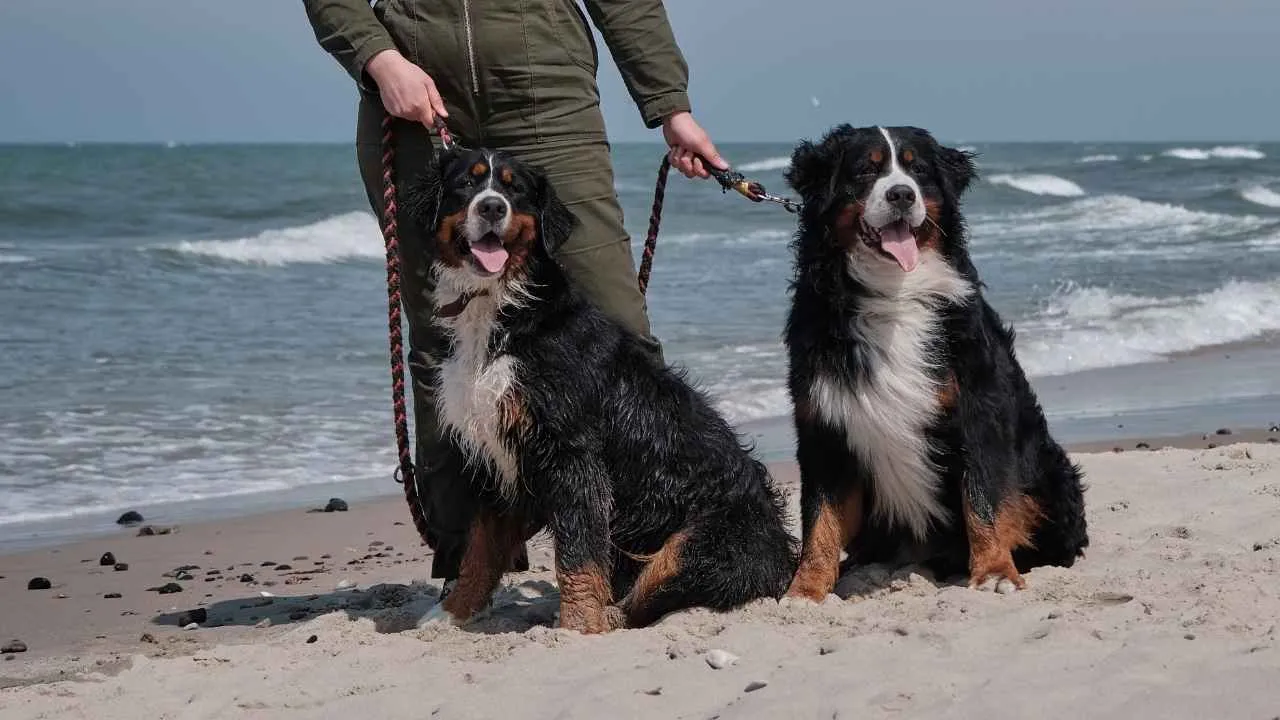
The Bernese Mountain Dog is a Swiss breed originally bred to be a jack-of-all-trades on the farm. It was used to pull carts, help drive livestock, and lend a hand wherever needed; work that helped shape both its strength and its people-friendly nature.
That said, the Bernese isn’t as much of a natural guardian as some other working breeds. It’s more of a devoted family dog, happiest when it’s involved in the household and sticking close to its owners.
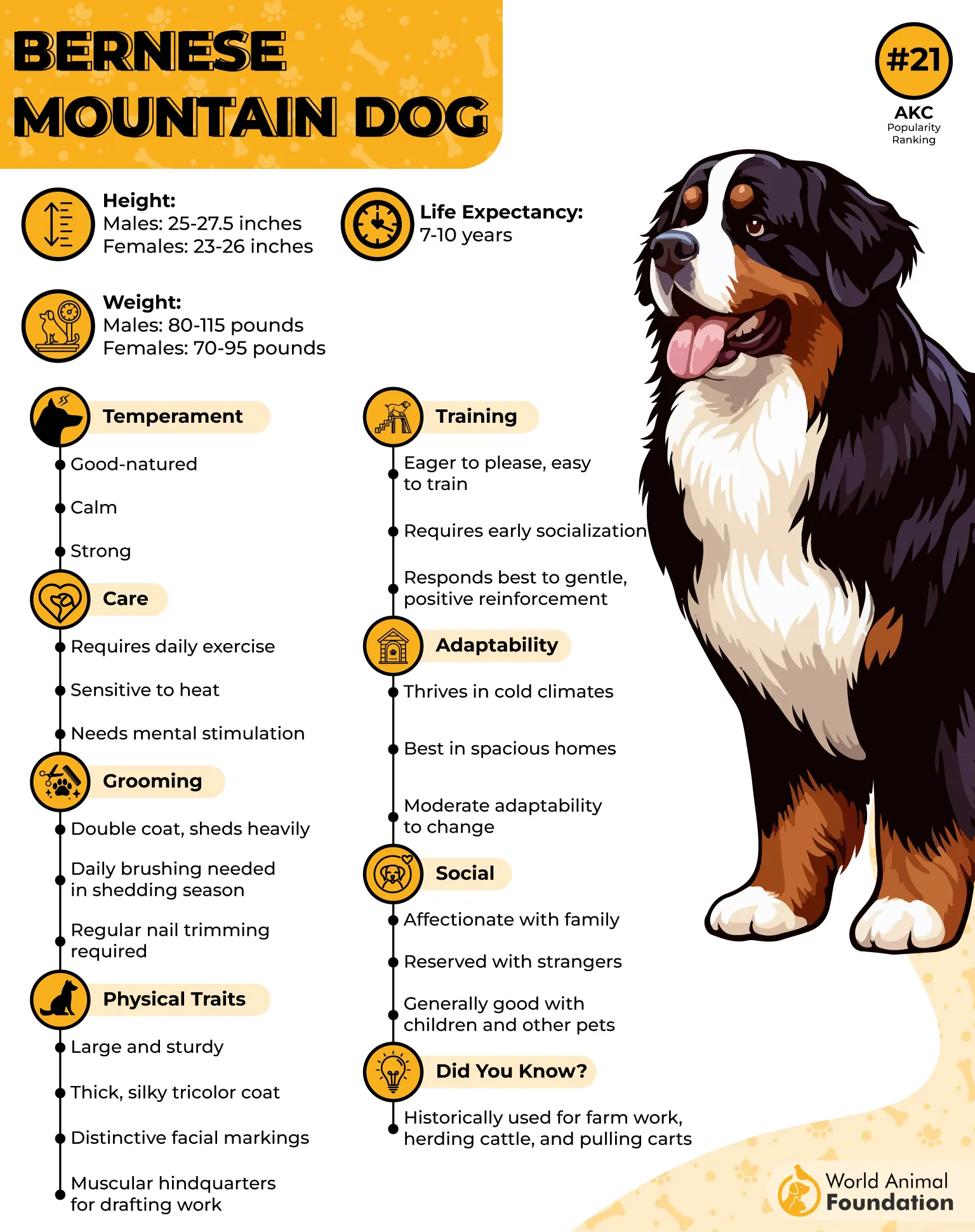
Its long double coat provides great insulation in cold weather, but that same coat can make warm climates tough to handle. These dependable dogs need reliable access to shade and fresh water at all times.
Bernese Mountain Dogs can enjoy activities like hiking or cart-pulling, but it’s important to ease into physical work gradually while they’re still young. Too much strain too early can affect their growth, so it’s best to build up activity slowly as they mature, ideally with guidance from a vet along the way.
Conclusion
There’s a wide range of rugged dogs listed above, and while they share plenty of grit, no two breeds are exactly alike in personality or skill set. Consistent training is what really brings out the best in these hardworking guard dogs and service breeds.
Some can track down lost travelers or protect livestock with impressive efficiency. And with proper socialization and mental stimulation, many of these dogs settle into family life just as well as they perform their working roles.
Certain breeds are built for pulling sleds; others shine at guarding property, flocks, or their owners. Hunting dogs need a sharp nose and serious stamina, while a farm dog might have to juggle several different jobs in a single day.
That’s why it’s worth thinking about your own lifestyle and needs before choosing a dog to match them. Get that right, and the whole settling-in process becomes so much smoother, leaving you free to simply enjoy your dog’s company.
