




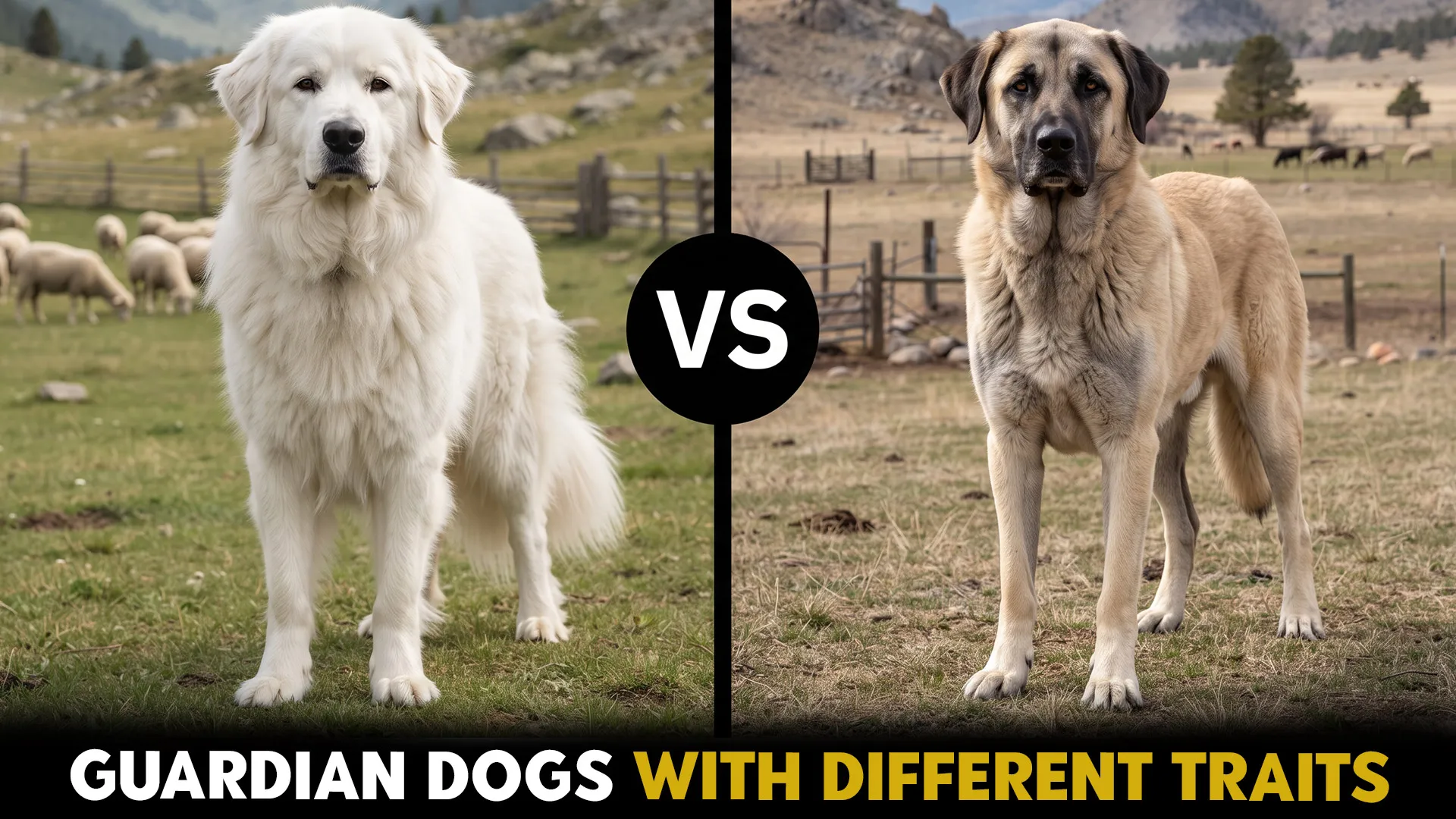
If you’re looking for a large, loyal dog that can protect your family and property, you’ve probably come across two impressive breeds: the Great Pyrenees and the Anatolian Shepherd.
Both were originally bred to guard livestock, both are fearless when facing danger, and both have earned a reputation as exceptional protectors. But despite these similarities, they have very different personalities, appearances, and care needs.
At first glance, these giant guardians may seem alike, but a closer look tells a different story. The Great Pyrenees is famous for its thick white coat, calm nature, and gentle approach to protecting loved ones.
The Anatolian Shepherd, on the other hand, is leaner, faster, and more independent, with a strong instinct to assess threats and act confidently on its own. These unique traits can make one breed a better fit for your lifestyle than the other.
So, which guardian is right for you? In this comparison, we’ll break down everything you need to know, including their history, appearance, temperament, exercise needs, grooming, health, and trainability.
By the end, you’ll have a clear understanding of what makes each breed special and which one is the better match for your home and family.
Great Pyrenees vs. Anatolian Shepherd: Breed Comparison
Origins & Purpose
Great Pyrenees
The Great Pyrenees is one of the world’s oldest livestock guardian breeds, with a history dating back to the Bronze Age (1800–1000 BCE). Originating in the Pyrenees Mountains between France and Spain, these powerful dogs were bred to protect sheep from wolves, bears, and other predators.
Rather than herding livestock, they calmly watched over their flocks, remaining alert day and night. Their courage and reliability eventually earned them a place among French royalty.
In the 17th century, King Louis XIV declared the Great Pyrenees the “Royal Dog of France,” and they became trusted guardians of castles and estates, according to Chewy.
The breed later gained popularity in other countries, with notable owners including Queen Victoria and the Marquis de Lafayette, who introduced them to the United States.
Today, the Great Pyrenees is cherished as both a devoted family companion and a dependable working dog. Although many now live as household pets, their natural protective instincts and gentle temperament continue to make them exceptional livestock guardians.
Anatolian Shepherd
The Anatolian Shepherd dog originated in Turkey’s Anatolian region and has a history stretching back nearly 4,000 years. Developed to guard sheep and goats across harsh landscapes, these dogs were bred for endurance, intelligence, and independence.
Unlike herding breeds that move livestock, Anatolian Shepherds stayed with the flock, making decisions on their own to protect animals from predators.
Over centuries, the breed became known for its fearless nature and strong sense of responsibility. Their ability to work independently without constant direction made them one of the most respected livestock guardian breeds in the world. These traits remain a defining part of the breed today.
The Anatolian Shepherd was officially recognized by the American Kennel Club in 1996 and continues to serve as a working guardian on farms worldwide.
Interestingly, the breed also plays an important role in wildlife conservation in Namibia, where it helps protect livestock while reducing conflicts with cheetahs, allowing both farmers and wildlife to coexist more peacefully.
Size & Physical Build
Great Pyrenees
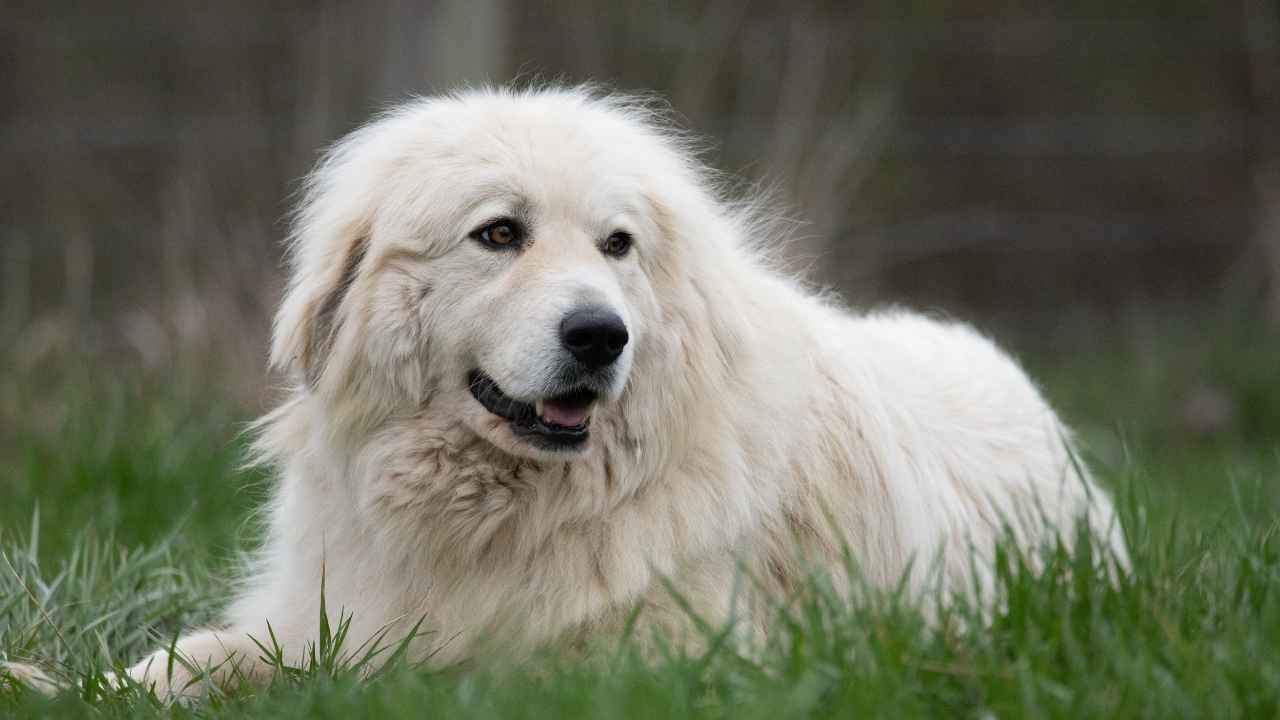
The Great Pyrenees is a large, powerfully built dog with a broad chest, sturdy frame, and thick double coat that makes it appear even bigger.
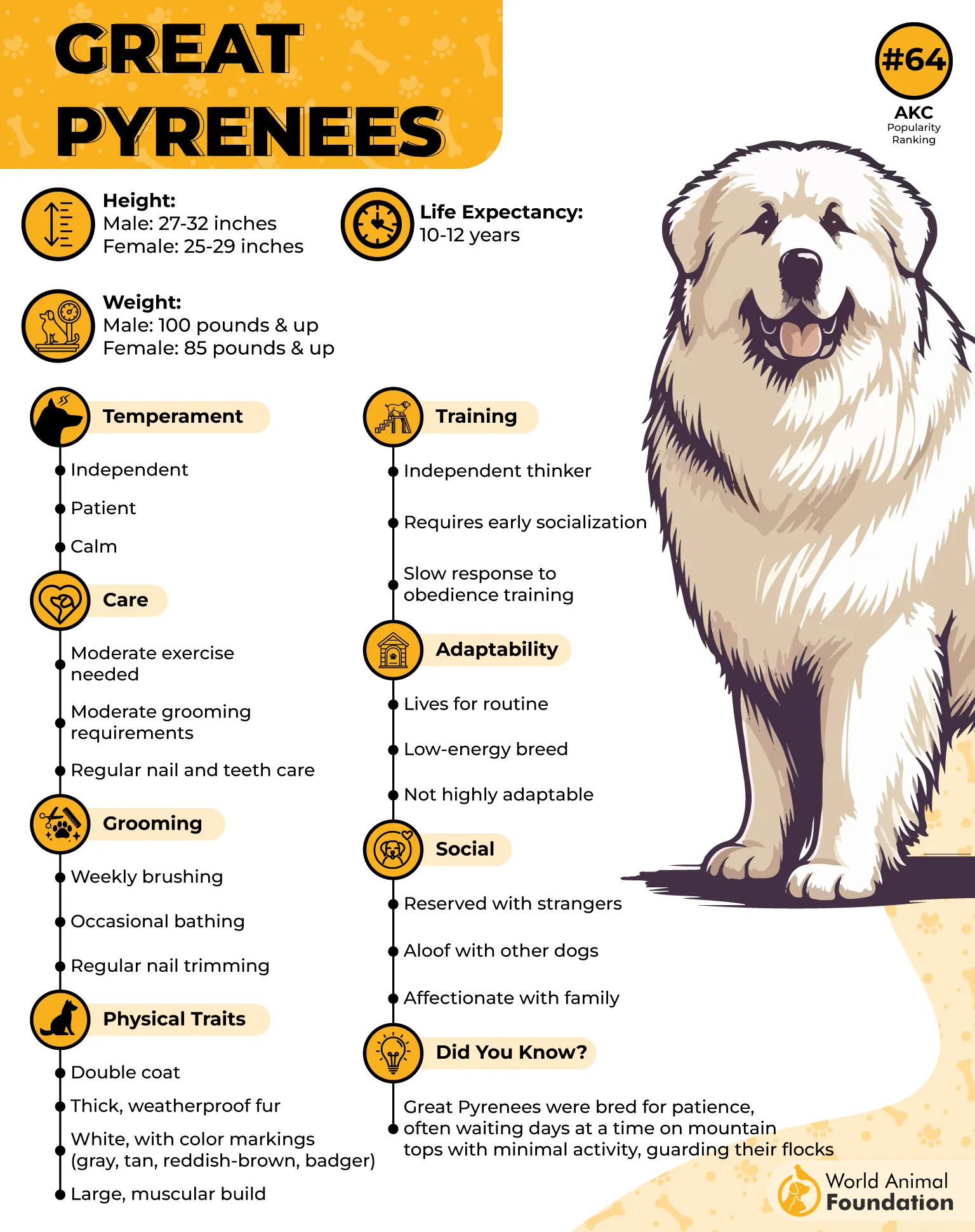
Female height: 25–29 inches
Male height: 27–32 inches
Female weight: 85+ pounds
Male weight: 100+ pounds
Build: Heavy-boned, muscular, and stocky
Unlike many breeds, the American Kennel Club does not set a maximum weight for the Great Pyrenees, so some individuals can be significantly larger than average.
Anatolian Shepherd
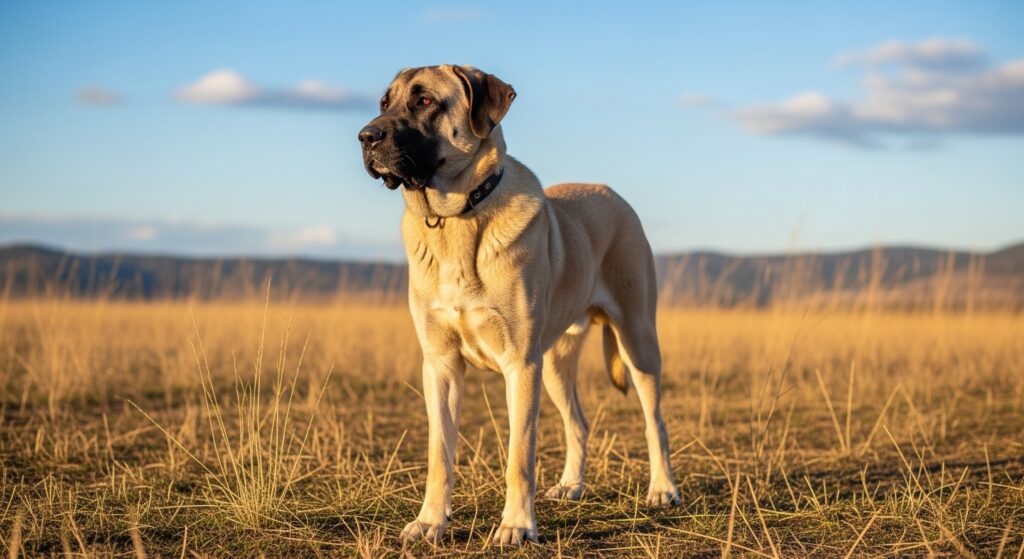
The Anatolian Shepherd is equally impressive in size but has a leaner, more athletic body designed for speed, endurance, and agility. Their long legs and lighter frames allow them to patrol large areas with ease.
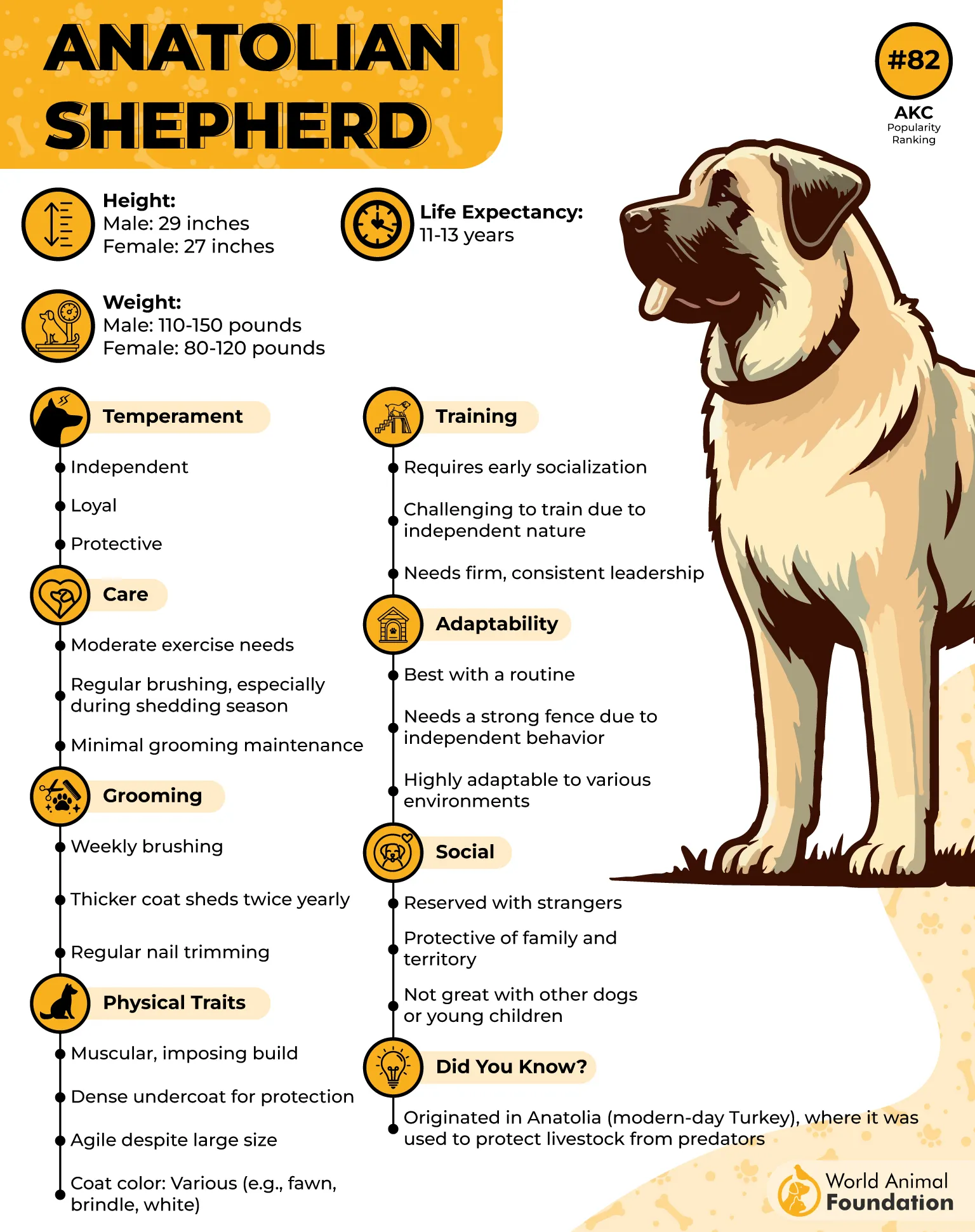
Female height: 27 inches
Male height: 29 inches
Weight: 80–150 pounds
Build: Lean, muscular, and athletic
Although Anatolian Shepherds can weigh as much as a Great Pyrenees, they generally appear slimmer because of their shorter coat and less bulky frame.
Temperament & Personality
Great Pyrenees
The Great Pyrenees dog is known for its calm, patient, and affectionate personality. Bred to quietly watch over livestock for long hours, these dogs are naturally composed and rarely become overly excitable.
They form strong bonds with their families and are especially gentle with children who know how to interact respectfully with dogs.
Friendly and affectionate with family members
Patient and gentle around children
Usually gets along well with other dogs, cats, and livestock
Naturally alert and prone to barking when something seems unusual
Independent thinker who benefits from early training and socialization
Although they’re loving companions, Great Pyrenees aren’t overly obedient by nature. Their guardian instincts make them capable of making decisions on their own, so consistent, positive training from an early age is essential.
Anatolian Shepherd
The Anatolian Shepherd is calm, confident, and highly independent. These intelligent dogs were bred to protect livestock without human guidance, making them excellent problem-solvers with strong protective instincts. They tend to be reserved around strangers but are deeply loyal and affectionate with their families.
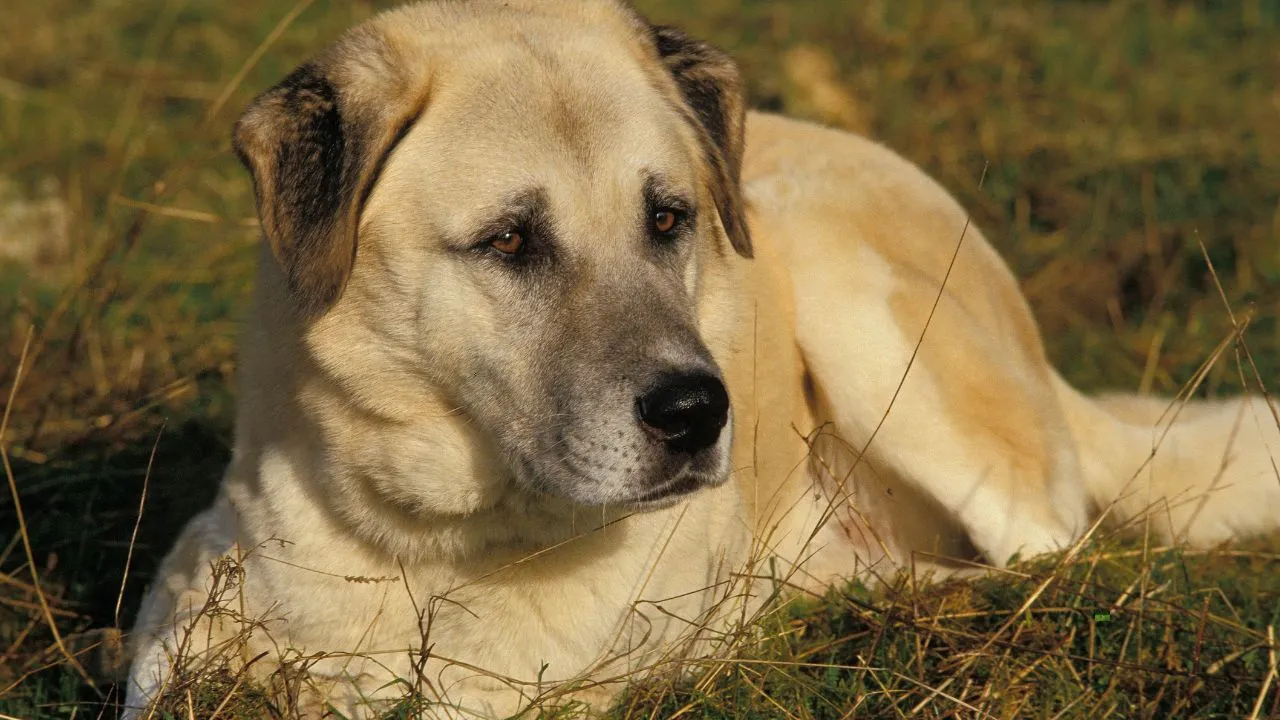
Loyal and devoted to their household
Naturally cautious around unfamiliar people
Highly intelligent and independent
Protective without being unnecessarily aggressive
Usually gets along with other pets when properly socialized from puppyhood
Anatolian Shepherds are less outwardly affectionate than many breeds, often showing their love through quiet companionship rather than constant cuddles. They thrive with experienced owners who understand independent guardian breeds and can provide firm, consistent leadership.
Exercise & Energy Levels
Great Pyrenees
The Great Pyrenees has a low-to-moderate energy level and is happiest with relaxed, purposeful activities rather than intense workouts.
Bred to patiently guard livestock, this breed prefers strolling and patrolling over running. Daily exercise helps keep them fit, but they also appreciate plenty of downtime with their family.
Needs about 30–60 minutes of exercise daily
Enjoys leisurely walks, light hikes, and exploring a fenced yard
Not a good jogging or running companion
Thrives in cooler weather but can overheat in high temperatures
Should be kept on a leash or in a secure yard due to its tendency to wander
Anatolian Shepherd
The Anatolian Shepherd is the more energetic and athletic of the two breeds. Originally developed to patrol large areas and protect livestock, these dogs need regular physical activity and mental challenges to stay happy. They love spending time outdoors and do best in homes with plenty of space to roam.
Requires at least 60 minutes of exercise each day
Enjoys long walks, hiking, fetch, and scent games
Benefits from puzzle toys and other mental stimulation
Can become destructive if under-exercised or bored
Needs a large, securely fenced yard because of its speed and strong roaming instincts
Training & Intelligence
Great Pyrenees
The Great Pyrenees is highly intelligent, but don’t expect blind obedience. These dogs were bred to work independently, making decisions on their own while guarding livestock.
As a result, they can be stubborn and may question commands rather than follow them immediately. Training requires patience, consistency, and realistic expectations.
Intelligent but independent-minded
Responds best to positive reinforcement with treats, praise, and toys
Learns better through short, engaging training sessions
Early socialization is essential to prevent excessive suspicion of strangers
Best suited for owners with some dog training experience
Because of their calm nature, Great Pyrenees aren’t driven by constant repetition. Keeping lessons varied and rewarding helps maintain their interest and encourages better results.
Anatolian Shepherd
The Anatolian Shepherd is equally intelligent but even more independent than the Great Pyrenees. Bred to protect livestock without human supervision, this breed naturally prefers making its own decisions.
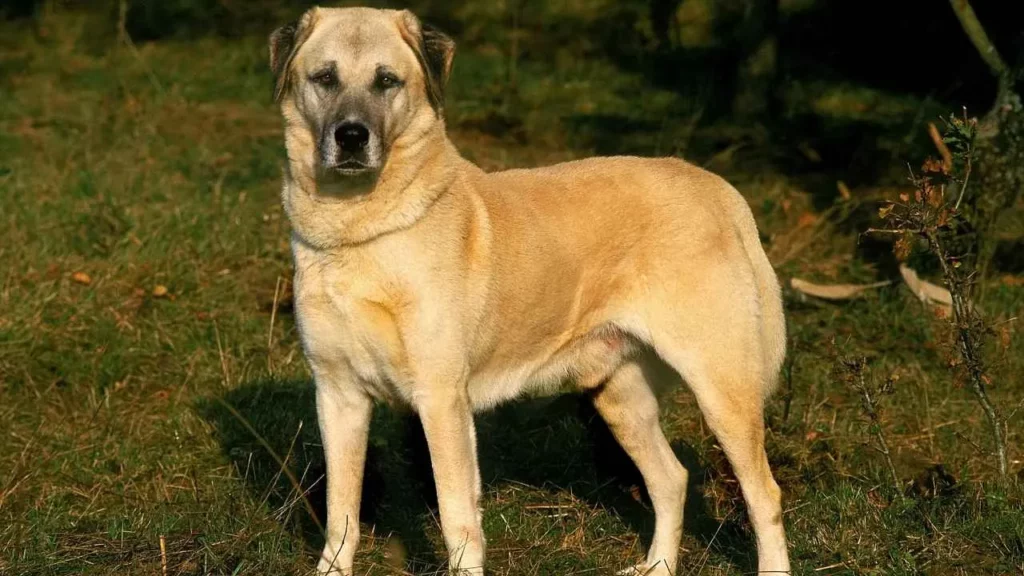
While they’re capable of learning quickly, they need a confident, consistent owner who can establish clear boundaries from an early age.
Extremely intelligent and quick to learn
Can be stubborn and slow to respond to commands
Requires early obedience training and extensive socialization
Thrives with positive reinforcement and patient, consistent leadership
Benefits from structured training classes, especially as a puppy
Because Anatolian Shepherds are naturally protective and wary of strangers, early socialization is critical to raising a well-mannered adult.
ASDCA says they should never receive guard dog or protection training, as their natural guarding instincts are already strong enough. With proper guidance, they become calm, reliable, and trustworthy companions.
Coat Maintenance
Great Pyrenees
The Great Pyrenees is famous for its thick, majestic white double coat, which consists of a long, silky outer coat and a soft, dense undercoat. While the outer coat naturally resists dirt and tangles, this breed is a heavy shedder, especially during seasonal coat changes.
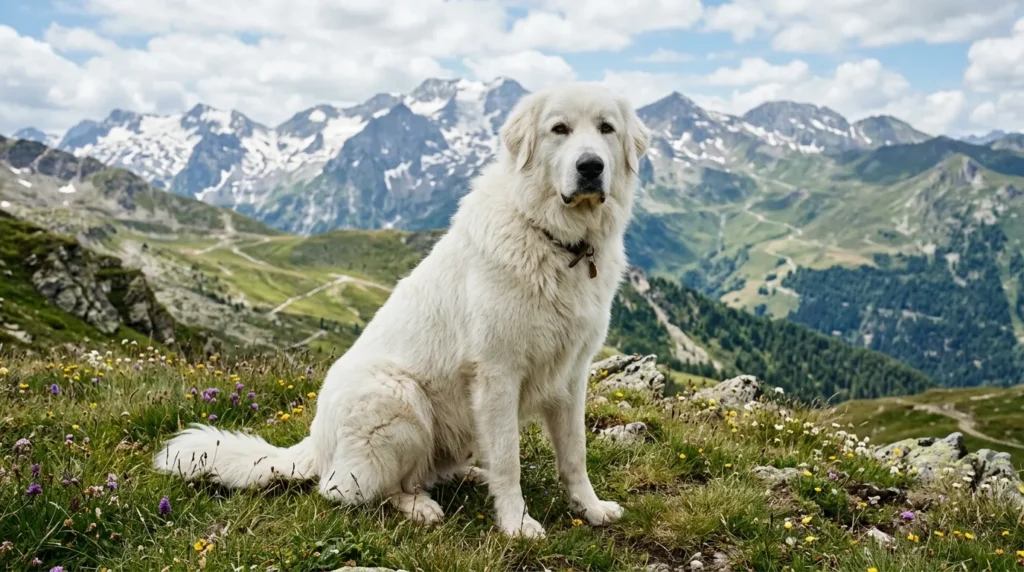
Weekly brushing is usually enough to keep the coat healthy, though more frequent grooming during shedding seasons helps remove loose fur and keeps it from spreading throughout your home. Fortunately, the coat stays relatively clean on its own, so frequent baths are rarely necessary.
Anatolian Shepherd
The Anatolian Shepherd has a shorter, dense double coat that is much easier to care for than the Great Pyrenees’ luxurious fur. PetMD mentions this breed sheds moderately throughout the year and experiences heavier shedding twice annually as the undercoat is replaced.
A weekly brushing is generally enough to maintain the coat, while brushing every few days during seasonal shedding helps remove dead hair more efficiently.
Thanks to its short, smooth outer coat, the Anatolian Shepherd requires relatively little grooming and is considered one of the lower-maintenance giant dog breeds.
Health & Lifespan
Great Pyrenees
The Great Pyrenees is generally a healthy giant breed with an average lifespan of 10–12 years, which is slightly longer than that of many other dogs of similar size.
Regular veterinary checkups, a healthy diet, and purchasing from a responsible breeder who performs health screenings can help reduce the risk of inherited conditions.
Common health concerns include:
Hip dysplasia
Elbow dysplasia
Chondrodysplasia (Dwarfism)
Patellar luxation
Entropion
Cataracts
Canine multifocal retinopathy (CMR)
Neuronal degeneration (NDG)
Gastric dilatation-volvulus (GDV/Bloat)
Anatolian Shepherd
The Anatolian Shepherd is a hardy and robust breed with an average lifespan of 11–13 years. While generally healthy, they can be prone to a few inherited conditions, making routine health screenings and preventive veterinary care important throughout their lives.
Common health concerns include:
Hip dysplasia
Elbow dysplasia
Entropion
Sensitivity to anesthesia
Gastric dilatation-volvulus (GDV/Bloat)
Suitability as Farm Dog vs. Guard Dog
Great Pyrenees
The Great Pyrenees excels as a livestock guardian and is one of the best farm dogs for protecting sheep, goats, chickens, and other animals from predators.
Rather than chasing threats, this breed relies on patience, vigilance, and an imposing presence to keep danger away. Its calm temperament also allows it to live peacefully alongside livestock and family members.
As a guard dog, the Great Pyrenees is dependable but not overly aggressive. They are naturally suspicious of strangers and will bark loudly to alert their owners of anything unusual.
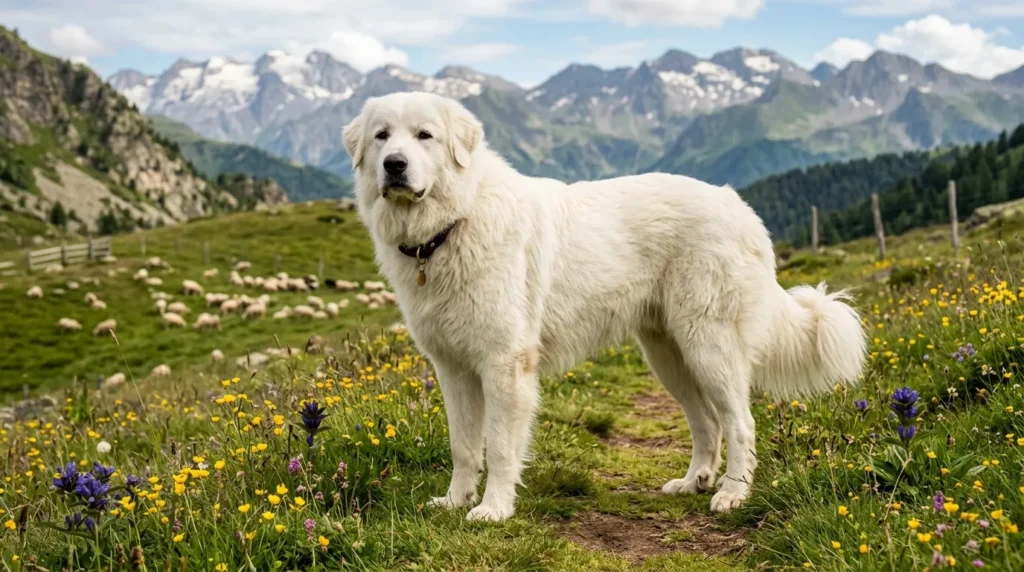
However, they typically prefer to intimidate intruders with their size and voice instead of confronting them unless absolutely necessary. This makes them an excellent choice for families seeking a protective yet gentle companion.
Anatolian Shepherd
The Anatolian Shepherd is an exceptional working farm dog, especially on large properties where livestock need constant protection.
Bred to patrol vast areas independently, this breed is highly alert, fearless, and capable of making quick decisions without waiting for commands. It is particularly effective against determined predators and thrives in rural environments with plenty of space.
As a guard dog, the Anatolian Shepherd is more assertive and territorial than the Great Pyrenees. It forms strong bonds with its family, remains naturally wary of strangers, and won’t hesitate to step in if it senses a genuine threat.
Thanks to its confidence, independence, and powerful protective instincts, the Anatolian Shepherd is often better suited for experienced owners who need a serious guardian for their home, property, or livestock.
Conclusion
Choosing between the Great Pyrenees and the Anatolian Shepherd ultimately comes down to your lifestyle and expectations.
The Great Pyrenees is a gentle, patient guardian that fits well into family life, while the Anatolian Shepherd is a more independent, highly protective breed that thrives with experienced owners and plenty of space.
Both are intelligent, loyal, and exceptional livestock guardians, but they have different exercise, training, and grooming needs.
Before bringing either breed home, take an honest look at the time, space, and commitment you can provide. A well-matched dog is more than just a pet—it’s a lifelong companion and protector.
Whether you’re looking for a devoted family guardian or a hardworking farm dog, choosing the breed that best fits your daily life will lead to a happier experience for both you and your canine companion.
