




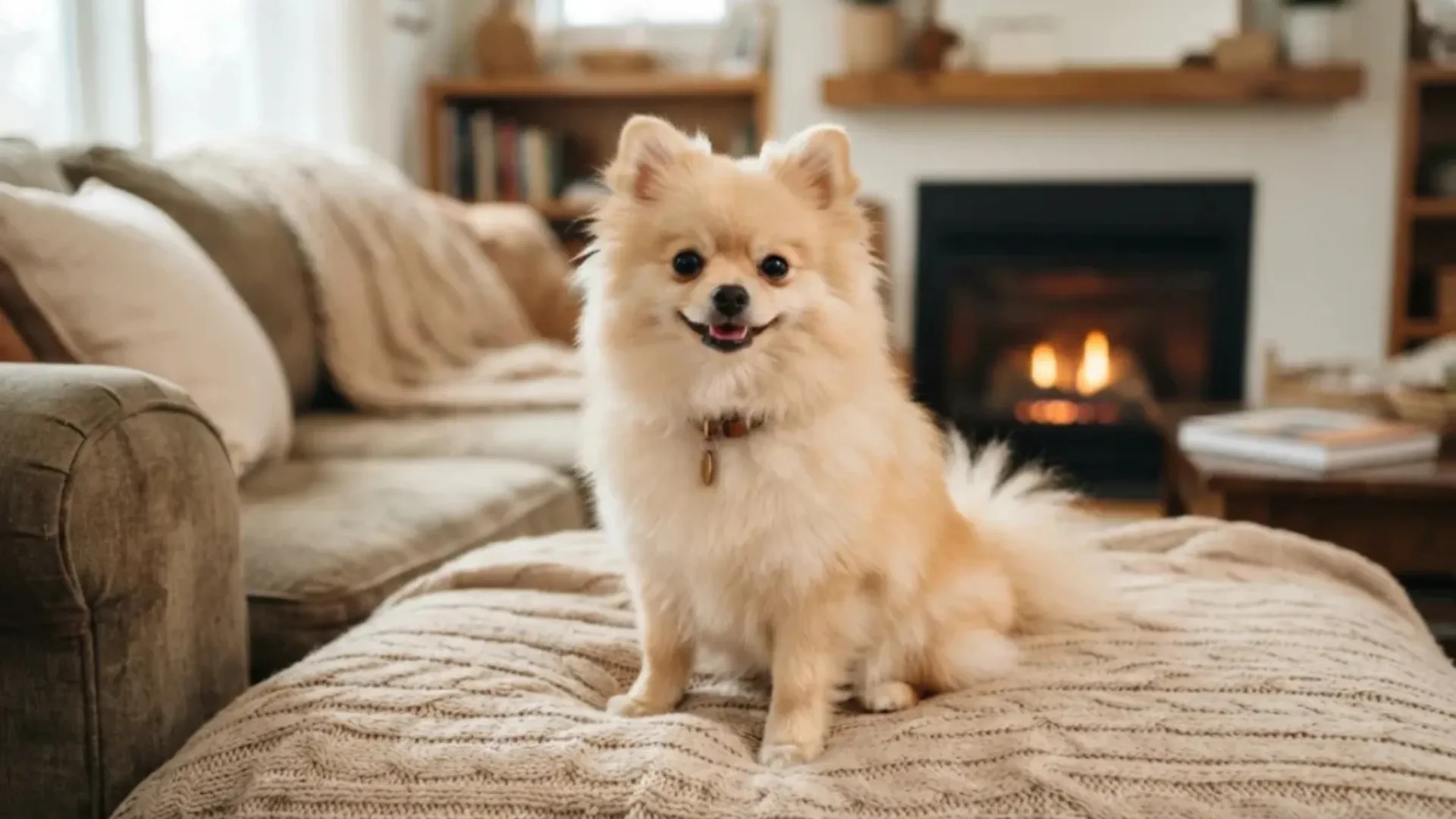
A tiny dog can bring an incredible amount of warmth, personality, and companionship into a family home. Small dogs take up very little room, but they take over your whole heart. For apartment dwellers and pet parents living with limited space, they make the best companion dogs.
The best small breeds are not simply chosen for their size, but for how naturally their temperament, energy, and affection fit into everyday family life. This is why these low-maintenance, adorable buddies with a moderate energy level can be your next ideal pet.
From cheerful lap dogs to playful little companions, these breeds can turn ordinary routines into moments of comfort and connection.
For families seeking a loving dog that feels perfectly at home in a cozy space, the right tiny breed can make a surprisingly big difference.
Best Tiny Dog Breeds for a Cozy Family Life
1. Pomeranian
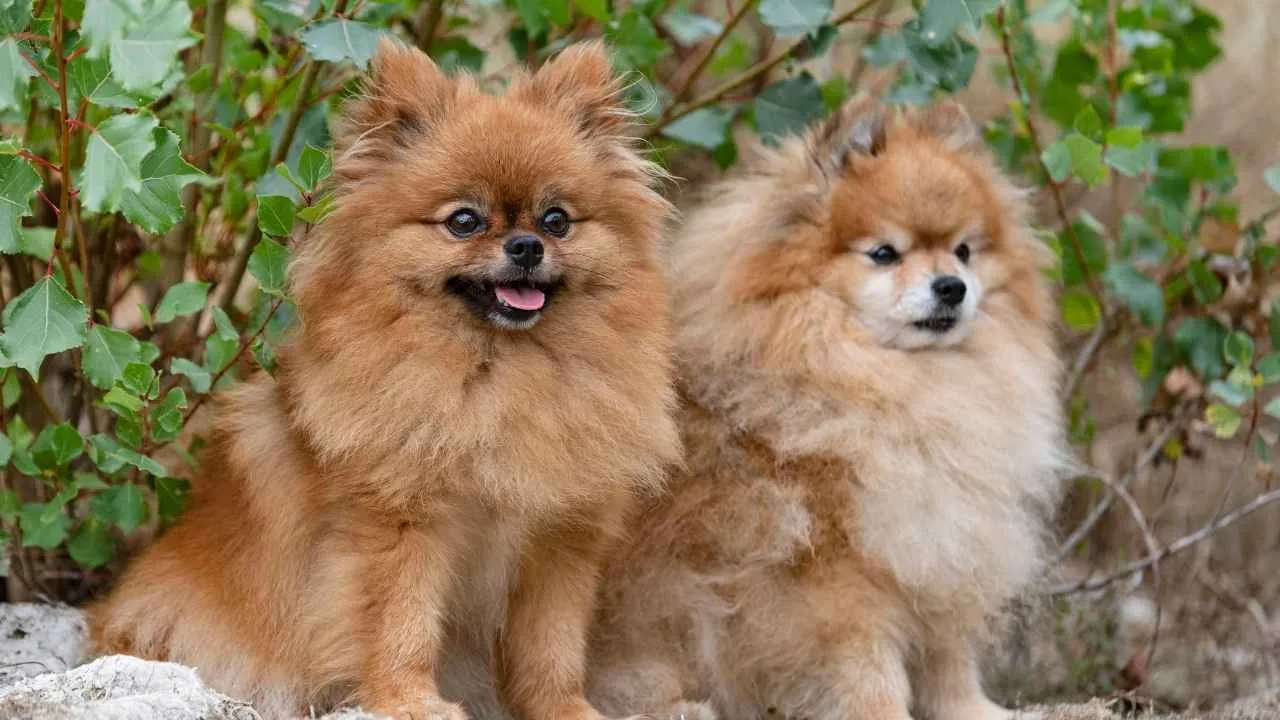
A Pomeranian walks into a room like someone just announced its arrival at a royal banquet. Beneath all that fluff is a bright, busy little dog that loves being part of whatever the family is doing.
Origin
The Pomeranian comes from Pomerania, a region historically linked with present-day Poland and Germany. Its ancestors were much larger Spitz-type working dogs, but selective breeding gradually produced the tiny companion breed you see today.
Personality Traits
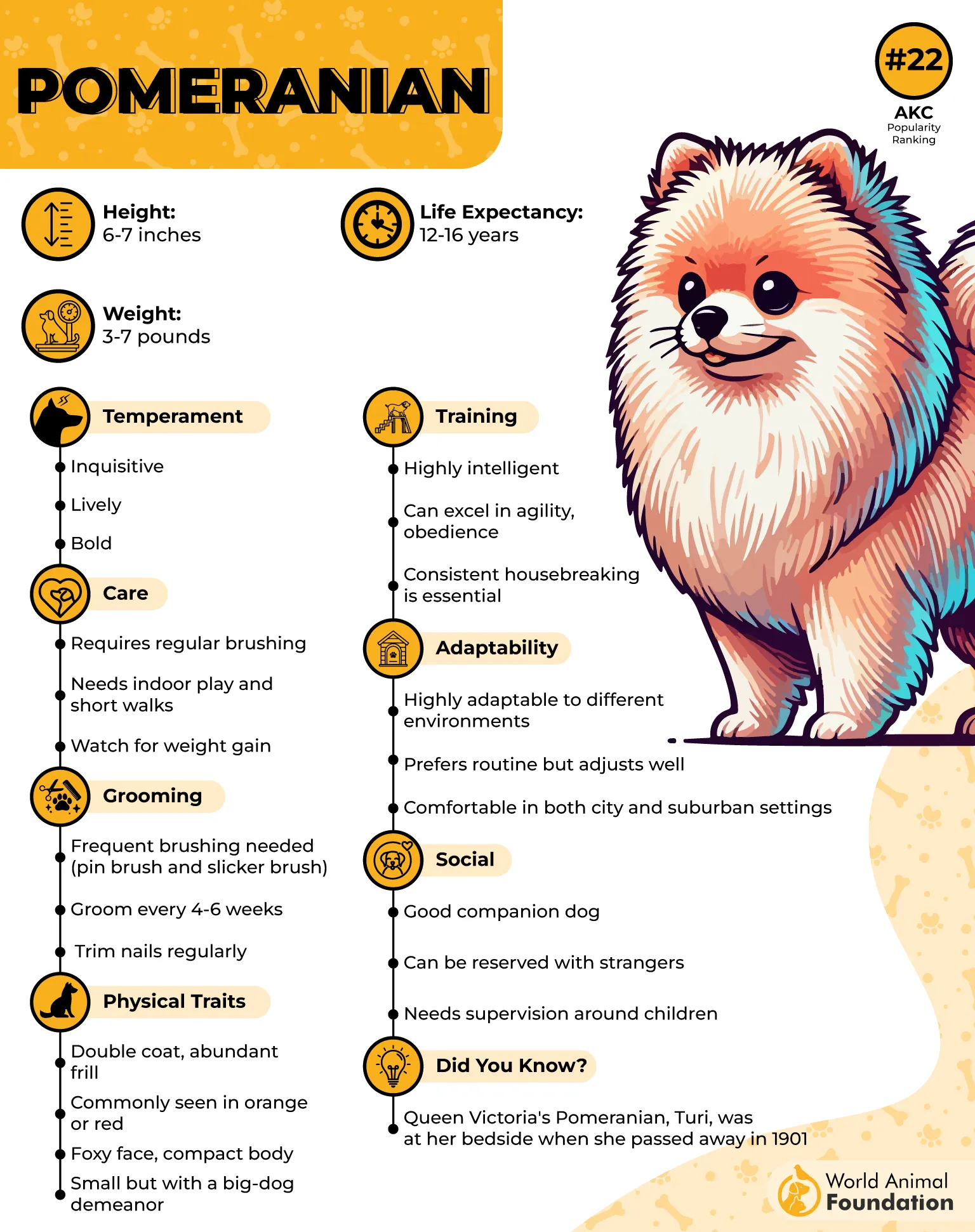
This little fluffball is curious, playful, intelligent, and alert, and it often keeps a close eye on every suspicious noise outside the window. It enjoys games, attention, learning tricks, and following its favorite people around the house. Its lively nature gives a small home plenty of personality.
Care
Regular grooming and brushing help prevent tangles and keep its thick double coat looking neat.
This cute dog requires moderate exercise like short walks, indoor games, and little training sessions that usually keep its healthy weight intact and avoid unnecessary weight gain. Because it’s so tiny, gentle handling matters, especially around young children.
2. Maltese
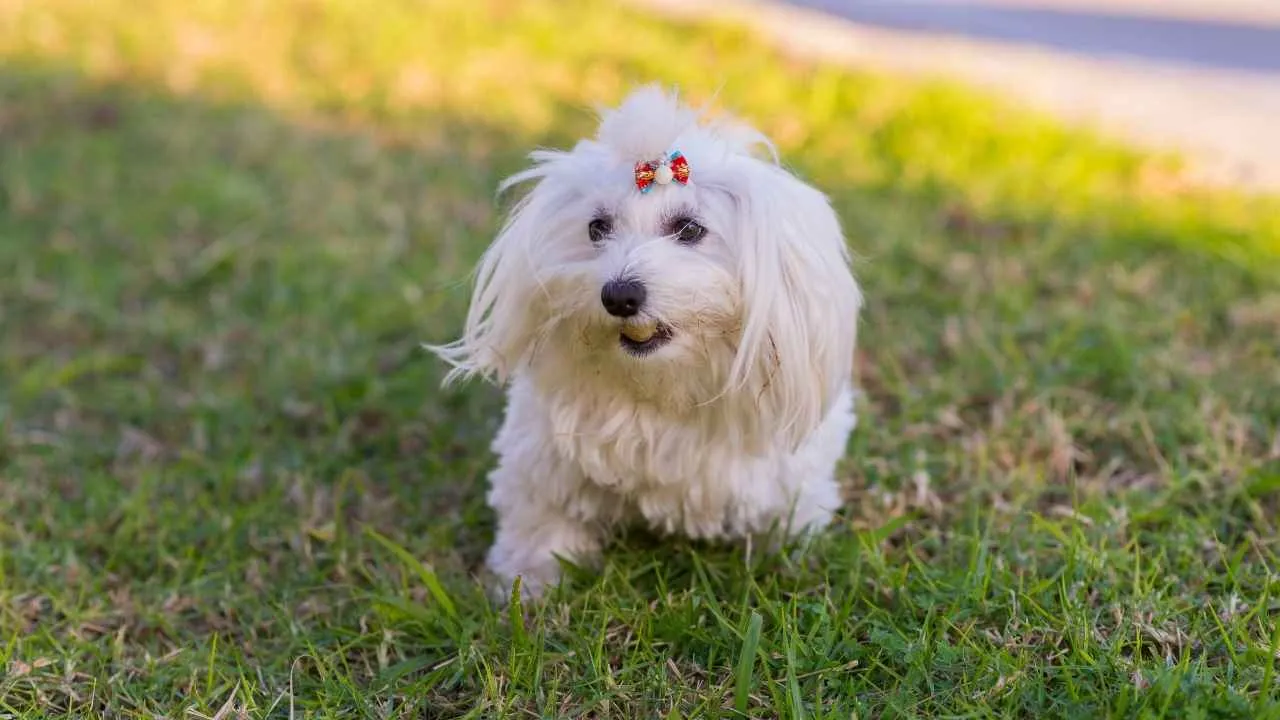
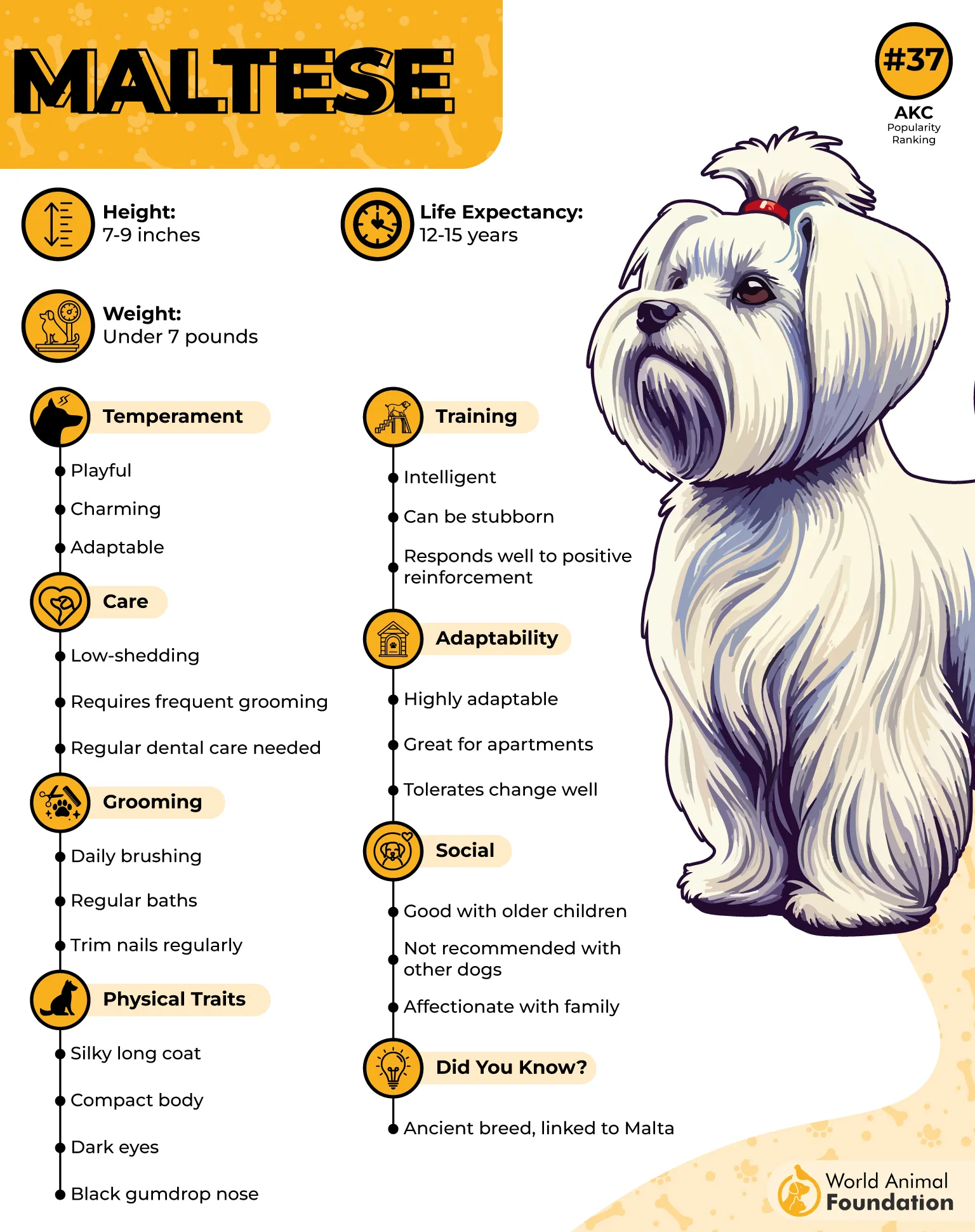
Picture a tiny white dog who would rather be beside you than anywhere else, and you are already halfway to meeting the Maltese. It has the sweet lapdog look with a calm demeanor, but there is plenty of cheeky spirit hiding underneath it.
Origin
According to Pawlicy Advisor, the Maltese has an ancient history around the Mediterranean and takes its name from the island of Malta. This dog was treasured as a companion and spent generations close to people rather than working in fields or guarding property.
Personality Traits
Maltese dog is playful, bright, social, and deeply attached to its family. It enjoys being included in everyday life and suffers from separation anxiety if left alone.
Care
The long white silky coat is gorgeous but needs attention. Daily brushing helps stop mats from forming, while regular bathing and trimming keep the coat manageable.
Walks and indoor games give it useful minimal exercise without turning your schedule upside down.
Positive training works best, particularly because a Maltese may happily ignore a boring lesson. Consistent house training from an early age also helps keep indoor living smoother.
3. Chihuahua
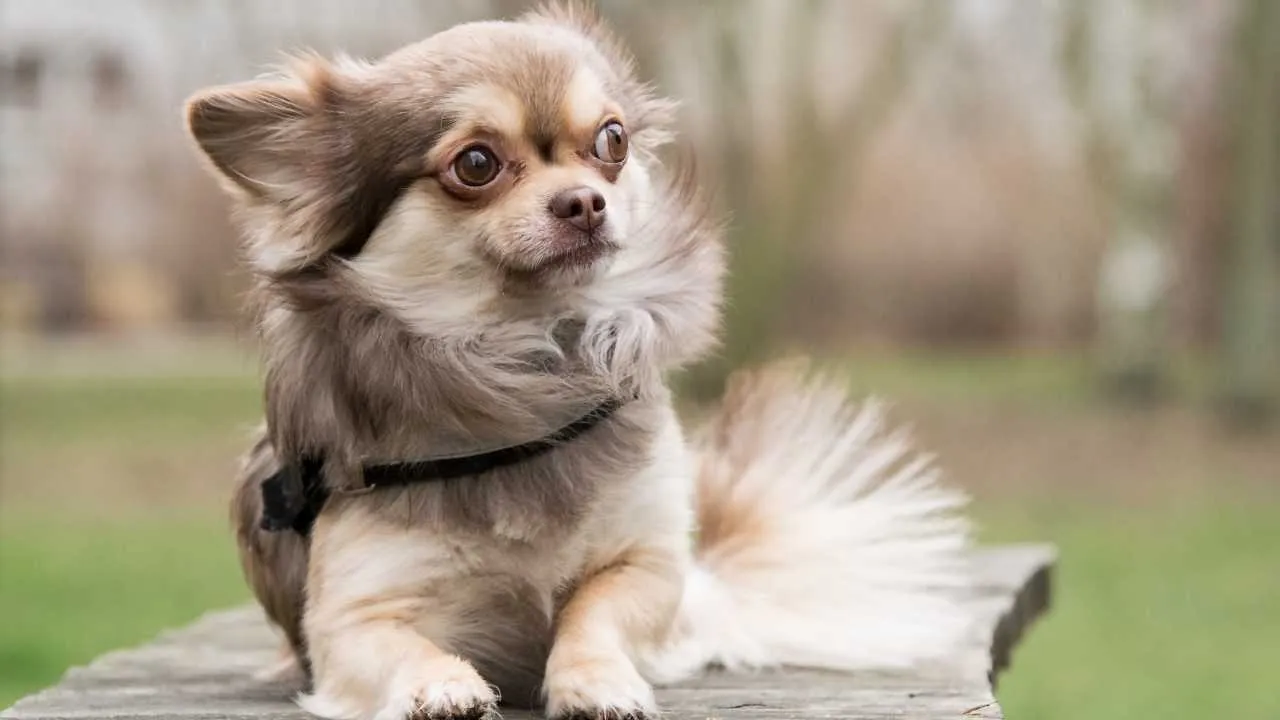
Never underestimate a Chihuahua. This is the dog equivalent of someone who is five feet tall but somehow becomes the loudest person at the family meeting with its playful nature.
Origin
The Chihuahua originated in Mexico and gets its name from the Mexican state of Chihuahua. Its history reaches back to the ancient Techichi, a small companion dog associated with the Toltec civilization.
Personality Traits
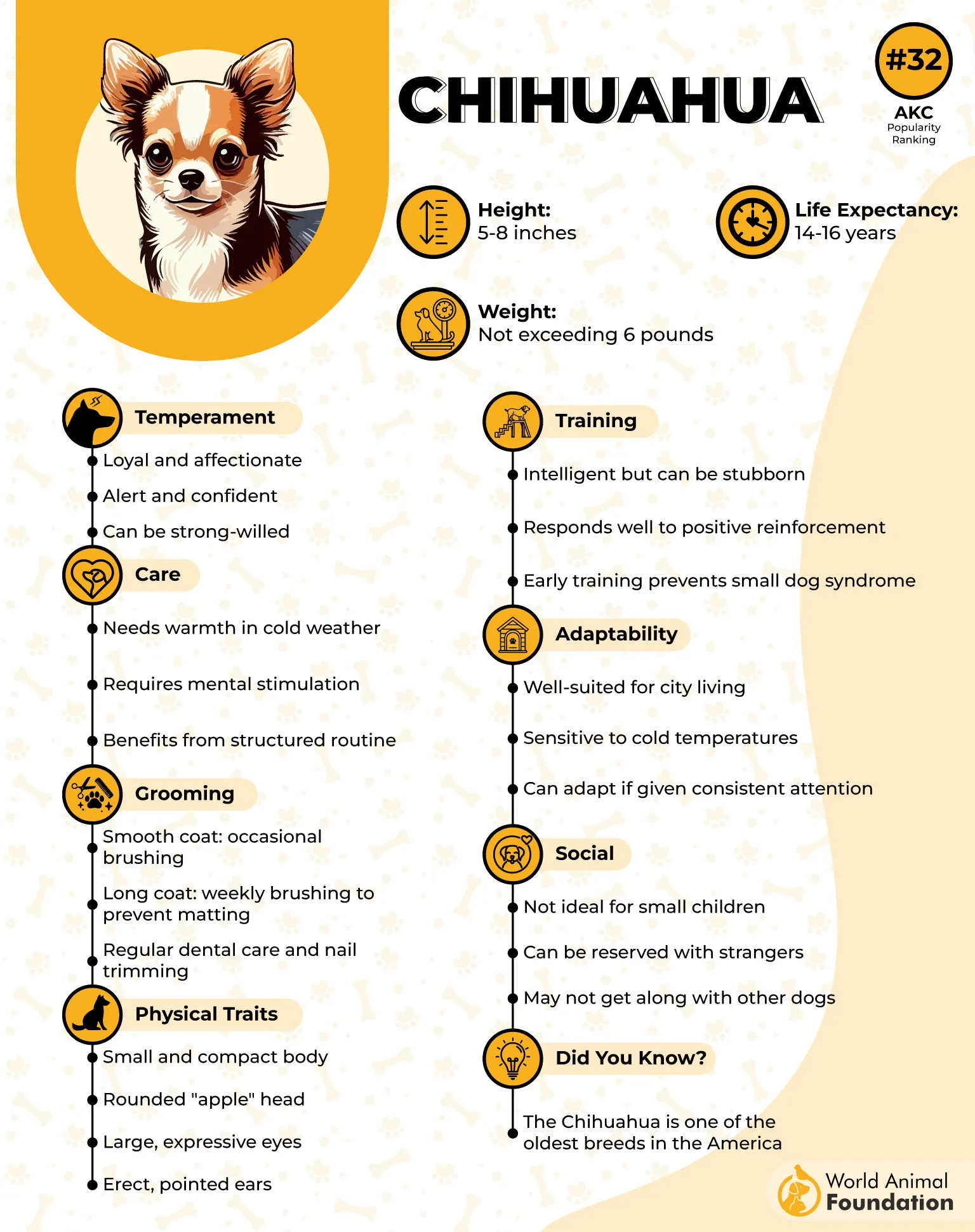
Chihuahua is alert, lively, confident, fiercely loyal, and an excellent family dog. It often becomes especially attached to one person and happily follows them from room to room.
Its watchful nature also means it may bark at visitors, strange sounds, or absolutely nothing that you can see. Early socialization and proper training help it feel more comfortable around unfamiliar people and animals.
Care
Its small size makes it easier to accommodate in smaller living spaces. Smooth-coated Chihuahuas have minimal grooming needs, as PetMD mentioned.
Dental care deserves particular attention because its small mouth is prone to dental problems. Its delicate body also makes rough play risky, so very young children may not be the best match.
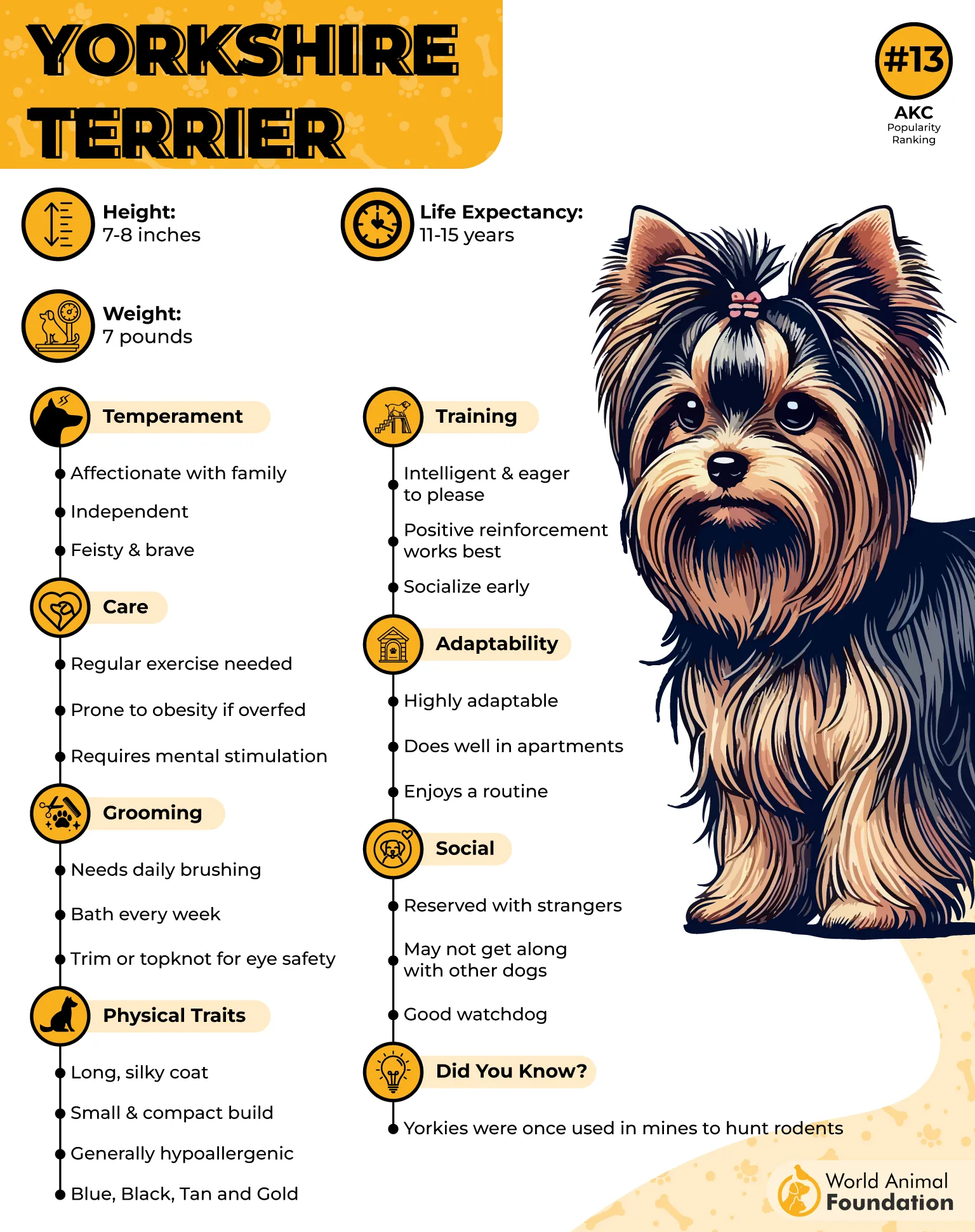
4. Yorkshire Terrier
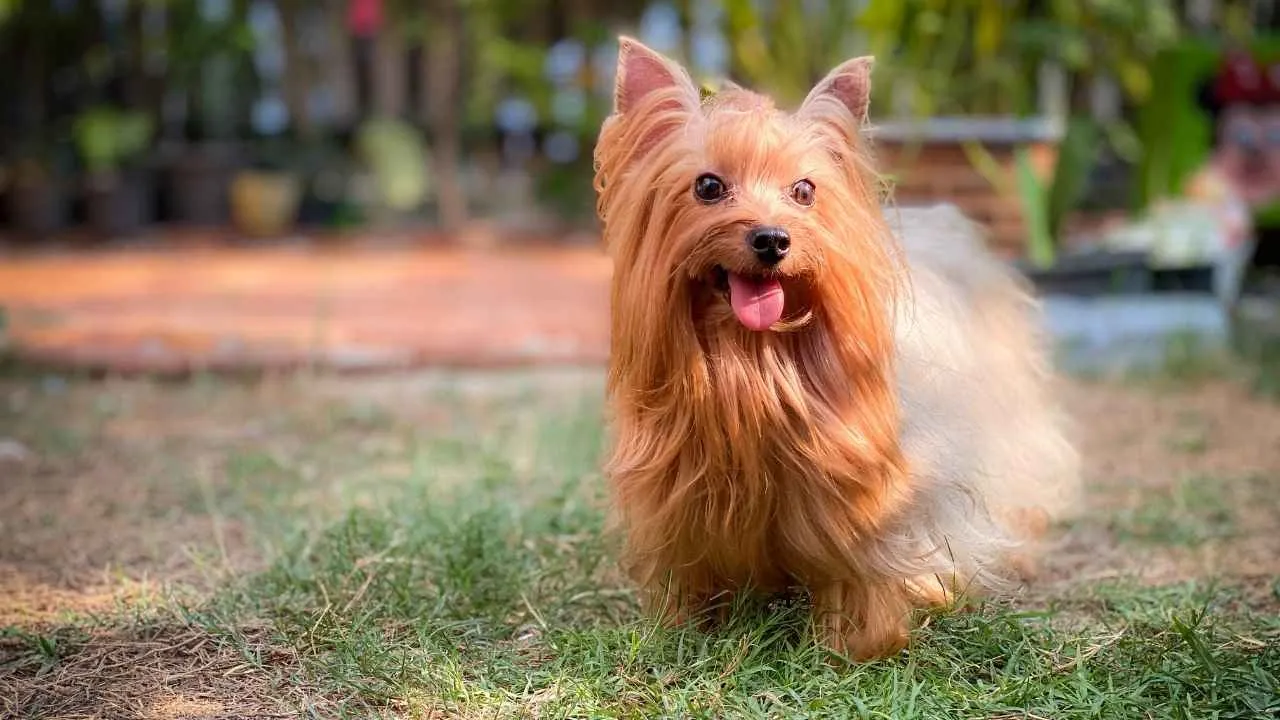
The Yorkshire Terrier looks as though it belongs in a fancy handbag, but its personality says otherwise. Give a Yorkie an interesting sound, a moving leaf, or a suspicious-looking stranger, and suddenly your tiny watchdog has a full investigation underway.
Origin
Yorkshire Terriers developed in northern England; their ancestors worked around textile mills, where they were valued for catching rats. That terrier history still peeks through in its fearless little personalities.
Personality Traits
Yorkies are confident, curious, affectionate, and energetic. It loves attention and enjoys joining family activities rather than sitting quietly in the background.
Its terrier instincts also give it a bold streak, so basic obedience keeps its behavior in check.
Care
Its long, human-like hair needs regular brushing and trimming, particularly if you keep the coat long. Daily walks, interactive play, and short training sessions help keep its mind and body occupied.
If properly socialized from puppyhood, the excessive barking can be managed, helping it behave politely around people and other dogs. Teach children to treat this fashionable little companion very gently.
5. Toy Poodle
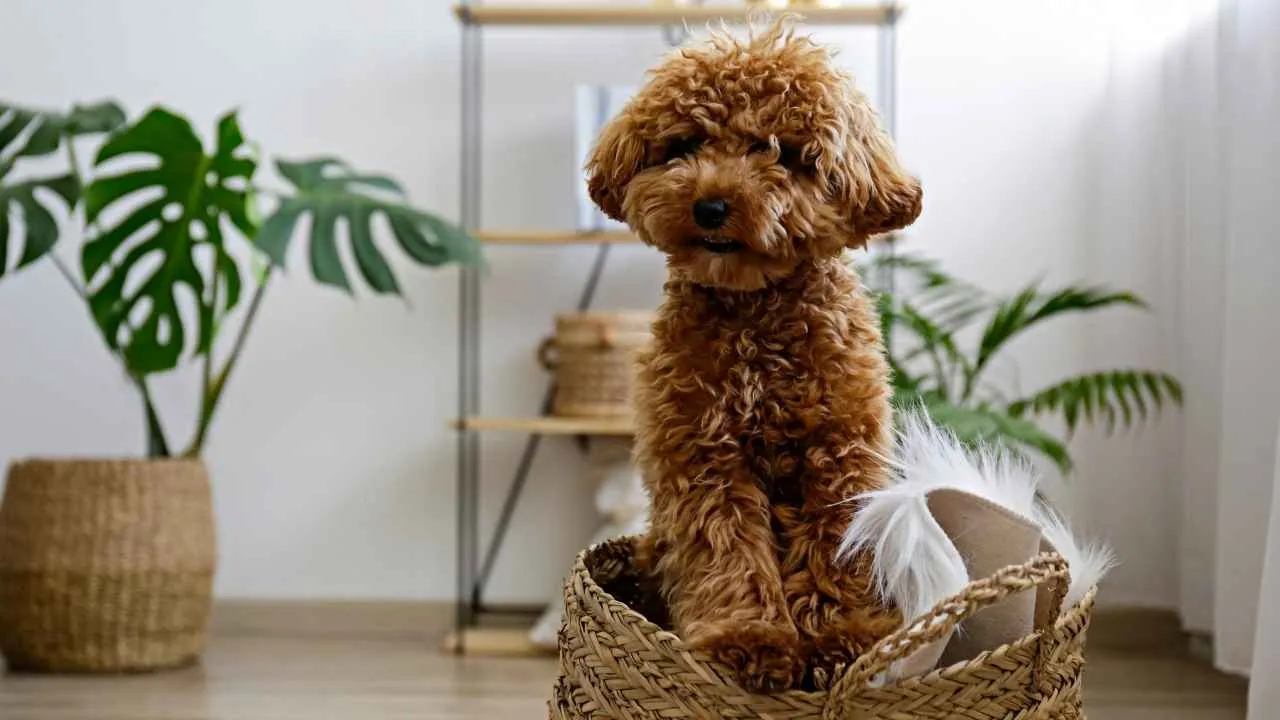
The Toy Poodle may look like a dainty little showstopper, but its brain is working overtime. Give it a new trick to learn, and it may pick it up before you have finished explaining what you wanted.
Origin
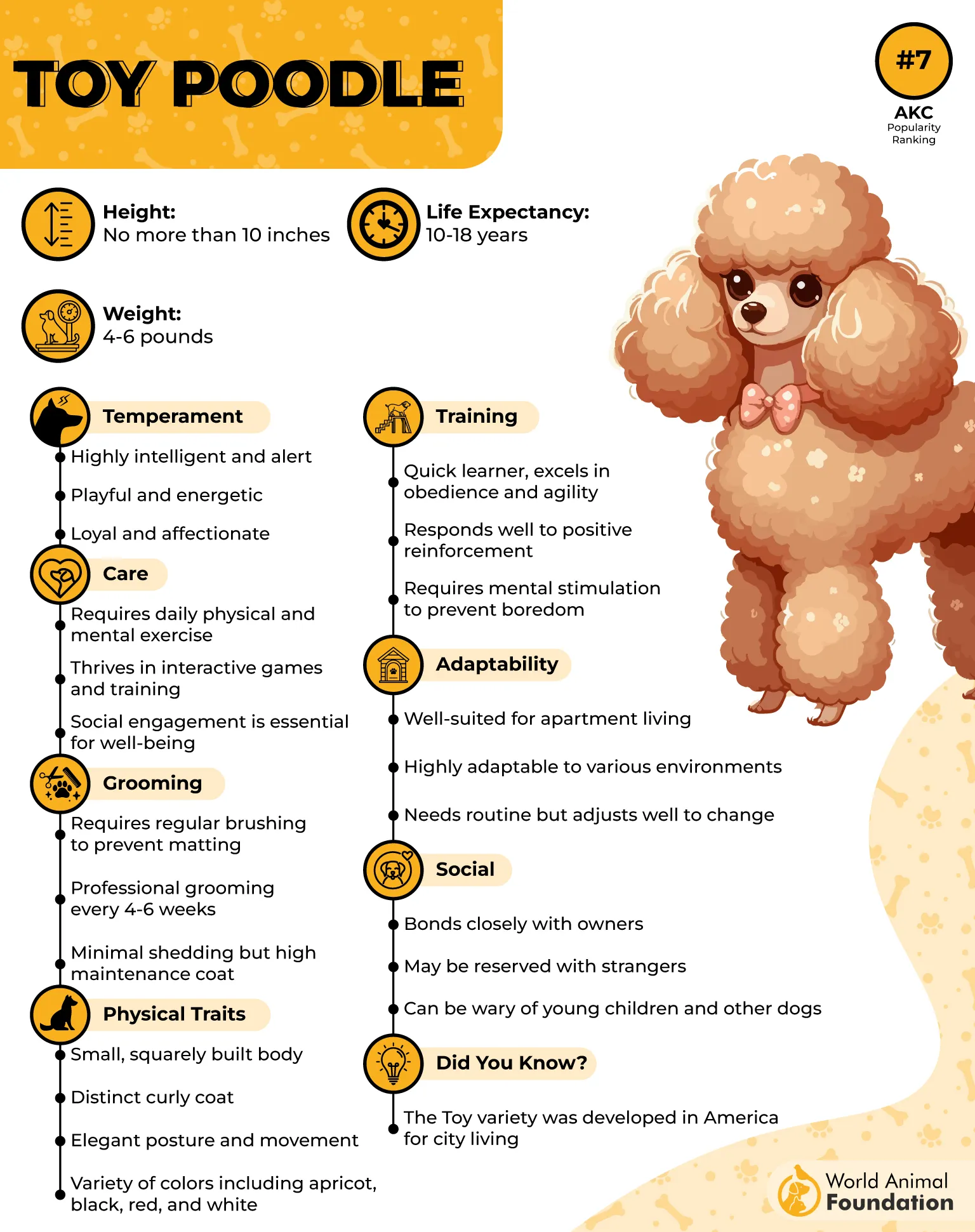
Poodles were originally developed in Europe as water retrievers. The miniature Poodle variety was later bred down in size, giving families a compact companion with the same famous intelligence, curly coat, and gentle temperament.
Personality Traits
This adorable dog is clever, playful, attentive, and eager to learn. It enjoys figuring things out, so simple walks alone may not satisfy it for long.
Its intelligence makes it an easy-to-train breed. Purina noticed that training games, tricks, puzzle toys, and new activities and dog sports give its busy mind something worthwhile to chew on. It also tends to form close relationships with its people.
Care
This small breed dog sheds very little, but its curly coat still needs professional grooming important as it grows very fast. Regular brushing and trimming help prevent painful mats.
Perfect match for active families, this tiny sidekick needs daily walks and play alongside mental stimulation. Keep training upbeat and varied, and it is usually an enthusiastic student.
Its tiny frame means children should learn gentle handling before playtime begins.
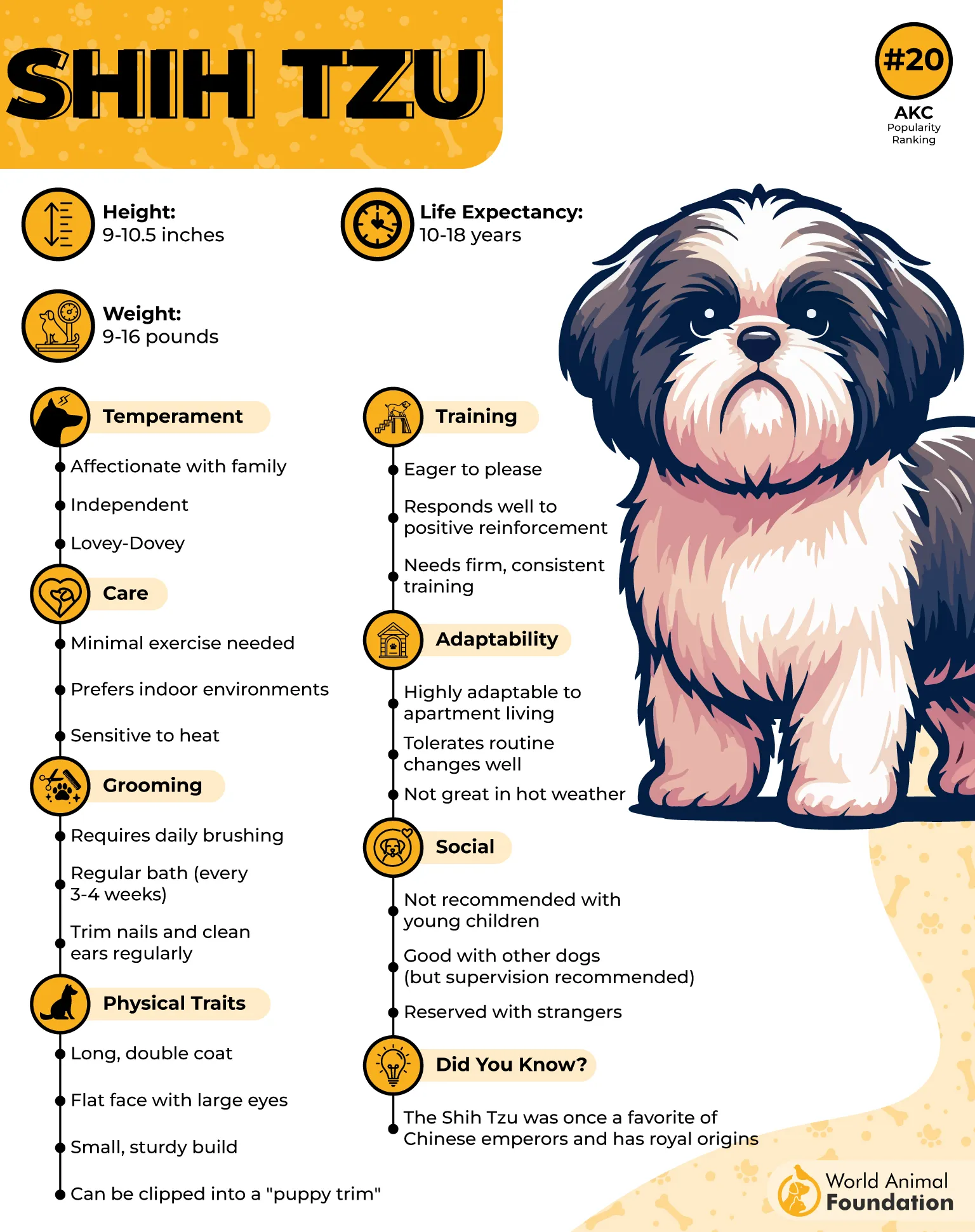
6. Shih Tzu
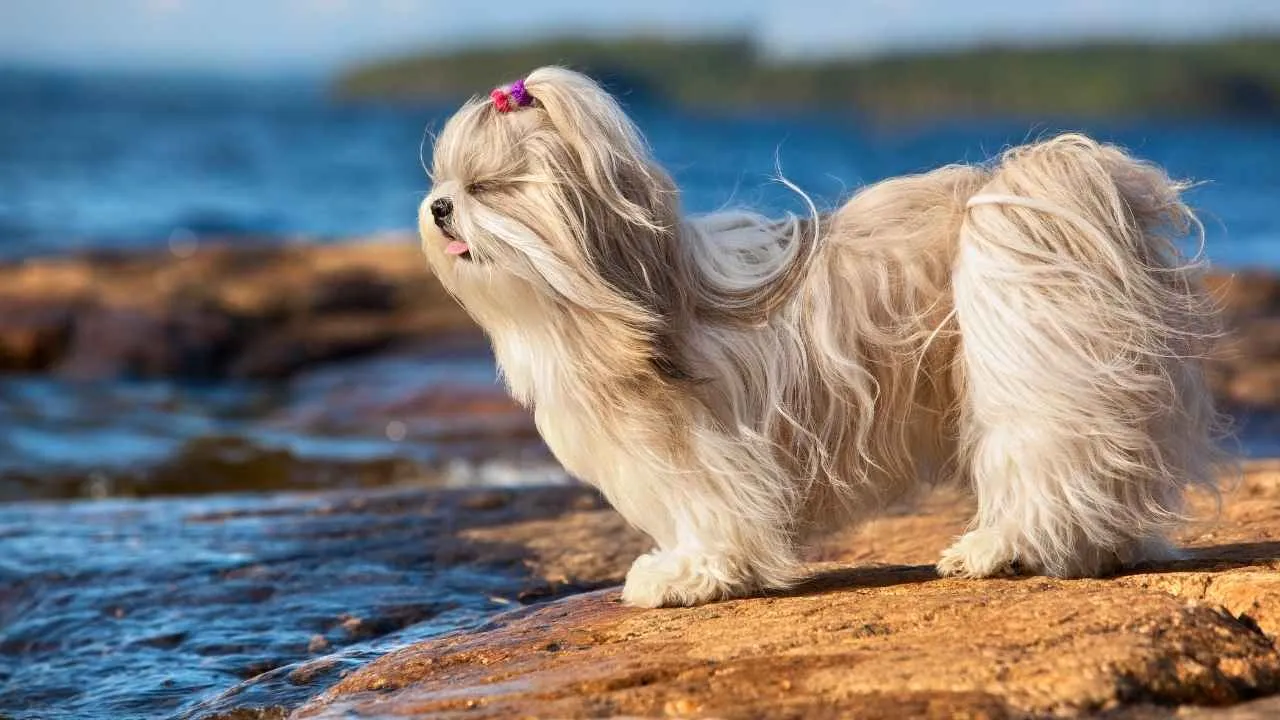
Some dogs want to run the neighborhood. The fluffy white dog, the Shih Tzu, is more likely to wonder why everyone is leaving the house when the sofa is right there. This cheerful little companion was made for staying close to people and living in small spaces.
Origin
Shih Tzu originated in China and was treasured as companion dogs by Chinese royalty. Its name means roughly “lion dog,” which feels rather dramatic for a breed that is perfectly happy curling up beside you.
Personality Traits
This tiny charmer is friendly, playful, and strongly people-oriented. It enjoys being involved in family life and usually prefers company over solitude.
Its personality has a lovely mix of sweetness and stubbornness. It may adore you completely while still deciding that your training request deserves further consideration. Also, its calm temperament makes it an ideal dog breed for apartment living.
Care
That beautiful coat requires regular brushing to keep knots away, although many families choose a shorter trim for easier upkeep. Daily walks and indoor play generally provide suitable activity.
Patient, reward-based training works better than force because the Shih Tzu has a mind of its own. Its short muzzle also means hot weather and strenuous exercise need extra care.
7. Pekingese
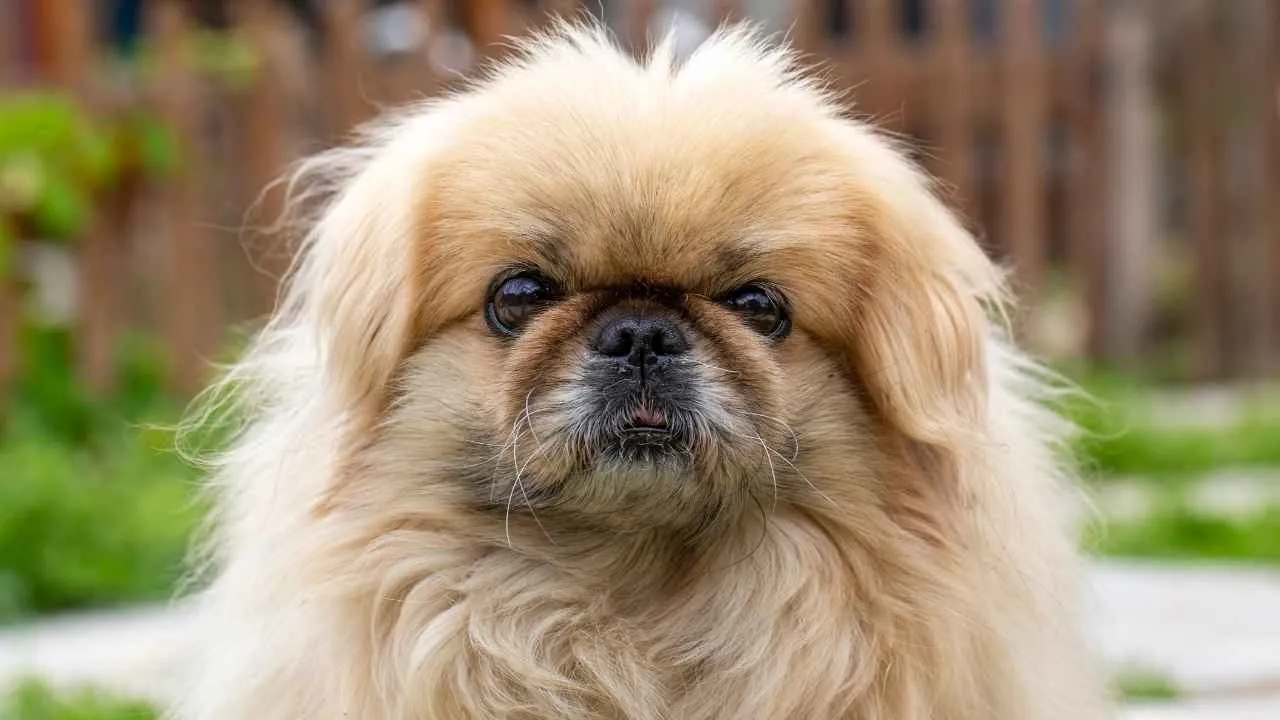
The Pekingese is a sturdy breed with the face of a tiny aristocrat who has just discovered someone moved its favorite cushion. It brings a quieter, dignified energy to family life, but there is plenty of personality behind that serious little expression.
Origin
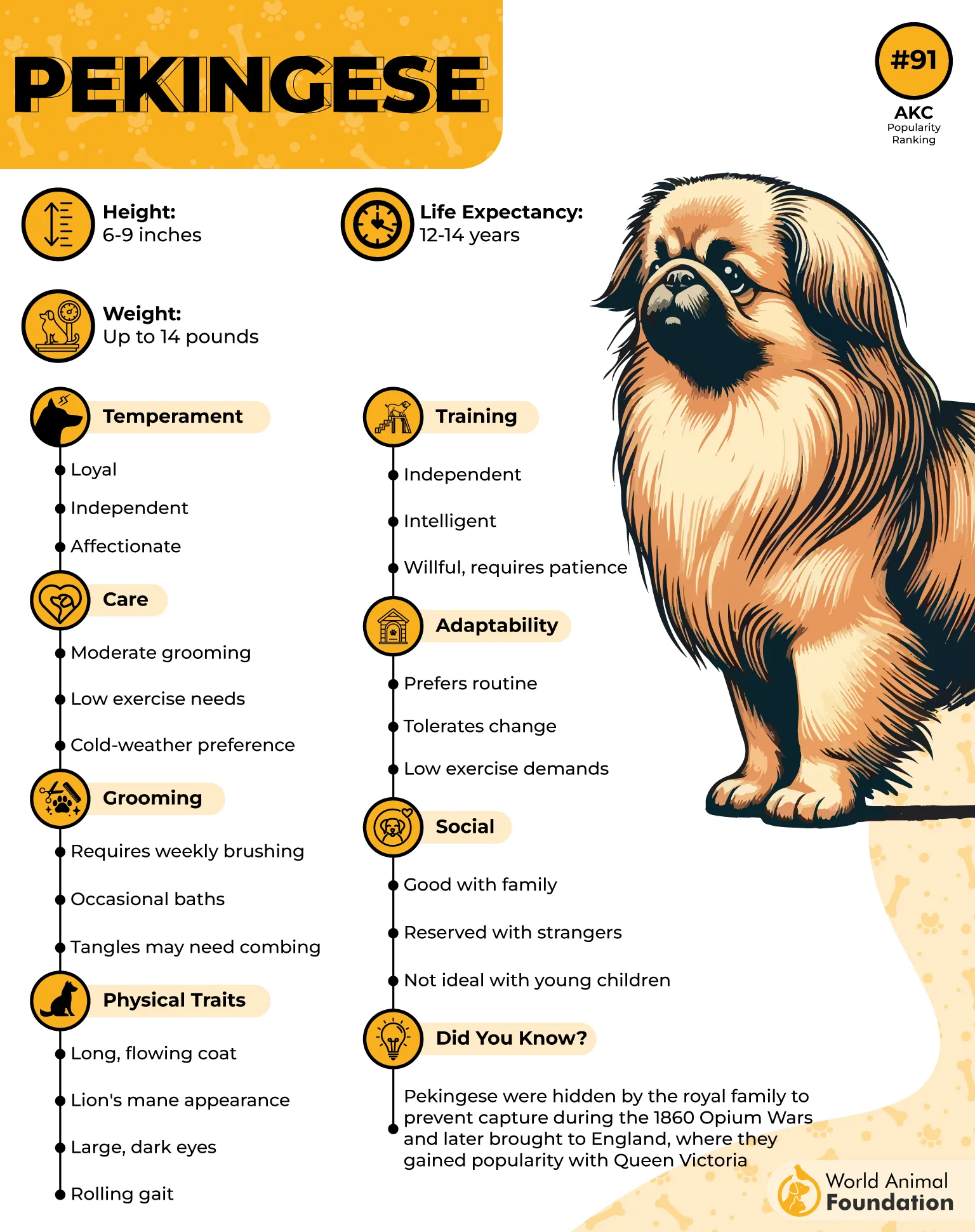
The Pekingese originated in China and was closely associated with the imperial court. These small dogs were treasured as companions and lived among Chinese nobility.
Personality Traits
Pekingese is confident, independent, loyal, and affectionate toward its family. It does not always feel the need to greet everyone it meets, but it bonds closely with the people it trusts. Its alert side also makes it a surprisingly serious little watchdog.
Care
Its thick coat needs frequent brushing to manage loose hair and prevent mats, WebMD added. It generally prefers gentle walks and light play rather than demanding physical activity.
Training takes patience because this breed has an independent streak. Older children who understand personal space and gentle handling are usually a better fit.
Conclusion
These small dogs are the tiny package of lively energy, warmth, fun, and all the paw-fect adorbs. Perfect for less active lifestyles, these dogs love to share your sofa, routines, and are always down for family time.
You do not need a huge house or a picture-perfect routine to give a tiny dog a happy home. What matters more is having the time, patience, and heart for them. Give them that, and they will return it by staying close, waiting for you, and making ordinary days feel a little magical.
