




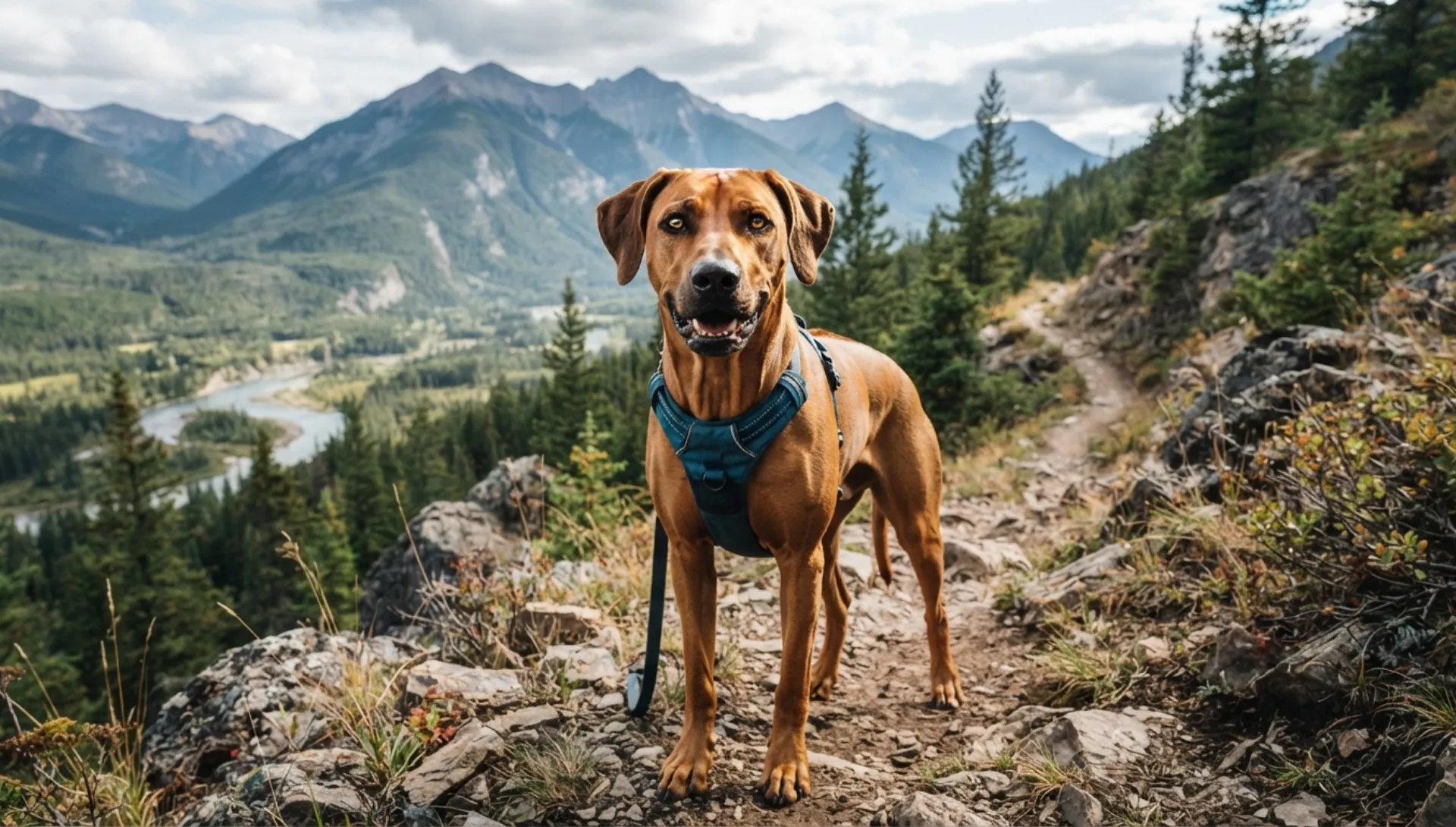
Outdoor adventures are fun until some wild animals come across, and you are all alone. However, having a companion like a dog beside you is some sort of reassurance that you are not alone, and that dog will handle or alert you if predators come by.
So it’s not only about safety but also about companionship.
About 183.2 million Americans head to outdoor adventures each year, which is a HUGE number, as mentioned by the Outdoor Industry Association. You cannot take any family dog with you for wilderness camping, hiking, or trekking because not everyone is built for outings.
Having a strong, powerful, and muscular dog with strong bite force and tough paw pads does make sense. A dog that acts as a guardian or protector in the hour of need and becomes a friend to talk to after hiking all day.
We have shared 7 such adventurous dog breeds in this guide that love exploring the world in extreme conditions, rugged terrain, and harsh weather. We will also discuss what makes them perfect partners for outdoor activities, along with their build, behavior, training, and exercise needs.
Amazing Dog Breeds for Wilderness Adventures
1. Vizsla
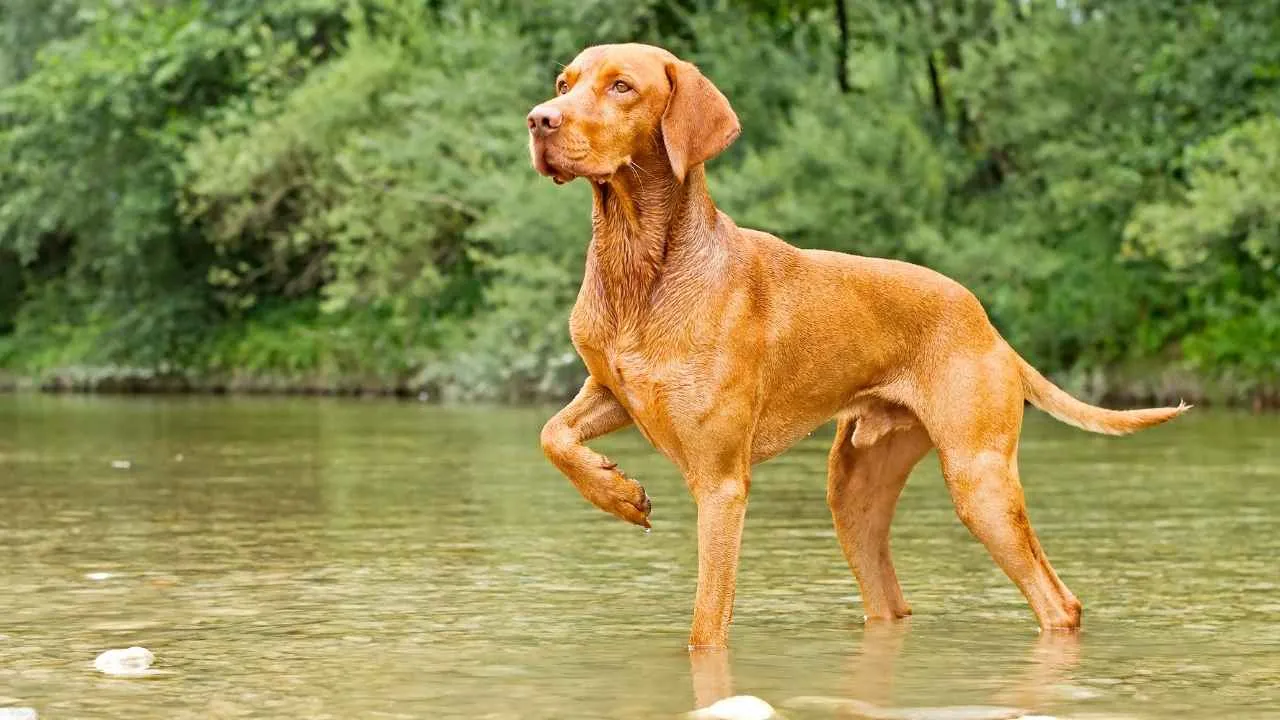
Vizslas are affectionate, loyal, and energetic dogs that got the nickname of being ‘velcro dogs’. While they were bred as versatile gundogs, they form strong bonds with their owners. These medium-sized dogs are sensitive, with high emotional intelligence and an eager-to-please nature.
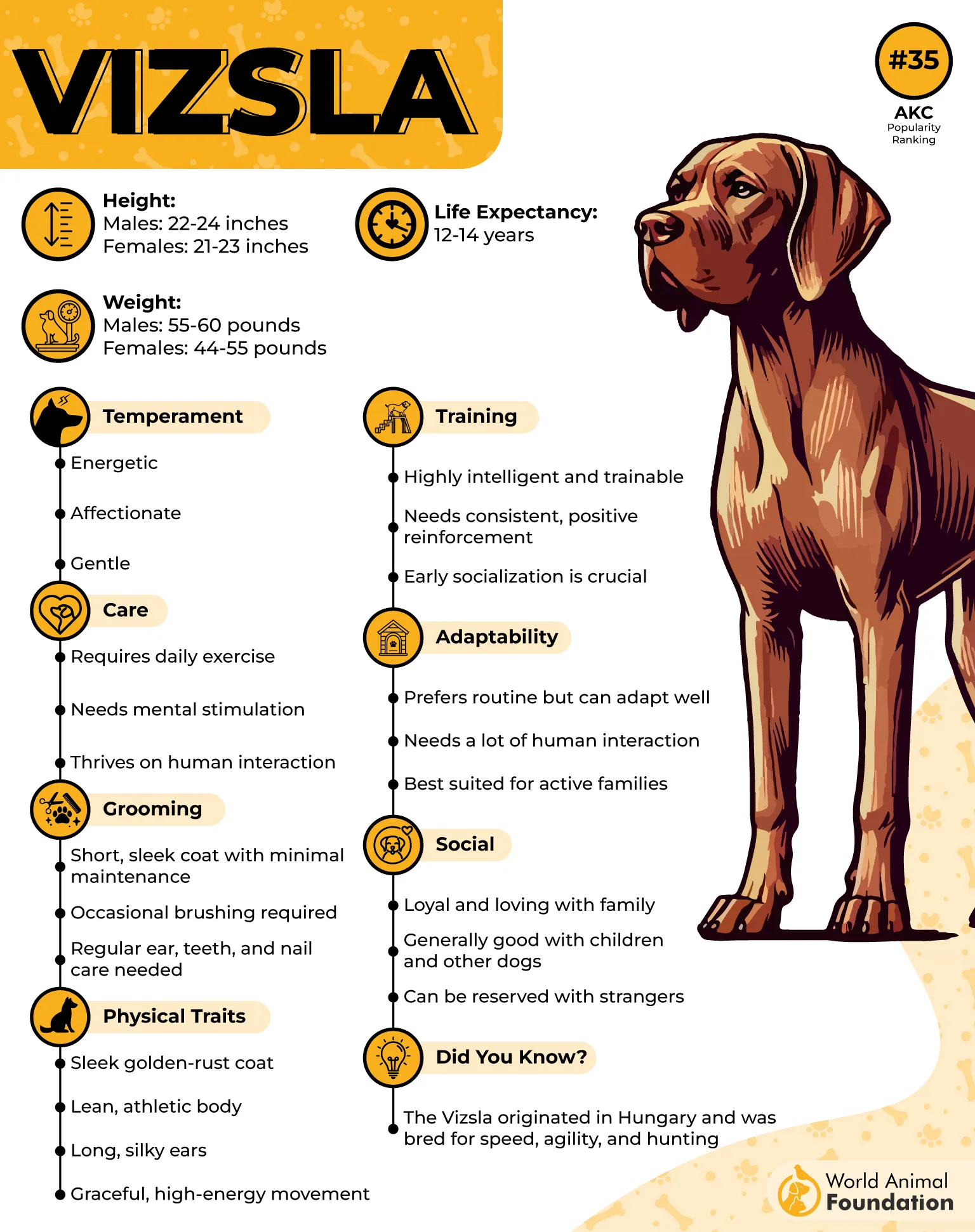
They possess a deep chest and high endurance, which makes them a perfect choice for high-tempo trailing, hiking, and camping activities. These outdoor dogs are not aggressive guardians but bark so they alert owners if wildlife or strangers approach the camp.
That said, Vizslas have high energy levels and require 1-2 hours of exercise for mental and physical stimulation. They are smart and respond best to recall commands, but their hunting instincts make training a bit tough. Plus, they have short coats that are prone to cold and require weekly brushing.
2. Rhodesian Ridgeback
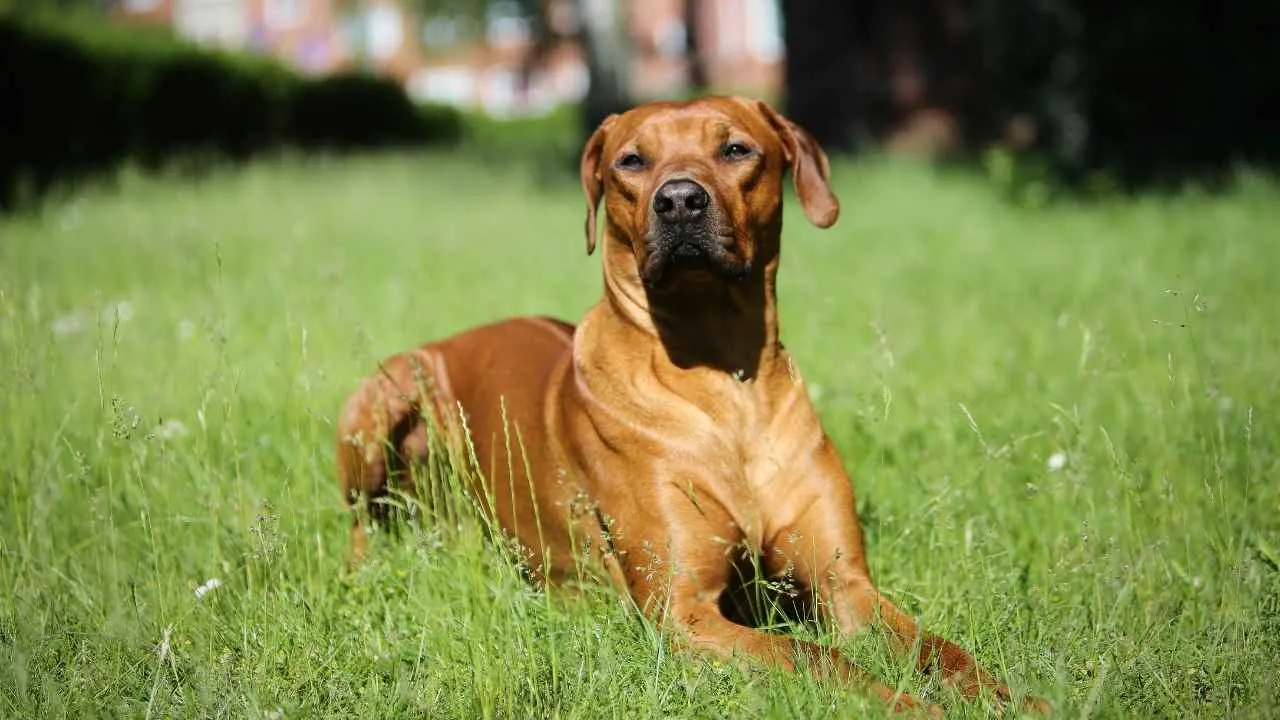
Rhodesian Ridgebacks are dignified, powerful, brave, and reserved hunting dogs. They were bred by Boer farmers to track, bay, and corner large game animals, so they have always been on fields. They have intense physical endurance, stamina, high heat tolerance, and fearlessness.
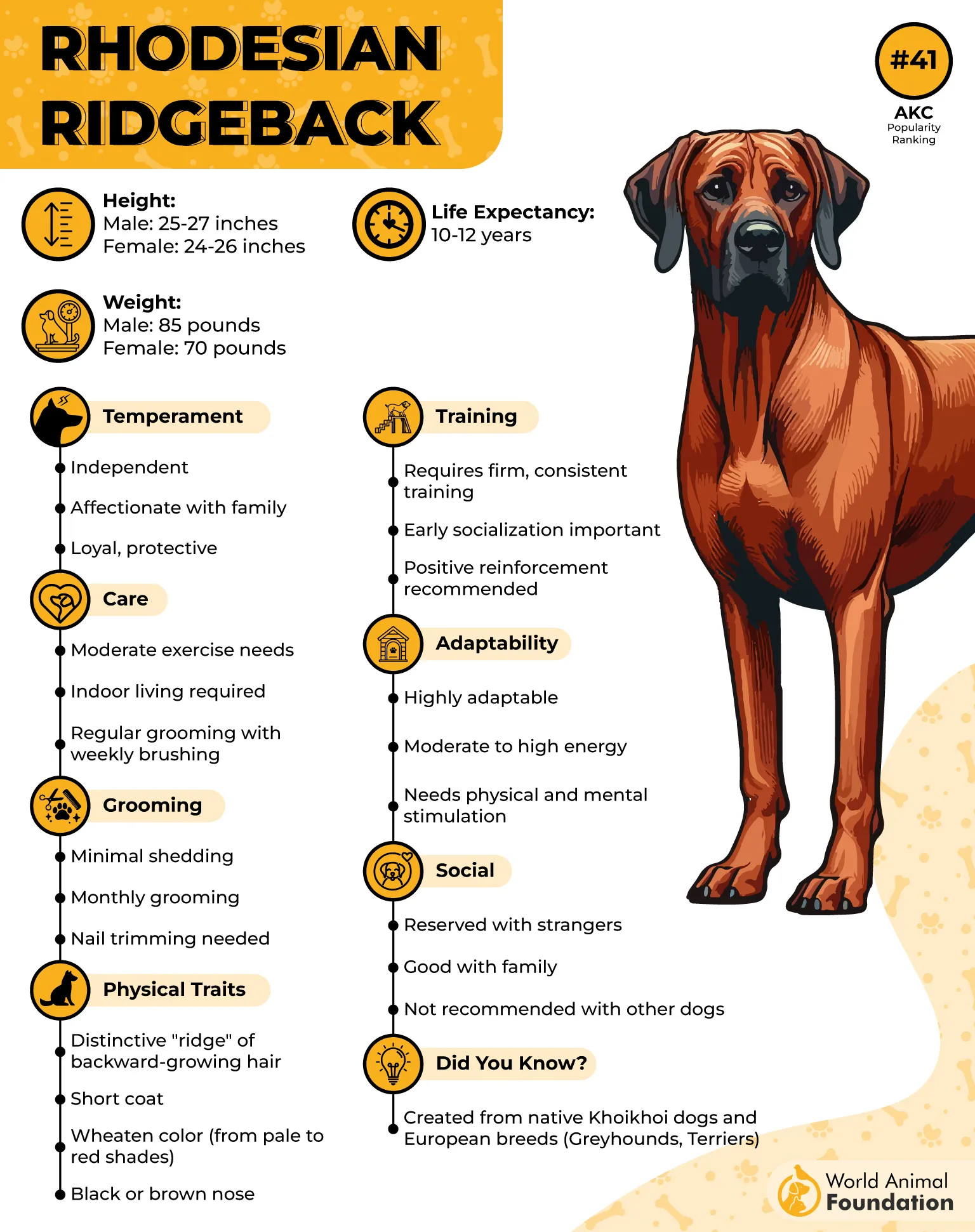
They have durable paw pads, a broad chest, and a bite force of 240 PSI. These large breeds are fast and powerful, as WebMD also mentioned, so they enjoy long-distance trekking, hot-climate hiking, and rugged terrain navigation. Their guardian instincts and territorial awareness are best for security.
That said, these are best dog breeds with a moderate amount of exercise (60-90 minutes) for mental and physical stimulation. They are highly intelligent but independent-minded, so they require confident handlers. Ridgebacks have an average-shedding short coat that needs minimal brushing to stay clean.
3. Alaskan Malamute
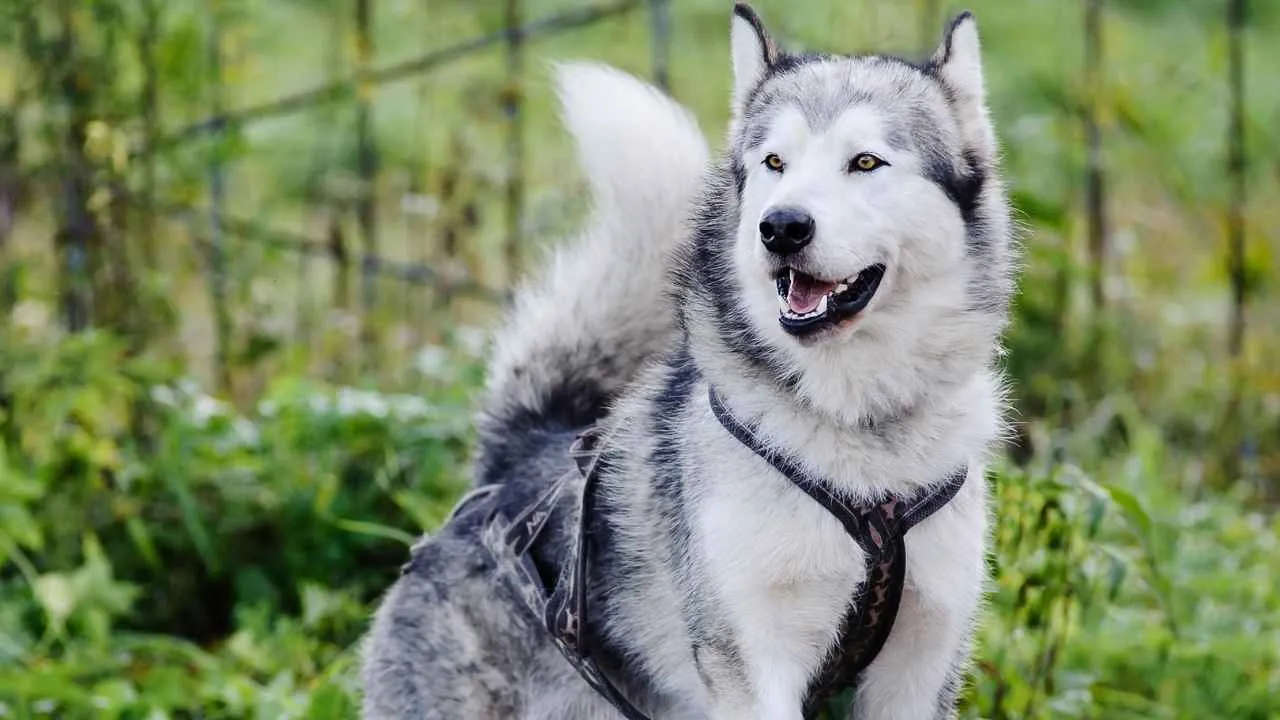
Alaskan Malamutes are independent, affectionate, and resilient dogs with a strong-willed and dominant nature. They were bred as sled-pulling dogs across vast distances. They have a deep chest, heavy bone structure, and a bite force of 400-500 PSI, which is enough to break bones.
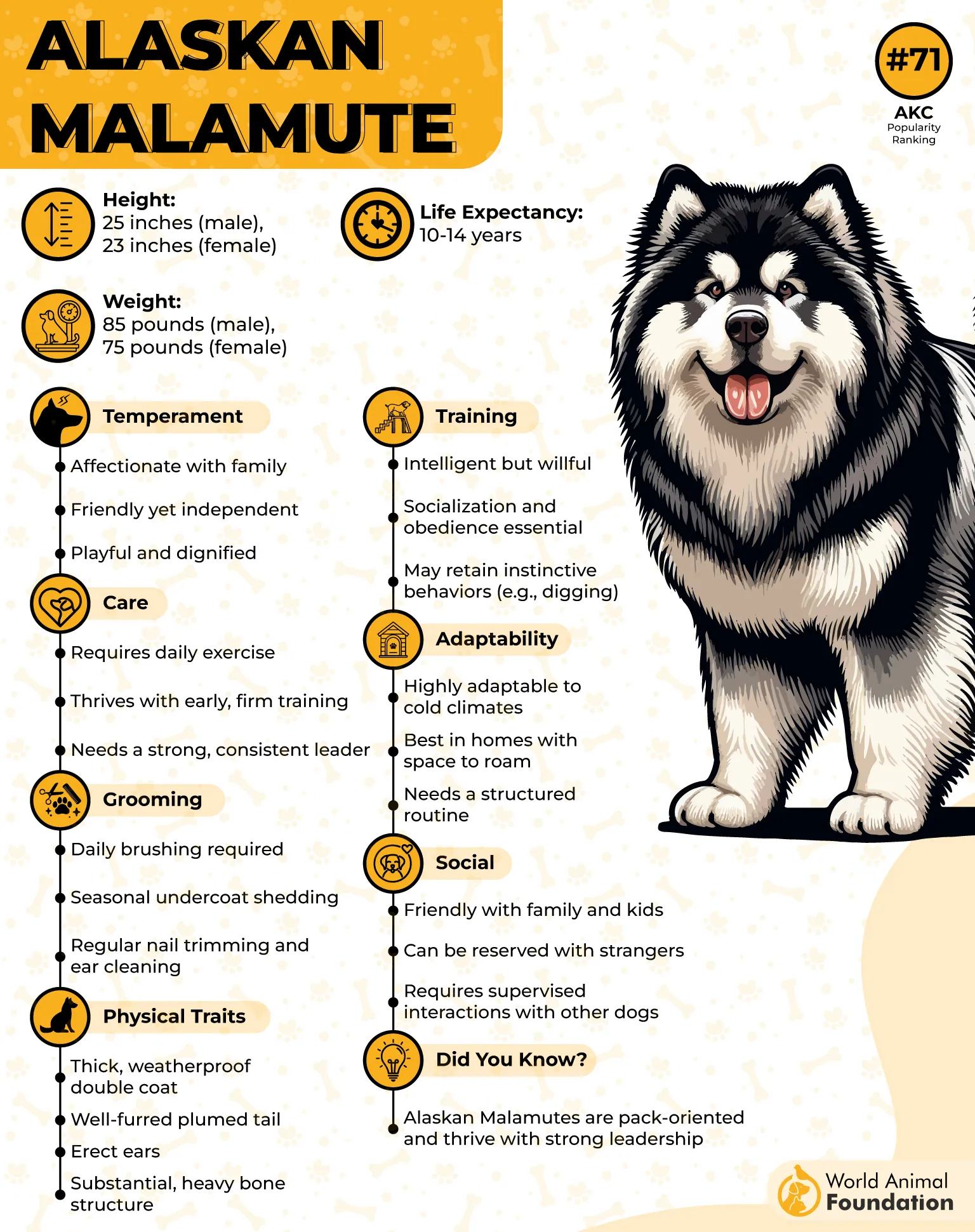
Their physical strength, snowshoe-like paws, and love for the outdoors let them enjoy wilderness adventures fearlessly. Their dense double coat acts as a natural barrier and protects them against sub-zero winters, freezing rain, and heavy snow.
That said, Mals have high energy levels and require a couple of hours of exercise to stay stimulated. They are highly intelligent but also independent, with a strong prey drive, and require experienced owners and proper training before adventures. They are vocal and argue with awoo sounds, as per PetMD.
4. Labrador Retriever
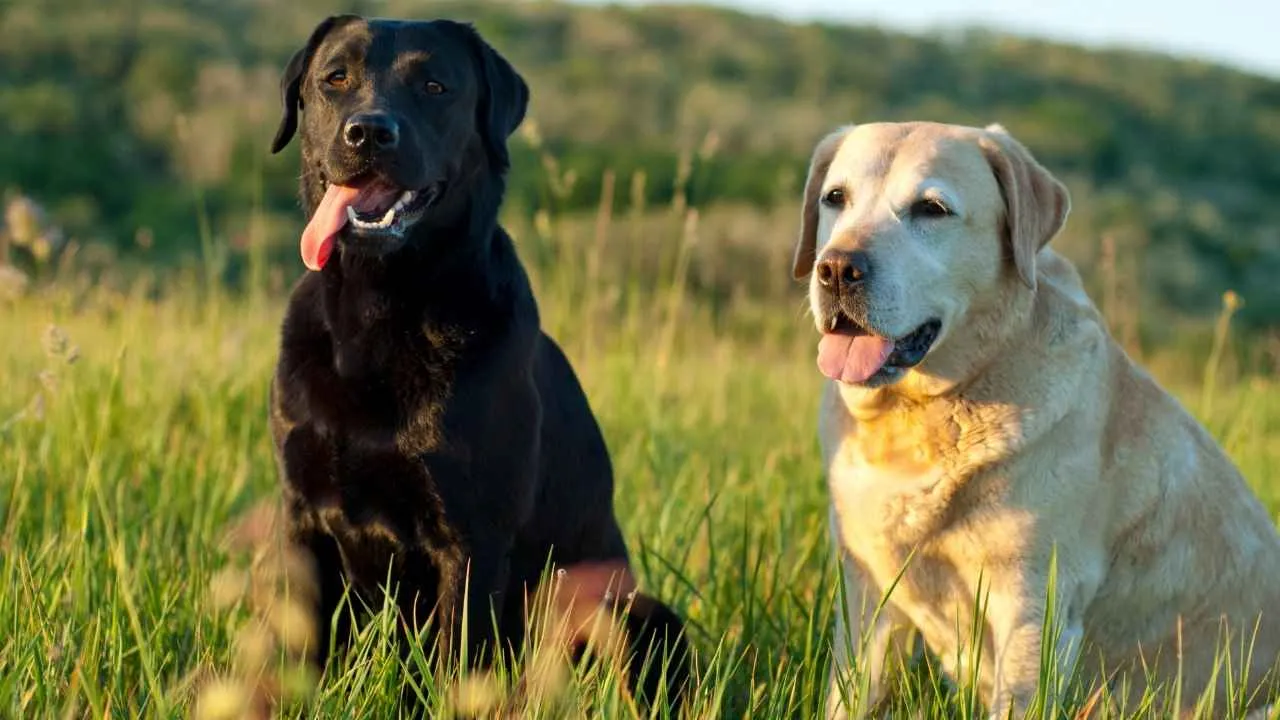
Labrador Retrievers are outgoing, friendly, and even-tempered dogs with eagerness to please, social confidence, and mental stability. They were bred as water dogs for fishermen, and that’s why they just love water head over heels. Labs also have webbed paws, so they are always up for water activities.
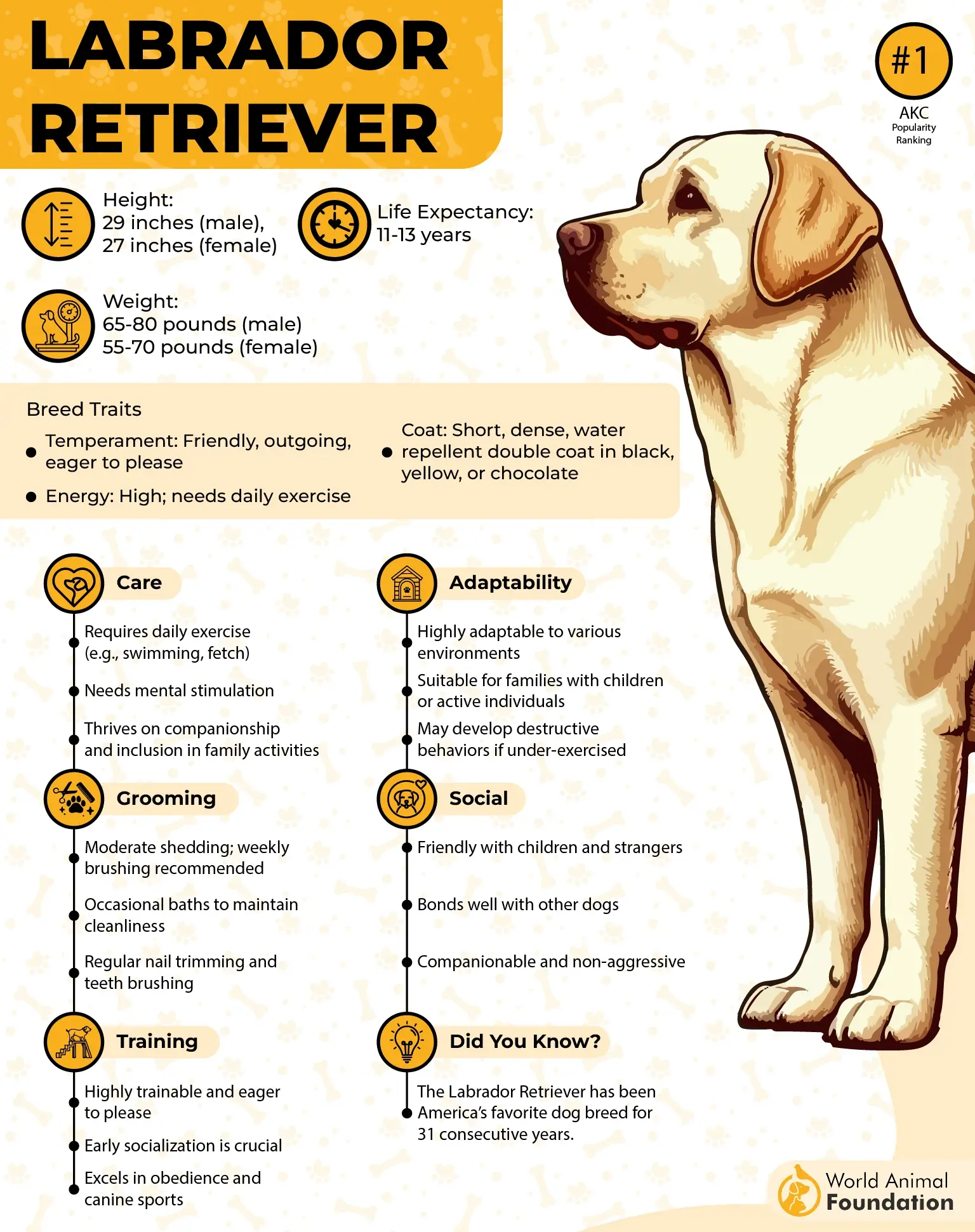
You can take Labs for camping, swimming, and any outdoor activities that involve water. Keep an eye out, as they also jump into mud or any pond they see. Plus, they have a stocky, athletic build, deep rib cage, and strong hindquarters so they can protect you if something goes wrong.
That said, Labs are energetic dogs and require 2 hours of exercise for mental stimulation. They learn commands quickly, so you can train them with tasty treats and positive reinforcement methods. Labs have a short, high-shedding coat, so you may need to brush 2-3 times a week.
5. Siberian Husky
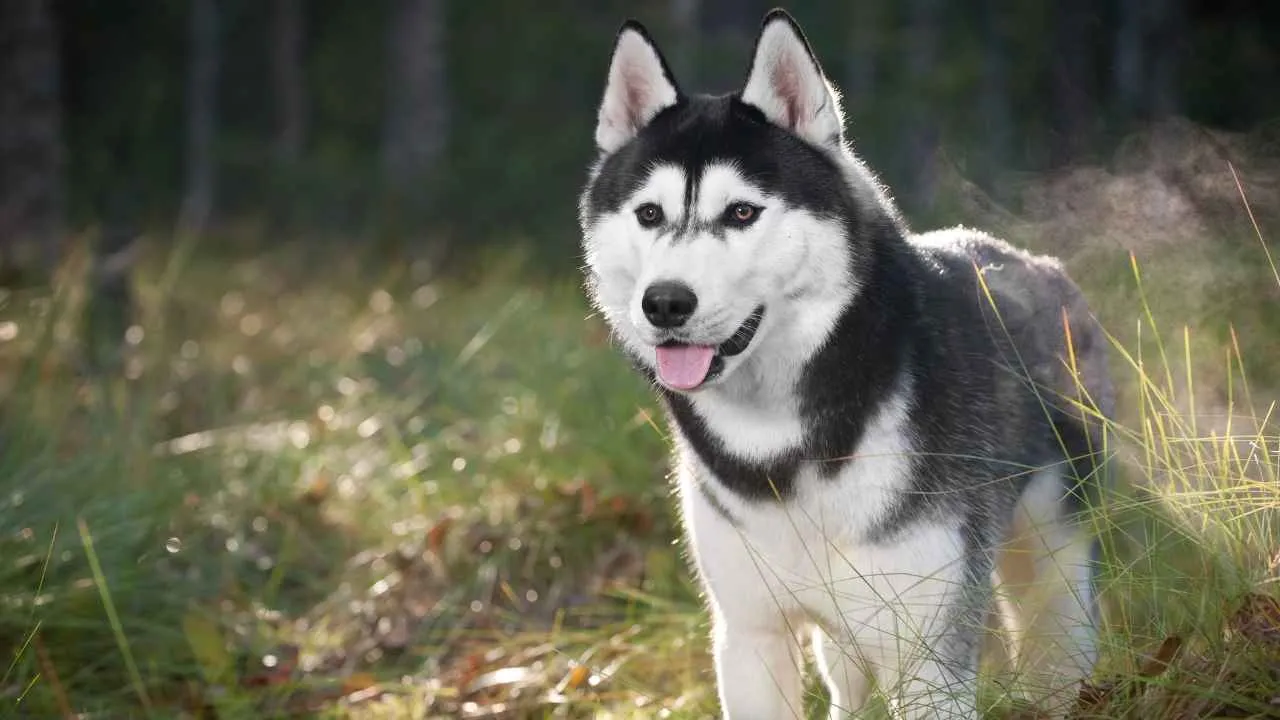
Siberian Huskies are outgoing, mischievous, and highly social dogs with an adventurous spirit. They were bred by the Chukchi people to pull loads in extreme Arctic cold weather. These blue-eyed dogs have tough paw pads for an excellent grip on icy trails and frozen terrain, which protect them from abrasion while hiking.
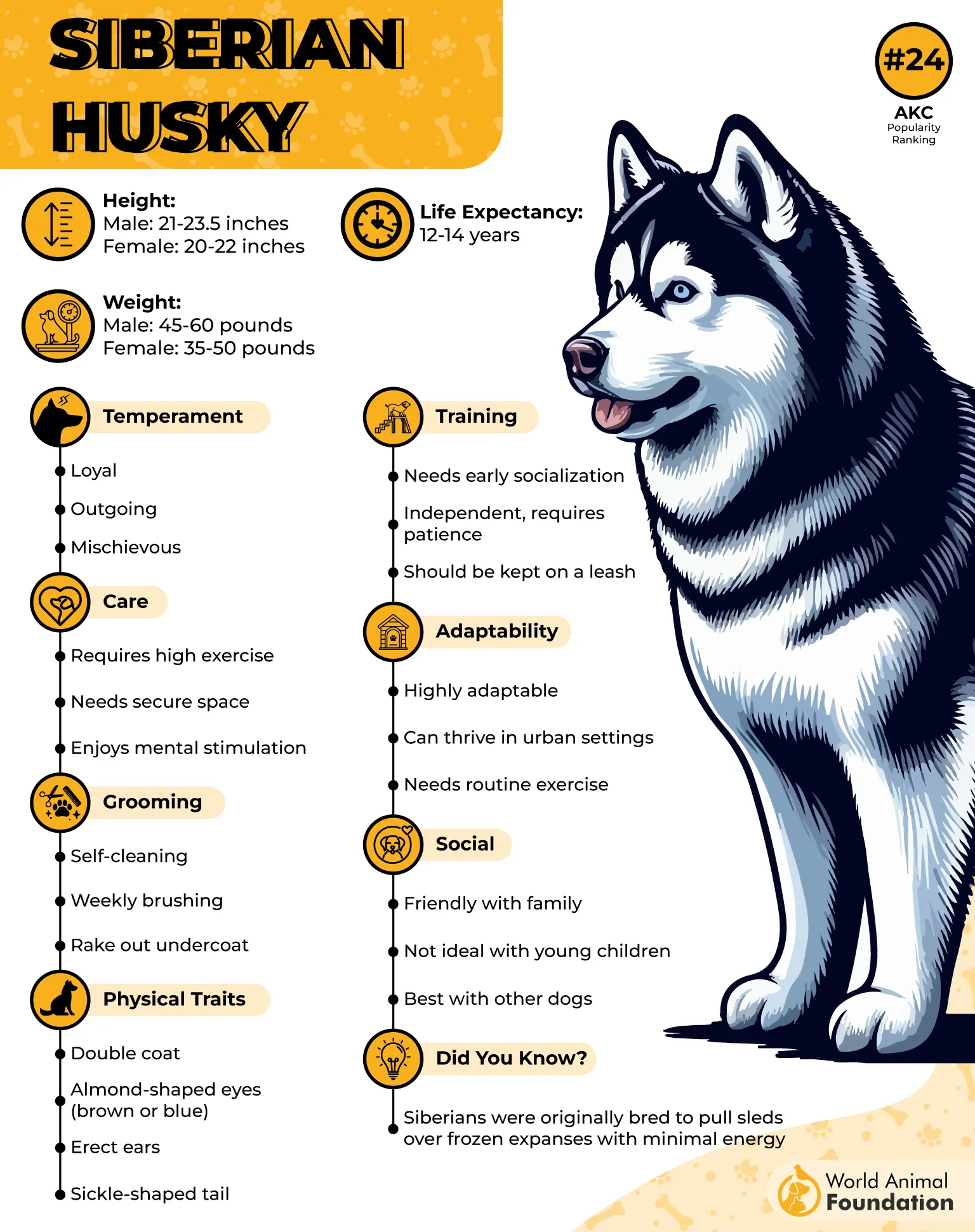
They also have a double coat that protects them from sub-zero temperatures. These adventurous dog breeds love wild camping and alpine snow treks. Siberian Huskies have high energy levels and require 1-2 hours of vigorous exercise for mental stimulation.
That said, they have an independent nature and strong prey drive, which makes them a perfect choice for experienced owners. Huskies easily get bored and require consistent positive leadership to keep them engaged with commands, but keep them leashed on open wilderness trails if not properly trained.
6. German Shorthaired Pointer
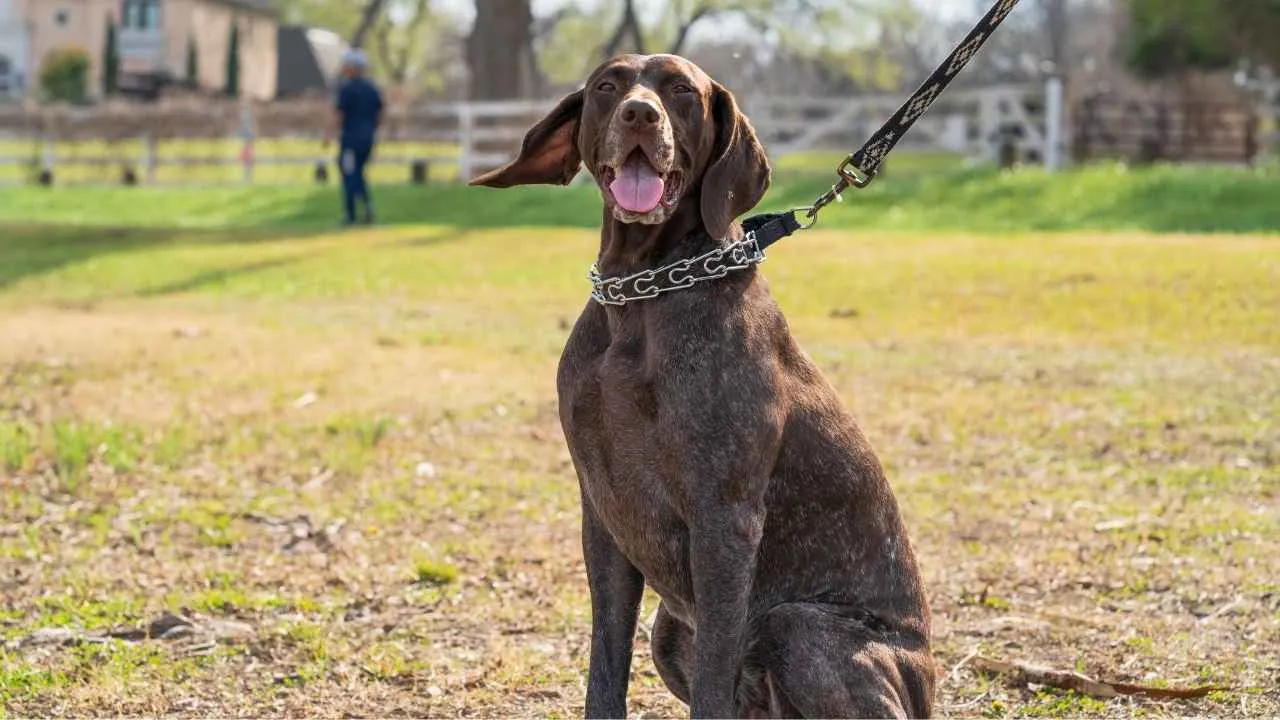
German Shorthaired Pointers are energetic, intelligent, and focused dogs. They are also known as ‘bird dogs’ and were bred to point, track, and retrieve game animals on land and even in water. It’s because they have webbed feet that allow them to retrieve waterfowl.
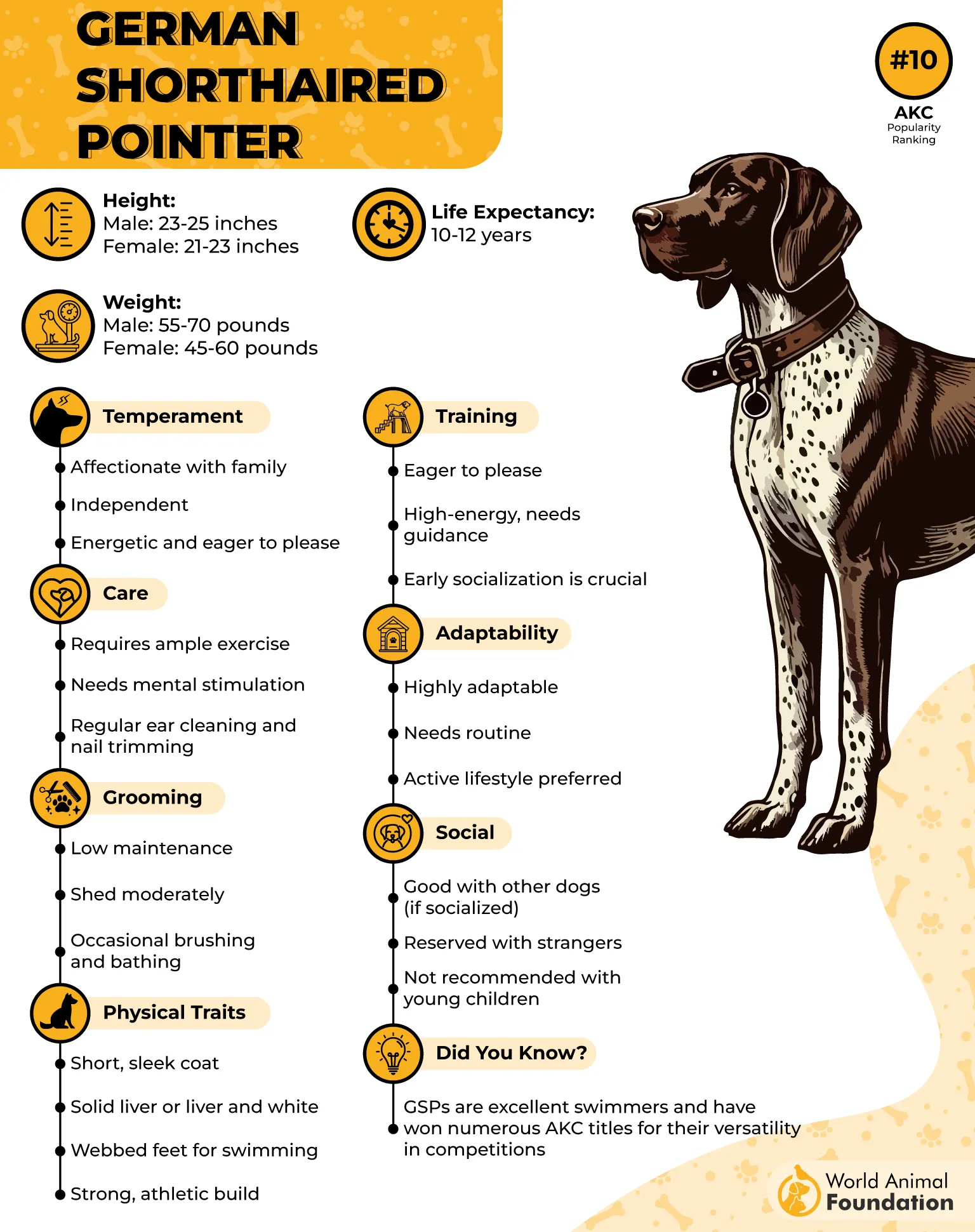
GSPs are muscular dogs with agility, high speed, tough pads, and water-resistant coats. All of these allow them to trail run, hike, and camp fearlessly. They are also good swimmers, so you can take them for water adventures, but they are built for warm and temperate wilderness environments.
That said, GSPs got 5/5 in terms of exercise and energy levels of Purina’s ideal vet rating. They are highly intelligent, eager to please, and respond well to positive reward-based training. They have a hunting drive that needs proper training.
7. Portuguese Water Dog
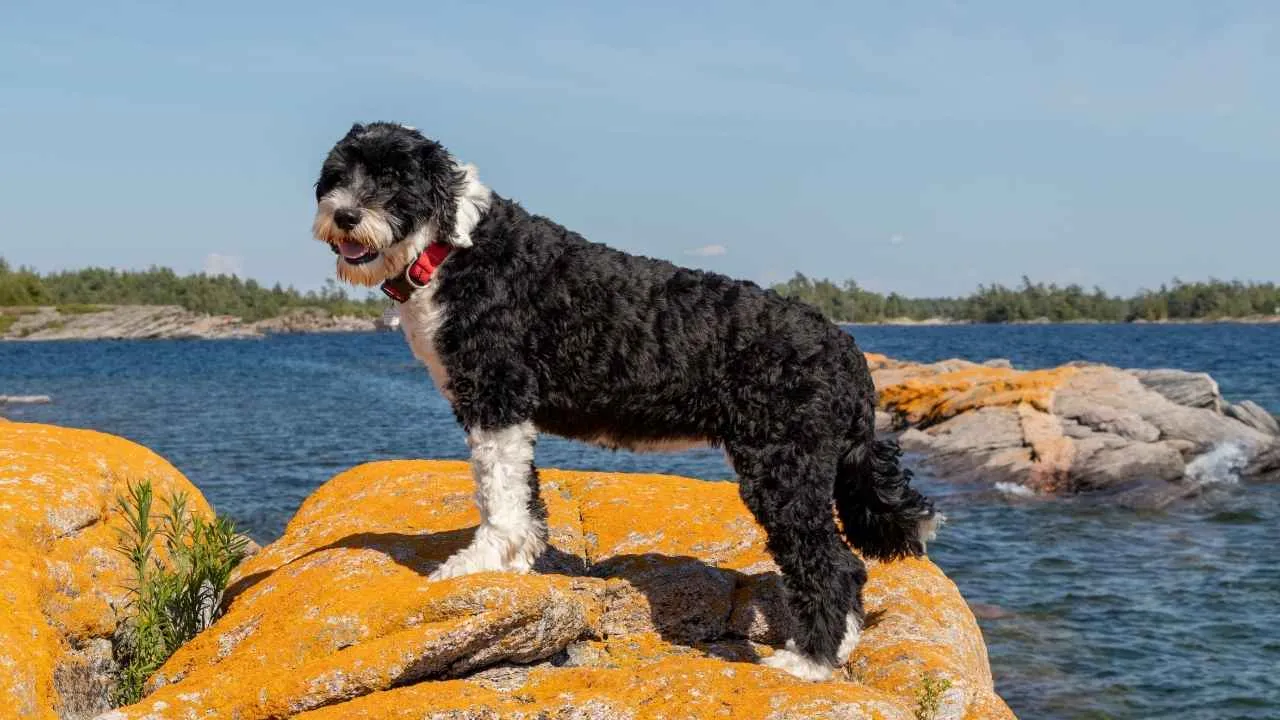
Portuguese Water Dogs were also bred by fishermen to herd fish into nets and retrieve lost gear. They have webbed feet and can work in water easily. These working dogs are highly intelligent, versatile, and fun-loving. They have unmatched swimming abilities, endurance, and problem-solving skills.
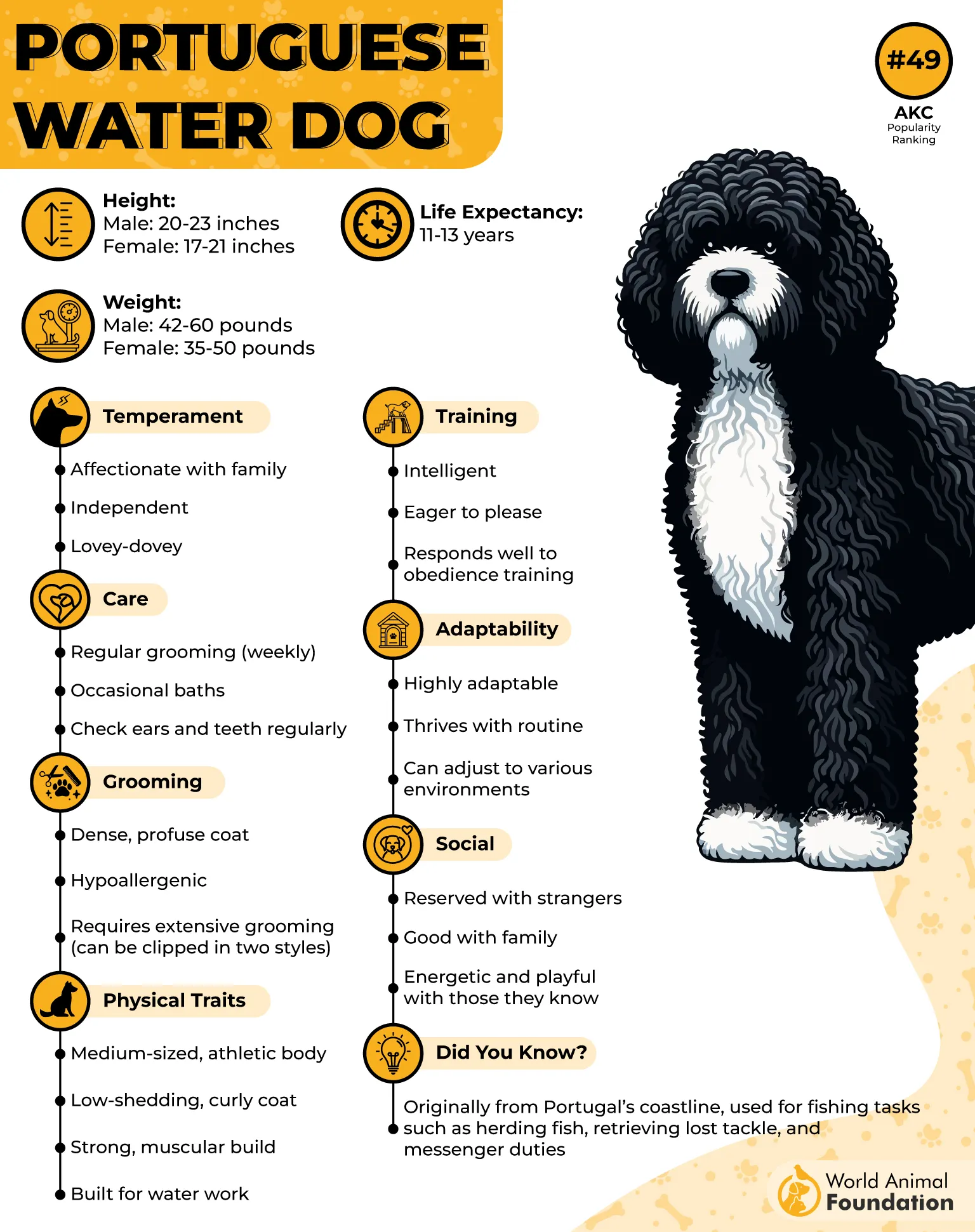
These medium-sized dogs are best for canoe trips, kayaking, lake expeditions, and river crossing routes. However, these PWDs have a single coat that can be curly or wavy and protects them in cold weather. They barely shed but need drying after cold swims to prevent wind chill.
That said, Portuguese Water Dogs require one hour of exercise. They are biddable and quick-witted, which means they are eager to please and easy to train. In addition, they prefer being close to their owners and give them reliable recalls on open trails.
Conclsuion
Wilderness adventures are exciting, but they also come with risks, so having a strong companion beside you is worth it. The above-mentioned dogs are perfect for outdoor activities. Some of them do well in hot climates, while others are perfect for cold climates.
Apart from this, there are water dogs that love activities involving water. Make sure to give it a read and choose the one that meets the type of adventures you love to do.
