




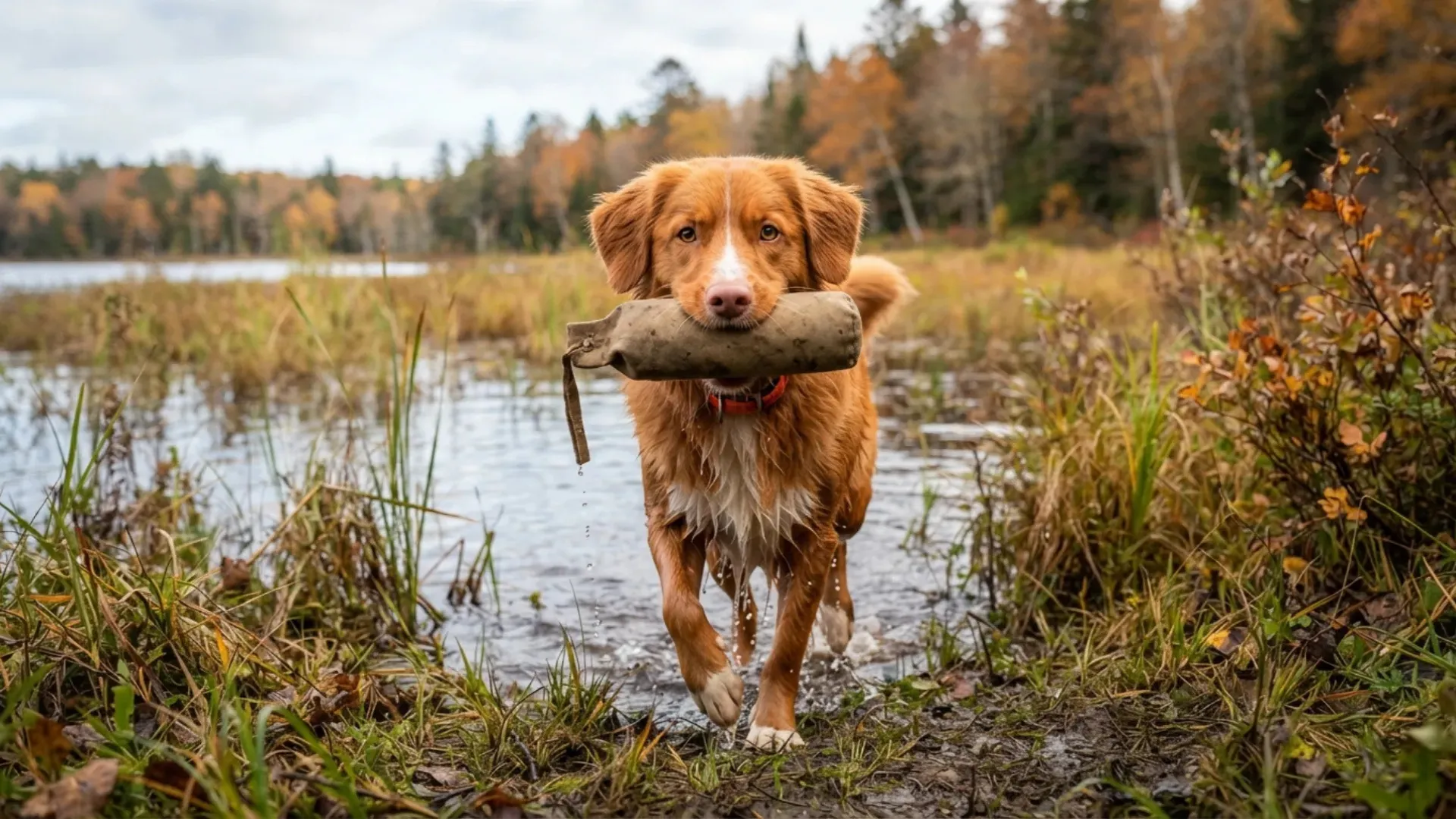
Imagine a dog freezing mid-step as it catches a fresh scent. Moments later, it follows the trail and finds the game. That is where a hunting dog’s natural skills truly shine.
Hunting dogs do more than chase. They use scent, focus, endurance, and instinct to locate, track, and retrieve game. Different breeds bring different talents to the field. Some dogs excel at finding birds, while others shine during water retrieves or scent work.
This guide compares seven amazing dog breeds for hunters and their strongest roles. You will discover dogs suited to tracking, retrieving, upland work, and water hunts.
Since every hunt differs, consider your dog’s intensity, terrain, and game type. The right breed can make outdoor work smoother and more enjoyable. Let’s explore the breeds that could fit your hunting style.
Amazing Dog Breeds for Hunters: Tracking and Retrieval
1. German Shorthaired Pointer
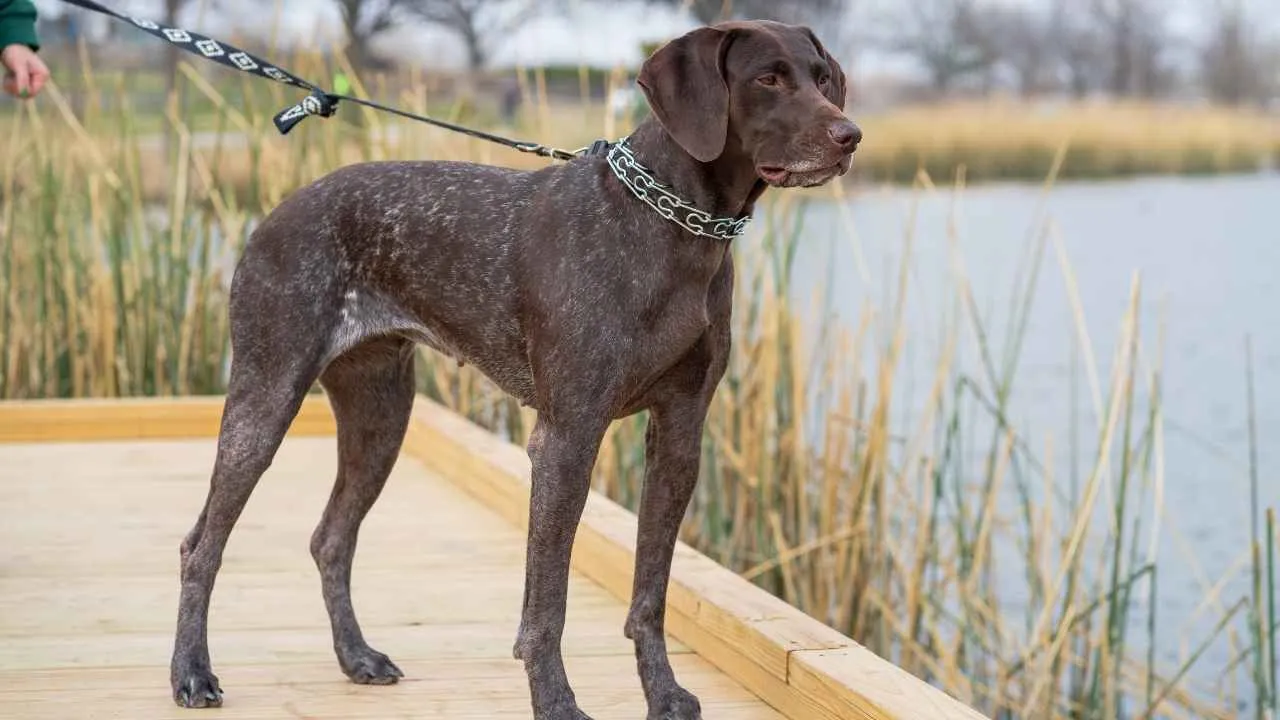
The German Shorthaired Pointer is a versatile bird dog. According to the American Kennel Club, this enthusiastic gundog excels as an all-around hunter. Its keen nose helps locate animals across fields, woods, and water. This intelligent breed can hunt birds and track wounded game.
Its strong prey drive keeps it focused on moving targets. With proper training, it can shift smoothly between tracking and retrieving. Its stamina also makes it a great tracking dog for long hunting days.
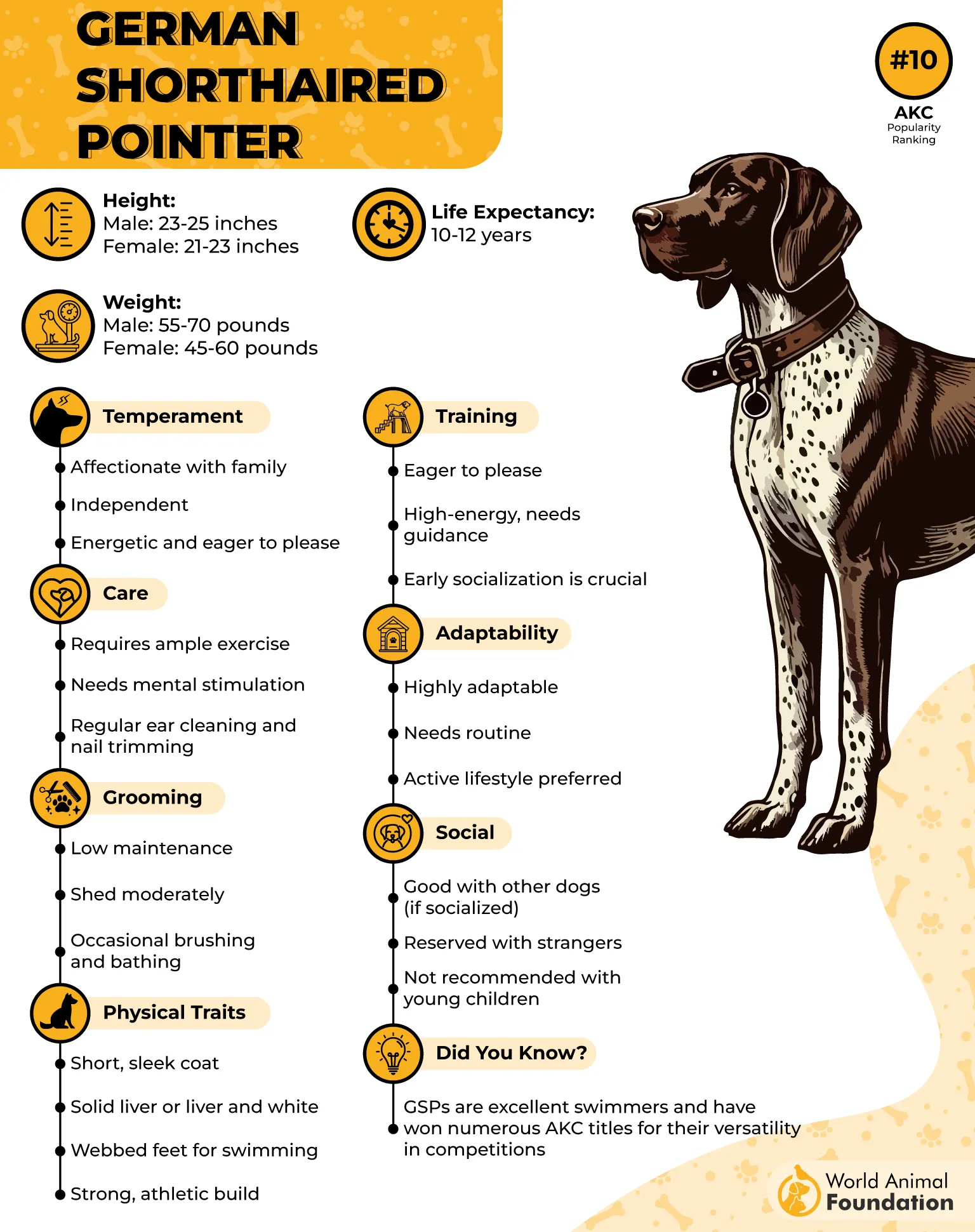
A True All-Purpose Hunter
One unique feature is its wide hunting range. The GSP can point, track, and retrieve on land or water. It can even work with small game when the hunt calls for it. This flexibility suits hunters who want one capable partner. Its mix of scenting skill and endurance gives the breed a valuable edge outdoors.
2. Nova Scotia Duck Tolling Retriever
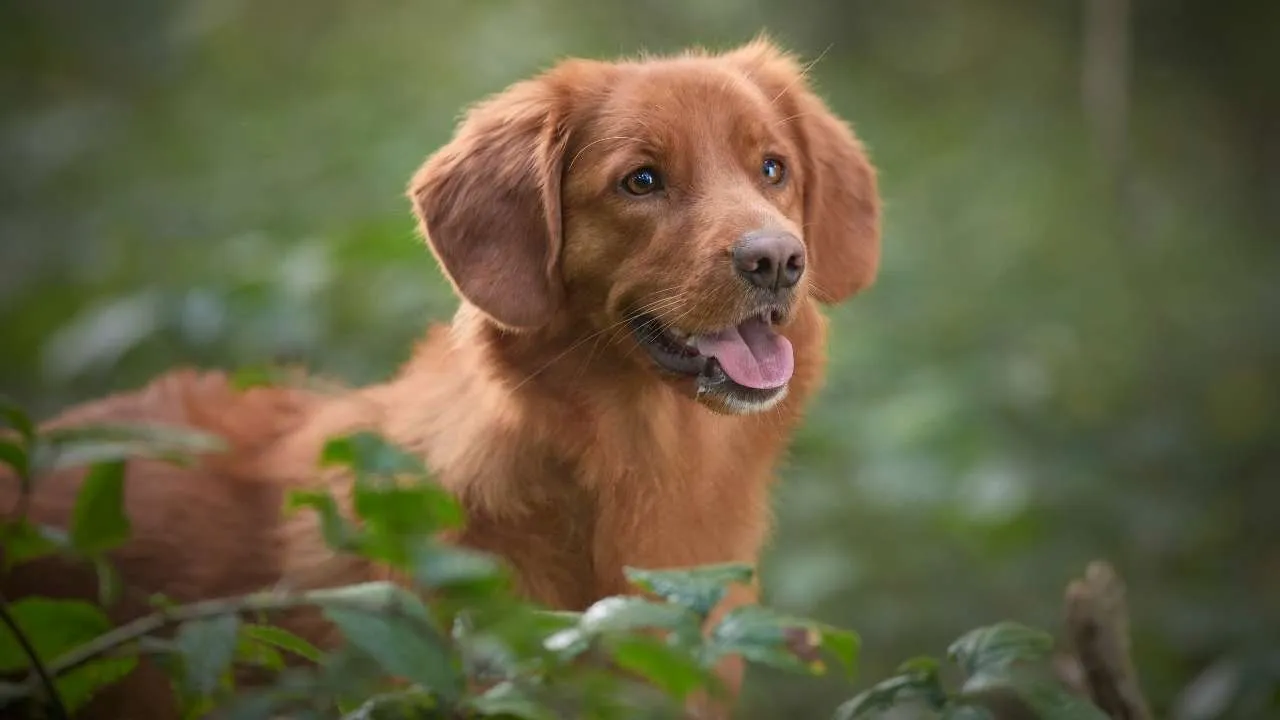
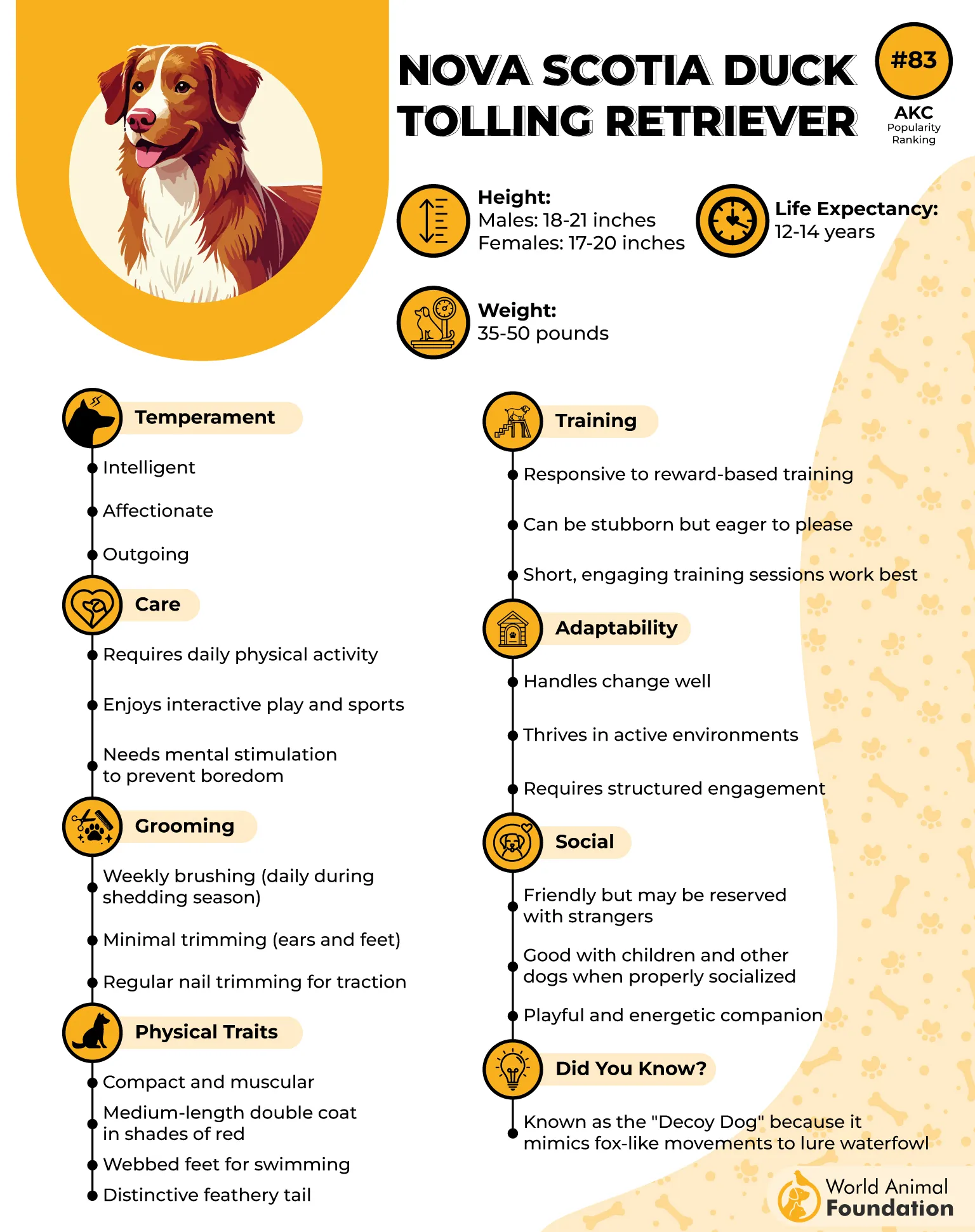
According to Wikipedia, the Nova Scotia Duck Tolling Retriever is a medium-sized gun dog bred for hunting. It is the smallest of the retrievers and is known for being intelligent, eager to please, alert, and energetic. Its unique tolling method makes it especially interesting in the field.
The dog uses playful movements near shore to attract curious waterfowl. Once ducks move within range, the hunter can take the shot. The Toller then shifts naturally into retrieving mode. Its webbed feet also support strong swimming during repeated water work.
This high-energy breed can stay engaged around lakes and wetlands. Its focused nature makes it an excellent choice for hunters seeking a specialized waterfowl partner.
A Clever Waterfowl Specialist
The Toller’s standout feature is its tolling behavior. Its lively movements help draw ducks toward the hunter. After the shot, its natural retrieving instinct comes into play.
This approach differs from broader hunting breeds that handle many tasks. With proper training, these quick learners can remain focused through repeated retrieves. They can also live well with other pets when socialized early.
3. Golden Retriever
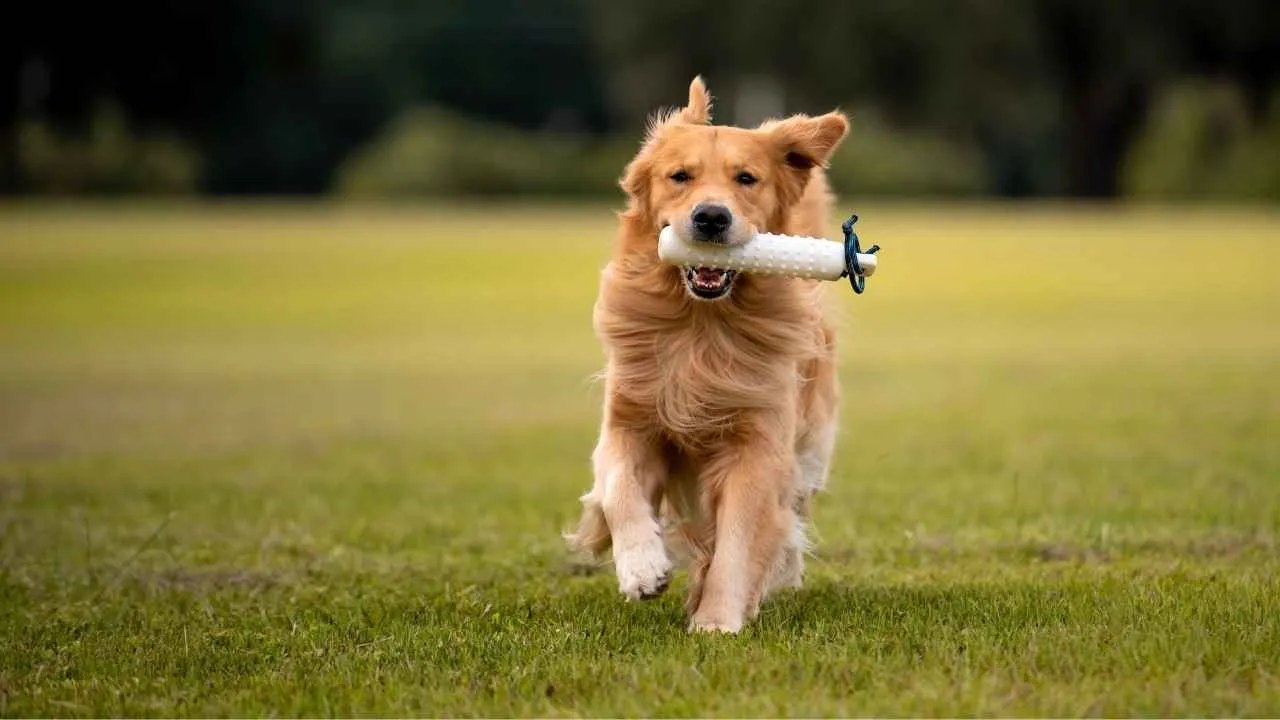
A Golden Retriever can bring downed birds safely to its handler. Its soft mouth helps prevent damage during each retrieve. This skill becomes useful when game falls into thick cover. The breed can search carefully and carry birds back over long distances.
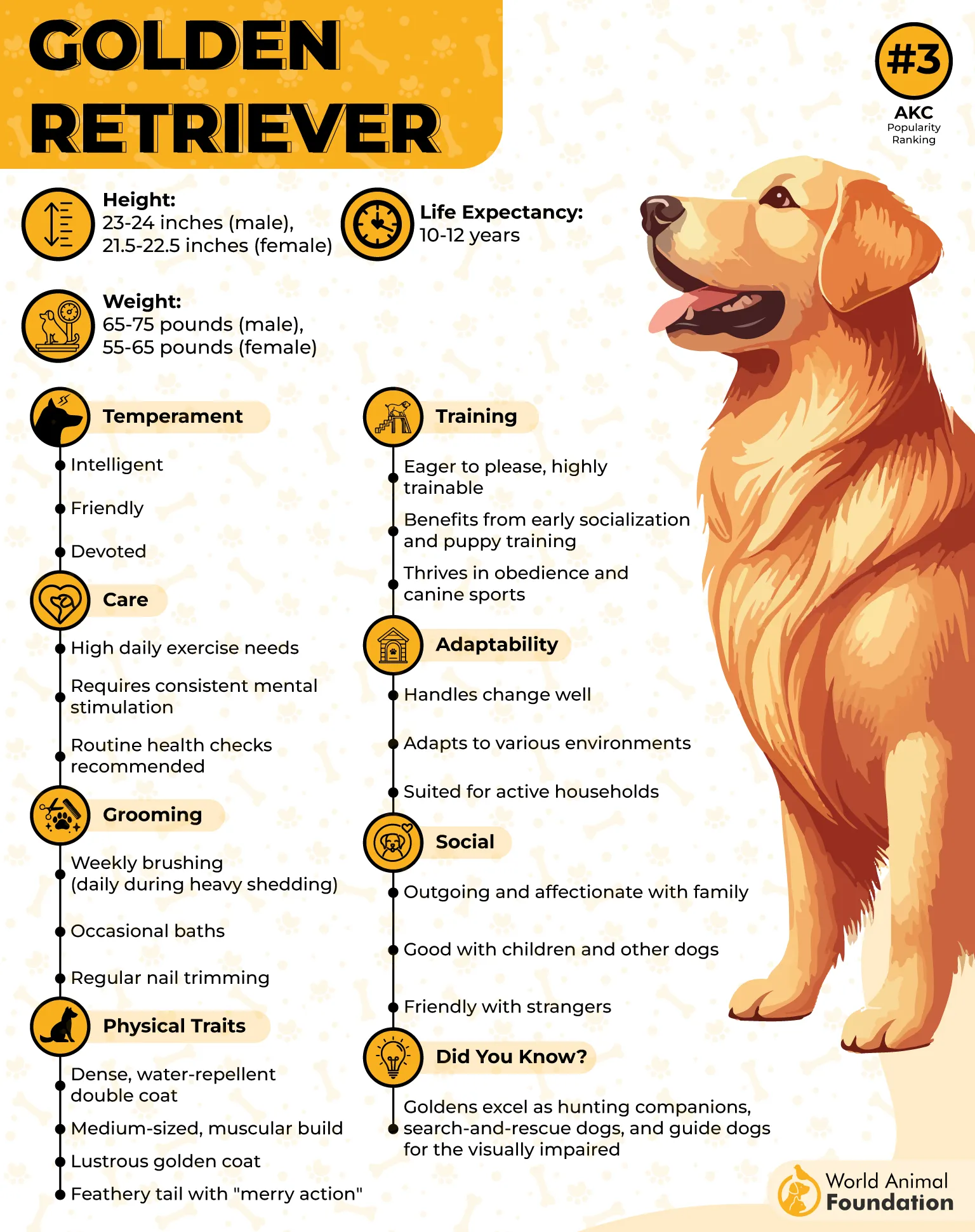
Its willingness to work closely with humans also supports smooth teamwork. With early guidance as a puppy, it can develop steady field habits. Purina notes that Golden Retrievers are intelligent, playful, outgoing, and easy to train. Those qualities help explain their lasting reputation as a hunting dog.
A Gentle Retriever for Field Work
Goldens can follow a scent trail when searching for animals. Their focused approach helps them cover difficult ground after a successful shot. Yet their role does not end in the field.
Their friendly nature also makes them a trusted family dog. They often enjoy life with children and other family members. That mix of useful work and companionship makes the Golden Retriever a versatile choice.
4. English Setter
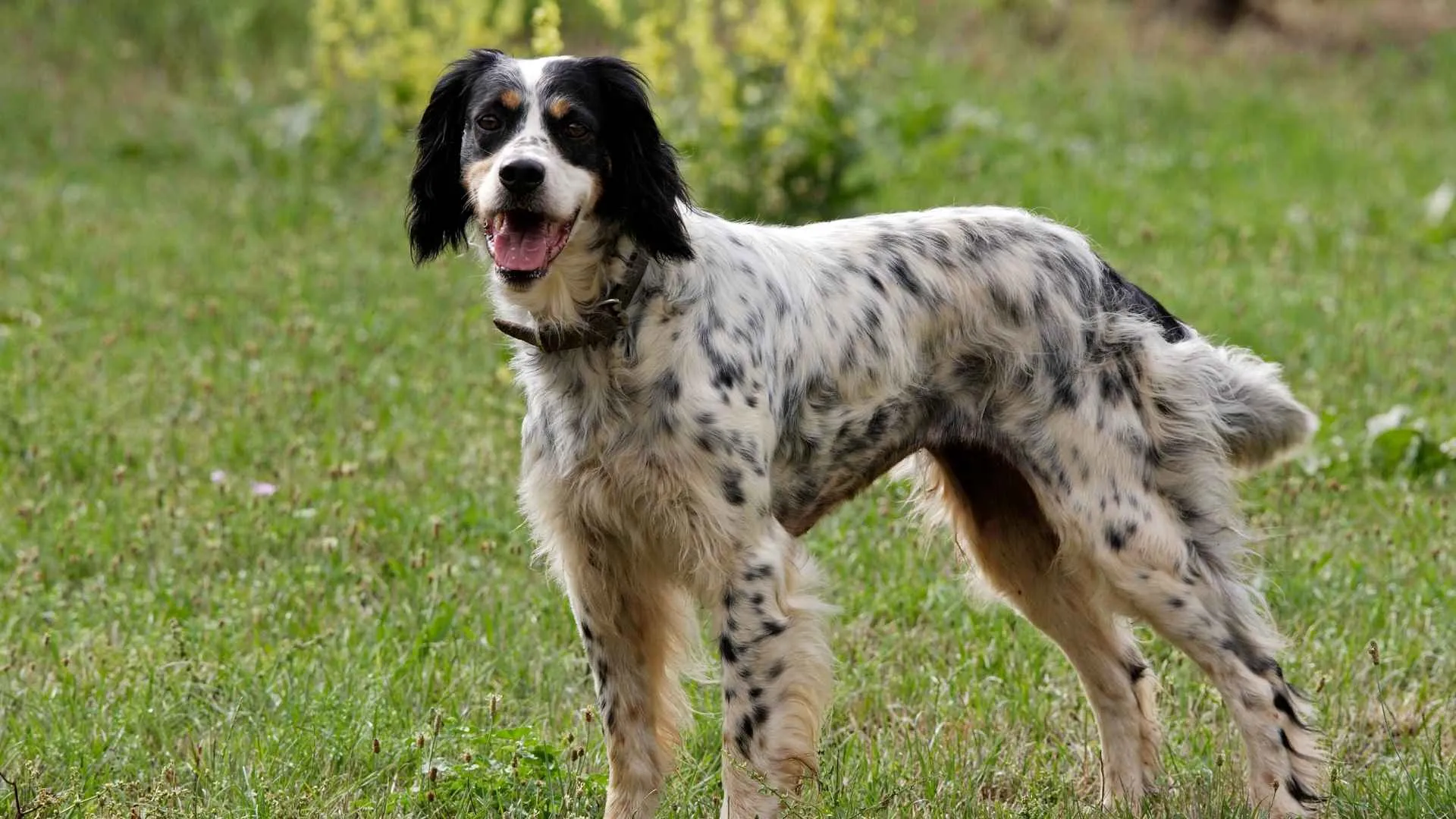
The English Setter has deep roots in traditional bird hunting. Hill’s Pet notes that this is one of the oldest gun dog breeds. Its history reaches back to the 14th century. Hunters valued these dogs for finding birds across open ground. The breed searches widely before quietly stopping to point.
This pause gives hunters time to move into position. It is especially useful when hunters hunt birds such as quail. Its controlled field style suits those who enjoy classic upland adventures.
Unlike a good tracking dog, the English setter’s key strength here is locating and pointing birds rather than following wounded game.
A Classic Upland Hunting Dog
The breed can work across varied upland terrain with purpose. Its strong hunting instinct keeps it focused on finding animals. The English Setter has also earned a reputation as a gentle companion around people and pets.
That balance makes it appealing to hunters who want an active dog beyond the field. Its solid chest supports steady movement during long outings. For hunters who enjoy outdoor adventures, this breed offers a graceful and purposeful partner.
5. Chesapeake Bay Retriever
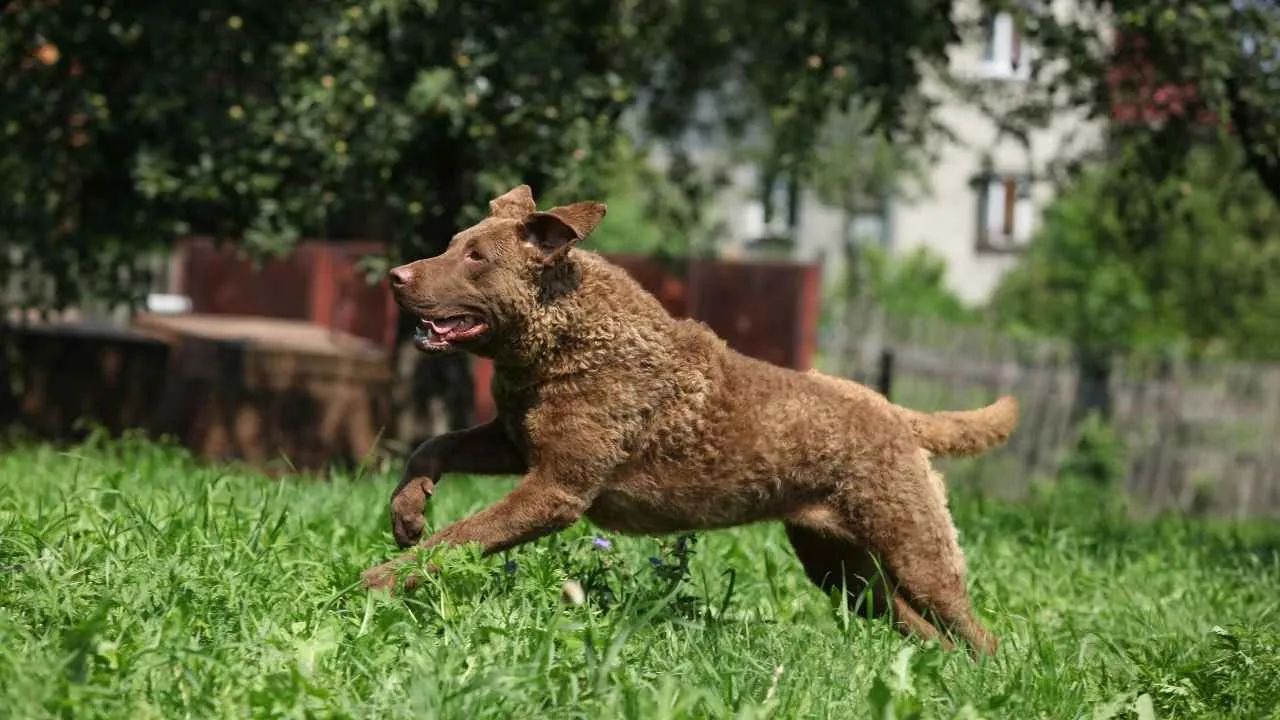
The Chesapeake Bay Retriever was built for demanding waterfowl hunts. This powerful tracking dog can work near icy water, rough shores, and strong winds. PetMD notes that Chessies are high-energy working dogs suited to long days around cold water.
Their oily, wavy coat helps protect them from harsh conditions. A great nose helps them locate birds across difficult stretches of water. Their strong prey drive keeps them focused when animals move nearby.
Unlike breeds aimed at big game, the Chessie shines most when retrieving waterfowl. Its stamina also supports repeated work when other hunters need a reliable partner.
Toughness in Cold Conditions
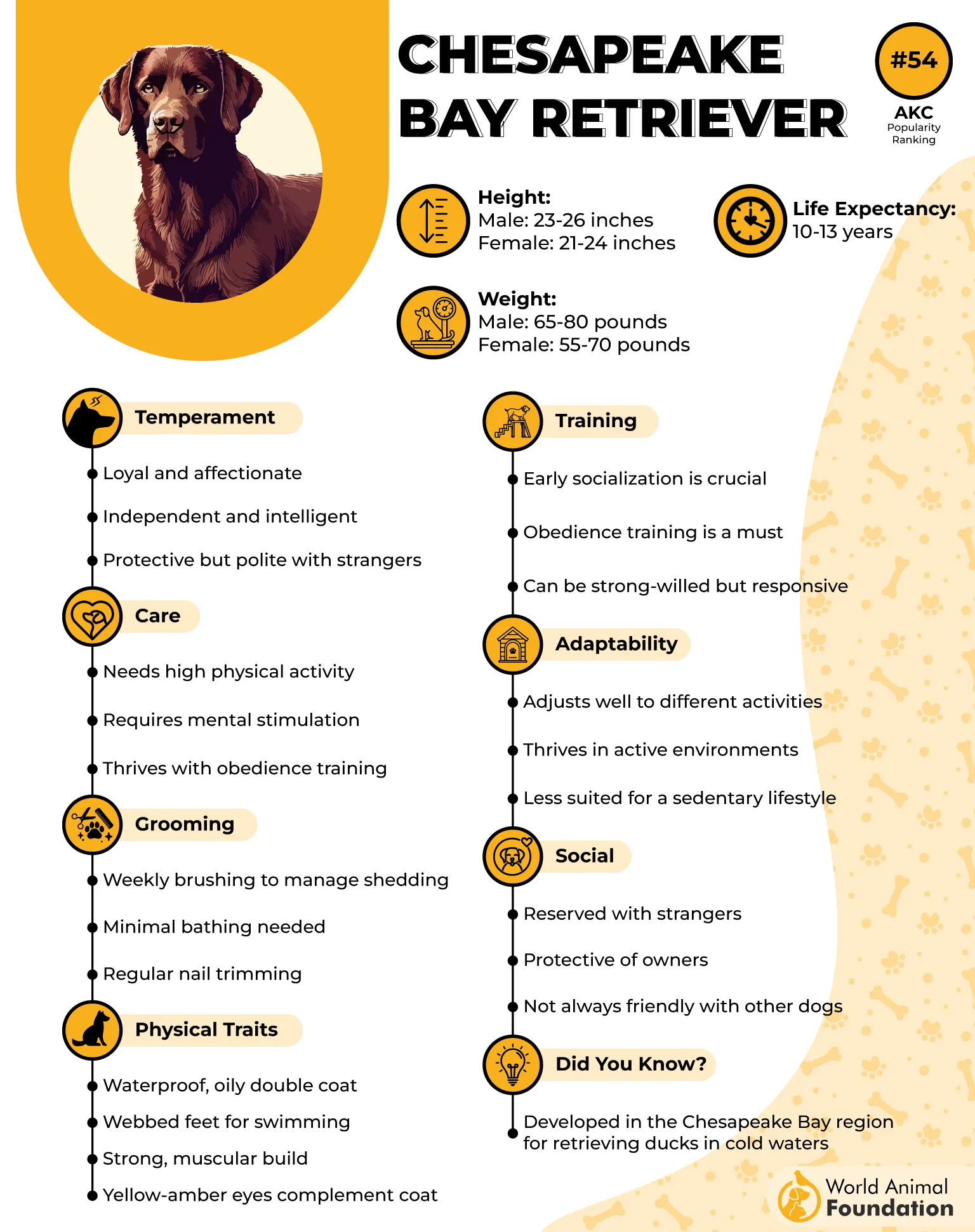
A Chessie can push through waves, cold currents, and wet terrain. Its determined nature helps it stay focused during demanding retrieves. Proper training can channel that drive into controlled fieldwork. These dogs can also remain alert around unfamiliar animals and strangers.
Hunters should understand that their protective nature requires good socialization. For experienced owners, that combination of toughness, focus, and endurance can make the breed an excellent cold-water hunting partner.
6. Labrador Retriever
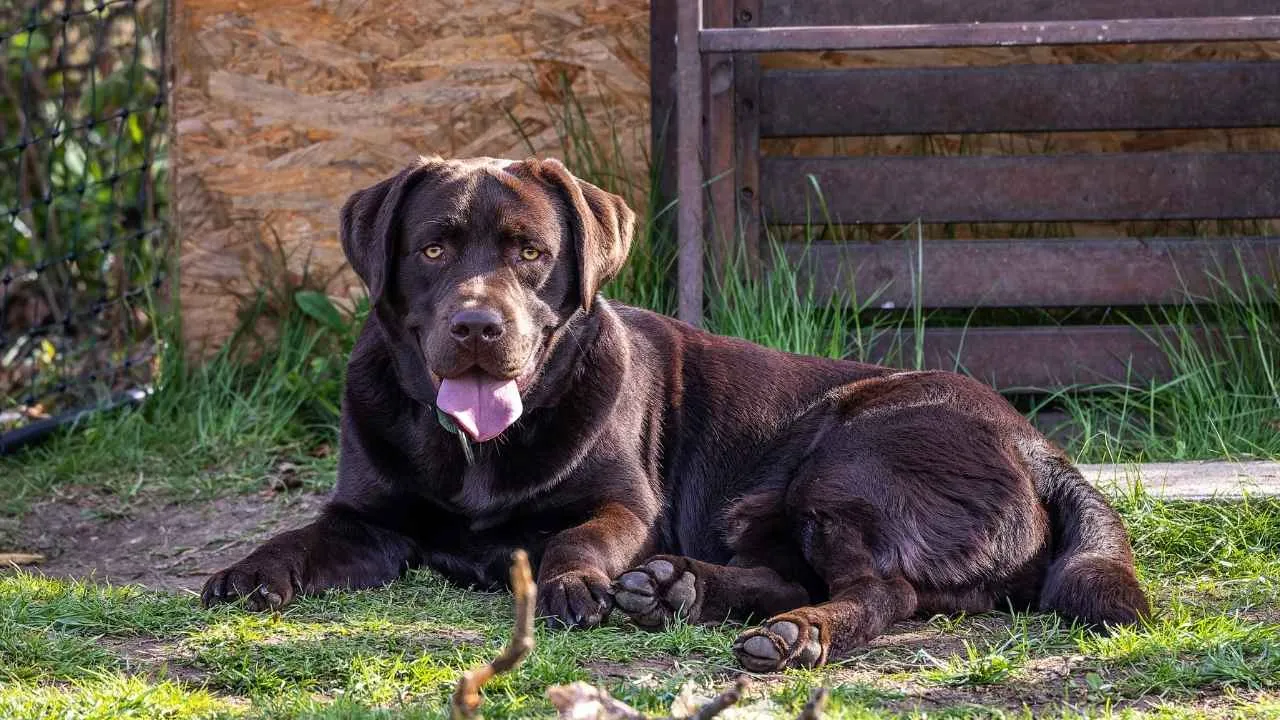
The Labrador Retriever has earned a strong name as a duck hunting dog. Its natural retrieving instinct helps it wait calmly for the shot, then collect fallen birds on command. Britannica notes that Labradors need plenty of daily exercise and can retrieve tirelessly.
Their intelligence and eager-to-please nature also support steady training in the field. A Labrador can stay focused through repeated retrieves during a long trek near water.
Its broad chest and athletic build help support that active working style. For hunters, these qualities make the Lab a practical partner rather than simply a popular pet.
A Steady Partner for Duck Hunts
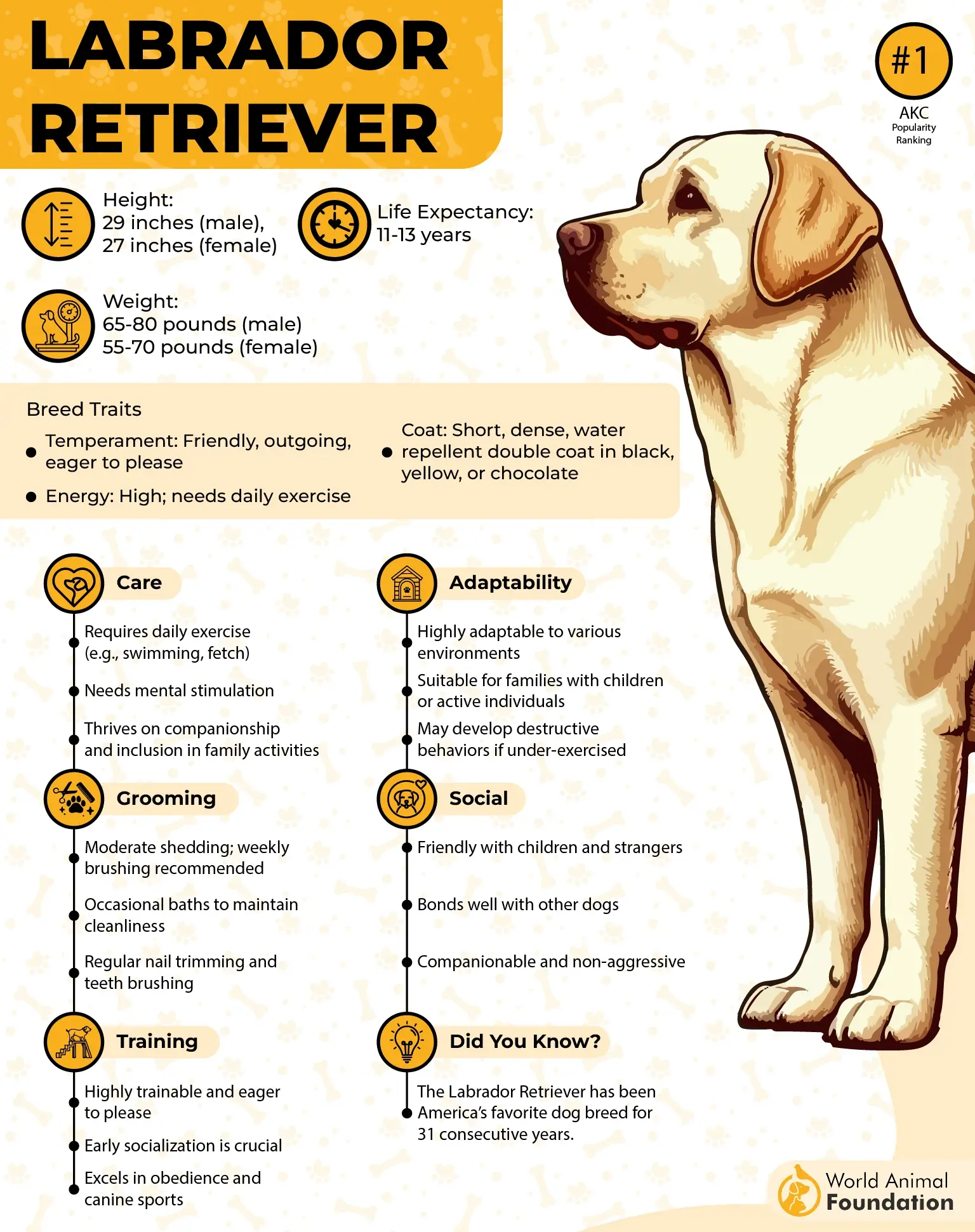
A Labrador’s scent skills can help locate birds after they fall. While it is not primarily a tracking dog, it can follow scents when searching for game. This can help when wounded animals move into nearby cover.
The breed’s calm cooperation also makes repeated work easier for the handler. Hunters should still choose a dog that fits their needs, terrain, and hunting style. With the right preparation, this hunting dog can remain reliable throughout demanding duck hunts.
7. English Springer Spaniel
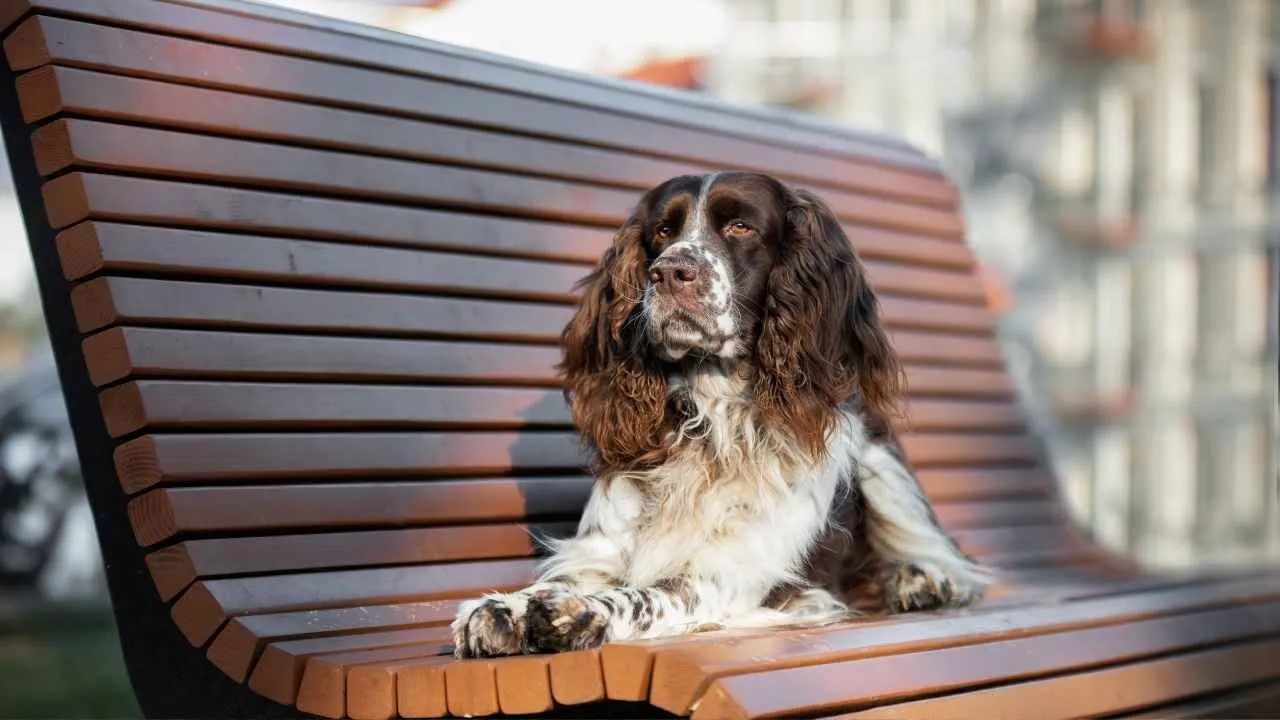
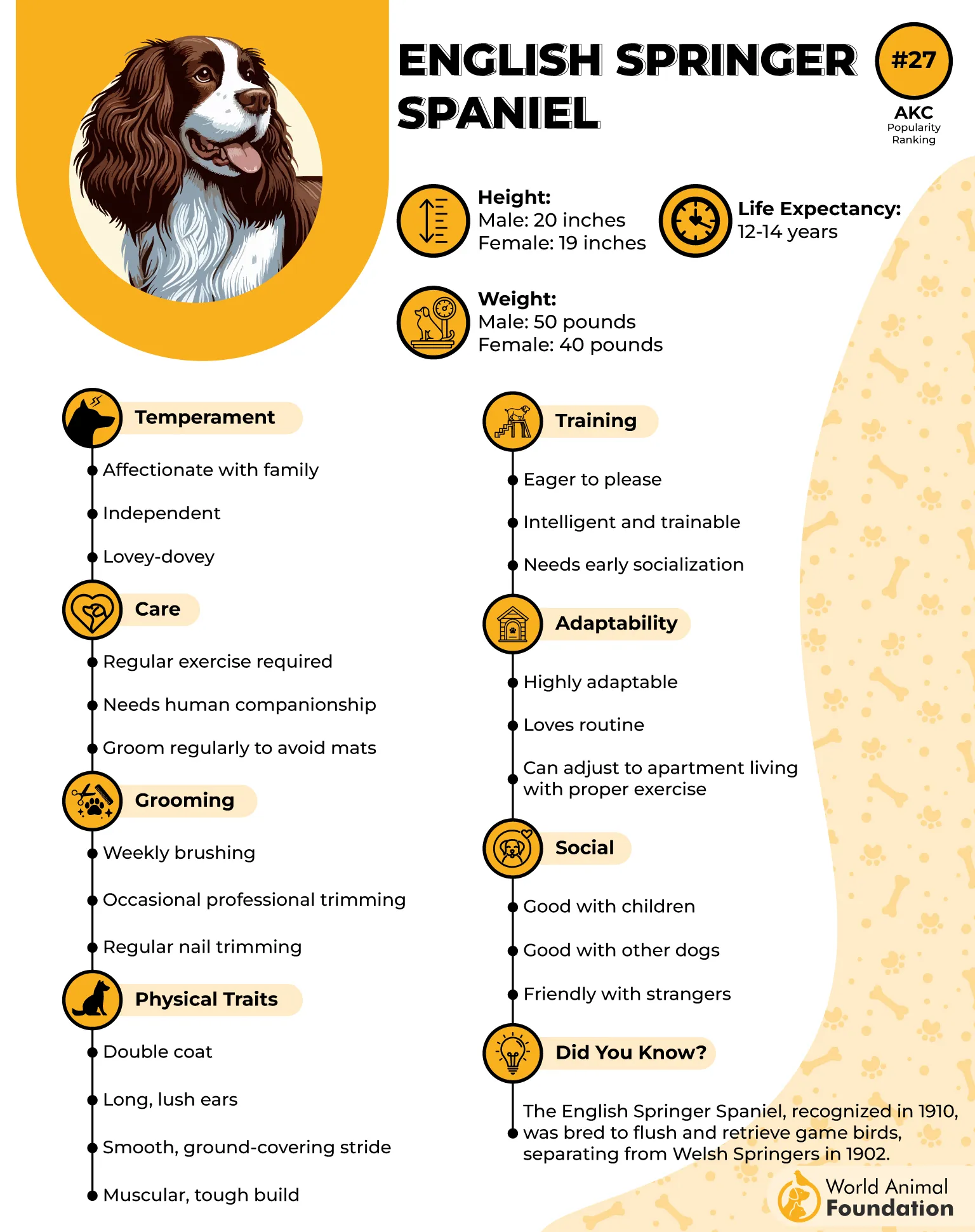
The English Springer Spaniel is a lively worker for upland game birds. These dogs were originally bred to flush and retrieve game. They search through dense cover, using their keen smell to locate hidden birds.
Their close-range work helps hunters find birds before they flush. Once a bird falls, the Springer can retrieve it for the hunter. Its athleticism and persistence make it effective during long field sessions. Unlike a tracking dog, its main strength is searching cover and flushing game rather than trailing wounded game.
A Skilled Worker in Dense Cover
The Springer can also work around rabbits when the hunt calls for it. Its ability to stay close to the hunter makes it useful in tight terrain. Choosing this hunting dog depends on the land and hunting style.
Its vital energy suits active handlers who enjoy field work. At home, this breed can also be a devoted family friend. For hunters, matching its intensity to the planned hunt is key.
Conclusion
Choosing the right hunting dog starts with understanding its strengths. Each breed in this guide brings different skills to the field. Some excel at retrieving, while others can track scents or locate birds. These differences make selecting characteristics critical before choosing a companion.
Consider the dog’s age, energy level, terrain, and hunting goals. A slow-paced hunter may prefer a different partner than someone seeking an athletic field dog. Hunting deer, bear, or other big game also requires careful breed selection.
Some dogs may show interest in cats, deer, or especially rabbits, but that does not make them ideal for every hunt. A reliable tracking dog can help recover game efficiently. By matching the breed to your needs, you can find a capable partner for many outdoor adventures.
