




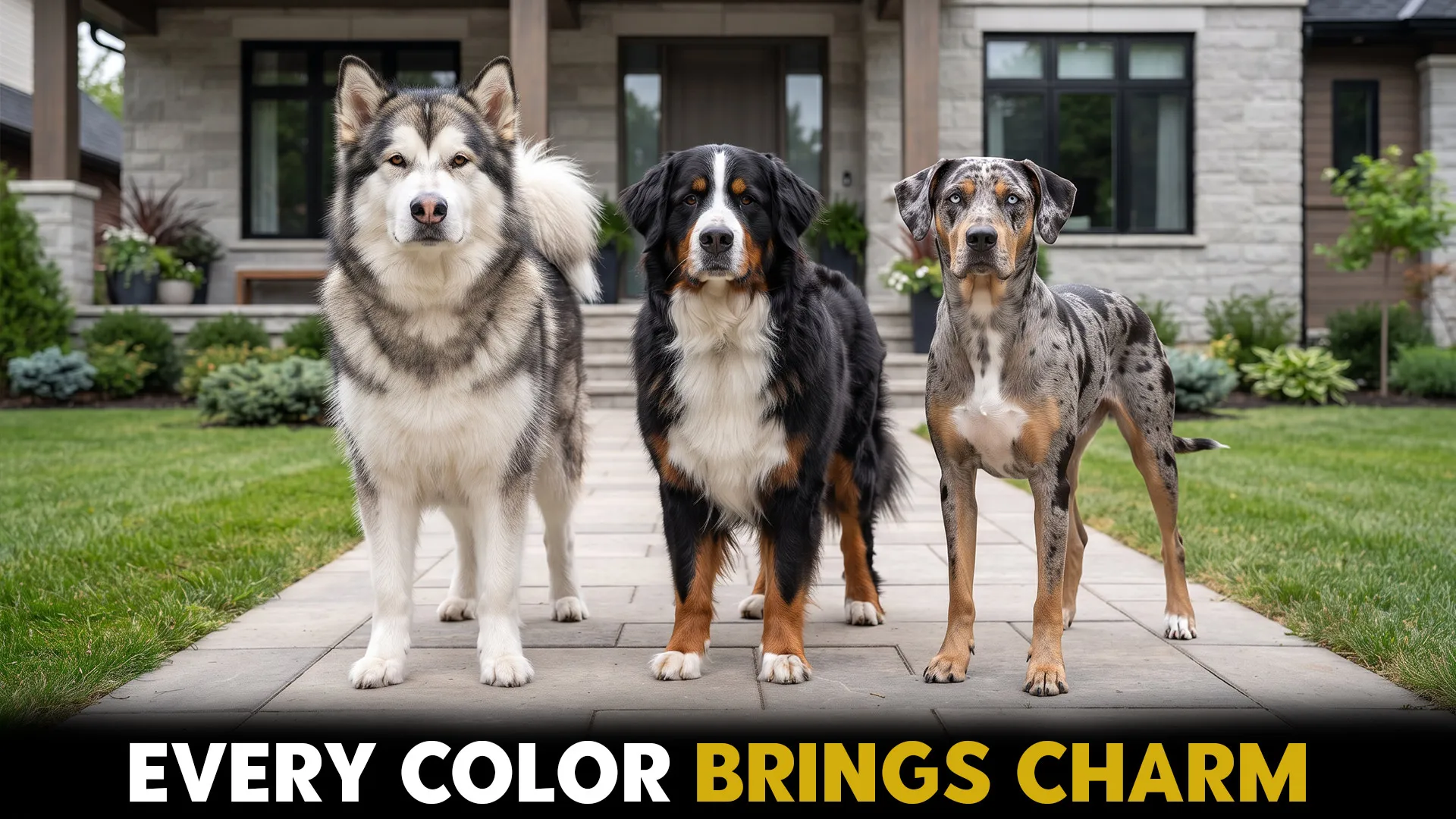
Some dogs seem to have hired a stylist for their fur. Their beautiful coats can blend rich colors, unusual patterns, and beautiful markings. For most people, that visual variety makes certain dogs hard to ignore.
Dog coats come in black, brown, white, red, cream, gold, gray, and blue. Yet these color names can be slightly misleading.
A blue coat usually means a gray, silver, or slate shade with a blue cast. Red often describes warm brown, orange, or tan tones instead. Patterns add another layer of beauty.
Merle, brindle, sable, and tricolor markings can create striking combinations. Coat texture also changes the overall look, from smooth surfaces to thick, flowing fur.
This guide explores seven dog breeds with colorful and distinctive coats. Each one offers a different feature for anyone who loves canine beauty.
Dog Breeds That Showcase Vibrant Coat Variations
1. Australian Shepherd
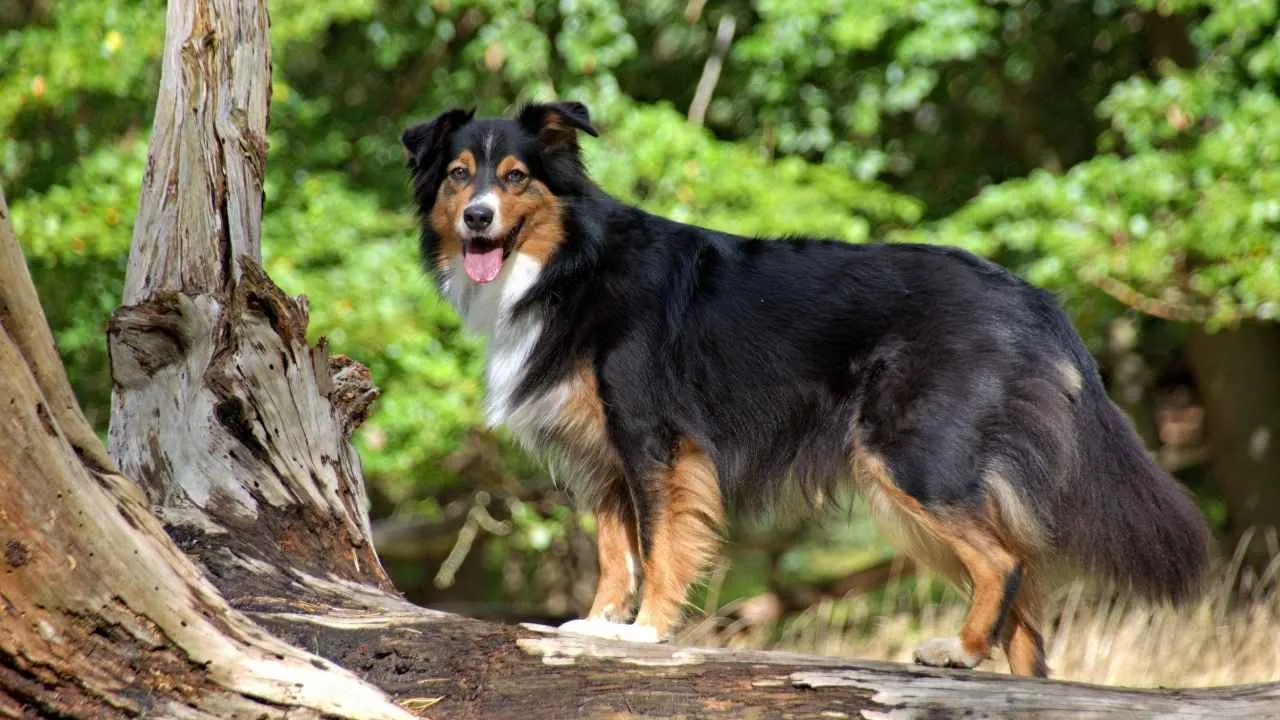
The Australian Shepherd is one of the most colourful dog breeds around. According to the American Kennel Club, its recognised colours include black, blue merle, red, and red merle.
Merle creates darker blotches over a lighter background. This gives the coat a blended effect that can look different on every dog. White markings and tan points can add another layer of contrast.
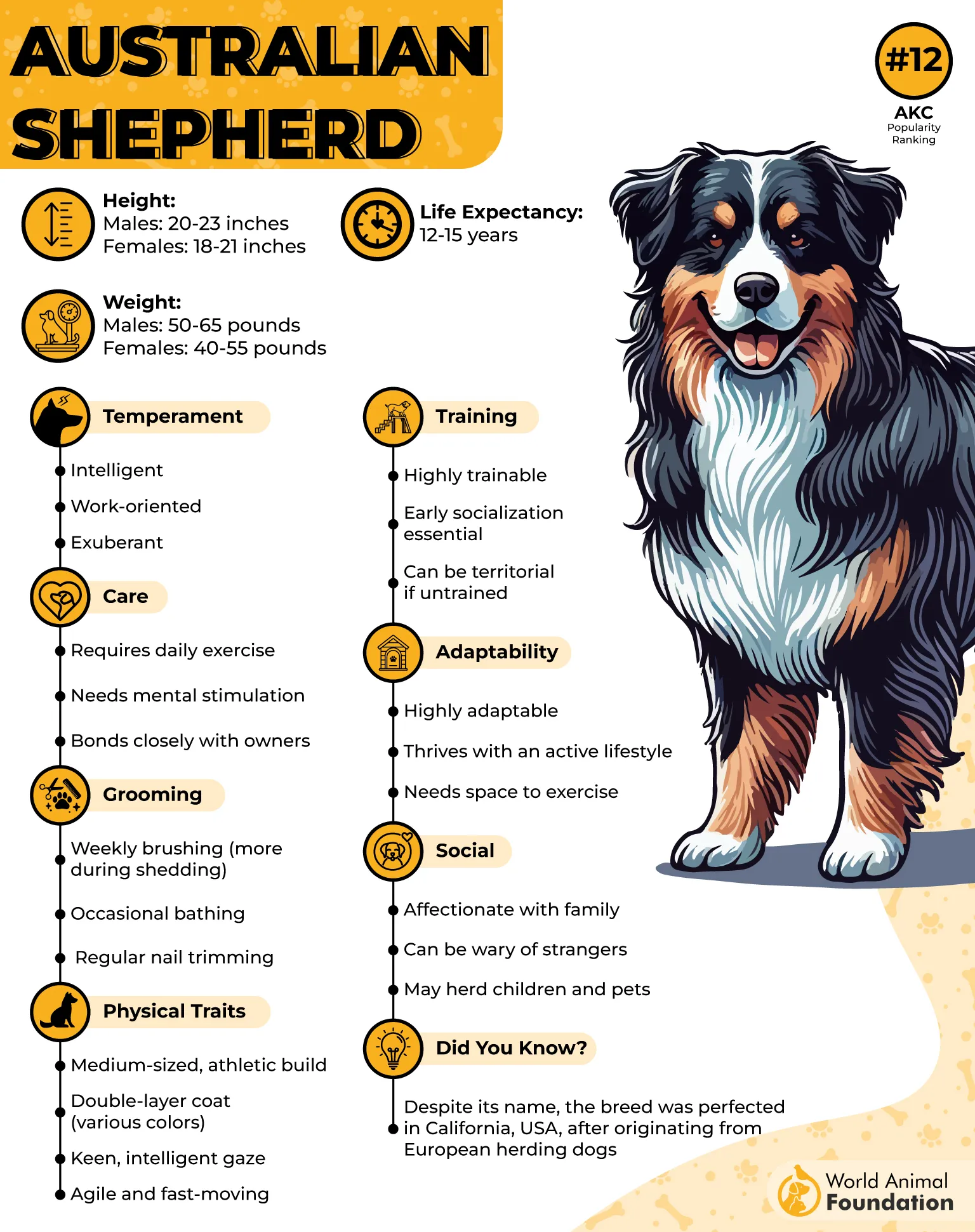
Eye-Catching Details
Some Aussies can have blue eyes.
One dog may have differently colored eyes.
White can appear on the chest and muzzle.
Tan points may surround the eyes.
The medium-length coat has two layers of dog hair.
Two dogs can show noticeably different merle patterns.
Frequent brushing helps manage shedding.
The breed also has a fascinating American history. Despite its name, it developed in Western states. Ranchers valued its intelligence, agility, and herding ability. Today, its smart personality still makes mental stimulation important.
2. Alaskan Malamute
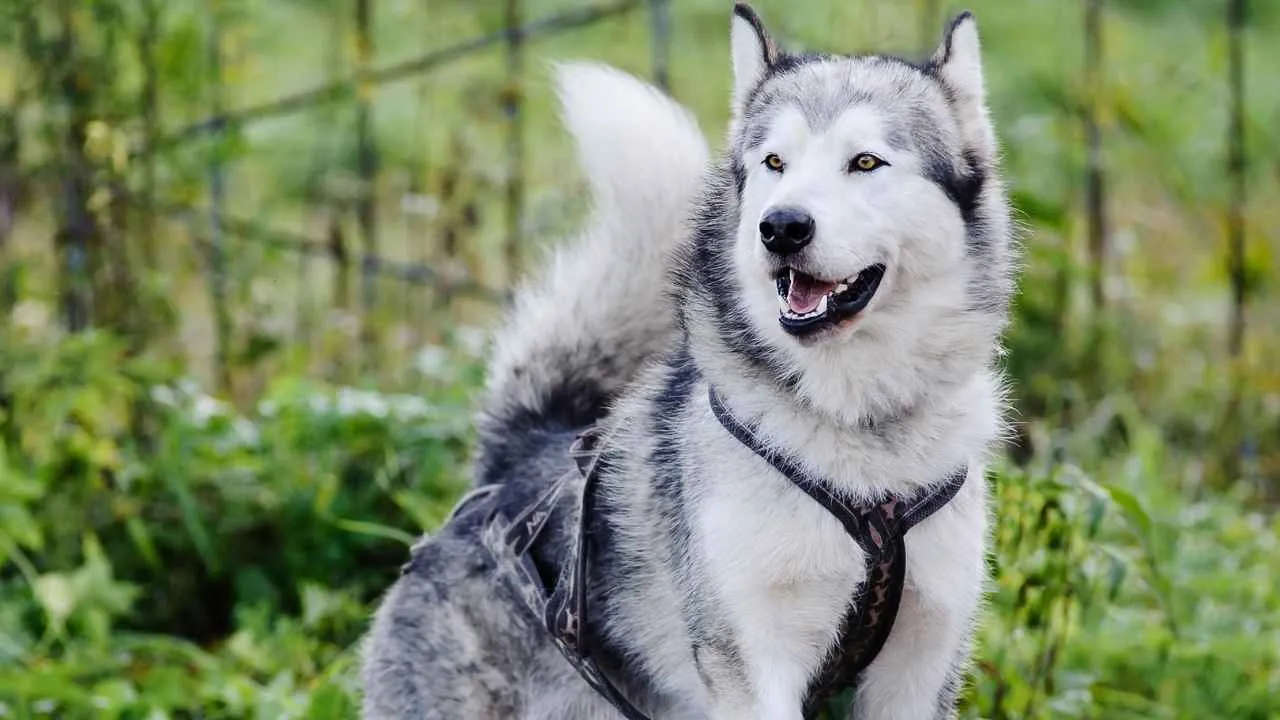
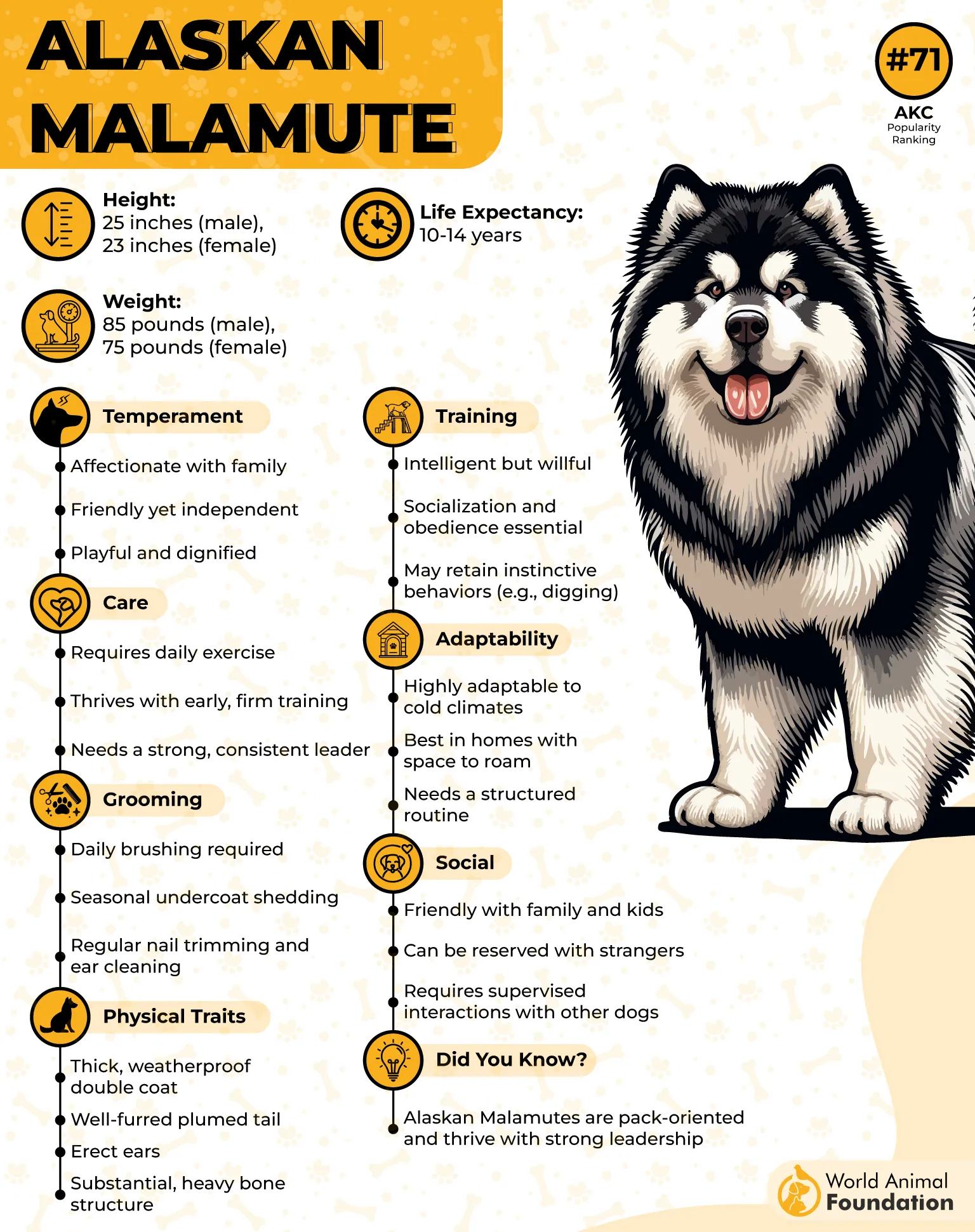
The Alaskan Malamute shows how coat structure can create beauty. Its thick double coat developed for life in freezing Arctic conditions. According to PDSA, this breed has a dense coat that needs regular grooming. Its soft undercoat provides insulation, while the outer coat adds protection.
Colors Beneath All That Fur
Gray is a common shade for the breed.
Black can create strong facial contrast.
Sable coats bring warmer brown tones.
Some dogs have red shades.
White often covers the underside.
Seasonal shedding can become extremely heavy.
The Malamute’s coat also suits its historic working role. These powerful dogs hauled heavy loads across snowy terrain. Their dense coat helped them enjoy long outdoor adventures in cold regions. Today, owners should also consider heat carefully, especially during warmer months.
3. Bernese Mountain Dog
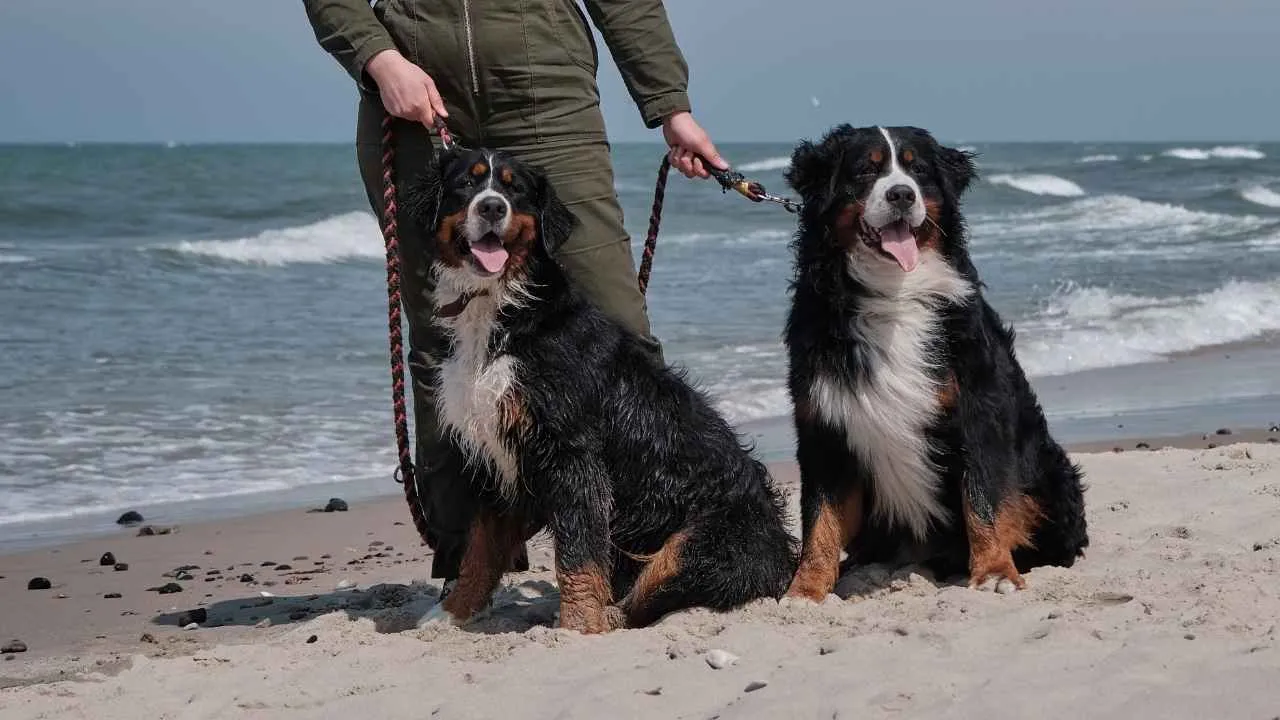
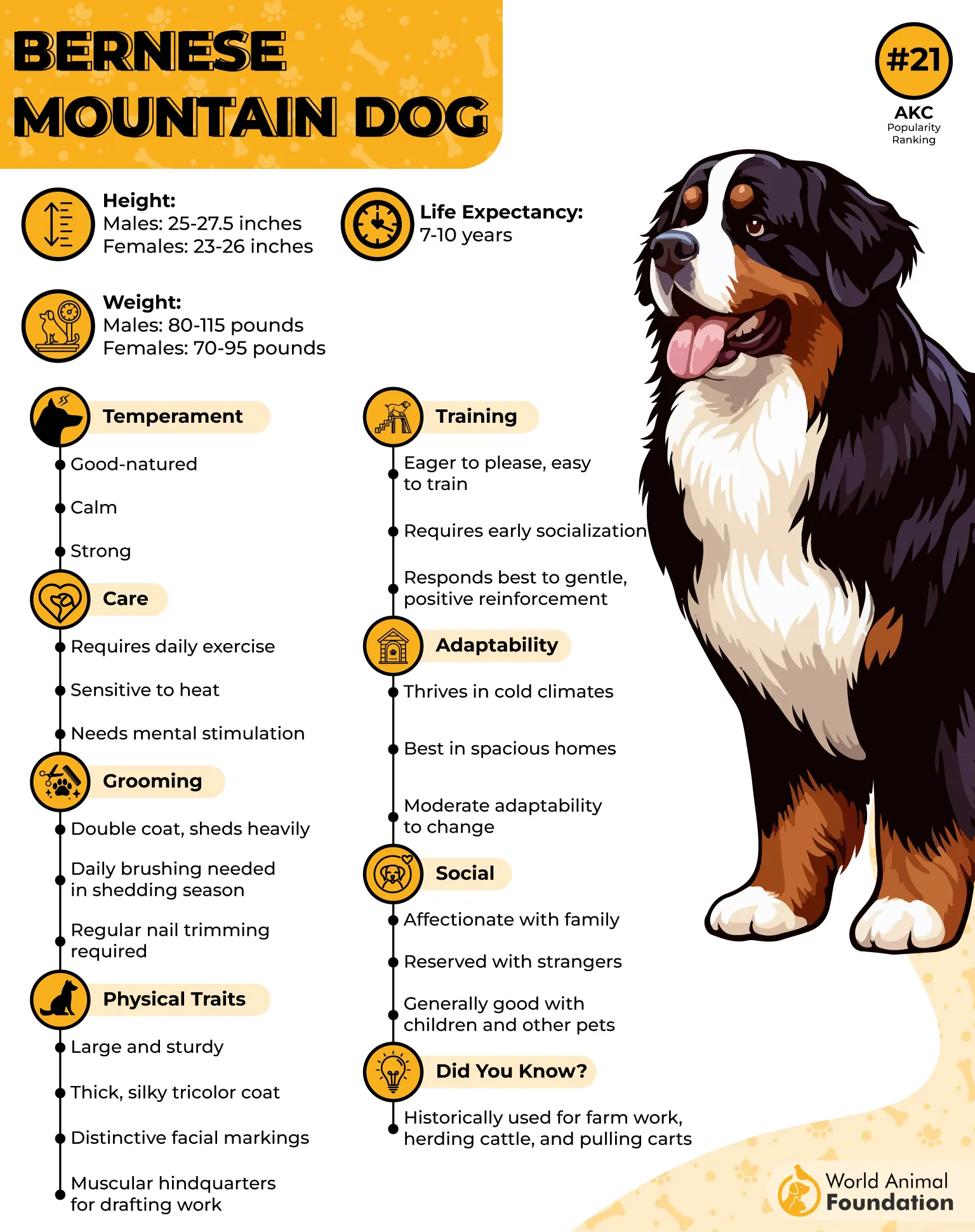
The Bernese Mountain Dog has a wonderfully balanced coat. Its classic coloring combines black, white, and rich rust or tan. According to Orvis, the breed has a long, thick coat with symmetrical markings.
Those markings help create the breed’s distinctive appearance. The long fur also softens the outline of its large body.
A Classic Tricolor Design
White commonly forms a chest blaze.
White paws create bright accents below.
Rust markings often appear above the eyes.
Similar warm shades can frame the cheeks.
The tail is long and bushy.
The coat may be straight or slightly wavy.
Its coloring also fits its Swiss farm-dog heritage. Bernese Mountain Dogs once pulled carts loaded with goods. These gentle giants also helped farmers move livestock and guard property. Their gentle nature now makes them affectionate family companions.
4. Catahoula Leopard Dog
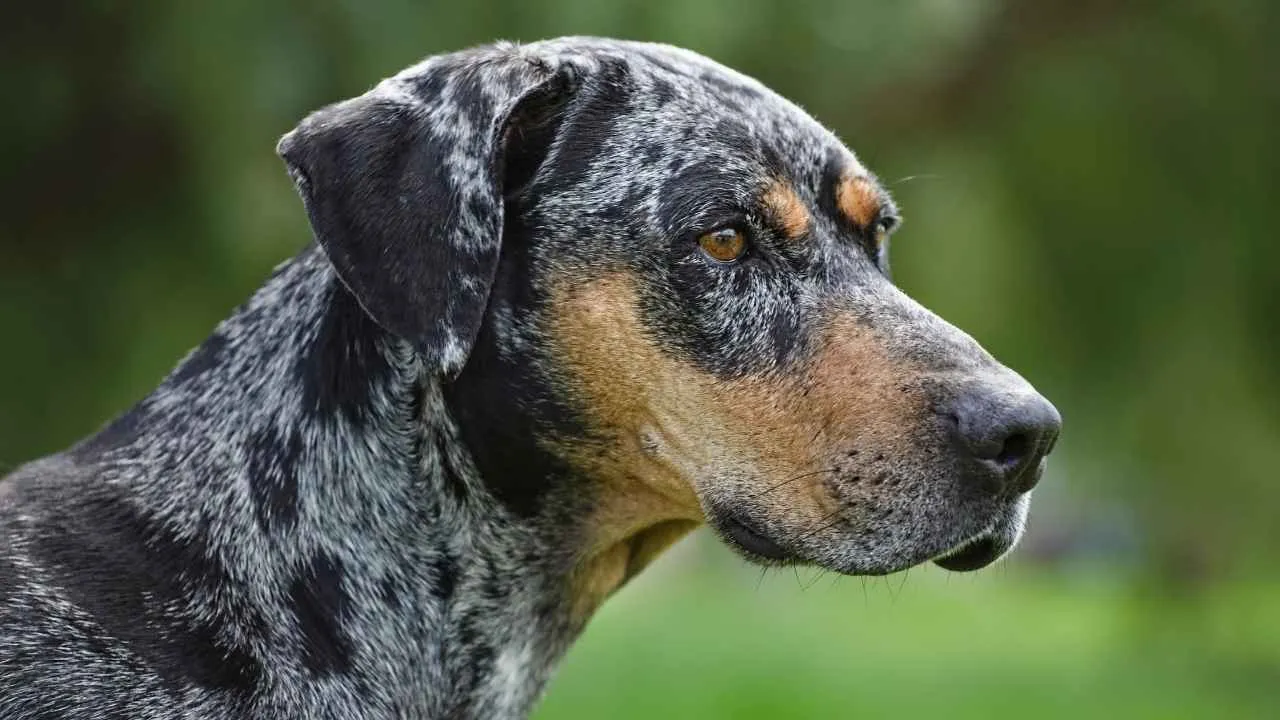
The Catahoula Leopard Dog brings dramatic pigmentation to this group. According to PetMD, Catahoulas can have brindle or merle coats and bright blue eyes.
Their patterns may combine several shades across the same body. That gives some dogs a striking appearance that resembles a painted surface. Responsible breeders should also understand the potential health issues linked to certain merle combinations.
A Truly Unusual Color Story
Gray backgrounds can carry darker patches.
Brown backgrounds may show contrasting markings.
Red and tan shades can appear in some coats.
Some dogs have striking glass-like eyes.
The short, smooth coat is fairly simple to maintain.
Weekly brushing can remove loose fur.
The breed also has a strong connection to Louisiana. Its name comes from the Choctaw word for “sacred lake.” These dogs were developed as versatile working animals. Their independent personality reflects that demanding background.
5. Shetland Sheepdog
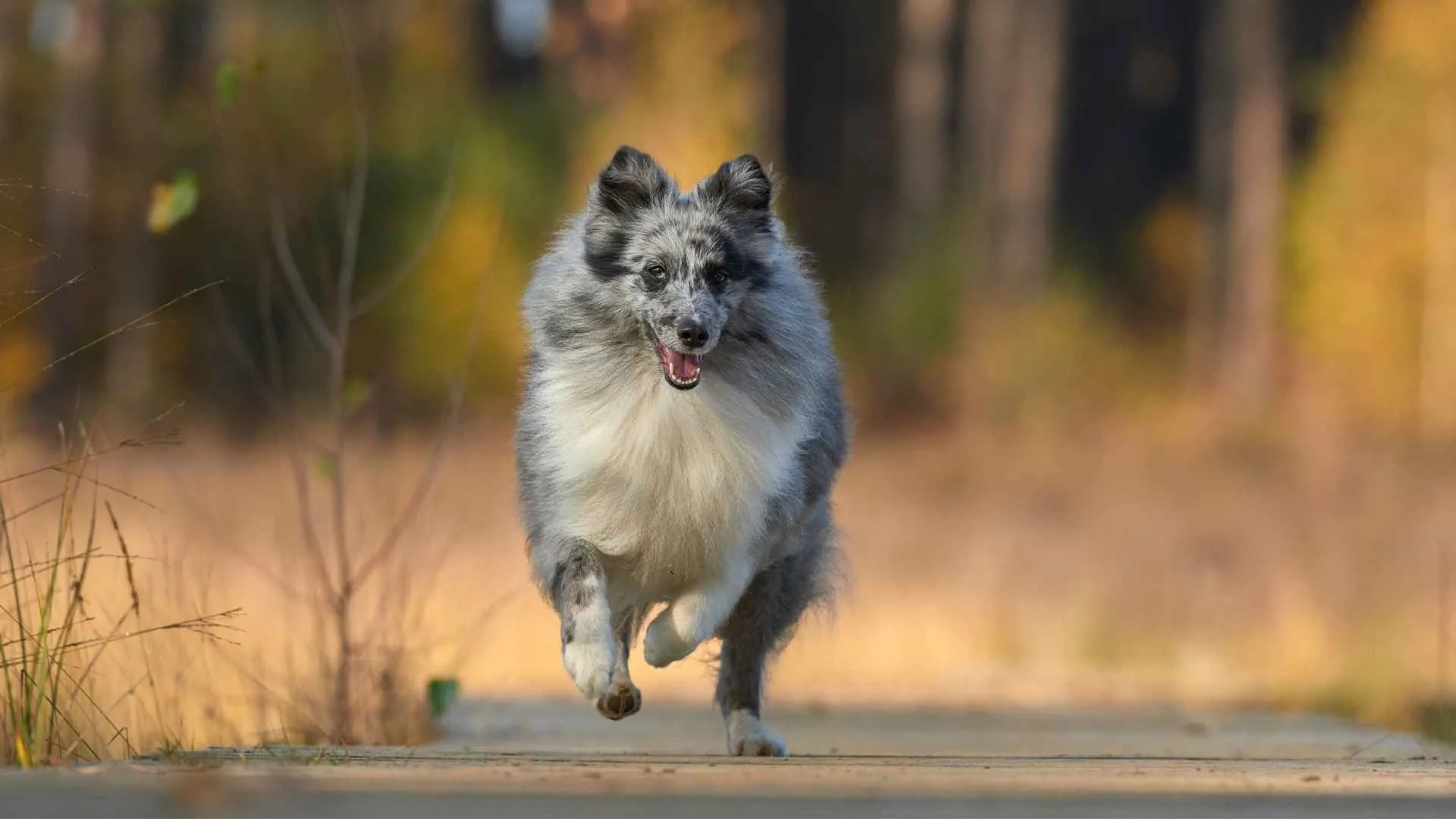
The Shetland Sheepdog stands out through texture and movement. According to Purina, its coat is long, hard, and straight, with a full mane and feathering. Those layers create a flowing silhouette around the neck, legs, and tail. The result looks elegant, while its expressive eyes add even more charm.
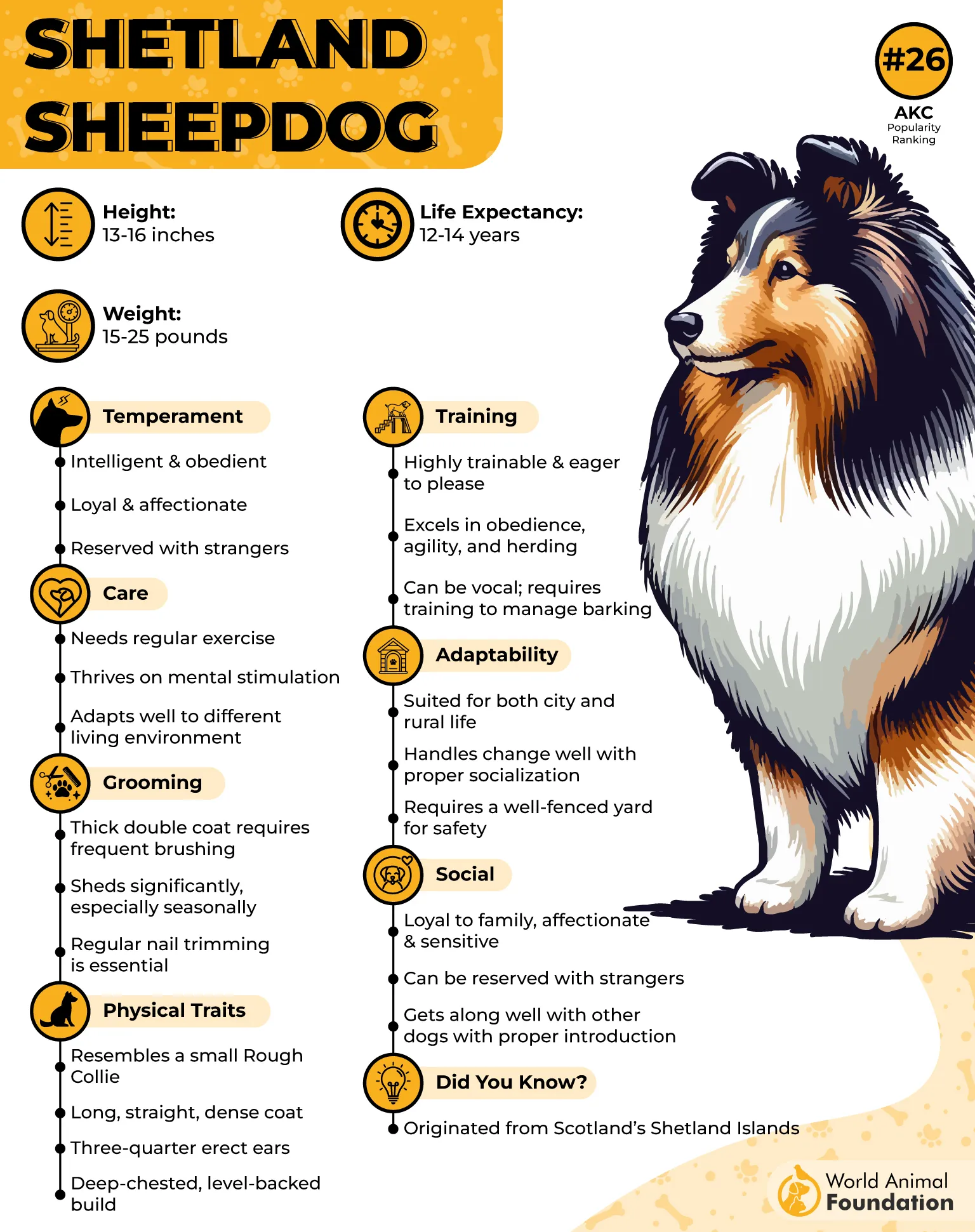
A Coat With Beautiful Layers
Sable and white is a familiar combination.
Black and white coats also occur.
Tricolor patterns can include warm tan.
Blue merle creates mottled areas.
The mane gives the neck extra volume.
Its feathered tail adds a soft finishing touch.
This breed originated on Scotland’s Shetland Islands. Local crofters needed a smaller working dog for their farms. The Sheltie’s alert personality made it useful around livestock and property. Today, its sharp mind still benefits from regular mental stimulation.
6. Cardigan Welsh Corgi
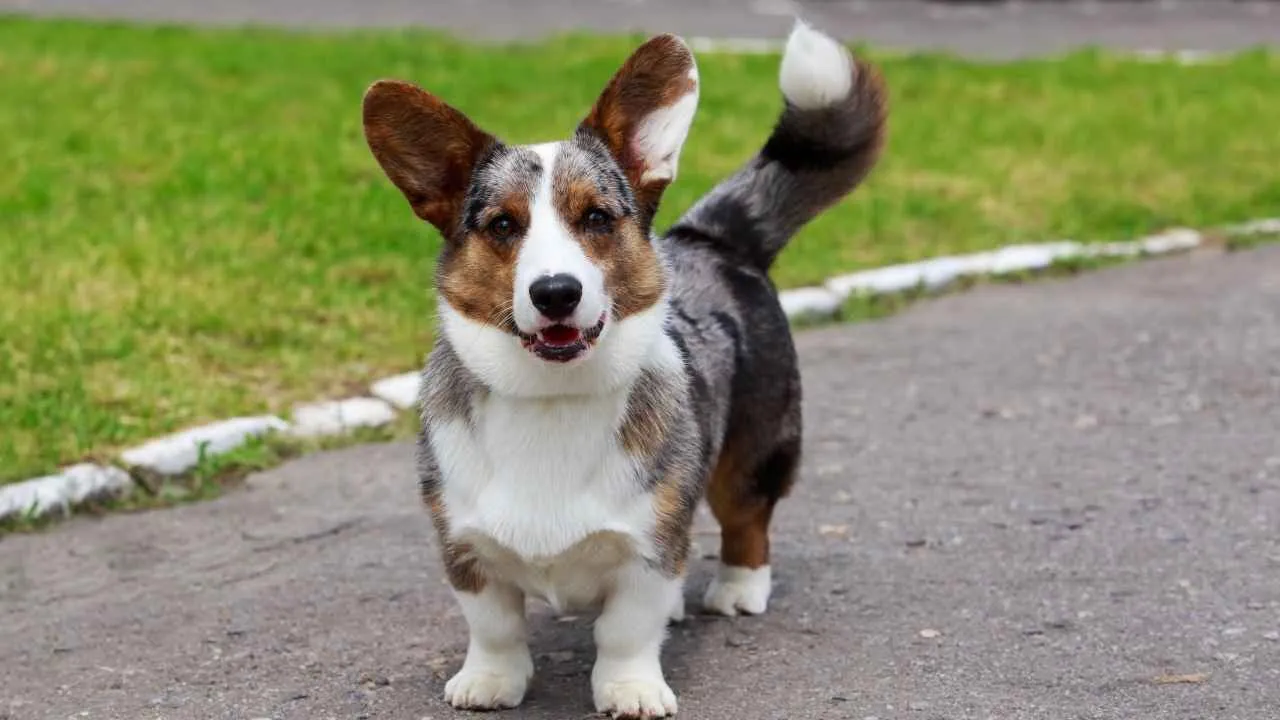
The Cardigan Welsh Corgi proves that small dogs have a wide range of colors, including blue merle. According to VCA Animal Hospitals, its coat can appear in reddish, sable, black, or brindle shades.
Blue merle adds another eye-catching option. White markings often complete these combinations and create strong visual contrast.
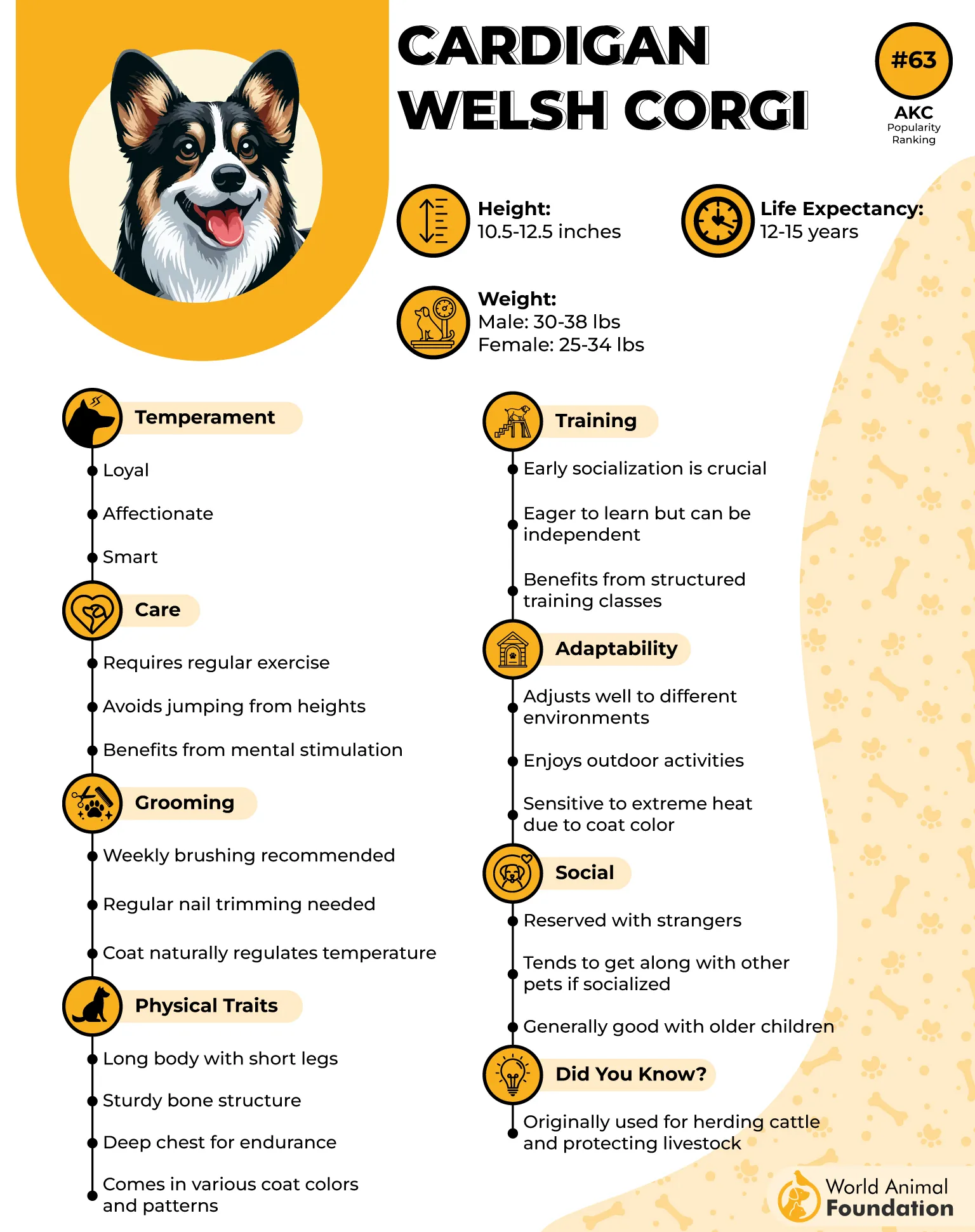
Color Meets a Distinctive Shape
Brindle produces darker stripes across the coat.
Sable can range from pale to deeper shades.
White may appear around the muzzle.
The chest can carry a broad white area.
Its long tail is a key breed feature.
The ears have rounded tips and upright carriage.
The Cardigan also has ancient roots in Wales. Farmers valued these dogs for herding cattle. Their long bodies and low frames helped them work close to livestock. Today, their playful, smart nature makes these cute dogs popular with families.
7. Border Collie
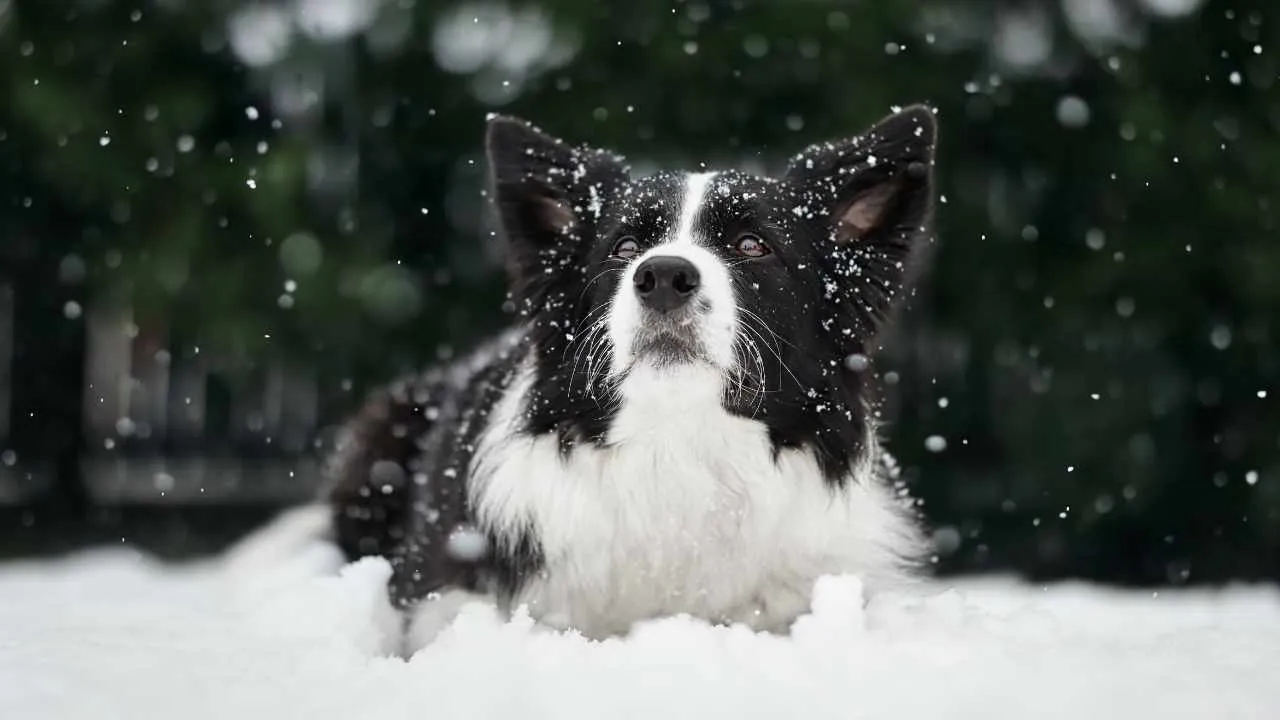
The Border Collie offers variety through both color and coat type. According to Hill’s Pet, its colors can include black and white, red and white, solid shades, bi-color, tri-color, merle, and sable. This broad range gives the breed plenty of visual variation. Its coat can also change noticeably in length and texture.
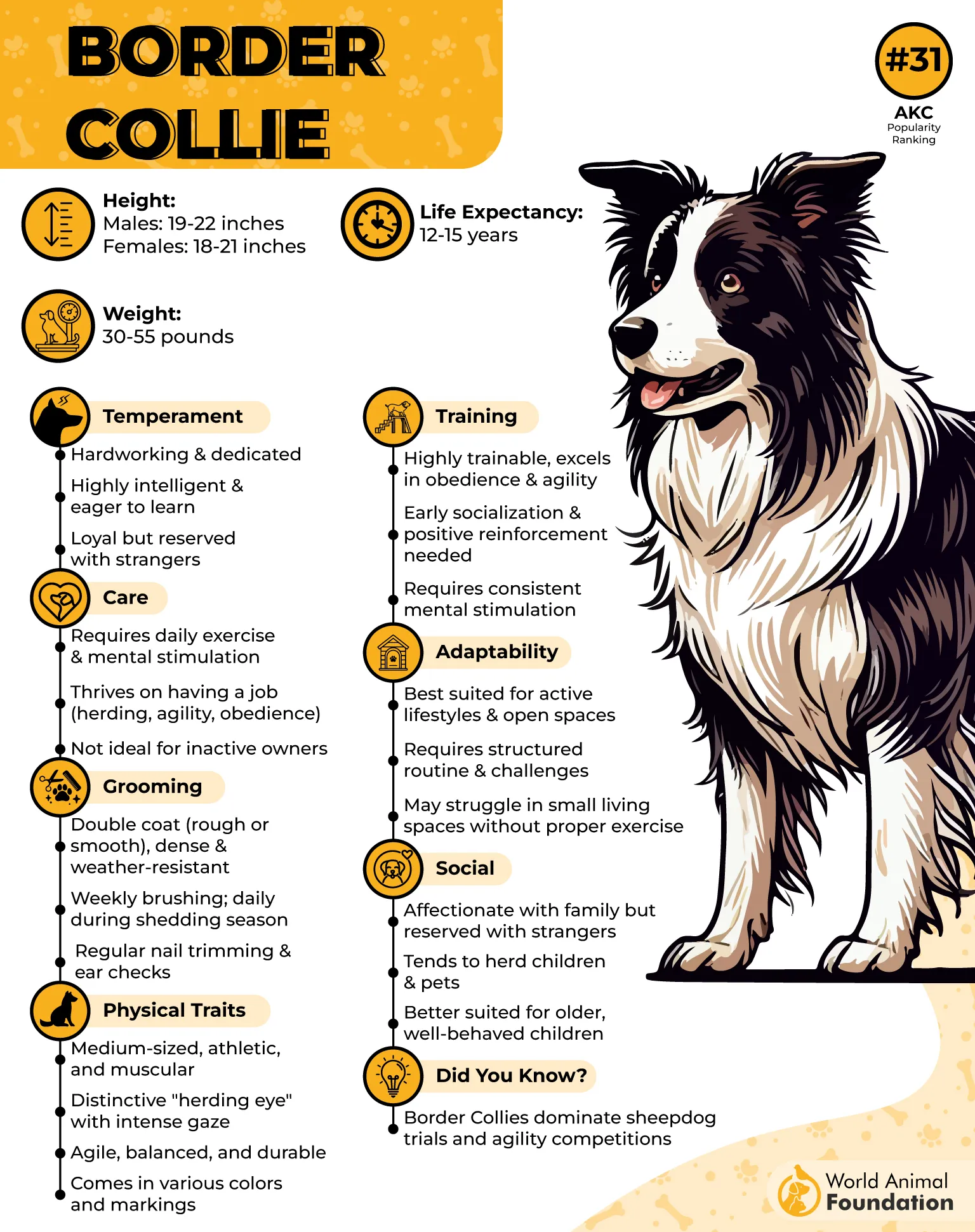
Two Looks From One Breed
Some dogs have a rough coat with longer hair.
Others have a sleek coat around one inch long.
- Longer coats can form a lush mane.
The tail may carry abundant feathering.
Black and white remains a familiar combination.
Red and white create warmer visual contrast.
The Border Collie is also famous for its working mind. These adorable pups have exceptional focus and boundless energy. They need enough exercise and mental stimulation each day. Interactive tasks can keep their smart brains engaged and their bodies active.
Conclusion
Vibrant dog coats can make a lasting first impression. However, their beauty comes from many different details. Color, pigmentation, patterns, texture, and markings all contribute to a dog’s overall look. That variety is what makes the dog world so fascinating for pet lovers.
Still, appearance should never be the only deciding factor. Every breed brings different grooming needs, energy levels, and personality traits. Families should consider those needs alongside coat beauty. A stunning coat can require plenty of time and care throughout a dog’s life.
Whether you prefer merle patterns, warm shades, or classic markings, there is plenty to admire. The best choice is one that fits your home and daily routine. When appearance and lifestyle match, both dogs and owners can enjoy a happier life together.
