





Some dogs wear one color. Sable dogs apparently looked at that idea and said, “Too simple.” Their coats can blend warm reds, golds, tans, browns, and darker tips into a naturally layered look that almost seems painted on.
The effect comes from individual hairs being lighter near the base and darker toward the tip, which gives sable coats their distinctive shaded appearance.
Sable can look surprisingly different from one dog to another, and that is part of the fun. Some dogs have a lighter, cleaner red or golden look, while others show much deeper dark shading across different parts of the coat. Ready to see how many different looks this coat pattern can create?
Did you know?
Sable puppies may look much darker when they are young, then gradually lighten as their adult coat grows in. In some dogs, only a few dark-tipped hairs remain, so their final sable coloring can look surprisingly different from puppyhood.
Dog Breeds Featuring Striking Sable Coat Colors
1. German Shepherd
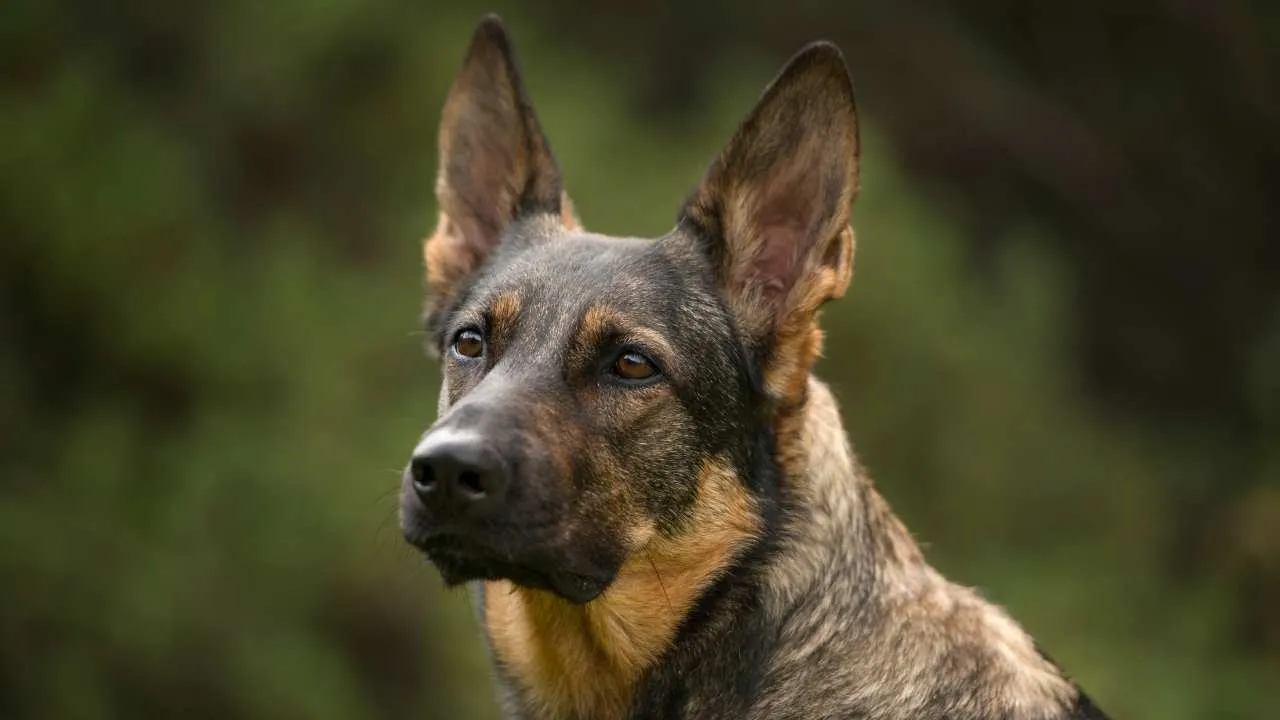
The German Shepherd Dog has the kind of sable pattern that makes you look twice, then probably once more. Its black-tipped hairs can sit over several lighter base shades, creating a layered appearance closely associated with this famous working breed.
Originally bred for herding, German Shepherds were developed to keep sheep organized and protect them from wolves. That working background never really clocked out, either, because these intelligent, loyal dogs still thrive when they have purposeful activity to tackle.

That striking sable coat is not just one flat color wearing a fancy name. Sable German Shepherds can carry a lighter base with black hair tips, while their medium or long double coat gives the pattern extra depth and definition.
Grooming Tips For This Breed
Give the coat a quick brushing every few days to collect loose hair before it claims the furniture.
Keep baths occasional and trim or grind the nails monthly when normal activity does not wear them down.
2. Collie
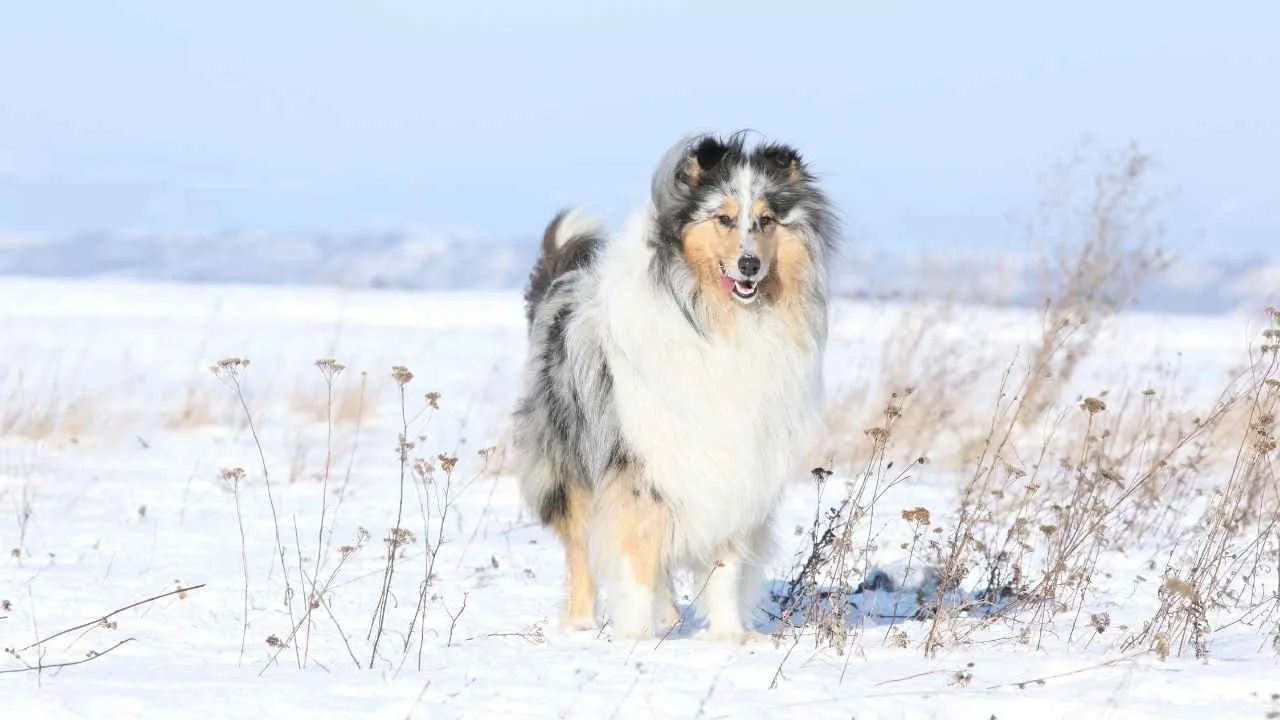
A Collie can turn a simple walk into a small red-carpet moment, especially in sable and white. The breed comes in rough and smooth varieties, and that elegant coat pairs nicely with the graceful, expressive look Collies are known for.
Personality-wise, Collies are wonderfully social characters. They are affectionate, friendly, loyal, and often keen to meet new people, while their easygoing nature and close attachment to family make them lively company without turning every moment into chaos.
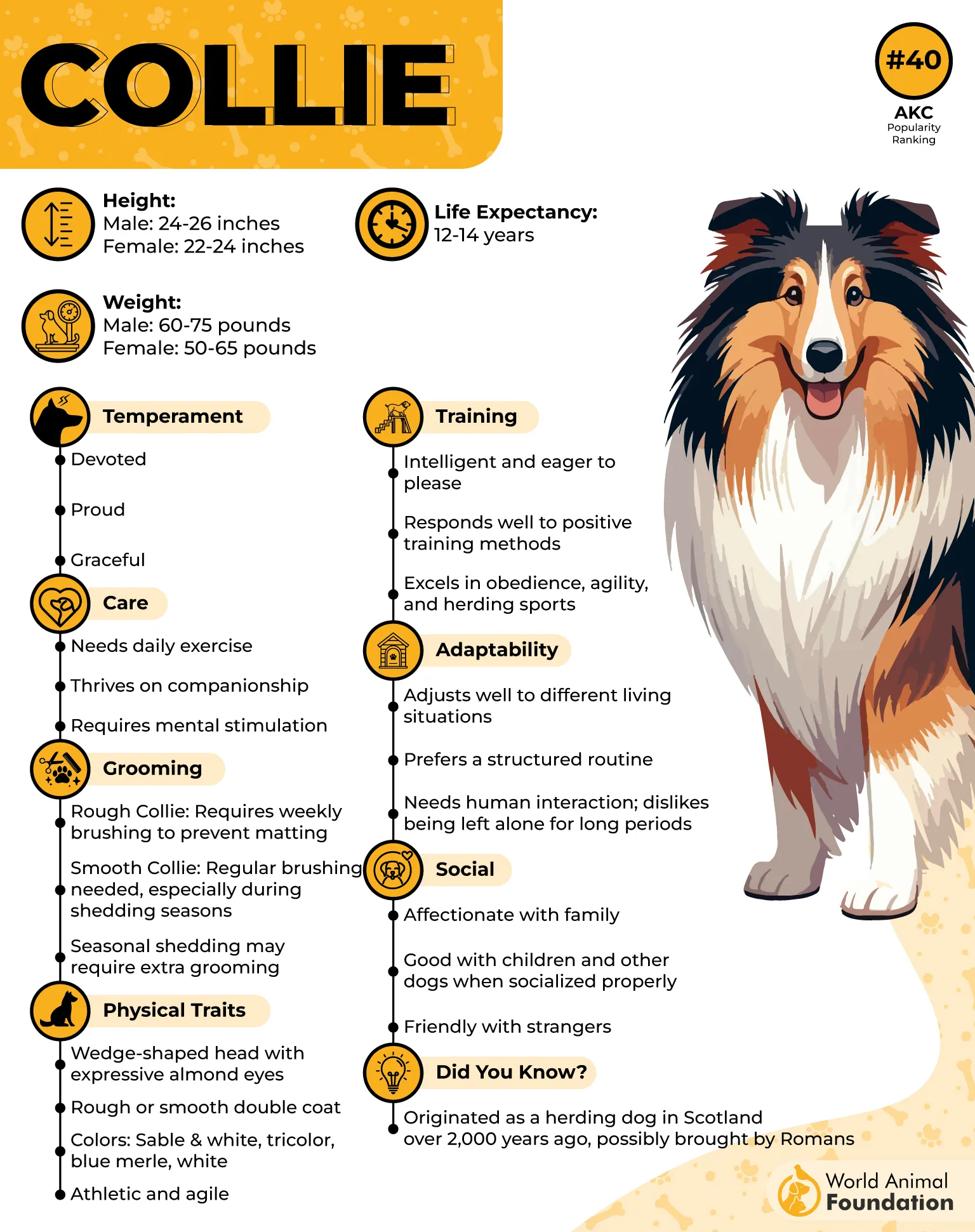
As noted by PetMD, coat care is fairly straightforward but definitely not optional. Frequent brushing keeps the coat clean, with mats most likely behind the ears and elbows, while heavier undercoat shedding may call for professional grooming help.
Grooming Tips For This Breed
Work a monthly bath into the routine rather than waiting until the coat looks particularly messy.
Check the ears during regular grooming and clean them routinely, often alongside bath time.
3. Shetland Sheepdog
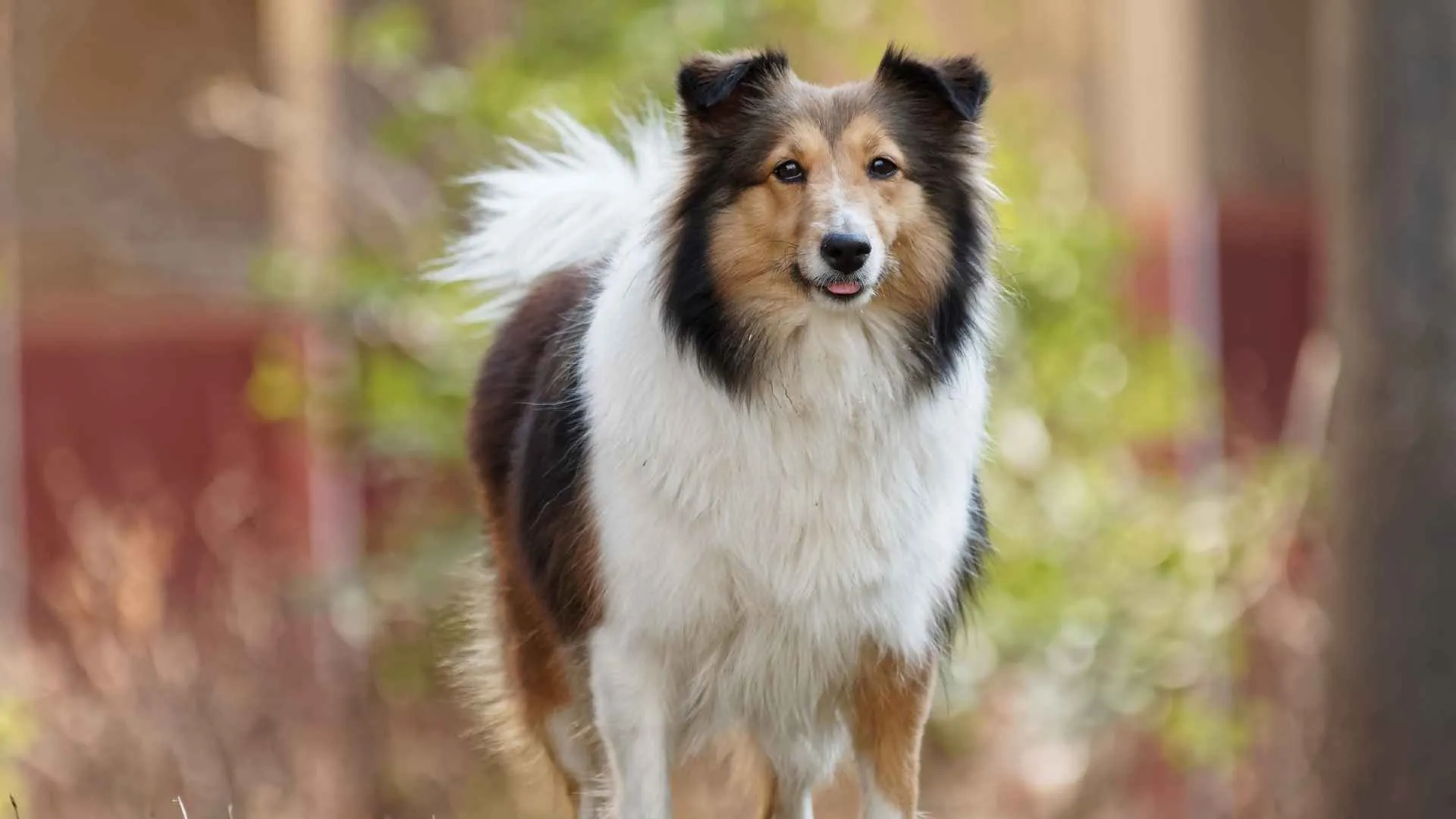
The Shetland Sheepdog brings plenty of visual drama without needing a giant frame to do it. Its long, straight coat comes in sable with white markings, giving this bright little herder a polished look that is instantly easy to notice.
A Sheltie is not exactly built for a schedule full of doing nothing. Daily exercise and mental stimulation matter because these working dogs prefer staying busy, and games give that quick, eager brain something useful to do.
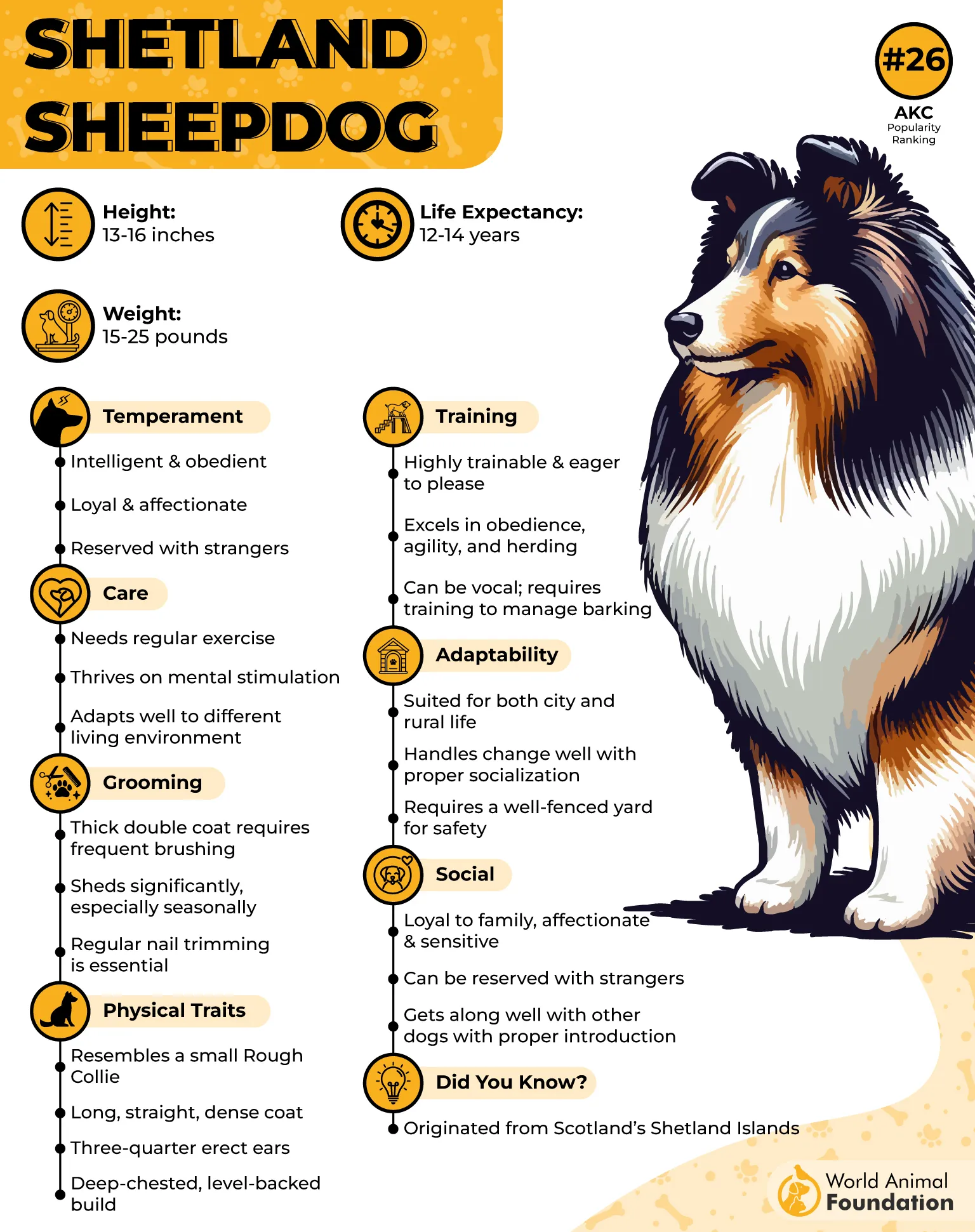
Shaded sable gets especially interesting on Shelties because darker pigment can remain visible across a lighter base. Some dogs may carry noticeable dark tipping, and puppies can begin with heavier shading that changes considerably as the adult coat develops.
Grooming Tips For This Breed
Pay special attention behind the ears, beneath the front elbows, and under the tail where mats can hide.
Skip shaving because the natural coat provides protection from heat, cold, and sunburn.
4. Belgian Malinois
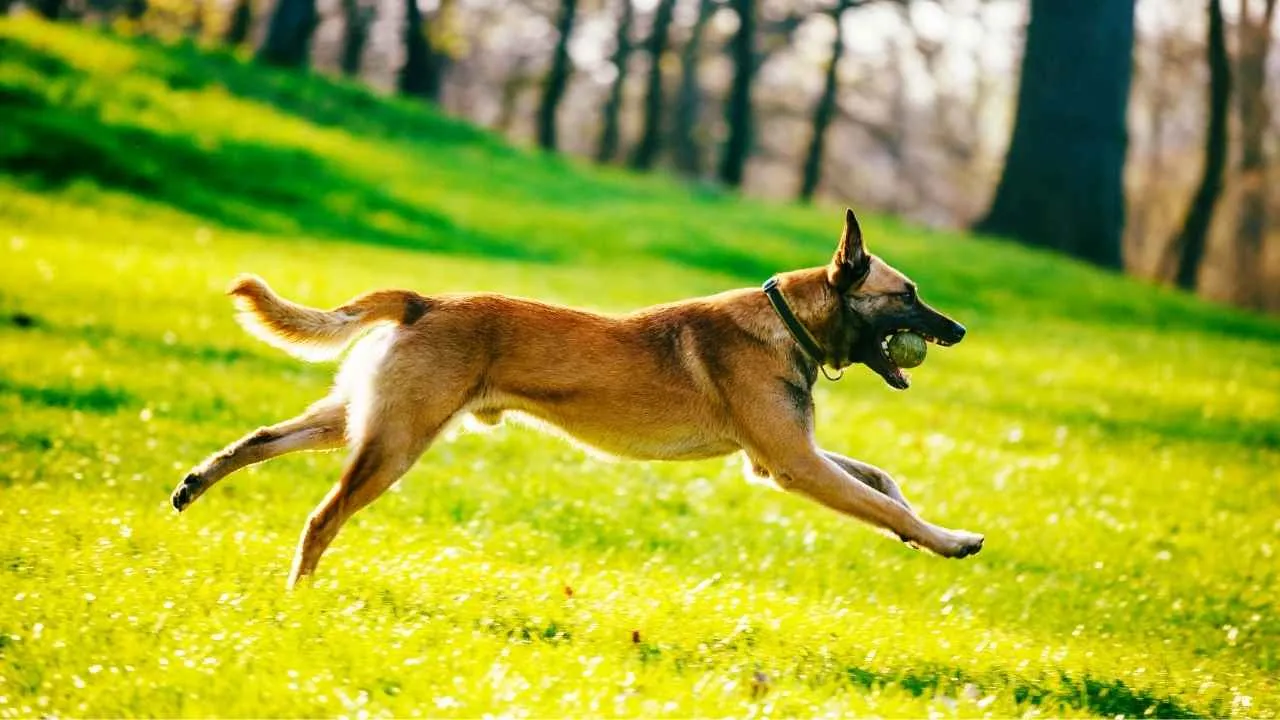
Recognized by the AKC in 1959, the Belgian Malinois carries a crisp, work-ready appearance. Its coat ranges from fawn to mahogany, while black ears and a dark facial mask give this striking dog a sharp, distinctive finish.
Originally bred near Malines in Belgium for herding, the Belgian Malinois quickly proved it had more than one career idea. Its trainability and drive later opened doors to police work, search and rescue, tracking, and detection roles.
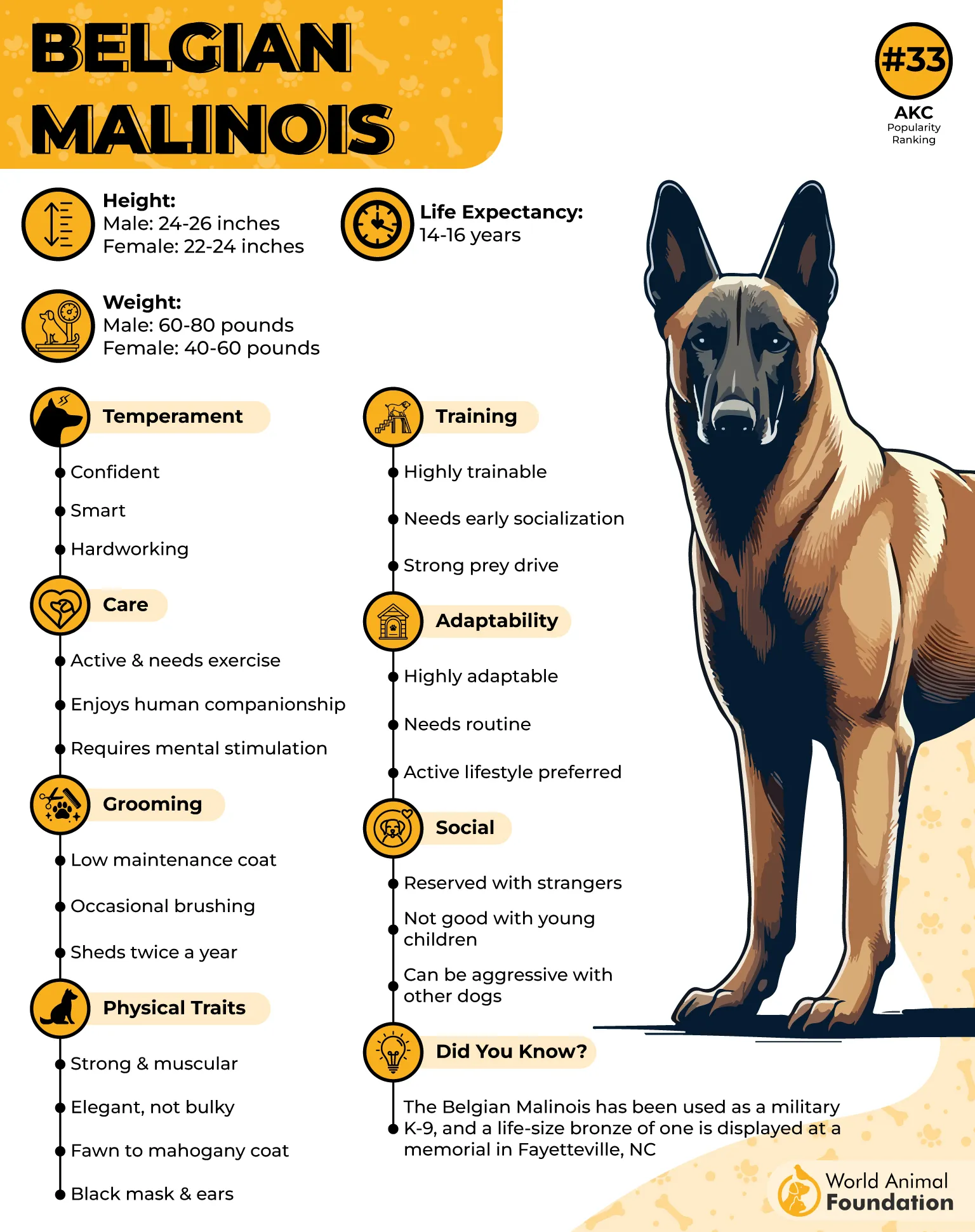
Its sable coat pattern keeps things visually sharp: fawn or mahogany coloring can carry black tips, while the face is finished with a dark mask and black ears. Short, straight hair and a thick undercoat complete the practical look.
Grooming Tips For This Breed
Use a medium-bristle brush, rubber grooming mitt, or hound glove for straightforward coat upkeep.
Bring out a slicker brush during heavier shedding periods for a useful daily once-over.
5. Pomeranian
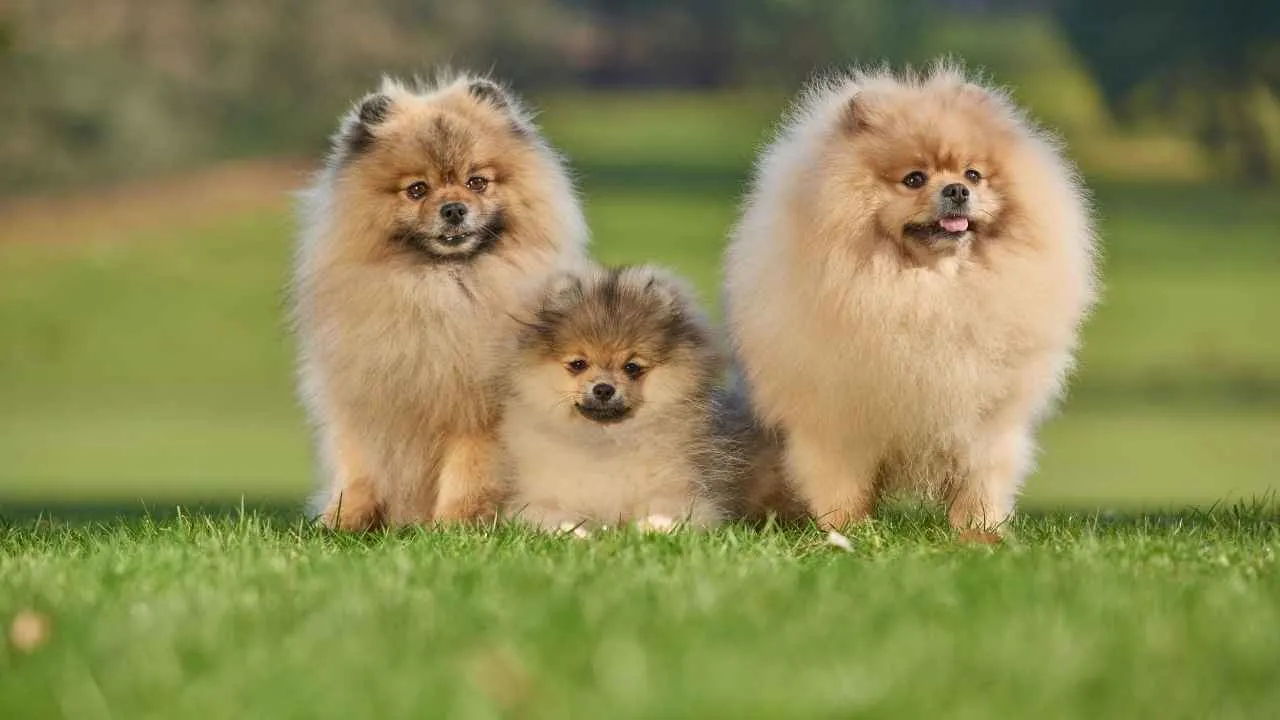
The Pomeranian does not exactly believe in subtle entrances. That abundant double coat can appear in many colors and sable variations, while its foxlike expression and lively personality give the whole look a wonderfully bold, polished finish.
Under all that fluff is an affectionate family dog with a very social streak. Pomeranians thrive on companionship, bond easily with people and other pets, and fit family life well when children understand how gently small dogs should be handled.
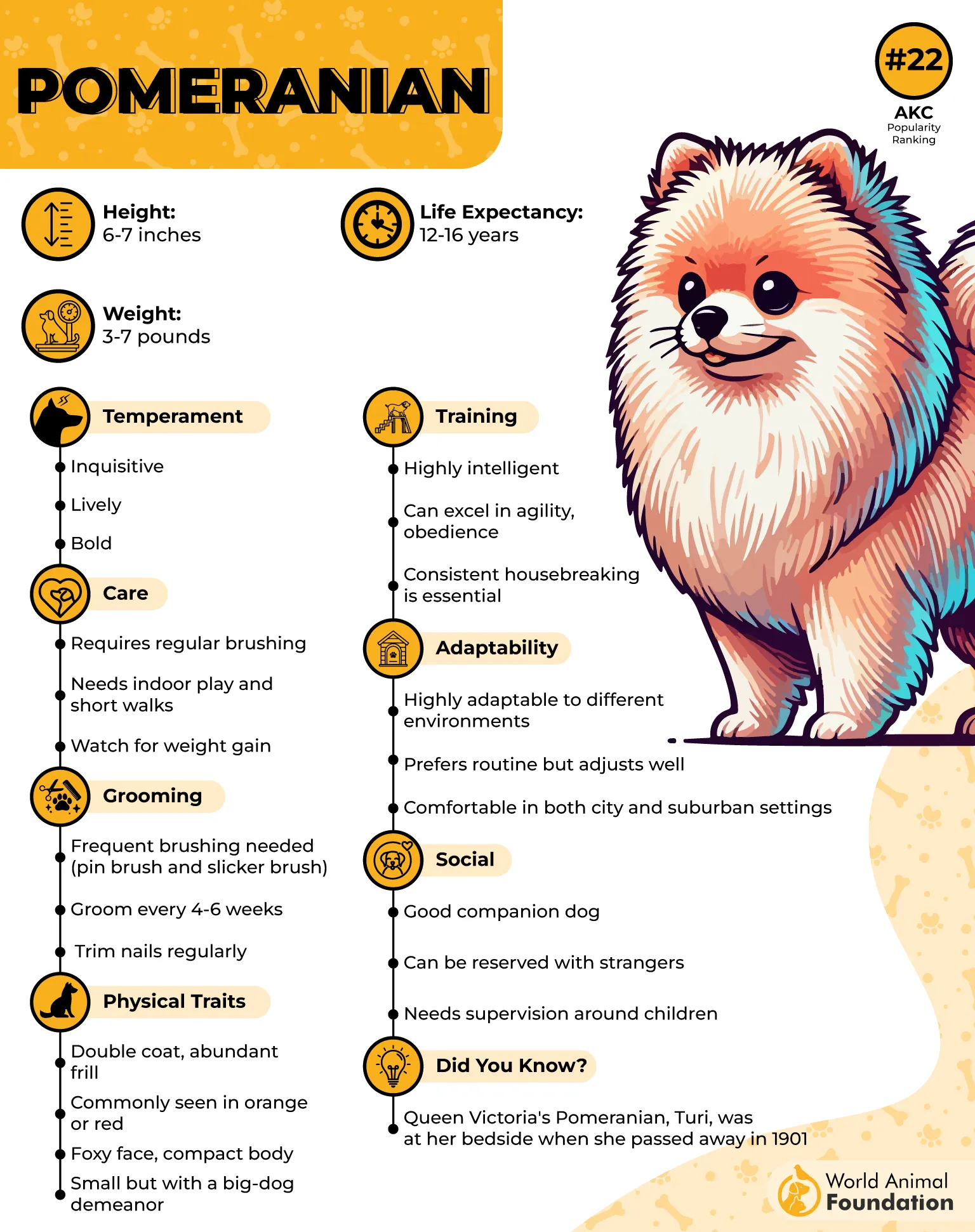
Keeping that famous coat tidy takes regular attention, but the routine is manageable. Frequent brushing helps prevent matting; seasonal shedding becomes heavier twice yearly, and a full groom with bathing, brushing, and nail clipping is recommended every few weeks.
Grooming Tips For This Breed
Use suitable brushes through the thick coat to reach loose hair before tangles settle in.
Include regular tooth brushing because dental care is an important part of the Pom’s grooming routine.
6. Dachshund

Few dogs can make such a distinctive silhouette look this cheerful. Dachshunds come in smooth, wirehaired, and long-haired coats, with numerous colors and patterns, including sable, giving owners plenty of visual variety wrapped around one famously recognizable little hound.
Dachshunds may be small, but their behavior reflects a determined hunting background. They are bold, persistent, loyal dogs with a strong scenting instinct, and their fearless nature can make them surprisingly serious when something catches their attention.
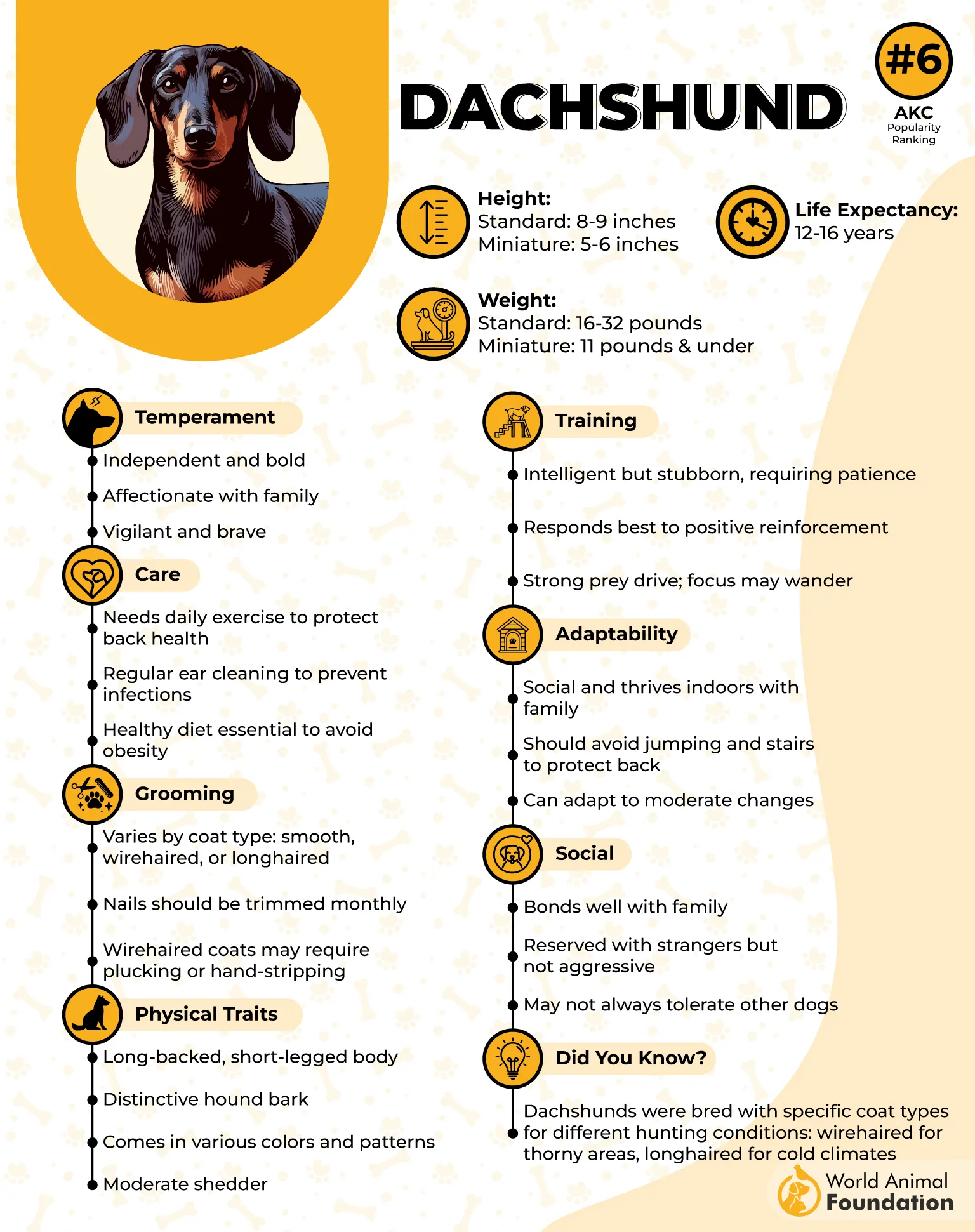
As mentioned by Orvis, Dachshunds need moderate exercise, including several short walks and active play each day. They have plenty of stamina for walks, but their short legs make them better suited to shorter runs and easy hikes.
Grooming Tips For This Breed
Smooth coats can stay neat with simple wiping using a towel or hound glove.
Wirehaired coats can be hand-stripped several times yearly and combed between those grooming sessions.
7. Cardigan Welsh Corgi
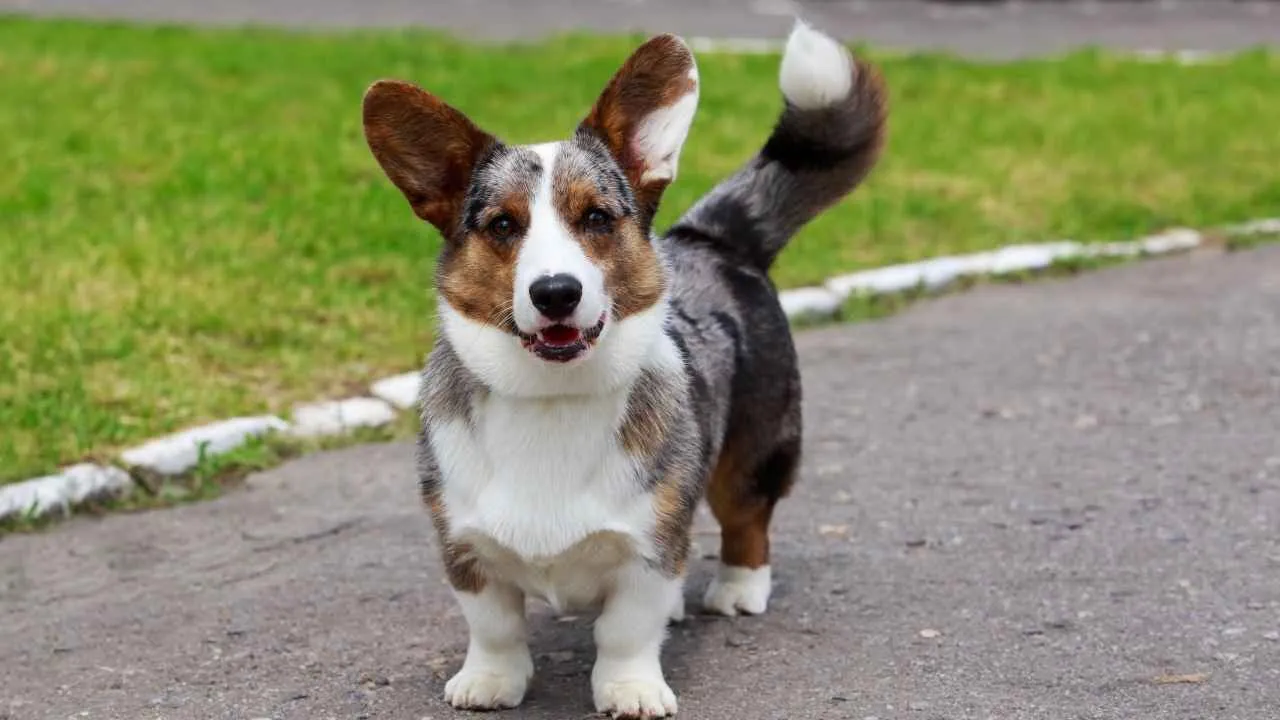
The Cardigan Welsh Corgi brings serious coat variety to a compact package, from red and sable to brindle, black, and blue merle. Add that long foxlike tail, and this Welsh herder has a look that refuses to become background scenery.
Personality is where the Cardigan gets especially charming. These dogs are even-tempered, loyal, affectionate, adaptable, alert, and watchful while still being friendly, so their behavior mixes awareness with warmth instead of making every new situation feel like a neighborhood emergency.
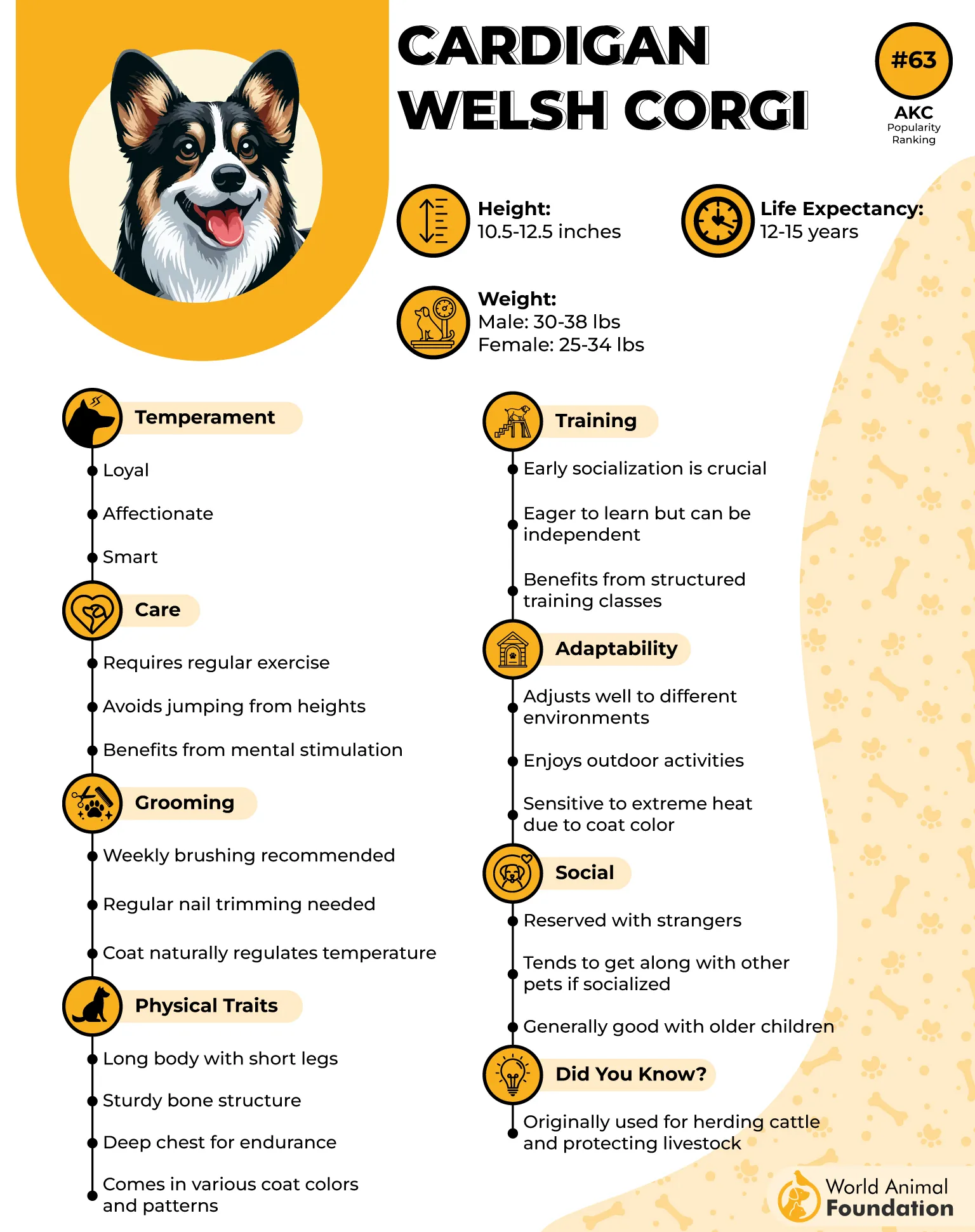
Color choices are anything but boring here. Cardigans can wear shades of red, sable, brindle, black, or blue merle, sometimes with tan or brindle points, while white markings may appear on several areas without becoming the coat’s predominant color.
Grooming Tips For This Breed
Tidy the hair beneath the feet to reduce the amount of dirt carried indoors.
Leave the natural fur short-trim-free during summer because the coat helps regulate body temperature.
Conclusion
Sable dog breeds certainly know how to make color interesting. From softly blended shades to darker-tipped patterns, each breed brings its own look, personality, and care needs. The best fit is the one whose temperament, activity level, and grooming routine genuinely match your everyday life.
So, take your time, compare what matters most, and pick with both your eyes and your lifestyle in mind. A beautiful coat may catch your attention first, but the right dog should also feel like a natural match for your home and heart.
