




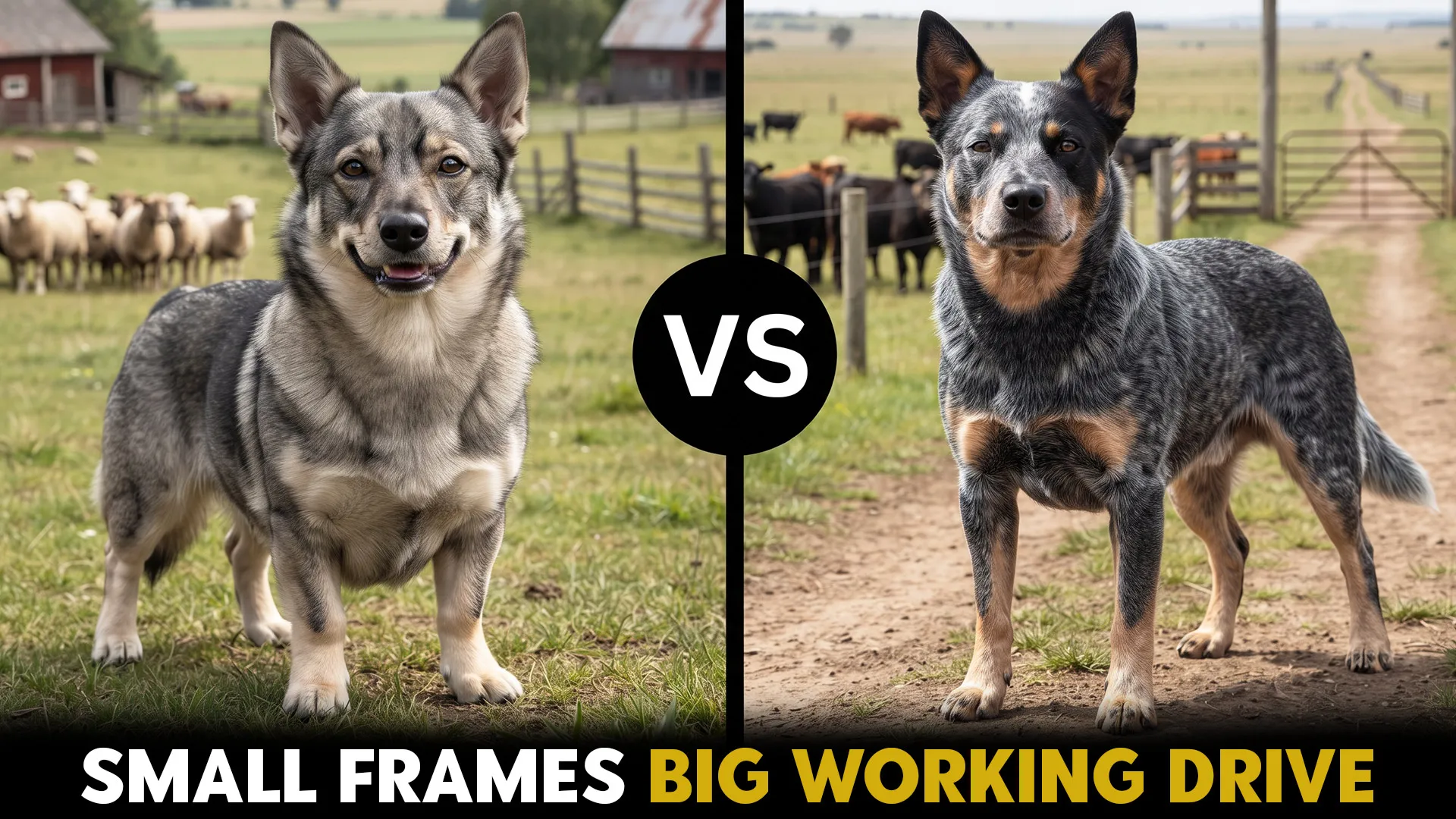
The Swedish Vallhund and Australian Cattle Dog are both hardworking herding breeds with strong instincts, impressive stamina, and a history of working closely with livestock. Despite these similarities, they differ noticeably in body structure, temperament, exercise requirements, and overall working style.
The Swedish Vallhund is the smaller of the two, with short legs, a long body, and a compact build that reflects its Scandinavian farm-dog origins. The Australian Cattle Dog is taller and more muscular, having been developed to handle cattle across the expansive and demanding landscapes of Australia.
Comparing these breeds requires looking beyond their shared herding background. Their differences in size, personality, trainability, physical capability, and grooming can influence which one is more appropriate for a particular household. The following comparison examines each breed separately before considering how they measure up against one another.
Swedish Vallhund vs. Australian Cattle Dog: Essential Comparisons
1. Size & Build Differences
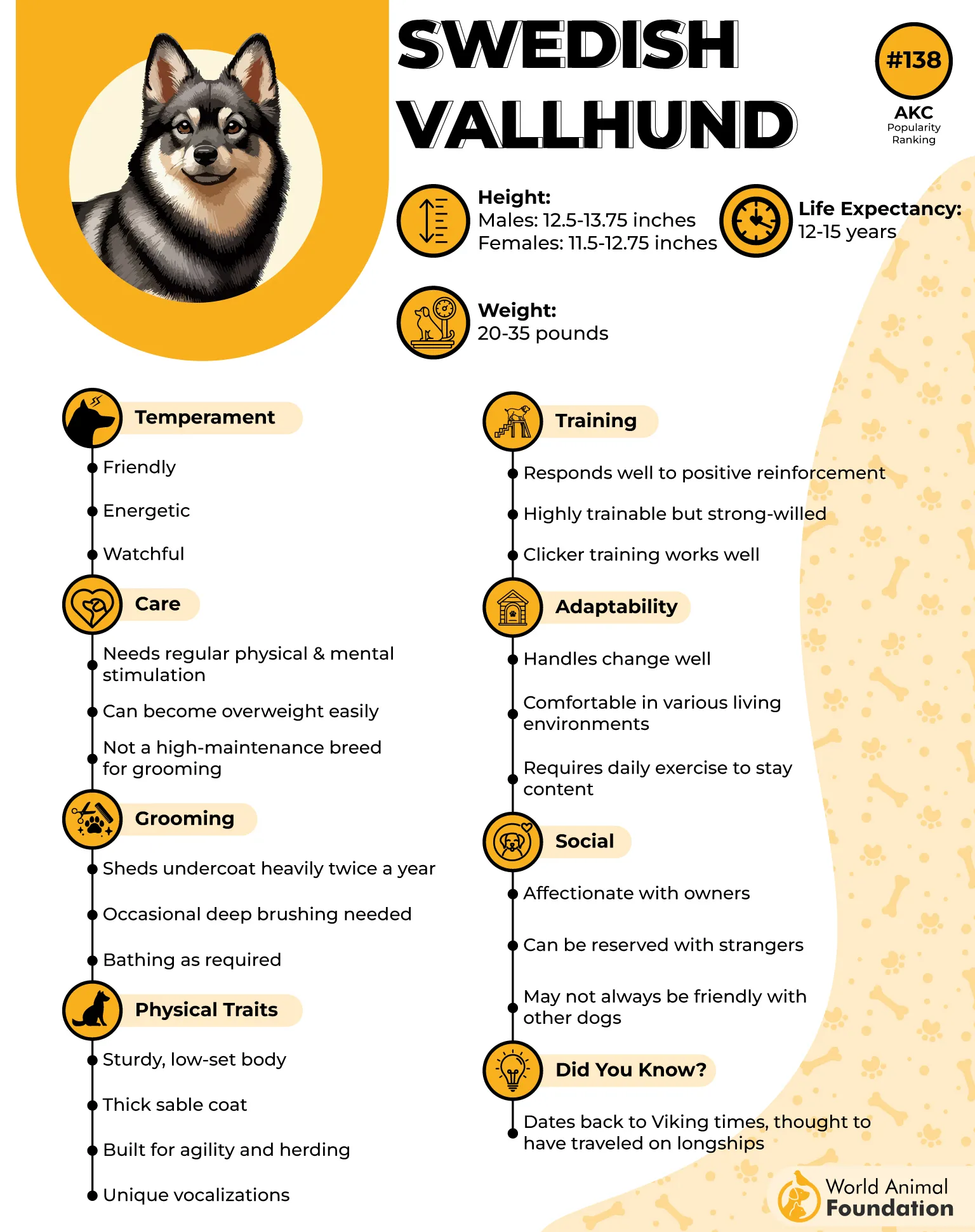
Swedish Vallhund’s Compact Frame
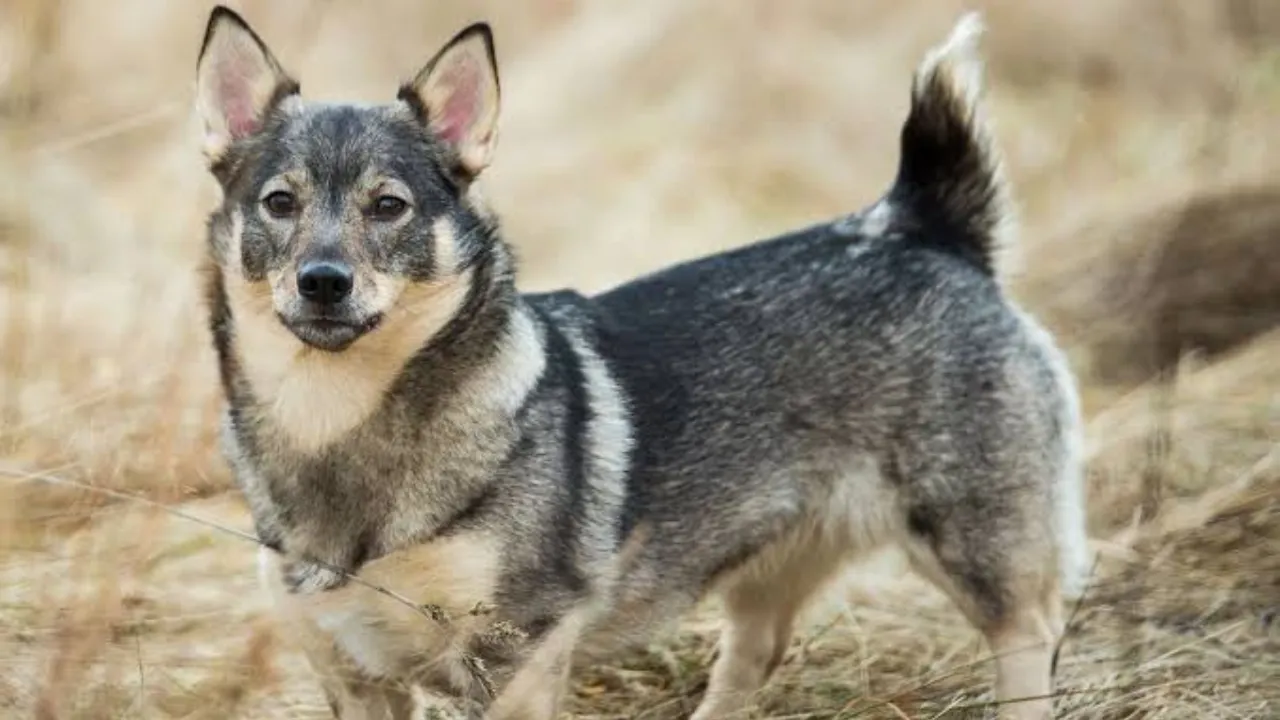
The Swedish Vallhund is a small, sturdy herding breed with a notably long body and relatively short legs. According to the American Kennel Club breed standard, males stand about 12.5–13.75 inches at the shoulder and females about 11.5–12.75 inches. The breed standard does not specify a fixed ideal weight, although a healthy adult commonly weighs around 20–35 pounds. Its proportions give it a distinctive low-to-the-ground appearance without sacrificing functional athleticism.
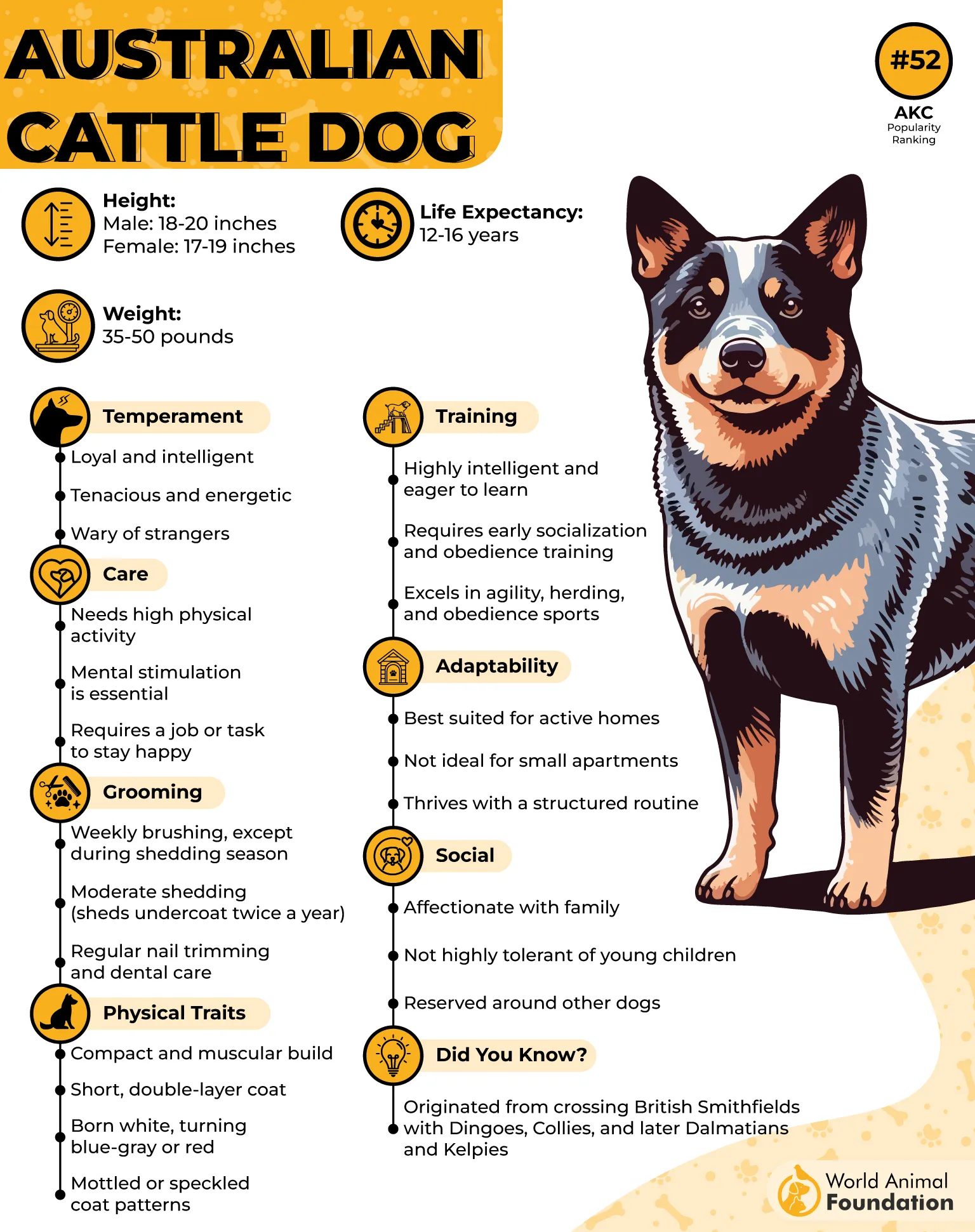
Australian Cattle Dog’s Stronger Structure
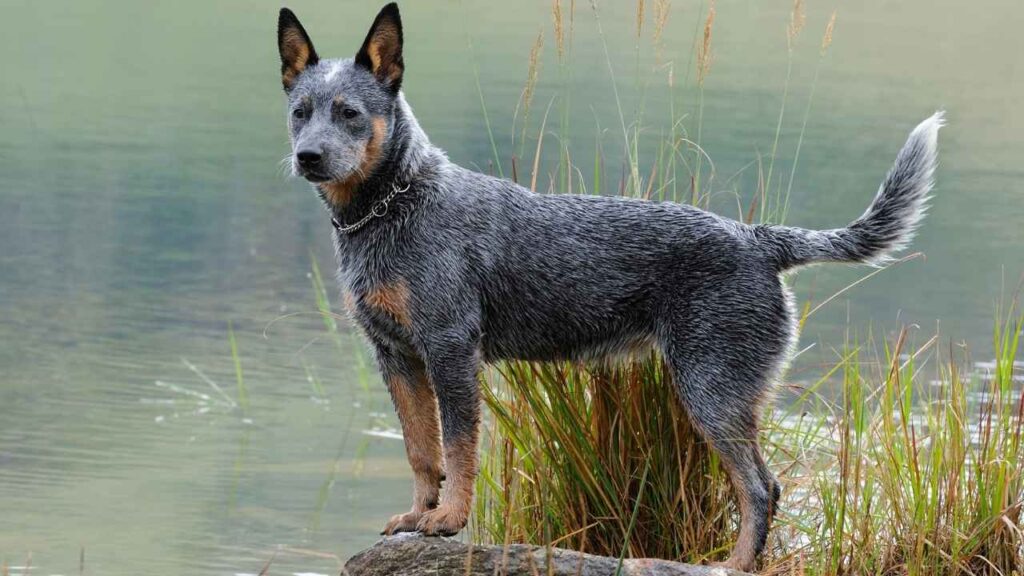
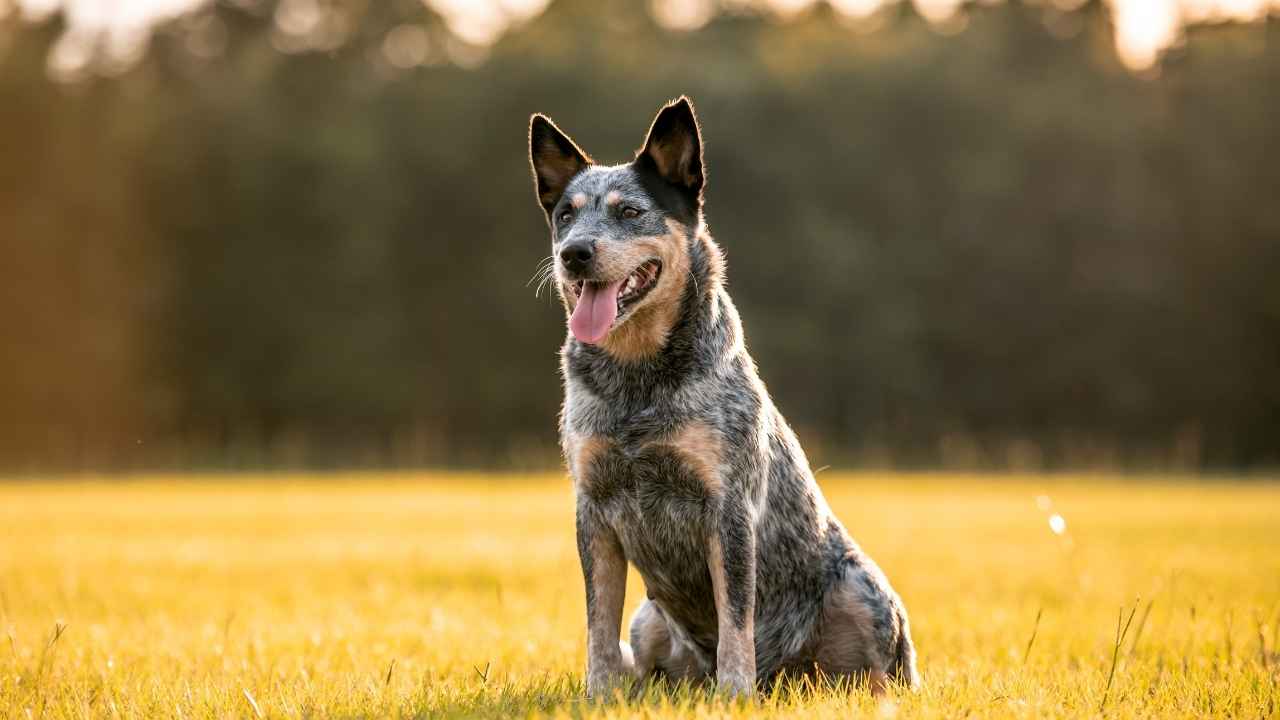
The Australian Cattle Dog is taller and more substantial, with males measuring 17–20 inches and females 17–19 inches at the shoulder. Adults typically weigh approximately 35–50 pounds, with males generally occupying the heavier end of that range. Its compact, muscular body was developed for endurance and the physical demands of moving cattle across large properties, as noted by PetMD.
How Their Structures Compare
The most obvious physical difference is scale. A Swedish Vallhund is considerably shorter and usually lighter, while the Australian Cattle Dog has greater height, body mass, and muscular development. The Vallhund’s short legs and elongated profile give it a distinctive silhouette, whereas the Australian breed has a more traditionally proportioned working-dog build. Neither should be judged solely by size, as both were bred for demanding farm duties.
2. Temperament & Personality
Swedish Vallhund’s Sociable Working Nature
Swedish Vallhunds are generally alert, friendly, and engaged with their families. Their historical role involved farm work, including herding cattle and serving as versatile utility dogs, so they tend to remain interested in their surroundings, as per the AKC. They can be vocal and may use barking as part of their communication, making early household training useful.
Australian Cattle Dog’s Determined Character
Australian Cattle Dogs are typically loyal, watchful, and strongly devoted to their owners. Their cattle-driving heritage encouraged persistence and confidence, and modern representatives can retain a tendency to be reserved with unfamiliar people. They often form particularly strong bonds with their families and may show considerable independence when confronting something they find interesting.
Which Personality Is More Suitable?
The Swedish Vallhund can appeal to someone who wants a lively, social farm-breed personality in a smaller package. The Australian Cattle Dog tends to bring a more intense and serious working temperament, particularly when its instincts are activated. Both require socialization and clear boundaries, but the Australian breed may be a stronger match for an owner comfortable handling a powerful-willed working dog.
3. Training & Intelligence
Swedish Vallhund’s Quick Learning Ability
The Swedish Vallhund was developed to perform several jobs around farms, which required responsiveness and adaptability. It is a generally intelligent dog and willing to participate when training is interesting and purposeful. Short sessions, rewards, and variety can help maintain its attention, while early instruction can prevent barking or herding tendencies from becoming household problems.
Australian Cattle Dog’s Problem-Solving Mind
Australian Cattle Dogs are highly capable working animals that were expected to make decisions and remain productive over long periods. Their intelligence can make them quick learners, but it also means they can become inventive when under-stimulated. Training should combine consistency with meaningful tasks, and handlers need to establish rules without relying on repetitive drills.
Training Differences
Both breeds can excel with an experienced and patient trainer, but their working instincts may appear differently. The Vallhund can be responsive and playful during instruction, whereas the Australian Cattle Dog may bring greater intensity and independence to the process. For either breed, mental stimulation is important because obedience practice alone may not fully satisfy an intelligent working dog.
4. Energy Level & Strength Level
Swedish Vallhund’s Energetic Agility
The Swedish Vallhund may be a small dog, but it is not a sedentary companion. Its farm-dog heritage gives it considerable enthusiasm for movement, exploration, and interactive activities. Daily walks combined with games, training, or other purposeful exercises can help meet its needs. Its smaller body makes it easier to accommodate physically, but it still benefits from an active routine.
Australian Cattle Dog’s Enduring Power
The Australian Cattle Dog was specifically developed for arduous livestock work, giving it exceptional stamina for its size. It can remain active for extended periods and often thrives when exercise is paired with a job or mental challenge. Its stronger musculature also gives it greater physical power than the smaller Vallhund.
Overall Activity Comparison
Both breeds need substantially more than occasional short walks. The Australian Cattle Dog generally has the edge in endurance, physical strength, and capacity for sustained work, while the Swedish Vallhund combines high activity needs with a smaller and more agile frame. Owners should build exercise gradually and tailor intensity to the individual dog’s age and physical condition.
5. Coat & Grooming
Swedish Vallhund’s Double Coat
The Swedish Vallhund has a medium-length double coat consisting of a dense undercoat and a harsher outer layer. Its coat is designed to provide protection against the Scandinavian climate and requires regular brushing, particularly when seasonal shedding increases. Routine nail trimming, dental care, and inspection of the ears and skin should complement coat maintenance.

Australian Cattle Dog’s Weather-Resistant Coat
Australian Cattle Dogs possess a short, dense double coat that developed to protect them from harsh outdoor conditions. Grooming is relatively straightforward, with brushing helping remove loose hair and keeping the coat tidy, as per Purina. Seasonal shedding can be substantial, so more frequent brushing may be useful during heavier shedding periods.
Grooming Comparison
Neither breed requires elaborate coat styling, but their maintenance patterns are not identical. The Vallhund’s longer outer coat can collect more debris and benefit from regular attention, whereas the Australian Cattle Dog’s shorter coat is generally simpler to manage. Both shed, so prospective owners should expect some loose hair regardless of which breed they choose.
Conclusion
The Swedish Vallhund and Australian Cattle Dog share a heritage of practical farm work, intelligence, and impressive determination, yet their differences are substantial.
The Vallhund has a compact size. The Australian Cattle Dog has a more muscular and powerful build.
Their personalities also reflect their respective working histories. The Swedish Vallhund tends to combine alertness and sociability with an energetic disposition, while the Australian Cattle Dog is typically more intense, persistent, and physically formidable. Both require thoughtful training and regular engagement rather than a passive lifestyle.
For grooming, neither is especially demanding compared with heavily coated breeds, although the Vallhund’s medium-length double coat needs somewhat more attention. Ultimately, the Swedish Vallhund may suit someone seeking a smaller, agile working companion, while the Australian Cattle Dog is better suited to an owner prepared for a stronger, highly driven livestock breed.
