




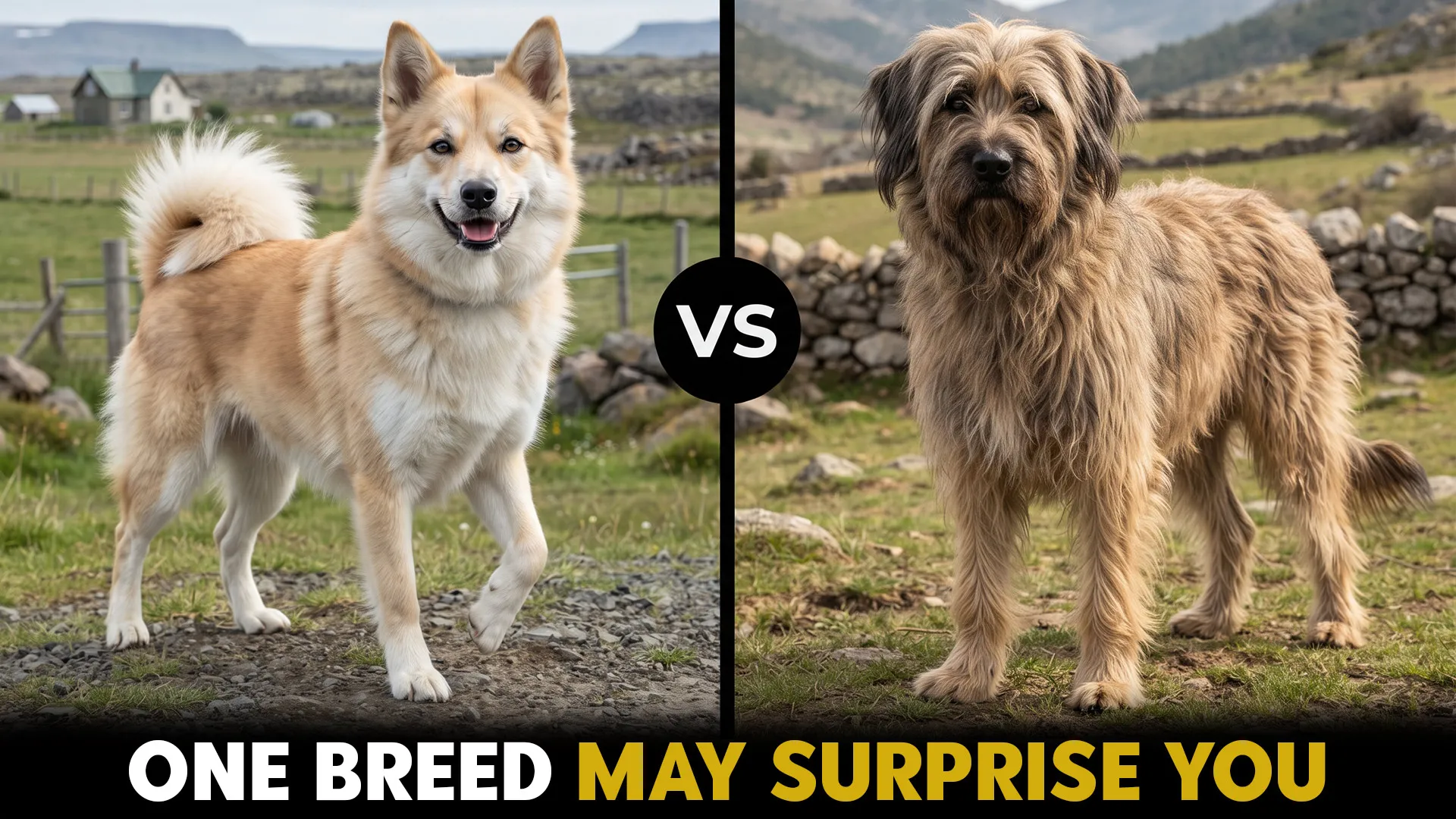
Two sheepdogs can share a love of work, sharp intelligence, and a history beside shepherds while still feeling completely different in a home. That is the part worth paying attention to before choosing one.
The Icelandic option was shaped by farm life in Iceland and is officially grouped with Nordic Watchdogs and Herders. Its counterpart comes from Catalonia, Spain, and was traditionally used to drive flocks, sometimes taking initiative rather than waiting for every direction. Their physical differences matter too.
One is slightly under medium size with erect ears, a curled tail, and a thick weather-resistant coat. The other is medium-sized, slightly longer than tall, and covered in a distinctive coat that needs regular attention. Neither is simply a decorative pet. Both were bred for purposeful work and need owners prepared for an active, intelligent companion.
The article sorts out which breed better matches homes, routines, training styles, and grooming commitments.
Key Takeaways
Two sheepdogs can come from very different places and still share the same love for hard work, sharp minds, and life beside their people.
The Icelandic Sheepdog has more than 1,000 years of history behind it, while the Catalan Sheepdog once served as a messenger and guard during the World Wars.
Their differences become even clearer at home, from the Icelandic breed’s friendly barking to the Catalan’s independent way of making decisions.
By the time you reach their exercise, grooming, and lifestyle needs, the better match may be easier to spot.
Icelandic Sheepdog vs. Catalan Sheepdog: Must-Know Facts
1. Origins, History & Purpose
Iceland’s Old Herding Companion
The Icelandic Sheepdog is Iceland’s only native dog breed, with roots reaching back more than 1,000 years. Viking settlers are believed to have brought spitz-type dogs that eventually became the foundation of this hardy island breed, as Spruce Pets writes.
Life in Iceland shaped their working role around sheep, flocks, and difficult terrain, while their loyal nature also made them valued companions. Their numbers nearly collapsed during the 1800s and 1900s, but dedicated breeders rescued the remaining population, and the AKC recognized the breed in 2010.
Catalonia’s Versatile Working Dog
The Catalan Sheepdog originated in Catalonia, Spain, where it was bred to herd cattle and guard flocks. Its exact ancestry remains uncertain, though it may descend from an ancient Pyrenean mountain-type dog brought to the region thousands of years ago.
Its working resume later expanded well beyond farms, with the breed serving as a messenger and guard dog during both World Wars. After becoming dangerously rare, renewed breeding efforts in the 1970s helped restore its numbers, while Spanish police and search-and-rescue teams still use it today.
2. Size, Weight & Build Differences
Compact Nordic Frame with Spitz Character
The Icelandic Sheepdog sits just below medium size, with males reaching 18 inches and 30 pounds, while females stand around 16.5 inches and 25 pounds. Its sturdy rectangular outline, erect ears, and curled tail give it a distinctly Nordic herding-spitz look.
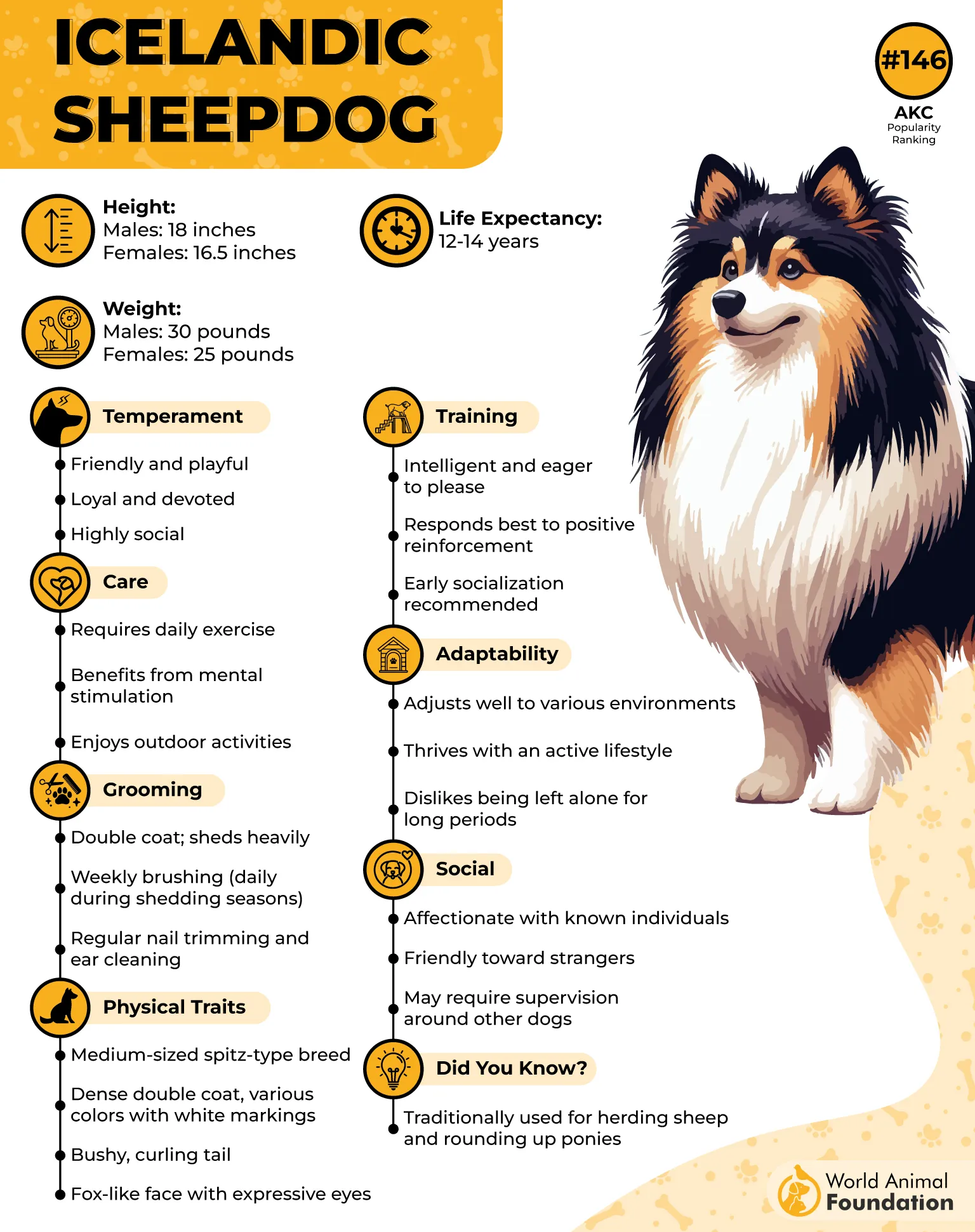
Its body runs slightly longer than its height, with chest depth matching the leg length from elbow to ground. The thick coat comes in short and long varieties, both built for harsh weather, while the breed shows a noticeable difference in appearance between males and females.
Sturdy Spanish Herding Proportions
The Catalan Sheepdog is a medium-sized dog and well-balanced dog weighing about 16–20 kg, with males measuring 47–55 cm and females 45–53 cm, as Purina mentioned. Its body is slightly longer than tall, following a roughly 9:8 proportion that suits its working heritage.
A strong, well-shaped head fits the body closely, with a skull slightly longer than wide and a visible central furrow leading toward the occiput. The muzzle is straight, relatively short, and blunt, ending in the breed’s characteristically black nose.
3. Coat Types, Grooming & Shedding
Two Coat Styles, Heavy Seasonal Shedding
The Icelandic Sheepdog comes in short-haired and long-haired varieties, with both protected by a thick double coat. A soft undercoat sits beneath a coarser outer layer, while the bushy tail follows the length of the surrounding coat.
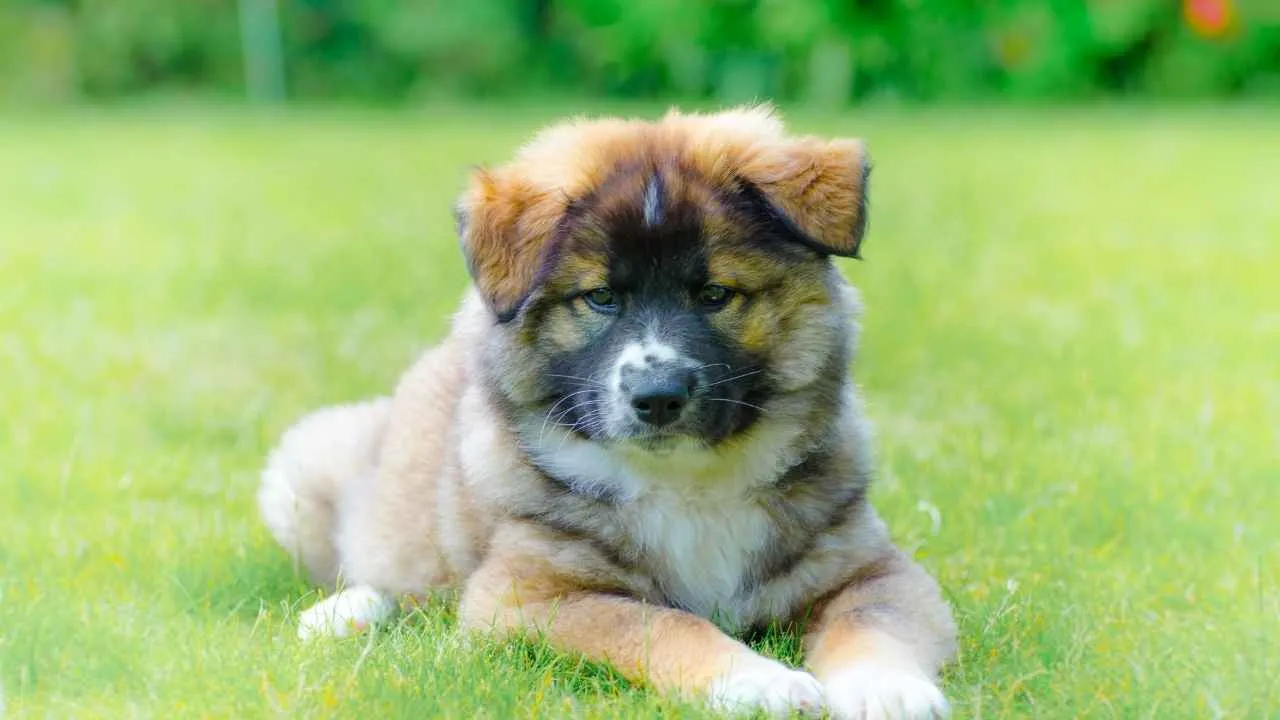
That dense coat also means plenty of hair around the house, especially during spring and fall shedding periods. Weekly brushing helps manage dirt and tangles, with daily brushing during heavier seasonal sheds helping prevent matting.
Shaggy Protection With Its Own Shedding Pattern
The Catalan Sheepdog wears a long, shaggy double coat, often with a wavy outer layer and a warm undercoat that helps insulate against cold and repel rain. Its rugged appearance serves a practical purpose for outdoor work in changing weather.
Regular brushing is important because loose hair tends to remain trapped within the coat and contribute to mats. Shedding occurs in stages, beginning around the front before moving toward the rear, so frequent grooming also gives you a chance to spot tangles, skin changes, or unusual lumps.
4. Temperament, Personality & Behavior
Iceland’s Friendly, Vocal Herder
The Icelandic Sheepdog brings an affectionate, lively personality to family life and is usually quick to welcome both familiar people and strangers, as PetMD writes. Proper introductions can also make them comfortable around children, dogs, and cats, while their strong need for human company keeps them closely involved with the household.
Their herding instincts still show clearly outdoors, where they may chase cars or wildlife and use frequent barking to direct livestock or alert their people. With limited hunting instincts and little natural aggression, they tend to watch rather than confront, remaining agile, alert, and confident around their surroundings.
Catalonia’s Watchful Thinker
The Catalan Sheepdog is clever and self-assured, with enough independence to work livestock without constant direction. At home, that same intelligence becomes a loyal family nature, although strangers usually need time before this reserved herder fully accepts them.
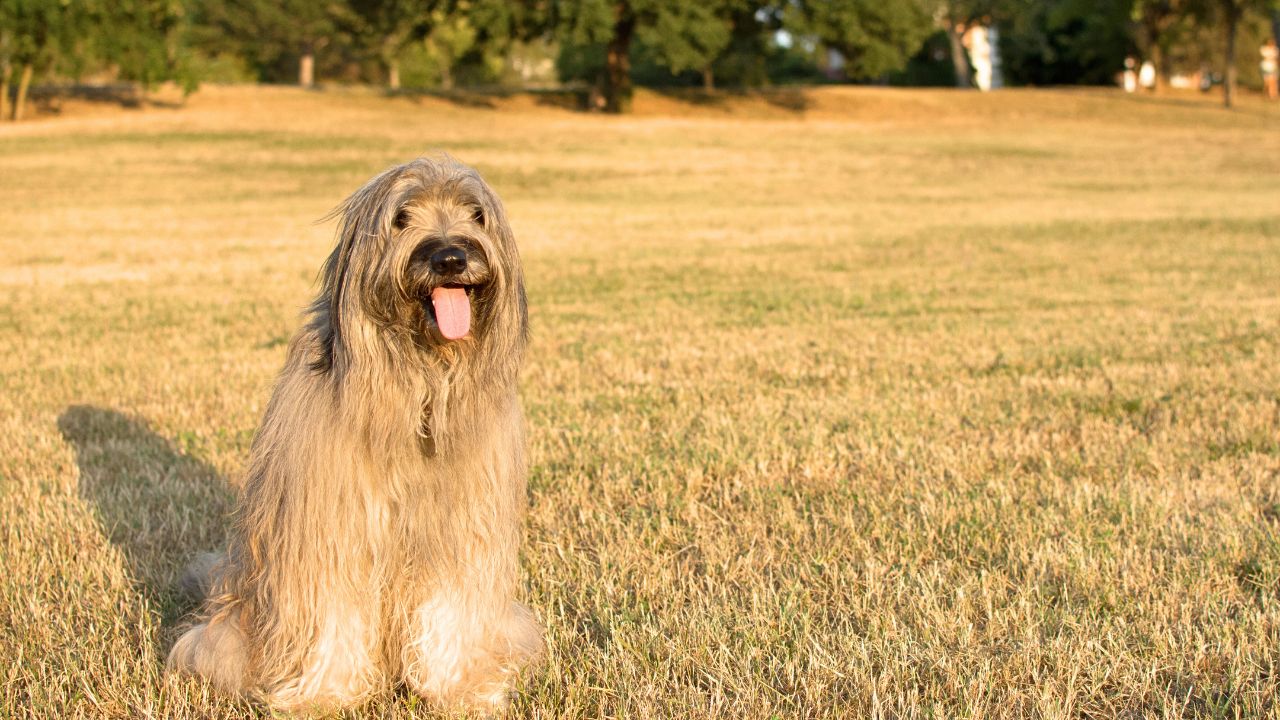
Their guarding instinct favors observation over an immediate aggressive response, while their quick mind makes activities such as dog sports especially appealing. They can be rewarding for experienced handlers who understand independent herding breeds, though keeping them occupied can take considerable daily effort.
5. Intelligence, Trainability & Responsiveness
Fast Learner With a Gentle Streak
Early socialization and puppy classes help the Icelandic Sheepdog become a confident, well-mannered companion. This breed learns exceptionally fast and enjoys pleasing its people, while harsh corrections can create stress and even trigger barking in sensitive dogs.
Their easygoing nature usually extends to people, dogs, and other household pets when socialized properly. They also form strong family bonds and can struggle when regularly left alone for long periods, making steady companionship part of their training success.
Smart, Capable and Self-Directed
The Catalan Sheepdog responds particularly well when training is built around positive reinforcement and a strong relationship with its handler. Earn its trust and respect, and it can throw itself into a task with impressive enthusiasm.
Socialization should include people, livestock, and other pets, while recall deserves serious attention. Catalans can make decisions independently, especially when they sense hesitation from the person giving them direction.
6. Energy Levels, Activity Needs & Work Ethic
Icelandic Sheepdog Keeps Busy
The Icelandic Sheepdog brings plenty of energy from its working heritage and needs at least an hour of activity each day. Walks, running, play with another dog, and mentally engaging games help give that energy somewhere useful to go.
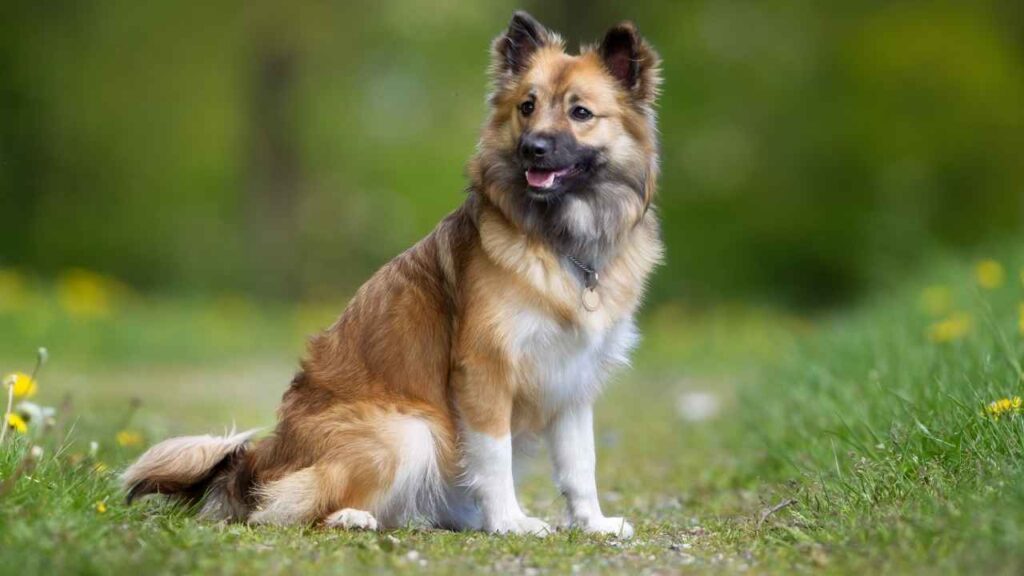
Variety makes exercise more rewarding for this lively herder. Hiking, agility, fetch, tug-of-war, and even herding trials can work well, while puzzle toys add a mental challenge that keeps their quick minds occupied.
Catalan Sheepdog Needs a Job
The Catalan Sheepdog sits firmly in the high-energy working category, needing around 60 to 120 minutes of daily activity. Long brisk walks, jogging, or running in a secure area suit its stamina, while scent games and puzzles put its problem-solving ability to work.
Its work ethic also shows through in dog sports such as agility, rally obedience, and tracking. Without enough physical and mental activity, this intelligent herder can become restless, vocal, or destructive indoors.
7. Health Concerns, Lifespans & Robustness
Icelandic Sheepdog’s Healthy Baseline
The Icelandic Sheepdog typically lives 12–14 years and is generally a robust breed, though hip and elbow dysplasia and patellar luxation can occur. Responsible breeders screen for relevant conditions, with hip and ophthalmologist evaluations recommended through the national breed club.
Routine care still matters for long-term health, especially regular ear checks and frequent tooth brushing with dog-safe toothpaste. Veterinary checkups and parasite control also help catch problems early and support a healthy lifespan.
Catalan Sheepdog’s Main Health Risks
Catalan Sheepdogs also have a typical lifespan of 12–14 years and are generally healthy, but hip dysplasia and inherited eye conditions such as PRA and cataracts deserve attention. Regular eye examinations can help monitor vision as the dog ages.
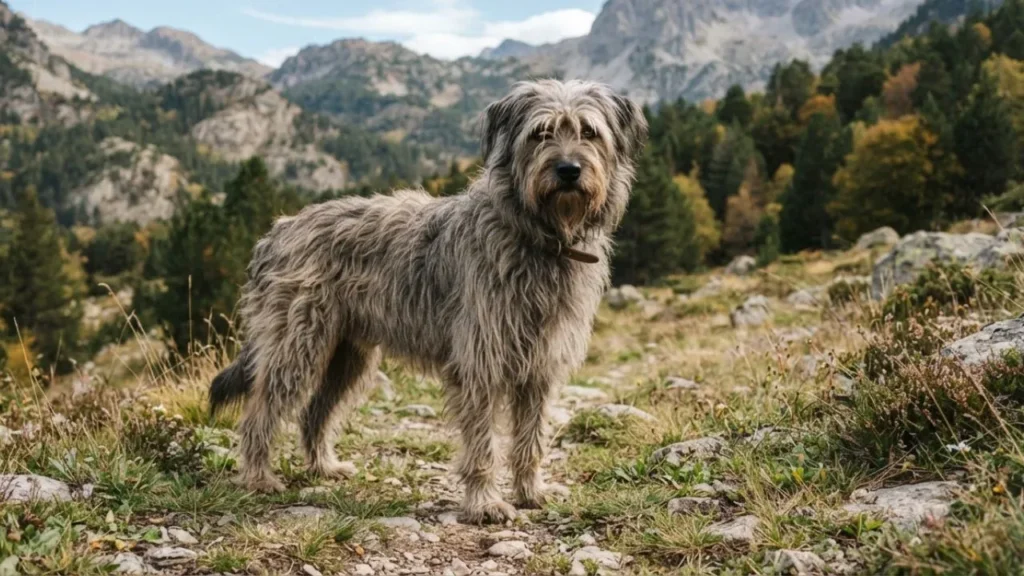
Their heavy coat can contribute to ear irritation or infections, while their deep chest can increase the risk of bloat or GDV. Keeping them at a healthy weight, avoiding excessive exertion, and timing meals and exercise carefully can reduce avoidable strain.
8. Working Roles, Primal Instincts & Traits
Icelandic Sheepdog’s Vocal Farm Instincts
The Icelandic Sheepdog was shaped for open Icelandic pastures, where it could gather semi-feral sheep, negotiate rough ground, and work without constant direction. Its sharp bark also helped farmers know when visitors, stray animals, ravens, or Arctic foxes were nearby.
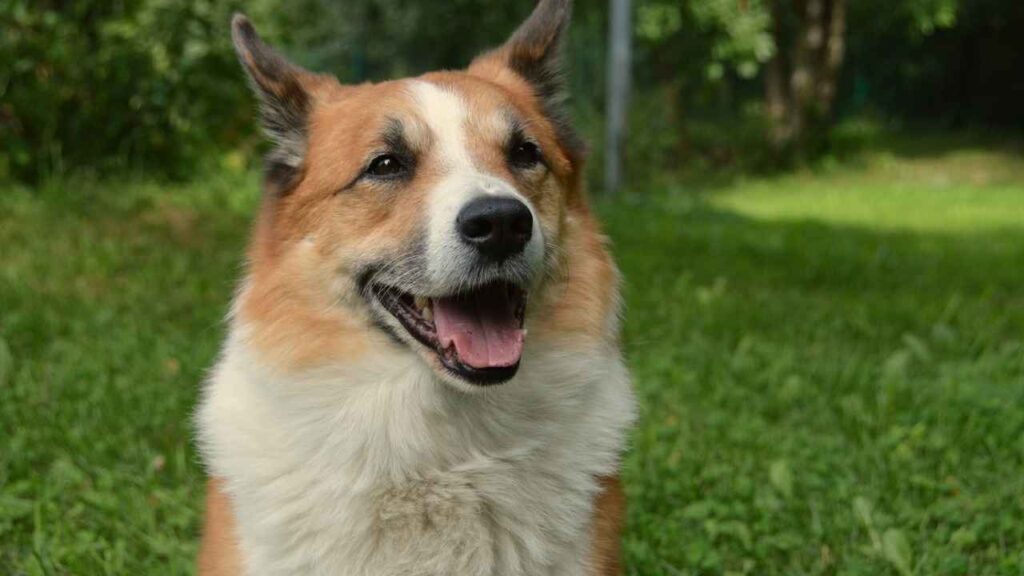
That working style still shows up at home through chasing and alerting behaviors. Moving cars, bicycles, or running children can trigger its herding instinct, while its strong attachment to family can make long periods alone difficult.
Catalan Sheepdog’s Mountain-Honed Instincts
The Catalan Sheepdog was built for demanding mountain work, moving sheep across uneven terrain while making quick decisions with limited human guidance. It also guarded farms and flocks, using vigilance and courage when predators or unfamiliar people approached.
Its instincts can make family life interesting, especially when the urge to gather children or pets turns into impromptu herding. A dense coat supports its work through heat, rain, and freezing conditions, reflecting the breed’s rugged Pyrenean working roots.
9. Lifestyle Suitability & Living Conditions
Icelandic Sheepdog for Active Homes
The Icelandic Sheepdog suits people who enjoy an active routine, with daily walks, play, and outdoor outings such as hikes. Its close bond with people also means long periods of isolation can lead to stress or frequent barking.
Life with children and other household pets is generally smooth, while cats are often accepted as well. A rural or suburban home with a secure yard is ideal, though apartment living can work with enough daily activity and attention.
Catalan Sheepdog for Working Lifestyles
The Catalan Sheepdog fits best with people ready for long walks, runs, agility, and other activities that give its energy somewhere useful to go. Its strong herding instinct also means having a task can make everyday life more satisfying.
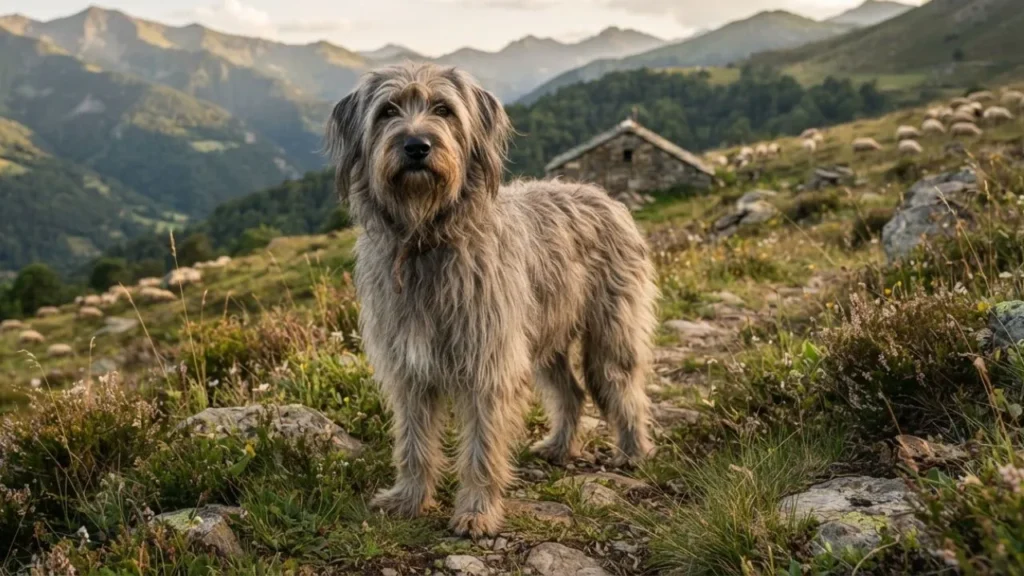
It is affectionate with its family but may stay reserved around unfamiliar people, making a secure rural home or larger yard a better match. Its thick rustic coat also handles a range of outdoor weather conditions well.
10. Availability, Breed Status & Cost
Rare Breed, Rising Interest
The Icelandic Sheepdog remains uncommon, although its popularity is gradually growing. A puppy typically costs around $1,000 to $1,500, with the final price influenced by the breeder, location, shipping expenses, and the puppy’s genetics.
Limited Numbers, Longer Wait
The Catalan Sheepdog is harder to find in the United States, where its population remains small. A well-bred, Kennel Club-registered pedigree puppy generally starts around $1,200, and prospective buyers may need to join a waiting list before one becomes available.
Conclusion
Selecting between two working sheepdogs comes down to more than looks or size. Both bring intelligence, energy, strong family bonds, and instincts shaped by demanding farm work. The better match depends on how much daily activity you can provide, how comfortable you are with independent thinking, and whether regular grooming fits your routine.
One may appeal to households wanting a friendly, vocal companion, while the other can suit experienced owners who enjoy giving a clever dog meaningful work. Neither is a low-effort choice, but both can become rewarding companions when their exercise, training, socialization, and companionship needs are properly understood and consistently met.
