




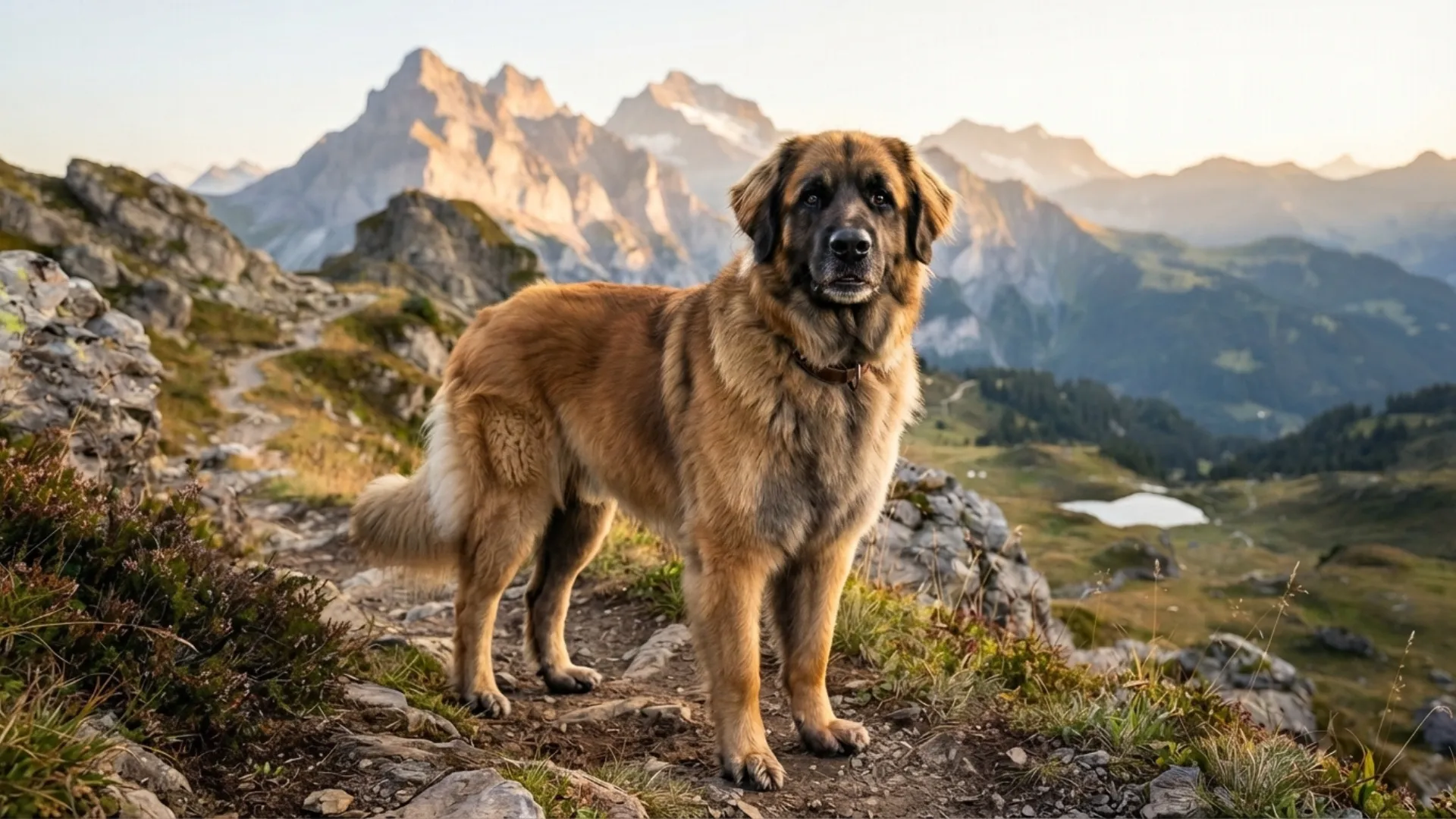
Some dogs turn heads when they enter a room. Giant dogs can change the feel of the room. Their sheer scale is striking, with some individuals standing close to three feet tall at the shoulder and weighing more than an adult person.
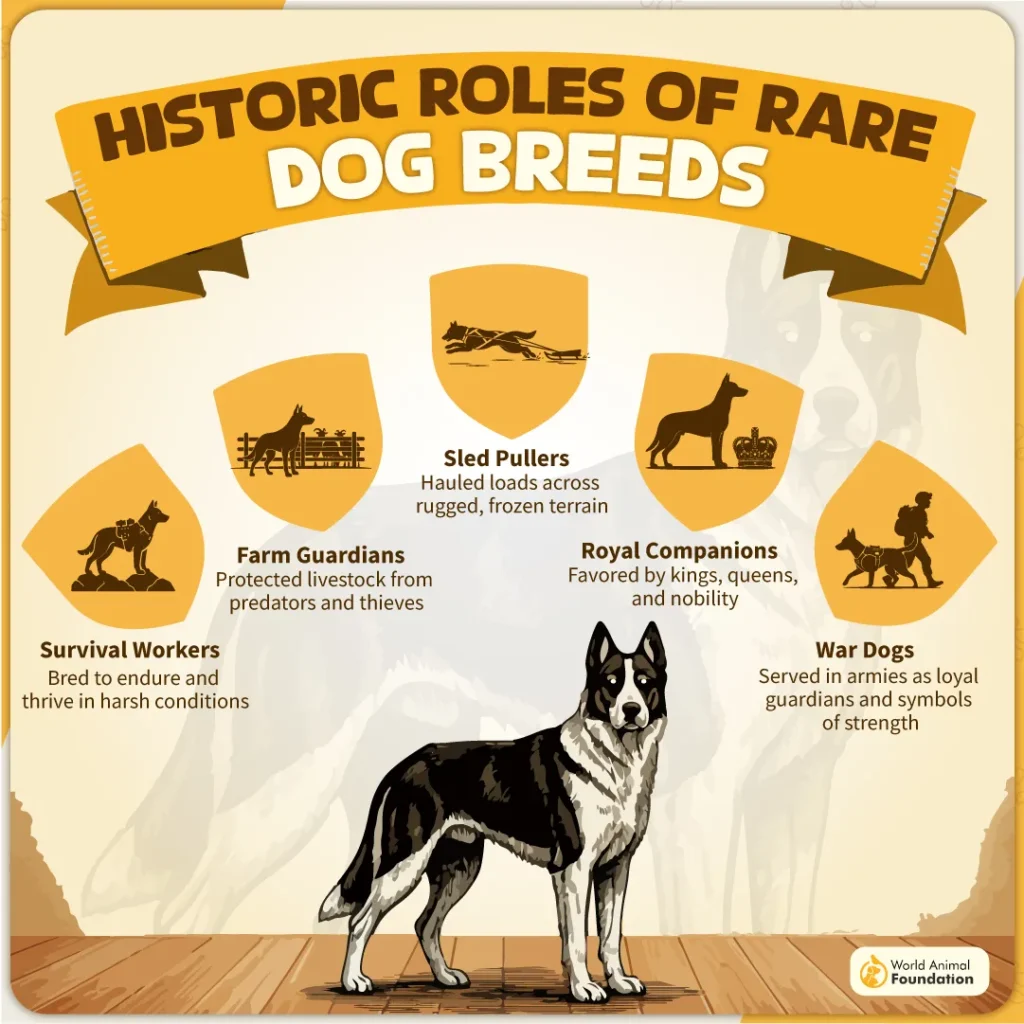
Many belong to working lines shaped for guarding, hunting, pulling, or protecting people and animals. That purpose influenced their strength, confidence, awareness, and relationship with their families. It also created practical responsibilities that matter.
A giant dog needs suitable space, controlled exercise while growing, consistent training, and careful attention to nutrition and joint health. Their size can spark instant admiration, while their personalities add another layer of interest. Their presence can remain memorable long after the first glance.
This article introduces remarkable giant breeds, their distinctive traits, and the reasons these enormous dogs fascinate people around the world.
Key Takeaways
How many giant dogs can you name that have guarded sheep, farms, and even remote mountain communities for centuries?
The Spanish Mastiff can reach around 200 pounds, while the Leonberger traces its survival to a surprisingly small group after World War II.
Then there are the Boerboel, Tibetan Mastiff, and Estrela Mountain Dog, each carrying a fascinating history shaped by the work they were bred to do.
Their size is striking, but their stories make these rare giants even harder to forget.
Rare and Magnificent Giant Dog Breeds to Admire
1. Spanish Mastiff
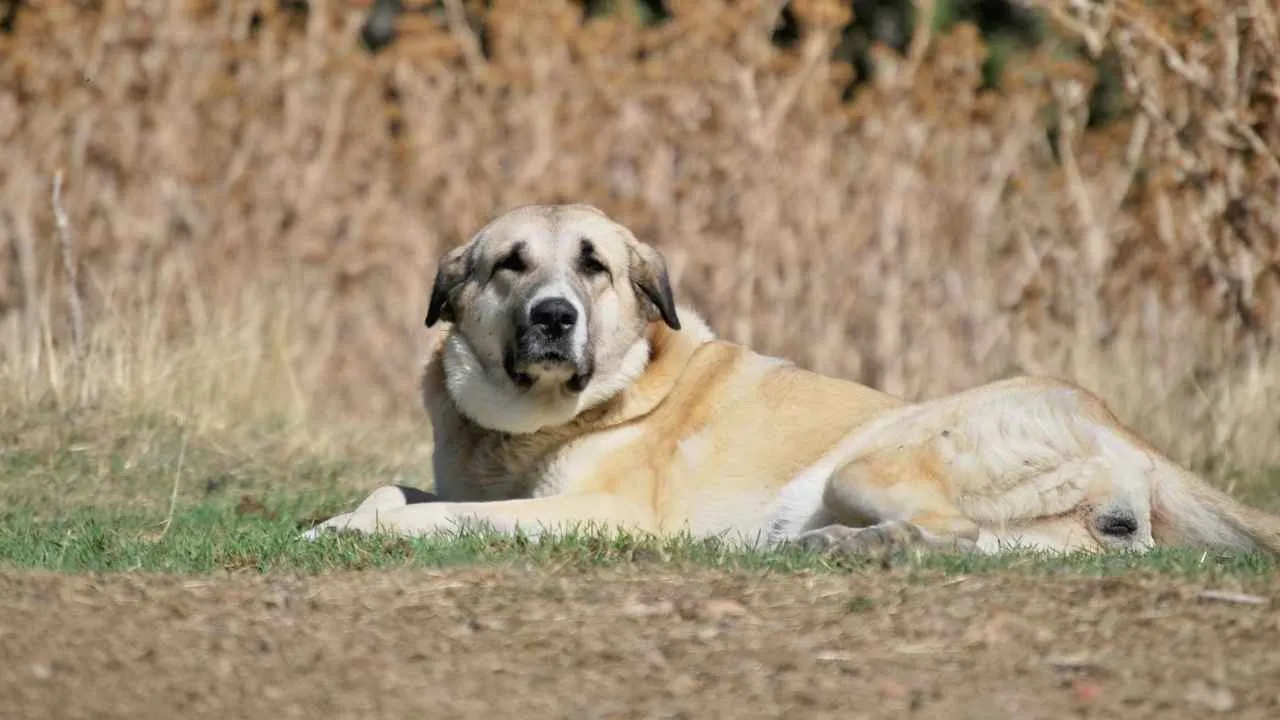
Spanish Mastiff has guarded life across the Iberian Peninsula for more than 2,000 years, with its earliest roots possibly linked to large war dogs brought by Roman forces. From Spain’s mountainous terrain and changing climate, this ancient breed took shape into the imposing dog recognized today.
A Rare Giant
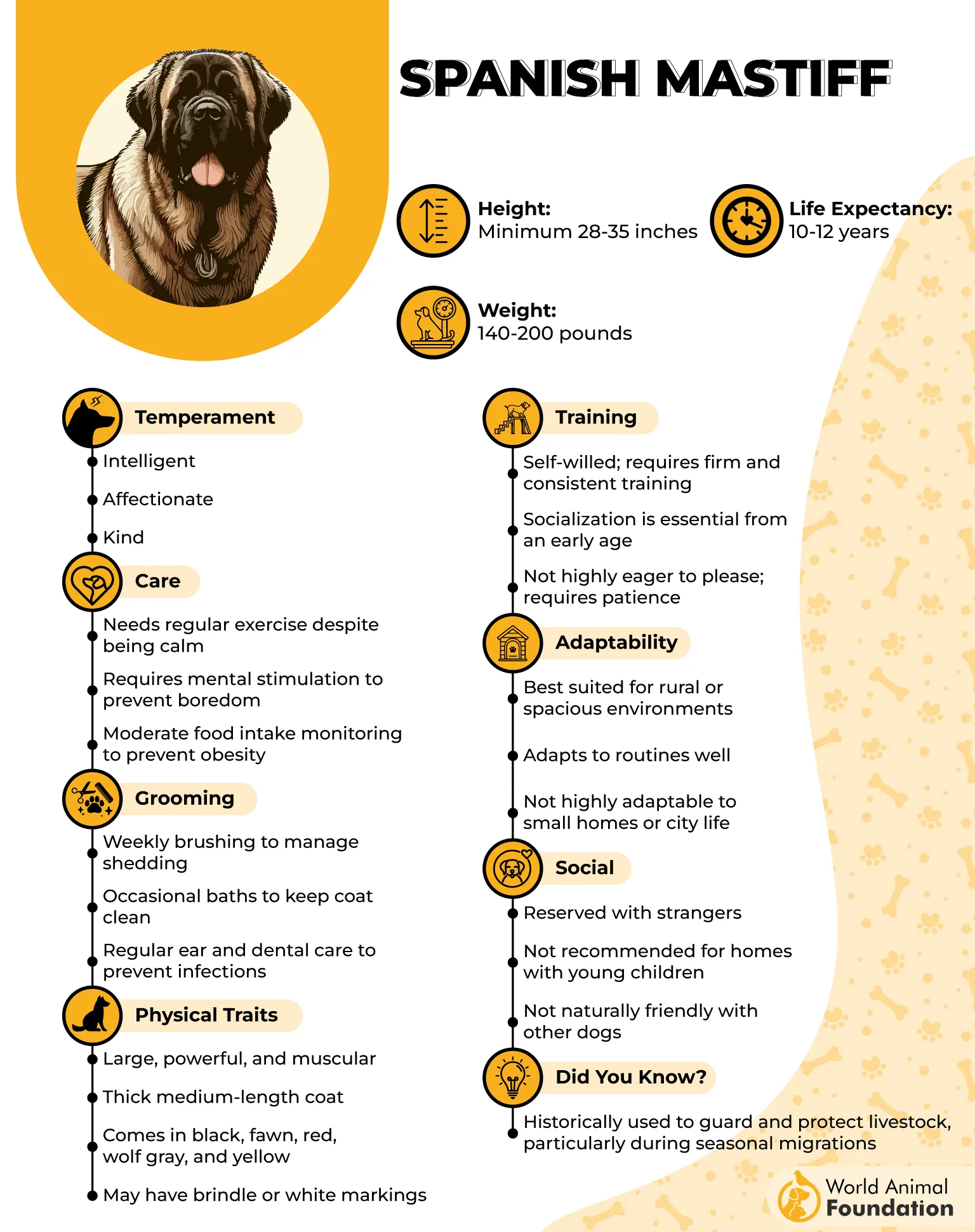
Extremely rare in the United States, this Mastiff can reach about 200 pounds and was once entrusted with protecting Merino sheep from wolves and bears. Transhumant shepherds also relied on these dogs during long seasonal migrations across Spain.
Its size shapes everyday life too:
Needs substantial space and yard access
Better suited to hiking than jogging
Lives well with older children
Quiet Strength
This large dog breed has a serious, intelligent temperament and tends to approach unfamiliar people with reserve. Its calm nature pairs with remarkable physical power, while its traditional guardian role makes it more suited to watching over its surroundings than chasing balls or Frisbees.
2. Leonberger
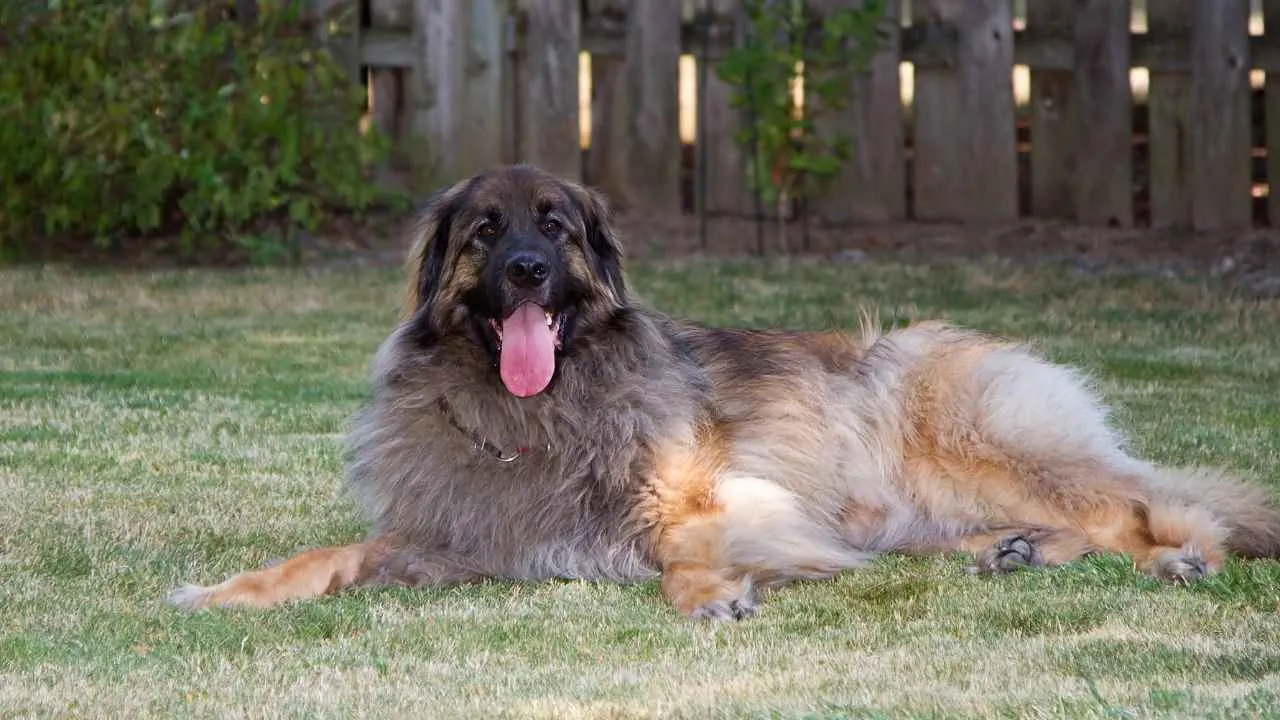
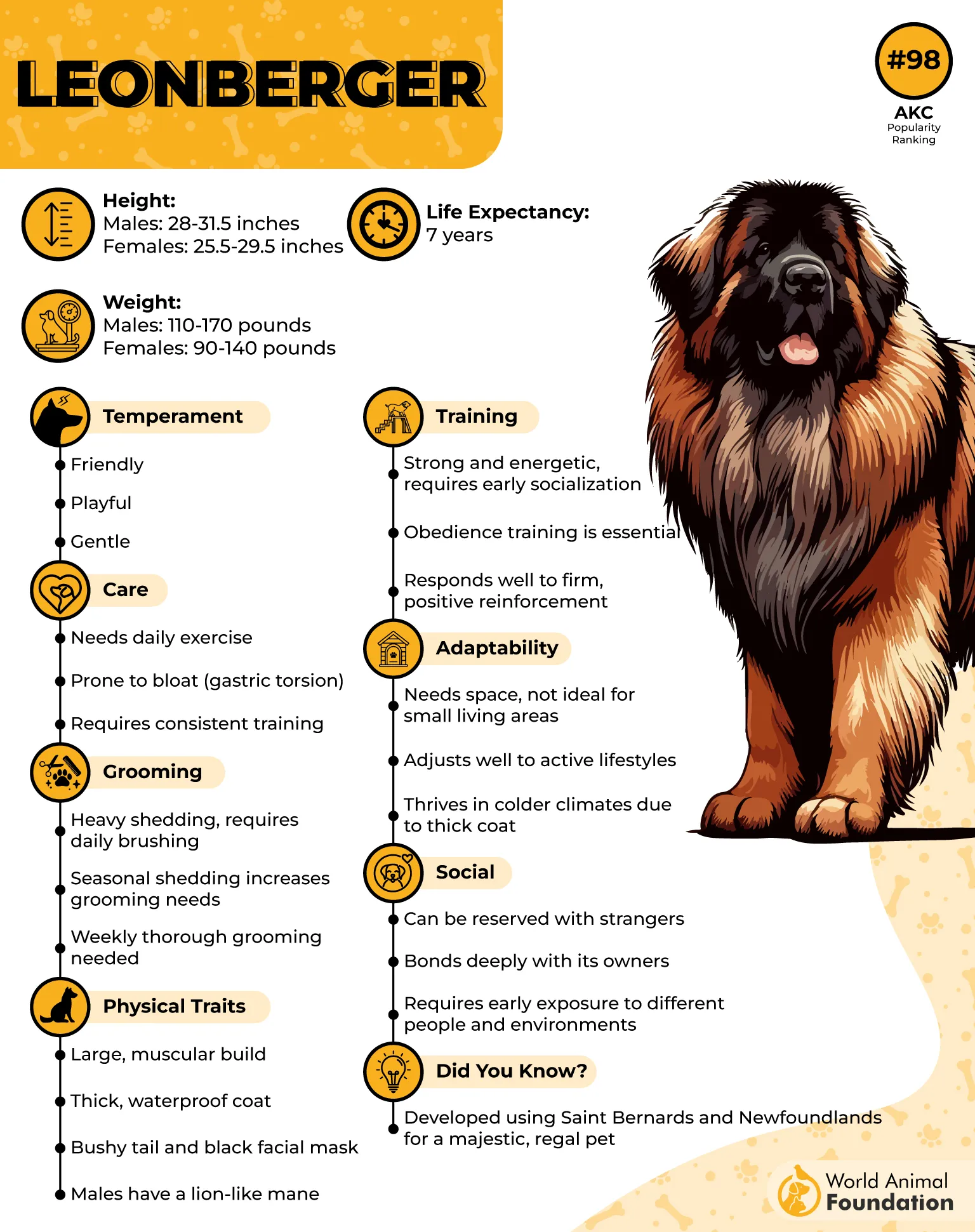
The Leonberger was originally bred in the 1840s to resemble the lion on Leonberg’s town crest, drawing on Newfoundland, St. Bernard, and Pyrenean Mountain Dog ancestry. Its numbers later fell sharply during both World Wars, leaving a small surviving population.
According to the University of Minnesota, the breed remains relatively uncommon today, with about 30,000 Leonbergers worldwide. Everyone descends from the small group that survived World War II, giving this giant breed an unusually narrow lineage.
Giant by Design
Leonberger is a giant, heavy-boned dog with a thick double coat and a pronounced mane around the neck and chest. Its original roles included drafting, cart work, and guarding, giving its size a practical purpose beyond appearance.
These working details add more to the picture:
Powerful swimming ability
Naturally confident and playful
Reserved with strangers but rarely harsh
Gentle at Home
This big dog breed is generally people-oriented and enjoys being involved in household life rather than living separately outdoors. Its steady temperament can make it suitable around children, dogs, and other pets when properly bred and socialized from an early age.
3. Boerboel
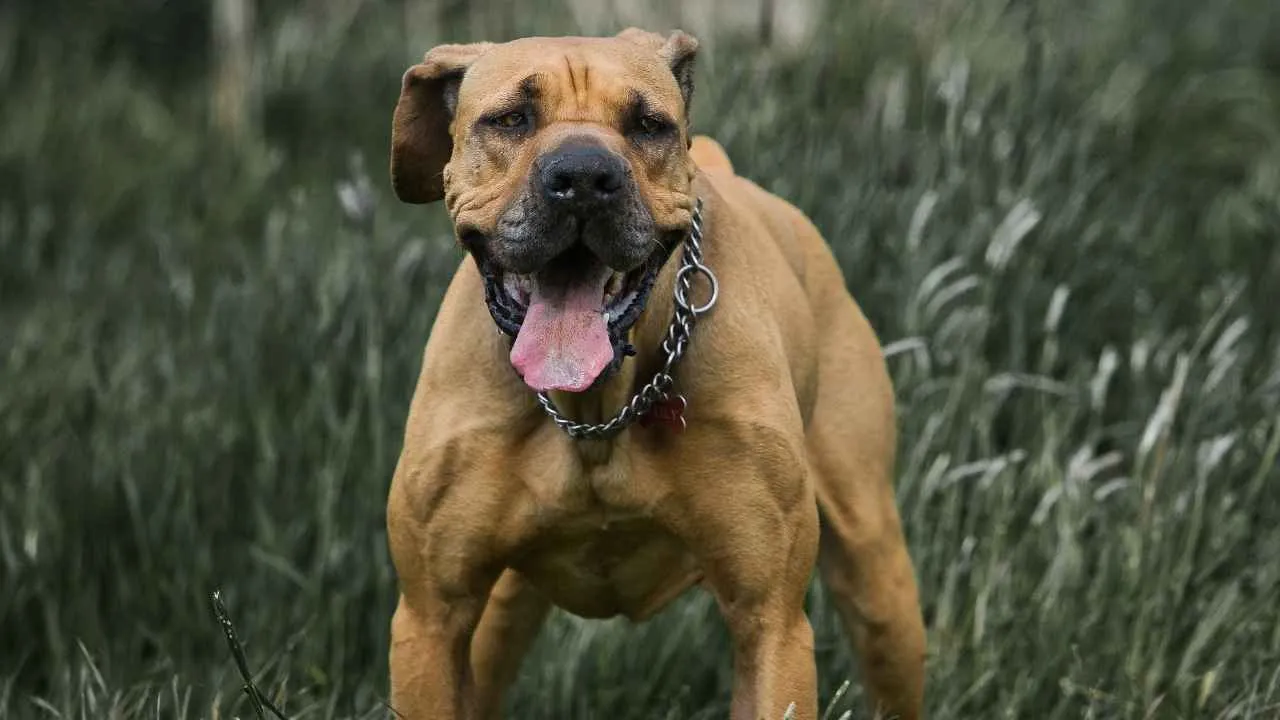
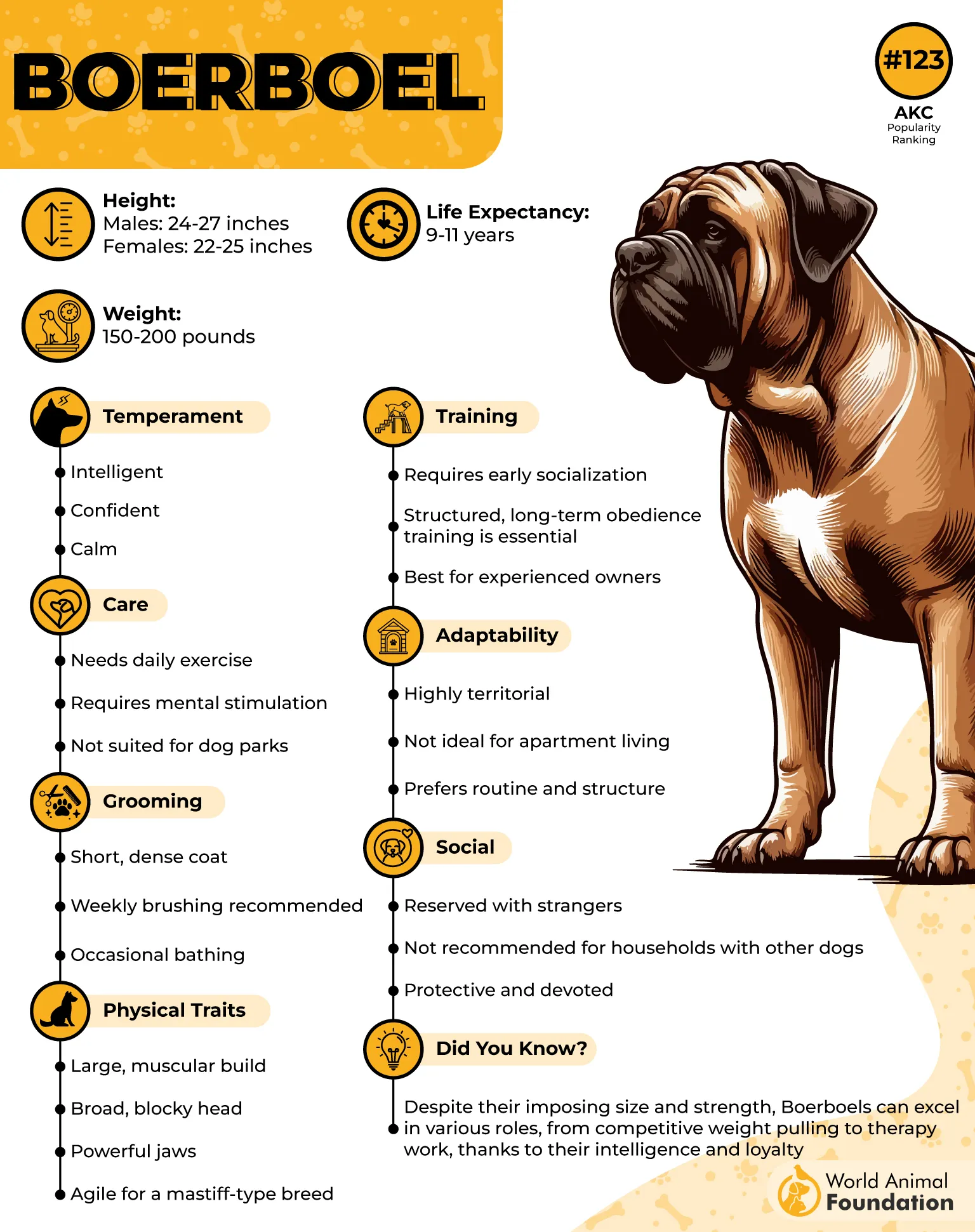
Boerboel developed in South Africa after Dutch, German, and Huguenot settlers brought large guardian and hunting dogs during the 1600s. Crosses involving breeds such as the Bullmastiff, Rhodesian Ridgeback, English Bulldog, and a native South African dog shaped the type seen today.
Rare Beyond Its Homeland
Boerboel remains relatively uncommon outside South Africa, even after enthusiasts began a preservation program in the 1980s following years of dilution. The breed later reached other countries, but its numbers remain limited compared with more familiar giant breeds.
Living with this giant takes some thought:
Remarkably agile for its size
Needs regular physical and mental activity
Excels in obedience, agility, and stock work
Serious Guardian Skills
The initial tasks of the Boerboel were to protect South African farms from predators such as hyenas and lions, as PetMD claims. Its confident, independent nature means training requires clear boundaries, early socialization, and positive reinforcement from someone comfortable handling powerful dogs.
4. Black Russian Terrier
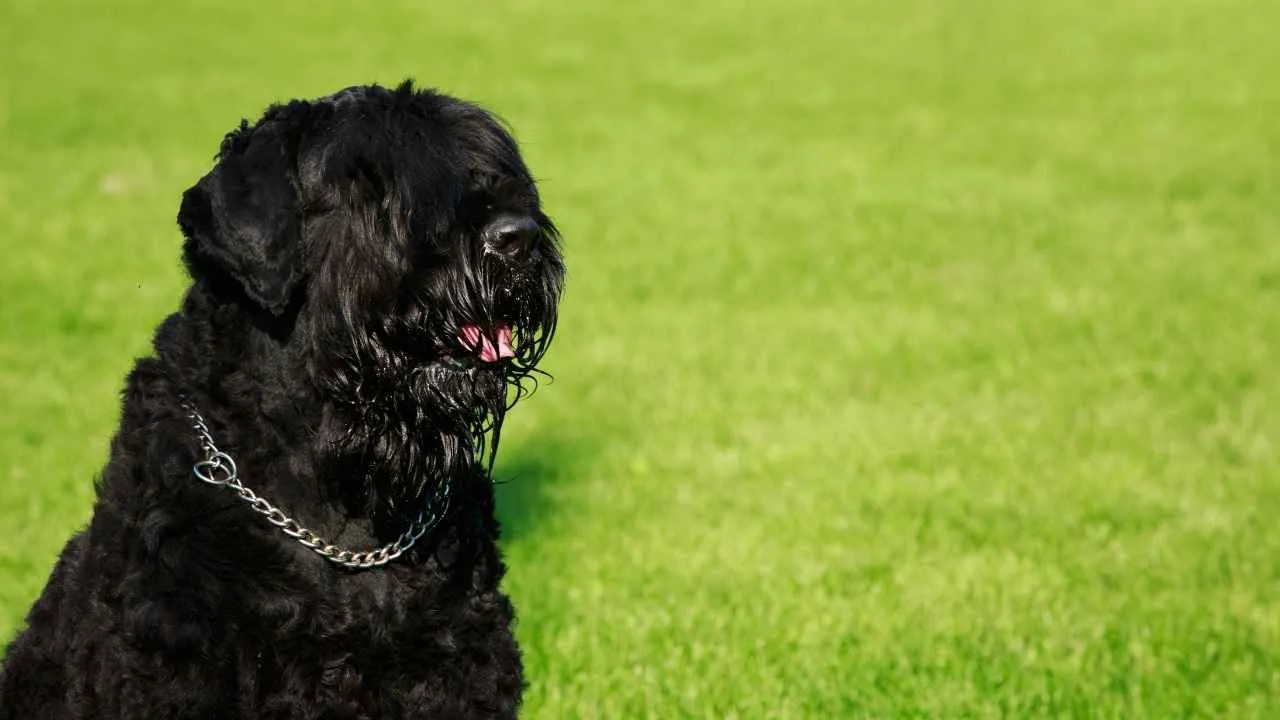
Black Russian Terrier is one of the world’s newer breeds, emerging in Russia during the late 1940s and early 1950s for demanding working duties.
Its lineage includes several breeds, including the Airedale, Rottweiler, Giant Schnauzer, and Newfoundland, while its working roles centered heavily on military service.
Built for Serious Work
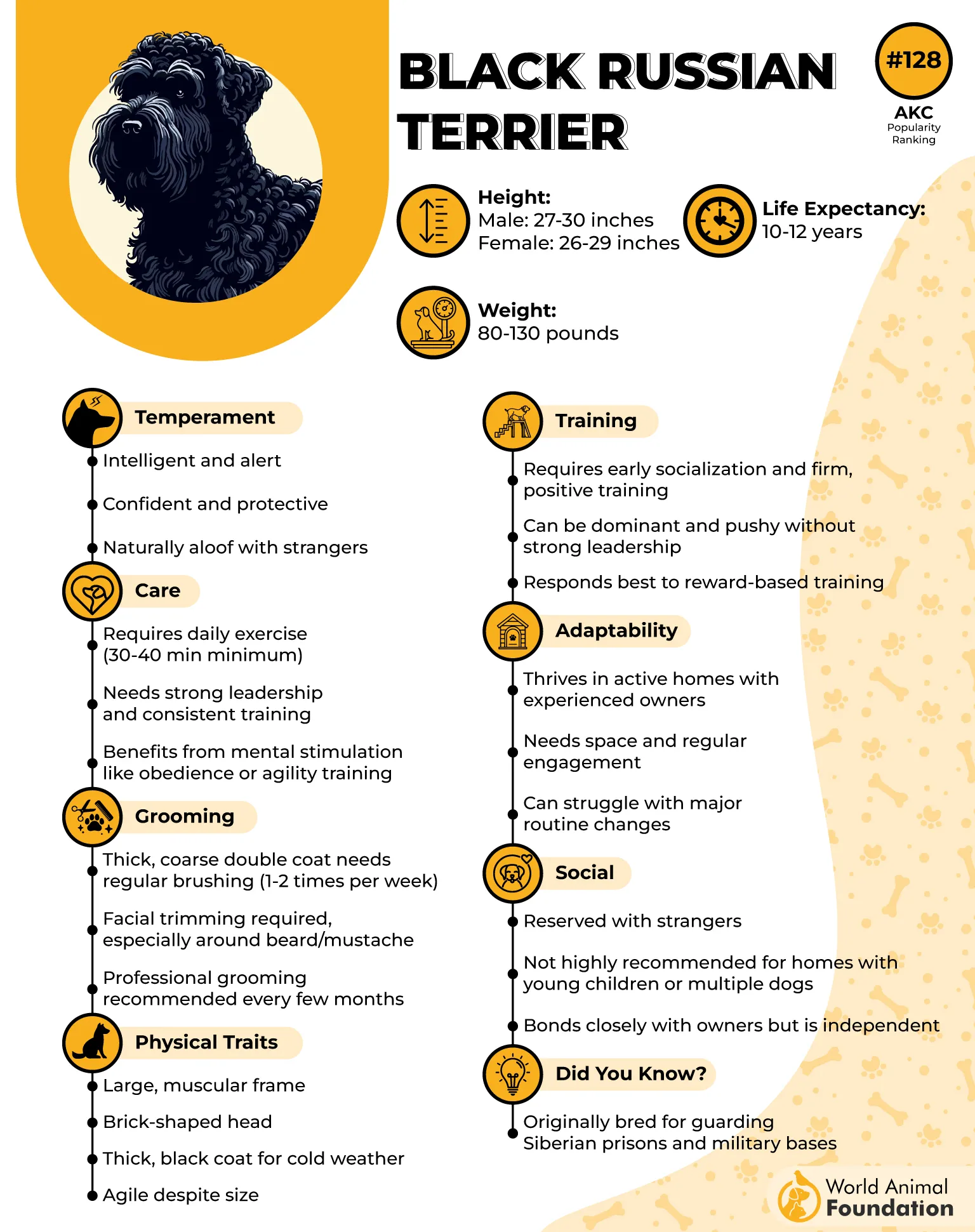
Black Russian Terrier was given tasks that required intelligence, courage, and dependable judgment, qualities that still shape its daily needs. Outside Russia, the breed remains uncommon, and enthusiasts have given it the striking nickname “Black Pearl of Russia”, as Zooplus reported
Daily life looks different with this giant:
Can be intensely attached to their family
Enjoys obedience and agility competitions
Praise-based training is best suited for this breed
Alert With Purpose
This rare dog breed tends to reserve its barking for situations it considers meaningful, while unfamiliar people can receive a cautious response. Early socialization helps the breed become more comfortable with visitors entering the home and other unfamiliar situations.
5. Neapolitan Mastiff
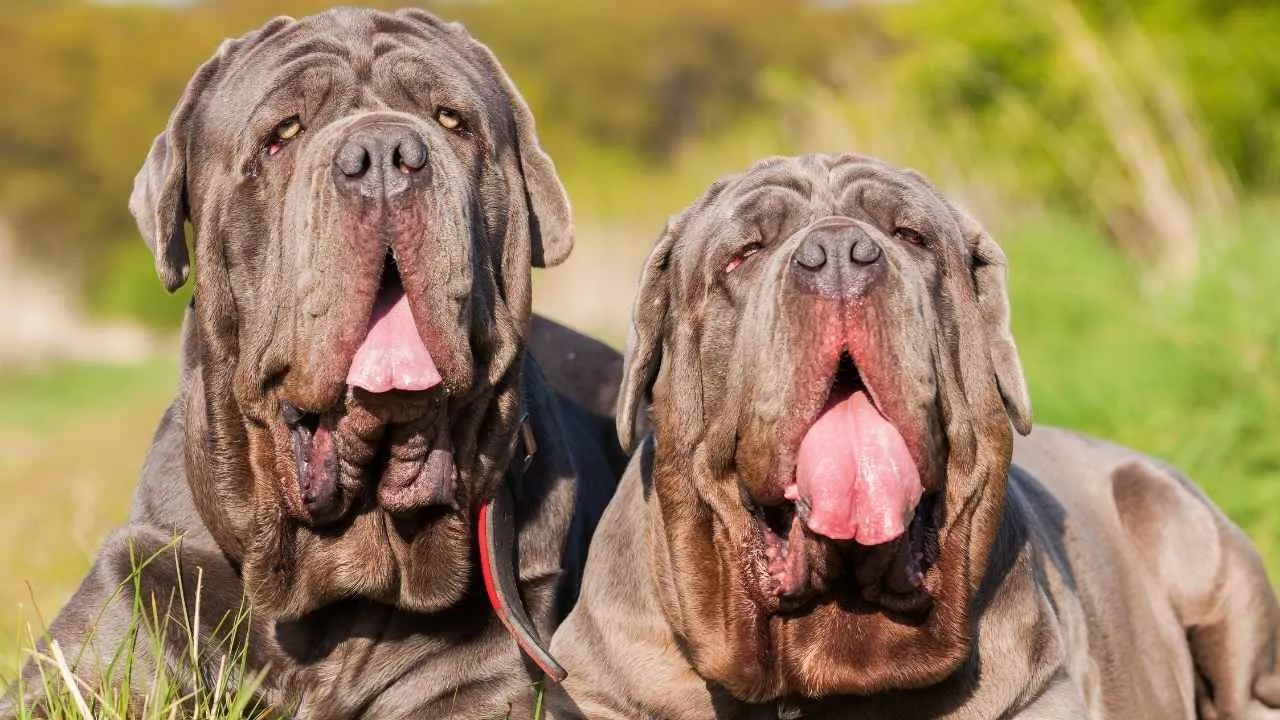
Neapolitan Mastiff has roots in Ancient Rome, where its ancestors guarded homes and were also used as gladiator dogs. Centuries later, the breed took its name from Naples, and by the 1940s, it had come close to disappearing before Italian breeders successfully revived it.
A Rare Giant
This guard dog is among New Zealand’s rarest pedigree giant breeds, with only a few dozen registered nationally at any given time. Nearly all are found on lifestyle blocks or rural sections, making this an unusually uncommon giant to encounter there.
Its size matters when planning daily life:
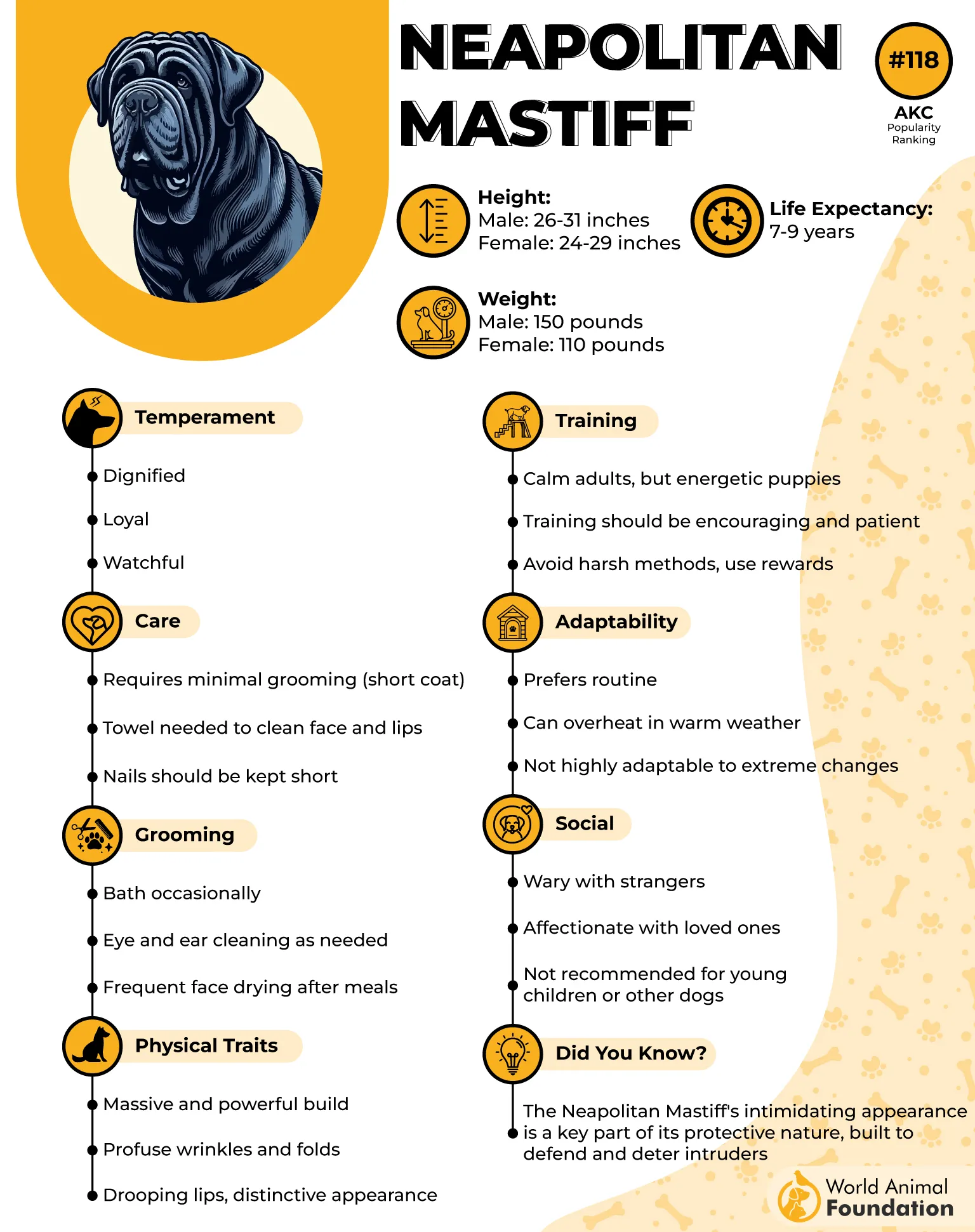
Puppies are playful and energetic
Adults prefer lounging after activity
Needs 30–40 minutes of daily exercise
A Giant With Affection
Neapolitan Mastiffs form an intensely close attachment to their family and often want to be involved in whatever is happening at home. Its protective nature can also bring frequent barking when something catches its attention, including a squirrel in the yard.
6. Tibetan Mastiff
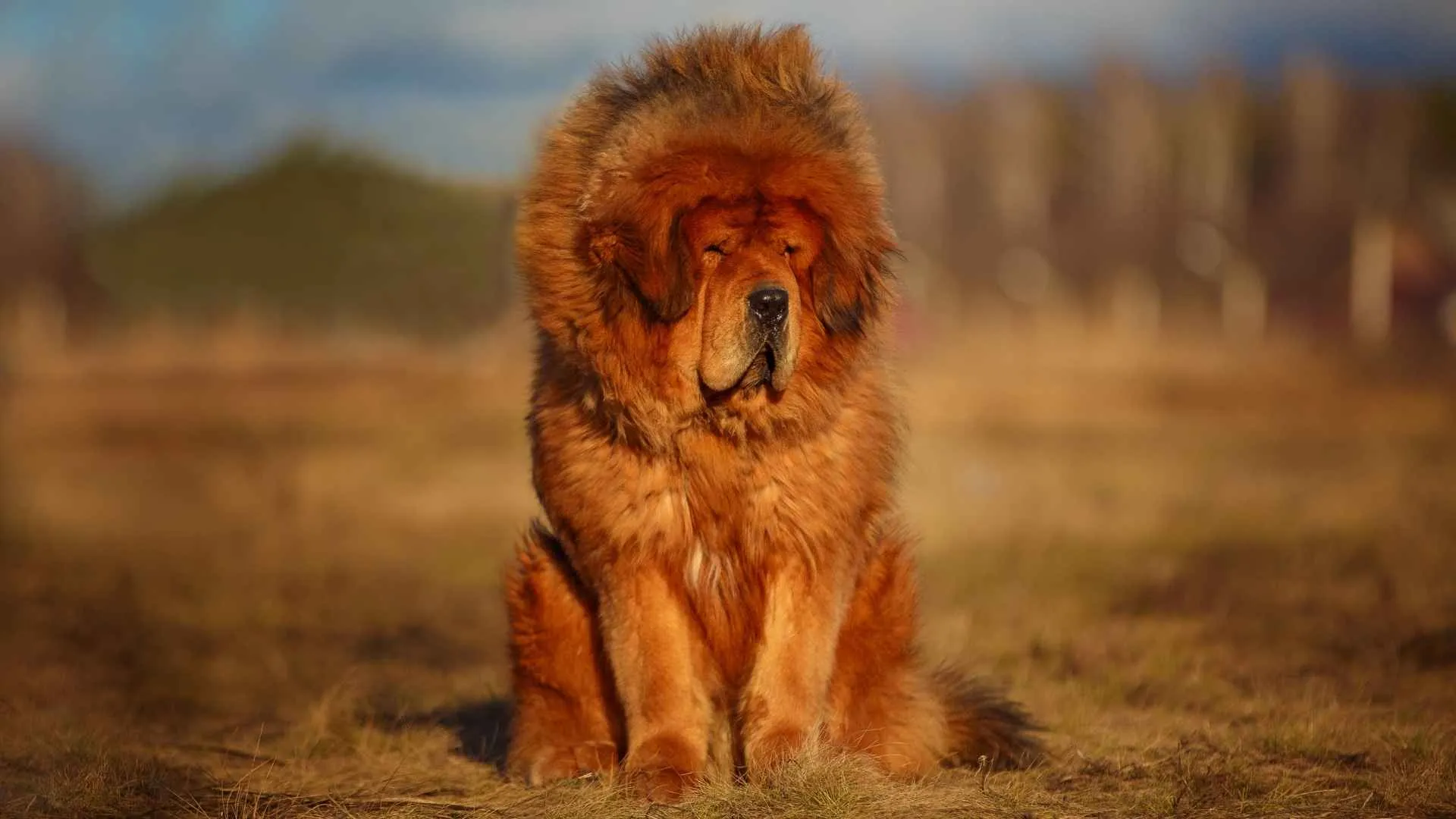
Tibetan Mastiff has guarded people, livestock, temples, monasteries, and nomadic communities in Tibet for thousands of years. Because these dogs traveled widely with their people, there was no fixed breed standard for generations, with dogs interbreeding across different communities.
A Rare Giant
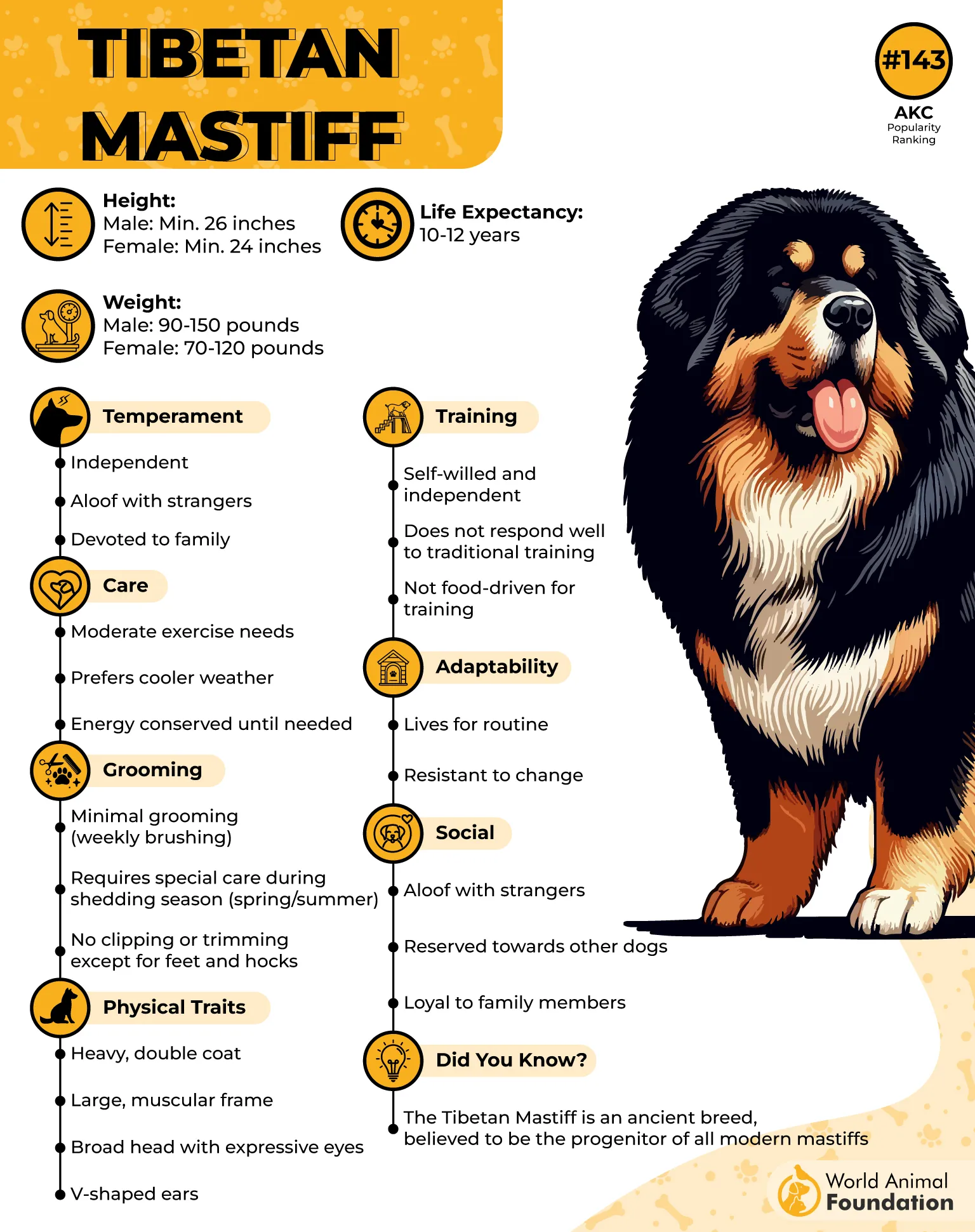
Tibetan Mastiff remains a rare breed, even after thousands of years of existence, and was accepted by the American Kennel Club only in 2005. The breed is now uncommon in its native Tibet, while in the US it has found a place as an all-purpose farm dog.
These traits help explain its unusual place among giant breeds:
Independent guardian instincts
Moderate 20–30-minute daily exercise
Strong preference for surveying its territory
Quiet Territory
Tibetan Mastiffs tend to be deeply devoted to their family while remaining reserved around unfamiliar people and new dogs. Adults may be less accepting of unfamiliar children or animals, and their enormous size calls for careful supervision around young children, cats, and smaller dogs.
7. Estrela Mountain Dog
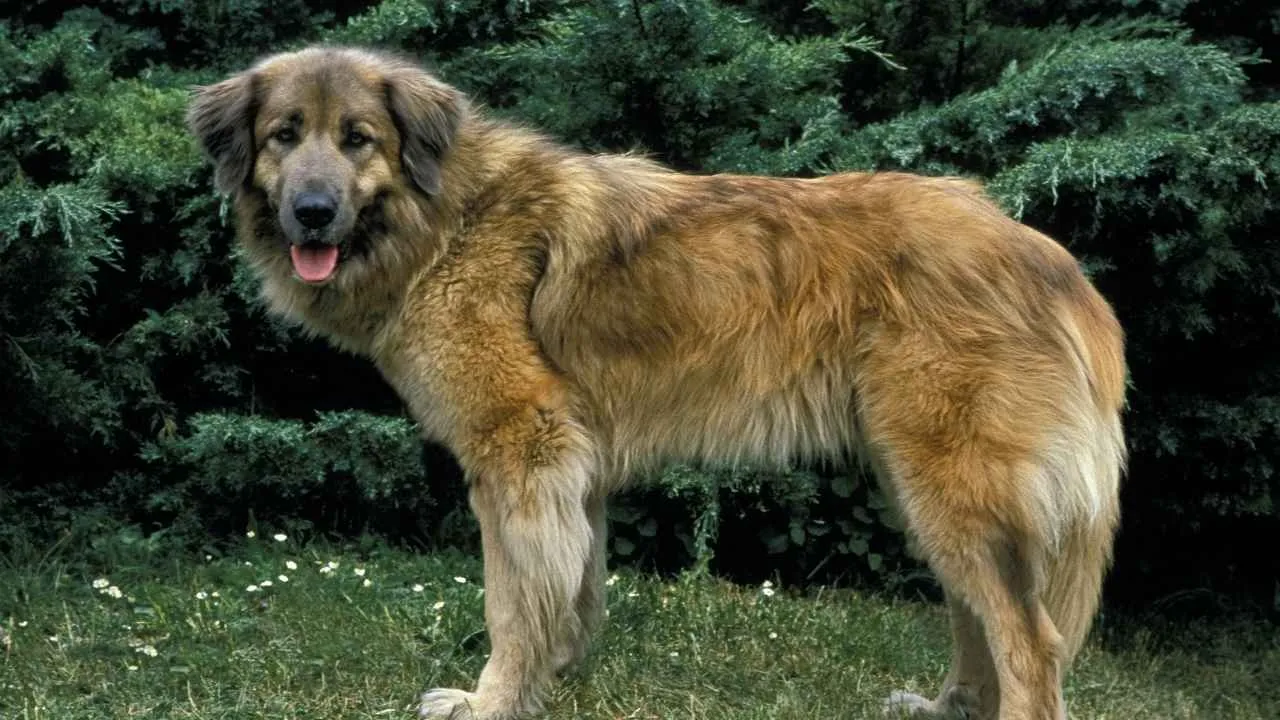
Estrela Mountain Dog comes from Portugal’s remote Estrela Mountain region and is regarded as the oldest dog breed on the Iberian Peninsula.
For centuries, shepherds relied on these large guardians to protect sheep and goats from wolves and thieves across mountain grazing grounds reaching 2,000 meters.
A Rare Mountain Breed
These mountain dogs remain exceptionally uncommon outside Portugal, while their isolated homeland once helped farmers keep the bloodline remarkably pure by breeding from their finest available dogs. The breed was also fitted with spiked collars to help protect against wolf attacks.
The following characteristics make its mountain role even clearer:
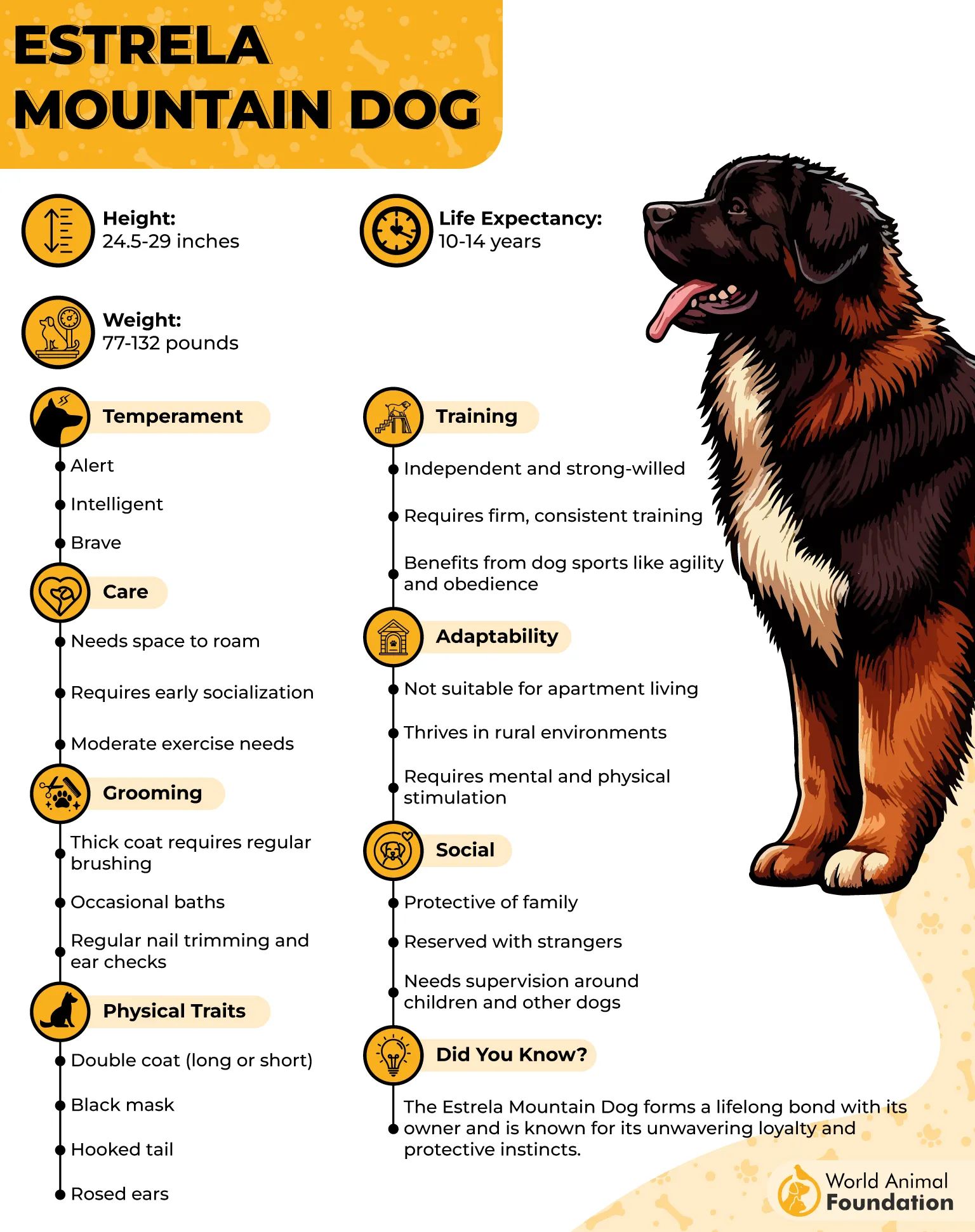
Strong stamina without excessive exercise
Surprisingly fast for a large breed
Needs a secure, fully fenced area
Protective by Nature
Estrela Mountain Dog watches over children, smaller dogs, cats, chickens, and other animals it considers part of its circle. Early socialization with unfamiliar people, children, places, and other dogs helps prevent that protective instinct from becoming excessive.
Conlusion
There is a reason giant dogs remain so memorable long after seeing one for the first time. Their size may catch your attention immediately, yet their history often tells an equally interesting story. Many were shaped for difficult work, from guarding animals to protecting homes and traveling across demanding landscapes. Those instincts can still influence life with them today.
A suitable home needs more than extra floor space, since training, socialization, careful growth, and daily management all matter. When those responsibilities are understood, these remarkable companions offer an experience few other dogs can match, combining impressive scale with fascinating personalities and deeply rooted working instincts.
