




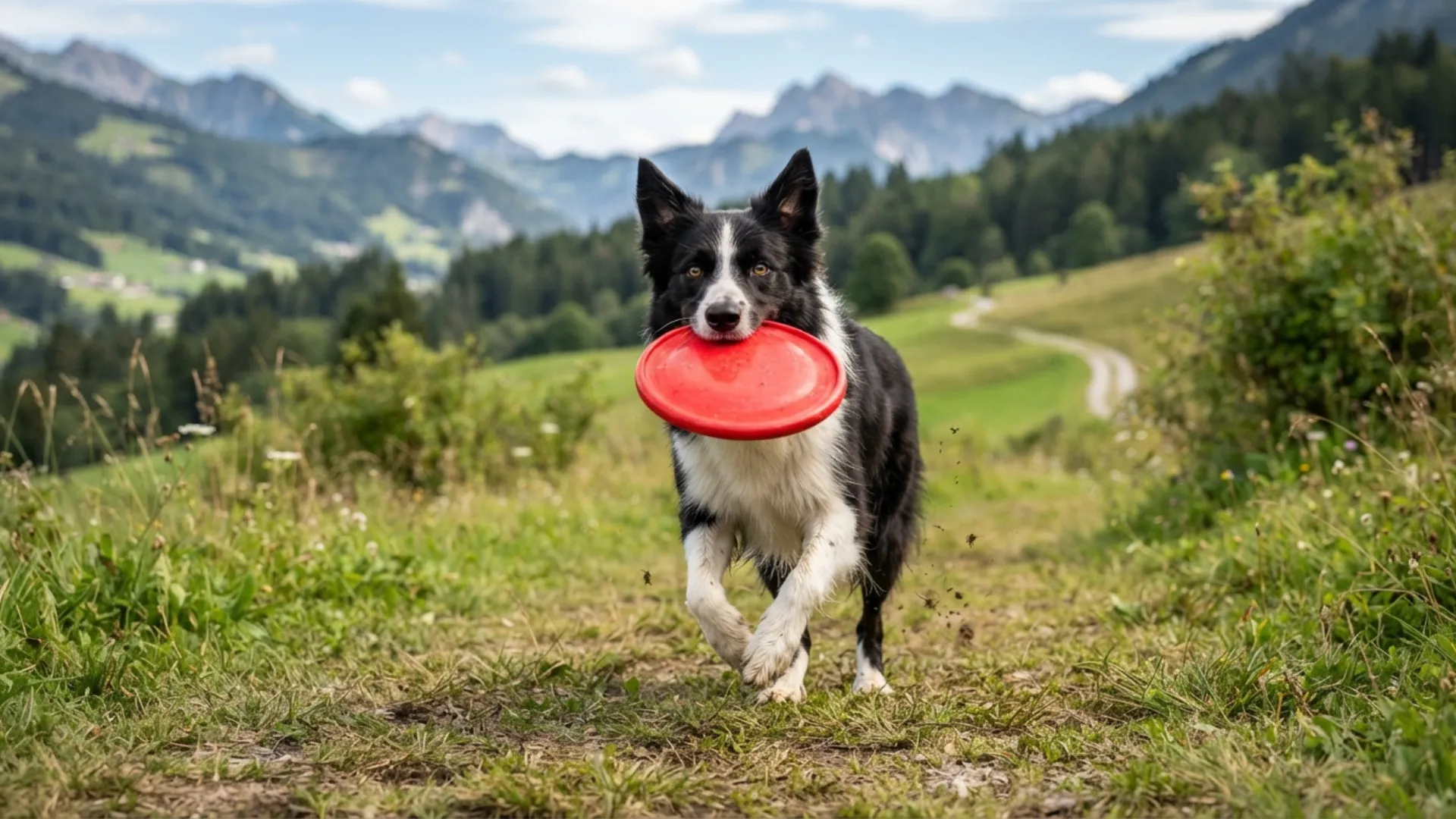
Some dogs seem to figure things out almost before you finish showing them what to do. They learn commands quickly, remember lessons, and stay eager for the next challenge.
If you want a dog that is curious, responsive, and ready to learn, choosing an intelligent breed can make training much more enjoyable.
But intelligence is about more than learning tricks. Smart dog breeds are often good at problem-solving, understanding routines, following human cues, and adapting to new situations.
They also enjoy activities that keep their minds busy, such as interactive games, obedience training, and puzzle toys.
So, what makes a dog exceptionally trainable? In this article, we’ll explore the smartest dog breeds and what makes their learning abilities stand out. You’ll also learn why patience, consistency, and mental stimulation are important for helping these clever companions thrive.
Key Takeaways
Meet seven brilliant breeds, from Border Collies to Labrador Retrievers, and see what makes them have exceptional learning speeds.
Discover why Papillons and German Shepherds can pick up skills so quickly.
See how Golden Retrievers and Doberman Pinschers turn intelligence into real-world abilities.
Find out how training, exercise, and mental stimulation help these clever dogs thrive.
7 Smartest Dog Breeds with Exceptional Learning Power
1. Border Collie
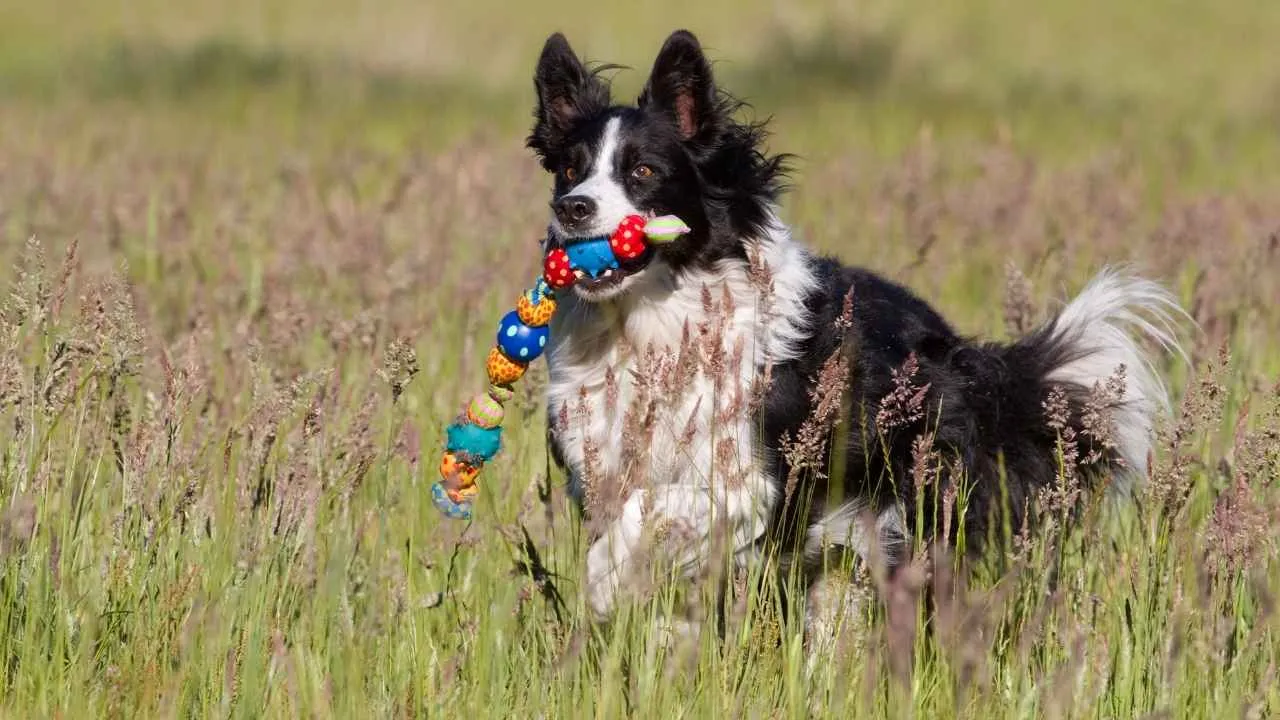
Border Collies are known for their exceptional intelligence, strong work ethic, and ability to learn quickly. Originally developed as sheepdogs along the border of England and Scotland, they were bred to work closely with people and manage livestock.
Their alert nature, extraordinary instincts, and responsive personality make them natural learners. Today, they also excel in herding, agility, Frisbee, and flyball.
Fast Learners With Active Minds
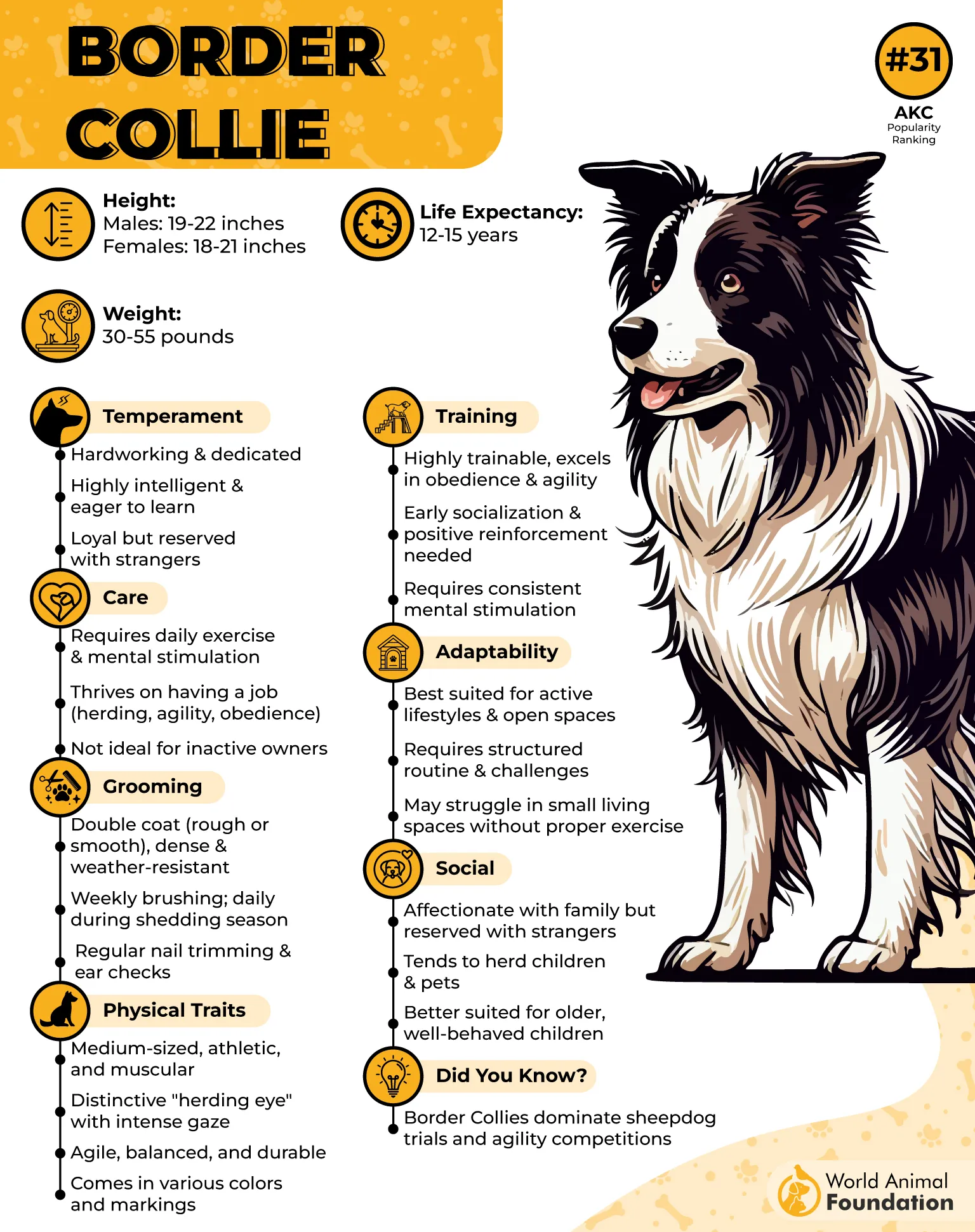
Border Collies can quickly understand basic commands and often thrive with advanced training. They enjoy learning new tasks and responding to their handlers.
Their intelligence also makes them excellent problem-solvers. However, their active minds need regular challenges. Training sessions, interactive games, fetch, and other purposeful activities can help keep them focused and engaged.
Training Their Natural Instincts
These dogs have strong herding instincts, even when they live as family pets. They may try to herd children or other animals when they do not have a suitable outlet for this behavior.
Without enough mental stimulation, they can also become bored and start chewing, digging, or barking. Early socialization, positive reinforcement, and consistent training help guide their instincts.
2. Papillon

Papillons may be tiny, but their intelligence is anything but small. They are known for being alert, active, eager to please, and highly responsive to their people.
Their friendly nature and desire for interaction make them enthusiastic learners. They can also excel in activities such as agility and obedience competitions, showing just how much they can achieve despite their petite size.
Intelligent and Eager to Learn
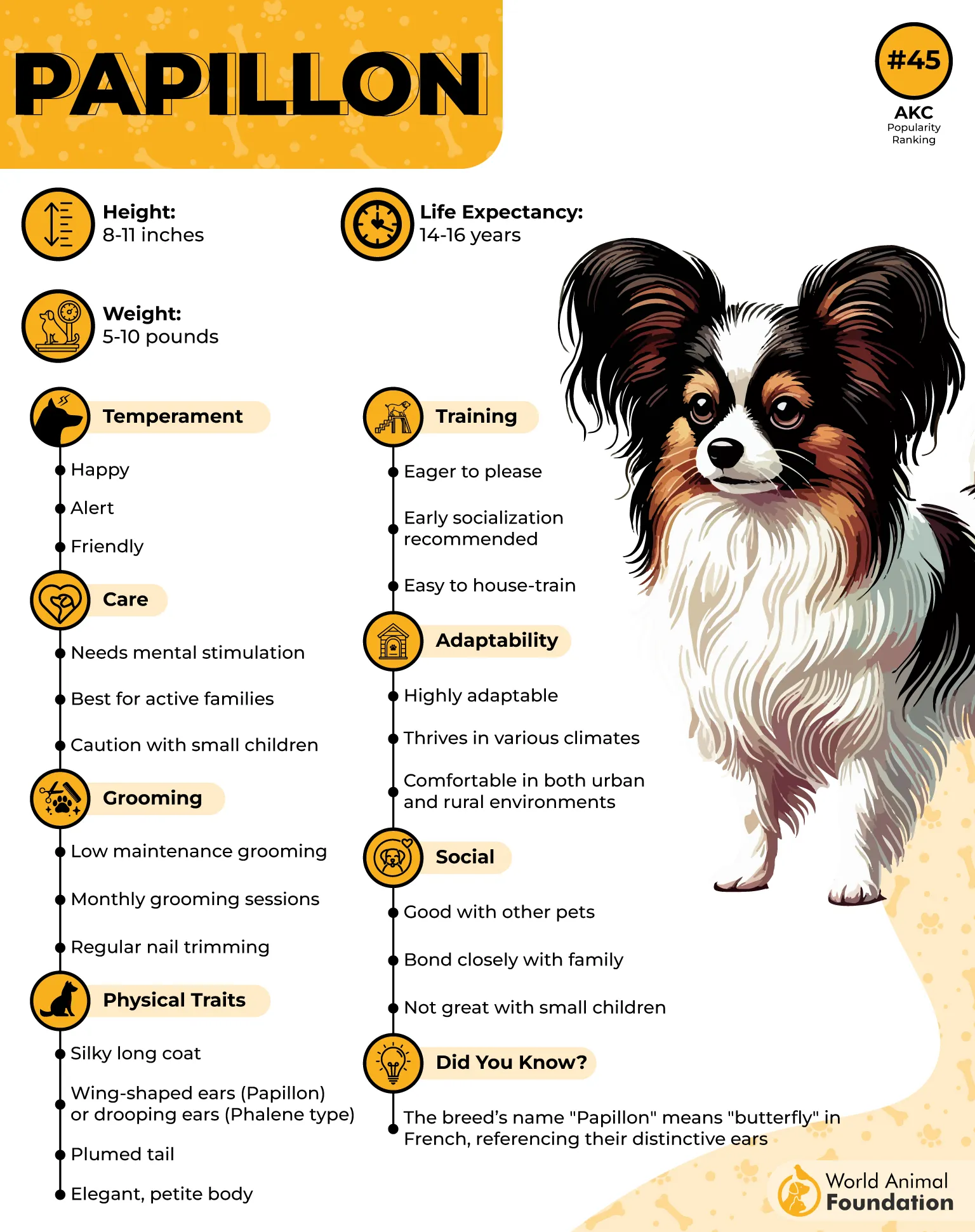
Papillons are considered one of the brightest breeds and can learn well when training is consistent and positive. They enjoy spending time with their people and respond well to fun training sessions.
Their active minds need regular mental stimulation, so obedience work, interactive games, and new challenges can help keep them focused and engaged.
Training and Mental Stimulation
These dogs are energetic and enjoy staying busy rather than simply sitting around. Leash walks, indoor and outdoor play, agility, and obedience activities can give them useful outlets for their energy and intelligence.
Some Papillons can have a stubborn or feisty streak, so consistent training is important. Early socialization also helps them become confident and well-mannered.
3. German Shepherd
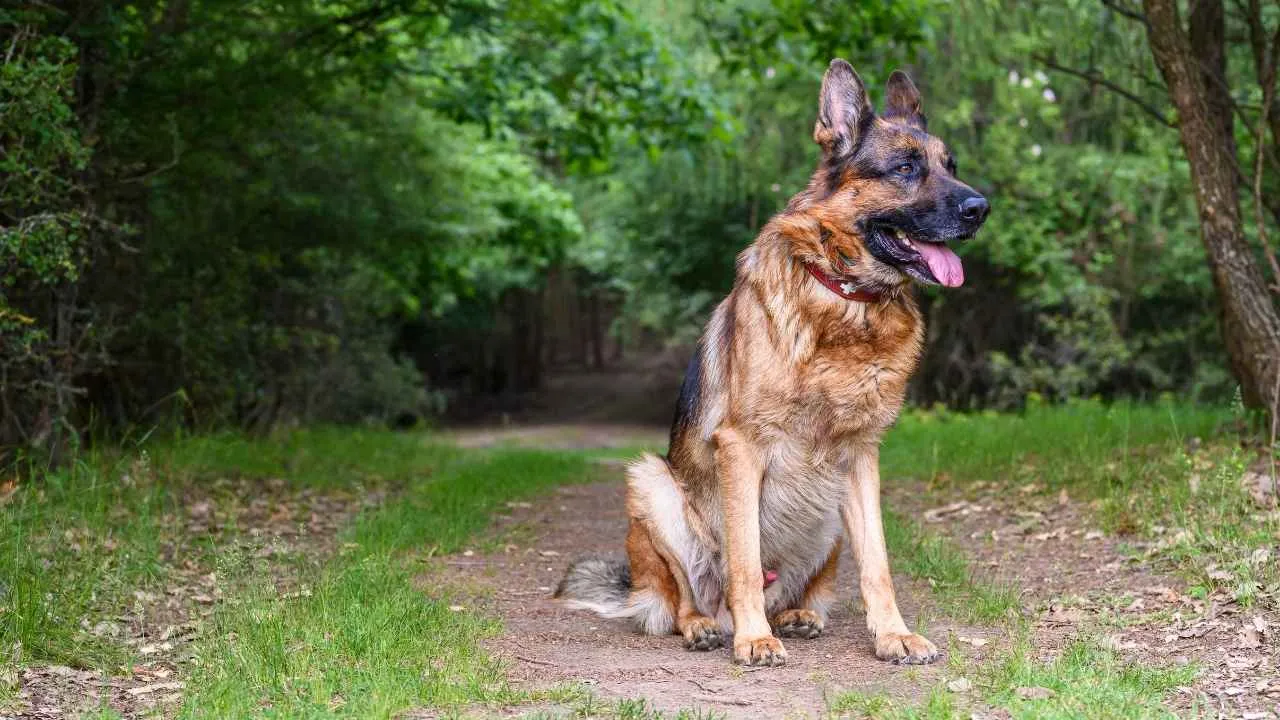
German Shepherds are highly intelligent, loyal, alert, and eager to work. Originally developed from herding and farm dogs in Germany, they were bred to work closely with people.
Their intelligence and confidence have made them successful in many demanding roles, including police and military work, tracking, search and rescue, and guiding. They also enjoy having a meaningful job to do at home.
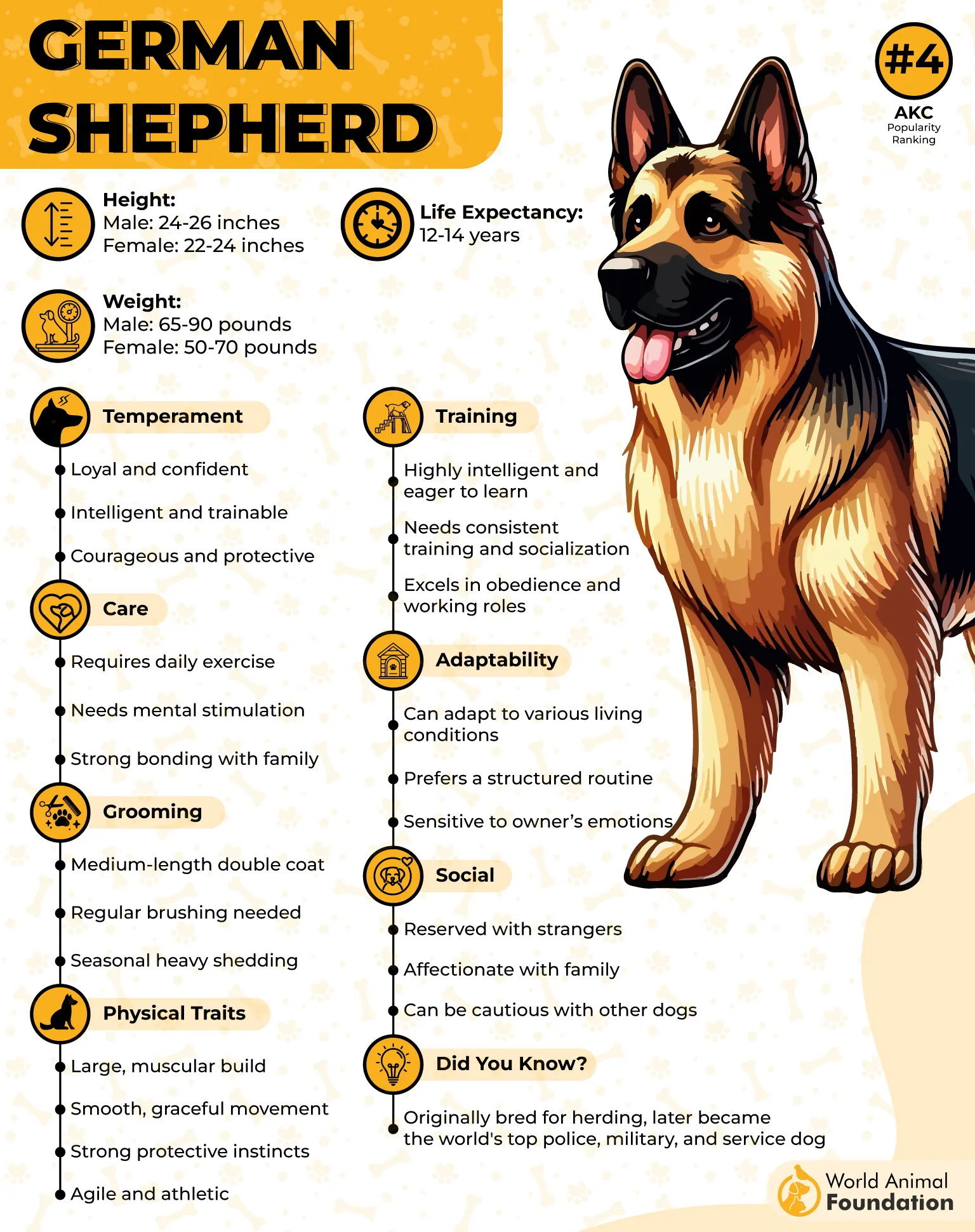
Super Smart, Focused, and Easy to Train
German Shepherds are relatively easy to train when given consistent guidance and positive reinforcement. They can learn obedience skills quickly and thrive with advanced training.
Their minds are best engaged through activities that combine learning with action. Tracking, scent work, puzzles, agility, and other mental challenges can give them useful outlets for their abilities.
Training and Purposeful Activities
These energetic dogs need more than physical exercise to stay focused. According to PetMD, they generally benefit from one to two hours of daily exercise along with regular mental stimulation.
Without enough activity or a job to do, boredom and pent-up energy can lead to unwanted behaviors. Early socialization and obedience training are also important for developing confident, well-mannered dogs.
4. Golden Retriever
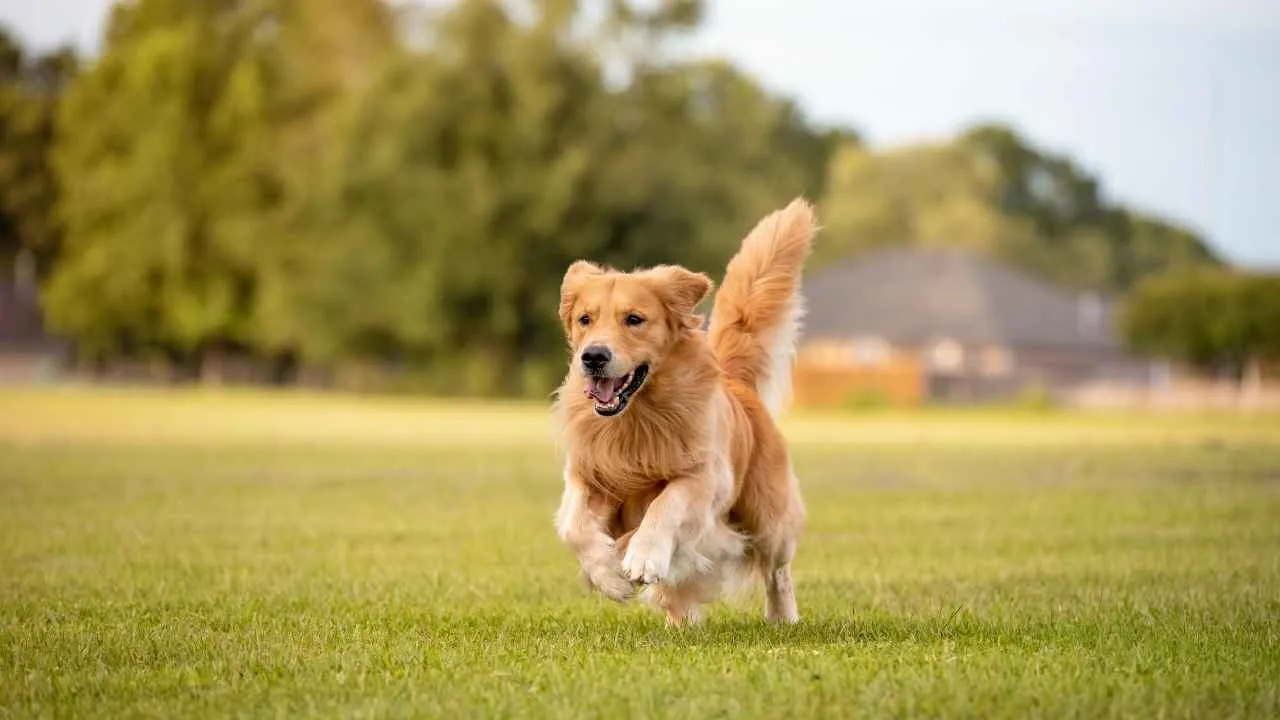
Golden Retrievers are keenly intelligent, friendly, loyal, and eager to please. Originally developed in Scotland as retrieving dogs for hunters, they were bred to work closely with people and carry retrieved items gently.
Their intelligence and adaptable nature have helped them succeed in many roles, including guide, therapy, and search-and-rescue work. At home, they enjoy learning new skills, playing games, and staying involved with their families.
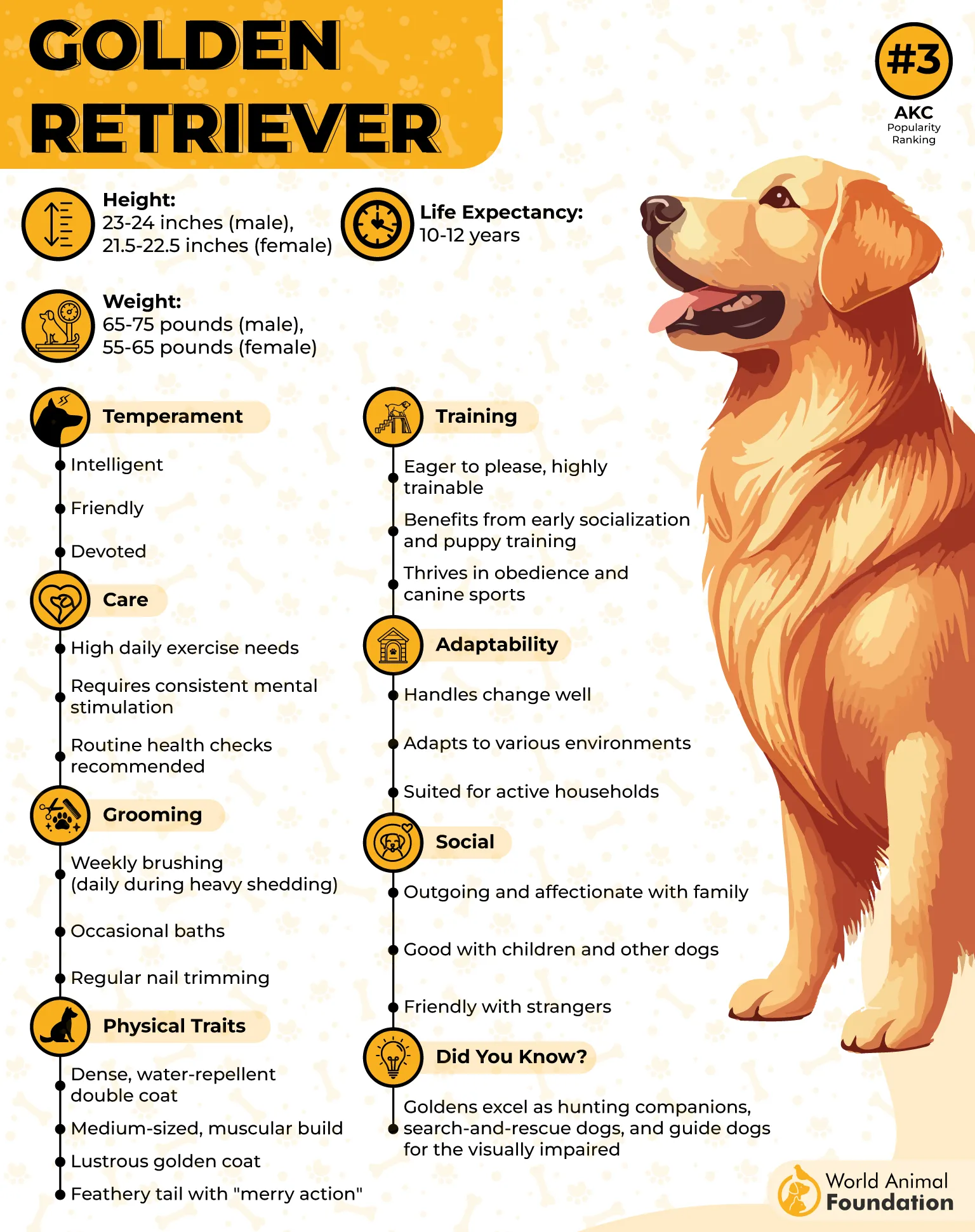
Exceptionally Smart, Friendly, and Easy to Train
These pooches are generally easy to train because they are bright, cooperative, and eager to make their people happy. They respond well to consistent guidance, positive reinforcement, and rewards such as treats or toys.
Their intelligence allows them to learn basic obedience as well as more advanced tasks, while their playful nature can make training an enjoyable experience for both dog and owner.
Training and Purposeful Activities
These dogs need both physical exercise and mental stimulation to stay happy and well-behaved. They enjoy running, long walks, retrieving, swimming, fetch, tracking, agility, obedience training, and dock diving.
Without enough activity or mental engagement, they may become bored and develop unwanted behaviors such as chewing or getting into things they should not.
5. Doberman Pinscher
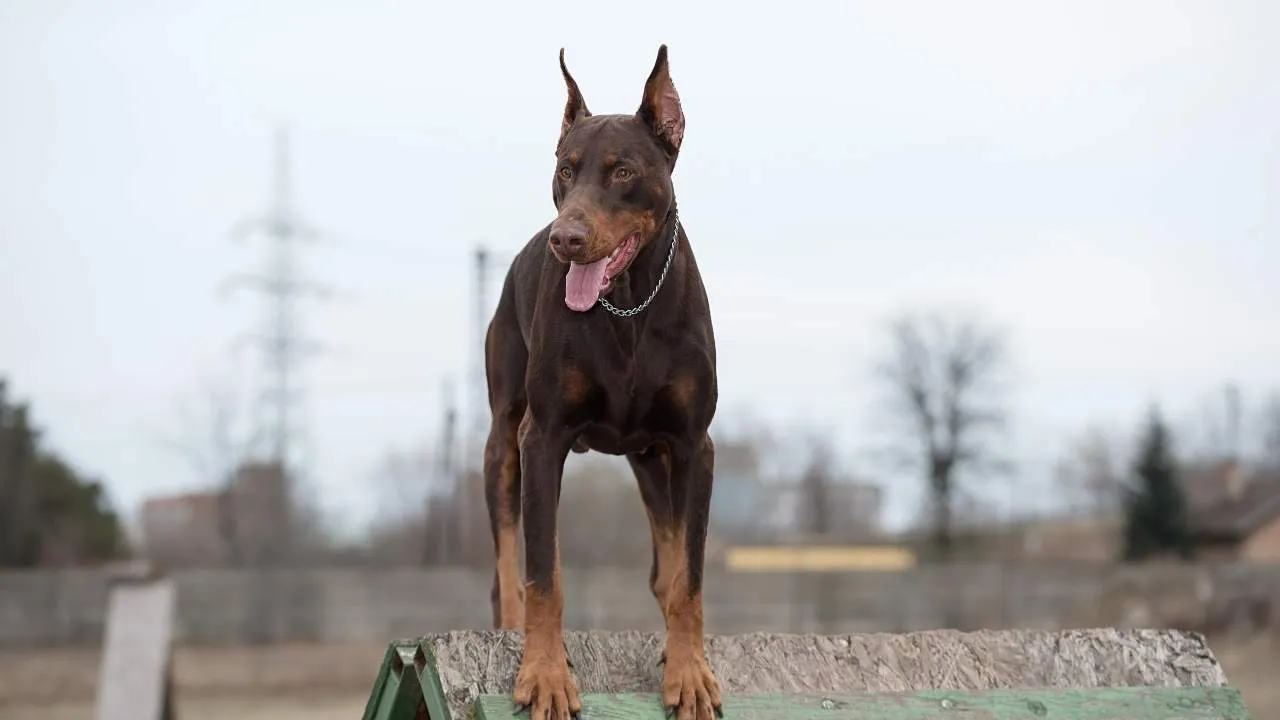
Originally developed in Germany as a protective working breed, Doberman Pinschers were bred to be reliable companions for their handler while taking their guarding duties seriously.
Their intelligence, athleticism, and confidence have made them successful in many demanding roles, including police and military work, search and rescue, guarding, tracking, and dog sports. They also enjoy having a meaningful job to do at home.
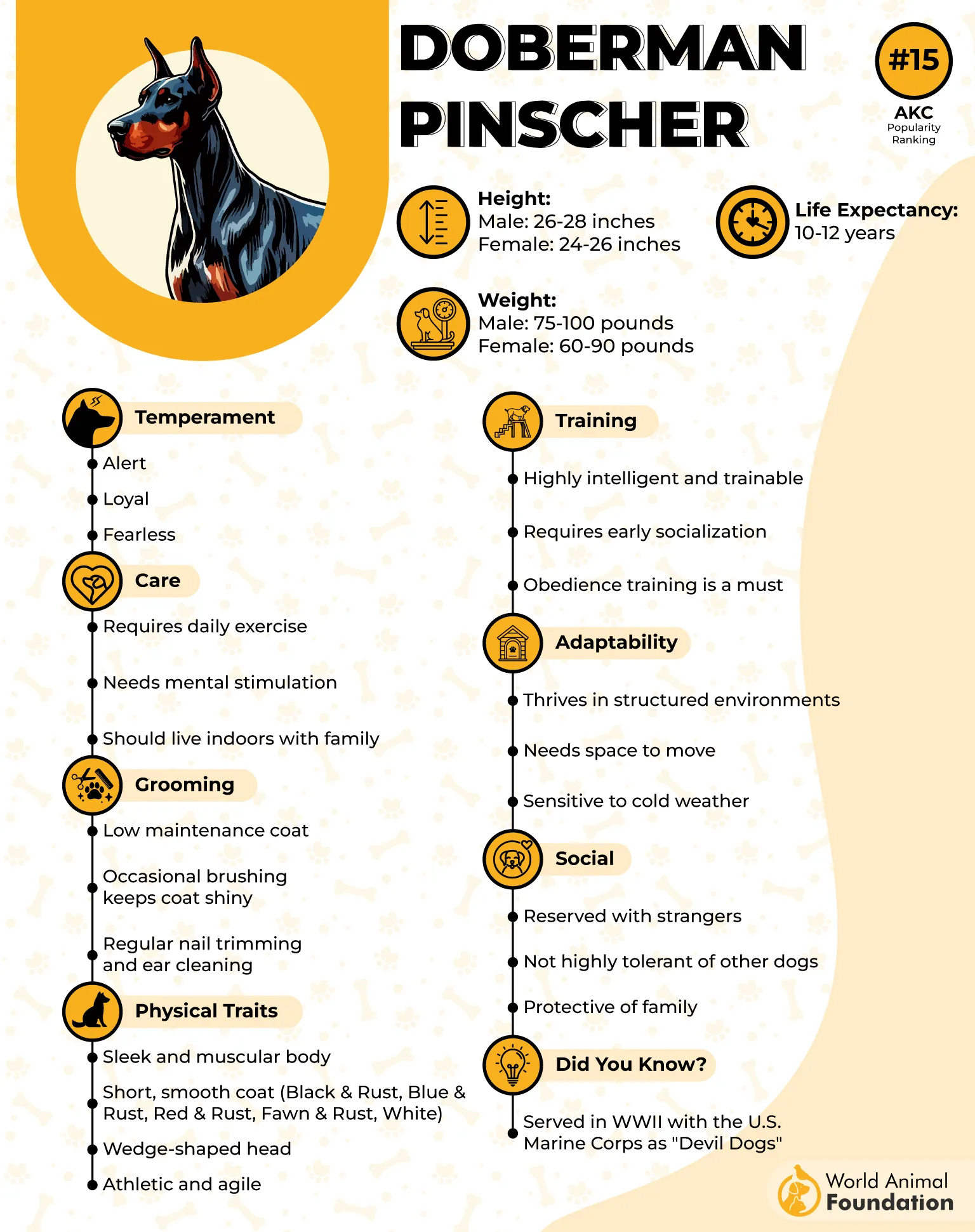
Incredibly Smart, Focused, and Easy to Train
Doberman Pinschers are extremely intelligent and thrive on consistent training, positive reinforcement, and clear guidance. They can learn complicated tasks and respond well to obedience training when their energy and intelligence are given a productive outlet.
Their minds are best engaged through activities that combine learning with action. Obedience work, agility, nose work, tracking, and other structured challenges can help keep them focused and mentally satisfied.
Training and Purposeful Activities
These dogs need both physical exercise and mental stimulation to stay happy and well-behaved. Britannica mentions that they generally benefit from at least an hour of vigorous daily exercise, along with regular opportunities for training and free play.
Without enough activity or a suitable outlet for their energy, Dobermans may become bored and develop destructive or unwanted behaviors.
Early socialization and consistent training are especially important to help them become well-adjusted and confident around new people, sounds, and situations.
6. Shetland Sheepdog
Shetland Sheepdogs are highly intelligent, affectionate, energetic, and eager to please. Originally developed in Scotland’s Shetland Islands to herd sheep, ponies, and poultry, they were bred to work closely with people and respond quickly to direction.
Their intelligence, agility, and willingness to work have made them excellent companions for obedience, agility, tracking, herding, and therapy work.
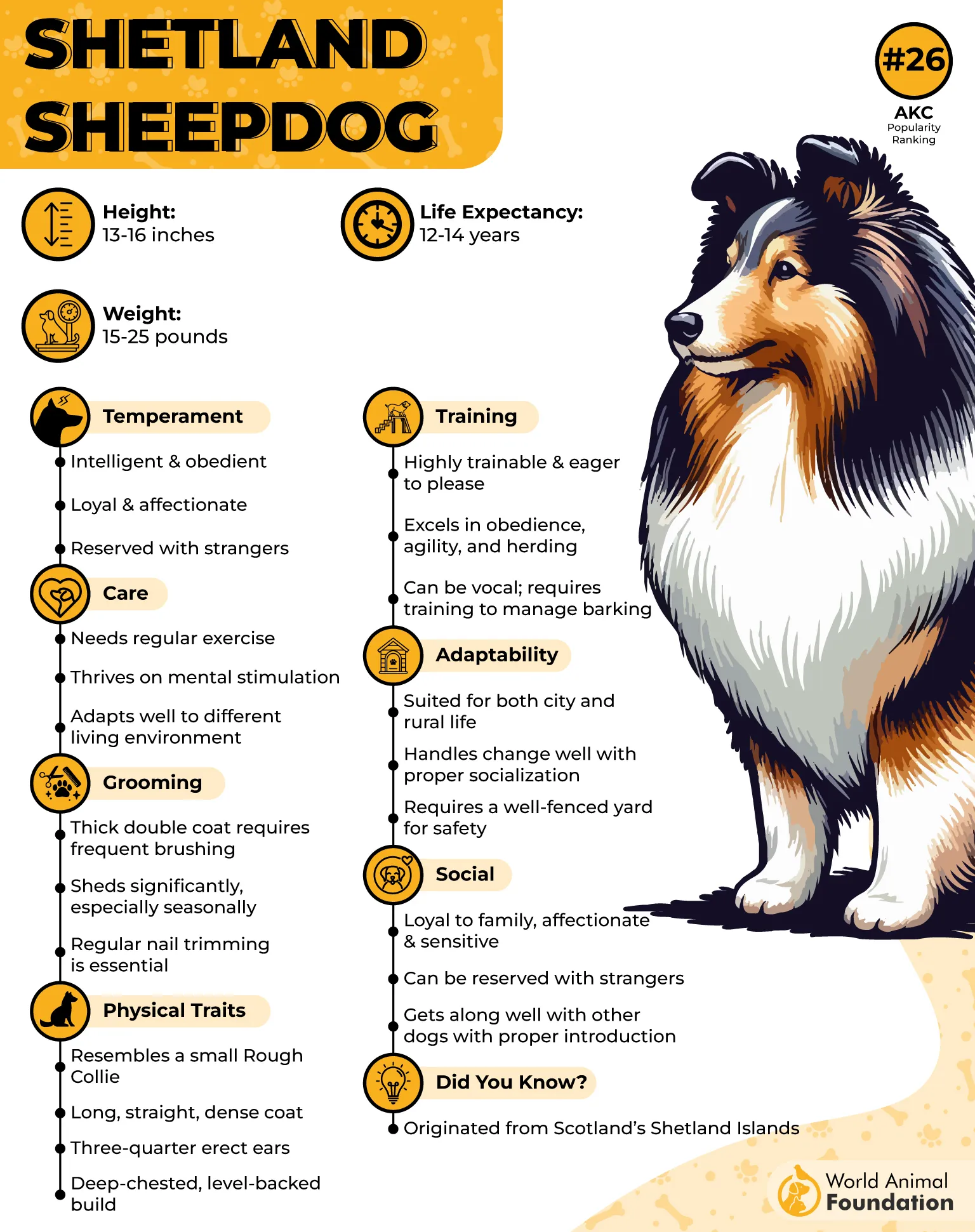
Smart, Eager, and Highly Trainable
Shetland Sheepdogs are among the more biddable dog breeds and are generally easy to train because they enjoy learning and pleasing their dog parents. They respond best to gentle handling, positive reinforcement, and consistent guidance.
Their sensitive nature means that harsh training methods can cause them to shut down, as Spruce Pets notes. Short, engaging training sessions can help keep their sharp minds focused while building confidence.
Training and Purposeful Activities
Shelties need both physical exercise and mental stimulation to stay happy and well-behaved. Daily walks, interactive play, obedience training, agility, tracking, herding activities, and puzzle-based games can provide useful outlets for their energy and intelligence.
Without enough activity or companionship, they may become bored and develop unwanted behaviors such as excessive barking or destructive chewing. Early socialization is also important because Shelties can be cautious around strangers and naturally alert.
7. Labrador Retriever

Labrador Retrievers are intelligent, outgoing, eager to please, and naturally motivated to work with people. Originally developed as water retrievers, they were bred to work closely with hunters and carry retrieved items, especially from the water.
Their intelligence, trainability, and friendly nature have made them successful as family dogs, service and guide dogs, therapy dogs, search-and-rescue dogs, scenting dogs, and hunting partners.
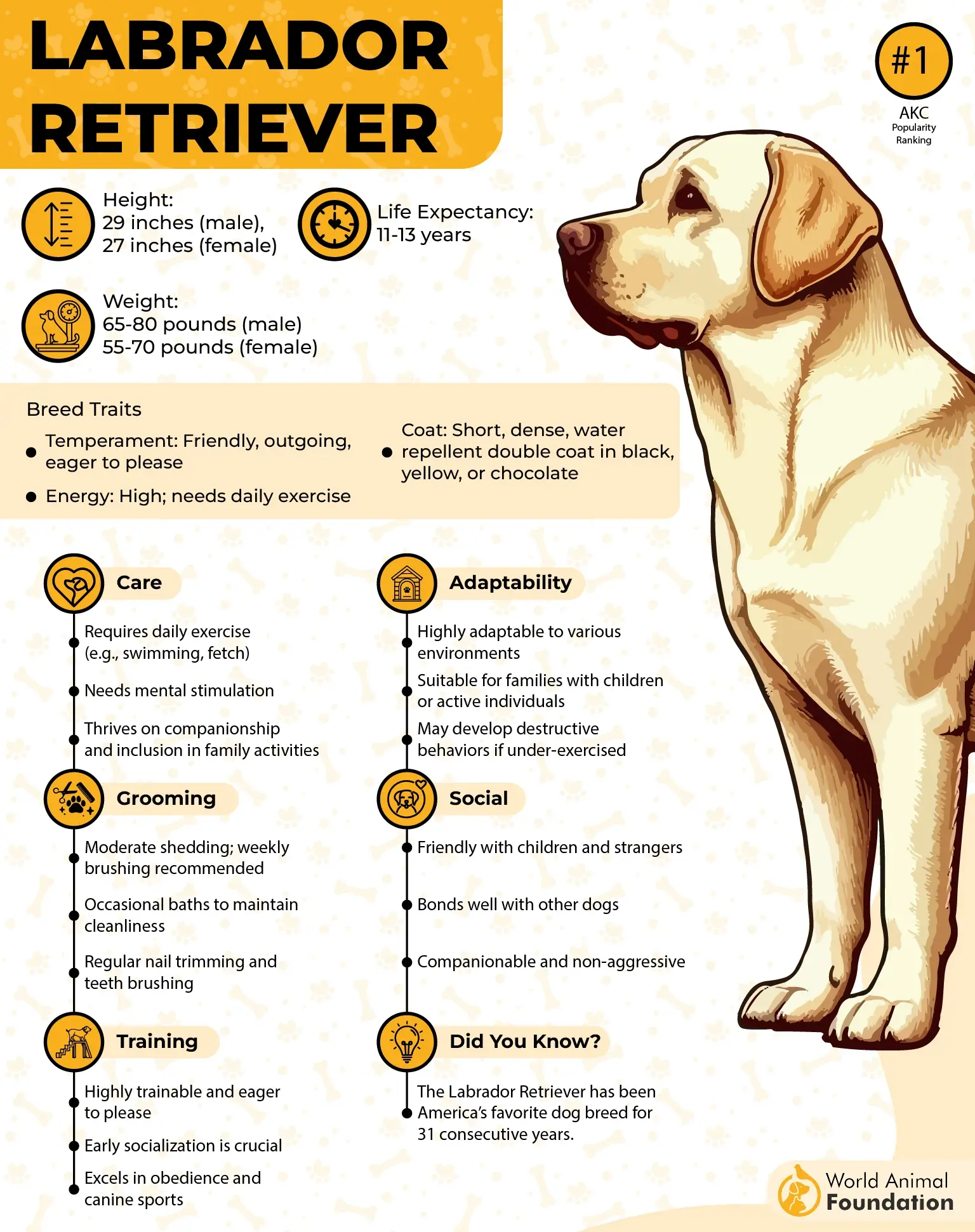
Smart, Eager, and Easy to Train
Labrador Retrievers are generally easy to train because they are exceptionally intelligent, people-oriented, and eager to please. They respond well to positive reinforcement and can learn obedience skills quickly when training begins early.
Their strong retrieving instinct also gives them a natural desire to carry and retrieve objects. Regular training can help channel their energy while teaching them appropriate behaviors.
Training and Purposeful Activities
Labs need both physical exercise and mental stimulation to stay happy and well-behaved. They generally benefit from at least one hour of daily exercise, although their needs can vary by age, health, and whether they come from a high-energy field line or a calmer show line.
Fetch, swimming, hiking, scent work, tracking, agility, dock diving, and obedience training can provide useful outlets for their energy and intelligence.
Conclusion
Choosing the right dog breed means looking beyond appearance and considering intelligence, temperament, exercise needs, trainability, grooming, and overall lifestyle fit.
Whether you want an active adventure partner, an eager learner, or a devoted family companion, understanding what makes each breed unique can help you make a more informed choice.
The smartest dogs often thrive when their minds and bodies are given plenty to do. Before bringing one home, take time to consider your daily routine, experience, and ability to meet the breed’s needs.
With the right match, training, and care, a dog’s intelligence can become one of the most rewarding parts of your life together.
