




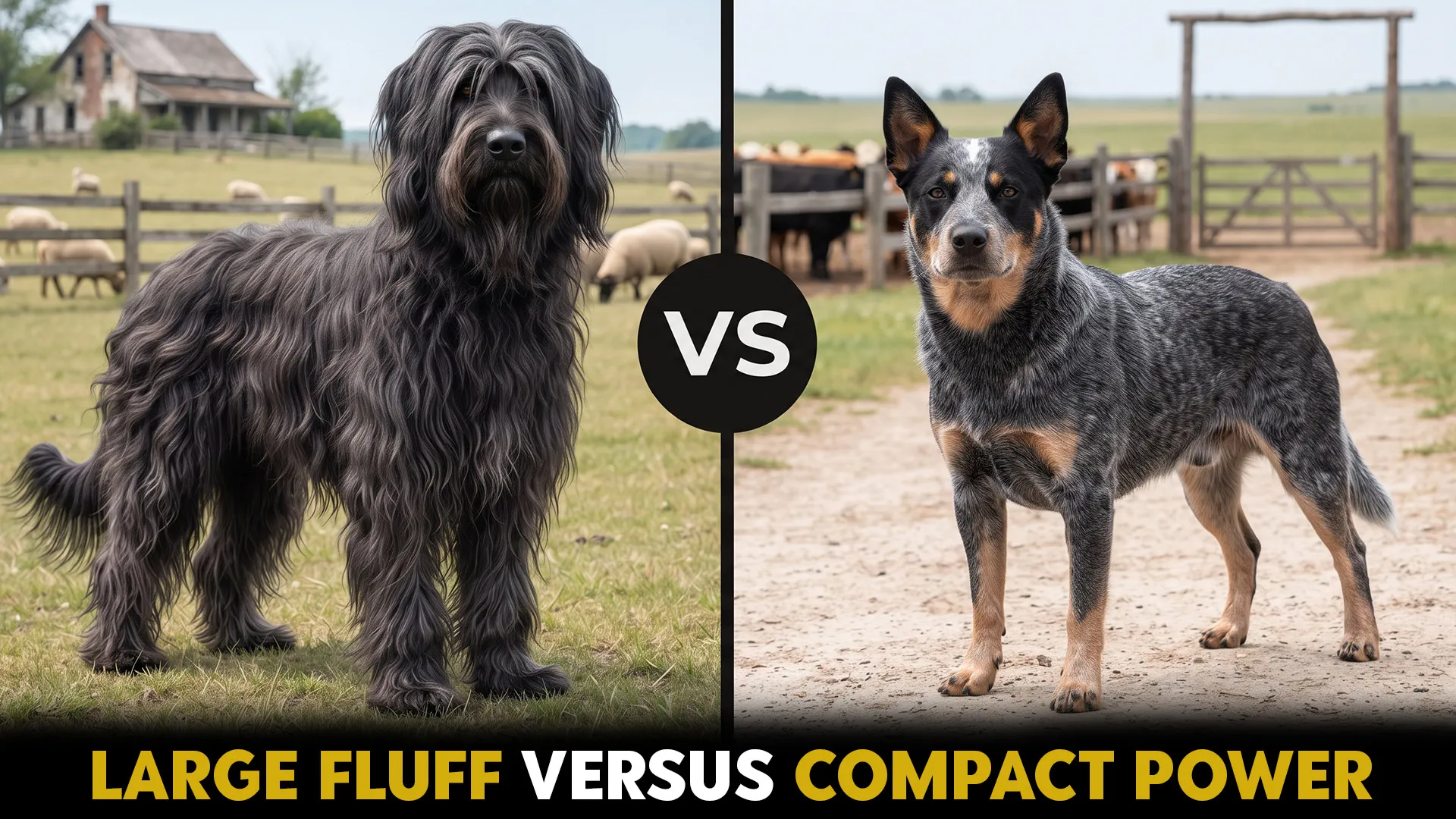
Choosing between the Briard and Australian Cattle Dog can feel a little confusing at first. Both are clever herding breeds with loyal hearts, strong work instincts, and a lot of drive. Still, once you look closer, the difference starts to make a lot more sense kinda quickly.
The Briard is a large French working dog with a long, wavy coat and a natural protective tendency. The Australian Cattle Dog is smaller, but it looks tougher, built for steady motion and getting things done, no stopping. Both can become great family companions, but the “right” one depends on your lifestyle, how much patience you really have, your space situation, and what your day-to-day schedule looks like.
The Briard and Australian Cattle Dog are both Herding Group dogs, but their original jobs weren’t the same. The Briard was helpful in keeping sheep inside the lines, and it also guarded the flock from danger. The Australian Cattle Dog, on the other hand, was bred to herd cattle over long distances in the harsh Australian environment. It used its intelligence, strength, and agility to control and move stubborn cattle.
Briard vs. Australian Cattle Dog: Key Differences Explained
Background
The Briard traces back to France, and it was developed to herd and guard flocks. This breed has to stay near the sheep while also watching for predators and other threats. That kind of background helped create a dog that can think on its own, instead of always waiting for the next cue.
The Australian Cattle Dog originated in Australia in the 1800s. It was developed to herd cattle over long distances in Australia’s hot, rugged conditions. Early Australian cattlemen crossed imported herding dogs with Dingoes and other breeds to create a tough, intelligent, and hardworking dog suited to the environment.
Both origins explain why these breeds still need purpose today. A Briard may feel happiest when involved with family activities, training, or outdoor work. An Australian Cattle Dog often wants even more action and can quickly become bored when the day feels too quiet.
Origins & Purpose
The Briard tends to fit owners who like a big, dependable protective herding companion with a long farm work lineage. The Australian Cattle Dog, on the other hand, may be the better match for people who want active outdoor habits and an enthusiastic working partner.
The Australian Cattle Dog was developed in Australia for a cattle-herding role. Farmers wanted a dependable worker that could deal with heat, long distances, and all those rough outdoor conditions. The breed later earned names like Blue Heeler or Queensland Heeler mostly because the way it worked involved controlling cattle around the heels and keeping them moving.
According to the American Kennel Club, both of these breeds are recognized within the Herding Group, where dogs were developed to manage livestock movement. That work-rooted history can still affect modern conduct, even if a dog lives quite comfortably in a family home.
Size and Physical Build
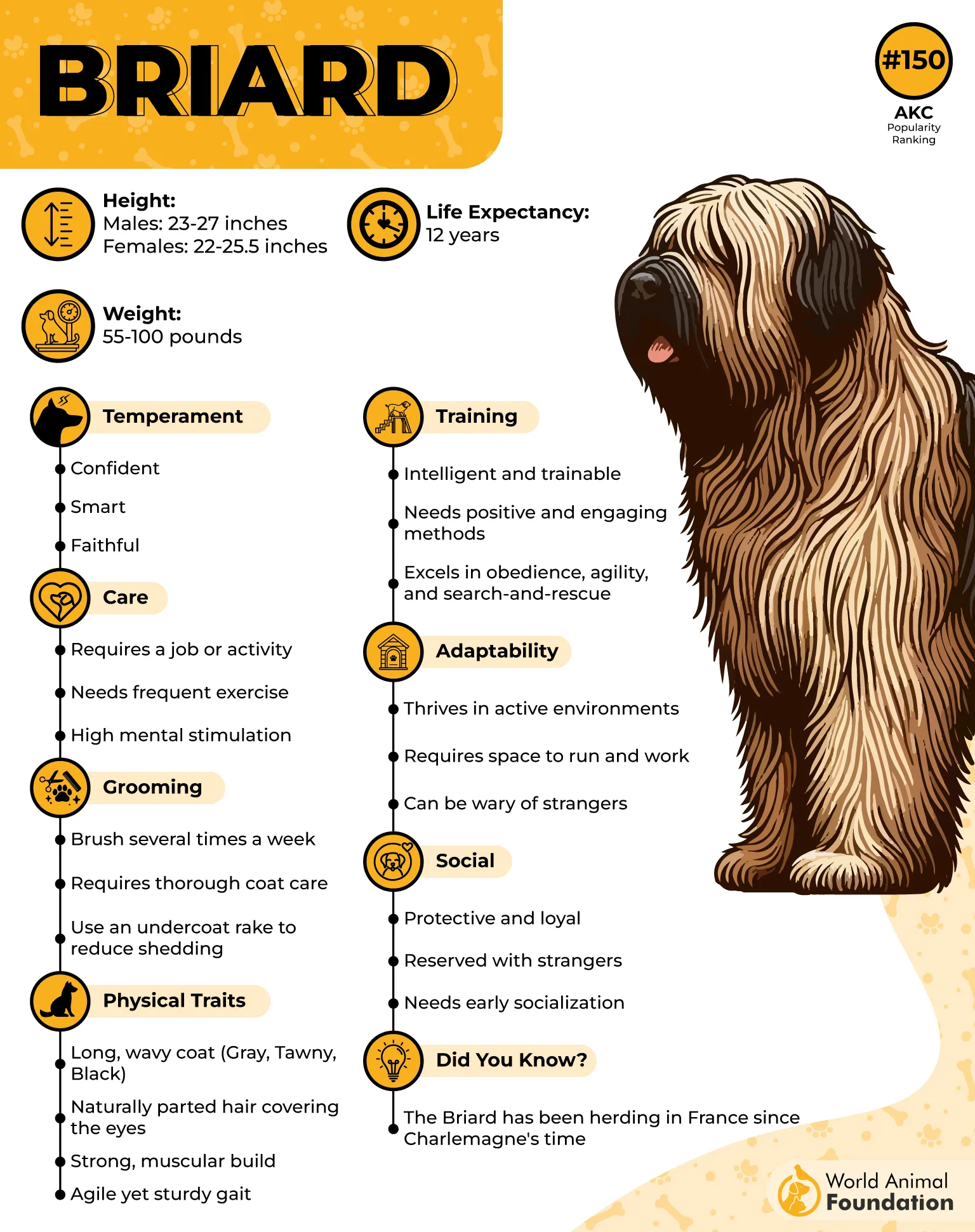
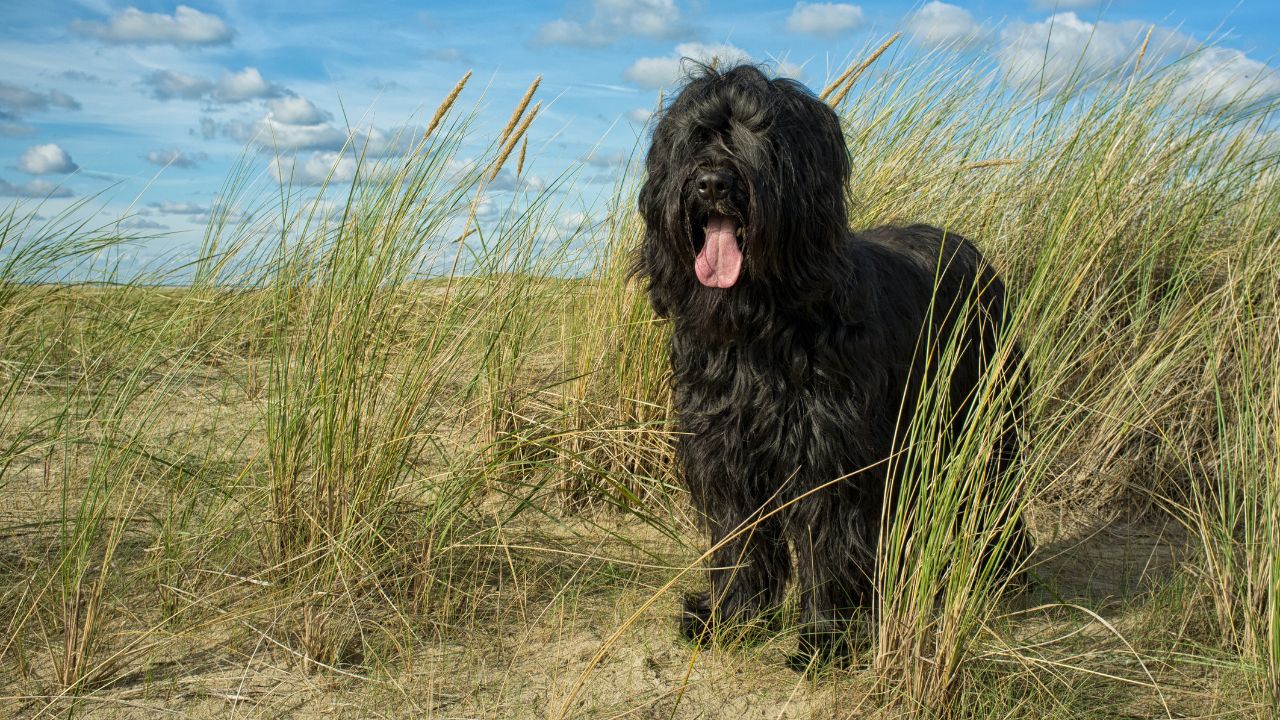
The Briard is clearly the larger one. Males usually reach about 23 to 27 inches at the shoulder while females generally land near 22 to 25 inches. The body looks substantial and muscular, but the way it moves can seem unexpectedly light and graceful.
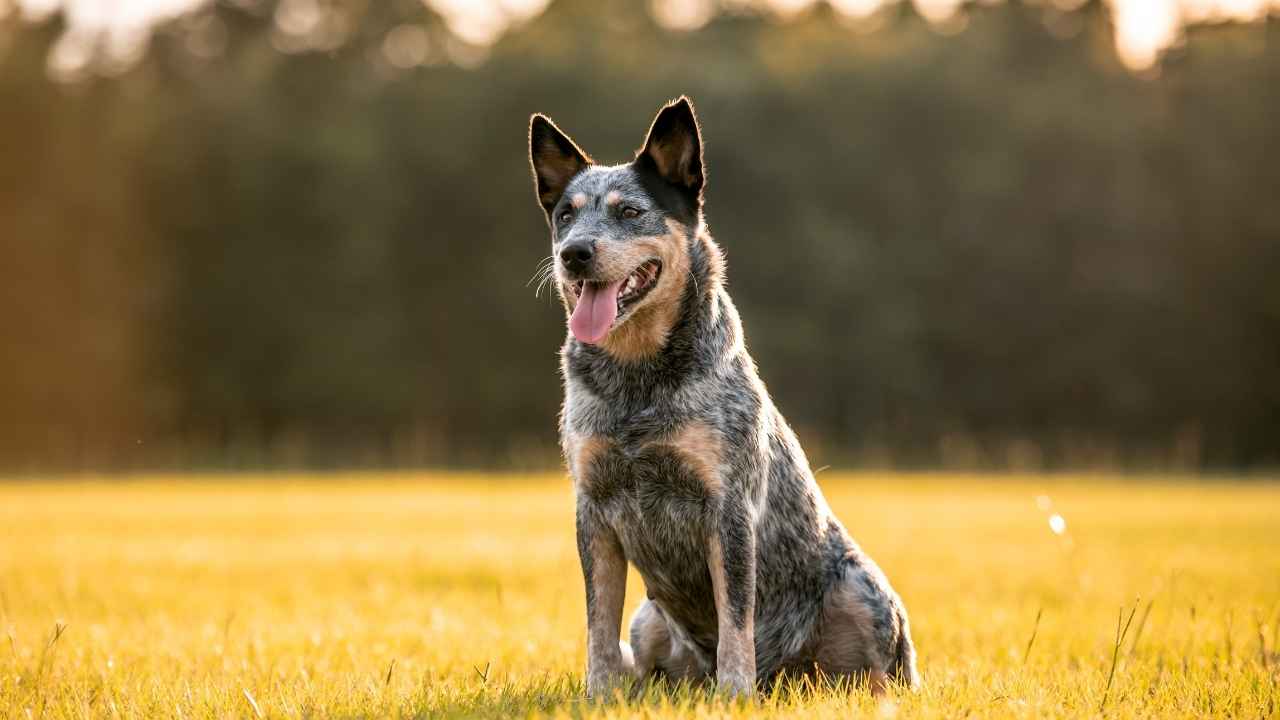
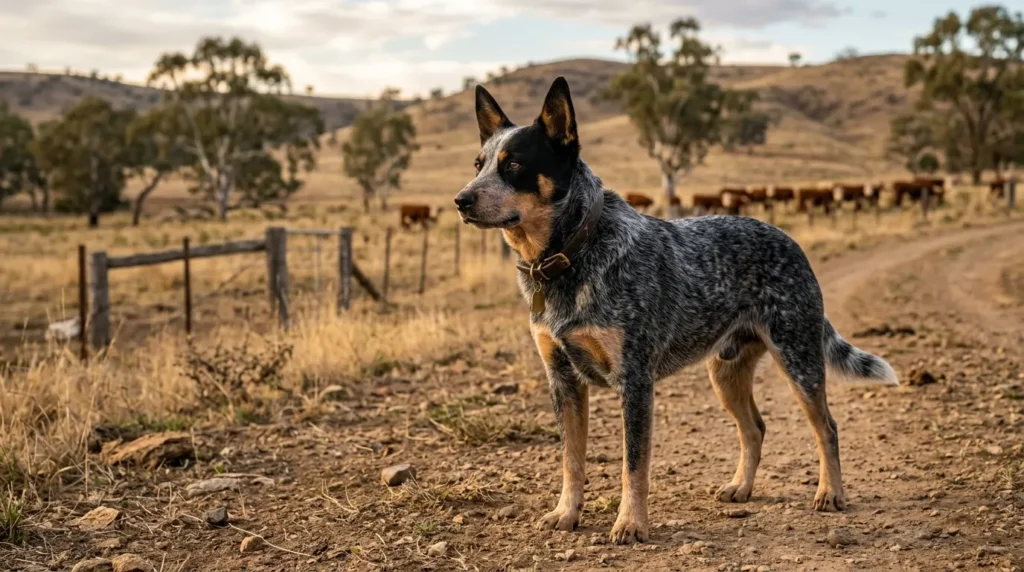
The Australian Cattle Dog is far more compact, typically standing around 17 to 20 inches. Instead of leaning on height, the breed relies on a sturdy build, strong legs, and an athletic frame built for quick pivots and longer stretches of activity. The Australian Cattle Dog features a shorter double coat that still protects without requiring the same level of daily grooming.
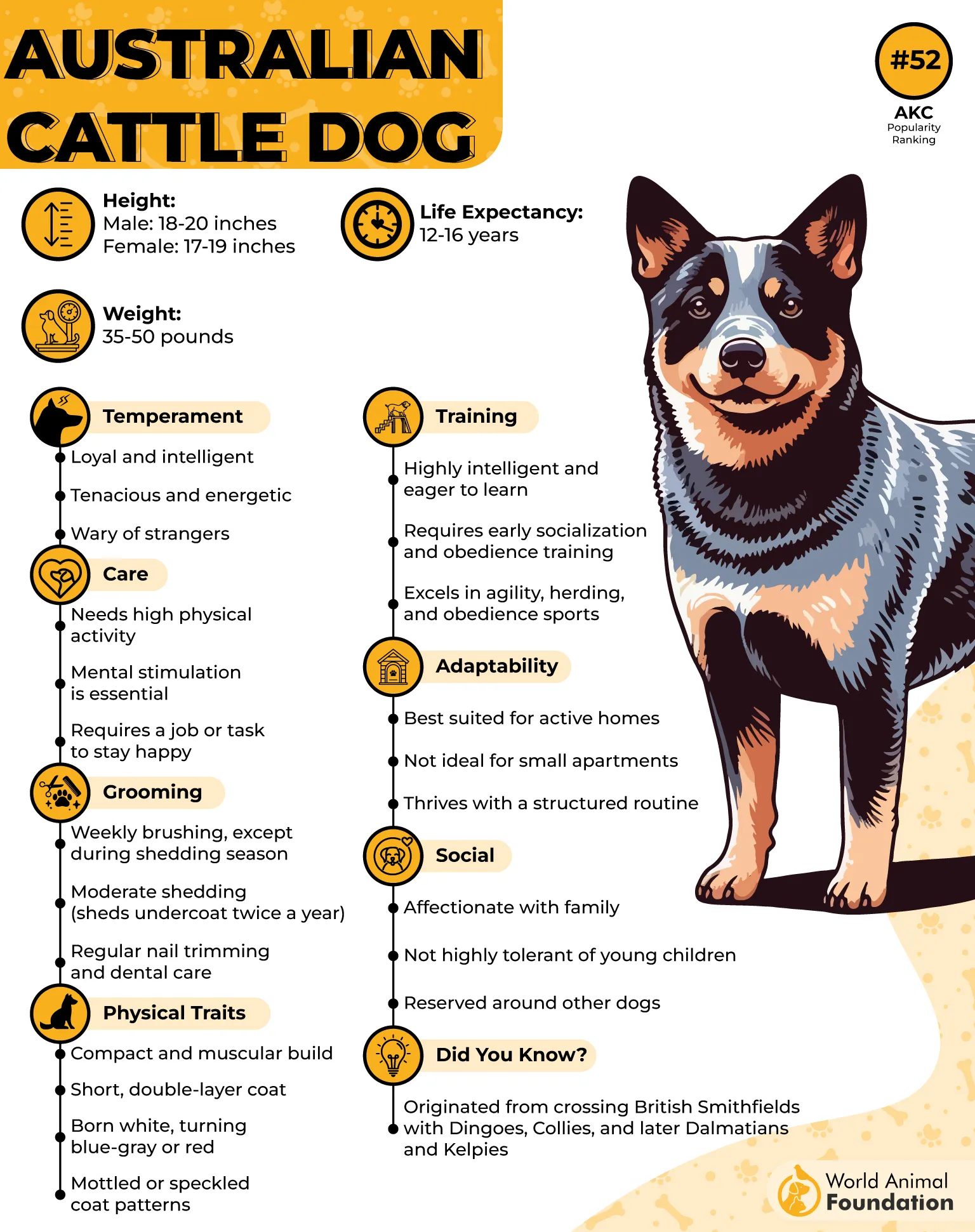
Hills Pet lists the Briard as a large, high-energy breed with a long coat and an exercise need of more than 40 minutes each day. Routine brushing matters because of the coat. If size and overall look matter to your choice, the Briard brings more presence, and that flowing coat feels kinda special.
Temperament and Personality
The Briard is usually deep, and it stays closely connected to family. At home, it can be affectionate, but with strangers it often stays a bit reserved. There are also natural protective instincts, so it may watch unfamiliar sounds or odd movements around the house and act alert.
The Australian Cattle Dog is loyal and protective too, though the personality can come across as more intense. It is independent, full of energy, and it may be naturally skeptical toward unfamiliar people. A strong attachment to family is normal, but real trust often takes time, and it’s not always instant.
Both breeds are smart, and they can learn quickly. Still, the way that intelligence shows up can feel different. A Briard might pause, think, then answer, while an Australian Cattle Dog may react faster to motion or activity. The Briard may seem calmer and more focused on being “with the family” while the Australian Cattle Dog can add a sharper, more energetic tone to everyday life.
Exercise And Energy Levels
Both breeds kind of need an active lifestyle, but the Australian Cattle Dog usually asks for more intensity, or at least that’s how it often looks. The Briard tends to be happier with long walks, hiking, running, agility, obedience, and herding-related activities. Switching things up can make exercise feel less like a chore and keep the daily rhythm from getting kinda dull.
The Australian Cattle Dog was built for long working days, so physical activity is a big part of a healthy routine. Things like running, hiking, agility, obedience, herding games, and general active play can help channel that energy in a better way. Otherwise, it might turn into restlessness, which is not great.
Herding breeds need daily movement plus mental engagement because intelligent working dogs can reshape unused energy into unwanted behaviors. Agility, obedience, and herding sessions can offer a healthier outlet for their instincts, even if it’s just in shorter but consistent bursts.
Training and Intelligence
The Briard is a smart and capable learner, but “intelligence” does not always equal instant obedience. Independent thinking can make training feel a bit like a conversation, not just a command-and-response routine.
The Australian Cattle Dog also learns quickly, though. The hard part is keeping training interesting enough to match a busy mind; if you do the same things again and again without meaning, boredom can show up. So short sessions with clear goals usually work better, because it stays fresh.
Both breeds tend to do best with patient training and early socialization. Puppies should gradually meet different people, places, sounds, animals, plus everyday situations. Those first lessons can reduce the chances of fear and later overreaction, even when new stuff appears.
Health and Lifespan
The Briard is generally a sturdy working breed, but larger dogs can have certain health worries. Hip dysplasia is one topic to talk about with a veterinarian, along with gastric torsion and a few eye problems that may also happen.
The Australian Cattle Dog is also known for a solid constitution, but proper care still matters a lot. Issues around hips and elbows, plus certain eye conditions, and inherited deafness can come up, even if you do everything right, in a way that is kind of gradual.
Size makes a real difference in daily care. A bigger Briard needs help keeping a steady weight, and also needs comfortable movement, not just walks for the sake of it. Meanwhile, the more athletic Australian Cattle Dog needs enough activity, yet it should not be pushed too far, especially while the puppy is still growing; too much can be a problem.
Suitability as Family Pets vs. Guard Dogs
The Briard can be a warm family companion, yet it can still treat its watchdog duty seriously too. Its protective mindset is almost natural, because guarding was part of the original work. With proper socialization, the dog may learn to accept regular people coming in without losing that watchful, alert vibe.
The Australian Cattle Dog can also turn into a truly devoted family companion, especially if the household is into moving around a lot, like day hikes or long walks.
Both breeds can live with other dogs, but only if the first meetings and socialization are done properly, in a calm way. The Australian Cattle Dog might look a bit uncertain around unfamiliar dogs in some moments. Meanwhile, the Briard can be cautious too, especially around unfamiliar animals, which is kinda normal for a dog that’s alert.
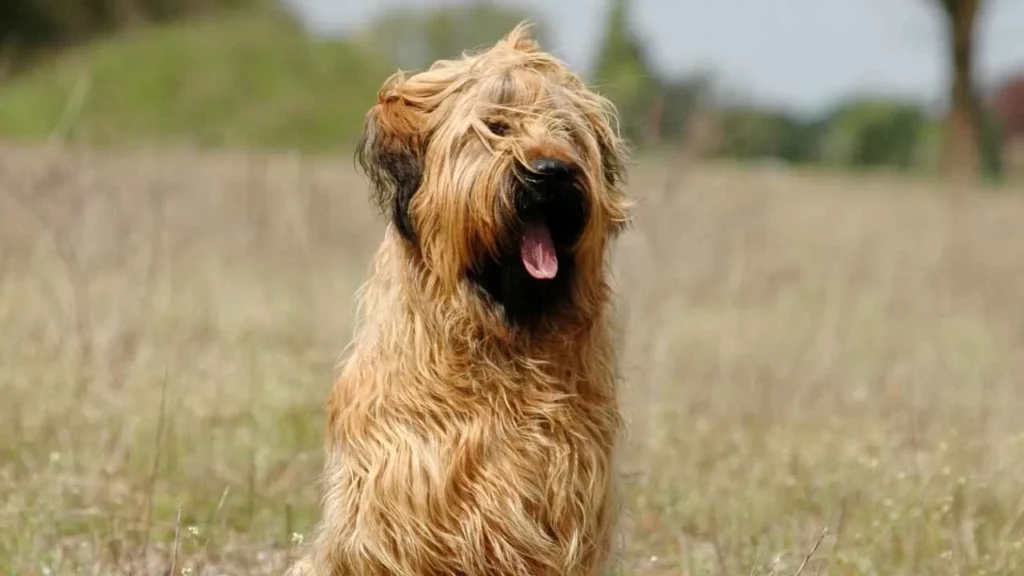
The Briard might be the better option for someone who wants a big family dog with natural guarding ability already there, sort of built in. The Australian Cattle Dog can fit well with an active family, people who want protection along with an outdoor partner that stays energized.
Conclusion
The Briard vs. Australian Cattle Dog comparison makes it clear that two herding-type breeds can share intelligence and loyalty, while still giving a totally different daily vibe.
The Briard tends to bring more size, a longer coat, a protective mindset, and in general a softer, more family-centered connection. The Australian Cattle Dog brings compact power, a short coat, intense drive, and those strong herding instincts that keep showing up.
In the end, the best pick depends on what your everyday life looks like. If you have time for grooming, you like the outdoors, and you want a larger companion with natural guardian instincts, the Briard might feel like the right fit.
If you prefer a more athletic dog and you genuinely enjoy training, exercise, plus active adventures, then the Australian Cattle Dog could match your routine better.
