





A short-haired medium dog can be a choice when you want a companion that feels substantial without turning grooming into another weekly project.
These dogs have coats that are easier to brush, bathe, and check for dirt than longer or heavily feathered coats. Still, short fur does not always mean less hair around the house. Some medium dogs shed steadily, while others need only occasional brushing to keep loose hair under control.
Medium size also offer a useful middle ground for households that want an active dog without handling the physical demands of a giant breed. Exercise needs can range from moderate to high, so lifestyle remains just as important as coat length.
Here, you will find medium dogs worth considering when manageable short fur is a top priority, along with what makes each choice practical.
Key Takeaways
Tired of brushing out long fur every week? These medium dogs keep things much simpler with short coats and straightforward grooming needs.
Beagles need regular brushing for their seasonal shedding, while Whippets have such a light coat that grooming stays remarkably simple.
Vizslas take things a step further by sticking close to their favorite people, often following them from one room to another.
Keep going to find out which of these breeds could give you the right balance of easy care and everyday companionship.
Medium Dog Breeds with Manageable, Short Fur
1. Vizsla
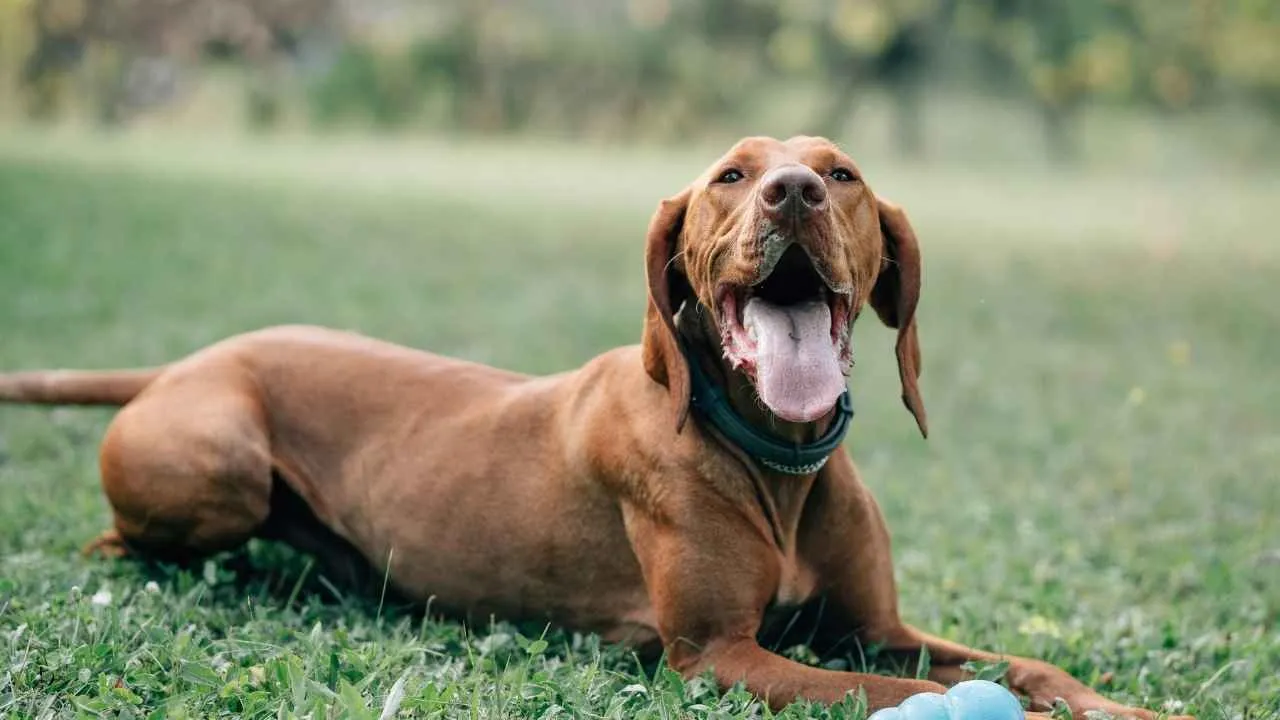
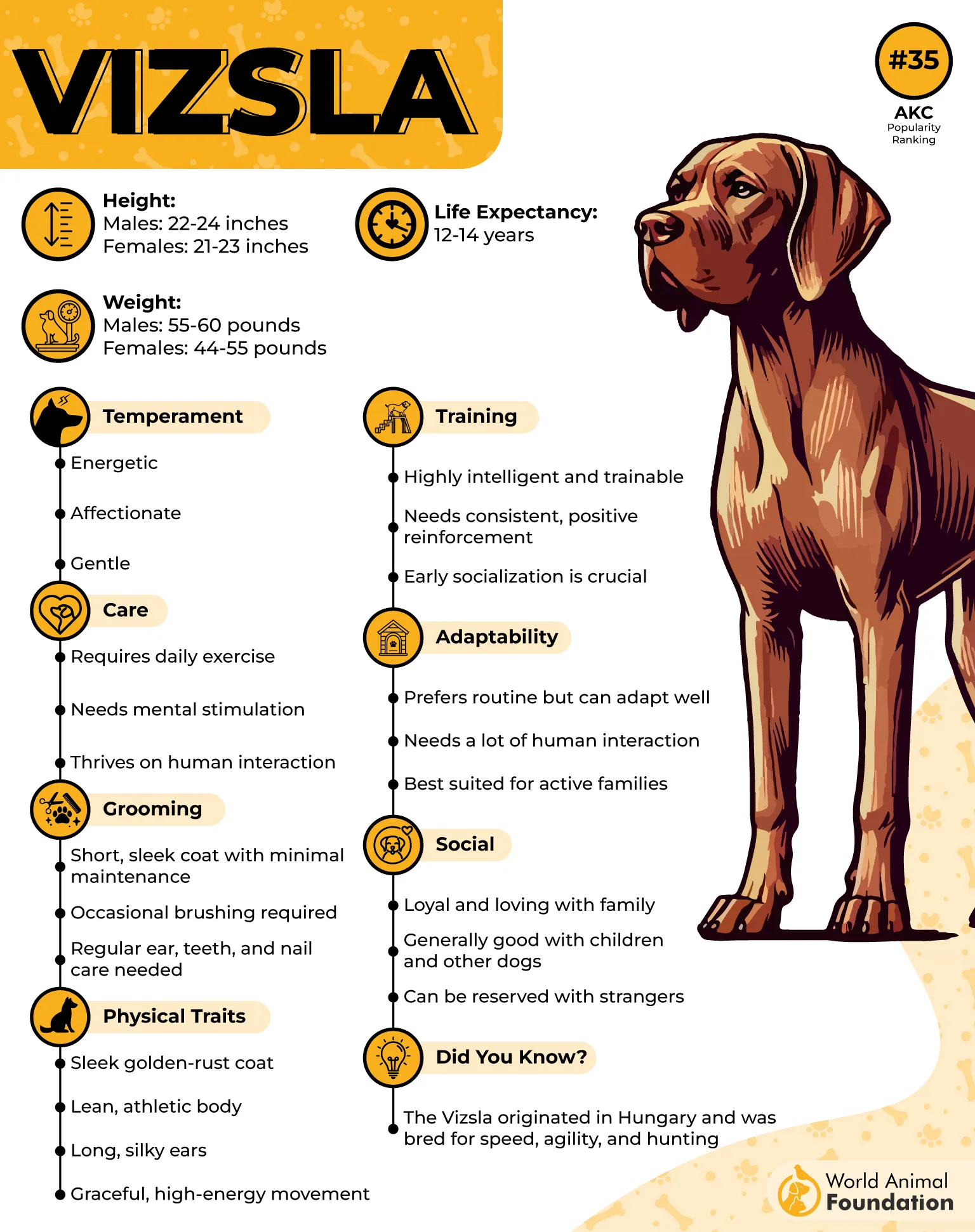
Vizsla was originally bred in Hungary as a hunting dog to track, point, and retrieve game for hunters. Its slightly smaller frame helped it work through undergrowth, while its close partnership with people made it suited to hunts requiring constant cooperation.
A Coat Made for Work
This short-haired dog breed has a short, smooth, dense coat with no undercoat, giving its streamlined body a sleek finish without heavy grooming demands. The solid golden-rust shade, also called russet, adds the distinctive color associated with this breed.
A few coat details are worth knowing:
Quick rubdown with a rubber curry brush
Loose hair can be removed with regular brushing
Close-lying coat suits varied terrain
The Velcro Reputation
Vizsla has an unusually strong need for human company and may follow its favorite person from room to room, even claiming space on the pillow or under the duvet, as Omlet reported. Its gentle, affectionate nature can also make it a good companion for children, strangers, and properly socialized pets.
2. Beagle
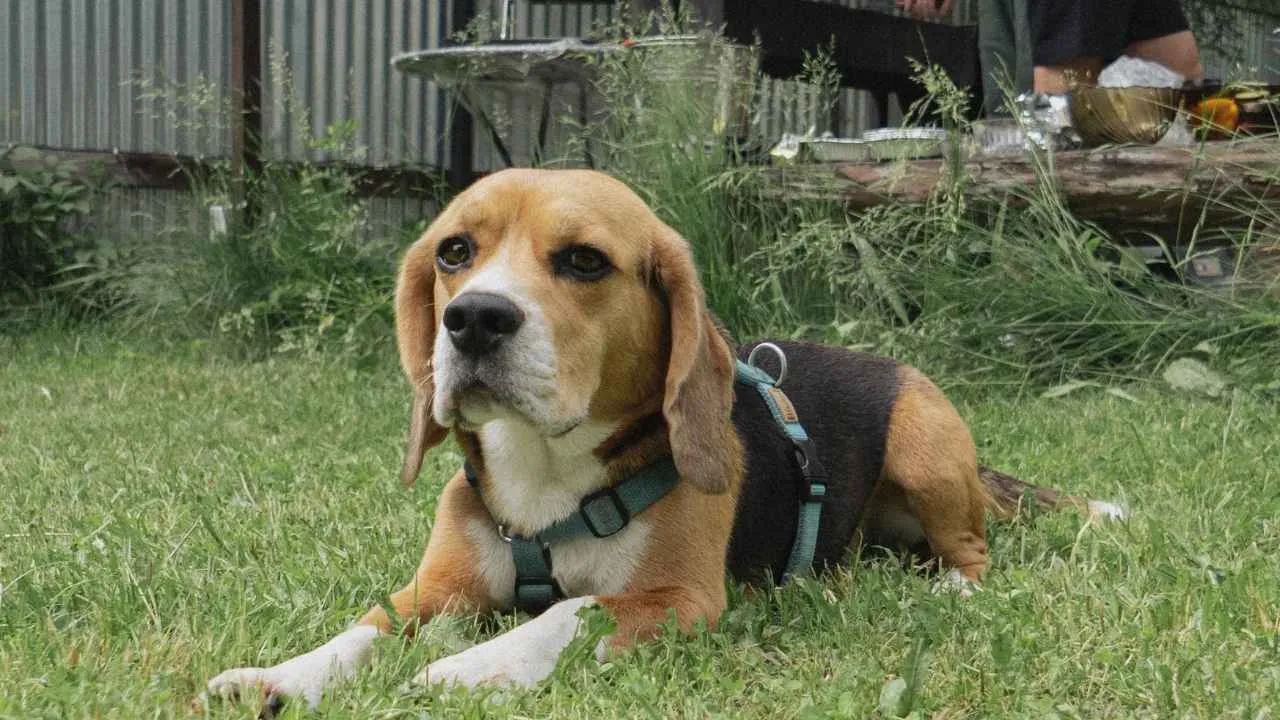
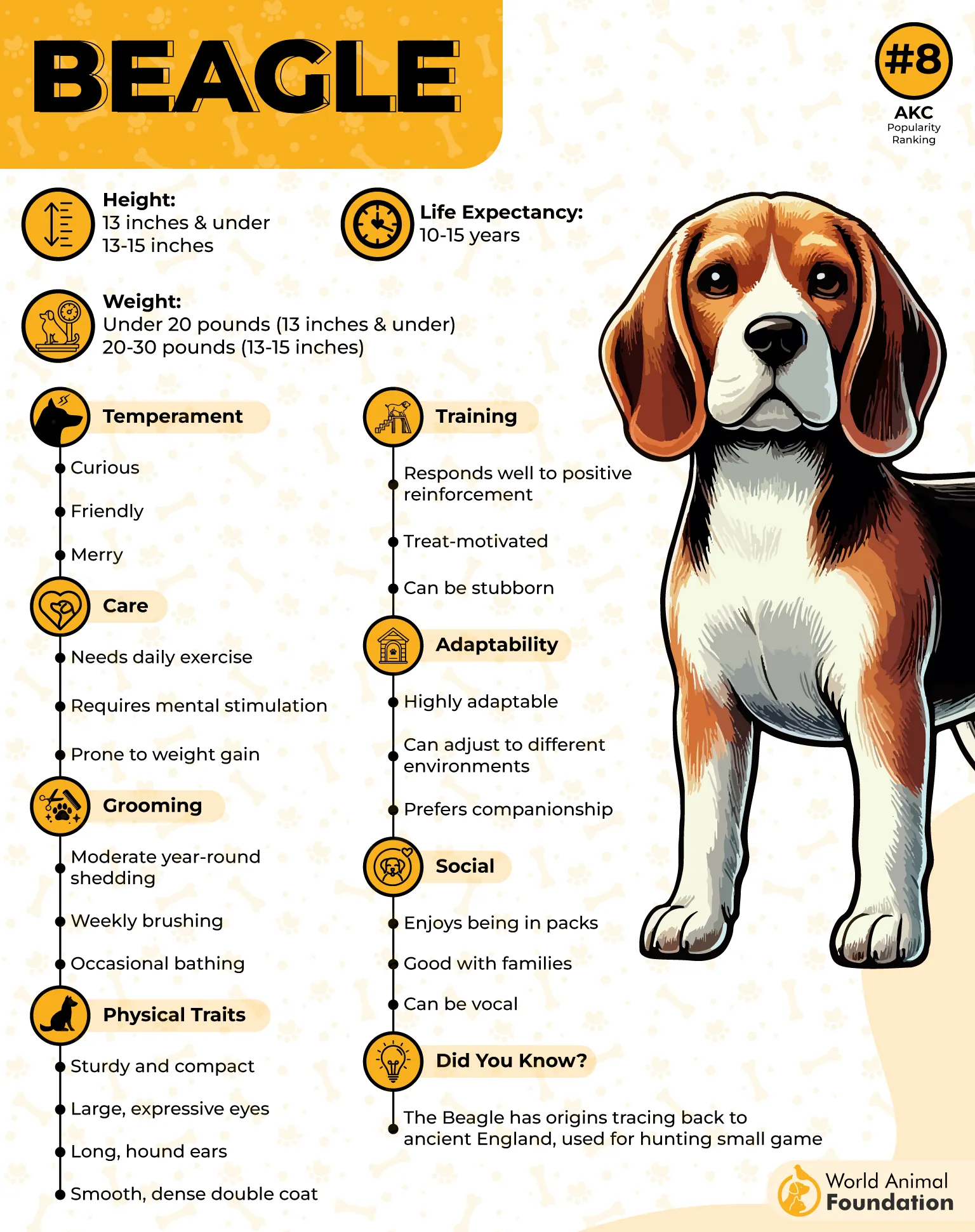
Beagle is the smallest of the British pack hounds, bred in England by the 15th century to hunt small game while handlers followed on foot. Queen Elizabeth I even kept miniature Beagles, some reputedly small enough to fit into a saddle pannier or even a pocket.
Low-Fuss Grooming
These short-haired dogs have a smooth, dense double coat that feels practical for everyday care, with a weather-resistant finish and several possible patterns. The coat becomes heavier in winter, leading to a noticeable seasonal shedding when spring arrives.
The following grooming details are worth knowing:
Weekly brushing helps remove loose hair
Bathing is needed mainly after messy adventures
Active and determined with plenty of energy
Scent on the Agenda
Beagle brings a calm, merry temperament to family life and generally enjoys company, while unfamiliar people may need a little time to win its confidence, as Greencross Vets noted. Its strong nose can also make training challenging, since an interesting scent can quickly pull attention elsewhere.
3. American English Coonhound
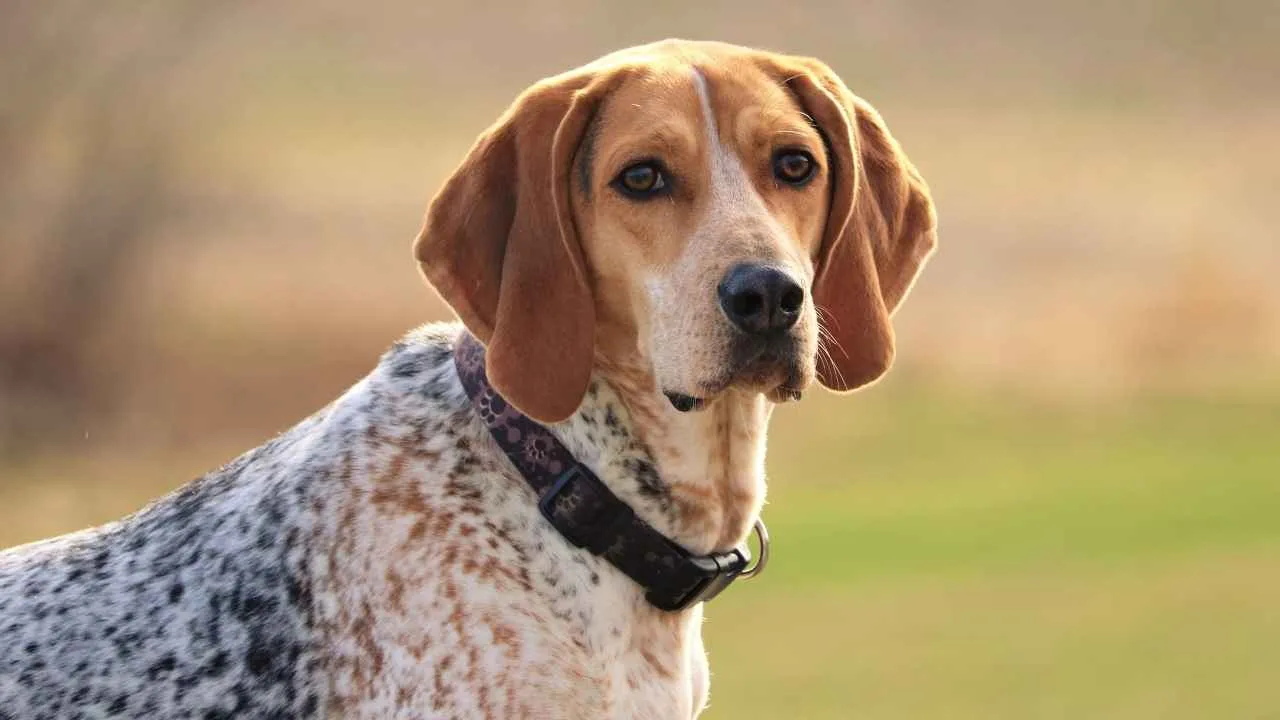
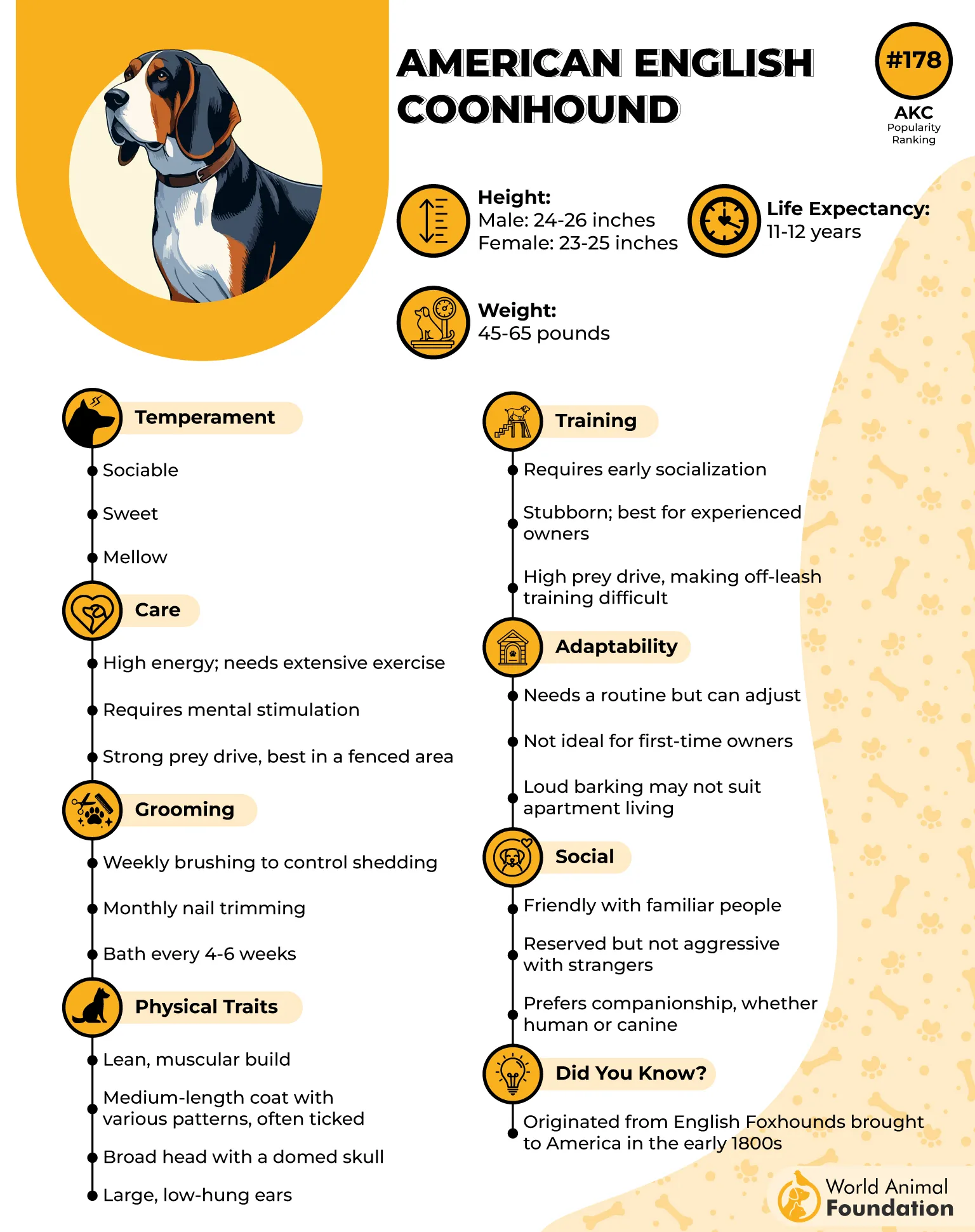
American English Coonhound descends from English Foxhounds brought to the United States in the 17th century by George Washington and other early settlers. The breed was shaped for North America’s rough terrain, hunting foxes by day and raccoons after dark with its powerful, distinctive bawl.
Short, Practical Coat
This Coonhound has a short, dense coat that lies flat against the body and feels firm to the touch. It sheds throughout the year, with a modest increase during seasonal changes, while the coat naturally resists tangles and light moisture.
Three grooming details are especially useful:
Weekly brushing controls loose hair
Rubber curry brushes suit the coat
Brushing helps spot skin irritation
Serious Outdoor Drive
American English Coonhound has an exceptionally high energy level and a strong prey drive, making runs, hikes, and bike rides natural outlets. A secure, sturdy fence is essential outdoors because following an interesting scent can quickly become more tempting than remaining nearby.
4. American Staffordshire Terrier
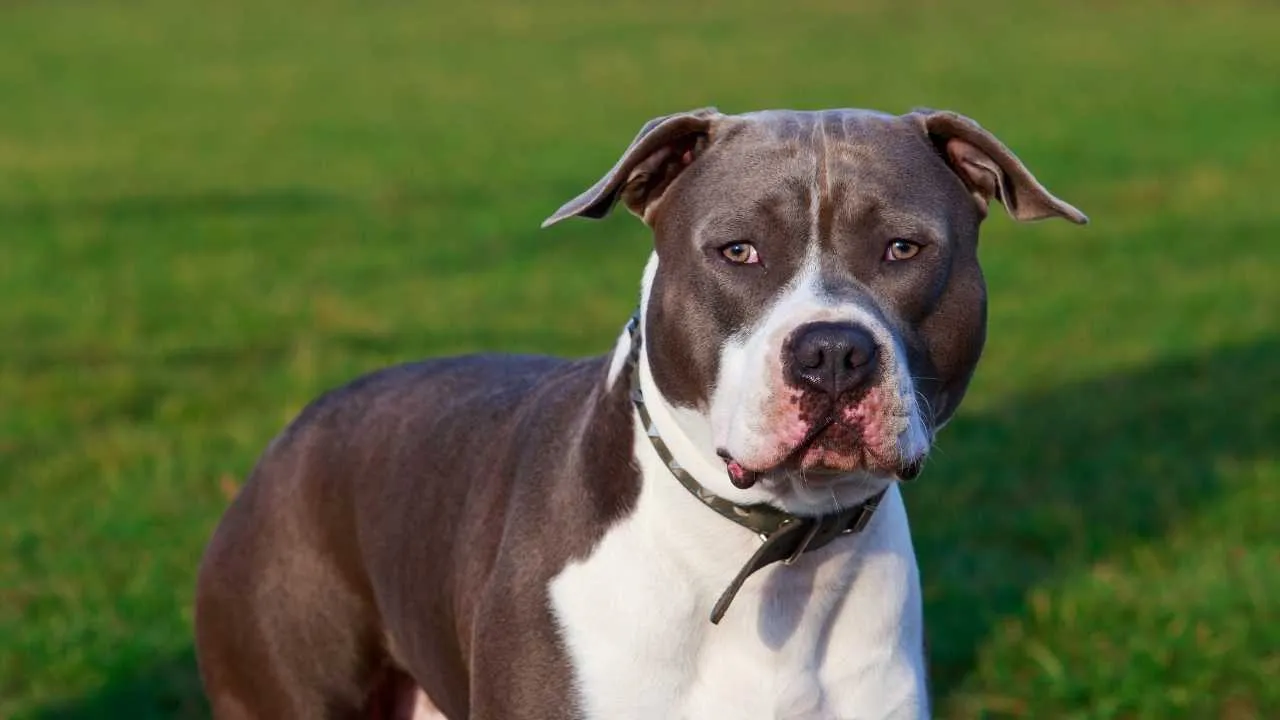
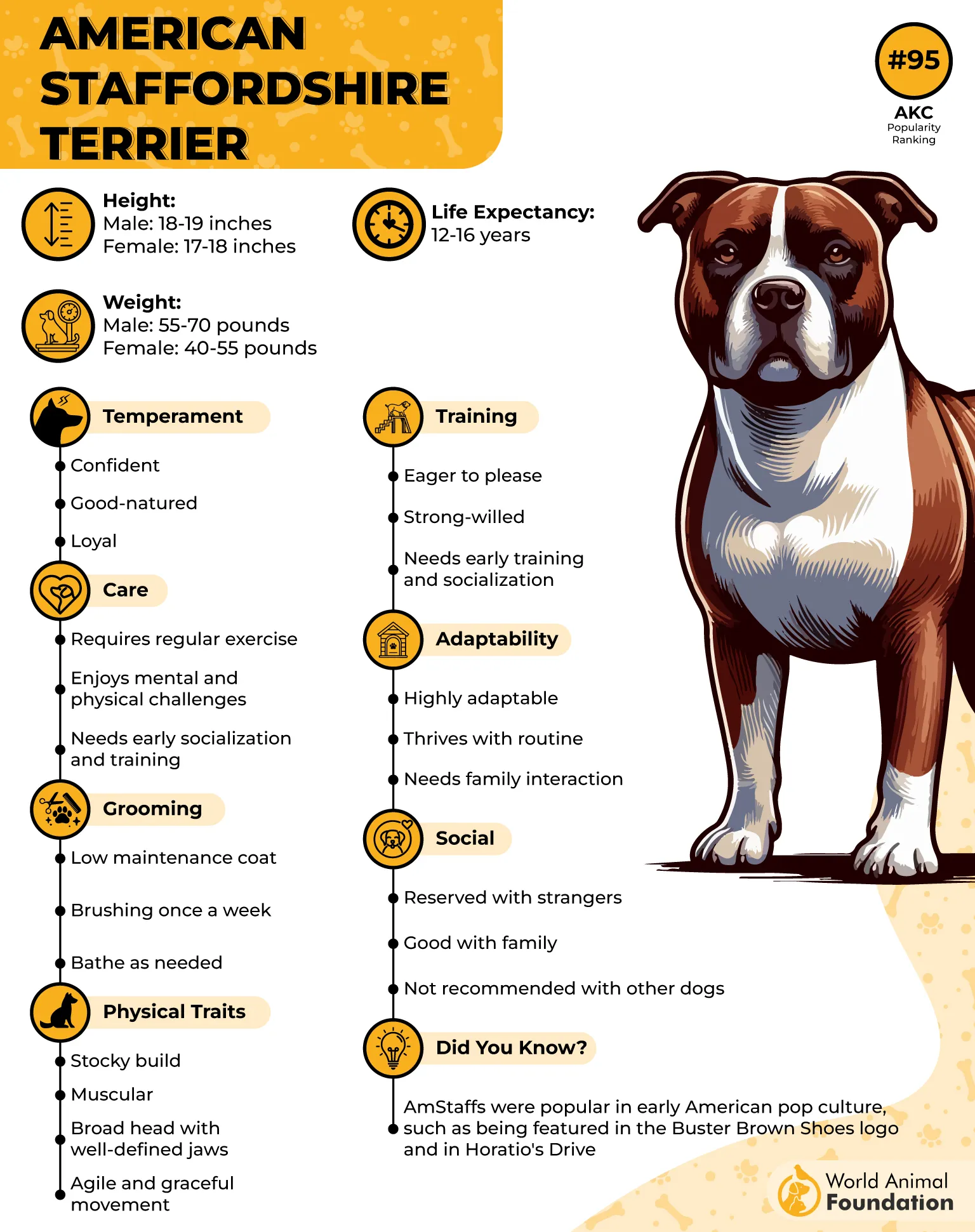
American Staffordshire Terrier arrived in the United States with British immigrants around 1860, later becoming involved in commercial dog fighting during the late 19th century. Breeding at that time favored courage, sharpness, endurance, and a powerful physical build.
Easy Coat Care
This medium-sized dog has a short, stiff coat that requires very little grooming compared with longer-coated breeds. For someone who prefers a straightforward routine, its coat can be managed without lengthy brushing sessions or complicated grooming equipment.
The following practical points make that routine simple:
A soft-bristle brush works well
Weekly brushing removes dirt
Bathing is mainly for messy situations
Family Side
American Staffordshire Terrier is now commonly kept as a family and guard dog, with some also working in rescue roles, as noted by Zooplus. The breed can be deeply affectionate toward familiar people, including children, while interactions with other dogs may require careful handling.
5. Boston Terrier
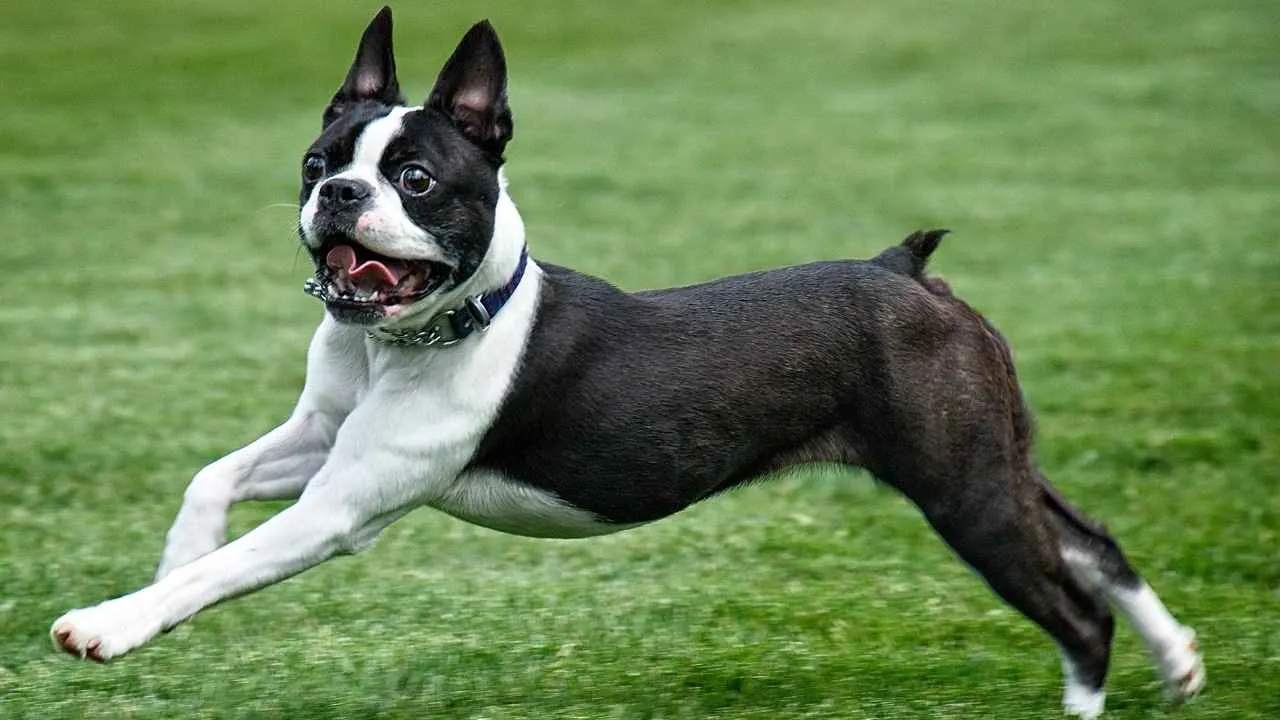
Boston Terrier began in 1800s America as a cross between an English Bulldog and an English White Terrier, later gaining influence from the English Bull Terrier, Boxer, Pit Bull Terrier, and other terriers.
The breed once weighed more than 20 kg before selective breeding produced the much smaller dog recognized today.
Low-Upkeep Coat
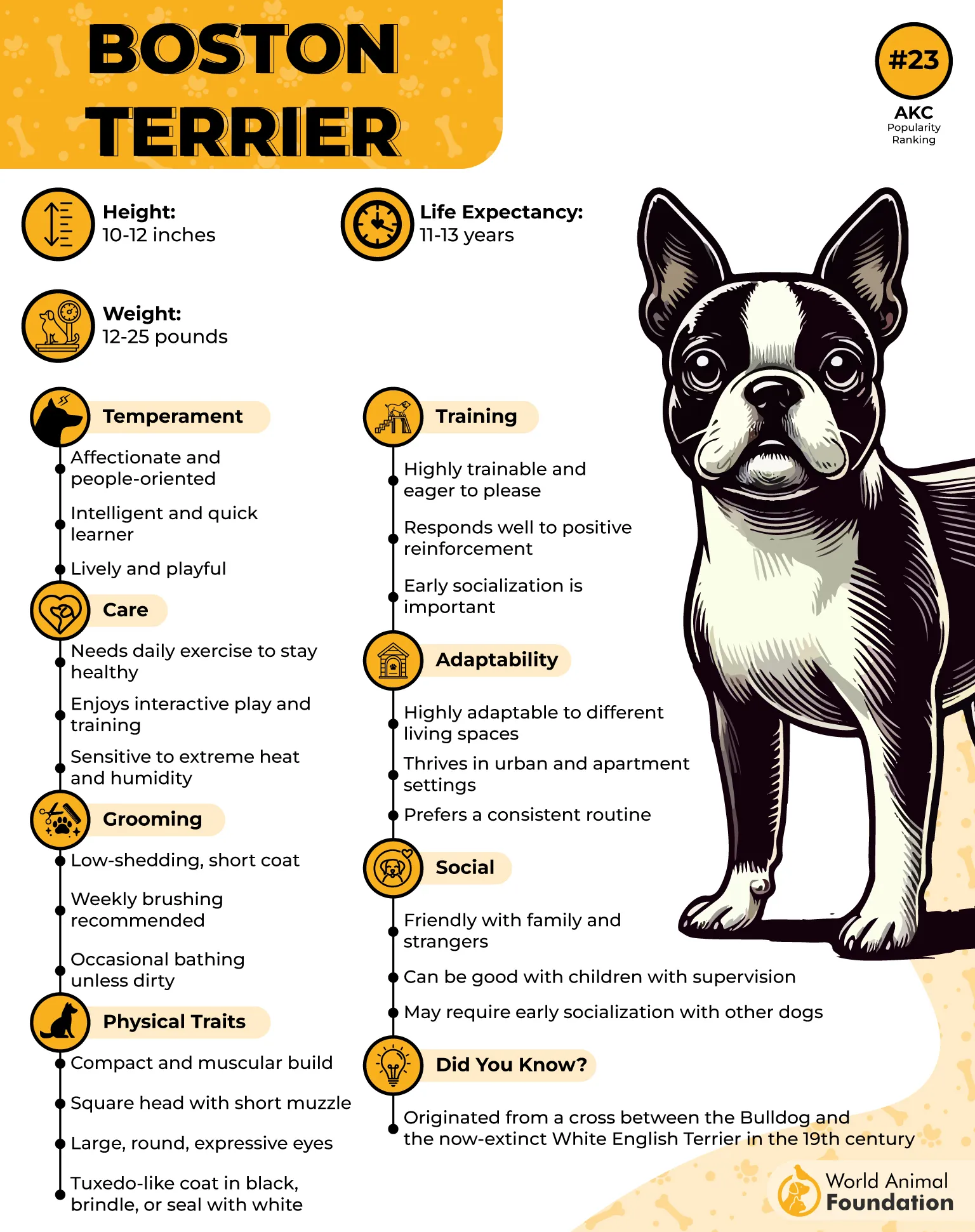
The short coat of this terrier needs little grooming, making its care routine fairly simple for busy households. A weekly brushing with a soft-bristle brush or grooming mitt removes loose fur, while bathing is generally needed about once a month or when the coat gets dirty.
Its daily routine has more to offer:
Enjoys playing and human company
Needs moderate daily exercise
Requires gentle play around children
Big Personality
Boston Terrier brings plenty of energy and curiosity into daily life, with a strong preference for being around people. It can learn quickly and respond well to training, while early socialization helps channel its enthusiastic approach to other dogs, cats, children, and visitors.
6. Bull Terrier
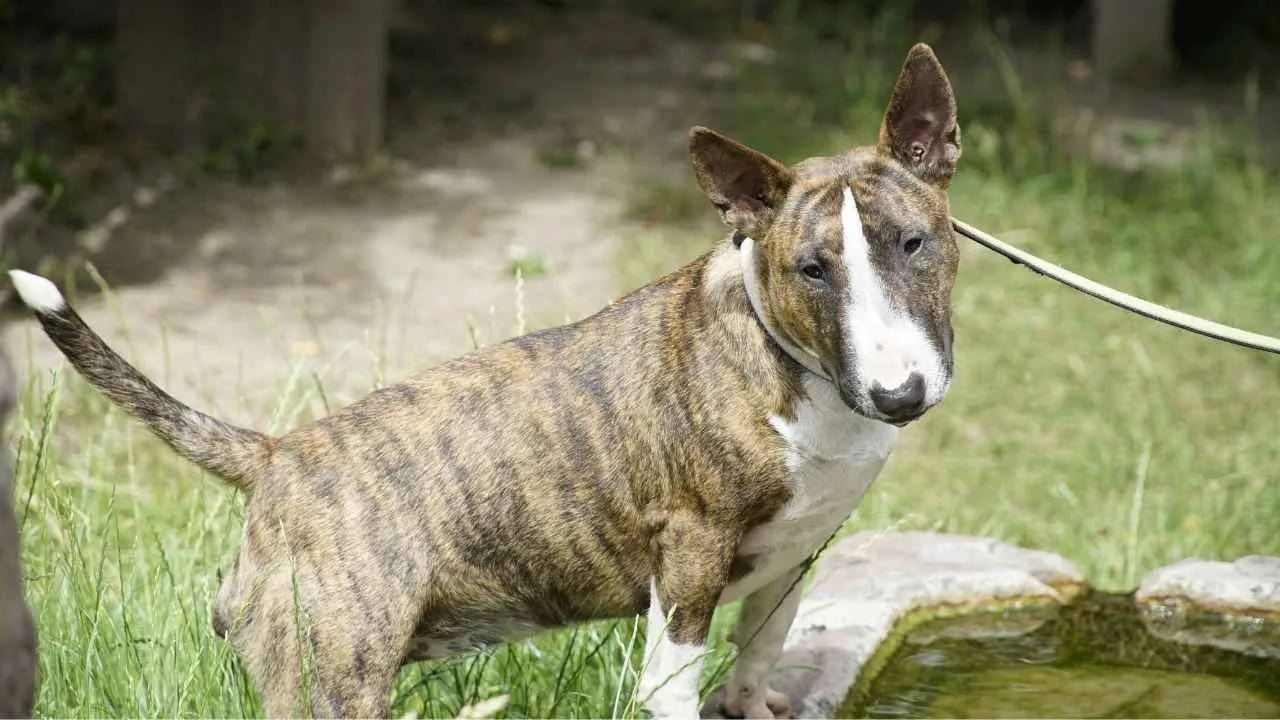
Bull Terrier developed in England during the 19th century, with its early form linked to a cross between the old English terrier and bulldog around 1835.
Later additions involving the Spanish Pointer, white English terrier, and Dalmatian shaped the stylish white dog that became fashionable among the gentry.
Straightforward Grooming Needs
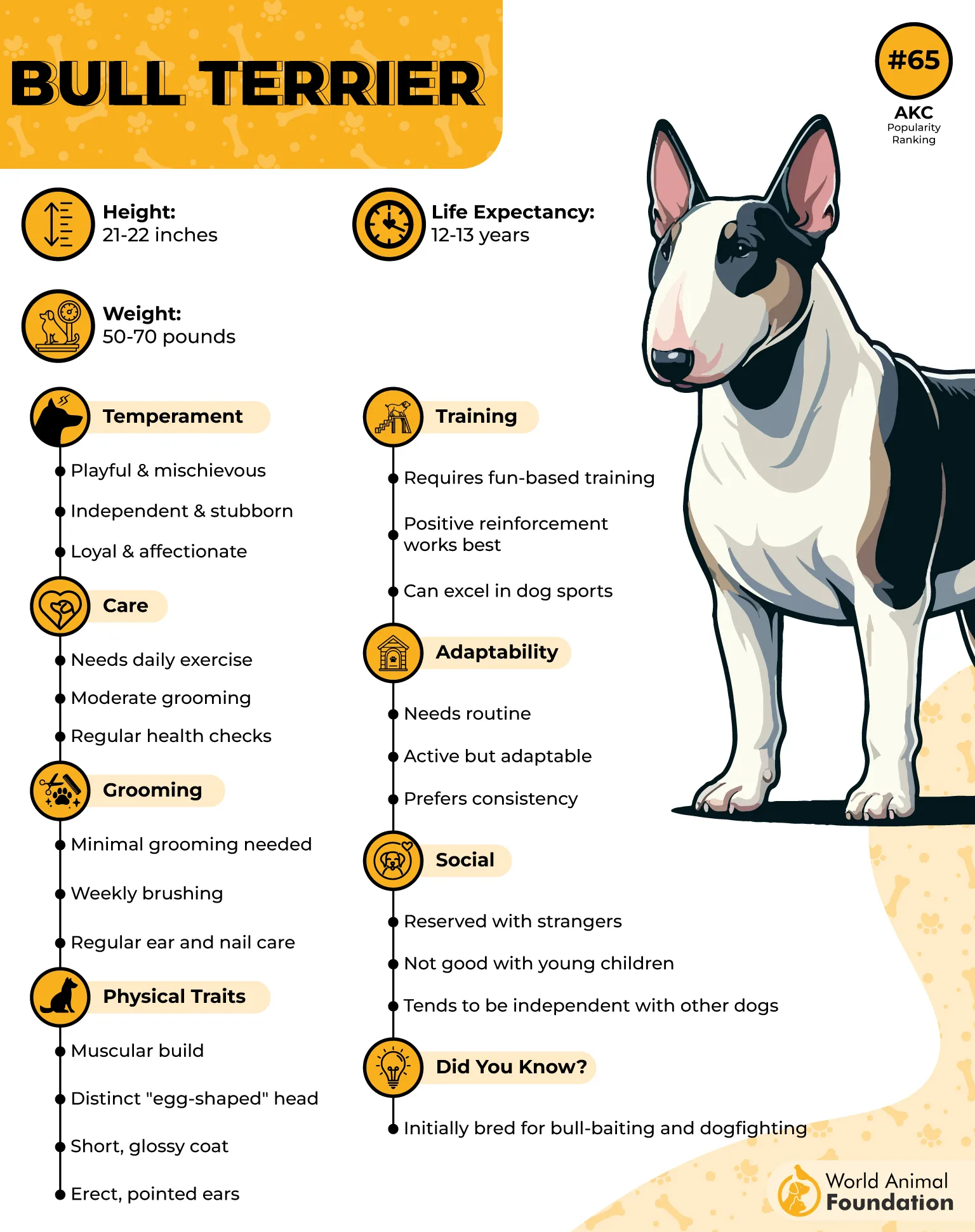
Its smooth, short coat requires minimal upkeep, which can suit homes looking for an easier grooming routine. Weekly brushing can help keep the dense fur glossy, while baths can be spaced as far as three months apart when the dog has not become heavily dirty.
Here are some more worth noting groomin details:
Ear cleaning every one to two weeks
Toenail trimming about once a month
Dog shampoo is only needed when bathing
A Spirited Housemate
Bull Terrier is affectionate, playful, and often described as the clown of the dog world, bringing plenty of personality into family life.
Obedience training and early socialization are important because this powerful breed can become difficult to manage around unfamiliar people or other animals without consistent guidance.
7. Whippet
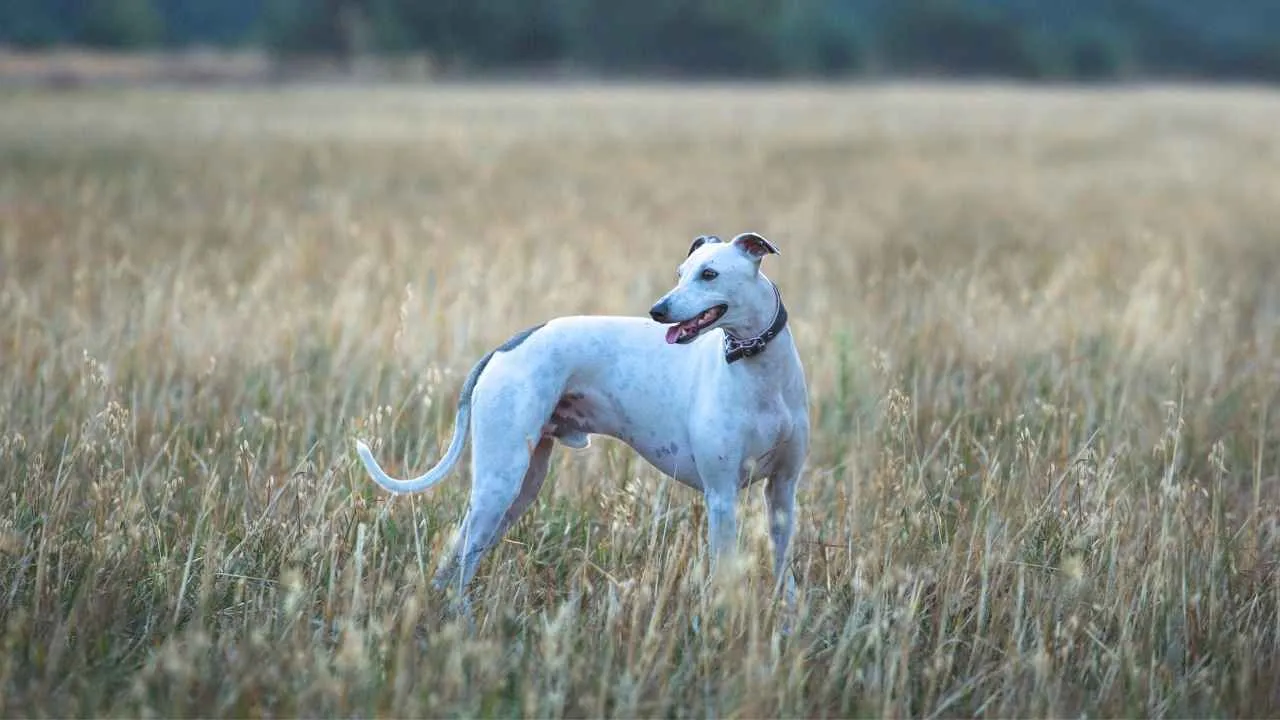
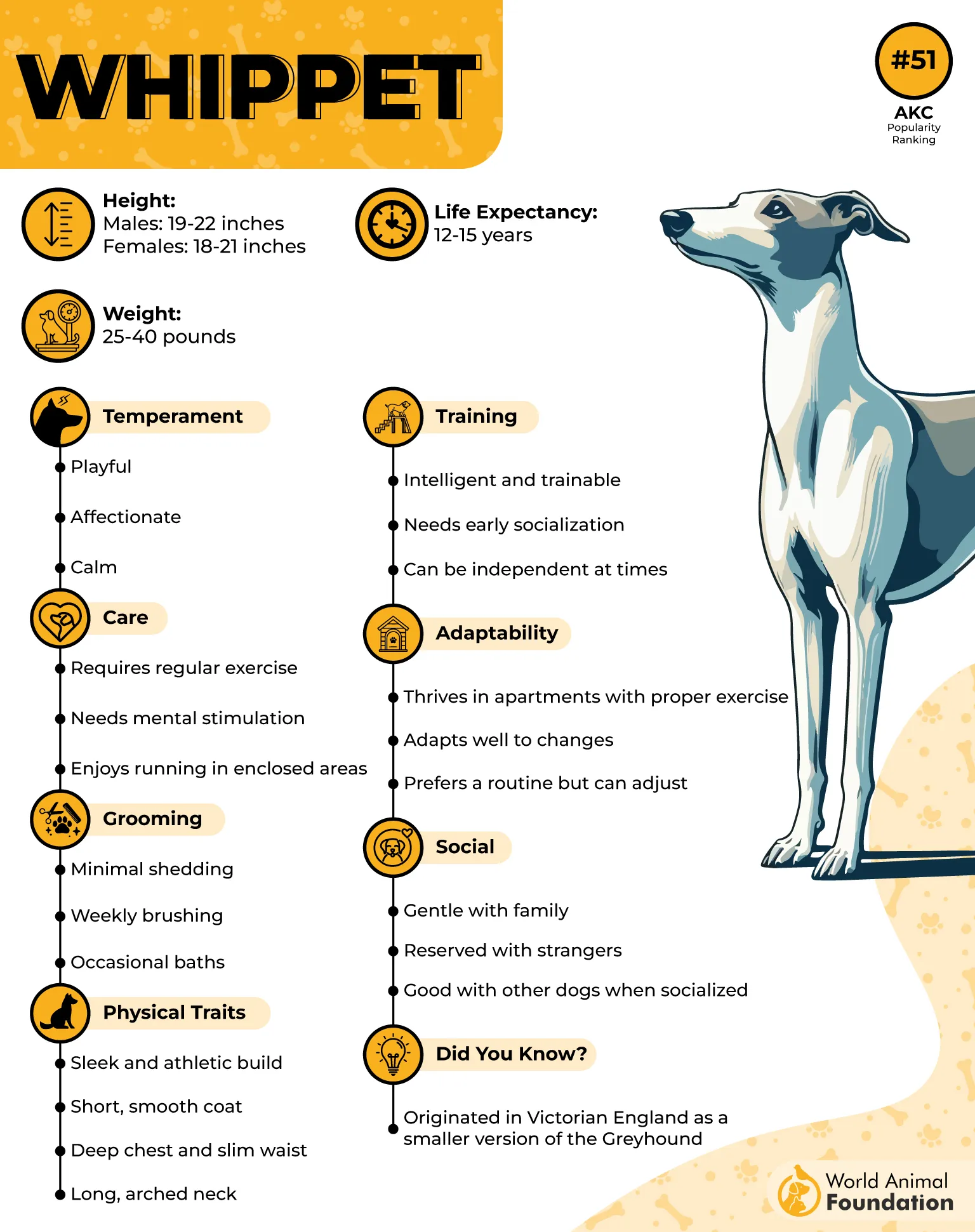
Whippets originated in England during the 18th and 19th centuries, bred for speed and the pursuit of small game. Their ancestry is linked to Greyhounds and smaller terriers, while working-class families valued them for rabbit chasing and racing competitions.
A Light Grooming Routine
These short-haired breeds have no undercoat, so it sheds very little and tend to produce less odor than breeds with denser coats. A soft-bristle brush or grooming mitt once or twice a week can remove loose hair while spreading natural oils across the skin.
These care details are worth knowing:
Bathing is usually needed every few months
Sensitive skin benefits from a gentle shampoo
Thorough drying helps prevent chilling
Quiet at Home
Whippets can be surprisingly relaxed indoors, often curling up on a dog bed or favorite sofa spot after periods of activity. Its sensitive temperament responds better to patient guidance, while socialization helps it interact comfortably with children and other dogs.
Conclusion
Selecting short-haired dog breeds can simplify coat care without giving up the companionship, activity, and personality that make life with a dog enjoyable. Regular brushing still helps control loose hair, while basic bathing, nail care, and skin checks remain part of the routine. What varies more is everything beyond grooming.
Some dogs need long outings and challenging activities, while others are content with exercise followed by quiet time at home. Your schedule should guide the decision as much as appearance. Excellent family dogs can offer a low-maintenance routine compared with a long-haired dog that needs frequent grooming, helping pet parents enjoy a simpler experience.
