





For people who would rather spend a weekend exploring a woodland path than relaxing indoors, choosing the right canine companion can make every adventure more enjoyable. Some breeds possess the athletic structure, enthusiasm, and confidence needed for lengthy hikes, challenging terrain, and outdoor exploration.
An active companion should complement its owner’s routine rather than look energetic. Exercise requirements, coat maintenance, nutritional demands, training needs, and tolerance for different climates all deserve consideration before heading onto the trail. A suitable match should also have sufficient stamina to participate while remaining comfortable during rest periods.
Their backgrounds range from African hunting grounds and European sporting fields to Siberian landscapes and American forests. Although their abilities differ considerably, each can bring a special kind of enthusiasm to hiking, running, trekking, or other outdoor pursuits when its physical and behavioral needs are responsibly met.
Amazing Dog Breeds for Active Lifestyles and Trails
1. Rhodesian Ridgeback
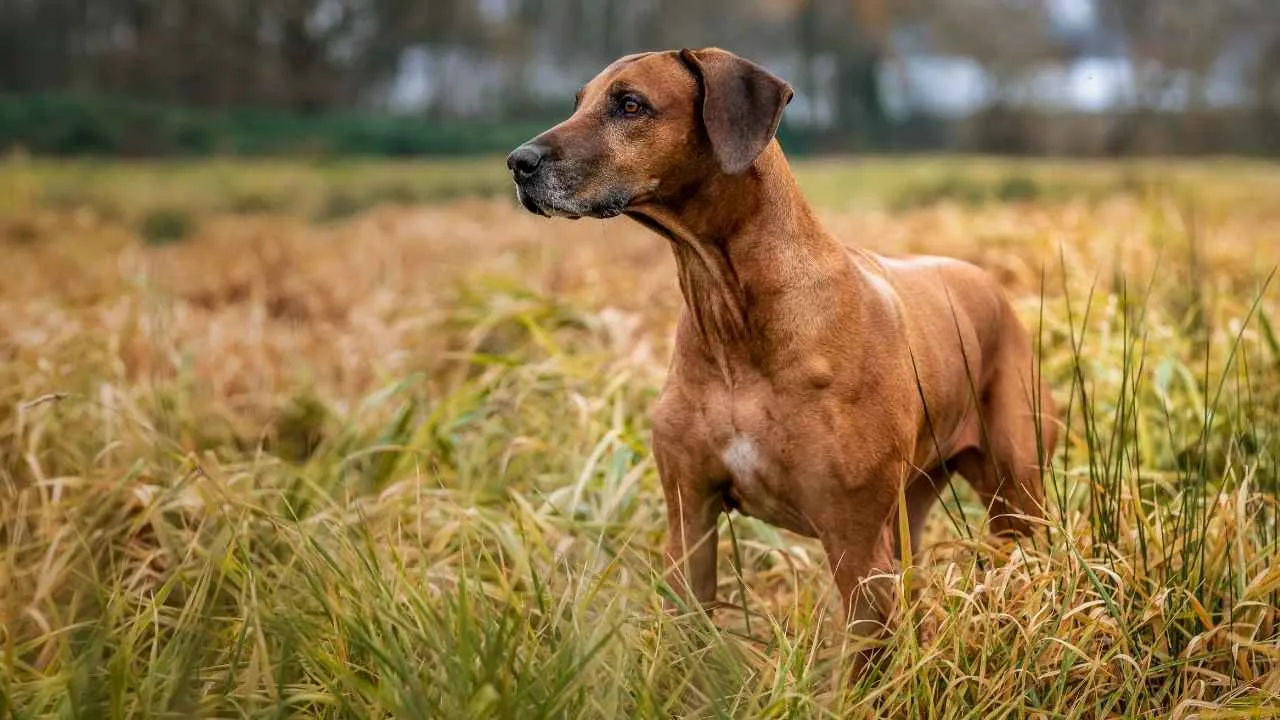
The Rhodesian Ridgeback traces its development to southern Africa, where European settlers crossed imported hunting hounds with local dogs to create a capable companion for demanding conditions.
The resulting breed became associated with tracking and confronting large game, particularly lions, while also serving as a versatile farm and household guardian. Its distinctive ridge of hair running along the spine became one of its defining physical features.
Care, Coat, and Nutrition
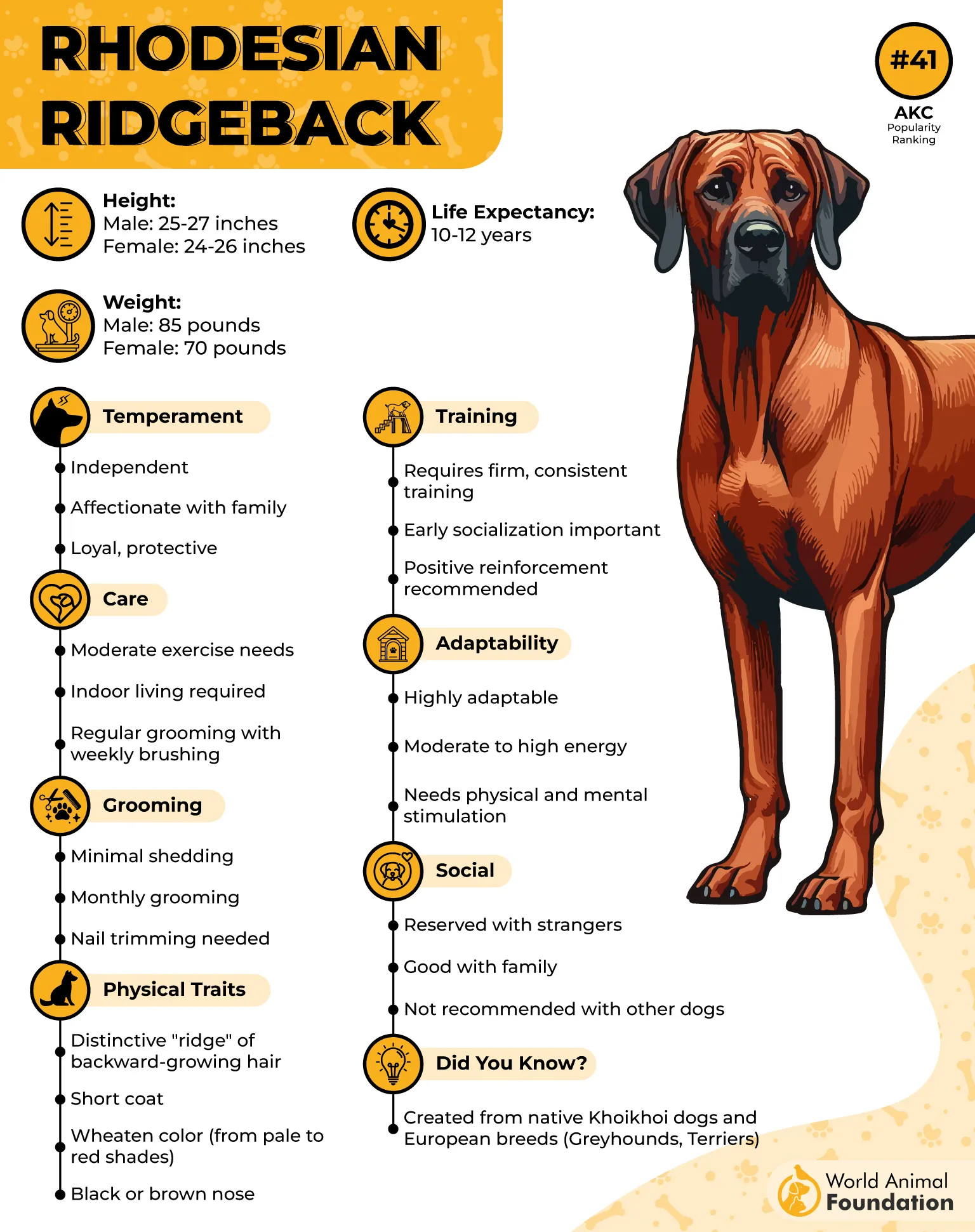
A Ridgeback’s short, sleek coat is relatively uncomplicated, with occasional brushing helping remove loose hairs and maintain skin condition. Regular nail trimming, dental hygiene, ear checks, and parasite prevention remain important despite its low-maintenance appearance.
Its diet should provide adequate protein, balanced fats, vitamins, minerals, and calories appropriate for its age and workload. Active adults may require nutritional adjustments during periods of especially demanding exercise.
Endurance on Open Trails
The muscular breed’s athletic constitution makes it an appealing partner for experienced hikers and runners seeking a steady, capable companion.
Once mature and properly conditioned, a Ridgeback can handle substantial distances while maintaining a composed demeanor. Gradual conditioning is still necessary, especially before undertaking steep climbs or extended journeys.
2. German Shorthaired Pointer
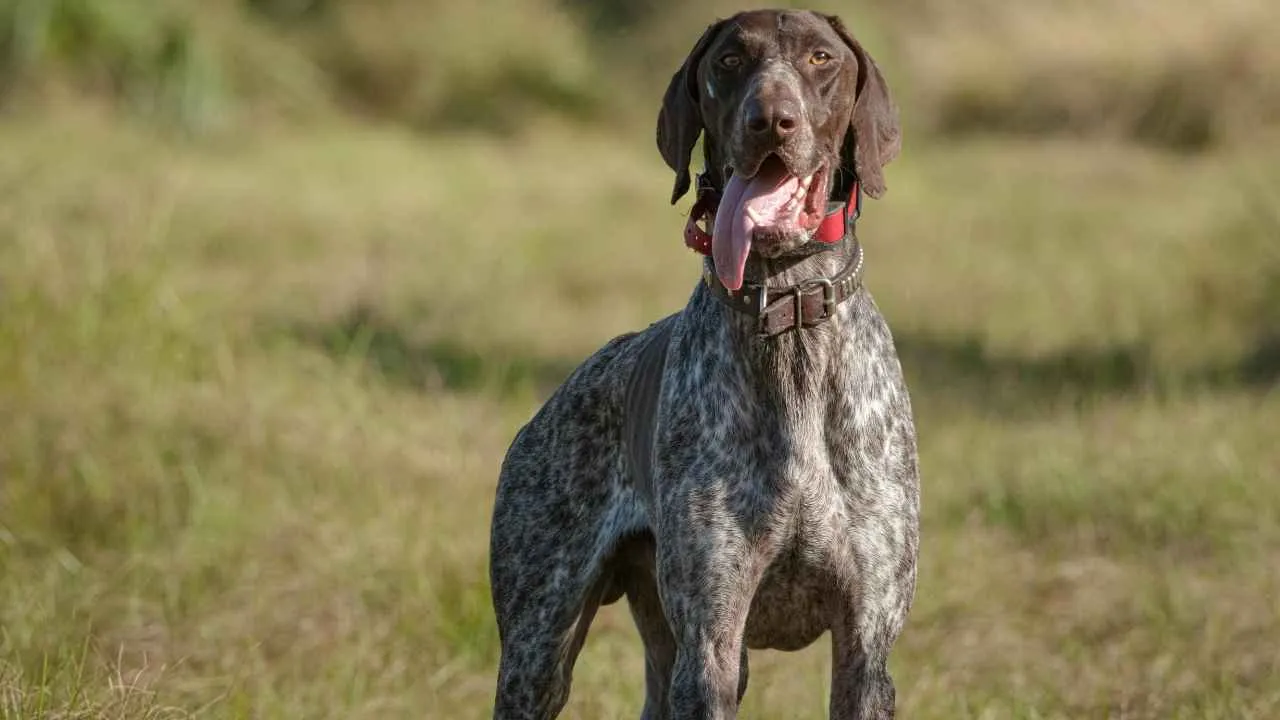
The German Shorthaired Pointer emerged in Germany during the nineteenth century as breeders sought a versatile hunting companion capable of locating, pointing, and retrieving quarry, according to Hill’s Pet.
Its ancestry includes several European hunting dogs, with selective breeding emphasizing athleticism, intelligence, scenting ability, and cooperation with handlers. The resulting sporting breed became useful across forests, fields, wetlands, and open countryside.
Feeding and Everyday Upkeep
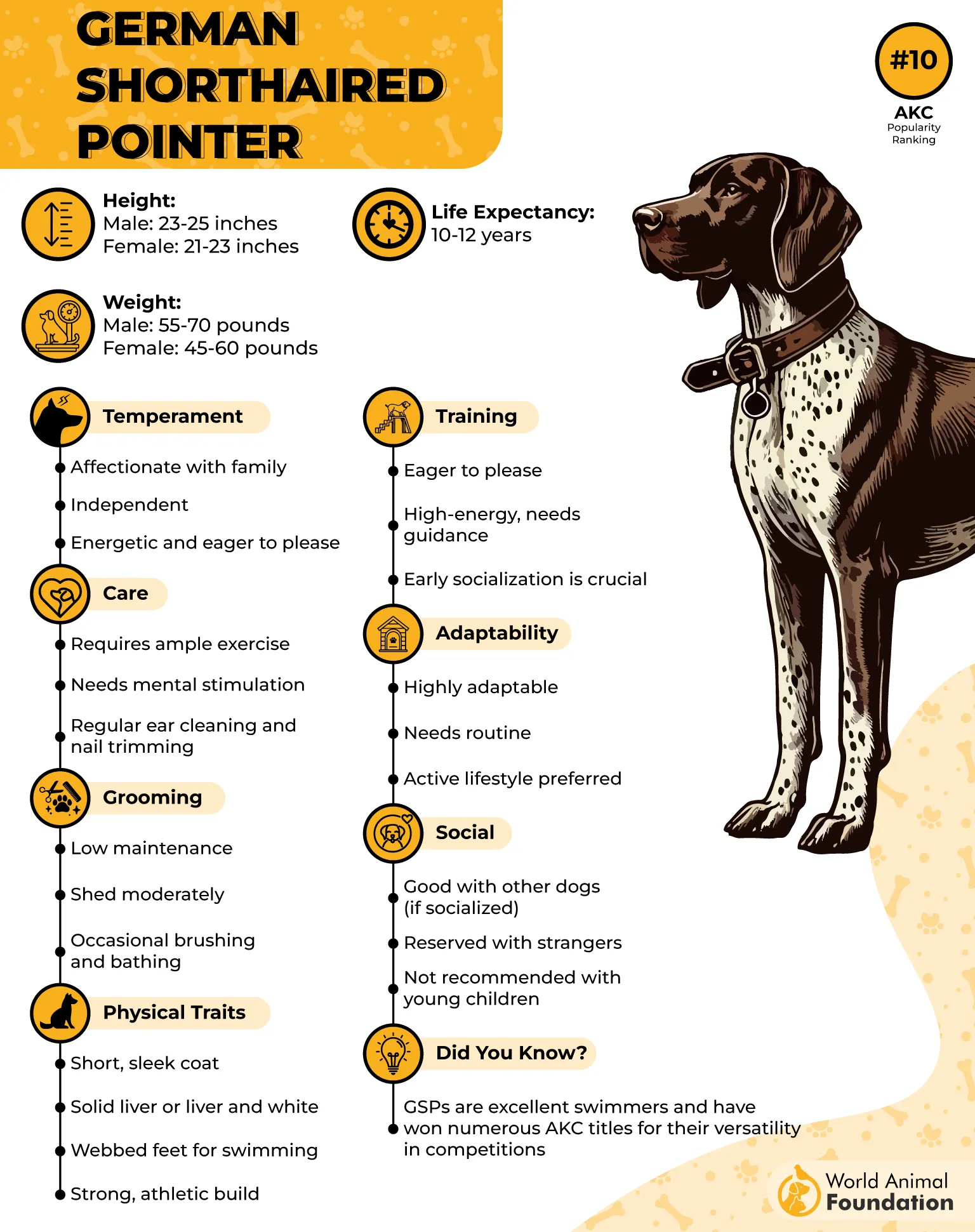
Paw inspection is worthwhile following rocky routes, while routine tooth cleaning, ear care, parasite control, and nail maintenance should form part of its normal regimen.
A nutrient-dense canine diet should support lean muscle without encouraging unnecessary weight gain. Portions may need adjustment according to age, body condition, and exercise intensity. Hydration deserves particular attention during strenuous activities.
Boundless Trail Energy
Few companions are as naturally enthusiastic about movement as the German Shorthaired Pointer. Its combination of acceleration, agility, and stamina suits long hikes, trail running, swimming, retrieving, and varied outdoor games.
Mental challenges can make excursions even more fulfilling because this breed enjoys using its senses alongside its body. An engaged GSP can make an exceptionally lively partner for people who rarely sit still.
3. Belgian Malinois
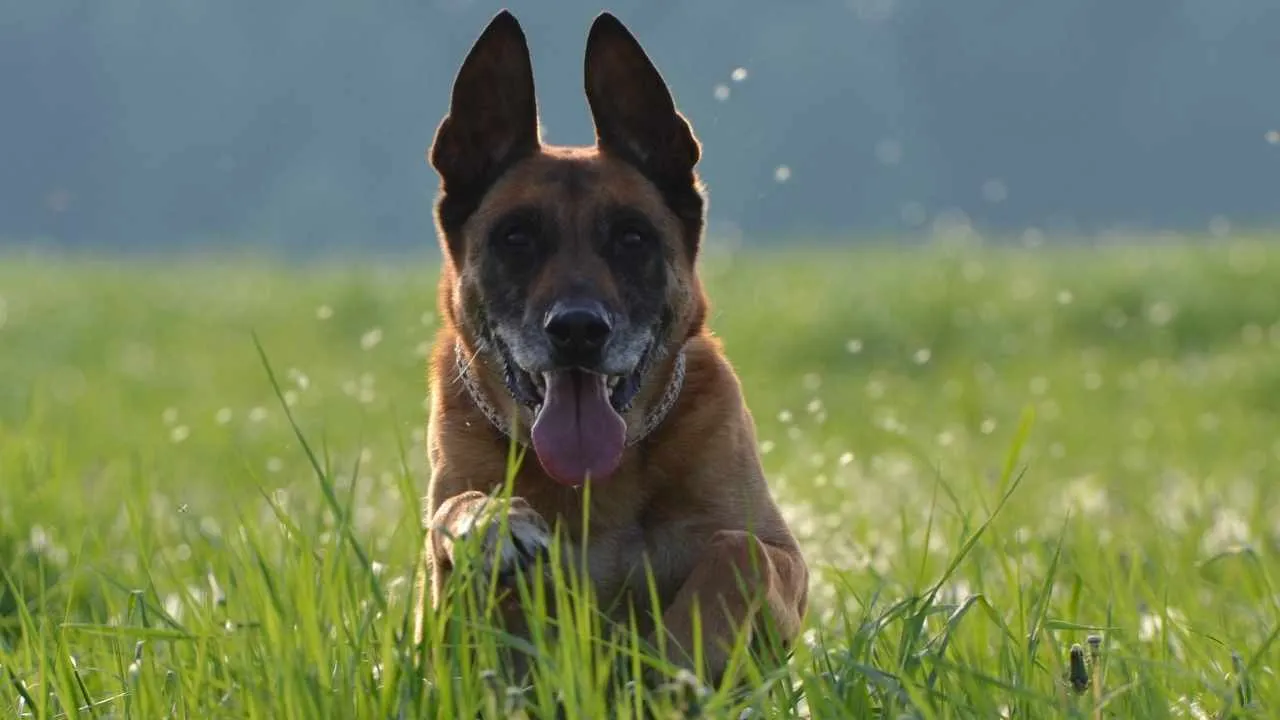
The Belgian Malinois developed in Belgium as one of the country’s shepherd varieties, originally valued for managing livestock and protecting rural properties, as per Britannica.
Over time, its exceptional intelligence, responsiveness, and physical capability opened doors to police, military, detection, protection, and search-related roles. Selective breeding emphasized working aptitude rather than purely ornamental qualities.
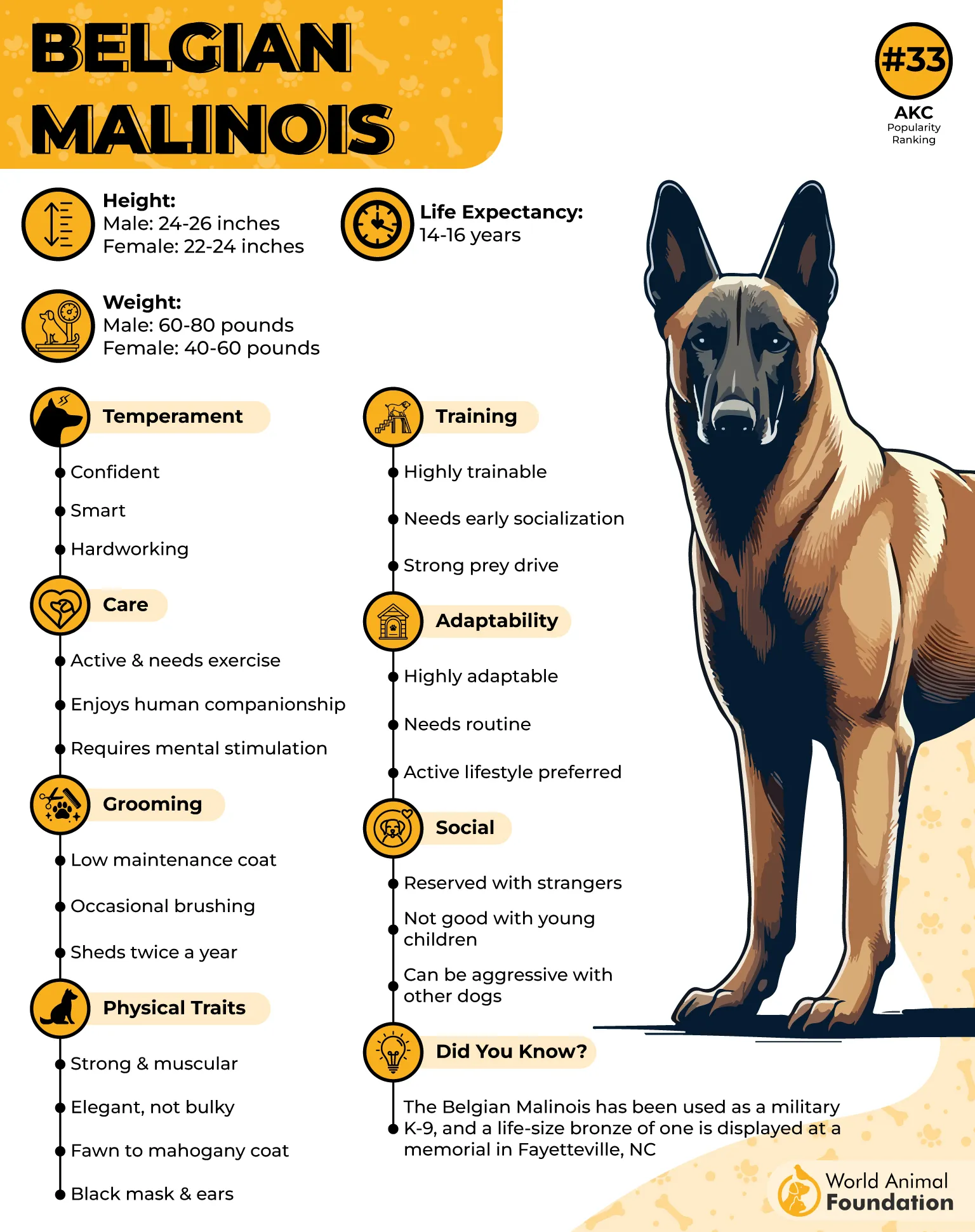
Grooming, Feeding, and Wellness
Its short double coat generally requires modest grooming, with more frequent brushing during seasonal shedding periods. After rough adventures, handlers should examine the paws, ears, skin, and coat for abrasions or embedded debris.
A complete diet containing appropriate animal-derived proteins, fats, carbohydrates, micronutrients, and sufficient calories can support its demanding lifestyle. Portion control matters because unnecessary weight places additional stress on an athletic frame.
Drive for Adventure
The Malinois is distinguished by an extraordinary willingness to remain engaged, making it particularly suited to owners who enjoy structured challenges rather than casual strolls. Hiking can be paired with obedience exercises, scent games, tracking tasks, or other mentally stimulating activities.
Its stamina is inseparable from its concentration; simply covering miles may not satisfy its need for purpose. Without sufficient direction, however, such enthusiasm can become difficult to manage.
4. Treeing Walker Coonhound
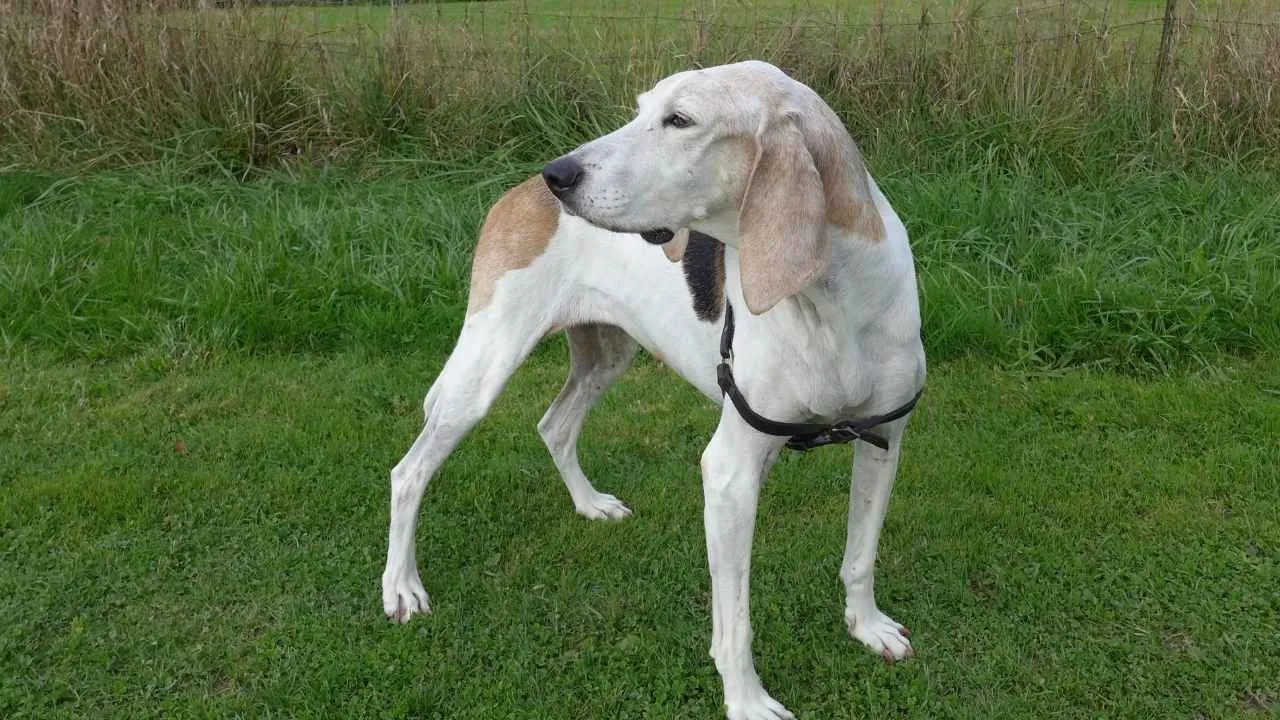
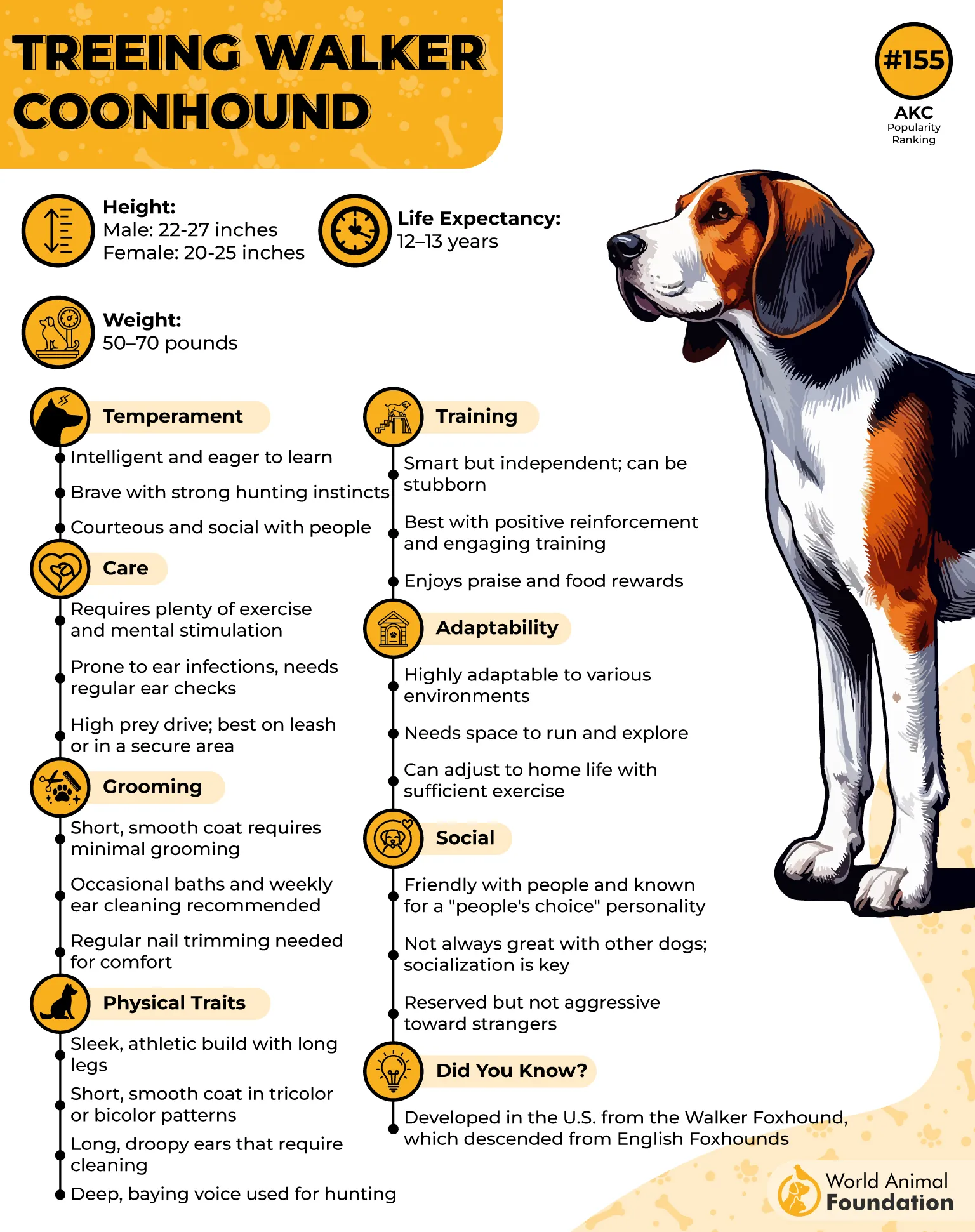
The Treeing Walker Coonhound descends from American hunting traditions and was developed from Walker Foxhounds and related hound stock, as noted by the AKC.
Breeders refined the type for tracking raccoons and other quarry across varied terrain, selecting for a powerful nose, speed, determination, and a distinctive ability to pursue an animal until it seeks refuge in a tree.
Simple Coat, Serious Requirements
Its short, glossy coat is easy to maintain, generally benefiting from weekly brushing and occasional bathing when outdoor adventures leave it muddy or dusty. Long ears deserve regular inspection because their shape can reduce airflow and create opportunities for irritation.
A balanced feeding plan should match its activity level while preserving a healthy body condition. Owners should avoid overfeeding, particularly when regular exercise temporarily decreases.
Persistence Through the Wild
The Treeing Walker Coonhound possesses a remarkable willingness to follow a scent across considerable distances. That single-minded determination can translate beautifully to woodland hikes and extended countryside exploration when the environment is secure.
Reliable recall training is particularly important because an intriguing scent may quickly become more compelling than a handler’s voice. For trail lovers who appreciate a true scent hound, its persistence can be extraordinary.
5. Vizsla
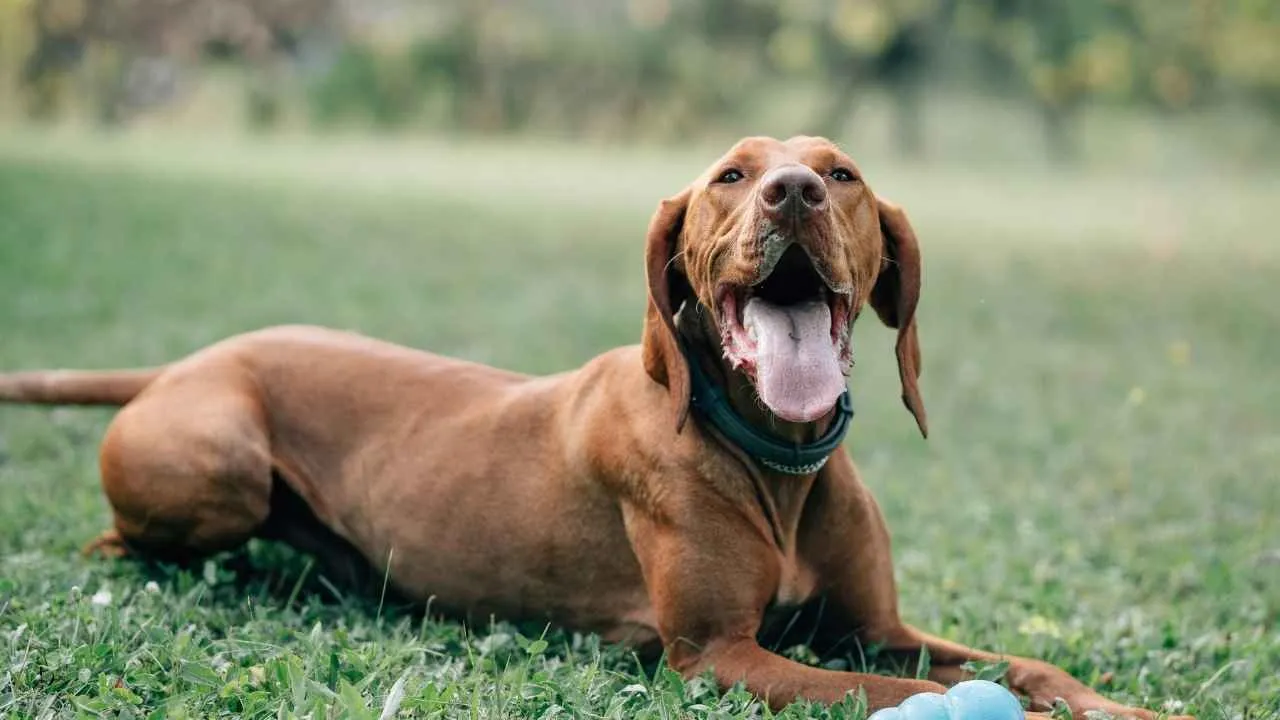
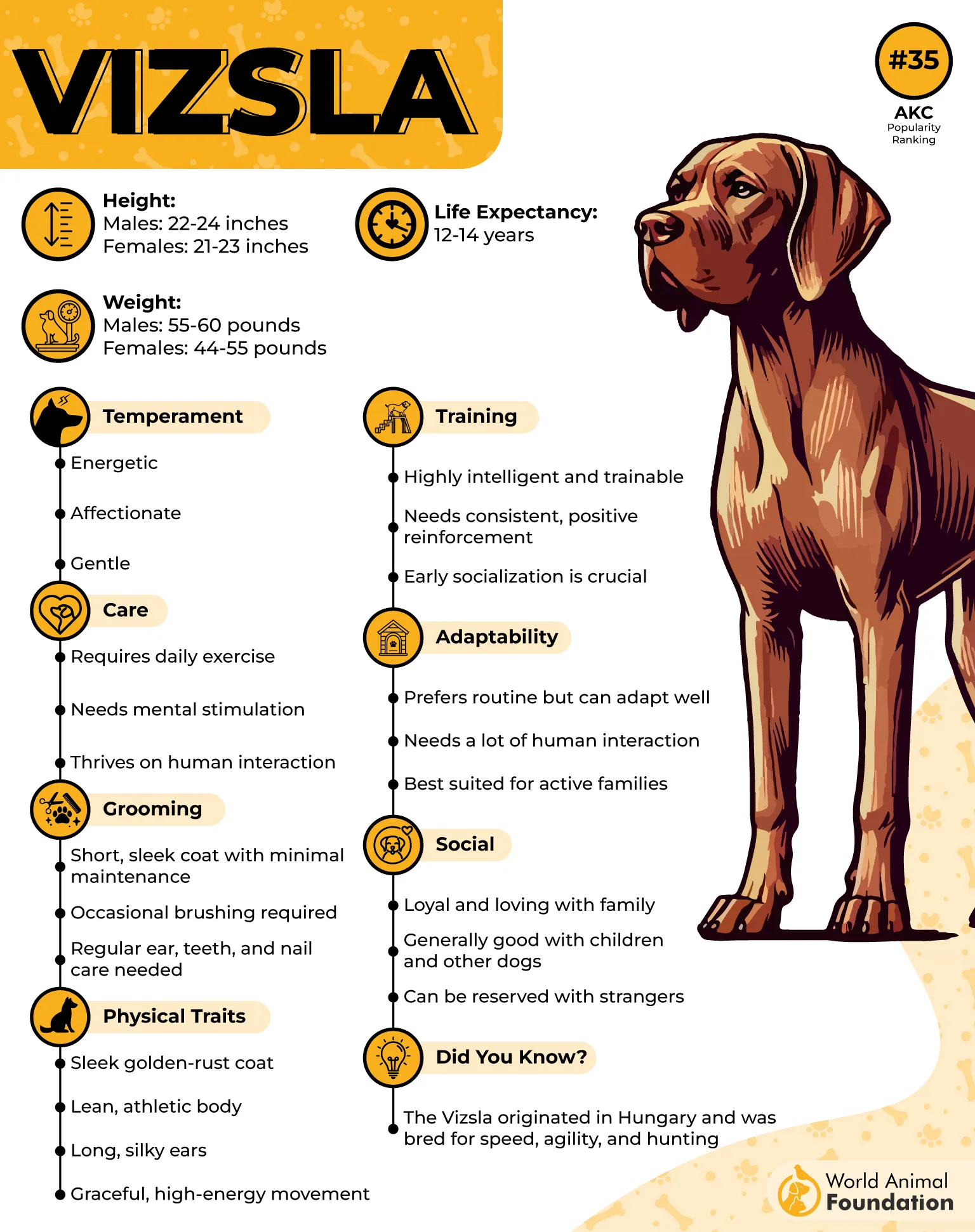
The Vizsla originated in Hungary and has roots reaching back several centuries, where it served as a versatile hunting dog for locating, pointing toward, and retrieving game.
Its development was closely tied to Hungarian sporting traditions, with breeders favoring responsiveness, endurance, speed, and close cooperation. Its lightweight muscular structure remains perfectly suited to sustained movement.
Skin, Coat, and Dietary Support
The Vizsla’s short coat requires little elaborate grooming, although brushing can remove loose hairs and help keep the skin healthy. Because its ears can collect moisture and debris, periodic checks are sensible, particularly after swimming.
A wholesome diet should supply enough energy to support an athletic metabolism while maintaining a lean physique. Meals may be divided according to individual needs, activity demands, and veterinary guidance. Water intake becomes especially important during warm or strenuous outings.
Graceful Stamina
This Hungarian sporting companion can maintain an energetic pace over substantial distances, making it a natural choice for hikers, runners, swimmers, and cyclists who understand canine conditioning.
Its enthusiasm often remains high throughout an excursion, particularly when it can stay close to its human partner. Proper preparation is essential before introducing lengthy routes. When conditioned thoughtfully, its stamina becomes one of its greatest attractions.
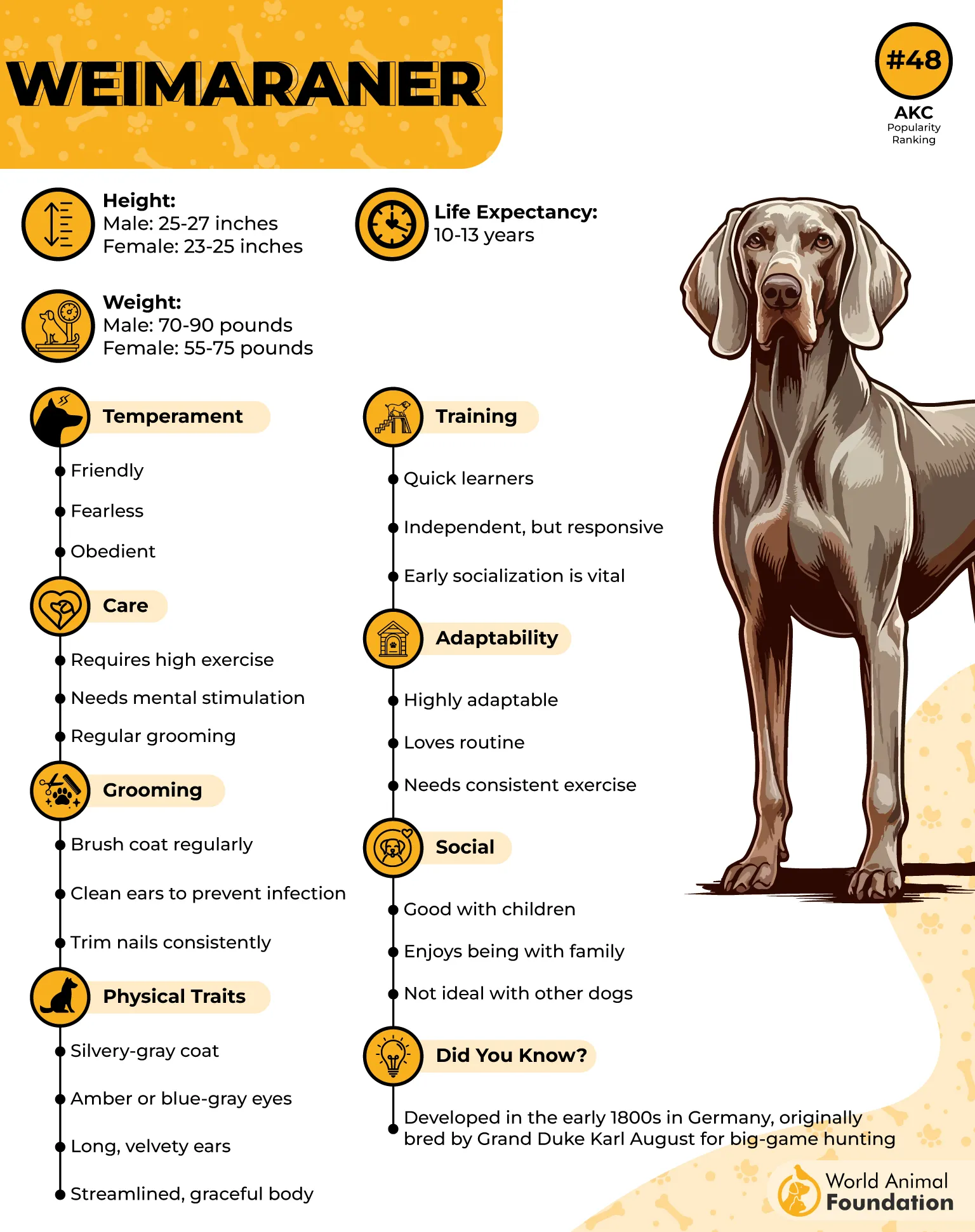
6. Weimaraner
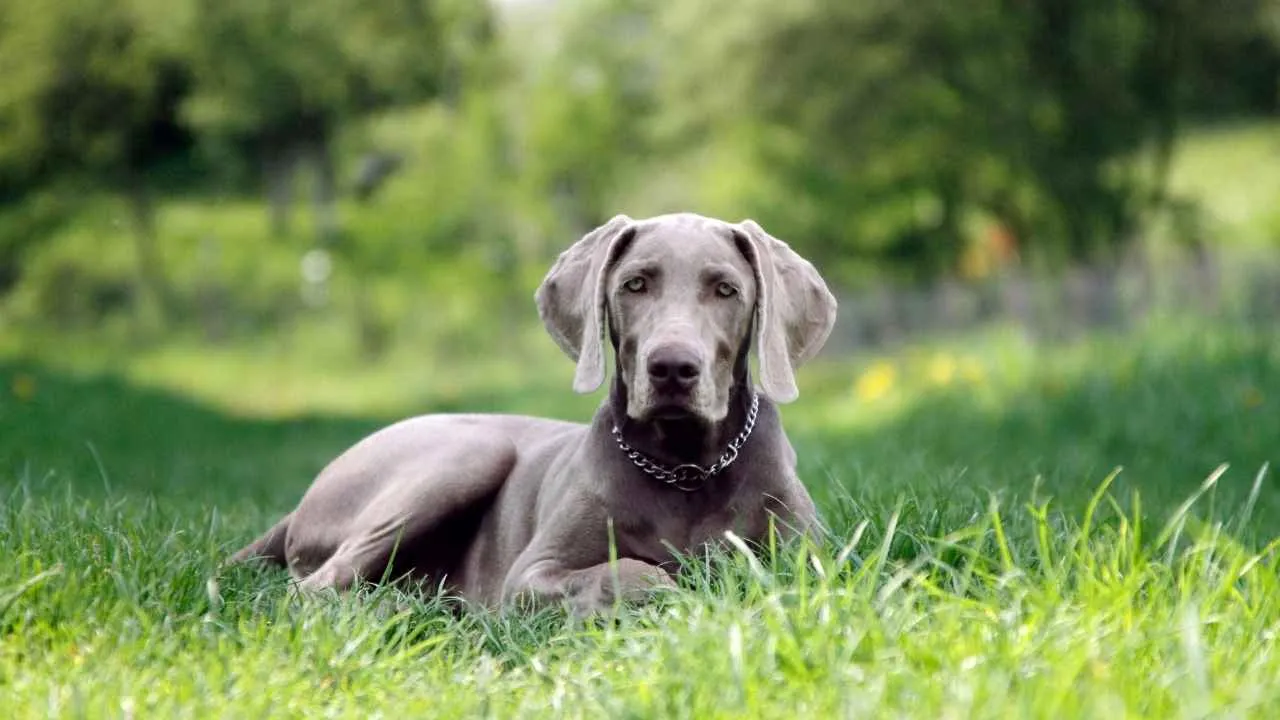
The Weimaraner was developed in Germany as an aristocratic hunting companion, with early breeders selecting dogs capable of pursuing substantial quarry such as deer and boar.
Later generations became increasingly versatile sporting partners, excelling in pointing, retrieving, and field work. Historically, this was a working companion expected to travel through demanding landscapes while remaining attentive to its handler.
Maintaining the Silvery Athlete
The Weimaraner’s short coat is straightforward to care for, although outdoor-loving owners should regularly inspect the skin and feet for cuts, burrs, or irritation, as per PDSA. Nail length should be monitored because overly long claws can interfere with efficient movement.
A nutritionally complete meal plan should support muscular development and sustained activity without excessive calories. Large portions should not be provided immediately around intense exercise because digestive complications can occur in susceptible individuals.
Relentless Movement
A Weimaraner thrives when its impressive energy receives a meaningful outlet. Long-distance walking, running, hiking, retrieving, swimming, and field activities can suit its physical nature exceptionally well.
Its athleticism is accompanied by a strong social attachment, so adventures are often most rewarding when shared directly with its favorite person. Once mature and conditioned, this silver-coated athlete can bring remarkable vigor to demanding routes.
7. Siberian Husky
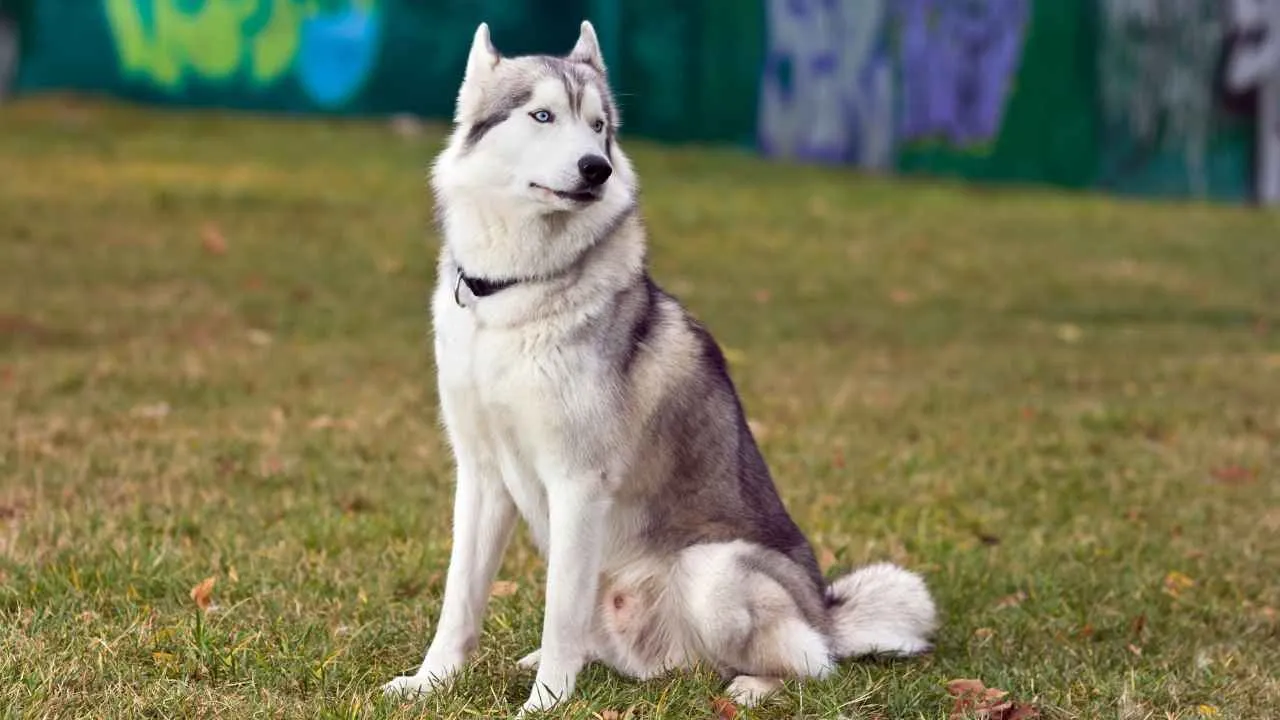
The Siberian Husky developed among the Chukchi people of northeastern Siberia, who relied on these popular dogs for transporting light loads across immense distances in severe Arctic conditions.
Their traditional work demanded efficiency, endurance, cooperation, and the ability to travel steadily without wasting energy. The breed later became famous through sled racing and expeditions, reinforcing its reputation as an exceptional distance traveler.
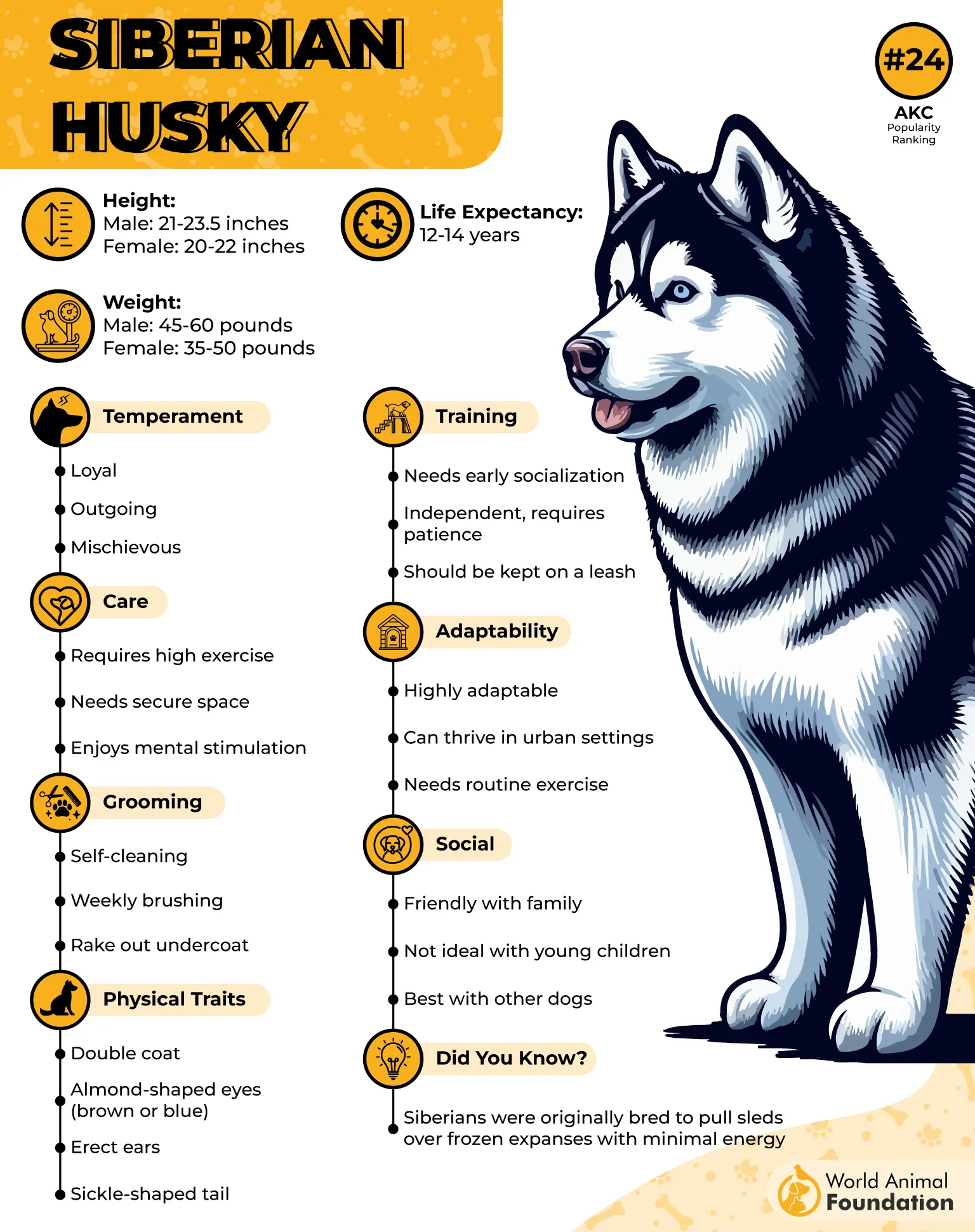
Cold-Weather Care and Feeding
The Husky’s dense double coat provides substantial insulation and requires regular brushing, particularly when seasonal shedding becomes heavy. Grooming should never involve shaving the coat because its layers play an important role in temperature regulation.
High-quality nutrition should provide sufficient energy for an active lifestyle while avoiding unnecessary overfeeding, as Huskies can be surprisingly efficient with calories. Water must be readily accessible during exercise, even in cold conditions.
Distance-Built Determination
The Siberian Husky’s most celebrated quality is its extraordinary capacity for sustained travel. Rather than relying purely on explosive power, it was shaped to maintain efficient movement across long stretches of challenging terrain.
Hiking, skijoring, sledding, and other endurance-oriented activities can provide satisfying outlets in suitable temperatures. With appropriate conditioning and climate management, its love of covering ground makes it a fascinating choice for serious outdoor enthusiasts.
Conclusion
Selecting a canine partner for an active lifestyle involves considerably more than choosing the breed with the highest apparent energy level. Rhodesian Ridgebacks bring African hunting heritage, German Shorthaired Pointers contribute versatile sporting ability, and Belgian Malinois offer extraordinary working intensity.
Every outdoor companion needs an individualized approach to conditioning, nourishment, grooming, rest, and climate management. Weather conditions can also transform a comfortable excursion into a dangerous situation. Trail difficulty, water availability, paw protection, reliable identification, and leash regulations should all be considered before setting out.
A thoughtfully conditioned animal can transform ordinary weekends into opportunities for exploration, exercise, and shared discovery. Whether the goal involves forest hikes, mountain paths, open-country trekking, or winter journeys, these remarkable breeds can bring enthusiasm and athletic ability to the experience when their individual requirements are respected.
