




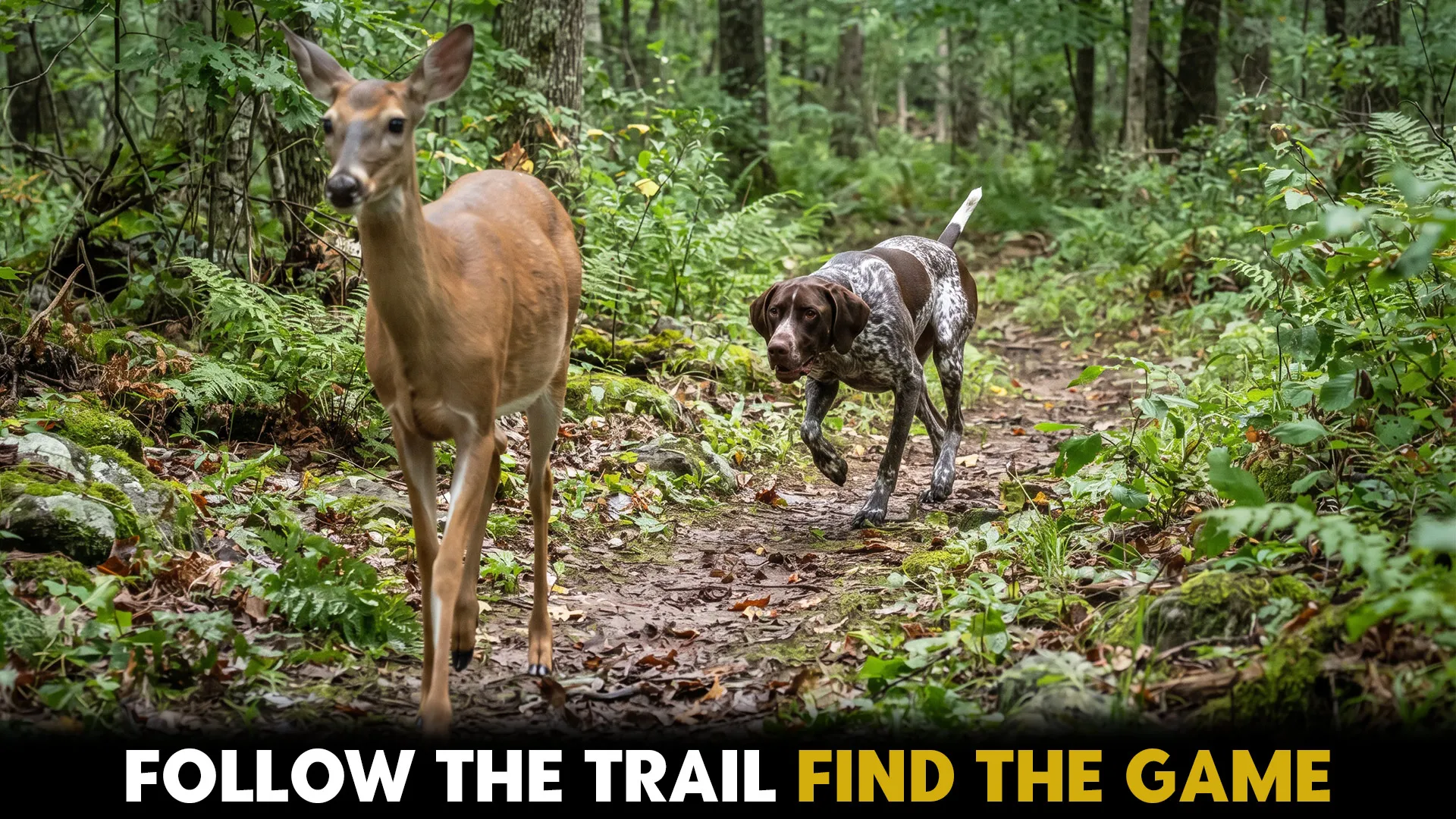
Choosing between tracking breeds means comparing more than scent ability. Endurance, trainability, mental focus, and the confidence to work through mud, woods, and changing weather all shape a dog’s effectiveness in the field.
From following a faint trail to helping recover a deer after a shot deer escapes, the right canine partner can turn difficult hard work into a focused outdoor adventure. Some dogs may follow a wounded buck that is still alive, while others can help locate an animal that has been lost after disappearing into the woods.
These breeds stand out for their instincts and working abilities in serious tracking demands. A well-trained blood-trailing deer dog can give hunters an advantage when the job is tough and the margins are small. While some people casually use the term blood dogs, a blood-trailing dog is a broader description and should not be confused with a specific breed.
FACT: Dogs have worked alongside humans as hunting partners for thousands of years. Over time, selective breeding produced different types of hunting and scent hounds with specialized abilities for locating, pursuing, and tracking various kinds of game.
Best Dog Breeds Choices for Deer and Game Tracking
1. Bluetick Coonhound
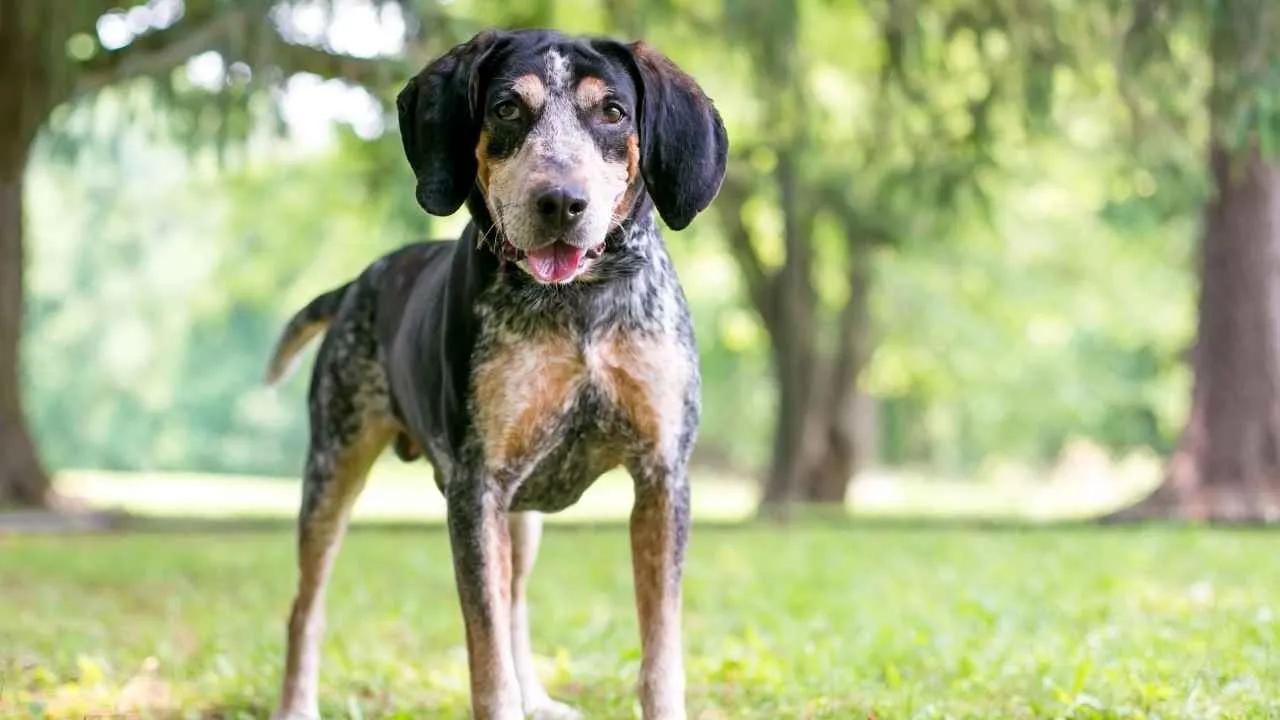
The trail may have gone cold hours ago, but the Bluetick Coonhound is the kind of dog that keeps searching. With an exceptional nose, stamina, and remarkable determination, it excels at following game across long stretches of challenging terrain.
Hunters have valued this enthusiastic scent hound for its ability to trail game over difficult terrain. Its powerful nose and persistence can make it particularly valuable when following elusive animals or challenging scent trails. A skilled dog may continue working long after a hunter has heard no further sign of the animal.
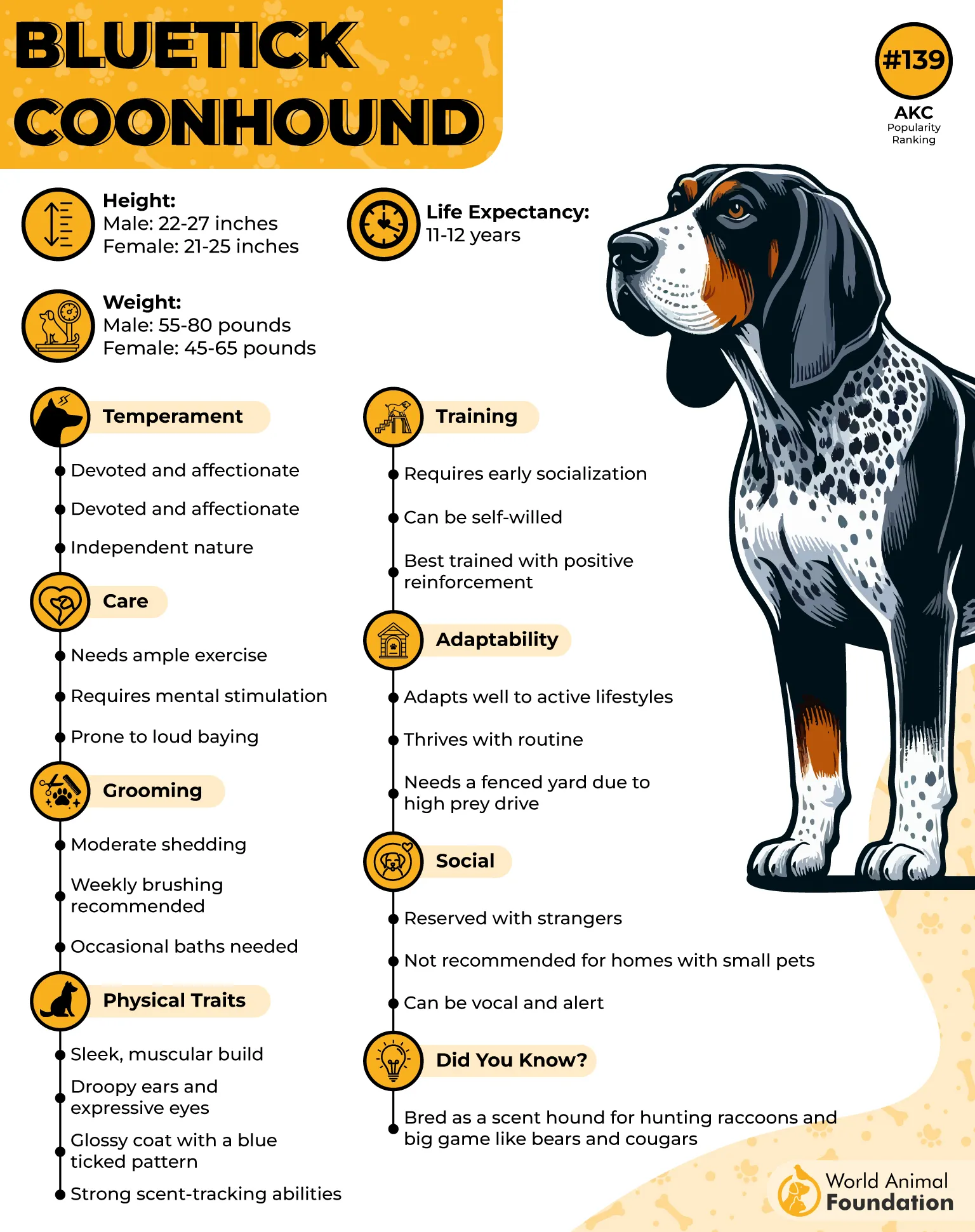
Once the Bluetick locks onto a scent, its independent and persistent nature takes over. Its distinctive bawl and chop may also help hunters follow the action, while its courage and staying power allow it to keep working during lengthy pursuits.
Its raised tail, determined head position, and focused body language can give the handler an idea that it has picked up an important scent.
That strong-willed personality can make training challenging. Start when the dog is a pup, use positive rewards and simple commands, and practice recall consistently.
A properly fitted collar and reliable identification are also important when working a hound that may range far from its owner. Its short coat needs little upkeep, though regular ear cleaning is important after muddy outdoor adventures.
2. German Shorthaired Pointer
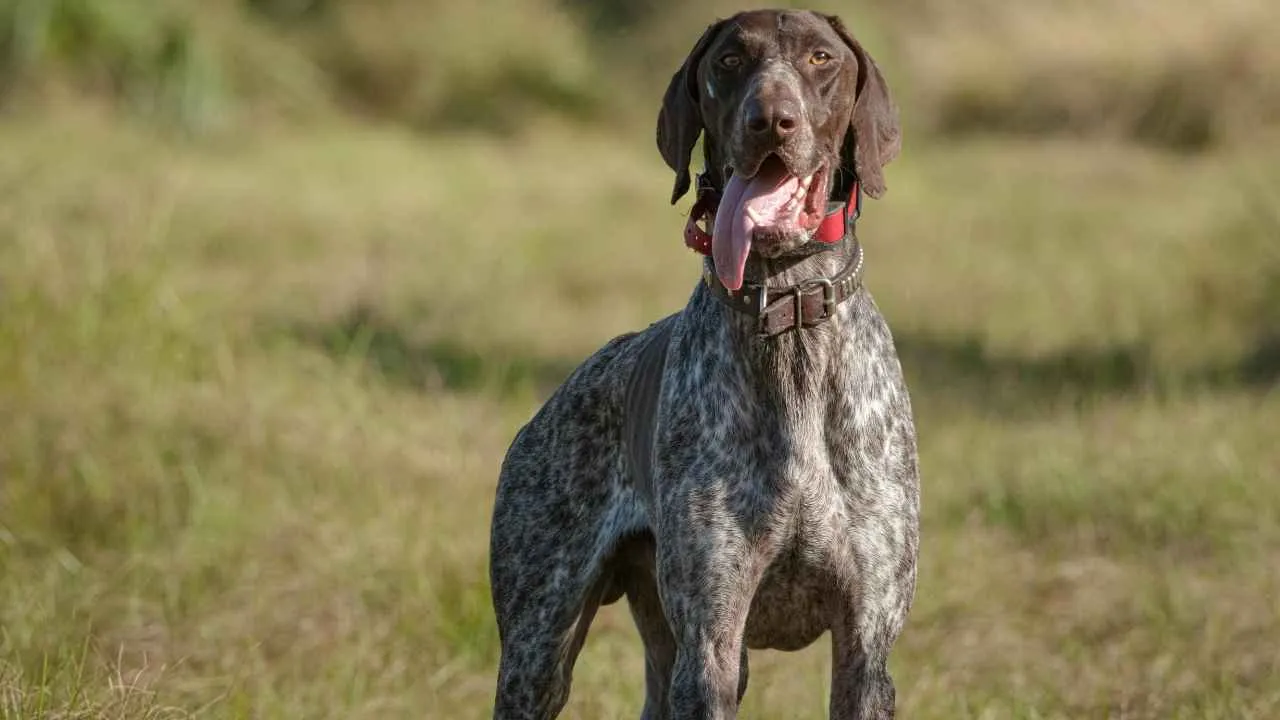
Built for adventure, the German Shorthaired Pointer is an all-terrain sporting dog with the stamina to tackle long days in the field. Its strong nose, hunting instinct, and impressive endurance make it highly capable of tracking game across varied landscapes.
This athletic breed can do far more than follow a scent. It can track, point, and retrieve, while its ground-focused scenting ability helps it locate game. Traditionally valued for hunting bird species, it can also work on a variety of game, making it a versatile companion rather than a specialized deer blood-trailing breed.
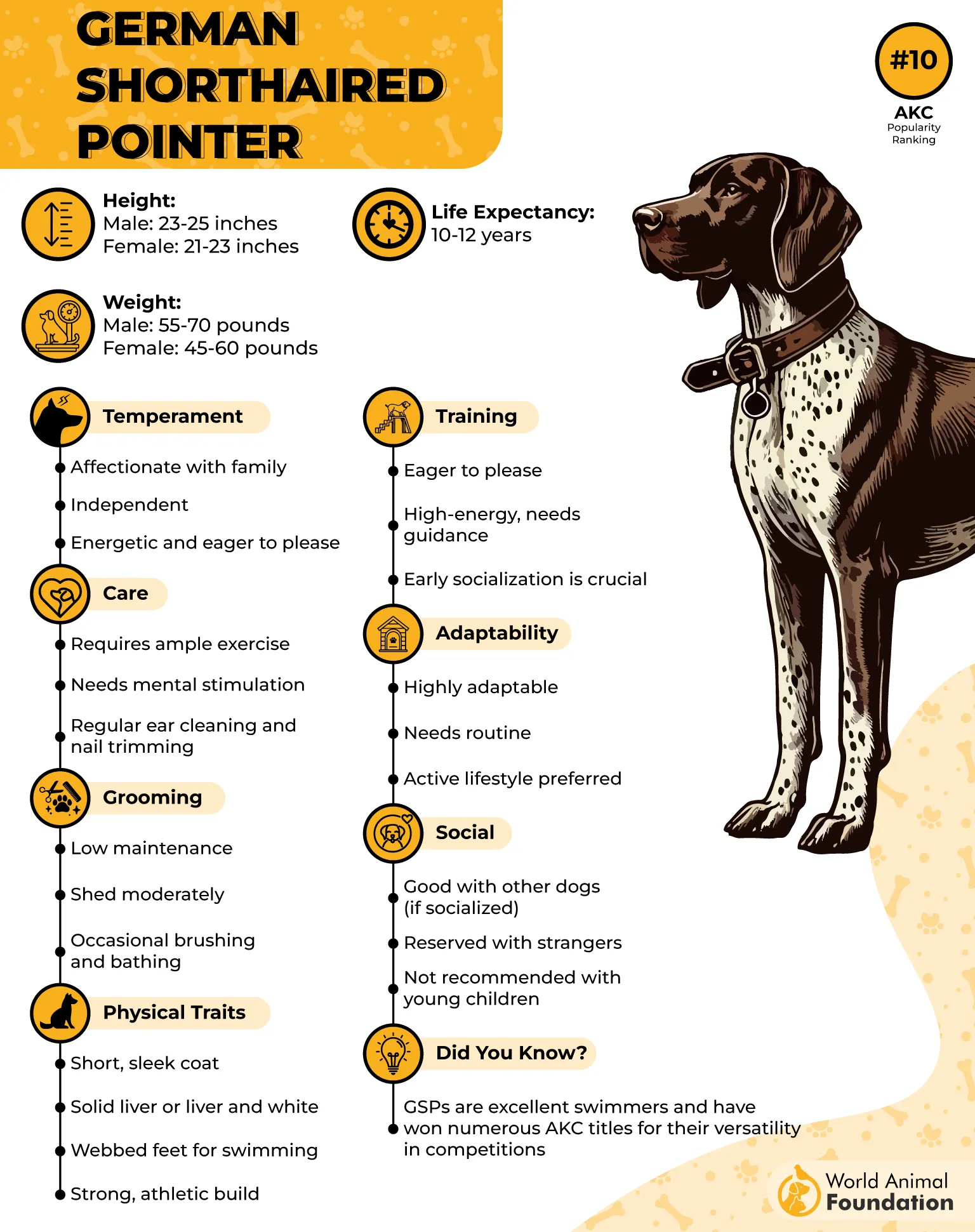
Expect plenty of energy. GSPs thrive on outdoor adventures, vigorous exercise, and mental challenges, but may become overly restless without enough structure and activity. A smart and energetic dog like this needs more than a quick walk before being expected to rest for the remainder of the day.
Early, consistent training is essential. Build obedience, reliable recall, impulse control, leash manners, and scent work through reward-based methods, while providing enough safe space for this energetic dog to run and explore. A handler should lead the training process with patience rather than allowing excitement to control every act in the field.
3. American Foxhound
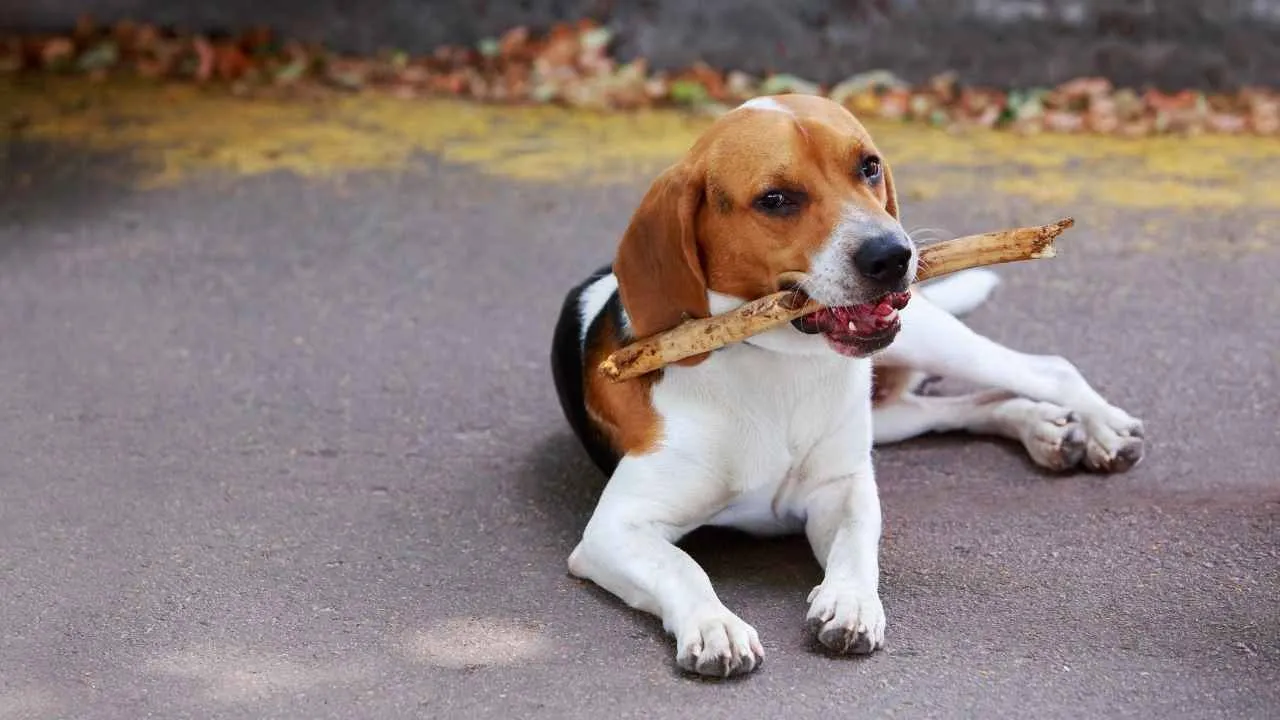
The chase can stretch for miles, but the American Foxhound was built for exactly that kind of story. Developed in the United States from English Foxhounds and other breeds, this energetic scent hound has deep roots in the South, particularly Maryland and Virginia, and was famously favored by George Washington. According to the AKC, American Foxhounds are friendly and good-natured dogs.
Although primarily developed for pursuing foxes, the American Foxhound possesses a powerful nose, impressive speed, and remarkable endurance. These qualities can make it capable of following scent over long distances, even though it is not primarily a specialized deer blood-trailing breed.
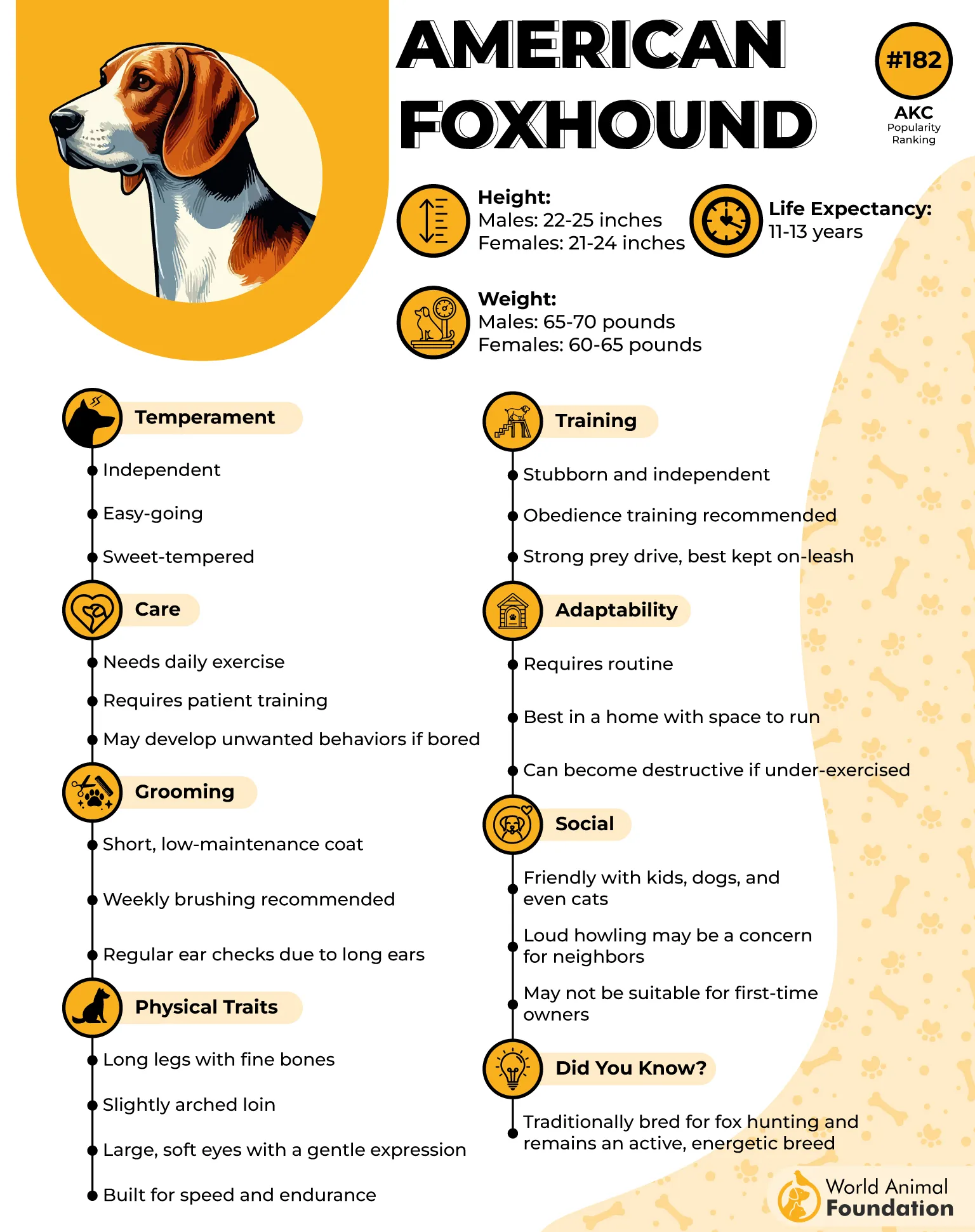
Unlike treeing hounds that focus on bringing an animal to a standstill, this breed lives for the pursuit itself. Once the trail begins, the American Foxhound eagerly keeps running, often covering impressive distances in its determination to stay with the scent.
It also works well alongside other dogs, packing together effectively during group hunts. Its famous baying may echo across the landscape, especially when a hunter has heard the pack working through the woods at night or early in the morning. Hunters should always follow local laws and regulations regarding the use of dogs for hunting particular types of game.
4. Vizsla
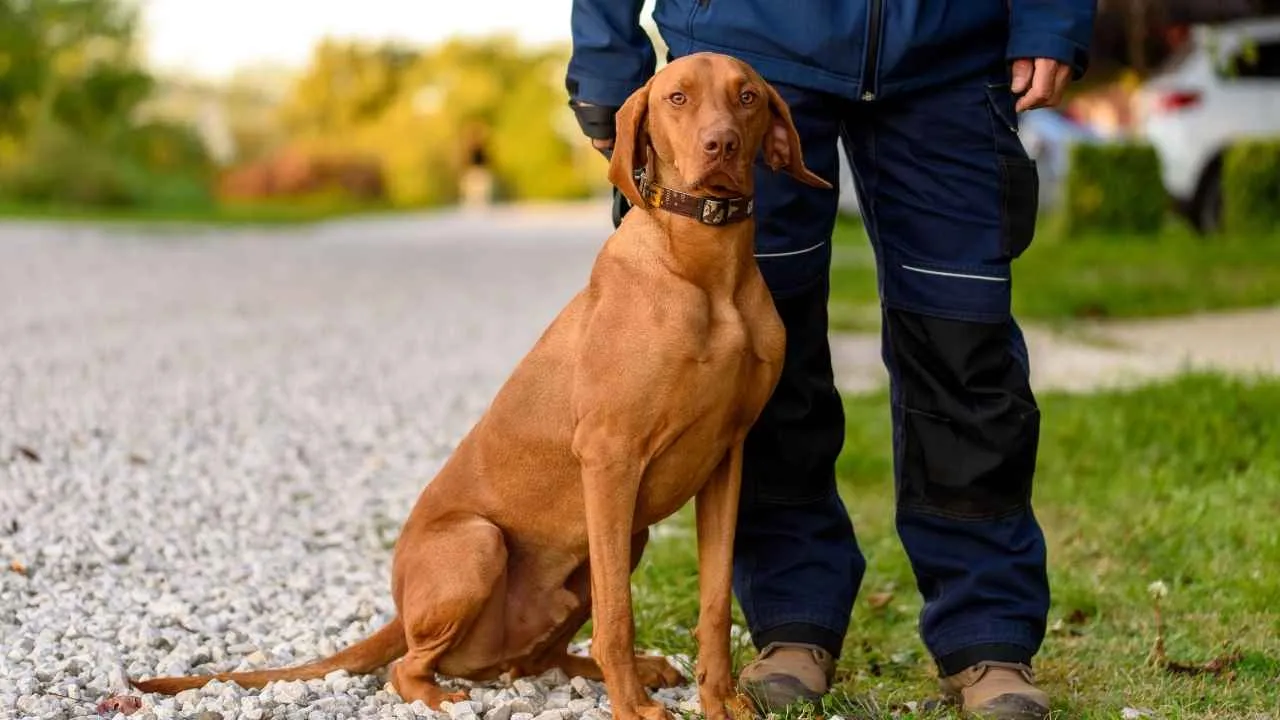
The Vizsla is a devoted sporting companion with a fine nose, strong tracking instincts, and plenty of energy for demanding days outdoors. Its warm, golden-brown appearance and friendly expression only add to the affection hunters often feel for this capable gundog.
With roots dating back centuries to Hungary, the Vizsla has long been valued as a versatile hunting dog. It can stalk and track game, work through woodland, and retrieve effectively on both land and water. This may include retrieving a duck or locating game after it has fallen. According to Orvis, the Vizsla is a medium-sized, muscular dog with a sleek build.
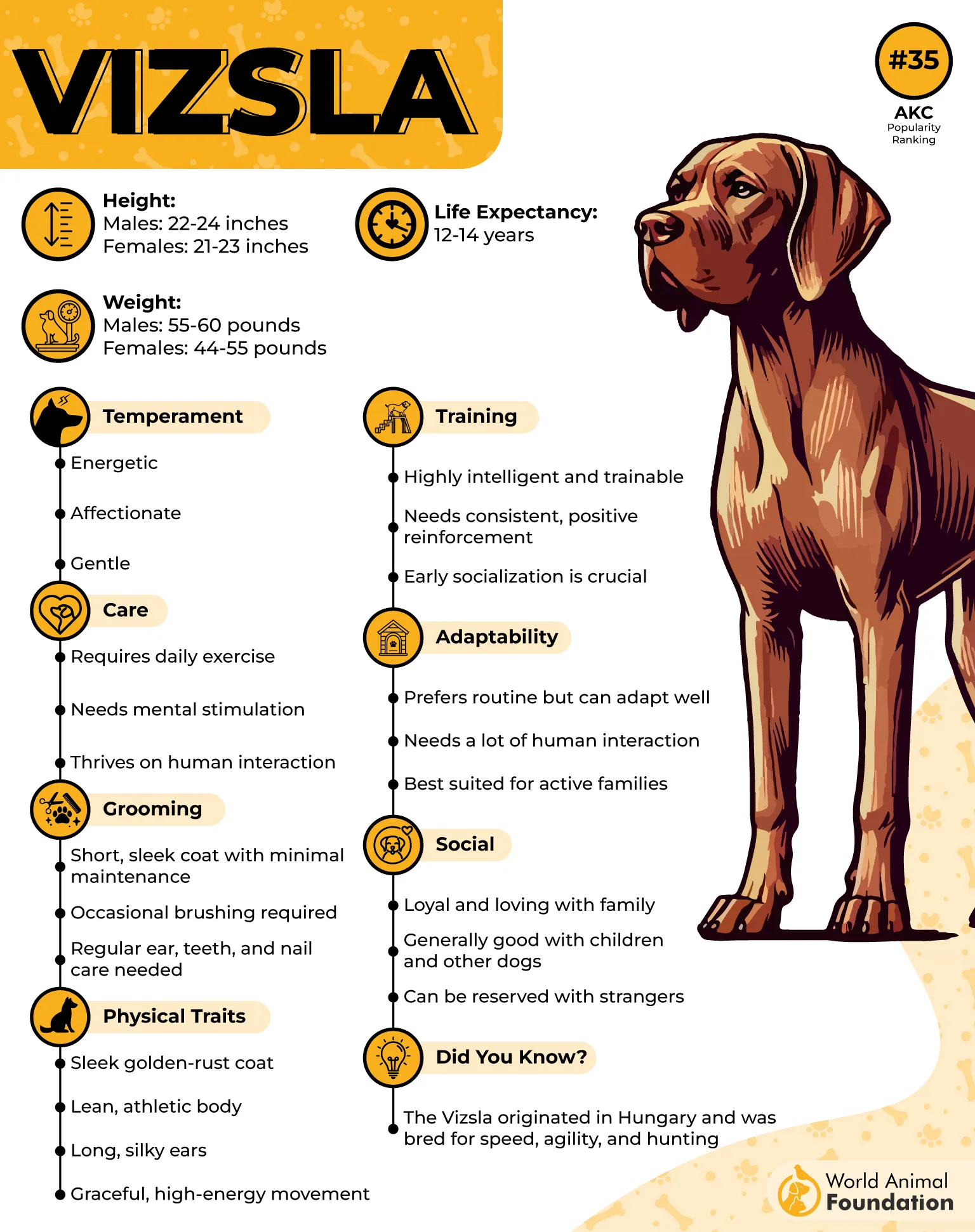
One of its most endearing hunting qualities is its desire to stay connected with its handler. Rather than ranging too far ahead, the Vizsla tends to maintain close contact, creating a cooperative and reassuring partnership in the field. This close working style can be an awesome advantage for an owner who wants to maintain control during a search.
Although specialized deer-tracking breeds may be better suited to difficult wounded-game trails, the Vizsla’s solid tracking ability and natural retrieving instincts make it a versatile choice for hunters pursuing different types of game. Its affectionate personality can also make it a good companion for active families, including those with older kids, when properly trained and supervised.
5. Redbone Coonhound
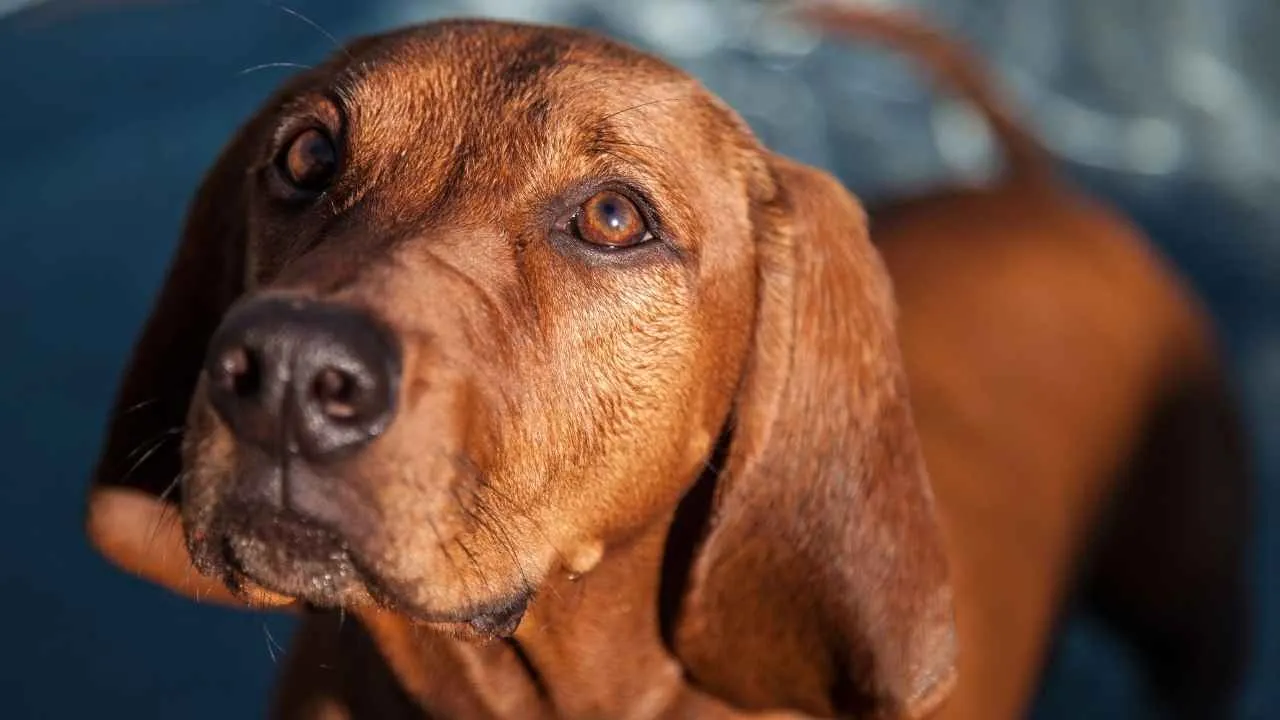
Built for adventure across demanding landscapes, the Redbone Coonhound developed in the United States from foxhound and other scent-hound bloodlines.
Its history as a hunting dog helped shape a breed with the determination and scenting ability needed for serious tracking work. According to WebMD, Coonhounds are intelligent dogs that are relatively easy to raise and train.
This athletic hound combines a strong nose with speed and impressive endurance. It can stay on a challenging trail for extended periods, making it particularly useful for tracking game through thick cover or across large stretches of land. When a hunter must wait while a wounded animal moves away before beginning the search, a calm and properly trained dog can later help investigate the available scent trail.
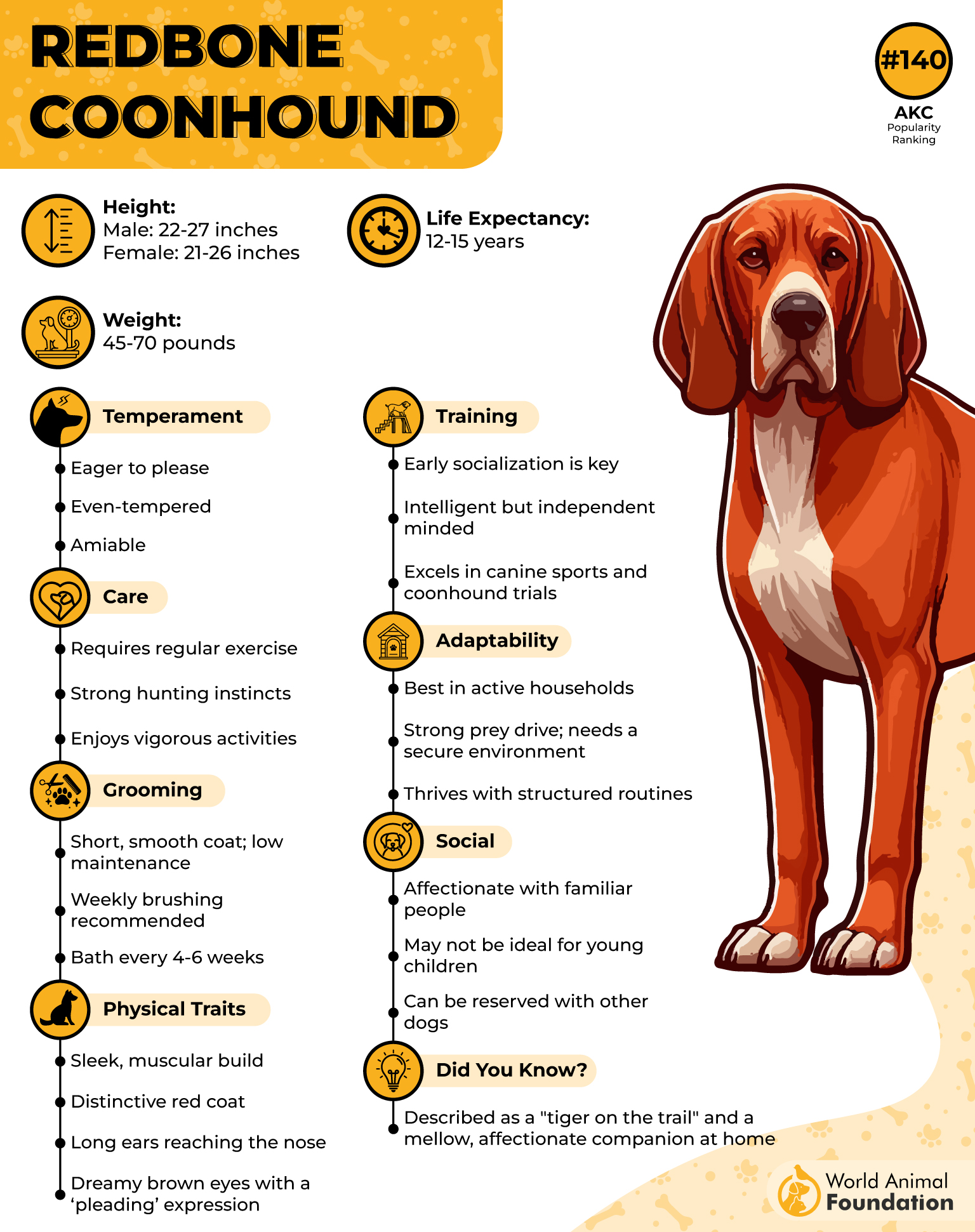
Unlike some heavier scent hounds, the Redbone offers a more agile and manageable partner while still bringing remarkable persistence to the job. Its willingness to work with its handler can also make it responsive during an active search when properly trained.
For long, demanding tracks, its stamina truly stands out. Focused scent training and consistent recall work can help this persistent trail hound stay responsive and focused during outdoor work. During a busy hunting season, regular practice can help keep its tracking skills sharp.
6. Black and Tan Coonhound
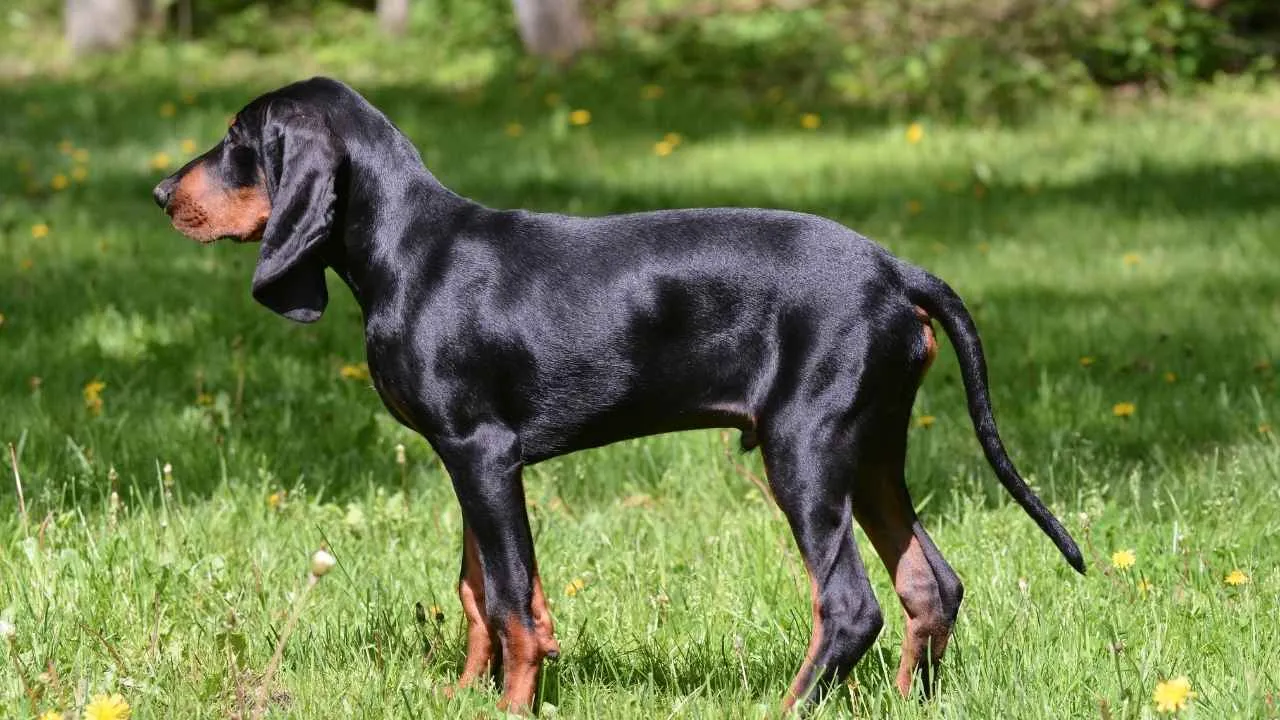
The Black and Tan Coonhound carries the heritage of an old American hunting breed, with roots stretching back to the era of early U.S. settlers. Bred to trail game over long distances, it developed the endurance and determination needed for demanding scent work.
Its standout feature is a powerful, deep-working nose that can methodically follow difficult or aging scent trails. Rather than becoming overly frantic, this hound can work with steady concentration, making it useful when a wounded animal has traveled through rugged terrain.
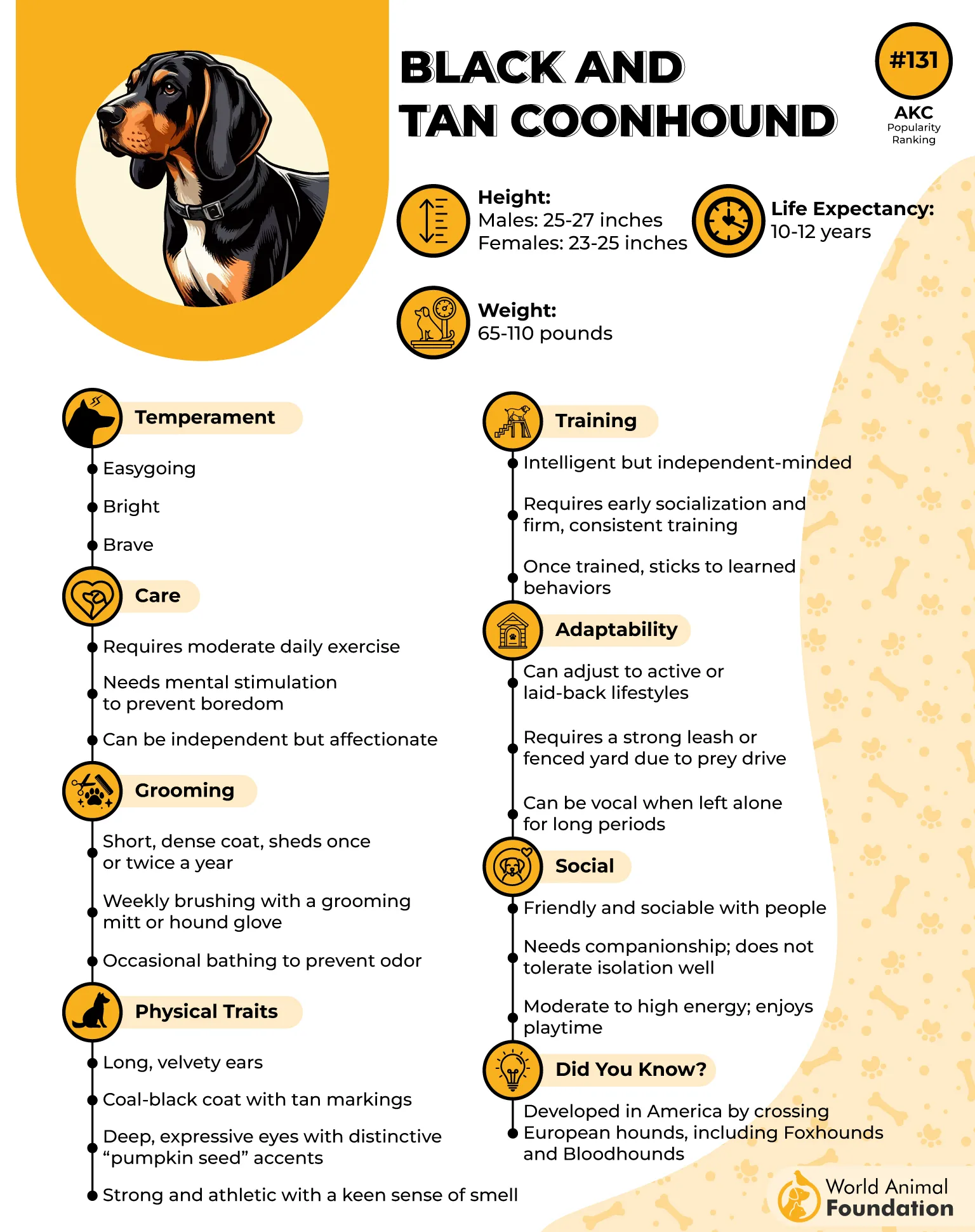
The Black and Tan has enough strength and stamina to handle extended searches. Its focused nature can make it a dependable working partner, although, like many scent hounds, it can also be independent and strong-willed.
A strong scent can make this breed intensely single-minded, so recall training is particularly important. Consistent scent training with appropriate and legally obtained materials can further develop its ability to stay focused on the specific trail it is asked to follow. This requires the handler to pay close attention to the dog’s behavior rather than trying to push the dog beyond its limits.
7. Plott Hound
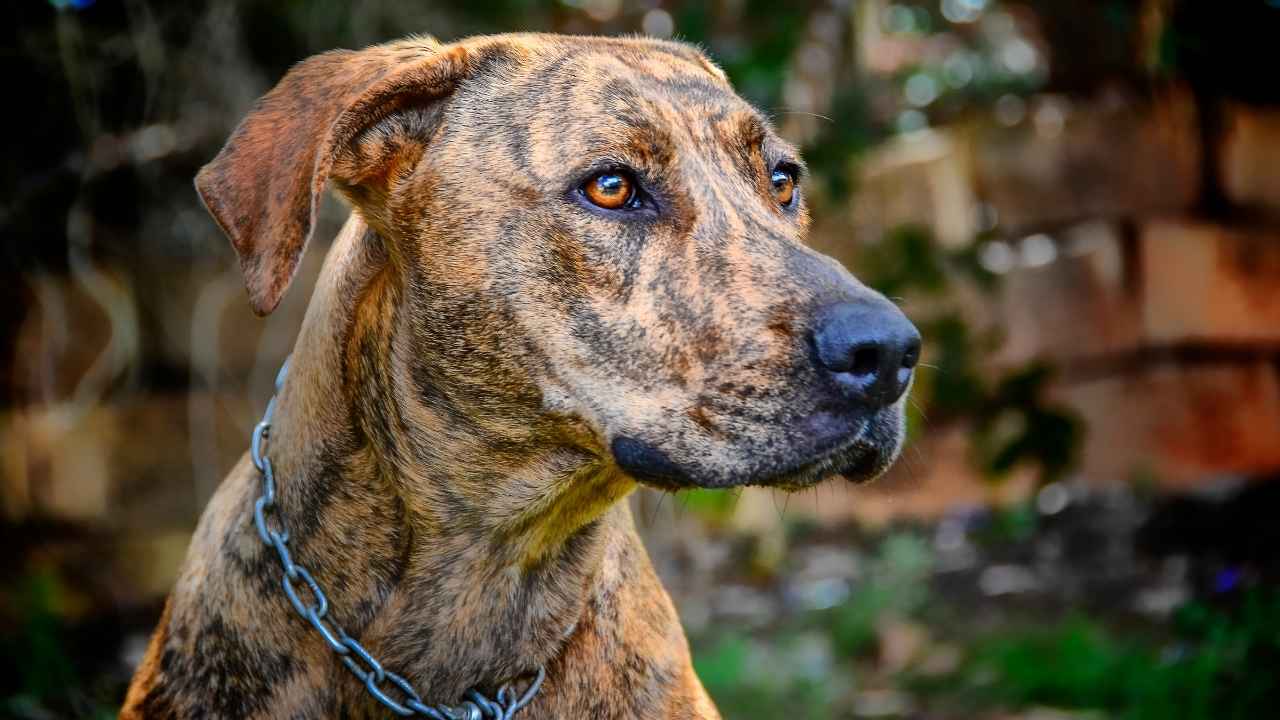
The Plott Hound brings remarkable grit to deer and game tracking, especially where steep slopes, dense woods, and rough ground make recovery difficult. This muscular scent hound can work challenging trails and stay focused across demanding mountain terrain.
Originally developed in North Carolina from German hunting dogs, Plotts built their reputation pursuing large game, including wild boar and bears. Their intelligence, determination, and sure-footed nature also make them capable tracking partners when following a wounded deer through rugged landscapes.
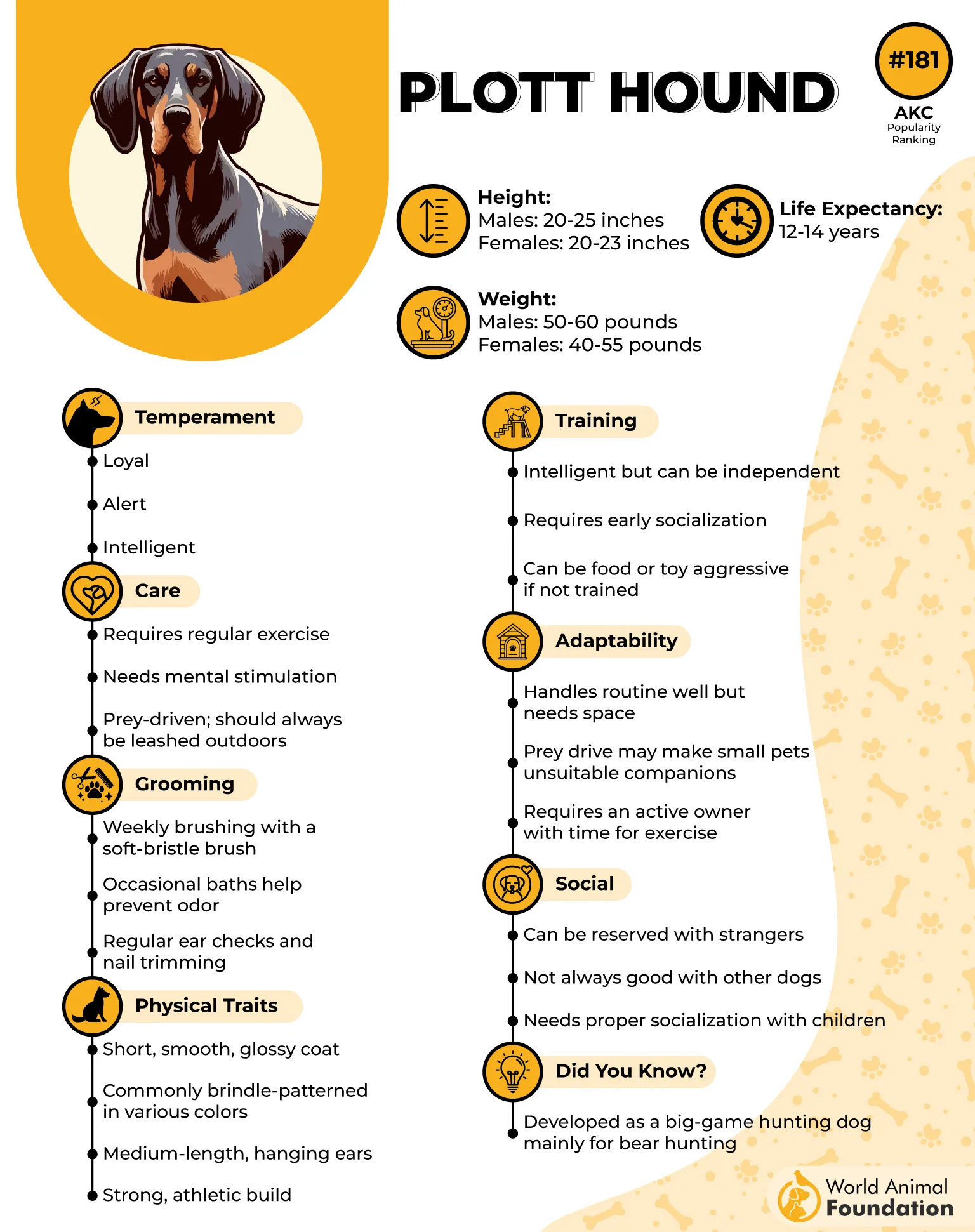
A Plott’s distinctive chopping bark can help handlers keep track of its direction during a pursuit. These athletic dogs combine stamina with the toughness needed for demanding outdoor work. When the terrain becomes steep enough to test a handler’s knees, the breed’s agility and confidence can be particularly useful.
Despite their intense hunting instincts, Plott Hounds can be affectionate and loyal with their families. They need plenty of exercise and structured, consistent teaching, making them better suited to active households that can give this energetic breed an outlet for its drive.
For the right person, owning a capable working hound can feel like an outdoor dream, whether spending the day tracking or returning to camp after a long search.
Conclusion
Choosing the right deer tracking dog for game tracking depends on the terrain, the type of scent trail, and the hunter’s individual needs. Each breed brings its own combination of endurance, intelligence, determination, and scenting ability to the field.
Some dogs excel at following old or faint trails, while others are better suited to dense forests, steep mountains, or open landscapes. Their working styles may differ, but a strong tracking instinct and reliable instructions remain essential.
Temperament also matters when choosing a tracking companion. An energetic working dog may thrive with an experienced hunter, while a more adaptable and family-friendly breed can suit an active household that spends plenty of time outdoors.
With proper guidance, regular exercise, and patient handling, the right tracking dog, whether it is a specialized blood-trailing dog or a versatile hunting breed, can become a dependable partner for finding deer. Understanding each breed’s strengths helps hunters choose a companion suited to both the trail and home life.
